From Eve
Know before you go
Hi, I'm Eve. Here are a few practical things to know before exploring Ninna-ji Temple.
Local know-how to help you travel smarter and make the most of every moment.

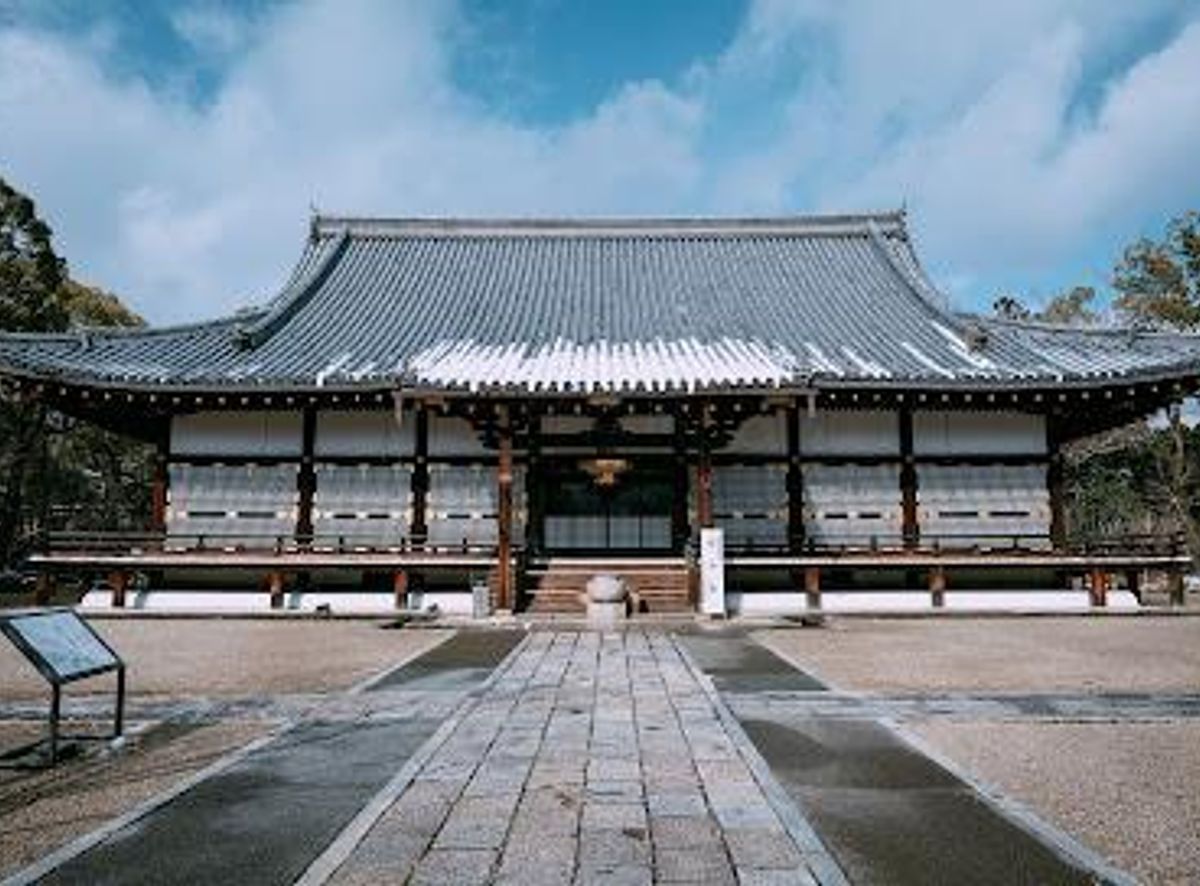
Explore Ninna-ji Temple, a Kyoto UNESCO site blending imperial history with serene gardens and late-blooming cherry blossoms.
Ninna-ji Temple, a UNESCO World Heritage Site in Kyoto, offers a serene escape into Japanese history and culture. Founded in 888 by Emperor Uda, it uniquely blends imperial tradition with Buddhist practice. Famous for its late-blooming Omuro cherry trees and elegant architecture, Ninna-ji provides a tranquil experience for every visitor.
Opening times, essentials, and a few local tips gathered into one calmer, easier-to-scan planning section.
Hi, I'm Eve. Here are a few practical things to know before exploring Ninna-ji Temple.
Local know-how to help you travel smarter and make the most of every moment.
Public Transport
From Kyoto Station, take the JR bus (Takao Keihoku Line) or Kyoto City Bus #26 directly to the Omuro Ninnaji bus stop. The JR bus ride takes approximately 30 minutes and is covered by some JR passes. The Kyoto City Bus #26 takes approximately 40 minutes. Both bus stops are a short walk from the temple entrance. A single bus fare costs around ¥230.
Train and Walk
From Kyoto Station, take the JR Sagano Line to Hanazono Station. From Hanazono Station, it is approximately a 15-minute walk to Ninna-ji Temple. Alternatively, take the Keifuku Kitano Line (Randen Tramway) to Omuro Ninnaji Station, which is a 2-minute walk from the temple. The train fare to Hanazono Station is between ¥150-¥220. The Randen Tramway fare is approximately ¥220.
Taxi
From Kyoto Station, a taxi ride to Ninna-ji Temple takes approximately 10 minutes, covering a distance of 8.4 km. The estimated taxi fare ranges from ¥3,400 to ¥4,100. Note: Parking is available at Ninna-ji Temple for 500 yen per car , but public transportation is encouraged, especially during peak seasons.
Use Tower Bridge as your starting point for nearby food, family ideas, nightlife, and more local discoveries.

Explore expert travel guides, compare and book tours, experiences, hotels, and more—all from the palm of your hand. Download now for seamless trip planning wherever your wanderlust takes you.
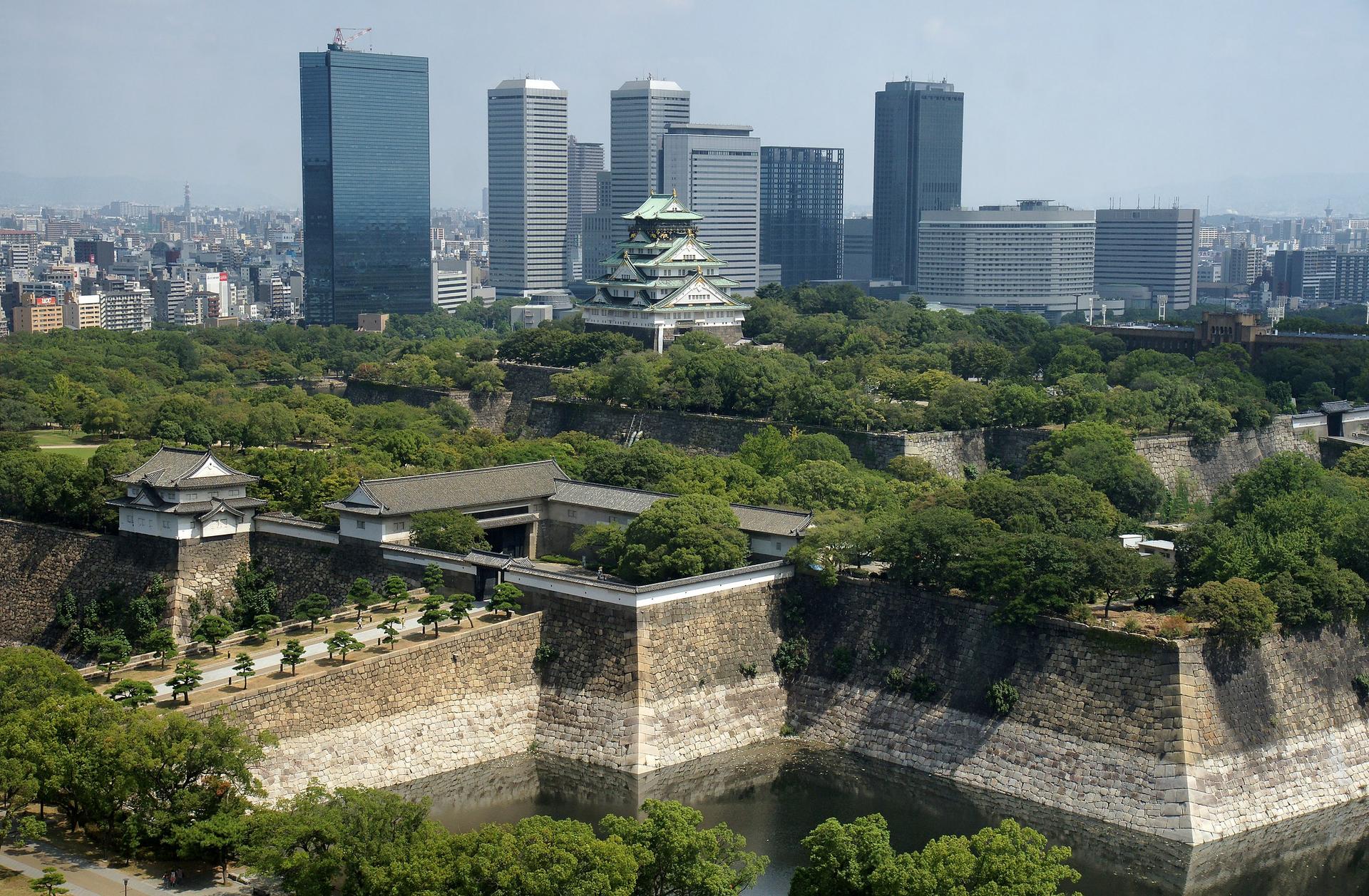
Discover Osaka, Japan’s lively metropolis where tradition meets modernity, renowned for its culinary delights, historic landmarks, and vibrant nightlife.
Tell me more about Osaka