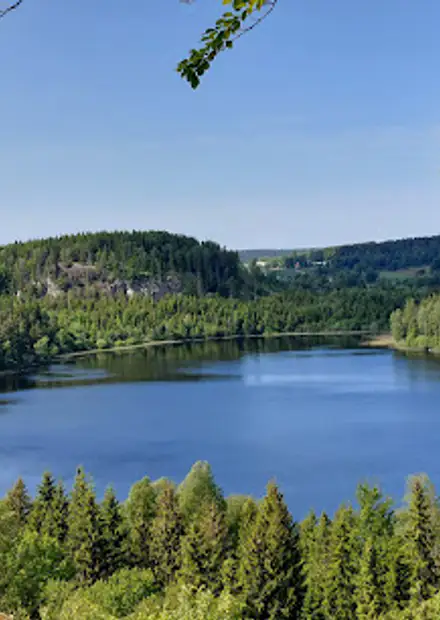
Best Landmarks Near Fluxfallet (Bohuslän)
Planning a trip to Fluxfallet? Discover the best landmarks nearby with history, expert tips, and routes. Free on web or the Evendo app.


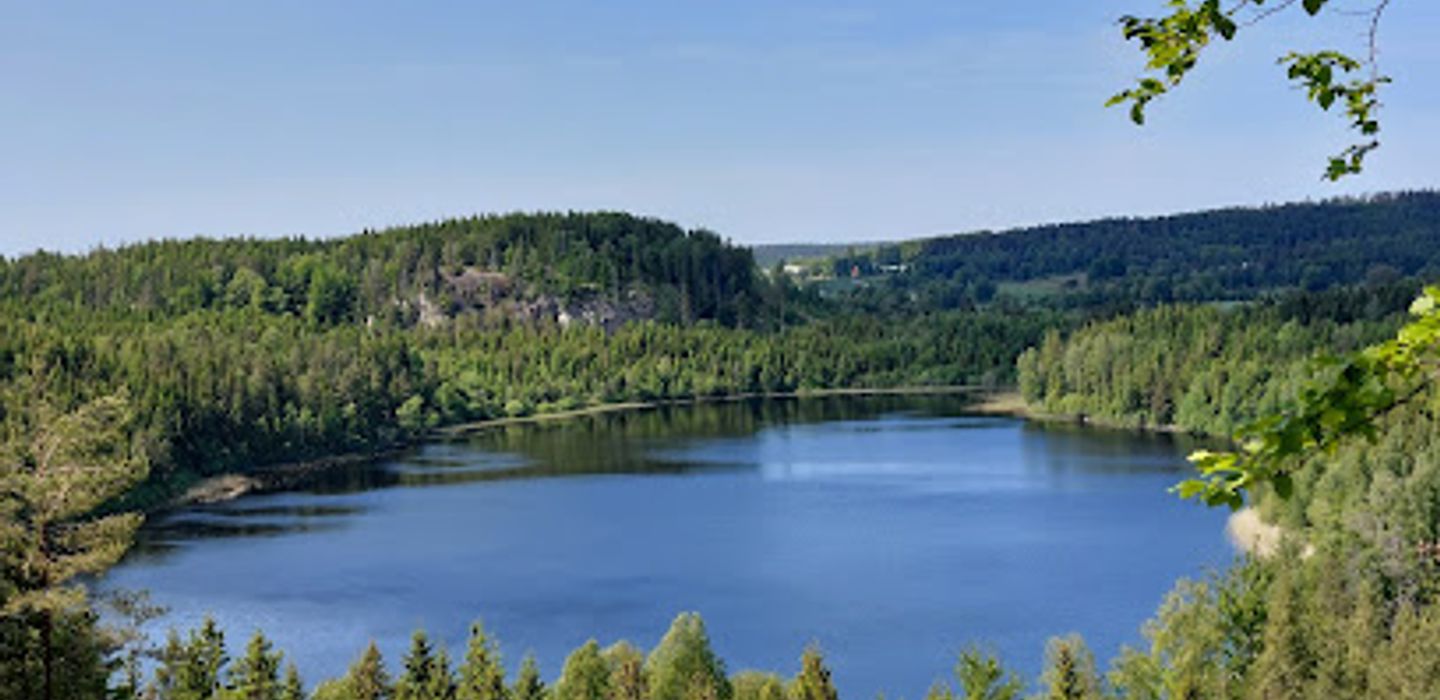
The best landmarks near Fluxfallet
- Top rated
- Closest to Fluxfallet
- Price level: low to high
- Time to spend: shortest first
- A–Z
66 landmarks
-
Amusement park4.5★36,677 reviews
Liseberg
Liseberg, Sweden's most popular amusement park, offers a delightful mix of exhilarating rides, beautiful gardens, and entertainment options for visitors of all ages. With its charming atmosphere and seasonal events, Liseberg is a must-visit destination for tourists in Gothenburg.
-
Park4.5★9,613 reviews
The Garden Society
Nestled in the heart of Gothenburg, The Garden Society is a picturesque park that offers visitors a tranquil escape from the bustling city. Known for its stunning botanical gardens and historical significance, this destination is perfect for those looking to enjoy nature and culture in one place. Wander through lush landscapes, admire vibrant flower displays, and take a moment to relax in this urban paradise.
Daily 7:00–20:00
-
Opera house4.5★4,305 reviews
Göteborgsoperan
Göteborgsoperan is a striking modern opera house on the Göta River, renowned for its ambitious productions of opera, musicals, ballet, and concerts. Opened in 1994, it features a 1,301-seat auditorium with exceptional acoustics and hosts world-class performances year-round, from Puccini's La bohème to family favorites like The Nutcracker. The sleek architecture and riverside setting make it a cultural beacon in Gothenburg.
Price level $$Time to spend 2.5–4 hrs
-
Tourist attraction4.4★3,915 reviews
Bohus Fortress
Perched dramatically on a 40-meter cliff above the Göta River, Bohus Fortress is a 14th-century ruin that withstood 14 sieges without ever falling. This Nordic powerhouse offers rugged stone walls, a chilling dungeon, interactive history exhibits, and sweeping river views. Explore medieval architecture, crime and punishment displays, and seasonal events amid rocky terrain perfect for history enthusiasts.
Price level $Time to spend 1–2.5 hrs
-
City park4.0★3,908 reviews
Brunnsparken
Brunnsparken is Gothenburg's oldest public park, a baroque-style green oasis in the city center established in 1822. Nestled between historic streets and shopping areas, it features symmetrical tree rows, the iconic Sowing Woman fountain by Per Hasselberg, and the Wheel of Life sculpture. As a major tram and bus hub, it blends serene landscaping with urban vitality, perfect for relaxation amid the bustle. Open 24/7 with no entry fee, it's ideal for picnics, people-watching, and seasonal beauty from spring blooms to autumn foliage.
Time to spend 0.5–1.5 hrs
-
Restaurant4.3★2,485 reviews
Gunnebo Palace and Gardens
Gunnebo Palace and Gardens, just outside Gothenburg, is one of Sweden's finest preserved 18th-century estates. This neoclassical summer villa features guided tours of the house, expansive English-style gardens, a kitchen garden, organic restaurant, café, and bakery. Wander through formal parterres, orchards, and woodland paths year-round, enjoying sustainable cuisine from estate-grown produce in a serene historical setting.
Daily 11:00–16:00Time to spend 1.5–3.5 hrs
-
Protestant church4.4★1,964 reviews
Gothenburg Cathedral
Gothenburg Cathedral, known as Gustavi Domkyrka, stands as a neoclassical masterpiece at the heart of Sweden's second-largest city. Rebuilt in 1815 after devastating fires, this landmark features a grand Doric-columned facade, soaring tower, and serene interior with Empire-style details. Explore its layered history from 1633 origins, classical architecture, and peaceful nave offering respite amid urban bustle. A key Protestant church and tourist draw in Gothenburg's core.
Mon–Fri 10:00–18:30 · Sat–Sun 10:00–16:00Time to spend 0.5–1.5 hrs
-
Plaza4.2★1,574 reviews
Gustaf Adolf's square
Gustaf Adolfs Torg stands as Gothenburg's historic heart, a vibrant central square since the 17th century. Dominated by the statue of founder King Gustav II Adolf, it is ringed by grand buildings like the City Hall, Old Town Hall, and Bourse, overlooking the main harbor canal. Embedded in the cobblestones is a 1644 map of the city's quarters, evoking its founding era. This political and social hub hosts markets, events, and daily life amid neoclassical architecture and waterfront views.
Open 24 hoursTime to spend 0.5–1.5 hrs
-
Historical landmark4.5★1,462 reviews
Torpa Stenhus
Torpa Stenhus stands as one of Sweden's best-preserved medieval stone castles, built around 1470 by Privy Councillor Arvid Knutsson as a fortress against Danish threats. Nestled near Lake Åsunden in Västergötland, this privately owned landmark boasts Renaissance interiors, a Baroque chapel, and centuries of noble history tied to the Stenbock family and King Gustav Vasa. Explore its thick stone walls, grisaille paintings, and haunting legends like the Gray Lady and the walled-up girl, all while wandering the serene rural grounds maintained by the descendant family.
Price level $Time to spend 1–2.5 hrs
-
Tourist attraction4.4★1,457 reviews
Poseidon
Carl Milles’s bronze Poseidon presides over Götaplatsen at the top of Avenyn, Gothenburg’s main boulevard. Unveiled in 1931, the 7‑metre figure stands in a circular fountain before the Gothenburg Museum of Art, the Concert Hall and the City Theatre; its commanding, sea‑facing presence and fountain jets make it a civic emblem and a favourite photographic subject year‑round.
Open 24 hoursTime to spend 0.2–1 hr


Nääs Slott
Nääs Slott crowns a scenic peninsula on Sävelången Lake, 30km northeast of Gothenburg. This 17th-century manor, Sweden's best-preserved late 19th-century high-society interior, boasts guided tours revealing opulent rooms from merchant August Abrahamson's era. Surrounded by oak forests, hiking trails, and a nature reserve, it offers castle visits, craft heritage, dining, and events amid stunning natural beauty.
Price level $$Time to spend 1.5–4 hrs

Kronhuset och kronhusbodarna
Kronhuset is one of Gothenburg’s oldest surviving 17th‑century buildings, a high brick storehouse turned cultural hub set around a cobbled courtyard of small artisan workshops known as Kronhusbodarna. The complex combines a preserved historic interior, seasonal markets and cafés, live music events and working craft studios — a compact pocket of old‑world atmosphere tucked behind Gustav Adolfs torg in the city centre.
Daily 9:00–17:00Price level $Time to spend 0.5–2 hrs

Varnhem Abbey
Varnhem Abbey Church stands as Sweden's richest medieval heritage site, founded by Cistercian monks in 1150 amid serene Västergötland countryside. This Romanesque-Gothic masterpiece, rebuilt after a devastating 1234 fire, served as burial place for kings and Birger Jarl. Explore its vaulted interiors, adjacent ruins, and whispers of monastic life in a living parish church with free entry and guided tours.
Time to spend 0.5–2 hrs

Götaplatsen
Götaplatsen is Gothenburg's vibrant cultural heart, a grand public square at the end of Avenyn boulevard. Dominated by Carl Milles' iconic Poseidon statue, it is encircled by the Gothenburg Museum of Art, Concert Hall, City Theatre, and City Library. This open space hosts festivals, concerts, and gatherings amid neoclassical architecture and monumental sculptures, embodying the city's artistic legacy since its 1923 inauguration.
Open 24 hoursTime to spend 0.5–2 hrs

Skara Cathedral
Skara Cathedral, consecrated in stages from the 12th century and remodelled in high Gothic form, stands at the heart of Skara as Sweden’s oldest episcopal seat. Noted for its medieval crypt, twin west towers and a distinctive sequence of stained-glass windows by Bo Beskow, the cathedral blends centuries of salvage and restoration with living parish life, offering quiet devotion, artistic detail and a tangible link to Sweden’s early Christian history.
Daily 9:00–18:00Time to spend 0.5–2 hrs

Thorskogs Slott
Thorskogs Slott is a fairy-tale Victorian castle perched above the Göta River in Västerlanda, Sweden. Built in 1892 by shipyard magnate Petter Larsson, this historic estate blends lush English-style gardens, a herb garden with ducks, and elegant interiors hosting weddings, conferences, and serene stays. Guests enjoy wood-fired hot tubs, saunas, fine dining from local seasonal ingredients, and proximity to nature trails, golf, and fishing. Pet-friendly rooms, free parking, and a legacy of notable visitors including TV shows like 'Stjärnorna på slottet' add to its enchanting allure. Perfect for romantic escapes or corporate retreats amid pastoral Bohuslän landscapes.
Price level $$Time to spend 1.5–4 hrs

Röhsska museet
Röhsska Museet, located in Gothenburg, is a must-visit destination for art and design enthusiasts. This museum showcases a remarkable collection of applied arts and design, highlighting the rich cultural heritage of Sweden and beyond. With its diverse exhibitions and engaging atmosphere, Röhsska Museet promises an inspiring experience for tourists of all ages.

Näs Castle
Perched on Visingsö's southeastern promontory, Näs Castle Ruins stand as one of Sweden's oldest stone structures, built in the 12th century as a royal residence amid fierce power struggles. These evocative remnants overlook Lake Vättern, whispering tales of kings, assassinations, and destruction in 1318. Explore the round and square towers, vaulted storehouse, and eroded walls that once guarded vital shipping routes. Restored in the early 1900s, the site offers a tangible link to Sweden's medieval past, with information boards illuminating its dramatic history. Ideal for history enthusiasts seeking atmospheric ruins in a scenic island setting.
Open 24 hoursTime to spend 0.5–1.5 hrs

Kopparklinten
Kopparklinten, known as the Copper Cliff, rises 77 meters above Trollhättan, offering sweeping panoramic views of the city, Göta älv river, industrial landmarks, and distant Hunneberg mountain. This accessible hiking area features a well-maintained path with stairs and railings, blending natural beauty with urban vistas in a serene outdoor setting.
Time to spend 0.5–1.5 hrs

Oceanbus
Discover Gothenburg like never before with Oceanbus! This unique sightseeing tour agency offers thrilling aquatic adventures, combining land and water exploration. Experience the beauty of the city from the comfort of a bus that seamlessly transforms into a boat, all while enjoying the stunning views of the harbor and iconic landmarks. Perfect for tourists seeking an unforgettable way to experience Gothenburg's rich culture and scenic landscapes.

The Equestrian Statue of Karl IX
This striking bronze equestrian statue of King Karl IX, known affectionately as Kopparmärra or 'Copper Mare,' stands proudly at the intersection of Östra Larmgatan and Kungsportsplatsen in central Gothenburg. Crafted by renowned sculptor Johan Börjeson and unveiled in 1904, it depicts the warrior king in full armor astride his horse, symbolizing Sweden's Protestant heritage and monarchical legacy. Karl IX (1550–1611), youngest son of Gustav Vasa, defended Gothenburg's early foundations against Danish invasions and championed Protestantism amid religious strife. The statue's dramatic pose and intricate details capture the king's commanding presence, making it a focal point in the bustling city square. Restored in 2018 to remove over a century of weathering, it remains a beloved landmark surrounded by shops, cafés, and pedestrian areas. Its history includes a daring 1977 theft of the king's sword and spur, later recovered and now housed in Gothenburg's Museum. Easily accessible and free to visit, it offers a quick yet evocative glimpse into Swedish royal history amid urban vibrancy. (512 characters)
Open 24 hoursTime to spend 0.5–1.5 hrs

Gräfsnäs castle ruins
Nestled on a peninsula in Lake Anten near Sollebrunn, the Gräfsnäs Castle Ruins stand as evocative remnants of a grand 16th-century fortress. Once one of Västergötland's largest castles, it evolved from a defensive stronghold to a Renaissance palace before succumbing to three mysterious fires exactly 100 years apart in 1634, 1734, and 1834. Surrounded by a historic park with relocated heritage buildings and a museum railway, the site blends dramatic history with serene natural beauty, offering short hikes amid ivy-clad walls and panoramic lake views. Free access makes it an ideal day trip for history enthusiasts exploring Sweden's medieval past.
Open 24 hoursTime to spend 0.5–2 hrs

Västergötlands museum
Västergötlands Museum in Skara is a cultural gem that showcases the rich history and heritage of the Västra Götaland region. With a variety of exhibitions and friendly staff, it's a must-visit for any tourist.
Tue–Fri 10:00–17:00 · Sat–Sun 11:00–16:00

Vasaparken, Gothenburg
Vasaparken is an enchanting urban park in Gothenburg, perfect for tourists seeking a peaceful escape amidst nature. With lush greenery, beautiful pathways, and charming spots for relaxation, it offers a delightful experience for visitors of all ages.
Open 24 hours

Avenue Parade Street
Avenue Parade Street, located in the heart of Gothenburg, is a bustling promenade that offers tourists a delightful blend of shopping, dining, and cultural experiences. This iconic street is not only a hub of activity but also an essential part of the city's charm, making it a must-visit destination for anyone exploring Gothenburg.

Skansen Lejonet
Perched on Gullberget hill overlooking Göteborg's harbor, Skansen Lejonet is a 17th-century fortress and historical landmark. Built in 1689 as part of the city's defenses alongside Skansen Kronan, it features a majestic copper lion statue and serves as the official salute station with historic cannons. Managed by Götiska Förbundet, it offers guided tours on Sundays, stunning views, and hosts private events in its atmospheric halls. A preserved slice of Swedish military history amid urban surroundings.
Time to spend 0.5–1.5 hrs

The Kings Cave
Tucked into a granite rock beside the Göta River in Trollhättan, The King's Cave is a shallow Ice Age grotto etched with royal signatures spanning centuries. Formed by ancient glacial forces, this natural alcove served as a regal guestbook for Swedish monarchs, from Adolf Fredrik in 1754 to Crown Princess Victoria in 2001. Overlooking the historic Trollhättan waterfalls, it offers a serene spot to trace history carved in stone amid dramatic river scenery. Free access makes it an effortless highlight for exploring the area's industrial and natural heritage.
Open 24 hoursTime to spend 0.5–1.5 hrs

Ragnhildsholmen Castle Ruin
Perched on a wooded hill overlooking the Nordre Älv river, Ragnhildsholmen Castle Ruin reveals the weathered stones of a 13th-century Norwegian fortress. Built amid border conflicts between Norway and Sweden, this strategic outpost guarded vital waterways before fading into obscurity. Today, its evocative remnants attract birdwatchers and explorers to a serene site rich in medieval history and natural beauty, offering panoramic views and quiet paths through lush greenery.
Open 24 hoursTime to spend 0.5–1.5 hrs

Ekornavallen
Ekornavallen is a sprawling prehistoric burial ground near Broddetorp, Sweden, with monuments spanning the Neolithic to the Viking Age. The site’s most striking features include a large Neolithic passage grave known as Girommen, Iron Age stone settings, cairns and standing stones aligned across open grassland. Walk the low ridges and you’ll encounter carved slabs, bowl marks and layered funerary features that reveal more than four millennia of ritual landscape use.
Open 24 hoursTime to spend 0.5–2 hrs

Slottskapellet
Slottskapellet, built in 1694, stands as one of Jönköping's oldest wooden structures, designed by Erik Dahlbergh in a Greek cross plan. This intimate chapel, clad in light gray with a spån-covered roof, serves as a sacred space for baptisms, weddings, funerals, and musical services amid a serene cemetery oasis in the city center. Wheelchair ramp, hearing loop, and nearby restrooms enhance accessibility for up to 100 visitors.
Time to spend 0.5–1.5 hrs

Lejontrappan
Lejontrappan is a striking historic staircase in central Gothenburg, descending elegantly from Brunnsparken to the waterfront near the canal. This architectural gem offers panoramic views of the water and cityscape, serving as a key landmark and popular gathering spot amid parks and vibrant urban life. Free to visit at any time, it blends seamlessly into the lively heart of Sweden's second city.
Open 24 hoursTime to spend 0.5–1.5 hrs

Rumlaborg
Rumlaborg is a medieval castle ruin perched on Vista Kulle in Huskvarna, offering a glimpse into Sweden's turbulent history amid an urban setting beside Huskvarnaån. Originally a prehistoric hillfort from around the 5th century, it evolved into a strategic stronghold during the Middle Ages, witnessing sieges, uprisings, and reconstructions until its demolition in the 1850s for a public park. Free to visit anytime, the site features impressive remnants of walls and provides panoramic views over Vättern lake and Jönköping.
Open 24 hoursTime to spend 0.5–1.5 hrs

Vassända kyrkoruin
The evocative ruins of Vassända Church stand as a poignant reminder of medieval ecclesiastical life near the historic site of Brätte, predecessor to Vänersborg. Dating back centuries, this atmospheric site features weathered stone walls amid a serene rural landscape, offering a quiet glimpse into Sweden's parish history before its demolition in the late 18th century to make way for a new shared church with Naglum.
Open 24 hoursTime to spend 0.5–1.5 hrs

Lagmansereds kyrkoruin
Lagmansereds kyrkoruin i Trollhättan är en gripande relik från Västra Götalands medeltida historia. Denna stenruin, omgiven av en aktiv kyrkogård, vittnar om tusentals år av tro och katastrofer – från en tidig stavkyrka på 1000-talet till den sista branden 1929. Utforska de låga murarna, det stora träkorset och stenaltaret i en lugn, skogig miljö perfekt för historiaentusiaster.
Open 24 hoursTime to spend 0.5–1.5 hrs

Minnessten Olof Skötkonung
A modest memorial stone near Husaby church commemorating King Olof Skötkonung and the site's reputed role in early Swedish Christianity. Set beside a Romanesque church and the spring traditionally linked to the king's baptism, the stone marks a place where political power and the new faith intersected around the year 1000. The setting is quietly historic: low grass, old stonework and the hush of a rural Västergötland parish.
Open 24 hoursTime to spend 0.2–1 hr

Avenyn
Avenyn, the bustling heart of Gothenburg, is a must-visit for tourists seeking culture, cuisine, and a lively atmosphere. This iconic boulevard offers a blend of historical charm and modern vibrancy, featuring a plethora of shops, restaurants, and cultural attractions. Stroll through its vibrant streets, indulge in local delicacies, and soak in the local art scene, making Avenyn a perfect destination for every traveler.
Open 24 hours

John Ericsson's Statue
Nestled in the vibrant Kungsportsavenyen area of Gothenburg, John Ericsson's Statue stands as a testament to Swedish ingenuity. This remarkable historical landmark commemorates the contributions of John Ericsson, a renowned inventor and engineer known for his revolutionary designs, including the iconic ironclad warship USS Monitor. Tourists can marvel at the intricacy of the statue, which captures the essence of Ericsson's legacy while enjoying the lively atmosphere of one of Gothenburg’s main boulevards. The statue serves not only as a historical landmark but also as a popular meeting spot, perfect for capturing memorable photos against the backdrop of this bustling city.
Open 24 hours

east chapel
A small, quietly dignified chapel set within Jönköping’s cemetery grounds, Östra kapellet (East Chapel) offers a place for private reflection, funeral services and intimate ceremonies. Modest in scale and traditional in expression, the chapel’s simple interior and surrounding trees create a calm pocket of respite close to the city’s residential edges.
Time to spend 0.2–1 hr

Stenkullen i Tun
Stenkullen towers as one of Sweden's largest Bronze Age cairns, a massive 60-meter-wide, 7-meter-high stone mound in Tun, Västra Götaland. Built around 4000 years ago, this unexcavated grave draws on ancient rituals, surrounded by Iron Age burial grounds, a sacred spring, and medieval remnants amid sweeping rural views.
Open 24 hoursTime to spend 0.5–1.5 hrs

Göteborg Walking Tours
Gustaf Adolfs Torg is Gothenburg’s historic central square, dominated by the 19th‑century statue of King Gustav II Adolf and ringed by neoclassical civic buildings and the Stora Hamnkanalen waterfront. A long-established civic hub since the 17th century, the square blends formal architecture, paved open space and canal views — a compact, photogenic focal point commonly used as a meeting place and the usual starting point for walking tours of the city.
Time to spend 0.2–1 hr

The Knotted Gun
The Knotted Gun, also known as Non-Violence, is a striking bronze sculpture by Swedish artist Carl Fredrik Reuterswärd depicting an oversized Colt Python .357 Magnum revolver with its barrel tied into a knot. Created in response to John Lennon's 1980 murder, it stands as a powerful symbol of peace on Gothenburg's bustling Kungsportsavenyen. Since 1993, it has represented the Non-Violence Project, with over 30 replicas worldwide, including the iconic one at UN Headquarters in New York. This public artwork invites reflection on non-violence amid the city's vibrant street life.
Open 24 hoursTime to spend 0.5–1.5 hrs

Dagsnäs Castle
Nestled by Lake Hornborga, 9 km south of Skara, Dagsnäs Castle is a historic manor with roots tracing to the 15th century. Featuring a rune stone alley collected around 1800, beautiful gardens, and a storied past through noble families, it offers a serene glimpse into Sweden's heritage amid Västergötland's landscapes.
Open 24 hoursTime to spend 0.5–2 hrs

Vargmans Runsten
A solitary runestone set in a green pocket of Gothenburg, Vargmans Runsten is a compact but evocative relic from Sweden’s early medieval and Viking-age landscape. Carved with runic inscriptions and weathered ornament, the stone stands within a small parklike setting beside Kapten Bertilssons Väg and offers a quiet moment of contact with the region’s long past for walkers, history lovers and photographers.
Open 24 hoursTime to spend 0.2–1 hr

Dicksonska palatset
Step into the rich history of Gothenburg at Dicksonska Palatset, a stunning historical building that captures the essence of the city's architectural heritage. With its elegant design and fascinating past, this landmark promises an enriching experience for all visitors.

Opensten
Opensten is the evocative ruin of a medieval fortress perched on a hill north of Limmared in Tranemo Municipality, Sweden. Built in the 14th century, this historical landmark offers a glimpse into Sweden's turbulent past, with scattered stone remnants evoking the site's role as a strategic stronghold destroyed during Engelbrekt Engelbrektsson's rebellion in the 1430s. Surrounded by serene countryside, it's a peaceful spot for history enthusiasts to explore ancient foundations amid nature's embrace. Free access makes it an accessible highlight near Limmared's glassworks heritage.
Time to spend 0.5–1.5 hrs

Gothenburg Law Court
The Gothenburg Law Court stands as a cornerstone of justice in Sweden's second-largest city, blending historic significance with modern judicial operations. Located at Gustaf Adolfs Torg 1 in the heart of Gothenburg, this landmark building embodies centuries of legal tradition while serving as the primary district court for the region. Visitors can observe public trials, explore its architectural details, and gain insight into Sweden's impartial legal system. Open weekdays from 8:00 to 16:00, it offers a unique glimpse into the workings of democracy and law.
Time to spend 0.5–1.5 hrs

Ballstorps kyrkoruin
Ballstorps kyrkoruin is the stone remnant of a small medieval church near Kvänum in Västra Götaland, Sweden. Likely built in the late 12th century, the ruin preserves low, weathered masonry and the footprint of one of Västergötland’s smallest Romanesque churches, offering a quiet, windswept spot for reflection amid agricultural fields and copses. Interpreting plaques and visible foundation lines help trace original walls and entrances.
Open 24 hoursTime to spend 0.2–1 hr

Tvärreds kyrkoruin
Ruins of a medieval countryside church set in gently rolling farmland south of Ulricehamn, Tvärreds kyrkoruin preserves weathered stone walls and grassy interior spaces that hint at a 12th–13th‑century building abandoned after a new church was built in 1854. The site is quiet and pastoral, with wildflowers in summer and low stone silhouettes against open skies—an evocative stop for history lovers, photographers and anyone who enjoys solitary, contemplative places.
Open 24 hoursTime to spend 0.2–1 hr

Dunkehallaravinen
Dunkehallaravinen is a scenic ravine in central Jönköping, Sweden, tracing the city's industrial heritage along Dunkehallaån. This 2.7 km trail winds through lush greenery, revealing remnants of water-powered mills from the Middle Ages to the industrial era. Free to explore, it offers a peaceful blend of nature and history amid urban surroundings, ideal for a contemplative walk discovering Jönköping's industrial birthplace.
Open 24 hoursTime to spend 0.5–2 hrs

Bältespännarparken fountain
Nestled in the vibrant city of Gothenburg, Bältespännerparken Fountain is a tranquil oasis that beckons tourists with its enchanting beauty and serene ambiance. This charming fountain, part of the larger park, offers a perfect spot for relaxation and reflection amidst the hustle and bustle of city life. Visitors can enjoy the surrounding greenery and the soothing sound of water, making it an ideal location for a leisurely stroll or a quiet moment.
Open 24 hours

Minnessten över slaget vid Åsle kyrka
A solitary 19th-century diabase memorial marking the 1389 Battle of Åsle near Falköping, raised in 1896 to commemorate a decisive medieval clash between the forces of King Albrekt of Mecklenburg and Queen Margaret's army. The tall, rugged stone rests in open farmland close to Åsle church, framed by low pasture and a sense of wide Westrogothic sky — an austere, evocative place for history-minded walkers and quiet contemplation.
Open 24 hoursTime to spend 0.2–1 hr

Krönikebrunnen
Krönikebrunnen is a striking bronze fountain at the heart of Hovrättstorget in Jönköping, Sweden. Crafted by sculptor John Lundqvist in 1958, it features motifs alluding to the city's founder, King Magnus Ladulås, and stands as a symbol of Jönköping's rich history amid historic buildings like Göta Hovrätt and Gamla Rådhuset. This public artwork invites quiet contemplation in a bustling urban square surrounded by the oldest standing architecture in the city.
Open 24 hoursTime to spend 0.5–1.5 hrs

Velandastenen (Runsten)
Velandastenen (Vg 150) is a striking Viking Age runestone standing beside Riksväg 42 in Trollhättan, Sweden. Erected around 980–1015 CE by Þyrvé in memory of her husband Ögmundr, a skilled thegn, it uniquely invokes the god Thor for protection in its inscription. Carved from dark-spotted gneiss granite, the 1.9-meter tall stone features a serpentine runic band topped by an eagle's head, embodying pagan traditions amid Sweden's Christianizing era. Discovered in 1912 during farm work, it now sits secured to a rocky outcrop, offering a poignant glimpse into Västergötland's ancient heritage.
Open 24 hoursTime to spend 0.5–1.5 hrs

Old Jönköping kommun
Hovrättstorget, Jönköping's historic heart on the east side of the canal, features the city's oldest standing buildings, including the iconic Göta Hovrätt from the 1630s in French classicism style. Once the bustling marketplace after the 1612 fire, this paved square now hosts the bronze Krönikebrunnen fountain amid preserved 17th-century architecture, blending judicial heritage with urban charm.
Time to spend 0.5–1.5 hrs

Överkyrke kyrkoruin
Överkyrke kyrkoruin is a evocative remnant of a Romanesque stone church from the late 1100s, nestled in the serene countryside of Gökhem socken near Falköping. Excavated and preserved in 1955, this small ruin with its straight-ended chancel stands just 150 meters east of Gökhem Church, hinting at medieval dual worship sites possibly linked to missionary influences or a private estate chapel. Coins and grave finds confirm its use until the early 1500s, evoking Västergötland's rich ecclesiastical past amid rolling fields.
Open 24 hoursTime to spend 0.5–1.5 hrs

Gustav III Memorial
Nestled in Renströmsparken, the Gustav III Memorial is a striking historical landmark in Gothenburg that celebrates the connections between Sweden and the United States, providing a serene environment for reflection and exploration.
Open 24 hours

Vikingaskeppet
Vikingaskeppet in Jönköping is a striking replica of a Viking longship, capturing the seafaring prowess of Scandinavia's ancient warriors. Moored along the shores of Lake Vättern, this impressive vessel showcases authentic construction techniques using overlapping clinker-built planks, a single square sail, and oar ports ready for action. Though details of its precise origins remain local lore, it stands as a tribute to Viking maritime heritage amid Jönköping's scenic waterfront. Visitors can admire its sleek lines, carved dragon prow, and the craftsmanship that evokes epic voyages across stormy seas. Free to view from the shore, it offers a quick yet evocative glimpse into Sweden's Norse past, perfect for history enthusiasts and families exploring the city.
Open 24 hoursTime to spend 0.5–1.5 hrs

Diskuskastaren (Discobolus)
Diskuskastaren, also known as Discobolus, is a magnificent sculpture located in Gothenburg, Sweden. This iconic piece of art captures the grace and athleticism of an ancient Greek discus thrower, making it a must-visit for art enthusiasts and tourists alike. As you approach the statue, you'll be drawn in by its stunning details and the serene atmosphere surrounding it. The sculpture is not only a testament to classical artistry but also a perfect backdrop for memorable photographs, adding a slice of history to your travel experience.
Open 24 hours

Millenniumplatsen
Located in the vibrant city of Gothenburg, Millenniumplatsen is a must-visit tourist attraction that embodies the spirit of this dynamic city. This lively square is not just a point on the map but a crossroads of culture, art, and community, making it the perfect spot for tourists to soak in the local atmosphere and engage with fellow travelers and locals alike.
Open 24 hours

Gumperts hörna
Gumperts Hörna, at the corner of Södra and Östra Hamngatan in central Gothenburg, marks the site of a famed bookstore that operated from 1871 to 1978. This bustling corner became Sweden's most popular meeting spot, where generations gathered amid the city's vibrant street life. Though the original building was demolished in 1976, the name endures as a symbol of Göteborg's commercial and social history. Today, modern structures occupy the space, but echoes of its past linger in the pedestrian flow.
Time to spend 0.5–1.5 hrs

Vilske kleva hällkista
Vilske Kleva Hällkista stands as one of Sweden's notable megalithic tombs from the late Stone Age, constructed around 3500–2500 BCE in Västergötland's Falbygden region. This stone cist, formed by massive slabs forming a chamber, served as a collective burial site, reflecting ancient communal rituals and the engineering prowess of Neolithic people. Nestled in a rural landscape near Falköping, it offers a tangible link to prehistoric Scandinavia, where such monuments dotted the countryside amid farming communities.
Time to spend 0.5–1.5 hrs

Götaplatsen
Götaplatsen is Gothenburg's premier cultural square at the southern end of Avenyn, featuring Carl Milles' iconic Poseidon statue, the Gothenburg Museum of Art, City Theatre, Concert Hall, and City Library. Designed for the 1923 jubilee exhibition, it blends neoclassical grandeur with modernist elements, serving as a vibrant hub for art, performances, and public gatherings amid sweeping urban vistas.
Time to spend 0.5–2 hrs

Fontänbron
Fontänbron is a small pedestrian and road bridge spanning one of the central canals in Gothenburg, linking the area around Nordstan and Arkaden with streets on the opposite bank. Sitting amid classic 19th–20th-century urban fabric, the bridge offers a close-up view of canal life, city fountains and sculptural details that reflect Gothenburg’s maritime and commercial history.
Time to spend 0.2–1 hr

Kungsportsplatsen
Kungsportsplatsen is Gothenburg’s central city square where historical statuary, tram lines and busy cafés meet the start of the Avenyn boulevard. Framed by classical façades and the entrance to the Garden Society, the square acts as a social and transport hub—ideal for people-watching, a quick fika break or as a gateway to museums, shopping streets and parks in central Gothenburg.
Time to spend 0.5–2 hrs

Kungstorget
Kungstorget is Gothenburg's vibrant central square along the old moat Vallgraven, home to the city's largest and oldest market hall, Stora Saluhallen. Since the mid-19th century, it has served as a bustling marketplace with semi-circular stalls, surrounded by historic architecture, shops, cafes, and frequent cultural events that draw locals and visitors alike.
Time to spend 0.5–2 hrs
Vasaplatsen
Vasaplatsen is a vibrant town square in Gothenburg, renowned for its cultural significance and stunning architecture. A perfect spot for tourists to unwind, explore, and enjoy the local atmosphere.
Explore Fluxfallet on the map
A handpicked selection of must-see spots near Fluxfallet, mapped for you.
More about Fluxfallet
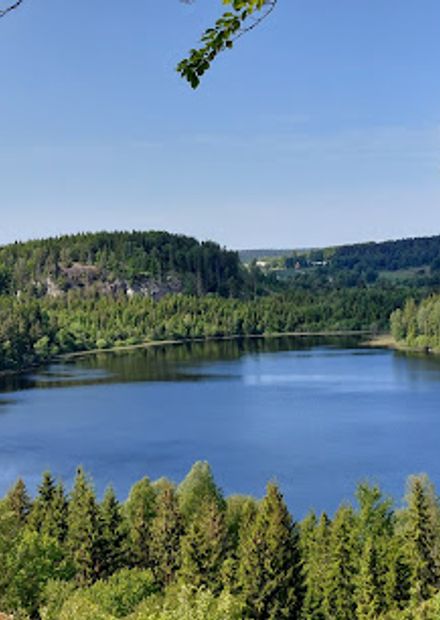
Fluxfallet travel guide
Discover the 40-meter plunge of Fluxfallet, where Biståsabäcken tumbles into a glassy lake amid Sweden's whispering forests—a hiker's paradise of mist, views, and wild serenity.
Tell me more about FluxfalletMore to explore near Fluxfallet

 Best experiences near Fluxfallet

 Best hotels near Fluxfallet

 Best attractions near Fluxfallet

 Best shops near Fluxfallet

 Best bars near Fluxfallet

 Best restaurants near Fluxfallet
Explore more
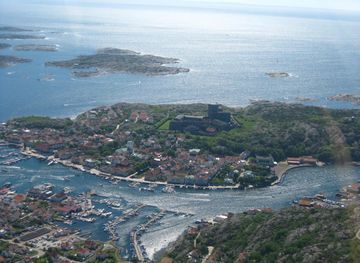
Explore more of Bohuslän
Explore Bohuslän, Sweden's stunning coastal region known for its picturesque islands, rich history, and delectable seafood. A paradise for nature lovers and history enthusiasts.
Explore Bohuslän
Getting your guide ready…
We are putting together a fresh copy of the Fluxfallet guide. This can take up to a minute.
This can take a few moments. If your browser asks, choose Allow so the download can start. You'll find the guide in your Downloads folder.
Nothing happened? Download it again
Sorry, the guide is taking longer than usual. Please try again in a minute, or get it by email instead.