

Housatonic Valley Travel Guide - Free Web & App
Your ultimate guide to Housatonic Valley. Discover top landmarks, proposed trips, and local tips. Free on the web or via the Evendo companion app.


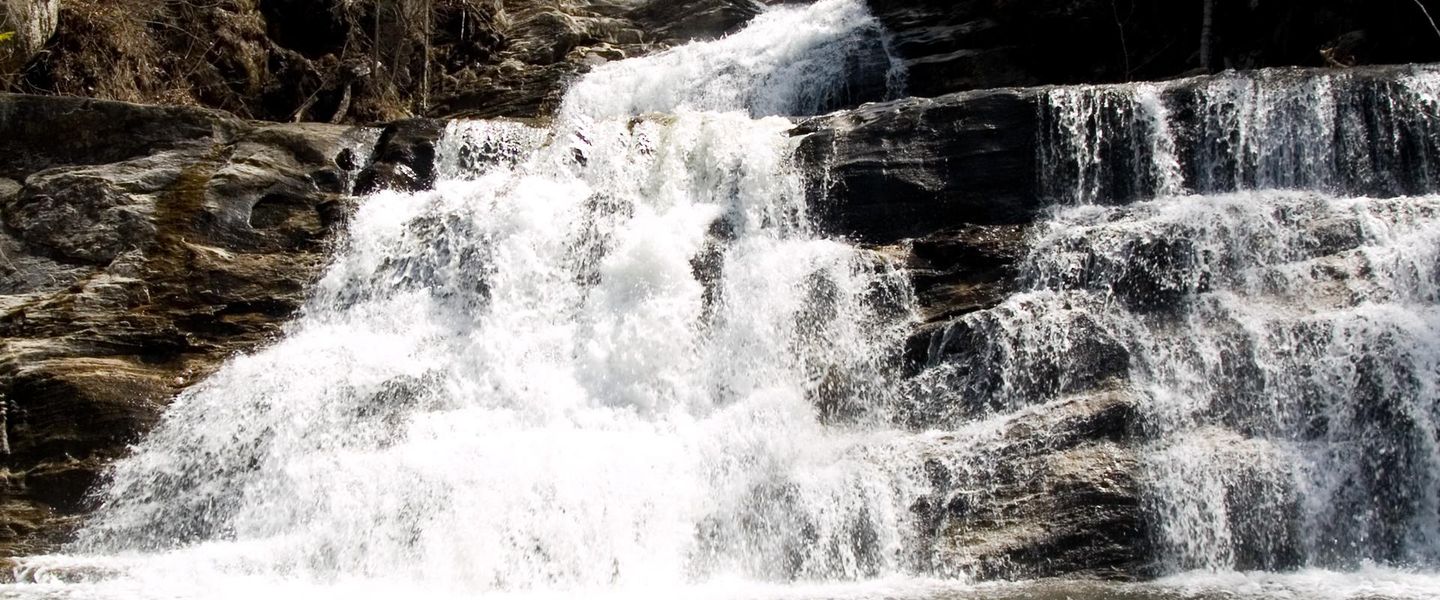


Explore Connecticut's Housatonic Valley for river landscapes, Appalachian Trail walks, historic towns, covered bridges, art, farms and New England scenery.
A River Through Western Connecticut
The Housatonic Valley follows the Housatonic River through western Connecticut, linking the industrial cities of Shelton and Derby with the rural landscapes of New Milford, Kent, Cornwall and surrounding towns. It is not a single tightly bounded park, but a broad regional landscape shaped by the river, wooded ridges, reservoirs, working farms and historic settlements. The valley's character changes considerably along its course: the lower river is associated with manufacturing and tidal waterways, while the upper Connecticut section offers quiet roads, whitewater, forested hills and protected open space.Read more about Housatonic Valley
Landscape and Outdoor Life
Communities and Cultural Character
When is the best time to visit Housatonic Valley?
Best: June, August–September · 23–27°C| Month | High (°C) | Rainfall (mm) |
|---|---|---|
| January | 2 | 85 |
| February | 4 | 75 |
| March | 8 | 95 |
| April | 14 | 100 |
| May | 20 | 100 |
| June (best) | 25 | 105 |
| July | 28 | 110 |
| August (best) | 27 | 105 |
| September (best) | 23 | 100 |
| October | 17 | 95 |
| November | 10 | 90 |
| December | 3 | 90 |
Getting to and around Housatonic Valley
How to get there
Transportation
Best attractions in Housatonic Valley
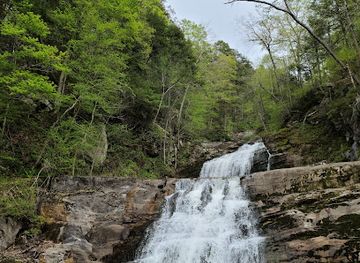
The Housatonic Valley's principal attractions range from river landscapes to protected woodland and historic communities. Housatonic Meadows State Park, near Cornwall Bridge, offers a riverside setting for walking, picnicking and camping, while the Appalachian Trail crosses the surrounding hills. Kent Falls State Park, in the town of Kent, centres on a series of cascades on Falls Brook and is one of the region's most visited natural sites. Steep Rock Preserve near Washington includes wooded trails, river scenery and the historic tunnel associated with the former Shepaug Valley Railroad. The reservoirs of Lake Zoar and Lake Lillinonah broaden the valley's water landscape, although access and activities vary by location. Kent and New Milford provide galleries, independent shops and historic streets, while the lower-valley cities of Shelton and Derby reveal the area's manufacturing heritage. Museums such as the Sloane-Stanley Museum in Kent add context about traditional crafts, tools and rural life.
-
Tourist attraction
Quassy Amusement & Waterpark
Experience the thrill and joy of Quassy Amusement & Waterpark, a family-friendly paradise in Middlebury, Connecticut, filled with rides, water attractions, and stunning natural beauty.
-
Tourist attraction
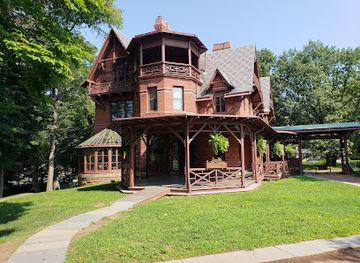
The Mark Twain House & Museum
Explore the historic Mark Twain House & Museum in Hartford, a masterpiece that showcases the life and legacy of America's literary legend.
-
Tourist attraction
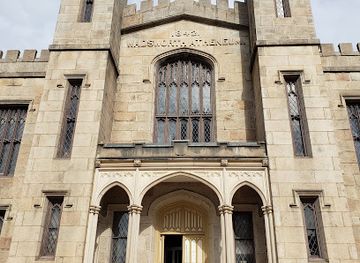
Wadsworth Atheneum Museum of Art
Explore 5,000 years of art at America's oldest public art museum, the Wadsworth Atheneum, in Hartford's iconic castle-like building.
-
State park
Kent Falls State Park
Experience the majesty of nature at Kent Falls State Park, home to Connecticut's tallest waterfall and scenic hiking trails.
Best landmarks in Housatonic Valley
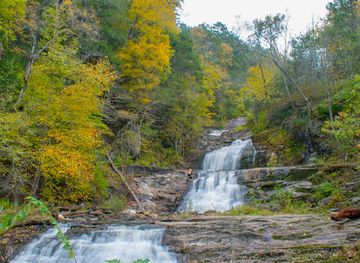
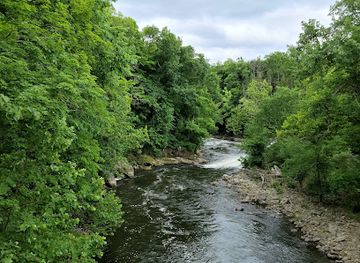
The Housatonic River is the valley's defining natural landmark, linking upland forests with reservoirs, industrial towns and the tidal reaches near Long Island Sound. Lake Zoar and Lake Lillinonah mark major changes in the river's form, while the cascades at Kent Falls demonstrate the power of smaller tributaries in the surrounding hills. The Appalachian Trail is a landmark landscape rather than a single monument, tracing a long-distance route across the ridges west of the river. In the upper valley, covered bridges, historic village greens, churches and mill sites express the area's settlement history, while Shelton and Derby retain important associations with manufacturing along the lower Housatonic. The river's dams, former industrial corridors and surviving rural buildings together show how geology, waterpower, transport and community life shaped the region.
-
Historical place museum
The Mark Twain House & Museum
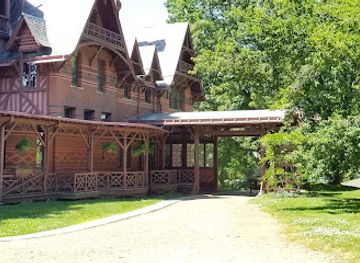
Explore the Mark Twain House & Museum, a historical gem in Hartford, CT, dedicated to the life and works of America’s literary icon, Mark Twain.
-
State park
Kent Falls State Park
Explore Kent Falls State Park - A Natural Wonderland with Stunning Waterfalls and Scenic Trails in Connecticut.
-
Bridge
Bulls Covered Bridge
Explore the enchanting Bulls Covered Bridge in South Kent, a perfect blend of history and natural beauty surrounded by lush landscapes.
-
State park
Lovers Leap State Park
Experience the breathtaking views and serene trails at Lovers Leap State Park, a top destination for outdoor enthusiasts in Connecticut.
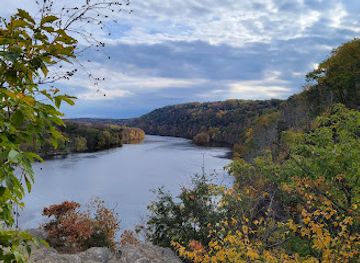
Explore Housatonic Valley on the map
Plan your trip on one map. See where the top attractions, landmarks, restaurants and hotels are, and book hotels and experiences in a few clicks.
Best hotels in Housatonic Valley
Best restaurants in Housatonic Valley
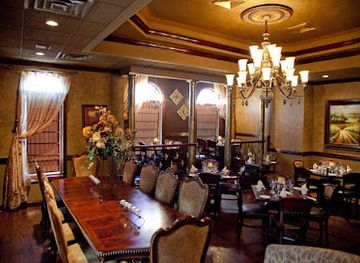
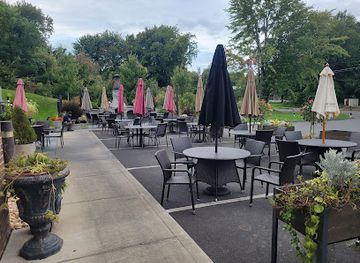
Dining in the Housatonic Valley is concentrated in its towns and village centres rather than beside every trail or river access point. Kent and New Milford have the broadest choice for visitors exploring the upper and central valley, with independent restaurants, cafés, bakeries and traditional pub-style venues. Smaller communities such as Cornwall Bridge and Washington Depot provide more limited options, often shaped by seasonal trade and local hospitality. Farm stands, farmers' markets and regional producers contribute fresh produce, baked goods, cider and other Connecticut agricultural products, while lower-valley communities such as Shelton and Derby offer a more urban mix of American, Italian and international cooking. The surrounding countryside supports dairy farming, orchards and small-scale food production, so visitors may encounter locally sourced ingredients without assuming that every business operates year-round or accepts walk-in dining at all times.
-
Italian
Cava
Discover authentic Italian cuisine at Cava in Southington - where every dish tells a story and every sip delights.
-
American
The White Horse
Experience the best of American cuisine at The White Horse in New Preston - where great food meets inviting atmosphere.
-
New England
Millwright's Restaurant
Experience exquisite New England cuisine at Millwright's Restaurant in Simsbury—where farm-to-table freshness meets rustic charm.
-
Restaurant
Uncommon Grill
Experience exceptional dining at Uncommon Grill in Watertown - where fresh ingredients meet creative culinary artistry.

Best bars in Housatonic Valley
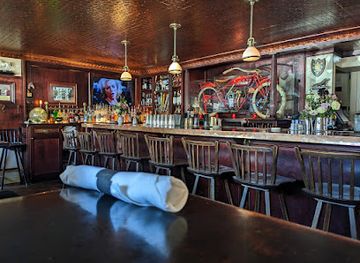
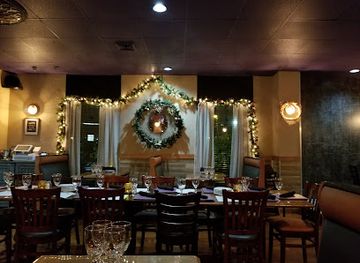
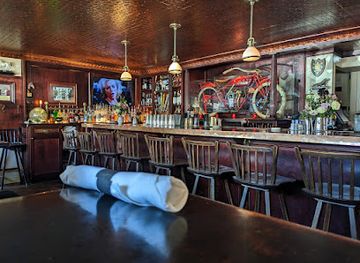
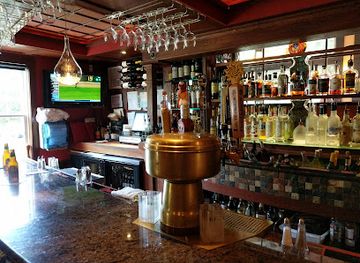
The Housatonic Valley is not a major nightlife destination, and evening entertainment is generally quiet, local and centred on established restaurants, village pubs, taverns and hotel bars. Kent and New Milford provide the most useful bases for an evening meal followed by a drink, while Shelton and Derby offer a wider urban selection in the lower valley. Cultural events, gallery openings, community performances and seasonal gatherings may add variety, but schedules change and should be checked locally. Outside the towns, evenings are defined more by rural accommodation, dark skies and the sound of the river than by clubs or late-night venues. Visitors staying near parks, preserves or trailheads should plan evening transport in advance, as roads are rural and commercial facilities become sparse away from the main settlements.
-
Grill
The Flying Monkey Grill & Bar
Discover the playful atmosphere and eclectic flavors at The Flying Monkey Grill & Bar in Newington, perfect for food lovers and casual diners alike.
-
American
The White Horse
Experience the essence of American cuisine at The White Horse in New Preston, where modern flavors meet a cozy atmosphere for a delightful dining experience.
-
American
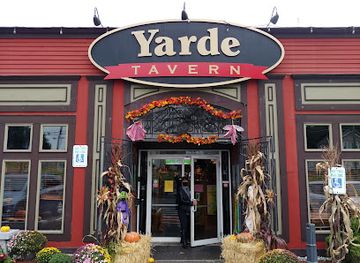
The Yarde Tavern
Experience the true flavors of America at The Yarde Tavern, where comfort food meets a friendly pub atmosphere in Enfield, Connecticut.
-
Grill
Abigail's Grille and Wine Bar
Experience the finest New American cuisine in a cozy yet elegant setting at Abigail's Grille and Wine Bar in Weatogue, Connecticut.
Best nightclubs in Housatonic Valley
The Housatonic Valley is not a major nightlife destination, and evening entertainment is generally quiet, local and centred on established restaurants, village pubs, taverns and hotel bars. Kent and New Milford provide the most useful bases for an evening meal followed by a drink, while Shelton and Derby offer a wider urban selection in the lower valley. Cultural events, gallery openings, community performances and seasonal gatherings may add variety, but schedules change and should be checked locally. Outside the towns, evenings are defined more by rural accommodation, dark skies and the sound of the river than by clubs or late-night venues. Visitors staying near parks, preserves or trailheads should plan evening transport in advance, as roads are rural and commercial facilities become sparse away from the main settlements.
-
Night club
Lambada
Experience the electrifying nightlife at Lambada, Hartford's premier night club, where music, dance, and vibrant energy come alive.
-
Night club
La Noche Bar & Lounge
Discover the vibrant nightlife at La Noche Bar & Lounge, the perfect destination for cocktails, dancing, and entertainment in Danbury, Connecticut.
-
Night club
Soirée Nightclub
Experience the vibrant nightlife at Soirée Nightclub, Waterbury's premier destination for music, dancing, and unforgettable memories.
-
Night club
Dreams Night Club
Discover the electrifying nightlife at Dreams Night Club in Hartford, where music and dancing create unforgettable memories.




Best shops in Housatonic Valley
Shopping in the Housatonic Valley is focused on independent businesses, regional food and arts rather than large commercial districts. Kent has a strong concentration of galleries, bookshops, antiques and small specialist retailers, while New Milford's centre provides a broader range of shops and everyday services. Farm stands, orchards, markets and food producers appear across the surrounding countryside, especially during the growing season, offering produce, preserves, baked goods and other Connecticut-made goods. Craft and design are important to the region's cultural identity, with galleries and studios reflecting the valley's long association with artists and rural scenery. Shelton and Derby provide larger-scale retail outside the upper rural corridor. Opening patterns vary considerably, particularly in small villages and seasonal businesses, so visitors should not expect extensive retail facilities near parks, trailheads or remote river stretches.
-
Shopping mall
Danbury Fair
Explore Danbury Fair, Connecticut’s premier shopping mall offering diverse retail, dining, and entertainment options for an unforgettable experience.
-
Gift shop
Soulbury Cultural Gifts Store
Explore the essence of Connecticut at Soulbury Cultural Gifts Store, where unique treasures and local artistry await every visitor.
-
Antique store
Remember When
Explore Remember When, an antique store and museum in Torrington, CT, where vintage treasures and captivating lighting create a nostalgic experience.
-
Home goods store
Rustic Charm
Explore Rustic Charm in Woodbury, CT, where unique home goods and rustic decor come together to create a delightful shopping experience.



Get your free copy of our complete guide to Housatonic Valley, delivered straight to you.
Everything on this page, from attractions and restaurants to essentials and local phrases, in one PDF you can read offline, print or share.
Already have an account? Sign in
Your Housatonic Valley guide is ready.
We'll send it to · Not you? Sign out

Getting your guide ready…
We are putting together a fresh copy of the Housatonic Valley guide. This can take up to a minute.
This can take a few moments. If your browser asks, choose Allow so the download can start. You'll find the guide in your Downloads folder.
Nothing happened? Download it again
Sorry, the guide is taking longer than usual. Please try again in a minute, or get it by email instead.
Housatonic Valley essentials
Currency and Payment
Safety
Emergency Situations
Do's and Don'ts
Local Tips
From Eve
Local phrases worth knowing
You don't need to get them perfect. A few words go a long way, and locals appreciate the effort.
Basics
| English | Local | Say it |
|---|---|---|
| Hello | Howdy | [haw-dee] |
| Goodbye | See ya later | [see yuh lay-tuh] |
| Yes | Yup | [yuhp] |
| No | Nah | [nah] |
| Please/You're welcome | Please/No problem | [pleez/no prob-lem] |
| Thank you | Thanks a lot | [thanks uh lot] |
| Excuse me/Sorry | Pardon me/My bad | [par-dun me/my bad] |
| How are you? | How ya doin'? | [how yuh doin'] |
| Fine. And you? | Good. Yourself? | [good. yur-self?] |
| Do you speak English? | Ya speak English? | [ya speak ing-glish?] |
| I don't understand | I ain't gettin' it | [I aint get-tin it] |
Eating & Drinking
| English | Local | Say it |
|---|---|---|
| I'd like to see the menu, please | Can I check out the menu? | [can I chek out the men-yoo?] |
| I don't eat meat | I don't do meat | [I don't do meat] |
| Cheers! | Bottoms up! | [bot-tums up!] |
| I would like to pay, please | I'll settle up now, thanks | [I'll set-tle up now, thanks] |
Emergencies
| English | Local | Say it |
|---|---|---|
| Help! | I need a hand! | [I need a hand!] |
| Go away! | Scram! | [scram!] |
| Call the Police! | Ring up the cops! | [ring up the cops!] |
| Call a doctor! | Get a doc on the line! | [get a doc on the line!] |
| I'm lost | I'm all turned around | [I'm all turned around] |
| I'm ill | I'm feelin' under the weather | [I'm feelin' under the weather] |
Shopping
| English | Local | Say it |
|---|---|---|
| I'd like to buy... | I'm lookin' to purchase... | [I'm look-in' to pur-chase...] |
| I'm just looking | Just browsin' | [just brow-sin'] |
| How much is it? | What's the damage? | [what's the dam-age?] |
| That's too expensive | That's a bit steep | [that's a bit steep] |
| Can you lower the price? | Can ya do any better on the price? | [can ya do any bet-ter on the price?] |
Time & Numbers
| English | Local | Say it |
|---|---|---|
| What time is it? | What's the time? | [what's the time?] |
| It's one o'clock | It's one | [It's one] |
| Half past (10) | Ten thirty | [ten thirty] |
| Morning | Mornin' | [mornin'] |
| Afternoon | Afternoon | [Afternoon] |
| Evening | Evenin' | [evenin'] |
| Yesterday | Yest'day | [yest'day] |
| Today | Today | [Today] |
| Tomorrow | Tomorrah | [tom-or-rah] |
| 1 | One | [One] |
| 2 | Two | [Two] |
| 3 | Three | [Three] |
| 4 | Four | [Four] |
| 5 | Five | [Five] |
| 6 | Six | [Six] |
| 7 | Seven | [Seven] |
| 8 | Eight | [Eight] |
| 9 | Nine | [Nine] |
| 10 | Ten | [Ten] |
Transport & Directions
| English | Local | Say it |
|---|---|---|
| Where's a/the...? | Where's the...? | [Where's the...?] |
| What's the address? | What's the addy? | [What's the addy?] |
| Can you show me (on the map)? | Can ya point it out (on the map)? | [Can ya point it out (on the map)?] |
| When's the next (bus)? | When's the next (bus)? | [When's the next (bus)?] |
| A ticket (to ....) | A ticket (to ....) | [A ticket (to ....)] |
History of Housatonic Valley
River, Rock and Ancient Landscapes
The Housatonic Valley rests within the Appalachian highlands of western New England, where erosion, glacial movement and the river's long course produced wooded ridges, floodplains, ravines and waterfalls. The last Ice Age left a landscape of exposed rock, wetlands and fertile river margins that later influenced settlement and farming. The Housatonic itself rises in Massachusetts before entering Connecticut and flowing south to Long Island Sound. Its geography created both a natural corridor and a series of challenging crossings, shaping the location of roads, villages, mills and later industrial works.
Indigenous Communities and River Country
Long before European settlement, Indigenous peoples lived throughout the Housatonic watershed, using the river and its tributaries for travel, fishing, hunting and cultivation. The lower valley was associated with the Paugussett, while communities connected with the Weantinock and Schaghticoke peoples were present in the wider western Connecticut region. Place names and surviving tribal histories reflect a much older cultural landscape than the colonial towns that later occupied the river corridor. European expansion brought land disputes, disease, displacement and profound changes to Indigenous access and sovereignty.
Colonial Towns and Agricultural Settlement
English colonial settlement expanded through the valley during the seventeenth and eighteenth centuries, establishing communities around river crossings, fertile land and smaller watercourses. New Milford was incorporated in 1702, while Kent, named in the eighteenth century, developed as a farming and trading community near the river. Houses, churches, cemeteries and village layouts preserve parts of this agricultural past, although the surviving landscape is the result of continual change. Farms supplied local communities and later markets, while roads gradually connected the valley with New York and other parts of Connecticut.
Waterpower, Railways and Industry
The Housatonic's gradients and tributaries supported gristmills, sawmills, ironworking and other water-powered enterprises. In the lower valley, Shelton and Derby grew into important manufacturing centres, with factories and associated communities transforming the banks of the river. Railways later strengthened links between the valley, the coast and inland markets, encouraging the movement of raw materials and finished goods. Industrial development brought employment and urban growth but also altered river habitats and shorelines. Former mill areas and surviving industrial structures remain important reminders that the valley was never solely an agricultural or recreational landscape.
Dams, Conservation and the Modern Valley
Twentieth-century dam construction created major reservoirs including Lake Zoar and Lake Lillinonah, changing river flow, shorelines and patterns of recreation. At the same time, concern for forests, farmland, waterways and historic villages encouraged land trusts, state parks and conservation organisations to protect substantial areas of open space. The Appalachian Trail and riverside parks added a recreational dimension, while artists and visitors were drawn to the valley's rural character. Today, the region balances heritage tourism, outdoor use, working landscapes, residential development and the continuing environmental management of the Housatonic watershed.
Housatonic Valley in Photos
Browse through our photo collection highlighting the charm and character of the destination.
Cities in Housatonic Valley
The towns and cities of Housatonic Valley, and the easiest places to base yourself.
-

-

-

-

-

-


Swipe for more cities
Neighbouring destination travel guides
The closest destinations to Housatonic Valley, if you have time for more than one.
-

-
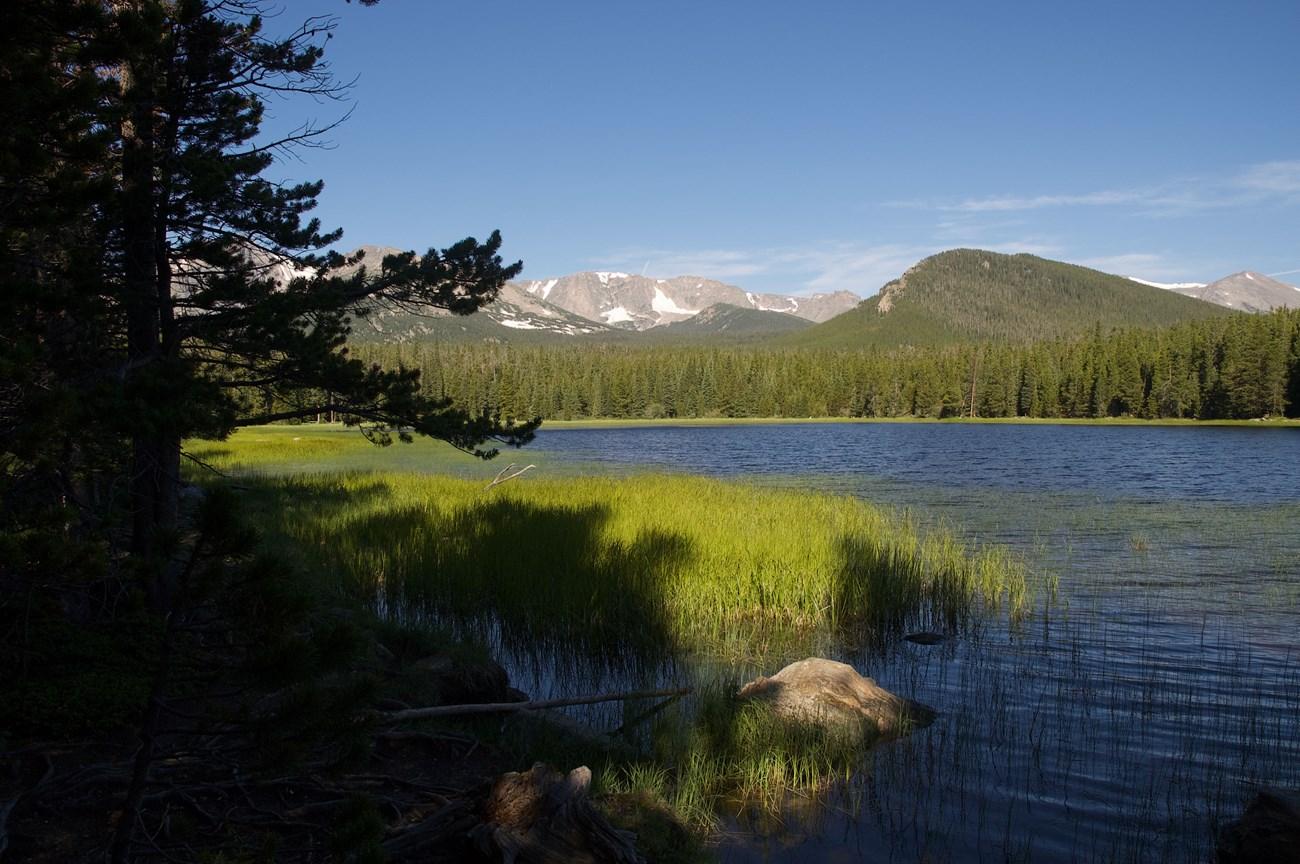 Bear Mountain State Park
 in New York combines Hudson Highlands trails, river views, Perkins Memorial Tower, wildlife exhibits, boating and historic scenery.
Bear Mountain State Park
Bear Mountain State Park in New York combines Hudson Highlands trails, river views, Perkins Memorial Tower, wildlife exhibits, boating and historic scenery.
-

-

-


Swipe for more destinations
Explore more

Explore more of Litchfield County
Explore Litchfield County’s historic towns, Housatonic valleys, wooded hills, farm-to-table food and four-season outdoor pursuits in north-west Connecticut.
Explore Litchfield County
Explore more of Connecticut
Discover Connecticut: A blend of charming coastal towns, rich history, and scenic landscapes, perfect for nature lovers, history buffs, and cultural enthusiasts.
Explore Connecticut