

Frederiksholms Kanal Travel Guide
Free Guide: Historic canal circling Copenhagen’s Castle Island, where royal palaces, parliament and quiet waterside promenades meet in the city’s political heart.


A brief summary of Frederiksholms Kanal
Historic canal circling Copenhagen’s Castle Island, where royal palaces, parliament and quiet waterside promenades meet in the city’s political heart.
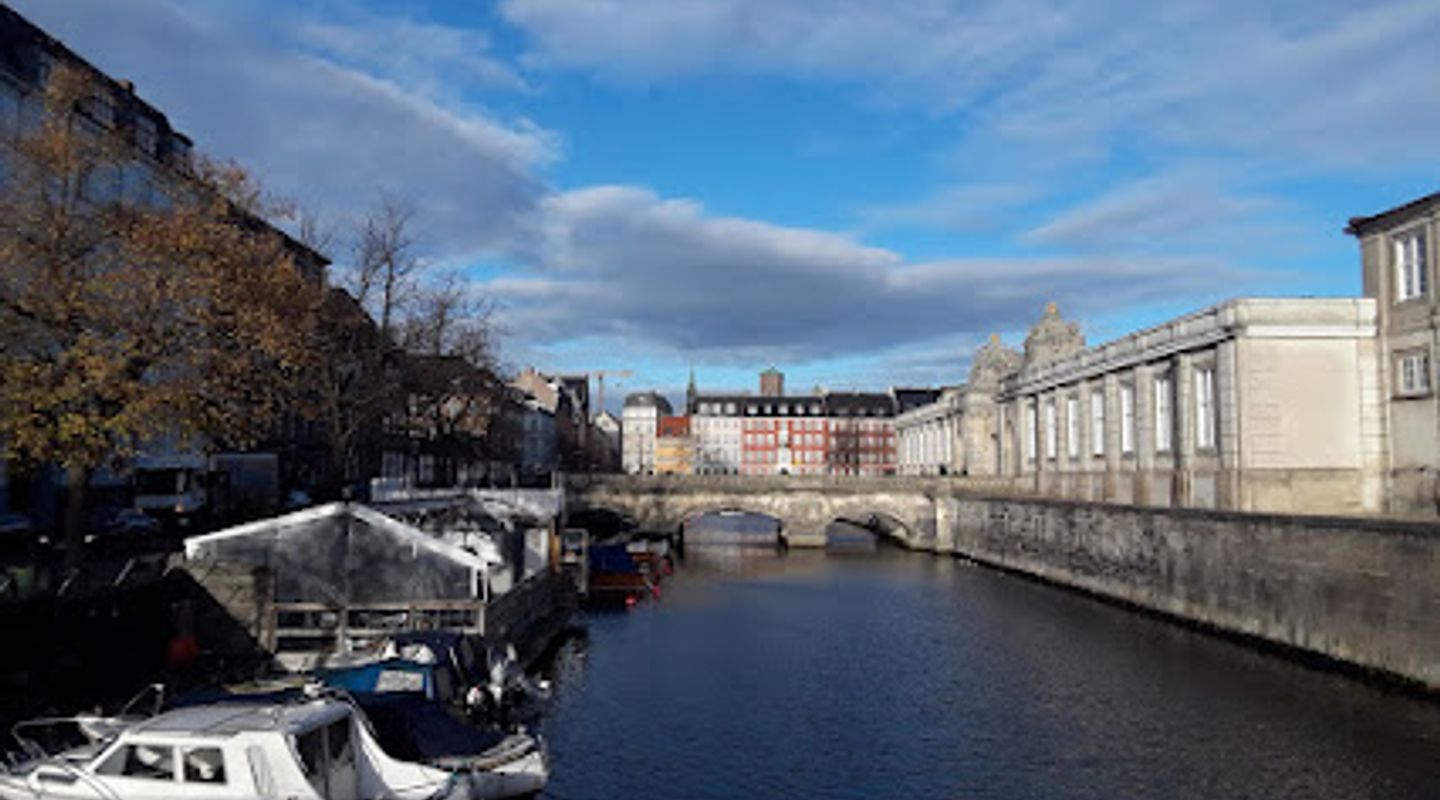
Frederiksholms Kanal is a graceful historic waterway curving around Slotsholmen in central Copenhagen, framing Christiansborg Palace and other grand institutions in stone and copper. Once part of Christian IV’s 17th‑century expansion of the city, it is now a tranquil promenade of bridges, moored boats and stately facades. Come for reflective waterside walks, atmospheric views in every direction and a snapshot of Denmark’s political and cultural heart.
On-site amenities
 Restrooms
 Drink options
 Drinking water
 Food options
 Seating areas
 Trash bins
 Information boards
Opening hours
- Every dayOpen 24 hours
Opening hours as listed on the venue’s Google Business Profile. Hours can change for services and special events, so check with the venue before you go.
- Address
- 1218 Copenhagen
Getting there
Metro and short walk
City bus
Bicycle
Guided canal tour
Discover more about Frederiksholms Kanal
A Royal Canal at the Heart of Copenhagen
Frederiksholms Kanal traces the edge of Slotsholmen, the so‑called Castle Island that has been Denmark’s centre of power for centuries. Laid out in the early 1600s during King Christian IV’s ambitious reshaping of Copenhagen, the canal helped define new land, improve defenses and organize maritime traffic in and out of the harbor. Today, the functional waterway has turned into a scenic frame around some of the city’s most important buildings.As you move along the canal, the views constantly shift: copper roofs and sandstone fronts reflected in gently rippling water, low boats sliding beneath brick arches, and the spire of Christiansborg Palace rising above it all. The scene feels unmistakably royal, yet the atmosphere remains relaxed and accessible, more like a lived‑in civic drawing room than an off‑limits ceremonial quarter.
Slotsholmen’s Palaces, Museums and Power
Frederiksholms Kanal effectively sketches the outline of Slotsholmen, an island packed with institutions that have shaped Denmark’s history. Christiansborg Palace, housing Parliament, the Supreme Court and the royal reception rooms, dominates the skyline on one side. Nearby, the former Prince’s Mansion now serves as the National Museum, its elegant façade looking across to the water.Along the banks you also encounter ministries, archives and cultural buildings that underline the canal’s role as a backdrop to statecraft. Historic bridges such as Stormbroen tie the island to the rest of the city, their low arches and stone parapets offering classic vantage points over boats, towers and the busy harbor beyond. Even a simple pause on a bridge quickly turns into an impromptu lesson in Danish history and politics.
Life Along the Water’s Edge
Despite the weight of power surrounding it, the canal feels surprisingly human in scale. Narrow pavements hug the water, lined with benches, steps and moorings where classic wooden vessels and historic boats gently bob against the quay. Office workers use the edge for coffee breaks, students chat on the steps and locals sit with takeaway lunches when the sun appears.Canal tours pass frequently, their low‑slung boats gliding almost at eye level with the promenades. From here, Frederiksholms Kanal acts as both a route and a stage: passengers get intimate close‑ups of palace walls and arches, while people ashore watch the boats slip under the bridges and out toward the wider harbor. In the softer light of evening, streetlamps shimmer in the water and the area takes on a quietly romantic tone.
Architecture, Bridges and Story‑Filled Details
The architecture along Frederiksholms Kanal is remarkably cohesive, with façades ranging from Renaissance‑inspired stone to later classical and neo‑Baroque additions. Copper roofs and towers, weathered to a soft green, echo across the skyline, while heavy wooden doors and ornate portals open onto courtyards hidden from the water.Look closely at the bridges and quay walls and you notice carved crests, dates and inscriptions that chart phases of rebuilding after fires and wars. Stormbroen, for example, commemorates a 17th‑century assault on the city, its very name recalling the “storm” that once broke against Copenhagen’s defenses. These details give the canal a narrative depth that rewards unhurried exploration.
Moments to Savor in Any Season
Frederiksholms Kanal is accessible at all hours, and each season brings its own character. On clear days, reflections are crisp and photogenic; in winter, bare branches frame the palaces in stark outlines, and the air carries the smell of cold stone and brackish harbor water. Spring and summer invite longer pauses on the benches, with soft breezes drifting along the waterway and the occasional sound of church bells from nearby towers.Whether you linger on a bridge for a few photographs, circle the canal as part of a longer walk around Slotsholmen, or view it from a passing boat, this modest‑sized waterway offers one of the most concentrated encounters with Copenhagen’s blend of royal heritage, working government and everyday city life.
Evendo Review Centre
 Google
Guest reviews
Best time to go
Quietest: Jan, Feb & Mar · before 6am
Busy times are Evendo estimates for a typical year, to help you plan. Actual crowds vary with events, school holidays and the weather.
Explore Frederiksholms Kanal on the map
A handpicked selection of must-see spots near Frederiksholms Kanal, mapped for you.
Get your free copy of our complete guide to Frederiksholms Kanal, delivered straight to you.
Everything on this page, from opening hours and how to get there to Eve’s tips and the best time to go, in one PDF you can read offline, print or share.
Already have an account? Sign in
Your Frederiksholms Kanal guide is ready.
We'll send it to · Not you? Sign out

Getting your guide ready…
We are putting together a fresh copy of the Frederiksholms Kanal guide. This can take up to a minute.
This can take a few moments. If your browser asks, choose Allow so the download can start. You'll find the guide in your Downloads folder.
Nothing happened? Download it again
Sorry, the guide is taking longer than usual. Please try again in a minute, or get it by email instead.
Other nearby places you may find interesting
The closest places of the same kind, if this one is not quite what you had in mind.
-
-
-
-
-


Swipe for more places
More to explore near Frederiksholms Kanal

 Best experiences near Frederiksholms Kanal
 Best hotels near Frederiksholms Kanal
 Best landmarks near Frederiksholms Kanal
 Best attractions near Frederiksholms Kanal
 Best shops near Frederiksholms Kanal
 Best restaurants near Frederiksholms Kanal
 Best bars near Frederiksholms Kanal
Do you manage this location?
Take control to get all the benefits, like improved information, better appearance, and stronger visibility across AI-powered discovery.
Explore more
Explore more of Copenhagen Region
Discover the Copenhagen Region: A perfect mix of historic charm and modern vibrancy, offering scenic beauty, cultural landmarks, and a high quality of life.
Explore Copenhagen Region
Explore more of Denmark
Discover Denmark: A perfect blend of history, modern design, and the cozy concept of hygge. Explore vibrant cities, serene landscapes, and world-class cuisine.
Explore Denmark
