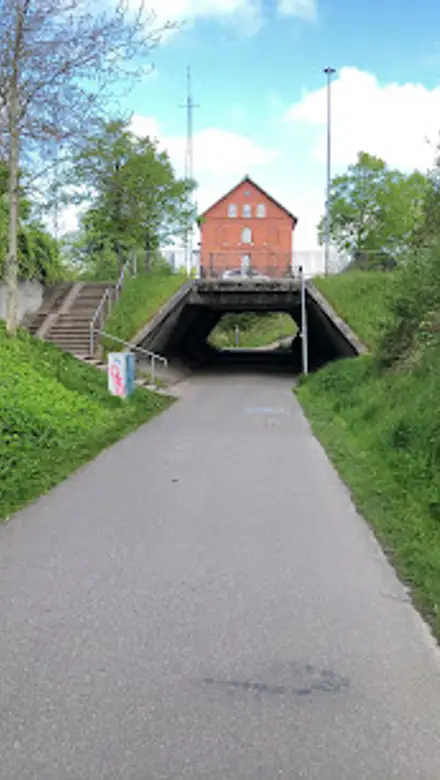
Fyns Militærhistoriske Museum Travel Guide
Free Guide: Compact military museum on Funen tracing 400 years of local soldiers, resistance and peacekeeping from Odense barracks to modern international missions.


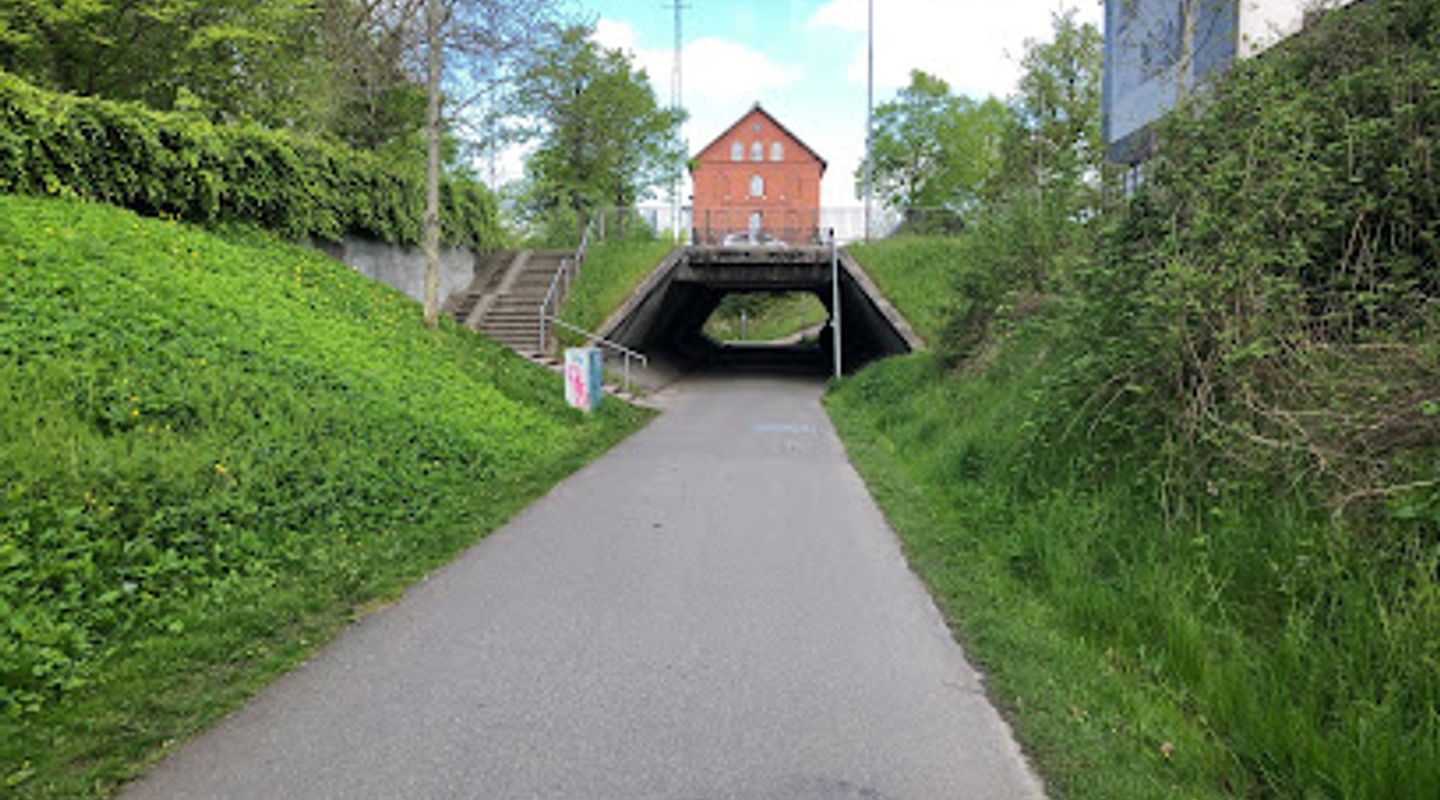
A brief summary of Fyns Militærhistoriske Museum
Compact military museum on Funen tracing 400 years of local soldiers, resistance and peacekeeping from Odense barracks to modern international missions.
Fyns Militærhistoriske Museum in Odense explores the military history of Funen and the stories of local soldiers, resistance fighters and international missions. Housed on the former Odense barracks, the small but dense museum combines uniforms, weapons, vehicles, documents and personal testimonies spanning 400 years, from early fortifications and the occupation of 1940–45 to modern peacekeeping on the Balkans.
On-site amenities
 Restrooms
 Seating areas
 Trash bins
 Information boards
Opening hours
- Mon10 am–2 pm
- TueClosed
- WedClosed
- Thu10 am–2 pm
- FriClosed
- SatClosed
- SunClosed
Opening hours as listed on the venue’s Google Business Profile. Hours can change for services and special events, so check with the venue before you go.
- Address
- Odense Kaserne, Søndre Blvd. 21, 5000 Odense C
- Website
Getting there
City bus from central Odense
Cycling from central Odense
Taxi or ride-hail within Odense
Regional train plus local transfer
Discover more about Fyns Militærhistoriske Museum
Funen’s battlefield stories under one roof
Fyns Militærhistoriske Museum focuses on the military history of the island of Funen and the people who served here, rather than on grand strategy or distant campaigns. Inside former barracks buildings you move through compact rooms lined with uniforms, medals, weapons and field equipment, each object tied to a Fyn-born conscript, officer or resistance fighter. The scale is intimate, but the time span runs from early fortifications to today’s international deployments.Display cases and dioramas sketch the evolution of Danish defence on Funen: from local militias and coastal protection to organised regiments based in Odense. Maps and models trace how the island’s position in the heart of Denmark shaped its strategic role. Even without prior knowledge of military history, the clear thematic layout makes it easy to follow how conflicts and technology changed local life.
Occupation, resistance and everyday courage
One of the museum’s core themes is the German occupation of Denmark from 1940 to 1945 and how it played out on Funen. Exhibits on the 9 April 1940 invasion set the scene with mobilisation orders, period newspapers and equipment from Danish units that faced an overwhelming enemy. Nearby, sections devoted to the resistance movement bring the story down to street level with clandestine leaflets, homemade weapons and items used for sabotage and courier work.Personal photographs and short biographies highlight young men and women who joined local resistance groups, making the risks and consequences tangible. You can study improvised hiding places, coded messages and radios that link Funen’s underground activities to the wider struggle for liberation. The focus on ordinary citizens under extraordinary pressure is one of the museum’s most powerful threads.
From conscript life to Cold War readiness
Another strand of the collection explores everyday life in uniform. Barracks furniture, mess tins, training manuals and kit bags recreate the routines of conscripts who passed through Odense’s military facilities. Humorous cartoons, correspondence and leave passes add lighter notes and show how service shaped friendships, careers and identity for generations of Funen families.In the Cold War sections, you encounter communication gear, protective equipment and planning material from a period when Denmark prepared for a conflict that never broke out. Here the museum turns to questions of deterrence, alliance commitments and the daily work of maintaining readiness. The technical details remain grounded in local examples, so even complex themes feel accessible.
Peacekeeping abroad and modern missions
The museum also documents Denmark’s contributions to international peacekeeping, with particular attention to Balkan missions in the 1990s. Uniforms with UN or NATO insignia, field rations, photographs and personal diaries provide a sense of life in overseas camps. Exhibits on the former Yugoslavia link back to Funen by following specific soldiers from their training in Odense to deployment and homecoming.This modern material underscores how the role of the Danish armed forces has shifted from territorial defence to operations far from home. Reflections on trauma, camaraderie and reconstruction work broaden the narrative beyond combat, inviting visitors to consider the long tail of conflict for both local communities and returning veterans.
A compact, volunteer-driven collection
Fyns Militærhistoriske Museum is relatively small, with exhibitions arranged in a handful of rooms on the old Odense Kaserne site. Its strength lies in the density of objects, the focus on Funen and the commitment of the volunteer association that curates and expands the collection. Temporary displays and special events occasionally spotlight particular units, anniversaries or personal stories.Because opening hours are limited and concentrated on selected weekdays or holiday periods, visits reward a bit of planning. Once inside, the relaxed pace and manageable size make it easy to explore without hurry, whether you are a dedicated history enthusiast or simply curious about how war and defence have shaped everyday life on Funen.
Evendo Review Centre
 Google
Guest reviews
Best time to go
Quietest: Jan, Feb & Mar · before 9am or at 3pm or at 4pm
Busy times are Evendo estimates for a typical year, to help you plan. Actual crowds vary with events, school holidays and the weather.
Explore Fyns Militærhistoriske Museum on the map
A handpicked selection of must-see spots near Fyns Militærhistoriske Museum, mapped for you.
Get your free copy of our complete guide to Fyns Militærhistoriske Museum, delivered straight to you.
Everything on this page, from opening hours and how to get there to Eve’s tips and the best time to go, in one PDF you can read offline, print or share.
Already have an account? Sign in
Your Fyns Militærhistoriske Museum guide is ready.
We'll send it to · Not you? Sign out

Getting your guide ready…
We are putting together a fresh copy of the Fyns Militærhistoriske Museum guide. This can take up to a minute.
This can take a few moments. If your browser asks, choose Allow so the download can start. You'll find the guide in your Downloads folder.
Nothing happened? Download it again
Sorry, the guide is taking longer than usual. Please try again in a minute, or get it by email instead.
Other nearby places you may find interesting
The closest places of the same kind, if this one is not quite what you had in mind.
-
-
-
-
-


Swipe for more places
More to explore near Fyns Militærhistoriske Museum
-
 Best experiences near Fyns Militærhistoriske Museum
-
 Best hotels near Fyns Militærhistoriske Museum
-
 Best landmarks near Fyns Militærhistoriske Museum
-
 Best attractions near Fyns Militærhistoriske Museum
-
 Best shops near Fyns Militærhistoriske Museum
-
 Best restaurants near Fyns Militærhistoriske Museum
-
 Best bars near Fyns Militærhistoriske Museum


Do you manage this location?
Take control to get all the benefits, like improved information, better appearance, and stronger visibility across AI-powered discovery.
Explore more
Explore more of Funen
Discover Funen, Denmark's lush island treasure, where fairy tales come to life amidst scenic landscapes, historic castles, and vibrant cultural heritage.
Explore Funen
Explore more of Denmark
Discover Denmark: A perfect blend of history, modern design, and the cozy concept of hygge. Explore vibrant cities, serene landscapes, and world-class cuisine.
Explore Denmark