

Odense Castle Travel Guide
Free Guide: A softly spoken former royal residence in the heart of Odense, where elegant yellow façades, trees and water create a calm historic pause amid the modern city.


A brief summary of Odense Castle
A softly spoken former royal residence in the heart of Odense, where elegant yellow façades, trees and water create a calm historic pause amid the modern city.
Odense Castle, or Odense Slot, is a graceful yellow-painted former royal residence set beside a leafy park and moat-like canals in the heart of Odense. Built on the site of a medieval Franciscan monastery, the current complex dates mainly from the 18th century and today houses administrative offices, so interior access is limited. Visitors come to admire its harmonious classical façades, stroll the surrounding gardens, and enjoy a peaceful historic counterpoint to the busy city streets just beyond.
On-site amenities
 Restrooms
 Seating areas
 Trash bins
 Information boards
Opening hours
- Every dayOpen 24 hours
Opening hours as listed on the venue’s Google Business Profile. Hours can change for services and special events, so check with the venue before you go.
- Address
- Nørregade 36, 5000 Odense
- Phone
Getting there
Train and walking from Odense Station
City bus within Odense
Bicycle access in central Odense
Discover more about Odense Castle
A quiet royal presence in central Odense
Odense Castle, known locally as Odense Slot, sits discreetly in the middle of the city, its pale yellow wings and red-tiled roofs framing a calm courtyard. Rather than soaring battlements, you find balanced classical lines, tall sash windows and modest decorative details that reflect its role as a royal residence and administrative seat more than a battlefield stronghold. The complex fronts directly onto Nørregade, yet a few steps inside the grounds already soften the noise of passing traffic.The castle occupies ground once used by a Franciscan monastery, tying it to the city’s medieval past even though the current buildings are largely from the 18th century. Over time it shifted from royal use to housing regional authorities, a continuity of power that helps explain why it feels more like a working residence than a museum piece. You walk through a place that has quietly overseen the city’s affairs for generations.
Architecture shaped by monarchy and administration
Architecturally, Odense Castle is a study in Danish restraint. The main wing and side buildings form a composed ensemble, their façades unified by the warm yellow render and simple white window frames. Decorative emphasis comes from the rhythm of pilasters, the symmetry of the courtyard and the slightly more ornate central sections that once signalled the presence of royal apartments and ceremonial rooms.Because the interior is not a standard tourist attraction, you experience the building mainly from the outside: the interplay of wings, the way the roofs step down, the subtle shifts where older structures meet later additions. Details such as historic doors, wrought-iron railings and lanterns hint at earlier centuries. The effect is less theatrical than many European castles but very much in keeping with Funen’s gentle, practical character.
Green edges, canals and a lived-in atmosphere
One of the castle’s charms is its relationship with the surrounding green spaces and waterways. To the rear and flanks, landscaped lawns, mature trees and the nearby parkland create a leafy buffer from the urban grid. Canals and ponds give a faint echo of medieval moats, even if the water now feels more decorative than defensive.On a typical day, you might share benches with office workers on lunch break, students crossing the grounds and locals cutting through on foot or by bike. This everyday use adds life without overwhelming the sense of history. Seasonal changes are pronounced: spring brings blossom and fresh foliage, summer fills the lawns, autumn adds rich colour to the trees, while crisp winter light sharpens the outlines of roofs and chimneys.
A short but rewarding stop on an Odense walk
Because the buildings themselves are largely in official use, a visit here is usually focused on views, photos and a gentle stroll rather than a long, structured tour. Many travellers pause for twenty to forty-five minutes to wander the courtyard, enjoy the park-like surroundings and take in the façades from different angles. The central location makes it easy to weave Odense Castle into a wider walk that might include nearby churches, museums and pedestrian streets.The compact scale works in its favour. You can absorb the character of the place without rushing, notice architectural details, and sit for a moment under the trees. For photographers, the contrast between the soft yellow walls and green foliage, plus reflections where the water is visible, provides simple but satisfying compositions.
Context within Odense’s story
Odense Castle helps anchor the city’s historical narrative, linking the medieval monastic period, the age of absolute monarchy and today’s modern municipal life. It is one of several heritage buildings that show how power and culture were expressed in stone and plaster rather than in towering fortifications. The building’s continued administrative role underlines the Danish tendency to adapt historic structures rather than replace them.Seen alongside Odense’s literary associations and industrial heritage, the castle adds a note of quiet authority. It is not a showpiece packed with displays, but a background presence that rewards a closer look. Spending a little time here helps round out your understanding of Odense, revealing how history still shapes the everyday fabric of this understated Danish city.
Evendo Review Centre
 Google
Guest reviews
Best time to go
Quietest: Jan, Feb & Mar · before 7am or from 8pm
Busy times are Evendo estimates for a typical year, to help you plan. Actual crowds vary with events, school holidays and the weather.
Explore Odense Castle on the map
A handpicked selection of must-see spots near Odense Castle, mapped for you.
Get your free copy of our complete guide to Odense Castle, delivered straight to you.
Everything on this page, from opening hours and how to get there to Eve’s tips and the best time to go, in one PDF you can read offline, print or share.
Already have an account? Sign in
Your Odense Castle guide is ready.
We'll send it to · Not you? Sign out

Getting your guide ready…
We are putting together a fresh copy of the Odense Castle guide. This can take up to a minute.
This can take a few moments. If your browser asks, choose Allow so the download can start. You'll find the guide in your Downloads folder.
Nothing happened? Download it again
Sorry, the guide is taking longer than usual. Please try again in a minute, or get it by email instead.
Unlock the best of Odense Castle
Skip-the-line tickets, guided tours with entry, and walking tours of the area, booked in a few clicks.



Other nearby places you may find interesting
The closest places of the same kind, if this one is not quite what you had in mind.
-
The Funen Village Step into a full‑scale Funen village of thatched farms, mills and animals, where 18th‑ and 19th‑century rural Denmark is carefully brought back to life.
-
Parsonage Experience authentic 18th-century Danish village life through restored buildings, costumed interpreters, and hands-on traditional crafts.
-
The Sea Horse A powerful bronze sea horse with a mermaid rider bursts from the Odense River, bringing Hans Christian Andersen’s underwater world to life at Munke Mose’s edge.
-
Brickworks Authentic 19th-century brick-making workshop preserving Denmark's industrial heritage within a living open-air village museum.
-
King's Garden Odense’s historic royal garden: a baroque-era green gateway where castle views, sculptures and summer concerts meet everyday city life.
Swipe for more places
More to explore near Odense Castle

 Best experiences near Odense Castle
 Best hotels near Odense Castle
 Best landmarks near Odense Castle
 Best attractions near Odense Castle
 Best shops near Odense Castle
 Best restaurants near Odense Castle
 Best bars near Odense Castle
Do you manage this location?
Take control to get all the benefits, like improved information, better appearance, and stronger visibility across AI-powered discovery.
Explore more
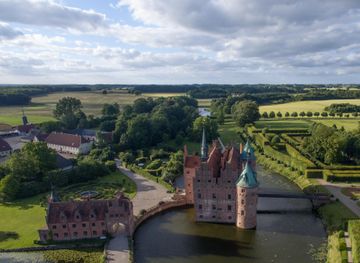
Explore more of Funen
Discover Funen, Denmark's lush island treasure, where fairy tales come to life amidst scenic landscapes, historic castles, and vibrant cultural heritage.
Explore Funen
Explore more of Denmark
Discover Denmark: A perfect blend of history, modern design, and the cozy concept of hygge. Explore vibrant cities, serene landscapes, and world-class cuisine.
Explore Denmark
