
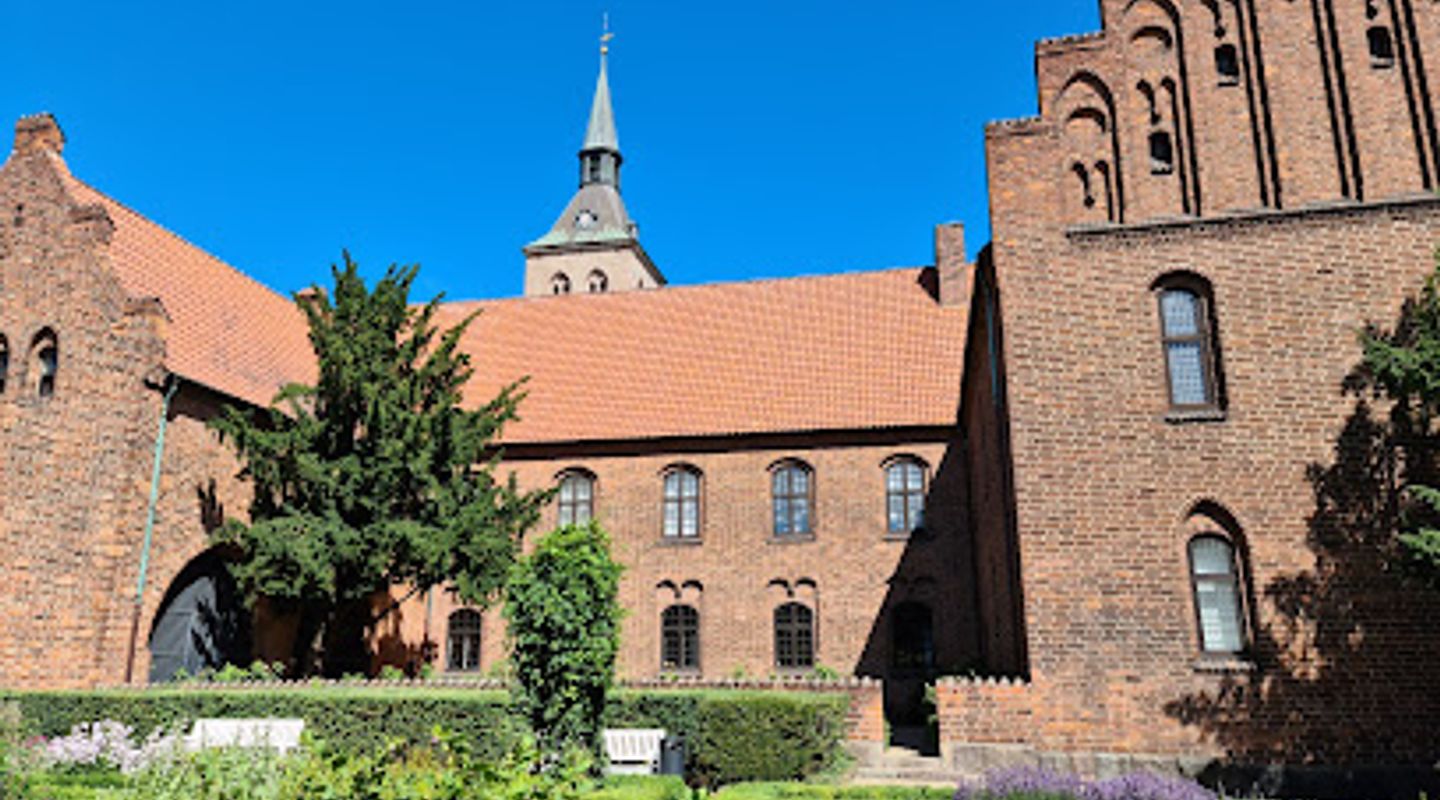
Odense Cathedral - St. Canute's Church, Funen Travel Guide
A vibrant tribute to Hans Christian Andersen’s timeless tales, this lively mural transforms central Odense into a colorful celebration of Denmark’s literary heritage.
The Hans Christian Andersen Mural is a vibrant public artwork in Odense, vividly celebrating Denmark’s beloved fairy tale writer. At Bangs Boder 24, this towering mural colorfully depicts Andersen’s imaginative universe, offering an accessible outdoor tribute on Funen’s central cultural trail.
A brief summary to Odense Cathedral - St. Canute's Church
- Klingenberg 19, Odense, Odense C, 5000, DK
- Click to display
- Click to display
- Monday 12 pm-4 pm
- Tuesday 10 am-4 pm
- Wednesday 10 am-4 pm
- Thursday 10 am-4 pm
- Friday 10 am-4 pm
- Saturday 10 am-4 pm
- Sunday 12 pm-4 pm

Know before you go
Hi, I'm Eve. Here are a few practical things to know before exploring Odense Cathedral - St. Canute's Church.
- The mural is completely free to visit and accessible at all hours since it’s set on a public exterior wall.
- Combine your visit with nearby Andersen-themed attractions—the original house and museums are within easy walking distance.
- Photography is popular here, especially in the softer morning or late afternoon light; bring a camera for creative shots.
- There are several cozy cafés in the nearby old quarter—ideal for soaking up Odense’s atmosphere before or after your stop.
Do you manage this location?
Take control to get all the benefits, like improved information, better appearance, and stronger visibility across AI-powered discovery. Learn more about listing your business on Evendo
Activate your presenceOther nearby places you may find interesting
The closest places of the same kind, if this one is not quite what you had in mind.

Explore Odense Cathedral - St. Canute's Church on the Map
A handpicked selection of must-see spots near Odense Cathedral - St. Canute's Church, mapped for you.
Unlock the Best of Odense Cathedral - St. Canute's Church
Buy tickets
-
No tickets available
Book tours with entry


Book tours without entry

Getting There
-
Walking
From the heart of Odense, the mural is easily found within the charming historic district. A relaxed stroll past the cathedral and cobbled lanes brings you close, as Andersen-themed signs and statues subtly guide your path. Expect a walk of approximately 10–15 minutes from the central square, with plenty of opportunity to soak up the city’s atmosphere.
-
Taxi
Taxis are readily available from central Odense landmarks, with journeys taking about 5–8 minutes at typical rates of 80–120 DKK. The drop-off point is close to pedestrian streets and cultural attractions, making it a convenient choice, especially in adverse weather.
-
Public Transport
Local city buses serve nearby stops, providing quick access from the Odense train station area in around 7–12 minutes. A single ticket costs about 24 DKK, and from the bus stop it’s only a short walk through the old town quarter to reach the mural.
-
Driving
Public parking can be found within a few minutes’ walk, though spaces close to the historic center fill quickly during peak hours. Expect municipal parking charges in the range of 16–24 DKK per hour. There are no tolls for approaching this part of Odense.
Discover more about Odense Cathedral - St. Canute's Church
More to explore near Odense Cathedral - St. Canute's Church
-

Best experiences near Odense Cathedral - St. Canute's Church
-

Best hotels near Odense Cathedral - St. Canute's Church
-

Best landmarks near Odense Cathedral - St. Canute's Church
-

Best shops near Odense Cathedral - St. Canute's Church
-

Best restaurants near Odense Cathedral - St. Canute's Church
-

Best bars near Odense Cathedral - St. Canute's Church







Your all‑in‑one travel companion app
Explore expert travel guides, compare and book tours, experiences, hotels, and more—all from the palm of your hand. Download now for seamless trip planning wherever your wanderlust takes you.


Explore More of Funen
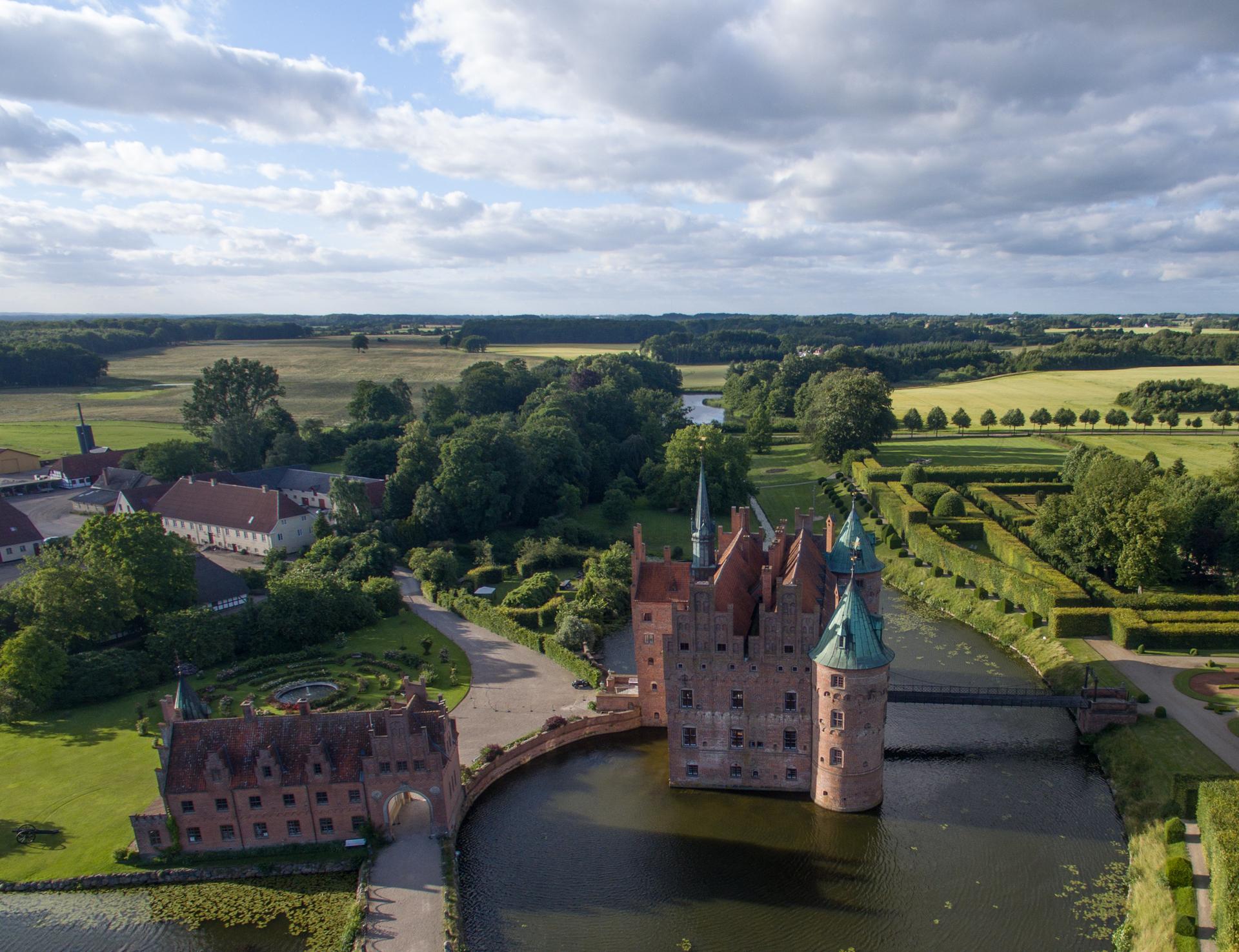
Looking beyond Odense Cathedral - St. Canute's Church? Discover Funen for broader travel guides, local hot-spots, and regional highlights.
Explore Funen
A pocket-sized historic quarter where cobbled courtyards, timbered houses and multimedia galleries bring the story of Odense and Funen vividly to life.

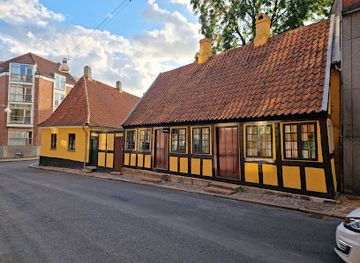
Step into the tiny yellow cottage in Odense where Hans Christian Andersen’s extraordinary imagination grew out of the simplest, humblest of childhood surroundings.
