
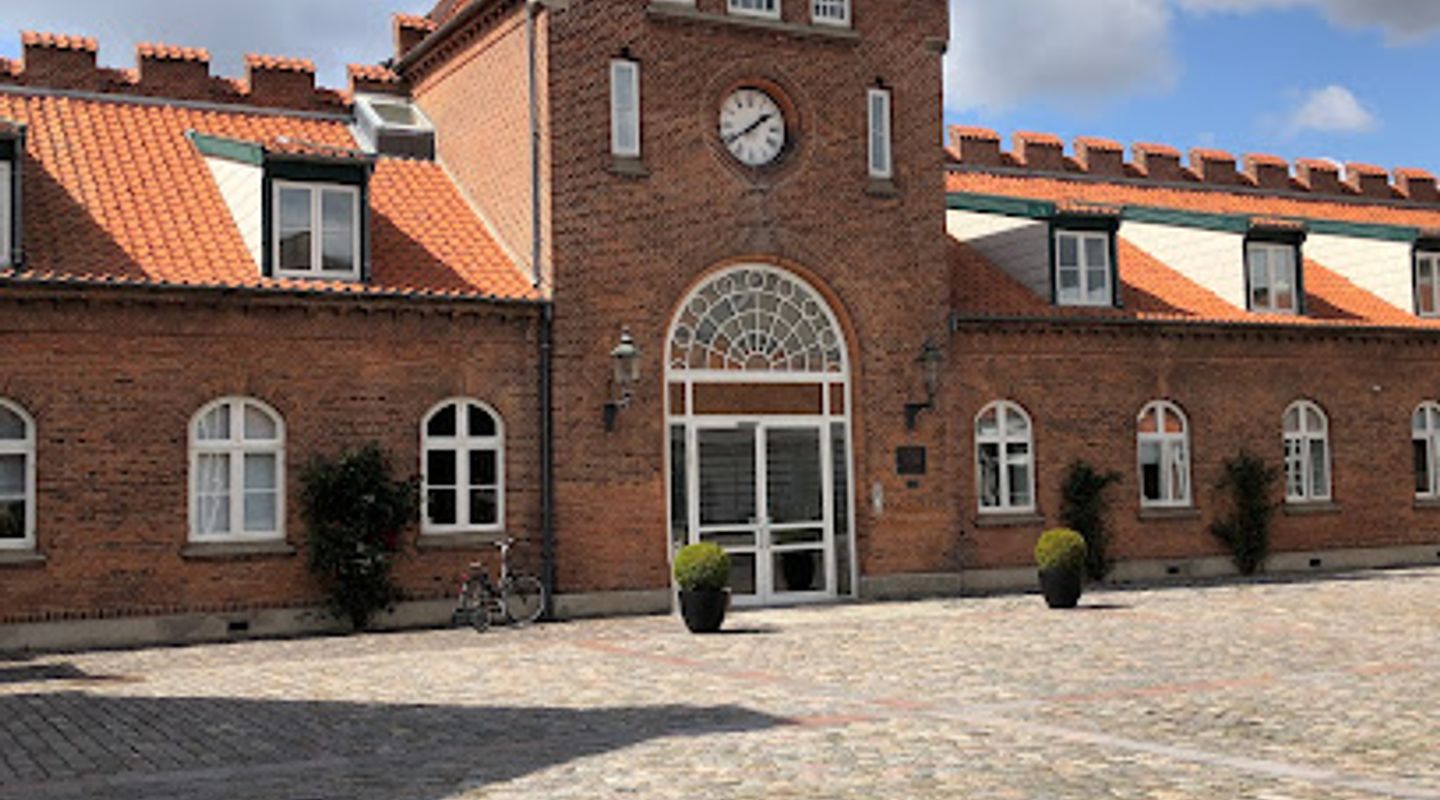
Kvægtorvet, Odense Travel Guide
Once a cattle trading ground, now a busy urban hinge between Odense’s bus station and historic streets, Kvægtorvet is a practical pause in the city’s daily flow.
Kvægtorvet is a central plaza in Odense, sitting on the northern edge of the historic city core and right by the main bus station. Once associated with the city’s cattle market and trading life, today it serves as a functional urban space surrounded by offices, transport links and everyday shops. It is more of a practical crossroads than a polished square, but its location makes it a useful orienting point when exploring Odense’s centre on foot.
A brief summary to Kvægtorvet
- Odense, Odense C, 5000, DK
- Duration: 0.5 to 1 hours
- Free
-
 Outdoor
- Mobile reception: 5 out of 5

Know before you go
Hi, I'm Eve. Here are a few practical things to know before exploring Kvægtorvet.
- Use Kvægtorvet as an easy landmark when navigating Odense’s centre; its position by the main bus station makes it simple to reorient yourself.
- Plan any longer breaks in nearby historic streets or cafés, and treat the square mainly as a short stop while changing buses or checking your route.
- If you prefer quieter moments, pass through outside weekday rush hours, when commuter traffic around the bus station is at its heaviest.
Do you manage this location?
Take control to get all the benefits, like improved information, better appearance, and stronger visibility across AI-powered discovery. Learn more about listing your business on Evendo
Activate your presenceOther nearby places you may find interesting
The closest places of the same kind, if this one is not quite what you had in mind.
Explore Kvægtorvet on the Map
A handpicked selection of must-see spots near Kvægtorvet, mapped for you.
Getting There
-
City bus from elsewhere in Odense
Most city and regional bus routes in Odense stop at the central bus station directly beside Kvægtorvet, making this one of the easiest places in town to reach by public transport. Typical journey times from residential districts such as Bolbro, Vollsmose or Dalum range from 10 to 25 minutes depending on traffic and route. Single tickets on city buses usually cost in the range of 20–30 DKK for adults, with contactless and mobile options widely accepted. Services are more frequent on weekdays during rush hours and slightly reduced in the evenings and on Sundays.
-
Walk from Odense city centre
From the heart of Odense’s pedestrian core, Kvægtorvet is roughly a 10–15 minute walk through mostly flat, paved streets. The route is straightforward and well lit, suitable for most visitors with basic mobility, although those using wheelchairs or pushing prams should allow a little extra time to navigate crossings and traffic lights near the bus station. Walking is particularly appealing if you want to feel the gradual shift from the historic streets into the more functional transport area around the square.
-
Train to Odense and transfer on foot
Arriving in Odense by regional or intercity train, you can reach Kvægtorvet on foot in around 5–10 minutes from the main railway station, depending on pace and which exit you use. The route is entirely urban and paved, with clear pedestrian crossings and signage around the transport hub. This option is ideal if you prefer to avoid an additional bus ride and do not have heavy luggage; travelers with large bags or limited mobility should allow a little extra time for lifts and platforms in the station.
For the on-the-go comforts that matter to you
-
 Restrooms
-
 Drink Options
-
 Drinking Water
-
 Food Options
-
 Seating Areas
-
 Sheltered Areas
-
 Trash Bins
-
 Information Boards
-
 Visitor Center
Discover more about Kvægtorvet
From cattle market to city crossroads
Kvægtorvet literally means “the cattle square”, a name that hints at its past as a marketplace where livestock, traders and farmers met at the edge of Odense’s old town. Over time, as the city expanded and agriculture moved out, the square gradually shifted from muddy trading ground to paved urban space, reflecting Odense’s evolution from provincial market town to modern regional centre.Today, very little visually recalls the days of auctions and animals, yet the open character of the area still feels like a threshold between the compact historic streets and the more functional city beyond. The square’s role has changed, but it remains a place of movement, exchange and everyday routine.Urban setting beside the bus station
Kvægtorvet sits immediately beside the main bus station, where a steady flow of regional and city buses arrive and depart throughout the day. The constant movement of passengers lends the area an energetic, workaday atmosphere: people waiting for connections, students heading to class, commuters passing through without lingering.Low and mid-rise buildings around the square house offices, small businesses and practical services rather than destination dining or high-end shopping. Architecturally, the surroundings feel functional and contemporary, with clean lines and simple facades typical of late‑20th‑century Danish urban design rather than ornate historic detailing.A practical pause, not a grand plaza
Travelers experience Kvægtorvet less as a place to “visit” and more as a convenient pause between other highlights in Odense. Benches, shelters and modest plantings create small pockets where you can sit, check a map, sip a takeaway coffee or watch the constant choreography of buses arriving and leaving.Compared with Odense’s more atmospheric streets and squares further south, Kvægtorvet feels straightforward and utilitarian. That simplicity, however, has its uses: it is easy to orient yourself, spot bus stands and identify nearby services such as convenience stores, ticket machines and information points.Gateway to the historic city centre
Despite its plain appearance, Kvægtorvet is a helpful gateway for exploring the city. From here, the narrow lanes and pedestrian streets of central Odense are only a short walk away, leading toward cultural attractions, shopping streets and cafés. The shift is noticeable: the bus station bustle gives way to smaller-scale streets, older buildings and a more leisurely pace as you move away from the square.For many visitors arriving by public transport, Kvægtorvet is effectively their first glimpse of Odense. The view may be more practical than picturesque, yet it quickly makes sense once you understand it as a hinge between mobility and the more characterful parts of town.Everyday rhythms and local life
Because Kvægtorvet is so closely tied to transport and office life, it follows the rhythms of the working day. Mornings and late afternoons are busiest, with waves of commuters and students, while midday brings a shorter swell of people changing buses or grabbing a quick bite nearby. Evenings are generally quieter, when the square becomes more of a through‑route than a meeting place.There are no major events or spectacles tied specifically to Kvægtorvet; its interest lies instead in its ordinariness. Watching the mix of locals—students with backpacks, office workers, families hauling shopping—offers a low-key glimpse into everyday Odense life, away from more curated cultural settings.Reading the layers of a working square
Kvægtorvet rewards a moment of attention if you are curious about how cities adapt over time. The name preserves a memory of Odense’s trading past, while the asphalt, bus bays and simple street furniture speak to contemporary priorities of connectivity and efficiency. It is not a place to linger for hours, but as a short stop on your way into the centre it offers an authentic, unpolished slice of the city’s daily heartbeat.












Your all‑in‑one travel companion app
Explore expert travel guides, compare and book tours, experiences, hotels, and more—all from the palm of your hand. Download now for seamless trip planning wherever your wanderlust takes you.


Explore More of Odense
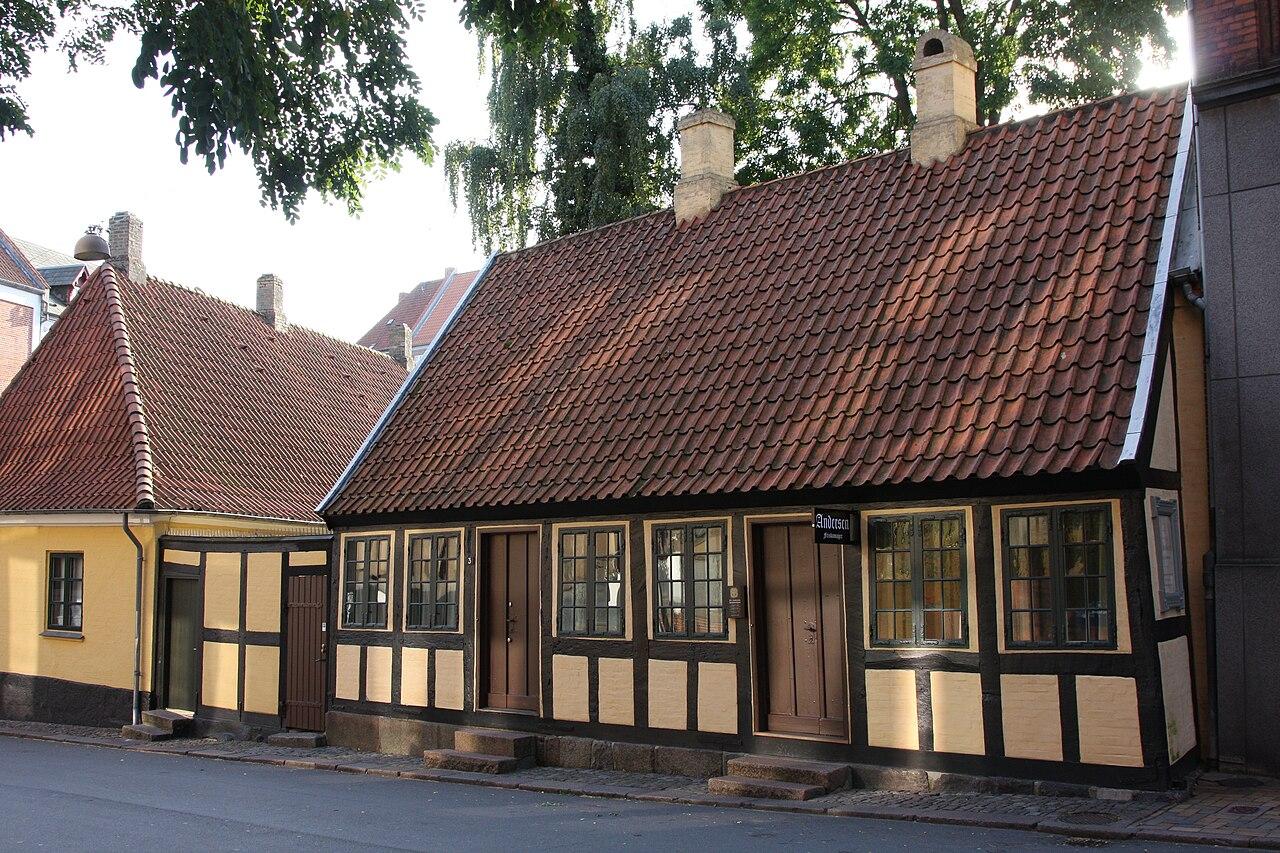
Looking beyond Kvægtorvet? Discover Odense for broader travel guides, local hot-spots, and regional highlights.
Explore Odense
Nordic cultural crossroads celebrating Iceland, Greenland, and the Faroe Islands through art, cuisine, and striking contemporary architecture.
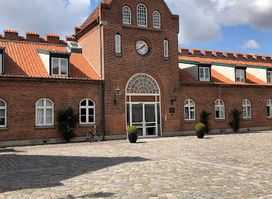
A former cattle market turned national broadcast hub, Kvægtorvet quietly links Odense’s industrial past with Denmark’s modern media present.
