Kramboden i Odense, Odense Travel Guide
Free Guide: Step into a 16th‑century merchant’s house in central Odense, where antiques, vintage finds and museum replicas turn a cosy old shop into a living slice of Danish history.


A brief summary of Kramboden i Odense
Step into a 16th‑century merchant’s house in central Odense, where antiques, vintage finds and museum replicas turn a cosy old shop into a living slice of Danish history.
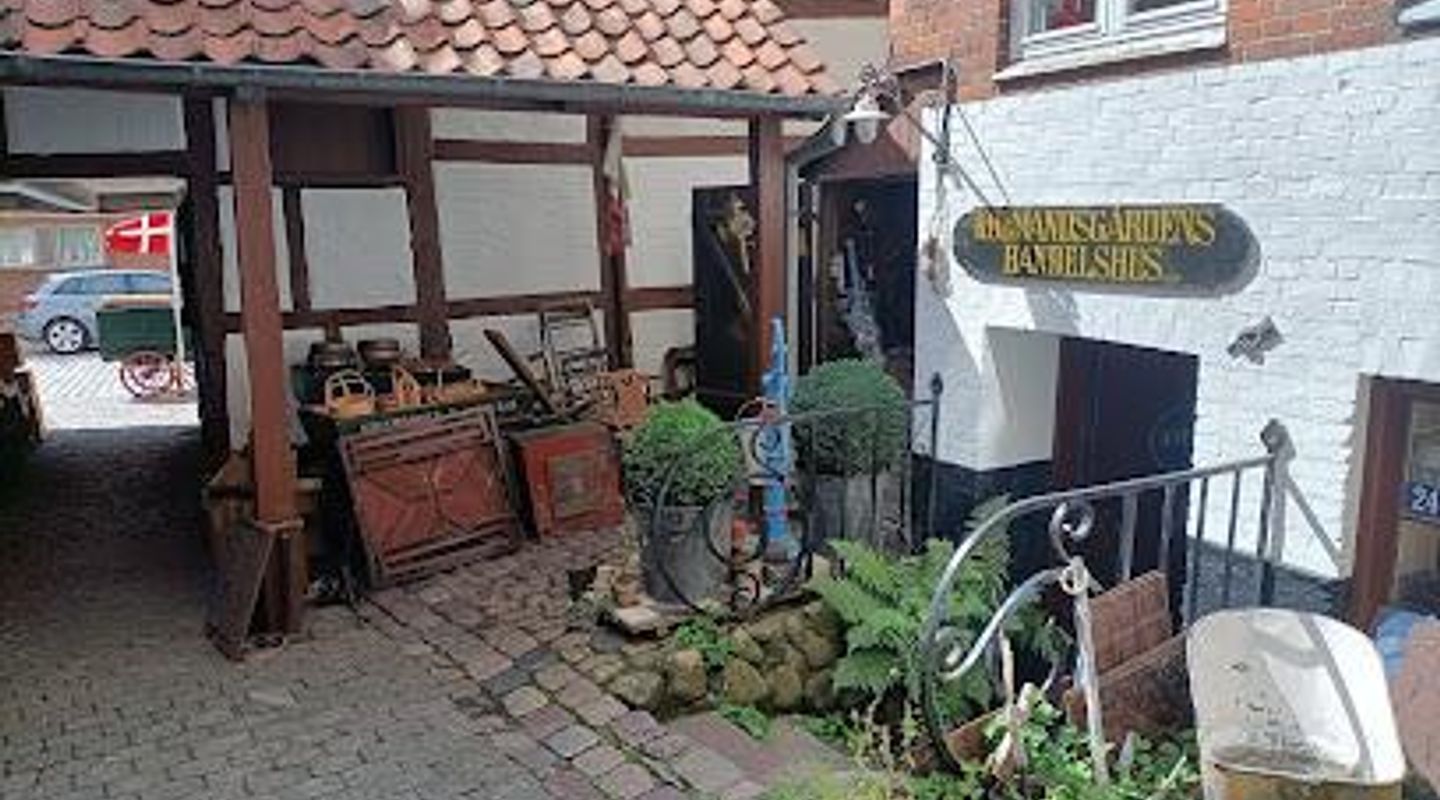
Kramboden i Odense is a wonderfully atmospheric old general store set in a 16th‑century merchant’s house in the historic heart of Odense. Part museum, part antique shop, its creaking wooden floors, packed shelves and period fittings recreate a bygone world of everyday Danish life. From vintage household goods and textiles to authentic museum replicas and small furniture pieces, it is a treasure trove for lovers of history, nostalgia and characterful interiors.
On-site amenities
 Restrooms
 Drink options
 Food options
 Seating areas
 Trash bins
 Information boards
Opening hours
- Mon11 am–6 pm
- Tue11 am–6 pm
- Wed11 am–6 pm
- Thu11 am–6 pm
- Fri11 am–6 pm
- Sat10 am–6 pm
- Sun10 am–6 pm
Opening hours as listed on the venue’s Google Business Profile. Hours can change for services and special events, so check with the venue before you go.
- Address
- Nedergade 24, 5000 Odense
- Phone
Getting there
From central Odense railway station by walking
City bus within Odense
Cycling in Odense
Discover more about Kramboden i Odense
A merchant’s house frozen in time
Step through the door at Kramboden and you enter a former merchant’s house that traces its roots back to the 1500s. The crooked beams, low ceilings and uneven wooden floors immediately signal that this is no ordinary shop. The interior layout follows the traditional plan of an old krambod – a combined store and storeroom where goods, ledgers and daily life once intersected in the same few rooms.Here, the historic setting is not just a backdrop but an essential part of the experience. Counters, shelves and drawers evoke an era when everything was sold loose by weight or volume, and the shop itself was the face of the merchant’s business. The building’s patina, from worn stair treads to small-paned windows, helps you feel the centuries of trade and conversation that have unfolded within these walls.
Everyday objects that tell Odense’s story
Kramboden specializes in the kind of items that rarely make it into formal museums: the everyday things that quietly shaped people’s lives. On the shelves you might spot enamel kitchenware, hand‑blown glass, porcelain jugs, old packaging, textiles, tools and small pieces of furniture. Each object hints at how homes in Odense were furnished, how meals were cooked and how work was carried out generations ago.Rather than presenting artifacts behind glass, the shop arranges them in dense, almost theatrical displays. The result feels like stepping into a storeroom that has never been cleared out. It is possible to buy much of what you see, but the focus remains on atmosphere and storytelling. Many items are original antiques with visible wear, while others are carefully made replicas designed to be used in modern homes without losing their historical charm.
A living blend of museum and shop
What makes Kramboden distinctive is the way it blurs the line between curated exhibit and functioning store. The staff know the provenance and typical use of many of the pieces and can explain how a particular tool worked, where a textile pattern originates, or which part of Denmark a style of pottery is associated with. That knowledge, combined with the tactile freedom to lift, inspect and purchase, turns browsing into an informal lesson in local cultural history.Because stock changes over time, each visit reveals fresh details: a new stack of linens, an old advertising sign, or a batch of period-style household goods freshly sourced or recreated. For design‑minded visitors, Kramboden offers inspiration on how to weave historical pieces into contemporary interiors, whether through a single statement object or a carefully assembled collection.
Atmosphere and sensory details
The mood inside is cosy and slightly cluttered in the best possible way. Narrow aisles wind between densely packed displays; wooden counters bear the marks of decades of use; light filters in softly from the street outside. On quiet days you may hear only the creak of floorboards and the rustle of paper as items are wrapped. At busier moments, conversations in Danish and other languages mingle with the dull clink of china and glass.Smells play their part too: a subtle mix of wood, old paper and textiles, occasionally lifted by the scent of soap, candles or other traditional goods. The experience invites slow exploration rather than quick shopping. It is easy to lose track of time as you move from a corner of kitchenware to a cabinet of glass and on to a wall of tools, piecing together how earlier generations equipped their homes.
Fitting Kramboden into an Odense city wander
Located on Nedergade in central Odense, Kramboden sits naturally alongside other historic streets and heritage buildings. It works well as a cultural stop during a broader stroll through the old town, perhaps combined with visits to nearby museums and literary landmarks. Even a short visit can offer a vivid impression of pre‑industrial and early modern everyday life, while a longer stay allows dedicated treasure hunting for a special souvenir.Because this is a working shop rather than a ticketed museum, there is usually no entrance fee and you are free to browse at your own pace. It is a particularly appealing stop for travelers interested in design, social history, second‑hand finds or distinctive gifts that carry a sense of place and story back home.
Who will enjoy a visit
Kramboden suits a wide range of visitors. Families can use the objects as prompts to talk about how daily chores were once done without modern appliances. Couples and solo travelers often appreciate the quiet, nostalgic mood and the opportunity to find something one‑of‑a‑kind. Older visitors may recognize items from their own childhood, while younger ones discover unfamiliar tools and packaging that make history feel tangible.Photography enthusiasts will find rich visual material in the textures of wood, glass and textile, as well as in the contrast between the centuries‑old building and the lively city outside. Whether you leave with a purchase or simply memories, Kramboden offers an intimate, grounded glimpse of Odense’s past that complements the city’s larger cultural attractions.
Evendo Review Centre
 Google
Guest reviews
Best time to go
Quietest: Jan, Feb & Mar · before 10am or from 7pm
Busy times are Evendo estimates for a typical year, to help you plan. Actual crowds vary with events, school holidays and the weather.
Explore Kramboden i Odense on the map
A handpicked selection of must-see spots near Kramboden i Odense, mapped for you.
Get your free copy of our complete guide to Kramboden i Odense, delivered straight to you.
Everything on this page, from opening hours and how to get there to Eve’s tips and the best time to go, in one PDF you can read offline, print or share.
Already have an account? Sign in
Your Kramboden i Odense guide is ready.
We'll send it to · Not you? Sign out

Getting your guide ready…
We are putting together a fresh copy of the Kramboden i Odense guide. This can take up to a minute.
This can take a few moments. If your browser asks, choose Allow so the download can start. You'll find the guide in your Downloads folder.
Nothing happened? Download it again
Sorry, the guide is taking longer than usual. Please try again in a minute, or get it by email instead.
Other nearby places you may find interesting
The closest places of the same kind, if this one is not quite what you had in mind.
-
-
-
-
-


Swipe for more places
More to explore near Kramboden i Odense

 Best experiences near Kramboden i Odense
 Best hotels near Kramboden i Odense
 Best restaurants near Kramboden i Odense
 Best bars near Kramboden i Odense
Do you manage this location?
Take control to get all the benefits, like improved information, better appearance, and stronger visibility across AI-powered discovery.
Explore more

Explore more of Odense
Discover Odense, Denmark's enchanting city where fairy tales come to life amidst historic streets, vibrant culture, and scenic beauty.
Explore Odense
Explore more of Denmark
Discover Denmark: A perfect blend of history, modern design, and the cozy concept of hygge. Explore vibrant cities, serene landscapes, and world-class cuisine.
Explore Denmark