

Forfyr Rinkenæs Travel Guide
Free Guide: Historic lighthouse overlooking Flensborg Fjord—serene coastal views, exceptional birdwatching, and windswept natural beauty.


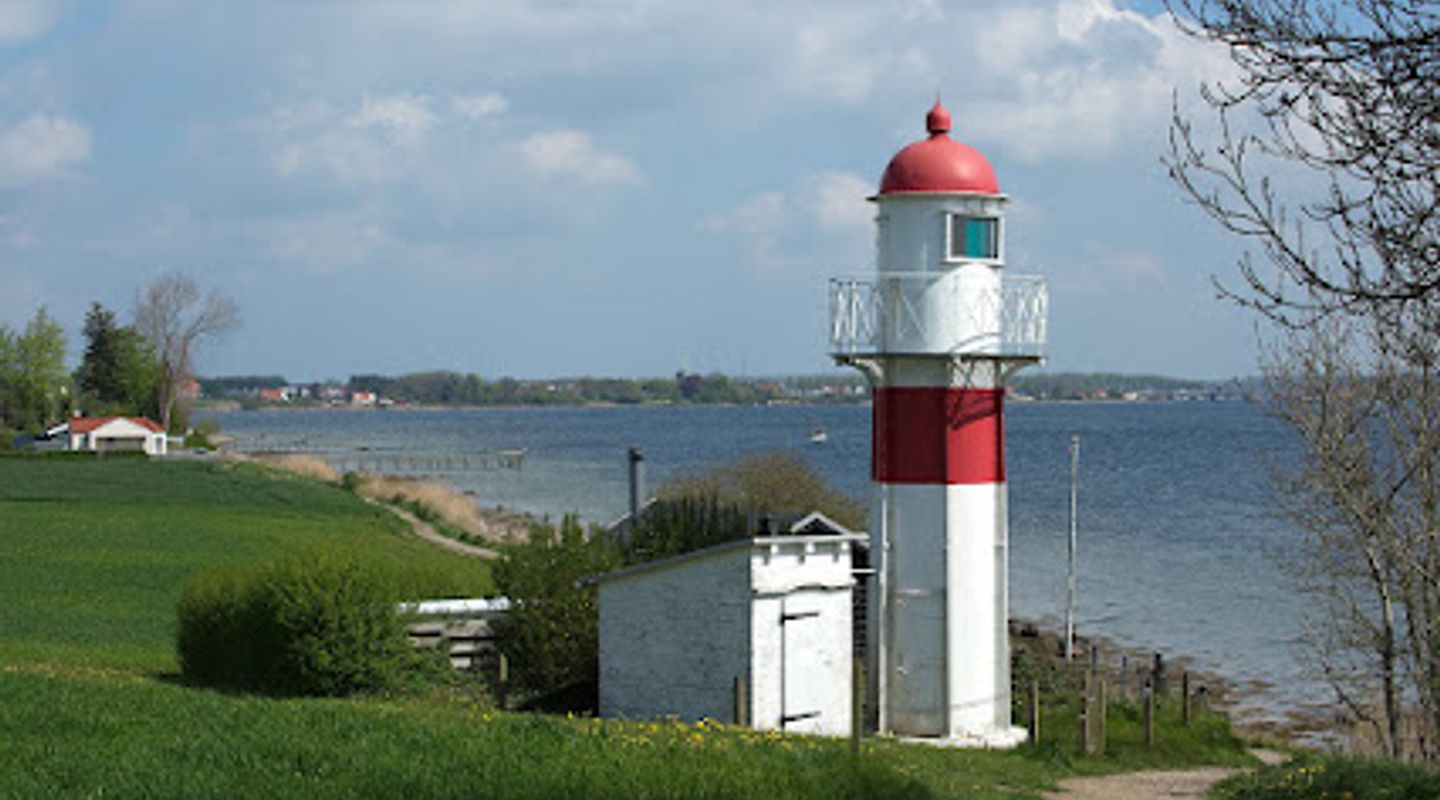
A brief summary of Forfyr Rinkenæs
Historic lighthouse overlooking Flensborg Fjord—serene coastal views, exceptional birdwatching, and windswept natural beauty.
Forfyr Rinkenæs is a historic lighthouse perched on rolling coastal meadows overlooking Flensborg Fjord near Gråsten in Sønderjylland, Denmark. This serene maritime landmark offers panoramic sea views, excellent birdwatching opportunities, and a tranquil escape for nature lovers and history enthusiasts. The exposed coastal setting and dramatic lighting at sunrise and sunset make it a rewarding destination for photographers and those seeking peaceful walks along the fjord.
On-site amenities
 Trash bins
 Information boards
Opening hours
- Every dayOpen 24 hours
Opening hours as listed on the venue’s Google Business Profile. Hours can change for services and special events, so check with the venue before you go.
- Address
- Ved Fyret 7, 6300 Gråsten
Getting there
Driving from Gråsten
Walking from Gråsten
Gendarme Path (Gendarmstien)
Discover more about Forfyr Rinkenæs
A Beacon Above the Fjord
Forfyr Rinkenæs stands as a historic lighthouse sentinel overlooking Flensborg Fjord, situated amid rolling coastal meadows approximately 4 kilometers southwest of Gråsten. This maritime landmark represents Denmark's rich seafaring heritage, guiding vessels through the waters below while offering visitors a tangible connection to the region's navigational history. The lighthouse's position on the elevated terrain provides commanding views across the fjord, making it a natural focal point for understanding the area's coastal geography and maritime significance.
Natural Landscape and Seasonal Rhythms
The surrounding landscape is characterized by open meadows, hedgerows, and coastal vegetation that shifts dramatically with the seasons. Spring brings wildflowers and returning migratory birds, summer offers lush green fields and extended daylight, autumn transforms the palette into golden tones, and winter reveals the raw, windswept character of the coast. The exposed location means weather conditions can change rapidly, with strong breezes common even during warmer months. The area's ecological significance is underscored by its position along major bird migration routes, particularly during spring and autumn when thousands of species pass through the Flensborg Fjord region.
Photography and Light
The lighthouse's elevated position and open setting create exceptional opportunities for landscape and nature photography. Sunrise and sunset are particularly rewarding times, when warm light bathes the fjord and surrounding meadows in golden hues. The changing seasons offer distinct photographic possibilities—from spring's soft pastels to winter's dramatic skies. The absence of nearby light pollution and urban development preserves the natural lighting conditions, making this location especially valued by photographers seeking authentic coastal imagery.
Birdwatching and Wildlife
Flensborg Fjord is recognized as an important habitat for numerous bird species, and the elevated vantage point at Forfyr Rinkenæs provides ideal viewing conditions. Migration seasons bring particularly rich opportunities for observation, with waders, waterfowl, and raptors moving through the region. The surrounding meadows and coastal margins support grazing sheep and other farmland wildlife. Binoculars are essential equipment for serious birdwatchers, allowing detailed observation of species across the water and in distant fields.
Practical Considerations and Access
The lighthouse site offers no onsite facilities—there are no restrooms, food vendors, or shelter structures. Visitors should plan accordingly, bringing water and snacks if planning an extended visit. The exposed coastal position means wind protection is advisable year-round; even summer visits benefit from windbreakers or warm layers. The terrain is generally accessible, though sections may become uneven or muddy following rain. Free parking is typically available nearby, though popular periods may see limited spaces during summer months.
Integration with Regional Heritage
Forfyr Rinkenæs functions as a waypoint along the Gendarme Path (Gendarmstien), a significant walking route that traces the historic border patrol route along Flensborg Fjord. This integration connects the lighthouse to broader narratives of Danish border history and regional identity. The site sits within the cultural landscape shaped by centuries of Danish-German border dynamics, maritime commerce, and rural agricultural traditions that continue to define Sønderjylland's character.
Evendo Review Centre
 Google
Guest reviews
Best time to go
Quietest: Jan, Feb & Dec · before 6am or at 10pm
Busy times are Evendo estimates for a typical year, to help you plan. Actual crowds vary with events, school holidays and the weather.
Explore Forfyr Rinkenæs on the map
A handpicked selection of must-see spots near Forfyr Rinkenæs, mapped for you.
Get your free copy of our complete guide to Forfyr Rinkenæs, delivered straight to you.
Everything on this page, from opening hours and how to get there to Eve’s tips and the best time to go, in one PDF you can read offline, print or share.
Already have an account? Sign in
Your Forfyr Rinkenæs guide is ready.
We'll send it to · Not you? Sign out

Getting your guide ready…
We are putting together a fresh copy of the Forfyr Rinkenæs guide. This can take up to a minute.
This can take a few moments. If your browser asks, choose Allow so the download can start. You'll find the guide in your Downloads folder.
Nothing happened? Download it again
Sorry, the guide is taking longer than usual. Please try again in a minute, or get it by email instead.
Other nearby places you may find interesting
The closest places of the same kind, if this one is not quite what you had in mind.
-
-
-

-
-


Swipe for more places
More to explore near Forfyr Rinkenæs

 Best experiences near Forfyr Rinkenæs
 Best hotels near Forfyr Rinkenæs
 Best landmarks near Forfyr Rinkenæs
 Best attractions near Forfyr Rinkenæs
 Best shops near Forfyr Rinkenæs
 Best restaurants near Forfyr Rinkenæs
 Best bars near Forfyr Rinkenæs
Do you manage this location?
Take control to get all the benefits, like improved information, better appearance, and stronger visibility across AI-powered discovery.
Explore more
Explore more of Sønderjylland
Sønderjylland: A Journey Through Denmark's Scenic Landscapes, Rich History, and Vibrant Traditions.
Explore Sønderjylland
Explore more of Denmark
Discover Denmark: A perfect blend of history, modern design, and the cozy concept of hygge. Explore vibrant cities, serene landscapes, and world-class cuisine.
Explore Denmark
