
Cold War Museum Stevnsfort
Once a top-secret fortress in the chalk cliffs of Stevns, this Cold War stronghold now reveals tunnels, guns and Baltic views from NATO’s former frontline.
Built deep into the chalk cliffs above the Baltic Sea, the Cold War Museum Stevnsfort is a former top-secret NATO fortress turned immersive history museum. Eighteen metres underground, more than a kilometre of tunnels, command rooms and gun emplacements reveal how Denmark monitored the Baltic and prepared for nuclear conflict. Above ground, missile batteries, radar gear and Baltic views complete a compelling journey into Europe’s tense Cold War frontline.
A brief summary to Cold war museum Stevnsfort
- Korsnæbsvej 60, Rødvig Stevns, 4673, DK
- +4556502806
- Visit website
- Duration: 2.5 to 4 hours
- Mid ranged
-
 Mixed
Mixed
- Mobile reception: 4 out of 5
- Monday 10 am-5 pm
- Tuesday 10 am-5 pm
- Wednesday 10 am-5 pm
- Thursday 10 am-5 pm
- Friday 10 am-5 pm
- Saturday 10 am-5 pm
- Sunday 10 am-5 pm
Local tips
- Wear warm layers and sturdy shoes: the underground fort stays around 10°C year-round and involves several kilometres of walking on sometimes slippery floors.
- Plan several hours to explore both the underground complex and outdoor terrain, taking breaks at the visitor centre or roof terrace between sections.
- If travelling with young children or visitors with limited mobility, be aware that strollers are not allowed underground and parts of the tunnel system have restricted access.
- Bring your own picnic to enjoy at the outdoor tables and benches, then use the museum shop for hot and cold drinks, ice cream and small snacks.
- Allow time to walk the cliff-top grounds around the artillery and missile displays; the Baltic Sea views help put the fort’s strategic position into perspective.

For the on-the-go comforts that matter to you
- Restrooms
- Drink Options
- Food Options
- Seating Areas
- Sheltered Areas
- Picnic Areas
- Trash Bins
- Information Boards
- Visitor Center
Getting There
-
Regional train and local bus from Copenhagen
From central Copenhagen, take a regional train toward Køge and connect to the local line to Rødvig; the full rail journey typically takes 1.5–2 hours. From Rødvig station, a local bus or taxi covers the remaining few kilometres to the museum in around 10–15 minutes. A combined one-way public transport trip using standard tickets usually costs in the range of 120–170 DKK per adult, depending on time of day and ticket type. Services run regularly during the day, but frequencies may be reduced on weekends and public holidays, so check schedules in advance.
-
Car from Copenhagen and Zealand
Driving from central Copenhagen to the Cold War Museum Stevnsfort typically takes about 1–1.5 hours, depending on traffic and the chosen route across Zealand. The journey uses good-quality main roads almost the entire way, with the final stretch on smaller country roads toward the coast. Parking is available by the museum and is usually free or low-cost, but spaces can fill up in peak summer periods and during Danish school holidays. Fuel costs for the round trip from Copenhagen are roughly 150–250 DKK, depending on vehicle size and fuel prices.
-
Cycling from Rødvig and Stevns area
For active travellers staying in or near Rødvig, cycling to the museum offers a scenic approach through gently rolling countryside and coastal views. The ride from Rødvig town typically takes 15–30 minutes each way at a relaxed pace, using local roads that are generally quiet but may have sections without dedicated bike lanes. The terrain is mostly easy, with only mild inclines, and standard city or touring bicycles are sufficient. This option is free aside from any bicycle rental, which in the region often ranges around 100–200 DKK per day depending on the provider.
Cold war museum Stevnsfort location weather suitability
-
 Any Weather
-
 Clear Skies
-
 Cold Weather
-
 Mild Temperatures
-
 Rain / Wet Weather
Discover more about Cold war museum Stevnsfort
A secret fortress in the chalk of Stevns
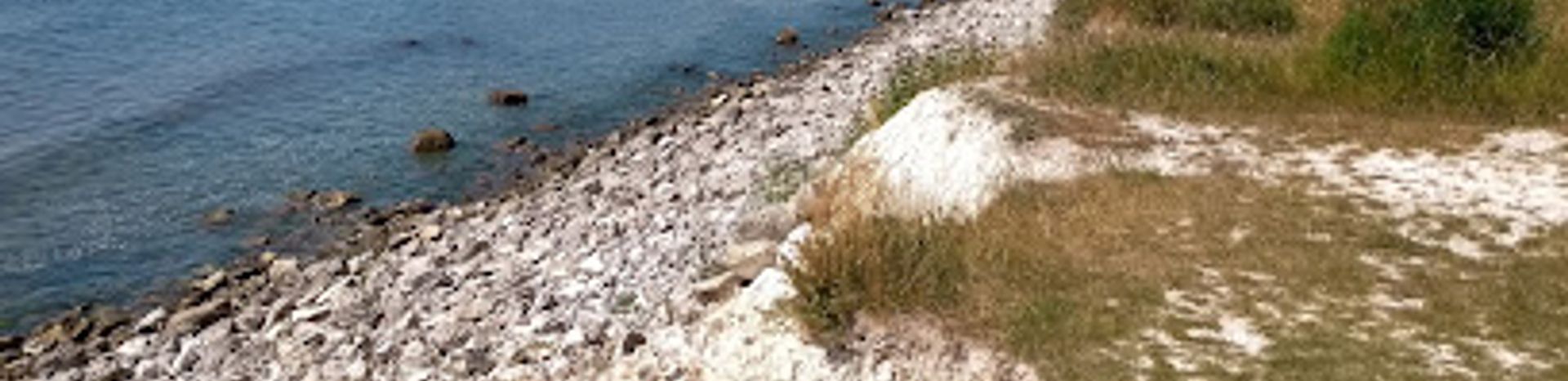
Carved into the white limestone cliffs near Rødvig, the Cold War Museum Stevnsfort was once one of Denmark’s most secret military installations. Conceived in the early 1950s at the height of Cold War tension, the fort guarded the narrow entrance to the Baltic Sea, monitoring any movement between the Warsaw Pact and NATO. Today, the camouflage has been stripped away, but the sense of secrecy lingers in every concrete corridor and heavy blast door. Above ground, the coastal setting feels almost peaceful: grassy ramparts, scattered bunkers, radar masts and hulking artillery pieces framed by big Baltic skies. It is only when you learn that this calm landscape was designed to withstand nuclear shockwaves that the site’s true purpose comes into focus.Life on NATO’s Baltic frontline
Stevnsfort was built to keep watch over a strategic maritime chokepoint, tracking ships and aircraft and feeding information into NATO’s defence network. Several hundred soldiers could be sealed inside the underground complex for weeks, supported by their own power, ventilation, water and supplies. Here, they would have continued working even in the event of a nuclear strike, guiding artillery, missiles and radar from behind thick layers of chalk and reinforced concrete. Displays in the exhibition areas explain how Denmark’s defence strategy evolved during the Cold War, from conventional artillery to guided missiles and sophisticated listening equipment. Maps, models and original instruments show how the fort’s crews tracked potential enemies and coordinated with other bases to protect Copenhagen and the wider Baltic region.Descending into the underground maze
The heart of Stevnsfort lies 18 metres below ground. A long flight of stairs, or an elevator, leads into a network of tunnels and rooms stretching well over a kilometre. Down here, the temperature sits around 10°C year-round, and the air feels cool and faintly damp, a reminder that you are walking through excavated limestone. Along the way you pass operations rooms filled with dials and switches, communications centres with heavy phones and cipher equipment, and living quarters where soldiers slept, ate and tried to carve out a semblance of normal life. The narrow corridors, low ceilings and constant hum of machinery hint at the intensity of working in a sealed fortress designed to withstand chemical, biological and nuclear threats.Guns, missiles and machines above the cliff
Back on the surface, the fortress becomes a vast open-air gallery of Cold War hardware. Massive 150 mm gun turrets once capable of striking targets across the Baltic dominate the grounds, their barrels still pointing seaward. Nearby, missile launchers, radar dishes, searchlights and armoured vehicles stand in neat rows, allowing you to trace the technological leap from coastal artillery to guided air defence. The terrain invites unhurried wandering: you can study the details of a missile battery, peer into bunkers, or simply stand on the edge of the cliff and imagine ships passing under the gaze of Stevnsfort’s hidden sensors. Information panels help interpret the machinery without disturbing the windswept, slightly austere atmosphere that suits the site’s military past.Visiting practicalities and pace
The museum combines indoor exhibitions, extensive outdoor grounds and a substantial underground component, so a visit rewards comfortable footwear and layered clothing. Most visitors spend several hours moving between the surface installations, the visitor centre’s displays and the lengthy underground route. The tunnels involve walking several kilometres at a steady pace, and the stairs are long and relatively steep, though an elevator helps some visitors reach the underground level. Facilities at the entrance building and in the grounds make it easy to pause between sections of your visit, with places to sit, toilets and options for drinks or a simple snack. On a clear day, lingering on the roof terrace or at one of the outdoor tables offers a curious contrast: a relaxed break above a fortress that was once designed to face the worst imaginable scenarios of 20th-century conflict.A human story behind concrete walls
Beyond hardware and strategy, Stevnsfort is also a story of everyday life lived under the shadow of global tension. Personal objects, photographs and reconstructed rooms suggest how conscripts and officers coped with long shifts, training drills and the knowledge that their workplace would have been a primary target in any war. The museum’s exhibits frame the base not only as an engineering achievement, but as a workplace where people served, socialised and planned for a disaster everyone hoped would never come. Taken together, the cliff-top setting, preserved tunnels, and intact equipment make the Cold War Museum Stevnsfort a rare opportunity to step inside the mindset of the Cold War era—an immersive snapshot of a time when this quiet corner of Zealand stood on the frontline of a divided world.Iconic landmarks you can’t miss

Vallø Slotskro
19.7 km
Explore Denmark's largest private engine collection and maritime heritage at Maskinrummet in Skagen.
Comwell Køge Strand
24.6 km
Historic lighthouse and world-class bird observatory at Denmark’s northern tip, with sweeping sea views, immersive exhibitions, and a welcoming café.
Mindesmærke for slagene i Køge Bugt
25.4 km
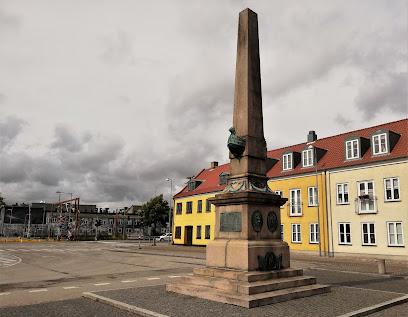
Harbourfront monument where stone, sea breeze and maritime symbols keep the naval battles of Køge Bugt and their admirals alive on Køge’s working waterfront.
“Slaget i Køge Bugt”
25.4 km
Harbourfront monument on Køge’s quay, quietly marking the dramatic naval battles once fought in the bay where today only fishing boats and leisure craft glide.
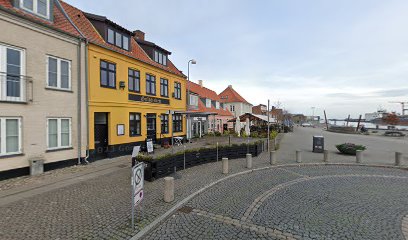
Befrielsessten i Køge
25.7 km
A solemn memorial to Denmark's liberation from Nazi occupation, standing in Køge's historic market square.
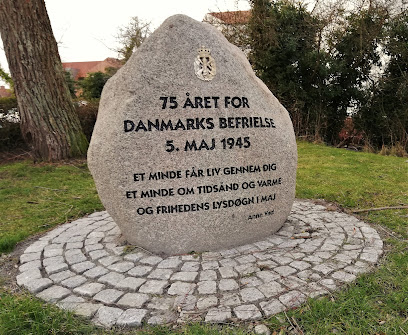
Køge St.
25.7 km
Experience Skagen’s iconic Det Grå Fyr, an elegant lighthouse offering breathtaking views, unique birdwatching, and local culture at Denmark’s northernmost edge.
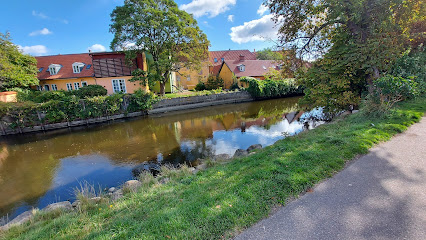
Køge Torv
25.8 km
Denmark's largest medieval town square, where seven centuries of history unfold on cobblestones.
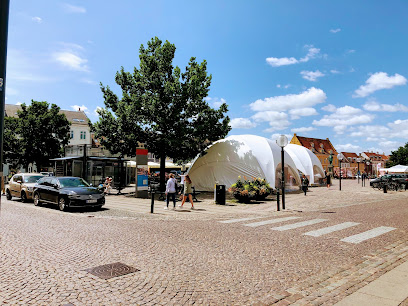
VisitKøges selvbetjente turistbureau
25.8 km
An iconic 19th-century lighthouse at Denmark’s northern tip, famed for panoramic views, migrating birds, and immersive maritime and nature exhibits.
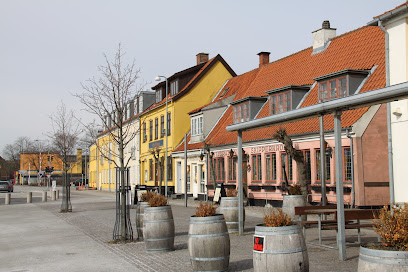
Visit
25.9 km
Historic lighthouse and bird observatory at Denmark’s northern tip, with panoramic sea views, interactive nature exhibits, and a vibrant café in wild coastal surroundings.
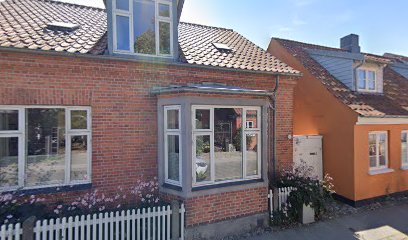
Pension Elmehøj
30.0 km
Experience Møn's charm at Pension Elmehøj: Affordable comfort near Stege, close to Møns Klint, Elmelunde Church, and the Camønoen hiking trail, perfect for families and budget travelers.

Høje Møn
30.0 km
Denmark's tallest white chalk cliffs rise 128 meters above the Baltic, crowned by legendary tales and ancient forests.
Køge Nord
30.1 km
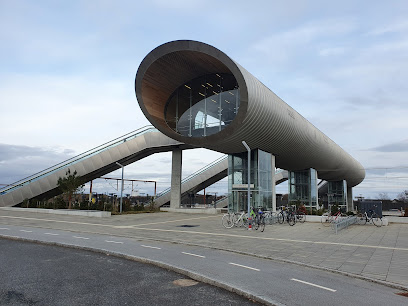
A soaring timber‑lined footbridge and high‑speed rail hub turning everyday commuting into a slice of contemporary Danish architecture and panoramic landscape.
Rose Stege Restaurant
32.3 km
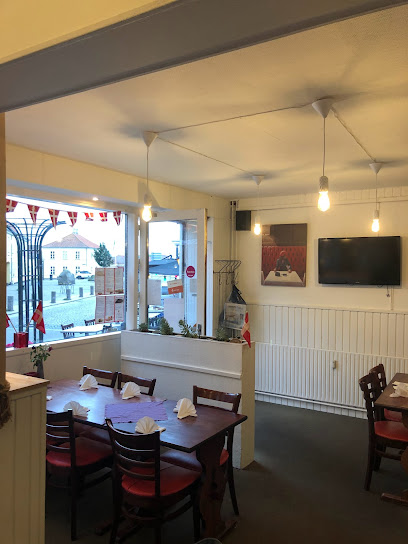
Discover the authentic tastes of Denmark at Rose Stege Restaurant, where delicious pizzas and local dishes await in a cozy atmosphere.
Restaurant pizzeria Delfino
32.3 km
Experience authentic Italian cuisine in the heart of Stege at Restaurant Pizzeria Delfino, where fresh ingredients and a warm atmosphere create a memorable dining experience for all.
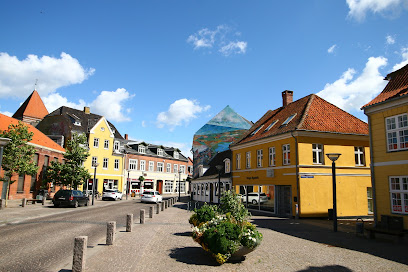
Møn Is
33.0 km
Experience the authentic taste of Møn with delicious, organic ice cream made fresh on a charming working farm, a delightful treat for the whole family.
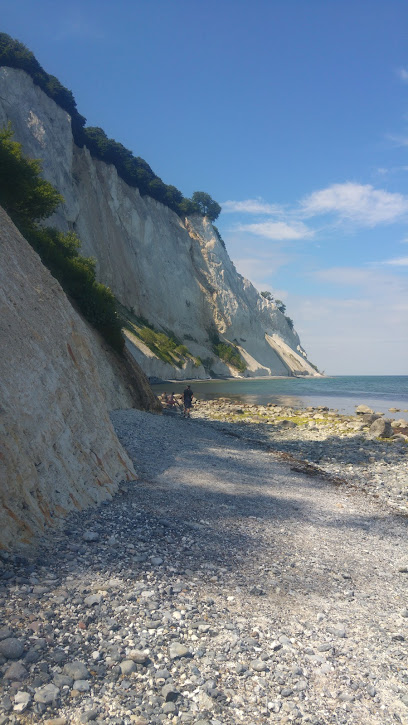
Unmissable attractions to see

Boesdal Kalkbrud
0.7 km
A dramatic former limestone quarry where industrial heritage meets 66-million-year-old geological secrets.
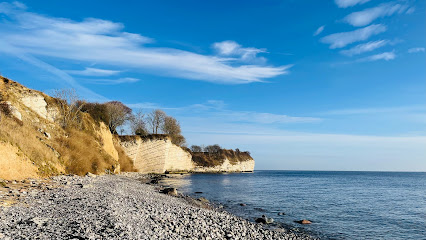
Stevns Klint Experience
0.8 km
Jægersborggade: A lively fusion of artisan shops, gourmet delights, creative studios, and local culture at the vibrant heart of Copenhagen’s Nørrebro district.
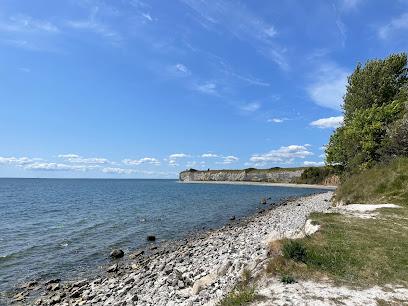
Rødvig Beach
2.1 km
A gentle, family-friendly strand on South Zealand’s Stevns coast, where soft sand, shallow Baltic waters and harbour life meet in an easygoing seaside setting.
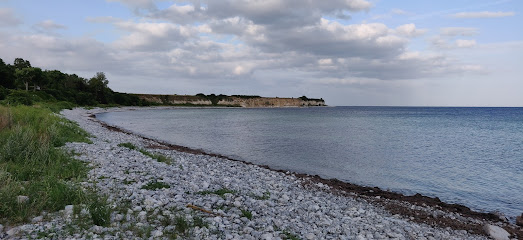
Højerup Kirke
2.8 km
Cliff-edge medieval church above Stevns Klint, where a vanished choir, Baltic sea views and centuries of coastal history meet in one dramatic stop.
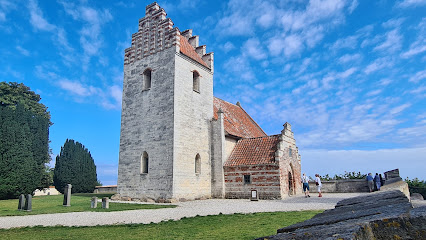
Stevns Klint UNESCO World Heritage
2.8 km
A dramatic chalk coastline where a thin dark line in the cliff records the asteroid impact that ended the age of dinosaurs, framed by seaside paths, a cliff‑top church and Cold War tunnels.
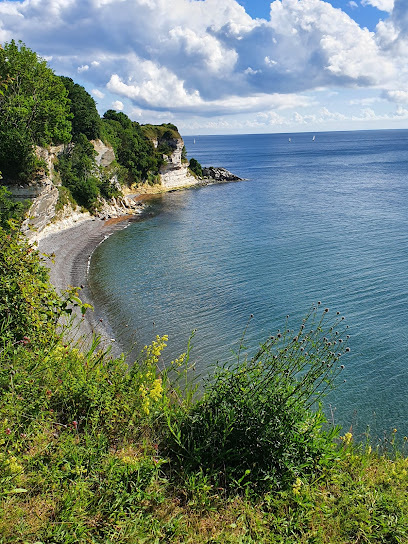
Højerup old church
2.8 km
Experience the harmony of nature and history in Solgårdsparken—a scenic public park on the Køge coast, perfect for peaceful walks, family outings, and cultural events.
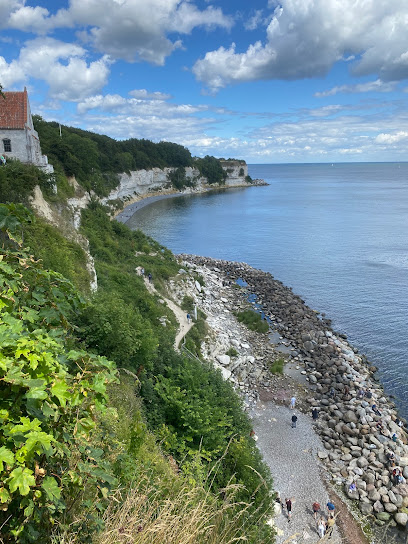
Stevns Lighthouse
4.0 km
Historic lighthouse on the edge of Stevns Klint, blending maritime heritage with wide Baltic Sea views and windswept chalk‑cliff scenery near Store Heddinge.
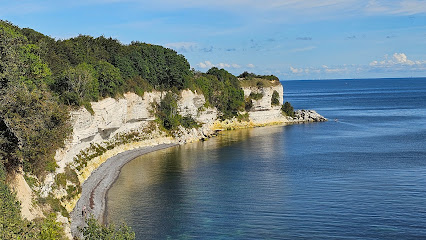
Stevns Kridtbrud
6.5 km
A raw chalk quarry on the Stevns peninsula, where bright white walls, industrial cuts and coastal light reveal the geology that underpins the Stevns Klint landscape.
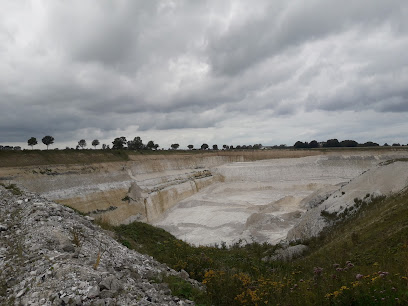
Gjorslev
10.2 km
One of Denmark’s oldest inhabited medieval castles, Gjorslev combines Gothic stonework, moats and beech forest walks in a quietly atmospheric manor landscape.
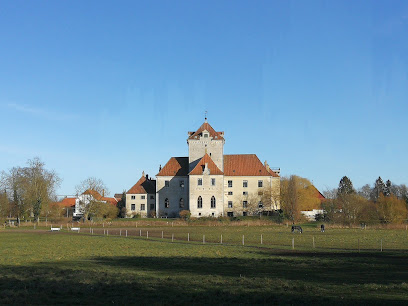
Køge Sønakke
15.0 km
Quiet coastal reef on Køge Bay with wide horizons, leopard-bottom shallows and renowned sea trout fishing, offering a low-key slice of Denmark’s Baltic shoreline.
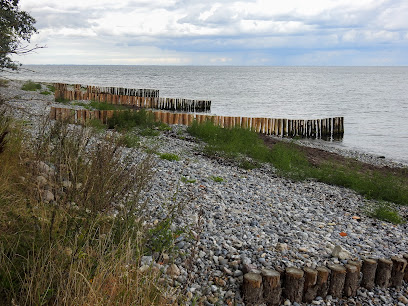
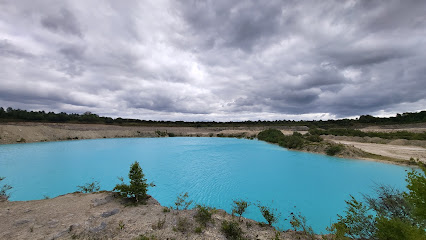
Den blå sø
17.6 km
A vivid turquoise lake framed by towering white chalk walls, Den Blå Sø transforms Faxe Limestone Quarry into one of Denmark’s most surreal and photogenic landscapes.
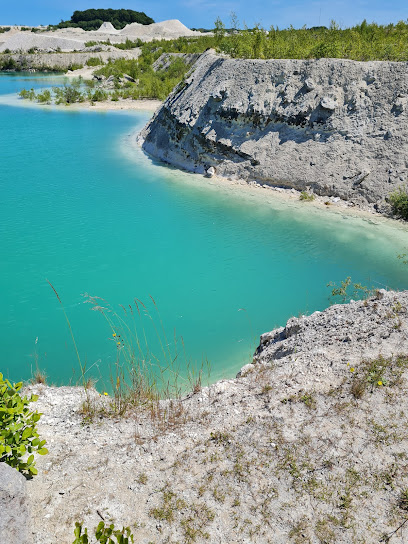
Geomuseum Faxe
18.2 km
Stand on the brink of a vast white quarry, handle fossils from a 63‑million‑year‑old coral sea, and see how geology and industry shaped this corner of Denmark.
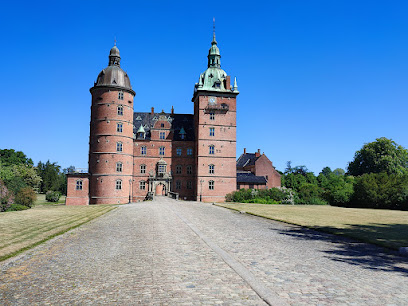
Vallø Castle
19.8 km
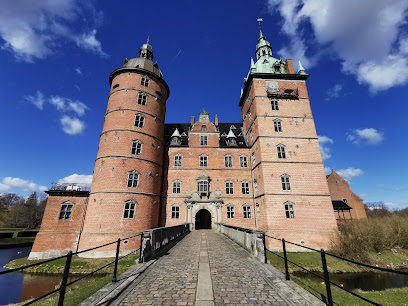
A red-brick Renaissance castle in a tranquil park south of Køge, where noble history, towers and moat reflections meet open lawns and quiet woodland paths.
Mindesten for greve Christian Moltke
19.8 km
Discover Køge Church, a stunning Gothic landmark with historic interiors, breathtaking architecture, and centuries-old maritime connections at the heart of Køge.
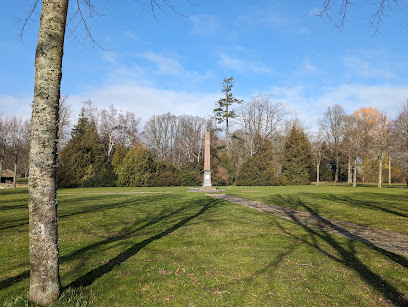
Vallø Slotspark
19.9 km
A 15-hectare English landscape garden surrounding a historic red-brick castle, where Danish noble history blooms among rare heritage trees.
Essential places to dine

Mad & Ro
3.9 km
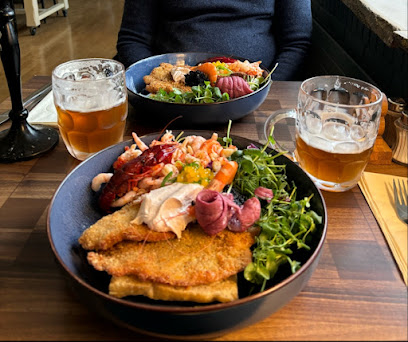
Hearty Danish coastal cooking beside Stevns Lighthouse, where homemade lunch plates, open sandwiches and a grassy lawn meet sweeping views of cliff and sea.
Café Bliss
5.4 km
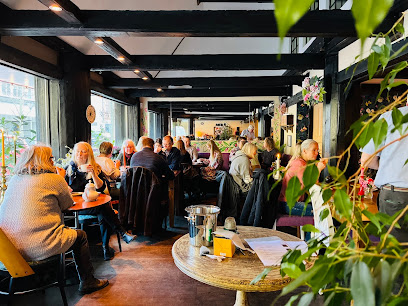
A homely, hygge‑filled café‑restaurant in the heart of Store Heddinge, blending colourful conscious cooking, a leafy courtyard and a relaxed community living‑room vibe.
Cafe Skov & Strand
16.2 km
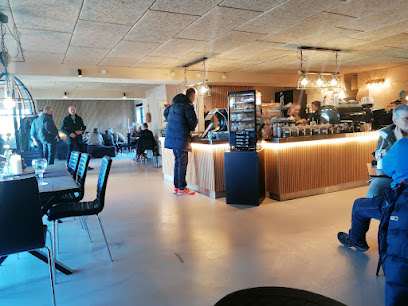
Affordable beachside café where forest meets coast, serving generous Danish fare and ice cream.
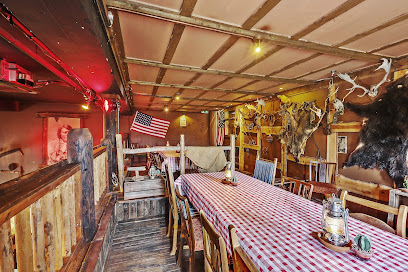
Bournonvilles Wild West - cowboyfest.dk
23.4 km
A full-throttle Wild West saloon near Haslev, serving hearty buffets, strong drinks and cowboy-themed fun for groups, celebrations and company parties.
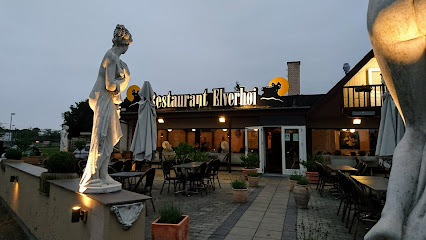
Elverhøi
24.9 km
Cosy neighbourhood Italian on Vordingborgvej in Køge, serving generous pizzas, comforting pasta and relaxed hygge vibes from late afternoon into the evening.
Restaurant Kulhuset
25.2 km
Harbourfront steakhouse in Køge where you grill your own cuts at custom tables, pairing hearty meat dishes with marina views and a relaxed social vibe.
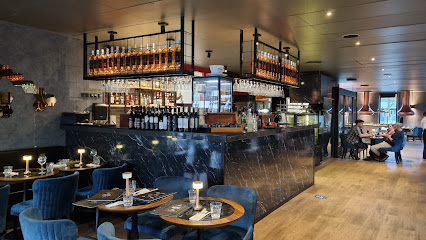
Pakhuset Braunstein
25.3 km
Waterfront Danish taphouse in Køge’s harbor, pouring Braunstein craft beers alongside casual food in a light‑filled, architect‑designed social space by the quay.
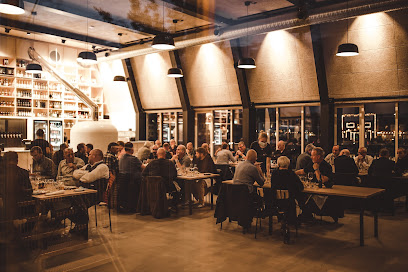
Limone
25.4 km
Harbourfront Italian cooking in Køge, where candlelit tables and marina views meet generous pastas, grilled meats and classic desserts in a warm, relaxed setting.
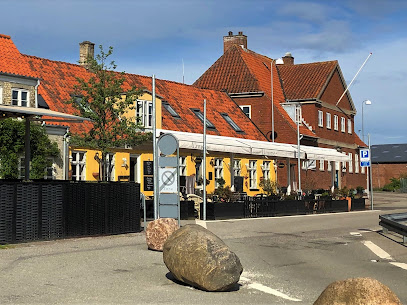
Bossa Nova
25.4 km
Cozy harborfront restaurant in Køge blending relaxed bossa nova vibes, generous seafood and steaks, candlelit interiors and marina views ideal for slow, lingering meals.
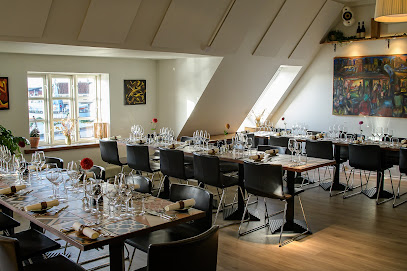
Rib House Køge
25.4 km
Casual harborfront steakhouse in Køge serving hearty ribs, grills and buffets in relaxed, family-friendly surroundings by the waterfront.
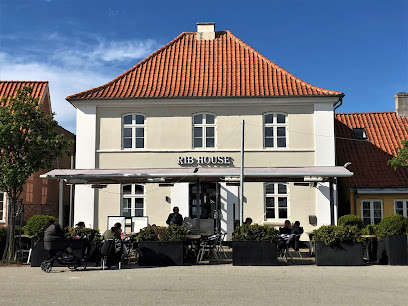
Skippers Dreng
25.4 km
Casual harbourfront brasserie and bar in Køge, blending Danish comfort food, steaks and brunch with long, relaxed evenings by the waterfront.
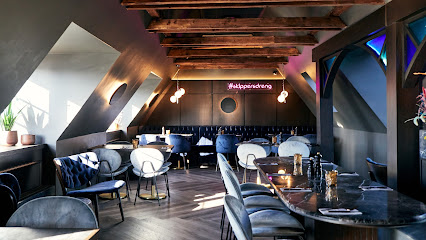
Chiang Mai Thai Cuisine Restaurant & Take Away
25.5 km
Authentic Thai cuisine with generous portions on Køge harbour—casual, friendly, and excellent value.
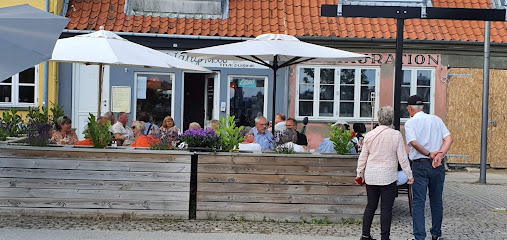
Jenners Dockside
25.5 km
Harborfront Danish dining in a yellow half-timbered house, combining smørrebrød, smoked seafood and sunny terrace views over Køge’s atmospheric old quay.
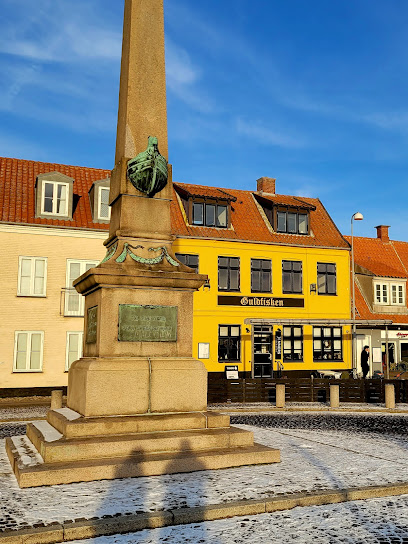
Siesta Prime Grill
25.6 km
Casual grill house in the centre of Køge serving hearty Mediterranean‑inspired comfort food, ideal for laid‑back lunches, relaxed dinners and social evenings.
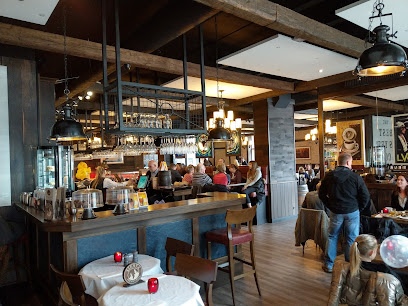
Sandwich Cafeen
25.6 km
Hearty, freshly made sandwiches in the heart of Køge’s old town, ideal for a quick, tasty stop between historic streets and harbour strolls.
Markets, malls and hidden boutiques

My Apartment Køge
25.6 km
A cosy, apartment-inspired fashion boutique in central Køge, blending Scandinavian style, curated brands and a relaxed, home-like shopping atmosphere.
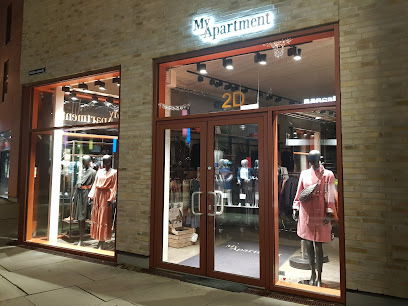
Den Blå Dør
25.6 km
A cosy blue-doored boutique in Køge’s old town, blending Scandinavian interiors, fashion and small everyday luxuries in a colourful, carefully curated setting.
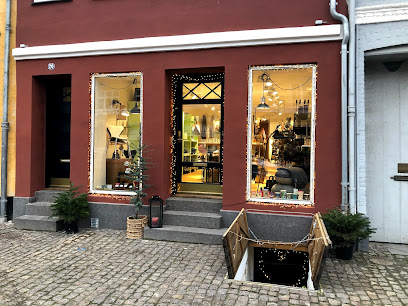
Miss O
25.7 km
Contemporary women's fashion in a hidden courtyard boutique at the heart of Køge's historic shopping district.
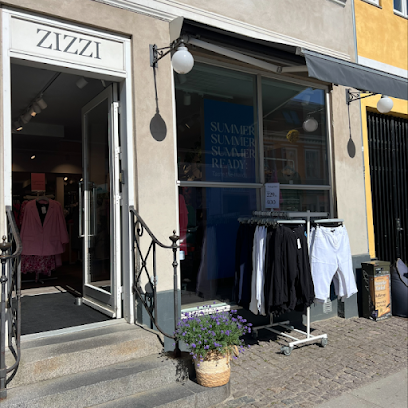
Zizzi - Køge
25.7 km
Modern Scandinavian plus size fashion in the heart of historic Køge, offering curve-friendly styles, relaxed fitting rooms and personal styling help on Brogade.
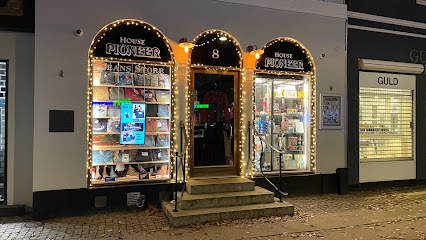
Pioneer V/søren Marsner Hansen
25.7 km
Owner-led menswear boutique in Køge’s historic center, offering curated Scandinavian-inspired clothing and a calm, personal shopping experience.
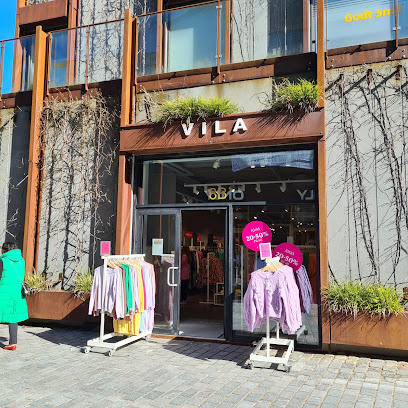
VILA
25.7 km
A light-filled Scandinavian fashion boutique in Køge’s old town, blending feminine everyday styles with relaxed, modern Nordic design.
Kings & Queens Køge
25.7 km
Curated contemporary fashion for young adults in central Køge's vibrant shopping district.
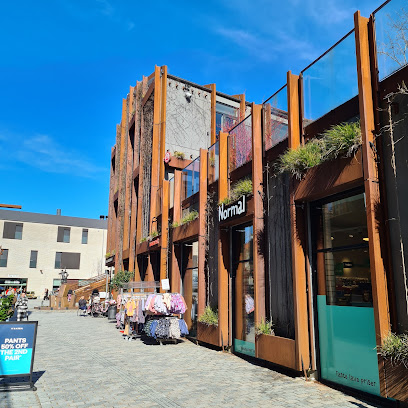
NORMAL Køge, Strædet
25.7 km
A bright, maze-like discount shop in Køge’s Strædet centre, where everyday branded essentials and quirky finds turn a simple errand into a low-cost mini treasure hunt.
køge butikker brogade
25.7 km
A cosy antiques haven on historic Brogade, where pewter, brass and pre‑1900 treasures from South Zealand fill creaking rooms with stories from another era.
Strædet Køge
25.7 km
Open-air shopping street in the heart of Køge, blending modern Scandinavian retail, cafés and everyday services with the charm of a historic Danish market town.
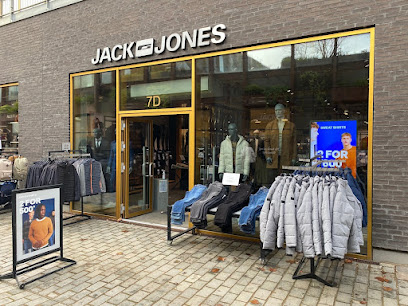
JACK & JONES
25.7 km
Straightforward Scandinavian menswear in Køge’s Strædet shopping street, with a strong focus on denim, casual basics and easy everyday style.
La Belle
25.7 km
Contemporary women's fashion in the heart of Køge's charming old town.
Rokkjær-Køge
25.7 km
A contemporary Scandinavian womenswear boutique on Køge’s historic market square, blending modern style, local brands and a building marked by centuries of town history.
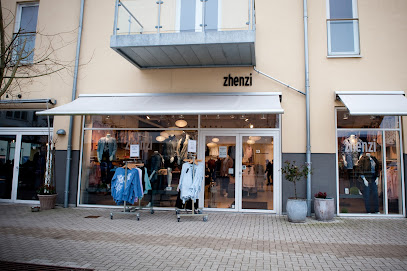
Zhenzi
25.7 km
Curve-friendly Scandinavian women’s fashion in the heart of Køge, offering modern everyday styles and occasion outfits with a relaxed, boutique feel.
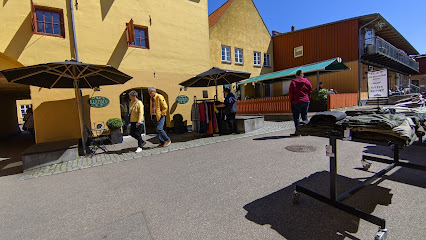
Krybben V/helle Frost
25.7 km
Atmospheric women’s fashion boutique in a historic Køge courtyard, blending Scandinavian style, leather and fur pieces, and curated accessories right on Torvet.
Essential bars & hidden hideouts

The Old Irish Pub
25.4 km
Køge's benchmark for weekend nightlife with live music, cocktails, and authentic Irish pub atmosphere.
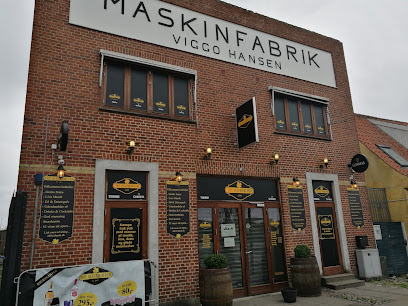
Ibsens Pub & Vinbar
25.4 km
Waterfront wine bar and pub where Nordic hospitality meets harbor views and live entertainment.
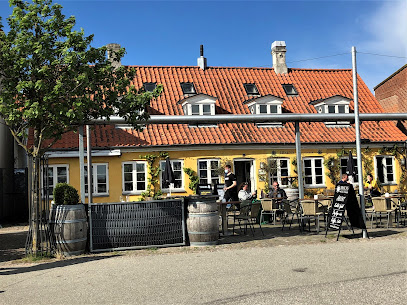
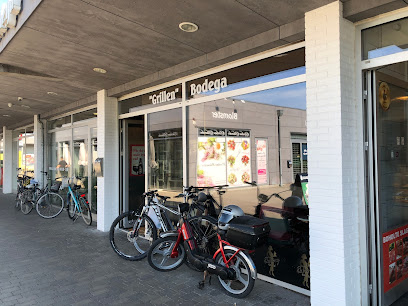
Grillen
25.5 km
Casual grilled fare in the heart of Køge, open daily for straightforward dining and drinks.
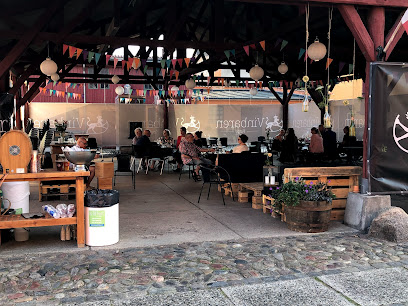
Vinbaren Køge
25.6 km
Intimate wine bar in Køge’s old town, serving well-chosen bottles, tapas-style plates and plenty of Danish hygge from relaxed afternoons to late-night last pours.
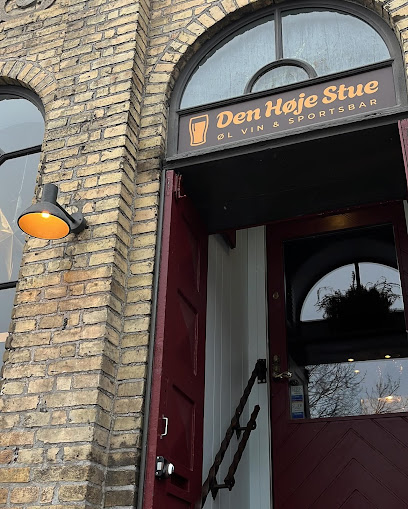
Den høje stue
25.8 km
Cosy sportspub on Køge’s historic Torvet, pairing classic bar vibes with big-screen matches and relaxed small‑town atmosphere late into the evening.
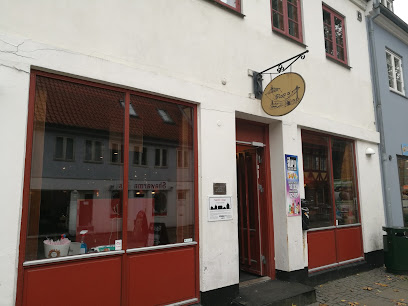
Bodega Slap A
25.9 km
Køge's electric nightlife hub where quality drinks meet vibrant DJ sets and dancing until dawn.
RICHTERs Ølstue
25.9 km
Characterful beer hall in Køge’s historic centre, pouring quality specialty brews and serving hearty Danish smørrebrød in a warm, wood-accented pub setting.
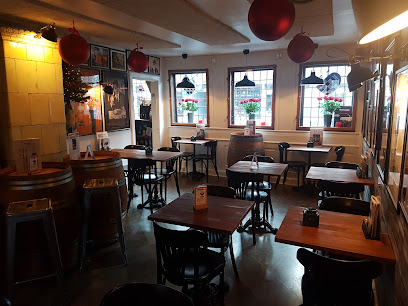
Café Asti
25.9 km
Intimate wine and tapas bar in Køge's heart, where Italian flavors meet European sophistication.
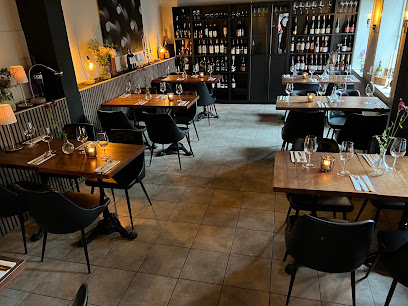
Ellemarkens Bodega Drøvlen
25.9 km
Unpretentious local bodega and community hangout in Køge’s Ellemarken district, serving inexpensive drinks, sports on TV and a relaxed slice of everyday Danish life.
Sussis Bodega ApS
26.3 km
Rural Danish bodega in an 1800s house along Stavreby Strandvej, offering simple drinks, informal company and a quietly coastal countryside atmosphere.
Bykroen
29.1 km
Cozy local bar and live music hangout on Haslev’s main street, offering simple drinks, late-weekend nights and an authentic small-town Danish atmosphere.
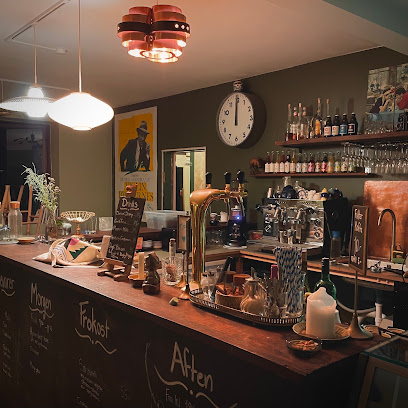
Cafe Borre
30.0 km
Homemade pastries and genuine warmth in a charming Borre village café.
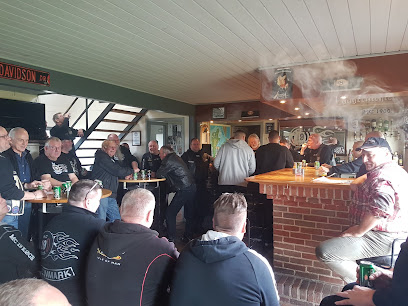
MC 19 Køge
30.7 km
Unpretentious roadside bar on the edge of Lille Skensved, blending motorcycle-club spirit with classic Danish pub hospitality and a relaxed, locals-first atmosphere.
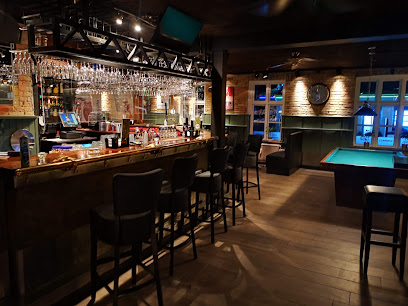
Mølleporten Øl- og Vinstue
31.9 km
A classic Danish “brown pub” on Stege’s main street, pairing local atmosphere, simple drinks and small-town charm just down from the town’s medieval gate.
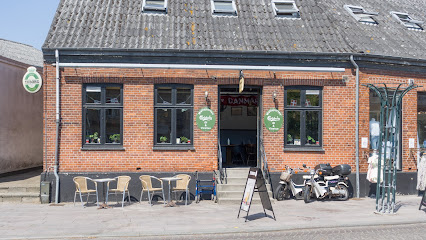
Ba'ryhl Bar & Café
32.0 km
Cosy café by day, intimate cocktail bar by night, Ba'ryhl brings small‑town warmth, good drinks and relaxed conversation to the heart of Stege on Møn.
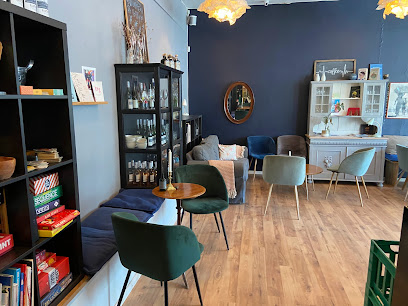
Nightclubs & after hour spots

Bloom Nightclub
25.4 km
Late-night harborfront beats and a compact dance floor bring big-night energy to small-city Køge every Friday and Saturday.
The Flame
25.4 km
Compact, high-energy nightclub by Køge’s harbor, serving up youthful beats, live acts and weekend dance-floor vibes in an intimate, no-frills setting.
LUSIO
25.4 km
Compact harbor-side nightclub in Køge with late Friday hours, a tight dance floor, and an intimate, no‑frills setting for Danish weekend nights out.
Avenue Næstved
41.1 km
Lively nightspot and flexible event hall in central Næstved, mixing dancefloor energy, festive dinners, stand-up comedy and themed parties under one roof.
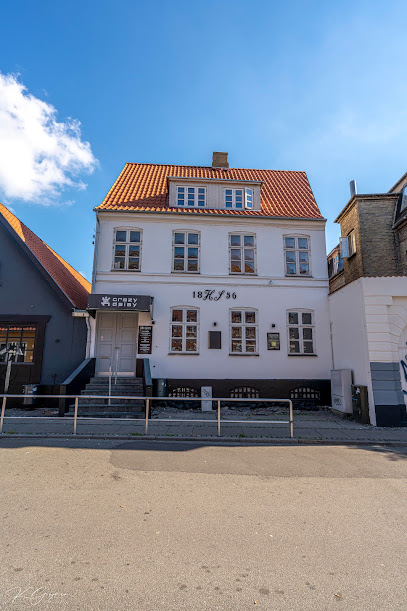
Crazy Daisy Næstved
41.2 km
High‑energy weekend nightclub in central Næstved, packing loud beats, flashing lights and a late‑night local crowd into a compact, classic Danish town‑club setting.
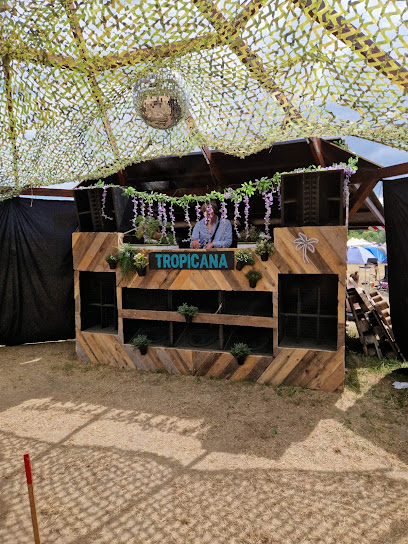
Tropicana DC
44.3 km
Compact Latin-flavoured nightclub on Roskilde’s industrial edge, delivering loud beats, simple drinks and a late-night dancefloor focused purely on partying.
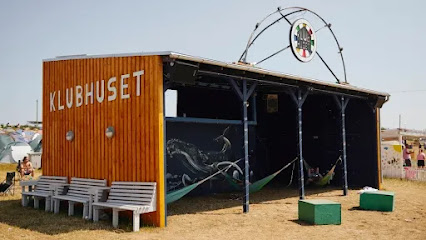
Klubhuset
44.4 km
Low-key local clubhouse turned disco-style nightspot, where a simple bar, small dance floor and regulars’ vibe create relaxed, unpretentious nights in Roskilde.
Rytmisk Musikforening Steps Ahead
45.4 km
Dynamic live music venue in Roskilde, specializing in jazz and contemporary genres, with an intimate setting and vibrant community engagement throughout the year.
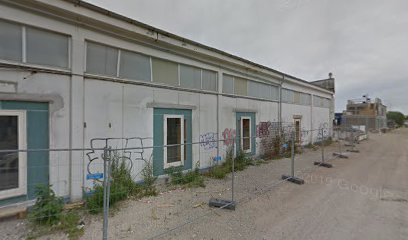
KB3
45.7 km
Discover the pulse of Copenhagen's nightlife at KB3, a lively night club in Vesterbro offering unforgettable music and vibrant experiences.
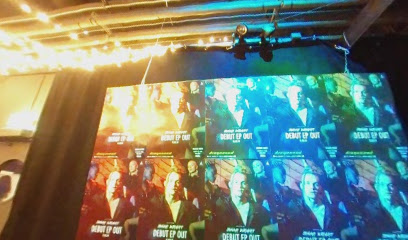
The Union
45.9 km
Discover the vibrant nightlife at The Union, Copenhagen's premier night club offering electrifying music and an unforgettable experience.
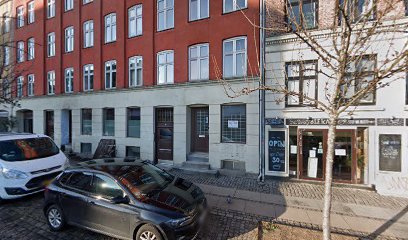
Baggen
45.9 km
Discover the electrifying atmosphere of Baggen, where Copenhagen's nightlife comes alive with vibrant music and unforgettable experiences.
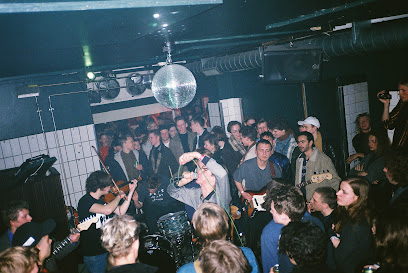
Dollhouse Striptease Nightclub
46.1 km
Experience the vibrant nightlife of Copenhagen at Dollhouse Striptease Nightclub, where adult entertainment meets unforgettable performances.
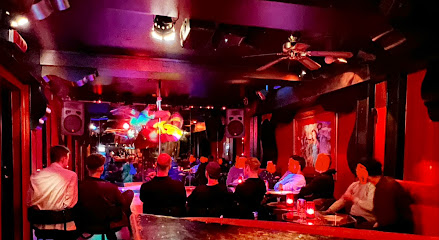
CristalClubCopenhagen
46.2 km
Dive into Copenhagen's nightlife at Cristal Club, where upscale ambiance meets electrifying music and unforgettable experiences.
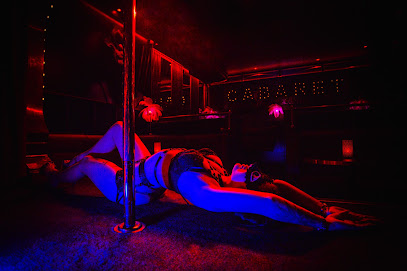
Vela Lesbian Lgbtq+ NightClub
46.3 km
Experience the inclusive spirit and vibrant nightlife at Vela Lesbian LGBTQ+ Nightclub in Copenhagen, where every night is a celebration of love and diversity.
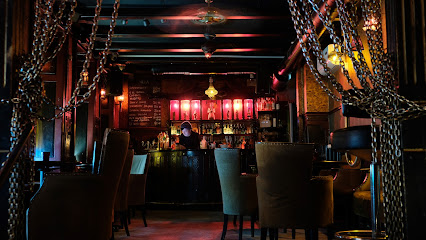
SOHO Roskilde food·lounge·music
46.3 km
Modern dining, lively cocktails and a vibrant music lounge atmosphere blend seamlessly at SOHO Roskilde, the city’s go-to venue for food, drinks, and nightlife.
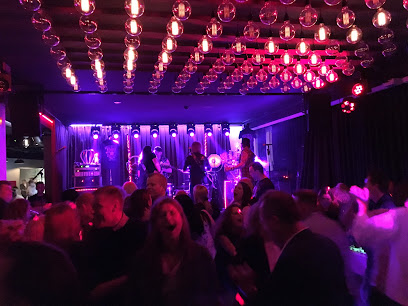
For the vibe & atmosphere seeker
- Adventurous
- Scenic
- Unique
- Fun-filled
- Lively
For the design and aesthetic lover
- Industrial Designs
- Modern Designs
For the architecture buff
- Historic
- Landmarks
- Viewpoints
For the view chaser and sunset hunter
- Iconic Views
- Panoramas
- Sunset Spots
For the social media creator & influencer
- Instagrammable
- Photo Spots
- Architectural Shots
- Reel-Friendly
For the eco-conscious traveler
- Public-Transport Accessible
- Low Impact
- Locally Managed
For the kind of experience you’re after
- Cultural Heritage
- Photowalk
- Adventure Photo Shoot
- Day Trip
- Roadtrip Stop
- Festival / Event Nearby
For how adventurous you want the journey to be
- Easy Access
Location Audience
- Family Friendly
- Senior Friendly
- Teen Friendly
- Solo Friendly
- Couple Friendly
- Solo Female Friendly
- Business Friendly


