

Best Landmarks Near Rundlingsdorf Lübeln (Altmark)
Planning a trip to Rundlingsdorf Lübeln? Discover the best landmarks nearby with history, expert tips, and routes. Free on web or the Evendo app.


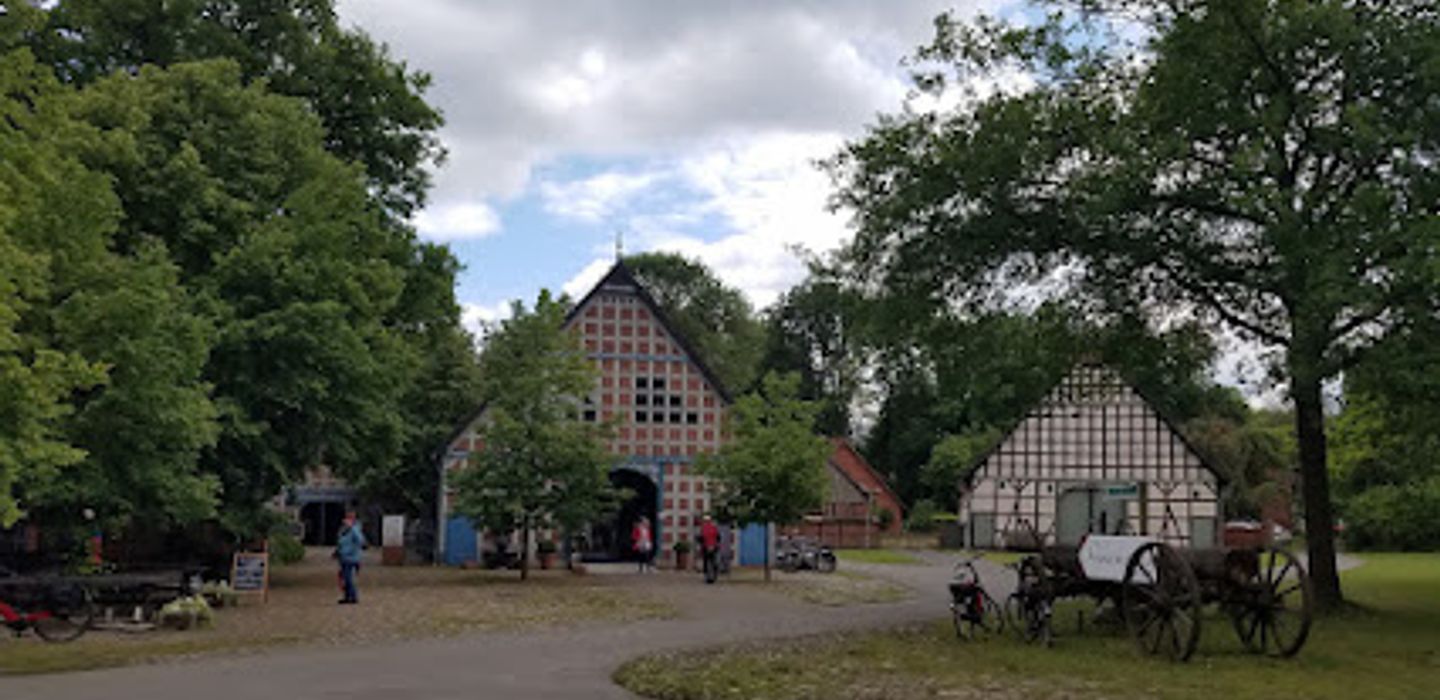
The best landmarks near Rundlingsdorf Lübeln
- Top rated
- Closest to Rundlingsdorf Lübeln
- A–Z
94 landmarks
-
Museum4.8★87,448 reviews
Miniatur Wunderland
Prepare to be amazed by Miniatur Wunderland, the world's largest model railway exhibit, nestled in the heart of Hamburg's historic Speicherstadt. This extraordinary attraction transports visitors to meticulously crafted miniature worlds, from the bustling streets of Hamburg and the majestic Swiss Alps to the sun-kissed landscapes of Italy and the vast expanse of America. With incredible attention to detail, the creators have brought these miniature environments to life with moving trains, cars, ships, and even tiny people going about their daily lives. It's an experience that captivates visitors of all ages, offering a unique blend of artistry, engineering, and storytelling. Allow ample time to explore the vast layout, as every corner reveals new surprises and hidden gems. Miniatur Wunderland is more than just a model railway; it's a journey around the world in a single day, sparking imagination and wonder.
-
Concert hall4.6★77,768 reviews
Elbphilharmonie Hamburg
The Elbphilharmonie, affectionately known as "Elphi," is Hamburg's iconic concert hall, a stunning architectural marvel rising from the Elbe River. Perched atop a historic brick warehouse, its shimmering glass facade resembles a hoisted sail or a crystalline wave, offering breathtaking panoramic views of the city. More than just a concert venue, the Elbphilharmonie is a cultural hub, housing three concert halls, a hotel, apartments, and a public plaza. Its Grand Hall boasts world-class acoustics, while the Plaza provides a mesmerizing 360-degree vista of Hamburg's harbor and skyline. Whether you're a music aficionado or an architecture enthusiast, the Elbphilharmonie promises an unforgettable experience, blending history, innovation, and artistic brilliance into a harmonious whole. A visit to the Elbphilharmonie is a must for any traveler seeking to immerse themselves in Hamburg's vibrant cultural landscape.
-
Castle4.7★26,738 reviews
Schwerin Castle
Schwerin Castle, often dubbed the "Neuschwanstein of the North," is a breathtaking palace on an island in Lake Schwerin. Its stunning architecture, a blend of Gothic Revival, Renaissance, and Baroque styles, creates a fairytale ambiance. Originally a Slavic fortress dating back to the 10th century, the castle evolved over centuries into the magnificent structure seen today. It served as a residence for the Dukes and Grand Dukes of Mecklenburg and now houses the Mecklenburg-Vorpommern state parliament and a museum. Visitors can explore opulent rooms, admire art collections, and stroll through the beautiful gardens, making it a must-see destination in northern Germany. The castle's reflection shimmering on the lake is an iconic image, embodying romance and history.
Tue–Sun 10:00–18:00
-
Wildlife park4.7★15,572 reviews
Wildpark Lüneburger Heide
Escape to the Wildpark Lüneburger Heide, a sprawling wildlife park nestled in the scenic Lüneburg Heath. Home to over 1,200 animals from 140 different species, this park offers an immersive experience for nature lovers of all ages. Observe native German wildlife alongside animals from Asia and America, including majestic brown bears, elusive snow leopards, and playful arctic foxes. Enjoy daily shows featuring wolves, tigers, and otters, or get up close and personal with friendly goats and deer in the petting zoo. With adventure playgrounds, beautiful gardens, and diverse animal encounters, the Wildpark Lüneburger Heide promises a memorable day out in the heart of the Lüneburg Heath.
Daily 8:00–19:00
-
Tourist attraction4.5★12,648 reviews
Hamburg Dungeon
The Hamburg Dungeon offers a thrilling and chilling journey into the Hanseatic city's grim past. Located in the heart of Hamburg's historic Speicherstadt, this unique attraction uses live actors, special effects, and immersive sets to bring over 600 years of Hamburg's darkest history to life. Experience the horrors of the Great Fire, the plague, and the infamous pirate Klaus Störtebeker. With a mix of humor and horror, the Hamburg Dungeon provides an unforgettable, if unsettling, experience. Prepare to be entertained, scared, and maybe even learn a thing or two about the darker side of Hamburg's heritage. It's a must-see for those seeking a unique and thrilling historical adventure.
-
Monument4.6★9,411 reviews
St. Nikolai Memorial
The St. Nikolai Memorial in Hamburg stands as a poignant reminder of the devastation wrought by World War II. Once one of the city's five main Lutheran churches, the Nikolaikirche was largely destroyed during the bombing raids of 1943. Today, the ruins serve as a memorial and a significant historical landmark. Visitors can explore the remaining structure, including the soaring spire that still dominates the Hamburg skyline, and descend into the underground museum to learn about the church's history and the impact of the war on the city. The memorial offers a space for reflection and remembrance, providing a powerful insight into Hamburg's past and its enduring spirit. It's a must-see for anyone interested in history, architecture, or simply understanding the soul of Hamburg.
Daily 10:00–18:00
-
Maritime museum4.6★7,240 reviews
International Maritime Museum
Embark on a captivating journey through 3,000 years of maritime history at the International Maritime Museum in Hamburg. Housed in a historic red-brick warehouse in HafenCity, a UNESCO World Heritage Site, the museum boasts an impressive collection of over 40,000 artifacts, including model ships, nautical instruments, maritime art, and naval uniforms. Explore nine decks filled with exhibits showcasing everything from ancient seafaring techniques to modern shipbuilding and deep-sea research. Interactive displays, such as a ship simulator, bring the experience to life, while themed collectables offer a glimpse into the world of maritime exploration. Whether you're a seasoned maritime enthusiast or simply curious about the sea, the International Maritime Museum offers a fascinating and immersive experience for all ages.
Daily 10:00–18:00
-
Historical landmark4.5★5,957 reviews
Am Sande
Am Sande, the central square of Lüneburg, Germany, is a captivating historical landmark dating back to the 13th century. Once an unpaved marketplace where salt traders gathered, it evolved into a vital commercial hub. Today, it's renowned for its stunning medieval architecture, showcasing well-preserved half-timbered houses with gabled roofs and ornate facades. Prominent buildings include the Alte Kaufhaus, Haus der Schiffergesellschaft, and die Ratsapotheke, each bearing witness to Lüneburg's prosperous past. Am Sande hosts various events throughout the year, including the Stadtfest and Sülfmeistertage, adding to its vibrant atmosphere. Visitors can explore unique shops, dine in traditional restaurants, and immerse themselves in the rich history and architectural beauty of this iconic square.
Open 24 hours
-
Historical landmark4.6★3,942 reviews
Old crane in the Lüneburg harbor
The Old Crane (Alter Kran) in Lüneburg is a captivating historical landmark, a testament to the city's rich Hanseatic past and its reliance on the salt trade. Standing proudly on the banks of the Ilmenau River at the Fischmarkt, this medieval crane dates back to 1346, with significant reconstruction in 1797. It served a crucial role in loading and unloading goods, particularly salt, onto ships that traversed the waterways. The crane's timber-frame structure and large wooden wheel evoke a sense of history and engineering ingenuity. Today, the Old Crane stands as a symbol of Lüneburg's heritage, drawing visitors to admire its architecture, learn about its historical significance, and enjoy the picturesque waterfront setting. Surrounded by charming cafes and shops, the area around the crane offers a delightful blend of history and modern life, making it a must-see attraction for anyone exploring Lüneburg. Its presence defines the Wasserviertel district, offering a tangible connection to the city's prosperous past as a major player in the Hanseatic League.
Open 24 hours
-
Historical landmark4.5★3,346 reviews
Chile House
The Chile House (Chilehaus) is an iconic ten-story office building in Hamburg, Germany, a prime example of Brick Expressionism from the 1920s. Designed by architect Fritz Höger and completed in 1924, it was commissioned by Henry B. Sloman, who made his fortune trading saltpeter from Chile, hence the name. Its striking, ship's-prow shape, dark clinker brick facade, and sculpted details make it a must-see landmark. As part of the Kontorhaus District, it has been a UNESCO World Heritage Site since 2015, symbolizing Hamburg's economic resurgence after World War I. Visitors can explore the building's exterior, admire its unique architecture, and discover the shops and restaurants within the surrounding Kontorhausviertel. The Chile House stands as a testament to Hamburg's rich history and architectural innovation.
Open 24 hours


Museum of Art and Industry
The Museum of Art and Industry (Museum für Kunst und Gewerbe Hamburg, MK&G) is a leading European museum dedicated to design and applied arts. Located near Hamburg's central train station, the MK&G boasts a diverse collection spanning 4,000 years of human creativity, from antiquity to contemporary design. Explore European, Asian, and Islamic art, including furniture, textiles, ceramics, graphic design, and musical instruments. Highlights include the Art Nouveau "Paris Room," the Spiegel Canteen by Verner Panton, and an impressive collection of historical keyboard instruments. With its engaging exhibitions and focus on the intersection of art, craft, and design, the MK&G offers a rich cultural experience for visitors of all ages and interests.

St. Peter's Church
St. Peter's Church (Hauptkirche St. Petri), a towering landmark in the heart of Hamburg, stands as a testament to the city's rich history and enduring spirit. Dating back to the 11th century, this iconic church has been rebuilt and restored multiple times, most notably after the Great Fire of 1842. Its towering spire offers panoramic city views, while its interior houses significant artworks, including medieval murals and the famous bronze lion-head door handles from 1342. Located on Mönckebergstraße, Hamburg's main shopping street, St. Peter's provides a serene escape amidst the bustling city center. Visitors can explore its architectural marvels, climb the 544 steps to the viewing platform, and immerse themselves in centuries of religious and cultural heritage. The church serves as a vital part of the Evangelical Lutheran Church in Northern Germany, hosting regular services and cultural events.

Ahrensburg Palace
Ahrensburg Palace, a stunning example of Renaissance architecture, graces the town of Ahrensburg with its presence. Surrounded by a serene lake and lush parklands, the palace offers visitors a captivating journey through the history of Schleswig-Holstein. Originally built in the late 16th century, the palace has witnessed centuries of change and has been meticulously preserved, showcasing opulent interiors and fascinating exhibits. Explore the staterooms, admire the period furnishings, and delve into the lives of the noble families who once resided within its walls. The palace grounds provide a tranquil escape, perfect for leisurely strolls and picturesque views. Whether you're a history enthusiast, an architecture aficionado, or simply seeking a peaceful retreat, Ahrensburg Palace promises an enriching and memorable experience, transporting you back in time to an era of elegance and grandeur. The combination of historical significance, architectural beauty, and natural surroundings makes it a worthwhile destination for any traveler.
Tue–Thu 11:00–17:00 · Sat–Sun 11:00–17:00

Port of Hamburg
The Port of Hamburg, Germany's largest and one of Europe's busiest ports, is a sprawling maritime landscape that has shaped the city's identity for centuries. More than just a commercial hub, it's a living museum where colossal container ships share waterways with historic vessels, offering visitors a captivating glimpse into the past, present, and future of global trade. From the iconic Landungsbrücken piers to the Speicherstadt warehouse district and the modern HafenCity, the port presents a diverse range of experiences, including harbor tours, museum visits, and culinary delights, making it a must-see destination for any traveler seeking to understand Hamburg's rich maritime heritage and its role as a vital link in the world's economy. The port's blend of history, culture, and industry creates a unique and unforgettable experience.

Märchenpark und Duftgarten Salzwedel
Märchenpark und Duftgarten Salzwedel is a charming amusement park that combines whimsical fairy-tale themes with stunning gardens, perfect for families and nature lovers alike. Visitors can explore fairy-tale worlds, enjoy lush landscapes, and make unforgettable memories.
Daily 10:00–19:00

Speicherstadt
The Speicherstadt, a UNESCO World Heritage site, is Hamburg's historic warehouse district, a mesmerizing maze of red-brick buildings, canals (fleets), and bridges. Built on oak piles in the late 19th and early 20th centuries, these warehouses once stored valuable goods like coffee, tea, spices, and tobacco. Today, while still serving some storage purposes, many of the buildings have been transformed into museums, galleries, offices, and restaurants, offering a unique blend of history, culture, and commerce. The district is especially enchanting at night when the buildings are illuminated, casting a magical glow over the waterways. Exploring the Speicherstadt is a journey through time, showcasing Hamburg's rich maritime past and its vibrant present. Whether you're interested in architecture, history, or simply soaking up the atmosphere, the Speicherstadt is an unforgettable experience.
Open 24 hours

German Salt Museum
Delve into the fascinating world of salt at the German Salt Museum in Lüneburg, a city historically known as the 'capital of salt.' Housed in a former saltworks dating back to 1924, the museum chronicles over 1,000 years of salt production and its profound impact on the region's wealth and culture. Explore interactive exhibits featuring artifacts, equipment, and multimedia displays that illustrate the evolution of salt mining and its uses throughout history. From medieval salt-boiling techniques to the industrial revolution's advancements, discover how salt shaped Lüneburg's identity and influenced global trade. Don't miss the opportunity to witness demonstrations of traditional salt-making methods and learn about the lives of the 'Sülfmeister,' the master salters who once held immense power in the city. A visit to the German Salt Museum offers a unique and engaging experience for all ages, providing a deeper understanding of this essential mineral and its enduring legacy.
Daily 10:00–17:00

Speicherstadtmuseum
Step back in time at the Speicherstadtmuseum, nestled within Hamburg's historic warehouse district, a UNESCO World Heritage site. This museum offers an authentic glimpse into the late 19th century, showcasing the inner workings of the world's largest warehouse complex. Explore exhibits detailing the storage and handling of goods like coffee, tea, cocoa, and spices, which were the lifeblood of Hamburg's trade. Discover the history of the 'quartermasters' and their crucial role in the refining and distribution of these valuable commodities. With interactive displays and a family-friendly atmosphere, the Speicherstadtmuseum provides an engaging and educational experience for visitors of all ages. It's a must-see for anyone interested in Hamburg's rich maritime past and the story of global trade.
Mon–Fri 10:00–17:00 · Sat–Sun 10:00–18:00

HafenCity Aussichtspunkt
Discover the stunning HafenCity Aussichtspunkt, an observation deck that offers breathtaking views of Hamburg's vibrant HafenCity area. Ideal for photographers and sightseers, this location captures the essence of modern architecture intertwined with historical elements, making it a must-visit for tourists.
Open 24 hours

Totengrund
Totengrund, meaning 'Dead Ground,' is a stunning dry valley nestled in the heart of the Lüneburg Heath Nature Reserve. Despite its name, it's a place teeming with life and breathtaking scenery. Formed during the Ice Age, this geological cirque offers a unique landscape of heather-covered hills, ancient juniper groves, and scattered erratic boulders. The valley is especially enchanting during the heather bloom in late summer, when the landscape transforms into a vibrant purple sea. Hiking trails wind around the valley's edge, providing panoramic views and a chance to immerse yourself in the serene beauty of the Lüneburg Heath. The area is car-free, ensuring a peaceful experience, and is accessible by foot, bike, or horse-drawn carriage, making it a perfect escape for nature lovers and those seeking tranquility.
Open 24 hours

Heide Himmel Observation tower
Ascend to the Heide Himmel observation tower for panoramic views of the stunning Lüneburg Heath. Located near Hanstedt, this unique structure offers an unforgettable experience, allowing visitors to immerse themselves in the natural beauty of the region from a breathtaking vantage point. The tower is seamlessly integrated into the Wildpark Schwarze Berge, providing an opportunity to combine wildlife observation with stunning landscape vistas. Whether you're a nature enthusiast, a photography buff, or simply seeking a memorable day out, Heide Himmel promises an enriching and visually captivating adventure. The tower's design allows for accessibility for many visitors, and the surrounding park offers a variety of activities for all ages, making it a perfect destination for families and solo travelers alike. Experience the magic of the heath from above and create lasting memories at this exceptional landmark.
Daily 8:00–19:00

Tangermünde Castle
Tangermünde Castle, a stunning medieval fortress, invites you to explore its rich history and breathtaking architecture. Nestled in the picturesque town of Tangermünde, this castle offers a glimpse into Germany's regal past, with impressive towers and scenic views of the surrounding landscape. Ideal for history enthusiasts and casual tourists alike, a visit here is sure to be a memorable experience.
Mon–Fri 8:00–16:30 · Sat–Sun 8:00–17:30

Lüne Abbey
Lüne Abbey, a stunning historical monastery in Lüneburg, Germany, invites tourists to explore its rich history and serene surroundings. Nestled in a picturesque area, this remarkable site offers a glimpse into the spiritual heritage of the region, featuring exquisite architecture and tranquil gardens perfect for leisurely strolls.

Castle and Castle Tower
The Castle and Castle Tower in Lauenburg/Elbe is a captivating historical landmark offering visitors a glimpse into the region's rich past. Originally built in 1182 as a defensive fort, the castle evolved into a Gothic and Renaissance residence for the Dukes of Lauenburg. While much of the original structure has been lost to time, the imposing castle tower remains, offering panoramic views of the Elbe River and the surrounding landscape. Explore the museum within the castle walls, wander through the restored gardens, and imagine life in this strategic stronghold that once controlled the Old Salt Route. The castle provides a memorable journey through history and offers a stunning vantage point to appreciate the beauty of Lauenburg.
Daily 10:00–17:00

St. Nikolai Museum
The St. Nikolai Memorial, a poignant reminder of Hamburg's wartime devastation, stands as a powerful symbol of remembrance and reflection. What remains of the former main church, largely destroyed during WWII's Operation Gomorrah, now serves as a museum and memorial dedicated to the victims of the air war. Visitors can explore the ruins, descend into the crypt to view the permanent exhibition detailing the war's impact, and ascend the towering spire via a glass elevator for panoramic city views juxtaposed with historical photographs of the destruction. The site offers a sobering yet essential experience, prompting contemplation on the consequences of war and the importance of peace, making it a significant cultural landmark in Hamburg.
Mon 10:00–18:00 · Wed–Sun 10:00–18:00

Museum Lüneburg
The Museum Lüneburg invites visitors on an immersive journey through the natural and cultural history of Lüneburg and its surrounding region. Housed in a modern building, the museum showcases a diverse collection of artifacts, exhibits, and interactive displays that bring the past to life. From the region's geological origins to its development as a prominent Hanseatic city, the museum offers a comprehensive overview of Lüneburg's rich heritage. Explore archaeological finds, historical documents, and captivating stories that reveal the interplay between nature, culture, and the people who have shaped this fascinating corner of Lower Saxony. With its engaging exhibits and family-friendly atmosphere, the Museum Lüneburg is a must-see destination for anyone interested in discovering the history and culture of this captivating region. Don't miss the special exhibits that highlight specific aspects of Lüneburg's past and present.

Plattenburg
Nestled in the serene landscapes of Germany, Plattenburg beckons to tourists with its rich historical significance and stunning architecture. This historical landmark, known for its captivating charm and picturesque surroundings, offers a glimpse into the past that is both enchanting and educational. Visitors can explore its well-preserved structures, enjoy guided tours that delve into the fascinating history, and take in the beautiful scenery that surrounds this remarkable site. With its inviting atmosphere, Plattenburg is a must-visit destination for history enthusiasts and casual travelers alike.
Thu–Sun 11:00–16:00

Kibbelstegbrücke
The Kibbelstegbrücke, a two-tiered bridge gracefully arching over the Zollkanal, serves as a vital link connecting Hamburg's historic Altstadt (Old Town) with the UNESCO-listed Speicherstadt and the modern HafenCity. Completed in the early 2000s, this pedestrian bridge offers stunning views of the surrounding waterways and the iconic red-brick warehouses of the Speicherstadt. It's a prime location for photographers, especially during the evening when the warehouses are illuminated, creating a magical atmosphere. The bridge not only provides a convenient crossing but also acts as a viewing platform, allowing visitors to soak in the unique blend of historical and contemporary architecture that defines Hamburg's waterfront. A stroll across the Kibbelstegbrücke is an essential experience for anyone exploring the city's rich maritime heritage and modern urban development.
Open 24 hours

Haus Altmark
Nestled in the heart of Gardelegen, Haus Altmark is a charming restaurant and hotel that offers a delightful blend of local cuisine and comfortable accommodations. With its inviting atmosphere and attentive service, it's a must-visit for any traveler seeking an authentic dining experience in the region.

Wilseder Berg
Ascend to Wilseder Berg, the highest point in the Lüneburg Heath, for panoramic views of this unique landscape. At 169 meters, it's not a towering peak, but its prominence in the otherwise flat terrain offers unparalleled vistas, especially when the heather blooms in late summer, painting the landscape in vibrant shades of purple. The surrounding area, a car-free nature reserve, invites exploration on foot, by bike, or via traditional horse-drawn carriage. Discover the heath's diverse flora and fauna, shaped by centuries of grazing and farming, and immerse yourself in the tranquility of this protected environment. Nearby, explore the mystical Totengrund valley and the historic village of Wilsede, preserving the charm of a pre-industrial heath community.

Energiebunker
The Energiebunker in Hamburg's Wilhelmsburg district is a striking example of urban transformation, converting a massive World War II flak bunker into a cutting-edge renewable energy plant and a unique visitor attraction. Built in 1943, the bunker served as both an air-raid shelter and a military installation. After the war, attempts to demolish the imposing structure failed, leaving it abandoned for decades. Today, it stands as a symbol of Hamburg's commitment to sustainability, generating heat and electricity for the surrounding area using solar, biogas, wood chips, and waste heat. Visitors can explore the bunker's history through informative exhibits, ascend to the rooftop café for panoramic city views, and witness firsthand the innovative technologies driving Hamburg's green energy revolution. The Energiebunker offers a compelling blend of history, architecture, and environmental consciousness, making it a must-see destination for those interested in Hamburg's past and future.
Sat–Sun 11:00–18:00

Platz der Deutschen Einheit
Platz der Deutschen Einheit, located in Hamburg's HafenCity, is a significant public square that serves as a reminder of German reunification. Situated near the iconic Elbphilharmonie, it features a segment of the Berlin Wall, symbolizing the division and subsequent unity of Germany. The square provides a space for reflection and contemplation amidst the modern architecture of HafenCity. It's a popular spot for both locals and tourists, offering stunning views of the Elbe River and the surrounding cityscape. The square also hosts various events and serves as a starting point for exploring the nearby attractions, making it a vibrant and historically relevant landmark in Hamburg. Its proximity to key transportation hubs makes it easily accessible, inviting visitors to delve into Germany's past while enjoying the city's contemporary offerings. The square is a testament to Hamburg's commitment to preserving history while embracing the future.

Alte Waage
Alte Waage, a historic landmark in Braunschweig, enchants visitors with its rich history and beautiful architecture. As a prominent tourist attraction, it offers a glimpse into the city’s past, making it a must-visit for anyone exploring the area.

Old Boiler House
The Old Boiler House, a striking red-brick building, stands as a proud testament to Hamburg's industrial past. Constructed in 1888, it was the first steam power station, providing energy to the historic Speicherstadt. Severely damaged during World War II, it was rebuilt, and today, the meticulously preserved building houses the HafenCity InfoCenter, offering visitors a glimpse into the past and future of Hamburg's waterfront development. Explore the building's original features, including towering chimneys and intricate piping systems, and discover how this former powerhouse played a crucial role in Hamburg's maritime trade. The InfoCenter provides comprehensive information about the HafenCity development project, with interactive displays and architectural models showcasing the vision and progress of this ambitious urban renewal initiative. The Old Boiler House is a must-see for those seeking to understand Hamburg's rich industrial heritage and its modern transformation.
Tue–Fri 10:00–17:00 · Sat–Sun 11:00–17:00

Perleberger Roland
Perleberger Roland is a historic landmark located in the heart of Perleberg, Germany. This stunning structure offers visitors a glimpse into the city's rich history and vibrant culture, making it a must-visit for any traveler exploring the area.
Open 24 hours

Klein Bünstorfer Heide
Escape to the tranquil Klein Bünstorfer Heide, a small yet captivating heathland near Bad Bevensen. This protected natural idyll offers a serene retreat throughout the year, easily accessible by car, bicycle, or a pleasant walk along the Ilmenau river. Discover a landscape dotted with ancient burial mounds from the Bronze Age, wander along sandy paths amidst the heather, and perhaps spot the rare Argus-Bläuling butterfly. The Lönsstein, a granite boulder commemorating the poet Hermann Löns, provides a perfect resting spot. Whether you visit during the vibrant heather bloom or any other season, the Klein Bünstorfer Heide promises a refreshing encounter with nature and history, making it a worthwhile destination for those seeking peace and natural beauty in the Lüneburg Heath.
Open 24 hours

Marstall Halbinsel
The Marstall Halbinsel, or Marstall Peninsula, in Schwerin offers a tranquil escape with stunning views of Schwerin Castle and the Schweriner See. Once the site of the grand ducal stables, built between 1838 and 1842, the peninsula now features a sprawling green park perfect for leisurely strolls and picnics. The historic Marstall building, beautifully restored, houses government ministries, blending history with modern function. Visitors can enjoy the waterfront promenade, admire the unique art installations, and soak in the serene atmosphere. With its blend of history, nature, and art, the Marstall Halbinsel is a must-visit destination for those seeking a peaceful retreat in Schwerin.
Open 24 hours

Abbey mill
The Abbey Mill, or Abtsmühle, in Lüneburg, Germany, is a captivating historical landmark dating back to the 16th century. Nestled beside the Lüner Mill in the historic harbor district, this picturesque mill once served the Michaelis Monastery. The Abtswasserkunst tower, erected in 1530, channeled water into the city, even supplying patrician homes. Today, the Abbey Mill stands as part of a hotel complex, offering visitors a glimpse into Lüneburg's rich milling history and its beautiful waterfront. Its charming architecture and tranquil setting make it a delightful spot for a leisurely stroll and a step back in time, embodying the Hanseatic city's blend of history and hospitality. The mill is a reminder of Lüneburg's past as a vital trade center and its innovative engineering.

DDR-Geschichtsmuseum
Immerse yourself in the intriguing history of East Germany at the DDR-Geschichtsmuseum in Perleberg. This captivating museum offers a unique glimpse into the everyday lives, culture, and politics of the former German Democratic Republic. With engaging exhibits and personal stories, visitors will gain a deeper understanding of a pivotal era in European history, all set in the charming town of Perleberg.
Thu–Fri 10:00–13:00 · Sat 13:00–16:00

Mönckeberg fountain
The Mönckeberg Fountain, locally known as Mönckebergbrunnen, stands as a prominent landmark on Mönckebergstraße, Hamburg's bustling main shopping street. Dedicated to Johann Georg Mönckeberg, a revered former mayor, the fountain serves as both a tribute and a work of art. Its central pillar, adorned with a lion symbolizing Mönckeberg's nickname, is supported by a sea lion holding bronze figures of Adam and Eve. The fountain not only commemorates a significant figure in Hamburg's history but also provides a tranquil spot amidst the vibrant energy of the city center. It's a place to pause, admire the artistry, and reflect on Hamburg's rich heritage, making it a worthwhile stop for any visitor exploring the city.
Open 24 hours

Otto-von-Bismarck-Stiftung Schönhausen / Bismarck-Museum
The Otto von Bismarck Stiftung Schönhausen, also known as the Bismarck Museum, offers an intriguing glimpse into the life and legacy of Germany's influential statesman. Nestled in a picturesque setting, this museum attracts history buffs and curious travelers alike with its captivating exhibitions and historical artifacts. A visit here promises to be both educational and inspiring, making it a must-see on your itinerary.
Tue–Fri 10:00–16:00 · Sat–Sun 10:00–13:00, 14:00–16:00

Das Schwangere Haus
Das Schwangere Haus (The Pregnant House) is a captivating historical landmark in Lüneburg, Germany, celebrated for its peculiar bulging facade. Built in 1698, the house owes its unusual shape to the use of anhydrite, a substitute for traditional mortar, sourced from the nearby Kalkberg. This material expanded when exposed to moisture, causing the distinctive outward curve. Located on Waagestraße in the heart of the Altstadt (Old Town), this architectural curiosity is a testament to Lüneburg's rich history as a Hanseatic salt trading center. While the interior remains private, the exterior is freely accessible, offering a unique photo opportunity and a glimpse into the city's past. It is said that touching the 'belly' of the house brings good luck. The Schwangere Haus stands as a symbol of Lüneburg's unique architectural heritage and is a must-see for any visitor exploring the city.
Open 24 hours

Speicherstadt
The Speicherstadt, or 'City of Warehouses,' is a captivating UNESCO World Heritage site in Hamburg, Germany. This expansive district, the world's largest warehouse complex, showcases stunning neo-Gothic brick architecture, with ornate facades, turrets, and gables reflected in a network of canals. Built between 1883 and 1927 as a free port zone, the Speicherstadt played a pivotal role in Hamburg's trading history, storing valuable goods like coffee, tea, spices, and carpets. Today, it's a vibrant area filled with museums, attractions, cafes, and restaurants, offering visitors a unique blend of history, culture, and architectural beauty. Exploring the Speicherstadt is a must for any visitor to Hamburg, providing a glimpse into the city's rich maritime past and its dynamic present.
Open 24 hours

Columbus Haus
Columbus Haus is a captivating tourist attraction located in Hamburg, renowned for its stunning architecture and vibrant atmosphere. It offers visitors a glimpse into the city's rich maritime history and cultural heritage. Whether you're strolling along the waterfront or enjoying the local dining scene, Columbus Haus is a must-visit destination that captures the essence of Hamburg.
Open 24 hours

Marco Polo Tower
The Marco Polo Tower, a striking residential building in Hamburg's HafenCity, is a modern architectural marvel. Completed in 2009, its unique design features interlocking, slightly rotated floors, creating a dynamic, twisting silhouette that stands out against the cityscape. Designed by Behnisch Architekten, the 55-meter-high tower has garnered architectural awards and is considered one of Hamburg's most expensive residential spaces, offering panoramic views of the harbor and city. While there's no public viewing platform, its exterior is a captivating sight, complemented by nearby attractions like the Unilever-Haus, Speicherstadt, and Grasbrook Park. Easily accessible by public transport, the Marco Polo Tower is a must-see for architecture enthusiasts visiting Hamburg.
Mon–Sat 9:00–19:00

Moltkedenkmal
The Moltkedenkmal in Parchim stands as Germany's oldest monument dedicated to Helmuth von Moltke the Elder, a celebrated military strategist born in the town. Unveiled in 1876 during Moltke's lifetime, the monument reflects his significant role in shaping 19th-century military history and German unification. The statue portrays Moltke in his military attire, embodying the discipline and strategic brilliance associated with him. Situated on Moltkeplatz, the memorial provides a focal point within the town, surrounded by historical buildings and green spaces. Visitors can reflect on Moltke's legacy and appreciate the artistry of the monument, crafted by sculptor Ludwig Brunow. The Moltkedenkmal offers a glimpse into Parchim's past and its connection to a figure of national importance, making it a worthwhile stop for history enthusiasts and those exploring the town's cultural heritage. The monument is a testament to Parchim's pride in its native son and his lasting impact on German history.
Open 24 hours

Heidemuseum Dat ole Huus
Heidemuseum Dat ole Huus, nestled in the heart of Wilsede, offers a captivating glimpse into 19th-century rural life on the Lüneburg Heath. This meticulously preserved farmhouse, dating back to 1742, showcases the rustic living conditions and traditions of the region's past. Visitors can explore the traditional layout, where humans and animals once shared the same roof, and discover the origins of common German sayings. With its authentic furnishings and informative exhibits, the museum provides an immersive experience, transporting visitors to a bygone era. The combined ticket also grants access to the Emhoff sheep shed, featuring changing exhibitions about the cultural landscape of the Lüneburg Heath.
Daily 10:00–16:00

Schwerin Victory Column
The Schwerin Victory Column, erected in the late 19th century, stands as a gleaming testament to Prussian military victories. Located in the heart of Schwerin, this towering monument is adorned with intricate sculptures and inscriptions that narrate its historical significance. Visitors can enjoy panoramic views of the city and Schwerin Lake from its base, set within a serene park. The column is conveniently located near other attractions, making it an essential stop for history buffs and sightseers alike. Whether you're capturing stunning photographs or simply enjoying a peaceful moment, the Victory Column offers a multifaceted experience, especially enchanting during sunset when bathed in golden light. Its central location and accessibility make it a seamless addition to any Schwerin itinerary, providing a blend of historical immersion and scenic beauty. The surrounding greenery enhances the overall charm, inviting leisurely strolls and moments of reflection.
Open 24 hours

Prignitz Museum am Dom Havelberg
Nestled in the heart of Havelberg, the Prignitz Museum offers visitors a captivating journey through the region's rich cultural heritage. This museum, situated near the iconic cathedral, showcases a diverse collection of historical artifacts, art, and exhibitions that reflect the local history and traditions. Ideal for tourists of all ages, the museum invites you to immerse yourself in the stories of the Prignitz region, making it a must-visit destination for history enthusiasts and curious travelers alike.
Tue–Sun 10:00–17:00

Pferdeschwemme
Pferdeschwemme is a captivating tourist attraction in Perleberg, Germany, renowned for its rich history and picturesque landscapes. This unique site offers visitors a glimpse into the town's equestrian heritage, surrounded by serene natural beauty and charming architecture.
Open 24 hours

Altmärkisches Museum Stendal
Altmärkisches Museum Stendal is a cultural gem that showcases the history, art, and traditions of the Altmark region. Ideal for tourists, it offers a deep dive into local heritage through engaging exhibits and artifacts.

Burgruine Gänseburg Putlitz
Burgruine Gänseburg, a captivating historical landmark in Putlitz, invites tourists to explore its rich heritage and breathtaking views. Nestled in the scenic Brandenburg region, this medieval ruin offers a glimpse into the past and a perfect backdrop for unforgettable memories.

Hanibals Grab
Hanibal's Grave, nestled in the heart of Lüneburg Heath near Bispingen, is a captivating cluster of boulders shrouded in mystery and local legend. Despite its name, the Carthaginian general Hannibal has no direct connection to this Stone Age site. The name arose in the 1920s after visitors at an art exhibition noted a striking resemblance between the stones and a painting of Hannibal's tomb in Turkey by Eugen Bracht, sparking speculation that the artist had actually painted the Lüneburg Heath formation. Today, the site offers a blend of natural beauty and historical intrigue, attracting hikers and history enthusiasts alike. Explore the heath's scenic trails, especially vibrant during the heather blooming season, and ponder the enigmatic origins of this unique landmark. A visit promises a tranquil escape and a fascinating glimpse into the region's geological past and imaginative folklore.
Open 24 hours

Lighthouse Zero
Lighthouse Zero, situated at the tip of Baakenhöft in Hamburg's HafenCity, isn't a traditional lighthouse but a prototype showcasing innovative residential architecture. This unique structure offers a glimpse into the future of urban living, featuring a 360-degree panoramic view from its elevated living space. While primarily a presentation object, its striking design and prime location make it a captivating point of interest for tourists exploring the modern HafenCity district. The building exemplifies a visionary approach to housing, demonstrating how to maximize space and minimize environmental impact in challenging urban environments. Its distinctive architecture and the surrounding HafenCity contribute to Hamburg's modern appeal, drawing visitors interested in contemporary design and urban development. Lighthouse Zero stands as a testament to Hamburg's forward-thinking spirit, blending architectural innovation with sustainable living concepts.

Erlebnishaus Altmark
Erlebnishaus Altmark is a must-visit destination for tourists seeking a unique recreational experience in the heart of Kalbe. This vibrant venue offers a blend of fun activities, local culture, and scenic beauty, making it an ideal spot for families and adventure seekers alike. From interactive exhibitions to outdoor activities, visitors can immerse themselves in the rich heritage of the Altmark region while enjoying various recreational options. Whether you're looking to explore, learn, or simply relax, Erlebnishaus Altmark is sure to provide an unforgettable experience.

Bismarckturm Salzwedel
Nestled in the picturesque town of Salzwedel, the Bismarckturm is a stunning historical landmark that offers breathtaking views and a glimpse into the region's rich heritage. This towering structure stands as a tribute to German unity and is surrounded by lush greenery, making it a perfect spot for tourists seeking both history and nature.

Office of the Lüneburg Heath Nature Park
The Lüneburg Heath Nature Park Office in Winsen (Luhe) serves as the perfect starting point for exploring one of Germany's most unique landscapes. This office provides visitors with essential information about the vast Lüneburg Heath, a sprawling area of heathland, forests, and charming villages. Discover hiking trails, cycling routes, and carriage rides that wind through the park's stunning scenery. Learn about the region's history, its unique flora and fauna, and the importance of preserving this natural treasure. Whether you're seeking outdoor adventure or a peaceful escape, the Nature Park Office equips you with the knowledge to make the most of your visit to the Lüneburg Heath. Don't miss the heath in full bloom during late summer, when the landscape transforms into a vibrant sea of purple.
Mon–Thu 8:00–16:00 · Fri 8:00–13:00

Viewpoint Elphi
Viewpoint Elphi, situated within the Hanseatic Trade Center, offers a unique perspective on Hamburg's iconic Elbphilharmonie and the bustling HafenCity. While not an official observation deck, this vantage point provides stunning, often less crowded, views of the architectural marvel and the surrounding harbor. It's a prime spot for photographers and those seeking a moment of reflection amidst the city's vibrant energy. The location's accessibility and proximity to other key attractions make it a worthwhile stop for any Hamburg visitor, offering a different angle on the city's maritime heart and modern architectural achievements. The viewpoint captures the essence of Hamburg's blend of historic charm and contemporary innovation, providing a memorable experience for those who venture to discover it.

Gänsebrunnen
Nestled in the charming town of Perleberg, Gänsebrunnen is a historic fountain that serves as a captivating meeting point for both locals and tourists. This iconic landmark is not just a beautiful piece of architecture; it is a symbol of the town's rich history and vibrant culture. Surrounded by lush greenery and bustling streets, Gänsebrunnen offers visitors a delightful glimpse into the life of Perleberg, making it a must-visit destination for anyone exploring this quaint German town.
Open 24 hours

Vasco da Gama Square
Vasco da Gama Square, nestled in Hamburg's modern HafenCity, offers a blend of maritime history and contemporary urban design. Named after the famous Portuguese explorer, the square serves as a vibrant public space, connecting visitors to the city's rich port heritage and its forward-looking architecture. Flanked by modern buildings and close to the Elbe River, it provides a scenic spot for relaxation and exploration. Its proximity to key attractions like the Elbphilharmonie and Speicherstadt makes it a convenient starting point for discovering Hamburg's cultural and historical landmarks. The square itself is a testament to Hamburg's maritime past, while the surrounding area showcases the city's innovative urban development. Whether you're interested in history, architecture, or simply soaking up the atmosphere of a bustling port city, Vasco da Gama Square is a worthwhile stop.
Open 24 hours

Bishop's Tower
The Bishop's Tower, or Bischofsburg as it's known locally, is an archaeological site in the heart of Hamburg, offering a unique window into the city's early history. Located near St. Peter's Church, the site contains the remains of a 12th-century defensive structure, initially believed to be the 11th-century stone residence of Archbishop Adalbrand of Bremen. Today, visitors can explore the tower's foundations, including a circular tower base and a well, within a modern showroom that incorporates a café. It's a fascinating blend of historical remnants and contemporary life, providing a tangible connection to Hamburg's medieval origins. The tower's location in the city center makes it easily accessible and a worthwhile stop for anyone interested in the city's development and early fortifications. While not a towering structure in the present day, the Bishop's Tower stands as a significant historical marker, reminding us of Hamburg's strategic importance and the lives of those who shaped its early history.
Wed–Thu 15:00–18:00 · Fri–Sat 12:00–18:00

Brooksfleet
Escape the urban bustle and discover the tranquil beauty of Brooksfleet, a picturesque canal nestled within Hamburg's historic Speicherstadt. This charming waterway offers a serene retreat, inviting visitors to stroll along its banks and admire the stunning reflections of the surrounding red-brick warehouses. As part of the UNESCO World Heritage Site, Brooksfleet provides a glimpse into Hamburg's rich maritime past, showcasing the architectural grandeur and intricate network of canals that once served as the lifeblood of the city's thriving port. Whether you're seeking a peaceful escape or a captivating photo opportunity, Brooksfleet promises an unforgettable experience amidst Hamburg's captivating waterfront.
Open 24 hours

Brunnen "Rettung aus Seenot"
The Brunnen Rettung aus Seenot (Fountain Rescue from Sea Distress) is a captivating bronze sculpture located in Schwerin, Germany, in front of the main train station. Created by Hugo Berwald in 1911, the Jugendstil (Art Nouveau) fountain depicts a dramatic scene of a man rescuing a woman from the sea. Originally situated on the Schwerin market square, it was moved to its current location in 1927. The fountain serves not only as a striking piece of public art but also as a poignant reminder of maritime rescue and human resilience. Its intricate details and historical context make it a worthwhile stop for visitors exploring Schwerin.
Open 24 hours

Old Hanseatic wooden boats
Step back in time at Lüneburg's Stintmarkt, where historic Hanseatic wooden boats bob gently on the Ilmenau River. This picturesque waterfront, once a bustling trading hub, now offers a charming glimpse into the city's rich maritime past. Admire the traditional boats, remnants of Lüneburg's era as a powerful member of the Hanseatic League, when salt was the city's 'white gold'. The Stintmarkt itself is a vibrant mix of history and modern life, with restaurants and pubs lining the waterfront, offering stunning views of the boats and the iconic Old Crane. Enjoy the atmosphere of this historic harbor, imagining the days when these vessels transported valuable goods across the region. The area provides a tangible connection to Lüneburg's heritage, making it a must-see for any visitor seeking to understand the city's cultural and economic significance.

Kleines Leuchtfeuer
The Kleines Leuchtfeuer, or 'Little Lighthouse,' is a charming, non-operational lighthouse nestled on the Störtebeker Ufer in Hamburg's HafenCity. Though small in stature, it offers a picturesque glimpse into the city's maritime past. Surrounded by modern architecture and the bustling activity of the harbour, this petite landmark provides a delightful contrast, making it a favourite spot for locals and tourists alike. Its location on the Störtebeker Ufer, a waterfront promenade, allows for stunning views of the Elbe River and the Speicherstadt, a UNESCO World Heritage site. The lighthouse serves as a reminder of Hamburg's rich seafaring history and its ongoing connection to the water. While you can't climb it, its presence adds character to the vibrant HafenCity landscape, inviting visitors to pause and appreciate the blend of old and new that defines Hamburg.
Open 24 hours

Gerhart Hauptmann Square
Gerhart Hauptmann Square, nestled in the heart of Hamburg's Altstadt, offers a refreshing respite from the city's bustling energy. Once a horse market dating back to 1260, the square has evolved into a vibrant hub surrounded by architectural landmarks like the Thalia Theater and the flagship Karstadt department store. Its central location makes it easily accessible and a popular meeting point. The square provides a welcoming space for relaxation, people-watching, and soaking in the atmosphere of Hamburg. Whether you're seeking a break from shopping, a place to enjoy a coffee, or simply a spot to observe city life, Gerhart Hauptmann Square provides a charming and convenient urban retreat. Its blend of history, accessibility, and central location makes it a worthwhile stop for any visitor exploring Hamburg's city center.

Traditional Ship Port Sandtorkai
The Traditional Ship Port Sandtorkai, nestled in Hamburg's vibrant HafenCity, offers a captivating glimpse into the city's rich maritime history. As Hamburg's first modern harbor basin, opened in 1866, it revolutionized cargo handling with its innovative steam-powered cranes. Today, it serves as a floating museum, showcasing a collection of meticulously preserved historic vessels. Visitors can stroll along the 380-meter pontoon, admiring the ships and soaking in the atmosphere of this revitalized port area. Bordering the Speicherstadt, a UNESCO World Heritage site, Sandtorkai seamlessly blends tradition with modern urban development, making it a must-see destination for history buffs and casual tourists alike. The area is easily accessible and offers stunning waterfront views, creating a memorable experience for all.

Mahatma-Gandhi-Brücke
The Mahatma Gandhi Bridge in Hamburg is a modern bascule bridge connecting HafenCity with the Elbphilharmonie. Named in honor of Mahatma Gandhi in 2011, it symbolizes Hamburg's cosmopolitan values. The bridge offers stunning views of the Elbe River and the Elbphilharmonie, making it a popular spot for locals and tourists alike. Its design blends seamlessly with the surrounding architecture, providing both functionality and aesthetic appeal. Whether you're strolling across it or admiring it from afar, the Mahatma Gandhi Bridge is a testament to Hamburg's innovative spirit and commitment to honoring global icons. The bridge is especially enchanting during sunset, when the sky is painted in hues of orange and pink, creating a picturesque backdrop. The bridge is conveniently located near other attractions, making it an ideal starting point for exploring the city's rich history and vibrant culture.
Open 24 hours

Hulbe house
The Hulbe House, a striking building on Hamburg's Mönckebergstraße, stands as a testament to the city's rich architectural heritage. Built in 1910-1911 by architect Henry Grell for bookbinder and leather artisan Georg Hulbe, the building showcases a distinctive Dutch Renaissance style. Its red brick facade, adorned with intricate sandstone carvings, including numerous 'Green Men,' sets it apart from the modern structures surrounding it. Today, the Hulbe House continues to blend history with contemporary commerce, housing a department store on its lower floors and offering a glimpse into Hamburg's past through its meticulously preserved exterior. A visit offers a unique opportunity to admire the craftsmanship and artistry of a bygone era amidst the bustling energy of one of Hamburg's main shopping streets.
Open 24 hours

Denkmal Lüneburger Ursulanacht
The Denkmal Lüneburger Ursulanacht commemorates a pivotal moment in Lüneburg's history: the St. Ursula's Night of 1371. This was when the citizens of Lüneburg bravely defended their freedom against the Duke Magnus II's armed knights. Located near the Heiligengeist Hospital, the memorial features a boulder with a bronze inscription, serving as a reminder of the courage and vigilance required to protect liberty. The memorial park provides a tranquil space for reflection on the city's past and the values it represents. Visitors can appreciate the historical significance of the site, which stands as a testament to Lüneburg's long-standing tradition of civic pride and resistance against tyranny. The Denkmal Lüneburger Ursulanacht is a must-see for those interested in the history and cultural heritage of Lüneburg.
Open 24 hours

Rastplatz am ehemaligen Grenzstreifen bei Kapern
Nestled in the serene landscape of Schnackenburg, the Rastplatz am ehemaligen Grenzstreifen bei Kapern offers weary travelers a peaceful retreat filled with historical significance and natural beauty, making it a must-visit for anyone exploring the region.

Archaeoscope Hammaburg
The Archaeoscope Hammaburg offers a unique glimpse into Hamburg's medieval past. Situated on Domplatz, the very spot where the Hammaburg fortress once stood, this observation point allows visitors to travel back in time through virtual reality. By peering through the Archaeoscope, one can witness a reconstruction of the Domplatz as it appeared centuries ago, providing an immersive experience of the city's origins. It serves as an educational center, revealing layers of Hamburg's urban development and its transformation from a swamp settlement to a major Hanseatic city. While hours are currently limited, the site remains a compelling point of reflection on Hamburg's rich history and its enduring connection to the sea.
Open 24 hours

Magdeburger Halbkugeln
The Magdeburger Halbkugeln, an iconic tourist attraction in Braunschweig, Germany, captivates visitors with its unique architectural design and historical significance. These striking semi-spherical structures are a must-see for any architecture enthusiast or traveler intrigued by modern art forms.
Open 24 hours

Südlichster Punkt von Schleswig-Holstein
Discover the unassuming yet significant southernmost point of Schleswig-Holstein, marked along the Elbe River in Lauenburg/Elbe. While not a dramatic landmark, this spot offers a tranquil riverside experience and a chance to reflect on the region's geography. Lauenburg itself is a charming historic town with half-timbered houses and a rich history tied to Elbe River shipping. The area provides pleasant walking and cycling paths, connecting you with nature and local heritage. Visit during sunrise or sunset for beautiful views. Pack a picnic to enjoy by the river. Check the weather, as it can be breezy. Explore Lauenburg's old town and consider a visit to the Elbschifffahrtsmuseum to learn about the town's maritime past. The southernmost point serves as a starting point to explore Lauenburg and the Elbe region.
Open 24 hours

Dreiländereck Mecklenburg-Vorpommern, Brandenburg, Niedersachsen
The Dreiländereck, marking the meeting point of Mecklenburg-Vorpommern, Brandenburg, and Niedersachsen, offers a unique geographical and cultural experience in northern Germany. Located near Dömitz, this attraction provides a serene escape into nature, perfect for leisurely exploration and appreciation of the region's heritage. Visitors can enjoy scenic views, tranquil waters, and lush greenery, ideal for picnics, photography, and relaxing strolls. The area acts as a cultural crossroads, offering insights into the traditions and local cuisines of each state. Nearby towns provide opportunities to discover local shops, regional delicacies, and engage with the welcoming locals, making it a memorable destination for those seeking natural beauty and cultural enrichment.
Open 24 hours

Paul-Lincke-Platz
Nestled in the heart of Wittenberge, Paul-Lincke-Platz is a picturesque square that offers a unique blend of historical significance and modern vibrancy. This charming location is perfect for leisurely strolls, enjoying local cafes, and soaking in the atmosphere of this quaint German town.

Krügerhaus Lüneburg
The Krügerhaus in Lüneburg is a beautifully preserved historical landmark that offers a window into the city's rich past. Located on Wandrahmstraße, this charming building showcases traditional architecture and provides a tangible link to Lüneburg's heritage. While the building itself may not be open for tours, its exterior is a delight to behold, contributing significantly to the aesthetic appeal of the surrounding area. The Krügerhaus stands as a reminder of Lüneburg's historical significance and architectural beauty, inviting visitors to appreciate the charm and character of this delightful German destination. Its presence enriches the cultural tapestry of Lüneburg, making it a worthwhile stop for those exploring the city's historical district. The building's well-maintained facade and historical context make it a significant point of interest for anyone interested in Lüneburg's architectural evolution and cultural heritage.

Ochsenbrunen
The Ochsenbrunen, or Ox Fountain, is a charming historical fountain located on Schlachtermarkt in Schwerin's old town. While not a grand spectacle, it offers a glimpse into the city's past and provides a pleasant spot to pause amidst the bustle. The fountain features a depiction of an ox, a common symbol in northern Germany, and is surrounded by cobblestone streets and traditional buildings. Its location in the heart of Schwerin makes it easily accessible and a worthwhile stop while exploring the city's historical center. The fountain is near the Schwerin Cathedral and other notable landmarks, making it a convenient addition to any walking tour. Although small, the Ochsenbrunen contributes to the overall atmosphere of Schwerin's old town, offering a moment of tranquility and a connection to the city's heritage.
Open 24 hours

Binnenhafen Viewpoint
The Binnenhafen Viewpoint offers stunning panoramic views of Hamburg's vibrant harbor and the modern HafenCity district. Situated on Kehrwieder, this observation deck provides a serene escape from the city's hustle, allowing visitors to appreciate the architectural beauty and bustling waterway. From this vantage point, one can marvel at the Elbphilharmonie, historic Speicherstadt, and the constant activity of ships and boats navigating the Elbe. Particularly enchanting during sunset, the viewpoint provides a picturesque setting for photographers and those seeking a tranquil moment. The surrounding area features charming cafes and eateries, perfect for enjoying local cuisine while soaking in the scenery. Whether you're a local or a tourist, the Binnenhafen Viewpoint is a must-visit destination for experiencing Hamburg's maritime charm and modern development.
Open 24 hours

Magdeburger Ameisenschlachten
Magdeburger Ameisenschlachten is a unique tourist attraction located in Magdeburg, renowned for its captivating ant battles. This fascinating spectacle offers visitors a glimpse into the intricate world of nature, where tiny warriors engage in epic confrontations that are both entertaining and educational. A perfect spot for families and nature enthusiasts alike, the site provides intriguing insights into the behavior of these industrious insects. Immerse yourself in this extraordinary experience that showcases the wonders of the natural world.
Open 24 hours

Kriegsgräberdenkmal
The Kriegsgräberdenkmal in Parchim is a poignant memorial dedicated to the fallen soldiers of past conflicts. Located in a serene setting, this site offers a space for reflection and remembrance. The memorial's design incorporates elements of stone and landscaping, creating a somber yet dignified atmosphere. Visitors can explore the grounds, read inscriptions, and pay their respects to those who sacrificed their lives. The Kriegsgräberdenkmal serves as a reminder of the human cost of war and the importance of peace. It is a place where history and memory converge, inviting contemplation and honoring the lives of the fallen. The site is well-maintained and provides a tranquil environment for visitors to connect with the past and reflect on the sacrifices made for freedom and peace. A visit here offers a powerful and moving experience, fostering a deeper understanding of history and the importance of remembrance.

Turmhügelburg Cäcilieninsel
The Turmhügelburg Cäcilieninsel, or Cäcilieninsel Motte, is a captivating historical landmark near Koberg, Germany, offering a glimpse into the medieval past. This well-preserved motte-and-bailey castle site, dating back to the 13th or 14th century, features a prominent artificial hill encircled by a moat, once the foundation of a wooden defensive tower. Though the tower is long gone, the island's tranquil setting amidst lush greenery invites visitors to imagine life during the Middle Ages. While not extensively developed for tourism, its subtle charm and historical significance make it a worthwhile stop for history enthusiasts and those seeking a peaceful connection with the past. The site provides a tangible link to the region's medieval heritage, offering a unique perspective on the defensive structures and settlement patterns of the time. A visit here is a quiet, reflective experience, ideal for those who appreciate historical sites in their natural, unassuming state. It's a place to step back in time and appreciate the subtle remnants of a bygone era, a testament to the strategic importance of this location centuries ago. The island is freely accessible, making it an attractive destination for a brief historical detour.
Open 24 hours

Lüneburg
Lüneburg, a captivating Hanseatic city in Lower Saxony, Germany, offers a delightful blend of medieval charm and youthful energy. Untouched by WWII, its well-preserved brick Gothic architecture whispers tales of its prosperous past as a major salt producer in the Hanseatic League. Explore the historic Am Sande square, marvel at the Old Crane in the Wasserviertel district, and delve into the city's salty history at the German Salt Museum. With its vibrant cultural scene, numerous pubs, and proximity to the Lüneburg Heath, Lüneburg promises an unforgettable experience for every traveler. Discover the allure of this historic gem, where the echoes of the past harmonize with the vibrancy of modern life, creating a destination that is both enriching and endlessly engaging.

Historische Nutzungsform der Wälder in den Ruhner Bergen
Explore the breathtaking beauty and historical significance of the Ruhner Berge, where ancient forest practices come alive amid lush greenery and tranquil landscapes. This hidden gem invites tourists to immerse themselves in nature's splendor while learning about the sustainable practices that have shaped the region's rich history. Perfect for nature lovers and history enthusiasts alike, the Ruhner Berge offers a unique experience in Germany's scenic countryside.

ehemalige Großherzogliche Leinen- und Bettenkammer
The ehemalige Großherzogliche Leinen- und Bettenkammer (former Grand Ducal Linen and Bed Chamber) in Schwerin offers a fascinating peek into the opulent lifestyle of Mecklenburg's grand ducal family. Built in 1878 by architect Hermann Willebrand, this unassuming yet historically significant building once housed and managed the high-quality textiles and bedding for the Schwerin court. Today, the building is privately owned, but its presence serves as a reminder of Schwerin's rich history as a royal residence. Located on Großer Moor, it's easily accessible and a worthwhile stop for history enthusiasts exploring the city's architectural heritage. While you can't tour the inside, admiring the exterior and reflecting on its past function provides a unique connection to Schwerin's grand ducal era. The building stands as a testament to the importance of even the most practical aspects of courtly life, offering a tangible link to the past.

Neuengamme concentration camp Memorial
The Neuengamme Concentration Camp Memorial, located in Hamburg, Germany, stands as a solemn reminder of the atrocities committed during the Nazi regime. From 1938 to 1945, Neuengamme was the largest concentration camp in Northwest Germany, where over 100,000 prisoners from across Europe endured forced labor, starvation, and systematic violence. Today, the memorial encompasses a vast 57-hectare site, preserving original buildings and offering poignant exhibitions that detail the camp's history, the suffering of its prisoners, and the crimes of the SS. Visitors can explore the grounds, reflect at the International Monument, and learn about individual stories of resilience and loss. The site serves as a crucial center for remembrance, education, and historical research, urging reflection on the consequences of intolerance and the importance of safeguarding human rights. Admission is free, providing open access to this significant historical landmark.

Gefallenendenkmal Kemnitz, Prignitz
Discover the Gefallenendenkmal Kemnitz, a poignant historical landmark located in the picturesque region of Prignitz, Germany. This memorial is a tribute to the fallen soldiers, symbolizing the rich history and culture of the area. Surrounded by serene landscapes, it offers a reflective space for visitors to honor the past while enjoying the tranquil beauty of the surrounding nature.

Am Alten Markt 13
Am Alten Markt 13, situated in the heart of Ahrensburg, offers a captivating glimpse into the town's historical charm. While not a specific attraction in itself, the address marks a central point in the town, surrounded by noteworthy landmarks and local businesses. The area exudes a tranquil atmosphere, inviting visitors to explore its quaint streets and discover the blend of traditional architecture and modern life. Nearby, the historic Ahrensburg Castle and the Castle Church stand as testaments to the town's rich past, while local cafes and shops provide a taste of contemporary Ahrensburg. The square itself often hosts local events, adding to its appeal as a vibrant community hub. Am Alten Markt 13 serves as an excellent starting point for immersing oneself in the town's unique character and exploring its cultural treasures. The location provides a perfect base for discovering the allure of Schleswig-Holstein.

Kornhausbrücke
The Kornhausbrücke, a landmark bridge in Hamburg's HafenCity, serves as a vital link between the historic Speicherstadt and the city's old town. Built in 1888 during the expansion of the Speicherstadt, this bridge is more than just a crossing; it's a testament to Hamburg's rich maritime history and architectural ingenuity. Named after the former Kornhaus (granary) that stood nearby, the bridge offers stunning views of the Zollkanal and the surrounding warehouse district. Its unique design, featuring a flat roadway suspended by tie rods from steel trusses, allows for unobstructed views and seamless integration of pedestrian and vehicular traffic. The Kornhausbrücke is a must-see for anyone exploring Hamburg's UNESCO World Heritage Speicherstadt, offering a glimpse into the city's past and present.

Brooksbrücke
Brooksbrücke, nestled in the heart of Hamburg, is a stunning bridge that combines historical charm with picturesque views, making it a must-visit for tourists. This architectural gem not only offers a glimpse into Hamburg's rich history but also serves as a perfect spot for leisurely strolls and captivating photographs.

Mattentwiete 2
Mattentwiete 2, situated in Hamburg's historic Altstadt, serves as a portal to the city's rich maritime heritage and the UNESCO World Heritage Speicherstadt. While the address itself may seem unassuming, its location places visitors at the doorstep of one of the world's largest warehouse districts, a captivating area of neo-Gothic brick architecture, canals, and bridges. A short walk from here unveils a treasure trove of attractions, including Miniatur Wunderland, the Hamburg Dungeon, and the Elbphilharmonie, making it an ideal starting point for exploring Hamburg's historical and cultural highlights. The area is steeped in history, reflecting Hamburg's legacy as a major trading hub and its evolution into a modern metropolis. Mattentwiete 2 offers easy access to the heart of Hamburg's vibrant city center.

Trostbrücke
The Trostbrücke, or "Comfort Bridge," is a historic bridge in Hamburg that spans the Nikolaifleet, marking the boundary between the old and new towns. Built in 1881, it stands as a testament to Hamburg's rich history and architectural evolution. Adorned with statues of Bishop Ansgar and Count Adolf III, founders of Hamburg, the bridge offers a glimpse into the city's medieval past. Its name, steeped in lore, hints at its location on the route to the courthouse, offering solace to those facing judgment. Today, the Trostbrücke is a must-see landmark, connecting visitors to the heart of Hamburg's historical narrative and offering picturesque views of the Nikolaifleet and surrounding architecture. The bridge is more than just a crossing; it's a tangible link to Hamburg's Hanseatic heritage and a reminder of the city's enduring spirit.

Hohe Brücke
The Hohe Brücke, or High Bridge, is a historic bridge in Hamburg's Altstadt (Old Town), gracefully arching over the Nikolaifleet canal. Its origins trace back to a wooden bridge from the 13th century, later replaced by a stone structure. The current brick and granite bridge, adorned with wrought-iron lanterns, dates back to 1887, a time when the Speicherstadt warehouse district was being developed. The bridge's height allowed ships with masts to pass underneath, a crucial feature for Hamburg's bustling port. Today, it offers picturesque views of the Nikolaifleet and the surrounding historic buildings, serving as a reminder of Hamburg's rich maritime past and architectural evolution. It is a great place to take photos and enjoy the scenery of the canals.

Hohe Brücke 2
The Hohe Brücke, or High Bridge, is a historic bridge in Hamburg's Altstadt (Old Town), gracefully arching over the Nikolaifleet canal. More than just a crossing, it's a picturesque vantage point offering glimpses into the city's rich maritime past and the captivating blend of modern and historical architecture that defines Hamburg. The bridge itself, rebuilt in the late 19th century, stands as a testament to Hamburg's resilience and its commitment to preserving its heritage while embracing progress. Nearby, the historic Deichstraße, one of Hamburg's oldest streets, offers a glimpse into the city's past with its traditional Hanseatic buildings. The area around the Hohe Brücke is alive with activity, featuring charming cafes and restaurants where visitors can savor local cuisine and soak in the atmosphere of this vibrant city. Whether you're an architecture enthusiast, a history buff, or simply seeking a scenic spot to appreciate Hamburg's beauty, the Hohe Brücke offers a delightful experience.
Explore Rundlingsdorf Lübeln on the map
A handpicked selection of must-see spots near Rundlingsdorf Lübeln, mapped for you.
More about Rundlingsdorf Lübeln
Rundlingsdorf Lübeln travel guide
Experience the serenity of Rundlingsdorf Lübeln, a unique round village in Germany, rich in culture and natural beauty.
Tell me more about Rundlingsdorf LübelnMore to explore near Rundlingsdorf Lübeln

 Best experiences near Rundlingsdorf Lübeln

 Best hotels near Rundlingsdorf Lübeln

 Best attractions near Rundlingsdorf Lübeln

 Best shops near Rundlingsdorf Lübeln

 Best bars near Rundlingsdorf Lübeln

 Best restaurants near Rundlingsdorf Lübeln
Explore more

Explore more of Altmark
Discover Altmark: A serene blend of medieval charm, natural beauty, and traditional cuisine in northern Saxony-Anhalt, Germany.
Explore Altmark
Getting your guide ready…
We are putting together a fresh copy of the Rundlingsdorf Lübeln guide. This can take up to a minute.
This can take a few moments. If your browser asks, choose Allow so the download can start. You'll find the guide in your Downloads folder.
Nothing happened? Download it again
Sorry, the guide is taking longer than usual. Please try again in a minute, or get it by email instead.

