Best Landmarks Near Turmberg (Lüneburg Heath)
Planning a trip to Turmberg? Discover the best landmarks nearby with history, expert tips, and routes. Free on web or the Evendo app.


The best landmarks near Turmberg
- Top rated
- Closest to Turmberg
- A–Z
93 landmarks
-
Museum4.8★87,448 reviews
Miniatur Wunderland
Prepare to be amazed by Miniatur Wunderland, the world's largest model railway exhibit, nestled in the heart of Hamburg's historic Speicherstadt. This extraordinary attraction transports visitors to meticulously crafted miniature worlds, from the bustling streets of Hamburg and the majestic Swiss Alps to the sun-kissed landscapes of Italy and the vast expanse of America. With incredible attention to detail, the creators have brought these miniature environments to life with moving trains, cars, ships, and even tiny people going about their daily lives. It's an experience that captivates visitors of all ages, offering a unique blend of artistry, engineering, and storytelling. Allow ample time to explore the vast layout, as every corner reveals new surprises and hidden gems. Miniatur Wunderland is more than just a model railway; it's a journey around the world in a single day, sparking imagination and wonder.
-
Concert hall4.6★77,768 reviews
Elbphilharmonie Hamburg
The Elbphilharmonie, affectionately known as "Elphi," is Hamburg's iconic concert hall, a stunning architectural marvel rising from the Elbe River. Perched atop a historic brick warehouse, its shimmering glass facade resembles a hoisted sail or a crystalline wave, offering breathtaking panoramic views of the city. More than just a concert venue, the Elbphilharmonie is a cultural hub, housing three concert halls, a hotel, apartments, and a public plaza. Its Grand Hall boasts world-class acoustics, while the Plaza provides a mesmerizing 360-degree vista of Hamburg's harbor and skyline. Whether you're a music aficionado or an architecture enthusiast, the Elbphilharmonie promises an unforgettable experience, blending history, innovation, and artistic brilliance into a harmonious whole. A visit to the Elbphilharmonie is a must for any traveler seeking to immerse themselves in Hamburg's vibrant cultural landscape.
-
Historical landmark4.7★34,586 reviews
Alter Elbtunnel
Descend into Hamburg's captivating past with a visit to the Alter Elbtunnel, an early 20th-century engineering marvel that connects the bustling St. Pauli Landungsbrücken with the southern banks of the Elbe. Opened in 1911, this historic tunnel, also known as the St. Pauli Elbtunnel, offered a crucial shortcut for dockworkers and has since become a beloved landmark. Experience the unique charm of its tiled walls, adorned with maritime-themed reliefs, and ride the vintage elevators that transport you deep beneath the river. Whether you're a cyclist, pedestrian, or simply a curious traveler, the Alter Elbtunnel promises a memorable subterranean adventure and stunning panoramic views of the Hamburg skyline from the Steinwerder side. Don't miss this opportunity to explore a piece of Hamburg's maritime heritage and capture some truly unique photographs.
Mon–Fri 5:30–20:00 · Sat–Sun 10:00–18:00
-
Evangelical church4.7★20,199 reviews
St. Michael's Church
St. Michael's Church, affectionately known as "Michel" by locals, is a prominent landmark in Hamburg, Germany, and one of the city's five main Lutheran churches. Its distinctive copper-covered spire dominates the skyline, serving as a historical navigational point for ships on the Elbe River. The church has been rebuilt several times throughout history, with the current structure dating back to the early 20th century after a devastating fire. Visitors can explore the stunning Baroque interior, ascend the tower for panoramic city views, and descend into the crypt to discover centuries of history. Organ concerts are a regular feature, showcasing the church's impressive musical heritage. St. Michael's offers a captivating blend of architectural grandeur, historical significance, and cultural experiences, making it a must-see attraction for any visitor to Hamburg. The church is easily accessible by public transportation and offers a unique glimpse into the heart and soul of Hamburg.
Daily 10:00–18:00
-
Tourist attraction4.7★18,399 reviews
St. Pauli Piers
The St. Pauli Piers, or Landungsbrücken, are a vibrant waterfront landmark in Hamburg, Germany, offering a captivating blend of history, culture, and maritime charm. Situated on the Elbe River, these iconic piers have evolved from a 19th-century steamship terminal into a bustling promenade and transportation hub. Visitors can explore historic ships, enjoy panoramic harbor views, savor fresh seafood, and embark on scenic boat tours. The piers also provide access to various attractions, including the Old Elbe Tunnel and the Elbphilharmonie concert hall. With its lively atmosphere, diverse culinary scene, and stunning waterfront setting, St. Pauli Piers is a must-visit destination for anyone seeking to experience the essence of Hamburg's maritime heritage and modern-day allure. The piers are a testament to Hamburg's resilience, its openness to the world, and its ability to adapt while honoring its past.
Open 24 hours
-
Wildlife park4.7★15,572 reviews
Wildpark Lüneburger Heide
Escape to the Wildpark Lüneburger Heide, a sprawling wildlife park nestled in the scenic Lüneburg Heath. Home to over 1,200 animals from 140 different species, this park offers an immersive experience for nature lovers of all ages. Observe native German wildlife alongside animals from Asia and America, including majestic brown bears, elusive snow leopards, and playful arctic foxes. Enjoy daily shows featuring wolves, tigers, and otters, or get up close and personal with friendly goats and deer in the petting zoo. With adventure playgrounds, beautiful gardens, and diverse animal encounters, the Wildpark Lüneburger Heide promises a memorable day out in the heart of the Lüneburg Heath.
Daily 8:00–19:00
-
Tourist attraction4.5★12,648 reviews
Hamburg Dungeon
The Hamburg Dungeon offers a thrilling and chilling journey into the Hanseatic city's grim past. Located in the heart of Hamburg's historic Speicherstadt, this unique attraction uses live actors, special effects, and immersive sets to bring over 600 years of Hamburg's darkest history to life. Experience the horrors of the Great Fire, the plague, and the infamous pirate Klaus Störtebeker. With a mix of humor and horror, the Hamburg Dungeon provides an unforgettable, if unsettling, experience. Prepare to be entertained, scared, and maybe even learn a thing or two about the darker side of Hamburg's heritage. It's a must-see for those seeking a unique and thrilling historical adventure.
-
Tourist attraction4.3★10,957 reviews
Panoptikum
Step into the fascinating world of Panoptikum, Germany's oldest wax museum, located in the heart of Hamburg's vibrant St. Pauli district. Since 1879, this family-run museum has captivated visitors with its collection of over 120 lifelike wax figures, spanning historical icons, political leaders, music legends, and Hollywood stars. Get up close and personal with figures like Angela Merkel, Marilyn Monroe, Udo Lindenberg, and Taylor Swift. Explore themed areas, including a medical-anatomical section and a chilling chamber of horrors. With its blend of entertainment, history, and artistry, Panoptikum offers a unique and memorable experience for all ages.
-
Monument4.6★9,411 reviews
St. Nikolai Memorial
The St. Nikolai Memorial in Hamburg stands as a poignant reminder of the devastation wrought by World War II. Once one of the city's five main Lutheran churches, the Nikolaikirche was largely destroyed during the bombing raids of 1943. Today, the ruins serve as a memorial and a significant historical landmark. Visitors can explore the remaining structure, including the soaring spire that still dominates the Hamburg skyline, and descend into the underground museum to learn about the church's history and the impact of the war on the city. The memorial offers a space for reflection and remembrance, providing a powerful insight into Hamburg's past and its enduring spirit. It's a must-see for anyone interested in history, architecture, or simply understanding the soul of Hamburg.
Daily 10:00–18:00
-
Maritime museum4.6★7,240 reviews
International Maritime Museum
Embark on a captivating journey through 3,000 years of maritime history at the International Maritime Museum in Hamburg. Housed in a historic red-brick warehouse in HafenCity, a UNESCO World Heritage Site, the museum boasts an impressive collection of over 40,000 artifacts, including model ships, nautical instruments, maritime art, and naval uniforms. Explore nine decks filled with exhibits showcasing everything from ancient seafaring techniques to modern shipbuilding and deep-sea research. Interactive displays, such as a ship simulator, bring the experience to life, while themed collectables offer a glimpse into the world of maritime exploration. Whether you're a seasoned maritime enthusiast or simply curious about the sea, the International Maritime Museum offers a fascinating and immersive experience for all ages.
Daily 10:00–18:00


Am Sande
Am Sande, the central square of Lüneburg, Germany, is a captivating historical landmark dating back to the 13th century. Once an unpaved marketplace where salt traders gathered, it evolved into a vital commercial hub. Today, it's renowned for its stunning medieval architecture, showcasing well-preserved half-timbered houses with gabled roofs and ornate facades. Prominent buildings include the Alte Kaufhaus, Haus der Schiffergesellschaft, and die Ratsapotheke, each bearing witness to Lüneburg's prosperous past. Am Sande hosts various events throughout the year, including the Stadtfest and Sülfmeistertage, adding to its vibrant atmosphere. Visitors can explore unique shops, dine in traditional restaurants, and immerse themselves in the rich history and architectural beauty of this iconic square.
Open 24 hours

Hamburg Townhall
The Hamburg Town Hall, or Rathaus, is an architectural marvel and a powerful symbol of Hamburg's rich history and independence. Built in Neo-Renaissance style in the late 19th century, it stands as a testament to the city's wealth and civic pride. Housing the city's senate and parliament, the Rathaus boasts 647 rooms filled with stunning art and intricate details. Visitors can explore its opulent interiors through guided tours, discovering the Grand Hall, the Emperor's Hall, and the Phoenix Hall, each telling a unique story of Hamburg's past. Located in the heart of the city on Rathausmarkt, it's easily accessible and a must-see for anyone visiting Hamburg.
Daily 8:00–18:00

Altonaer Balkon
The Altonaer Balkon, or Altona Balcony, is a beloved park offering panoramic views of Hamburg's bustling harbor. Perched 27 meters above the Elbe River, this green oasis provides stunning vistas of container ships, the Köhlbrandbrücke bridge, and the vibrant waterfront activity. More than just a viewpoint, it's a place to relax, picnic, and soak in the maritime atmosphere. The park features accessible paths, benches, and a bronze sculpture, making it a popular spot for locals and tourists alike. Its proximity to the Altona Rathaus and civil registry office also makes it a favored backdrop for wedding photos, capturing the essence of Hamburg's charm.
Open 24 hours

Old crane in the Lüneburg harbor
The Old Crane (Alter Kran) in Lüneburg is a captivating historical landmark, a testament to the city's rich Hanseatic past and its reliance on the salt trade. Standing proudly on the banks of the Ilmenau River at the Fischmarkt, this medieval crane dates back to 1346, with significant reconstruction in 1797. It served a crucial role in loading and unloading goods, particularly salt, onto ships that traversed the waterways. The crane's timber-frame structure and large wooden wheel evoke a sense of history and engineering ingenuity. Today, the Old Crane stands as a symbol of Lüneburg's heritage, drawing visitors to admire its architecture, learn about its historical significance, and enjoy the picturesque waterfront setting. Surrounded by charming cafes and shops, the area around the crane offers a delightful blend of history and modern life, making it a must-see attraction for anyone exploring Lüneburg. Its presence defines the Wasserviertel district, offering a tangible connection to the city's prosperous past as a major player in the Hanseatic League.
Open 24 hours

Rickmer Rickmers
The Rickmer Rickmers, a majestic three-masted barque, is a floating museum ship docked at the St. Pauli Landungsbrücken in Hamburg. Built in 1896, this historic vessel offers a captivating glimpse into the bygone era of windjammers and maritime trade. Wander its decks, explore the meticulously restored crew and officer quarters, and delve into fascinating exhibits showcasing the ship's rich history and the lives of the sailors who once called it home. With its distinctive green hull and towering masts, the Rickmer Rickmers is a beloved Hamburg landmark and a must-see attraction for maritime enthusiasts and history buffs alike. Don't miss the chance to climb the rigging for a spectacular view or enjoy a traditional Hamburg meal in the onboard restaurant, making your visit a truly immersive experience.
Daily 10:00–18:00

Chile House
The Chile House (Chilehaus) is an iconic ten-story office building in Hamburg, Germany, a prime example of Brick Expressionism from the 1920s. Designed by architect Fritz Höger and completed in 1924, it was commissioned by Henry B. Sloman, who made his fortune trading saltpeter from Chile, hence the name. Its striking, ship's-prow shape, dark clinker brick facade, and sculpted details make it a must-see landmark. As part of the Kontorhaus District, it has been a UNESCO World Heritage Site since 2015, symbolizing Hamburg's economic resurgence after World War I. Visitors can explore the building's exterior, admire its unique architecture, and discover the shops and restaurants within the surrounding Kontorhausviertel. The Chile House stands as a testament to Hamburg's rich history and architectural innovation.
Open 24 hours

Beatles-Platz
Beatles-Platz, located in the heart of Hamburg's vibrant St. Pauli district, commemorates the pivotal role the city played in the Beatles' early career. This circular plaza, designed to resemble a vinyl record, features life-sized metal silhouettes of John Lennon, Paul McCartney, George Harrison, and a hybrid statue representing drummers Pete Best and Ringo Starr. Song titles are etched into the pavement, creating an interactive memorial for fans. Open 24/7 with no admission fee, Beatles-Platz offers a unique opportunity to connect with the band's history and Hamburg's vibrant music scene. It's a must-see for any Beatles enthusiast visiting the city, providing a tangible link to their formative years and enduring legacy. The square is a popular spot for photos and reflection, capturing the spirit of the era.
Open 24 hours

St. Peter's Church
St. Peter's Church (Hauptkirche St. Petri), a towering landmark in the heart of Hamburg, stands as a testament to the city's rich history and enduring spirit. Dating back to the 11th century, this iconic church has been rebuilt and restored multiple times, most notably after the Great Fire of 1842. Its towering spire offers panoramic city views, while its interior houses significant artworks, including medieval murals and the famous bronze lion-head door handles from 1342. Located on Mönckebergstraße, Hamburg's main shopping street, St. Peter's provides a serene escape amidst the bustling city center. Visitors can explore its architectural marvels, climb the 544 steps to the viewing platform, and immerse themselves in centuries of religious and cultural heritage. The church serves as a vital part of the Evangelical Lutheran Church in Northern Germany, hosting regular services and cultural events.

Port of Hamburg
The Port of Hamburg, Germany's largest and one of Europe's busiest ports, is a sprawling maritime landscape that has shaped the city's identity for centuries. More than just a commercial hub, it's a living museum where colossal container ships share waterways with historic vessels, offering visitors a captivating glimpse into the past, present, and future of global trade. From the iconic Landungsbrücken piers to the Speicherstadt warehouse district and the modern HafenCity, the port presents a diverse range of experiences, including harbor tours, museum visits, and culinary delights, making it a must-see destination for any traveler seeking to understand Hamburg's rich maritime heritage and its role as a vital link in the world's economy. The port's blend of history, culture, and industry creates a unique and unforgettable experience.

Speicherstadt
The Speicherstadt, a UNESCO World Heritage site, is Hamburg's historic warehouse district, a mesmerizing maze of red-brick buildings, canals (fleets), and bridges. Built on oak piles in the late 19th and early 20th centuries, these warehouses once stored valuable goods like coffee, tea, spices, and tobacco. Today, while still serving some storage purposes, many of the buildings have been transformed into museums, galleries, offices, and restaurants, offering a unique blend of history, culture, and commerce. The district is especially enchanting at night when the buildings are illuminated, casting a magical glow over the waterways. Exploring the Speicherstadt is a journey through time, showcasing Hamburg's rich maritime past and its vibrant present. Whether you're interested in architecture, history, or simply soaking up the atmosphere, the Speicherstadt is an unforgettable experience.
Open 24 hours

German Salt Museum
Delve into the fascinating world of salt at the German Salt Museum in Lüneburg, a city historically known as the 'capital of salt.' Housed in a former saltworks dating back to 1924, the museum chronicles over 1,000 years of salt production and its profound impact on the region's wealth and culture. Explore interactive exhibits featuring artifacts, equipment, and multimedia displays that illustrate the evolution of salt mining and its uses throughout history. From medieval salt-boiling techniques to the industrial revolution's advancements, discover how salt shaped Lüneburg's identity and influenced global trade. Don't miss the opportunity to witness demonstrations of traditional salt-making methods and learn about the lives of the 'Sülfmeister,' the master salters who once held immense power in the city. A visit to the German Salt Museum offers a unique and engaging experience for all ages, providing a deeper understanding of this essential mineral and its enduring legacy.
Daily 10:00–17:00

Speicherstadtmuseum
Step back in time at the Speicherstadtmuseum, nestled within Hamburg's historic warehouse district, a UNESCO World Heritage site. This museum offers an authentic glimpse into the late 19th century, showcasing the inner workings of the world's largest warehouse complex. Explore exhibits detailing the storage and handling of goods like coffee, tea, cocoa, and spices, which were the lifeblood of Hamburg's trade. Discover the history of the 'quartermasters' and their crucial role in the refining and distribution of these valuable commodities. With interactive displays and a family-friendly atmosphere, the Speicherstadtmuseum provides an engaging and educational experience for visitors of all ages. It's a must-see for anyone interested in Hamburg's rich maritime past and the story of global trade.
Mon–Fri 10:00–17:00 · Sat–Sun 10:00–18:00

HafenCity Aussichtspunkt
Discover the stunning HafenCity Aussichtspunkt, an observation deck that offers breathtaking views of Hamburg's vibrant HafenCity area. Ideal for photographers and sightseers, this location captures the essence of modern architecture intertwined with historical elements, making it a must-visit for tourists.
Open 24 hours

Totengrund
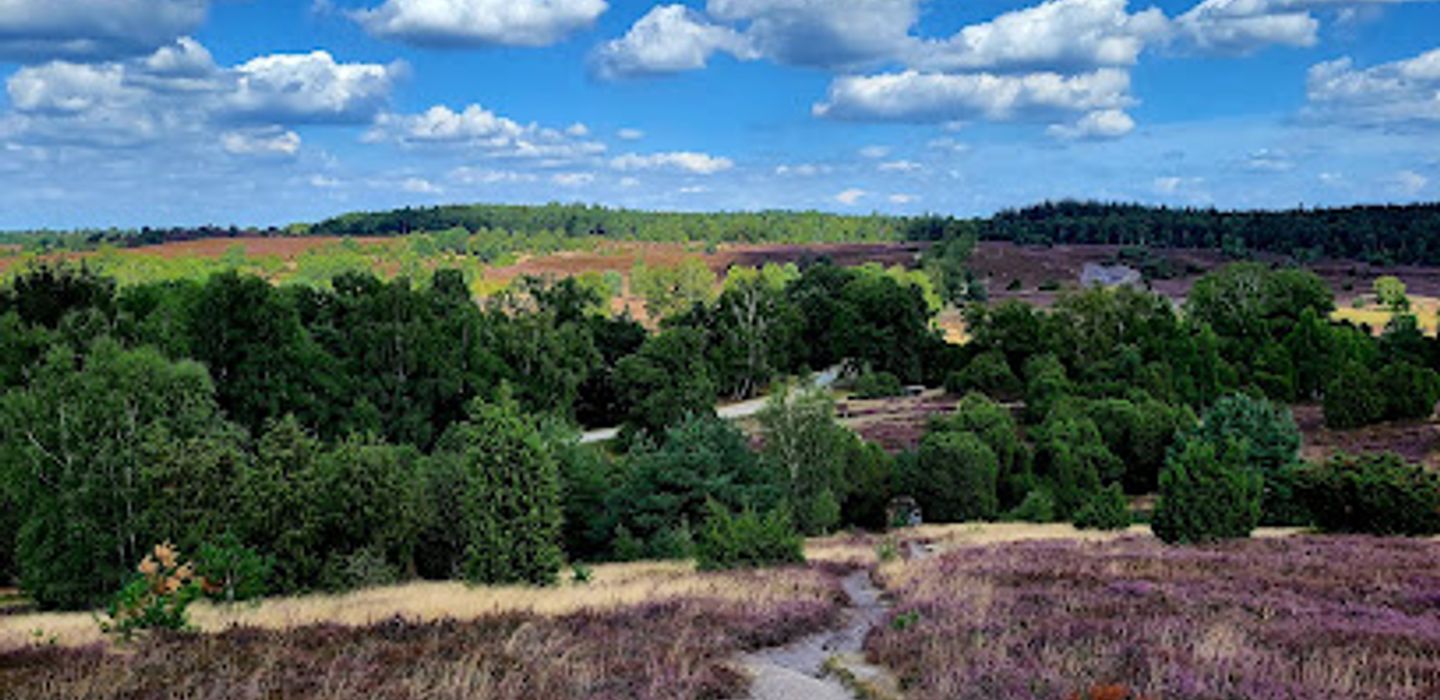
Totengrund, meaning 'Dead Ground,' is a stunning dry valley nestled in the heart of the Lüneburg Heath Nature Reserve. Despite its name, it's a place teeming with life and breathtaking scenery. Formed during the Ice Age, this geological cirque offers a unique landscape of heather-covered hills, ancient juniper groves, and scattered erratic boulders. The valley is especially enchanting during the heather bloom in late summer, when the landscape transforms into a vibrant purple sea. Hiking trails wind around the valley's edge, providing panoramic views and a chance to immerse yourself in the serene beauty of the Lüneburg Heath. The area is car-free, ensuring a peaceful experience, and is accessible by foot, bike, or horse-drawn carriage, making it a perfect escape for nature lovers and those seeking tranquility.
Open 24 hours

Heide Himmel Observation tower
Ascend to the Heide Himmel observation tower for panoramic views of the stunning Lüneburg Heath. Located near Hanstedt, this unique structure offers an unforgettable experience, allowing visitors to immerse themselves in the natural beauty of the region from a breathtaking vantage point. The tower is seamlessly integrated into the Wildpark Schwarze Berge, providing an opportunity to combine wildlife observation with stunning landscape vistas. Whether you're a nature enthusiast, a photography buff, or simply seeking a memorable day out, Heide Himmel promises an enriching and visually captivating adventure. The tower's design allows for accessibility for many visitors, and the surrounding park offers a variety of activities for all ages, making it a perfect destination for families and solo travelers alike. Experience the magic of the heath from above and create lasting memories at this exceptional landmark.
Daily 8:00–19:00

Hamburg Harbor
Hamburg Harbor, one of the largest and most significant ports in the world, is a vibrant hub of maritime activity and a captivating destination for visitors. More than just a port, it's a living, breathing testament to Hamburg's rich history and its enduring connection to global trade. From the towering cranes loading cargo ships to the historic Speicherstadt warehouse district, a UNESCO World Heritage site, the harbor offers a fascinating blend of industry, culture, and stunning waterfront scenery. Whether you're exploring its many attractions by foot, boat, or bus, the harbor provides an unforgettable glimpse into the heart of Hamburg and its role as a major player on the world stage. It's a place where the past and present converge, where the spirit of adventure lingers in the air, and where the possibilities seem as vast as the open sea.
Open 24 hours

Lüne Abbey
Lüne Abbey, a stunning historical monastery in Lüneburg, Germany, invites tourists to explore its rich history and serene surroundings. Nestled in a picturesque area, this remarkable site offers a glimpse into the spiritual heritage of the region, featuring exquisite architecture and tranquil gardens perfect for leisurely strolls.

Alter Elbpark
Escape the urban bustle in Alter Elbpark, a historic green space offering stunning views of Hamburg's harbor and Elbe River. Once part of the city's fortifications, this park evolved into a cherished public space, home to the iconic Bismarck Monument, the largest statue of Otto von Bismarck in the world. Stroll through landscaped gardens, discover hidden catacombs beneath the monument, and enjoy panoramic vistas. Easily accessible by public transport, Alter Elbpark provides a serene retreat and a glimpse into Hamburg's rich history. Whether you're a history buff, nature lover, or simply seeking a peaceful escape, this park offers a unique blend of natural beauty and cultural significance. Don't miss the opportunity to explore this 'green island' and discover its many hidden gems.
Open 24 hours

St. Nikolai Museum
The St. Nikolai Memorial, a poignant reminder of Hamburg's wartime devastation, stands as a powerful symbol of remembrance and reflection. What remains of the former main church, largely destroyed during WWII's Operation Gomorrah, now serves as a museum and memorial dedicated to the victims of the air war. Visitors can explore the ruins, descend into the crypt to view the permanent exhibition detailing the war's impact, and ascend the towering spire via a glass elevator for panoramic city views juxtaposed with historical photographs of the destruction. The site offers a sobering yet essential experience, prompting contemplation on the consequences of war and the importance of peace, making it a significant cultural landmark in Hamburg.
Mon 10:00–18:00 · Wed–Sun 10:00–18:00

Museum Lüneburg
The Museum Lüneburg invites visitors on an immersive journey through the natural and cultural history of Lüneburg and its surrounding region. Housed in a modern building, the museum showcases a diverse collection of artifacts, exhibits, and interactive displays that bring the past to life. From the region's geological origins to its development as a prominent Hanseatic city, the museum offers a comprehensive overview of Lüneburg's rich heritage. Explore archaeological finds, historical documents, and captivating stories that reveal the interplay between nature, culture, and the people who have shaped this fascinating corner of Lower Saxony. With its engaging exhibits and family-friendly atmosphere, the Museum Lüneburg is a must-see destination for anyone interested in discovering the history and culture of this captivating region. Don't miss the special exhibits that highlight specific aspects of Lüneburg's past and present.

Kibbelstegbrücke
The Kibbelstegbrücke, a two-tiered bridge gracefully arching over the Zollkanal, serves as a vital link connecting Hamburg's historic Altstadt (Old Town) with the UNESCO-listed Speicherstadt and the modern HafenCity. Completed in the early 2000s, this pedestrian bridge offers stunning views of the surrounding waterways and the iconic red-brick warehouses of the Speicherstadt. It's a prime location for photographers, especially during the evening when the warehouses are illuminated, creating a magical atmosphere. The bridge not only provides a convenient crossing but also acts as a viewing platform, allowing visitors to soak in the unique blend of historical and contemporary architecture that defines Hamburg's waterfront. A stroll across the Kibbelstegbrücke is an essential experience for anyone exploring the city's rich maritime heritage and modern urban development.
Open 24 hours

Bismarck Monument
Dominating the Hamburg skyline, the Bismarck Monument is a colossal tribute to Otto von Bismarck, the first Chancellor of the German Empire. Erected between 1903 and 1906, this imposing granite structure stands 34 meters (112 feet) tall in the Alter Elbpark, overlooking the bustling harbor. The monument portrays Bismarck as a stern, resolute figure, embodying the strength and unity he brought to Germany. More than just a statue, it's a symbol of German history and a reminder of the complex legacy of a powerful leader. Visitors can explore the surrounding park, enjoy panoramic views of the Elbe River, and reflect on the historical significance of this iconic landmark. While the catacombs beneath the monument are currently inaccessible, the sheer scale and historical context of the Bismarck Monument make it a compelling destination for anyone interested in German history and impressive monuments.
Open 24 hours

Wilseder Berg
Ascend to Wilseder Berg, the highest point in the Lüneburg Heath, for panoramic views of this unique landscape. At 169 meters, it's not a towering peak, but its prominence in the otherwise flat terrain offers unparalleled vistas, especially when the heather blooms in late summer, painting the landscape in vibrant shades of purple. The surrounding area, a car-free nature reserve, invites exploration on foot, by bike, or via traditional horse-drawn carriage. Discover the heath's diverse flora and fauna, shaped by centuries of grazing and farming, and immerse yourself in the tranquility of this protected environment. Nearby, explore the mystical Totengrund valley and the historic village of Wilsede, preserving the charm of a pre-industrial heath community.

Energiebunker
The Energiebunker in Hamburg's Wilhelmsburg district is a striking example of urban transformation, converting a massive World War II flak bunker into a cutting-edge renewable energy plant and a unique visitor attraction. Built in 1943, the bunker served as both an air-raid shelter and a military installation. After the war, attempts to demolish the imposing structure failed, leaving it abandoned for decades. Today, it stands as a symbol of Hamburg's commitment to sustainability, generating heat and electricity for the surrounding area using solar, biogas, wood chips, and waste heat. Visitors can explore the bunker's history through informative exhibits, ascend to the rooftop café for panoramic city views, and witness firsthand the innovative technologies driving Hamburg's green energy revolution. The Energiebunker offers a compelling blend of history, architecture, and environmental consciousness, making it a must-see destination for those interested in Hamburg's past and future.
Sat–Sun 11:00–18:00

Elbtunnel
Descend beneath the Elbe River into a time capsule of early 20th-century engineering. The Elbtunnel, also known as the St. Pauli Elbtunnel, is more than just a means of crossing the river; it's a nostalgic journey into Hamburg's maritime past. Opened in 1911, this 426-meter-long tunnel connects the bustling St. Pauli Landungsbrücken with the island of Steinwerder, offering pedestrians and cyclists a unique underwater experience. Marvel at the original elevators that transport you down 24 meters, admire the intricate ceramic reliefs adorning the tunnel walls, and soak in the panoramic views of the Hamburg skyline from the Steinwerder side. A visit to the Elbtunnel is a step back in time and a testament to Hamburg's rich industrial heritage, providing a memorable and free experience for all.

Kehrwiederspitze - Hamburg-Hafen
Kehrwiederspitze, nestled in the heart of Hamburg's bustling harbor, offers a captivating glimpse into the city's rich maritime history. This historical landmark, marking the western edge of the Speicherstadt, provides stunning panoramic views of the working docks, where ships from around the globe converge. Stroll along the waterfront promenade, soak in the vibrant atmosphere, and explore nearby cafes and restaurants offering local cuisine. As a gateway to the Speicherstadt and HafenCity, Kehrwiederspitze serves as an ideal starting point to delve into Hamburg's unique blend of tradition and modernity. Explore the historical buildings and museums nearby, or take a harbor boat tour for a unique perspective. Whether you're a history enthusiast or simply seeking a scenic spot to enjoy the harbor views, Kehrwiederspitze promises an unforgettable experience.
Open 24 hours

Platz der Deutschen Einheit
Platz der Deutschen Einheit, located in Hamburg's HafenCity, is a significant public square that serves as a reminder of German reunification. Situated near the iconic Elbphilharmonie, it features a segment of the Berlin Wall, symbolizing the division and subsequent unity of Germany. The square provides a space for reflection and contemplation amidst the modern architecture of HafenCity. It's a popular spot for both locals and tourists, offering stunning views of the Elbe River and the surrounding cityscape. The square also hosts various events and serves as a starting point for exploring the nearby attractions, making it a vibrant and historically relevant landmark in Hamburg. Its proximity to key transportation hubs makes it easily accessible, inviting visitors to delve into Germany's past while enjoying the city's contemporary offerings. The square is a testament to Hamburg's commitment to preserving history while embracing the future.

Hans-Albers-Platz
Hans-Albers-Platz, nestled in Hamburg's vibrant St. Pauli district, is a lively square steeped in history and brimming with nightlife. Named after the legendary German actor and singer Hans Albers, the square offers a multifaceted experience, transitioning from a relaxed daytime atmosphere to a bustling evening hub. Surrounded by bars, pubs, and restaurants, it's a prime location to immerse yourself in Hamburg's unique culture. The square features a bronze statue of Hans Albers, a focal point that symbolizes the area's historical significance. Whether you're a history enthusiast, a music lover, or simply seeking a taste of Hamburg's spirited nightlife, Hans-Albers-Platz promises an unforgettable experience. It's a place where the city's maritime past meets its vibrant present, making it a must-see destination for any visitor exploring the Reeperbahn and St. Pauli.
Open 24 hours

Stintfang
Stintfang, perched above the St. Pauli Landungsbrücken, offers unparalleled panoramic views of Hamburg's bustling harbor. Once a crucial part of the city's fortifications, this 26-meter-high hill has transformed into a beloved public space. Visitors can enjoy sweeping vistas of the Elbe River, the iconic harbor, and the vibrant cityscape. The observation deck is a favorite spot for photographers, especially during sunrise and sunset. With its convenient location near major transportation hubs and other attractions, Stintfang is a must-visit destination for anyone seeking to capture the essence of Hamburg's maritime spirit. Don't miss the small vineyard, a quirky reminder of Hamburg's wine-making history. Whether you're a local or a tourist, Stintfang provides a unique blend of history, scenery, and accessibility.
Open 24 hours

Old Boiler House
The Old Boiler House, a striking red-brick building, stands as a proud testament to Hamburg's industrial past. Constructed in 1888, it was the first steam power station, providing energy to the historic Speicherstadt. Severely damaged during World War II, it was rebuilt, and today, the meticulously preserved building houses the HafenCity InfoCenter, offering visitors a glimpse into the past and future of Hamburg's waterfront development. Explore the building's original features, including towering chimneys and intricate piping systems, and discover how this former powerhouse played a crucial role in Hamburg's maritime trade. The InfoCenter provides comprehensive information about the HafenCity development project, with interactive displays and architectural models showcasing the vision and progress of this ambitious urban renewal initiative. The Old Boiler House is a must-see for those seeking to understand Hamburg's rich industrial heritage and its modern transformation.
Tue–Fri 10:00–17:00 · Sat–Sun 11:00–17:00

Hygieia Fountain
Nestled in the inner courtyard of Hamburg's magnificent City Hall, the Hygieia Fountain stands as a poignant reminder of the city's triumph over adversity. Created in 1895/96 by sculptor Joseph von Kramer, the fountain commemorates the end of the devastating cholera epidemic of 1892, which claimed the lives of over 8,000 Hamburgers. The fountain's design features Hygieia, the Greek goddess of health, standing atop a dragon, symbolizing the victory over disease. More than just a beautiful work of art, the Hygieia Fountain embodies Hamburg's spirit of resilience, its commitment to public health, and its rich history. A visit to this tranquil courtyard offers a moment of reflection and an appreciation for the city's enduring strength. The fountain's intricate details and symbolic meaning make it a compelling destination for those seeking a deeper understanding of Hamburg's cultural heritage.
Daily 8:00–18:00

Abbey mill
The Abbey Mill, or Abtsmühle, in Lüneburg, Germany, is a captivating historical landmark dating back to the 16th century. Nestled beside the Lüner Mill in the historic harbor district, this picturesque mill once served the Michaelis Monastery. The Abtswasserkunst tower, erected in 1530, channeled water into the city, even supplying patrician homes. Today, the Abbey Mill stands as part of a hotel complex, offering visitors a glimpse into Lüneburg's rich milling history and its beautiful waterfront. Its charming architecture and tranquil setting make it a delightful spot for a leisurely stroll and a step back in time, embodying the Hanseatic city's blend of history and hospitality. The mill is a reminder of Lüneburg's past as a vital trade center and its innovative engineering.

Deichstraße
Deichstraße, Hamburg's oldest remaining street, offers a captivating glimpse into the city's past. Nestled along the Nikolaifleet canal, its meticulously restored 17th to 19th-century timber-framed houses evoke a bygone era of merchants and maritime trade. Once the heart of Hamburg's commercial activity, Deichstraße narrowly escaped destruction during the Great Fire of 1842 and WWII bombings, preserving its unique architectural heritage. Today, visitors can stroll along the cobblestone street, explore traditional restaurants and boutiques, and soak in the Hanseatic atmosphere. With its picturesque setting and historical significance, Deichstraße is a must-see destination for anyone seeking an authentic Hamburg experience, a living museum where history whispers from every corner.

Jan Fedder Promenade
The Jan Fedder Promenade, located along Hamburg's Elbe River, is a vibrant tribute to the beloved Hamburg actor Jan Fedder and a testament to the city's resilience. Originally constructed as a flood protection wall after the devastating 1962 storm surge, the promenade has been transformed into a scenic and architecturally impressive space. Designed in part by Zaha Hadid, it offers stunning views of the harbor, the Elbphilharmonie, and historic ships. The promenade is a popular spot for locals and tourists alike, providing a place to stroll, relax, and enjoy Hamburg's maritime atmosphere. Named in honor of Fedder in 2022, it serves as a lasting reminder of his connection to the city and his role as a police officer in the popular TV series 'Großstadtrevier'.
Open 24 hours

Das Schwangere Haus
Das Schwangere Haus (The Pregnant House) is a captivating historical landmark in Lüneburg, Germany, celebrated for its peculiar bulging facade. Built in 1698, the house owes its unusual shape to the use of anhydrite, a substitute for traditional mortar, sourced from the nearby Kalkberg. This material expanded when exposed to moisture, causing the distinctive outward curve. Located on Waagestraße in the heart of the Altstadt (Old Town), this architectural curiosity is a testament to Lüneburg's rich history as a Hanseatic salt trading center. While the interior remains private, the exterior is freely accessible, offering a unique photo opportunity and a glimpse into the city's past. It is said that touching the 'belly' of the house brings good luck. The Schwangere Haus stands as a symbol of Lüneburg's unique architectural heritage and is a must-see for any visitor exploring the city.
Open 24 hours

Speicherstadt
The Speicherstadt, or 'City of Warehouses,' is a captivating UNESCO World Heritage site in Hamburg, Germany. This expansive district, the world's largest warehouse complex, showcases stunning neo-Gothic brick architecture, with ornate facades, turrets, and gables reflected in a network of canals. Built between 1883 and 1927 as a free port zone, the Speicherstadt played a pivotal role in Hamburg's trading history, storing valuable goods like coffee, tea, spices, and carpets. Today, it's a vibrant area filled with museums, attractions, cafes, and restaurants, offering visitors a unique blend of history, culture, and architectural beauty. Exploring the Speicherstadt is a must for any visitor to Hamburg, providing a glimpse into the city's rich maritime past and its dynamic present.
Open 24 hours

Columbus Haus
Columbus Haus is a captivating tourist attraction located in Hamburg, renowned for its stunning architecture and vibrant atmosphere. It offers visitors a glimpse into the city's rich maritime history and cultural heritage. Whether you're strolling along the waterfront or enjoying the local dining scene, Columbus Haus is a must-visit destination that captures the essence of Hamburg.
Open 24 hours

Marco Polo Tower
The Marco Polo Tower, a striking residential building in Hamburg's HafenCity, is a modern architectural marvel. Completed in 2009, its unique design features interlocking, slightly rotated floors, creating a dynamic, twisting silhouette that stands out against the cityscape. Designed by Behnisch Architekten, the 55-meter-high tower has garnered architectural awards and is considered one of Hamburg's most expensive residential spaces, offering panoramic views of the harbor and city. While there's no public viewing platform, its exterior is a captivating sight, complemented by nearby attractions like the Unilever-Haus, Speicherstadt, and Grasbrook Park. Easily accessible by public transport, the Marco Polo Tower is a must-see for architecture enthusiasts visiting Hamburg.
Mon–Sat 9:00–19:00

Heidemuseum Dat ole Huus
Heidemuseum Dat ole Huus, nestled in the heart of Wilsede, offers a captivating glimpse into 19th-century rural life on the Lüneburg Heath. This meticulously preserved farmhouse, dating back to 1742, showcases the rustic living conditions and traditions of the region's past. Visitors can explore the traditional layout, where humans and animals once shared the same roof, and discover the origins of common German sayings. With its authentic furnishings and informative exhibits, the museum provides an immersive experience, transporting visitors to a bygone era. The combined ticket also grants access to the Emhoff sheep shed, featuring changing exhibitions about the cultural landscape of the Lüneburg Heath.
Daily 10:00–16:00

Hanibals Grab
Hanibal's Grave, nestled in the heart of Lüneburg Heath near Bispingen, is a captivating cluster of boulders shrouded in mystery and local legend. Despite its name, the Carthaginian general Hannibal has no direct connection to this Stone Age site. The name arose in the 1920s after visitors at an art exhibition noted a striking resemblance between the stones and a painting of Hannibal's tomb in Turkey by Eugen Bracht, sparking speculation that the artist had actually painted the Lüneburg Heath formation. Today, the site offers a blend of natural beauty and historical intrigue, attracting hikers and history enthusiasts alike. Explore the heath's scenic trails, especially vibrant during the heather blooming season, and ponder the enigmatic origins of this unique landmark. A visit promises a tranquil escape and a fascinating glimpse into the region's geological past and imaginative folklore.
Open 24 hours

Lighthouse Zero
Lighthouse Zero, situated at the tip of Baakenhöft in Hamburg's HafenCity, isn't a traditional lighthouse but a prototype showcasing innovative residential architecture. This unique structure offers a glimpse into the future of urban living, featuring a 360-degree panoramic view from its elevated living space. While primarily a presentation object, its striking design and prime location make it a captivating point of interest for tourists exploring the modern HafenCity district. The building exemplifies a visionary approach to housing, demonstrating how to maximize space and minimize environmental impact in challenging urban environments. Its distinctive architecture and the surrounding HafenCity contribute to Hamburg's modern appeal, drawing visitors interested in contemporary design and urban development. Lighthouse Zero stands as a testament to Hamburg's forward-thinking spirit, blending architectural innovation with sustainable living concepts.

House of Seafaring
The House of Seafaring, or Haus der Seefahrt, is a captivating historical landmark nestled in Hamburg-Mitte, offering a glimpse into the city's rich nautical past. This architectural gem showcases Hamburg's enduring connection to the sea, featuring exhibits on seafaring evolution, maritime exploration, and trade. Visitors can explore displays of model ships, navigational tools, and artifacts that narrate the stories of sailors, shipbuilders, and merchants who shaped Hamburg's maritime legacy. Its proximity to the waterfront enhances the experience, allowing for leisurely strolls along the harbor after delving into the exhibits. The House of Seafaring is a reminder of Hamburg's historical importance as a key port city and its ongoing relationship with the sea.
Open 24 hours

Madonna seafaring
The Madonna of the Seafarers, a poignant bronze sculpture, stands as a memorial to those lost at sea. Located near the bustling St. Pauli Fischmarkt in Hamburg, this moving monument offers a place for reflection amidst the vibrant harbor activity. Sculpted by Gerhard Marcks, the statue depicts a grieving mother holding her child, gazing out towards the Elbe River. Its somber beauty and maritime setting create a powerful atmosphere, drawing visitors to contemplate the perils faced by seafarers and the enduring strength of those left behind. The Madonna serves as a reminder of Hamburg's rich maritime history and the human cost of seafaring, making it a significant cultural landmark and a place of solace for locals and tourists alike. The statue's location provides stunning views of the harbor, further enhancing its contemplative atmosphere.
Open 24 hours

Martin Luther Statue
The Martin Luther Statue in Hamburg stands as a powerful tribute to the influential theologian and reformer whose actions ignited the Protestant Reformation. Located at Englische Planke, near the iconic St. Michael's Church (Michel), the statue depicts Luther in a commanding pose, reflecting his unwavering conviction. The surrounding area buzzes with the energy of Hamburg, offering a blend of historical reflection and modern city life. Visitors can appreciate the statue's intricate details, soak in the atmosphere, and explore nearby cafes and shops. The statue serves as a reminder of Luther's enduring legacy and Hamburg's rich cultural heritage, making it a worthwhile stop for history buffs and casual tourists alike. Its proximity to the Elbe River and other landmarks makes it easily accessible and a central point for exploring the city.
Open 24 hours

Office of the Lüneburg Heath Nature Park
The Lüneburg Heath Nature Park Office in Winsen (Luhe) serves as the perfect starting point for exploring one of Germany's most unique landscapes. This office provides visitors with essential information about the vast Lüneburg Heath, a sprawling area of heathland, forests, and charming villages. Discover hiking trails, cycling routes, and carriage rides that wind through the park's stunning scenery. Learn about the region's history, its unique flora and fauna, and the importance of preserving this natural treasure. Whether you're seeking outdoor adventure or a peaceful escape, the Nature Park Office equips you with the knowledge to make the most of your visit to the Lüneburg Heath. Don't miss the heath in full bloom during late summer, when the landscape transforms into a vibrant sea of purple.
Mon–Thu 8:00–16:00 · Fri 8:00–13:00

Viewpoint Elphi
Viewpoint Elphi, situated within the Hanseatic Trade Center, offers a unique perspective on Hamburg's iconic Elbphilharmonie and the bustling HafenCity. While not an official observation deck, this vantage point provides stunning, often less crowded, views of the architectural marvel and the surrounding harbor. It's a prime spot for photographers and those seeking a moment of reflection amidst the city's vibrant energy. The location's accessibility and proximity to other key attractions make it a worthwhile stop for any Hamburg visitor, offering a different angle on the city's maritime heart and modern architectural achievements. The viewpoint captures the essence of Hamburg's blend of historic charm and contemporary innovation, providing a memorable experience for those who venture to discover it.

Vasco da Gama Square
Vasco da Gama Square, nestled in Hamburg's modern HafenCity, offers a blend of maritime history and contemporary urban design. Named after the famous Portuguese explorer, the square serves as a vibrant public space, connecting visitors to the city's rich port heritage and its forward-looking architecture. Flanked by modern buildings and close to the Elbe River, it provides a scenic spot for relaxation and exploration. Its proximity to key attractions like the Elbphilharmonie and Speicherstadt makes it a convenient starting point for discovering Hamburg's cultural and historical landmarks. The square itself is a testament to Hamburg's maritime past, while the surrounding area showcases the city's innovative urban development. Whether you're interested in history, architecture, or simply soaking up the atmosphere of a bustling port city, Vasco da Gama Square is a worthwhile stop.
Open 24 hours

Bishop's Tower
The Bishop's Tower, or Bischofsburg as it's known locally, is an archaeological site in the heart of Hamburg, offering a unique window into the city's early history. Located near St. Peter's Church, the site contains the remains of a 12th-century defensive structure, initially believed to be the 11th-century stone residence of Archbishop Adalbrand of Bremen. Today, visitors can explore the tower's foundations, including a circular tower base and a well, within a modern showroom that incorporates a café. It's a fascinating blend of historical remnants and contemporary life, providing a tangible connection to Hamburg's medieval origins. The tower's location in the city center makes it easily accessible and a worthwhile stop for anyone interested in the city's development and early fortifications. While not a towering structure in the present day, the Bishop's Tower stands as a significant historical marker, reminding us of Hamburg's strategic importance and the lives of those who shaped its early history.
Wed–Thu 15:00–18:00 · Fri–Sat 12:00–18:00

Brooksfleet
Escape the urban bustle and discover the tranquil beauty of Brooksfleet, a picturesque canal nestled within Hamburg's historic Speicherstadt. This charming waterway offers a serene retreat, inviting visitors to stroll along its banks and admire the stunning reflections of the surrounding red-brick warehouses. As part of the UNESCO World Heritage Site, Brooksfleet provides a glimpse into Hamburg's rich maritime past, showcasing the architectural grandeur and intricate network of canals that once served as the lifeblood of the city's thriving port. Whether you're seeking a peaceful escape or a captivating photo opportunity, Brooksfleet promises an unforgettable experience amidst Hamburg's captivating waterfront.
Open 24 hours

Michelwiese Fountain
The Michelwiese Fountain, nestled in Hamburg-Mitte, offers a serene escape amidst the city's hustle. Located near the iconic St. Michael's Church (known locally as 'Michel'), this landscaped park provides a green haven for relaxation and recreation. Visitors can enjoy the fountain's soothing presence, relax on the lawns, or utilize the public BBQ facilities. Its central location makes it easily accessible and a perfect spot for a break while exploring Hamburg's Neustadt district. Whether you're a local seeking a peaceful retreat or a tourist wanting a moment of calm, the Michelwiese Fountain provides a refreshing contrast to the urban environment. The park is particularly popular during warmer months, offering a space for picnics, sunbathing, and social gatherings. With its blend of natural beauty and urban convenience, the Michelwiese Fountain is a delightful destination for all.
Open 24 hours

Old Hanseatic wooden boats
Step back in time at Lüneburg's Stintmarkt, where historic Hanseatic wooden boats bob gently on the Ilmenau River. This picturesque waterfront, once a bustling trading hub, now offers a charming glimpse into the city's rich maritime past. Admire the traditional boats, remnants of Lüneburg's era as a powerful member of the Hanseatic League, when salt was the city's 'white gold'. The Stintmarkt itself is a vibrant mix of history and modern life, with restaurants and pubs lining the waterfront, offering stunning views of the boats and the iconic Old Crane. Enjoy the atmosphere of this historic harbor, imagining the days when these vessels transported valuable goods across the region. The area provides a tangible connection to Lüneburg's heritage, making it a must-see for any visitor seeking to understand the city's cultural and economic significance.

Heinrich Heine Monument
The Heinrich Heine Monument, located on Hamburg's Rathausmarkt, commemorates the life and work of the influential German poet Heinrich Heine. Heine, of Jewish descent, faced persecution and censorship during his lifetime and after his death. The original monument to Heine, erected in a Hamburg park, was destroyed by the Nazis in 1933. This new monument, unveiled in 1982, stands as a symbol of remembrance and reconciliation. The bronze statue depicts a contemplative Heine, set upon a granite pedestal adorned with bronze reliefs that depict the book burnings and destruction of the original monument. The monument serves as a reminder of the importance of freedom of expression and the dangers of intolerance, making it a poignant and thought-provoking site for visitors to Hamburg.
Open 24 hours

Kleines Leuchtfeuer
The Kleines Leuchtfeuer, or 'Little Lighthouse,' is a charming, non-operational lighthouse nestled on the Störtebeker Ufer in Hamburg's HafenCity. Though small in stature, it offers a picturesque glimpse into the city's maritime past. Surrounded by modern architecture and the bustling activity of the harbour, this petite landmark provides a delightful contrast, making it a favourite spot for locals and tourists alike. Its location on the Störtebeker Ufer, a waterfront promenade, allows for stunning views of the Elbe River and the Speicherstadt, a UNESCO World Heritage site. The lighthouse serves as a reminder of Hamburg's rich seafaring history and its ongoing connection to the water. While you can't climb it, its presence adds character to the vibrant HafenCity landscape, inviting visitors to pause and appreciate the blend of old and new that defines Hamburg.
Open 24 hours

Alstermündung
Alstermündung, nestled in the heart of Hamburg, marks the picturesque confluence of the Alster River and the Elbe. This serene location offers a tranquil escape from the bustling city, inviting visitors to immerse themselves in its natural beauty and historical significance. The area boasts lush greenery, calming waterways, and charming pathways perfect for leisurely strolls. It's a haven for nature lovers and photography enthusiasts, providing stunning views, especially at sunset. Alstermündung also serves as a cultural hub, offering a seamless transition to Hamburg's vibrant city life with its array of shops, cafes, and eateries. Whether seeking a peaceful afternoon, a connection with nature, or a starting point to explore Hamburg's rich history, Alstermündung promises an enriching experience, blending tranquility with urban vibrancy. Don't miss the opportunity to witness this unique merging of nature and culture in one of Hamburg's most scenic spots.
Open 24 hours

River port
The River Port at Kehrwieder in Hamburg is more than just a docking point; it's a vibrant hub connecting visitors to the city's rich maritime history and modern attractions. Nestled in the heart of the Speicherstadt, a UNESCO World Heritage site, the port offers stunning views of historic warehouses and bustling waterways. From here, you can embark on harbor cruises, explore nearby museums like the Miniatur Wunderland and the International Maritime Museum, or simply soak in the atmosphere of this dynamic waterfront. Its central location makes it easily accessible and a perfect starting point for discovering Hamburg's unique blend of tradition and innovation. Whether you're interested in exploring historic landmarks, experiencing the local cuisine, or immersing yourself in the city's vibrant nightlife, Hamburg has something for everyone.
Open 24 hours

Mahatma-Gandhi-Brücke
The Mahatma Gandhi Bridge in Hamburg is a modern bascule bridge connecting HafenCity with the Elbphilharmonie. Named in honor of Mahatma Gandhi in 2011, it symbolizes Hamburg's cosmopolitan values. The bridge offers stunning views of the Elbe River and the Elbphilharmonie, making it a popular spot for locals and tourists alike. Its design blends seamlessly with the surrounding architecture, providing both functionality and aesthetic appeal. Whether you're strolling across it or admiring it from afar, the Mahatma Gandhi Bridge is a testament to Hamburg's innovative spirit and commitment to honoring global icons. The bridge is especially enchanting during sunset, when the sky is painted in hues of orange and pink, creating a picturesque backdrop. The bridge is conveniently located near other attractions, making it an ideal starting point for exploring the city's rich history and vibrant culture.
Open 24 hours

Traditional Ship Port Sandtorkai
The Traditional Ship Port Sandtorkai, nestled in Hamburg's vibrant HafenCity, offers a captivating glimpse into the city's rich maritime history. As Hamburg's first modern harbor basin, opened in 1866, it revolutionized cargo handling with its innovative steam-powered cranes. Today, it serves as a floating museum, showcasing a collection of meticulously preserved historic vessels. Visitors can stroll along the 380-meter pontoon, admiring the ships and soaking in the atmosphere of this revitalized port area. Bordering the Speicherstadt, a UNESCO World Heritage site, Sandtorkai seamlessly blends tradition with modern urban development, making it a must-see destination for history buffs and casual tourists alike. The area is easily accessible and offers stunning waterfront views, creating a memorable experience for all.

Hulbe house
The Hulbe House, a striking building on Hamburg's Mönckebergstraße, stands as a testament to the city's rich architectural heritage. Built in 1910-1911 by architect Henry Grell for bookbinder and leather artisan Georg Hulbe, the building showcases a distinctive Dutch Renaissance style. Its red brick facade, adorned with intricate sandstone carvings, including numerous 'Green Men,' sets it apart from the modern structures surrounding it. Today, the Hulbe House continues to blend history with contemporary commerce, housing a department store on its lower floors and offering a glimpse into Hamburg's past through its meticulously preserved exterior. A visit offers a unique opportunity to admire the craftsmanship and artistry of a bygone era amidst the bustling energy of one of Hamburg's main shopping streets.
Open 24 hours

Nachtmichel
St. Michael's Church, affectionately known as "Michel" by locals, is a prominent landmark in Hamburg, Germany. This magnificent Baroque church, dedicated to the Archangel Michael, boasts a rich history, having been rebuilt several times after fires and wartime damage. Its distinctive copper-covered spire dominates the city skyline and has served as a navigational aid for ships on the Elbe River for centuries. Visitors can explore the stunning interior, admire the five organs, descend into the crypt, and ascend the tower for panoramic views of Hamburg's harbor and cityscape. St. Michael's offers a blend of architectural grandeur, historical significance, and spiritual solace, making it a must-see destination for any traveler to Hamburg. The church also hosts regular organ concerts and services, adding to its cultural appeal and vibrant atmosphere. Its central location makes it easily accessible and a perfect starting point for exploring other attractions in the city.

Denkmal Lüneburger Ursulanacht
The Denkmal Lüneburger Ursulanacht commemorates a pivotal moment in Lüneburg's history: the St. Ursula's Night of 1371. This was when the citizens of Lüneburg bravely defended their freedom against the Duke Magnus II's armed knights. Located near the Heiligengeist Hospital, the memorial features a boulder with a bronze inscription, serving as a reminder of the courage and vigilance required to protect liberty. The memorial park provides a tranquil space for reflection on the city's past and the values it represents. Visitors can appreciate the historical significance of the site, which stands as a testament to Lüneburg's long-standing tradition of civic pride and resistance against tyranny. The Denkmal Lüneburger Ursulanacht is a must-see for those interested in the history and cultural heritage of Lüneburg.
Open 24 hours

Archaeoscope Hammaburg
The Archaeoscope Hammaburg offers a unique glimpse into Hamburg's medieval past. Situated on Domplatz, the very spot where the Hammaburg fortress once stood, this observation point allows visitors to travel back in time through virtual reality. By peering through the Archaeoscope, one can witness a reconstruction of the Domplatz as it appeared centuries ago, providing an immersive experience of the city's origins. It serves as an educational center, revealing layers of Hamburg's urban development and its transformation from a swamp settlement to a major Hanseatic city. While hours are currently limited, the site remains a compelling point of reflection on Hamburg's rich history and its enduring connection to the sea.
Open 24 hours

Pegelturm St. Pauli Landungsbrücken
The Pegelturm, or water level tower, stands proudly at the eastern end of the St. Pauli Landungsbrücken in Hamburg, a testament to the city's rich maritime history. Built in the late 19th century, this distinctive tower not only serves as a functional gauge for measuring the Elbe River's water levels but also as a prominent landmark and tourist attraction. Its charming clock tower has guided sailors since 1910, displaying the current water level, a critical piece of information for maritime navigation. A visit to the Pegelturm offers a glimpse into Hamburg's historical significance as a major port city and provides stunning views of the bustling harbor and Elbe River, making it a worthwhile stop for history buffs, photography enthusiasts, and anyone seeking to soak in the atmosphere of Hamburg's waterfront.

Brunnen
Großneumarkt, a picturesque market square in the heart of Hamburg's Neustadt (New Town), offers a delightful blend of historical charm and modern vibrancy. Dating back to the 17th century, this central square was once the focal point of the Neustadt, serving as the terminus for all roads leading into the district. Today, it's a lively meeting place for locals and tourists alike, surrounded by beautifully restored old buildings, trendy cafes, diverse restaurants, and unique shops. The weekly market adds to the square's appeal, offering fresh, regional products and a taste of local life. A visit to Großneumarkt provides a captivating glimpse into Hamburg's past and present, making it a must-see destination for any traveler.
Open 24 hours

Reeperplatz
Reeperplatz, nestled in the heart of Hamburg's vibrant St. Pauli district, is a central hub of nightlife and entertainment. Surrounded by an eclectic mix of bars, clubs, and eateries, the square offers something for every visitor, from those seeking a lively night out to those wanting a leisurely stroll to soak in the unique atmosphere. The area's colorful lights and distinctive architecture create an inviting ambiance, drawing both locals and tourists. Reeperplatz also serves as a gateway to other attractions in St. Pauli, including the infamous Reeperbahn, known for its theaters and live music venues. Visitors should exercise caution and be aware of their surroundings, especially during busy nights and in crowded areas. Despite its lively reputation, Reeperplatz is generally safe, but it's wise to stay vigilant and keep an eye on belongings. The Reeperbahn is easily accessible via Hamburg's public transportation network. The Reeperbahn S-Bahn station provides direct access to the district, making it convenient for visitors to arrive from different parts of the city.

City of Hamburg Germany
Hamburg, Germany's second-largest city, is a captivating blend of historical significance and contemporary allure. As a major port city, Hamburg boasts a rich maritime heritage evident in its stunning architecture, canals, and world-class museums. Explore the UNESCO-listed Speicherstadt, a historic warehouse district, or marvel at the modern Elbphilharmonie concert hall. Delve into the city's past at the Hamburg History Museum or take a stroll along the vibrant Reeperbahn. With its diverse cultural scene, thriving nightlife, and picturesque waterways, Hamburg offers an unforgettable experience for every traveler. From its historical landmarks to its modern attractions, Hamburg seamlessly blends the old and new, creating a unique and captivating destination.
Open 24 hours

Krügerhaus Lüneburg
The Krügerhaus in Lüneburg is a beautifully preserved historical landmark that offers a window into the city's rich past. Located on Wandrahmstraße, this charming building showcases traditional architecture and provides a tangible link to Lüneburg's heritage. While the building itself may not be open for tours, its exterior is a delight to behold, contributing significantly to the aesthetic appeal of the surrounding area. The Krügerhaus stands as a reminder of Lüneburg's historical significance and architectural beauty, inviting visitors to appreciate the charm and character of this delightful German destination. Its presence enriches the cultural tapestry of Lüneburg, making it a worthwhile stop for those exploring the city's historical district. The building's well-maintained facade and historical context make it a significant point of interest for anyone interested in Lüneburg's architectural evolution and cultural heritage.

Binnenhafen Viewpoint
The Binnenhafen Viewpoint offers stunning panoramic views of Hamburg's vibrant harbor and the modern HafenCity district. Situated on Kehrwieder, this observation deck provides a serene escape from the city's hustle, allowing visitors to appreciate the architectural beauty and bustling waterway. From this vantage point, one can marvel at the Elbphilharmonie, historic Speicherstadt, and the constant activity of ships and boats navigating the Elbe. Particularly enchanting during sunset, the viewpoint provides a picturesque setting for photographers and those seeking a tranquil moment. The surrounding area features charming cafes and eateries, perfect for enjoying local cuisine while soaking in the scenery. Whether you're a local or a tourist, the Binnenhafen Viewpoint is a must-visit destination for experiencing Hamburg's maritime charm and modern development.
Open 24 hours

Lüneburg
Lüneburg, a captivating Hanseatic city in Lower Saxony, Germany, offers a delightful blend of medieval charm and youthful energy. Untouched by WWII, its well-preserved brick Gothic architecture whispers tales of its prosperous past as a major salt producer in the Hanseatic League. Explore the historic Am Sande square, marvel at the Old Crane in the Wasserviertel district, and delve into the city's salty history at the German Salt Museum. With its vibrant cultural scene, numerous pubs, and proximity to the Lüneburg Heath, Lüneburg promises an unforgettable experience for every traveler. Discover the allure of this historic gem, where the echoes of the past harmonize with the vibrancy of modern life, creating a destination that is both enriching and endlessly engaging.

Neuengamme concentration camp Memorial
The Neuengamme Concentration Camp Memorial, located in Hamburg, Germany, stands as a solemn reminder of the atrocities committed during the Nazi regime. From 1938 to 1945, Neuengamme was the largest concentration camp in Northwest Germany, where over 100,000 prisoners from across Europe endured forced labor, starvation, and systematic violence. Today, the memorial encompasses a vast 57-hectare site, preserving original buildings and offering poignant exhibitions that detail the camp's history, the suffering of its prisoners, and the crimes of the SS. Visitors can explore the grounds, reflect at the International Monument, and learn about individual stories of resilience and loss. The site serves as a crucial center for remembrance, education, and historical research, urging reflection on the consequences of intolerance and the importance of safeguarding human rights. Admission is free, providing open access to this significant historical landmark.

Treffpunkt Elbphilharmonieführung Sightseeing Kontor
The Elbphilharmonie, affectionately known as "Elphi," is a stunning architectural marvel and a world-class concert hall that has quickly become a symbol of Hamburg. Rising dramatically from the historic Kaispeicher A warehouse, its glass facade shimmers above the Elbe River, drawing visitors from around the globe. More than just a concert venue, the Elbphilharmonie houses two concert halls, a luxury hotel, apartments, and a public plaza offering panoramic views of the city and harbor. Whether you're a music aficionado, an architecture enthusiast, or simply seeking breathtaking vistas, the Elbphilharmonie promises an unforgettable experience. Its innovative design, exceptional acoustics, and vibrant cultural program make it a must-see destination in Hamburg, solidifying its place as a modern landmark and a testament to the city's rich maritime heritage and forward-thinking spirit. A visit here is a feast for the senses, a blend of history, art, and urban sophistication.

Niederbaumbrücke
The Niederbaumbrücke, an iconic bridge in Hamburg, Germany, serves as a vital link between the city center and the historic Speicherstadt and HafenCity districts. More than just a crossing, it's a landmark steeped in history, marking the former boundary of Hamburg's free port. Today's double bridge structure, built in 1978, stands as a testament to Hamburg's resilience and architectural evolution, replacing earlier versions that played crucial roles in the city's defense and trade. Walking across the Niederbaumbrücke offers stunning views of the Elbe River, the Elbphilharmonie, and the Speicherstadt's red-brick warehouses, providing a captivating glimpse into Hamburg's rich maritime past and modern urban landscape. Its central location makes it easily accessible and a must-see for any visitor exploring Hamburg's historical and cultural highlights, offering a tangible connection to the city's vibrant past and present.

Brücke 1
Brücke 1, located at the St. Pauli Landungsbrücken, serves as a vibrant gateway to Hamburg's bustling harbor. This historic landing stage, with its origins dating back to 1839, is a central point for harbor tours, ferries, and access to attractions like the Old Elbe Tunnel. Stroll along the promenade, soak in the maritime atmosphere, and enjoy the numerous restaurants and shops. Brücke 1 offers stunning views of the Elbe River and the city skyline, especially enchanting in the evening when the lights twinkle across the water. It's a must-visit spot for tourists seeking to experience the heart of Hamburg's port and maritime heritage. The Landungsbrücken is more than just a transport hub; it's a vibrant public space where locals and tourists alike come to enjoy the unique atmosphere of Hamburg's waterfront.

Baumwall
Baumwall, an embankment in Hamburg's inner city, is more than just a location; it's a historical and contemporary crossroads. Once a vital part of Hamburg's fortifications, separating the inner harbor from the Elbe, today it serves as a vibrant hub connecting the city's past and present. The Baumwall U-Bahn station, now officially named Baumwall (Elbphilharmonie), provides easy access to key attractions like the Elbphilharmonie, Speicherstadt, and HafenCity. This area offers a blend of historical significance and modern appeal, making it a must-visit for anyone exploring Hamburg's rich maritime heritage and architectural innovation. Whether you're interested in exploring UNESCO World Heritage sites or enjoying panoramic city views, Baumwall serves as an excellent starting point for your Hamburg adventure. Its location on the harbor front provides a unique perspective on the city's bustling maritime activity and its ongoing transformation.

Brooksbrücke
Brooksbrücke, nestled in the heart of Hamburg, is a stunning bridge that combines historical charm with picturesque views, making it a must-visit for tourists. This architectural gem not only offers a glimpse into Hamburg's rich history but also serves as a perfect spot for leisurely strolls and captivating photographs.

Hohe Brücke 2
The Hohe Brücke, or High Bridge, is a historic bridge in Hamburg's Altstadt (Old Town), gracefully arching over the Nikolaifleet canal. More than just a crossing, it's a picturesque vantage point offering glimpses into the city's rich maritime past and the captivating blend of modern and historical architecture that defines Hamburg. The bridge itself, rebuilt in the late 19th century, stands as a testament to Hamburg's resilience and its commitment to preserving its heritage while embracing progress. Nearby, the historic Deichstraße, one of Hamburg's oldest streets, offers a glimpse into the city's past with its traditional Hanseatic buildings. The area around the Hohe Brücke is alive with activity, featuring charming cafes and restaurants where visitors can savor local cuisine and soak in the atmosphere of this vibrant city. Whether you're an architecture enthusiast, a history buff, or simply seeking a scenic spot to appreciate Hamburg's beauty, the Hohe Brücke offers a delightful experience.

Hohe Brücke
The Hohe Brücke, or High Bridge, is a historic bridge in Hamburg's Altstadt (Old Town), gracefully arching over the Nikolaifleet canal. Its origins trace back to a wooden bridge from the 13th century, later replaced by a stone structure. The current brick and granite bridge, adorned with wrought-iron lanterns, dates back to 1887, a time when the Speicherstadt warehouse district was being developed. The bridge's height allowed ships with masts to pass underneath, a crucial feature for Hamburg's bustling port. Today, it offers picturesque views of the Nikolaifleet and the surrounding historic buildings, serving as a reminder of Hamburg's rich maritime past and architectural evolution. It is a great place to take photos and enjoy the scenery of the canals.

Kleines Dock
Kleines Dock, nestled along Hamburg's historic Deichstraße, offers a captivating glimpse into the city's rich maritime past. This charming harbor area, a stone's throw from the Speicherstadt, showcases traditional Hanseatic architecture and a vibrant waterfront atmosphere. Stroll along the Nikolaifleet, admire the historic merchant houses, and soak in the ambiance of this unique location. With its blend of history, gastronomy, and picturesque scenery, Kleines Dock provides an authentic Hamburg experience, inviting visitors to step back in time and connect with the city's seafaring heritage. Explore the delightful cafes and restaurants, offering a taste of Hamburg's culinary delights, particularly its famed seafood, making it a vibrant, must-visit location that perfectly captures the essence of Hamburg's maritime spirit.

Mattentwiete 2
Mattentwiete 2, situated in Hamburg's historic Altstadt, serves as a portal to the city's rich maritime heritage and the UNESCO World Heritage Speicherstadt. While the address itself may seem unassuming, its location places visitors at the doorstep of one of the world's largest warehouse districts, a captivating area of neo-Gothic brick architecture, canals, and bridges. A short walk from here unveils a treasure trove of attractions, including Miniatur Wunderland, the Hamburg Dungeon, and the Elbphilharmonie, making it an ideal starting point for exploring Hamburg's historical and cultural highlights. The area is steeped in history, reflecting Hamburg's legacy as a major trading hub and its evolution into a modern metropolis. Mattentwiete 2 offers easy access to the heart of Hamburg's vibrant city center.

Kornhausbrücke
The Kornhausbrücke, a landmark bridge in Hamburg's HafenCity, serves as a vital link between the historic Speicherstadt and the city's old town. Built in 1888 during the expansion of the Speicherstadt, this bridge is more than just a crossing; it's a testament to Hamburg's rich maritime history and architectural ingenuity. Named after the former Kornhaus (granary) that stood nearby, the bridge offers stunning views of the Zollkanal and the surrounding warehouse district. Its unique design, featuring a flat roadway suspended by tie rods from steel trusses, allows for unobstructed views and seamless integration of pedestrian and vehicular traffic. The Kornhausbrücke is a must-see for anyone exploring Hamburg's UNESCO World Heritage Speicherstadt, offering a glimpse into the city's past and present.

Brunnen am Krayenkamp
The Brunnen am Krayenkamp, nestled in the heart of Hamburg-Mitte, offers a serene escape into the city's past. Located on Krayenkamp, this charming fountain is surrounded by the Krameramtsstuben, a unique ensemble of 17th-century half-timbered houses. These historic buildings, once homes for the widows of tradesmen, now house quaint shops, galleries, and a museum, providing a glimpse into daily life centuries ago. The Krayenkamp area miraculously survived major disasters, preserving its historical atmosphere. A visit here provides a peaceful contrast to the bustling city, inviting visitors to explore a hidden gem of Hamburg's architectural and cultural heritage. The picturesque courtyard is open to the public, offering a delightful experience for those seeking a touch of history and tranquility.
Open 24 hours

Elbchaussee
Elbchaussee, a renowned thoroughfare in Hamburg's Altona district, offers a captivating blend of scenic beauty and historical significance. Stretching along the Elbe River, this elegant promenade showcases stunning waterfront views, charming residential architecture, and lush green spaces. Visitors can stroll along tree-lined paths, admire grand villas and historic buildings, and soak in the tranquil atmosphere away from the city's hustle. With its blend of natural beauty, architectural splendor, and cultural attractions, Elbchaussee provides a delightful experience for those seeking a sophisticated and picturesque escape in Hamburg. The Elbchaussee is more than just a street; it's a journey through Hamburg's rich maritime past and present.

Trostbrücke
The Trostbrücke, or "Comfort Bridge," is a historic bridge in Hamburg that spans the Nikolaifleet, marking the boundary between the old and new towns. Built in 1881, it stands as a testament to Hamburg's rich history and architectural evolution. Adorned with statues of Bishop Ansgar and Count Adolf III, founders of Hamburg, the bridge offers a glimpse into the city's medieval past. Its name, steeped in lore, hints at its location on the route to the courthouse, offering solace to those facing judgment. Today, the Trostbrücke is a must-see landmark, connecting visitors to the heart of Hamburg's historical narrative and offering picturesque views of the Nikolaifleet and surrounding architecture. The bridge is more than just a crossing; it's a tangible link to Hamburg's Hanseatic heritage and a reminder of the city's enduring spirit.

Mönkedamm channel
The Mönkedamm Channel, nestled in Hamburg-Mitte, offers a serene escape from the city's hustle. This picturesque waterway, characterized by calm waters and lush greenery, provides a tranquil retreat for nature lovers and photography enthusiasts. Historically significant as part of Hamburg's port development and Jewish settlement area, it now offers recreational activities like kayaking and paddleboarding. Easily accessible by public transport, the channel is a delightful blend of relaxation and adventure, embodying Hamburg's rich cultural and natural heritage. Stroll along its banks, enjoy the diverse birdlife, and soak in the peaceful atmosphere, making it a must-see for tourists seeking a unique perspective of Hamburg.
Explore Turmberg on the map
A handpicked selection of must-see spots near Turmberg, mapped for you.
More about Turmberg
Turmberg travel guide
Experience the breathtaking beauty and serene hiking trails of Turmberg in Bispingen, Germany, perfect for adventurers and nature lovers.
Tell me more about TurmbergMore to explore near Turmberg

 Best experiences near Turmberg

 Best hotels near Turmberg

 Best attractions near Turmberg

 Best shops near Turmberg

 Best bars near Turmberg

 Best restaurants near Turmberg
Explore more

Explore more of Lüneburg Heath
Explore Lüneburg Heath: Germany's natural retreat with rolling heathlands, rich history, and outdoor adventures for an unforgettable experience.
Explore Lüneburg Heath
Getting your guide ready…
We are putting together a fresh copy of the Turmberg guide. This can take up to a minute.
This can take a few moments. If your browser asks, choose Allow so the download can start. You'll find the guide in your Downloads folder.
Nothing happened? Download it again
Sorry, the guide is taking longer than usual. Please try again in a minute, or get it by email instead.