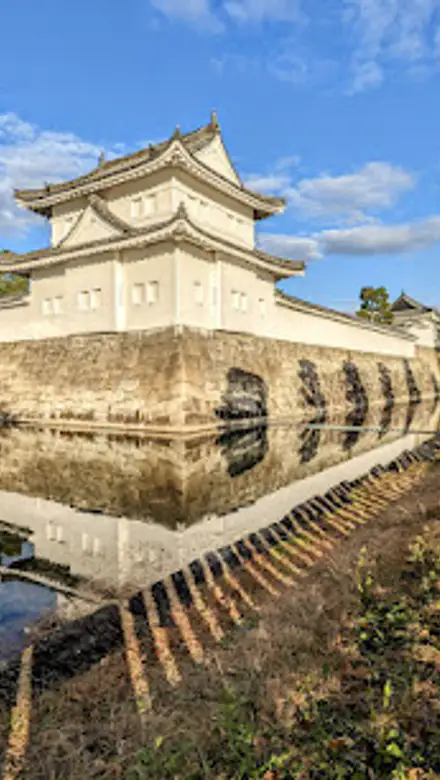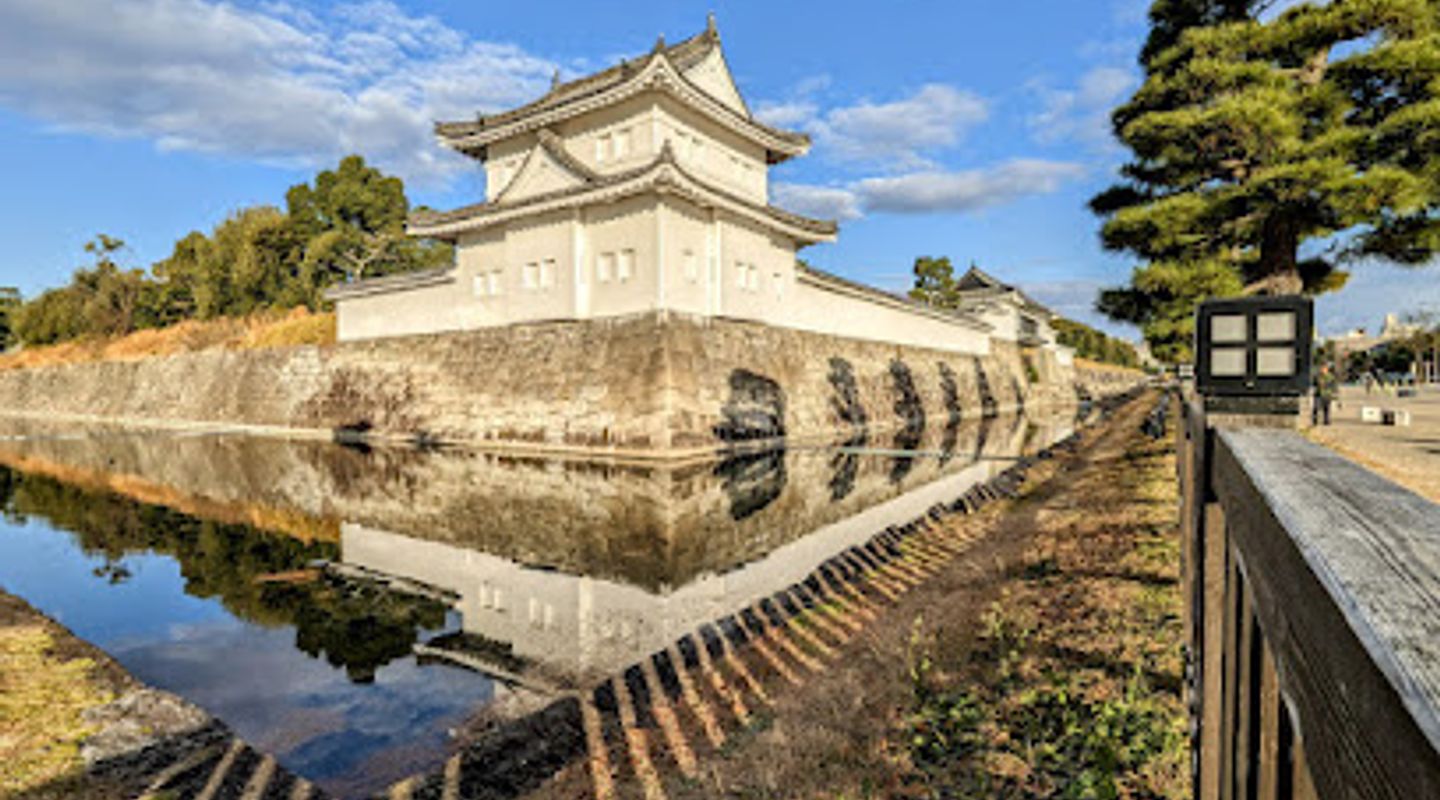
Nijō Castle, Aki Travel Guide
Explore Nijō Castle in Kyoto: a UNESCO World Heritage Site, showcasing the power of the Tokugawa shogunate and exquisite Edo-period architecture.
Nijō Castle, a UNESCO World Heritage site in Kyoto, Japan, was built in 1603 by Tokugawa Ieyasu, the first shogun of the Edo period. Serving as the Kyoto residence for the Tokugawa shoguns, it symbolizes the power the shogunate held over the Emperor. The castle features stunning architecture, intricate gardens, and historically significant sites.
A brief summary to Nijō Castle
- 541 Nijojocho, Kyoto, Nijojocho, Nakagyo Ward, Kyoto, 604-8301, JP
- Click to display
- Click to display
- Monday 8:45 am-5 pm
- Tuesday 8:45 am-5 pm
- Wednesday 8:45 am-5 pm
- Thursday 8:45 am-5 pm
- Friday 8:45 am-5 pm
- Saturday 8:45 am-5 pm
- Sunday 8:45 am-5 pm

Know before you go
Hi, I'm Eve. Here are a few practical things to know before exploring Nijō Castle.
- Purchase tickets online in advance to avoid potential queues, especially during peak seasons.
- Consider renting an English audio guide to fully appreciate the castle's history and significance.
- Wear comfortable shoes, as exploring the extensive castle grounds involves a lot of walking.
- Visit early in the morning or later in the afternoon to avoid the largest crowds.
- Check the official website for closure dates and special events before planning your visit.
Do you manage this location?
Take control to get all the benefits, like improved information, better appearance, and stronger visibility across AI-powered discovery. Learn more about listing your business on Evendo
Activate your presenceOther nearby places you may find interesting
The closest places of the same kind, if this one is not quite what you had in mind.

Explore Nijō Castle on the Map
A handpicked selection of must-see spots near Nijō Castle, mapped for you.
Unlock the Best of Nijō Castle
Buy tickets
-
No tickets available
Book tours with entry


Getting There
-
Public Transport
The entrance to Nijō Castle is a short walk from Nijojo-mae Station on the Tozai Subway Line. From Kyoto Station, take the Karasuma Subway Line to Karasuma-Oike Station, then transfer to the Tozai Line to Nijojo-mae Station. The subway trip takes approximately 15-20 minutes and costs 260 yen. Alternatively, from Kyoto Station, you can take Kyoto City Bus numbers 9 or 50 to Nijō Castle. The bus ride takes about 15-20 minutes and costs 230 yen.
-
Taxi
Taxis are readily available throughout Kyoto. A taxi from Kyoto Station to Nijō Castle typically costs between 2,090 JPY. The base fare for a taxi in Kyoto is 490 yen for the first 1.5 km, with additional charges of 320 yen per kilometer thereafter. Be aware that taxi fares may increase by 20% during late-night hours (10:00 PM to 5:00 AM).
-
Walking
From Nijojo-mae Station (Tozai Subway Line), the castle entrance is a few steps away. Follow the signs for Nijō Castle. From Kyoto International Manga Museum it is approximately 15-minute walk.
-
Car
If driving, use the address 541 Nijojocho, Nakagyo Ward, Kyoto, 604-8301 for GPS navigation. Parking is available at the Nijo-jo Castle parking lot. The parking fee is 1,000 yen for the first two hours, with an additional 200 yen for each subsequent hour. Parking space is limited, especially during peak seasons, so arrive early. Note that coaches should avoid residential roads such as Oike-dori, Omiya-dori and Shinsen’en-dori.
Discover more about Nijō Castle













Your all‑in‑one travel companion app
Explore expert travel guides, compare and book tours, experiences, hotels, and more—all from the palm of your hand. Download now for seamless trip planning wherever your wanderlust takes you.


Explore More of Aki
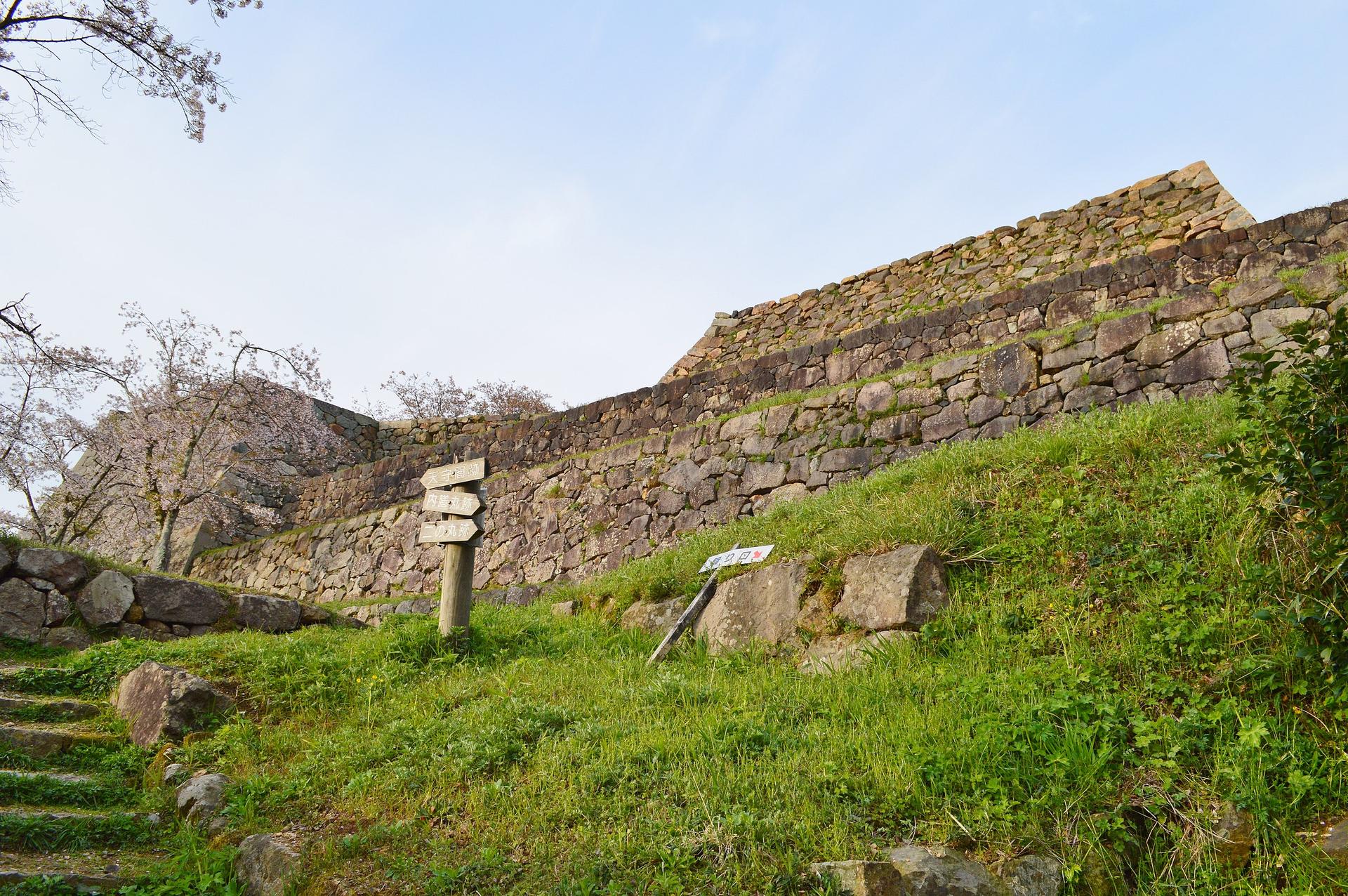
Looking beyond Nijō Castle? Discover Aki for broader travel guides, local hot-spots, and regional highlights.
Explore Aki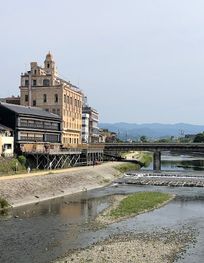
Explore the Karasuma Oike ruins in Kyoto, where ancient history meets modern charm, offering a captivating glimpse into Japan's imperial past.
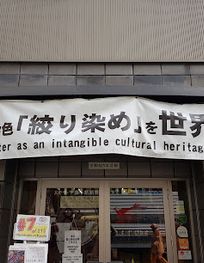
Experience the intricate beauty of shibori at the Kyoto Shibori Museum, where art and tradition intertwine to create a unique cultural journey.