Ginkaku-ji: The Silver Pavilion
Explore Ginkaku-ji (Silver Pavilion): A serene Zen temple in Kyoto with exquisite gardens, embodying the essence of Japanese aesthetics and culture.
Ginkaku-ji (銀閣寺), also known as the Silver Pavilion, is a Zen temple in Kyoto's Higashiyama district, famed for its elegant gardens and representing the Higashiyama Culture. Originally built in 1482 as a retirement villa for Shogun Ashikaga Yoshimasa, it was converted into a temple after his death. The temple embodies the Japanese aesthetic of wabi-sabi, finding beauty in simplicity and imperfection.
A brief summary to Higashiyama Jisho-ji
- 2 Ginkakujicho, Kyoto, Ginkakujicho, Sakyo Ward, Kyoto, 606-8402, JP
- +8175-771-5725
- Visit website
Local tips
- Visit early in the morning or later in the afternoon to avoid crowds, especially during peak seasons.
- Wear comfortable shoes, as you'll be doing a lot of walking on the temple grounds.
- Take your time to appreciate the details of the gardens, including the moss garden and the sand garden.
- Combine your visit with a stroll along the Philosopher's Path, which leads to Ginkaku-ji from Nanzen-ji Temple.
- Keep your admission ticket, as it serves as a good luck charm for good fortune and family safety.

Getting There
-
Public Transport
From Kyoto Station, take city bus number 5 or 17 directly to the Ginkakuji-michi bus stop. The ride takes approximately 35-40 minutes and costs 230 yen. From the bus stop, it's a short walk to the temple entrance.
-
Walking
If you are near Nanzen-ji Temple, you can walk to Ginkaku-ji along the Philosopher's Path, a scenic route that takes about 30-45 minutes. From the end of the Philosopher's Path, continue a short distance to Ginkaku-ji.
-
Taxi
A taxi from Kyoto Station to Ginkaku-ji takes about 10 minutes, depending on traffic, and costs approximately 3000-3700 yen. Tell the driver "Ginkaku-ji" or provide the address: 2 Ginkakujicho, Sakyo Ward, Kyoto.
Discover more about Higashiyama Jisho-ji
Iconic landmarks you can’t miss

TOURS IN KYOTO
1.9 km
Discover Kyoto's rich cultural heritage through immersive guided tours of its iconic landmarks and hidden gems.
ROHM Theatre Kyoto
2.1 km
Kyoto's premier performing arts venue, blending modern design with a rich history of cultural events and community engagement.
NINJA VR KYOTO
2.7 km
Experience immersive ninja training with cutting-edge VR technology in a traditional Kyoto setting. Fun for all ages!
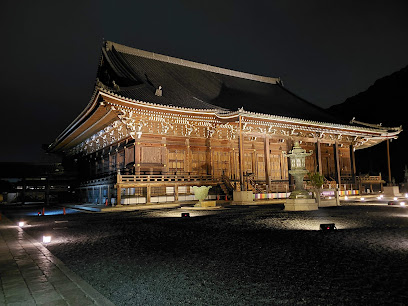
Chion-in Temple
2.8 km
Experience the tranquility of Chion-in Temple, Kyoto's iconic Buddhist sanctuary, where history and spirituality intertwine amidst stunning architecture and serene gardens.
The Ritz-Carlton, Kyoto
2.9 km
Discover unparalleled luxury and serene beauty at The Ritz-Carlton, Kyoto, a perfect blend of tradition and modern elegance.

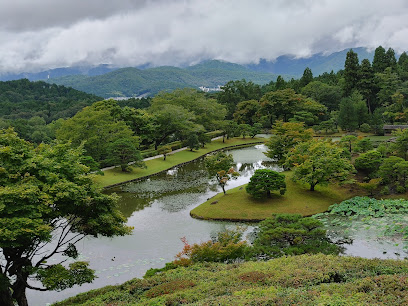
Shugakuin Imperial Villa
3.0 km
Experience the captivating beauty and rich history of Shugakuin Imperial Villa, a serene gem in Kyoto's lush landscapes.
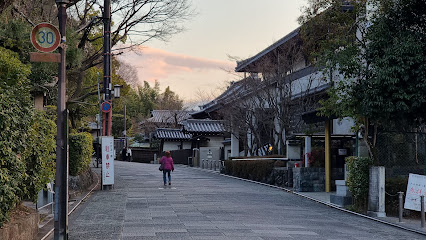
Maruyama Park
3.1 km
Discover the tranquil beauty of Maruyama Park in Kyoto, a serene escape with cherry blossoms, historical shrines, and lush landscapes.
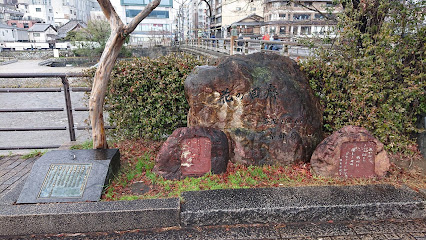
Sanjo Ohashi
3.1 km
Experience the charm and beauty of Sanjo Ohashi, Kyoto's historic bridge connecting culture, nature, and vibrant city life.
The Flower Corridor
3.1 km
Discover the enchanting beauty of The Flower Corridor in Kyoto, a serene path adorned with vibrant flowers and exquisite stone carvings.
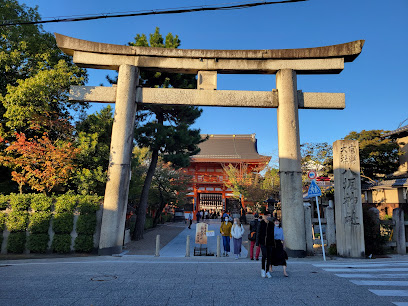
Yasaka-jinja Shrine
3.2 km
Discover the spiritual heart of Kyoto at Yasaka-jinja Shrine, a historic Shinto shrine steeped in tradition and vibrant festivals.
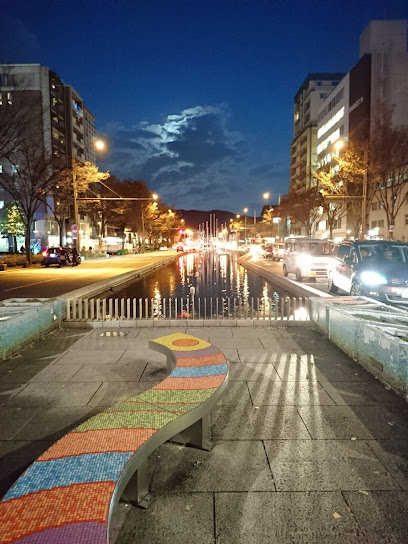
Island-Lake
3.2 km
Discover tranquility at Island-Lake, a serene oasis in the heart of Kyoto, perfect for relaxation and nature lovers alike.
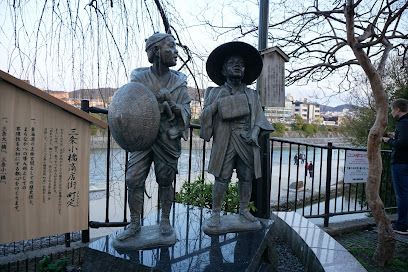
Statues of Yaji-san & Kita-san
3.2 km
Discover the enchanting Statues of Yaji-san & Kita-san in Kyoto, a captivating blend of folklore, artistry, and cultural heritage.
Warai Clock Tower
3.2 km
A Gion district landmark, the Warai Clock Tower adds to the area's historical charm in Kyoto, Japan.
Kyoto Gyoen National Garden
3.2 km
Experience the breathtaking beauty of Kyoto Gyoen National Garden, a serene national park perfect for leisurely walks and cultural exploration amidst stunning landscapes.
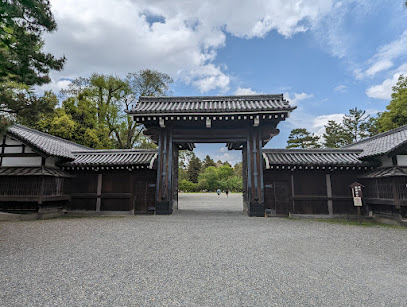
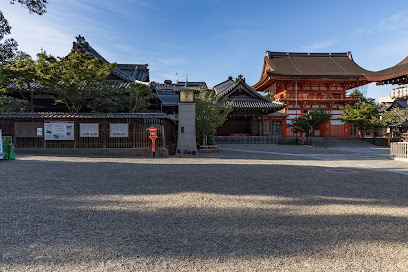
Yasaka Jinja Nishiromon Gate (Western Tower Gate)
3.2 km
Discover Kyoto's spiritual heart at the iconic Yasaka Jinja Nishiromon Gate, a vibrant gateway to tradition and cultural richness.
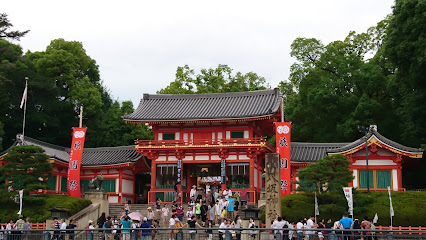
Unmissable attractions to see

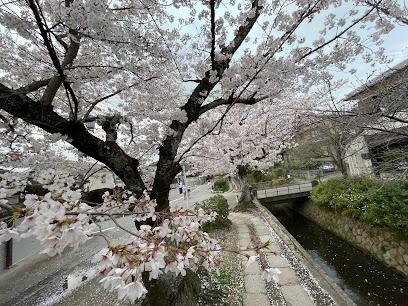
Philosopher's Path
0.3 km
Experience Kyoto's natural beauty and rich culture along the Philosopher's Path, a serene walk perfect for contemplation and exploration.
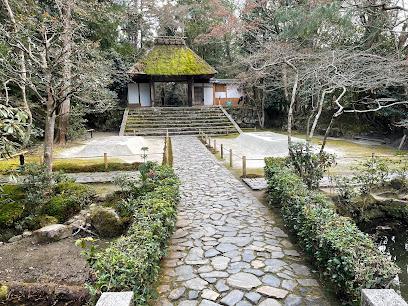
Hōnenin Temple
0.3 km
Explore the serene beauty of Hōnen-in Temple, a historic Buddhist site in Kyoto offering tranquility, stunning gardens, and rich cultural heritage.
Kōun-ji Temple
1.1 km
Discover tranquility and beauty at Kōun-ji Temple, a serene sanctuary in Kyoto surrounded by stunning gardens and rich cultural history.
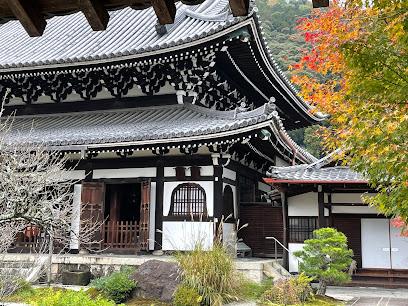
Okazaki Shrine
1.4 km
Explore the tranquil Okazaki Shrine in Kyoto, a serene Shinto site rich in history, beauty, and cultural significance, perfect for spiritual reflection and discovery.
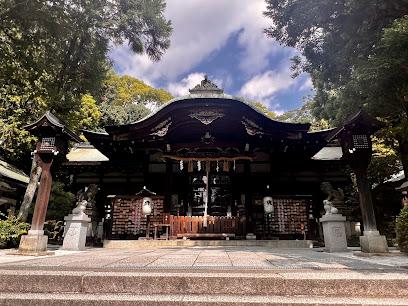
Eikandō Temple
1.4 km
Immerse yourself in the serene beauty of Eikandō Temple, a must-visit Buddhist site in Kyoto renowned for its stunning gardens and rich cultural heritage.
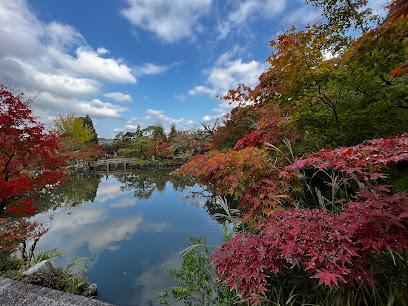
Mount Daimonji
1.5 km
Discover the breathtaking views and serene landscapes of Mount Daimonji, a must-visit hiking gem in Kyoto, perfect for nature lovers and adventure seekers.
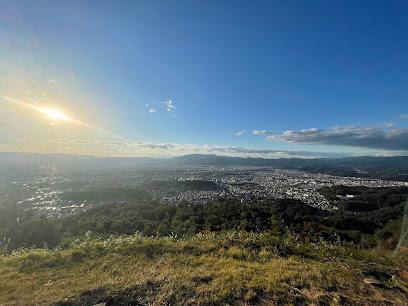
Nanzen-ji
1.8 km
Discover the tranquility and beauty of Nanzen-ji, Kyoto's historic Zen Buddhist temple, surrounded by stunning gardens and rich cultural heritage.
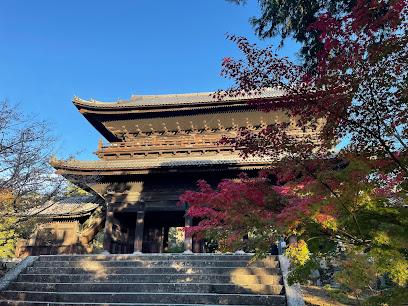
Heian Shrine
1.9 km
Discover the tranquil beauty of Heian Shrine, Kyoto: a stunning Shinto shrine blending culture, history, and serene gardens for an unforgettable experience.
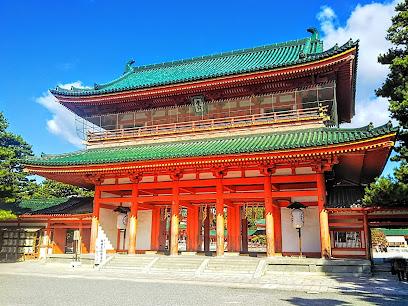
Tenjuan Temple
1.9 km
Experience the serene beauty of Tenjuan Temple in Kyoto, a hidden gem of tranquility and traditional Japanese culture.
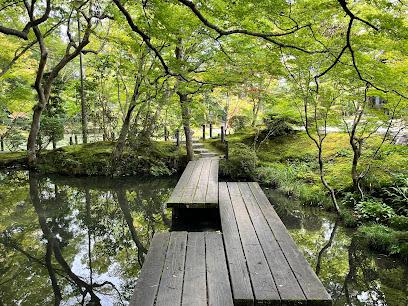
Kyoto City Zoo
1.9 km
Experience the joy of wildlife at Kyoto City Zoo, a serene and educational family-friendly attraction in the heart of Kyoto.
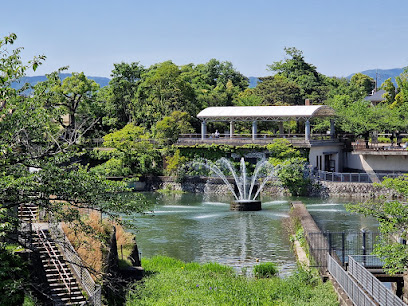
Ichijo-ji Sagari-Matsu Pine
1.9 km
Immerse yourself in the tranquility of Ichijo-ji Sagari-Matsu Pine, a historical landmark in Kyoto that reflects Japan's cultural heritage and natural beauty.
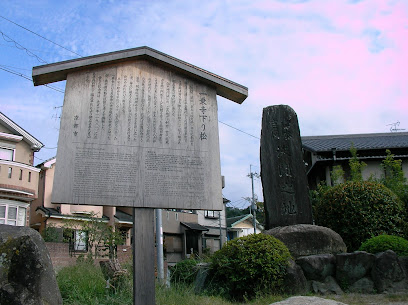
Konchi-in
2.0 km
Explore the serene beauty of Konchi-in Temple, a tranquil Buddhist haven nestled in Kyoto's historic Nanzen-ji district, perfect for spiritual exploration.
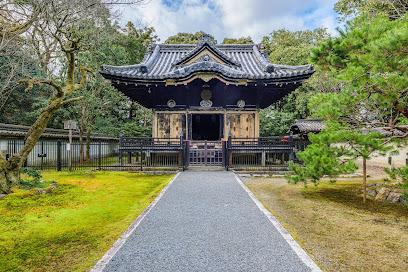
Murinan Garden
2.0 km
Explore the serene beauty of Murinan Garden in Kyoto, where traditional Japanese landscapes meet tranquil reflections and delightful café experiences.
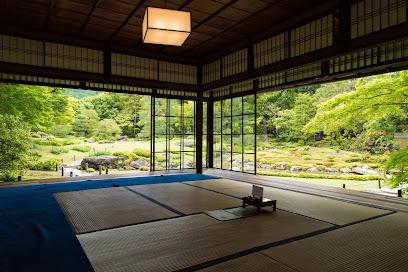
Okazaki Park
2.0 km
Experience the tranquil beauty of Okazaki Park in Kyoto, a perfect blend of nature, culture, and relaxation amidst the city's historical treasures.
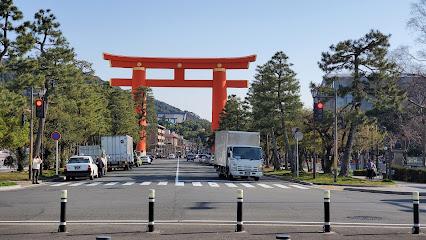
Keage Incline
2.0 km
Discover Keage Incline in Kyoto, a historic pathway adorned with cherry blossoms, perfect for leisurely walks and rich in cultural significance.
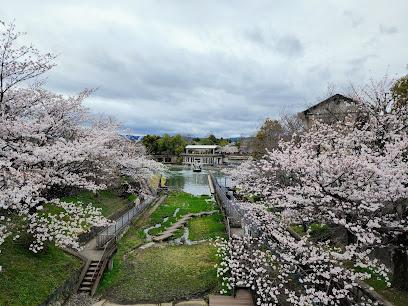
Essential places to dine

Monk
0.5 km
Discover Monk: A top-rated pizza restaurant in Kyoto blending Italian tradition with local flavors for an unforgettable dining experience.
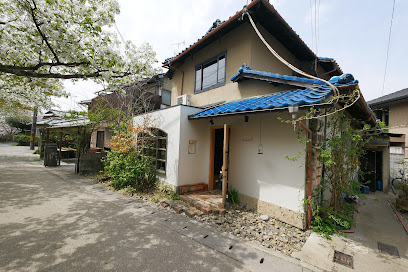
Cenci
2.0 km
Discover Cenci in Kyoto - where exquisite Italian cuisine meets Japanese culinary artistry for an unforgettable dining experience.
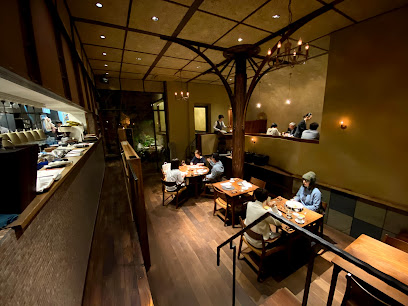
Arash's Kitchen
2.0 km
Experience authentic Asian cuisine at Arash's Kitchen in Kyoto—a culinary delight for every traveler seeking unique flavors.
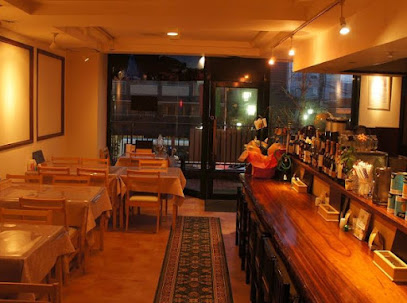
Kakyo
2.3 km
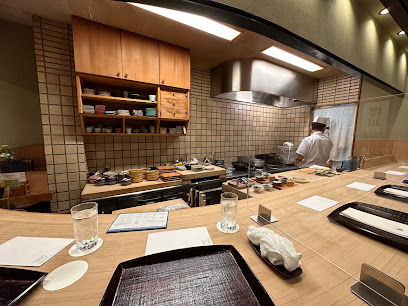
Experience the finest kaiseki cuisine at Kakyo in Kyoto - where tradition meets innovation in every exquisite dish.
Nananoichi
2.4 km
Experience exquisite French cuisine with a touch of Kyoto's finest flavors at Nananoichi.
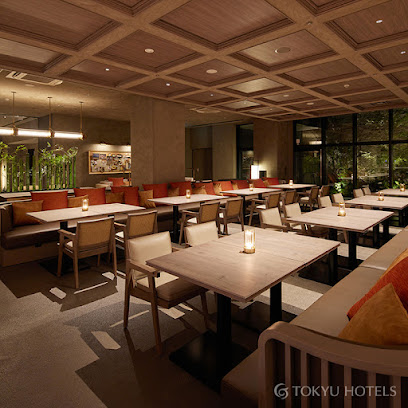
Omi-ya
2.4 km
Discover Omi-ya in Kyoto: An affordable udon noodle shop serving delicious handmade dishes in a cozy setting.
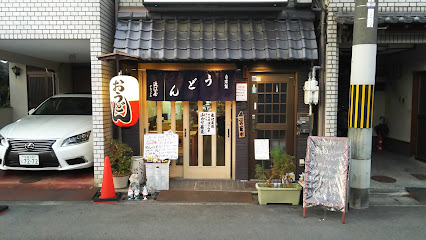
LURRA°
2.5 km
Experience exquisite fine dining at LURRA° in Kyoto, where local ingredients meet culinary artistry in an elegant setting.
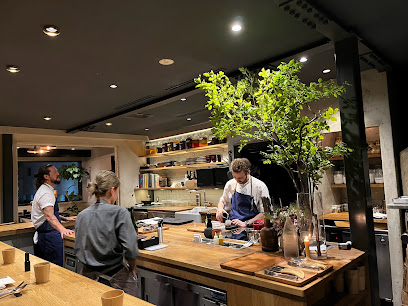
Tan
2.6 km
Discover the exquisite flavors of authentic Kaiseki dining at Tan in Kyoto, where tradition meets seasonal freshness.
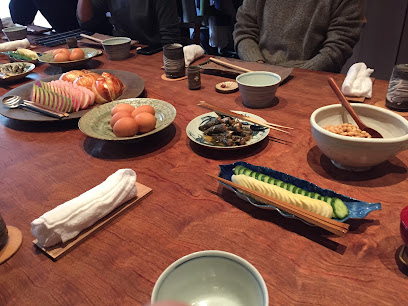
Kichisen
2.6 km
Discover Kichisen in Kyoto: A premier kaiseki restaurant showcasing seasonal ingredients and traditional Japanese culinary artistry.
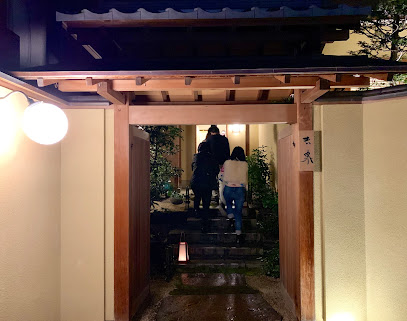
Nakaso Tango
2.7 km
Discover authentic Japanese cuisine at Nakaso Tango, where tradition meets flavor in the heart of Kyoto.
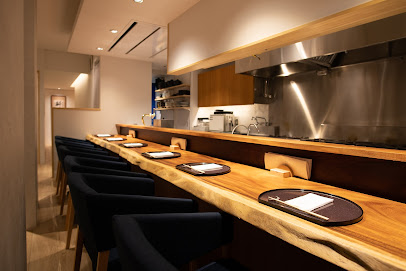
Kyoto cuisine Teramachi Yoshikura
2.8 km
Discover authentic Kyoto cuisine at Teramachi Yoshikura – where traditional flavors meet modern creativity in an unforgettable dining experience.
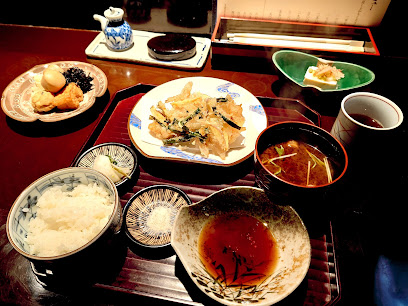
Ajikyu
2.9 km
Discover authentic Japanese dining at Ajikyu in Kyoto—where tradition meets exquisite culinary artistry.
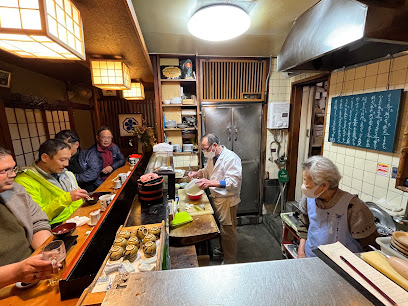
Sakuragawa
3.0 km
Discover authentic Kaiseki dining at Sakuragawa in Kyoto – where culinary artistry meets traditional Japanese flavors.
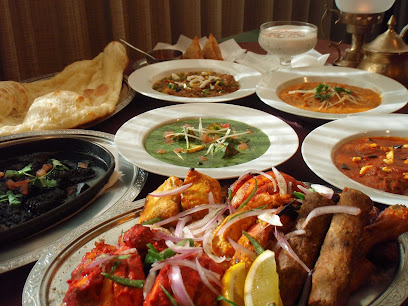
MUGHAL Indian Restaurant & Bar
3.0 km
Experience the vibrant flavors of India at Mughal Indian Restaurant & Bar in Kyoto – a haven for food lovers seeking authentic South Asian cuisine.
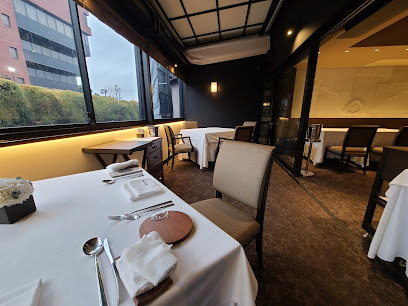
Arancino Kyoto
3.1 km
Experience exquisite Italian cuisine at Arancino Kyoto – where tradition meets innovation in every dish.
Markets, malls and hidden boutiques

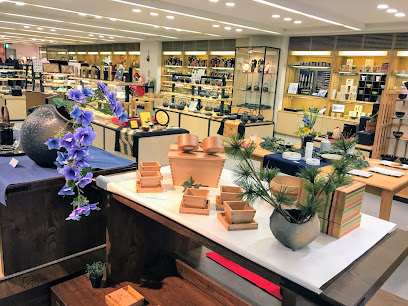
Kyoto Handicraft Center
1.9 km
Discover the essence of Japanese craftsmanship and cuisine at the Kyoto Handicraft Center, where tradition meets artistry in the heart of Kyoto.
Ki-Yan Stuzio Gion Ishidan-shita Shop
3.2 km
Discover Kyoto's artistic essence at Ki-Yan Stuzio Gion Ishidan-shita Shop, where clothing meets art in a charming boutique experience.
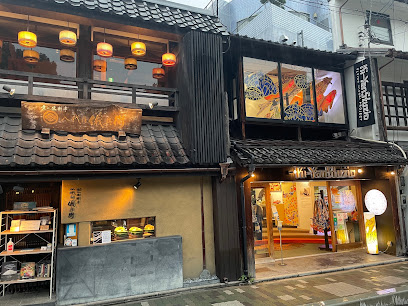
Daikichi
3.2 km
Explore the exquisite collection of antiques at Daikichi, where every piece tells a story of Japan's rich cultural heritage in the heart of Kyoto.
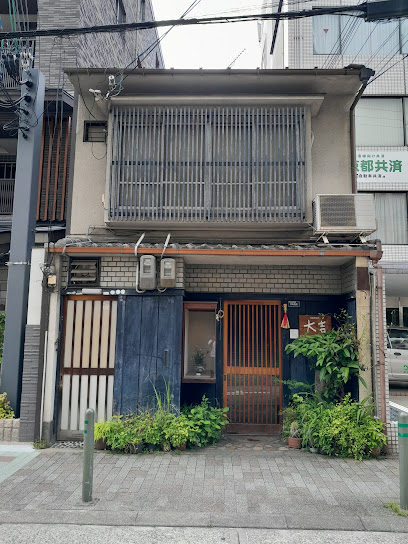
パゴン祇園店 -Pagong (Japanese Design Clothing)
3.2 km
Explore the finest in Japanese women's fashion at Pagong Gion, where tradition meets modern style in the heart of Kyoto.
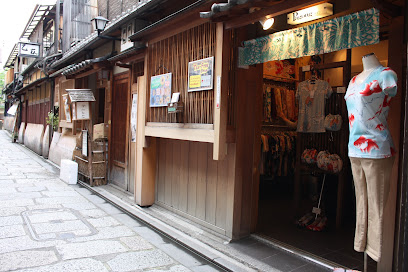
Kurochiku
3.3 km
Discover Kurochiku in Kyoto: A charming souvenir store showcasing authentic Japanese crafts and unique gifts that capture the essence of Japan.
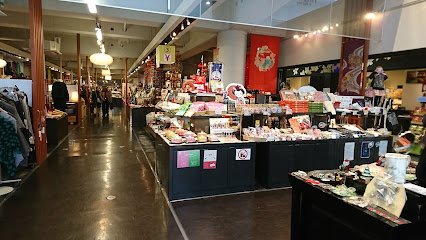
fine antique
3.3 km
Explore Fine Antique in Kyoto's Gion district for a unique glimpse into Japan's cultural heritage through exquisite antiques and collectibles.
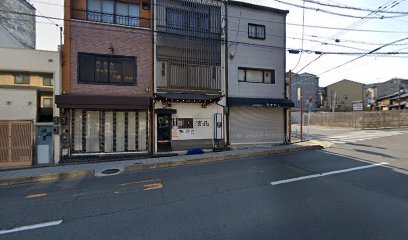
Ayanokoji Gion
3.3 km
Discover the artistry of Japan at Ayanokoji Gion, a charming souvenir store nestled in Kyoto's historic Gion district, specializing in unique bags and gifts.
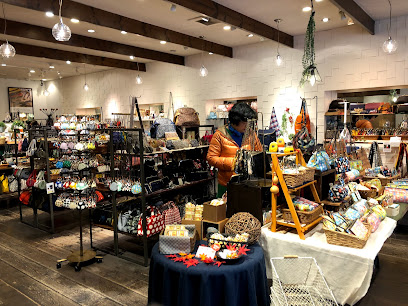
Media Shop
3.3 km
Explore Kyoto's Media Shop, a unique magazine store and art gallery that combines literature and creativity in a captivating cultural experience.

Kyo Sakura
3.4 km
Discover Kyo Sakura in Kyoto: A clothing store where tradition meets modern style, offering unique fashion pieces and authentic local craftsmanship.
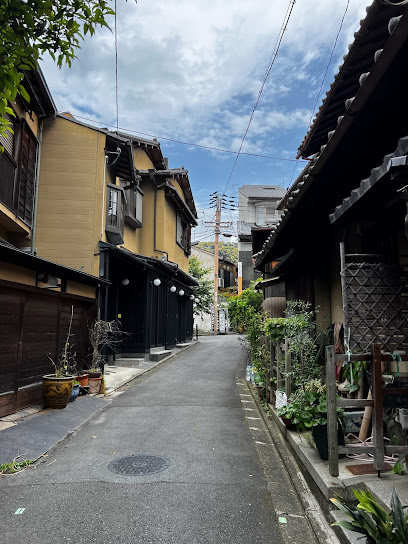
Sanjo Meiten-gai Shopping Arcade
3.4 km
Discover the heart of Kyoto at Sanjo Meiten-gai Shopping Arcade, where traditional charm meets modern shopping and dining.
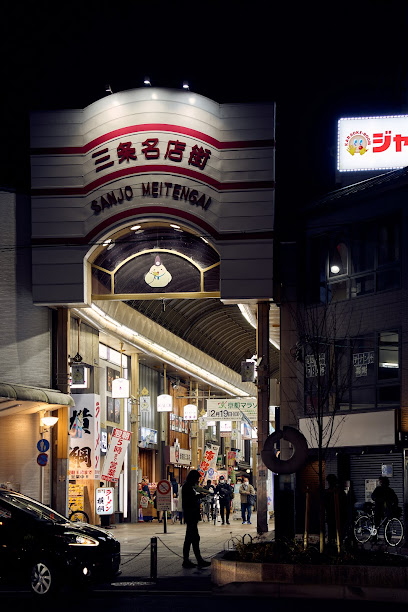
D_MALL京都
3.4 km
Discover unique fashion accessories in Kyoto at D_MALL, where local style meets contemporary trends in a vibrant shopping atmosphere.
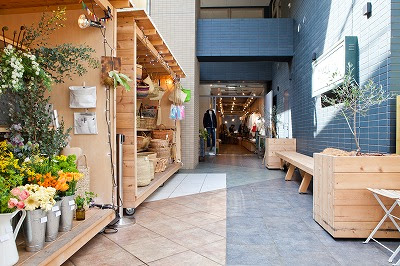
Souvenir Kyoto
3.4 km
Discover unique Japanese souvenirs and cultural treasures at Souvenir Kyoto, where every item tells a story of tradition and craftsmanship.
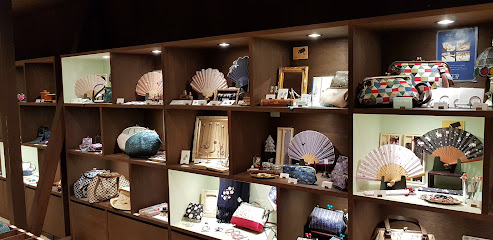
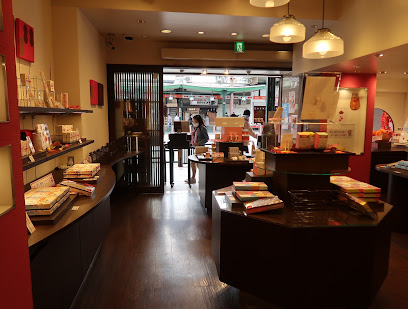
Maicoto
3.4 km
Explore Maicoto, a charming souvenir and confectionery store in Kyoto offering artisanal treats and unique gifts to savor and share.
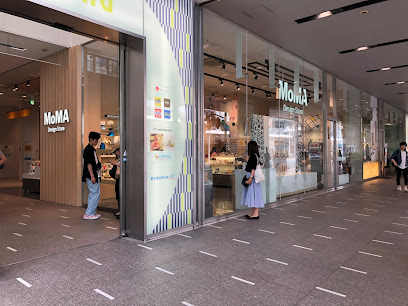
MoMA Design Store Kyoto
3.4 km
Discover unique design treasures at MoMA Design Store Kyoto, where modern art meets traditional Japanese aesthetics in a vibrant shopping experience.
Kyoto LOFT
3.4 km
Explore Kyoto LOFT: A vibrant general store with cosmetics, home goods, and unique novelties in the heart of Kyoto.
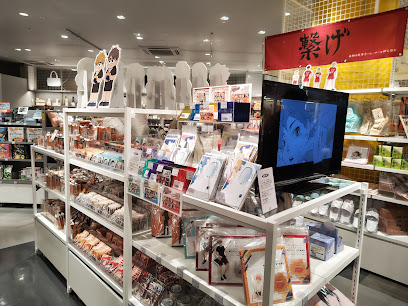
Essential bars & hidden hideouts

Bar K6
2.9 km
Discover the perfect blend of modern cocktails and traditional ambiance at Bar K6, a lively bar in the heart of Kyoto's nightlife.
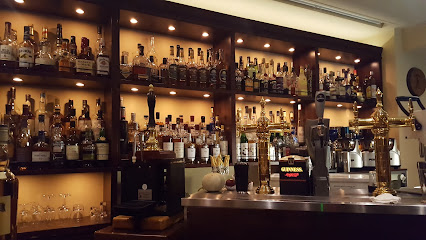
feel京good
3.0 km
Experience Kyoto's vibrant nightlife at Feel 京 Good, a chic bar offering a unique ambiance and an extensive selection of local and international drinks.
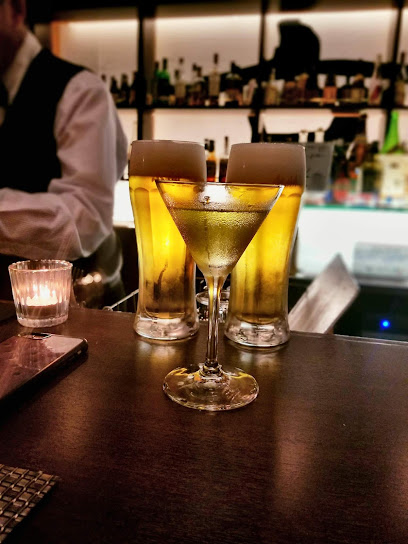
Lounge & Bar 1867 (ダーワ・悠洛 京都 by バンヤン・グループ)
3.0 km
Unwind in the elegance of Kyoto at Lounge & Bar 1867, where tradition meets modern luxury in a serene atmosphere.
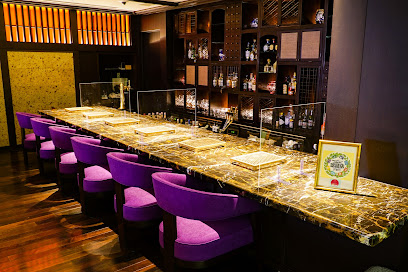
Pig & Whistle
3.0 km
Discover Pig & Whistle, a charming pub in Kyoto offering a delightful blend of local cuisine, craft beers, and a warm, inviting atmosphere.
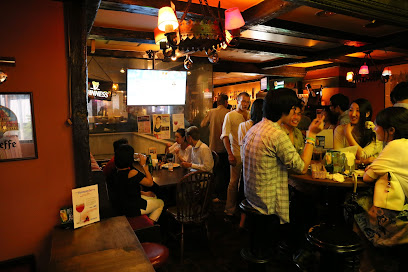
House of KI NO BI
3.1 km
Experience the serene ambiance and exquisite craft cocktails at the House of KI NO BI, a must-visit bar in Kyoto for every traveler.
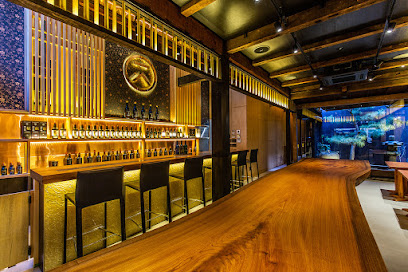
Bar Fishbowl
3.1 km
Discover the vibrant nightlife of Kyoto at Bar Fishbowl, where innovative cocktails and stunning city views await you.
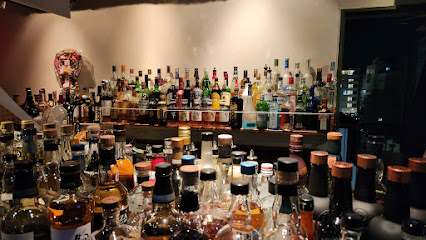
Caamm bar
3.2 km
Discover the lively spirit of Kyoto at Caamm Bar, where traditional hospitality meets modern nightlife in a vibrant setting.
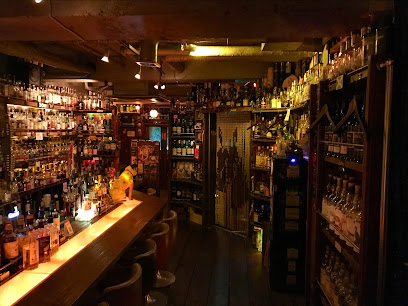
Bingo
3.2 km
Discover Bingo, a cozy bar in Kyoto's Gion district, offering exquisite drinks and a charming ambiance for an unforgettable experience.
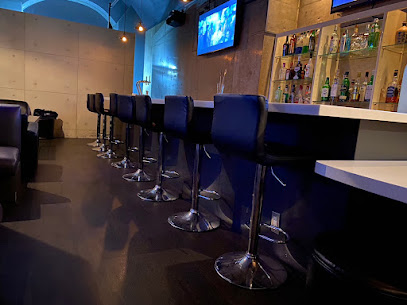
bar mousse
3.2 km
Experience Kyoto's vibrant nightlife at Bar Mousse, where expertly crafted cocktails meet warm ambiance for an unforgettable evening.
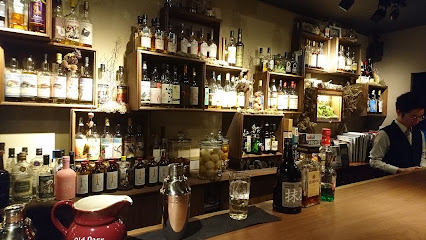
Man in the Moon Gion
3.2 km
Discover the exquisite flavors of Japan at Man in the Moon Gion, a premier grill restaurant in Kyoto's enchanting Gion district.
Bar鳴子
3.2 km
Discover the exquisite fusion of traditional and modern at Bar鳴子, a must-visit bar in Kyoto's enchanting Gion district.
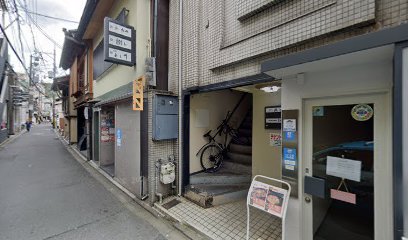
Bar Cordon Noir
3.2 km
Discover the enchanting Bar Cordon Noir in Kyoto, where exquisite whiskies and a cozy atmosphere await every visitor.
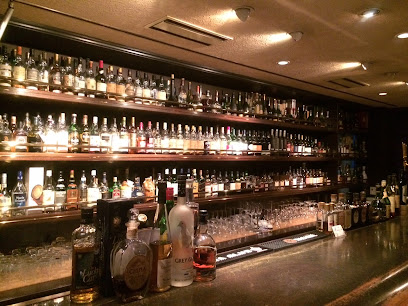
The Common One Bar Kyoto
3.2 km
Discover Kyoto's vibrant nightlife at The Common One Bar, where authentic cocktails meet a cozy atmosphere, perfect for every traveler.
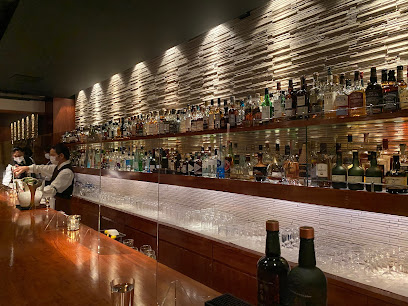
Le Peu
3.3 km
Discover the enchanting atmosphere of Le Peu, a bar in Kyoto that offers a unique blend of traditional charm and modern nightlife.
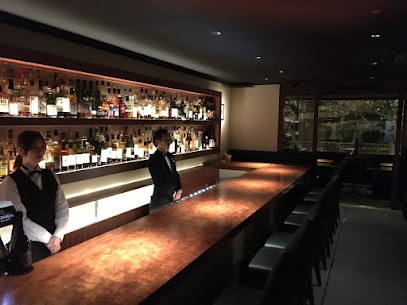
UE Rooftop Bar & Food
3.3 km
Experience breathtaking views and exquisite cocktails at UE Rooftop Bar & Food, a luxurious haven in the heart of Kyoto's nightlife.
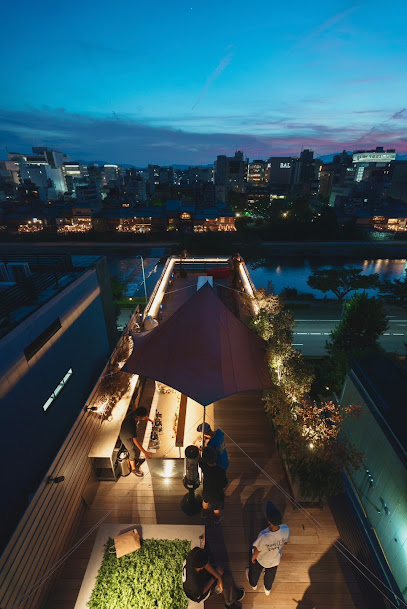
Nightclubs & after hour spots

CLUB METRO
2.6 km
Discover the electric nightlife of Kyoto at CLUB METRO, a vibrant night club offering eclectic music and unforgettable performances.
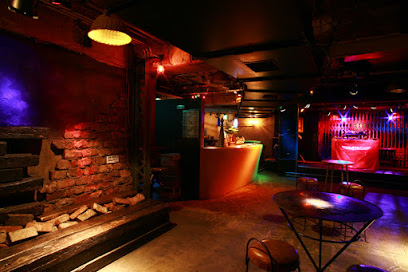
Cabaret (formerly BAR Baaru)
3.1 km
Experience Kyoto's nightlife at Cabaret, a lively bar offering cocktails, karaoke, and live music in a vibrant and welcoming atmosphere.
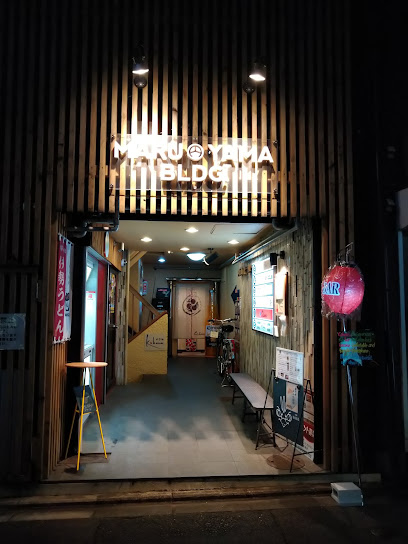
Maharaja
3.1 km
Experience the electric nightlife of Kyoto at Maharaja, where dancing and vibrant rhythms create unforgettable memories.
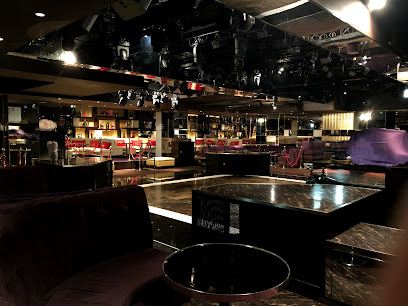
京都フィリピン Lounge Infinity
3.2 km
Experience Kyoto's nightlife at Lounge Infinity, a stylish night club in Gion, where tradition meets modern entertainment and unforgettable memories await.

West Harlem
3.2 km
Discover the vibrant nightlife of West Harlem, a unique night club in Kyoto, where local music and a lively atmosphere come together for an unforgettable experience.
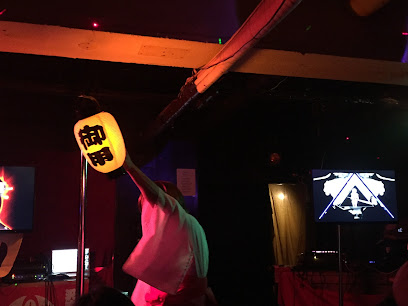
京都祇園フィリピンクラブ New Miss Philippines
3.2 km
Discover the dynamic nightlife at New Miss Philippines, a vibrant night club in Kyoto's historic Gion district, perfect for an unforgettable evening.
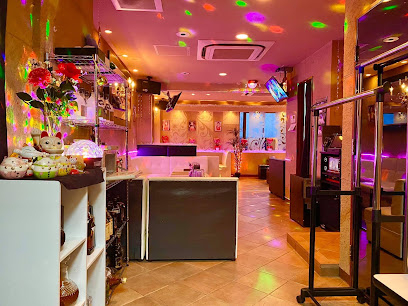
祗園フィリピン club ROYAL(クラブ ロイヤル)
3.3 km
Discover the vibrant nightlife of Kyoto at Club Royal, a premier lounge blending traditional charm with modern entertainment.

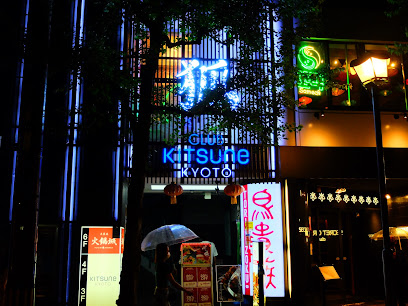
KITSUNE KYOTO
3.3 km
Dive into the electrifying nightlife of KITSUNE KYOTO, where vibrant music and exceptional atmosphere meet in the heart of Kyoto.
VAL LOUNGE BAR フィリピン
3.3 km
Unwind at VAL LOUNGE BAR in Kyoto, where modern elegance meets vibrant nightlife, offering exquisite drinks and a chic atmosphere for all.

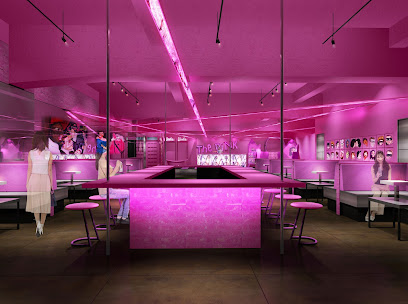
THE PINK KYOTO
3.3 km
Discover the heartbeat of Kyoto's nightlife at The Pink Kyoto, where unforgettable nights and vibrant energy await every visitor.
Club CK Discotheque Kyoto
3.3 km
Discover the electrifying nightlife of Kyoto at Club CK Discotheque, a premier destination for dancing, drinks, and unforgettable entertainment.
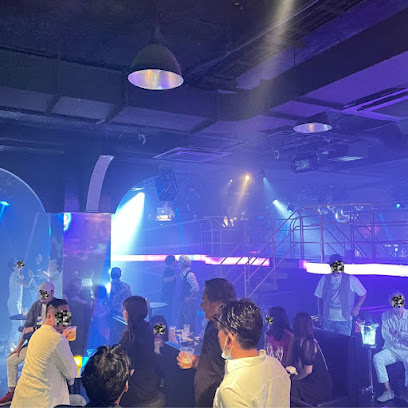
BABEL KYOTO
3.3 km
Discover the vibrant nightlife at BABEL KYOTO, where electrifying music, stunning ambiance, and unforgettable experiences await every night.
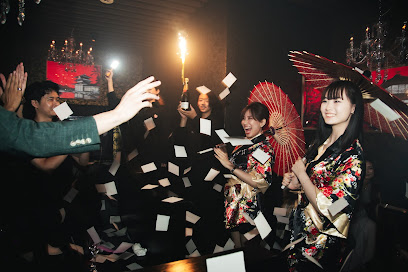
Octave
3.4 km
Discover Octave, the pulse of Kyoto's nightlife, where cocktails flow and music ignites the dance floor in a vibrant atmosphere.
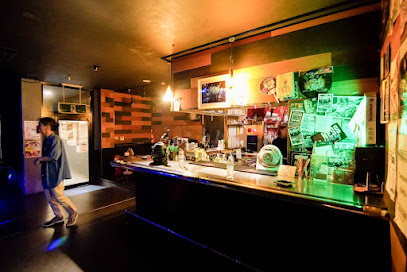
CLUB 夜上海
3.4 km
Discover the electrifying nightlife of Kyoto at CLUB 夜上海, where music, dance, and unforgettable memories come together.

KYOTO Chambers
3.4 km
Immerse yourself in the electrifying nightlife of Kyoto at KYOTO Chambers, where unforgettable experiences await in a stylish setting.