

Free South Shore Travel Guide & Mobile App
Explore South Shore with free travel guides. Discover regional history, expert tips, proposed trips, and audio guides on web or mobile app.


Explore South Shore Massachusetts for Atlantic beaches, maritime towns, presidential history, coastal walks and historic Plymouth south of Boston.
Read more about South Shore
Getting to and around South Shore
How to get there
Transportation
Top city travel guides in South Shore
The cities of South Shore, and the easiest places to base yourself.
-

-
-

-


Swipe for more cities
Destinations in South Shore
Resorts, valleys and scenic spots worth a trip of their own.
-

-

-


Swipe for more destinations
Best attractions in South Shore
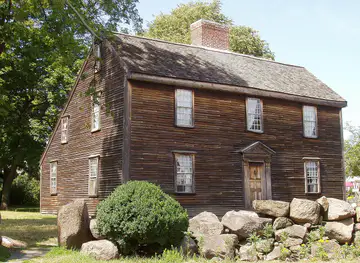
South Shore attractions range from urban and presidential history in Quincy to beaches, marshes and maritime communities farther south. Adams National Historical Park in Quincy interprets the lives and homes of John Adams and John Quincy Adams, while the USS Salem, a preserved heavy cruiser at the former Fore River shipyard in Quincy, represents the region’s twentieth-century naval and industrial connections. Hingham’s World’s End offers walking through meadows, woodland and shoreline with broad views towards Boston Harbor. Hull is associated with Nantasket Beach and the Hull Lifesaving Museum, while Scituate provides harbour scenery and coastal history. In the southern South Shore, visitors can combine the beaches and wetlands of Marshfield and Duxbury with the museums, waterfront and historic sites of Plymouth. Plimoth Patuxet Museums and the Mayflower II provide colonial-era interpretation, though visitors should also seek presentations that address Wampanoag history and the consequences of colonisation. Conservation areas, salt marshes, lighthouses, historic houses and seasonal farm attractions complete a landscape in which outdoor recreation and cultural interpretation are closely connected.
-
Breakout Games
Experience the thrill of adventure at Breakout Games in Woburn, Massachusetts, where escape rooms meet immersive storytelling for an unforgettable day out.
-
Boston Tea Party Ships & Museum
Explore the Boston Tea Party Ships & Museum, where history springs to life through interactive exhibits and immersive reenactments of America’s revolutionary spirit.
-
Trapology Boston
Experience the thrill of immersive escape rooms at Trapology Boston, where adventure and teamwork meet in the heart of downtown.
-
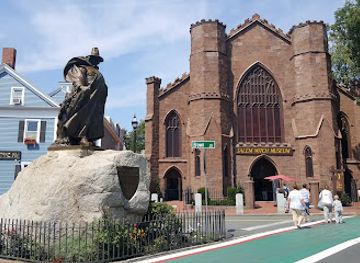
Salem Witch Museum
Explore the haunting history of the Salem Witch Trials at the Salem Witch Museum, a captivating journey through America's past.


Best landmarks in South Shore
-
Historical place
Boston National Historical Park- Charlestown Navy Yard
Discover the historic Charlestown Navy Yard in Boston, where America’s naval history comes alive through preserved ships and engaging exhibits.
-
Museum
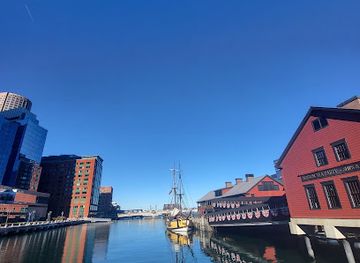
Boston Tea Party Ships & Museum
Explore the Boston Tea Party Ships & Museum, where history comes alive through interactive exhibits and engaging reenactments of America's fight for independence.
-
Monument
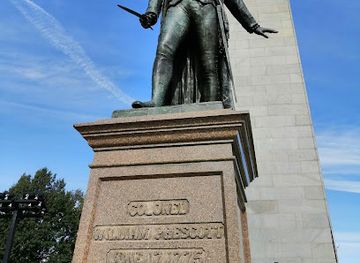
Bunker Hill Monument
Explore the Bunker Hill Monument, a pivotal site of the American Revolution, offering sweeping views and rich historical insights in Charlestown.
-
State park
Castle Island
Explore the scenic beauty and rich history of Castle Island, a must-visit state park in South Boston, perfect for outdoor adventures and family outings.

Explore South Shore on the map
Plan your trip on one map. See where the top cities, national parks and sights are, and book hotels and experiences in a few clicks.
Best hotels in South Shore
Best restaurants in South Shore
Dining on the South Shore reflects its position between metropolitan Boston and the Atlantic coast. Waterfront and harbour restaurants commonly feature local-style seafood, including fried clams, oysters, lobster, scallops, fish and chowder, while casual seafood shacks and seasonal stands offer simpler meals near beaches. The region also has independent bakeries, cafés, pizzerias, diners, Irish-influenced pubs and family-run restaurants serving the everyday food of its suburban communities. Plymouth and Quincy provide the broadest range of dining styles, from contemporary restaurants to established waterfront venues, while smaller towns tend towards cafés, inns and neighbourhood restaurants. Farmers’ markets and farm stands are useful for New England produce, especially in summer and early autumn. Menus change with weather, landings and supply, so visitors should distinguish genuinely local seafood from dishes merely marketed with a coastal theme. Craft beer and New England-style drinks are widely available, but the culinary identity is rooted more in seafood, seasonal produce and informal hospitality than in one single regional cuisine.
-
Cajun
Cap't Loui
Experience authentic Cajun cuisine at Cap't Loui in Braintree - where every dish tells a story.
-
Steak
Stockholders
Experience fine dining at Stockholders Steakhouse - where premium steaks meet fresh seafood in a cozy atmosphere.
-
Restaurant
Mad Hatter Restaurant
Discover exquisite flavors at Mad Hatter Restaurant in Weymouth - where every meal is a delightful culinary adventure.
-
Seafood
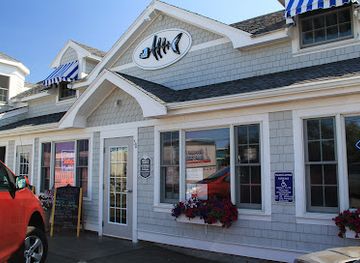
Jake's Seafood Restaurant
Experience fresh seafood delights at Jake's Seafood Restaurant in Hull - where ocean flavors meet warm hospitality.

Best bars in South Shore
South Shore nightlife is generally low-key and community-oriented rather than centred on a large club scene. Quincy, Plymouth and the larger northern towns have the broadest choice of pubs, restaurant bars, breweries, cocktail-focused venues and occasional live-music spaces. In coastal towns such as Scituate, Hull and Duxbury, evening activity often concentrates around harbour restaurants, traditional pubs and seasonal venues, with the busiest atmosphere during summer. Historic inns and neighbourhood bars provide a more typical night out than dedicated nightclubs, while Boston remains the major nearby centre for extensive late-night entertainment outside the region. Local breweries and taprooms can be useful for sampling Massachusetts beer, but opening arrangements and alcohol-service rules vary. In smaller communities, it is sensible to plan transport in advance, particularly when returning from a waterfront venue or a rural area without frequent public transit.
-
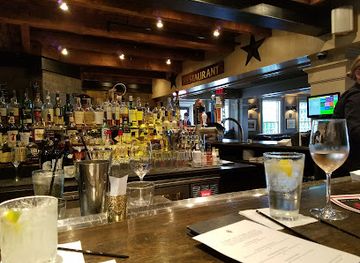
Biddy Early's
Discover the vibrant atmosphere of Biddy Early's, a top Boston pub offering great drinks and a welcoming vibe in Downtown.
-
Grill
Scarlet Oak Tavern
Experience the flavors of New England at Scarlet Oak Tavern, where grilled specialties and local ingredients come together in a vibrant atmosphere.
-
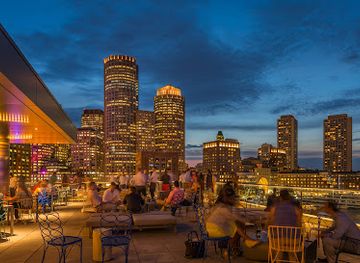
Rooftop at The Envoy
Discover Rooftop at The Envoy, Boston's premier rooftop bar offering stunning skyline views, craft cocktails, and a vibrant atmosphere for unforgettable moments.
-
Seafood
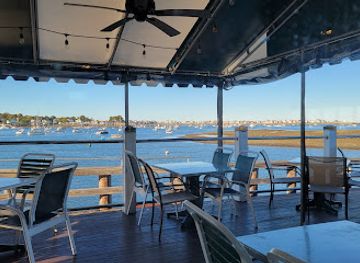
Mill Wharf
Discover Mill Wharf, a seafood haven in Scituate, MA, offering fresh dishes and a welcoming pub atmosphere with stunning waterfront views.

Best nightclubs in South Shore
South Shore nightlife is generally low-key and community-oriented rather than centred on a large club scene. Quincy, Plymouth and the larger northern towns have the broadest choice of pubs, restaurant bars, breweries, cocktail-focused venues and occasional live-music spaces. In coastal towns such as Scituate, Hull and Duxbury, evening activity often concentrates around harbour restaurants, traditional pubs and seasonal venues, with the busiest atmosphere during summer. Historic inns and neighbourhood bars provide a more typical night out than dedicated nightclubs, while Boston remains the major nearby centre for extensive late-night entertainment outside the region. Local breweries and taprooms can be useful for sampling Massachusetts beer, but opening arrangements and alcohol-service rules vary. In smaller communities, it is sensible to plan transport in advance, particularly when returning from a waterfront venue or a rural area without frequent public transit.
-
Night club
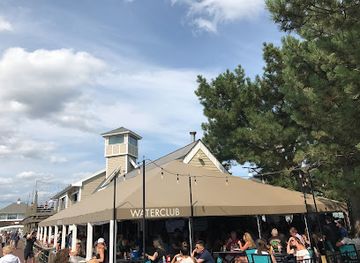
Waterclub Marina Bay
Discover the lively nightlife at Waterclub Marina Bay, where delicious dining meets vibrant entertainment by the water.
-
Night club
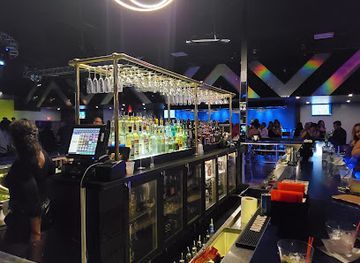
The Grand Boston
Dive into the electrifying nightlife of Boston at The Grand, where high-energy music and stunning visuals create unforgettable experiences.
-
Night club
Vincent's Nightclub
Experience the vibrant nightlife at Vincent's Nightclub in Randolph, MA - where unforgettable dance parties and electrifying music await.
-
Lounge
Biff's Lounge
Discover Biff's Lounge in Dorchester - the ultimate spot for great drinks, karaoke nights, and a vibrant atmosphere that makes every visit unforgettable.

Best shops in South Shore
Shopping on the South Shore is organised around town centres, village high streets, suburban retail areas and seasonal coastal businesses rather than one dominant shopping district. Quincy offers the most urban mix, including independent food shops, cafés and everyday retail, while Hingham, Cohasset, Scituate, Duxbury and Plymouth have smaller centres with galleries, bookshops, antiques, home goods and locally oriented boutiques. Plymouth is particularly useful for history-related books, crafts and souvenirs, though visitors should look for products made in Massachusetts rather than assuming every colonial-themed item is locally produced. Farmers’ markets and farm stands provide seasonal fruit, vegetables, baked goods and prepared foods, with availability changing through the year. Coastal communities also sell nautical gifts, artwork and practical beach goods. Larger shopping centres and national chains are available around the Boston metropolitan fringe, but the more distinctive purchases are likely to be regional food products, New England-made crafts, handmade jewellery, artwork and books connected with the South Shore’s maritime and historical traditions.
-
Outlet mall
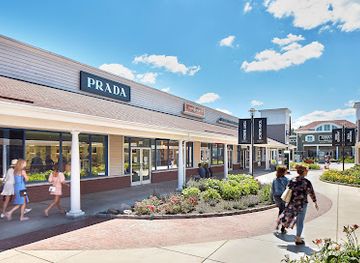
Wrentham Village Premium Outlets
Discover unbeatable deals at Wrentham Village Premium Outlets, a shopper's haven with over 170 stores and a vibrant atmosphere.
-
Shopping mall
South Shore Plaza
Experience luxury shopping and dining at South Shore Plaza, the premier shopping destination in Braintree, Massachusetts, perfect for all visitors.
-
Shopping mall
Derby Street Shops
Shop, dine, and unwind at Derby Street Shops in Hingham, your go-to destination for an unforgettable retail experience in New England.
-
Shopping mall
Marketplace at Braintree
Experience shopping, dining, and entertainment at the Marketplace at Braintree – a vibrant hub for all your needs.

Get your free copy of our complete guide to South Shore, delivered straight to you.
Everything on this page, from attractions and restaurants to essentials and local phrases, in one PDF you can read offline, print or share.
Already have an account? Sign in
Your South Shore guide is ready.
We'll send it to · Not you? Sign out

Getting your guide ready…
We are putting together a fresh copy of the South Shore guide. This can take up to a minute.
This can take a few moments. If your browser asks, choose Allow so the download can start. You'll find the guide in your Downloads folder.
Nothing happened? Download it again
Sorry, the guide is taking longer than usual. Please try again in a minute, or get it by email instead.
South Shore essentials
Currency and Payment
Safety
Emergency Situations
Do's and Don'ts
Local Tips
From Eve
Local phrases worth knowing
You don't need to get them perfect. A few words go a long way, and locals appreciate the effort.
Basics
| English | Local | Say it |
|---|---|---|
| Hello | Hey | [Hay] |
| Goodbye | See ya | [See yah] |
| Yes | Yeah | [Yah] |
| No | Nah | [Nah] |
| Please/You're welcome | Sure thing | [Shoor thing] |
| Thank you | Thanks | [Thangs] |
| Excuse me/Sorry | Sorry 'bout that | [Sorry 'bout that] |
| How are you? | How ya doin'? | [How yah doin'?] |
| Fine. And you? | Good. You? | [Good. You?] |
| Do you speak English? | You speakin' English? | [Yah speakin' English?] |
| I don't understand | I don't get it | [I don't get it] |
Eating & Drinking
| English | Local | Say it |
|---|---|---|
| I'd like to see the menu, please | Can I see the menu? | [Can I see the menu?] |
| I don't eat meat | I'm a vegetarian | [I'm a vege-tarian] |
| Cheers! | Cheers! | [Cheers!] |
| I would like to pay, please | Can I get the check? | [Can I get the check?] |
Emergencies
| English | Local | Say it |
|---|---|---|
| Help! | Help! | [Help!] |
| Go away! | Beat it! | [Beat it!] |
| Call the Police! | Call the cops! | [Call the cops!] |
| Call a doctor! | Get a doctor! | [Get a doctor!] |
| I'm lost | I'm turned around | [I'm turned around] |
| I'm ill | I'm not feelin' well | [I'm not feelin' well] |
Shopping
| English | Local | Say it |
|---|---|---|
| I'd like to buy... | I wanna buy... | [I wanna buy...] |
| I'm just looking | Just lookin' | [Just lookin'] |
| How much is it? | How much? | [How much?] |
| That's too expensive | That's way too pricey | [That's way too pricey] |
| Can you lower the price? | Can ya do better on the price? | [Can yah do better on the price?] |
Time & Numbers
| English | Local | Say it |
|---|---|---|
| What time is it? | What time is it? | [What time is it?] |
| It's one o'clock | It's one | [It's one] |
| Half past (10) | Half past ten | [Half past ten] |
| Morning | Morning | [Morning] |
| Afternoon | Afternoon | [Afternoon] |
| Evening | Evenin' | [Evenin'] |
| Yesterday | Yesterday | [Yesterday] |
| Today | Today | [Today] |
| Tomorrow | Tomorrow | [Tomorrow] |
| 1 | One | [One] |
| 2 | Two | [Two] |
| 3 | Three | [Three] |
| 4 | Four | [Four] |
| 5 | Five | [Five] |
| 6 | Six | [Six] |
| 7 | Seven | [Seven] |
| 8 | Eight | [Eight] |
| 9 | Nine | [Nine] |
| 10 | Ten | [Ten] |
Transport & Directions
| English | Local | Say it |
|---|---|---|
| Where's a/the...? | Where's the...? | [Where's the...?] |
| What's the address? | What's the address? | [What's the address?] |
| Can you show me (on the map)? | Can ya show me on the map? | [Can yah show me on the map?] |
| When's the next (bus)? | When's the next bus? | [When's the next bus?] |
| A ticket (to ....) | A ticket to... | [A ticket to...] |
History of South Shore
Indigenous Coastal Homelands
For thousands of years before European colonisation, the South Shore was inhabited and used by Indigenous peoples, including communities associated with the Massachusett and Wampanoag peoples. Rivers, estuaries, shellfish beds, forests and coastal waters supported varied seasonal economies, while established paths connected inland and shoreline settlements. The Wampanoag homeland extended across much of southeastern Massachusetts, including the country around present-day Plymouth. Indigenous history remains essential to understanding the region, particularly because later colonial accounts often reduced complex societies to the events surrounding the arrival of the Mayflower.
Plymouth Colony and the Seventeenth Century
In 1620, the Mayflower’s passengers established Plymouth Colony on land within the Wampanoag homeland. Plymouth became one of the earliest permanent English settlements in New England, although its survival depended heavily on Indigenous knowledge, diplomacy and resources. Relations later deteriorated, contributing to the devastating conflict known as King Philip’s War in 1675–76. The surviving street patterns, burial grounds and historic sites in Plymouth are linked to this period, but the region’s history is best understood as the overlapping story of Indigenous communities, colonial settlers, enslavement, migration and changing political power.
Shipbuilding and Maritime Trade
From the colonial era through the nineteenth century, South Shore communities developed around the sea. Plymouth, Scituate, Duxbury, Cohasset and other coastal towns supported fishing, coastal trade, shipbuilding and seafaring. Duxbury in particular became an important shipbuilding centre during the early nineteenth century, producing vessels for Atlantic commerce. Harbours, shipyards, rope-making, sail production and marine commerce created livelihoods that were closely tied to weather and international markets. Today, historic waterfronts, maritime museums, lighthouses and surviving houses of sea captains preserve aspects of that economy.
The Adams Family and Quincy’s Granite Age
Quincy became nationally important through the Adams family, whose members included presidents John Adams and John Quincy Adams. Their birthplaces and family homes reflect the political history of the early United States and the emergence of a national government. Quincy was also transformed by its granite industry, especially from the early nineteenth century, when local quarries supplied stone for major construction projects and connected the town to expanding transport networks. Quarry landscapes and historic industrial traces form a second, distinct layer of the city’s heritage alongside its presidential associations.
Railways, Resorts and Suburban Growth
Nineteenth-century railways and improved roads brought the South Shore into closer economic and social contact with Boston. Coastal communities increasingly welcomed seasonal visitors, while towns such as Hull developed as seaside resorts. Nantasket Beach became particularly prominent for recreation, supported by transport links and amusement attractions. In the twentieth century, commuter rail, automobiles and post-war housing growth accelerated suburban development across the northern and central South Shore. Earlier fishing, farming and shipbuilding economies did not disappear entirely, but they became part of a more diverse regional landscape.
Conservation and a Changing Coast
During the twentieth and twenty-first centuries, residents, municipalities and conservation organisations placed increasing emphasis on protecting salt marshes, woodlands, beaches and historic landscapes. Places such as World’s End in Hingham illustrate the preservation of former estates as public open space, while coastal communities continue to manage the pressures of erosion, flooding, storms and development. The modern South Shore therefore combines an active suburban economy with working harbours, protected natural areas and a growing understanding that its identity depends on both cultural heritage and vulnerable coastal ecosystems.
South Shore in Photos
Browse through our photo collection highlighting the charm and character of the destination.
Neighbouring regions of South Shore
The closest regions to South Shore, if you have time for more than one.
-

-

-

-

-
 Norfolk County
Explore Norfolk County, Massachusetts, for presidential history, coastal towns, Blue Hills trails, diverse dining and easy access to Boston.


Swipe for more regions
Explore more

Explore more of Massachusetts
Discover Massachusetts: A blend of rich history, stunning landscapes, and vibrant culture. From Boston's historic sites to Cape Cod's beaches, it's the heart of New England.
Explore Massachusetts