

Free Hudson Valley Travel Guide & Mobile App
Explore Hudson Valley with free travel guides. Discover regional history, expert tips, proposed trips, and audio guides on web or mobile app.


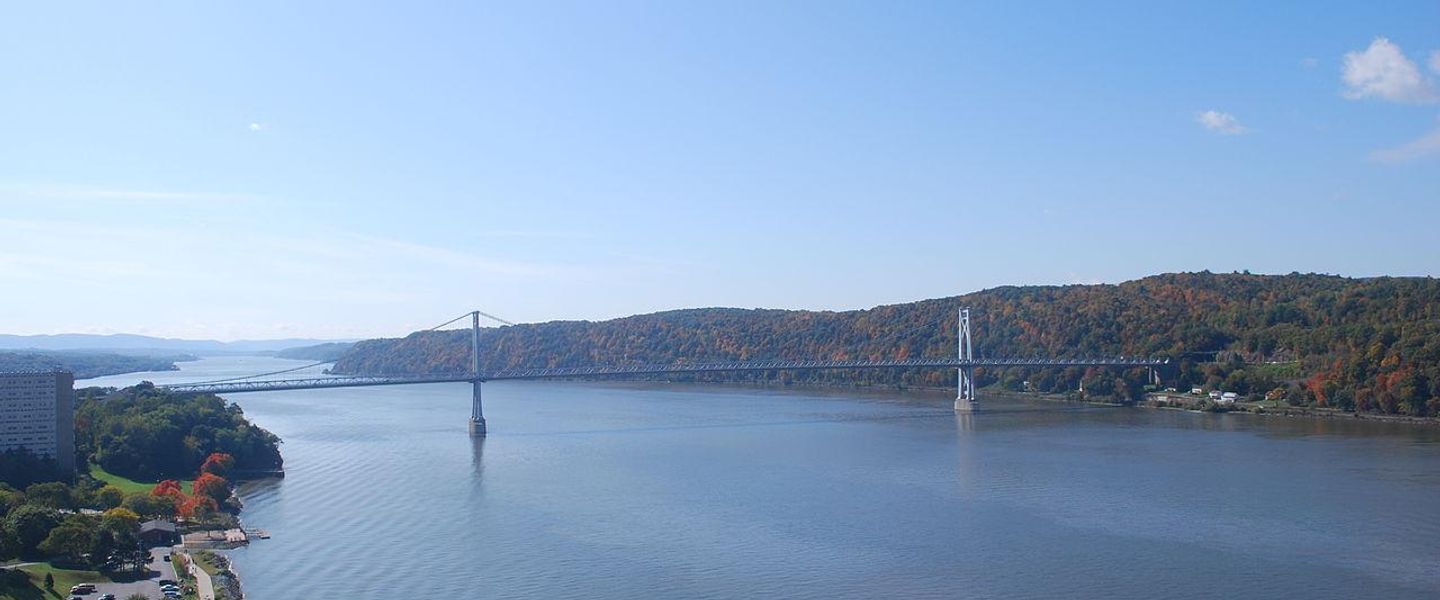


Discover the Hudson Valley for river towns, historic estates, mountain trails, farm-to-table food and American art north of New York City.
Read more about Hudson Valley
Getting to and around Hudson Valley
How to get there
Transportation
Top city travel guides in Hudson Valley
The cities of Hudson Valley, and the easiest places to base yourself.
-

-

-

-

-
-


Swipe for more cities
Destinations in Hudson Valley
Resorts, valleys and scenic spots worth a trip of their own.
-
-

-


Swipe for more destinations
Best attractions in Hudson Valley
Hudson Valley attractions combine major historic properties with outdoor landscapes and a strong contemporary arts scene. In Hyde Park, the Franklin D. Roosevelt Home, Presidential Library and Museum, Vanderbilt Mansion and the Eleanor Roosevelt National Historic Site form an unusually concentrated group of places connected with American political and social history. Olana near Hudson preserves Frederic Edwin Church's house and designed landscape, while Kykuit and Philipsburg Manor introduce the estates and colonial settlement history of the lower valley. Art is central at Dia Beacon and Storm King Art Center, where large works are presented in former industrial or open rural settings. Minnewaska State Park Preserve and Mohonk Preserve provide hiking, cliffs, forests and ridge-top views around New Paltz, while the Hudson Highlands offer trails near Cold Spring and Beacon. The river itself supports sightseeing, paddling and waterfront walks, and the Walkway Over the Hudson provides an accessible elevated crossing near Poughkeepsie. Rail trails, farm visits, orchards, breweries and seasonal outdoor activities broaden the choice beyond formal monuments. Because attractions are dispersed, visitors should group sites geographically rather than attempt to cover the entire valley in a single day.
-
Bear Mountain State Park
Experience breathtaking views and outdoor adventures at Bear Mountain State Park, a natural gem in New York's Hudson Valley.
-
Walkway Over the Hudson State Park
Experience breathtaking views and rich history at the iconic Walkway Over the Hudson State Park, where nature and heritage meet.
-
Walkway Over the Hudson
Experience breathtaking views and rich history at Walkway Over the Hudson, the longest elevated pedestrian bridge in the world.
-
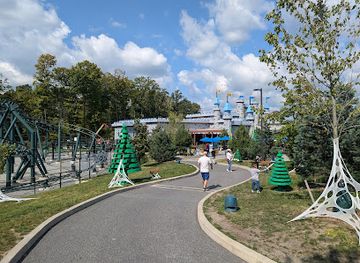
LEGOLAND New York Resort
Discover a world of imagination and adventure at LEGOLAND New York Resort, the ultimate family theme park destination filled with fun and creativity.

Best landmarks in Hudson Valley
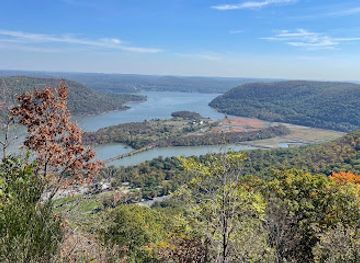
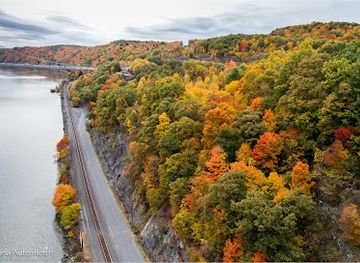
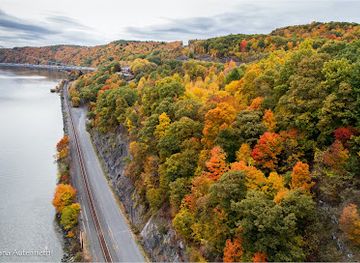
The Hudson River is the valley's defining natural and cultural landmark, framed by the Catskills, Taconic ranges and Hudson Highlands. The Bear Mountain Bridge and surrounding Highlands create one of the most recognisable river landscapes, while the Walkway Over the Hudson is a notable modern landmark that reuses a former railway bridge between Poughkeepsie and Highland. Hyde Park's Vanderbilt Mansion is distinguished by its Beaux-Arts architecture and formal river-facing grounds, and the adjacent Roosevelt properties are important landmarks of twentieth-century American political history. Olana near Hudson is significant not only as a historic house but also as a deliberately composed landscape designed by the painter Frederic Edwin Church. In the lower valley, the restored estates and churches of Tarrytown and Sleepy Hollow reflect colonial, early American and Gilded Age histories, while the ruins and nineteenth-century buildings around Kingston recall the region's commercial past. The limestone cliffs and exposed ridges of the Shawangunk Mountains form a powerful geological landmark near New Paltz, combining dramatic scenery with a long tradition of climbing and conservation.
-
Historical landmark
Ellis Island
Discover the rich tapestry of American history at Ellis Island, where millions began their journey to freedom and opportunity.
-
Bridge
Walkway Over the Hudson State Park
Discover breathtaking views and rich history at Walkway Over the Hudson State Park, the longest elevated pedestrian bridge in the world.
-
Monument
Governors Island National Monument
Explore the historic and scenic beauty of Governors Island National Monument, a peaceful escape in the heart of New York Harbor.
-
Historical landmark
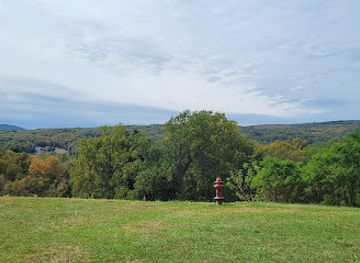
Home of Franklin D. Roosevelt National Historic Site
Discover the life and legacy of Franklin D. Roosevelt at his National Historic Site in Hyde Park, where history comes alive in a beautiful setting.


Explore Hudson Valley on the map
Plan your trip on one map. See where the top cities, national parks and sights are, and book hotels and experiences in a few clicks.
Best hotels in Hudson Valley
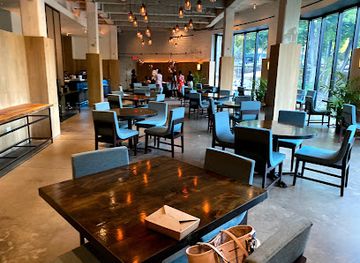
Best restaurants in Hudson Valley
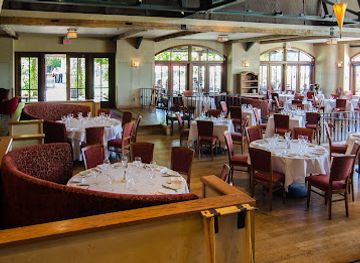
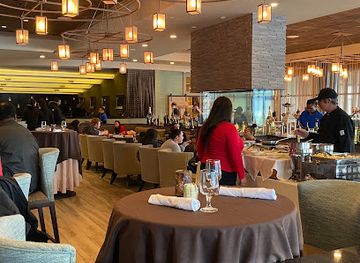
Hudson Valley dining is closely tied to its farms, orchards and small producers. Menus commonly feature seasonal vegetables, apples, berries, pumpkins, eggs, dairy products and locally raised meat, while the river towns provide the greatest concentration of cafés, bakeries, restaurants and bars. Farm-to-table cooking is a prominent regional style, but it sits alongside longstanding American diner food, pizzerias, delis, rural inns and traditional pubs. Hudson, Beacon, Kingston, New Paltz, Poughkeepsie and several smaller communities have independent dining scenes with differing characters, from contemporary cooking and natural-wine venues to casual food in converted commercial buildings. Apple-growing areas support cider production, and breweries, distilleries and wineries are found across the countryside, particularly along routes east of the river and near the Shawangunk foothills. Farmers' markets and farm stands are valuable for local cheese, preserves, baked goods and fresh produce. Seasonal menus can change substantially, so the most appealing regional meals often depend on the time of year rather than a fixed list of specialities.
-
Italian
Harvest on Hudson
Discover fine Italian cuisine with breathtaking river views at Harvest on Hudson – a culinary delight in Hastings-On-Hudson.
-
German
Mountain Brauhaus
Savor authentic German cuisine in a cozy setting at Mountain Brauhaus in Gardiner, NY – where tradition meets taste.
-
Fine Dining
Shadows on the Hudson
Experience fine dining with breathtaking river views at Shadows on the Hudson in Poughkeepsie - where culinary excellence meets scenic beauty.
-
New American
Ole Savannah Southern Table and Bar
Discover Ole Savannah Southern Table and Bar: A New American dining experience blending Southern charm with modern flair in Kingston's scenic waterfront.


Best bars in Hudson Valley
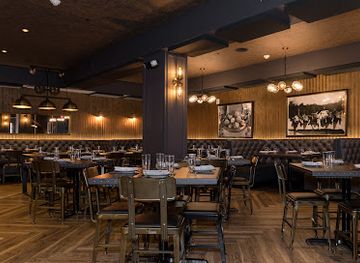
Evening life in the Hudson Valley is led by restaurants, breweries, cideries, cocktail bars, historic taverns and live-music venues rather than a continuous metropolitan nightclub scene. Beacon, Hudson, Kingston, New Paltz and Poughkeepsie offer the broadest range of late-evening options, with galleries, theatres and performance spaces adding cultural alternatives to drinking venues. Smaller river towns and rural communities tend to centre on traditional bars, inns and restaurants, often with occasional music or community events rather than nightly entertainment. Breweries and cideries provide a regionally distinctive way to sample local production, while vineyard tasting rooms are generally more suited to early evening than late-night visits. In the lower valley, proximity to New York City creates a wider choice of performances and nightlife, but services thin out quickly away from the larger towns. Check transport arrangements before staying late in rural areas, as rail and bus services are limited and taxis may need to be booked.
-
Fine Dining
Shadows on the Hudson
Experience exquisite fine dining with stunning river views at Shadows on the Hudson, where traditional American cuisine meets a refined wine selection.
-
New American
Heritage Food + Drink
Discover contemporary American cuisine and creative cocktails at Heritage Food + Drink, a vibrant culinary hotspot in Wappingers Falls, NY.
-
Bar
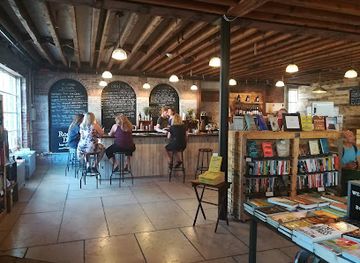
Rough Draft Bar & Books
Discover Kingston's Rough Draft Bar & Books, where classic literature meets artisanal coffee and craft cocktails in a cozy setting.
-
Bar
The Roundhouse
Experience the charm of Beacon at The Roundhouse – a restaurant and bar set in a beautifully restored industrial space with stunning views.

Best nightclubs in Hudson Valley
Evening life in the Hudson Valley is led by restaurants, breweries, cideries, cocktail bars, historic taverns and live-music venues rather than a continuous metropolitan nightclub scene. Beacon, Hudson, Kingston, New Paltz and Poughkeepsie offer the broadest range of late-evening options, with galleries, theatres and performance spaces adding cultural alternatives to drinking venues. Smaller river towns and rural communities tend to centre on traditional bars, inns and restaurants, often with occasional music or community events rather than nightly entertainment. Breweries and cideries provide a regionally distinctive way to sample local production, while vineyard tasting rooms are generally more suited to early evening than late-night visits. In the lower valley, proximity to New York City creates a wider choice of performances and nightlife, but services thin out quickly away from the larger towns. Check transport arrangements before staying late in rural areas, as rail and bus services are limited and taxis may need to be booked.
-
Lounge
The Maker Lounge
Discover the charm of The Maker Lounge in Hudson, where creativity meets comfort, perfect for a relaxing retreat during your travels.
-
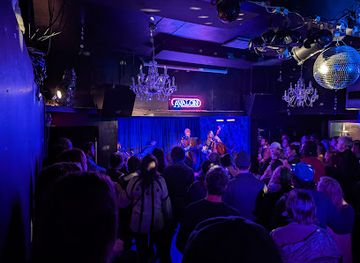
Live Music
The Avalon Lounge
Experience the perfect blend of live music and authentic Korean cuisine at The Avalon Lounge in Catskill, NY, a cultural gem for food and music lovers.
-
Adult entertainment club
Blue Moon Cabaret
Discover the electrifying nightlife at Blue Moon Cabaret, New Paltz's premier adult entertainment destination with stunning performances and vibrant ambiance.
-
Bar
Monkey Maghees
Monkey Maghees: A vibrant bar in Poughkeepsie, NY, offering craft drinks, live music, and a lively atmosphere perfect for socializing and unwinding.



Best shops in Hudson Valley
Shopping in the Hudson Valley is distributed among historic main streets, riverfront districts, farm shops and converted industrial buildings rather than concentrated in one regional retail centre. Beacon is known for independent galleries, design-led shops and arts-related retail along its principal commercial streets, while Hudson has antiques, art galleries, books, interiors and food businesses in a dense historic centre. Kingston combines Stockade District architecture with antique dealers, independent shops and creative studios, and smaller towns offer locally focused stores rather than extensive chains. Farm stands, orchard shops and farmers' markets are the best places to find apples, cider, preserves, honey, cheese, baked goods and seasonal produce. Craft objects, prints, ceramics, textiles and small-batch beauty products are common regional purchases, reflecting the valley's large community of artists and makers. Retail opening patterns vary, particularly in rural areas and outside the main tourist seasons, so visitors should treat shopping as part of a town visit rather than assume that every shop operates daily.
-
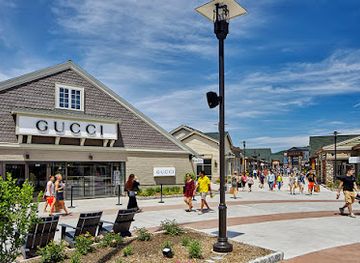
Outlet mall
Woodbury Common Premium Outlets
Discover unbeatable savings and an unforgettable shopping experience at Woodbury Common Premium Outlets in Central Valley, NY.
-
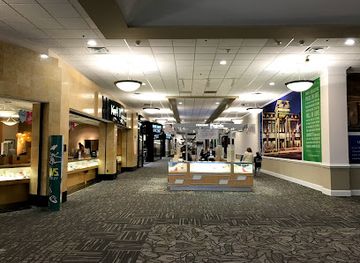
Shopping mall
Hudson Valley Mall
Explore the vibrant Hudson Valley Mall in Kingston, a shopping haven with diverse stores, delicious dining, and fun entertainment for all.
-
Shopping mall
Post Road Plaza
Discover the vibrant shopping and dining scene at Post Road Plaza in Poughkeepsie, NY, where every visit is a delightful experience.
-
Antique furniture store
The Antique Warehouse
Explore The Antique Warehouse in Hudson, NY for a unique selection of antique furniture and collectibles that bring history into your home.


Get your free copy of our complete guide to Hudson Valley, delivered straight to you.
Everything on this page, from attractions and restaurants to essentials and local phrases, in one PDF you can read offline, print or share.
Already have an account? Sign in
Your Hudson Valley guide is ready.
We'll send it to · Not you? Sign out

Getting your guide ready…
We are putting together a fresh copy of the Hudson Valley guide. This can take up to a minute.
This can take a few moments. If your browser asks, choose Allow so the download can start. You'll find the guide in your Downloads folder.
Nothing happened? Download it again
Sorry, the guide is taking longer than usual. Please try again in a minute, or get it by email instead.
Hudson Valley essentials
Currency and Payment
Safety
Emergency Situations
Do's and Don'ts
Local Tips
From Eve
Local phrases worth knowing
You don't need to get them perfect. A few words go a long way, and locals appreciate the effort.
Basics
| English | Local | Say it |
|---|---|---|
| Hello | Hiya | [Hiyah] |
| Goodbye | See ya | [See yah] |
| Yes | Yeah | [Yea] |
| No | Nah | [Nah] |
| Please/You're welcome | Sure thing | [Shur thing] |
| Thank you | Thanks a lot | [Thanks a lot] |
| Excuse me/Sorry | Sorry 'bout that | [Sorry 'bout that] |
| How are you? | How ya doin'? | [How yah doin'?] |
| Fine. And you? | Good. You? | [Good. You?] |
| Do you speak English? | You speakin' English? | [You speakin' English?] |
| I don't understand | I ain't gettin' it | [I ain't gettin' it] |
Eating & Drinking
| English | Local | Say it |
|---|---|---|
| I'd like to see the menu, please | Can I see the menu? | [Can I see the menu?] |
| I don't eat meat | I’m a vegetarian | [I’m a vegetarian] |
| Cheers! | Cheers! | [Cheers!] |
| I would like to pay, please | Can I get the check? | [Can I get the check?] |
Emergencies
| English | Local | Say it |
|---|---|---|
| Help! | Help! | [Help!] |
| Go away! | Get lost! | [Get lost!] |
| Call the Police! | Call the cops! | [Call the cops!] |
| Call a doctor! | Get a doc! | [Get a doc!] |
| I'm lost | I’m turned around | [I’m turned around] |
| I'm ill | I feel sick | [I feel sick] |
Shopping
| English | Local | Say it |
|---|---|---|
| I'd like to buy... | I wanna buy... | [I wanna buy...] |
| I'm just looking | Just browsin' | [Just browsin'] |
| How much is it? | What’s the price? | [What’s the price?] |
| That's too expensive | That’s a bit pricey | [That’s a bit pricey] |
| Can you lower the price? | Can you cut me a deal? | [Can you cut me a deal?] |
Time & Numbers
| English | Local | Say it |
|---|---|---|
| What time is it? | What time ya got? | [What time ya got?] |
| It's one o'clock | It's one | [It's one] |
| Half past (10) | Half past ten | [Half past ten] |
| Morning | Mornin' | [Mornin'] |
| Afternoon | Afternoon | [Afternoon] |
| Evening | Evenin' | [Evenin'] |
| Yesterday | Yesterday | [Yesterday] |
| Today | Today | [Today] |
| Tomorrow | Tomorrow | [Tomorrow] |
| 1 | One | [One] |
| 2 | Two | [Two] |
| 3 | Three | [Three] |
| 4 | Four | [Four] |
| 5 | Five | [Five] |
| 6 | Six | [Six] |
| 7 | Seven | [Seven] |
| 8 | Eight | [Eight] |
| 9 | Nine | [Nine] |
| 10 | Ten | [Ten] |
Transport & Directions
| English | Local | Say it |
|---|---|---|
| Where's a/the...? | Where's the nearest...? | [Where's the nearest...?] |
| What's the address? | What’s the address? | [What’s the address?] |
| Can you show me (on the map)? | Can ya point it out? | [Can ya point it out?] |
| When's the next (bus)? | When's the next bus? | [When's the next bus?] |
| A ticket (to ....) | A ticket to... | [A ticket to...] |
History of Hudson Valley
Indigenous River Valley and Early European Settlement
Before European colonisation, the Hudson Valley was inhabited by Indigenous peoples including Munsee-speaking communities in the lower valley and Mohican communities farther north. The river supported travel, fishing, agriculture and exchange. Henry Hudson's 1609 voyage for the Dutch East India Company encouraged Dutch colonisation, and settlements such as New Netherland's trading communities developed along the waterway. European expansion brought displacement, conflict and profound disruption to Indigenous societies, patterns that shaped the region's later landholding and political history.
The Hudson River as a Colonial and Commercial Corridor
Under Dutch and later English rule, the Hudson became the principal north-south route through eastern New York. Estates, farms, mills and river ports grew along its banks, while Kingston served as an important colonial centre and briefly hosted the revolutionary-era New York government. The valley's navigable waterway connected agricultural hinterlands with New York City and the Atlantic world, laying the foundations for a commercial geography that remained important after independence.
The Revolutionary War and the Hudson Highlands
Control of the Hudson River was strategically important during the American Revolution because the waterway offered a route between New York City and the interior. Fortifications in the Hudson Highlands, including the surviving remains at Bear Mountain and West Point across the river from the wider valley, formed part of this defensive system. Benedict Arnold's attempted betrayal at West Point in 1780 became one of the conflict's best-known episodes, while local communities experienced military occupation, disruption and divided loyalties.
The Hudson River School and the Landscape Imagination
During the nineteenth century, painters including Thomas Cole, Frederic Edwin Church and their contemporaries depicted the Hudson Valley, Catskills and surrounding mountains as places of dramatic natural beauty and national significance. Their work helped establish the Hudson River School, America's first major landscape-painting movement. The artistic legacy remains visible at sites such as Olana near Hudson and in the continuing relationship between museums, preserved estates and the valley's changing rural and river landscapes.
Canals, Railways and Industrial Growth
The nineteenth century transformed the valley through transport and industry. The Erie Canal connected the Hudson at Albany with the Great Lakes, strengthening Albany and upper-valley commerce, while railways later accelerated the movement of passengers, coal, agricultural goods and manufactured products. Brickmaking, cement, textiles, paper, shipbuilding and other industries developed in different communities. Waterfront towns such as Newburgh, Kingston and Hudson retain traces of this commercial era in warehouses, wharves, factories and older residential districts.
Gilded Age Estates and Historic Preservation
Wealth generated by finance, industry and commerce enabled prominent families to establish large country estates along the river in the late nineteenth and early twentieth centuries. Hyde Park's Vanderbilt Mansion, the Roosevelt properties and other preserved estates reflect this period's architecture, landscape design and social hierarchy. Their later preservation as public historic sites has made the valley an important destination for understanding the relationship between wealth, rural landholding, political power and heritage conservation in the United States.
A Modern Cultural and Agricultural Renaissance
After the decline of some traditional industries and the post-war expansion of suburban communities, parts of the Hudson Valley attracted artists, preservationists, farmers and new businesses seeking proximity to New York City without metropolitan density. Former industrial buildings became studios, galleries and cultural venues, while interest in local food supported orchards, vineyards, cideries and farm-to-table enterprises. This transformation has not erased economic inequalities or development pressures, but it has reinforced the valley's contemporary identity as both a living agricultural region and a major cultural landscape.
Hudson Valley in Photos
Browse through our photo collection highlighting the charm and character of the destination.
Neighbouring regions of Hudson Valley
The closest regions to Hudson Valley, if you have time for more than one.
-

-

-

-

-


Swipe for more regions
Explore more

Explore more of New York
Discover the electrifying energy, iconic landmarks, and diverse cultural experiences of New York City, the ultimate urban playground for travelers from around the world.
Explore New York