

Best Landmarks Near Bergsängen (Linköping)
Planning a trip to Bergsängen? Discover the best landmarks nearby with history, expert tips, and routes. Free on web or the Evendo app.


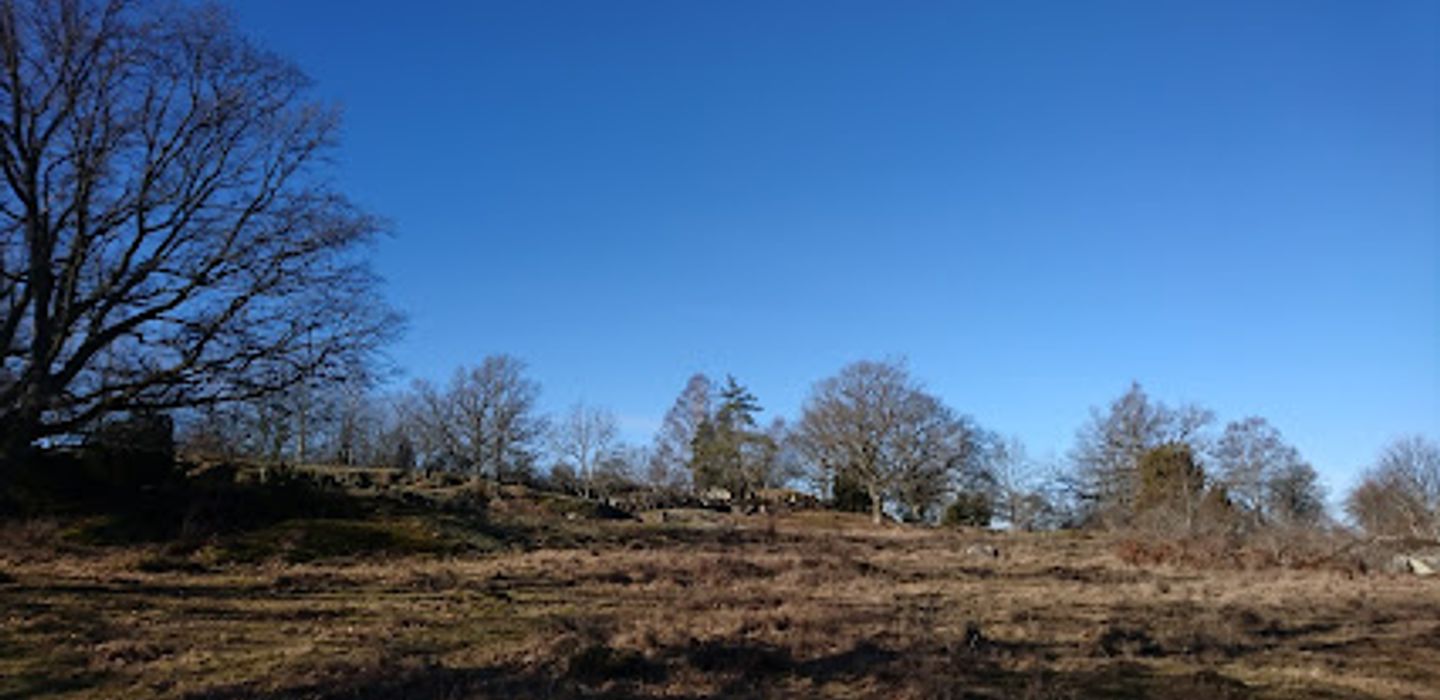
The best landmarks near Bergsängen
- Top rated
- Closest to Bergsängen
- Price level: low to high
- Time to spend: shortest first
- A–Z
65 landmarks
-
Tourist attraction4.3★7,442 reviews
Brahehus Castle Ruin
Perched dramatically on a cliff 180 meters above Lake Vättern, the ruins of Brahehus Castle offer sweeping panoramas of the water, Visingsö island, and the surrounding Småland landscape. Built in the 1640s by Count Per Brahe the Younger as a luxurious entertainment venue, this Renaissance-inspired structure was never fully inhabited, abandoned after 1680, and ravaged by fire in 1708. Restored multiple times, with the latest in 2011-2012, it stands as one of Sweden's most visited ancient monuments, evoking the grandeur of the Swedish Empire era amid romantic, windswept scenery.
Open 24 hoursTime to spend 0.5–1.5 hrs
-
Tourist attraction4.4★4,773 reviews
Vadstena Castle
Perched on the shores of Lake Vättern, Vadstena Castle stands as Sweden's finest preserved Renaissance fortress, blending defensive might with royal elegance. Built in the 16th century by King Gustav Vasa, this imposing structure transitioned from a stark fortress to a grand palace under his son Johan III. Explore its thick walls, towers, and moat surrounding well-preserved interiors, including period-furnished rooms, a historic kitchen, gun turrets, and exhibits tracing its evolution. Guided tours reveal tales of kings, queens, and dramatic events, while the lakeside setting offers serene views amid Vadstena's medieval charm. Open daily with seasonal hours, entry starts at 125 SEK for adults.
Daily 12:00–16:00Price level $Time to spend 1–2.5 hrs
-
National park4.8★2,315 reviews
Tiveden National Park
Tiveden National Park immerses visitors in Sweden's southernmost wilderness, where massive glacier-deposited boulders tower amid ancient forests between lakes Vänern and Vättern. Over 34 km of marked trails wind through dramatic rift valleys, mossy spruce woods, and rocky plateaus, revealing caves, Trollkyrka peaks, and serene swimming spots like Vitsand beach. Established in 1983 and expanded in 2017 to 2,030 hectares, this rugged haven preserves old-growth trees up to 400 years old, evoking Norse myths of trolls lurking in the crevices.
Open 24 hoursTime to spend 1.5–5 hrs
-
Tourist attraction4.6★1,712 reviews
Linköping Cathedral
Linköping Cathedral stands as one of Scandinavia's largest Gothic masterpieces, with a history spanning over 800 years on this sacred site. Originally begun as a Romanesque basilica in the 12th century, it evolved through Gothic expansions, featuring a 107-meter tower, intricate stone carvings influenced by English and German artisans, and a blend of medieval and modern art inside its luminous interior. Dedicated to Saint Peter, it has served as the seat of the Diocese of Linköping since the 11th century, hosting pivotal events like Sweden's first provincial council in 1153. Today, visitors marvel at its preserved architecture, including star-vaulted chapels, a Baroque pulpit, medieval crucifix, and vibrant stained-glass windows by artists like Brian Clarke and Lisa Bauer. Opposite Linköping Castle in the medieval heart of the city, it dominates the skyline with its copper-green roof and offers a serene space blending history and contemporary spirituality.
Daily 9:00–18:00Time to spend 0.5–1.5 hrs
-
Restaurant4.4★1,384 reviews
Gränsö castle
Gränsö Slott is a historic manor house turned luxurious resort on a scenic peninsula near Västervik, blending 19th-century charm with modern spa facilities, fine dining, and archipelago views. Guests enjoy castle gardens, private beaches, indoor-outdoor pools, saunas, and regional cuisine rooted in local ingredients from sea, forest, and meadow.
Price level $$Time to spend 2.5–6 hrs
-
Historical landmark4.3★1,132 reviews
Nyköpingshus
Perched along the Nyköping River, Nyköpingshus stands as a evocative ruin of a medieval fortress turned Renaissance palace. Originating as a 12th-century defensive tower under Birger Jarl, it evolved into a grand residence under Duke Karl in the 1500s. Infamous for the 1317 Nyköping Banquet where King Birger imprisoned his brothers, the site blends dramatic history with scenic riverside charm. Explore the King's Tower museum exhibits, wander atmospheric ruins, and enjoy summer cultural events in the courtyard. Free access reveals layers of Sweden's royal past amid tranquil waterside paths.
Time to spend 0.5–2 hrs
-
Historical landmark4.4★1,068 reviews
Rök runestone
The Rök Runestone stands as one of Sweden's most renowned Viking Age monuments, bearing the world's longest known runic inscription from around 800 AD. Carved on five sides with about 760 characters, this early 9th-century masterpiece uses short-twig runes, kennings, and ciphers to weave tales of mythology, battles, and historical figures like Theodoric the Great. Discovered in the 19th century embedded in Rök church wall, it now resides under a protective shelter beside the church in Ödeshög, marking the dawn of written Swedish literature. Its cryptic text hints at lost Norse myths, a father's grief for his son, and possibly climate crises from centuries prior, captivating scholars and visitors alike.
Open 24 hoursTime to spend 0.5–1.5 hrs
-
Tourist attraction4.5★979 reviews
Alvastra Monastery
The evocative ruins of Alvastra Monastery, Sweden's oldest Cistercian abbey founded in 1143, stand amid serene countryside near Omberg. Built by French monks on land donated by King Sverker I, this historic site flourished for nearly 400 years until the Protestant Reformation. Explore weathered limestone walls, the remnants of a grand church inaugurated in 1185, and graves of medieval Swedish royalty including kings Sverker I, Carl I, Sverker II, and John I. Saint Bridget of Sweden experienced visions here, adding spiritual depth. Free to visit, the site offers a tranquil glimpse into Cistercian austerity and medieval piety, surrounded by nature perfect for quiet reflection.
Open 24 hoursTime to spend 0.5–1.5 hrs
-
Historical landmark4.6★813 reviews
Bergs Slussar (Göta kanal)
Bergs Slussar, the Göta Canal's premier lock staircase, features eleven consecutive locks including the dramatic Carl Johan staircase, lifting boats 19 meters from Lake Roxen. This engineering marvel from the 19th century draws crowds to watch vessels navigate the historic waterway amid scenic Swedish countryside. Year-round appeal with summer boat action, nearby cafés, adventure golf, and proximity to Vreta Kloster ruins. Free entry, ideal for families and canal enthusiasts.
Open 24 hoursTime to spend 0.5–2 hrs
-
Historical landmark4.1★839 reviews
Stegeborg Castle
Perched on a strategic island in Bråviken bay near Söderköping, Stegeborg Castle Ruins stand as evocative remnants of Sweden's medieval power struggles. Dating back to the early 13th century, this once-mighty fortress served as a royal stronghold and Renaissance palace, witnessing sieges, pirate raids, and royal births. Explore the sturdy brick tower, wander lush gardens with apple trees and berry bushes, and soak in panoramic views of the surrounding archipelago. Ideal for history enthusiasts seeking a peaceful, photogenic escape amid nature.
Daily 7:00–22:00Time to spend 0.5–2 hrs


Dufweholms Herrgård
Dufweholms Herrgård is a romantic 4-star manor hotel nestled by Lake Dufveholm, just outside Katrineholm in Sörmland. Dating back to 1485, this historic gem blends preserved charm with modern comforts, featuring fine dining, a spa with lake-view saunas and pools, unique museums, and lush surroundings ideal for relaxation, conferences, and celebrations.
Price level $$Time to spend 2–6 hrs

Näs Castle
Perched on Visingsö's southeastern promontory, Näs Castle Ruins stand as one of Sweden's oldest stone structures, built in the 12th century as a royal residence amid fierce power struggles. These evocative remnants overlook Lake Vättern, whispering tales of kings, assassinations, and destruction in 1318. Explore the round and square towers, vaulted storehouse, and eroded walls that once guarded vital shipping routes. Restored in the early 1900s, the site offers a tangible link to Sweden's medieval past, with information boards illuminating its dramatic history. Ideal for history enthusiasts seeking atmospheric ruins in a scenic island setting.
Open 24 hoursTime to spend 0.5–1.5 hrs

Vadstena Klosterkyrka
Vadstena Klosterkyrka, invigd 1430 efter heliga Birgittas visioner, är en mäktig medeltida hallkyrka i kalksten med treskeppigt valvsystem. Byggd som hjärtat i Sveriges första birgittinerkonvent, rymmer den reliker från Birgitta och dottern Katarina, hertig Magnus sarkofag samt antika skulpturer. En levande pilgrimsdestination med högtidlig atmosfär och rika historiska inventarier.
Mon–Fri 8:00–19:00 · Sat–Sun 9:00–19:00Time to spend 0.5–1.5 hrs

Stjärnholms Slott
Stjärnholms Slott is a majestic 18th-century manor house and stiftsgård in Oxelösund, Södermanland, set amid lush parklands by the Baltic Sea. Originally a farm from the 14th century, it evolved into a grand estate with a historic stone church, sculpture park, and trails. Today, it serves as a serene retreat for conferences, weddings, stays, and dining, blending rich history with natural beauty and cultural events.
Price level $$Time to spend 1.5–4 hrs

Mem lock
Mem Sluss marks the eastern entrance to the Göta Canal at Mem, where the historic waterway meets Slätbaken bay on the Baltic Sea. This first lock, part of Sweden's monumental 19th-century engineering feat, lifts boats from sea level into the canal system. Watch vessels navigate the chamber amid scenic waterside paths, a cafe, and the serene coastal setting near Söderköping. Free to visit, it's an ideal spot to witness lock operations and canal heritage.
Open 24 hoursTime to spend 0.5–1.5 hrs

Stegeholm Castle Ruin
Perched on the tiny island of Slottsholmen in Västervik's Gamlebyviken Bay, Stegeholm Castle Ruin stands as a poignant medieval remnant. Built in the 14th century to safeguard the town, it endured fires and wars before its final destruction in 1677. Explore ivy-clad walls, arched vaults, and scenic bay views amid a serene coastal setting. Host to the annual Visfestivalen song festival since 1966, it blends history with cultural vibrancy in Småland's archipelago gateway.
Open 24 hoursTime to spend 0.5–1.5 hrs

Karlsborgs fästning
Karlsborgs fästning is a vast 19th-century fortress on Vanäs peninsula by Lake Vättern, conceived as Sweden’s inland reserve capital after the 1809 loss of Finland. Its monumental 678‑metre long 'slutvärn' (main defensive wall), Gothic-style garrison church, moats and bastions create a rare, largely intact military townscape where stone, water and regimented streets meet ceremonial architecture and lingering military presence.
Price level $Time to spend 1–3 hrs

Tegnér Tower
Tegnér Tower, also known as Skogstornet, rises 27 meters high at 351 meters above sea level in Jönköping, offering sweeping panoramic views across Småland, Västergötland, Östergötland, Närke, and the shimmering expanse of Lake Vättern. Built in 1971 and named after poet Torsten Tegnér, this accessible lookout tower blends natural beauty with cultural tribute amid forested trails. Ideal for sunset gazing, photography, or peaceful hikes, it provides an elevated perspective on Sweden's lush landscapes year-round, with no entry fees required.
Open 24 hoursTime to spend 0.5–1.5 hrs

Kinda Kanal
Kinda Kanal stretches 80 kilometers through Sweden's Östergötland, linking lakes from Åsunden in the south to Roxen in the north. This historic waterway features 15 hand-operated locks, serene waters flanked by oak landscapes and forests, and opportunities for boating, cycling, or peaceful walks amid nature. Originally built for timber and agricultural transport, it now offers tranquil escapes with minimal crowds, ideal for discovering hidden beaches, fishing spots, and scenic slussar like Nykvarn.
Time to spend 1–4 hrs

Himmelstalund rock carvings
One of Sweden's richest concentrations of Bronze Age petroglyphs, Himmelstalund features over 1,600 carvings across 60 rock panels near Norrköping. Depicting ships, warriors, animals, and ritual scenes, these ancient artworks are enhanced with paint for visibility and accessed via wooden walkways through a scenic park setting.
Open 24 hoursTime to spend 0.5–1.5 hrs

Vreta kloster
Vreta Abbey stands as Sweden's first nunnery, founded around 1100 by King Inge the Elder and Queen Helena. This historic site transitioned from Benedictine to Cistercian order, hosting royal nuns and serving as a burial ground for Swedish kings. Today, its surviving church and ruins offer a serene glimpse into medieval monastic life amid tranquil Swedish countryside.
Mon–Tue 9:30–11:30, 13:00–15:00 · Thu 9:30–11:30, 13:00–15:00Time to spend 0.5–1.5 hrs

Stjärnorps slottsruin
Stjärnorps Slottsruin, a majestic 17th-century castle ruin in Östergötland, was built by Field Marshal Robert Douglas between 1655 and 1662. Designed by Nicodemus Tessin the Elder, its main structure was destroyed by fire in 1789, leaving dramatic stone walls now protected by a modern roof. Owned by the Douglas family, recent restorations blend history with contemporary architecture, offering a poignant glimpse into Sweden's baroque past amid serene rural landscapes near Lake Roxen.
Time to spend 0.5–1.5 hrs

Gamla Torget, Norrköping
Gamla Torget is Norrköping’s oldest market square, a compact L-shaped plaza tucked into the city’s historic core where medieval trading routes met the Motala ström. Flanked by preserved merchant houses such as the Eschelsonska and Waseska buildings, the square retains cobbles, chains and cellar vaults that hint at its centuries of civic life, markets and public gatherings — a quiet, atmospheric pocket of city history amid modern streets.
Open 24 hoursTime to spend 0.2–1 hr

Vaholms brohus
Vaholms Brohus is a rare covered wooden bridge spanning the serene Tidan River in rural Västergötland. Built likely between 1830 and 1880, this 34-meter suspension structure with its freestanding timber roof house exemplifies 19th-century engineering. Protected as a historic monument since 2010, it connects the private Vaholm estate across the water, evoking timeless rural charm amid whispers of local legends.
Open 24 hoursTime to spend 0.5–1.5 hrs

Askeberga stone ship
Sweden's second-largest stone ship, the Askeberga Stone Ship stands as a monumental arrangement of 24 massive boulders forming an oval boat shape in the quiet rural landscapes of Västergötland. Dating to the Bronze or Iron Age, this enigmatic site evokes ancient Scandinavian beliefs in voyages to the afterlife, surrounded by well-maintained grass and informative panels detailing archaeological theories. Ideal for quiet reflection, picnics, or photography amid serene fields, it offers a tangible link to prehistoric rituals without entrance fees or barriers.
Open 24 hoursTime to spend 0.5–1.5 hrs

Göta Canal
The Göta Canal in Söderköping marks the eastern terminus of Sweden's legendary 190 km waterway, a 19th-century engineering marvel dug largely by hand. Watch boats navigate the Mem lock, stroll the scenic towpaths amid countryside views, and savor the town's famous ice cream while soaking in medieval charm and panoramic vistas from nearby Ramunderberget.
Time to spend 1–3 hrs

Johannisborgs castle ruins
The evocative ruins of Johannisborgs Castle stand on the banks of the Motala River in Norrköping, remnants of a 17th-century fortress designed by Flemish architect Hans Fleming. Built between 1614 and 1618 to safeguard the city's industrial heart, this defensive structure was razed by Russian forces in 1719 during the Great Northern War. Today, visitors encounter weathered stone walls, a solitary tower with a distinctive copper spire, and a sense of quiet historical reflection amid an urban riverside setting. Information panels offer glimpses into its past, though the site remains modest in scale, inviting brief contemplative visits.
Open 24 hoursTime to spend 0.5–1.5 hrs

Birgittas Udde
Birgittas Udde is a serene headland on Lake Boren's south shore in Motala, Sweden, featuring medieval ruins of Ulvåsa Manor where Saint Birgitta lived much of her life. This historical site offers stunning lake views, peaceful trails, and a deep connection to Sweden's spiritual heritage along the Birgittaleden pilgrimage route. Explore stone remnants from the 13th century amid natural beauty, ideal for quiet reflection and scenic walks.
Open 24 hoursTime to spend 0.5–2 hrs

Kärna Församling
Kärna Församling, nestled in Malmslätt west of Linköping, serves as a spiritual heart for the community with three historic churches: Kärna, Kaga, and Ledberg. The main site at Norrmalmsvägen 23 houses the parish office and Kärna kyrka, a welcoming space seating 200 amid serene surroundings. Open weekdays for visits and events, it offers meditation, services, and community gatherings in a tranquil setting rooted in Swedish Lutheran tradition.
Time to spend 0.5–1.5 hrs

Saint John's Church
Stately early-20th-century parish church on Hagebygatan, Saint John's Church (S:t Johannes kyrka) stands beside a leafy graveyard in central Norrköping. Built to replace an earlier parish building, the church combines a calm interior with historic fixtures salvaged from its predecessor, later decorative windows and regular community services that shape its gentle civic presence.
Mon–Fri 10:00–15:00Time to spend 0.5–1.5 hrs

Styrstads Kyrka
Styrstads kyrka is a compact, historically layered parish church set on a small hill just southeast of Norrköping, Sweden. With origins reaching back to the 1100s and a late-18th-century Gustavian rebuilding, the church combines medieval fabric with classical lines, a modest tower and a graveyard with old stones. It’s a quiet, scenic spot valued for its architecture, seasonal light and rural setting among ancient fields and burial mounds.
Time to spend 0.5–1.5 hrs

Tage Danielssons place
In the heart of Linköping stands a striking painted bronze statue honoring Tage Danielsson, the beloved Swedish humorist, author, director, and poet born here in 1928. Towering at 191 cm—matching his exact height—the sculpture by Karl Göte Bejemark captures his essence near his alma mater, Katedralskolan, at the intersection of Östgötagatan and Vasavägen. This memorial park celebrates a cultural icon whose satirical revues with Hans Alfredson as 'Hasseåtage,' films like 'Att angöra en brygga,' and the enduring Christmas tale 'Karl-Bertil Jonssons julafton' blended sharp wit with profound humanism. A quiet plaza inviting reflection on his legacy of social commentary and artistic brilliance.
Open 24 hoursTime to spend 0.5–1.5 hrs

Stensöborg, ruin
Perched on a commanding hill in Vikbolandet overlooking Bråviken, Stensöborg ruin is a 13th-century medieval stronghold that originated as an island fortress. Explore the remnants of its round keep tower, constructed from carefully laid gray stone, complete with traces of a cross vault inside. This site offers a glimpse into Sweden's turbulent feudal past amid serene rural landscapes.
Time to spend 0.5–1.5 hrs

Häradskärs Lighthouse
Perched on the rugged islet of Stångskär in Gryt's outer archipelago, Häradskärs Lighthouse stands as a striking 29.5-meter iron tower, painted red, guiding mariners since 1863. This former manned light station and pilot outpost offers a glimpse into maritime history amid stark Baltic Sea landscapes, with restored keeper's houses available for visits and stays. The site's remote allure draws those seeking solitude and sea vistas in Sweden's Östergötland region.
Price level $Time to spend 1.5–4 hrs

Gumhems Skeppssättning
Nestled on Jätteudden peninsula along Lake Åsunden's eastern shore in Östergötland, Gumhems Skeppssättning stands as one of the region's largest preserved ship settings from the Iron Age. This impressive 15-17 meter long stone formation, flanked by 24 additional graves including mounds, stone settings, and a judge's ring, dates back 1,000-1,600 years. Freely accessible year-round amid pastoral meadows, it offers a serene glimpse into ancient burial practices and Viking-era symbolism, with a small parking area nearby.
Open 24 hoursTime to spend 0.5–1.5 hrs

Minnessten över Getåolyckan
A solemn memorial stone marks the site of Sweden's deadliest rail disaster in Getå, near Norrköping, where a massive landslide derailed a passenger train on October 1, 1918, claiming at least 42 lives amid the chaos of World War I. This quiet roadside tribute invites reflection on a tragic chapter in Swedish railway history, standing as a poignant reminder of human vulnerability against nature's fury.
Open 24 hoursTime to spend 0.5–1.5 hrs

Folke Filbyter statue
In Linköping's bustling main square, the Folke Filbyter Statue captivates as the centerpiece of Folkungabrunnen, a 1927 bronze masterpiece by Carl Milles. Depicting the legendary pagan ancestor of Sweden's Folkunga dynasty searching for his kidnapped grandson, this monumental equestrian figure strides dynamically across a flowing brook, surrounded by patinated bronze riders and flanked by granite basins. Commissioned by the city and funded through donations, it embodies Swedish folklore and artistic grandeur, drawing admirers to its mythical narrative amid urban life. Free to visit anytime, it's a poignant symbol of heathen heritage and familial quest in Östergötland's heart.
Open 24 hoursTime to spend 0.5–1.5 hrs

Svaneholms borgruin, Östergötland
Nestled on a wooded promontory jutting into Kilarpesjön lake in Östergötland's serene forests, Svaneholms borgruin stands as a haunting medieval fortress ruin. Built in the 1360s amid Sweden's royal power struggles, its sturdy round keep tower rises about 10 meters, encircled by defensive walls, a moat, and earthen ramparts. Once an island stronghold protected by water and stakes, the site whispers tales of sieges and intrigue, including a dramatic clash with German mercenaries. Today, it offers a peaceful exploration of history amid nature, with a nearby prehistoric hillfort adding layers of ancient mystery. Free access makes it an ideal off-the-beaten-path adventure.
Open 24 hoursTime to spend 0.5–1.5 hrs

Linköpings Stift
Linköpings Domkyrka stands as a majestic Gothic cathedral in the heart of Linköping, Sweden, with roots tracing back to the 12th century. This towering landmark features intricate brick architecture, a soaring spire, and serene interiors hosting daily worship, concerts, and quiet reflection amid historical chapels and vibrant stained glass.
Time to spend 0.5–2 hrs

Himmelstalund Rock Carvings
Discover over 1,600 Bronze Age petroglyphs etched into smooth rock surfaces at Himmelstalund, Sweden's premier accessible rock art site within Norrköping city limits. Wooden walkways guide you close to vivid carvings of ships, warriors, animals, and abstract symbols, painted red for visibility against the ancient stone. Set in a scenic park overlooking fields and the Motala River, this open-air gallery offers a profound connection to Nordic prehistory dating back 3,000 years. Free entry, 24/7 access, with informative panels in multiple languages. Ideal for history buffs seeking an easy, atmospheric outdoor exploration.
Open 24 hoursTime to spend 0.5–1.5 hrs

Heliga birgitta
A small historic landmark in Strålsnäs, Boxholm, associated with Saint Birgitta (Birgitta Birgersdotter). The site marks regional medieval connections to Sweden’s best‑known saint and sits amid rural Östergötland countryside near Sommen; expect a modest memorial setting with information panels and traces of local heritage rather than an extensive museum complex.
Time to spend 0.2–1 hr

Linköping monastery
Linköping Monastery stands as a historic abbey in the heart of Linköping, Sweden, embodying centuries of religious heritage at Kungsgatan 36. This sacred site offers a serene escape with its architectural remnants and spiritual ambiance, inviting reflection amid the city's bustle. Explore its medieval echoes and tranquil surroundings, perfect for history enthusiasts seeking quiet contemplation in an urban setting.
Time to spend 0.5–1.5 hrs

Runsten
This Viking-era runestone, known as Ög 162, stands prominently along Koppargatan in Norrköping, commemorating Håkan's construction of a bridge named after his son Gunnar. Dating to the 11th century, it features a unique inscription detailing the bridge's naming, paired with ancient cup marks. Unearthed in the 1850s during bridge reconstruction near Kullerstadsbäcken, it offers a direct glimpse into medieval commemorative practices. A second fragment discovered in 1969 at nearby Kullerstads kyrka completes the original monument, highlighting its historical significance in Östergötland's runic heritage. Visible from the main road, it blends ancient legacy with urban accessibility.
Open 24 hoursTime to spend 0.5–1.5 hrs

Folkungabrunnen
Folkungabrunnen is a striking bronze fountain sculpture by Carl Milles on Stora Torget in Linköping, depicting Folke Filbyter crossing a stream. Created between 1924 and 1927, it draws from Verner von Heidenstam's novel Folkungaträdet, celebrating the medieval Folkunga dynasty with intricate reliefs of Östergötland's history. As the central landmark of the main square, it serves as a gathering point amid bustling urban life, blending art, history, and public space in this Swedish city.
Time to spend 0.5–1.5 hrs

Målarmusslan
Målarmusslan is a striking light sculpture by artist duo Bigert & Bergström at Stångebro along Stångån in Linköping. Celebrating the endangered painter's mussel, this golden-bronze installation glows in rainbow hues at night, symbolizing environmental fragility and the vital role of freshwater mussels in water purification. Rising dramatically over the riverbank, it serves as a beacon for passersby on evening strolls, blending art, nature, and ecological awareness in a public landmark.
Open 24 hoursTime to spend 0.5–1.5 hrs

Södermanlands Rune inscription #62
Discover the fascinating Södermanlands Rune Inscription #62, a remarkable historical landmark in Sköldinge, Sweden. This ancient stone, adorned with intricate carvings, offers a unique glimpse into the Viking age, making it a must-visit for history enthusiasts and curious travelers alike. Immerse yourself in the rich heritage of the region as you explore this extraordinary site, where the whispers of the past come alive.

Ture Lång
Ture Lång is a striking 6-meter-tall statue on Stora Torget in Skänninge, symbolizing the town's medieval justice and autonomy. Modeled after German Roland pillars, this modern recreation from 1990 by local smiths Bo and Stefan Asp depicts a giant figure wielding a club, evoking the era when public punishments were meted out at its base. Rooted in Olaus Magnus's 16th-century accounts, it stands as a unique emblem of Skänninge's Hanseatic ties and historical pride, freely accessible around the clock.
Open 24 hoursTime to spend 0.5–1.5 hrs
Guds Brunn
Guds Brunn stands as a serene historical landmark in the quiet Locketorp area of Skövde, Sweden. This enigmatic site, translating to 'God's Well,' evokes centuries of local lore and spiritual significance amid rural Västergötland landscapes. Visitors discover a simple yet evocative stone structure tied to ancient traditions of healing waters and divine encounters. Surrounded by gentle countryside, it offers a peaceful retreat for reflection on Sweden's folk heritage. Free to access at all times, it's an understated gem for history enthusiasts seeking authentic, off-the-beaten-path experiences in Skövde's outskirts.
Open 24 hoursTime to spend 0.5–1.5 hrs

'The Swedish Melancholy' by Marie-Louise Ekman
This poignant outdoor sculpture by renowned Swedish artist Marie-Louise Ekman captures the essence of 'Swedish melancholy' through its weathered, introspective form. Installed in Linköping near Östergötlands Museum, the rusty figure evokes quiet emotional depth, blending humor and pathos in Ekman's signature style. A public artwork that invites reflection on national character and human vulnerability amid an urban setting.
Time to spend 0.5–1.5 hrs

Göta Virke
Götavirke is the visible remains of a roughly 3.5 km long Viking-age defensive earthen bank and ditch that runs between Asplången and Lillsjön near Västra Husby in Östergötland. Winding through woodland and pasture, the embankment survives as a sequence of turf-covered banks and gaps that tell of early medieval frontier construction, with quiet rural atmosphere and interpretive signage at key points.
Time to spend 0.5–2 hrs

Östergötlands runinskrifter 87
Östergötlands runinskrift 87 is a Viking Age runestone discovered in the foundations of Högby Church after its demolition in 1870. Originally a gravestone, this ornamental slab bears intricate Younger Futhark runes commemorating a memorial, standing as a testament to early medieval craftsmanship in rural Östergötland near Mjölby.
Open 24 hoursTime to spend 0.5–1.5 hrs

Gamla stadshuset
Gamla stadshuset is an early 19th-century wooden town hall on Hotellgatan in Norrköping’s historic centre, built 1802–1803 to designs associated with Carl Fredrik Sundvall and constructed under master builder Casper Seurling. Set beside the small Carl Johans park and Old Square, the restrained two-storey building with a hipped, tile-covered roof is part of a cohesive early‑1800s streetscape and contributes to the city’s preserved civic architecture.
Time to spend 0.2–1 hr

Dagslötastenen
Dagslötastenen stands as one of Sweden's largest glacial erratic boulders, a massive granite block deposited by retreating ice sheets around 10,000 years ago in the serene countryside of Sköldinge. Towering prominently amid fields and forests, this natural wonder has inspired centuries of local legends, including tales of a giant hurling it toward Sköldinge church but missing by over two kilometers. Its rugged surface and imposing scale offer a tangible link to the Ice Age, drawing nature enthusiasts and those seeking quiet reflection in Södermanland's pastoral landscape. Free to visit at any time, it rewards with panoramic views from its summit, embodying the raw power of geological forces.
Open 24 hoursTime to spend 0.5–1.5 hrs

Södermanlands runinskrifter 367
Södermanlands Runinskrifter 367 (Sö 367) is a Viking Age memorial runestone standing in Släbro near Nyköping, Sweden. Carved in grey gneiss and rediscovered in 1935, the 1.78 m stone bears runic text, a facial mask motif and commemorates local thegns and the owners of Sleðabrú (modern Släbro), offering a tangible link to regional power and Old Norse memorial practice.
Time to spend 0.2–1 hr
Södermanlands Rune inscription #60
Discover the captivating history at Södermanlands Rune Inscription #60, a remarkable historical landmark in Sweden that offers a glimpse into the Viking Age. This ancient rune stone, intricately carved with inscriptions, is a must-visit for history enthusiasts and curious travelers alike. Surrounded by picturesque landscapes, it provides a serene atmosphere for reflection and exploration.
Bona Runsten
The Bona Runsten (Sm 127) stands as a poignant Viking Age memorial in rural Småland, near Aneby. This weathered stone fragment, discovered in the 1950s during renovations at Bona gästgivaregård, bears runes commemorating a man named Håkan. Set amid ancient burial grounds and traces of a Viking longhouse, it whispers tales of Iron Age life in Bredestadsdalen, where elite families marked their legacy with enduring carvings. Free to visit, it's a serene spot for history enthusiasts to ponder Sweden's runic heritage.
Time to spend 0.5–1.5 hrs

Stora torget
Stora Torget stands as Linköping's vibrant heart in the Innerstaden district, a historic town square blending centuries of Swedish heritage with lively modern gatherings. Flanked by colorful historic buildings, the Stora Hotellet, and the iconic Folke Filbyter fountain, it has witnessed devastating fires, bustling markets, and cultural milestones since the 1700s. Today, it hosts markets, events, and casual strolls amid its granite centerpiece and preserved facades, offering a quintessential Swedish plaza experience.
Time to spend 0.5–1.5 hrs

Stora Torget
Stora Torget stands as Linköping's vibrant central square, a historic heart pulsing with medieval roots and modern life. Flanked by colorful 19th-century buildings, the iconic Folke Filbyter fountain depicts the legendary figure on horseback, surrounded by a vast granite basin. This lively hub hosts markets, events, and daily gatherings amid cafes and shops, embodying the city's enduring spirit in Östergötland.
Time to spend 0.5–1.5 hrs

Lilla torget
Lilla Torget is a vibrant town square in Linköping, Sweden, offering a picturesque setting, local shops, and cafes. It's the ideal spot for tourists to soak in the local culture and history while enjoying a leisurely stroll.

Malmslätts stationshus
Malmslätts Stationshus stands as a preserved relic of Sweden's railway heritage in Linköping's Malmslätt district. Built in 1902 along the Eastern Main Line, this former station served military transports to the nearby Malmen garrison and local commuters until its closure. Today, the quaint wooden structure evokes the early 20th-century rail era, surrounded by the quiet suburbia of Malmslätt, just 6km west of Linköping center. Its simple yet elegant design captures the functional beauty of Swedish station architecture, offering a peaceful spot for history enthusiasts to reflect on the region's industrial past.
Time to spend 0.5–1.5 hrs

Tre Resta Stenar
A small cluster of three standing stones set within a grassy Östergötland grave landscape near Mjölby, Tre Resta Stenar are relics of the Iron Age burial tradition and boundary marking. Weathered and moss-speckled, the stones sit in an open, slightly raised field among low scrub and meadow grasses, giving a quiet, elemental sense of age and human presence across the centuries.
Open 24 hoursTime to spend 0.2–1 hr

Östergötlands runinskrifter 197
Sörbystenen, or Östergötlands runinskrift 197, is a Viking Age runestone of gray granite standing about 218 cm tall on the atmospheric cemetery of Sörby’s old church ruins in Mjölby. Dated to 980–1015 AD, it bears inscriptions commemorating a man named Ragnvald who died in Enebacken on Kärrlöv’s land in Viby, Vifolka hundred. Found originally near Sörby church, this weathered monument whispers tales of Viking-era memory and loss amid the quiet ruins of a medieval site.
Open 24 hoursTime to spend 0.5–1.5 hrs

Östergötlands runinskrifter 165
Runestone Ög 165 is a Viking-Age runic inscription originally found built into the threshold of Vårfrukyrkan in Skänninge. Carved in local limestone, the stone bears a short runic text and shows the recycling of ancient monuments into medieval church fabric — a common thread in Sweden's layered landscape. The stone's worn surface, modest scale and placement on Stora Torget make it a subtle but resonant trace of regional early medieval life and commemoration.
Open 24 hoursTime to spend 0.2–1 hr

Södermanlands Rune inscription #51
Sö 51 is a Viking Age runic inscription built into the wall of Allhelgonakyrkan in Nyköping. Carved in the Younger Futhark and traditionally read as a memorial raised by Guðfastr and Sæulfr for their brother Holmsteinn, the stone blends pagan runic form with Christian-era context. Visible details include a clear runic band and compact lettering characteristic of 11th-century Södermanland carving traditions.
Time to spend 0.2–1 hr
Närkes runinskrifter 14
Nä 14, commonly called the Rönnebergastenen, is a Viking Age runestone standing at Bärsta in Stora Mellösa, Örebro municipality. The granite stone bears a finely carved ring cross together with runic text commemorating an individual; its style links it to Christian-era memorial practice in central Sweden and places it among the distinctive runic monuments of Närke.
Time to spend 0.2–1 hr
Explore Bergsängen on the map
A handpicked selection of must-see spots near Bergsängen, mapped for you.
More about Bergsängen
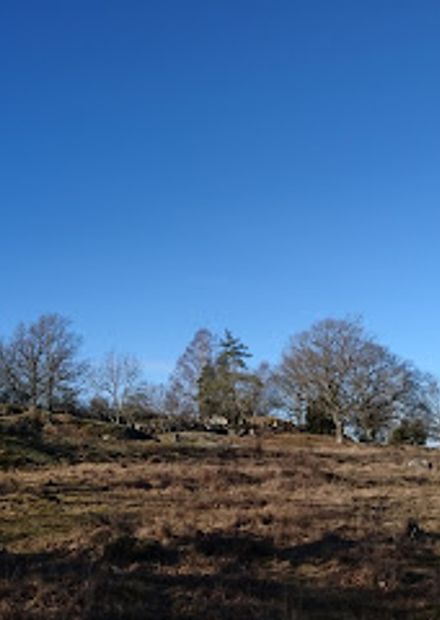
Bergsängen travel guide
Tranquil meadows hiding Iron Age secrets, where Linköping's wild hills blend nature's peace with echoes of ancient lives.
Tell me more about BergsängenMore to explore near Bergsängen

 Best experiences near Bergsängen
 Best hotels near Bergsängen
 Best attractions near Bergsängen
 Best shops near Bergsängen
 Best bars near Bergsängen
 Best restaurants near Bergsängen
Explore more

Explore more of Linköping
Discover Linköping: A vibrant fusion of medieval charm, innovative spirit, and natural beauty in the heart of Sweden.
Explore Linköping
Getting your guide ready…
We are putting together a fresh copy of the Bergsängen guide. This can take up to a minute.
This can take a few moments. If your browser asks, choose Allow so the download can start. You'll find the guide in your Downloads folder.
Nothing happened? Download it again
Sorry, the guide is taking longer than usual. Please try again in a minute, or get it by email instead.

