
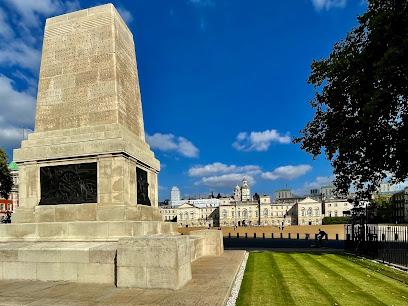
Guards Memorial
A solemn stone cenotaph with five life-sized bronze Guardsmen, commemorating the fallen of the Foot Guards in the World Wars, standing opposite Horse Guards Parade.
Standing on the edge of St James’s Park facing Horse Guards Parade, the Guards Memorial is a solemn stone cenotaph dedicated to the Guardsmen who died in the World Wars. Five life-sized bronze soldiers, each representing one of the Foot Guards regiments, stand at ease against a tall pylon, while a large artillery relief adorns the rear. Damaged by wartime bombs and bearing visible scars, the memorial is a powerful, dignified tribute to sacrifice, often seen in the background of Trooping the Colour and other state ceremonies.
A brief summary to Guards Memorial
- 69 Horse Guards Rd, London, GB
- Duration: 0.25 to 1 hours
- Free
-
 Outdoor
- Mobile reception: 5 out of 5
Local tips
- Visit early in the morning or late afternoon for softer light and fewer crowds, ideal for photography and quiet reflection.
- Walk around the entire memorial to see both the five bronze Guardsmen on the front and the large artillery relief on the rear facing St James’s Park.
- Combine your visit with nearby sites such as Horse Guards, the Churchill War Rooms and the Guards Museum for a deeper understanding of the Guards’ history.
- If in London around Remembrance Sunday or Trooping the Colour, return to see the memorial adorned with wreaths and at the heart of national ceremonies.

For the on-the-go comforts that matter to you
- Seating Areas
- Trash Bins
- Information Boards
Getting There
-
Underground
From Charing Cross Underground station, follow signs for Horse Guards Road; the walk takes about 8–10 minutes on level, paved paths with clear sightlines to the memorial.
-
Underground
From Embankment Underground station, head southeast along the Victoria Embankment and then onto Horse Guards Road; the walk is around 10 minutes on flat, accessible pavements.
-
Bus
Several central London bus routes serve nearby stops on Whitehall and Horse Guards Road; from there it is a short, level walk of 2–5 minutes to the memorial.
-
Walking
From Buckingham Palace or the Churchill War Rooms, it is a 5–10 minute walk along well-maintained paths and pavements, passing through St James’s Park or along Whitehall.
Guards Memorial location weather suitability
-
 Any Weather
-
 Clear Skies
-
 Mild Temperatures
Discover more about Guards Memorial
A Memorial of Stone and Bronze
This imposing war memorial, officially known as the Guards Division Memorial, stands on Horse Guards Road at the edge of St James’s Park, directly opposite the ceremonial Horse Guards Parade. Designed by architect Harold Chalton Bradshaw and sculptor Gilbert Ledward, it was unveiled in 1926 to commemorate the 14,000 Guardsmen of the Foot Guards who died in the First World War. The structure is a tall, stocky stone cenotaph or pylon, deliberately severe in form, rising above a stepped plinth. Against its front face stand five life-sized bronze figures, each representing a different regiment of the Foot Guards: Grenadier, Coldstream, Scots, Welsh and Irish Guards. These figures are shown at ease, not in heroic poses, but as real soldiers, lending the memorial a quiet dignity rather than overt triumphalism.Figures of the Foot Guards
The five bronze soldiers are among the memorial’s most striking features. Each was modelled on serving Guardsmen, chosen to embody the character of their respective regiments. The sculptures were cast from guns captured during the First World War, a powerful symbol of turning instruments of war into a permanent tribute. One anecdote tells of the Irish Guardsman growing impatient during the modelling and leaving before the work was complete, so his legs were taken from another soldier. The figures wear full uniform and stand with rifles, their expressions resolute yet human. Below them, the regimental badges are incised into the stone, and the cenotaph bears inscriptions honouring those who gave their lives for king and country. After the Second World War, an additional inscription was added to remember those who fell between 1939 and 1945, broadening the memorial’s scope while preserving its original intent.Artillery and the Back of the Memorial
The rear of the cenotaph, facing St James’s Park, is dominated by a large stone relief panel depicting an 18-pounder field gun being loaded and fired in action. This vivid scene captures the intensity and machinery of trench warfare, grounding the memorial in the reality of the Great War. The panel serves as a reminder of the artillery barrages that defined much of the conflict and the Guardsmen who served in the artillery and support roles. The overall design evolved from an initial, more ornate concept into the stark, vertical form seen today, reflecting a desire for solemnity and permanence. The memorial’s severe lines and heavy mass give it a timeless, almost timeless quality, fitting for a monument to such immense sacrifice.Scars of War and National Memory
The Guards Memorial bears visible scars from German air raids during the Second World War, deliberately left unrepaired as a testament to the conflict’s impact on London. These “honourable scars” are a subtle but powerful reminder that the city itself, like the Guards, endured and survived. The memorial is Grade II listed, recognised for its architectural and historic significance, and it forms part of the ceremonial landscape around Horse Guards Parade, Whitehall and St James’s Park. It is often seen in the background of major national events such as Trooping the Colour, Remembrance Sunday and state visits, where wreaths are laid and silence observed. In this way, it remains not just a static monument, but an active participant in the nation’s acts of remembrance.Visiting the Memorial Today
Today, the Guards Memorial is freely accessible at all times, standing in an open, well-maintained area that allows for quiet contemplation. It is surrounded by the greenery of St James’s Park and the grand architecture of central London, creating a space that is both solemn and integrated into daily life. Visitors often pause here to read the inscriptions, photograph the bronze figures, or simply reflect on the cost of war. Its location makes it easy to combine with visits to nearby sites such as the Churchill War Rooms, Horse Guards, the Guards Museum and the other monuments of St James’s Park. Whether seen in bright sunlight, under grey skies or during a formal ceremony, the memorial continues to speak of duty, sacrifice and the enduring memory of those who served.Iconic landmarks you can’t miss

Guards Memorial
0.0 km
A solemn tribute to the valor and sacrifice of the Guardsmen who fell in World War I, set amidst London’s historic ceremonial heart.
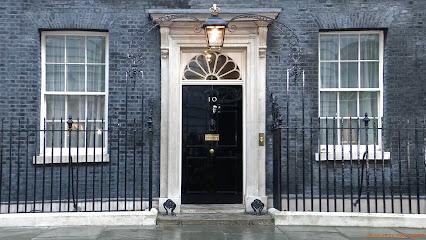
10 Downing St
0.2 km
Discover the historic seat of British leadership, where iconic moments and political power converge behind the famous black door.
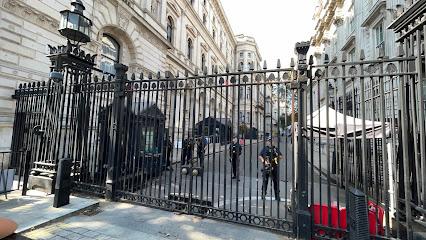
10 Downing Street
0.2 km
Iconic London residence and office of the UK Prime Minister, steeped in centuries of political history and power.
Dover House
0.2 km
Historic neoclassical mansion on Whitehall, home to the Scotland Office with a unique rotunda entrance and rich aristocratic past.
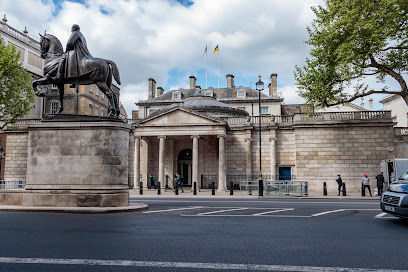
Captain James Cook
0.2 km
Bronze tribute to the explorer who charted the Pacific and shaped the British Empire
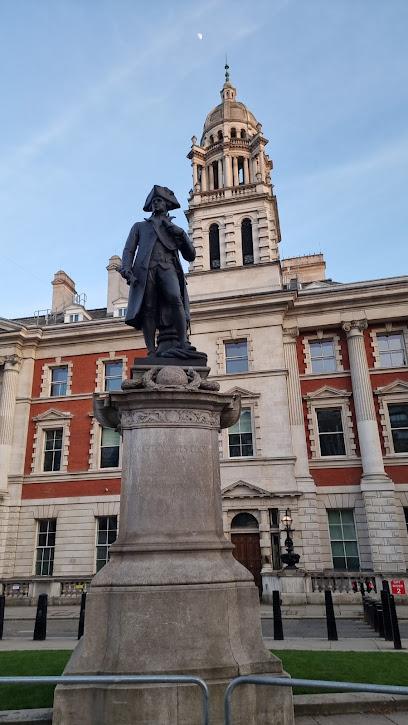
Old Admiralty Building
0.2 km
Historic heart of Britain’s naval command, blending grand architecture with pivotal moments in London’s maritime legacy.
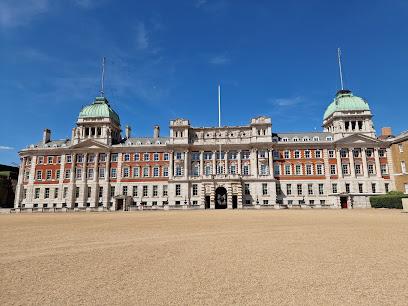
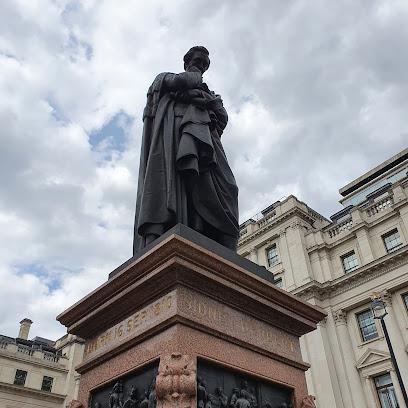
George Duke of Cambridge statue
0.2 km
A commanding bronze tribute to Prince George, Duke of Cambridge, standing proudly on Whitehall amidst London’s historic military heart.
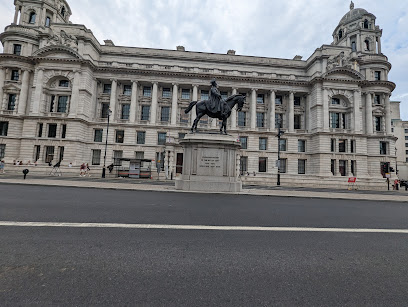
Royal Marines Memorial
0.2 km
A stirring bronze tribute on The Mall honoring Royal Marines’ sacrifice in China and South Africa, blending art and history in London’s ceremonial heart.
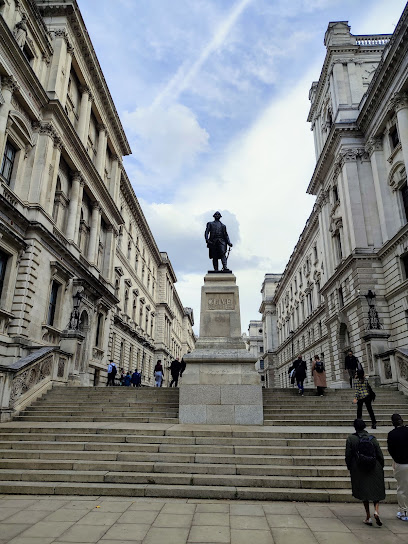
Clive of India Memorial
0.2 km
A towering Edwardian statue in London commemorating Robert Clive, founder of British rule in India, embodying imperial triumph and controversy.
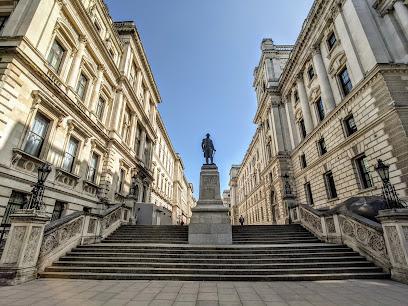
Clive Steps
0.2 km
A Grade II-listed bronze statue commemorating the controversial architect of British imperial power in India.
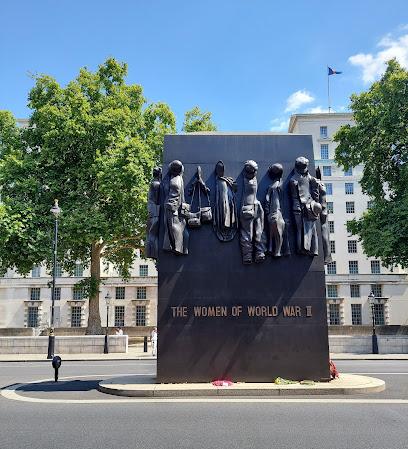
The Women of World War II
0.3 km
A powerful bronze tribute in Whitehall honoring over seven million British women’s vital roles during World War II.
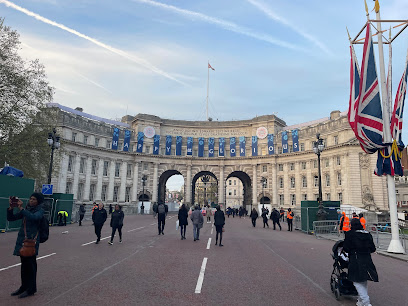
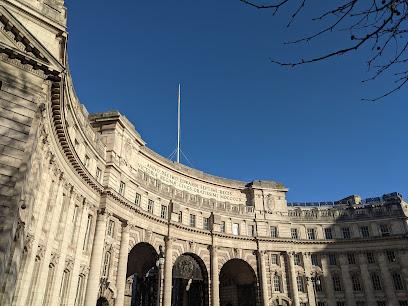
Admiralty Arch
0.3 km
A majestic Edwardian gateway linking Trafalgar Square to Buckingham Palace, embodying Britain's royal heritage and naval history.
16-18 Whitehall
0.3 km
Explore 16-18 Whitehall, the historic site of England’s grandest royal palace and home to the stunning Banqueting House, a masterpiece of classical architecture.

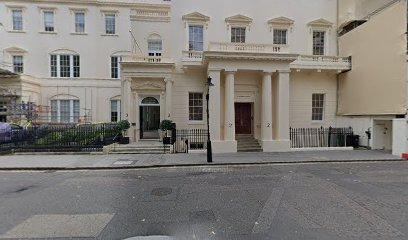
3 Carlton House Terrace
0.3 km
Elegant Grade I listed townhouse in London’s historic Carlton House Terrace, blending royal heritage with refined Georgian architecture.
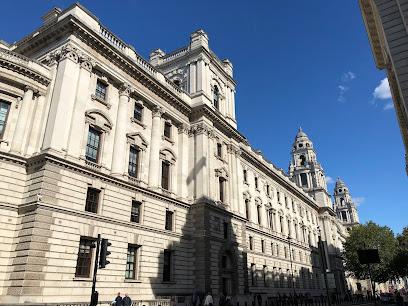
His Majesty's Treasury
0.3 km
The historic and strategic heart of the UK government’s economic policy, located in the iconic government district of Westminster, London.
Unmissable attractions to see

The Household Cavalry Museum
0.2 km
Explore the living history and pageantry of Britain’s elite Household Cavalry at their historic London headquarters.
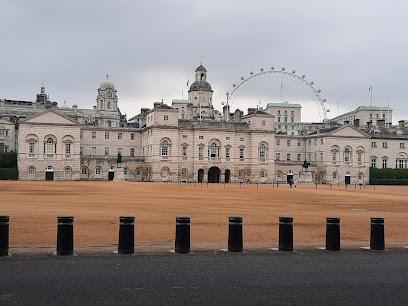
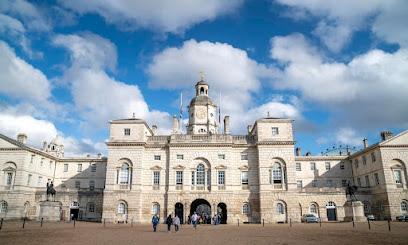
Horse Guards Parade
0.2 km
Historic ceremonial parade ground in London’s Whitehall, famed for royal pageantry and military tradition since the 16th century.
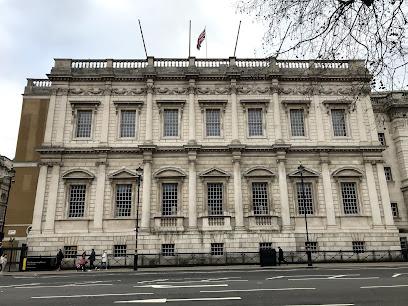
Banqueting House
0.2 km
Explore London's Banqueting House, a Palladian masterpiece with Rubens' ceiling and the historic site of King Charles I’s execution.
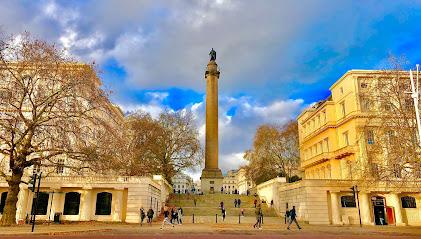
Duke of York Column
0.3 km
A towering granite column in London honoring the Duke of York’s military legacy, crowned with a grand bronze statue atop historic Waterloo Place.
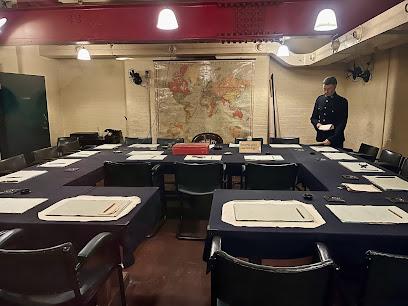
Churchill War Rooms
0.3 km
Britain's secret wartime headquarters where Churchill directed the fight against Nazi tyranny from underground bunkers beneath Westminster.
Carlton House Terrace
0.3 km
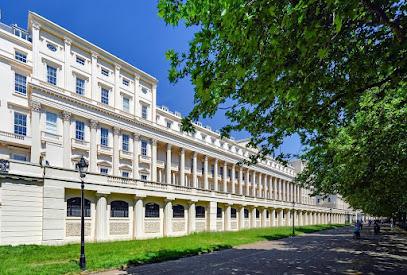
Elegant Georgian terraces on historic royal grounds, showcasing Regency architecture and London’s aristocratic heritage.
Sir Keith Park statue
0.3 km
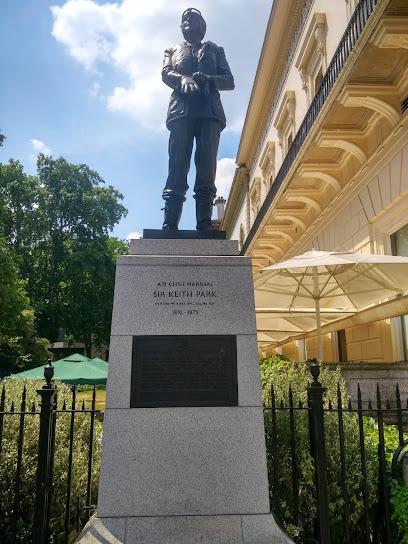
Honoring Air Chief Marshal Sir Keith Park, the Defender of London during WWII’s Battle of Britain, through a striking bronze statue in central London.
The Mall
0.3 km
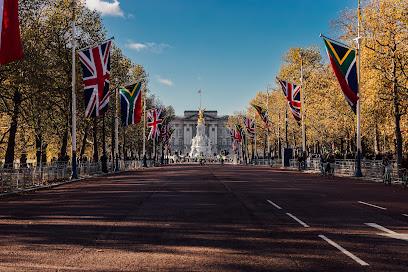
A majestic royal avenue in London, The Mall connects Trafalgar Square to Buckingham Palace with regal charm and historic grandeur.
Carlton Gardens
0.3 km
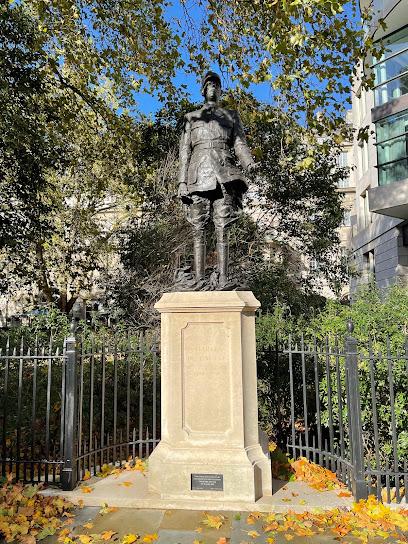
Elegant Regency architecture and serene gardens meet rich wartime history in the heart of London’s prestigious Carlton Gardens.
Charles De Gaulle Statue
0.3 km
A dignified tribute in London’s Carlton Gardens honoring Charles de Gaulle’s leadership of Free France during WWII.
St James's Park
0.4 km
London’s oldest Royal Park, a serene green oasis with iconic palace views, historic charm, and a famous pelican colony in the city center.
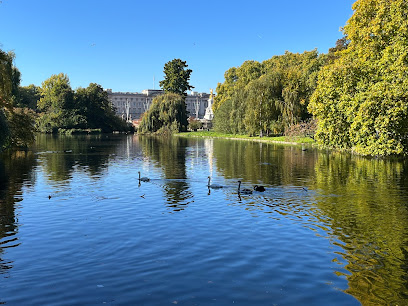
Waterloo Pl
0.4 km
Elegant London street rich with historic monuments, grand architecture, and cultural vibrancy in the heart of St James’s.
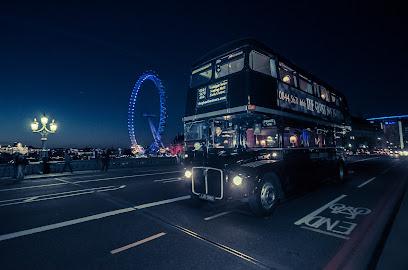
The Ghost Bus Tours
0.4 km
Dark comedy meets London history on a theatrical double-decker bus tour through the capital's most sinister stories.
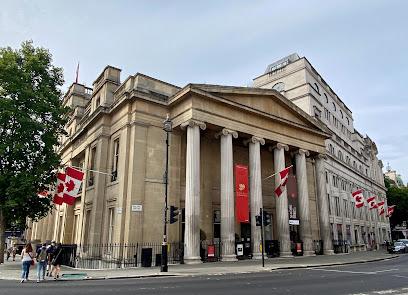
Canada House
0.4 km
Canada House: Historic Greek Revival architecture meets vibrant Canadian culture in the heart of London’s Trafalgar Square.
Pall Mall
0.4 km
Pall Mall: London’s historic street of royal games, elegant clubs, and pioneering urban charm.
Essential places to dine

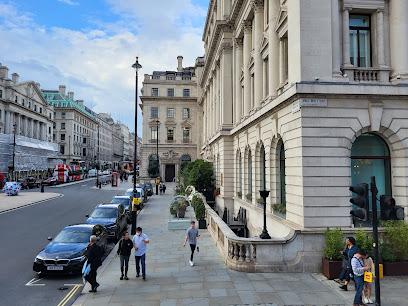
Ekstedt at The Yard
0.3 km
Experience Nordic wood-fired cuisine by Michelin-starred chef Niklas Ekstedt in the historic Great Scotland Yard Hotel, blending ancient fire cooking with British seasonal ingredients.
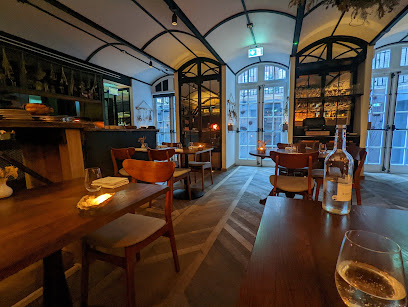
Wild Honey St James
0.4 km
Michelin-starred French-influenced cooking in a Grade II-listed banking hall, where refined technique meets understated elegance.
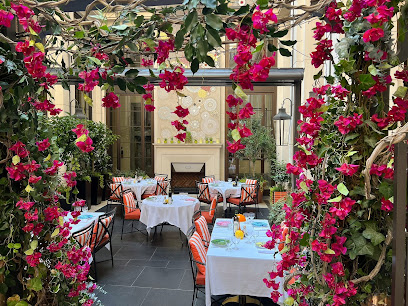
The Garden
0.4 km
A Mediterranean-inspired garden oasis offering refined seafood and elegant dining in the heart of London’s Corinthia Hotel.
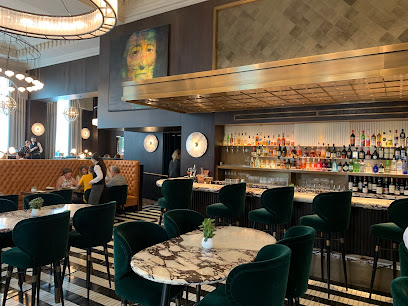
The Northall
0.5 km
Refined British dining with seasonal flair in a grand, elegant setting at Corinthia London’s distinguished restaurant.
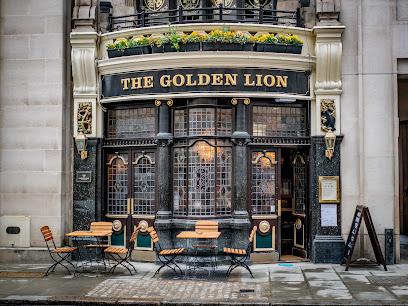
Golden Lion
0.6 km
Historic 1690s pub in St James's offering classic British fare, rich heritage, and a warm, family-friendly atmosphere near Buckingham Palace.
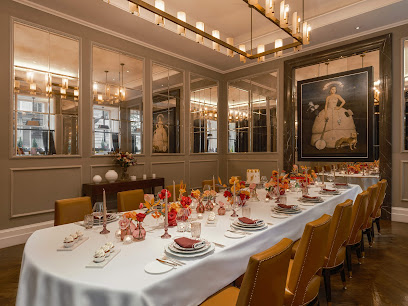
The Pem
0.6 km
Elegant modern British dining in Westminster, honoring heritage with exquisite seasonal menus and refined ambiance.
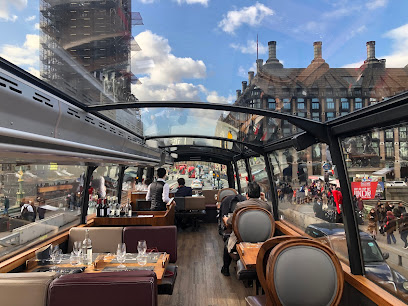
Bustronome London
0.7 km
Dine in luxury aboard a panoramic double-decker bus while touring London’s iconic landmarks with gourmet cuisine and fine wines.
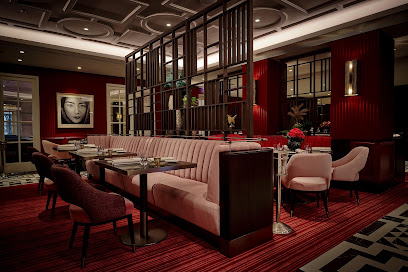
Caxton Grill
0.7 km
Refined British grill cuisine with fresh rooftop garden produce in a relaxed Westminster setting inside St Ermin’s Hotel.
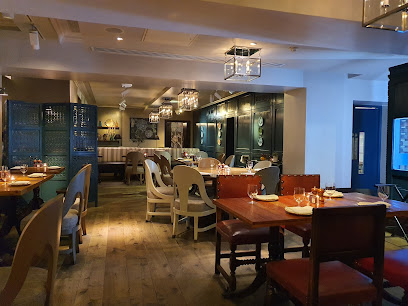
Great British Restaurant
0.7 km
Elegant British dining in the heart of St James’s, blending traditional flavors with modern sophistication in a tranquil hotel setting.
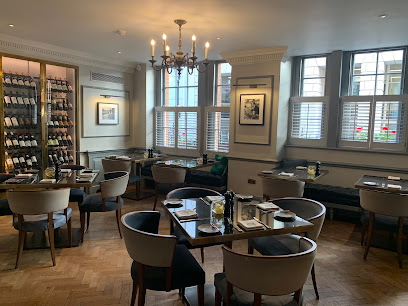
J Sheekey
0.7 km
Classic British seafood excellence in Covent Garden’s elegant, theatre-adjacent dining gem.
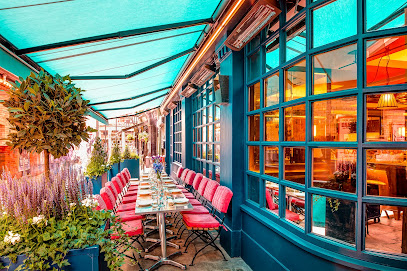
Quaglino's
0.7 km
Glamorous basement brasserie with live music, cocktails, and theatrical dining in St. James's.
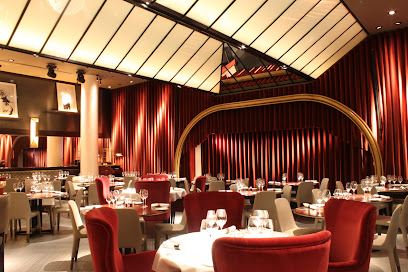
Seven Park Place by William Drabble
0.8 km
An intimate Michelin-starred restaurant in Mayfair offering refined British-French cuisine by Chef William Drabble in an elegant Art Deco setting.
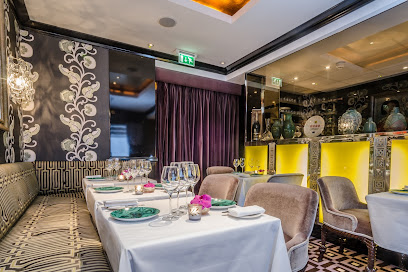
Evelyn's Table
0.8 km
Discover Evelyn's Table, a Michelin-starred, intimate dining counter in Soho offering inventive British cuisine with French and Japanese flair.
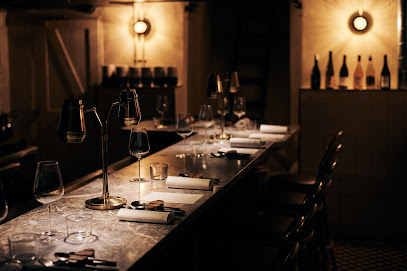
Flat Iron Covent Garden
0.8 km
Savor expertly crafted flat iron steaks in a historic Covent Garden setting, complete with rustic charm and a signature ice cream treat.
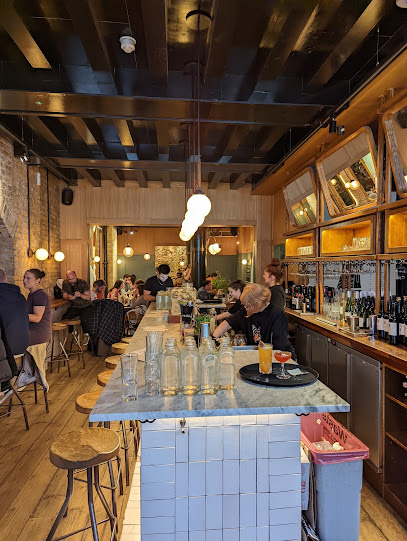
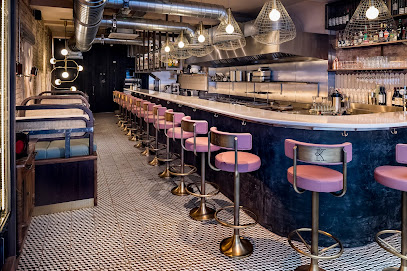
Kricket Soho
0.8 km
Discover bold, modern Indian small plates in a lively Soho setting with an open kitchen and vibrant basement dining.
Markets, malls and hidden boutiques

Crest of London Ltd
0.3 km
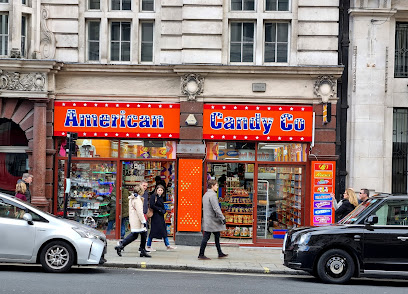
Discover authentic London souvenirs and local crafts at Crest of London Ltd, your premier gift shop in historic Whitehall.
Houses of Parliament Shop
0.4 km
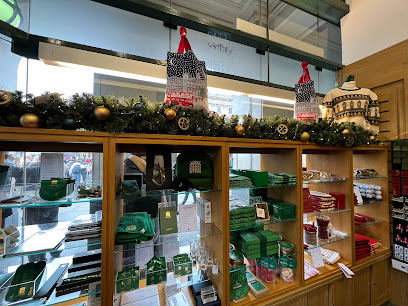
Discover parliamentary pride in souvenirs, books, and gifts at this cozy Bridge Street boutique, steps from Westminster's iconic halls.
Jubilee Shop (Houses of Parliament Gift Shop)
0.6 km
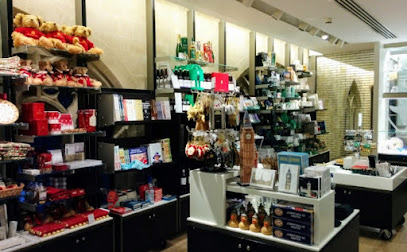
Discover exclusive British political gifts and souvenirs inside the historic Westminster Hall at the Jubilee Shop, Houses of Parliament.
Gifts of London
0.6 km
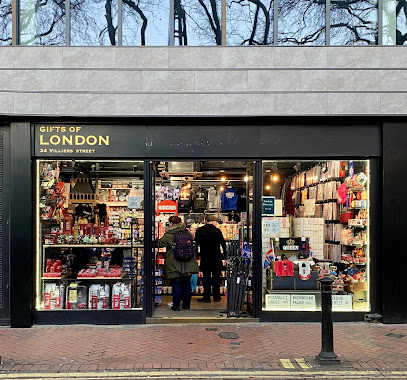
Discover unique souvenirs and gifts that embody the spirit of London at Gifts of London, your perfect shopping destination.
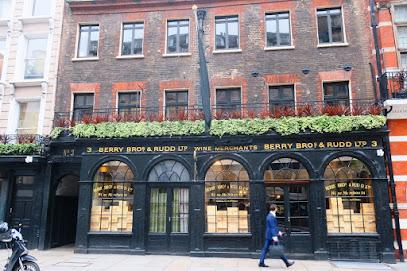
Berry Bros. & Rudd Wine Shop
0.6 km
London’s oldest family-run wine merchant since 1698, blending royal tradition with expert wine and spirits in a historic Pall Mall setting.
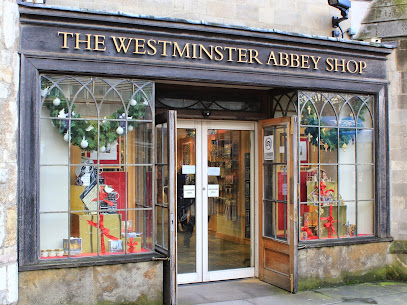
Westminster Abbey Shop
0.6 km
Discover exclusive Abbey-inspired gifts and souvenirs that support Westminster Abbey’s heritage and conservation efforts.
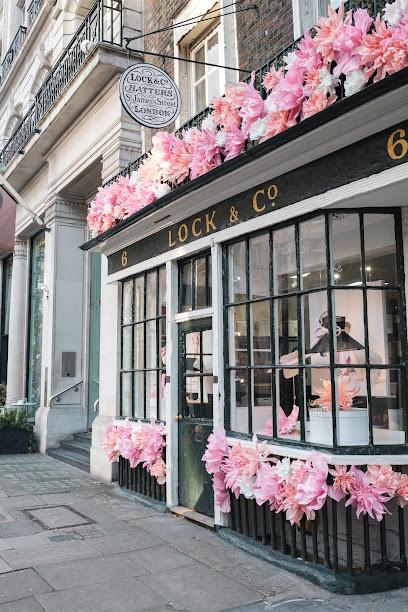
Lock & Co. Hatters
0.6 km
Discover the world’s oldest hat shop, where centuries of British style and craftsmanship come to life in the heart of London.
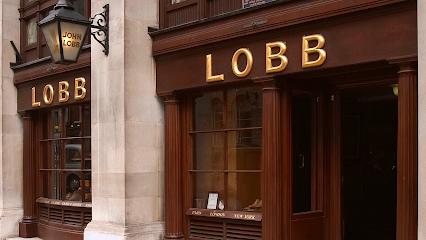
John Lobb St. James
0.6 km
Where 170 years of royal patronage meets handcrafted perfection in every stitch.
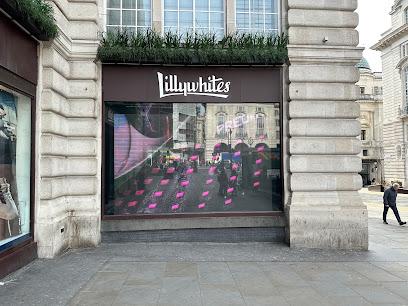
Lillywhites
0.6 km
London's iconic sports megastore at Piccadilly Circus—where athletic excellence meets retail tradition.
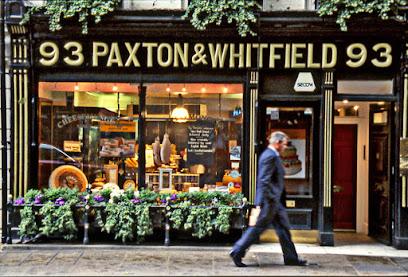
Paxton & Whitfield Ltd
0.7 km
London’s oldest cheesemonger, serving artisan cheese with royal heritage and timeless charm.
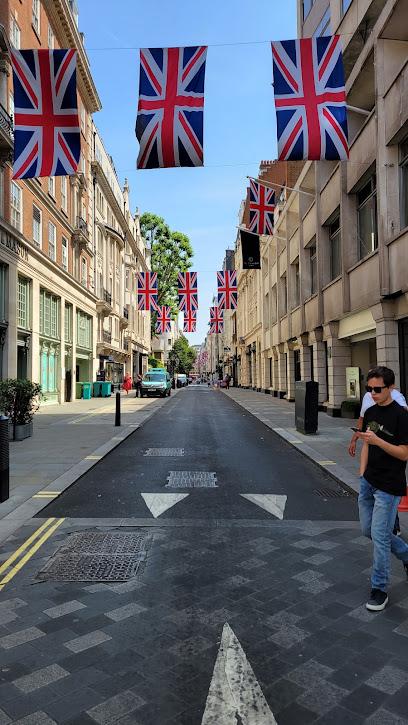
Jermyn St
0.7 km
Discover Jermyn Street, London’s historic menswear enclave blending timeless craftsmanship with contemporary style and refined elegance.
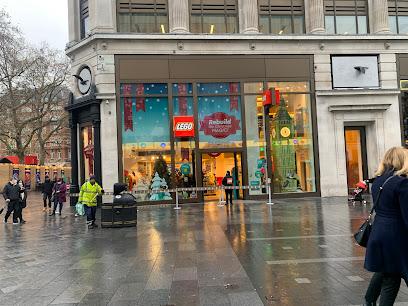
The LEGO® Store Leicester Square
0.7 km
Explore the world’s largest LEGO® Store in Leicester Square, London—two floors of interactive fun, iconic models, and endless creativity.
Floris London
0.7 km
Experience nearly three centuries of British fragrance heritage at Floris London’s historic boutique on iconic Jermyn Street.
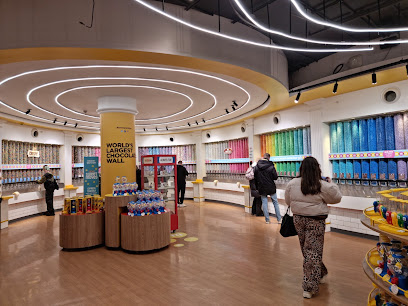
M&M'S London
0.7 km
Experience the colorful world of M&M'S London, where candy dreams come true with personalized treats and vibrant merchandise.
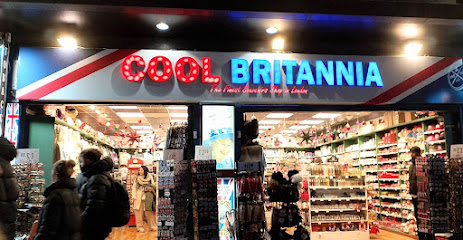
Cool Britania
0.7 km
Discover authentic British souvenirs and capture timeless memories at Cool Britannia, Leicester Square’s premier gift and photography shop.
Essential bars & hidden hideouts

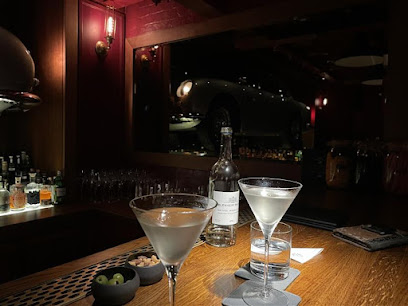
The Spy Bar
0.2 km
Step into London’s secret subterranean bar where espionage history meets masterful cocktails and exclusive, no-photos privacy.
Old Shades
0.3 km
Historic Whitehall pub pouring cask ales and pub classics since 1898, steps from Trafalgar Square—a true taste of London tradition.
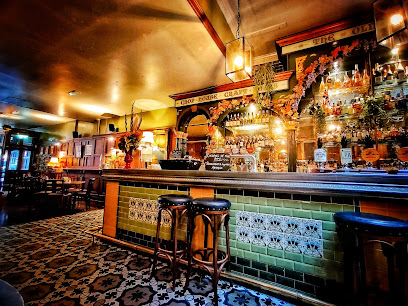
The Red Lion, Parliament Street
0.4 km
A venerable Westminster corner pub — late‑Victorian fittings, political atmosphere and a long history beside Downing Street and Parliament.
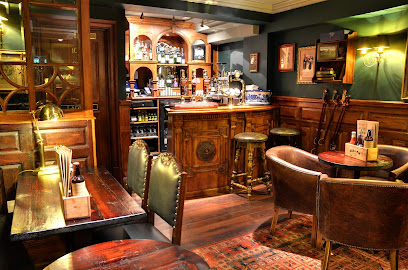
Westminster Arms
0.4 km
Historic Westminster pub with parliamentary division bell, Shepherd Neame ales, and cozy alcoves steps from Abbey and Parliament—timeless British charm in political heart.
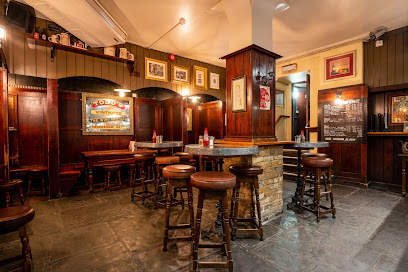
Two Chairmen
0.5 km
Traditional Westminster pub serving hearty pies, fresh ales, and classic British cheer just steps from St. James's Park and Parliament.
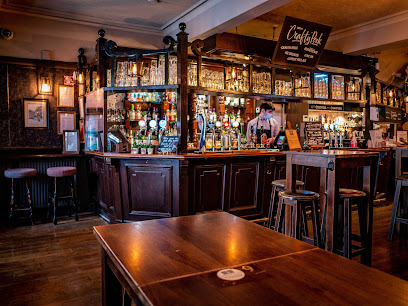
Blue Boar Pub
0.6 km
Traditional Westminster pub serving hearty British classics in a cozy, historic setting near Abbey and Parliament—perfect for ales, roasts, and relaxed evenings.
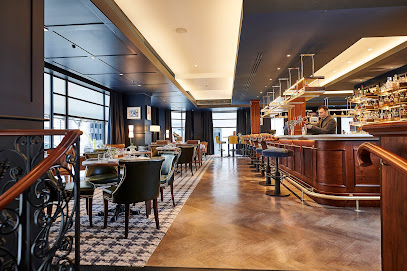
Gordon's Wine Bar
0.6 km
Step into London's oldest wine bar, where history, candlelight, and award-winning wines create an unforgettable cellar experience.
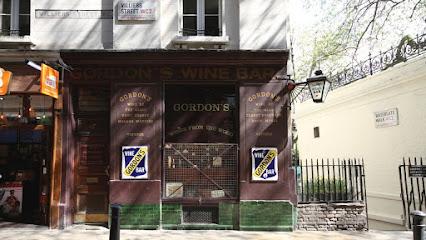
Hampshire Restaurant and Bar
0.6 km
Intimate bar and restaurant serving vibrant Mexican and Peruvian cuisine in the heart of Leicester Square’s iconic theatre district.
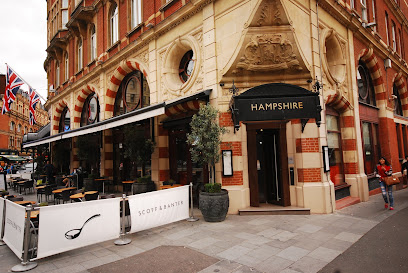
All Bar One Leicester Square
0.6 km
Stylish wine and cocktail bar in the heart of Leicester Square, perfect for socializing, dining, and private events in central London.
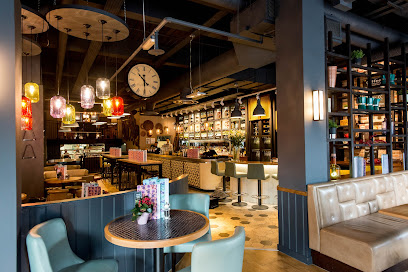
The Harp, Covent Garden
0.6 km
A historic Covent Garden pub famed for award-winning ales, traditional ciders, and a timeless, welcoming atmosphere.
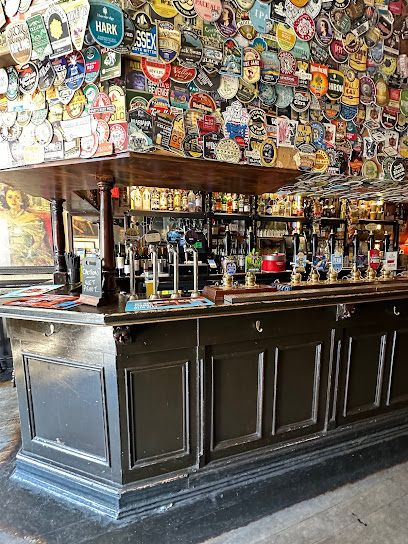
The Red Lion, Mayfair
0.6 km
Historic Victorian pub in Mayfair famed for its political heritage and classic London charm, steps from Downing Street.
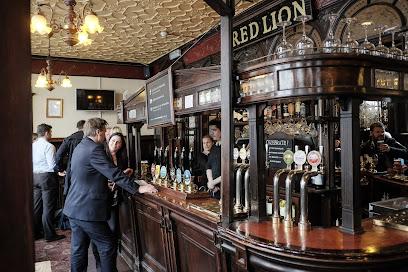
Blind Spot London
0.7 km
Discover a secretive speakeasy with globally inspired cocktails and intimate ambiance tucked inside St Martin’s Lane Hotel, Covent Garden.
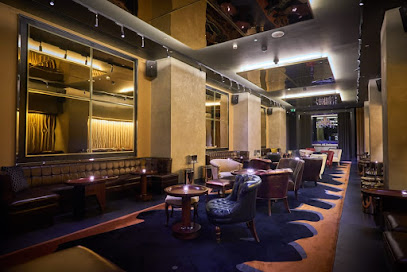
Adam & Eve
0.7 km
Classic Westminster pub pouring real ales and hearty grub amid historic streets—a cozy haven near Parliament and the Abbey for authentic London pints.
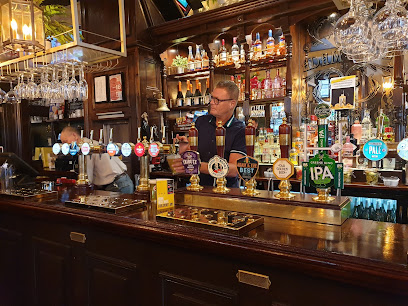
Mr Fogg's Society of Exploration
0.7 km
Step into a Victorian explorer’s world with inventive cocktails, immersive storytelling, and a mechanical mixologist in Covent Garden’s unique speakeasy.
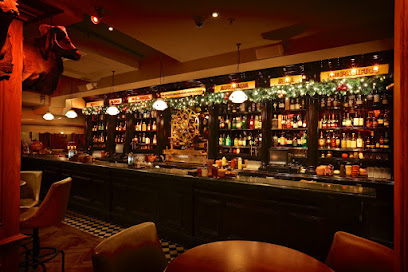
Le Champagne Bar
0.7 km
A compact riverside champagne lounge beside the London Eye—perfect for a celebratory flute and framed Thames views.
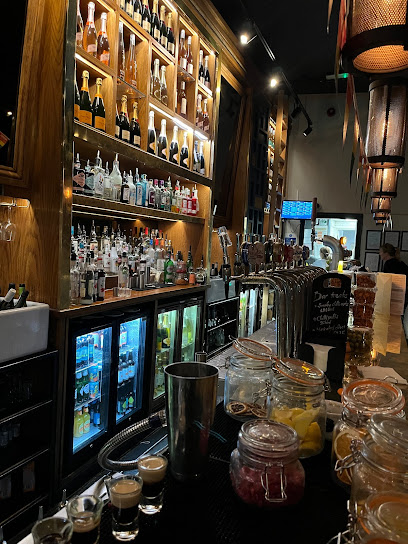
Nightclubs & after hour spots

TSQ Club
0.3 km
Dive into Trafalgar Square's nightlife pulse at TSQ Club, where eclectic beats, dazzling lights, and craft cocktails fuel unforgettable weekend nights in London's heart.
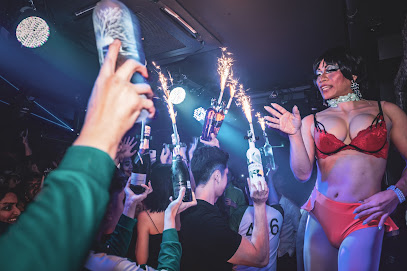
Heaven
0.5 km
London’s iconic gay superclub under the railway arches — big nights, loud music, drag, and late finishes in the heart of the West End.
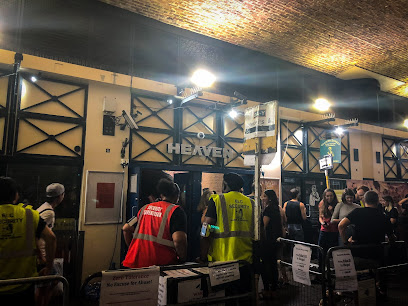
Tiger Tiger London
0.6 km
Experience London’s iconic Haymarket nightclub with six vibrant rooms, lively DJs, and a dynamic party atmosphere just moments from Piccadilly Circus.
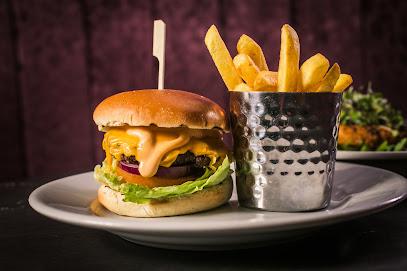
The Scotch of St James
0.6 km
Legendary Mayfair speakeasy where 60s rock stars jammed and today's elite dance till dawn in velvet-clad intimacy.
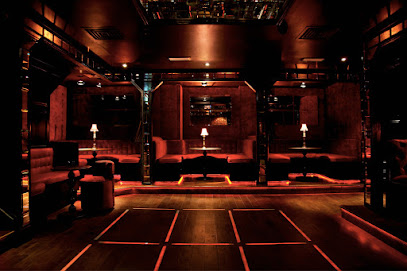
Luxe Club
0.6 km
Experience London's vibrant nightlife at Luxe Club, a central hotspot for music, dancing, and late-night entertainment.
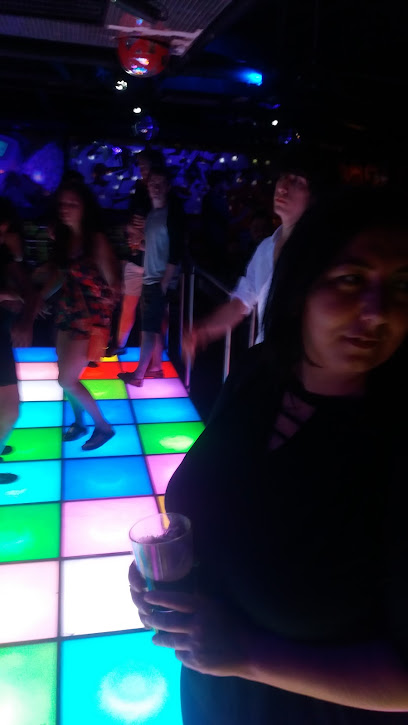
Café de Paris
0.7 km
Step into London’s iconic West End nightclub where history, glamour, and electrifying cabaret create unforgettable nights.
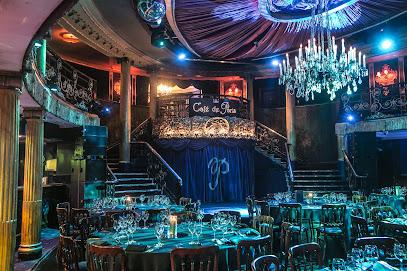
The Penthouse London
0.7 km
A compact, rooftop nightclub above Leicester Square — reached by a side lift, built for late‑night private parties and skyline glimpses.
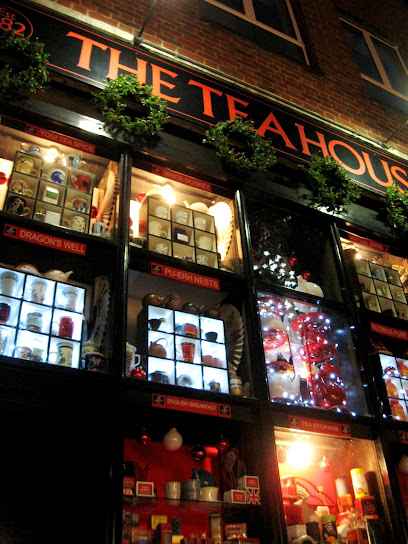
Zoo Bar & Club
0.7 km
Dive into Leicester Square's edgy nightlife hub: two floors of R&B beats, sports screens, and wild energy until 3am at Zoo Bar & Club.
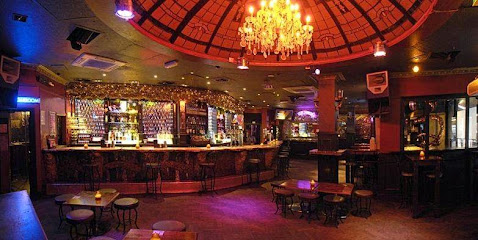
The Cuckoo Club
0.8 km
Exclusive Mayfair nightclub and restaurant blending glamorous design, contemporary cuisine, and vibrant nightlife in London’s upscale scene.
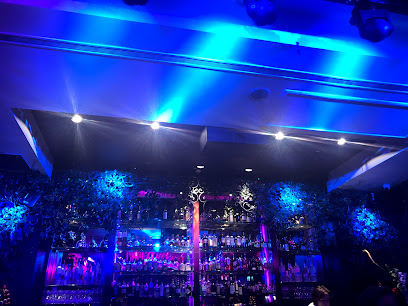
The Windmill Soho | Restaurant, Cabaret & Nightclub in Soho, London
0.8 km
Soho's legendary cabaret den revived: burlesque bites, theatrical feasts, and all-night beats in a historic hotspot of hedonism.
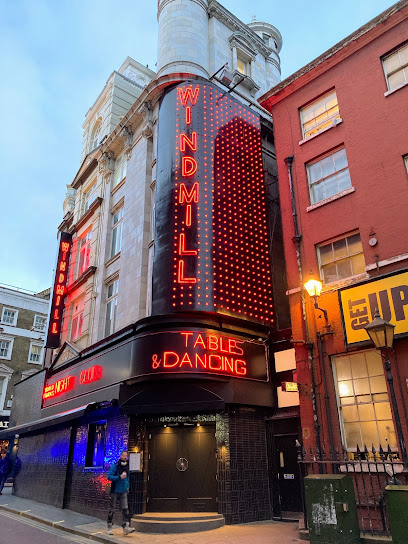
Whatdafunk Presents West End Urban Disco
0.8 km
Dive into London's grooviest urban disco beats at Whatdafunk, where Covent Garden's streets pulse with funk, soul, and non-stop dance energy in the heart of the West End.
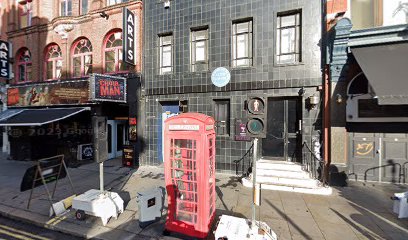
Tabu London
0.9 km
Escape Mayfair's polish for Tokyo's neon-lit Shinjuku alleys at Tabu London—retro gaming vibes, caged dancers, hip-hop beats, and upscale bites fuel epic nights.
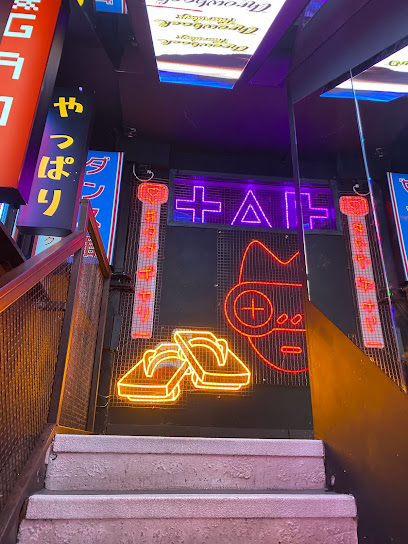
Sophisticats Soho
0.9 km
An intimate, late‑night Soho gentlemen’s club on Brewer Street offering staged performances, VIP seating and an upmarket, discreet atmosphere.
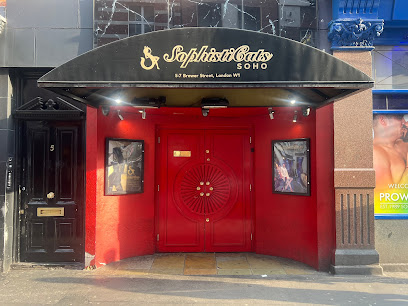
Versity Camp Nightclub
0.9 km
Dive into Soho's beating heart at Versity Camp Nightclub, where thumping bass, inventive cocktails, and an electric crowd fuel unforgettable nights until dawn.
The Ivy Club
0.9 km
Art-Deco‑tinged members’ club above The Ivy — piano bars, discreet private dining and polished West End glamour.
For the vibe & atmosphere seeker
- Relaxing
- Tranquil
- Scenic
- Unique
For the design and aesthetic lover
- Rustic Designs
- Vintage Styles
For the architecture buff
- Historic
- Landmarks
- Sacred Sites
For the view chaser and sunset hunter
- Iconic Views
- Waterfront
For the social media creator & influencer
- Photo Spots
- Selfie Spots
- Architectural Shots
For the eco-conscious traveler
- Public-Transport Accessible
- Low Impact
For the kind of experience you’re after
- Cultural Heritage
- Photowalk
- Mindfulness
- Meditation Spot
For how adventurous you want the journey to be
- Easy Access
Location Audience
- Family Friendly
- Senior Friendly
- Child Friendly
- Teen Friendly
- Wheelchair Access
- Solo Friendly
- Couple Friendly
- Solo Female Friendly
- Business Friendly


