

Best Landmarks Near Shibden Hall (Yorkshire)
Planning a trip to Shibden Hall? Discover the best landmarks nearby with history, expert tips, and routes. Free on web or the Evendo app.


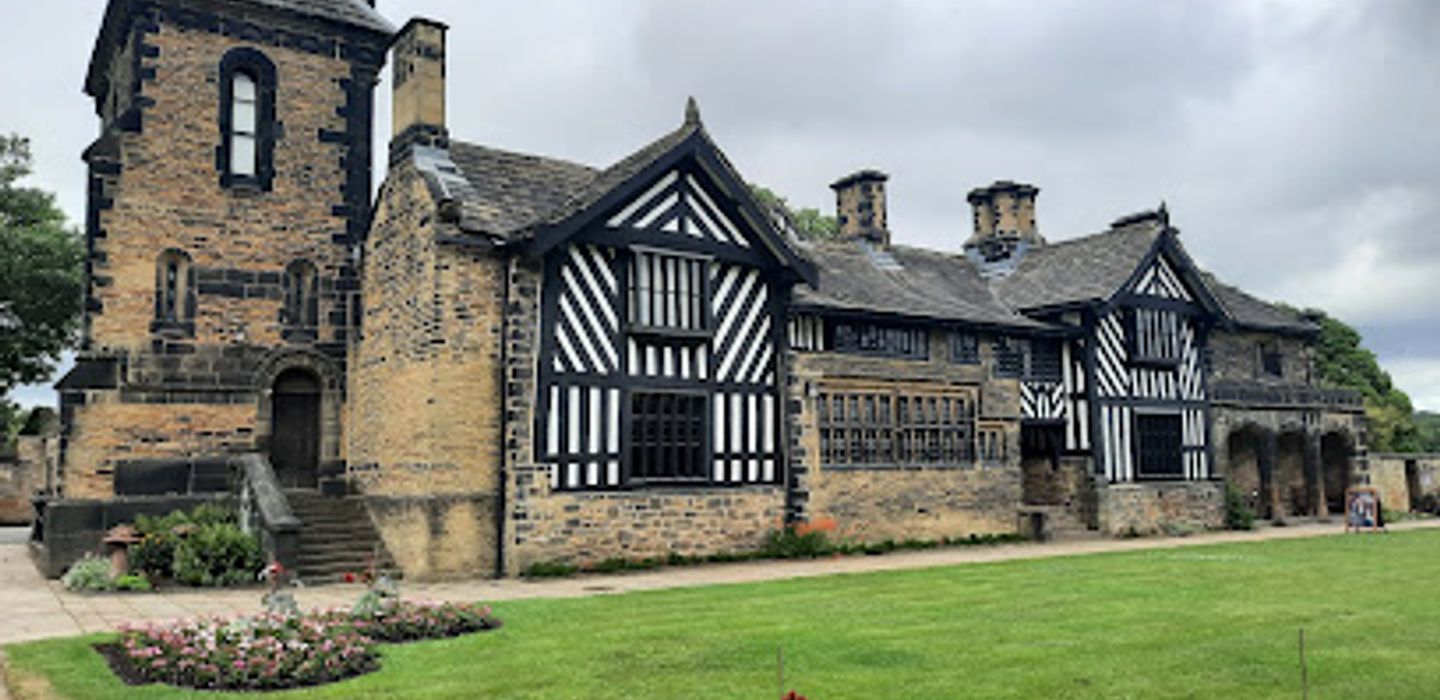
The best landmarks near Shibden Hall
- Top rated
- Closest to Shibden Hall
- Price level: low to high
- Time to spend: shortest first
- A–Z
76 landmarks
-
Stadium4.6★27,985 reviews
Etihad Stadium
Home to Manchester City Football Club, the Etihad Stadium is a modern 61,000-capacity venue in East Manchester offering immersive guided tours and matchday experiences. Visitors can explore the players' tunnel, home team dressing room, press conference room, and pitchside areas while learning about the club's history and achievements. The stadium features state-of-the-art facilities and is easily accessible via public transport from Manchester city centre.
Price level $$Time to spend 1–4 hrs
-
Shopping Centre4.5★12,510 reviews
The Quays
The Quays is a vibrant waterfront area in Greater Manchester, encompassing Salford Quays, MediaCityUK, Trafford Wharf, Old Trafford, and the Trafford Centre. It offers a rich blend of cultural landmarks, shopping, sports venues, and dining options, all set along the historic Manchester Ship Canal. With iconic attractions like The Lowry theatre and gallery, MediaCityUK’s media hub, and renowned sports stadiums, The Quays is a dynamic urban space ideal for culture, leisure, and entertainment.
Daily 9:00–20:00Price level $$Time to spend 2–6 hrs
-
Shopping Centre4.0★11,663 reviews
Quayside MediaCityUK
Quayside MediaCityUK is Manchester’s only outlet mall, located in Salford Quays on the scenic waterfront of the Manchester Ship Canal. Featuring 85 stores over two floors, it offers up to 60% off designer brands year-round, alongside a vibrant food court, cinema, and leisure facilities. This dynamic destination blends shopping, dining, and entertainment with iconic media studios nearby, making it a lively hub for locals and visitors alike.
Price level $$Time to spend 2–6 hrs
-
Cathedral4.6★5,952 reviews
Manchester Cathedral
Manchester Cathedral, a Grade I listed Gothic masterpiece, stands in the vibrant city centre of Manchester. With origins dating back to 1421, it has witnessed centuries of history, including the Industrial Revolution and wartime bombings. The cathedral features stunning stained glass, intricate medieval carvings, and a peaceful sanctuary amid the bustling urban landscape. Open daily with free admission, it offers guided tours, rich cultural events, and a welcoming space for all visitors.
Mon–Sat 9:00–16:00 · Sun 12:00–16:00Time to spend 1–2 hrs
-
Historical landmark4.5★2,023 reviews
St. Peter's Square
St Peter's Square is a central public space in Manchester's city centre, renowned for its rich history, iconic architecture, and role as a major transport hub. Once the site of the 1819 Peterloo Massacre, the square today features memorials, including the Manchester Cenotaph and Emmeline Pankhurst statue, alongside striking buildings like the Central Library and Midland Hotel. It serves as a vibrant gathering place blending heritage with modern urban life.
Open 24 hoursTime to spend 0.5–2 hrs
-
Landmark4.9★1,226 reviews
Bamford Edge
Bamford Edge is a striking gritstone escarpment rising about 420 meters above sea level near Bamford village in the Hope Valley, Peak District National Park, England. It offers breathtaking panoramic views of Ladybower Reservoir, Win Hill, and the surrounding moorlands. Renowned for its natural beauty, walking trails, and dramatic sunsets, Bamford Edge is a favorite spot for hikers, climbers, and photographers seeking a quintessential Peak District experience.
Open 24 hoursPrice level $Time to spend 1–3 hrs
-
Museum4.5★808 reviews
Leeds Industrial Museum at Armley Mills
Housed in what was once the world’s largest woollen mill, Leeds Industrial Museum at Armley Mills showcases the rich industrial heritage of Leeds. Located on Canal Road in Armley, it offers visitors a glimpse into the city’s textile manufacturing, engineering, and locomotive history through engaging galleries and authentic machinery displays. The museum operates Tuesday to Sunday, with a welcoming atmosphere for families and history enthusiasts alike.
Tue–Fri 10:00–17:00 · Sat–Sun 12:00–17:00Price level $$Time to spend 2–3 hrs
-
Landmark4.8★665 reviews
Almscliffe Crag
Almscliffe Crag is a striking Millstone Grit rock outcrop perched atop a small hill near North Rigton, between Leeds and Harrogate in North Yorkshire, England. Renowned for its dramatic silhouette visible for miles, it offers spectacular panoramic views across the Wharfe Valley and surrounding countryside. The crag is a celebrated site for rock climbing, with routes ranging from beginner to expert, and is steeped in folklore and natural history as a designated Site of Special Scientific Interest.
Open 24 hoursTime to spend 1–4 hrs
-
Museum4.7★627 reviews
Greater Manchester Police Museum & Archives
Located in Manchester's Northern Quarter, the Greater Manchester Police Museum is housed in a former 1879 police station featuring original cells, a charge office, and a 1895 Magistrates Court. Visitors can explore authentic police equipment, vehicles, and archives that showcase the history of policing in Greater Manchester. Open to the public on Tuesdays, the museum offers a unique glimpse into Victorian and early 20th-century law enforcement.
Tue 10:30–16:00Time to spend 1–2 hrs
-
Landmark4.6★593 reviews
The Coldstones Cut
The Coldstones Cut is a striking outdoor sculptural landmark located near Bewerley, Harrogate, within the Nidderdale Area of Outstanding Natural Beauty. This unique artwork, carved into the landscape, offers panoramic views and a profound connection between art, nature, and local heritage. Open 24/7 year-round with free admission, it invites visitors to explore its dramatic forms and the surrounding scenic environment.
Open 24 hoursTime to spend 0.5–2 hrs


Arch of Chinatown
Standing majestically at the heart of Manchester's Chinatown on Faulkner Street, the Chinese Imperial Arch is Europe's first and only true imperial Chinese gateway. Built in China and assembled between Christmas 1986 and Easter 1987, this ornate structure features intricate dragons, phoenixes, ceramics, and gold leaf detailing. A gift from Manchester City Council to the Chinese community, it symbolizes the city's deep cultural ties and marks one of Britain's most vibrant multicultural neighborhoods.
Open 24 hoursTime to spend 0.5–2 hrs

Leeds Cathedral
Leeds Cathedral, dedicated to St Anne, is a striking Catholic cathedral in the heart of Leeds city centre. Built between 1901 and 1904 in an Arts and Crafts Gothic Revival style, it stands as a Grade II* listed building and the mother church of the Diocese of Leeds. The cathedral’s warm sandstone exterior, intricate stone carvings, and magnificent stained-glass windows create a serene and visually rich interior. It serves as both a place of worship and a cultural landmark, hosting regular services, concerts, and occasional guided tours. Visitors appreciate its peaceful atmosphere, architectural detail, and central location, making it a meaningful stop for both spiritual reflection and architectural appreciation.
Time to spend 0.5–2 hrs

Manchester City Council
Manchester City Council operates from the iconic Manchester Town Hall located in Albert Square, a masterpiece of Victorian Neo-Gothic architecture completed in 1877. Designed by Alfred Waterhouse, the Grade I listed building features a striking 280-foot clock tower, grand ceremonial rooms adorned with murals, and rich historical significance as the city's administrative heart. Currently undergoing refurbishment, it is a symbol of Manchester’s industrial heritage and civic pride.
Mon–Fri 9:00–17:00Time to spend 0.5–2 hrs

Salford Lads Club
A purpose-built Victorian youth club established in 1903 and officially opened by Robert Baden-Powell in 1904, Salford Lads Club stands as one of England's finest surviving examples of pre-First World War social provision. This Grade II Listed heritage building, with its distinctive red brick and green doors, has shaped generations of young people while becoming an iconic landmark in music and cultural history, immortalised by The Smiths and cherished by the community for over 120 years.
Time to spend 0.5–2 hrs

Leeds Minster
Leeds Minster, located at 2-6 Kirkgate in Leeds, is a Grade I listed Anglican church with origins dating back over 1,400 years. The current neo-Gothic structure, consecrated in 1841, stands on the site of earlier medieval churches and is renowned for its stunning architecture, rich musical heritage, and treasured artifacts like the 10th-century Leeds Cross. It serves as a vibrant place of worship, cultural events, and community engagement in central Leeds.
Time to spend 0.5–2 hrs

Sawley Abbey
Sawley Abbey stands as a haunting testament to medieval Cistercian life in Lancashire. Founded in 1146 by William, third Lord Percy, this Grade I listed ruin sits beside the River Ribble in the shadow of Pendle Hill. Though modest in scale, the abbey's dramatic history—from its struggles against poverty and Scottish raids to its brief restoration during the Pilgrimage of Grace—makes it a compelling destination. Free admission and riverside grounds perfect for contemplation.
Daily 10:00–17:00Time to spend 1–3 hrs

Albert Memorial
The Albert Memorial in Manchester is a striking Victorian Gothic monument dedicated to Prince Albert, Queen Victoria’s consort. Located in Albert Square, it features a marble statue of Albert beneath an ornate medieval-style canopy designed by Thomas Worthington. The memorial celebrates Albert’s passions—art, science, agriculture, and commerce—through intricate carvings and symbolic figures, making it a centerpiece of Manchester’s civic heritage.
Time to spend 0.5–1.5 hrs

Peel Tower
Peel Tower, a striking 128-foot monument erected in 1852, honors Sir Robert Peel, founder of the modern police force and former UK Prime Minister. Situated atop Holcombe Hill near Bury, it offers breathtaking panoramic views across Manchester, North Wales, and on clear days even Blackpool. The tower is accessible year-round, with occasional open days when visitors can climb inside. Surrounded by the natural beauty of the West Pennine Moors, it is a favored spot for walkers and history enthusiasts alike.
Sun 11:00–16:00Price level $Time to spend 1–3 hrs

Leeds Town Hall
Leeds Town Hall, a striking 19th-century municipal building on The Headrow, Leeds, epitomizes Victorian ambition and architectural grandeur. Designed by Cuthbert Brodrick and opened by Queen Victoria in 1858, it features a commanding clock tower, classical Corinthian columns, and a rich history as a courthouse, concert hall, and civic venue. Currently undergoing restoration, it remains a cultural and historic landmark in Leeds.
Price level $$Time to spend 1–3 hrs

The Undamaged Red Post Box
A striking symbol of resilience standing on Corporation Street in Manchester's city centre, this iconic red post box survived the devastating 1996 IRA bombing almost unscathed. Located just yards from where a 3,300-pound lorry bomb detonated, the pillar box and its contents remained intact—a powerful testament to human endurance. Today, a brass plaque marks the historic moment, making this modest structure one of Manchester's most poignant landmarks and a must-see for those exploring the city's complex history.
Open 24 hoursTime to spend 0.2–1 hr

Civic Hall
Leeds Civic Hall, located on Calverley Street in the heart of Leeds city centre, is a distinguished Grade II* listed municipal building completed in 1933. Renowned for its twin towers topped with golden owls, the hall serves as the administrative centre for Leeds City Council and hosts a variety of civic events, ceremonies, and weddings. Its grand Palladian architecture and richly decorated interior spaces make it a significant cultural and historic landmark in Leeds.
Time to spend 0.5–2 hrs

Radcliffe Tower
Radcliffe Tower is a Grade I listed Scheduled Monument and one of the oldest structures in Greater Manchester. This ruined medieval Pele tower, dating from around 1358 with later fortifications authorized in 1403, stands as a tangible connection to the region's feudal past. Originally part of a larger fortified manor complex belonging to the de Radclyffe family, the tower features characteristic defensive architecture including massively thick walls and narrow windows. Today, the preserved remnant offers visitors insight into medieval defensive architecture and the history of one of Lancashire's most prominent families.
Open 24 hoursTime to spend 0.5–2 hrs

Lumb Viaduct
Lumb Viaduct is a historic railway viaduct near Ramsbottom in Bury, Lancashire, built in 1848 by the East Lancashire Railway. This impressive Victorian structure spans the River Irwell and surrounding valley, showcasing 19th-century engineering prowess. Today, it serves as a scenic walking and cycling route, offering panoramic views of the Rossendale Valley and a glimpse into the region’s industrial heritage.
Time to spend 1–3 hrs

Friedrich Engels Statue
The Friedrich Engels Statue stands at Tony Wilson Place, Manchester, commemorating the German philosopher's deep ties to the city where he lived and worked for over 20 years. Originally erected in 1970 in Soviet Ukraine, the 12-foot concrete statue was rescued from abandonment and brought to Manchester in 2017 by artist Phil Collins. It symbolizes Engels’ legacy in social thought and Manchester’s radical history, positioned prominently outside the HOME arts centre in a modern urban setting.
Open 24 hoursTime to spend 0.2–1 hr

Canada House, Manchester
Canada House in Manchester is a striking Grade II listed former cotton warehouse located at 3 Chepstow Street. Renowned for its architectural significance and historic industrial character, this landmark reflects Manchester's rich textile industry past. Today, it stands as a distinguished heritage site in the city centre, admired for its grand facade and preserved features.
Mon–Fri 8:00–17:00Time to spend 0.5–1.5 hrs

Heaton Park Temple
Heaton Park Temple is a charming neoclassical rotunda located on the highest point of Heaton Park in Manchester. Designed by James Wyatt in 1800 for the 1st Earl of Wilton, this Grade II listed structure offers panoramic views over the golf course and the city skyline. Once used as an observatory, the temple is now a tranquil spot embraced by formal gardens and serves as a summer studio and astronomy venue.
Time to spend 0.5–1.5 hrs

John Bright Statue
The John Bright Statue, a marble sculpture unveiled in 1891, stands prominently in Albert Square, Manchester. Created by Albert Bruce-Joy, it honors John Bright, a 19th-century British Radical and Liberal statesman known for his passionate advocacy of free trade, electoral reform, and social justice. The statue, set on a granite pedestal facing Manchester Town Hall, symbolizes Bright’s enduring legacy in political reform and civic responsibility.
Open 24 hoursTime to spend 0.2–1 hr

Reconstruction of Mamucium Roman Fort Wall
Mamucium Roman Fort, established around AD 79 in present-day Manchester, was a strategic military outpost guarding Roman Britain’s northern frontier. The site features reconstructed stone walls, original foundations, and granaries, revealing its evolution from a timber fort housing auxiliary troops to a stone fortress under Emperor Severus. The surrounding vicus settlement flourished as a hub of commerce and industry until its decline in the 3rd century. Today, the fort’s remains lie within Castlefield, the UK’s first Urban Heritage Park, showcasing Roman military engineering and urban legacy.
Time to spend 0.5–2 hrs

Manchester Cenotaph
The Manchester Cenotaph, designed by Sir Edwin Lutyens and unveiled in 1924, stands in St Peter’s Square as a poignant war memorial honoring Mancunians who lost their lives in World War I and subsequent conflicts. Featuring symbolic sculptures and a stone sarcophagus, it embodies sacrifice, courage, and devotion. Relocated in 2014 to a prominent site near the Town Hall, it remains a powerful reminder of the cost of war and the value of peace.
Open 24 hoursTime to spend 0.5–1.5 hrs

Roundhay Castle
Roundhay Castle is a charming early 19th-century folly located within Roundhay Park, Leeds. Originally built as a decorative summerhouse and belvedere by Thomas Nicholson, it features battlemented towers and a central arch, offering panoramic views over the park’s lakes and woodlands. The castle’s rich history and picturesque setting make it a beloved landmark within one of Europe’s largest city parks.
Open 24 hoursTime to spend 0.5–1.5 hrs

Free Trade Hall
The Free Trade Hall in Manchester is a historic landmark built between 1853 and 1856 on the site of the 1819 Peterloo Massacre. Originally a public hall for political and social gatherings, it became home to the Hallé Orchestra and hosted pivotal events in music and political history. Severely damaged during World War II, it was rebuilt and reopened in 1951. Today, it operates as a hotel while preserving its rich heritage and architectural grandeur.
Price level $$Time to spend 0.5–2 hrs

Chapel Allerton Arts Festival
Chapel Allerton Arts Festival is a vibrant, community-run celebration of the arts held annually in the heart of Chapel Allerton, Leeds. Featuring live music, art stalls, performances, and family-friendly activities, the festival fosters local creativity and brings people together in an inclusive, lively atmosphere. It takes place around Regent Street, showcasing a rich mix of jazz, blues, and other artistic expressions.
Daily 8:00–23:30Price level $$Time to spend 3–6 hrs

Rochdale Canal Lock 92
Rochdale Canal Lock 92, also known as Duke’s Lock, is the final lock on the historic Rochdale Canal in Manchester, linking it to the Bridgewater Canal. Built in the early 1800s, this lock marks a key engineering and commercial milestone in the first trans-Pennine canal, renowned for its 92 locks and vital role in industrial transport. Today it stands as a preserved landmark near Castlefield, embodying Manchester’s rich canal heritage and urban regeneration.
Time to spend 0.5–2 hrs

Peterloo Massacre Monument
The Peterloo Massacre Monument in Manchester commemorates the tragic 1819 event where peaceful pro-democracy protesters were violently charged by cavalry, resulting in deaths and hundreds of injuries. Designed by artist Jeremy Deller and Caruso St John Architects, the memorial features concentric stone circles engraved with victims' names and their hometowns, symbolizing the fight for political reform and democracy in the UK.
Open 24 hoursTime to spend 0.5–1.5 hrs

Holy Trinity Church
Holy Trinity Church on Boar Lane in Leeds is a Grade I listed Georgian church built between 1722 and 1727, designed by architect William Etty. It stands as a testament to early 18th-century urban sophistication, funded by local merchants and Lady Elizabeth Hastings. The church features a striking stone steeple added in 1839, a richly decorated interior with Corinthian columns, and serves as a vibrant cultural venue in the heart of Leeds.
Tue 12:00–13:00 · Wed 11:30–14:30Time to spend 0.5–2 hrs

Robert Peel Statue
Standing proudly in Bury’s Market Place, the bronze statue of Sir Robert Peel honours the town’s most famous son: twice Prime Minister and founder of the modern British police force. Erected in 1851, this Grade II listed monument features intricate bas-reliefs and inscriptions celebrating Peel’s legacy in law, trade, and social reform. Located in the heart of Bury town centre, it forms a focal point among historic buildings, the parish church, and the cenotaph, making it a natural stop for those exploring the town’s heritage and civic life.
Open 24 hoursTime to spend 15–30 min

King Alfred's Castle
King Alfred's Castle in Moortown, Leeds, is an intriguing 18th-century folly built to evoke the grandeur of ancient castles. Though not an authentic medieval fortress, it stands as a proud landmark symbolizing England's rich historical tapestry and local heritage. Surrounded by urban Leeds, it offers a unique glimpse into the past through its architectural style and cultural significance.
Open 24 hoursTime to spend 0.5–1.5 hrs

Statue of the Duke of Wellington
The Statue of the Duke of Wellington in Piccadilly Gardens, Manchester, is a commanding bronze monument depicting the Duke in later life. Standing over 13 feet tall on a large granite pedestal, it features symbolic figures representing wisdom and valor, commemorating Wellington’s military and political legacy in the city’s vibrant heart.
Open 24 hoursTime to spend 0.2–1 hr

Murrays' Mill
Murrays' Mills in Ancoats, Manchester, is the world's oldest surviving urban steam-powered cotton spinning factory, built between 1797 and 1804 by brothers Adam and George Murray. Once the largest mill complex globally, it employed over 1,300 workers and played a pivotal role in the Industrial Revolution. Today, the historic mill buildings have been sensitively restored and converted into residential apartments, preserving their industrial heritage and architectural grandeur.
Time to spend 1–3 hrs

Edale Cross
Edale Cross is an ancient wayside cross perched on the moorland between Edale and Hayfield in the Peak District, marking the boundary of three historic forest wards. This medieval monument, nestled in a small stone enclosure, offers commanding views across the Vale of Edale and serves as a significant landmark on the Pennine Way. Accessible via Jacob's Ladder, a striking set of stone steps carved into the hillside, the cross represents centuries of local history and remains a popular waypoint for walkers exploring the High Peak.
Tue–Sun open 24 hoursTime to spend 0.8–2.5 hrs

Temple Works
Temple Works is a Grade I listed former flax mill in Holbeck, Leeds, renowned for its striking Egyptian Revival architecture and industrial heritage. Built between 1836 and 1840, it features a vast single-storey weaving shed with a grass-covered roof once grazed by sheep to regulate humidity. Now undergoing redevelopment, Temple Works stands as a unique testament to Leeds’ 19th-century industrial innovation and architectural ambition.
Time to spend 0.5–2 hrs

Victory Over Blindness
Victory Over Blindness is a striking bronze sculpture situated outside Manchester Piccadilly station, commemorating First World War veterans who suffered blindness in combat. Created by Johanna Domke-Guyot and unveiled in 2018, it depicts seven life-sized blind soldiers guiding one another at eye level, fostering a powerful connection with passers-by and honoring the resilience of wounded servicemen.
Open 24 hoursTime to spend 0.2–1 hr

Leeds War Memorial
Situated on The Headrow in central Leeds, the Leeds War Memorial commemorates the sacrifice of the city’s soldiers who died in World War I. Originally unveiled in 1922, the memorial features bronze figures symbolizing Victory, War, and Peace atop a Portland stone base adorned with owls, emblematic of Leeds. Relocated in 1937 to Victoria Gardens, it now stands with a later Angel of Peace statue by Ian Judd, embodying solemn remembrance and local heritage.
Open 24 hoursTime to spend 0.5–1.5 hrs

The Old Quadrangle
Whitworth Hall is a magnificent Grade II* listed Neo-Gothic building at the heart of the University of Manchester, constructed between 1895 and 1902. Designed by architect Paul Waterhouse, this architectural masterpiece features soaring hammer-beam ceilings, ornate stained glass windows, and intricate Gothic detailing. Named after industrialist Joseph Whitworth, the hall serves as the university's ceremonial center, hosting graduation ceremonies, civil weddings, conferences, and cultural events. Its stunning interior, complete with a historic organ and wooden galleries, makes it one of Manchester's most impressive architectural treasures.
Time to spend 1–2.5 hrs

Tonge Hall
Tonge Hall is a Grade II* listed Elizabethan manor house located in Middleton, Greater Manchester. Built around 1584, this timber-framed Tudor mansion stands on high ground overlooking the Irk valley. Despite severe fire damage in 2007 and years of neglect, it remains a remarkable example of Tudor architecture with original features like carved oak beams and inglenook fireplaces. Currently protected by scaffolding, efforts continue to stabilize and restore this historic landmark.
Open 24 hoursTime to spend 0.5–2 hrs

Heaton Park Papal Monument
A simple yet profound granite monument nestled on a hillside within Manchester's sprawling Heaton Park, commemorating Pope John Paul II's historic visit on 31 May 1982. This sacred landmark marks the site where over 200,000 faithful gathered for an outdoor Mass during which the Pope ordained twelve priests—a momentous occasion that represented the first papal visit by a reigning pontiff to the United Kingdom. The monument stands as a testament to faith, unity, and reconciliation during a pivotal moment in modern religious history.
Open 24 hoursTime to spend 0.5–2 hrs

St Peter's Square
St Peter's Square in Stockport is a historic public space anchored by the Georgian St Peter's Church, built in 1768 by William Wright. This charming square blends architectural heritage with green spaces, featuring mature trees and well-maintained gardens. Located in the heart of Stockport's conservation area, it serves as a gathering place that reflects the town's industrial past and Georgian prosperity. The square offers a peaceful retreat amid historic buildings and remains a focal point for the local community.
Time to spend 0.5–2 hrs

Oakwood Clock
The Oakwood Clock Tower is a historic landmark in Oakwood, Leeds, originally built in 1904 by William Potts & Sons for Leeds City Market. Relocated to Oakwood in 1912, it has served as a community meeting point and tram shelter for over a century. Recently restored, the clock remains a cherished symbol of local heritage and a focal point at the southern edge of Roundhay Park.
Time to spend 0.5–1.5 hrs

Lowry Footbridge
A striking Victorian railway footbridge spanning the Irwell Valley between Cheetham Hill and Collyhurst in Manchester, the Lowry Footbridge stands as an iconic monument to the city's industrial heritage. Built in the 19th century to connect two working-class neighborhoods, this elegant iron structure has become an architectural landmark and cultural symbol, famously depicted in the paintings of artist L.S. Lowry. Today, it remains a popular destination for photographers, history enthusiasts, and those seeking to understand Manchester's transformation from industrial powerhouse to modern metropolis.
Open 24 hoursTime to spend 0.5–2 hrs

The Talbot Hounds Fountain
The Talbot Hounds Fountain, located at 15 Boar Lane in Leeds, is a striking historical landmark featuring four stone Talbot hounds arranged around an ornate fountain bowl. Originally part of the grand Castle Carr estate near Halifax, this 19th-century fountain was rescued after the demolition of the Gothic mansion and relocated to Leeds’ Trevelyan Square. The Talbot hound, now extinct, was a medieval hunting dog breed symbolizing heritage and nobility, making this fountain a unique piece of local history and artistry.
Open 24 hoursTime to spend 0.2–1 hr

Dalton Entry
Dalton Entry is a narrow, historic passageway in Manchester city centre, named after John Dalton, the pioneering 19th-century scientist who revolutionized atomic theory. This hidden alley near John Dalton Street and the Arndale Centre features artistic metalwork celebrating Dalton’s contributions to chemistry and meteorology, offering a unique glimpse into Manchester’s rich scientific heritage and Victorian urban fabric.
Time to spend 0.2–1 hr

Manchester Old Town Hall Colonnade
The Manchester Old Town Hall Colonnade is a neoclassical architectural relic originally designed by Francis Goodwin in 1822 as the façade of Manchester's first Town Hall on King Street. Though the original building was demolished in 1912, the iconic colonnade was painstakingly dismantled and relocated to Heaton Park, where it stands today as a testament to Manchester's 19th-century civic pride and architectural heritage.
Time to spend 0.5–1.5 hrs

Hotspur House
Hotspur House, located at 2 Gloucester Street in Manchester, is a cherished historical landmark embodying the city’s industrial past and architectural diversity. Dating back to 1801 with additions from 1880, this former cotton mill and printing press building is renowned for its distinctive façade and its role in Manchester’s evolving urban landscape. Despite recent fire damage and redevelopment debates, Hotspur House remains a symbol of continuity amid modern transformation in the vibrant First Street area.
Time to spend 0.5–1.5 hrs

Castlefield historical zone
Castlefield in Manchester is a unique urban heritage park centered on the remains of the Roman fort Mamucium and the world’s first industrial canal network. This historic area showcases reconstructed Roman ruins, Victorian canals, railway viaducts, and converted warehouses, blending ancient history with industrial revolution legacy in a vibrant waterside setting. Once a strategic Roman military site, Castlefield evolved into a transport hub pivotal to Manchester’s growth and now thrives as a lively cultural and leisure destination.
Open 24 hoursPrice level $Time to spend 1–3 hrs

Milner Field Manor Ruins
Milner Field Manor Ruins, located on Higher Coach Road near Bingley, West Yorkshire, are the remains of a grand Victorian mansion built between 1871 and 1873 for Titus Salt Jr., son of the famous industrialist Sir Titus Salt. Once a lavish estate with royal visits, the mansion fell into decline after a series of tragic deaths and was abandoned by the 1930s. Today, the ruins lie hidden in woodland, with remnants like the conservatory floor and cellar vaults offering a haunting glimpse into its opulent past.
Open 24 hoursTime to spend 1–2.5 hrs

Remains of eastern wall of the Roman fort
The remains of the eastern wall of the Roman fort Mamucium in Manchester are part of a significant archaeological site dating back to around 79 AD. Located in the Castlefield area, these ruins mark the defensive structures of a fort built on a sandstone bluff near the confluence of the Rivers Medlock and Irwell. The site includes reconstructed sections and foundations that reveal the fort’s evolution from timber to stone, reflecting Manchester’s ancient Roman heritage.
Time to spend 0.5–2 hrs

Lakeside Bandstand
The Lakeside Bandstand is a charming historical landmark nestled within Roundhay Park, one of Europe's largest urban parks in Leeds. Set beside the picturesque Waterloo Lake, this open-air bandstand hosts musical performances and community events, offering visitors a serene spot to enjoy culture amid lush parkland. Its setting reflects the rich history and natural beauty of Roundhay, a park dating back to the Norman era and famed for its lakes, gardens, and recreational spaces.
Time to spend 0.5–2 hrs

Mulberry Passage
Mulberry Passage is a narrow historic alleyway in Manchester’s city centre, renowned for its artistic homage to John Dalton, the pioneering 19th-century scientist. Also known as Dalton’s Entry or Five Parts Alley, this passageway features intricate metalwork and artworks inspired by Dalton’s atomic theory and scientific legacy. Nestled near St Mary’s Roman Catholic Church, it offers a unique glimpse into Manchester’s rich industrial and scientific heritage.
Time to spend 0.5–1.5 hrs

John Dalton Statue
The John Dalton Statue in Manchester honors the pioneering chemist and physicist who formulated the atomic theory and first described colour blindness, known as Daltonism. This seated bronze statue by William Theed, originally placed in Piccadilly Gardens and relocated in 1966, stands as a tribute to Dalton’s lasting impact on science and Manchester’s heritage.
Open 24 hoursTime to spend 0.2–1 hr

Roman Gardens
The Roman Gardens in Manchester’s Castlefield district offer a tranquil historical oasis featuring a reconstructed Roman fort’s North Gate and original stonework. This serene urban green space blends archaeological heritage with community gardening, showcasing Roman defensive ditches and a pathway following the ancient Roman road. Managed by local groups, it provides a peaceful retreat and a glimpse into Manchester’s Roman past.
Time to spend 0.5–1.5 hrs

Sky Hook Statue 1
The Skyhook Statues are a striking pair of 18-metre high sculptures by artist Brian Fell, located at the northern entrance of Trafford Park in Manchester. These monumental steel works celebrate the area's industrial heritage and engineering prowess, symbolizing the region's historic role in manufacturing and innovation. Their name references a classic workplace joke, adding a touch of local humor to this iconic landmark.
Open 24 hoursTime to spend 0.5–1.5 hrs

Upper Lakeside Bandstand
The Upper Lakeside Bandstand is a historic and charming landmark nestled in the expansive Roundhay Park in Leeds. This beautifully crafted bandstand offers a peaceful setting beside the lake, where visitors can enjoy cultural events, live music, and the scenic beauty of the park’s natural surroundings. A symbol of Victorian-era leisure and community spirit, it remains a focal point for relaxation and entertainment in one of Leeds’ most beloved green spaces.
Time to spend 0.5–3 hrs

The Queen's Arch
The Queen's Arch stands proudly on Oxford Road in Manchester as a majestic Gothic sandstone gateway to the University of Manchester. Designed by Alfred Waterhouse, it marks the entrance to a campus rich in history and architectural elegance. This iconic arch invites visitors to step into the university’s heritage, surrounded by historic buildings and vibrant academic life in the heart of the city.
Time to spend 0.5–2 hrs

Statue of John Harrison
Erected in 1903 in Leeds City Square, the Statue of John Harrison honors one of the city’s most influential 17th-century figures. A cloth merchant, civic benefactor, and cat lover, Harrison significantly shaped Leeds through philanthropy, urban development, and civic leadership. The statue commemorates his legacy as a pioneer who improved living conditions and contributed to Leeds’ early governance.
Open 24 hoursTime to spend 0.2–1 hr

The Beacon Of Hope
The Beacon of Hope is the UK's only permanent memorial dedicated to people living with HIV and AIDS and those lost to the disease. Located in Sackville Gardens in Manchester's city center, this poignant sculpture stands as a symbol of resilience, remembrance, and community strength. The memorial was restored to honor the memories of everyone affected by HIV over the years, creating a peaceful space for reflection and tribute within the vibrant heart of Manchester.
Open 24 hoursTime to spend 0.5–2 hrs

Time Ball Buildings
Standing proudly on Briggate in central Leeds, the Time Ball Buildings are a striking Grade II listed Victorian complex with a fascinating maritime past. Once home to Dyson’s, a company that built its own time ball linked to Greenwich, this elegant brick and stone structure played a role in synchronising time for navigation. Today, it’s a handsome city-centre landmark, blending historic architecture with modern retail and office use, and remains a subtle nod to Leeds’ industrial and scientific heritage.
Time to spend 15–30 min

Robert Owen Statue
The Robert Owen Statue stands outside the Co-operative Bank headquarters in Manchester, commemorating Owen’s pioneering role as the founder of the co-operative movement and a social reformer who transformed labor conditions in the 19th century. This bronze statue is a replica of the original in Owen’s Welsh hometown, symbolizing his lasting legacy in social justice and cooperative ideals.
Open 24 hoursTime to spend 0.2–1 hr

LS Lowry birthplace
The LS Lowry Birthplace at 29 Shrewsbury Street in Old Trafford, Manchester, marks the early home of Laurence Stephen Lowry, one of Britain's most iconic painters. Known for his distinctive industrial scenes and matchstick figures, Lowry’s origins in this working-class area deeply influenced his art. Though the house itself is modest, it stands as a historical landmark celebrating the roots of a key figure in British modern art, located near the vibrant cultural and sporting heart of Manchester.
Open 24 hoursTime to spend 0.5–1 hr

Bradford City Hall
Bradford City Hall, a striking 19th-century Venetian Gothic landmark, stands proudly in Norfolk Gardens, Bradford. Completed in 1873, this Grade I listed building features a majestic clock tower inspired by Florence’s Palazzo Vecchio and an intricately detailed façade with statues of historic monarchs. Norfolk Gardens surrounding the hall reflects Bradford’s rich textile heritage and serves as a serene urban green space in the city centre.
Time to spend 0.5–2 hrs

The Black Prince
A commanding bronze equestrian statue dominating Leeds City Square, this 1903 monument depicts Edward of Woodstock, the Black Prince, eldest son of King Edward III. Sculpted by renowned artist Thomas Brock, the statue commemorates the medieval warrior's military victories during the Hundred Years War, particularly at the Battles of Crécy and Poitiers. The pedestal features detailed bronze panels illustrating these historic land and sea engagements. Standing as a symbol of Leeds' elevation to city status, this iconic landmark has become a focal point of the city centre and a popular gathering spot for visitors and locals alike.
Open 24 hoursTime to spend 0.2–1.5 hrs

Dortmund Square
Dortmund Square is a vibrant public square located in the heart of Leeds city centre, positioned prominently along The Headrow. This lively urban space serves as a focal point for both locals and visitors, offering a welcoming atmosphere in one of Leeds' most accessible and well-connected areas. The square features distinctive public art, including a notable sculpture, and benefits from excellent transport links and high foot traffic throughout the day.
Time to spend 0.2–1 hr

Great Ancoats Street Tunnel (tram) east portal
The Great Ancoats Street Tunnel east portal in Manchester is part of the city's historic tram network infrastructure, located in the vibrant Ancoats district. Ancoats is renowned as the world’s first industrial suburb, with a rich heritage tied to the Industrial Revolution and Manchester’s cotton industry. The tunnel portal sits amidst a landscape of restored mills and modern urban regeneration, linking past industrial might with today’s dynamic city life.
Time to spend 0.5–2 hrs

Great Ancoats Street Tunnel (tram) west portal
The Great Ancoats Street Tunnel west portal in Manchester is a historic industrial-era tram tunnel portal located in the heart of Ancoats, a district famed for its pivotal role in the Industrial Revolution. This tunnel portal stands as a testament to Manchester’s engineering heritage and the area's transformation from a bustling cotton mill hub to a vibrant urban quarter.
Time to spend 0.5–1.5 hrs

Connaught Building
The Connaught Building, located at 35 George Street in Manchester, is a distinguished historical landmark showcasing early 20th-century architecture. It reflects Manchester's rich cultural heritage and offers visitors a glimpse into the city's architectural past amid a vibrant urban setting. Its striking façade and central city location make it a notable point of interest for history and architecture enthusiasts.
Time to spend 0.5–1.5 hrs

Bahnhof Manchester
Manchester Piccadilly Station is the principal railway hub in Manchester, England, serving as a vital gateway for inter-city, regional, and local train services. Established in 1842 and located southeast of the city centre, it combines historical significance with modern transport facilities, including 14 platforms, cycle storage, and tram connections. The station is surrounded by vibrant city attractions and offers extensive amenities for travelers.
Price level $$Time to spend 0.5–2 hrs

5 Sir Matt Busby Way
Old Trafford, located at 5 Sir Matt Busby Way in Manchester, is the iconic home stadium of Manchester United since 1910. Designed by renowned architect Archibald Leitch, it has evolved from an 80,000-capacity ground to the largest club stadium in the UK, hosting historic football matches, international fixtures, and major events. Known as the Theatre of Dreams, it embodies over a century of football heritage and innovation.
Price level $$Time to spend 1–3 hrs
Explore Shibden Hall on the map
A handpicked selection of must-see spots near Shibden Hall, mapped for you.
More about Shibden Hall
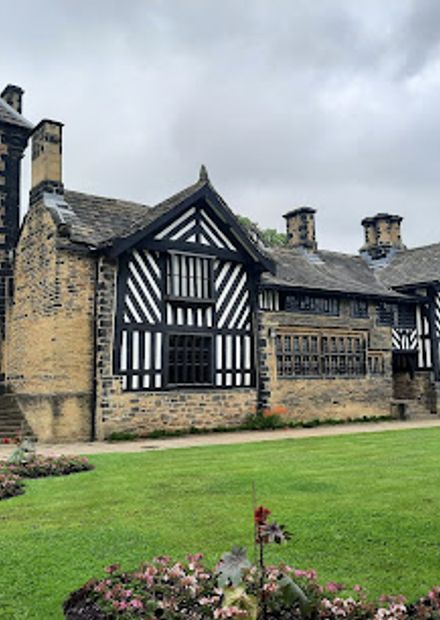
Shibden Hall travel guide
Discover centuries of history and natural beauty at Shibden Hall, a historic manor set in award-winning parkland near Halifax.
Tell me more about Shibden HallMore to explore near Shibden Hall

 Best experiences near Shibden Hall
 Best hotels near Shibden Hall
 Best attractions near Shibden Hall
 Best shops near Shibden Hall
 Best bars near Shibden Hall
 Best restaurants near Shibden Hall
Explore more
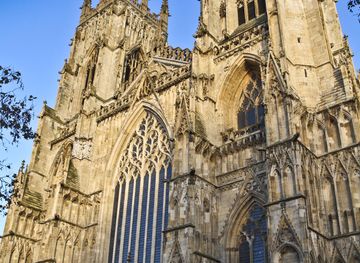
Explore more of Yorkshire
Discover the timeless charm of Yorkshire, where history meets natural beauty and vibrant city life. Perfect for history buffs, nature lovers, and food enthusiasts.
Explore Yorkshire
Getting your guide ready…
We are putting together a fresh copy of the Shibden Hall guide. This can take up to a minute.
This can take a few moments. If your browser asks, choose Allow so the download can start. You'll find the guide in your Downloads folder.
Nothing happened? Download it again
Sorry, the guide is taking longer than usual. Please try again in a minute, or get it by email instead.

