Best Landmarks Near Culloden Tower (Yorkshire)
Planning a trip to Culloden Tower? Discover the best landmarks nearby with history, expert tips, and routes. Free on web or the Evendo app.


The best landmarks near Culloden Tower
- Top rated
- Closest to Culloden Tower
- Price level: low to high
- Time to spend: shortest first
- A–Z
83 landmarks
-
Sculpture4.6★8,299 reviews
Angel of the North
Rising from a former coal-mining hillside near Gateshead, the Angel of the North is a colossal steel sculpture by Antony Gormley. Standing 20 meters tall with a 54-meter wingspan, it has become a powerful symbol of the North East of England. The sculpture is free to visit at any time, with a car park and paths allowing close access. Its outstretched wings frame dramatic skies and sweeping views across the surrounding landscape, making it a deeply atmospheric place for reflection, photography, and quiet contemplation.
Open 24 hoursTime to spend 0.5–2 hrs
-
Shopping Centre4.3★2,819 reviews
The Riverwalk
The Riverwalk in Durham is a vibrant riverside destination offering a blend of shopping, dining, and leisure experiences. Featuring high street and independent retailers, a cinema, gym, and arcade, it overlooks the scenic River Wear and sits close to Durham’s historic landmarks. Open daily with a lively atmosphere, it’s ideal for families, friends, and solo visitors seeking entertainment and relaxation in the heart of the city.
Daily 9:00–24:00Price level $$Time to spend 1–5 hrs
-
Cathedral4.7★2,406 reviews
Ripon Cathedral
Ripon Cathedral, located in the heart of Ripon, North Yorkshire, is a stunning medieval Gothic cathedral with over 1,350 years of history. It features England’s oldest cathedral structure—the Anglo-Saxon crypt dating from 672 AD—alongside magnificent stained glass, intricately carved choir stalls, and a peaceful churchyard. Free to visit, it remains a vibrant place of worship, pilgrimage, and cultural heritage, offering visitors a unique blend of spiritual reflection, architectural grandeur, and literary connections to Lewis Carroll.
Mon–Sat 8:00–18:00 · Sun 8:00–17:00Time to spend 1–3 hrs
-
Bridge4.7★2,240 reviews
Tyne Bridge
Soaring over the River Tyne, the Tyne Bridge is an iconic steel arch bridge linking Newcastle upon Tyne and Gateshead. Completed in 1928 and officially opened by King George V, it has become a defining symbol of Tyneside. With its striking Art Deco towers and sweeping arch, the bridge offers dramatic views of the river, the Quayside, and the surrounding cityscape. It’s free to cross on foot or by vehicle, and its illuminated form at night makes it a must-see landmark in the North East of England.
Open 24 hoursTime to spend 0.5–2 hrs
-
Historical landmark4.8★1,770 reviews
Ribblehead Viaduct
The Ribblehead Viaduct is a striking 19th-century railway viaduct spanning the Ribble Valley in the Yorkshire Dales National Park. With 24 massive stone arches soaring 32 meters high across a 440-yard length, it is a testament to Victorian engineering and human endurance. Visitors can explore the viaduct on easy walking trails, visit the nearby Ribblehead Station Visitor Centre to learn about its history, and enjoy breathtaking panoramic views of the surrounding Dales landscape.
Open 24 hoursTime to spend 1–3 hrs
-
Castle4.5★1,613 reviews
Middleham Castle
Middleham Castle stands as one of England's most historically significant medieval ruins, commanding the landscape of North Yorkshire with its imposing Norman keep. Built in the late 12th century and developed by the powerful Neville family, this fortress became the childhood home of King Richard III and played a pivotal role in the Wars of the Roses. Today, visitors can explore the substantial remains of the great tower, climb spiral staircases to the battlements for panoramic views, and discover artifacts including a replica of the famous Middleham Jewel in the on-site exhibition. The castle's dramatic history—from royal residence to political prison—is brought to life through interpretive displays and the tangible presence of medieval architecture.
Daily 10:00–17:00Price level $Time to spend 1.5–3 hrs
-
Cathedral4.6★1,443 reviews
Newcastle Cathedral
Newcastle Cathedral, formally the Cathedral Church of St Nicholas, stands as a magnificent medieval landmark in the heart of Newcastle city centre. This Grade I listed building, dating from around 1350, is the only cathedral in the UK dedicated to St Nicholas and represents over 900 years of the city's spiritual and cultural heritage. Its iconic lantern tower, constructed in 1448, once guided ships sailing up the River Tyne and remains one of the finest examples of this architectural style outside Scotland. Recently restored with support from the National Lottery Heritage Fund, the cathedral welcomes visitors to explore its rich interior featuring intricate Victorian woodwork, spectacular stained glass windows, monuments to industrial pioneers, and one of England's largest collections of ledger stones. Entry is free, and the cathedral functions as both an active place of worship and a dynamic community hub.
Mon–Fri 8:00–18:00 · Sat–Sun 8:00–17:00Time to spend 1–2 hrs
-
Monument4.5★1,311 reviews
Grey's Monument
Grey's Monument, located at 150 Grainger Street in Newcastle upon Tyne, is a striking 135-foot Roman Doric column crowned with a statue of Charles Grey, 2nd Earl Grey. Erected in 1838, it commemorates Earl Grey’s role as Prime Minister and the passing of the Great Reform Act of 1832, a pivotal moment in British political history. This landmark is a central meeting point and symbol of Newcastle’s civic pride, offering historical significance and a glimpse into the city’s rich heritage.
Open 24 hoursTime to spend 0.5–1.5 hrs
-
Cafe4.4★1,299 reviews
The Tower Cafe Ltd
Nestled within the scenic Leazes Park in Newcastle upon Tyne, The Tower Cafe Ltd offers an inviting and affordable café experience. Renowned for its extensive menu including standout vegan pizzas, this charming spot combines a relaxed park setting with friendly service. Open daily from 10 AM to 6 PM, it caters to families, couples, and solo visitors seeking a casual meal or refreshment amidst greenery.
Daily 10:00–18:00Price level $Time to spend 0.5–2 hrs
-
Tourist attraction4.8★856 reviews
Cauldron Falls
Cauldron Falls, also known as West Burton Falls, is a picturesque 6-meter waterfall cascading into a deep plunge pool on Walden Beck in the village of West Burton, North Yorkshire. Located within the Yorkshire Dales National Park, this easily accessible natural attraction features a distinctive cauldron-shaped pool formed by centuries of water erosion. The falls inspired artist J.M.W. Turner during his travels through the Dales in 1816. A short walk from the charming village green, the site offers opportunities for wild swimming, photography, and peaceful riverside exploration amid stunning moorland scenery.
Open 24 hoursTime to spend 0.5–3 hrs


Kilburn White Horse
The Kilburn White Horse, carved into the limestone hillside of Roulston Scar near Thirsk, North Yorkshire, is England's largest and most northerly turf-cut white horse hill figure. Created in 1857 by local volunteers led by schoolmaster John Hodgson and inspired by southern England’s chalk horses, it measures 318 feet long by 220 feet high. Unlike traditional chalk figures, it rests on grey limestone and requires regular maintenance with chalk chippings and paint to preserve its brilliant whiteness. Visible for miles, it offers spectacular views and a unique blend of history and landscape.
Open 24 hoursTime to spend 0.5–2 hrs

Almscliffe Crag
Almscliffe Crag is a striking Millstone Grit rock outcrop perched atop a small hill near North Rigton, between Leeds and Harrogate in North Yorkshire, England. Renowned for its dramatic silhouette visible for miles, it offers spectacular panoramic views across the Wharfe Valley and surrounding countryside. The crag is a celebrated site for rock climbing, with routes ranging from beginner to expert, and is steeped in folklore and natural history as a designated Site of Special Scientific Interest.
Open 24 hoursTime to spend 1–4 hrs

The Coldstones Cut
The Coldstones Cut is a striking outdoor sculptural landmark located near Bewerley, Harrogate, within the Nidderdale Area of Outstanding Natural Beauty. This unique artwork, carved into the landscape, offers panoramic views and a profound connection between art, nature, and local heritage. Open 24/7 year-round with free admission, it invites visitors to explore its dramatic forms and the surrounding scenic environment.
Open 24 hoursTime to spend 0.5–2 hrs

St. Mary's Cathedral
St. Mary's Cathedral in Newcastle upon Tyne is a stunning Catholic cathedral renowned for its rich history, exquisite stained glass windows, and vibrant community worship. Located on Clayton Street West, it serves as the mother church of the Diocese of Hexham and Newcastle and offers daily masses and a welcoming atmosphere for visitors and worshippers alike.
Time to spend 0.5–2 hrs

Bootham Bar
Bootham Bar is a medieval city gate in York, England, with origins dating back to the 11th century and built atop the Roman fortress’s northwestern gate. This Grade I listed structure features medieval stonework, a portcullis, and statues, reflecting its long history as a defensive gateway, market access point, and symbol of York’s heritage. Visitors can explore its interior chambers and enjoy views of York Minster and the city walls.
Daily 8:00–18:00Time to spend 0.5–1.5 hrs

Prebends Bridge
An elegant 18th-century stone bridge spanning the River Wear in Durham's historic centre. Built between 1772 and 1778 by architect George Nicholson, this Grade I listed structure was deliberately positioned to frame spectacular views of Durham Cathedral and the surrounding wooded riverbanks. Originally serving as a private road for the Dean and Chapter of Durham, it now functions primarily as a pedestrian crossing, offering one of England's most iconic postcard perspectives and serving as a beloved gateway to the cathedral for thousands of visitors annually.
Open 24 hoursTime to spend 0.5–2 hrs

Thornborough Henges
The Thornborough Henges are a remarkable Neolithic monument complex near Ripon, North Yorkshire, comprising three massive circular earthworks each over 200 meters in diameter. Dating from 3500 to 2500 BC, these henges form part of a vast ritual landscape, thought to have served ceremonial, social, and astronomical purposes. Managed by English Heritage and free to visit, the site offers a profound connection to ancient Britain’s prehistoric past.
Open 24 hoursTime to spend 1–2.5 hrs

Denton Hall Turret - Hadrian's Wall
Denton Hall Turret is a historic Roman watchtower built into Hadrian’s Wall, located in the western suburbs of Newcastle upon Tyne. Constructed of large sandstone blocks, it features a stone platform that once supported a ladder to upper floors. This turret, part of a 63-metre surviving section of Hadrian’s Wall, offers a glimpse into Roman frontier defense along the empire’s northern boundary. The site is freely accessible and open during daylight hours.
Open 24 hoursTime to spend 0.5–1.5 hrs

Little Buildings
Tucked away in Newcastle’s Ouseburn Valley, Little Buildings is a beloved live music venue and bar known for its intimate gigs and eclectic atmosphere. With a capacity of around 60, it’s a hub for emerging and established artists, offering a close-up experience of everything from rock and punk to indie and electronic acts. The upstairs bar serves a great selection of craft beers, ciders, spirits, and cocktails, all in a laid-back, friendly setting. While the venue doesn’t serve food itself, excellent options are available nearby, making it a perfect spot for a casual night out centered around great music and good drinks.
Price level $Time to spend 2–6 hrs

Durham Town Hall
A striking Victorian landmark occupying the heart of Durham's Market Place, Durham Town Hall serves as both a historic civic building and a vibrant events venue. Built in the 19th century, this Grade I listed structure showcases impressive architecture and hosts cultural events, exhibitions, and celebrations throughout the year. Open to the public on select days, it remains a focal point for the city's community life and a must-see destination for heritage enthusiasts.
Time to spend 0.8–2 hrs

Framwellgate Bridge
Framwellgate Bridge, Durham’s oldest surviving bridge, dates back to the early 12th century and stands as a testament to medieval engineering and Norman authority. Rebuilt in the 15th century after devastating floods, this stone arch bridge offers iconic views of Durham Cathedral and the River Wear, marking a historic northern entrance to the city and a vibrant stage for centuries of commerce, defense, and local life.
Open 24 hoursTime to spend 0.5–1.5 hrs

Medieval Walls
York’s Medieval City Walls form a 3.4 km (2.1 miles) circuit around the historic city centre, making them the longest medieval town walls in England. Built mainly in the 13th and 14th centuries atop earlier Roman foundations, the walls feature fortified gateways known as bars, towers, and ramparts. Walking the walls offers panoramic views of York’s skyline, including landmarks like York Minster and Clifford’s Tower, and a vivid glimpse into the city’s layered history.
Daily 8:00–21:30Time to spend 1.5–3 hrs

All Saints Church
All Saints Presbyterian Church stands as a remarkable architectural gem on Akenside Hill in Newcastle upon Tyne. This distinctive Georgian church, completed in 1796, features England's only elliptical nave—a unique design by architect David Stephenson that floods the interior with light from twenty-seven strategically placed windows. The magnificent Baroque tower rises prominently above the city skyline, making it the third tallest religious structure in Newcastle. Praised by Poet Laureate Sir John Betjeman as one of the finest English Georgian churches, All Saints combines historical significance with active worship, welcoming visitors and congregants for Sunday services at 10:30 am and 5:00 pm.
Thu 13:00–16:00 · Sun 10:30–12:00, 17:00–18:30Time to spend 0.8–2 hrs

The Black Gate
The Black Gate is a formidable medieval gatehouse built between 1247 and 1250 under King Henry III, forming a fortified barbican entrance to Newcastle Castle. This Grade I-listed structure features original architectural elements including portcullis grooves, guardrooms, and vaulted chambers. Now fully accessible with modern facilities, it houses exhibitions on Newcastle's rich history, a gift shop, and serves as the main entry point to the castle complex. The building showcases centuries of adaptation, from its medieval defensive role to its 19th-century use as residential housing.
Price level $$Time to spend 1.5–3 hrs

St John the Baptist Church
A Grade I listed medieval parish church dating from around 1130, St John the Baptist stands at the corner of Grainger Street and Westgate Road in Newcastle's city centre. This Anglo-Catholic church features a striking low square tower, cruciform layout with aisles, and remarkable interior treasures including 15th-century woodwork, medieval stained glass depicting Newcastle's oldest coat of arms, and carvings by renowned furniture maker Robert 'Mousey' Thompson. Surrounded by modern buildings yet retaining its quiet simplicity, it remains one of three surviving medieval churches in central Newcastle.
Time to spend 0.5–2 hrs

Durham Band Stand
Perched on the riverbanks near Durham Racecourse, this elegant bandstand offers one of the city’s most photogenic views, with the majestic Durham Cathedral rising dramatically across the River Wear. A peaceful green space popular for quiet reflection, picnics, and occasional music, it’s a classic riverside retreat in the heart of Durham. The bandstand is freely accessible and works well as a scenic pause on a riverside walk, especially in good weather when the cathedral and wooded peninsula are at their most striking.
Open 24 hoursTime to spend 0.5–1.5 hrs

Market place
Durham Market Place stands as the historic heart of Durham City, a medieval focal point where centuries of commerce and community life converge. Surrounded by the Victorian Town Hall, the Guildhall, and the Church of St. Nicholas, this vibrant square hosts the acclaimed Durham Indoor Market with over 40 independent traders, plus weekly outdoor markets and seasonal events. Whether browsing artisanal goods, sampling local food, or simply soaking in the atmosphere beneath historic architecture, Market Place offers an authentic slice of Durham's enduring character.
Time to spend 1–3 hrs

St Andrew's Church, Newcastle upon Tyne
St Andrew's Church in Newcastle upon Tyne is a striking Gothic-style parish church built in the 1870s, replacing an earlier chapel from the 1790s. Designed by Thomas Gibson, it features stone construction with ashlar dressings and a slate roof. The church is noted for its elaborate wooden roof, octagonal piers, and historical significance as a center of the Catholic mission in Newcastle. It remains an active place of worship with rich architectural and cultural heritage.
Mon–Fri 10:00–16:00Time to spend 0.5–1.5 hrs

King's Manor - University of York
King's Manor is a Grade I listed Tudor and Stuart style building located in York city centre on Exhibition Square. Originally built between 1483 and 1502 as the abbot’s house of St Mary's Abbey, it later served as the seat of the Council of the North and a royal residence. Now part of the University of York, it houses departments such as Archaeology and Medieval Studies, blending rich historical legacy with academic life.
Mon–Fri 8:00–17:00 · Sat 11:00–17:00Time to spend 1–3 hrs

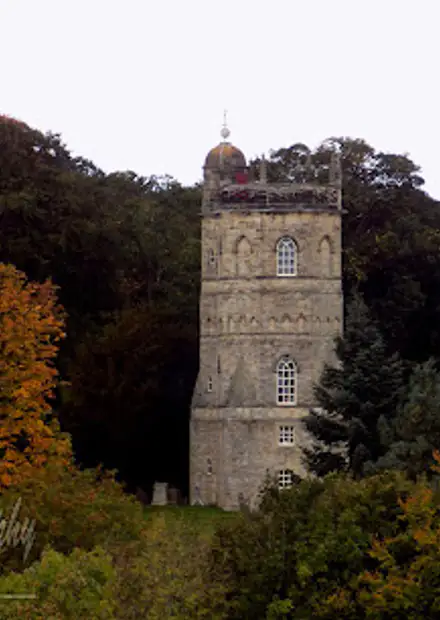
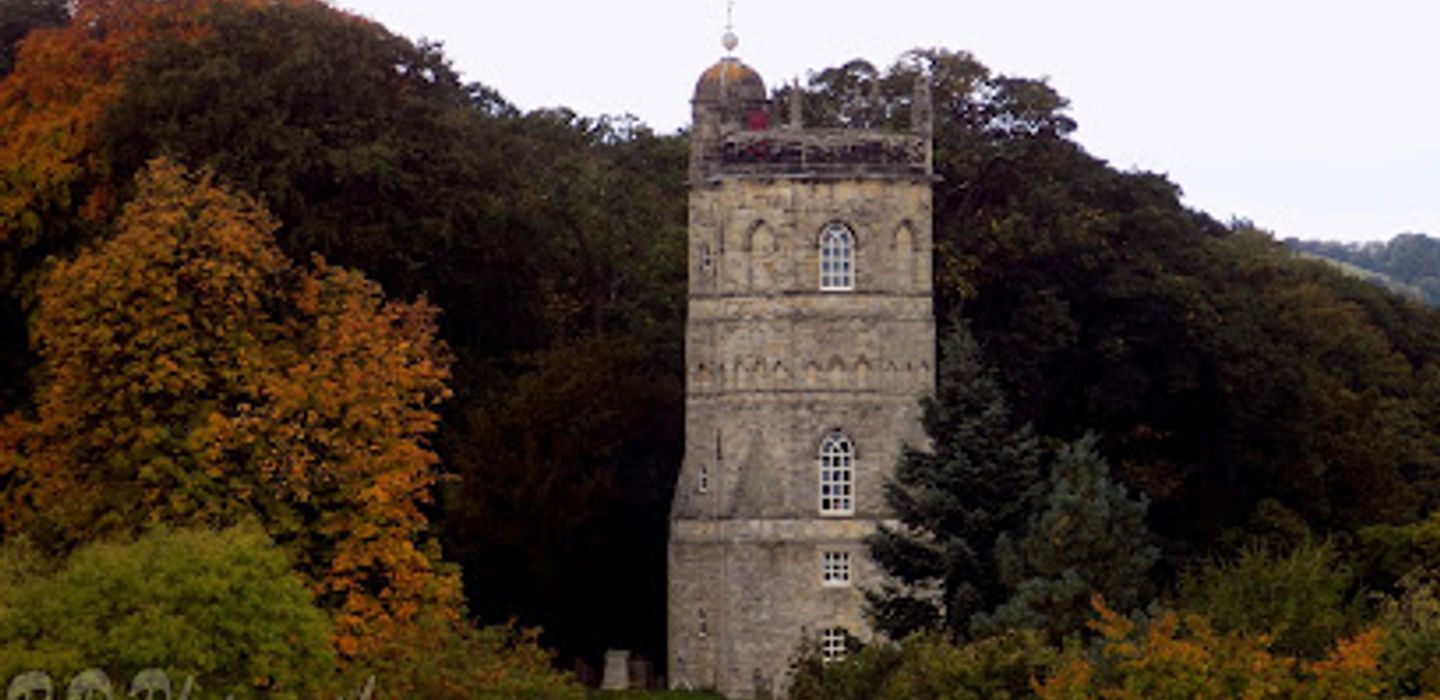
Culloden Tower
Culloden Tower is a charming historic landmark in Richmond, North Yorkshire, now serving as a unique self-catering holiday let managed by the Landmark Trust. This distinctive tower offers cozy accommodation for up to four guests, blending heritage character with modern comforts in the heart of a picturesque market town. Its location provides easy access to Richmond’s scenic riverside, market square, and cultural attractions, making it an ideal base for exploring the Yorkshire Dales.
Price level $$Time to spend 1–3 hrs

Roundhay Castle
Roundhay Castle is a charming early 19th-century folly located within Roundhay Park, Leeds. Originally built as a decorative summerhouse and belvedere by Thomas Nicholson, it features battlemented towers and a central arch, offering panoramic views over the park’s lakes and woodlands. The castle’s rich history and picturesque setting make it a beloved landmark within one of Europe’s largest city parks.
Open 24 hoursTime to spend 0.5–1.5 hrs

The High Level Bridge
The High Level Bridge in Newcastle upon Tyne is a pioneering double-deck road and railway bridge designed by Robert Stephenson and opened in 1849. Spanning the River Tyne, it was the first major bridge to combine rail and road traffic on separate levels, showcasing Victorian engineering innovation. Today, it remains a Grade I listed iconic structure, carrying rail traffic on the upper deck and limited road traffic below, symbolizing Newcastle’s industrial heritage and engineering prowess.
Open 24 hoursTime to spend 0.5–2 hrs

Dalden Tower
Dalden Tower is a historic medieval pele tower ruin located in Dalton-le-Dale near Seaham, England. Dating back to at least the 14th century, it was built by the Norman Escolland family and stands as a testament to the region’s turbulent past. Though the site is locked and access limited, visitors can explore the atmospheric ruins and surrounding grounds, offering a glimpse into medieval defensive architecture just a few kilometers from the North Sea coast.
Open 24 hoursTime to spend 0.5–1.5 hrs

Trinity House
Trinity House in Newcastle upon Tyne is a historic landmark located on Broad Chare, offering visitors a fascinating glimpse into the city's maritime heritage and medieval past. This well-preserved building serves as an exhibition centre showcasing artifacts spanning over 2000 years of local history, making it a cultural gem in the heart of Newcastle's historic quarter.
Thu–Sun 10:00–22:00Price level $Time to spend 1–2 hrs

Chapel Allerton Arts Festival
Chapel Allerton Arts Festival is a vibrant, community-run celebration of the arts held annually in the heart of Chapel Allerton, Leeds. Featuring live music, art stalls, performances, and family-friendly activities, the festival fosters local creativity and brings people together in an inclusive, lively atmosphere. It takes place around Regent Street, showcasing a rich mix of jazz, blues, and other artistic expressions.
Daily 8:00–23:30Price level $$Time to spend 3–6 hrs

Multangular Tower
A striking ten-sided Roman stone tower dating to the early 3rd century AD, the Multangular Tower stands as one of York's most impressive surviving Roman structures. Originally built as a corner defensive tower of the legionary fortress, it showcases distinct layers of Roman masonry at its base and medieval reconstruction above. Located within the scenic Museum Gardens, the tower displays Roman coffins and bears visible scars from the English Civil War, offering visitors a tangible connection to nearly two millennia of York's turbulent history.
Open 24 hoursTime to spend 0.5–2 hrs

King Alfred's Castle
King Alfred's Castle in Moortown, Leeds, is an intriguing 18th-century folly built to evoke the grandeur of ancient castles. Though not an authentic medieval fortress, it stands as a proud landmark symbolizing England's rich historical tapestry and local heritage. Surrounded by urban Leeds, it offers a unique glimpse into the past through its architectural style and cultural significance.
Open 24 hoursTime to spend 0.5–1.5 hrs

Old Library Building
At the heart of Newcastle University’s campus, the Old Library Building is a historic academic landmark that once housed the university’s main library. Now home to the School of Modern Languages and conference spaces, its elegant early 20th‑century architecture and central quadrangle position make it a quiet, scholarly presence amid the modern campus bustle. It’s a place where tradition meets contemporary learning, ideal for visitors interested in university heritage and architecture.
Mon–Fri 8:00–17:00Time to spend 0.5–2 hrs

Durham Viaduct
The Durham Viaduct is a striking 19th-century railway bridge spanning the River Wear in Durham, England. Built in 1856 by architect T.E. Harrison, it features eight impressive arches soaring 40 meters high and stretches 213 meters in length. This Grade II* listed structure carries the East Coast Main Line and offers panoramic views of Durham’s historic cityscape, including the Cathedral and Castle.
Open 24 hoursTime to spend 0.5–2 hrs

St Margaret of Antioch Church
St Margaret of Antioch Church in Durham is a Grade I listed Anglican church with origins dating back to the mid-12th century. It showcases architectural elements from Norman to Victorian eras, including a 12th-century Frosterley Marble font, 14th-century aisles, a 15th-century tower, and 19th-century stained glass. Known for its rich history and vibrant worship tradition, the church remains an active spiritual hub near Durham’s World Heritage site.
Time to spend 0.5–1.5 hrs

Morden Tower
Morden Tower is a historic medieval drum tower built around 1290, located on Back Stowell Street along Newcastle upon Tyne's ancient West Walls. This Grade I listed Scheduled Ancient Monument has evolved into a renowned cultural hub since 1964, hosting poetry readings and experimental music events, largely thanks to custodian Connie Pickard. The tower’s intimate, candlelit upper room has welcomed prominent poets from the Beat and Black Mountain movements, making it a landmark of literary heritage in the North East of England.
Open 24 hoursTime to spend 0.5–1.5 hrs

Newcastle Keep
A formidable Norman fortress rising from the heart of Newcastle, the Castle Keep stands as a 12th-century stronghold where the city's story began. Climb 99 spiral stone steps through four floors of medieval chambers—from the Great Hall and chapel to former prison cells—and emerge onto the rooftop for commanding 360-degree views of Newcastle, the River Tyne, and the iconic Tyne Bridge. Your admission ticket grants unlimited daytime access for a full year.
Price level $Time to spend 1.5–2.5 hrs

Newcastle and District War Memorial
Standing at the heart of Old Eldon Square on Blackett Street, the Newcastle and District War Memorial is a striking Portland stone monument unveiled in 1923 by Field Marshal Earl Haig. Designed by architects Cackett and Burns with bronze sculptures by Charles Hartwell, this Grade I listed memorial commemorates the men of Newcastle who fell in both World Wars. The centerpiece features a majestic equestrian statue of Saint George slaying the dragon, symbolizing the courage of infantrymen and cavalrymen, while four relief panels depict Memory, Peace, Justice, and the sacrifice of war.
Open 24 hoursTime to spend 0.5–2 hrs

River God
The River God is a striking historical statue located on the Quayside in Newcastle upon Tyne, near the River Tyne. Facing away from the river towards its companion statue, the Siren, and the city centre, it embodies the rich maritime heritage of the area. This iconic landmark offers a glimpse into Newcastle's artistic and cultural past, making it a must-see for visitors exploring the waterfront.
Open 24 hoursTime to spend 0.5–1.5 hrs

Blackfriars Medieval Friary
Blackfriars is a Grade I listed 13th-century Dominican friary in Newcastle's city centre, established in 1239. Once one of the largest friaries in the United Kingdom, it remains the only surviving medieval friary in Newcastle. Today, the restored cloister buildings house craft workshops, a celebrated restaurant, and a cloister garden, preserving centuries of history within its cobbled courtyard.
Price level $$Time to spend 0.5–3 hrs

King's Gate
King's Gate is Newcastle University's modern administrative and student services hub, located prominently on Barras Bridge in the city centre. This five-storey building, completed in 2009, serves as the university's 'front door' with a striking glazed façade framed by natural sandstone cladding. Housing student services, admissions, careers, accommodation, and finance offices, it provides a unified space for essential university functions. The building's contemporary design features solar shading louvers and illuminated glass that transforms by night, seamlessly integrating into Newcastle's urban streetscape.
Mon–Fri 9:00–17:00Time to spend 0.5–2 hrs

Robin Hood Tower
Robin Hood Tower is a striking Victorian-era defensive tower situated on York’s ancient city walls near Monkgate. Built in 1888–89 as a replacement for a ruined medieval tower, it features distinctive cruciform arrow slits and an embattled parapet. The tower offers scenic views along the walls and glimpses of York Minster, embodying York’s layered history from medieval fortifications to Victorian restoration.
Daily 8:00–18:00Time to spend 0.5–1.5 hrs

Castle Wall Well
The Castle Wall Well in Newcastle upon Tyne is a historic medieval defensive structure dating back to the 13th and 14th centuries. Once part of an extensive town wall system built to protect the city from Scottish invasions, it stands as a testament to Newcastle’s turbulent history and strategic importance. Visitors can appreciate its robust stone construction and imagine the vital role it played in defending the town during centuries of conflict.
Open 24 hoursTime to spend 0.5–1.5 hrs

Blacksmiths Needle
The Blacksmith's Needle is a striking 7.6-meter conical steel sculpture located on Newcastle's Quayside. Crafted by the British Artist Blacksmiths Association, it features six intricately layered sections representing the five senses plus a mysterious sixth sense, all woven into a maritime theme with mermaids, bells, shells, and sea creatures.
Time to spend 0.2–1 hr

Durham Tower
Durham Tower is a striking medieval remnant of Newcastle’s 13th-century town wall, standing proudly on W Walls. This semi-circular stone tower, with its vaulted roof and narrow window loops, offers a tangible link to the city’s fortified past. Easily accessible and free to view, it’s a quiet historical gem in the heart of the city, perfect for a brief, atmospheric stop while exploring Newcastle’s heritage.
Time to spend 15–30 min

1914 Monument
One of Britain's most striking war memorials, The Response 1914 stands in the public gardens north of St Thomas the Martyr Church on Barras Bridge in Newcastle. This Grade I listed sculptural monument, created by renowned artist William Goscombe John and unveiled in 1923, depicts soldiers and recruits responding to the call to arms during the First World War. The bronze and granite composition captures the emotional intensity of 1914, with figures in uniform and civilian dress, families saying goodbye, drummer boys leading the charge, and an angel sounding a trumpet overhead. Commissioned by Sir George and Lady Renwick in gratitude for their sons' safe return and in recognition of the sacrifice of others, this powerful memorial remains a poignant tribute to courage and loss.
Time to spend 0.5–1.5 hrs

The Response - Renwick War Memorial
The Response is a striking Grade I listed war memorial located in the gardens by Newcastle Civic Centre near Barras Bridge. Created by Sir W. Goscombe John, it commemorates the raising of several battalions of the Northumberland Fusiliers during the First World War. The memorial features a dramatic bronze group of soldiers, civilians, and symbolic figures mounted on a granite screen, capturing the spirit and patriotic fervor of 1914.
Time to spend 0.5–1.5 hrs

Lord Armstrong Memorial
The Lord Armstrong Memorial is a distinguished bronze statue set on a sandstone pedestal outside the Great North Museum in Newcastle upon Tyne. It commemorates Lord William Armstrong, a pioneering industrialist and inventor renowned for his hydraulic engineering innovations, including the Swing Bridge and the Armstrong Gun. The memorial includes detailed bronze reliefs depicting his engineering achievements and stands as a tribute to his lasting impact on Newcastle’s industrial heritage and public institutions.
Time to spend 0.2–1 hr

Exhibition Square
Exhibition Square is a historic pedestrian plaza in the heart of York's city centre, surrounded by Georgian and Victorian architecture. Created in 1879 following the success of York's first Art and Industrial Exhibition, the square serves as a cultural hub and gathering point. It features the York Art Gallery, King's Manor, and a statue of local artist William Etty, with fountains and mature trees creating a pleasant urban environment. The square is car-free and positioned adjacent to Bootham Bar, one of York's medieval city gates.
Time to spend 0.5–2 hrs

Anglian Tower
The Anglian Tower in York is a rare surviving example of non-ecclesiastical Anglo-Saxon stone architecture in Britain. Built into the Roman city walls, this small, roughly 4.5-meter-high tower likely served as a watchtower or defensive post with arched doorways for sentries. Its exact age is debated, with construction estimates ranging from the late Roman period to the 9th century Viking era. Rediscovered in the 19th century and excavated in the 20th, it stands as a unique historical monument reflecting York’s layered past.
Time to spend 0.2–1 hr

Durham Obelisk
A hidden 90-foot sandstone tower built in 1850 by local philanthropist William Lloyd Wharton, the Durham Obelisk once served as an astronomical marker for Durham University's observatory. Now largely obscured by dense woodland, this forgotten monument peeks through the trees as a ghostly reminder of the university's early scientific ambitions. Accessible from Wharton Park with views also possible from The Jubilee Walk and Durham Cathedral.
Time to spend 0.5–2 hrs

Milner Field Manor Ruins
Milner Field Manor Ruins, located on Higher Coach Road near Bingley, West Yorkshire, are the remains of a grand Victorian mansion built between 1871 and 1873 for Titus Salt Jr., son of the famous industrialist Sir Titus Salt. Once a lavish estate with royal visits, the mansion fell into decline after a series of tragic deaths and was abandoned by the 1930s. Today, the ruins lie hidden in woodland, with remnants like the conservatory floor and cellar vaults offering a haunting glimpse into its opulent past.
Open 24 hoursTime to spend 1–2.5 hrs

Mermaid
The Mermaid is a captivating historical landmark located at 100 Quayside, Newcastle upon Tyne. Nestled along the vibrant River Tyne waterfront, it reflects the area's rich maritime heritage and industrial past. Surrounded by iconic bridges and lively cultural spots, the Mermaid offers visitors a glimpse into Newcastle's storied relationship with the river and its regeneration into a thriving arts and leisure district.
Time to spend 0.5–2 hrs

Lakeside Bandstand
The Lakeside Bandstand is a charming historical landmark nestled within Roundhay Park, one of Europe's largest urban parks in Leeds. Set beside the picturesque Waterloo Lake, this open-air bandstand hosts musical performances and community events, offering visitors a serene spot to enjoy culture amid lush parkland. Its setting reflects the rich history and natural beauty of Roundhay, a park dating back to the Norman era and famed for its lakes, gardens, and recreational spaces.
Time to spend 0.5–2 hrs

Upper Lakeside Bandstand
The Upper Lakeside Bandstand is a historic and charming landmark nestled in the expansive Roundhay Park in Leeds. This beautifully crafted bandstand offers a peaceful setting beside the lake, where visitors can enjoy cultural events, live music, and the scenic beauty of the park’s natural surroundings. A symbol of Victorian-era leisure and community spirit, it remains a focal point for relaxation and entertainment in one of Leeds’ most beloved green spaces.
Time to spend 0.5–3 hrs

Petergate House
Petergate House, located at 11 High Petergate in York, is a distinguished Grade II* listed early 18th-century townhouse, serving as the rectory to the York Oratory Church of Saint Wilfrid. This historic building stands amidst York’s medieval streets, blending rich Georgian architecture with the vibrant spiritual life of the Oratorians. The adjacent York Oratory, housed in the Gothic Revival St Wilfrid’s Church completed in 1864, offers a deeply rooted Catholic heritage with daily Masses and cultural activities, making this site a unique fusion of history, faith, and community in the city center.
Time to spend 0.5–2 hrs

Herber Tower
Herber Tower is a late 13th-century semi-circular drum tower, part of Newcastle’s medieval town walls. Located at the west angle of the surviving wall section near Stowell Street, it stands as a well-preserved example of the city’s defensive architecture. Once restored and used as a meeting place by the Company of Armourers, Curriers and Feltmakers, it now forms part of a Grade I listed historic ensemble with Morden and Ever Towers, offering a tangible link to Newcastle’s medieval past.
Time to spend 15–45 min

Black Friars Postern Gate Plaque
The Black Friars Postern Gate Plaque marks the historic site of a medieval gateway built in 1280 for the Dominican friars, known as Blackfriars, in Newcastle upon Tyne. It commemorates the friars’ access to their gardens beyond the town walls and reflects the rich heritage of the area, linking to the extensive town walls and the legacy of the Blackfriars friary, one of the city’s oldest medieval religious sites.
Open 24 hoursTime to spend 0.2–1 hr

A Hadrian's Wall Milecastle Plaque
Embedded in the wall of a modern building on Westgate Road, this small black plaque marks the site of Milecastle 4, a Roman fortified gate that once stood on Hadrian’s Wall in Newcastle upon Tyne. Uncovered in 1985, the stone foundations of this 2nd-century milecastle lie beneath the Newcastle Arts Centre, offering a quiet but powerful reminder of the city’s deep Roman roots. It’s a subtle yet evocative stop for history lovers exploring the city centre.
Time to spend 15–30 min

Quayside
Quayside is a vibrant riverside area along the River Tyne, spanning Gateshead and Newcastle. Renowned for its iconic bridges like the Tyne Bridge and Gateshead Millennium Bridge, it blends rich industrial heritage with modern cultural landmarks such as the Baltic Centre for Contemporary Art and Sage Gateshead. The lively waterfront offers scenic views, bustling markets, and a dynamic atmosphere that celebrates both history and contemporary urban life.
Time to spend 1–4 hrs

The Custom House Plaque
Located on Newcastle's historic Quayside, The Custom House Plaque marks the site of the original 1766 Custom House where duties were collected from ships docking at the Port of Newcastle. This landmark commemorates the city's rich maritime and commercial heritage, symbolizing Newcastle's pivotal role in trade and shipping along the River Tyne.
Time to spend 15–30 min

William Coulson Monument
The William Coulson Monument in Newcastle upon Tyne honors Colonel William Lisle Blenkinsopp Coulson, a pioneering humanitarian and animal rights advocate. Situated on Horatio Street near the River Tyne, this bronze bust atop a pink granite plinth features drinking troughs for animals and humans, symbolizing Coulson’s lifelong dedication to protecting the vulnerable. Originally unveiled in 1914, the monument has been relocated several times and remains a poignant tribute to one of Newcastle’s noblest sons.
Open 24 hoursTime to spend 0.2–1 hr

St Aidan and St Cuthbert Stonework
A remarkable collection of medieval stone carvings in Newcastle upon Tyne depicting two pivotal figures of early Northern English Christianity. Located near the Quayside, this stonework showcases intricate artistic craftsmanship and serves as a tangible connection to the 7th-century missionary work that transformed the spiritual landscape of Northumbria. The carvings reflect the artistic heritage and religious significance of Saints Aidan and Cuthbert, whose legacies shaped the region's cultural identity for over thirteen centuries.
Time to spend 0.5–2 hrs

Newcastle city walls
The Newcastle Town Walls are a remarkable medieval defensive structure built during the 13th and 14th centuries to protect the town from Scottish invasion. Stretching approximately 3 kilometres around the medieval city, these stone fortifications once featured six main gates, seventeen towers, and numerous turrets. Today, substantial sections remain visible, particularly along the West Walls near Chinatown and on the eastern side, offering visitors a tangible connection to Newcastle's turbulent medieval past and its strategic importance as a border stronghold.
Open 24 hoursTime to spend 1–3 hrs

The Guildhall
The Guildhall in Newcastle upon Tyne is a Grade I listed historic civic building dating back to the mid-17th century. Featuring a neo-Grecian eastern remodelling and classical facades, it stands as a testament to Newcastle’s rich mercantile and judicial heritage. Located near the Quayside, it offers visitors a glimpse into the city’s medieval guilds and architectural evolution.
Price level $Time to spend 0.5–2 hrs

Ludworth Tower
Ludworth Tower is a rare surviving pele tower in County Durham, England, dating to the early 15th century. Built initially by the de Ludworth family and later expanded by the Holden family in 1411, this rectangular stone fortification stands as a testament to the region's medieval defensive architecture. Located near Shadforth village, the tower's weathered remains offer insight into the fortified dwellings that once protected northern English landowners during turbulent times.
Open 24 hoursTime to spend 0.5–1.5 hrs

Dog & Bicycle Sculpture
A striking bronze sculpture featuring a dog and bicycle stands along the A177 near Durham, North East England. This public art installation captures a moment of whimsy and movement, inviting visitors to pause and engage with its playful composition. Accessible year-round and free to visit, the sculpture has become a beloved landmark for walkers and travelers passing through the region, offering a unique photo opportunity amid the countryside landscape.
Open 24 hoursTime to spend 0.2–1.5 hrs

Maiden Castle Earthwork
Maiden Castle in Durham is an Iron Age promontory fort featuring extensive earthworks, including a wide rampart and ditch system, set on a wooded hill overlooking the River Wear. Though largely wooded today with no visible surface occupation, its defensive structures reveal a complex history of construction phases from prehistoric to medieval times, making it a significant archaeological and historical landmark.
Open 24 hoursTime to spend 1–2.5 hrs

Durham
Durham Cathedral, a UNESCO World Heritage Site in northeast England, is a stunning example of Norman Romanesque architecture built between 1093 and 1133. Home to the relics of St Cuthbert and the Venerable Bede, it offers breathtaking vaulted ceilings, medieval cloisters, and a towering central spire with panoramic views. Visitors can explore its rich history, art, and monastic heritage, all within the atmospheric cityscape of Durham.
Time to spend 1–3 hrs

Elvet Bridge
Elvet Bridge is a remarkable medieval masonry arch bridge spanning the River Wear in Durham, England. Built between the 12th and 13th centuries, it connects Durham’s historic peninsula with the Elvet area. This Grade I listed structure is renowned for its rich history, architectural evolution, and intriguing legends. Once featuring chapels and a prison, today it serves as a pedestrian thoroughfare and a vivid symbol of Durham’s medieval heritage within its UNESCO World Heritage Site.
Time to spend 0.5–1.5 hrs

Maiden's Bower
Maiden's Bower is a well-preserved Bronze Age round cairn located within Flass Vale Nature Reserve near Durham, England. This scheduled monument stands as a testament to prehistoric burial practices and local history, situated on a ridge overlooking the valley. Surrounded by woodland and grassland habitats, the site offers a tranquil glimpse into ancient times and the natural environment of the area.
Open 24 hoursTime to spend 0.5–1.5 hrs

REMAINS OF FORMER KIRBY HALL
The remains of Kirby Hall in Little Ouseburn, near York, mark the site of a once grand 18th-century mansion renowned for its architectural splendor and historical significance. Though largely demolished in the early 20th century, the estate’s legacy endures through the impressive Thompson Mausoleum and surviving gatehouse, reflecting the wealth and influence of the Thompson family in North Yorkshire’s history.
Time to spend 0.5–2 hrs

11 Waterloo St
11 Waterloo Street stands as a striking example of Newcastle's architectural evolution, blending Victorian industrial heritage with contemporary urban design. Located in the heart of the city centre, this distinctive building reflects the transformative changes that have reshaped Waterloo Street since the early 19th century. The structure showcases the fusion of historic character and modern sensibility that defines Newcastle's evolving cityscape, making it a notable landmark for those exploring the city's architectural diversity and urban regeneration.
Time to spend 0.5–2 hrs

Richard Grainger Memorial Fountain
The Richard Grainger Memorial Fountain in Newcastle upon Tyne is a historic pink and grey granite fountain and horse trough, erected in 1892 to honor Richard Grainger, a key 19th-century builder who shaped the city’s iconic Neoclassical architecture. Located on Waterloo Street, this elegant memorial reflects Grainger’s lasting legacy in the redevelopment of Newcastle’s city center, including Grainger Town and Grainger Market.
Time to spend 0.2–1 hr

Castle Garth
Newcastle Castle stands as a Grade I listed medieval fortress in the heart of Newcastle upon Tyne, comprising two surviving structures: the imposing 12th-century Keep and the 13th-century Black Gate. Built on a site with roots stretching back to Roman times, this Norman stronghold has witnessed nearly a thousand years of English history, from its foundation by Robert Curthose in 1080 through the English Civil War. Today, visitors explore ancient passageways, climb to panoramic rooftop views, and discover the turbulent stories of medieval life within these enduring stone walls.
Price level $$Time to spend 1.5–3 hrs

Grainger St
Grainger Street is one of Newcastle's most iconic thoroughfares, forming the heart of the historic Grainger Town district. Built between 1824 and 1841 as part of developer Richard Grainger's ambitious urban redevelopment, this elegant neo-classical street connects the city centre to Newcastle Central Station. Home to the Grade I listed Grainger Market—a vibrant indoor marketplace established in 1835 with over 100 independent traders—plus historic arcades, period architecture, and diverse shopping and dining options, Grainger Street remains a vital commercial and cultural hub.
Price level $Time to spend 1.5–4 hrs

Grey St
Grey Street is Newcastle's most celebrated thoroughfare, a sweeping curve of neoclassical elegance built between 1837 and 1839 by developer Richard Grainger and architect John Dobson. This Grade I listed street descends gracefully from Grey's Monument toward the Tyne, lined with refined Georgian facades, independent shops, and the Theatre Royal. Often described as one of England's finest streets, Grey Street embodies 19th-century urban ambition and remains the cultural and commercial heart of Grainger Town.
Time to spend 0.5–3 hrs

Claremont Tower
The Henry Daysh Building, formerly known as Claremont Tower, stands as a prominent modernist structure at the heart of Newcastle University's campus. Built in 1968 and refurbished in 2020, this multi-story faculty building houses the Humanities and Social Sciences Faculty, the School of Geography, Politics and Sociology, and School X. Named after Professor Henry Daysh, an influential geographer who led the department from 1930 to 1966, the building serves as an academic and administrative hub for thousands of students and staff annually.
Mon–Fri 9:00–17:00Time to spend 0.5–3 hrs
Explore Culloden Tower on the map
A handpicked selection of must-see spots near Culloden Tower, mapped for you.
More about Culloden Tower
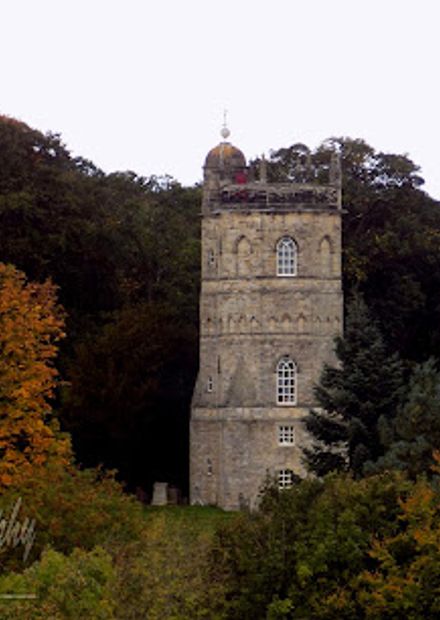
Culloden Tower travel guide
Historic Culloden Tower in Richmond offers a romantic retreat with stunning views, Gothic-Classical architecture, and a unique self-catering experience.
Tell me more about Culloden TowerMore to explore near Culloden Tower

 Best experiences near Culloden Tower

 Best hotels near Culloden Tower

 Best attractions near Culloden Tower

 Best shops near Culloden Tower

 Best bars near Culloden Tower

 Best restaurants near Culloden Tower
Explore more
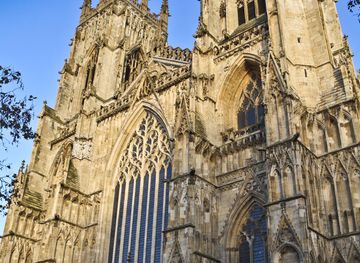
Explore more of Yorkshire
Discover the timeless charm of Yorkshire, where history meets natural beauty and vibrant city life. Perfect for history buffs, nature lovers, and food enthusiasts.
Explore Yorkshire
Getting your guide ready…
We are putting together a fresh copy of the Culloden Tower guide. This can take up to a minute.
This can take a few moments. If your browser asks, choose Allow so the download can start. You'll find the guide in your Downloads folder.
Nothing happened? Download it again
Sorry, the guide is taking longer than usual. Please try again in a minute, or get it by email instead.