
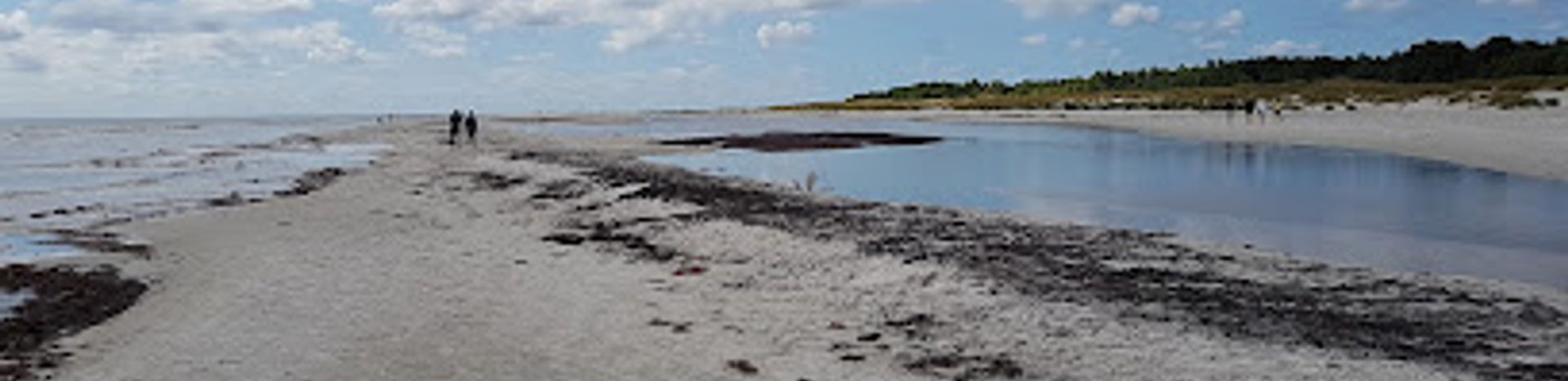
Dueodde Strand
Fine white sand, whispering pines and a vast Baltic horizon meet at Bornholm’s southern tip, where Dueodde Strand stretches for kilometres of tranquil, windswept coast.
Dueodde Strand, on the southern tip of Bornholm near Nexø, is one of Denmark’s most celebrated beaches, famed for its ultra-fine, white sand once used in hourglasses. Backed by fragrant pine forest and high dunes, the shoreline stretches for kilometres along the Baltic Sea with clear, shallow water ideal for wading and family swimming. Boardwalks thread through the protected dune landscape, making it easier to reach the broad beach and find a quiet, sheltered hollow away from the breeze.
A brief summary to Dueodde Strand
- Krogegårdsvejen 7, Nexø, 3730, DK
- Duration: 1 to 6 hours
- Free
-
 Outdoor
- Mobile reception: 4 out of 5
Local tips
- Bring a windproof layer, even on sunny days; the open southern exposure means breezes can feel cooler than the air temperature suggests.
- Use the wooden boardwalks and marked paths through the dunes to protect the fragile sand and grasses and to make walking easier with strollers.
- Pack food and plenty of water if you plan a full beach day, as options near the main car parks are seasonal and limited in choice.
- If you enjoy photography, visit early morning or late afternoon when low light emphasises dune contours and the sand’s pale tones.
- Check local information about swimming conditions and currents; although the shallows are generally gentle, weather can change quickly on this exposed coast.

For the on-the-go comforts that matter to you
- Restrooms
- Drink Options
- Drinking Water
- Food Options
- Seating Areas
- Picnic Areas
- Trash Bins
- Information Boards
Getting There
-
Bus from Nexø
From central Nexø, regional buses run towards Dueodde with a journey time of roughly 20–30 minutes, depending on the route and stops. Services are more frequent in summer and reduced outside the main season, so checking the timetable in advance is essential. Tickets are typically priced in the low double-digit Danish kroner range per adult for a single journey, and buses stop near the main beach access, minimizing walking on uneven terrain.
-
Car from Rønne town and ferry terminal
Driving from Rønne to Dueodde usually takes about 35–45 minutes via the island’s main roads. The route is straightforward and paved throughout, and standard cars are sufficient. Parking near the beach is generally free or low-cost, but spaces closest to the main boardwalk fill quickly on hot summer days. In peak weeks it is wise to arrive early or later in the afternoon to avoid the busiest period and to allow extra time for walking from more distant parking areas.
-
Cycling from nearby coastal villages
Dueodde is linked to surrounding holiday areas such as Snogebæk and Balka by relatively flat local roads and signed cycle routes, making it realistic to reach the beach by bike in around 20–40 minutes from these villages. Surfaces are mostly paved or well-compacted, but short stretches through forest can be sandy and less suitable for very narrow tyres. There is no charge to use the cycle paths, and bicycles can usually be left at informal racks or railings near the main entrances to the dunes.
-
Walking from local holiday cottages
If you are staying in one of the nearby cottage or campsite areas, plan on a 15–40 minute walk through pine forest and low dunes to reach the main stretch of Dueodde Strand, depending on your starting point. Terrain varies from firm paths and boardwalks to softer sand, which can be tiring for those with limited mobility. Walking is of course free, but sturdy footwear and a small backpack for water and layers will make the approach more comfortable in changing coastal weather.
Dueodde Strand location weather suitability
-
 Clear Skies
-
 Hot Weather
-
 Cold Weather
-
 Mild Temperatures
-
 Windy Conditions
-
 Any Weather
Discover more about Dueodde Strand
Bornholm’s southern edge of sand and sea
Dueodde Strand occupies the far southern tip of Bornholm, where the island seems to dissolve into a wide, pale ribbon of sand and the flat horizon of the Baltic Sea. Here the landscape feels spacious and open, with sky and sea meeting above a beach that runs for many kilometres in both directions. The light is often bright and clear, bouncing off the sand and water to create that classic northern beach atmosphere: big skies, long views and a constant, gentle roar of the surf. The shoreline itself changes character along its length, from narrower stretches near holiday cottages to a broad central section where the dunes open into an almost desert-like expanse. Even on busy summer days it is usually possible to walk a little further along the water’s edge and find your own patch of sand, framed by dune grass and low, wind-bent pines.Legendary sand and shifting dunes
Dueodde is best known for the extraordinary quality of its sand: ultra-fine, soft and bright white, so delicate that it was once used to fill hourglasses. Underfoot it feels almost powdery, squeaking slightly as you walk, and it blows easily into ripples and ridges that the wind reshapes from week to week. The dunes rise in gentle waves behind the beach, some reaching impressive heights with wide views over the sea. Historically, this wide sandy belt was a restless landscape. Drifting sand threatened nearby farmland until extensive planting of pine and hardy dune grasses in past centuries helped to stabilise the area. Today, much of the terrain behind the beach is protected, with boardwalks and wooden ramps guiding visitors over the most fragile sections so that the dunes and vegetation can continue their slow, natural movement.Pine forest, boardwalks and sheltered hollows
Between the car parks and the open shore, a belt of pine and spruce offers a fragrant transition zone from forest to sea. Long wooden walkways snake through the trees and dunes, making the approach to the beach part of the experience. The air here is a mix of resin, salt and warm sand, and shafts of sunlight fall between the trunks onto patches of heather and moss. At the widest part of the beach, low dunes and sandy hollows create natural windbreaks. These pockets offer shelter on breezier days and a sense of privacy even when others are nearby. The combination of easy paths, shady forest and expansive sand makes Dueodde suitable for both slow, contemplative walks and full days stretched out by the water with a picnic and a book.Clear shallows and Baltic horizons
The Baltic Sea at Dueodde is typically clear, with sandbars creating large areas of shallow water near the shore. This gently shelving seabed means long stretches of knee-deep water perfect for paddling, splashing and relaxed bathing. A few steps further out, deeper channels provide space for confident swimmers and for simple water play when the weather is warm. On calm days the sea can appear almost glassy, turning turquoise over the pale bottom, while windier conditions bring low waves that roll rhythmically onto the sand. The openness of the southern horizon gives the beach a distinctly maritime feel, particularly in the evening when the light softens and the sky reflects on the wet shoreline.Lighthouse, wartime relics and coastal stories
Close to the beach stands the tall Dueodde lighthouse, a prominent white tower that serves as a landmark along the coast. It rises above the pine canopy, signalling the island’s southern tip to ships at sea and offering a dramatic backdrop to walks through the dune landscape. Around the wider area, remnants of Second World War fortifications lie hidden among the trees, hints of a time when this quiet shore was strategically important. Together, the beach, dunes, forest and coastal structures create a layered sense of place: a natural playground shaped by wind and water, a navigational point for seafarers and a landscape that has quietly witnessed centuries of Baltic history. Dueodde Strand is as much about this subtle depth as it is about sun, sand and swimming.Slow beach days and seasonal moods
In high summer, Dueodde lends itself to long, languid days: spreading a towel in a sheltered hollow, wandering to the water for a dip, then retreating to the shade of the pines when the sun is highest. The fine sand is ideal for small-scale sand sculptures and simple beach games, while the long shoreline invites gentle strolls at any pace. Outside the main season, the character changes. On clear spring mornings and crisp autumn afternoons, the beach feels wide and almost empty, perfect for reflective walks accompanied only by the sound of the waves and the wind in the dune grass. Even in winter, when the air is sharp and the sea steely, the combination of forest, dunes and open water gives Dueodde a quiet, elemental beauty that rewards those who seek a more contemplative coastal experience.Iconic landmarks you can’t miss

Snogebæk Havn
3.0 km
Bornholm's easternmost harbor where fishing tradition, artisan culture, and pristine beaches converge.
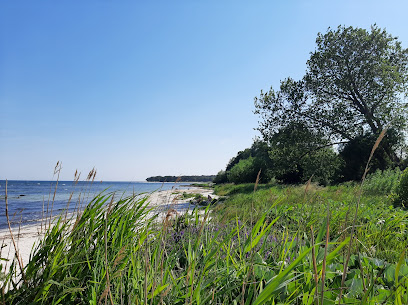
Geografisk knudepunkt
6.3 km
Where latitude and longitude meet: Denmark's geographic heart on the Bornholm coast.
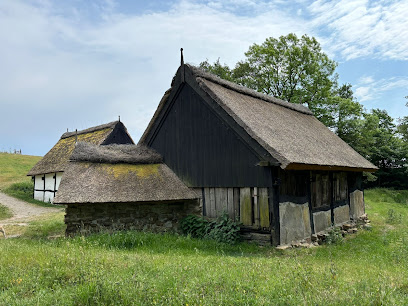
Midterpilt
10.2 km
A modest stone cairn marking the highest point of Paradisbakkerne, Midterpilt is a quiet waypoint on Bornholm’s wildest woodland and heathland hiking routes.
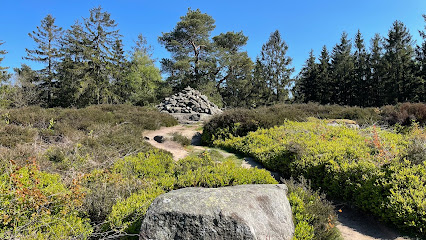
Klintebakken
13.8 km
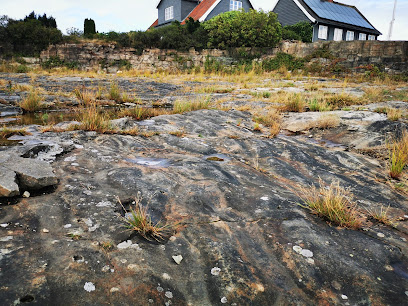
A billion-year geological journey where ancient granite meets younger sandstone at Bornholm's most scientifically significant fault line.
Louisenlund
15.1 km
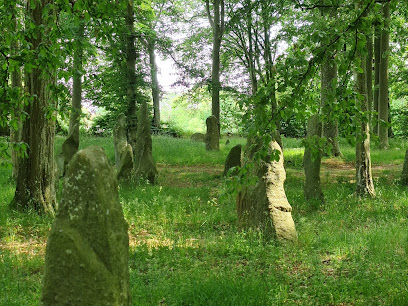
Over 50 ancient standing stones in a mystical woodland setting, revealing Bornholm's Neolithic ritual landscape.
Melsted Havn
23.7 km
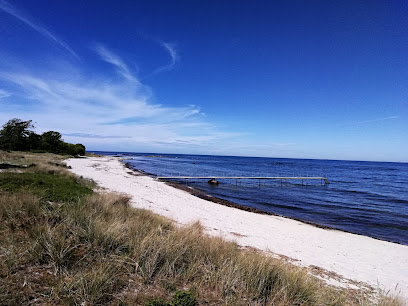
An authentic 1884 granite harbour preserving Bornholm's fishing heritage between protective skerries.
Slemmegrav
26.9 km
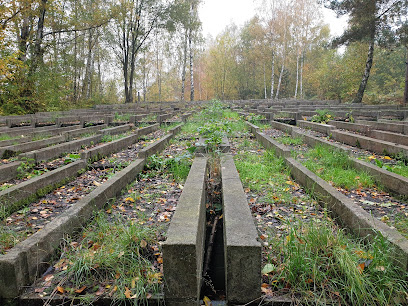
Explore the rich history and stunning architecture of Slemmegrav, a hidden gem in Rønne, Denmark, perfect for history lovers and nature enthusiasts.
Bornholms Ø-arkiv
27.3 km
Bornholm's premier archive preserving centuries of island genealogy and local history.
Asylcenter Rønne & Segen
27.4 km
Experience community living at Asylcenter Rønne & Segen, a unique apartment-style accommodation in beautiful Bornholm, Denmark.
Den russiske bjørn
27.7 km
Explore the enchanting Den russiske bjørn in Rønne, a unique tourist attraction steeped in local culture and history, perfect for memorable experiences.
Ronne Lighthouse
27.8 km
A slender white cast-iron lighthouse above Rønne’s harbour, once a vital guiding light and now a simple, elegant symbol of Bornholm’s maritime gateway.
Destination Bornholm ApS
28.2 km
Discover the enchanting Danish island of Bornholm, where stunning landscapes meet rich cultural traditions and unforgettable experiences await.
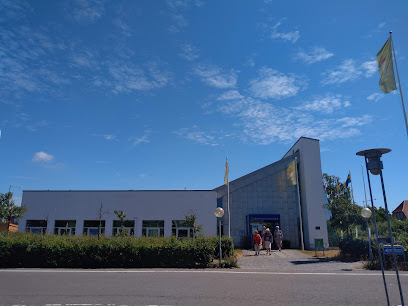
Vang Pier
35.8 km
Granite monument and sandy beach where Bornholm's industrial past meets modern recreation.
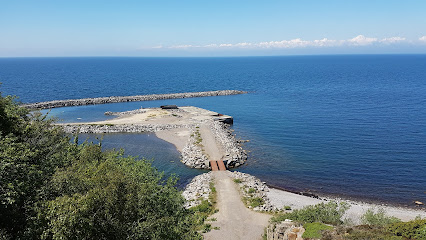
Domen
36.5 km
Geometric wooden dome on Allinge’s seafront, blending Baltic views, Folkemødet history and flexible cultural life in one striking, light-filled shell.
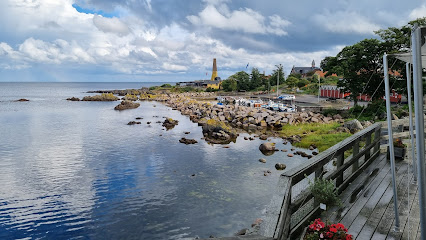
Madsebakke
36.8 km
Northern Europe's most significant Bronze Age rock carving site, revealing 3,000 years of sacred ritual and symbolic expression.
Unmissable attractions to see

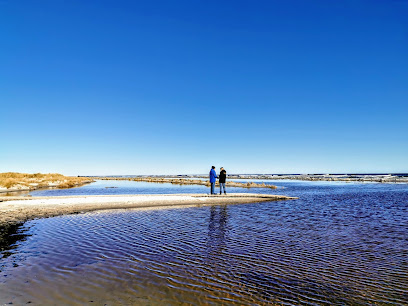
Dueodde
1.0 km
Bornholm’s southern tip of sugar-fine sand and shallow, clear Baltic waters, framed by pine forest, dunes, a towering lighthouse and quiet wartime relics.
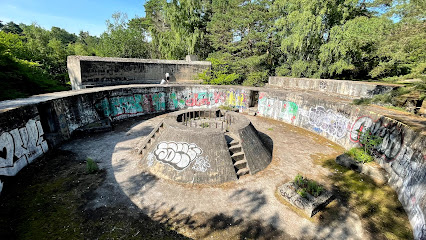
Kanonstilling G3
1.1 km
Explore Kanonstilling G3 in Nexø, a preserved WWII coastal artillery site offering historical insights and stunning Bornholm coastal views.
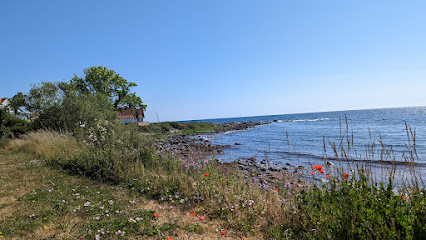
Bornholmertarnet
1.6 km
Former top-secret NATO listening post turned Cold War museum, crowned by a 70 m viewing tower with sweeping panoramas over Dueodde and eastern Bornholm.
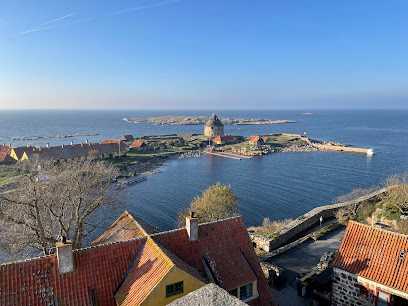
Dueodde Fyr
1.9 km
Denmark’s tallest lighthouse, rising above Dueodde’s white dunes and Baltic horizons, offering sweeping views, coastal nature and a modern chapter of Bornholm’s maritime story.
Dueodde, Bornholms sydligste punkt
2.1 km
Vast white dunes, ultra-fine sand and a towering lighthouse meet at Bornholm’s southern tip, where forest and Baltic Sea blend into one luminous coastal landscape.
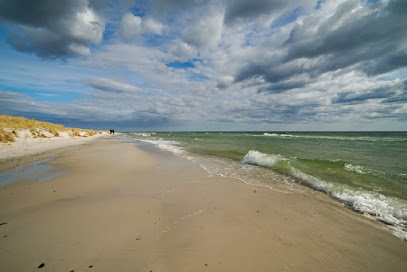
Snogebæk Strand
2.4 km
White-sand beach escape in a working fishing village with authentic maritime charm and crystal-clear waters.
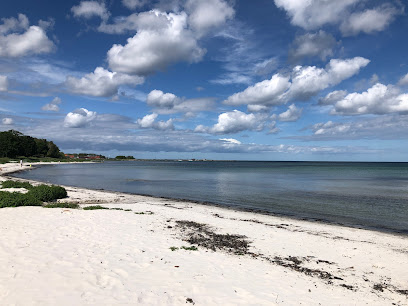
Ringborgen Rispebjerg
6.0 km
Bornholm’s largest Iron Age ring fort layered over a Neolithic sun temple, where soft ramparts, woodhenge traces and wide valley views bring 5,000 years of ritual and refuge to life.
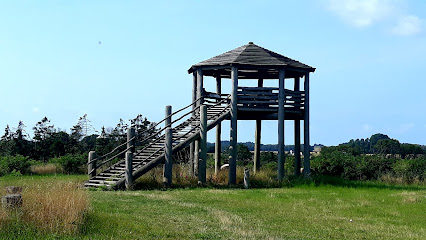
Bornholm Butterfly Park
7.0 km
A steamy tropical hothouse on the edge of Nexø, where hundreds of exotic butterflies, koi ponds and lush gardens create a vivid island-of-summer on Bornholm.
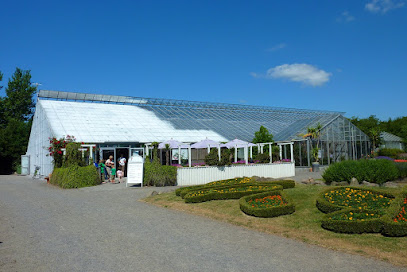
Udforsk Bornholm
7.1 km
Discover the diverse landscapes and rich history of Slotslyngen on Bornholm's northern coast.
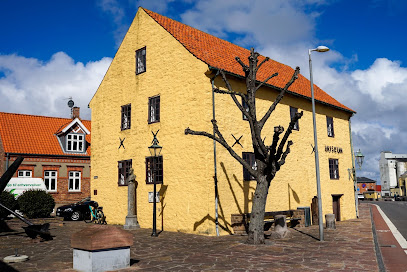
Nexø Museum
7.2 km
Harbourside museum in a 1796 sandstone guardhouse, sharing Nexø’s maritime heritage and dramatic wartime story on Bornholm’s windswept east coast.
Nexø Sandskulptur
7.4 km
Ephemeral masterpieces in sand rise between old harbor silos and Baltic light, turning Nexø’s working waterfront into Bornholm’s most unexpected open-air art park.
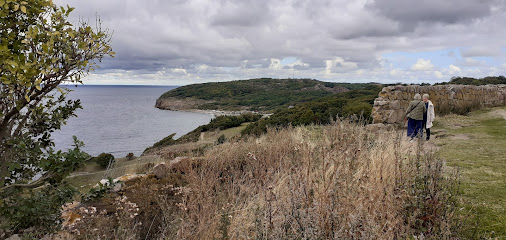
Vingården Lille Gadegård
8.8 km
Bornholm’s largest vineyard, blending northern-latitude wine, homely Danish buffets and laid-back farm life in a rustic countryside setting near Aakirkeby.
Gamleborg i Paradisbakkerne
9.4 km
Iron Age refuge hidden in Bornholm’s rocky Paradisbakkerne, where low ramparts, steep slopes and heather‑clad forest reveal a quiet but powerful story of defence.
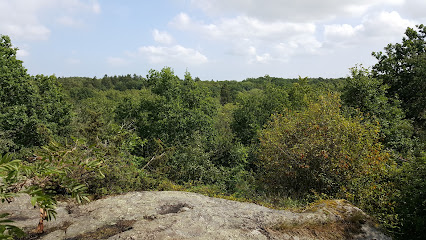
Rokkestenen
9.5 km
Bornholm’s most famous rocking stone: a 35‑ton Ice Age boulder you can set in motion, hidden in the rugged forested hills of Paradisbakkerne near Svaneke.
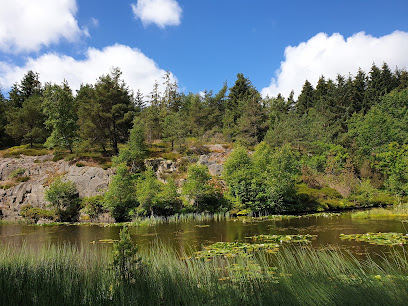
Paradisbakkerne
10.2 km
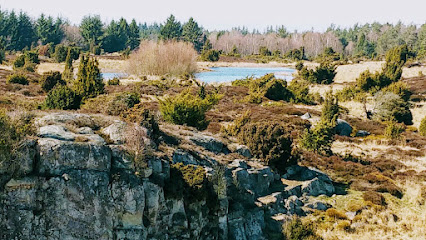
Rocky Ice Age hills, deep forest ravines and ancient fort ruins create a near‑wilderness escape in eastern Bornholm, laced with waymarked trails and quiet forest lakes.
Essential places to dine

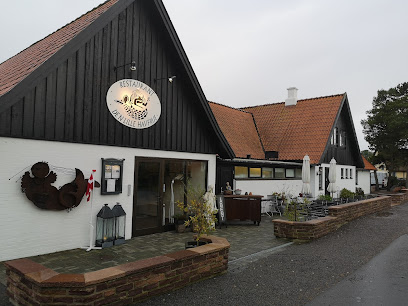
Restaurant Den Lille Havfrue Bornholm
2.8 km
Cosy seaside dining in Snogebæk, where hearty Danish dishes, Baltic seafood and a leafy summer courtyard capture the laid-back charm of Bornholm’s south coast.
Snogebæk Røgeri
3.1 km
Traditional Bornholm smokehouse and seafood buffet in the seaside village of Snogebæk, combining casual dining with a well‑stocked shop of freshly smoked fish.
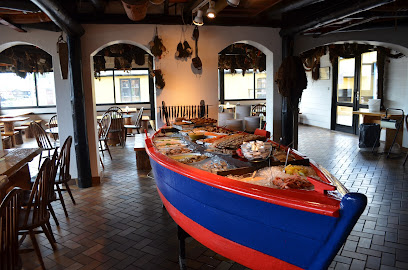
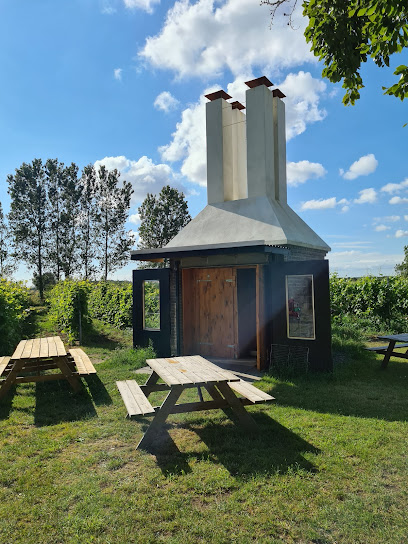
Bakkarøgeriet
6.9 km
Historic smokehouse with white chimneys, signature smoked fish, and panoramic sea views on Bornholm's southern coast.
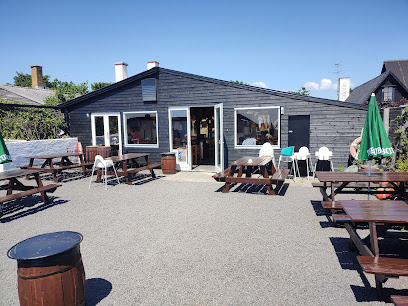
Culinarium
7.3 km
Fresh harbor seafood and German-Danish hospitality at Bornholm's working waterfront
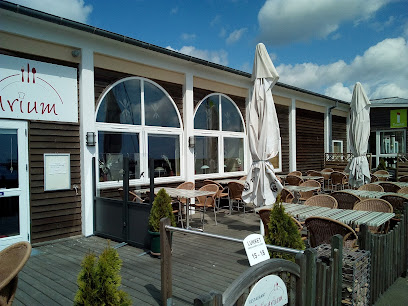
Kadeau Bornholm
8.2 km
Remote, refined and deeply Bornholm at heart, this seaside cottage restaurant turns island gardens, shorelines and smokehouses into an immersive New Nordic tasting journey.
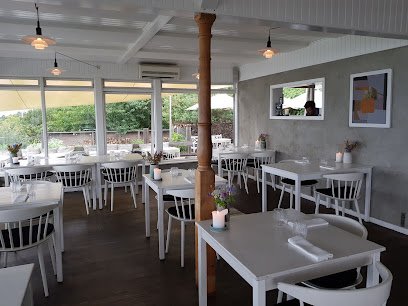
Svaneke Bryghus Restaurant
15.2 km
Historic brewery restaurant where organic craft beer and seasonal Nordic cuisine unite in rustic refinement.
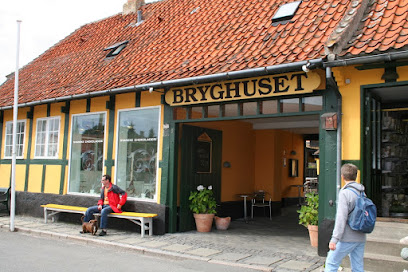
Tre Tjenere Restaurant
15.2 km
Authentic Nordic cuisine and harbor views in Svaneke's most celebrated restaurant.
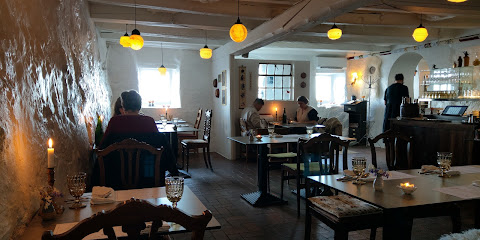
Vinøst wine bar & restaurant
15.2 km
French-inspired natural wine bar on Svaneke’s cobbled square, pairing intimate candlelit ambience with a serious bottle list and refined small plates.
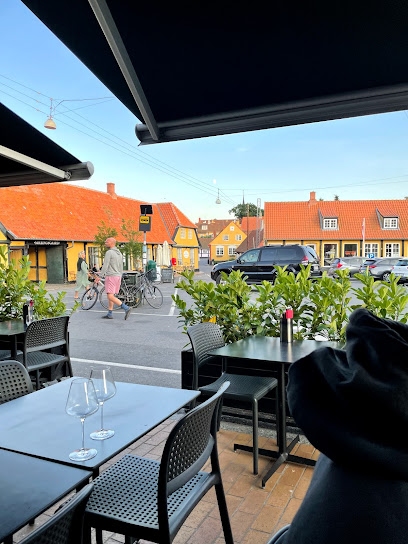
Restaurant Pakhuset
15.2 km
Hearty steak-and-pasta classics, local Bornholm flavours and a relaxed, family-friendly atmosphere inside a characterful old warehouse in central Svaneke.
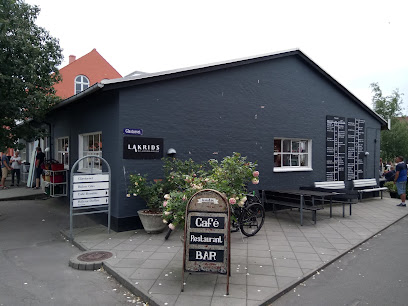
Restaurant Siemsens Gaard
15.3 km
Nordic cuisine in a 16th-century harbour house with Baltic Sea views and craft beer expertise.
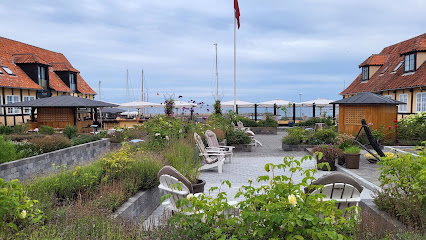
Svaneke Røgeri
15.6 km
Traditional Bornholm fish smokehouse and casual seaside restaurant in Svaneke, combining alder-smoked seafood, hearty buffets and open-air Baltic views.
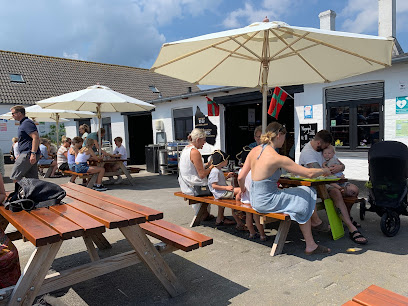
Restaurant Ekkodalshuset
17.2 km
Hearty Danish lunches and giant tartlets served in a cozy forest inn beside Bornholm’s echo valley, perfectly paired with walks in Almindingen.
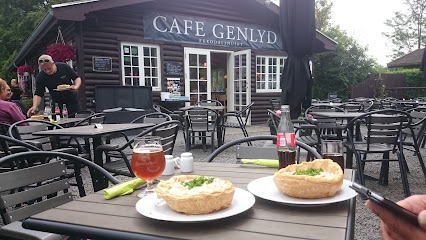
Christianshøjkroen
18.1 km
Historic yellow forest kro on Bornholm serving refined Danish smørrebrød and Skovfrokost in a cosy cottage and garden terrace deep among the trees.
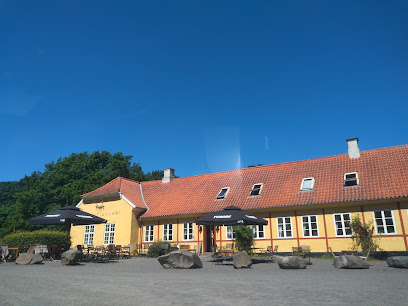
Restaurant Bolsterbjerg v/Lola Mortensen
20.0 km
Countryside Danish cooking in a leafy Bornholm garden, where classic comfort dishes meet a tranquil event‑ready setting just outside Rønne.
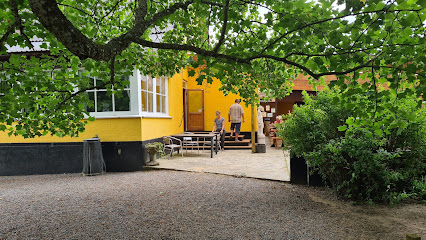
Restaurant Gudhjem Bakke
24.4 km
Hearty portions and classic Danish comfort food on the sunny slopes above Gudhjem’s harbour, ideal for a generous lunch or relaxed, no‑nonsense dinner.
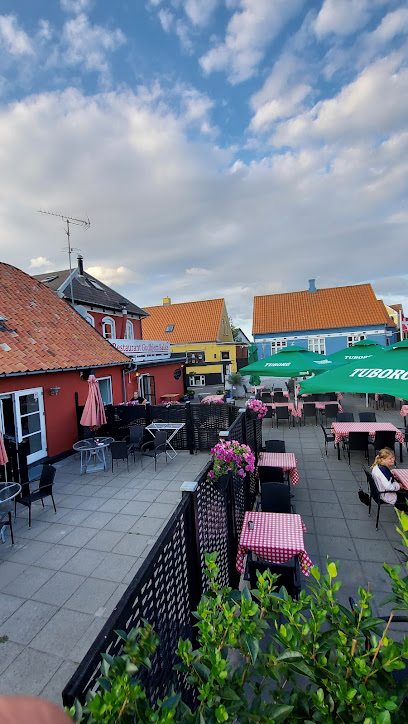
Markets, malls and hidden boutiques

Mollys Verden
2.7 km
A cosy Bornholm interiors haven in Snogebæk, where playful Nordic design, colourful homewares and quirky gifts turn casual browsing into a gentle little adventure.
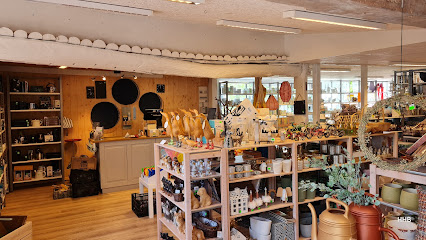
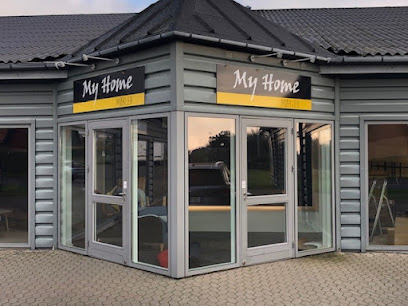
My Home Furniture Ronne
13.5 km
Quality furniture and home goods at outlet prices in Bornholm's commercial heart.
Sparloppan
13.6 km
Quirky flea market, art gallery and cosy café gathered on one floor above Aakirkeby’s town square, mixing retro treasures, local creativity and relaxed Bornholm hygge.
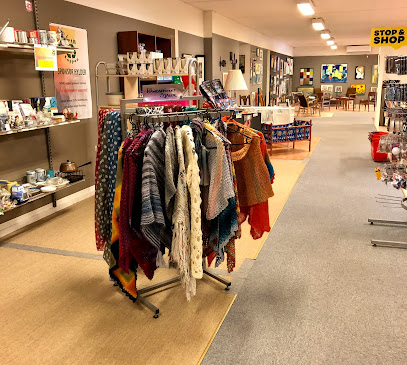
Bornholms Valsemølle A/S
13.7 km
Working island flour mill and cozy farm shop where Bornholm grain becomes characterful flour and local delicacies in the heart of Aakirkeby.
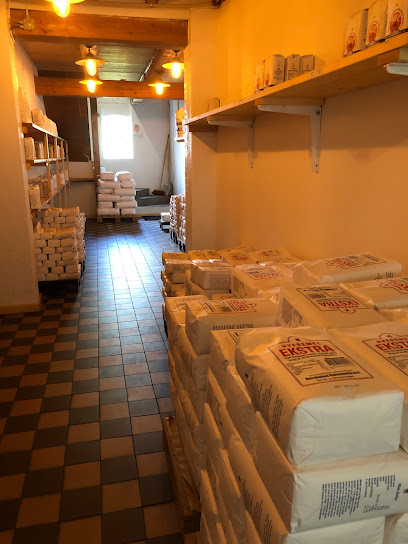
Reflax
15.2 km
Elegant Nordic minimalism in natural fibers, where timeless design meets contemporary edge.
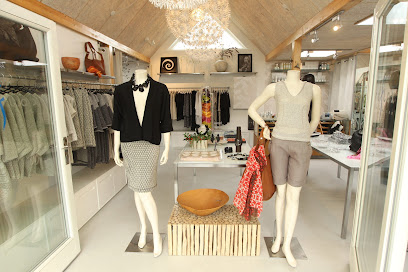
Karamelleriet ApS
15.3 km
Handcrafted caramels and fudge in a working factory overlooking Svaneke's harbor.
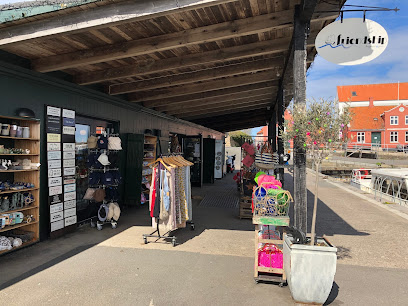
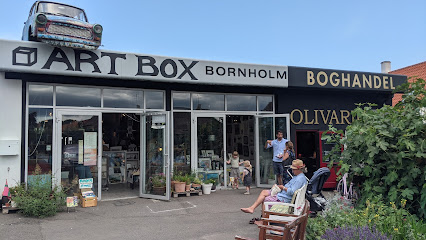
Art Box Bornholm
15.4 km
Compact gallery, design shop and creative supply store in Svaneke, distilling Bornholm’s coastal character into bold prints, maps, jewellery and art materials.
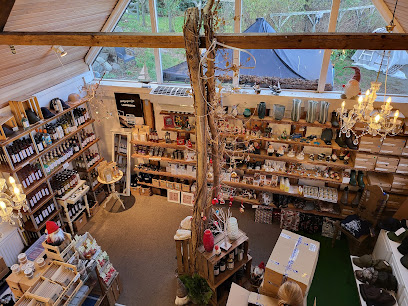
Klippeøens Gårdbutik
19.8 km
Spacious Bornholm farm shop on the rocky east coast, mixing English country fashion, Italian dresses and homey gifts in a cosy countryside setting all year round.
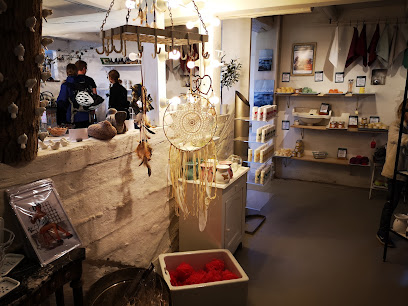
Sæbemageriet Bornholm
20.7 km
Intimate soap workshop-boutique in Østerlars, where Bornholm’s landscapes are translated into handcrafted bars, gentle scents and cosy, small-batch island charm.
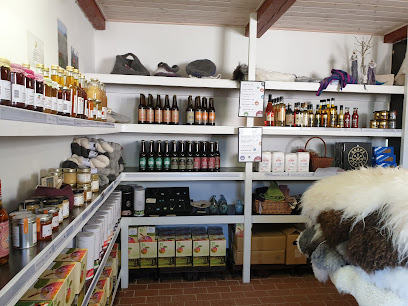
The Bornholm Farm Shop
21.6 km
Cooperative countryside farm shop near Rønne, bringing Bornholm’s meats, oils, honey, lambskins and island delicacies together in a relaxed rural setting.
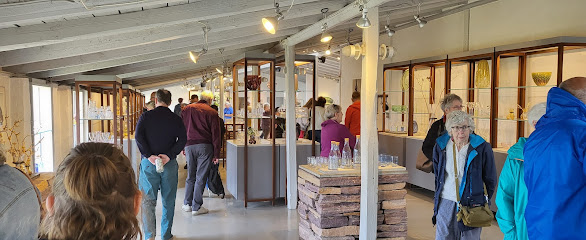
Baltic Sea Glass
21.8 km
Renowned Bornholm glass studio and gallery where molten sand, Baltic light, and island-inspired design become elegant, hand-blown works of art.
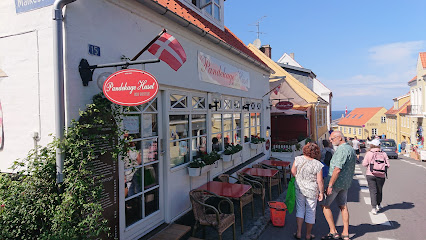
Janne K
24.5 km
Intimate Scandinavian clothing and lifestyle boutique on Gudhjem’s main street, pairing Nordic style with a Bornholm coastal sensibility in a calm, curated space.
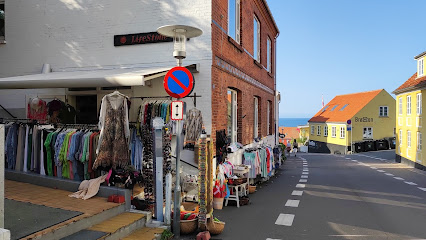
Lifestone
24.6 km
A cosy seaside boutique on Gudhjem’s main street, blending relaxed Scandinavian fashion with the everyday charm of Bornholm’s most dramatic harbour town.
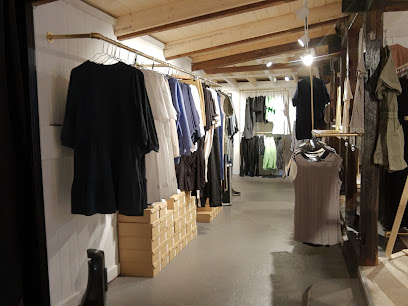
Førder Bornholm
24.7 km
Curated fashion and gourmet finds in Gudhjem's charming harbor village.
Bornholmsk Pileflet
25.2 km
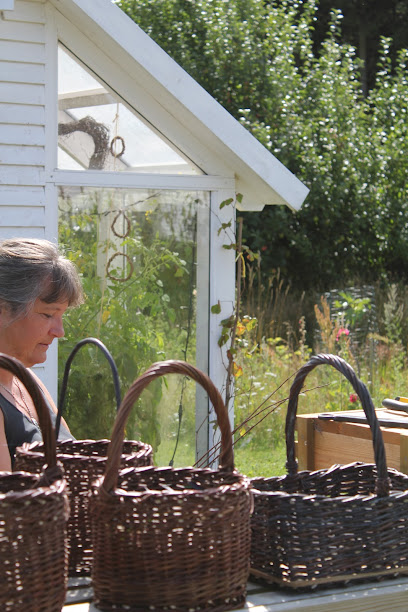
A small rural workshop in Klemensker where traditional willow weaving becomes functional art and intimate encounters with Bornholm’s craft heritage unfold.
Essential bars & hidden hideouts

Sørens Værtshus
3.0 km
Casual seaside pub in Snogebæk serving deep-pan stone-oven pizza, cold drinks and live summer music a short stroll from Bornholm’s sandy beaches.
The Golden Rooster
7.1 km
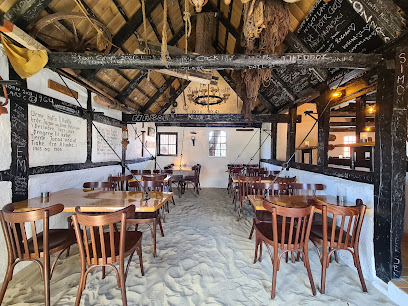
Authentic Danish bodega serving hearty traditional fare with harbor views in central Nexø.
Slævasted
7.1 km
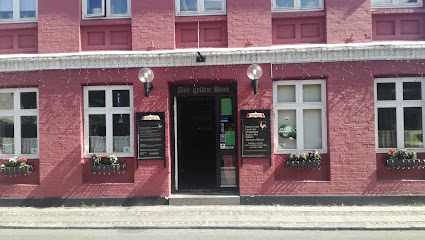
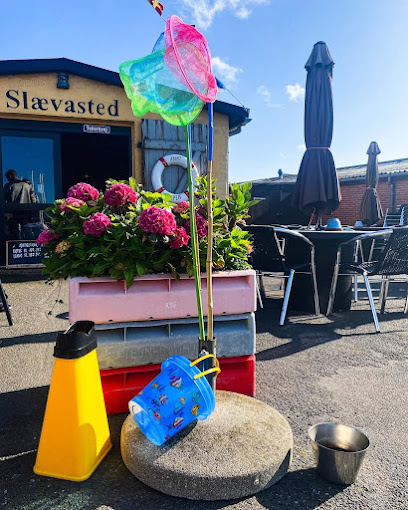
Ultra-casual harbor bar in Nexø with quirky décor, cheap drinks and a cozy, lived-in atmosphere that feels more like a local living room than a polished pub.
Mikkeller Aarsdale
12.1 km
Seasonal seaside craft beer bar and burger spot in a former smokehouse on Bornholm’s Aarsdale harbour, pairing inventive taps with relaxed Baltic Sea views.
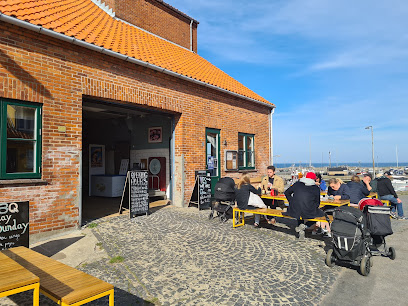
Buddha Bar
13.6 km
Relaxed, Asian‑tinged bar on Aakirkeby’s central square, ideal for casual drinks, simple bites and unhurried people‑watching at the heart of inland Bornholm.
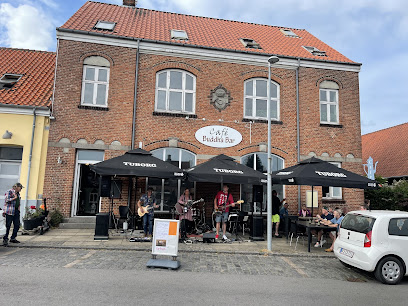
Dagligstuen
13.6 km
Aakirkeby's unpretentious beer hall and community gathering space on the main square.
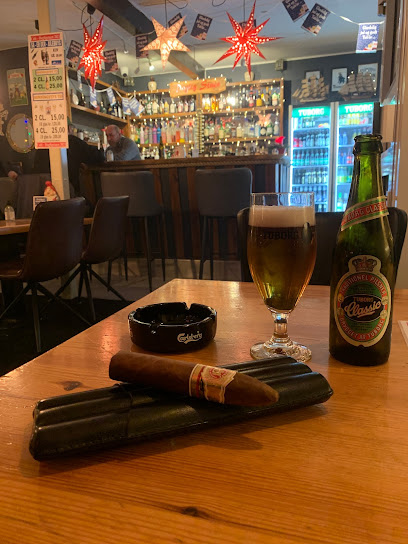
Madvig
15.2 km
Intimate Bornholm wine and cocktail bar in Svaneke’s old streets, pouring carefully chosen bottles and classic drinks in a warm, candlelit setting.
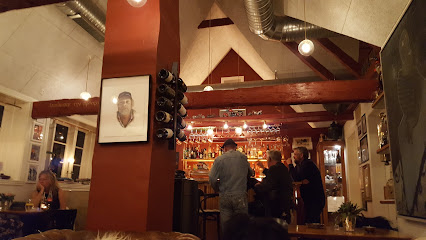
Søllings Bodega
15.2 km
Traditional Danish bodega in Svaneke's town square, where locals gather for games, conversation, and authentic pub culture.
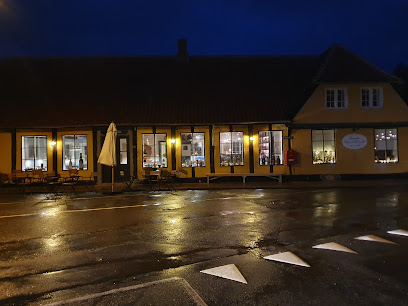
Provianten
24.7 km
Cozy harbor-side wine bar and eatery in Gudhjem, blending thoughtful drinks, simple honest food and Bornholm’s relaxed coastal atmosphere.
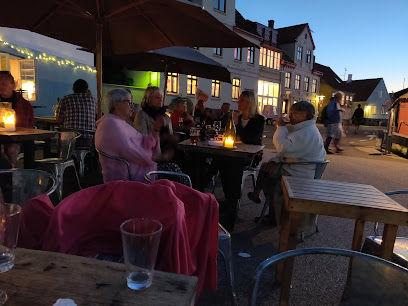
Pølse baren på Campus Bornholm
27.1 km
Casual sausage bar on Campus Bornholm serving traditional Danish pølser to students and visitors.
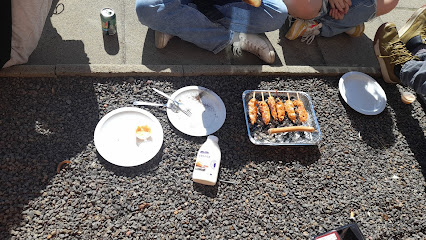
Café Lille Per
27.5 km
Local bodega charm on Rønne’s central square, where simple drinks, easygoing vibes and everyday Bornholm life meet in one relaxed café-bar.
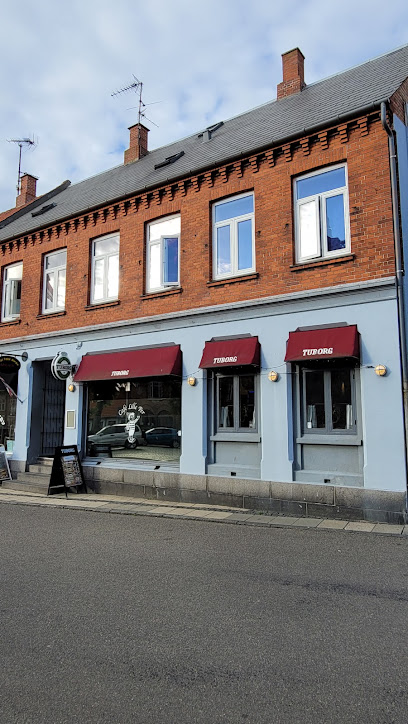
Den Marinerede Sild
27.6 km
A snug, Bornholm-flavoured pub on Lille Torv in central Rønne, pouring local craft beers and cocktails in a warm, intimate setting with easy island charm.
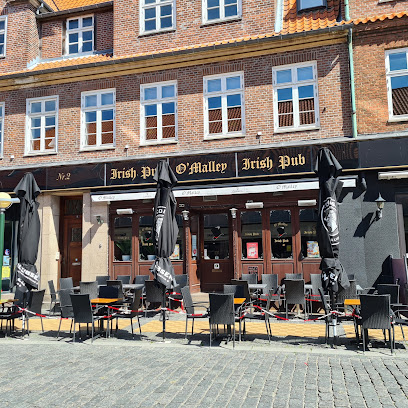
O'Malley
27.8 km
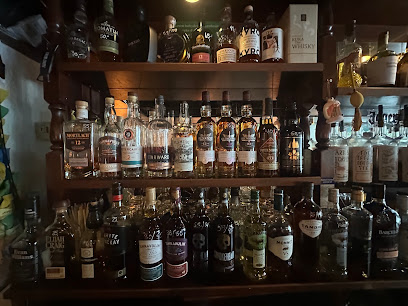
Cosy Irish pub and sports bar in central Rønne, pouring stout and whiskies, screening live games and hosting lively evenings on Bornholm’s main town square.
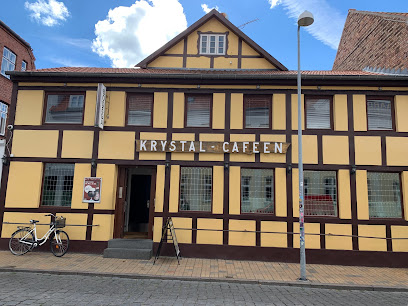
Krystal Bodega
27.8 km
No‑frills local pub in central Rønne, serving cold beers, bar games and late‑night Bornholm atmosphere in classic Danish bodega style.
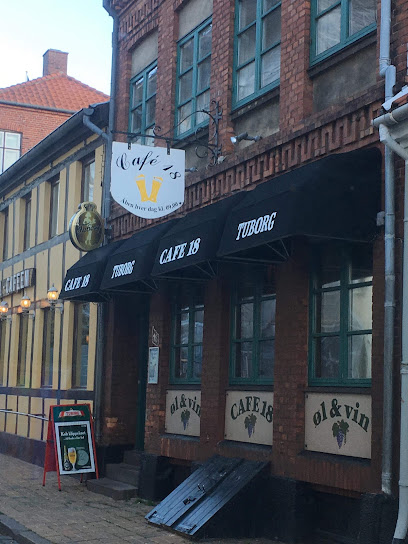
Café 18
27.8 km
Casual bodega and cocktail bar where Rønne locals gather for coffee, conversation, and evening drinks.
For the vibe & atmosphere seeker
- Relaxing
- Tranquil
- Zen
- Scenic
- Fun-filled
- Unique
- Casual
For the design and aesthetic lover
- Minimalist Designs
- Rustic Designs
For the architecture buff
- Viewpoints
- Parks & Gardens
- Landmarks
For the view chaser and sunset hunter
- Iconic Views
- Panoramas
- Sunrise Spots
- Sunset Spots
For the social media creator & influencer
- Instagrammable
- Photo Spots
- Selfie Spots
- Reel-Friendly
- Architectural Shots
For the eco-conscious traveler
- Low Impact
- Protected Area
- Public-Transport Accessible
- Leave-No-Trace Critical
- Wildlife Habitat
For the kind of experience you’re after
- Mindfulness
- Meditation Spot
- Cultural Heritage
- Photowalk
- Adventure Photo Shoot
- Nature Escape
- Roadtrip Stop
- Day Trip
- Weekend Getaway
For how adventurous you want the journey to be
- Easy Access
Location Audience
- Family Friendly
- Senior Friendly
- Child Friendly
- Teen Friendly
- Solo Friendly
- Couple Friendly
- Solo Female Friendly
- Vegetarian Friendly
- Vegan Friendly


