

Best Landmarks Near Eutin Castle (Holstein)
Planning a trip to Eutin Castle? Discover the best landmarks nearby with history, expert tips, and routes. Free on web or the Evendo app.


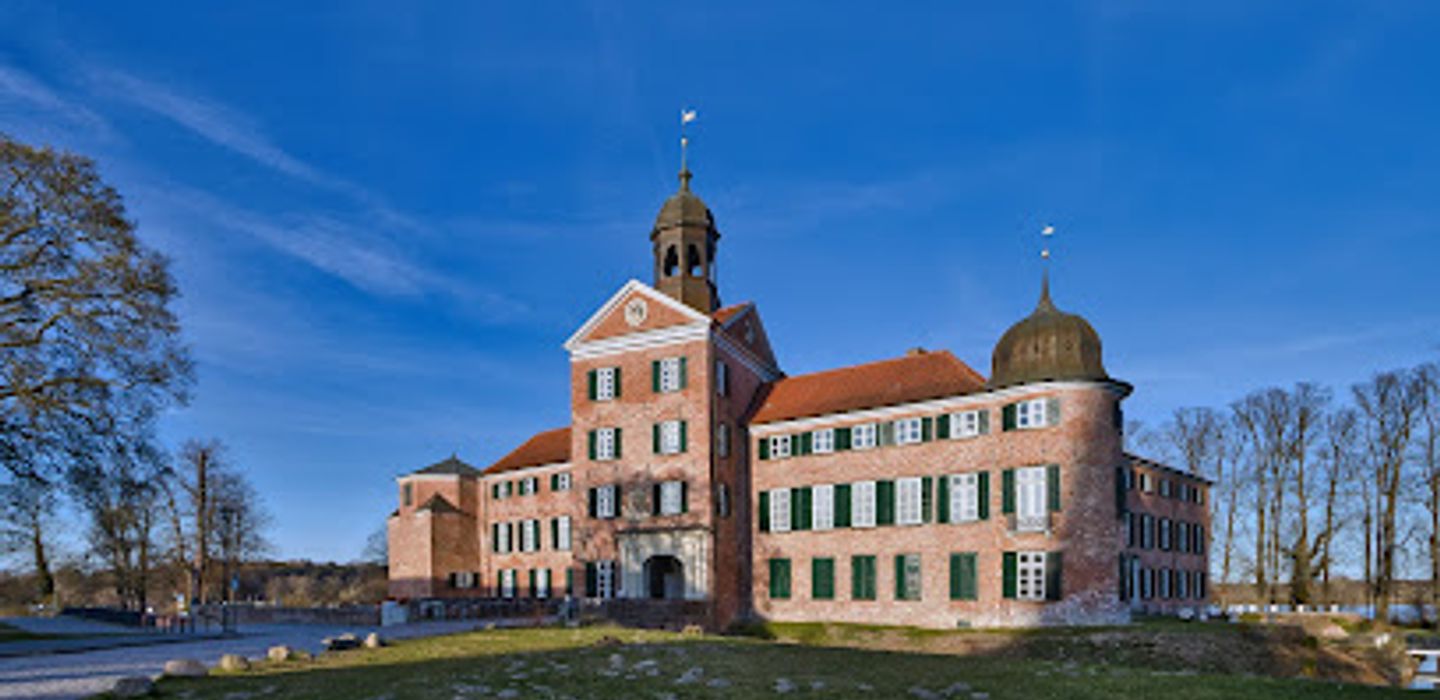
The best landmarks near Eutin Castle
- Top rated
- Closest to Eutin Castle
- Time to spend: shortest first
- A–Z
81 landmarks
-
War museum4.6★6,662 reviews
German submarine U-995
Step aboard the U-995, a meticulously preserved German Type VIIC/41 U-boat, and delve into the claustrophobic world of WWII submariners. Located at the Laboe Naval Memorial, near Kiel, this museum ship offers a visceral glimpse into the daily lives and wartime experiences of those who served beneath the waves. Explore the cramped living quarters, the engine room, and the torpedo room, gaining a profound appreciation for the technological ingenuity and human endurance required to operate these vessels. The U-995 serves as a poignant reminder of the past, inviting visitors to reflect on the realities of naval warfare and the sacrifices made by sailors of all nations. Adjacent to the imposing Naval Memorial, a visit to the U-995 provides a powerful and immersive historical experience, complemented by stunning views of the Kiel Fjord.
Daily 9:00–18:00
-
War memorial4.7★6,391 reviews
Naval Memorial
The Naval Memorial in Laboe stands as a poignant tribute to the bravery of German sailors lost at sea during the wars. This remarkable monument offers visitors both historical insight and stunning coastal views, making it a must-visit for tourists exploring the region.
Daily 9:00–18:00
-
Museum4.6★6,338 reviews
Museum Holstentor
The Holstentor Museum, housed within Lübeck's iconic medieval gate, offers a captivating journey into the city's rich Hanseatic past. Explore exhibits showcasing Lübeck's maritime power, trade, and historical artifacts, all within the walls of this architectural masterpiece. The museum details Lübeck's rise as a key member of the Hanseatic League, a powerful trading confederation that spanned northern Europe. Interactive displays and informative panels bring Lübeck's history to life, highlighting the city's economic power, wealth, and historical significance. Don't miss the chance to explore this symbol of Lübeck's enduring legacy and immerse yourself in its fascinating story. The Holstentor itself is more than just a museum—it is a living monument to Lübeck's past and one of the best-preserved medieval gates in Europe.
Mon–Sat 10:00–18:00 · Sun 10:00–17:00
-
Nature preserve4.6★6,134 reviews
Salzhaff
Salzhaff, a stunning lagoon on Germany's Baltic coast near Rerik, offers a unique blend of natural beauty and recreational opportunities. Separated from the open sea by the Wustrow peninsula, its shallow, calm waters are ideal for windsurfing, kitesurfing, and sailing, attracting water sports enthusiasts of all levels. The area is also a haven for nature lovers, with picturesque landscapes perfect for hiking and cycling. Quaint villages dot the coastline, offering glimpses into local culture and history. Whether you seek thrilling water adventures or tranquil moments in nature, Salzhaff promises an unforgettable Baltic experience, making it a must-visit destination for families and outdoor enthusiasts alike. The area's charm lies in its ability to cater to both adrenaline junkies and those seeking a peaceful escape.
Open 24 hours
-
Observation deck4.7★5,486 reviews
Heiligenhafen pier
The Heiligenhafen Pier, or Seebrücke, is a prominent landmark and popular attraction in the Baltic Sea resort town of Heiligenhafen, Germany. Extending 435 meters into the sea, the pier offers stunning panoramic views of the coastline, the island of Fehmarn, and the vast expanse of the Baltic Sea. More than just a walkway, the pier is a vibrant hub of activity, featuring sun decks, a glazed lounge, play areas for children, and even a bathing platform for those brave enough to take a dip. Whether you're seeking a leisurely stroll, a place to relax and soak up the sun, or a fun-filled family outing, the Heiligenhafen Pier provides a memorable experience for all visitors. The pier is open year-round, offering a unique perspective on the changing seasons of the Baltic Sea, from the bustling summer months to the tranquil beauty of winter.
Open 24 hours
-
Historical landmark4.6★4,800 reviews
Holstentor square
The Holstentor, a magnificent medieval city gate, stands as a proud symbol of Lübeck's rich history and Hanseatic heritage. This iconic landmark, with its distinctive twin towers and imposing structure, once served as a formidable defense and a powerful statement of the city's wealth and independence. Today, it welcomes visitors to Lübeck's charming Altstadt (Old Town), a UNESCO World Heritage site. Explore the gate's fascinating museum, wander through its arched passageways, and marvel at the intricate details of its architecture. The Holstentor offers a captivating glimpse into Lübeck's past and is a must-see for anyone interested in medieval history, impressive architecture, and the legacy of the Hanseatic League. Its picturesque setting makes it a perfect spot for photos and a memorable start to your Lübeck adventure.
Open 24 hours
-
Tourist attraction4.6★4,508 reviews
Seebrücke Niendorf
The Seebrücke Niendorf, affectionately known as the 'Fischkopf-Seebrücke' (Fish Head Pier), is a modern pier extending 185 meters into the Baltic Sea. Rebuilt in 2014, it replaced a weathered wooden predecessor and quickly became a beloved landmark in Niendorf. Its unique design, featuring a pier head shaped like a fish's head, offers stunning views of the Lübeck Bay and coastline. More than just a scenic spot, the pier provides various attractions, including a children's play area, informative displays, and relaxing seating options. The hydraulically lowered bathing platform offers direct access to the refreshing waters of the Baltic Sea, making it a popular destination for families and beachgoers alike. Whether you're seeking panoramic vistas, a playful diversion, or a refreshing dip, the Seebrücke Niendorf promises a memorable seaside experience.
Open 24 hours
-
Castle4.5★4,393 reviews
Schloss Bothmer
Schloss Bothmer, Mecklenburg-Vorpommern's largest Baroque palace, is a captivating blend of history and architectural grandeur. Built in the 18th century for Count Hans Caspar von Bothmer, a prominent diplomat in service to the Electorate of Hanover, the palace reflects Dutch and English influences, a testament to the Count's time in London. After falling into disrepair and serving various purposes, including as a hospital and retirement home, the palace was meticulously restored and opened to the public in 2015. Today, visitors can explore the opulent interiors, wander through the expansive gardens, and immerse themselves in the fascinating history of this remarkable estate. With its blend of architectural styles, historical significance, and beautifully landscaped grounds, Schloss Bothmer offers a unique and enriching experience for every traveler.
Daily 10:00–18:00
-
Cathedral4.5★3,698 reviews
Lübeck Cathedral
Lübeck Cathedral, or Lübecker Dom, stands as a powerful symbol of Lübeck's history and enduring spirit. Founded in 1173 by Henry the Lion, this Lutheran cathedral has evolved through Romanesque and Gothic architectural styles, bearing witness to centuries of change. Severely damaged during World War II, its reconstruction stands as a testament to resilience. Today, visitors can explore its awe-inspiring interior, home to priceless art treasures like Bernt Notke's Triumphal Cross, and experience its vibrant musical life. Located on the southern edge of Lübeck's Old Town, a UNESCO World Heritage site, the cathedral offers a serene escape and a profound connection to the city's rich past. Its towering presence and historical significance make it a must-see destination for any traveler.
Daily 10:00–16:00
-
Museum4.5★3,639 reviews
European Hansemuseum
The European Hansemuseum in Lübeck offers an immersive journey into the world of the Hanseatic League, a powerful medieval trading network that shaped Northern Europe. Opened in 2015, the museum combines a modern architectural marvel with the historic Castle Friary, creating a captivating blend of past and present. Explore interactive exhibits, original artifacts, and meticulously recreated scenes that bring the Hanseatic era to life. Discover the rise and fall of this influential alliance, its impact on trade, politics, and culture, and Lübeck's pivotal role as a leading Hanseatic city. With its engaging displays and stunning setting, the European Hansemuseum provides an unforgettable experience for visitors of all ages, offering a fascinating glimpse into a significant chapter of European history.
Daily 10:00–18:00


Eutin Castle
Eutin Castle, or Schloss Eutin, is a captivating landmark nestled in the heart of Eutin, Germany. This stunning castle, surrounded by a picturesque lake and gardens, is a focal point of the city's cultural life. Originally a medieval fortress, it evolved over centuries into a magnificent four-winged baroque palace. Today, it houses a museum showcasing historical artifacts and art, offering visitors a glimpse into the lives of dukes and bishops who once resided here. The castle's beautifully landscaped gardens, reflecting English garden design, provide a tranquil escape and a perfect setting for the annual Eutin Festival, featuring open-air opera and musical performances. With its rich history and scenic beauty, Eutin Castle promises an enriching experience for every traveler.
Daily 10:00–18:00

Maritim Hotel Lübeck-Travemünde
The Maritim Hotel Lübeck-Travemünde, a prominent landmark on the Baltic Sea coast, offers a blend of traditional seaside charm and modern amenities. Situated directly on the beach in Travemünde, Lübeck's 'most beautiful daughter', the hotel provides stunning views of Lübeck Bay and the bustling shipping traffic at the mouth of the Trave River. Guests can enjoy comfortable accommodations, a full-service spa, and diverse dining options. Its central location allows easy access to Travemünde's attractions, including the Old Lighthouse, the Passat sailing ship, and the charming old town. Whether seeking relaxation or exploration, the Maritim Hotel serves as an ideal base for experiencing the best of the Baltic seaside resort.

Marienkirche
St. Mary's Church in Lübeck, a towering example of Brick Gothic architecture, stands as a testament to the city's historical power and religious significance. Its soaring vaults, intricate details, and the poignant story of its wartime destruction and subsequent restoration make it a compelling destination for visitors. The church's twin towers dominate the skyline, beckoning exploration of its rich interior, including the astronomical clock, the Totentanzkapelle (Dance of Death Chapel), and the remnants of the bells destroyed during World War II. More than just a religious building, St. Mary's is a symbol of Lübeck's resilience and a repository of art and history, offering a profound experience for those who step inside. Its central location in the heart of the Altstadt (Old Town) makes it easily accessible and a must-see landmark for any visitor to Lübeck.

Ellerhoop-Thiensen Arboretum
Escape to the Ellerhoop-Thiensen Arboretum, a sprawling 17-hectare botanical garden where nature, history, and education intertwine. Established on the grounds of a former nursery, this verdant oasis showcases a diverse collection of trees, shrubs, and themed gardens, offering a tranquil retreat for plant enthusiasts and casual visitors alike. Wander through vibrant floral displays, explore historical exhibits, and discover the beauty of the natural world. From the delicate lotus blossoms to the towering replica of the General Sherman Tree, the arboretum provides a captivating experience for all ages, making it a worthwhile destination for those seeking a peaceful and enriching escape near Hamburg.
Daily 10:00–19:00

Ahrensburg Palace
Ahrensburg Palace, a stunning example of Renaissance architecture, graces the town of Ahrensburg with its presence. Surrounded by a serene lake and lush parklands, the palace offers visitors a captivating journey through the history of Schleswig-Holstein. Originally built in the late 16th century, the palace has witnessed centuries of change and has been meticulously preserved, showcasing opulent interiors and fascinating exhibits. Explore the staterooms, admire the period furnishings, and delve into the lives of the noble families who once resided within its walls. The palace grounds provide a tranquil escape, perfect for leisurely strolls and picturesque views. Whether you're a history enthusiast, an architecture aficionado, or simply seeking a peaceful retreat, Ahrensburg Palace promises an enriching and memorable experience, transporting you back in time to an era of elegance and grandeur. The combination of historical significance, architectural beauty, and natural surroundings makes it a worthwhile destination for any traveler.
Tue–Thu 11:00–17:00 · Sat–Sun 11:00–17:00

Plön Castle
Plön Castle, perched majestically on a hill overlooking the Großer Plöner See, is one of Schleswig-Holstein's largest and most historically significant castles. Built in the 17th century during the Thirty Years' War, this Renaissance-style castle has served as a ducal residence, a Danish royal summer retreat, a military academy, and a boarding school. Today, it houses the Fielmann Academy, an optometry training center, and welcomes visitors to explore its grounds and learn about its rich past. The castle offers panoramic views of the surrounding lakes and town, making it a must-see destination for history buffs and nature lovers alike. Explore the castle gardens, wander through the charming Old Town of Plön, and discover the natural beauty of the Holstein Switzerland region.
Sat–Sun 16:00–19:00

Hospital of the Holy Spirit
Discover the Hospital of the Holy Spirit, a historical landmark in Lübeck that offers a glimpse into medieval healthcare and stunning architecture. Explore its rich history and beautiful surroundings, making it a must-visit for any traveler.
Tue–Sun 10:00–17:00

St. Peter's Church
St. Peter's Church, or Petrikirche, stands as a towering symbol of Lübeck's rich history and architectural prowess. Rising from the heart of the UNESCO-listed Old Town, this Brick Gothic masterpiece, dating back to the 13th century, offers visitors a unique blend of historical significance, cultural experiences, and breathtaking panoramic views. Though heavily damaged during World War II, its restored structure now serves as a vibrant cultural hub, hosting art exhibitions, concerts, and events. Ascend the tower for unparalleled vistas of Lübeck's medieval skyline, spot the iconic Holstentor and Marienkirche, and on clear days, gaze out towards the Baltic Sea. Inside, the stark white interior provides a contemplative space, showcasing modern art installations that juxtapose the church's historical framework. St. Peter's is more than just a church; it's a testament to Lübeck's resilience and its commitment to preserving its heritage while embracing contemporary culture.

Schlossgarten Eutin
The Schlossgarten Eutin, a sprawling English landscape garden, offers a serene escape on the shores of the Großer Eutiner See. Originally a formal Baroque garden, it was transformed in the late 18th century, reflecting the Enlightenment's ideals with its naturalistic design. Wander through winding paths, discover hidden temples and pavilions, and enjoy picturesque views of the lake. The adjacent Küchengarten (kitchen garden) showcases meticulously cultivated herbs, vegetables, and flowers, providing a glimpse into the estate's self-sufficient past. Open daily from 6:00 to 23:00 between mid-April and end of October, the Schlossgarten is free to enter, making it an accessible and inviting destination for all. Whether you're seeking a peaceful stroll, a scenic picnic spot, or a connection with nature, the Schlossgarten Eutin promises a refreshing experience.
Daily 6:00–23:00

Old Port Gothmund
Escape to Old Port Gothmund, a captivating fishing village near Lübeck, where time seems to stand still. Wander along the cobblestone Fischerweg, lined with charming, thatched-roof houses adorned with colorful flowers and maritime decorations. Breathe in the fresh Baltic air as you admire the traditional fishing boats bobbing gently in the harbor. Gothmund offers a serene retreat from the bustle of city life, inviting you to explore its rich history and picturesque scenery. Discover why artists have long been drawn to this idyllic spot, finding inspiration in its tranquil atmosphere and unique character. Don't miss the opportunity to savor fresh seafood at a local eatery and immerse yourself in the beauty of this hidden gem.
Open 24 hours

Burgtor
The Burgtor, constructed in 1444, stands as a testament to Lübeck's rich Hanseatic history. As the northern gate of the city's medieval fortifications, it controlled access and symbolized Lübeck's power. While often overshadowed by the Holstentor, the Burgtor boasts its own unique charm with late Gothic architecture and a distinctive Baroque helmet roof added in 1685. Today, it serves as a captivating portal into the city's past, inviting visitors to explore its intricate details and imagine the bustling trade and cultural exchange that once flowed through its archways. The Burgtor is more than just a historical landmark; it's a vibrant part of Lübeck's identity, offering a glimpse into the city's medieval heritage and architectural evolution. Don't miss the chance to discover this impressive gate and delve into the stories it holds.

Brodtener Steilküste
The Brodtener Steilküste, a stunning cliff coastline stretching over 4 kilometers along the Lübeck Bay, offers a captivating blend of natural beauty and geological intrigue. Situated between Travemünde and Niendorf, this protected landscape showcases dramatic cliffs sculpted by the Baltic Sea, providing breathtaking panoramic views. Visitors can explore two distinct paths: a scenic route atop the cliffs, perfect for leisurely walks and accessible strolls, or a more adventurous, natural trail directly along the beach below. With its rich history, diverse flora and fauna, and the constant reshaping by the elements, the Brodtener Steilküste promises an unforgettable experience for nature enthusiasts and casual wanderers alike. Keep an eye out for fossils and 'Hühnergötter' (stones with naturally occurring holes) along the beach, and be sure to visit the Hermannshöhe café for refreshments with a view.
Open 24 hours

Willy Brandt House, Lübeck
The Willy Brandt House in Lübeck offers a compelling and interactive journey through the life and times of Willy Brandt, the Nobel Peace Prize laureate and former German Chancellor. Housed in a beautifully restored patrician house on Königstraße, the museum uses multimedia exhibits and original artifacts to showcase Brandt's childhood in Lübeck, his resistance against Nazism, his exile in Norway, and his impactful political career, including his time as mayor of Berlin and his efforts to bridge the divide between East and West Germany. Visitors can explore 20th-century German history through Brandt's personal experiences, making it an engaging and educational experience for all ages. Admission is free, making it accessible to everyone wanting to learn about this influential figure and his contributions to peace and democracy. The museum also hosts special events, literature talks, and film screenings, further enriching the visitor experience.
Daily 11:00–18:00

Seebrücke Schönberger Strand
The Seebrücke Schönberger Strand is a 260-meter pier extending into the Baltic Sea, offering stunning views and a vibrant atmosphere. Rebuilt in 2001 after its predecessor was destroyed during World War I, it now serves as a hub for leisure and events. The pier features a landing stage for excursion ships, a spacious forecourt hosting concerts and markets, and a unique disabled ramp. Stroll along the pier, breathe in the sea air, and enjoy the panoramic vistas of the coastline. Whether you're seeking relaxation or entertainment, the Seebrücke is a must-visit destination on the Schönberger Strand.
Open 24 hours

Buddenbrookhaus
Step into the world of Thomas Mann at the Buddenbrookhaus in Lübeck, a meticulously preserved museum dedicated to the Nobel laureate and his family. Housed in the Mann family's former residence, this literary landmark offers a captivating journey through the lives and works of Thomas and Heinrich Mann, most famously known for the novel 'Buddenbrooks'. Explore the fascinating exhibits showcasing the family's history, cultural impact, and literary achievements. While the original building is currently undergoing extensive renovations until 2029, a temporary exhibition at the Behnhaus Drägerhaus, along with an information center and museum shop at the market square, ensures that the spirit of the Buddenbrooks remains alive and accessible. Discover the captivating story of a family whose legacy continues to inspire readers worldwide.

Museumshafen Lübeck
The Museumshafen Lübeck is a captivating open-air museum showcasing the city's rich maritime heritage. Located on the banks of the Trave River, this harbor is home to a collection of meticulously restored historic ships, including traditional sailing vessels, fishing boats, and working ships. Visitors can stroll along the waterfront, admiring these floating monuments and experiencing the atmosphere of a bygone era. The harbor offers stunning views of Lübeck's Old Town, a UNESCO World Heritage site, creating a picturesque backdrop for maritime exploration. The Museumshafen is more than just a static display; it's a living testament to Lübeck's seafaring past, offering a unique glimpse into the lives of the sailors and shipbuilders who shaped the city's identity. With its blend of history, culture, and scenic beauty, the Museumshafen is a must-see destination for anyone visiting Lübeck.
Open 24 hours

Museumsquartier St. Annen
The Museumsquartier St. Annen, nestled in Lübeck's historic Old Town, is a captivating cultural hub housed in a former Augustinian nunnery dating back to 1515. This museum complex offers a unique blend of art, history, and architecture, showcasing Lübeck's rich heritage from the Middle Ages to the present day. Visitors can explore the St. Annen Museum, home to Germany's largest collection of medieval sculpture and altarpieces, including masterpieces by Hans Memling and Bernt Notke. The Kunsthalle St. Annen, a modern art hall built on the ruins of a former monastery church, features contemporary works and special exhibitions. With its serene courtyards, gardens, and walkways, the Museumsquartier St. Annen provides an immersive experience for art enthusiasts, history buffs, and anyone seeking to delve deeper into Lübeck's cultural treasures. Don't miss the opportunity to witness the harmonious blend of sacred space and sacred art, a prominent feature that distinguishes this museum within Germany.
Tue–Sun 10:00–17:00

Marine Biology Station Laboe
Delve into the fascinating underwater realm of the Baltic Sea at the Marine Biology Station Laboe. This engaging aquarium and educational center offers a close encounter with the diverse marine life inhabiting the Kiel Fjord and surrounding waters. Through interactive tours and captivating exhibits, visitors of all ages can discover the secrets of local sea creatures, from colorful fish and crustaceans to fascinating marine plants. Learn about the unique ecological balance of the Baltic Sea, the impact of varying salinity levels, and the ongoing efforts to protect this fragile environment. The station provides a unique opportunity to connect with the natural world and gain a deeper appreciation for the importance of marine conservation. With its hands-on approach and knowledgeable staff, the Marine Biology Station Laboe promises an enriching and memorable experience for anyone curious about the wonders beneath the waves.
Tue–Sun 11:00–17:00

Leuchtturm Friedrichsort
The Leuchtturm Friedrichsort, a striking green and white lighthouse, stands proudly on a small island off Falckensteiner Strand, marking the entrance to the Kiel Fjord and the Kiel Canal. Since 1971, this 31.7-meter-tall concrete tower has guided ships safely past the Klever Berg and Au-Haken shallows. Replacing an earlier, shorter lighthouse, it now features advanced navigational technology, including a fog signal and water level monitoring. While the lighthouse itself isn't open to the public, its picturesque location makes it a popular spot for walks along the beach, offering stunning views of the Baltic Sea and the bustling maritime traffic. The foundations of the old lighthouse can still be seen next to the new one, and the tower house of the old lighthouse can be found in Friedrichsort on the Friedrichsorter Strasse.

Salzspeicher
Salzspeicher, a UNESCO World Heritage Site, is a must-visit historical landmark in Lübeck. This iconic structure, once a bustling salt warehouse, now serves as a stunning reminder of the city's rich maritime heritage and architectural beauty. Tourists can explore its impressive façade and learn about its significance in Lübeck's history.
Tue–Sun 10:00–17:00

Kreisagrarmuseum Dorf Mecklenburg
The Kreisagrarmuseum Dorf Mecklenburg offers a captivating journey into the agricultural history of the region. Located in the charming village of Dorf Mecklenburg, this museum showcases a vast collection of farming equipment, tools, and historical artifacts, providing a comprehensive look at rural life through the ages. Visitors can explore meticulously curated exhibits that detail the evolution of agricultural practices, from traditional hand tools to more modern machinery. The museum also features interactive displays and demonstrations, making it an engaging experience for visitors of all ages. With its dedication to preserving and presenting the region's agricultural heritage, the Kreisagrarmuseum provides a unique and educational experience, offering insights into the traditions and innovations that have shaped the rural landscape of Mecklenburg. The museum's setting in a tranquil village adds to its charm, making it a worthwhile destination for those interested in history, agriculture, and rural culture.
Daily 10:00–16:00

Kaiserbrücke
Kaiserbrücke is a stunning bridge in Lübeck, Germany, known for its picturesque views and historical significance. A perfect spot for tourists to soak in the charm of this beautiful seaside town.
Open 24 hours

Ostholstein-Museum
The Ostholstein Museum in Eutin is a treasure trove of art and cultural history, focusing on the Ostholstein region. Housed in the former Marstall building on Schlossplatz, near Eutin Castle, the museum showcases a diverse collection, including paintings, sculptures, and historical artifacts. Its permanent exhibition highlights Eutin's golden age around 1800, when the town was a vibrant intellectual center. Visitors can explore works by Johann Heinrich Wilhelm Tischbein, known as 'Goethe-Tischbein,' and discover the region's landscape painting tradition. With frequently changing special exhibitions, the museum offers a dynamic and engaging experience for art lovers of all ages. The museum also hosts events such as the Ostereiermark.
Tue–Fri 11:00–17:00

FEMERN BÆLT Fehmarnbelt HOLZPLATFORM
For enden af Gamle Badevej ved Rødby møder du Pilen, en lang, skulpturel udsigtsrampe i stål og træ, der skyder sig 24 meter op over kystlandskabet. Herfra har du en fri panoramaudsigt over byggepladsen til Femern Bælt-tunnelen, tunnelfabrikken og det lave kystlandskab langs Lolland. Undervejs op langs den 217 meter lange rampe fortæller informative plancher om Danmarks største infrastrukturprojekt og områdets natur og historie, mens vinden fra Østersøen og lyden af maskiner sætter en sanselig ramme om besøget. Adgangen er gratis og åben hele året.
Open 24 hoursTime to spend 0.5–1.5 hrs

Krummsteert-Sulsdorfer Wiek / Fehmarn
Krummsteert-Sulsdorfer Wiek, a nature preserve on the southwestern tip of Fehmarn Island, offers a serene escape into coastal wilderness. Established in 1980, this protected area encompasses diverse ecosystems, including the Krummsteert spit, Sulsdorfer Wiek bay, salt marshes, and the Baltic Sea. It's a haven for birdwatchers, nature photographers, and anyone seeking tranquility amidst stunning landscapes. The area is known for its dynamic coastal processes, with the Krummsteert spit constantly evolving due to wave action and sediment deposition. Visitors can explore the area via designated paths and viewing platforms, observing a rich variety of birdlife and plant species. While the Krummsteert spit itself is off-limits to protect its fragile environment, the surrounding areas offer ample opportunities to connect with nature. The nearby Flügge lighthouse provides panoramic views of the preserve and the island's coastline. Whether you're an avid birder or simply seeking a peaceful retreat, Krummsteert-Sulsdorfer Wiek promises an unforgettable experience.
Open 24 hours

zeiTTor - Museum der Stadt Neustadt in Holstein
The zeiTTor Museum in Neustadt in Holstein offers an engaging journey through the town's history, from prehistoric times to the modern era. Housed within the historic Kremper Tor, the last remaining city gate, the museum features interactive exhibits that bring the past to life. Visitors can explore archaeological finds from the 'Marienbad' site, discover medieval town life, and learn about local crafts and industries. With its hands-on displays and family-friendly atmosphere, zeiTTor provides an entertaining and educational experience for all ages. Don't miss the opportunity to delve into Neustadt's rich heritage and uncover the stories that have shaped this charming coastal town. The museum also provides access to the Cap Arcona Museum, which documents the tragic events of the Cap Arcona disaster at the end of World War II.

Kaisertor
The Kaisertor, or Emperor's Gate, in Lübeck, is a captivating historical landmark that whispers tales of the city's medieval past. Originally constructed around 1300 as a defensive tower protecting the Mühlendamm, it underwent several transformations over the centuries. The gate was walled up around 1500, and in the 17th century, the tower was largely demolished. However, in the 19th century, the remaining base was repurposed, and the preserved upper floor was placed atop it. The Kaisertor received its name in 1900 when Kaiser Wilhelm II inaugurated the Elbe-Lübeck Canal from this location. Today, it stands as a reminder of Lübeck's strategic importance and architectural evolution, offering visitors a glimpse into the city's layered history. Its location within the green belt surrounding the old city makes it a peaceful escape and a picturesque photo opportunity.
Open 24 hours

Strandpromenade
The Strandpromenade in Travemünde is a 1.7-kilometer-long promenade that offers stunning views of the Baltic Sea. Inaugurated in 1898 and enhanced over the years, it's considered one of the most beautiful promenades in Schleswig-Holstein. Visitors can enjoy watching ships sail in and out of the harbor, relax on the beach, or explore the various shops and restaurants along the way. The promenade also features a playground for children, making it a perfect destination for families. With its blend of maritime charm and modern amenities, the Strandpromenade is a must-visit for anyone traveling to Travemünde, offering a delightful experience for all ages. The promenade's blend of historical charm and modern amenities makes it a perfect destination for a relaxing day by the sea. Whether you're looking to soak up the sun, enjoy a delicious meal, or simply take a leisurely stroll, the Strandpromenade has something for everyone.
Open 24 hours

Füchtingshof
Füchtingshof, Lübeck's largest and most impressive courtyard, offers a serene escape from the bustling city. Founded in 1639 by Johann Füchting, this Baroque jewel provided housing for widows of merchants and seafarers. Today, it remains a captivating example of Lübeck's rich social history and architectural beauty. Wander through the meticulously maintained courtyard, admire the ornate sandstone portal adorned with the allegory of 'Caritas' and the founder's coat of arms, and soak in the peaceful atmosphere. With its flowerbeds, rose bushes, and inviting benches, Füchtingshof provides a unique glimpse into the past and a moment of tranquility in the heart of Lübeck's UNESCO World Heritage-listed Old Town. It is a testament to the city's Hanseatic heritage and its commitment to social responsibility.
Daily 9:00–12:00, 15:00–18:00

Aussichtsturm Wichmannsdorf
The Aussichtsturm Wichmannsdorf, a wooden observation tower on the outskirts of Kröpelin, offers visitors stunning panoramic views of the surrounding Mecklenburg countryside. Easily accessible and free to climb, the tower provides vistas stretching across fields and meadows towards distant forests. A popular spot for locals and tourists alike, it's a perfect place to take a break and appreciate the natural beauty of the region. The tower is particularly appealing for those seeking a tranquil escape and a chance to connect with nature, offering a unique perspective on the landscape. A covered picnic area next to the tower makes it ideal for a relaxing outing. Whether you're a keen photographer, a nature enthusiast, or simply looking for a peaceful moment, the Aussichtsturm Wichmannsdorf is well worth a visit.
Open 24 hours

Church of St. Lawrence
Escape the bustling city center and discover the tranquil Church of St. Lawrence, nestled in the Sankt Lorenz Nord district of Lübeck. This charming house of worship offers a peaceful retreat for contemplation and reflection. Admire the church's architecture, a blend of traditional and modern elements, creating a unique and inviting space. The welcoming atmosphere and the surrounding green spaces make it an ideal spot for a quiet moment alone or a reflective pause during your travels. Whether you're drawn to its spiritual ambiance, architectural details, or simply seeking a serene escape, St. Lawrence Church provides a refreshing contrast to the city's vibrant energy. The church's location, slightly removed from the main tourist areas, adds to its appeal as a hidden gem, offering a more intimate and authentic experience of Lübeck's local culture. It's a place where visitors can connect with the community and appreciate the simple beauty of a neighborhood church.

Holstein Switzerland Nature Park
Escape to the idyllic Holstein Switzerland Nature Park, a sprawling landscape of rolling hills, shimmering lakes, and verdant forests nestled between Kiel and Lübeck. This natural playground, the largest in Schleswig-Holstein, invites you to explore over 200 lakes, perfect for swimming, sailing, and paddling. Discover charming towns like Eutin and Plön, each boasting historical castles and picturesque gardens. Hike or bike along well-marked trails, immersing yourself in the region's unique flora and fauna. Indulge in local delicacies at cozy farm cafes, offering a taste of authentic North German country life. Whether you seek active adventures or tranquil relaxation, Holstein Switzerland promises an unforgettable escape into nature's embrace.
Open 24 hours

Festonallee
The Festonallee in Klütz is a unique and enchanting avenue of Dutch linden trees, planted in the 18th century, that leads to the magnificent Schloss Bothmer. This 270-meter-long pathway, with its meticulously shaped trees forming a green arcade, offers visitors a serene and picturesque experience. Once the main access route for supplies to the castle, it now serves as a stunning approach for tourists, providing a glimpse into the Baroque era. Walking along the Festonallee is like stepping back in time, immersing oneself in the tranquility and beauty of the Mecklenburg countryside. The avenue is particularly captivating in spring when the fresh leaves create a vibrant canopy, but it offers a unique charm throughout the year, making it a must-see destination for nature lovers and history enthusiasts alike. The Festonallee provides a perfect blend of natural beauty and historical significance, making it a memorable experience for all who visit.

Bismarckdenkmal
The Bismarckdenkmal in Lübeck is a historical landmark dedicated to Otto von Bismarck, the first Chancellor of the German Empire. Erected in the early 20th century, this monument stands as a testament to Bismarck's significant role in German unification and 19th-century European politics. Located on Lindenplatz, near the main train station, the Bismarckdenkmal offers visitors a glimpse into Germany's past amidst a serene park setting. While the monument itself is a striking piece of historical art, the surrounding area provides a tranquil space for reflection and appreciation of Lübeck's rich heritage. The Bismarckdenkmal is easily accessible and provides a unique opportunity to connect with a pivotal figure in German history.
Open 24 hours

Gedenkstein an der Landesgrenze Mecklenburg-Vorpommern/Schleswig-Holstein
The Gedenkstein an der Landesgrenze Mecklenburg-Vorpommern/Schleswig-Holstein, located on Mecklenburger Landstraße in Lübeck, marks the former inner-German border between East and West Germany. This memorial park serves as a poignant reminder of Germany's division and reunification. The site features a memorial stone commemorating the opening of the border in February 1990, bearing the inscription 'NIE WIEDER GETEILT' ('Never Again Divided') along with the coats of arms of Travemünde and the Duchy of Mecklenburg. The surrounding area offers a tranquil setting for reflection, inviting visitors to contemplate the historical significance of the location and the impact of the division on the lives of countless individuals. With its historical importance and peaceful atmosphere, the Gedenkstein provides a compelling experience for those interested in German history and the Cold War era.
Open 24 hours

Stadtgraben
The Stadtgraben in Lübeck is a historic moat that encircles the city's old town, offering a picturesque glimpse into the city's medieval past. Once a crucial element of Lübeck's defenses, the Stadtgraben now provides a tranquil green space for locals and tourists alike. Walking paths line the waterway, offering scenic views of the old town's architecture and the surrounding parks. The Stadtgraben is more than just a pretty sight; it's a living piece of history that tells the story of Lübeck's strategic importance and evolution over the centuries. Whether you're interested in history, nature, or simply a peaceful escape from the bustle of city life, the Stadtgraben offers a unique and enriching experience. The combination of water, greenery, and historic architecture makes it a must-see destination for any visitor to Lübeck, providing a serene and reflective counterpoint to the city's vibrant cultural scene.
Open 24 hours

Reliefkarte von Lübeck
Lübeck's Markt, or market square, is the historic heart of this Hanseatic city, a UNESCO World Heritage site. Dating back to at least 1156, the Markt has been a central gathering place for centuries, evolving from a tribal meeting ground to a bustling medieval marketplace and a modern-day social hub. Surrounded by architectural gems like the Rathaus (Town Hall) and the Marienkirche (St. Mary's Church), the Markt offers a captivating glimpse into Lübeck's rich past. Today, the Markt hosts various events, including the renowned Christmas Market, and provides access to charming cafes and shops, making it a must-see destination for any visitor seeking to experience the essence of Lübeck.
Open 24 hours

Burgkloster Monasterio del Castillo
The Burgkloster, or Castle Friary, stands as a significant medieval monastery complex in Northern Germany, deeply intertwined with Lübeck's rich history. Founded in 1229, it transitioned from a Dominican monastery to a poorhouse, a court, and even a Nazi prison, bearing witness to centuries of transformation. Today, integrated with the European Hansemuseum, the Burgkloster invites visitors to explore its historic walls and discover exhibits detailing Lübeck's Jewish community and its pivotal role in the Hanseatic League. Wander through staged spaces and view valuable original objects, immersing yourself in the stories etched within these stones. Located near the Burgtor, the monastery is easily accessible and offers a compelling glimpse into Lübeck's layered past, making it a must-see for history enthusiasts.

Zöllnerhaus
The Zöllnerhaus, a captivating Renaissance building dating back to 1571, stands proudly alongside Lübeck's historic Burgtor, offering visitors a glimpse into the city's rich past. Originally built as a customs house, the Zöllnerhaus has witnessed centuries of Lübeck's evolution, serving as a residence for notable figures like writer Ida Boy-Ed and museum director Carl Georg Heise. Today, its picturesque facade, adorned with terracotta friezes and a distinctive Renaissance portal, makes it a favorite subject for photographers and a cherished landmark within Lübeck's UNESCO World Heritage site. The building's connection to the Burgtor, its stunning views of the Trave River, and its location near other historical attractions make it a worthwhile stop for any traveler exploring Lübeck's old town. While the interior is not generally open to the public, admiring its architecture and learning about its history provides a unique insight into Lübeck's cultural heritage. Its location near the Burgtor and other attractions makes it easily accessible and a worthwhile addition to any walking tour of the city.
Open 24 hours

Hansestadt Lübeck Bronze
The Hansestadt Lübeck Bronze, situated in the heart of Lübeck's Altstadt (Old Town) on the Markt, is more than just a sculpture; it's a tangible representation of the city's rich Hanseatic history and artistic heritage. This bronze model offers both locals and tourists a detailed, tactile experience of Lübeck's UNESCO-listed medieval center. Created as a gift from the Rotary Club Lübeck-Holstentor, it allows everyone, including those with visual impairments, to explore the city's layout and architectural nuances through touch. The sculpture captures the essence of Lübeck's historical significance as the 'Queen of the Hanse,' inviting visitors to delve into the stories of trade, resilience, and cultural exchange that have shaped this remarkable city. Positioned amidst the vibrant market square, surrounded by historical buildings and local shops, the bronze model serves as a perfect starting point for exploring Lübeck's many attractions, from the iconic Holstentor to the majestic St. Mary's Church.
Open 24 hours

Jerusalemsberg
Jerusalemsberg, located in Lübeck's St. Gertrud district, is a historically significant site marking the end of the Lübeck Kreuzweg (Way of the Cross). Dating back to 1493, this landmark features a small hill originally created to mirror the Via Dolorosa in Jerusalem. Today, visitors can see a Gothic shrine adorned with a relief of the crucifixion, surrounded by ancient trees, some of which are centuries old. While the original seven stations of the Kreuzweg have mostly disappeared, Jerusalemsberg remains a peaceful and picturesque spot, offering a glimpse into Lübeck's medieval past and its rich religious history. It's a place for reflection and appreciation of the city's cultural heritage, easily accessible and free to visit.
Open 24 hours

Palais Rantzau - ein Haus der Deutschen Stiftung Denkmalschutz
Palais Rantzau, nestled in the heart of Lübeck's historic old town, is a captivating landmark showcasing a blend of architectural styles. Originally a 13th-century Domherren-Kurie (canon's residence), it was transformed in 1858 by Kuno Graf zu Rantzau-Breitenburg into a neo-Gothic urban palace. The building's facade, with its romantic battlements and turrets, presents a striking contrast to the older, red-brick Gothic rear. Today, it houses the administration of the Schleswig-Holstein Music Festival and is a testament to Lübeck's rich and varied history. While the interior is not always open to the public, the exterior alone offers a glimpse into the city's past, making it a worthwhile stop for architecture enthusiasts and history buffs alike. Its location near the Lübeck Cathedral and other historical sites makes it easily accessible and a key part of any walking tour of the old town. The Palais Rantzau stands as a reminder of Lübeck's Hanseatic heritage and its enduring architectural legacy.

Seebrücke Scharbeutz
Discover the Seabridge Scharbeutz, a stunning coastal attraction that invites tourists to explore the beautiful beaches, indulge in local cuisine, and soak up the vibrant atmosphere of this charming seaside village. Perfect for families, couples, and solo travelers alike, this destination offers an unforgettable experience along the Baltic Sea.

Marktplatz Lübeck
The Marktplatz in Lübeck is the heart of the city's Altstadt (Old Town), a UNESCO World Heritage site. This historic square, dating back to the 12th century, has served as a central gathering place for centuries, hosting markets, gatherings, and even pagan tribal meetings in its early days. Surrounded by iconic buildings like the Rathaus (Town Hall) and the Marienkirche (St. Mary's Church), the Marktplatz offers a captivating glimpse into Lübeck's rich history and architectural beauty. Today, it continues to be a vibrant hub, hosting events, markets, and providing a picturesque setting for visitors to soak in the Hanseatic atmosphere. Its blend of historical significance and modern-day activity makes it a must-see destination for any traveler.
Open 24 hours

Skulptur der Maria Magdalena
The Skulptur der Maria Magdalena, nestled along the Untertrave in Lübeck's historic Altstadt, offers a moment of quiet contemplation amidst the city's bustling atmosphere. Created by the American artist Kiki Smith, this bronze sculpture depicts Mary Magdalene in a unique and thought-provoking way, referencing medieval legends of her time in the wilderness. The sculpture's location near the Burgkloster, originally dedicated to Mary Magdalene, adds to its historical and spiritual significance. Visitors can appreciate the artistry and the serene setting, making it a worthwhile stop while exploring Lübeck's UNESCO World Heritage site. The sculpture invites reflection on themes of repentance, resilience, and the feminine divine, providing a counterpoint to the grand architecture and maritime history that define Lübeck. Whether you're an art enthusiast, a history buff, or simply seeking a peaceful interlude, the Skulptur der Maria Magdalena offers a compelling and memorable experience.
Open 24 hours

Halbturm
The Halbturm (Half Tower) in Lübeck is a unique and captivating architectural curiosity. This distinctive structure seamlessly blends a medieval defensive tower with a half-timbered house, creating an unexpectedly harmonious whole. Built in 1672, the house nestles against the surviving section of Lübeck's 13th-century city wall, utilizing the hollow space of a former defensive tower. Its tilted, red-and-white facade adds to its charm, making it a beloved landmark and a testament to the city's rich history. Located on An der Mauer (On the Wall) street, the Halbturm offers a glimpse into Lübeck's medieval past and the ingenuity of its later inhabitants, drawing visitors with its quirky beauty and historical significance. A visit to the Halbturm provides a memorable photo opportunity and a chance to appreciate the architectural heritage of Lübeck's Old Town.

Herrenhaus Gut Projensdorf
Herrenhaus Gut Projensdorf, nestled in Altenholz near Kiel, offers a glimpse into Schleswig-Holstein's manor house history. Situated beside the Kiel Canal, this estate, dating back to the 17th century, has witnessed centuries of change. Once part of a larger agricultural landscape, the construction of the canal in 1895 bisected the property, creating a unique juxtaposition of rural charm and maritime activity. Today, the manor hosts weddings, cultural events, and private celebrations, offering visitors a chance to experience its historical ambiance and picturesque setting. The family-run estate also features a riding facility and offers views of passing ships, blending tradition with modern-day life. Its location near the Rathmannsdorfer Schleuse and the old Eiderkanal adds to its historical significance, making it a worthwhile stop for those exploring the region's heritage.

Lübecker Löwen
The Lübecker Löwen, a set of four lion sculptures, stand proudly near the Burgtor, one of Lübeck's historic city gates. Two bronze lions grace the Burgtorbrücke, while their more famous cast-iron cousins keep watch near the Holstentor. These statues symbolize Lübeck's strength and history as a 'Lion City.' The Burgtor lions, less known than their Holstentor counterparts, offer a quieter moment of reflection on Lübeck's rich past. The Burgtor itself, dating back to 1444, adds to the historical ambiance. A visit to these sculptures provides a glimpse into Lübeck's medieval fortifications and artistic heritage, offering a unique photo opportunity away from the bustling crowds. The lions serve as a reminder of Lübeck's historical significance as a Hanseatic city and its enduring legacy.
Open 24 hours

Herrnburger Dünen
The Herrnburger Dünen, nestled near Lübeck, offer a unique glimpse into a rare inland dune ecosystem. Part of the Wakenitz Nature Reserve, these dunes showcase diverse habitats, from sandy grasslands and heathlands to forests and moor vegetation. This protected area provides a haven for wildlife, including the elusive European otter and moor frog. Visitors can explore scenic trails, observe unique flora and fauna, and experience the tranquility of this natural landscape. The dunes' proximity to the former East-West German border adds a layer of historical significance, making it a compelling destination for nature enthusiasts and history buffs alike. The Herrnburger Dünen are a reminder of the region's diverse natural history.
Open 24 hours

Alte Eiche
Alte Eiche, located in Hamburg's Eimsbüttel borough, is more than just an old oak tree; it's a landmark steeped in history and community significance. The area, whose name translates to 'Old Oak,' evolved around the Evangelisch-Lutherische Diakonissenanstalt Alten Eichen, a deaconess institution founded in 1867. The institution purchased the land in Stellingen in 1902, with the old oaks becoming its namesake. Over the years, it has grown into a multifaceted community encompassing residential care, educational facilities, and spiritual centers. While the original tree may no longer stand, the name serves as a reminder of the area's enduring connection to nature and its long-standing commitment to social care. Today, Alte Eiche offers a peaceful retreat with its park-like grounds and serves as a testament to Hamburg's rich history and dedication to community welfare, making it a worthwhile visit for those seeking a glimpse into the city's past and present.
Open 24 hours

Klughafenbrücke
The Klughafenbrücke, affectionately nicknamed the 'Glitter Bridge' by locals, is a modern pedestrian and bicycle bridge in Lübeck, Germany, offering stunning views of the Kanaltrave and the city's historic skyline. Completed in 1994 and renovated in 2012, it seamlessly connects the Altstadt (Old Town) with the St. Jürgen district, enhancing accessibility and providing a scenic route for both residents and tourists. The bridge's unique shimmering surface, coupled with its strategic location near the Klughafen harbor, makes it a popular spot for leisurely strolls and photography. Nearby, visitors can explore the idyllic An der Falkenwiese, a green space perfect for relaxation, or delve into Lübeck's maritime history with guided tours available in the area. The bridge also provides easy access to the city's UNESCO World Heritage sites, including the iconic Holstentor and the historic salt warehouses, making it a convenient starting point for exploring Lübeck's rich cultural heritage. Whether you're seeking picturesque views, a convenient connection between districts, or a starting point for your Lübeck adventure, the Klughafenbrücke offers a delightful experience.

Gedenkstätte Jerusalemsberg
Gedenkstätte Jerusalemsberg in Lübeck is a serene memorial park dedicated to honoring the victims of the Holocaust. Nestled in the heart of the St. Gertrud district, this poignant site offers a tranquil space for reflection and remembrance. Visitors can stroll along well-maintained pathways, explore memorials, and read informational plaques that provide context about the Holocaust and its impact on the local community. The park's thoughtful design encourages contemplation, with lush greenery creating a peaceful ambiance. Whether you're a history enthusiast or simply seeking a meaningful experience, Gedenkstätte Jerusalemsberg invites you to pause and connect with history on a personal level. The site serves as an educational resource, ensuring that the memories of those who suffered are preserved for future generations, and stands as a testament to resilience and hope emerging from tragedy. A visit here offers a deeper appreciation of the lessons learned from the past.
Open 24 hours

Lübeck Altstadt
Lübeck's Altstadt, a UNESCO World Heritage site since 1987, is a captivating island city steeped in history and brimming with architectural splendor. Wander through its medieval alleyways, discover hidden courtyards, and marvel at the iconic brick Gothic buildings that define its skyline. From the majestic Holstentor gate to the towering spires of its five principal churches, the Altstadt offers a sensory journey through centuries of Hanseatic heritage. Explore museums dedicated to Nobel laureates, indulge in world-famous marzipan, and soak in the vibrant atmosphere of this living, breathing monument to a bygone era. A visit to Lübeck's Altstadt is an unforgettable experience, offering a unique blend of history, culture, and charm that will leave you wanting more.
Open 24 hours

Bronze Sparschwein
The Bronze Piggy Bank, or *Bronze Sparschwein* in German, is a charming and quirky landmark nestled in the heart of Neustadt in Holstein's historic market square. More than just a photo opportunity, this whimsical sculpture embodies the town's spirit of community and a touch of lightheartedness. It's a popular spot for both locals and tourists, offering a delightful break from sightseeing and a chance to appreciate the unique character of this Baltic Sea town. The sculpture is located at Am Markt 11-9, surrounded by historic buildings and shops. While its artistic merit might be debated, its undeniable appeal lies in its accessibility and the joy it brings to visitors of all ages. Whether you're tossing a coin for good luck or simply snapping a memorable photo, the Bronze Piggy Bank is a must-see when exploring Neustadt's charming town center.
Open 24 hours

Froschkönigteich
Froschkönigteich, nestled within Lübeck's charming St. Gertrud district, offers a serene escape into nature. This small, circular pond, known as the Frog Prince Pond, is a delightful feature of the larger Stadtpark (City Park). The park itself, established in 1901, is characterized by its lush greenery, winding pathways, and diverse collection of trees, some of which are designated as historical landmarks. Froschkönigteich, with its whimsical name and tranquil setting, provides a perfect spot for relaxation and contemplation. Visitors can enjoy the peaceful atmosphere, observe local wildlife, and appreciate the beauty of this well-maintained urban oasis. The pond's charming sculpture of the Frog Prince adds a touch of fairytale magic, making it a particularly enchanting destination for families and those seeking a moment of respite from the bustling city. Whether you're a local resident or a tourist exploring Lübeck, Froschkönigteich offers a refreshing and picturesque experience.
Open 24 hours

Historischer Güterbahnhof
The Historischer Güterbahnhof (historical goods station) in Lübeck is a testament to the city's rich industrial past and its commitment to urban renewal. Once a bustling hub for freight transport, the area has been transformed into a vibrant mixed-use quarter known as the "Neue Meile" (New Mile). While the original station buildings date back to the early 20th century, the site now blends historical elements with modern architecture, offering a unique glimpse into Lübeck's evolving identity. Visitors can explore the area's repurposed industrial spaces, enjoy its green areas, and appreciate the blend of residential, commercial, and cultural offerings. The Güterbahnhof stands as a symbol of Lübeck's ability to adapt and thrive, making it a compelling destination for those interested in history, architecture, and urban development.

Predigerhaus von St. Aegidien
The Predigerhaus von St. Aegidien, nestled in Lübeck's historic Altstadt, offers a captivating glimpse into the city's medieval past. This well-preserved building, once a preacher's house, showcases the architectural styles of the Hanseatic era. Its intricate facade and serene atmosphere make it a worthwhile stop for history enthusiasts and architecture lovers alike. Located on Aegidienstraße, it's easily accessible and surrounded by other historical landmarks, charming shops, and inviting cafes. While the interior might not always be open for extensive tours, the building's exterior and historical significance provide a compelling reason to visit. The Predigerhaus stands as a reminder of Lübeck's rich cultural heritage and its importance as a center of religious and intellectual life during the Middle Ages, contributing to the city's UNESCO World Heritage status. A visit here offers a moment of reflection and appreciation for Lübeck's enduring legacy.
Open 24 hours

Pulvermacherhaus
The Pulvermacherhaus, a beautifully preserved building on Lübeck's Mühlendamm, offers a captivating glimpse into the city's rich history. Built in 1825, this classical structure stands as a testament to Lübeck's architectural heritage and its evolution through the centuries. Its location along the Trave River adds to its charm, reflecting the importance of maritime trade in the city's development. While the building itself may not be open for tours, its exterior provides a fascinating subject for photographers and history enthusiasts alike. The Pulvermacherhaus is a reminder of Lübeck's enduring legacy as a Hanseatic city and a UNESCO World Heritage site, inviting visitors to explore the layers of history embedded in its streets and buildings. Its proximity to other key attractions makes it a worthwhile stop on any walking tour of Lübeck's Altstadt.
Open 24 hours

Geländersteine von 1833
The Geländersteine von 1833 in Bad Bramstedt are historical guard stones, remnants of the ambitious Altona-Kiel Chaussee (highway) project initiated by King Frederik VI of Denmark. These stones, originally part of bridges and embankments along the route, stand as silent witnesses to 19th-century road construction and the burgeoning industrial age in Schleswig-Holstein. More than just stones, they represent a pivotal moment in transportation history, facilitating the swift movement of goods, people, and information. Visiting these landmarks offers a tangible connection to the past, inviting reflection on the ingenuity and labor that shaped the region's infrastructure. While simple in appearance, they embody a grand vision that transformed travel and trade, making them a worthwhile stop for history enthusiasts exploring Bad Bramstedt. The stones serve as a reminder of the area's rich heritage and the enduring impact of infrastructure on society.
Open 24 hours

Turmhügelburg Cäcilieninsel
The Turmhügelburg Cäcilieninsel, or Cäcilieninsel Motte, is a captivating historical landmark near Koberg, Germany, offering a glimpse into the medieval past. This well-preserved motte-and-bailey castle site, dating back to the 13th or 14th century, features a prominent artificial hill encircled by a moat, once the foundation of a wooden defensive tower. Though the tower is long gone, the island's tranquil setting amidst lush greenery invites visitors to imagine life during the Middle Ages. While not extensively developed for tourism, its subtle charm and historical significance make it a worthwhile stop for history enthusiasts and those seeking a peaceful connection with the past. The site provides a tangible link to the region's medieval heritage, offering a unique perspective on the defensive structures and settlement patterns of the time. A visit here is a quiet, reflective experience, ideal for those who appreciate historical sites in their natural, unassuming state. It's a place to step back in time and appreciate the subtle remnants of a bygone era, a testament to the strategic importance of this location centuries ago. The island is freely accessible, making it an attractive destination for a brief historical detour.
Open 24 hours

Petersilienstraße
Petersilienstraße, nestled in Lübeck's UNESCO-listed Altstadt (Old Town), offers a captivating journey through history and culture. This narrow, approximately 60-meter-long street, first documented as Goldogenstrate in 1323, whispers tales of the Hanseatic League and medieval life. Stroll along its cobblestone path, admiring the well-preserved architecture, quaint shops, and inviting cafes. Indulge in local delicacies like marzipan, a Lübeck specialty, and soak in the vibrant atmosphere. Its proximity to iconic landmarks like the Holstentor and St. Mary's Church makes it an ideal starting point for exploring Lübeck's rich heritage. Petersilienstraße provides a unique glimpse into the past, blending historical significance with the charm of a vibrant, modern city, making it a must-see for any visitor seeking an authentic Lübeck experience.

Koberg
Koberg, a historic square in Lübeck's Old Town, is a captivating blend of architectural beauty and historical significance. This well-preserved district, dating back to the late 13th century, showcases representative townhouses from the 17th to 19th centuries, alongside the iconic St. Jakobi Church and the Heiligen-Geist-Hospital. Koberg offers a glimpse into Lübeck's rich past as a Hanseatic city, inviting visitors to explore its charming streets and immerse themselves in its unique atmosphere. The square's name has evolved over time, reflecting the changing cultural landscape of Lübeck, but its architectural ensemble remains a testament to the city's enduring heritage. Today, Koberg stands as a vibrant hub where history and modern life intertwine, making it a must-see destination for travelers seeking an authentic Lübeck experience. Its central location and proximity to other key attractions make it an ideal starting point for exploring the city's UNESCO World Heritage-listed Old Town.

Steingarten im Schulgarten
The Steingarten (rock garden) within the Schulgarten Lübeck offers a serene escape into a world of unique plants and peaceful pathways. Part of the larger Schulgarten, a botanical garden established in 1913, the Steingarten showcases a diverse collection of alpine and rock-dwelling plants. Visitors can explore winding paths, discover hidden nooks, and enjoy the tranquility of this meticulously maintained garden. The Schulgarten itself is a testament to Lübeck's commitment to education and recreation, providing a space for learning, relaxation, and appreciation of the natural world. Open seasonally from April to October, it's a must-visit for garden enthusiasts and anyone seeking a peaceful retreat near the Wakenitz River. Admission is free, making it an accessible and enriching experience for all.
The Broken Bells Of St. Mary's
St. Mary's Church in Lübeck, a towering example of Brick Gothic architecture, holds a poignant reminder of World War II within its walls: the shattered remains of its fallen bells. These bells, once symbols of the city's vibrant life, crashed to the floor during a 1942 bombing raid and have been left unrestored as a memorial to peace and the devastating impact of war. The contrast between the church's restored grandeur and the raw, broken bells creates a powerful and moving experience for visitors. More than just a historical site, the Broken Bells offer a space for reflection on loss, resilience, and the enduring hope for peace, making it a compelling destination for those seeking a deeper understanding of Lübeck's past and its commitment to a better future. The church itself, with its soaring vaulted ceiling and intricate details, provides a stunning backdrop to this solemn memorial.
Lübecker Altstadt
Lübeck's Altstadt (Old Town) is a captivating journey through time, a UNESCO World Heritage site since 1987, and a testament to the city's rich Hanseatic history. Encircled by water, the Altstadt boasts impressive brick architecture, a hallmark of its era as a leading Baltic port. Wander through medieval alleyways, discover hidden courtyards, and immerse yourself in the vibrant atmosphere. Key landmarks include the iconic Holsten Gate, the majestic Marienkirche, and the historic Town Hall. Explore museums dedicated to Nobel laureates Thomas Mann and Willy Brandt, and indulge in the city's famous marzipan. With its blend of history, culture, and culinary delights, Lübeck's Altstadt offers an unforgettable experience.

Puppenbrücke
The Puppenbrücke (Puppet Bridge) is Lübeck's oldest stone bridge, dating back to 1768-69. It is a vital thoroughfare and a charming landmark adorned with life-size statues that have captured the imagination of locals and visitors alike. Connecting the Old Town with the areas west of the Holstentor, the bridge provides easy access to the heart of Lübeck. The statues, crafted by Dietrich Jürgen Boy, depict Roman gods and allegorical figures, lending a touch of classical elegance to the Hanseatic city. Though the originals reside in the St. Annen Museum, the current sculptures continue to delight, making the Puppenbrücke a must-see for anyone exploring Lübeck's rich history and architectural beauty. The bridge offers picturesque views of the surrounding canals and historic buildings, making it a favorite spot for photographers and those seeking a tranquil moment amidst the bustling city.

Alter Markt
Alter Markt in Kiel is a historic square that showcases the essence of the city’s rich maritime heritage. With stunning architecture and vibrant atmosphere, it's a perfect spot for tourists to explore.

Am Alten Markt 13
Am Alten Markt 13, situated in the heart of Ahrensburg, offers a captivating glimpse into the town's historical charm. While not a specific attraction in itself, the address marks a central point in the town, surrounded by noteworthy landmarks and local businesses. The area exudes a tranquil atmosphere, inviting visitors to explore its quaint streets and discover the blend of traditional architecture and modern life. Nearby, the historic Ahrensburg Castle and the Castle Church stand as testaments to the town's rich past, while local cafes and shops provide a taste of contemporary Ahrensburg. The square itself often hosts local events, adding to its appeal as a vibrant community hub. Am Alten Markt 13 serves as an excellent starting point for immersing oneself in the town's unique character and exploring its cultural treasures. The location provides a perfect base for discovering the allure of Schleswig-Holstein.

Vor dem Fürstenhof 1
Step into a captivating journey through time at Vor dem Fürstenhof, a historic compound in Wismar, Germany, where stunning architecture and rich history intertwine, offering tourists a glimpse into the past.
Am Markt 1
Am Markt in Wismar is a captivating square steeped in history, where tourists can explore stunning medieval architecture, vibrant market stalls, and local eateries. This bustling hub offers a glimpse into the city's rich maritime heritage and serves as the perfect backdrop for soaking in the local culture and ambiance.

Langdysse i Ormstrup
An impressive Stone Age long barrow located on Langeland island near the village of Humble, featuring a single central chamber surrounded by large boundary stones. This ancient megalithic monument dates back thousands of years and stands as a testament to the island's prehistoric heritage, offering visitors a glimpse into Neolithic burial practices and the tragtbægerkulturen (funnel beaker culture) that flourished in this region.
Open 24 hoursTime to spend 0.5–2 hrs
Explore Eutin Castle on the map
A handpicked selection of must-see spots near Eutin Castle, mapped for you.
More about Eutin Castle
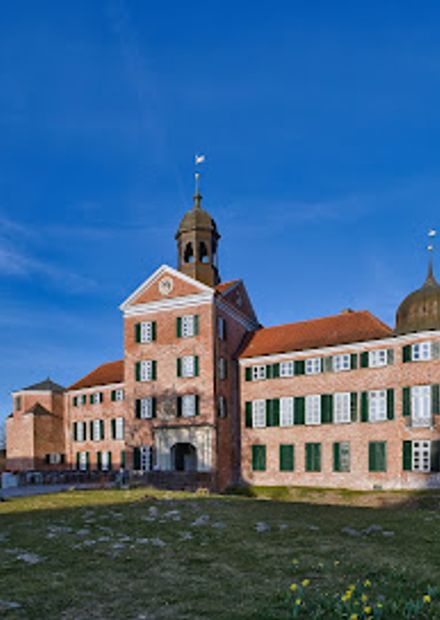
Eutin Castle travel guide
Explore the captivating Eutin Castle, a historic gem in Germany, known for its stunning architecture, rich exhibitions, and beautiful gardens.
Tell me more about Eutin CastleMore to explore near Eutin Castle

 Best experiences near Eutin Castle

 Best hotels near Eutin Castle

 Best attractions near Eutin Castle

 Best shops near Eutin Castle

 Best bars near Eutin Castle

 Best restaurants near Eutin Castle
Explore more

Explore more of Holstein
Discover Holstein in Northern Germany: A Blend of Natural Beauty, Rich History, and Culinary Delights Await You.
Explore Holstein
Getting your guide ready…
We are putting together a fresh copy of the Eutin Castle guide. This can take up to a minute.
This can take a few moments. If your browser asks, choose Allow so the download can start. You'll find the guide in your Downloads folder.
Nothing happened? Download it again
Sorry, the guide is taking longer than usual. Please try again in a minute, or get it by email instead.

