

Best Attractions Near Five-Ridge Tower (Swabia)
Planning a trip to Five-Ridge Tower? Discover the best attractions nearby with history, expert tips, and routes. Free on web or the Evendo app.


The best attractions near Five-Ridge Tower
- Top rated
- Closest to Five-Ridge Tower
- A–Z
96 attractions
-
Park4.7★72,747 reviews
Olympiapark München
Olympiapark München is a stunning park and event venue that embodies the spirit of innovation and leisure. Perfect for tourists, it offers breathtaking landscapes, cultural events, and recreational activities.
Open 24 hours
-
Tourist attraction4.3★53,852 reviews
LEGOLAND Germany
LEGOLAND Germany, located in Günzburg, Bavaria, is a premier theme park offering a LEGO-themed experience for families with children of all ages. With over 60 attractions, including thrilling roller coasters, interactive rides, and captivating shows, the park immerses visitors in a world built from millions of LEGO bricks. From Miniland's intricate miniature cities to the adventurous realms of pirates and knights, LEGOLAND Germany sparks creativity and imagination. The park also features a Holiday Village with themed accommodations, providing a fully immersive LEGO experience. Whether building, riding, or exploring, LEGOLAND Germany promises a memorable day of family fun and adventure, making it a must-visit destination in Bavaria. Don't miss the LEGO Factory tour for a behind-the-scenes look at how LEGO bricks are made, and be sure to download the LEGOLAND app for real-time queue times and park navigation.
Mon–Fri 10:00–18:00 · Sat–Sun 10:00–19:00
-
Technology museum4.6★38,822 reviews
BMW Museum
The BMW Museum in Munich offers a captivating journey through the history and future of automotive innovation. With stunning exhibits and interactive displays, it’s a must-visit for car enthusiasts and curious travelers alike.
Tue–Sun 10:00–18:00
-
Museum4.7★34,522 reviews
BMW Welt
BMW Welt in Munich is an architectural marvel that combines a showroom, event venue, and museum dedicated to the iconic BMW brand. Visitors can explore the latest models, enjoy interactive exhibits, and experience the thrill of automotive innovation in a stunning setting.
Mon–Sat 7:30–24:00 · Sun 9:00–24:00
-
Castle4.6★33,622 reviews
Nymphenburg Palace
Nymphenburg Palace, a magnificent baroque residence in Munich, captivates visitors with its stunning architecture, lush gardens, and rich history. Explore its opulent rooms, fascinating museums, and beautiful grounds that reflect the artistry of the Bavarian royalty.
Daily 9:00–18:00
-
Tourist attraction4.7★21,115 reviews
Schlosspark Nymphenburg
Schlosspark Nymphenburg is a breathtaking blend of nature and history, offering tourists a serene escape in Munich. With its expansive gardens, stunning architecture, and picturesque landscapes, it's a must-visit destination for anyone looking to explore the beauty of Bavaria.
Daily 6:00–21:00
-
Tourist attraction4.4★13,910 reviews
Zoo Augsburg
Augsburg Zoo, nestled in Bavaria, Germany, is a captivating destination for animal lovers of all ages. Established in 1937, the zoo has grown from a modest collection of native wildlife to a vibrant sanctuary housing over 1,600 animals from around the globe, representing approximately 300 species. Visitors can explore diverse habitats, from the African Panorama with its giraffes and zebras to the South American House, bringing the Amazon jungle to life. The zoo actively participates in over 20 international breeding programs for endangered species and supports conservation projects worldwide. With its commitment to education, conservation, and providing engaging experiences, Augsburg Zoo promises a memorable and enriching outing for the whole family. Don't miss the chance to witness fascinating animal feedings, explore the adventure playground, and discover the wonders of the animal kingdom right in the heart of Augsburg.
Daily 9:00–18:00
-
Monastery4.5★13,225 reviews
Andechs Monastery
Nestled in the picturesque Bavarian countryside, Andechs Monastery is not only a pilgrimage site but also a feast for the senses, offering breathtaking views, rich history, and exquisite local brews. Visitors can immerse themselves in the spiritual ambiance while enjoying the surrounding natural beauty and sampling the famous Andechs beer.
-
Tourist attraction4.3★12,660 reviews
Allgäu Skyline Park
Allgäu Skyline Park, nestled in Rammingen near Bad Wörishofen, is Bavaria's largest amusement park, offering a thrilling blend of adrenaline-pumping rides and family-friendly attractions. Since its establishment in 1999 on the grounds of a former amusement park, it has grown to feature over 60 attractions, including the world's first interactive motorbike coaster, the Sky Dragster, and the towering Allgäuflieger, one of the world's tallest flying carousels. Beyond the rides, the park boasts beautifully landscaped areas, diverse dining options with regional specialties, and a lively events calendar, ensuring a memorable experience for visitors of all ages. With its commitment to quality, safety, and affordable fun, Allgäu Skyline Park has become a must-visit destination for thrill-seekers and families alike, offering a unique and unforgettable day out in the heart of Bavaria. The park also provides free parking and welcomes dogs on leashes, making it an accessible and enjoyable experience for everyone.
Daily 9:30–18:00
-
Historical landmark4.7★10,235 reviews
Olympiaturm
Nestled in the heart of Munich, Olympiapark is a breathtaking historical landmark and tourist attraction that offers stunning views, rich history, and vibrant recreational activities. From the iconic Olympiaturm to serene lakes and sprawling green spaces, this park is a must-visit for anyone exploring the city.


Sea Life Munich
Immerse yourself in the vibrant aquatic world at Sea Life Munich, where visitors of all ages can explore stunning marine life exhibits, interactive displays, and educational programs. Located in the heart of Munich, this family-friendly attraction showcases a diverse range of sea creatures, from colorful tropical fish to majestic sharks and fascinating sea turtles. A visit here promises to be both entertaining and educational, making it a must-see destination for anyone traveling to the city.
Mon–Fri 10:00–17:00 · Sat–Sun 9:00–18:00

Rathausplatz
Rathausplatz, the square in front of Augsburg's Town Hall, is a vibrant hub steeped in history and architectural grandeur. Flanked by the iconic Renaissance Town Hall, with its impressive Golden Hall, and the towering Perlachturm, the square serves as a focal point for city life. Originally a marketplace known as Eiermarkt, it has evolved through centuries of transformations, witnessing pivotal events and reflecting Augsburg's rich cultural heritage. Today, Rathausplatz hosts various events, from demonstrations to festivals, and provides access to key landmarks, including the Augustus Fountain and St. Peter am Perlach church. Its central location within Augsburg's pedestrian zone makes it easily accessible and a must-see destination for any visitor seeking to immerse themselves in the city's captivating atmosphere and historical significance. The square offers a blend of historical significance and modern vibrancy, making it a quintessential Augsburg experience.
Open 24 hours

Fuggerei
The Fuggerei in Augsburg is the world's oldest social housing complex, founded in 1521 by Jakob Fugger. It remains a unique and compelling example of social responsibility, offering affordable housing to Augsburg citizens in need for nearly 500 years. Wander through its car-free lanes, admire the picturesque ochre-colored houses with red roofs, and experience a 'city within a city' where residents still pay a symbolic rent of just 0.88 euros per year. Explore the Fuggerei Museum, the display residence, and even a World War II bunker to delve deeper into the history and the lives of the Fuggerei's residents, past and present. The Fuggerei is more than just a historical site; it's a living community with a remarkable story to tell.
Daily 9:00–20:00

Botanical Garden Munich-Nymphenburg
Explore the enchanting Botanical Garden Munich-Nymphenburg, a serene oasis in the heart of Munich. With its vast collection of flora, stunning landscapes, and tranquil ambiance, it's a must-visit for nature lovers and tourists alike. Perfect for leisurely strolls, photography, and relaxation, this garden offers an unforgettable experience.
Daily 9:00–18:00

Augsburg Botanical Garden
Escape the city bustle and immerse yourself in the tranquil beauty of the Augsburg Botanical Garden. This sprawling green space offers a diverse collection of plants from around the world, meticulously arranged in themed gardens and greenhouses. Wander through the serene Japanese Garden, marvel at the vibrant displays in the flower garden, or explore the fascinating world of medicinal plants. With its peaceful atmosphere and educational exhibits, the garden provides a refreshing retreat for nature lovers of all ages. Whether you're seeking a quiet stroll, a family outing, or a deeper understanding of botany, the Augsburg Botanical Garden promises a delightful and enriching experience. Don't miss the seasonal events and exhibitions that add extra flair to this horticultural haven.
Daily 9:00–20:00

Schleissheim palace complex
Step into a world of grandeur at the Schleissheim Palace Complex, a stunning testament to Baroque architecture located just outside Munich. This historic site offers tourists a chance to explore opulent palaces, lush gardens, and fascinating museums, making it a must-visit destination for those seeking cultural enrichment and beauty.
Tue–Sun 10:00–16:00

Deutsches Museum Flugwerft Schleissheim
Deutsches Museum Flugwerft Schleissheim is a must-visit for aviation enthusiasts and history buffs, showcasing a rich collection of aircraft and exhibits that celebrate the evolution of flight.
Daily 9:00–17:00

Harburg Castle
Perched high above the town of Harburg, Bavaria, Harburg Castle is a remarkably well-preserved medieval fortress dating back to the 11th century. As one of the oldest and largest castles in Southern Germany, it offers visitors a captivating glimpse into the past.
Daily 10:00–17:00

Blutenburg Castle
Nestled in the picturesque outskirts of Munich, Blutenburg Castle offers visitors a unique blend of history, architecture, and stunning natural beauty. This charming castle, surrounded by tranquil gardens and a serene lake, is a must-visit for tourists seeking a peaceful retreat from the bustling city. Explore its fascinating museum, enjoy delightful dining options, or simply stroll along the scenic pathways that lead you through its lush surroundings.
Daily 12:00–20:30

Kurpark Bad Woerishofen
Nestled in the heart of Bad Woerishofen, Kurpark is a tranquil oasis offering lush greenery, serene walking paths, and wellness activities. This beautifully landscaped park is a haven for relaxation and rejuvenation, perfect for tourists seeking a peaceful retreat in nature. Enjoy the fresh air, picturesque scenery, and vibrant floral displays that change with the seasons. With ample space for leisurely strolls, picnics, and quiet contemplation, Kurpark is an essential stop for any visitor looking to unwind and connect with nature.
Open 24 hours

Augsburg Cathedral
Augsburg Cathedral, or Dom Mariä Heimsuchung, is a captivating blend of Romanesque and Gothic architecture that has stood for over a millennium. Founded in the 11th century, this Catholic cathedral boasts Germany's oldest stained glass windows, dating back to the 12th century, and houses significant artworks spanning various periods. Visitors can explore its towering structure, admire the intricate details of its chapels, and delve into the rich history that unfolded within its walls, including Martin Luther's pivotal confrontation during the Reformation. The cathedral's serene atmosphere and historical importance make it a must-see destination in Augsburg, offering a glimpse into the city's spiritual and artistic heritage. Its imposing presence and artistic treasures provide a unique and enriching experience for every visitor.

Japanese Garden Augsburg
Nestled within Augsburg's Botanical Garden, the Japanese Garden offers a serene escape inspired by Japanese landscape architecture. Designed by Yoshikuni Araki, this meticulously crafted space features winding paths, a central lake (Euchi) symbolizing the sea, carefully placed boulders from the Fichtelgebirge mountains, and traditional stone lanterns (Ishidoro). The garden embodies the essence of Japanese aesthetics, presenting a harmonious blend of water, stone, and meticulously chosen plants. Visitors can explore diverse perspectives, discover hidden corners, and experience a sense of tranquility amidst the carefully curated landscape. It's a place for contemplation and appreciation of the art of Japanese gardening, offering a unique cultural experience within the heart of Bavaria. Picnics are not allowed in the Japanese Garden, but are welcome in other areas of the Botanical Garden.
Daily 9:00–20:00

Neuburg Castle
Neuburg Castle, or Schloss Neuburg, majestically overlooks the town of Neuburg an der Donau, offering a captivating blend of medieval origins and Renaissance splendor. Originally built in the Middle Ages, it was transformed in the 16th century into a magnificent palace by Count Palatine Otto Henry, becoming one of Germany's most important Renaissance palaces. Today, visitors can explore the castle's opulent interiors, including the stunning Palatine Chapel, the oldest Protestant church in Bavaria adorned with exquisite frescoes, and the State Gallery of Flemish Baroque Paintings, featuring masterpieces by Rubens and Van Dyck. With its rich history, architectural grandeur, and artistic treasures, Neuburg Castle promises an unforgettable journey through time.
Tue–Sun 9:00–18:00

Dachau Palace
Nestled in the heart of Dachau, the Dachau Palace is a stunning historical site that offers tourists a glimpse into Bavaria's regal past. Overlooking the picturesque landscape, this castle combines rich history with breathtaking views, making it a must-visit for any traveler. With its beautiful gardens and exquisite architecture, visitors can immerse themselves in the elegance of a bygone era while exploring the extensive grounds.
Tue–Sun 10:00–16:00

Museum of Man and Nature
The Museum of Man and Nature in Munich offers an enchanting journey through science and natural history, perfect for tourists eager to explore the marvels of our planet and its inhabitants.
Tue–Fri 9:00–17:00 · Sat–Sun 10:00–18:00

Stadtwald Augsburg
Stadtwald Augsburg, a sprawling urban forest, offers a refreshing escape into nature right within the city limits. This vast green space provides a diverse landscape of dense woodlands, open meadows, and serene waterways, making it a haven for outdoor enthusiasts and nature lovers. Whether you're seeking a peaceful stroll, an invigorating bike ride, or simply a quiet spot to unwind, Stadtwald offers something for everyone. The forest is home to a rich variety of flora and fauna, providing ample opportunities for wildlife spotting and nature photography. With its well-maintained trails and easily accessible location, Stadtwald Augsburg is a perfect destination for a day trip or a regular dose of nature's tranquility. The forest's commitment to conservation and sustainable management ensures that it remains a vibrant and thriving ecosystem for generations to come, making it a valuable asset to the city and a must-visit for anyone seeking a connection with nature.
Open 24 hours

Wittelsbach Park large lawn
Wittelsbach Park, a sprawling 18-hectare green space in Augsburg, offers a tranquil escape from the city's bustle. Named in 1906 after the Wittelsbach dynasty, who ruled Bavaria for centuries, the park boasts diverse landscapes, from open lawns perfect for recreation to shaded avenues ideal for leisurely strolls. A Japanese rock garden, dedicated to Rudolf Diesel, adds a unique cultural touch. The park also hosts Kongress am Park, a convention center known for its striking 1970s architecture. Whether you seek relaxation, recreation, or a touch of history, Wittelsbach Park provides a refreshing oasis in the heart of Augsburg, inviting visitors to unwind and enjoy its natural beauty and diverse offerings throughout the year.
Open 24 hours

BMW Headquarters
Visit the BMW Headquarters in Munich, a stunning architectural marvel and the heart of automotive innovation. Discover the brand's legacy through immersive experiences and guided tours.
Mon–Sat 8:00–20:00

Marienbrunnen
The Marienbrunnen, or Mary's Fountain, stands as a captivating centerpiece in Landsberg am Lech's Hauptplatz (main square). Crafted in 1700, the fountain features a sculpture of the Immaculate Virgin Mary by Tyrolean sculptor Streiter. More than just a beautiful landmark, the Marienbrunnen serves as a focal point for community life, a place to gather, relax, and soak in the town's vibrant atmosphere. Surrounded by colorful historic buildings and the impressive town hall, the fountain embodies Landsberg's rich history and artistic heritage. Its presence enhances the charm of the triangular-shaped Hauptplatz, making it a must-see for any visitor exploring this picturesque Bavarian town. The fountain's intricate details and historical significance offer a glimpse into Landsberg's past, inviting travelers to appreciate the town's cultural depth and beauty. Whether admiring the craftsmanship or simply enjoying the lively ambiance, the Marienbrunnen provides a memorable experience in the heart of Landsberg am Lech.
Open 24 hours

Schaezlerpalais
The Schaezlerpalais, Augsburg's most significant 18th-century private palace, is a Rococo gem on Maximilianstraße. Built from 1765 to 1770, it showcases stunning architecture and houses impressive art collections. The highlight is the Rococo ballroom, considered one of Germany's most beautiful. Explore the Deutsche Barockgalerie with Southern German paintings, and the Karl und Magdalene Haberstock-Stiftung featuring Baroque masterpieces. Don't miss the meticulously recreated Rococo garden, offering a tranquil retreat. A visit promises an immersive experience into the opulence and artistic achievements of the era, making it a must-see for art, architecture, and history enthusiasts.
Tue–Sun 10:00–17:00

Schloß Unterwittelsbach
Nestled in the picturesque town of Aichach, Schloß Unterwittelsbach offers tourists an enchanting glimpse into Bavarian heritage, showcasing stunning architecture and rich historical narratives.

Goldener Saal
The Goldener Saal (Golden Hall) in Augsburg's Town Hall is a breathtaking example of German Renaissance architecture. Built between 1615 and 1624 by Elias Holl, the city's master builder, it is renowned for its opulent gold-leaf decor, intricate ceiling paintings, and monumental murals. The hall served as the city's primary meeting and ceremonial space, showcasing Augsburg's wealth and power during its peak as a Free Imperial City. Though heavily damaged during World War II, meticulous restoration efforts have returned the Goldener Saal to its former glory, allowing visitors to experience the grandeur and artistic mastery of this historical landmark. Today, it stands as a testament to Augsburg's rich cultural heritage and a must-see attraction for anyone visiting Bavaria.
Daily 10:00–18:00

Augsburg Arsenal
The Augsburg Arsenal, or Zeughaus, is a striking Renaissance building that once served as the city's main armory. Built in the early 17th century, its impressive facade showcases ornate stonework and intricate sculptures, reflecting the wealth and power of Augsburg during its golden age. Today, the Arsenal functions as a museum, offering visitors a glimpse into the city's military history and the evolution of weaponry. Explore its vast storage rooms, workshops, and barracks to imagine the bustling activity that once filled these halls. The Arsenal stands as a testament to Augsburg's strategic importance and architectural prowess, making it a must-see for history enthusiasts and anyone interested in Renaissance artistry.

Bismarckturm
The Bismarckturm in Neusäß, near Augsburg, is a towering monument offering stunning panoramic views of the city and surrounding Bavarian landscape. Built in 1905, it stands as one of many Bismarck towers erected across Germany to honor Otto von Bismarck, the first Chancellor. Visitors can climb the tower for an unparalleled vista, especially rewarding on clear days when the Alps are visible on the horizon. The tower is a popular destination for locals and tourists alike, providing a blend of historical significance and natural beauty. Open seasonally, from April to October, it's a perfect spot for a leisurely afternoon, combining a bit of history with breathtaking scenery. Free parking is available nearby, making it easily accessible for those arriving by car. The Bismarckturm is more than just a tower; it's a landmark that connects visitors to the past while offering a picturesque escape.
Daily 9:00–19:00

Schloss Lustheim
Schloss Lustheim, a stunning Baroque palace nestled in Oberschleißheim, offers tourists a glimpse into Germany's regal past. This historical site, surrounded by beautiful gardens, is perfect for leisurely strolls and photography.
Tue–Sun 10:00–16:00

Jakobertor
The Jakobertor, a well-preserved medieval city gate in Augsburg, stands as a proud reminder of the city's rich history and strategic importance. Built in the 14th century, it was a key component of Augsburg's fortifications, protecting the eastern approach to the city. Today, the Jakobertor offers visitors a glimpse into the past, with its imposing Gothic architecture and sturdy construction. While the gate itself is not accessible internally, its exterior provides a picturesque scene, especially when viewed from the nearby Jakoberstraße. The surrounding area, with its blend of historical and modern elements, adds to the charm of this iconic landmark, making it a worthwhile stop for anyone exploring Augsburg's historical center. The gate is a testament to Augsburg's enduring spirit and its ability to blend the old with the new.
Open 24 hours

Rotes Tor
Rotes Tor, a historic landmark in Augsburg, beckons tourists with its striking architecture and rich history. This iconic red gate not only serves as a picturesque backdrop for photos but also stands as a testament to the city's medieval past. Visitors can explore the surrounding area, where cobblestone streets and charming buildings create a captivating ambiance that transports you back in time.
Open 24 hours

Augsburg Railway Park gGmbH
Step back in time at the Augsburg Railway Park, a sprawling museum built on the grounds of a former Deutsche Bahn locomotive depot. Explore a fascinating collection of historic locomotives from across Europe, including steam engines, diesel locomotives, and electric engines. Wander through the Europa Roundhouse, a protected historical building showcasing locomotives from various EU countries. The park offers a unique glimpse into railway history with its workshops, historical smithy, and various railway vehicles. Special events, including jazz concerts and steam engine excursions, add to the park's appeal, making it a must-visit for railway enthusiasts and families alike. With its blend of history, technology, and culture, the Augsburg Railway Park provides an engaging and educational experience for all ages.
Tue–Sun 10:00–16:00

Augsburg Town Hall
The Augsburg Town Hall, or Augsburger Rathaus, stands as a magnificent testament to Renaissance architecture north of the Alps. Designed by Elias Holl and constructed between 1615 and 1624, this iconic building is not only the administrative heart of Augsburg but also a symbol of the city's rich history and cultural significance. Its impressive facade, adorned with the Imperial Eagle and the city's emblem, the Zirbelnuss (pine cone), reflects Augsburg's status as a Free Imperial City. Inside, the Golden Hall, or Goldener Saal, awaits, a breathtaking space with opulent decorations, murals, and a coffered ceiling, showcasing the city's wealth and artistic prowess during the Renaissance. A visit to the Town Hall offers a glimpse into Augsburg's past and its enduring legacy as a center of trade, culture, and political power.

Hochablass
The Hochablass, a historic weir on the Lech River, marks the beginning of Augsburg's ingenious water management system, a UNESCO World Heritage site. Dating back to the Middle Ages, this structure diverts water into the city's intricate canal network, powering industries and providing drinking water. Today, it's a picturesque spot for walks and bike rides, offering scenic views and a glimpse into Augsburg's rich history. Explore the nearby Kuhsee, the Eiskanal (Olympic canoe slalom course), and the historic waterworks to delve deeper into this fascinating system. The Hochablass is easily accessible and provides a tranquil escape into nature and history, making it a must-see for any visitor to Augsburg.
Open 24 hours

Fugger and Welser Erlebnismuseum
Delve into the fascinating world of Augsburg's most influential merchant families at the Fugger and Welser Erlebnismuseum. This interactive museum brings to life the stories of the Fugger and Welser families, who shaped European economics and politics during the Renaissance. Explore their vast trade networks, financial dealings, and social impact through engaging exhibits featuring multimedia displays, historical artifacts, and interactive elements. Housed in a beautifully preserved Renaissance building, the museum offers a unique glimpse into the lives of these powerful families and their lasting legacy on Augsburg and the world. Discover how they rose to prominence, influenced emperors and kings, and left an indelible mark on the city's cultural and architectural landscape. The museum also connects historical events to today's global economy, prompting reflection on modern business practices.
Tue–Sun 10:00–17:00

Maisinger See
Maisinger See, a serene nature preserve in Pöcking, Germany, is a hidden gem for tourists seeking tranquility and natural beauty. Surrounded by lush greenery and vibrant wildlife, this stunning lake offers a perfect escape from the hustle and bustle of city life. Enjoy picturesque walking trails, serene picnicking spots, and breathtaking views, making it an ideal destination for nature lovers and families alike.
Open 24 hours

Naturmuseum Augsburg
The Naturmuseum Augsburg invites visitors on a captivating journey through the natural history of the region and beyond. Located in the heart of Augsburg, the museum showcases a diverse collection of exhibits spanning geology, mineralogy, botany, and zoology. Its highlight is the Molasse exhibition, unique in Southern Germany, displaying fossils from the Tertiary period. Explore the fascinating world of minerals and gemstones, discover animals from various regions, and learn about Central European habitats. With its engaging displays and educational programs, the Naturmuseum offers an enriching experience for visitors of all ages, providing insights into the evolution of our planet and the diversity of life it supports. Don't miss the planetarium for an out-of-this-world experience.
Tue–Sun 10:00–17:00

Marienplatz
Marienplatz, the central square of Mindelheim, is a vibrant hub steeped in history and surrounded by architectural gems. Dominated by the neo-Renaissance Town Hall and adorned with a mid-18th-century fountain, the square serves as a focal point for both locals and tourists. The statue of Georg von Frundsberg, a local military hero, adds to the square's historical significance. Throughout the year, Marienplatz hosts various events, from traditional markets to cultural festivals, creating a lively atmosphere. Its central location makes it an ideal starting point for exploring Mindelheim's charming old town, with its cobblestone streets and historic buildings. Whether you're admiring the architecture, enjoying a local event, or simply soaking in the ambiance, Marienplatz offers a quintessential Bavarian experience.

Pagodenburg
Nestled within the exquisite Nymphenburg Park in Munich, Pagodenburg is a stunning Chinese-style pavilion that captivates visitors with its unique architecture and serene surroundings. This hidden gem, flanked by lush gardens and picturesque waterways, offers a tranquil escape from the city bustle, making it a must-visit for any tourist seeking beauty and history.

Leopold Mozart Haus
The Leopold Mozart Haus in Augsburg offers a fascinating journey into the life and family of Leopold Mozart, father of the prodigious Wolfgang Amadeus Mozart. Housed in a beautifully preserved 17th-century building, the museum showcases original documents, instruments, and artifacts that illuminate the Mozart family's history and their connection to Augsburg. Visitors can explore the exhibits to learn about Leopold's career as a composer, violinist, and teacher, as well as the early life of Wolfgang. The museum provides valuable insights into the musical and social context of the 18th century, making it a must-visit for music enthusiasts and history buffs alike. Interactive displays and multimedia presentations enhance the experience, bringing the Mozart family's story to life. The house itself, with its historical architecture, adds to the charm and authenticity of the museum, creating a memorable and educational experience for all ages. Don't miss the opportunity to delve into the world of one of history's most influential musical families.
Tue–Sun 10:00–17:00

Amalienburg
Nestled in the picturesque gardens of Nymphenburg Palace in Munich, Amalienburg is an exquisite example of Rococo architecture. Tourists can explore its lavish interiors, beautifully landscaped grounds, and enjoy a serene atmosphere that transports them back in time.

Hercules' Fountain
The Hercules' Fountain, a commanding bronze monument in Augsburg's Maximilianstraße, stands as a testament to the city's rich history and innovative water management system. Created by Adriaen de Vries and completed in 1602, the fountain depicts Hercules battling the Lernaean Hydra, symbolizing the triumph over the chaotic forces of nature. More than just a visual spectacle, the fountain once served a vital role in the city's drinking water supply, showcasing Augsburg's pioneering use of water power. Today, it remains a beloved landmark, drawing visitors to admire its intricate details and learn about its historical significance. The fountain is a key element of the UNESCO World Heritage Site, 'Augsburg Water Management System'.
Open 24 hours

MAN Museum Augsburg
The MAN Museum in Augsburg showcases the remarkable history of Maschinenfabrik Augsburg-Nürnberg (MAN), one of Germany's leading engineering firms. Housed in the former research facility, the museum traces MAN's evolution from its 18th-century origins to its pioneering work in diesel engines and printing presses. Visitors can explore exhibits featuring original models, historical photographs, and detailed informational panels that highlight MAN's contributions to industrial progress. The museum's centerpiece is the first diesel engine, a testament to Rudolf Diesel's groundbreaking work in Augsburg. A visit offers a fascinating glimpse into the technological advancements that shaped the modern world, making it a worthwhile destination for engineering enthusiasts and history buffs alike. Remember to book your visit in advance!

Augustiner-Bräu
Nestled in the heart of Munich, Augustiner-Bräu is a historic brewery that offers an authentic Bavarian experience. Known for its rich tradition and superb beer, it is a must-visit for tourists seeking a genuine taste of local culture and hospitality.
Mon–Thu 8:00–12:00, 13:00–15:00 · Fri 8:00–12:00

Schloss Nymphenburg Marstallmuseum
Schloss Nymphenburg Marstallmuseum, located in Munich, is a must-visit destination for tourists. This stunning museum showcases the rich history and artistry of Bavarian royalty through its exquisite collection of carriages and historic artifacts, set against the backdrop of a magnificent palace surrounded by lush gardens.
Daily 10:00–16:00

Friedberger Baggersee
The Friedberger Baggersee, a picturesque lake near Friedberg, Bavaria, offers a refreshing escape with clear waters, recreational activities, and family-friendly amenities. Once a gravel pit, it's now a popular spot for swimming, water sports, and relaxation.

Römisches Museum
Delve into Augsburg's rich Roman history at the Römisches Museum, showcasing a remarkable collection of artifacts from the city's time as Augusta Vindelicum, a vital Roman hub. While the museum's primary location in the former Dominican Church is currently undergoing renovations, a selection of key exhibits is on display at the Zeughaus (armory) in the interim exhibition "Römerlager – Das römische Augsburg in Kisten" (Roman Camp – Roman Augsburg in Boxes). Explore fascinating finds from military equipment and everyday objects to religious artifacts and remnants of early Christian life. Discover the strategic importance of Augsburg in the Roman Empire and gain insights into the daily lives of its inhabitants through well-preserved stone monuments, intricate jewelry, and impressive military relics. The museum provides a captivating glimpse into the region's past, bridging the gap between antiquity and the present day. Don't miss the chance to explore this captivating collection and uncover the secrets of Roman Augsburg.
Tue–Sun 10:00–17:00

Brenz Castle
Brenz Castle, a striking Renaissance structure in Sontheim an der Brenz, stands as a testament to centuries of history. Originally a medieval stronghold, it was destroyed during the Thirty Years' War and rebuilt in 1672. Today, it houses a local heritage museum with geological and paleontological exhibits, including an impressive fossil collection. While access to the inner courtyard may be restricted due to water damage, the castle's exterior and the surrounding grounds offer a glimpse into its storied past. Concerts are occasionally held within the castle, adding a cultural dimension to the historical site. The castle's strategic location and architectural beauty make it a worthwhile visit for those exploring the Swabian Alb region.
Mon–Thu 7:00–12:00, 13:00–17:00 · Fri 7:00–12:00

Brechthaus
The Brechthaus, nestled in Augsburg's historic Lechviertel, marks the birthplace of Bertolt Brecht, one of Germany's most influential playwrights and poets. This meticulously preserved craftsman's house offers a captivating journey through Brecht's life, showcasing his formative years in Augsburg and his prolific literary career. Visitors can explore exhibits featuring original manuscripts, photographs, stage designs, and personal belongings, providing a unique glimpse into the world that shaped Brecht's revolutionary works. The Brechthaus stands as a testament to Augsburg's rich cultural heritage and its connection to a literary giant, making it a compelling destination for literature enthusiasts and history buffs alike. Its location amidst the charming canals and cobblestone streets of the Lechviertel adds to its allure, inviting visitors to step back in time and immerse themselves in the atmosphere that inspired Brecht's early writings. The museum provides a comprehensive overview of Brecht's life and work, from his early struggles to his later successes, offering valuable insights into his artistic vision and his impact on 20th-century theater.
Tue–Sun 10:00–17:00

Steinerner Mann
The Steinerner Mann, or Stone Man, is a captivating historical landmark nestled in Augsburg's old city. This enigmatic statue, found in a wall recess along the ancient city fortifications, sparks curiosity with its patchwork construction and the local legend surrounding it. While the tale attributes the statue to Konrad Hacker, a baker who supposedly saved Augsburg during the Thirty Years' War by deceiving besieging forces, historical evidence suggests a more complex origin. The statue's components predate the war, possibly assembled from Roman and medieval remnants. Today, the Steinerner Mann stands as a symbol of Augsburg's resilience and rich history, inviting visitors to ponder its mysteries and appreciate the city's enduring spirit. A visit offers a glimpse into Augsburg's past, blending legend and historical fact in a unique and thought-provoking way. Don't forget to rub his nose for good luck, as local tradition suggests!
Open 24 hours

Kneipp Bad Worishofen
Delve into the world of Sebastian Kneipp, the pioneer of hydrotherapy and holistic wellness, at the Kneipp Museum in Bad Wörishofen. Housed in a historic Dominican convent where Kneipp himself served as a confessor, the museum showcases his life, work, and the five pillars of his renowned Kneipp cure: water therapy, herbal remedies, exercise, nutrition, and inner balance. Explore fascinating exhibits, including original artifacts, historical documents, and interactive displays, that bring Kneipp's revolutionary approach to health to life. Discover how his teachings continue to inspire a balanced and healthy lifestyle, making this museum a unique and enriching experience for those seeking natural healing and well-being. The museum also features a fragrance station and Kneipp videos, enhancing the visitor experience.

Augustusbrunnen
Nestled in the heart of Augsburg, the Augustusbrunnen stands as a stunning testament to the city's rich history and architectural grandeur. This exquisite fountain, located at Rathausplatz, is a must-visit attraction for any tourist exploring the charming streets of Augsburg. Adorned with intricate sculptures and surrounded by vibrant city life, it offers a perfect backdrop for photos and a serene spot to relax while soaking up the local culture.
Open 24 hours

Mauerner Höhlen
The Mauerner Caves, nestled near Rennertshofen within the Altmühltal Nature Park, offer a fascinating glimpse into geological history and prehistoric life. These caves, formed over millennia, have revealed significant archaeological finds, including evidence of Neanderthal habitation. Visitors can explore the caves' unique rock formations and learn about the area's rich past through informative displays. The surrounding hiking area provides scenic trails that wind through the picturesque landscape, making it an ideal destination for nature lovers and history enthusiasts alike. With its blend of natural beauty and historical significance, the Mauerner Caves provide a memorable and educational experience for all ages, inviting you to step back in time and discover the secrets hidden within the earth.
Open 24 hours

Hans Jakob Fugger - Denkmal
The Hans Jakob Fugger Denkmal, located on Fuggerplatz in Augsburg, Germany, commemorates Hans Jakob Fugger (1516-1575), a prominent member of the Fugger banking family and a significant patron of the arts and sciences during the Renaissance. The monument, erected by King Ludwig I of Bavaria in 1857, recognizes Fugger's contributions to scholarship and the city's cultural life. Fugger, though involved in the family's banking business, is best remembered for his extensive library, his support of artists, and his role in bringing Renaissance ideas to Augsburg. The statue serves as a reminder of the Fugger family's influence on Augsburg and their commitment to intellectual pursuits. Today, the monument stands as a focal point in Fuggerplatz, surrounded by historic buildings and serving as a gathering place for locals and tourists alike. It's a testament to the enduring legacy of a man who valued knowledge and artistic expression.
Open 24 hours

Swabian Folklore Museum Oberschönenfeld
The Swabian Folklore Museum Oberschönenfeld, nestled within the historic Oberschönenfeld Abbey complex, offers an immersive journey into the rural everyday culture of Swabia, Bavaria. Housed in the abbey's former farm buildings, the museum showcases the region's rich history and traditions from 1800 to the present day. Visitors can explore exhibits featuring unique objects, personal stories, and interactive displays that bring Swabian life to life. The museum also hosts temporary art exhibitions in the Swabian Gallery and provides access to the Augsburg-Western Woods Nature Park, making it a multifaceted destination for culture and nature enthusiasts. With its engaging exhibits and beautiful setting, the museum provides a captivating glimpse into the heart of Swabia.
Tue–Sun 10:00–17:00

Käthe-Kruse-Puppen-Museum Donauwörth
Step into a world of handcrafted charm at the Käthe Kruse Doll Museum in Donauwörth. This delightful museum, nestled in a former Capuchin monastery, showcases the exquisite artistry of Käthe Kruse, a pioneering German doll maker. Admire over 150 dolls, including rare collector's items, charming dollhouse figures, and captivating window mannequins, all meticulously arranged in enchanting displays. Discover the story of Käthe Kruse's innovative approach to doll making, emphasizing soft, huggable creations that captured the hearts of children worldwide. With rotating special exhibitions and engaging activities for families, the museum offers a nostalgic and heartwarming experience for visitors of all ages. Explore the adjacent Werner Egk Encounter Site, included in your admission, to delve into the life and work of the renowned composer. The museum provides a captivating glimpse into German toy history and the enduring legacy of Käthe Kruse.
Tue–Sun 11:00–18:00

Lechmuseum Bayern
The Lechmuseum Bayern, nestled in a historic hydroelectric power plant in Langweid am Lech, offers a fascinating journey through the story of the Lech River and its impact on the region. Housed within a striking brick building dating back to 1907, the museum explores the river's natural history, its role in power generation, and its cultural significance. Visitors can explore the original turbine hall, examine exhibits detailing the river's ecosystem, and learn about the history of the Lechwerke Augsburg. With interactive displays and a focus on both technology and ecology, the Lechmuseum provides an engaging experience for all ages, highlighting the importance of water management and conservation in this unique corner of Bavaria. The museum is part of the Augsburg Water Management System, a UNESCO World Heritage Site, making it a worthwhile visit for those interested in industrial history and environmental stewardship.

Schloss Waal
Schloss Waal, a captivating castle in the heart of Waal, Bavaria, offers a glimpse into centuries of history and noble heritage. Once home to the princely House of von der Leyen, this well-preserved structure showcases architectural styles from the 16th century onwards, incorporating remnants of a medieval burg destroyed in 1397. While the castle suffered damage from a fire in 2017, its imposing presence and historical significance continue to draw visitors. Explore the castle grounds, wander through the lindenallee, and imagine life within these ancient walls. The surrounding town of Waal, with its charming Bavarian atmosphere and proximity to other attractions in the Ostallgäu region, makes Schloss Waal a worthwhile stop for history buffs and those seeking a taste of Germany's rich cultural past.
Open 24 hours

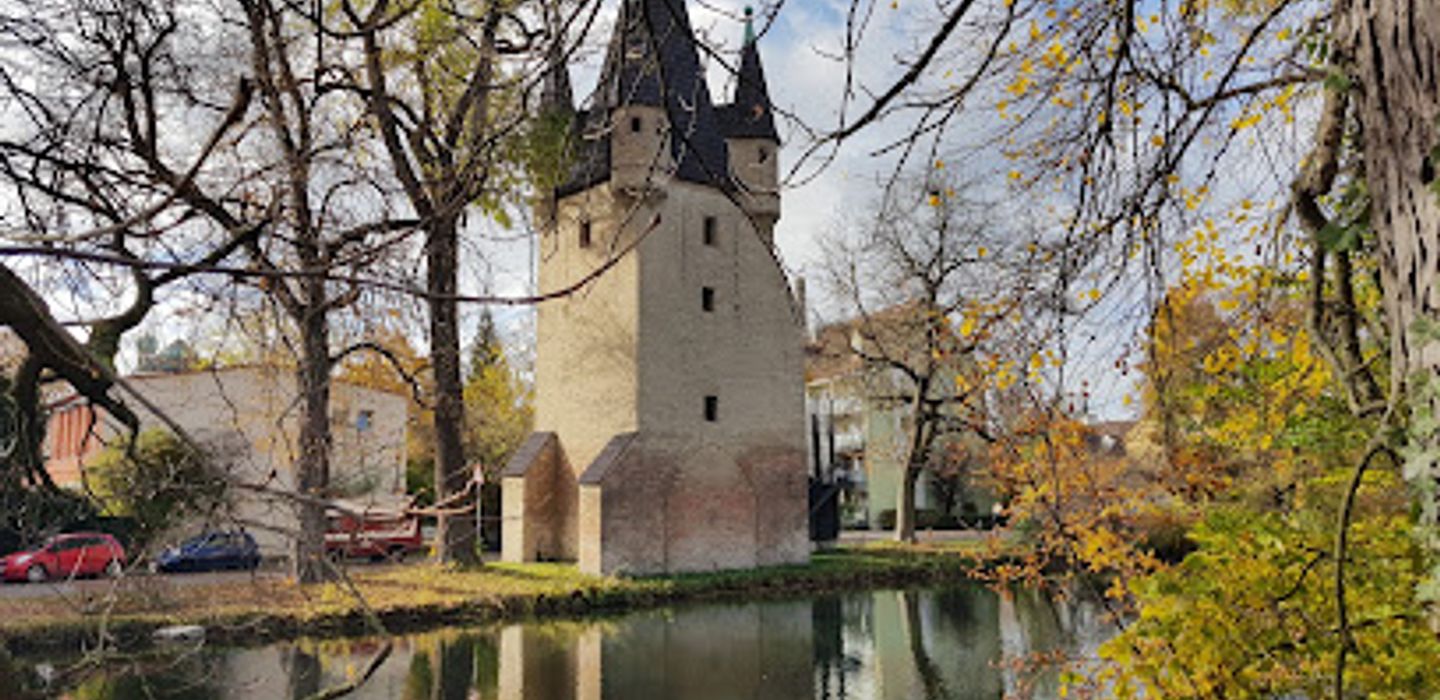
Five-Ridge Tower
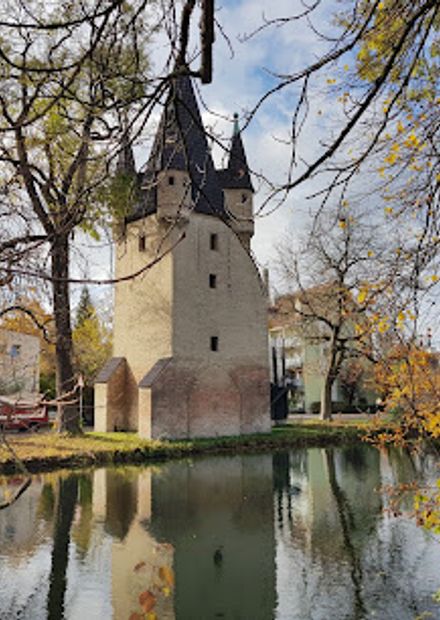
The Five-Ridge Tower (Fünffingerlesturm), a captivating historical landmark in Augsburg, stands as a testament to the city's rich heritage. Erected in 1454 as part of the eastern city fortifications, this iconic tower offers a glimpse into Augsburg's medieval past. Its distinctive five ridges, culminating in a unique roof structure, make it a prominent feature of the city's skyline. Visitors can explore the tower's interior, climb its newly constructed exterior staircase (added in 2007/2008), and enjoy panoramic views of the surrounding area. Located along the historic Jakobermauer, the Five-Ridge Tower is a must-see for history enthusiasts and those seeking a picturesque vantage point in Augsburg. The tower is a reminder of the city's strategic importance and the lives of the watchmen who once kept vigil from its heights, ensuring the safety and tranquility of Augsburg's citizens.
Sat open 24 hours · Sun 14:00–17:00

Torferlebnispfad Bremental
The Torferlebnispfad Bremental, or Bremental Peat Experience Trail, offers a fascinating glimpse into the history and ecology of peatlands. Located near Jettingen-Scheppach, this hiking area allows visitors to explore the unique landscape of a former peat harvesting site. The trail features informative panels detailing the formation of peat, the traditional craft of peat cutting, and the diverse flora and fauna that thrive in this environment. With features like Torf huts, a forest pavilion, an observation tower, and viewing platforms, the Torferlebnispfad provides an immersive experience for all ages. It's a place to connect with nature, learn about local history, and enjoy a peaceful walk in a distinctive landscape. The well-maintained paths are suitable for families, and the site offers a refreshing escape into nature.
Open 24 hours

Donauspitz
Donauspitz, located in Donauwörth, marks the confluence of the Danube and Wörnitz rivers, offering a picturesque and historically significant landmark. This small park provides a tranquil spot to witness the merging of these two waterways, a site that has shaped Donauwörth's identity for centuries. The area around Donauspitz is steeped in history, having served as a crucial point for trade and transportation throughout the ages. Visitors can enjoy scenic views, explore the adjacent old Donau harbor, and reflect on the strategic importance of this location. Donauspitz is easily accessible and provides a serene escape, making it a worthwhile visit for those exploring the Romantic Road and the Bavarian Swabia region. The park's natural beauty and historical context create a unique atmosphere, inviting visitors to pause and appreciate the significance of this riverside setting. Whether you're a history enthusiast, a nature lover, or simply seeking a peaceful moment, Donauspitz offers a memorable experience in the heart of Donauwörth.
Open 24 hours

Unteres Tor Günzburg
The Unteres Tor (Lower Gate), also known as the Stadtturm (City Tower), stands as Günzburg's iconic landmark. This imposing structure, located on the western side of the Marktplatz, marks the entrance to the historic old town. Originally built in the Gothic style around 1436 as part of the city's fortifications, it underwent a significant Renaissance-style transformation in the late 16th century. For centuries, the tower served not only as a defensive gate but also as the residence and workplace of the town watchman, responsible for sounding the alarm in case of fire. Today, the Unteres Tor is a captivating reminder of Günzburg's rich medieval past, offering visitors a glimpse into the town's history and architectural evolution. Its prominent position and distinctive design make it a must-see attraction for anyone exploring Günzburg's charming old town, a testament to the city's strategic importance and enduring heritage.
Open 24 hours

Schloß Seyfriedsberg
Schloss Seyfriedsberg, located near Ziemetshausen, is a captivating destination blending history and natural beauty. While the castle itself is not open to the public as it is privately owned, its surrounding Forstbotanischer Park offers a delightful experience for visitors. Established in 1848, the park showcases a diverse collection of trees and shrubs from around the world, carefully selected to thrive in the local climate. Wander through the park's serene pathways, marveling at towering, centuries-old trees, including impressive sequoias and ginkgos. The park is particularly stunning during May and June when the rhododendrons burst into vibrant bloom. With its tranquil atmosphere and unique botanical specimens, Schloss Seyfriedsberg's park provides a refreshing escape into nature and a glimpse into the region's rich cultural heritage. The park's blend of history, botany, and serene landscapes makes it a worthwhile destination for nature enthusiasts and those seeking a peaceful retreat.

Walk of Fame Olympic Park
The Walk of Fame at Olympic Park in Munich offers an enchanting experience for tourists, featuring handprints of famous celebrities and a picturesque park setting perfect for leisurely walks and relaxation.
Open 24 hours

Jewish Museum Augsburg Swabia
The Jewish Museum Augsburg Swabia, nestled in the heart of Augsburg's historic city center, offers a compelling journey through the rich history and vibrant culture of Jewish life in the region. Housed in a beautifully restored synagogue complex, the museum presents a diverse collection of artifacts, documents, and interactive exhibits that illuminate the social, religious, and cultural contributions of Jewish communities in Swabia from the Middle Ages to the present day. Visitors can explore the architectural splendor of the synagogue, delve into the stories of prominent Jewish figures, and gain a deeper understanding of the challenges and triumphs faced by Jewish people throughout history. The museum also features a bookstore and a café, providing spaces for reflection and further exploration of Jewish heritage. It's a place for learning, remembrance, and fostering intercultural dialogue.

Manzù-Brunnen
The Manzù Fountain, gracing Augsburg's Königsplatz, is a captivating blend of artistic elegance and urban vitality. Created by Italian sculptor Giacomo Manzù, the fountain features a bronze figure of a young woman emerging from her bath, casually draped in a tunic. Known locally as the 'Kammer-Fräulein' (Chamber Maid), the statue stands in a shallow pool, inviting passersby to pause and admire its graceful form. The fountain, unveiled in 1985 to commemorate Augsburg's 2000th anniversary, has become a beloved landmark and a popular meeting point. Its presence enhances the Königsplatz, a bustling transport hub, offering a moment of tranquility amidst the city's vibrant energy. The fountain's subtle lighting at night adds to its allure, making it a captivating sight day and night.
Open 24 hours

Jungfernsprung
The Jungfernsprung, a semi-circular tower integrated into Landsberg am Lech's southern city wall, offers a poignant glimpse into the town's past. Originally constructed in the 14th century, it was significantly heightened in the 19th century to serve as a water pressure reservoir. The tower's name, meaning "Maiden's Leap," is derived from a local legend recounting the desperate act of young women during the Thirty Years' War, who, fearing atrocities, supposedly jumped to their deaths into the Lech River from this location. While the legend's veracity is debated, the Jungfernsprung stands as a memorial to those who perished and a reminder of the town's tumultuous history. Today, it functions as a viewing platform, providing panoramic views of Landsberg and the surrounding landscape, inviting visitors to reflect on the stories etched into the stones of this historical landmark. The Jungfernsprung is a must-see for those seeking to connect with Landsberg's rich heritage and experience a unique perspective on the town.
Open 24 hours

Schwäbisches Handwerkermuseum
The Schwäbisches Handwerkermuseum (Swabian Crafts Museum) in Augsburg offers a fascinating journey into the region's rich artisanal heritage. Located in the historic Brunnenmeisterhaus near the Rotes Tor, the museum showcases meticulously recreated workshops and tools from a variety of traditional trades. Visitors can explore the history and techniques of crafts such as shoemaking, carpentry, and metalworking, gaining insight into the skills that shaped Augsburg's economic and cultural landscape. The museum not only highlights well-known crafts but also sheds light on lesser-known professions like bookbinding and instrument making. With its engaging exhibits and central location, the Schwäbisches Handwerkermuseum provides a unique and educational experience for those interested in the history of craftsmanship and the traditions of Swabia.

Bronze Age Bayern Museum
Delve into Bronze Age Bavaria at this Kranzberg museum, showcasing finds from the Bernstorf excavation site, the largest Bronze Age fortification north of the Alps. Discover gold, amber, and insights into a sophisticated culture with connections to the Mediterranean world.
Thu 16:00–19:00 · Sun 16:00–19:00

Harburger Märchenweg (Fairytale pathway)
Embark on a whimsical journey along the Harburger Märchenweg (Fairytale Pathway), a delightful trail weaving around the historic Harburg Castle in Bavaria. This enchanting path brings classic fairy tales to life with handcrafted figures and scenes nestled amidst the picturesque landscape. Perfect for families and those young at heart, the Märchenweg offers a blend of outdoor adventure and cultural immersion. Discover hidden treasures, encounter beloved characters, and create lasting memories as you explore this magical realm. The path is open from May to late October and is free to explore. Be aware that the path isn't suitable for strollers. Combine your visit with a tour of the imposing Harburg Castle and a stroll through the charming medieval town for a truly unforgettable experience.

European Asparagus Museum
The European Asparagus Museum in Schrobenhausen, Bavaria, is a quirky and fascinating tribute to Germany's love affair with asparagus, or 'Spargel.' Housed in a 15th-century tower that was once part of the town's fortifications, the museum delves into the history, cultivation, and cultural significance of this beloved vegetable. With three floors of exhibits, visitors can explore everything from antique harvesting tools and historical documents to asparagus-themed art and culinary displays. It's an engaging experience, especially during Spargelzeit (asparagus season) in May and June, when the region bursts with festivals and culinary events celebrating the 'royal vegetable.' Whether you're an asparagus aficionado or simply curious about German culture, this unique museum offers a delightful and informative glimpse into a culinary tradition.
Daily 10:00–17:00

Mercateum
The Mercateum in Königsbrunn is a unique museum housed within the world's largest walk-in globe, a monument to the historical trade relations between Swabia/Franconia and India. The globe's exterior displays a world map from 1529, while the interior features the permanent exhibition 'From India and to the End of the World,' documenting the beginnings and flourishing of long-distance trade. Visitors can explore exhibits showcasing historical trade goods, maps, and the stories of merchants who connected Europe with the East. The Mercateum offers a fascinating glimpse into the early days of globalization and the exchange of goods and ideas that shaped our world. It's a must-see for history buffs and anyone interested in the interconnectedness of cultures.
Sun 14:30–16:30

Mittelschwäbisches Heimatmuseum
The Mittelschwäbisches Heimatmuseum in Krumbach offers a captivating glimpse into the history and culture of the Middle Swabia region. Housed in a meticulously restored former Jewish residence, the museum showcases a diverse collection of artifacts, from traditional costumes and agricultural tools to religious artifacts and intricately crafted nativity scenes. Visitors can explore exhibits detailing the region's social, economic, and religious evolution, gaining insights into the lives of its inhabitants through the centuries. The museum also features a dedicated space for rotating exhibitions, ensuring a fresh and engaging experience with each visit. With its commitment to preserving and celebrating local heritage, the Mittelschwäbisches Heimatmuseum provides an enriching and educational experience for visitors of all ages, making it a must-see destination for those seeking to delve into the heart of Swabian culture.
Thu–Sun 14:00–17:00

Geotop Glaubenberg - Geopark Ries
Geotop Glaubenberg, nestled in the heart of the Geopark Ries, offers a captivating glimpse into the cataclysmic events that shaped this unique landscape. This geological site showcases the dramatic impact of a meteorite strike 15 million years ago, scattering rock formations and creating a fascinating puzzle for geologists and visitors alike. Explore the former quarry, where layers of Jurassic limestone tell a story of upheaval and transformation. The Glaubenberg's easily accessible trails and panoramic views make it an ideal destination for families, nature enthusiasts, and anyone curious about the power of geological forces. Discover the unique flora and fauna that have adapted to this extraordinary environment, and learn about the ongoing research that continues to unravel the mysteries of the Ries crater. A visit to Geotop Glaubenberg is an immersive experience that connects you to the deep history of our planet.
Open 24 hours

Villa Ampere
Villa Ampere, a renovated electrical transformer tower dating back to 1954, stands as a unique historical landmark and event space in Leipheim. Saved from demolition in the early 2010s, this architectural gem now offers visitors a glimpse into the region's industrial past while providing a modern space for gatherings and relaxation. The transformation of the tower into a 'relaxation station' showcases a blend of historical preservation and creative reuse. Its location near the Danube cycle path makes it a popular stop for cyclists and tourists exploring the area. With its distinctive design and multifaceted purpose, Villa Ampere offers a memorable experience, blending history, architecture, and community engagement. The villa hosts events and is available for rentals, making it a vibrant part of Leipheim's cultural landscape. A visit promises a unique perspective on adaptive reuse and local history.
Daily 10:00–20:00

Neptunbrunnen
The Neptune Fountain (Neptunbrunnen) in Augsburg is a captivating historical landmark and the city's oldest bronze fountain figure. Dating back to the 16th century, this impressive monument depicts the Roman god Neptune and reflects Augsburg's rich history as a prominent trading hub. The fountain has been moved several times throughout its history, finally settling on Jakobsplatz, near the Fuggerei. Its intricate details and historical significance make it a must-see attraction for visitors exploring Augsburg's cultural heritage. The Neptune Fountain offers a glimpse into the city's artistic past and provides a picturesque setting for a leisurely stroll.
Open 24 hours

Heimatmuseum Günzburg
The Heimatmuseum Günzburg, housed in a former Piarist college dating back to 1757, offers a fascinating glimpse into the region's rich history spanning over 4,000 years. Located in the heart of Günzburg's old town, the museum showcases a diverse collection of artifacts, from prehistoric and Roman archaeological finds to sacred art, folk costumes, and an impressive toy collection. Visitors can explore exhibits detailing Günzburg's past, including its connection to the Habsburg dynasty, and admire the intricate craftsmanship of religious artifacts and Biedermeier furniture. With its engaging displays and educational programs, the Heimatmuseum provides a captivating experience for visitors of all ages, offering a deeper understanding of Günzburg's cultural heritage. The museum is a regional focal point for archeology and is currently planning a comprehensive renovation and redesign to create a modern and appealing location for sharing history with locals and visitors.
Sat–Sun 14:00–17:00

Miniaturwelt aus Lego
Discover a world built from over 57 million LEGO bricks at Miniaturwelt aus Lego, nestled within Legoland Deutschland in Günzburg. This meticulously crafted miniature world showcases famous European cities and landmarks at a 1:20 scale, offering a unique and enchanting experience for visitors of all ages. Wander through miniature versions of Venice, Berlin, and the Swiss Alps, complete with intricate details and interactive elements. Whether you're a LEGO enthusiast or simply seeking a delightful and immersive attraction, Miniaturwelt aus Lego promises a memorable journey through a land of tiny wonders. Don't miss the chance to witness the artistry and creativity that bring this brick-built universe to life, making it a highlight of any visit to Legoland Deutschland.

Oberes Tor
The Oberes Tor (Upper Gate) in Mindelheim is a striking medieval gate, a remnant of the town's fortifications dating back to the 14th century. Serving as the eastern entrance to the historic old town, its towering presence dominates the Maximilianstraße. The gate's architecture showcases a blend of styles, reflecting centuries of modifications and renovations. The Oberes Tor is more than just a historical landmark; it's a symbol of Mindelheim's rich past and enduring heritage. Visitors can admire the gate's intricate details, including its brickwork, arched passageways, and the charming Durahansl figure donned during Fasching (Carnival). The gate provides a captivating glimpse into the medieval world, offering a tangible connection to the town's storied history. A stroll through its archway is a journey back in time, making it a must-see for anyone exploring Mindelheim.

Venedig (Miniland)
Venedig in Miniland at Legoland Günzburg is a captivating miniature world crafted from over 23 million LEGO bricks. This meticulously detailed replica brings the essence of Venice to life, showcasing iconic landmarks and the city's unique charm on a 1:20 scale. Visitors can marvel at the intricate canals, the Doge's Palace, St. Mark's Square, and the Rialto Bridge, all recreated with stunning accuracy and vibrant colors. The attention to detail extends to the tiny gondolas gliding along the waterways and the bustling miniature figures that populate the scene, offering a delightful and immersive experience for LEGO enthusiasts of all ages. It's a must-see attraction within Legoland, providing a unique perspective on one of the world's most beloved cities.

Dark History Tours & Experiences
Delve into the shadows of Munich's storied past with Dark History Tours, where history comes alive through captivating narratives and immersive experiences that reveal the city's hidden tales.
Daily 9:00–20:00

Turmuhrenmuseum
Step into a world where time stands still yet echoes with the rhythmic ticking of centuries-old tower clocks at the Schwäbisches Turmuhrenmuseum in Mindelheim. Housed within the historic Silvester Church and its towering Kappelturm, this unique museum showcases an impressive collection of over 50 tower clocks dating from 1562 to 1978, alongside pocket watches, sundials, and other horological treasures. Founded in 1979, the museum offers a fascinating journey through the evolution of timekeeping, revealing the intricate mechanics and artistic craftsmanship of these monumental timepieces. Ascend the 156 steps of the Kappelturm, where each level unveils a new chapter in the history of tower clocks, culminating in a breathtaking view and an unforgettable experience. Prepare to be captivated by the sheer scale and ingenuity of these mechanical marvels, testaments to human innovation and the enduring quest to measure time.
Wed 14:00–17:00

Aqueduct at the Red Gate
The Aqueduct at the Red Gate in Augsburg is a remarkable testament to the city's historical water management system, which was designated a UNESCO World Heritage site in 2019. Part of a larger complex that includes three water towers and two fountain master houses, the aqueduct dates back to the 15th century, with significant modifications made in 1777. This ingenious structure once supplied Augsburg with both drinking water and power for its waterwheels, showcasing advanced engineering for its time. Visitors can explore the area around the Red Gate, descend into the former moat to view the aqueduct's impressive arches, and learn about the fascinating history of Augsburg's waterworks.
Open 24 hours

Schloss Neuschwanstein (Miniland) Günzburg
Discover a miniature marvel at Schloss Neuschwanstein (Miniland) in Günzburg's Legoland! This intricate Lego replica captures the fairytale grandeur of the iconic Neuschwanstein Castle with astonishing detail. Crafted from over 300,000 Lego bricks by six model designers over six months, this model weighs over 300 kg and has been a Miniland highlight since April 2003. Nestled within Legoland Deutschland, this attraction offers a unique blend of architectural brilliance and playful amusement, appealing to Lego enthusiasts and families alike. Explore the meticulously designed landscapes surrounding the castle, offering fantastic photo opportunities and a chance to appreciate the artistry involved in creating this spectacular miniature world. It's a must-see for anyone seeking a whimsical escape into a world where fairy tales and Lego ingenuity intertwine, providing a memorable experience for all ages.

Aussichtsbank Ebersbach-Kleinkötz
The Aussichtsbank Ebersbach-Kleinkötz is a charming viewpoint nestled in the rolling hills of Bavaria near the village of Kleinkötz. More than just a bench, it's a destination offering panoramic vistas of the surrounding Günzburg district. This spot is perfect for a peaceful escape, a moment of reflection, or a picturesque picnic. The bench itself is well-maintained and inviting, encouraging visitors to pause and soak in the beauty of the landscape. The surrounding area features walking and cycling paths, making it easily accessible and a delightful addition to a day of exploring the Bavarian countryside. Whether you're a local seeking a familiar vista or a traveler discovering the region's hidden gems, the Aussichtsbank provides a rewarding experience and a memorable photo opportunity. The viewpoint is particularly stunning during sunrise and sunset, when the light casts a golden glow over the fields and forests. It's a place where you can truly appreciate the tranquility and natural beauty of rural Bavaria.

Fuggerei Brunnen
The Fuggerei Brunnen, or Fuggerei Well, stands as a charming centerpiece within the Fuggerei, the world's oldest social housing complex in Augsburg, Germany. Founded in 1521 by Jakob Fugger, the Fuggerei provided affordable housing to needy citizens, and the Brunnen has served as a vital water source and a communal gathering point for centuries. More than just a well, it represents the enduring legacy of social responsibility and the compassionate spirit of the Fugger family. Visitors can admire the well's design, reflecting different eras, and soak in the tranquil atmosphere of this unique historical site. The Fuggerei Brunnen offers a glimpse into the daily lives of residents past and present, making it a must-see attraction for those interested in history, architecture, and social welfare.

Hamburger Hafen (Miniland)
The Hamburger Hafen in Miniland at Legoland Deutschland is a meticulously crafted miniature world showcasing the iconic Port of Hamburg. Constructed from hundreds of thousands of LEGO bricks, this detailed replica captures the essence of the bustling harbor, complete with miniature jetties, ships, and landmarks. Visitors can marvel at the intricate details of the Landungsbrücken, container terminals, and even a mini version of the 'Rickmer Rickmers' sailing ship. The designers have truly captured the spirit of Hamburg, making it a must-see for LEGO enthusiasts and those who appreciate the charm of this northern German city. It's a testament to the creativity and precision that define Legoland's Miniland attractions, offering a delightful experience for all ages. The sheer scale and attention to detail make it a standout exhibit within the park, providing a unique perspective on one of Germany's most important ports.

Ablass am oberen Anger
Ablass am oberen Anger, located on Siebentischstraße in Augsburg, is a significant part of the city's UNESCO World Heritage water management system. This historical site showcases the ingenious methods used to manage and distribute water throughout Augsburg for centuries. The site features impressive structures that once separated spring water from Lech River water, demonstrating the city's early advancements in water technology. Visitors can explore the area and appreciate the historical importance of this site, which highlights Augsburg's rich industrial past and innovative water systems. Ablass am oberen Anger offers a unique glimpse into the city's history and its pioneering role in water management.
Open 24 hours

Informationstafel
Informationstafel is a captivating tourist attraction in Munich that offers visitors a unique glimpse into local history and culture. This informative site is perfect for tourists looking to enhance their understanding of the area while soaking in the vibrant atmosphere of the city.
Open 24 hours

Fuchs-Denkmal
The Fuchs-Denkmal, or Fox Monument, is a modest yet intriguing landmark located in Schmellerforst. This monument serves as a tribute to the fox, a prominent animal in German folklore and hunting traditions. It's a simple structure that offers a moment of reflection in a peaceful, natural setting.
Open 24 hours
Explore Five-Ridge Tower on the map
A handpicked selection of must-see spots near Five-Ridge Tower, mapped for you.
More about Five-Ridge Tower
Five-Ridge Tower travel guide
Explore Augsburg's medieval past at the Five-Ridge Tower, a historic landmark offering panoramic views and a glimpse into the city's rich heritage along the ancient Jakobermauer.
Tell me more about Five-Ridge TowerMore to explore near Five-Ridge Tower

 Best experiences near Five-Ridge Tower

 Best hotels near Five-Ridge Tower

 Best landmarks near Five-Ridge Tower

 Best shops near Five-Ridge Tower

 Best bars near Five-Ridge Tower

 Best restaurants near Five-Ridge Tower
Explore more

Explore more of Swabia
Discover Swabia: A picturesque region in southwestern Germany, offering medieval architecture, scenic landscapes, and a rich culinary tradition.
Explore Swabia
Getting your guide ready…
We are putting together a fresh copy of the Five-Ridge Tower guide. This can take up to a minute.
This can take a few moments. If your browser asks, choose Allow so the download can start. You'll find the guide in your Downloads folder.
Nothing happened? Download it again
Sorry, the guide is taking longer than usual. Please try again in a minute, or get it by email instead.

