Background

Hōnenin Temple: A Tranquil Retreat on Kyoto's Philosopher's Path

Discover tranquility at Hōnenin Temple, a serene escape along Kyoto's Philosopher's Path, with mossy gates and unique sand art.

★★★★★4.4 (1716)

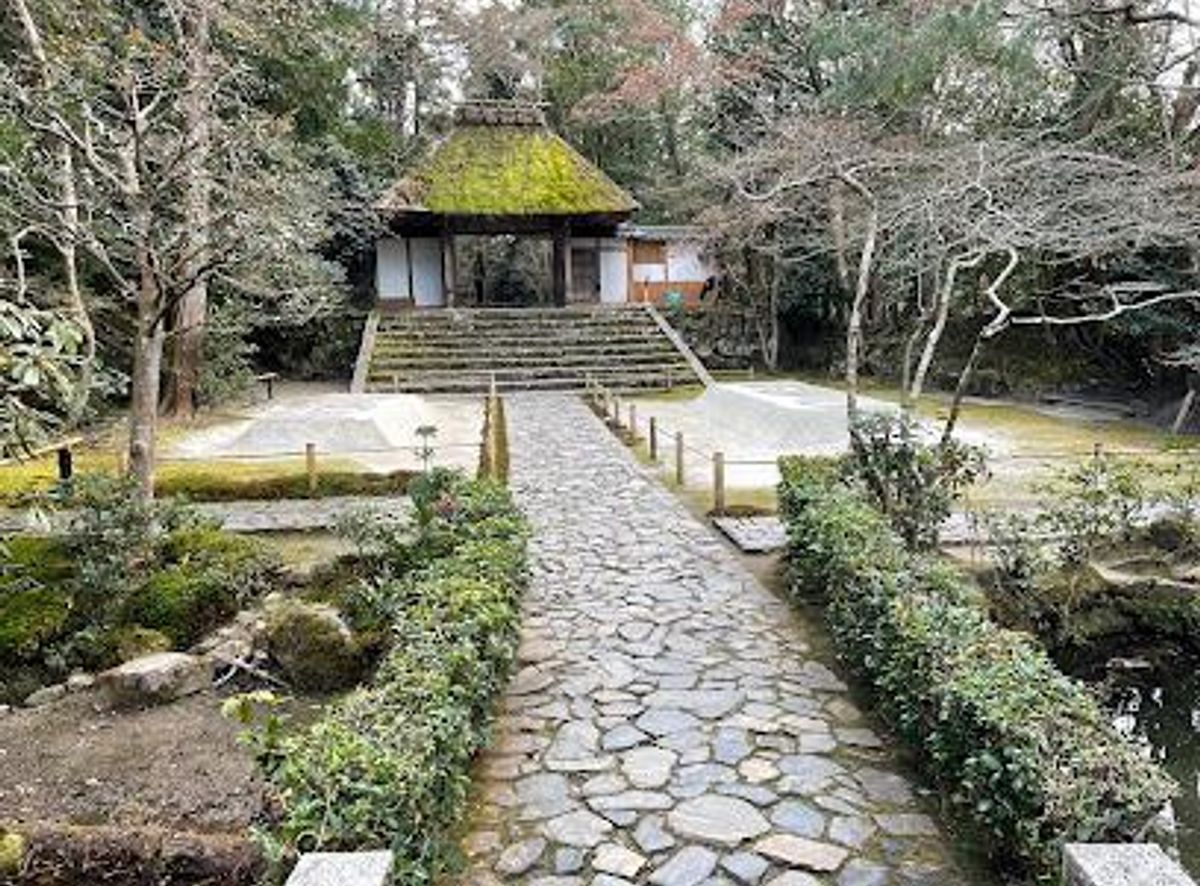
Hōnenin Temple, nestled in Kyoto's eastern hills near the Philosopher's Path, offers a serene escape from the city. Founded in 1680 to honor Honen, founder of the Pure Land school of Buddhism, this independent temple is known for its moss-covered thatched gate, unique sand art, and peaceful atmosphere.

Plan your visit

A brief summary to Hōnenin Temple

Opening times, essentials, and a few local tips gathered into one calmer, easier-to-scan planning section.

Plan your visit

📍
30番地 Shishigatani Goshonodancho, Kyoto, Shishigatani Goshonodancho, Sakyo Ward, Kyoto, 606-8422, JP
Monday
6 am-4 pm
Tuesday
6 am-4 pm
Wednesday
6 am-4 pm
Thursday
6 am-4 pm
Friday
6 am-4 pm
Saturday
6 am-4 pm
Sunday
6 am-4 pm

Explore places near Hōnenin Temple

    See all →

    Unlock the Best of Hōnenin Temple

    Find tickets, tours with entry, and experiences available for this location.

    Buy tickets

    No tickets available

    Book tours with entry

    No tours with entry available

    Book tours without entry

    No tours without entry available

    Getting There

    Walking

    Hōnenin Temple is a short detour from the Philosopher's Path. From Ginkakuji Temple (Silver Pavilion), walk south along the Philosopher's Path for about 5-10 minutes. Look for signs indicating the turn-off to Hōnenin Temple. The temple is a short walk from the path.

    Public Transport

    From Kyoto Station, take Kyoto City Bus Route 5 or 17 to the Ginkakuji-michi bus stop. The bus ride takes approximately 40 minutes. From the Ginkakuji-michi bus stop, walk for about 10 minutes to Hōnenin Temple. Alternatively, take bus #5 to the Jodo-ji stop, then walk uphill for about 10 minutes. Kyoto City Bus fares are typically ¥230 per ride [https://www.japan-guide.com/e/e2015.html].

    Local tips

    Visit early in the morning to avoid crowds and experience the temple's peaceful atmosphere.
    Check the temple's website for information on special events, exhibitions, and openings of the main hall.
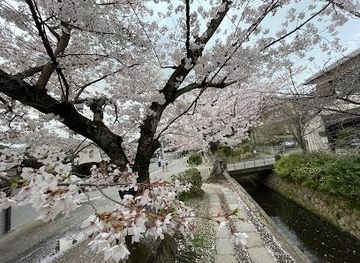
    Combine your visit with a stroll along the Philosopher's Path and a visit to Ginkakuji Temple.
    Take your time to appreciate the small details, such as the seasonal designs in the sand gardens and the moss-covered gate.

    Discover more about Hōnenin Temple

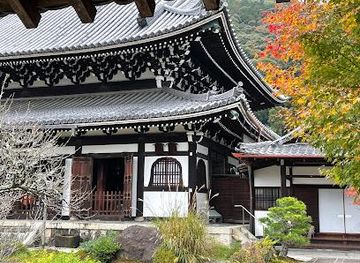
    Hōnenin Temple, located in the Sakyo-ku district of Kyoto, is a hidden gem that provides a tranquil retreat for those seeking respite from the city's hustle. Founded in 1680 to honor Honen (1133-1212), the founder of the Jodo (Pure Land) school of Buddhism, the temple stands as a testament to Honen's teachings, which emphasized faith in Amida Buddha and the recitation of the nembutsu. The temple's history dates back to the Kamakura period (1185-1333) when Honen and his disciples built a hermitage where they practiced the Six-Session Worship and Praise. In 1680, Manmin, the 38th head of Chion-in, constructed Hōnen-in on the site where Honen had trained his disciples. In 1953, it became an independent Buddhist temple. Visitors are greeted by the iconic moss-covered thatched gate (Sanmon), which sets the tone for the serene experience. Just beyond the gate lie the Byakusadan, twin sand mounds with seasonal designs that represent water used for cleansing before entering a temple. The temple grounds feature lush moss gardens, tranquil ponds, and carefully manicured landscapes that change with the seasons. The main hall, built in 1681, houses a seated statue of Amida Nyorai and a standing statue of Honen Shonin. The Hojo, formerly Emperor Gozei's palace, features sliding door paintings by Kano Mitsunobu. Hōnenin is also known for its commitment to art and culture, hosting exhibitions, concerts, and lectures in its converted auditorium. The current abbot, Shinsho Kajita, has transformed Hōnenin into a gathering place for artists and intellectuals. Literary buffs may find Hōnenin of interest as the resting place of several prominent figures, including author Tanizaki Junichiro.
    Mobile App
    Get the app

    Your all‑in‑one travel companion app

    Explore expert travel guides, compare and book tours, experiences, hotels, and more—all from the palm of your hand. Download now for seamless trip planning wherever your wanderlust takes you.
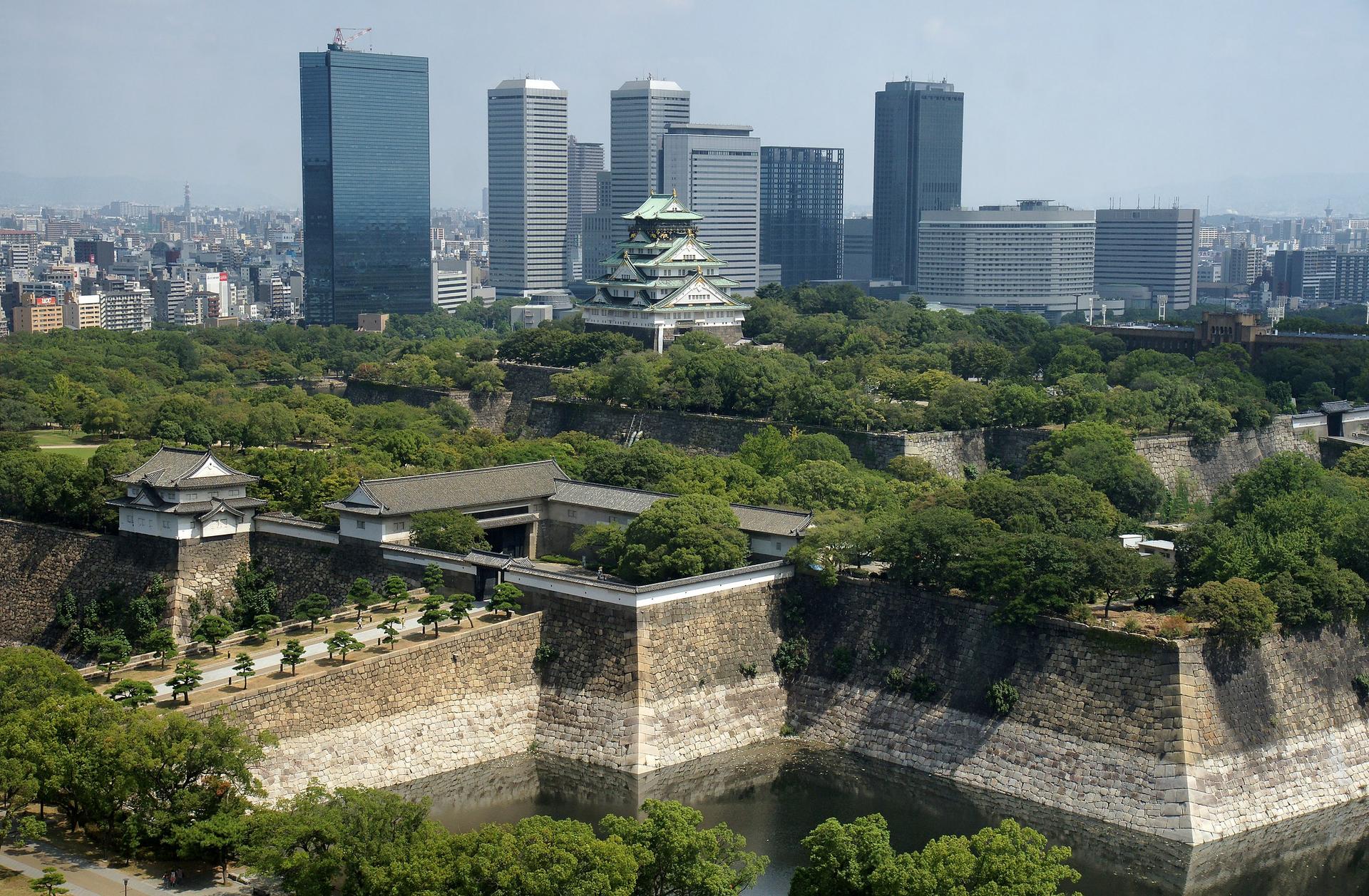
    File:Osaka Castle 02bs3200.jpg - Wikipedia

    More about Osaka

    Discover Osaka, Japan’s lively metropolis where tradition meets modernity, renowned for its culinary delights, historic landmarks, and vibrant nightlife.

    Tell me more about Osaka
    Select Currency

    Choose the currency you want prices to display in.