

From Eve
Know before you go
Hi, I'm Eve. Here are a few practical things to know before exploring Manpuku-ji.
Local know-how to help you travel smarter and make the most of every moment.

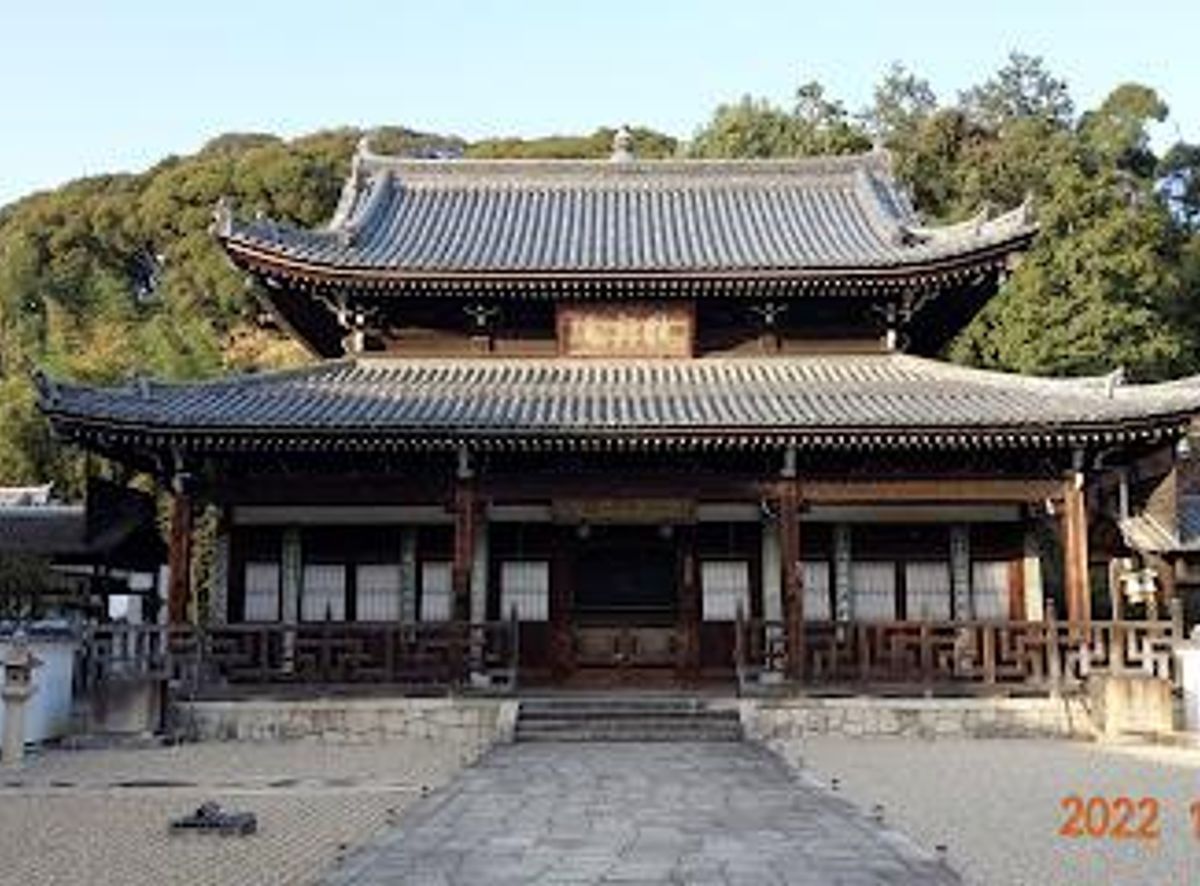
Discover Manpuku-ji in Uji, Kyoto: A unique Zen temple with Ming Dynasty architecture and serene cultural experiences.
Manpuku-ji is a Buddhist temple in Uji, Kyoto, and serves as the head temple of the Ōbaku Zen school. Founded in 1661 by Chinese monk Yinyuan Longqi, its Ming Dynasty architecture distinguishes it from other temples in the area.
Opening times, essentials, and a few local tips gathered into one calmer, easier-to-scan planning section.
Hi, I'm Eve. Here are a few practical things to know before exploring Manpuku-ji.
Local know-how to help you travel smarter and make the most of every moment.
Public Transport
From Kyoto Station, take the JR Nara Line to Obaku Station. Alternatively, take the Keihan Uji Line to Obaku Station. From either station, it is approximately a 5-minute walk to Manpuku-ji Temple. The train fare from Kyoto Station to Obaku Station is around ¥240.
Walking
From Obaku Station (both JR and Keihan lines), exit the station and walk straight. Follow the signs for Manpuku-ji Temple. The walk is approximately 5 minutes and will take you through a shopping arcade.
Use Tower Bridge as your starting point for nearby food, family ideas, nightlife, and more local discoveries.

Explore expert travel guides, compare and book tours, experiences, hotels, and more—all from the palm of your hand. Download now for seamless trip planning wherever your wanderlust takes you.
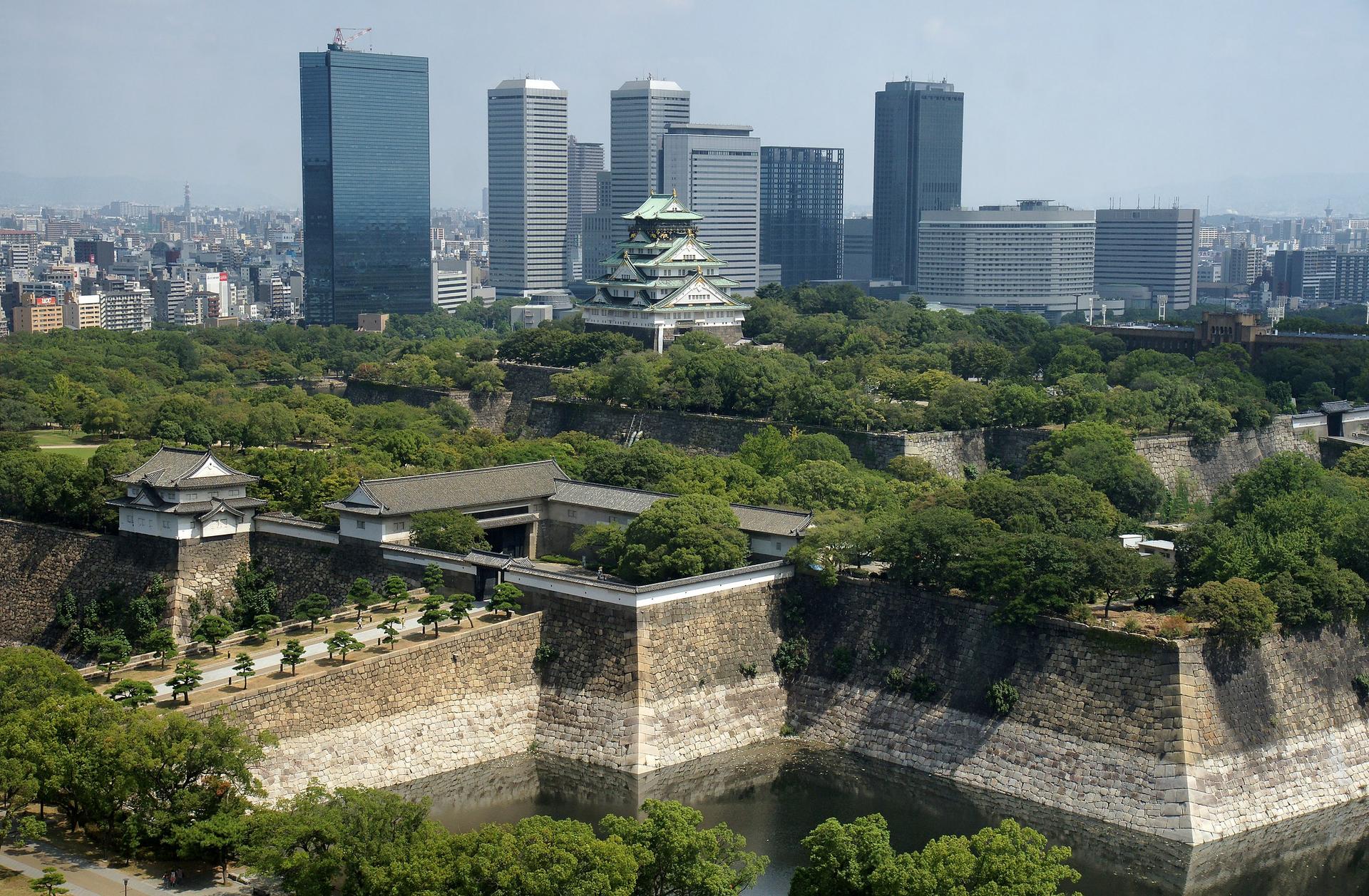
Discover Osaka, Japan’s lively metropolis where tradition meets modernity, renowned for its culinary delights, historic landmarks, and vibrant nightlife.
Tell me more about Osaka


