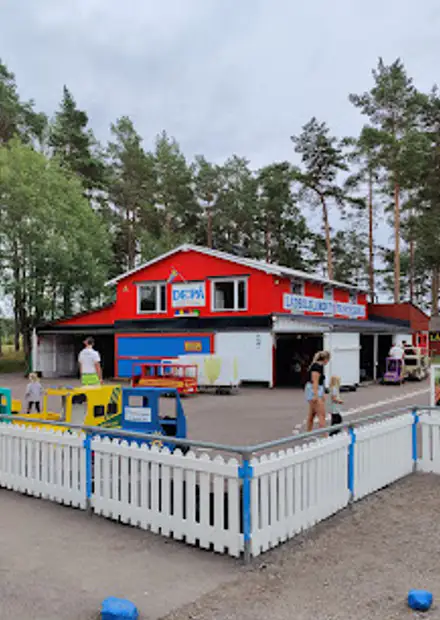
Best Landmarks Near Lådbilslandet Öland (Öland)
Planning a trip to Lådbilslandet Öland? Discover the best landmarks nearby with history, expert tips, and routes. Free on web or the Evendo app.


The best landmarks near Lådbilslandet Öland
- Top rated
- Closest to Lådbilslandet Öland
- Price level: low to high
- Time to spend: shortest first
- A–Z
70 landmarks
-
Castle4.6★7,498 reviews
Kalmar Castle
Kalmar Castle (Kalmar Slott) is a remarkably well‑preserved Renaissance fortress set on a small islet in Kalmar harbour, tracing its origins to the 12th century and transformed by the Vasa kings in the 16th century. The site houses museum exhibitions, historic rooms, a family-friendly Children’s Castle programme and seasonal events such as a large Christmas fair; its battlements and gardens offer views across the water and the city’s old quarter.
Daily 10:00–18:00Price level $$Time to spend 1–3 hrs
-
Castle4.4★5,424 reviews
Borgholm Castle
Perched above the Kalmar Strait on Öland, Borgholm Castle is an immense limestone ruin with nearly a millennium of history: a medieval keep that became a Renaissance palace and later a Baroque royal residence before a catastrophic 1806 fire left the shell you see today. Wide courtyards, arched galleries and crumbling towers frame panoramic views over the island and sea; the site now houses exhibitions, seasonal events and family activities that bring the stones to life.
Daily 10:00–18:00Price level $$Time to spend 0.5–3 hrs
-
Castle4.3★2,956 reviews
Solliden Palace
Solliden Palace serves as the private summer residence of Sweden's King Carl XVI Gustaf on the island of Öland. Visitors can explore its stunning public gardens, featuring luxuriant trees, shrubs, flowers, rose gardens, neatly trimmed hedges, and statues, originally designed by Queen Victoria and completed in 1906. Located near Borgholm Castle ruins along the Baltic coast, the site blends royal heritage with natural beauty, offering a serene park experience daily from 11am to 5pm. A cafe and gift shop enhance the visit to this cultural gem.
Daily 11:00–17:00Time to spend 1–3 hrs
-
Tourist attraction4.4★2,075 reviews
(Great Square)
Great Square, known locally as Stora Torget, forms the lively heart of Visby, a UNESCO World Heritage town on Gotland, Sweden. This medieval plaza buzzes with cafes, shops, and historic charm, surrounded by ancient church ruins like S:ta Karin and framed by cobblestone streets. It's a perfect spot to soak in the Hanseatic trading past amid vibrant daily life, markets, and architectural treasures from the 13th century.
Open 24 hoursTime to spend 0.5–2 hrs
-
Tourist attraction4.3★1,567 reviews
Långe Erik
Standing on the tiny island of Stora Grundet at Öland’s northernmost point, Långe Erik is a whitewashed limestone lighthouse built in 1845; its cylindrical tower rises about 32 metres and offers a commanding panoramic view of the Baltic and the skerries around Byxelkrok. The tower and adjacent keeper’s buildings form a compact historic complex that’s open to visitors in summer and evokes Sweden’s maritime past.
Fri–Sun 11:00–16:00Price level $$Time to spend 0.5–2 hrs
-
Tourist attraction4.1★1,611 reviews
Hoburgsgubben
Hoburgsgubben is Gotland's iconic sea stack, a weathered limestone formation resembling a bearded figure at the island's southernmost tip in the Husrygg nature reserve. Rising dramatically from the Baltic Sea amid raukar fields, cliffs, and sea caves, this natural landmark draws hikers and nature lovers to its rugged coastal beauty. Free access around the clock, with short trails offering panoramic views of endless horizons and savanna-like landscapes.
Open 24 hoursTime to spend 0.5–2 hrs
-
Tourist attraction4.5★1,382 reviews
(Eastern Gate)
Österport, the Eastern Gate of Visby's medieval city wall, stands as a majestic twin-towered portal built in the late 13th century. This historic landmark marks the entrance to the UNESCO-listed old town from the east, connecting to central Gotland routes and overlooking a modern shopping area. Pedestrian-friendly and open around the clock, it offers a tangible link to the Hanseatic era amid Gotland's rugged limestone landscape.
Open 24 hoursTime to spend 0.5–1.5 hrs
-
Restaurant4.4★1,384 reviews
Gränsö castle
Gränsö Slott is a historic manor house turned luxurious resort on a scenic peninsula near Västervik, blending 19th-century charm with modern spa facilities, fine dining, and archipelago views. Guests enjoy castle gardens, private beaches, indoor-outdoor pools, saunas, and regional cuisine rooted in local ingredients from sea, forest, and meadow.
Price level $$Time to spend 2.5–6 hrs
-
Tourist attraction4.7★1,165 reviews
Visby Town Wall
A well‑preserved medieval curtain of stone that encircles Visby’s old town, the Visby Town Wall stretches for roughly 3.4 km and features dozens of towers and gates built in the 13th–14th centuries. Part of Visby’s UNESCO World Heritage area, the wall frames cobbled lanes, ruined churches and sea views; sections are walkable and the structure reads like an open‑air chapter of Hanseatic history.
Open 24 hoursTime to spend 1–3 hrs
-
National reserve4.4★870 reviews
Ölands Norra Udde
Ölands Norra Udde marks the northernmost tip of Öland, Sweden's second-largest island, featuring the iconic Långe Erik lighthouse, windswept nature reserve landscapes, rich birdlife, and a historic bay. This protected area offers rugged coastal beauty, walking trails through alvar grasslands and forests, and panoramic Baltic Sea views, embodying the island's wild, untamed spirit.
Daily 10:00–18:00Time to spend 1–3 hrs


Söderport
Söderport is the medieval southern gateway into Visby’s walled old town on Gotland, a sturdy stone portal in the island’s 13th‑century ring wall that marks the historic threshold between the town and the surrounding lanes. Facing the cobbled square of Södertorg and flanked by sections of the well‑preserved wall, Söderport frames views into the compact medieval streets and nearby church ruins and is open to the public year‑round for strolling and photography.
Open 24 hoursTime to spend 0.2–1.5 hrs

Slottshotellet Kalmar
Nestled among 18th- and 19th-century villas in a serene park-like setting, Slottshotellet Kalmar offers charming accommodations just a short stroll from Kalmar Castle. This historic property, originally built in 1864, blends vintage elegance with modern comforts, including free WiFi, a garden, bar, and on-site restaurant serving fresh buffet breakfasts and evening salads for guests. With 71 rooms across main building, annex, and pavilion, it provides a cozy retreat in Kalmar's heart, near the city park, old town, and central station. Ideal for explorers seeking proximity to landmarks amid tranquil surroundings.
Price level $$Time to spend 0.5–2 hrs

St. Nicolai Ruin
A wide, atmospheric medieval church ruin tucked inside Visby's ring of ancient walls, St. Nicolai (Sankt Nikolai) dates to the 13th century and carries the layered story of sailors, Dominican friars and the Lübeck attack of 1525. Its open nave, weathered stonework and upright west gable create a dramatic acoustic shell that hosts summer concerts and seasonal events, while stone graves and carved details hint at the site’s former religious and mercantile life.
Time to spend 0.5–2 hrs

Visby Cathedral
Visby Cathedral, or Sankta Maria Domkyrka, stands as Gotland's most prominent medieval landmark in the heart of Visby's UNESCO-listed old town. Constructed from local limestone starting in the late 12th century for German Hanseatic traders, this Gothic masterpiece features three distinctive towers, intricate gargoyles, and a rich interior with 13th-18th century artifacts. Open daily 9am-5pm (extended in summer), it serves as both active parish church and pilgrimage site, hosting masses, concerts, and guided tours of its atmospheric attic and hidden chambers. A timeless symbol of Visby's Hanseatic heritage amid the island's church ruins.
Daily 9:00–17:00Time to spend 0.5–1.5 hrs

Ismantorp Fortress
Ismantorp Fortress stands as the largest and oldest ringfort on Öland, a prehistoric limestone enclosure built around 200 CE during the Migration Period. Spanning a 127-meter diameter with 3-4 meter high walls, it features nine gates and 88-95 house foundations arranged in 12 blocks around a central open area. Visited by Carl Linnaeus, this enigmatic site sparks debate over its role as refuge, ritual center, or warrior initiation ground, set amid Öland's windswept landscapes.
Open 24 hoursTime to spend 0.5–1.5 hrs

Skurverket i Jordhamn
Ölands enda bevarade skurverk, en vinddriven slipmaskin från 1905 vid den pittoreska hamnen i Jordhamn. Denna historiska kvarn slipade kalksten för byggnader och hantverk, omgiven av stenbrottslämningar, båtar och öppet hav. Gratis att besöka dygnet runt, perfekt för en lugn promenad med kustutsikt.
Open 24 hoursTime to spend 0.5–1.5 hrs

Trolleken
Trolleken is a striking, twisted pine tree, the iconic heart of Trollskogen nature reserve on Öland's northeastern tip. This ancient sentinel, shaped by relentless coastal winds, towers amid gnarled forests, Iron Age graves, and dramatic klappersten beaches. Explore trails revealing shipwrecks, strand meadows, and unique flora in this free, always-open haven of natural wonder.
Open 24 hoursTime to spend 0.5–2.5 hrs

Stegeholm Castle Ruin
Perched on the tiny island of Slottsholmen in Västervik's Gamlebyviken Bay, Stegeholm Castle Ruin stands as a poignant medieval remnant. Built in the 14th century to safeguard the town, it endured fires and wars before its final destruction in 1677. Explore ivy-clad walls, arched vaults, and scenic bay views amid a serene coastal setting. Host to the annual Visfestivalen song festival since 1966, it blends history with cultural vibrancy in Småland's archipelago gateway.
Open 24 hoursTime to spend 0.5–1.5 hrs

Visby Centrum
Donnerska Huset stands as a medieval stone gem in Visby Centrum, with origins tracing back to the 1100s. Once a vital packhouse near the old harbor, it later housed the prosperous Donner family's trading empire importing luxury goods like fabrics, glass, porcelain, salt, and spices. Today, it serves as the Gotland Tourist Bureau and Visby Centrum office, offering maps, event tickets, and inspiration amid its historic walls adjacent to the city ring wall and Donnersporten gate.
Mon–Fri 9:00–17:00 · Sat 10:00–16:00Time to spend 0.5–1.5 hrs

Snäckgärdsporten
Snäckgärdsporten, constructed around 1294, stands as one of Visby's oldest surviving gates within the iconic Ringmur, the Nordic region's oldest preserved secular structure. This northwestern portal, adjacent to Silverhättan tower, offers climbers access to panoramic views via wooden stairs and platforms added in 2009. Once known as Västerport or Odeport, it guarded medieval passages to farmlands amid the city's turbulent history of conflicts and sieges. Free to explore, it embodies Visby's UNESCO-listed medieval heritage.
Open 24 hoursTime to spend 0.5–1.5 hrs

Kattrumpan
Kattrumpan is a charming historic neighborhood on the eastern tip of Kvarnholmen in Kalmar, featuring preserved wooden houses from the 17th century. This narrow district, part of the old walled city, offers a glimpse into Sweden's maritime past with its quaint timber architecture, cobblestone paths, and ties to the area's defensive history. Stroll through low cottages, discover the unique Klapphuset wash house, and feel the quiet allure of a place shaped by fires, floods, and folklore.
Open 24 hoursTime to spend 0.5–1.5 hrs

Dalmansporten
Dalmansporten — the Dalman Gate — is a medieval stone gateway set into Visby’s famed city wall on Gotland. A compact ensemble of tower, vaulted passage and adjoining stone buildings, it stands high above the eastern approach to the old town and carries layers of civic, defensive and rural history visible in its weathered masonry and narrow openings.
Open 24 hoursTime to spend 0.2–1 hr

Gannarve Ship Grave
Gannarve is a Bronze Age stone ship setting on Gotland: a 29‑metre long outline of upright granite blocks arranged in the silhouette of a vessel, built as a burial monument for a high‑status individual around 1100–500 BCE. Set in an open coastal field near Klintehamn, the low profile stones, grassy interior and distant sea views create a quietly austere archaeological landscape that rewards slow, observant visits.
Open 24 hoursTime to spend 0.2–1 hr

S:ta Karin ruin
S:ta Karins ruin, Visby's largest church ruin, stands majestically beside Stora Torget. Built by Franciscan monks starting in 1233, its unique brick vaults and towering arches evoke the medieval splendor of Gotland's trading heyday. Open daily in summer for exploration, it hosts events year-round amid its atmospheric remnants.
Daily 10:00–18:00Time to spend 0.5–1.5 hrs

Hoburgs lighthouse
Perched on Gotland's southernmost tip in Burgsvik, Hoburgs Lighthouse stands as a majestic 19th-century beacon crafted from local limestone. Built in 1846 at the urging of British interests to safeguard Baltic Sea navigation, this 21-meter tower with its first-order Fresnel lens has guided mariners for over 175 years. Surrounded by dramatic rauk sea stacks, rugged cliffs, and sweeping coastal vistas, it offers an evocative blend of maritime history and natural splendor. Open daily from 11am to 5pm, visitors can explore the site amid the wild beauty of Storsudret peninsula, where salty winds whisper tales of shipwrecks and steadfast keepers.
Time to spend 0.5–1.5 hrs

Vasastenen
Vasastenen is a prominent memorial stone on Stensö udde in Kalmar, marking the historic landing of Gustav Vasa on May 31, 1520. This event sparked the Swedish War of Liberation, leading to his rise as king and Sweden's independence from the Kalmar Union. Erected in 1933, the rugged stone stands at the peninsula's tip, overlooking the sea, symbolizing a pivotal moment in Swedish history. Surrounded by coastal scenery, it offers a serene spot to reflect on national origins amid whispers of waves and wind.
Open 24 hoursTime to spend 0.5–1.5 hrs

Donners Plats
A compact historic square inside Visby’s medieval ring wall, Donners plats is framed by elegant merchant houses, the Donnerska huset and Burmeisterska huset, small cafés and hotels. Once a water-collection and market site, the square sits near Almedalen and the Stora Strandporten and carries layers of Visby’s trading past and civic life; its cobbles, varied façades and pocket green spaces make it a quiet, architectural pause in the walled town.
Open 24 hoursTime to spend 0.2–1 hr

Gamla Torget
Gamla Torget (the Old Square) sits in Kalmar’s medieval quarter near Österlånggatan, a compact cobbled plaza that marks the footprint of the town’s original market and civic heart. Framed by well-preserved 17th–19th-century façades, narrow lanes and traces of buried medieval remains, the square offers a textured glimpse of Kalmar’s long urban history and a calm place to pause amid the Old Town’s historic atmosphere.
Open 24 hoursTime to spend 0.2–1 hr

Visborg
Ruined remains of Visborg Castle sit at the southern edge of medieval Visby, a once-formidable 15th-century fortress that controlled the harbour and watched over the town. Built in the early 1400s during struggles for control of Gotland, the castle later became a base for privateering and was systematically demolished in 1679; today low stone fragments, earthworks and interpretive traces mark its footprint against the city wall and coastal edge.
Open 24 hoursTime to spend 0.5–1.5 hrs

Kvarnkungen
Kvarnkungen stands as Scandinavia's largest stubbkvarn windmill on Öland's picturesque countryside near Färjestaden. This historical landmark exemplifies traditional Swedish milling with its unique rotating house mechanism, offering serene views and a glimpse into agrarian heritage amid open fields and gentle winds.
Open 24 hoursTime to spend 0.5–1.5 hrs

S:t Göransporten
S:t Göransporten is a medieval gateway in Visby’s limestone ring wall that frames the ruined church of St Göran and marks a stretch of the town where hospital and leper-house history meet the town’s coastal setting. Set in cobbled lanes north of the botanical garden, the gate and adjacent ruins offer a quiet, atmospheric slice of Visby’s Hanseatic-era fabric and stonework.
Open 24 hoursTime to spend 0.2–1 hr

Kapelluddens Fyr
Kapelluddens Fyr stands as a striking 32-meter iron lighthouse on Öland's eastern coast in Köpingsvik, built in 1871-1872. This Heidenstam-type tower overlooks the Baltic Sea, near the 13th-century ruins of Sankta Britas Kapell and a medieval trading site. Visitors enjoy panoramic coastal views, historic stone crucifixes, and windswept pebble shores rich in archaeological significance. Free access draws those seeking serene seaside walks amid Öland's rugged beauty.
Open 24 hoursTime to spend 0.5–1.5 hrs

Kajsar Tower
A stout, square medieval tower built into Visby’s ring wall, Kajsar Tower (Kajsartornet) houses a compact museum that interprets the city's defensive architecture and darker civic functions — from weapons storage to a later prison — and sits amid the cobbled lanes of Visby’s UNESCO-inscribed historical centre.
Thu–Sun 10:00–15:00Price level $Time to spend 0.5–1 hr

Drottens ruin
Drottens Ruin in Visby, Sweden, is a captivating historical landmark that invites tourists to delve into the rich heritage of the region. Once a grand medieval church, this ruin provides a glimpse into the architectural prowess of the past and the stories woven into its stones. Visitors can explore the remnants and enjoy the serene atmosphere, making it a must-visit site for anyone interested in history or culture.
Daily 10:00–18:00

Uggarde rojr
Uggarde Rojr stands as Gotland's largest Bronze Age burial cairn, a monumental stone mound measuring 45 meters in diameter and nearly 8 meters high near Hemse. This intact ancient grave, dated to 1500-1000 BCE, anchors a landscape dotted with seven nearby cairns and a marked trail revealing prehistoric heritage amid rolling pastures.
Open 24 hoursTime to spend 0.5–1.5 hrs

Kajsarporten
Kajsarporten stands as a striking gateway in Visby's iconic medieval ring wall, named after the adjacent Kajsartornet tower. Opened in 1661 at the request of merchant Maria Bönderby, this passage blends 13th-century fortifications with 17th-century practicality. Framing Södra Murgatan, it offers a portal to Gotland's Hanseatic past amid cobblestone streets and ancient stonework. Free to pass through anytime, it's a must-see for history enthusiasts exploring UNESCO-listed Visby.
Open 24 hoursTime to spend 0.5–1.5 hrs

St Clemens Church Ruin
A compact, atmospheric medieval ruin tucked inside Visby’s walled old town, St Clemens preserves stone walls, Romanesque arches and narrow internal stairs that hint at a church first founded around the 11th century and rebuilt in the 13th. Quiet and intimate, the site rewards close inspection of masonry layers, carved details and the interplay of light and shadow within an otherwise urban block of gardens and historic houses.
Time to spend 0.2–1 hr

Klapphuset
Perched on wooden poles over the waters of Kalmarsund, Klapphuset stands as Scandinavia's last surviving public washhouse, a charming relic from 1857 where laundry was once beaten clean. This quaint historical landmark on Norra Långgatan offers a glimpse into Kalmar's maritime past, with its rustic structure blending seamlessly into the seaside landscape. Still used today for washing rag rugs in the brackish waters that preserve their colors, it embodies simple, enduring coastal traditions amid scenic waterfront views.
Daily 6:00–22:00Time to spend 0.5–1.5 hrs

Visby domkyrkoförsamling
Visby Domkyrka Sankta Maria is the medieval cathedral at the heart of Visby, Gotland, begun in the late 1100s and consecrated in 1225; its tall nave, layered restorations and historic bells give it an austere medieval presence amid cobbled streets and nearby churchyard terraces. Open daily for quiet reflection, services, concerts and rotating exhibitions, the cathedral balances living parish life with centuries of stonework, stained glass and carved detail.
Daily 9:00–17:00Time to spend 0.5–2 hrs

Old Water Tower
The Old Water Tower on Larmgatan is Kalmar’s tall, brick sentinel—built around the turn of the 20th century to serve city firefighting and water needs, later decommissioned and sensitively converted into apartments. Rising from Kvarnholmen with strong vertical lines and a steep roof, the tower is a local landmark that links Kalmar’s industrial-era practicalities with the atmospheric historic centre nearby.
Time to spend 0.2–1 hr

Kärleksporten
Kärleksporten, the enchanting Love Gate, graces Visby's medieval ring wall, linking the seaside promenade to the lush Botanical Garden. Constructed in 1872 on a former fishermen's passage once dubbed the Tar Gate for its tar-stained ropes, this romantic portal draws visitors with its arched stone frame overlooking the Baltic Sea and whispering tales of local lore.
Open 24 hoursTime to spend 0.5–1.5 hrs

Oskarsstenen
Oskarsstenen is a striking limestone memorial stone on Visborgsslätt in Visby, erected by the officers of Gotland's national guard in 1854 to commemorate King Oscar I's visit on June 14. This understated monument amid open fields honors a pivotal moment in local military history, offering a serene spot to reflect on Gotland's strategic past. Free to visit around the clock, it draws those interested in Swedish heritage and quiet contemplation.
Open 24 hoursTime to spend 0.5–1.5 hrs

Sundre kastal
Sundre kastal is a compact, circular medieval stone tower on southern Gotland near Burgsvik, notable for its thick sandstone walls and elevated position beside the parish church. Roughly 12 metres across and preserved to a height of about 12 metres, the kastal is a visible remnant of Gotland’s coastal defensive network from the Middle Ages and offers a close, tactile encounter with carved sandstone masonry and narrow openings that once served a defensive purpose.
Open 24 hoursTime to spend 0.5–1.5 hrs

Korsbetningen
Korsbetningen is a poignant historical site just outside Visby's medieval ring wall, marking the site of the devastating Battle of Visby in 1361. Here, Danish forces under King Valdemar Atterdag crushed a Gotlandic peasant army, leaving mass graves where around 1,800 defenders were buried. A striking stone cross, erected shortly after, commemorates the fallen with a Latin inscription pleading for prayers. Archaeological digs have uncovered armor-clad skeletons bearing brutal wounds from swords, axes, and clubs, offering stark evidence of the slaughter. Amid Visby's UNESCO-listed walls, this open field evokes the raw violence that reshaped Gotland's fate, blending somber history with the island's pastoral charm.
Open 24 hoursTime to spend 0.5–1.5 hrs

Two sisters Chapel
Nestled in Kalmar's serene outskirts, Two Sisters Chapel is a modest yet evocative Lutheran chapel of the Church of Sweden. Dedicated to two devoted sisters whose legacy inspires its name, it offers a peaceful retreat with simple wooden architecture, subtle stained glass, and an intimate prayer space. Open daily for reflection, it embodies quiet spirituality amid Småland's landscapes. Free entry welcomes all seeking solace or a glimpse into local faith traditions.
Time to spend 0.5–1.5 hrs

Gustav Vasa-bänken
Gustav Vasa-bänken is a 222-meter-long wooden bench in Kalmar, Sweden, once proclaimed the country's longest, running alongside the park wall near Kalmar Castle. Named after King Gustav Vasa, who liberated Sweden from the Kalmar Union, it offers prime seating with views of the castle, Kalmarsund bay, and scenic promenades. Perfect for relaxing amid historic surroundings, though its wooden planks may test endurance on longer sits. Part of a playful national rivalry with other towns' benches.
Time to spend 0.5–1.5 hrs

Fröjel Kastal
Fröjel Kastal is the low, stout medieval defensive tower and burial chapel near Klintehamn on western Gotland, set in a windswept coastal landscape of rock and heath. Dating from the Middle Ages, the stone structure reads as both fortress and small sacred building: thick walls, narrow openings and an intimate interior that once held tombs and ritual activity. Its compact presence and coastal setting make it a calm, atmospheric stop for history-minded walkers and quiet photographers.
Open 24 hoursTime to spend 0.5–1.5 hrs

S:t Olofs Basilica Ruins
Nestled within Visby's lush botanical garden, the evocative ruins of S:t Olofs Basilica stand as a poignant reminder of the city's medieval splendor. Built in the early 13th century and dedicated to Saint Olaf, patron saint of the Nordic realms, this once-grand basilica served the German trading community. Abandoned after the Reformation, its weathered stone arches and tower now blend seamlessly with ivy-clad greenery, offering a serene escape infused with history and tranquility. Open around the clock, it's a free gem perfect for quiet reflection amid Gotland's ancient legacy.
Open 24 hoursTime to spend 0.5–1.5 hrs

Visby Harbour
Visby Harbour serves as the lively waterfront gateway to Gotland's medieval gem, Visby, a UNESCO World Heritage site. Nestled against the historic city walls, this bustling marina welcomes ferries, cruise ships, and yachts amid scenic Baltic Sea views. Stroll the promenade lined with eateries like the renowned Glassmagasinet ice cream shop, offering over 100 flavors. The harbor buzzes with maritime activity, blending ancient trade legacy with modern vibrancy, perfect for soaking in Visby's Hanseatic charm just steps from the water's edge. Free public access makes it an ideal starting point for exploring the walled old town.
Time to spend 0.5–2 hrs

Fiskarporten (Fisherman's Gate)
Fiskarporten, the Fisherman's Gate, stands as a modest yet evocative portal in Visby's medieval Ringmur, the best-preserved city wall in Scandinavia. Built in the 15th century next to the Kruttornet (Gunpowder Tower), it provided vital access for fishermen to a shallow harbor when the main port silted up due to post-glacial rebound. This narrow passage, now allowing limited vehicle traffic, evokes the town's Hanseatic trading past and maritime life amid Gotland's UNESCO-listed heritage. Surrounded by cobblestone streets at Fiskarplan, it invites quiet reflection on centuries of seafaring history.
Open 24 hoursTime to spend 0.5–1.5 hrs

Gamla Stadsmuren
Gamla Stadsmuren stands as a robust remnant of Kalmar's 17th-century fortifications on Kvarnholmen, enclosing the relocated old town after devastating wars and fires. These weathered stone walls, integrated with modern shops in places, offer elevated walking paths with views toward Kalmar Castle and the sea, evoking the city's turbulent medieval and baroque past amid a compact urban setting.
Open 24 hoursTime to spend 0.5–1.5 hrs

Kalmar Nyckel Memorial
The Kalmar Nyckel Memorial in Kalmar honors the iconic 17th-century ship that carried Swedish settlers to America, founding the colony of New Sweden. This striking monument captures the vessel's legacy as Sweden's pioneering explorer, standing as a tribute to maritime history and transatlantic voyages amid the city's coastal charm. Free to visit, it offers a poignant glimpse into Kalmar's seafaring past.
Open 24 hoursTime to spend 0.5–1.5 hrs

The Hunt Stone
The Hunt Stone crowns a massive cairn near Borgholm Castle on Öland, erected in 1873 to honor King Karl XV's hunts. Engraved with a tribute from his hunting club and locals, it hides a copper cylinder with parchment and coins inside. Surrounded by serene forests and alvar landscapes, this historical monument offers peaceful views and a glimpse into royal Öland traditions. An informational sign reveals its story, making it a quick yet evocative stop blending nature and heritage.
Open 24 hoursTime to spend 0.5–1.5 hrs

Borgholms Fyr
Borgholms Fyr stands as a compact yet vital maritime beacon on Öland's eastern shore in Borgholm, guiding ships through the Baltic Sea with its steady light. This modest 4-meter tower, perched at 5 meters above sea level, offers a glimpse into Sweden's rich lighthouse heritage amid scenic coastal surroundings. Visitors appreciate its accessible location in Villagatan, blending history with the island's natural charm. Ideal for quick stops, it evokes the enduring role of such structures in seafaring navigation.
Time to spend 0.5–1.5 hrs

Ölandsbron
Ölandsbron, Sweden's longest bridge at 6,072 meters, spans the Kalmar Strait connecting Kalmar on the mainland to Färjestaden on Öland. Inaugurated in 1972 by Crown Prince Carl Gustaf, this engineering marvel reversed Öland's population decline and boosted tourism, carrying over 6 million vehicles annually with no toll fee.
Time to spend 0.5–1.5 hrs

Larmtorget
Larmtorget is a historic town square on Kvarnholmen in central Kalmar, framed by the 19th-century Kalmar Theatre, the Frimurarehotellet and civic buildings. The square features the Vasabrunnen fountain (David and Goliath) by sculptor Nils Sjögren, planted trees, an outdoor stage and a mix of paved surfaces that encourage lingering, performances and seasonal events. It’s a compact civic space with clear links to the town’s military past and cultural life.
Time to spend 0.2–1 hr

Tripp Trapp Trull
Tripp Trapp Trull comprises three enchanting 17th-century wooden houses in Kalmar's historic Kvarnholmen district, named for their descending sizes: two-story Tripp and Trapp beside one-story Trull. Perched on narrow plots along Fiskaregatan, these privately owned structures exemplify simple Swedish vernacular architecture from Kalmar's golden age as a key Baltic port. Their quaint charm and photogenic alignment make them a beloved snapshot of the city's preserved past amid cobblestone streets and seaside heritage.
Time to spend 0.5–1.5 hrs

Steinsetzung
Steinsetzung in Byxelkrok is a Viking-era burial ground featuring over 30 stone settings, 12 mound graves, 9 stone cists, and remnants of a ship setting. Located at the southern edge of the Neptuni Åkrar nature reserve on Öland's rugged northwest coast, this site offers a glimpse into ancient Scandinavian rituals amid fossil-rich shingle fields and sparse, wind-swept flora. Free access to this culturally significant open-air historical landmark.
Open 24 hoursTime to spend 0.5–1.5 hrs

Kvarnholmen
Kvarnholmen forms the historic heart of modern Kalmar, relocated here in the 17th century after devastating fires and wars. Encircled by remnants of old city walls, this island neighborhood preserves 17th-century wooden houses, cobblestone streets, and landmarks like the iconic water tower, offering a tangible connection to Sweden's stormaktstid era amid a serene waterfront setting.
Open 24 hoursTime to spend 0.5–2 hrs

Gamla staden
Gamla Stan in Kalmar preserves the medieval heart of one of Sweden's oldest cities, featuring winding cobblestone alleys, remnants of ancient city walls, and charming 18th- and 19th-century houses amid the ruins of a once-thriving settlement from the 1200s. Adjacent to Kalmar Castle, this historic district evokes the era when Kalmar was a key trading hub and political center, with visible traces of its layered past including the site of the old churchyard and borgar estates. Today, it offers a serene stroll through time, blending atmospheric stone structures with lush green spaces around Gamla kyrkogården.
Open 24 hoursTime to spend 0.5–1.5 hrs

Kvarntornet (The Mill Tower tower)
Kvarntornet, the Mill Tower, stands as a sturdy sentinel within Visby's iconic ring wall, a medieval marvel from the early 1300s. Integrated into the original low wall before later heightenings, this flat-faced tower played a defensive role amid turbulent times, including a legendary peasant uprising in 1288 that may have damaged nearby sections. Overlooking charming Skolportsgatan in the heart of Gotland's UNESCO-listed Hanseatic city, it evokes Visby's prosperous trading past and enduring fortifications. Free to view externally, it's a quick yet evocative stop for history enthusiasts exploring the well-preserved 3.4km wall with its 36 surviving towers.
Open 24 hoursTime to spend 0.5–1.5 hrs

Floras Kulle
Floras Kulle stands as a striking 6-meter-high mound in Kalmar's historic Kvarnholmen district, remnants of the 17th-century bastion Christina Regina. Demolished in the 1870s during railway expansion, this earthy hill evokes the city's defensive past amid cobblestone streets and preserved walls. Once topped by petrol stations in the 1920s, it now offers a quiet vantage amid urban heritage, blending natural contours with layers of Kalmar's fortifications and daily life.
Time to spend 0.5–1.5 hrs

Wikingergräberfeld von Kopparsvik
Das Wikingergräberfeld von Kopparsvik südlich der Visbyer Altstadt ist das größte seiner Art auf Gotland mit über 330 Bestattungen aus dem 9.-11. Jahrhundert. Es offenbart einzigartige Rituale wie Bauchbestattungen und gefeilte Zähne, die auf Übergang zur Christianisierung und proto-urbane Handelsgemeinschaften hindeuten. Grabbeigaben umfassen arabische Münzen, Fibeln und Werkzeuge, die Fernkontakte bezeugen.
Time to spend 0.5–1.5 hrs

Stortorget
Stortorget in Kalmar's historic core on Kvarnholmen island stands as a beautifully restored 17th-century town square centered around Kalmar Cathedral. Revitalized in the early 2000s by Caruso St John Architects with artist Eva Löfdahl, it features a vast expanse of local fieldstones, subtle underground water features, and evening red lights, serving as a vibrant hub for events, markets, and daily life amid baroque surroundings including the distinctive Rådhuset town hall.[1][4][5]
Time to spend 0.5–1.5 hrs
Lilla torget
Lilla Torget is Kalmar's charming little square, encircled by 17th-century Karolinska stone houses and the town's oldest wooden structures. Created in the mid-1600s as part of the new city plan on Kvarnholmen after devastating fires, it showcases preserved architecture like Domprostgården, Dahmska Huset, and Berghs Trähus. A serene historic gem amid the bustling old town, adorned with Arvid Källström's Sjöjungfrun fountain, it invites quiet contemplation of Kalmar's resilient past.
Time to spend 0.5–1.5 hrs

Blackstads kyrka
Blackstads Kyrka stands as a quintessential Gustaviansk rural church in Kalmar, Sweden, completed in 1793 after designs by Casper Seurling. The third church on this site, it rose from the ashes of two predecessors destroyed by fire in 1618 and the 1780s. Its modest proportions, simple neoclassical lines, and serene churchyard offer a peaceful glimpse into Småland's ecclesiastical heritage amid rolling countryside.
Time to spend 0.5–1.5 hrs
Kronholmens medeltida kogg
Discover the remnants of Kronholmens medeltida kogg, a rare 13th-century cog shipwreck unearthed on Gotland's Kronholmen peninsula. This medieval vessel, key to Hanseatic trade routes, lies preserved near a golf course in Västergarn, offering a tangible link to Sweden's maritime heritage amid sandy shores and Baltic winds.
Time to spend 0.5–1.5 hrs

Visby
Visby, the medieval heart of Gotland, captivates with its UNESCO-listed 13th-century city walls encircling cobblestone streets, dramatic church ruins, and St. Mary's Cathedral. Wander rose-draped alleys like Fiskargränd, relax in Almedalen Park, and explore the Botanical Garden's exotic blooms amid Baltic Sea views. This Hanseatic gem blends 8000 years of Viking artifacts, picture stones, and vibrant squares like Stora Torget into a living time capsule of Nordic history and charm.
Time to spend 2.5–6 hrs

Hansestaden Visby
Hansestaden Visby is the compact medieval core of Visby on Gotland — a remarkably intact Hanseatic town of cobbled lanes, stone merchant houses, church ruins and a continuous 13th-century defensive wall. The UNESCO‑listed old town preserves layers from the Viking era through the Hanseatic zenith, creating a living historic landscape where narrow streets, green courtyards and sea-facing ramparts meet modern cafés and galleries.
Time to spend 0.5–4 hrs

Vikingars Ting
Vikingars Ting in Visby stands as a evocative historical landmark tied to the Viking Age assembly traditions on Gotland. Nestled within the UNESCO-listed medieval town, this site immerses visitors in the island's ancient heritage as a key Baltic trading hub. Surrounded by the iconic ring wall and stone ruins, it offers a quiet reflection on Viking gatherings amid Visby's preserved 13th-century fortifications and merchant warehouses. Free to access at any time, it's an essential stop for history enthusiasts exploring Gotland's turbulent past from Viking raids to Hanseatic prosperity. Discover the whispers of chieftains' debates in this atmospheric corner of Scandinavia's best-preserved medieval city.
Open 24 hoursTime to spend 0.5–1.5 hrs
Explore Lådbilslandet Öland on the map
A handpicked selection of must-see spots near Lådbilslandet Öland, mapped for you.
More about Lådbilslandet Öland

Lådbilslandet Öland travel guide
A tiny town where kids take the wheel — multi‑zone driving, play and rides tailored to toddlers and young children.
Tell me more about Lådbilslandet ÖlandMore to explore near Lådbilslandet Öland

 Best experiences near Lådbilslandet Öland
 Best hotels near Lådbilslandet Öland
 Best attractions near Lådbilslandet Öland
 Best shops near Lådbilslandet Öland
 Best bars near Lådbilslandet Öland
 Best restaurants near Lådbilslandet Öland
Explore more
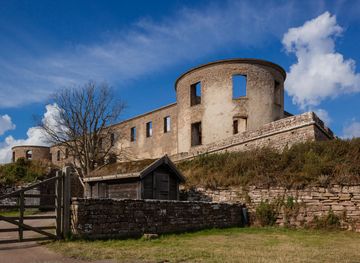
Explore more of Öland
Discover Öland, Sweden's enchanting island boasting ancient ruins, stunning landscapes, and rich cultural experiences perfect for a memorable getaway.
Explore Öland
Getting your guide ready…
We are putting together a fresh copy of the Lådbilslandet Öland guide. This can take up to a minute.
This can take a few moments. If your browser asks, choose Allow so the download can start. You'll find the guide in your Downloads folder.
Nothing happened? Download it again
Sorry, the guide is taking longer than usual. Please try again in a minute, or get it by email instead.