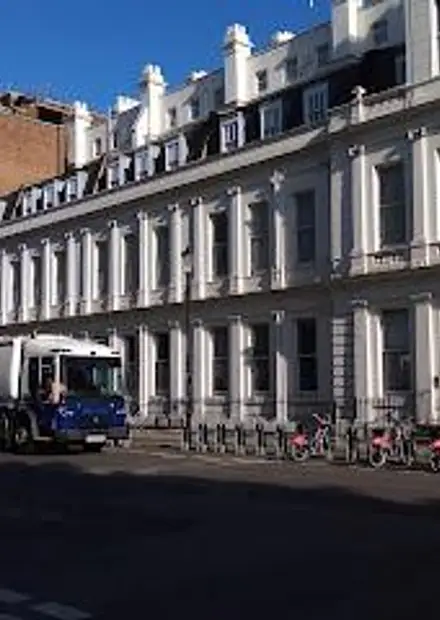
Best Landmarks Near Lancaster Gate (Sutherland)
Planning a trip to Lancaster Gate? Discover the best landmarks nearby with history, expert tips, and routes. Free on web or the Evendo app.


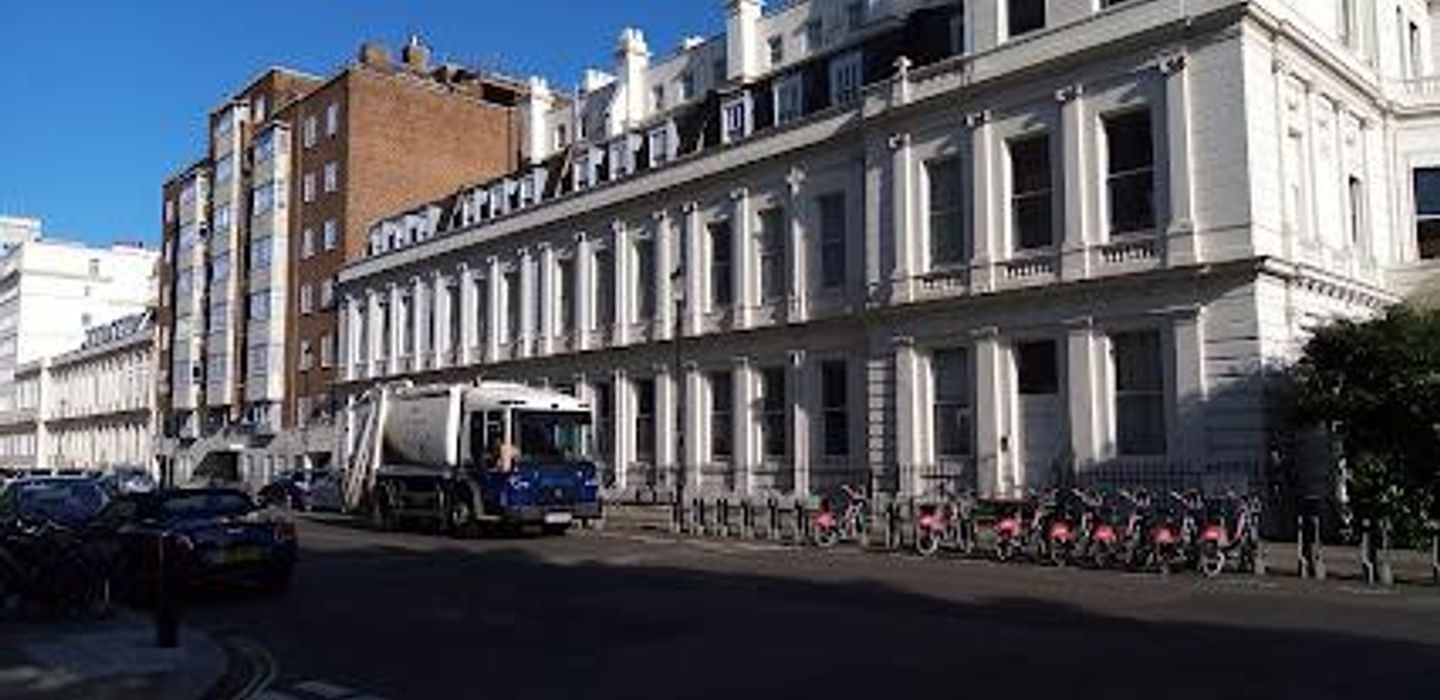
The best landmarks near Lancaster Gate
- Top rated
- Closest to Lancaster Gate
- Price level: low to high
- Time to spend: shortest first
- A–Z
69 landmarks
-
Cultural landmark4.5★166,636 reviews
Buckingham Palace
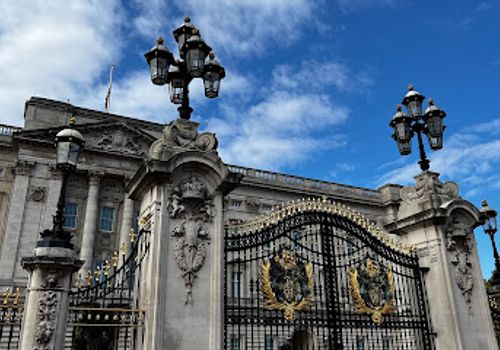
Buckingham Palace, located in London SW1A 1AA, is the official residence of His Majesty The King and a symbol of the British monarchy. Open to the public during the summer months, visitors can tour the lavishly decorated State Rooms, stroll through the beautiful gardens, and witness the famous Changing of the Guard ceremony. With 775 rooms and over 400 staff, the palace blends historic grandeur with living tradition, making it a must-see cultural landmark and tourist attraction.
Price level $$Time to spend 2–3 hrs
-
Market4.5★23,241 reviews
Portobello Road Market
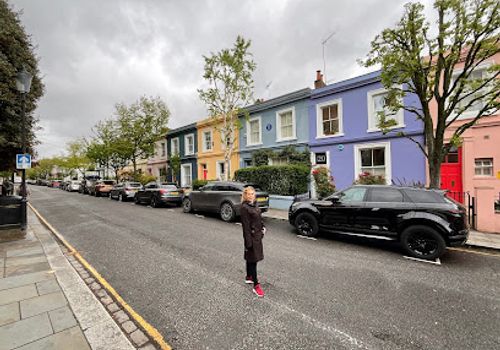
Portobello Road Market in Notting Hill, London, is a vibrant and historic street market renowned for its vast array of antiques, vintage fashion, fresh food, and eclectic goods. Operating daily with peak activity on Fridays and Saturdays, it draws locals and tourists alike to explore over 1,500 stalls stretching along Portobello Road and Golborne Road. The market offers a lively atmosphere filled with unique finds, street food, and cultural charm.
Mon–Sat 8:00–19:00 · Sun 8:00–17:00Price level $Time to spend 2–4 hrs
-
Mosque4.8★5,480 reviews
London Central Mosque
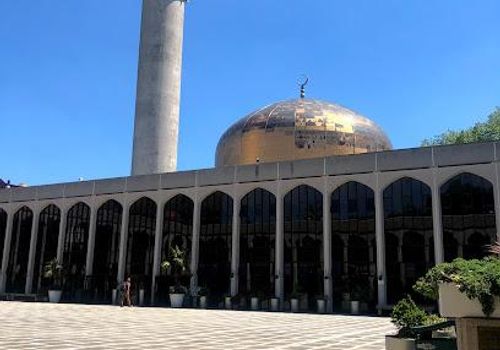
Established in 1977, the London Central Mosque stands as a prominent Islamic cultural and spiritual hub in the heart of London's St John's Wood neighbourhood. This architecturally distinctive mosque serves as the headquarters of the Islamic Cultural Centre and welcomes visitors of all backgrounds to explore Islamic heritage, attend prayers, and participate in educational programmes. With its elegant minaret and welcoming community atmosphere, it remains one of the UK's most significant Islamic institutions.
Daily 10:00–21:00Time to spend 1–3 hrs
-
Historical landmark4.5★4,184 reviews
Wellington Arch
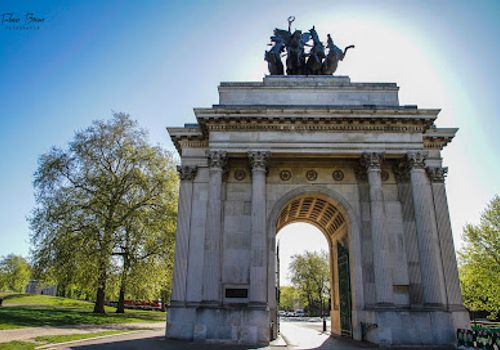
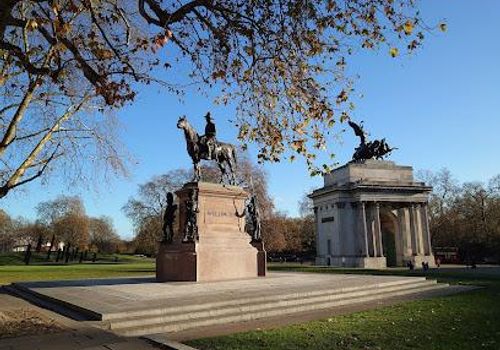
Wellington Arch, located at Hyde Park Corner in London, is a grand neoclassical triumphal arch built between 1825 and 1830 to commemorate the Duke of Wellington's victories in the Napoleonic Wars. Designed by Decimus Burton, it features the iconic Quadriga sculpture atop, symbolizing peace and victory. The arch houses a museum and exhibition spaces, offering panoramic views of Hyde Park and Buckingham Palace from its viewing gallery. Open Wednesday to Sunday, it blends rich history, art, and striking architecture in the heart of London.
Wed–Sun 10:00–17:00Price level $$Time to spend 0.5–1.5 hrs
-
Historical landmark4.7★3,552 reviews
Queen Victoria Memorial
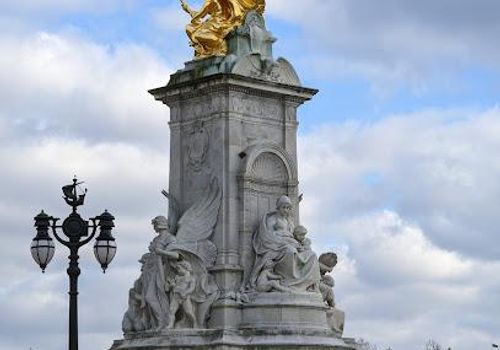
Standing majestically at the end of The Mall in front of Buckingham Palace, the Queen Victoria Memorial is a grand Edwardian monument completed in 1911 and designed by sculptor Sir Thomas Brock. This Grade I listed structure features an enthroned statue of Queen Victoria surrounded by allegorical bronze figures representing Truth, Justice, Motherhood, and Victory, all constructed from 2,300 tons of white marble. The memorial serves as both a tribute to Britain's longest-reigning monarch and a centerpiece of London's imperial urban planning, attracting millions of visitors annually who come to appreciate its intricate sculptural details and historical significance.
Open 24 hoursTime to spend 0.5–2 hrs
-
Memorial4.6★3,628 reviews
The Albert Memorial
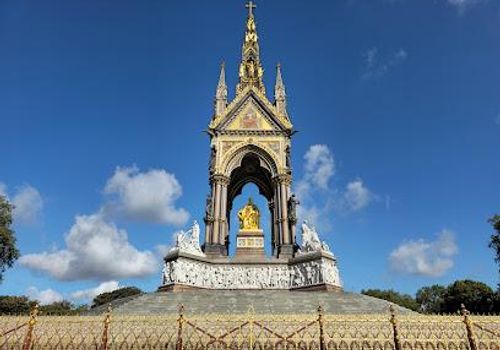
The Albert Memorial is a grand Victorian Gothic monument in Kensington Gardens, London, dedicated to Prince Albert, husband of Queen Victoria. Unveiled in 1872 and designed by Sir George Gilbert Scott, it features a gilded statue of Albert beneath an ornate canopy, surrounded by intricate allegorical sculptures representing arts, sciences, and continents. Located opposite the Royal Albert Hall, it stands as a poignant symbol of Victorian grandeur and royal remembrance.
Daily 6:00–20:30Time to spend 0.5–2 hrs
-
Historical place4.5★3,260 reviews
St. James's Palace
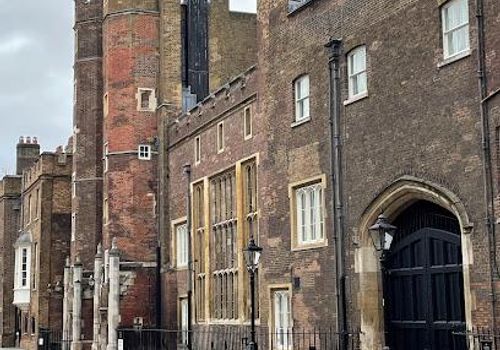
St James's Palace, built by Henry VIII in the 1530s on the site of a former leper hospital, is London’s oldest royal palace. Though no longer the monarch’s residence, it remains the senior royal palace and a key ceremonial site, hosting the Accession Council and royal baptisms. Its Tudor red-brick architecture, historic chapels, and courtyards speak to centuries of royal history at the heart of London’s Westminster.
Time to spend 0.5–2 hrs
-
Historical landmark4.1★2,522 reviews
Speakers' Corner
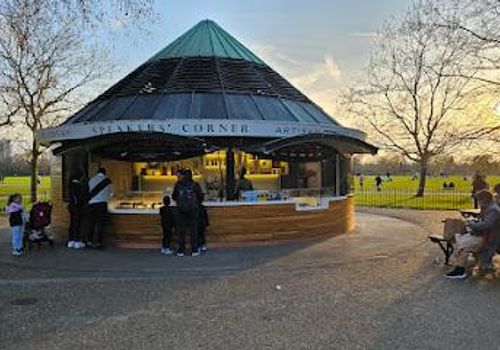
Nestled in the northeast corner of Hyde Park near Marble Arch, Speakers' Corner is a historic open-air forum renowned worldwide for its tradition of free speech and public debate. Since the 19th century, it has been a vibrant gathering place where anyone can express their views on any lawful topic, continuing a legacy born from democratic protests and social movements. This iconic site blends a rich, sometimes dark history with a lively atmosphere of open dialogue and activism.
Daily 5:00–24:00Time to spend 0.5–2 hrs
-
Historical landmark4.5★993 reviews
Eros (Shaftesbury Memorial Fountain)
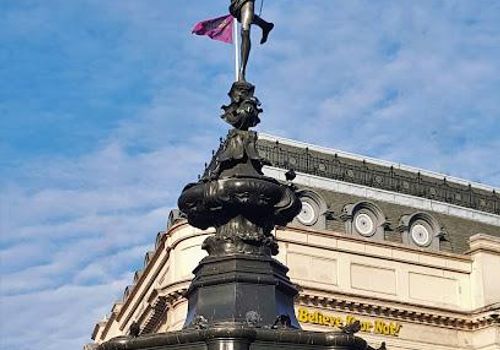
The Shaftesbury Memorial Fountain, famously known as Eros, is a celebrated London landmark located at Piccadilly Circus. Erected in 1893 to honor Victorian philanthropist the 7th Earl of Shaftesbury, the fountain features a pioneering aluminium statue of Anteros, the god of selfless love. Its iconic presence in the bustling theatre district combines artistic innovation with rich social history, symbolizing compassion and reform.
Open 24 hoursTime to spend 0.5–1.5 hrs
-
Anglican church4.5★943 reviews
St James's Piccadilly
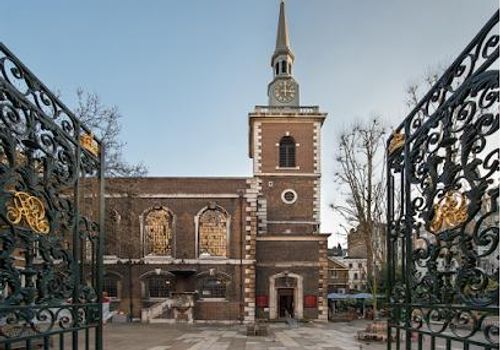
Standing at the heart of London’s West End since 1684, St James's Church, Piccadilly is a masterpiece by Sir Christopher Wren, renowned for its elegant architecture, historic significance, and vibrant community life. Damaged in the Blitz, it was meticulously restored and now serves as both a place of worship and a cultural hub. The church is famed for its Grinling Gibbons reredos, its association with artists like William Blake and Mary Beale, and its peaceful garden oasis amid the bustle of Piccadilly. Services, concerts, art exhibitions, and courtyard markets make it a living part of London’s spiritual and artistic landscape.
Time to spend 0.5–2 hrs
-
Sculpture4.6★784 reviews
Paddington Bear Statue
A beloved life-sized bronze sculpture of the famous literary character Paddington Bear stands on Platform 1 of Paddington Station in central London. Designed by sculptor Marcus Cornish and unveiled in February 2000 by author Michael Bond, this iconic statue commemorates the fictional bear's arrival at the station—the very location that inspired his name and story. Positioned beneath the station clock, the statue has become one of London's most cherished and photographed landmarks, drawing visitors from around the world.
Open 24 hoursTime to spend 0.2–1 hr
-
Tourist attraction4.4★798 reviews
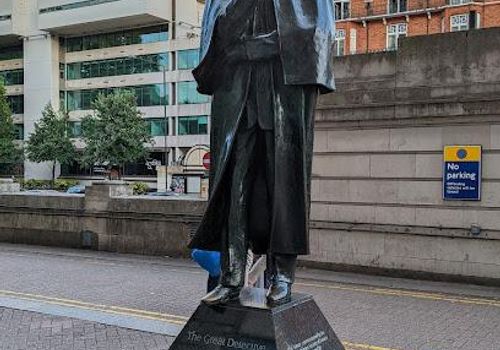
Sherlock Holmes Statue
Standing sentinel outside Baker Street Station on Marylebone Road, this bronze statue honours the world's most famous fictional detective. Unveiled in 1999 and sculpted by John Doubleday, the life-size figure captures Holmes in his iconic deerstalker and coat, pipe in hand. Commissioned by Abbey National Building Society—whose headquarters occupied the legendary 221B Baker Street address—the statue has become an essential pilgrimage point for literary enthusiasts and Sherlock devotees from around the globe. A perfect photo opportunity and starting point for exploring London's rich Sherlock Holmes heritage.
Mon–Sat open 24 hours · Sun 6:00–23:30Time to spend 0.2–1 hr
-
Historical landmark4.6★704 reviews
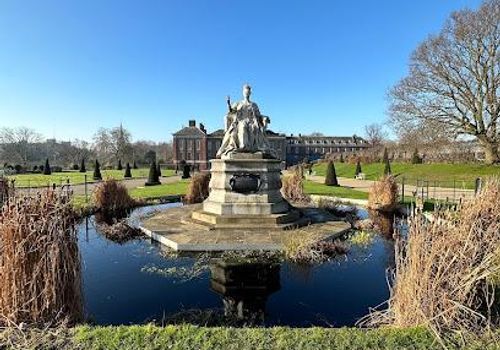
Queen Victoria Statue
The Queen Victoria Statue in Kensington Palace Gardens is a striking white marble sculpture depicting Queen Victoria at age 18 in her coronation robes. Created by her daughter Princess Louise and unveiled in 1893 to mark Victoria's Golden Jubilee, it stands prominently outside Kensington Palace, the monarch's birthplace and childhood home. The statue symbolizes Victoria’s long reign and deep connection to the palace, enduring wartime damage and restorations over the years.
Time to spend 0.5–1.5 hrs
-
War memorial4.7★519 reviews
Bomber Command Memorial
An open Portland-stone pavilion on the Piccadilly edge of Green Park honours the 55,573 aircrew of RAF Bomber Command who died in the Second World War. Seven life-size bronze figures stand beneath an open roof that lets daylight and weather reach them, their exhausted postures framed against the sky they flew in. Roof aluminium comes from a 1944 Halifax bomber shot down over Belgium. Inscriptions dedicate the memorial to the dead of Bomber Command and to civilians of all nations killed in the bombing campaigns. The setting is solemn and architectural rather than spectacular, best experienced as a short, reflective stop during a Hyde Park Corner to Buckingham Palace walk.
Open 24 hoursTime to spend 10–40 hrs
-
Historical landmark4.5★437 reviews
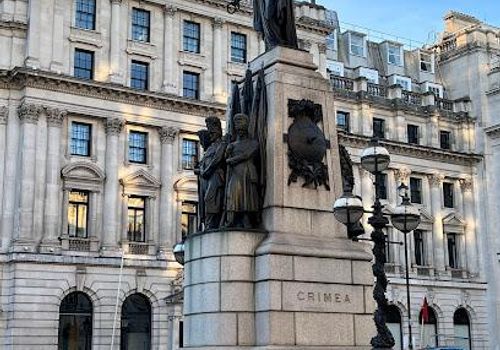
Guards Crimean War Memorial
The Guards Crimean War Memorial in London’s St James's district commemorates the valor and sacrifice of the Brigade of Guards during the Crimean War (1853–1856). Erected in 1861 and located on Waterloo Place, it features bronze statues of three Guardsmen and a female allegorical figure symbolizing Honour and Victory. Cast from captured Russian cannons, the memorial is a poignant tribute to ordinary soldiers and a significant historic landmark in central London.
Open 24 hoursTime to spend 0.2–1 hr
-
Cemetery4.7★387 reviews
Brompton Cemetery
Brompton Cemetery is one of London's Magnificent Seven Victorian garden cemeteries, established in 1840 as a response to overcrowded churchyards. Spanning 40 acres in West Brompton, this Grade I listed site contains over 205,000 burials marked by 35,000 monuments ranging from simple headstones to elaborate mausolea. Designed by architect Benjamin Baud, the cemetery features a striking central avenue, classical colonnades inspired by St Peter's in Rome, and a sandstone domed chapel. Now managed by The Royal Parks as Britain's only Crown cemetery, it serves as both a historical landmark and thriving wildlife habitat.
Daily 7:00–16:00Time to spend 1.5–3 hrs
-
Catholic cathedral4.9★359 reviews
Ukrainian Catholic Cathedral
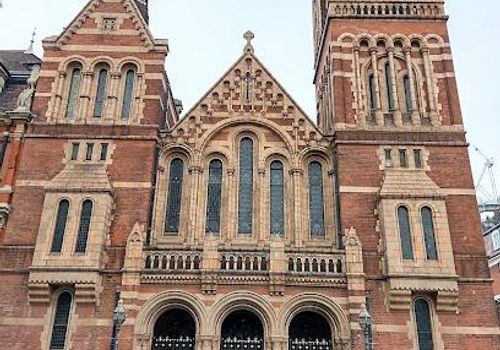
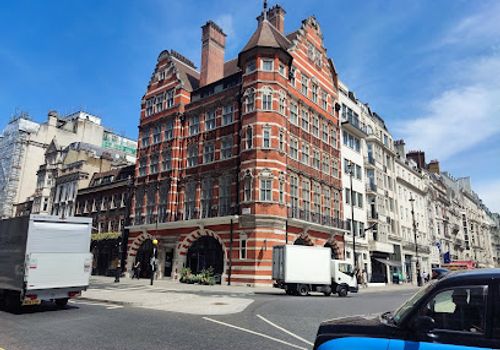
Located on Duke Street in London’s West End, the Ukrainian Catholic Cathedral of the Holy Family in Exile is a striking red brick and terracotta church designed by Alfred Waterhouse. Originally built in 1891 as the King’s Weigh House Congregational Church, it became the Ukrainian Catholic Cathedral in 1968, serving a growing Ukrainian community. The cathedral features an oval nave, an impressive iconostasis by a Ukrainian monk, and a rich history shaped by migration, war damage, and architectural heritage.
Time to spend 0.5–1.5 hrs
-
Historical landmark4.5★362 reviews
Little Ben Clock
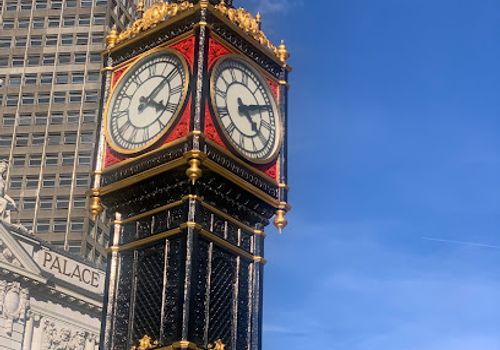
Little Ben is a cast iron miniature clock tower located at the junction of Vauxhall Bridge Road and Victoria Street in London, near Victoria Station. Erected in 1892 as a smaller homage to the iconic Big Ben, it symbolizes Franco-British friendship and has a unique history of removal and restoration. This charming landmark features a distinctive inscription and stands as a quaint yet significant piece of London's urban heritage.
Open 24 hoursTime to spend 0.2–1 hr
-
Historical landmark4.6★342 reviews
Canada Gate
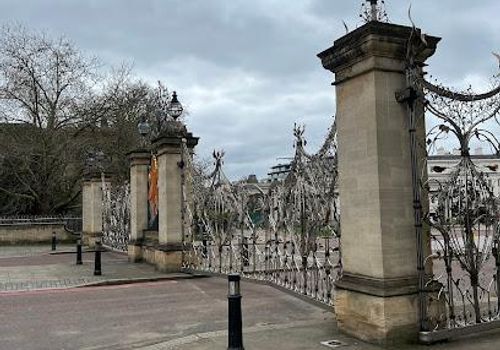
Canada Gate is an ornate, gilded wrought iron gateway located at South Carriage Drive, London, opposite Buckingham Palace. Completed in 1911 as part of the Queen Victoria Memorial scheme, it was a gift from Canada to the United Kingdom, symbolizing the historical ties and shared heritage between the two nations. Featuring the coats of arms of Canadian provinces, the gate serves as a grand ceremonial entrance to Green Park and a poignant reminder of Canada’s contributions to the British Empire.
Open 24 hoursTime to spend 0.5–1.5 hrs
-
War memorial4.6★284 reviews
Animals In War Memorial
Standing on Park Lane at the edge of Hyde Park, the Animals in War Memorial is a powerful tribute to the countless animals that served and died alongside British and Allied forces throughout history. Designed by sculptor David Backhouse and unveiled in 2004, the monument features a curved Portland stone wall carved with images of animals in conflict, bronze mules ascending steps, and a horse and dog gazing into the distance. It honours horses, mules, dogs, pigeons, elephants, and many other creatures whose loyalty and sacrifice often went unrecorded in official histories.
Open 24 hoursTime to spend 0.5–1.5 hrs
-
Town Hall4.6★175 reviews
Chelsea Old Town Hall
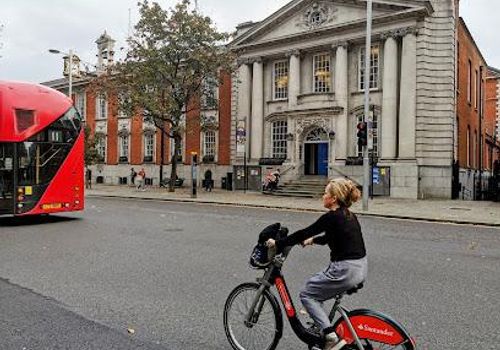
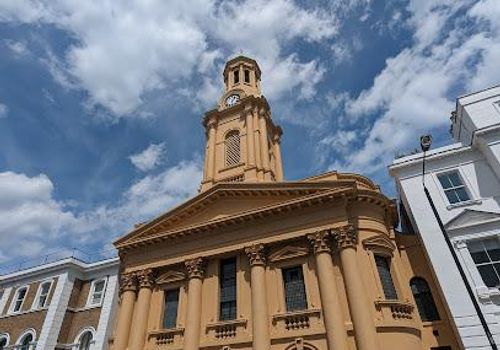
Chelsea Old Town Hall, located on the iconic King's Road in London, is a magnificent Grade II listed late Victorian building renowned for its neoclassical architecture and rich civic history. Originally completed in 1887 and extended in 1908, it features ornate interiors, grand halls, and has served as a cultural hub for weddings, concerts, and exhibitions. Today, it remains a cherished venue blending heritage with modern functionality in the heart of Chelsea.
Mon–Sat 7:00–19:00Price level $$Time to spend 1–3 hrs
-
Hotel4.2★186 reviews
Space Apart Hotel
Space Apart Hotel offers modern, luxury serviced apartments in the heart of Kensington Gardens Square, London. Featuring spacious, air-conditioned rooms with fully equipped kitchens, this hotel blends the independence of apartment living with hotel comforts. Located within walking distance of Bayswater and Queensway tube stations, it provides easy access to Hyde Park, Notting Hill, and vibrant local markets like Portobello Road. Ideal for both business and leisure travelers seeking a stylish, well-connected base in London.
Price level $$Time to spend 1–5 hrs
-
Memorial4.6★166 reviews
Canada Memorial
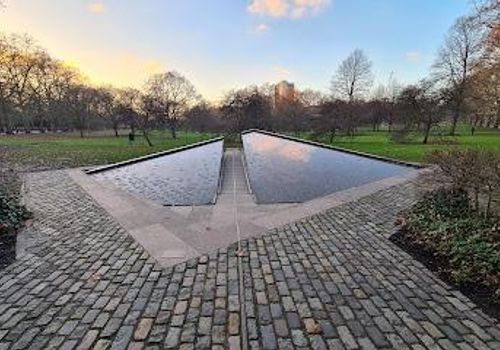
The Canada Memorial in London’s Green Park honors nearly one million Canadian and Newfoundland service members who fought alongside Britain in the First and Second World Wars. Designed by Pierre Granche and unveiled in 1994 by Queen Elizabeth II, the memorial features red granite divided by a walkway, bronze maple leaves, and flowing water symbolizing the enduring bond between Canada and the UK.
Open 24 hoursTime to spend 0.5–1.5 hrs
-
Anglican church4.6★162 reviews
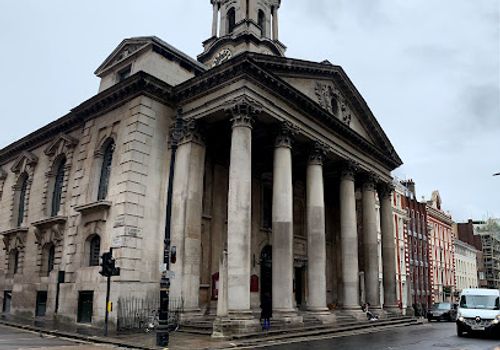
St George's Church, Hanover Square
St George's Church, Hanover Square, built between 1721 and 1725 by architect John James, stands as a distinguished example of Georgian ecclesiastical architecture in London's West End. Serving the historic parish of Mayfair, it is renowned for its dignified worship, rich musical heritage linked to composer Handel, and its role as a fashionable wedding venue. Today, it continues as a spiritual sanctuary and cultural venue, hosting concerts and the annual London Handel Festival.
Time to spend 0.5–2 hrs
-
Monument4.7★127 reviews
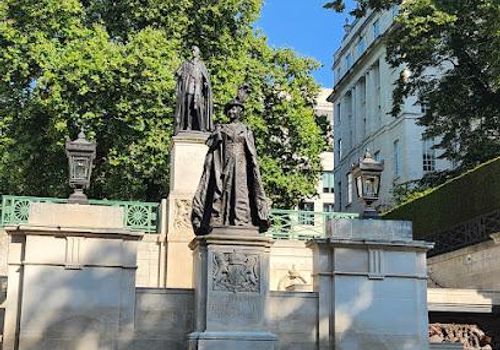
King George VI & Queen Elizabeth,The Queen Mother Memorial
Situated between The Mall and Carlton Gardens in central London, the King George VI and Queen Elizabeth Memorial honors the legacy of King George VI and his consort, Queen Elizabeth, the Queen Mother. Featuring two prominent bronze statues—King George VI in naval uniform by William McMillan, and Queen Elizabeth by Philip Jackson—the memorial was completed in its current form in 2009. It stands as a poignant tribute to their leadership and enduring presence in British royal history.
Open 24 hoursTime to spend 0.5–1.5 hrs
-
Monument4.4★125 reviews
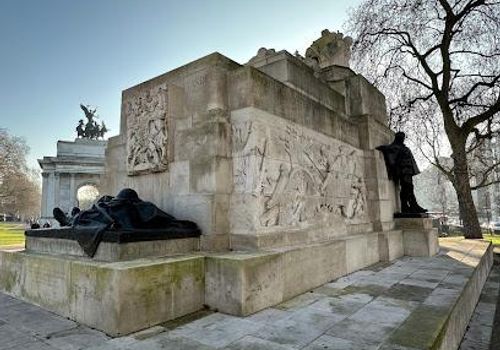
Royal Artillery Memorial
A monumental First World War memorial at Hyde Park Corner, unveiled in 1925, commemorating 49,076 Royal Artillery soldiers killed in the Great War. Designed by sculptor Charles Sargeant Jagger and architect Lionel Pearson, this Grade I listed landmark features a life-size stone howitzer as its centerpiece, surrounded by bronze figures depicting gunners and a fallen soldier. The memorial's unflinching portrayal of warfare—including detailed reliefs of trench life and military equipment—sparked controversy upon unveiling but is now recognized as one of Britain's greatest war memorials and a masterpiece of 20th-century sculpture.
Open 24 hoursTime to spend 0.5–1.5 hrs
-
Historical landmark4.7★117 reviews
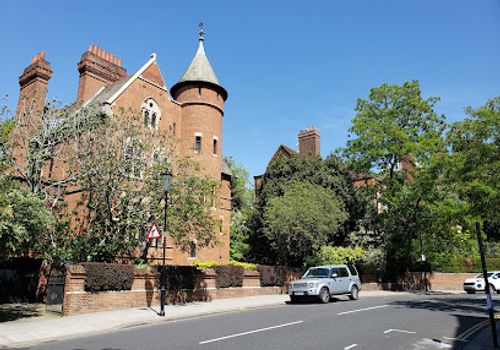
The Tower House
The Tower House, located at 29 Melbury Road in London’s Holland Park, is a late-Victorian townhouse designed and built by architect William Burges as his private residence between 1875 and 1881. This Grade I listed building exemplifies French Gothic Revival architecture with its distinctive cylindrical tower and conical roof. The richly decorated interiors reflect Burges’s medieval-inspired design philosophy, making it a unique architectural landmark in London.
Open 24 hoursTime to spend 0.5–1 hr
-
Monument4.5★121 reviews
Equestrian Statue of the Duke of Wellington
The Equestrian Statue of the Duke of Wellington in the City of London is a historic bronze monument unveiled in 1844 to honor Arthur Wellesley, 1st Duke of Wellington, for his military achievements and contributions to London’s infrastructure. Crafted by Sir Francis Chantrey and completed by Henry Weekes, the statue stands near the Royal Exchange, made from bronze melted down from captured enemy cannons after the Battle of Waterloo.
Open 24 hoursTime to spend 0.2–1 hr
-
Historical landmark4.6★109 reviews
Queen Elizabeth Gate
The Queen Elizabeth Gate is a striking historical landmark at Hyde Park’s entrance in London, erected in 1993 to honor Queen Elizabeth The Queen Mother’s 90th birthday. This intricately designed gate features stainless steel and bronze work, combining regal symbols like the lion and unicorn with organic foliage motifs. It serves as a grand portal to Hyde Park, blending architectural elegance with the natural beauty of one of London’s most beloved green spaces.
Daily 5:00–22:00Time to spend 0.5–2 hrs
-
Anglican church4.6★101 reviews
St Peter's Church, Notting Hill
St Peter's Church in Notting Hill is a distinguished Victorian Anglican church located on Kensington Park Road, London. Built between 1855 and 1857 in a classical architectural style by Thomas Allom, it stands as one of the last 19th-century Anglican churches in London designed in this manner. The church features intricate stained glass windows, finely crafted stonework, and a prominent bell tower, serving both as a place of worship and a vibrant community hub in the heart of Notting Hill.
Time to spend 0.5–2 hrs
-
War memorial4.5★99 reviews
Commonwealth Memorial Gates
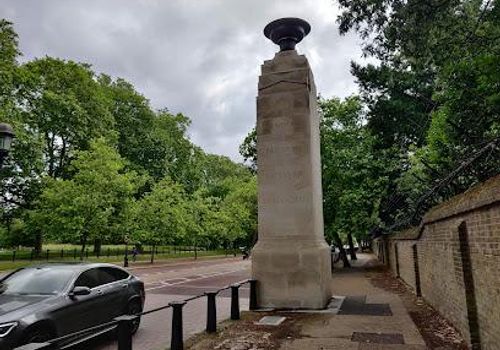
The Commonwealth Memorial Gates on Constitution Hill in London honor the five million servicemen and women from the Indian subcontinent, Africa, and the Caribbean who volunteered with the British Armed Forces during the First and Second World Wars. Featuring four Portland stone pylons topped with bronze urns and flames, the gates blend Eastern and Western architectural styles and include a domed pavilion inscribed with the names of Victoria and George Cross recipients. This poignant memorial symbolizes sacrifice, unity, and the enduring legacy of the Commonwealth’s contribution to British history and society.
Open 24 hoursTime to spend 0.5–1.5 hrs
-
War memorial4.5★88 reviews
New Zealand War Memorial
Located at Hyde Park Corner in London, the New Zealand War Memorial is a striking contemporary monument dedicated to New Zealanders who died in the First and Second World Wars. Unveiled by Queen Elizabeth II on Armistice Day 2006, the memorial features 16 bronze cross-shaped standards of varying heights arranged in formation, with ten standards positioned to represent the Southern Cross constellation. Each 700-kilogram standard is inscribed with text, patterns, and sculptures reflecting New Zealand's cultural heritage, including Māori symbols, native flora, and excerpts from New Zealand authors and military figures.
Open 24 hoursTime to spend 0.2–1 hr
-
Lake4.6★77 reviews
Round Pond
An ornamental lake spanning seven acres in the heart of Kensington Gardens, Round Pond has been a cherished London landmark since its creation by King George II in 1730. Located directly in front of Kensington Palace, this rectangular body of water with rounded corners measures approximately 200 by 150 metres and reaches depths of up to 5 metres. Home to abundant waterfowl including swans, ducks, and geese, the pond serves as a sanctuary for model yacht enthusiasts and birdwatchers alike. The historic Model Yacht Sailing Association, established in 1876, continues to host regular races here, making it a unique blend of natural beauty and recreational tradition.
Time to spend 0.8–2.5 hrs
-
Public Transport Stop4.4★80 reviews
Abbey Road crossing
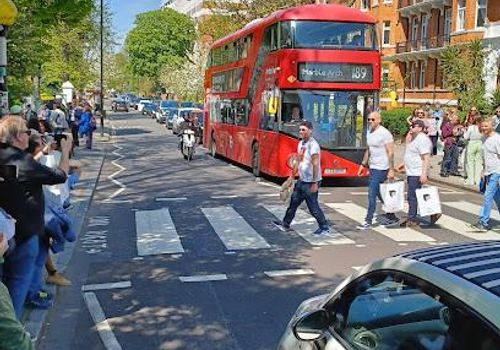
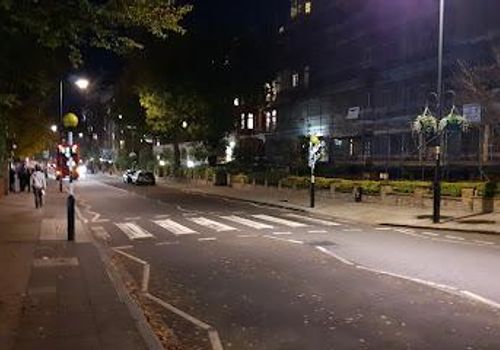
The zebra crossing on Abbey Road in St John’s Wood is the exact site of the 1969 photograph that became the cover of The Beatles’ album Abbey Road. Four band members walk in single file across the white stripes in one of the most reproduced images in popular music. Today the working crossing remains a public road where visitors recreate the pose amid the tree-lined residential street. The Grade II listed structure combines everyday British road infrastructure with global cultural significance. Fans arrive daily to stand on the stripes, photograph the scene, and visit the nearby studio wall and shop. The experience is brief, outdoor and shaped by passing traffic rather than any formal exhibition or guided tour.
Time to spend 10–45 hrs
-
Historical landmark4.4★74 reviews
Queen's Tower
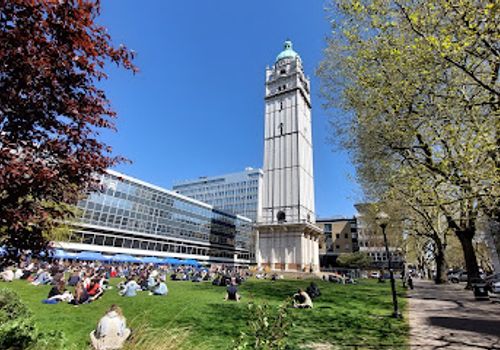
The Queen's Tower, rising 287 feet in South Kensington, London, is the sole surviving remnant of the Imperial Institute, built to commemorate Queen Victoria's Golden Jubilee in 1887. Designed in neo-Renaissance style by T.E. Collcutt, the tower stands as a symbol of the British Empire's scientific ambitions and architectural grandeur. It features a copper-covered dome, a belfry with ten historic bells, and offers panoramic views of London from its upper gallery, open on special occasions.
Price level $Time to spend 0.5–2 hrs
-
Historical landmark4.6★65 reviews
The Old Police House
Nestled within the iconic Hyde Park, The Old Police House is a historic 19th-century building originally constructed in the 1870s as a police station. It now serves as the main office for The Royal Parks and a Tourist Information Centre, offering visitors a unique glimpse into London's policing heritage amidst the park’s lush greenery and vibrant cultural landscape.
Mon–Fri 9:00–17:00Time to spend 0.5–2 hrs
-
Historical landmark4.6★59 reviews
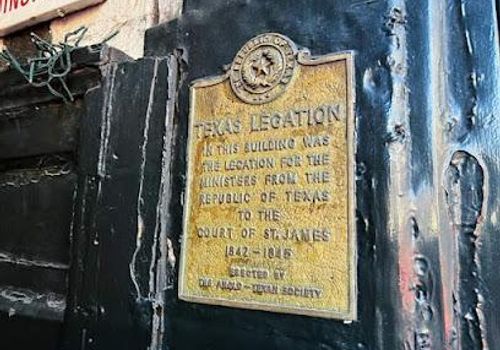
Republic of Texas Plaque
A brass plaque marking the site of the Republic of Texas's diplomatic mission to the British Court, housed above a historic wine merchant from 1842 to 1845. Located in Pickering Place, a hidden alley off St. James's Street near St. James's Palace, this modest memorial commemorates a fascinating chapter when Texas sought international recognition as an independent nation. The plaque was erected in 1963 by the Anglo-Texan Society and remains a quirky reminder of Texas's brief sovereignty.
Open 24 hoursTime to spend 0.2–1 hr
-
Historical landmark4.6★58 reviews
Edward Jenner Memorial
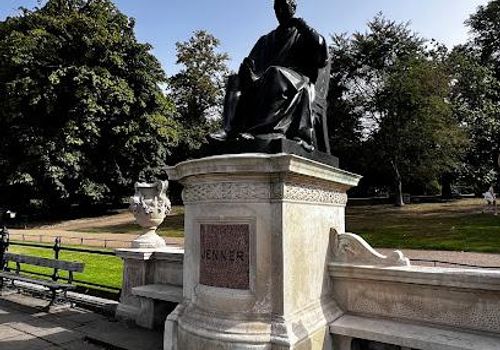
Standing in the Italian Garden within Kensington Gardens, the Edward Jenner Memorial is a marble statue honouring the pioneering physician who developed the world's first vaccine. Sculpted by William Calder Marshall and unveiled by Prince Albert in 1858, this monument celebrates Jenner's revolutionary contribution to medicine—his 1796 discovery that vaccination with cowpox conferred immunity to smallpox. The statue was relocated to Kensington Gardens in 1862, becoming the first monument erected in these historic gardens. Today it remains a testament to one of humanity's greatest medical achievements.
Time to spend 0.5–2 hrs
-
Historical landmark4.6★58 reviews
Equestrian statue of Edward Ⅶ
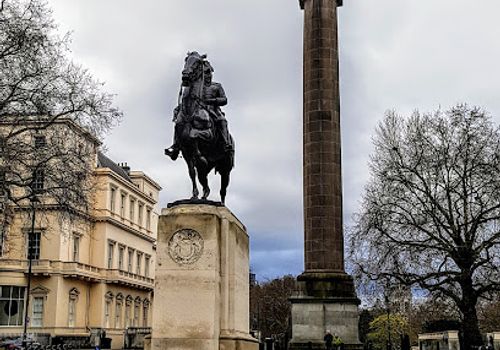
The Equestrian Statue of Edward VII, located in London's St. James's district at Waterloo Place, is a majestic bronze monument commemorating King Edward VII, who reigned from 1901 to 1910. Sculpted by Australian artist Bertram Mackennal and unveiled in 1921, the statue depicts the king in a field marshal's uniform atop a horse with one leg raised, symbolizing his regal presence and military stature. Set on a granite pedestal adorned with the royal coat of arms, the statue stands amid historic landmarks and bustling city life, offering visitors a rich glimpse into Britain's Edwardian era and imperial heritage.
Open 24 hoursTime to spend 0.5–1.5 hrs
-
Monument4.2★63 reviews
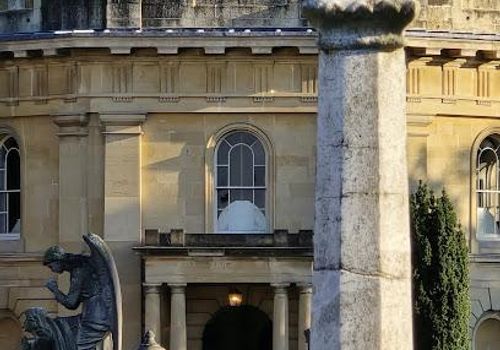
Speke Monument
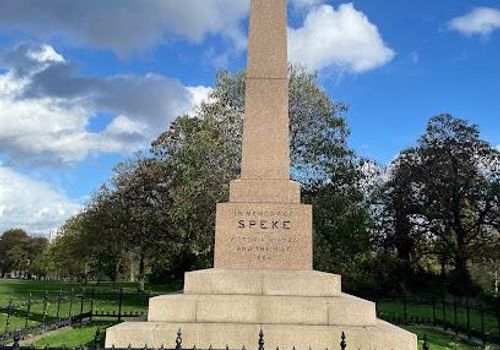
Standing quietly in Kensington Gardens, the Speke Monument is a red granite obelisk honouring Victorian explorer John Hanning Speke, famed for identifying Lake Victoria as the source of the Nile. Erected in 1866, this understated memorial commemorates a pivotal moment in African exploration, set within London’s elegant royal park. Though modest in appearance, it carries the weight of imperial ambition, scientific debate, and a controversial legacy that continues to resonate in the history of exploration.
Time to spend 15–45 min
-
Park and Garden4.0★60 reviews
Sussex Gardens
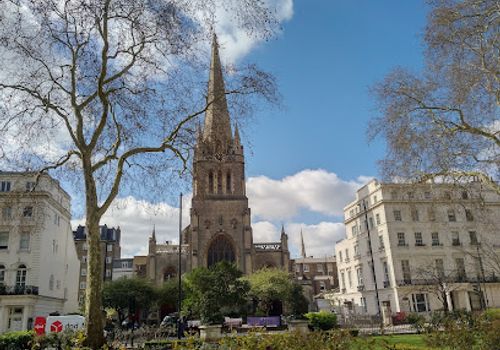
Sussex Gardens is a tranquil and picturesque green space located in the historic Tyburnia district of London. Known for its lush lawns, mature trees, and Victorian-era architecture, it offers a peaceful retreat from the city's bustle. The garden is part of a grand 19th-century urban plan and is surrounded by elegant terraced houses and notable landmarks, making it a cultural and architectural gem in central London.
Daily 8:00–16:30Time to spend 0.5–2 hrs
-
Monument4.3★38 reviews
Machine Gun Corps Memorial
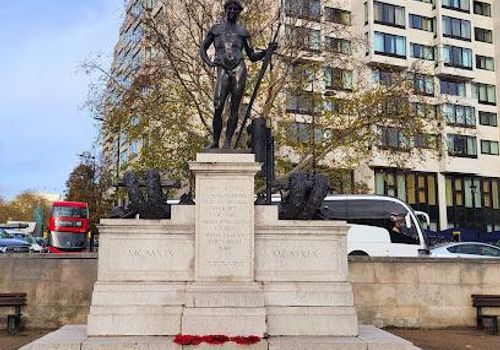
The Machine Gun Corps Memorial, also known as The Boy David, is a poignant World War I monument located at Hyde Park Corner, London. Unveiled in 1925, it commemorates the bravery and sacrifice of the Machine Gun Corps, featuring a striking bronze statue of a nude young David flanked by bronze Vickers machine guns. The memorial's classical design and powerful inscription reflect the deadly role and heavy losses of the corps during the war.
Open 24 hoursTime to spend 0.2–1 hr
-
Historical landmark4.4★37 reviews
Béla Bartók Memorial
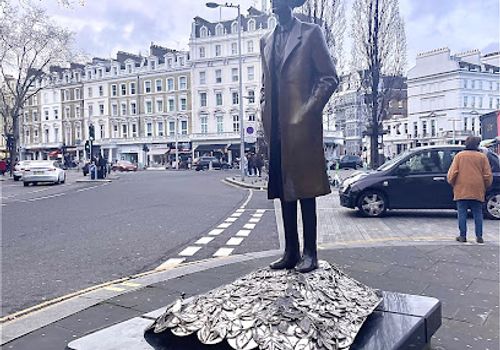
The Béla Bartók Memorial, located at 9 Old Brompton Road in South Kensington, London, honors the legacy of the renowned Hungarian composer Béla Bartók. This bronze statue, crafted by celebrated Hungarian sculptor Imre Varga, depicts Bartók in a dapper suit and commemorates his visits to London, where he stayed during much of his career. Situated near South Kensington Underground Station, the memorial is a poignant cultural landmark celebrating Bartók's influence on 20th-century music.
Open 24 hoursTime to spend 0.2–1 hr
-
Monument4.3★21 reviews
Roosevelt Memorial
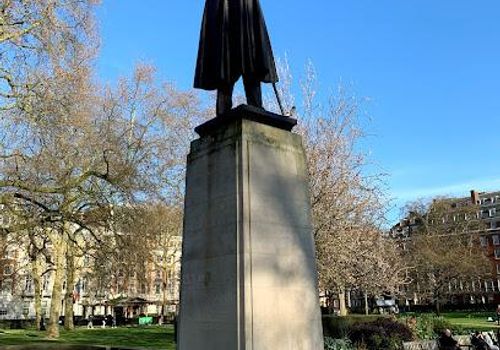
The Roosevelt Memorial, prominently located in Grosvenor Square, London, honors Franklin Delano Roosevelt, the U.S. President during World War II. Unveiled in 1948 by Eleanor Roosevelt, the statue stands on a granite plinth surrounded by inscriptions of Roosevelt’s presidential election years and his Four Freedoms. Set within the historic Grosvenor Square gardens, the memorial symbolizes the enduring Anglo-American alliance and commemorates Roosevelt’s leadership during a pivotal era.
Mon–Sat 9:00–17:00Time to spend 0.5–1.5 hrs
-
Sculpture4.9★14 reviews
Beau Brummell Statue
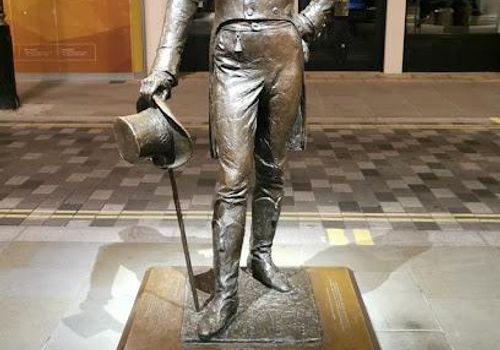
A bronze statue honouring George Bryan 'Beau' Brummell, the legendary 19th-century dandy and arbiter of men's fashion in Regency England. Located at the entrance to Piccadilly Arcade on Jermyn Street in Mayfair, this modest yet elegant sculpture captures Brummell in his characteristic pose—one hand on hip, the other holding a top hat and cane. Unveiled in 2002 by sculptor Irena Sedlecka, the statue commemorates a figure who revolutionised menswear by championing understated elegance and precise tailoring over the ostentatious styles of the 18th century.
Time to spend 0.2–1 hr
-
Sculpture4.5★14 reviews
Sir Keith Park statue
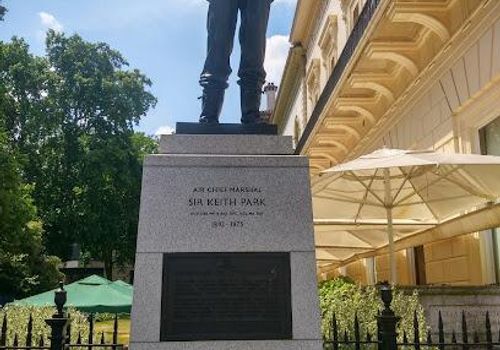
The Sir Keith Park statue in Waterloo Place, London, is a distinguished bronze memorial honoring the New Zealand-born Air Chief Marshal whose leadership was pivotal during the Battle of Britain in World War II. Erected in 2010, this statue commemorates Park’s vital role in defending London and southeast England against the Luftwaffe, symbolizing his enduring legacy as a war hero and strategic military leader.
Open 24 hoursTime to spend 0.2–1 hr
-
Historical landmark4.3★14 reviews
George Orwell Plaque
The George Orwell Plaque at 22 Portobello Road, London, is a poignant tribute to one of the 20th century’s most influential writers. Situated in the vibrant Notting Hill area, this historical landmark commemorates Orwell’s profound connection to London and his enduring literary legacy. The plaque stands amidst the lively atmosphere of Portobello Road Market, blending cultural heritage with the eclectic spirit of the neighborhood.
Time to spend 0.2–1.5 hrs
-
4.5★10 reviews
Pickering Pl
Nestled just off St James's Street in London, Pickering Place is the smallest public square in Great Britain. This secluded Georgian courtyard, with its original gaslights and wrought iron railings, offers a rare glimpse into 18th-century London life. Known historically for duels, gambling dens, and as the former site of the Texan Embassy, it remains a charming, Grade II listed enclave rich in stories and architectural heritage.
Time to spend 0.2–1 hr
-
Monument4.1★9 reviews
Charles De Gaulle Statue
The Charles De Gaulle Statue in Carlton Gardens, London, commemorates the Free French leader and first president of the French Fifth Republic. Opposite the former Free French Forces headquarters, this life-sized bronze statue depicts De Gaulle in his brigadier general uniform, symbolizing his defiant leadership during WWII. Unveiled in 1993 by The Queen Mother, it stands as a poignant tribute to his enduring legacy in the heart of London.
Open 24 hoursTime to spend 0.2–1 hr
-
Historical landmark4.7★6 reviews
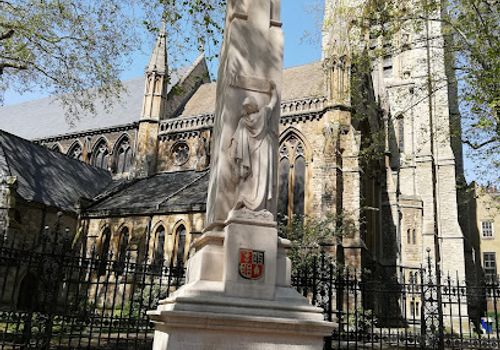
Kensington War Memorial
The Kensington War Memorial stands solemnly outside St Mary Abbots Church in London W8, commemorating the men of Kensington and the Kensington battalions who sacrificed their lives in the First and Second World Wars. Featuring a floriated cross atop a gothic stone pillar, this Grade II listed monument is a poignant historical landmark set against the backdrop of one of Kensington’s most iconic churches.
Time to spend 0.2–1 hr
-
Historical landmark5.0★1 review
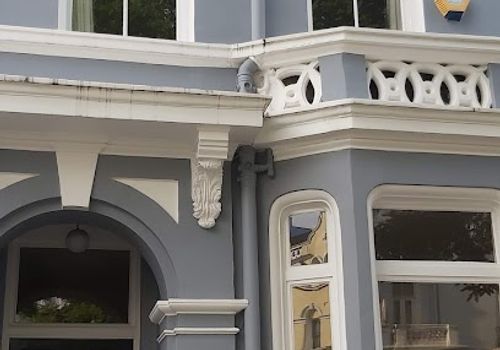
Empire House
Empire House is a distinguished Grade II listed building located at 220 Brompton Road in South Kensington, London. Built between 1909 and 1916 for the Continental Tyre Company, this historic landmark blends Edwardian architectural grandeur with contemporary luxury apartments. Situated on the border of South Kensington and Knightsbridge, it offers residents elegant living spaces, proximity to iconic cultural sites, and access to upscale shopping and dining.
Price level $$Time to spend 0.5–2 hrs
-
Historical landmark4.0★1 review
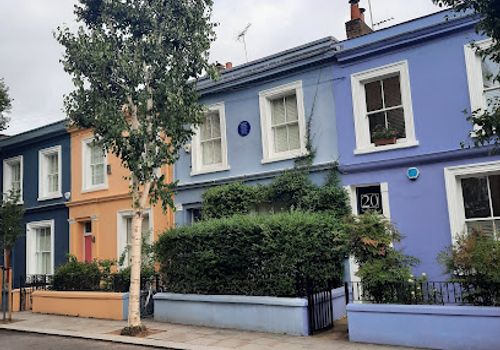
Howard Staunton Blue Plaque
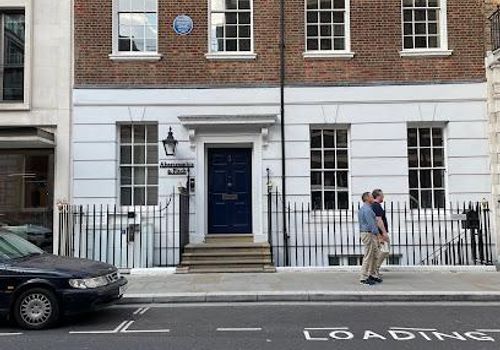
The Howard Staunton Blue Plaque at 117 Lansdowne Road, London, commemorates the life and legacy of Howard Staunton, a pioneering 19th-century English chess master. Staunton was renowned as the unofficial world chess champion in the 1840s, organizer of the first international chess tournament in 1851, and promoter of the Staunton chess set design, now the standard for tournament play worldwide.
Time to spend 15–30 min
-
Lancaster Gate
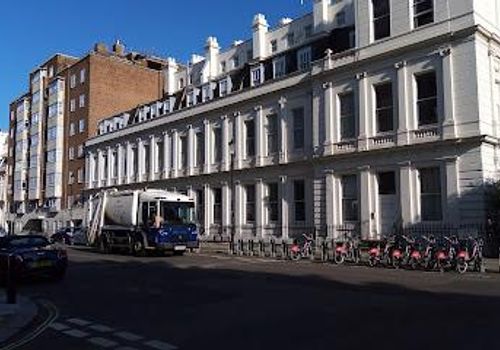
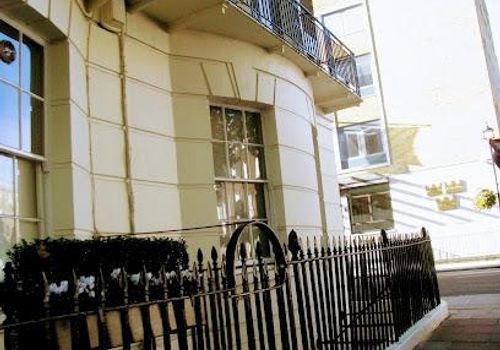
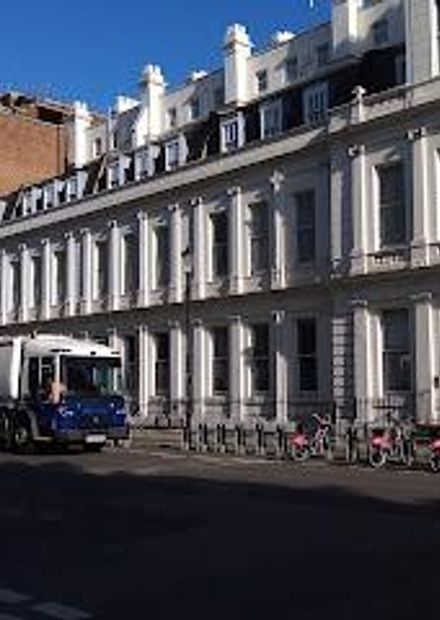
Lancaster Gate is an elegant mid-Victorian residential and commercial district in central London, situated on the northern edge of Hyde Park and Kensington Gardens. This prestigious Bayswater neighbourhood features stunning stuccoed terraces with classical architecture, housing embassies, offices, and the Lancaster Gate Hotel. The area offers direct access to world-class parks, museums, and transport links, making it an ideal base for exploring London's cultural attractions and enjoying peaceful green spaces.
Price level $$Time to spend 1.5–4 hrs
-
Clanricarde Gardens
Clanricarde Gardens is an elegant residential street in the heart of Notting Hill, London, situated on a quiet cul-de-sac directly facing Kensington Palace Gardens and Hyde Park. This prestigious address features period town houses with high ceilings, bay windows, and refined period architecture, blending Victorian charm with contemporary design. The location offers immediate access to some of London's most desirable amenities, including world-class shopping, dining, and cultural attractions.
Price level $$$Time to spend 1–4 hrs
-
Montagu Square
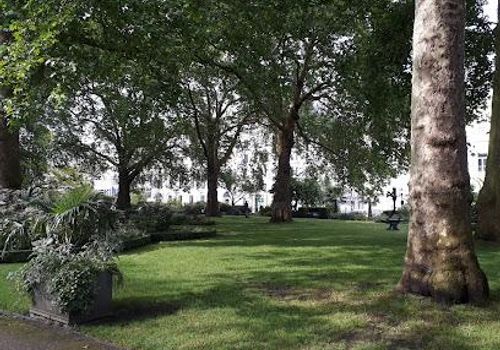
Montagu Square is a prestigious Georgian garden square in Marylebone, London, built between 1810 and 1815 as part of the Portman Estate. Named after Elizabeth Montagu, an 18th-century literary patron and social reformer, the square features elegant red-brick townhouses arranged around a tranquil private garden dominated by plane trees planted in 1817. The square gained cultural prominence in the 1960s as home to several Beatles members and rock icons, most notably at No. 34, where John Lennon and Yoko Ono lived during the recording of The White Album. Today it remains one of London's most exclusive residential addresses and a significant landmark in both architectural and music history.
Time to spend 0.5–2 hrs
-
Park Ln
Park Lane is an iconic dual carriageway in Westminster's City Centre, stretching nearly three-quarters of a mile from Hyde Park Corner to Marble Arch. This prestigious boulevard separates the verdant expanse of Hyde Park from the elegant Mayfair district, lined with world-class luxury hotels, exclusive residences, high-end retailers, and fine dining establishments. Once a humble country lane known as Tyburn Lane, it transformed into London's most fashionable address from the 18th century onward, attracting prime ministers, business moguls, and London's elite. Today, Park Lane remains a symbol of sophistication and affluence, offering visitors a glimpse into the capital's most refined neighbourhoods while providing excellent connectivity to London's major attractions.
Price level $$$Time to spend 0.5–3 hrs
-
Cultural landmark
Former EMI House (Beatles album cover photo)
The site of one of music history's most iconic photographs, the Former EMI House at 20 Manchester Square once served as the London headquarters of EMI Records. Though the modernist building was demolished in 1995, the location remains a pilgrimage site for Beatles fans and music enthusiasts. This Georgian square in Marylebone witnessed the creation of the famous Please Please Me album cover in 1963, when photographer Angus McBean captured The Beatles looking down a stairwell—an image that would define an era.
Time to spend 0.5–2 hrs
-
Building
3 Abbey Rd.
Abbey Road Studios, located at 3 Abbey Road in London’s St John’s Wood, is the world’s most iconic recording studio, established in 1931. Originally a Georgian townhouse, it was transformed into the first purpose-built recording studios, becoming the creative home to legendary artists like The Beatles, Pink Floyd, and Sir Edward Elgar. Renowned for pioneering recording innovations, Abbey Road remains a symbol of musical heritage and innovation.
Price level $$Time to spend 0.5–2 hrs
-
Historical landmark
Queen Victoria Monument
The Queen Victoria Memorial in London is a grand and iconic tribute to Queen Victoria, located prominently in front of Buckingham Palace within Warwick Gardens. Completed in 1911 and designed by Sir Thomas Brock, this monument features intricate marble and bronze sculptures symbolizing virtues such as justice, courage, and motherhood. It stands as a focal point of imperial history and British heritage, surrounded by formal gardens and serving as a backdrop for ceremonial events.
Open 24 hoursTime to spend 0.5–2 hrs
-
Building
3 Savile Row
3 Savile Row, a distinguished Georgian townhouse in London’s West End, is famously known as the Beatles’ Apple Corps headquarters from 1968 to 1970. This historic building hosted the iconic rooftop concert, the band’s final live performance, and housed a recording studio where parts of the Let It Be album were created. Beyond music, it was a hub for peace campaigns and creative collaborations, making it a landmark of cultural and musical history.
Time to spend 0.5–1.5 hrs
-
Building
Burlington House
Burlington House on Piccadilly is a grand 17th-century mansion transformed into a neoclassical landmark, now housing the Royal Academy of Arts and several of Britain’s most prestigious learned societies. Its elegant courtyard and state rooms host major art exhibitions and scholarly gatherings, blending Palladian architecture with centuries of intellectual and artistic life. The building’s history as a private residence, its role in the Georgian Palladian revival, and its current status as a cultural hub make it a quiet but essential stop for anyone exploring London’s architectural and artistic heritage.
Price level $$Time to spend 1–3 hrs
-
Clarence House
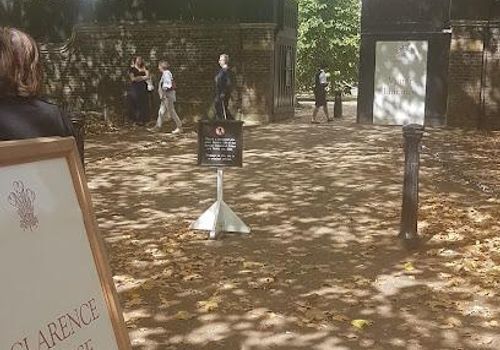
The official residence of King Charles III and Queen Camilla, Clarence House is an elegant Regency mansion designed by John Nash in 1827. Located on The Mall in London's St James's district, this working royal home opens its doors to the public for guided tours during August, offering intimate access to five ground-floor reception rooms filled with fine art, royal memorabilia, and the late Queen Mother's celebrated collection. The 45-minute tours provide a rare glimpse into contemporary royal life and centuries of British royal history.
Price level $Time to spend 1.5–2 hrs
-
St James's Square
St James's Square is London’s oldest garden square, a refined oasis of Georgian elegance in the heart of Westminster. Encircled by grand 17th- and 18th-century townhouses, it has long been a hub of aristocracy, politics, and high society. Today, it blends historic charm with modern prestige, housing embassies, private clubs, and global institutions. The square’s central gardens, laid out in the 18th century and crowned by an equestrian statue of William III, offer a peaceful retreat amid the city’s bustle, while its architecture and atmosphere speak of centuries of power, influence, and London’s westward expansion.
Time to spend 0.5–1.5 hrs
-
225 Piccadilly Circus
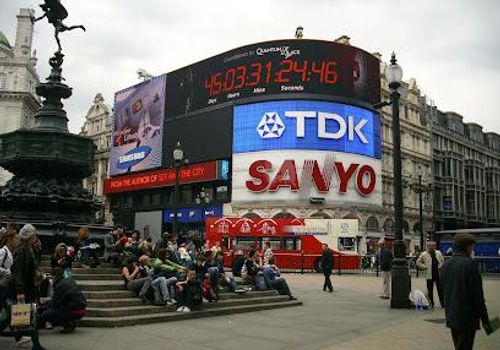
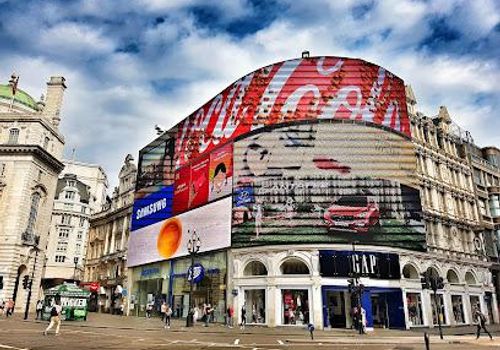
225 Piccadilly Circus stands at the vibrant core of London’s West End, a bustling junction renowned for its dazzling neon signs, historic architecture, and rich cultural legacy. This landmark area links Regent Street and Piccadilly, serving as a gateway to theatres, shopping, and nightlife. Its famous illuminated advertising and the Shaftesbury Memorial Fountain with Eros statue make it a must-see urban spectacle, blending history with contemporary London life.
Price level $$Time to spend 0.5–2 hrs
-
Piccadilly Circus
Piccadilly Circus is a bustling road junction and public space in London's West End, famed for its iconic neon advertising screens, the Shaftesbury Memorial Fountain with the statue of Anteros, and proximity to major shopping, entertainment, and cultural landmarks. Established in 1819, it connects key streets like Regent Street and Piccadilly, serving as a lively meeting point and gateway to London’s theatre district and nightlife.
Time to spend 0.5–2 hrs
-
Cheyne Walk
Cheyne Walk is a historic riverside street in Chelsea, London, famed for its grand Georgian and Victorian mansions, literary and artistic heritage, and a remarkable roll call of famous residents. Running parallel to the River Thames, it offers elegant riverside walks, views of Albert Bridge, and a deep connection to London’s cultural and political history. Once fronting the river before the Chelsea Embankment was built, the street retains a quiet, leafy charm amid some of London’s most desirable addresses.
Price level $$Time to spend 0.5–2 hrs
-
Carlton Gardens
Carlton Gardens is a distinguished cul-de-sac at the west end of Carlton House Terrace in London's St James's district. Known for its elegant Regency architecture by Decimus Burton, it houses historically significant residences including 3 Carlton Gardens, once the Free French Forces Headquarters during WWII. Surrounded by serene formal gardens and close to iconic London landmarks, it offers a tranquil yet culturally rich urban retreat.
Time to spend 0.5–2 hrs
-
3 Carlton House Terrace
3 Carlton House Terrace is a distinguished Grade I listed townhouse located in the prestigious Carlton House Terrace, London. Designed by Decimus Burton and built between 1827 and 1833 on the former site of Carlton House, it exemplifies elegant late Georgian architecture. The terrace overlooks The Mall and St James’s Park, offering a refined historical setting once home to aristocrats, politicians, and intelligence services.
Time to spend 0.5–1.5 hrs
-
Soho Square
Soho Square is a historic Georgian garden square in the heart of London's Soho district, originally laid out in 1681 as King's Square. The central garden features a distinctive mock-Tudor market cross building (1926) and a statue of Charles II carved by Danish sculptor Caius Gabriel Cibber in 1681. Once home to aristocrats, French Huguenot refugees, and notable scientists including botanist Sir Joseph Banks, the square has evolved into a vibrant cultural hub surrounded by Georgian townhouses, media offices, and creative businesses. The square was transferred to public ownership in 1954 and remains a peaceful green oasis amid the bustling Soho neighborhood.
Time to spend 0.5–2 hrs










Explore Lancaster Gate on the map
A handpicked selection of must-see spots near Lancaster Gate, mapped for you.
More about Lancaster Gate
More to explore near Lancaster Gate

 Best experiences near Lancaster Gate
 Best hotels near Lancaster Gate
 Best attractions near Lancaster Gate
 Best shops near Lancaster Gate
 Best bars near Lancaster Gate
 Best restaurants near Lancaster Gate
Explore more

Getting your guide ready…
We are putting together a fresh copy of the Lancaster Gate guide. This can take up to a minute.
This can take a few moments. If your browser asks, choose Allow so the download can start. You'll find the guide in your Downloads folder.
Nothing happened? Download it again
Sorry, the guide is taking longer than usual. Please try again in a minute, or get it by email instead.