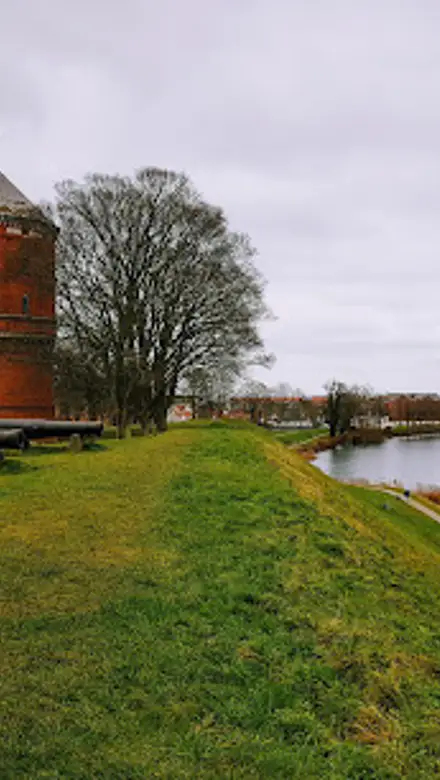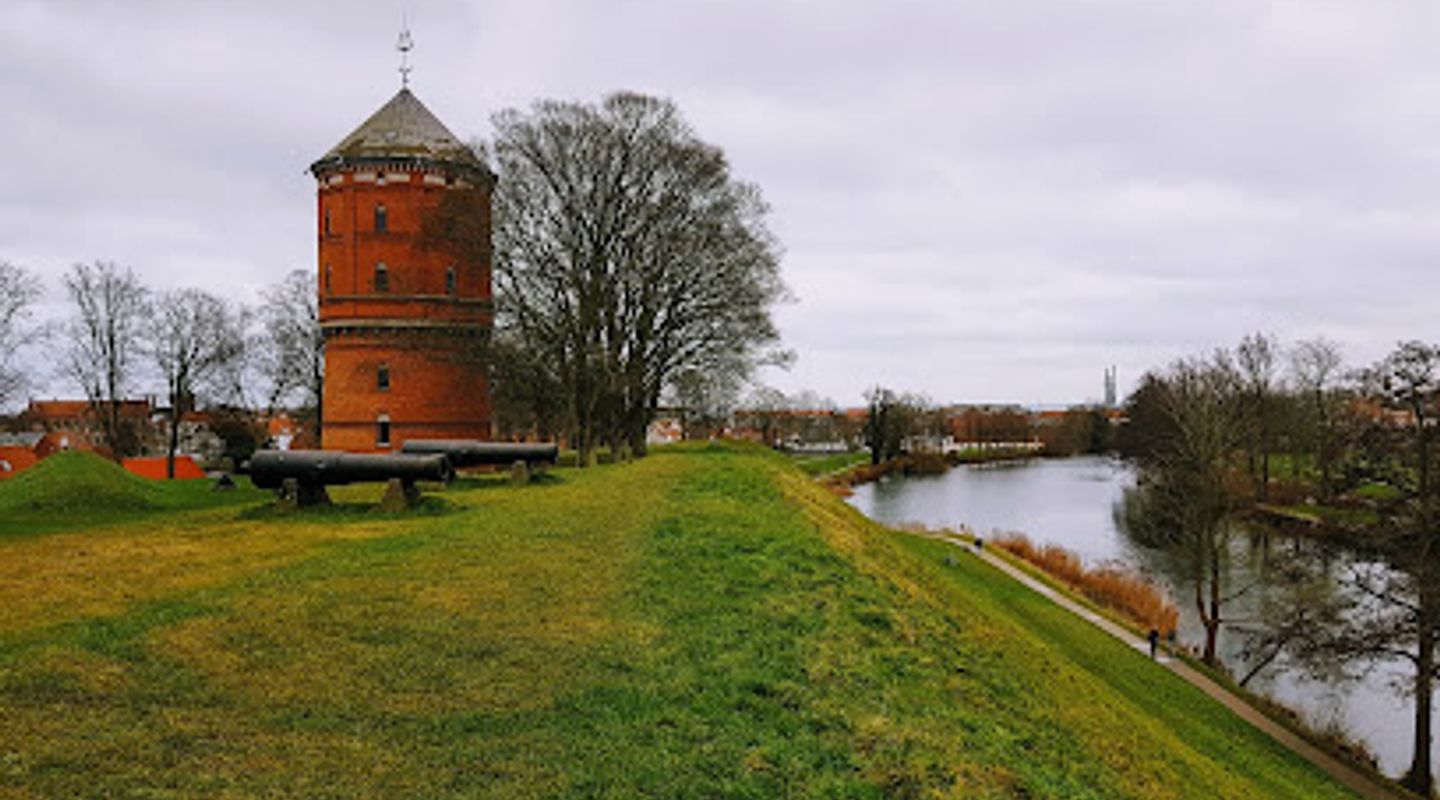
Nyborg Water Tower, Funen Travel Guide
Industrial heritage meets contemporary art in a 1899 tower overlooking Nyborg's medieval ramparts.
A striking industrial landmark perched on the Queen's Bastion, this 1899 water tower designed by architect Emil Swanenflügel stands as a unique example of Danish architectural heritage. Located within Nyborg's historic fortification system, the tower now hosts rotating exhibitions of local artists' work throughout the year, offering visitors a blend of industrial history and contemporary art in an atmospheric setting overlooking the castle grounds.
A brief summary to Nyborg Water Tower
- Dronningensvej 501, Nyborg, 5800, DK
- Click to display
- Duration: 0.5 to 1.5 hours
- Free
-
 Outdoor
- Mobile reception: 4 out of 5

Know before you go
Hi, I'm Eve. Here are a few practical things to know before exploring Nyborg Water Tower.
- Visit during daylight hours to fully appreciate the tower's architectural details and enjoy views across the bastion park toward Nyborg Castle. The surrounding rampart areas are particularly atmospheric during golden hour.
- Combine your visit with a walk along the Volden rampart circuit to experience the Queen's Bastion, Crown Prince's Bastion, and Prince Carl's Bastion as an integrated heritage landscape.
- Check with Nyborg Tourist Information for current exhibition details and opening times, as exhibitions rotate seasonally and access may vary depending on the displayed artwork.
- The tower's location on elevated ground provides excellent photography opportunities, particularly for capturing the structure against Nyborg's historic skyline and surrounding fortifications.
- Allow time to explore the bastion's park areas and nearby Nyborg Castle, creating a comprehensive half-day heritage experience within walking distance.
Do you manage this location?
Take control to get all the benefits, like improved information, better appearance, and stronger visibility across AI-powered discovery. Learn more about listing your business on Evendo
Activate your presenceOther nearby places you may find interesting
The closest places of the same kind, if this one is not quite what you had in mind.

Explore Nyborg Water Tower on the Map
A handpicked selection of must-see spots near Nyborg Water Tower, mapped for you.
Getting There
-
By Car
From central Nyborg, drive toward Dronningensvej heading east. The water tower is located at Dronningensvej 501, with parking available in nearby streets and at the Nyborg Castle visitor area approximately 100 meters away. Journey time from Nyborg town center is 5–10 minutes depending on starting point.
-
On Foot
From Nyborg town center, walk east along the main streets toward the castle district. The water tower is situated on the Queen's Bastion, approximately 15–20 minutes on foot from the central square. The route follows established pathways through the historic district with clear signage toward Nyborg Castle and the rampart areas.
-
By Bicycle
Nyborg is highly cycle-friendly with dedicated cycling routes throughout the city. The water tower is accessible via the regional cycling network, approximately 10–15 minutes from the town center depending on your starting point. Bicycle parking is available near the bastion area and castle visitor facilities.
-
Public Transport
Nyborg has regional bus connections linking to Odense and other Funen destinations. From the main bus station, the water tower is approximately 15–20 minutes on foot via the town center and castle district. Check local timetables for current service schedules and frequencies.
For the on-the-go comforts that matter to you
-
 Information Boards
-
 Seating Areas
-
 Trash Bins
Discover more about Nyborg Water Tower
A Monument to Industrial Design
The Nyborg Water Tower, known locally as Vandtårnet, was constructed in 1899 on the Queen's Bastion (Dronningens Bastion) as part of the city's modernization efforts. Designed by architect Emil Swanenflügel from Odense, the tower represents a remarkable fusion of functional engineering and aesthetic ambition. Built with considerable pride during Denmark's industrial expansion, it stands as a protected heritage structure, having been officially safeguarded since 1997. The tower's distinctive silhouette has become an iconic element of Nyborg's skyline, visible from multiple vantage points throughout the historic city center.Setting Within Medieval Fortifications
The water tower occupies a prominent position on the Queen's Bastion, one of three bulwarks constructed around Nyborg Castle to strengthen its defensive capabilities. These fortifications, surrounded by original ramparts that now function as peaceful park areas, create a layered historical landscape. The bastion itself forms part of an integrated defensive system that once protected Denmark's former royal capital. Walking through this area, visitors encounter centuries of architectural evolution—from medieval castle walls to 19th-century industrial infrastructure—all within a compact, beautifully preserved zone that invites exploration and contemplation.Contemporary Cultural Hub
Today, the water tower functions as a dynamic exhibition space showcasing the work of local artists and craftspeople. Throughout the year, rotating exhibitions fill the interior with contemporary creativity, creating an intriguing dialogue between the tower's industrial past and its cultural present. The exhibitions change regularly, ensuring that repeat visitors discover fresh perspectives and new artistic voices. This transformation from utilitarian structure to cultural venue reflects a broader European trend of repurposing heritage buildings for community engagement and artistic expression.Access and Visitor Experience
The tower remains open year-round, welcoming visitors to explore both its architectural significance and current artistic offerings. The surrounding bastion area, with its rampart parks and proximity to Nyborg Castle, creates a natural circuit for heritage tourism. The location's integration into the broader Volden (rampart) walking route makes it easily accessible for those exploring the city's medieval and early-modern history. The tower's compact footprint and straightforward access make it suitable for visitors of varying mobility levels, though the interior exhibition space may have limitations depending on current displays.Historical Significance in Urban Context
As one of Denmark's best-preserved examples of late 19th-century industrial architecture, the water tower contributes significantly to Nyborg's identity as a city where multiple historical periods coexist visibly. Its construction coincided with Denmark's transition toward modern infrastructure and urban planning, marking the moment when the ancient royal city began adapting to contemporary needs. The tower's protected status reflects recognition of its cultural and architectural value, ensuring its preservation for future generations while allowing creative reinterpretation of its purpose.












Your all‑in‑one travel companion app
Explore expert travel guides, compare and book tours, experiences, hotels, and more—all from the palm of your hand. Download now for seamless trip planning wherever your wanderlust takes you.


Explore More of Funen
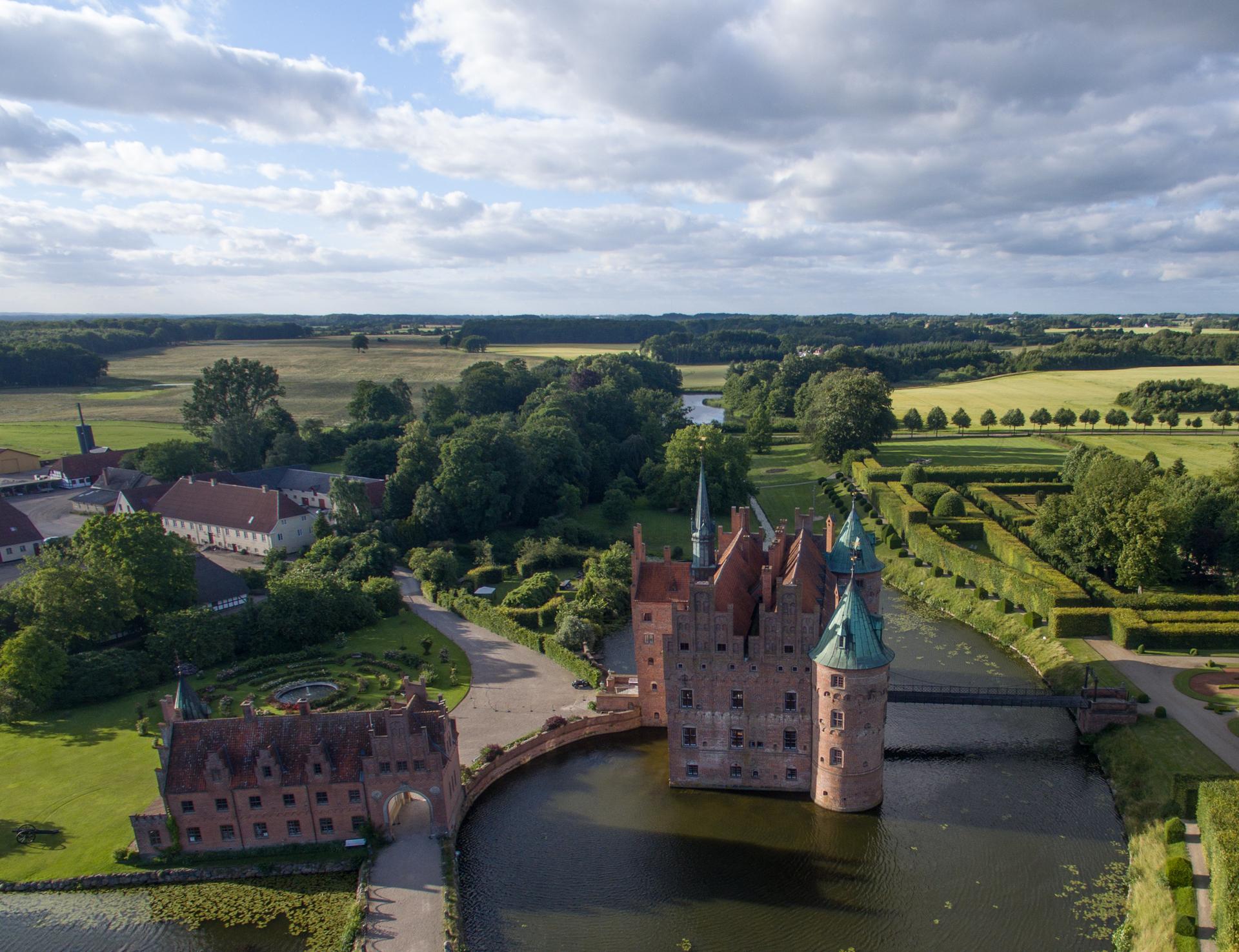
Looking beyond Nyborg Water Tower? Discover Funen for broader travel guides, local hot-spots, and regional highlights.
Explore Funen