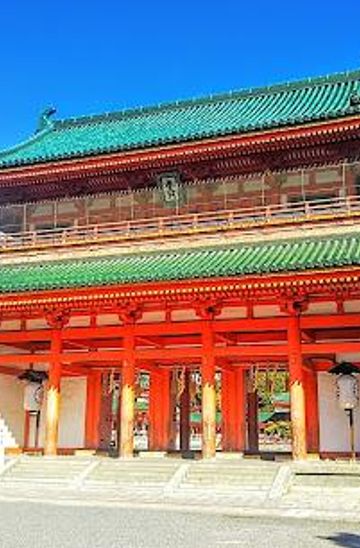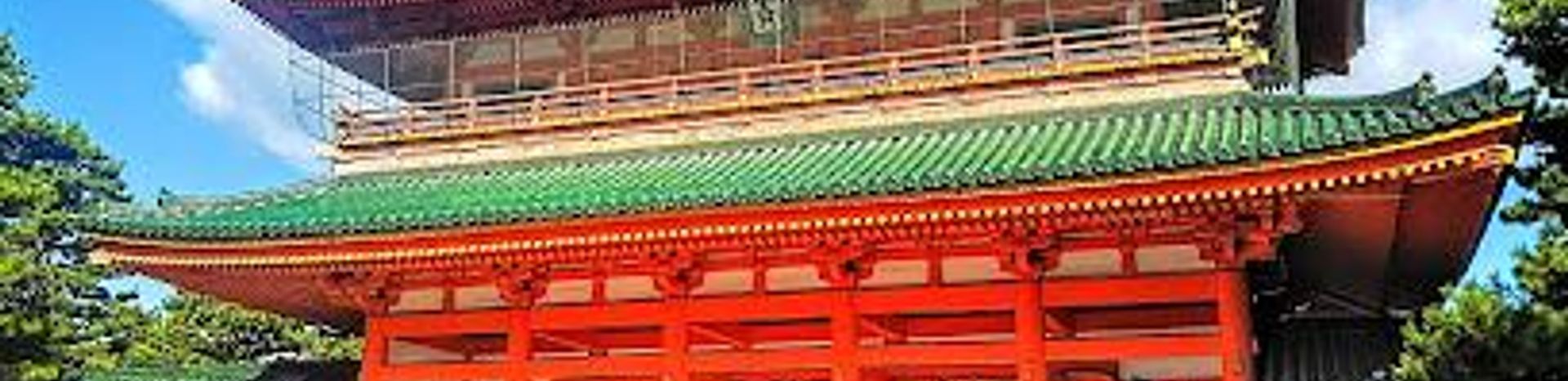
Heian Shrine: A Celebration of Kyoto's Imperial Past
Discover Heian Shrine in Kyoto: A vibrant tribute to the city's imperial past and architectural grandeur, complete with stunning gardens.
Heian Shrine, built in 1895 to commemorate Kyoto's 1100th anniversary as the capital, is a vibrant Shinto shrine dedicated to Emperors Kammu and Komei. Its architecture is a scaled-down replica of the Heian Imperial Palace, featuring a giant torii gate and spacious grounds.
A brief summary to Heian Shrine
- 97 Okazaki Nishitennocho, Kyoto, Okazaki Nishitennocho, Sakyo Ward, Kyoto, 606-8341, JP
- Click to display
- Click to display
- Monday 6 am-7 pm
- Tuesday 6 am-7 pm
- Wednesday 6 am-7 pm
- Thursday 6 am-7 pm
- Friday 6 am-7 pm
- Saturday 6 am-7 pm
- Sunday 6 am-7 pm

Know before you go
Hi, I'm Eve. Here are a few practical things to know before exploring Heian Shrine.
- Visit early in the morning to avoid crowds, especially if you want to explore the main shrine grounds without many people around.
- The Heian Shrine Garden requires a separate admission fee but is well worth a visit, especially during cherry blossom season in mid-April.
- Check the shrine's calendar for special events and festivals, such as the Jidai Festival on October 22nd, for a unique cultural experience.
- Wear comfortable shoes, as the courtyard is covered in gravel, which can be challenging to walk on, especially for those with mobility issues.
Do you manage this location?
Take control to get all the benefits, like improved information, better appearance, and stronger visibility across AI-powered discovery. Learn more
Activate your presence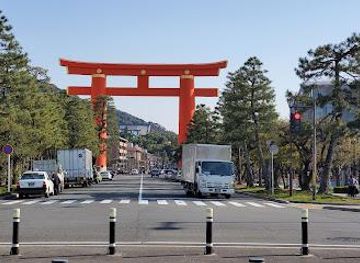
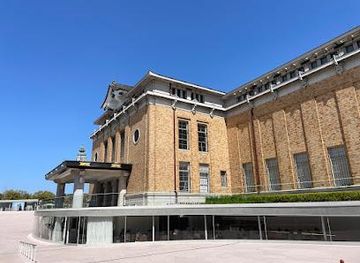
Getting There
-
Public Transport
From Kyoto Station, take Kyoto City Bus number 5 to the Okazaki Koen Bijutsukan/Heian Jingu-mae bus stop. The ride takes approximately 30 minutes and costs ¥230. From the bus stop, it is a short 5-minute walk to the shrine. Alternatively, take the Tozai Subway Line to Higashiyama Station, then walk approximately 10 minutes to the shrine.
-
Taxi
Taxis are readily available in Kyoto. A taxi from Kyoto Station to Heian Shrine takes approximately 10 minutes, depending on traffic. The fare will likely cost between ¥2,400 and ¥2,900. Simply tell the driver 'Heian Jingu'.
-
Walking
From the Gion-Kiyomizu area, you can take City Bus #201, #203, or #206 and get off at Higashiyama Nijo bus stop, followed by a 5-minute walk east. Alternatively, it is a 15-20 minute walk from Nanzen-ji Temple to Heian Shrine. Be aware that the main courtyard is covered in gravel, which may be difficult to navigate with wheeled luggage or accessibility issues.
Discover more about Heian Shrine
Explore the best of what Heian Shrine has to offer













More about Kinki Kansai
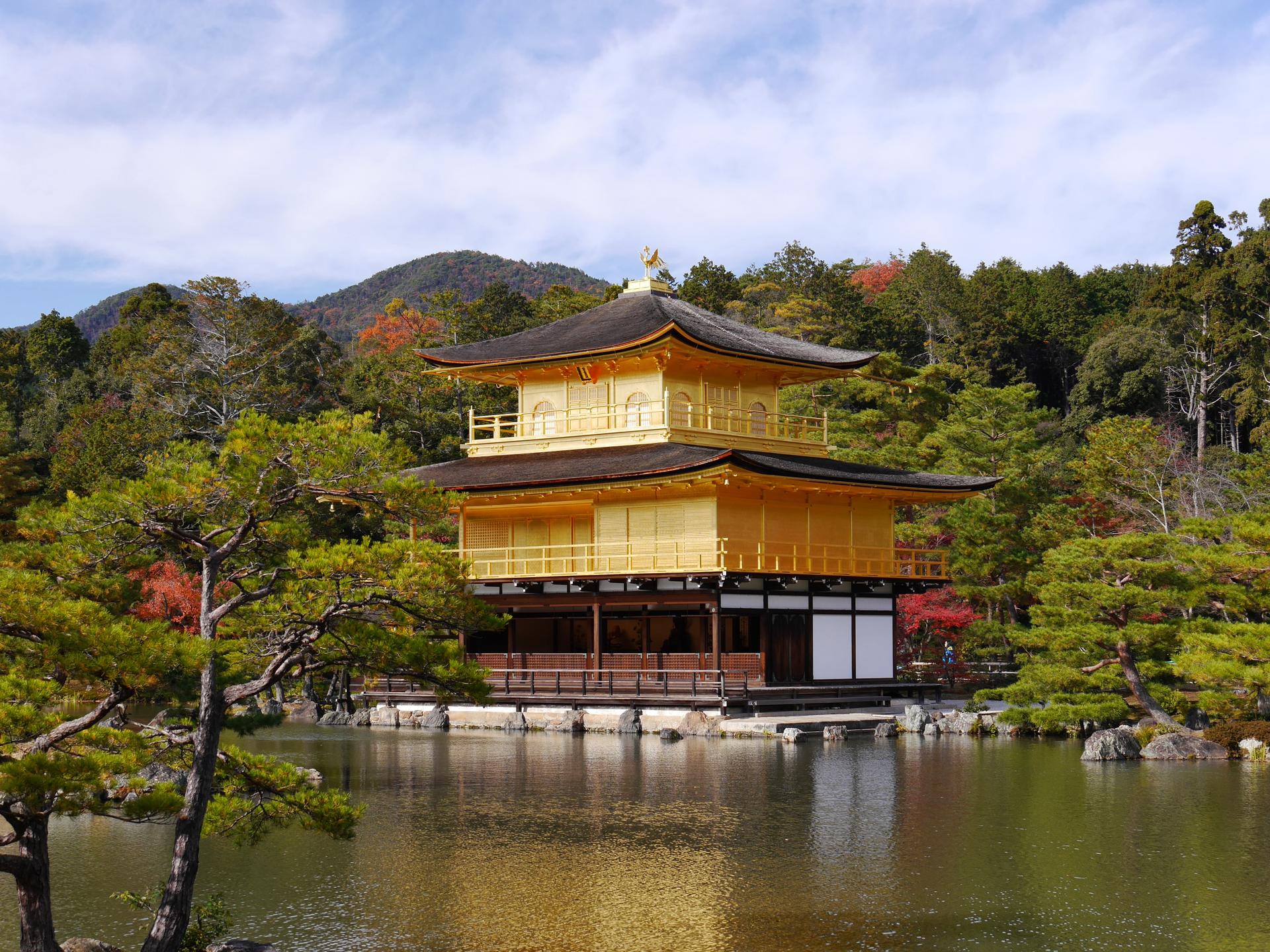
Discover Kinki (Kansai), Japan's cultural heartland, where ancient traditions meet modern vibrancy in iconic cities like Kyoto, Osaka, and Nara.
Tell me more about Kinki Kansai
Discover the serene beauty of Ebisugawa Ship Reservoir in Kyoto, where tranquil waters and lush landscapes await your exploration.
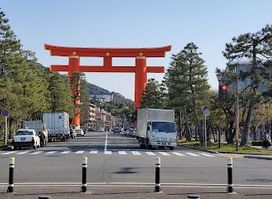
Discover the natural beauty and cultural heritage of Okazaki Park in Kyoto, a tranquil escape filled with scenic views and local attractions.