Sir Keith Park statue Travel Guide
Free Guide: A bronze tribute in central London to Air Chief Marshal Sir Keith Park, the New Zealand-born RAF commander who defended London during the Battle of Britain.


A brief summary of Sir Keith Park statue
A bronze tribute in central London to Air Chief Marshal Sir Keith Park, the New Zealand-born RAF commander who defended London during the Battle of Britain.
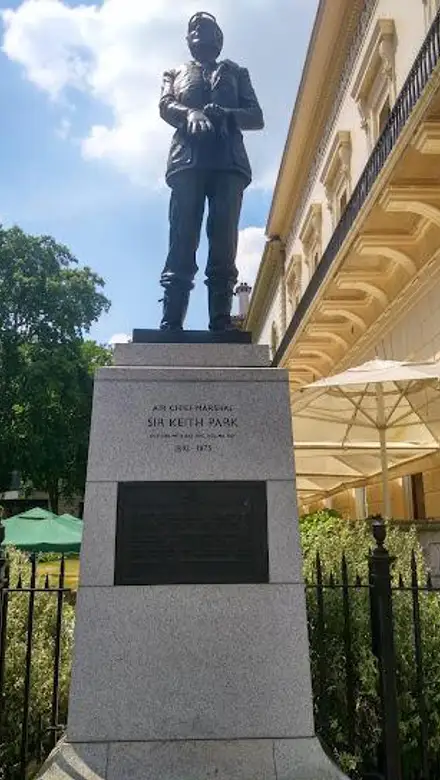
Standing in Waterloo Place, this striking bronze statue honours Air Chief Marshal Sir Keith Rodney Park, the New Zealand-born RAF commander whose leadership during the Battle of Britain proved pivotal in defending London and southeast England from German invasion. The memorial, unveiled in 2010 on the 70th anniversary of Battle of Britain Day, commemorates Park’s role as the ‘Defender of London’ and his wider service in both World Wars. It serves as a powerful tribute to a Commonwealth hero whose strategic brilliance helped turn the tide of the Second World War.
On-site amenities
 Restrooms
 Drinking water
 Seating areas
 Trash bins
 Information boards
Opening hours
- Every dayOpen 24 hours
Opening hours as listed on the venue’s Google Business Profile. Hours can change for services and special events, so check with the venue before you go.
- Address
- Waterloo Pl, London SW1Y 5ER
Getting there
Underground
Bus
Walking
Discover more about Sir Keith Park statue
A Hero of the Skies Remembered
In the heart of central London, near Trafalgar Square, a dignified bronze figure stands as a tribute to one of the Second World War’s most crucial but long-overlooked commanders. The statue of Air Chief Marshal Sir Keith Rodney Park, GCB, KBE, MC & Bar, DFC, commemorates the New Zealand-born Royal Air Force leader who commanded No. 11 Group Fighter Command during the Battle of Britain. As the man responsible for the hour-by-hour defence of London and southeast England, Park’s calm, methodical leadership helped repel the Luftwaffe’s onslaught and thwart Hitler’s plans for invasion. The memorial’s presence in this prominent location ensures that his contribution to Allied victory is no longer forgotten.
Design and Symbolism
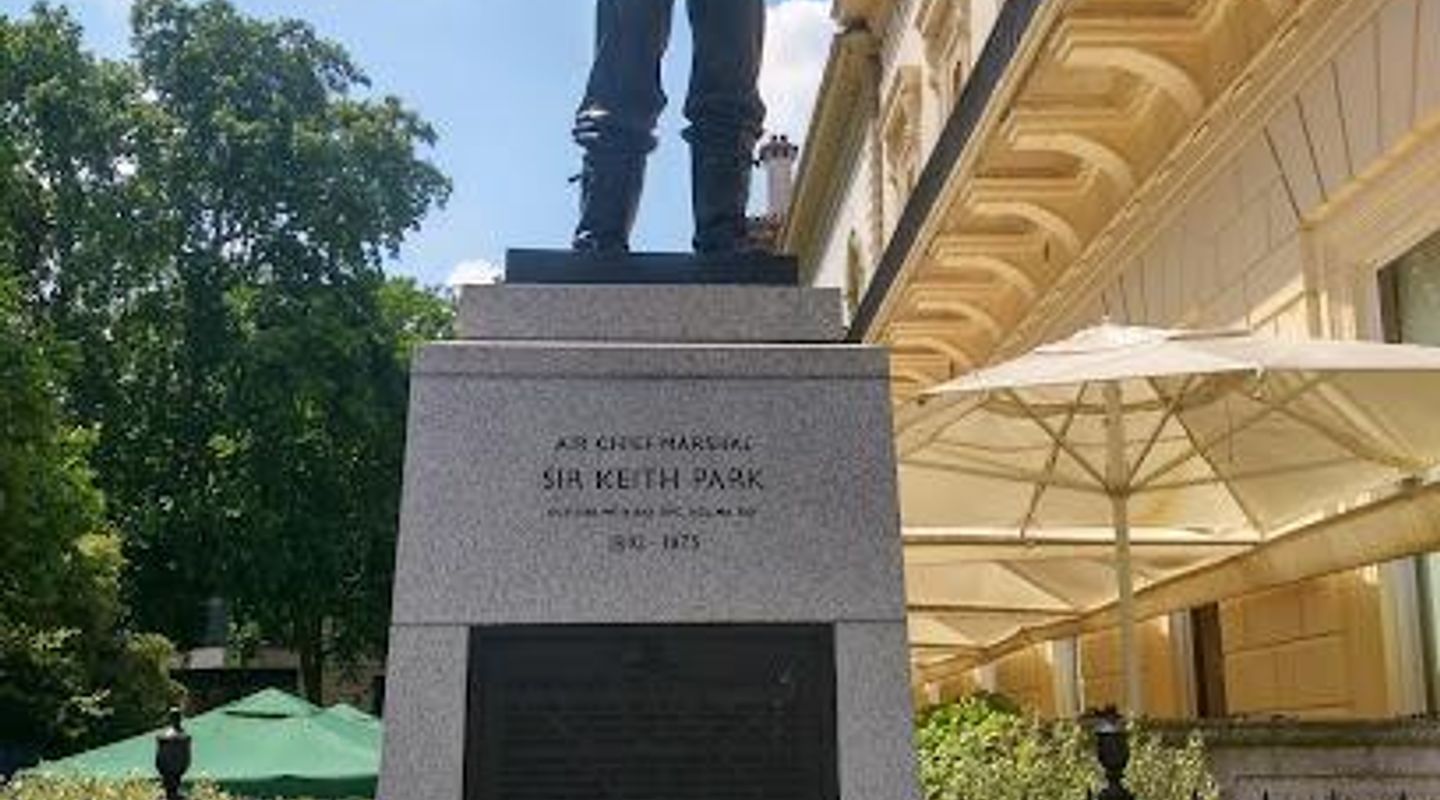
The statue, sculpted in bronze, depicts Park in uniform, standing tall and resolute. The plinth bears his full name and honors, including his Military Cross and Distinguished Flying Cross, reflecting his distinguished service in both World Wars. A key plaque on the front of the plinth describes him as the ‘Defender of London, 1940’, a title earned through his relentless coordination of RAF squadrons during the intense air battles over southern England. The choice of Waterloo Place, close to other national memorials, underscores his significance not only to New Zealand but to the broader Commonwealth and Allied war effort. The statue’s formal, classical style conveys authority, courage, and quiet determination.
Historical Significance
Sir Keith Park’s role in the Battle of Britain was decisive. As commander of No. 11 Group, he directed the fighter defence of London and the southeast, the sector that bore the brunt of the Luftwaffe’s attacks. His strategy of conserving squadrons, rotating units, and intercepting bombers before they reached their targets proved instrumental in preserving Fighter Command’s strength. German military intelligence later described him as a ‘man of action’, and he became known as the ‘Defender of London’. After the Battle of Britain, Park went on to command the defence of Malta and later Allied air operations in Southeast Asia, cementing his reputation as one of New Zealand’s greatest military leaders.
Legacy and Commemoration
The statue was unveiled on 15 September 2010, the 70th anniversary of Battle of Britain Day, in a ceremony attended by veterans, members of Park’s family, and senior military figures. Its installation followed a long campaign by the Sir Keith Park Memorial Campaign, which sought to give him a permanent place in the national memory. The memorial not only honours Park personally but also symbolizes the vital role played by Commonwealth and Allied airmen alongside British forces. For visitors, it offers a moment of reflection on leadership, sacrifice, and the global nature of the Second World War, reminding us that history is shaped by individuals whose names deserve to be remembered.
Evendo Review Centre
 Google
Guest reviews
Best time to go
Quietest: Jan, Feb & Mar · before 3am
Busy times are Evendo estimates for a typical year, to help you plan. Actual crowds vary with events, school holidays and the weather.
Explore Sir Keith Park statue on the map
A handpicked selection of must-see spots near Sir Keith Park statue, mapped for you.
Get your free copy of our complete guide to Sir Keith Park statue, delivered straight to you.
Everything on this page, from opening hours and how to get there to Eve’s tips and the best time to go, in one PDF you can read offline, print or share.
Already have an account? Sign in
Your Sir Keith Park statue guide is ready.
We'll send it to · Not you? Sign out

Getting your guide ready…
We are putting together a fresh copy of the Sir Keith Park statue guide. This can take up to a minute.
This can take a few moments. If your browser asks, choose Allow so the download can start. You'll find the guide in your Downloads folder.
Nothing happened? Download it again
Sorry, the guide is taking longer than usual. Please try again in a minute, or get it by email instead.
Other nearby places you may find interesting
The closest places of the same kind, if this one is not quite what you had in mind.
-
-
-
-
-


Swipe for more places
More to explore near Sir Keith Park statue

 Best experiences near Sir Keith Park statue
 Best hotels near Sir Keith Park statue
 Best landmarks near Sir Keith Park statue
 Best attractions near Sir Keith Park statue
 Best shops near Sir Keith Park statue
 Best restaurants near Sir Keith Park statue
 Best bars near Sir Keith Park statue
Do you manage this location?
Take control to get all the benefits, like improved information, better appearance, and stronger visibility across AI-powered discovery.
Explore more

Explore more of Devon
Discover Devon: A blend of stunning coastlines, historic cities, and charming villages perfect for outdoor adventures and culinary delights in the heart of England's West Country.
Explore Devon
Explore more of United Kingdom
Discover the United Kingdom: A blend of rich history, stunning landscapes, and vibrant cities, offering a unique travel experience for every visitor.
Explore United Kingdom