Best Landmarks Near Fishmarket Square (Edinburgh)
Planning a trip to Fishmarket Square? Discover the best landmarks nearby with history, expert tips, and routes. Free on web or the Evendo app.


The best landmarks near Fishmarket Square
- Top rated
- Closest to Fishmarket Square
- Price level: low to high
- Time to spend: shortest first
- A–Z
56 landmarks
-
Tourist attraction4.7★16,039 reviews
Royal Mile
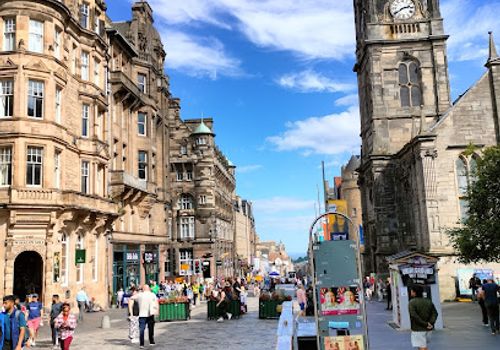
Edinburgh's most iconic thoroughfare stretches nearly a mile from Edinburgh Castle to the Palace of Holyroodhouse, forming the spine of the historic Old Town. This atmospheric cobbled street is lined with medieval tenements, hidden closes (narrow alleyways), world-class museums, and atmospheric pubs. Home to St Giles' Cathedral, Mary King's Close, and countless shops and restaurants, the Royal Mile offers an immersive journey through Scottish history and culture in one unforgettable walk.
Open 24 hoursTime to spend 1.5–4 hrs
-
Cathedral4.6★9,919 reviews
St Giles' Cathedral
St Giles' Cathedral, located on Edinburgh's Royal Mile, is a stunning Gothic church founded in 1124 by King David I. Known as the High Kirk of Edinburgh, it features a distinctive crown steeple, magnificent stained glass windows, and the ornate Thistle Chapel. The cathedral is a vibrant place of worship, history, and culture, hosting daily services, concerts, and guided tours that reveal its deep connections to Scottish history and the Reformation.
Time to spend 0.5–2 hrs
-
Monument4.7★4,801 reviews
Scott Monument
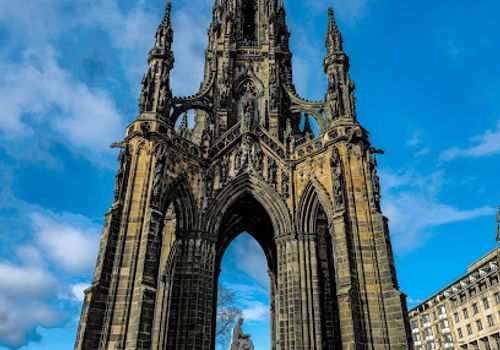
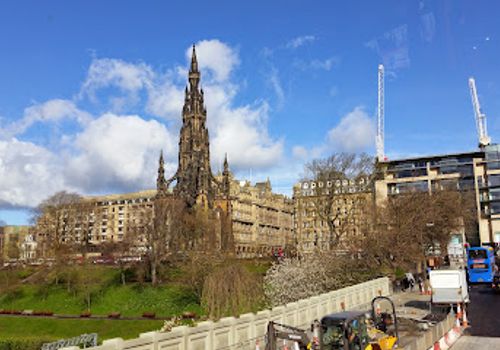
The Scott Monument is a towering Victorian Gothic spire in Princes Street Gardens, Edinburgh, dedicated to the celebrated Scottish writer Sir Walter Scott. Standing 200 feet tall, it features intricate carvings and 64 statues of characters from Scott’s novels. Visitors can climb 287 steps to multiple viewing platforms offering panoramic views of Edinburgh’s skyline, including Edinburgh Castle and Arthur’s Seat. The monument also houses a museum room with stained-glass windows and exhibits on Scott’s life and works.
Daily 10:00–12:30, 13:45–16:30Price level $$Time to spend 0.5–1.5 hrs
-
Monument4.6★2,004 reviews
Nelson Monument
The Nelson Monument, perched atop Calton Hill in Edinburgh, is a striking commemorative tower built between 1807 and 1815 to honor Admiral Lord Nelson’s victory and death at the Battle of Trafalgar. Its distinctive upturned telescope design houses a historic time ball, lowered daily at one o’clock in sync with Edinburgh Castle’s One O’Clock Gun. Visitors can explore a museum at its base and enjoy panoramic views of Edinburgh’s skyline and surrounding landmarks.
Daily 10:00–13:00, 14:00–16:30Price level $$Time to spend 0.5–2 hrs
-
Tourist attraction4.7★1,740 reviews
National Monument of Scotland
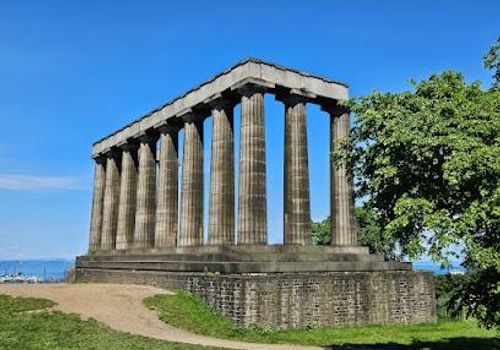
Perched dramatically atop Calton Hill in central Edinburgh, the National Monument of Scotland stands as an iconic yet unfinished Parthenon replica, designed to honour Scottish soldiers and sailors who died in the Napoleonic Wars. Built between 1826 and 1829, this neoclassical structure—featuring twelve towering columns and intricate stonework—remains one of Edinburgh's most recognisable landmarks. Despite its incomplete state, earning it the nickname 'Scotland's Folly,' the monument offers breathtaking panoramic views of the city, the Firth of Forth, and surrounding landmarks including Edinburgh Castle and Arthur's Seat. Free to visit and easily accessible from the city centre, it embodies the architectural ambition of the 'Athens of the North' and serves as a powerful symbol of Scottish identity and historical memory.
Open 24 hoursTime to spend 0.5–2 hrs
-
Marina4.5★1,012 reviews
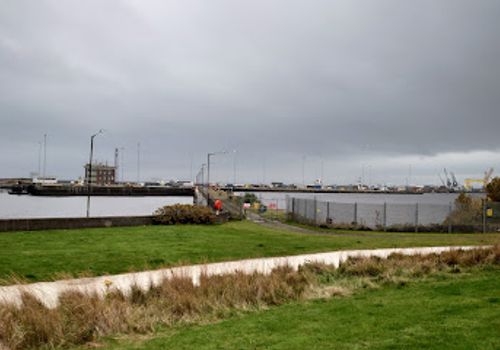
Newhaven Harbour
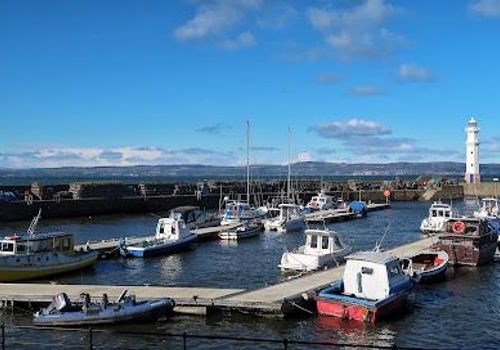
Newhaven Harbour is Edinburgh's historic fishing village and working port on the Firth of Forth, where centuries of maritime heritage meet contemporary waterfront charm. Originally established as a royal dockyard by King James IV in the early 16th century, this distinctive neighbourhood retains its character through picturesque harbourside buildings, active fishing boats, and the iconic lighthouse. Today, visitors discover seafood restaurants, heritage sites, and sweeping views across the water, all while walking in the footsteps of the legendary Newhaven fishwives whose entrepreneurial spirit shaped the village's cultural identity.
Open 24 hoursTime to spend 1–3 hrs
-
Monument4.7★798 reviews
Dugald Stewart Monument
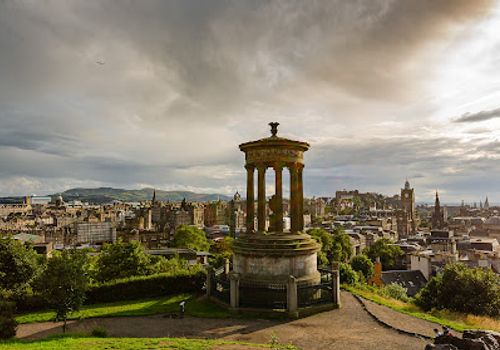
The Dugald Stewart Monument is a striking memorial on Calton Hill in Edinburgh, dedicated to the Scottish philosopher Dugald Stewart (1753–1828). Designed by William Henry Playfair in 1831, it features a circular Greek temple style with Corinthian columns, overlooking the city skyline. This iconic monument celebrates Stewart’s legacy as a key figure of the Scottish Enlightenment and offers panoramic views of Edinburgh’s historic landscape.
Open 24 hoursTime to spend 0.5–1.5 hrs
-
Historical landmark4.5★761 reviews
St. Bernard's Well
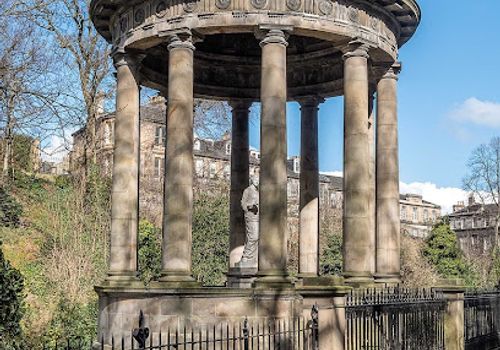
Nestled beside the Water of Leith in Edinburgh, St. Bernard's Well is an exquisite 18th-century monument inspired by ancient Roman temples. Designed by Alexander Nasmyth in 1789, it features a domed roof, Doric columns, and a statue of Hygieia, the goddess of health. Once famed for its mineral spring believed to have healing powers, the well has a rich history linked to Scottish Enlightenment ideals and remains a serene landmark surrounded by woodland.
Time to spend 0.5–1.5 hrs
-
Church4.6★490 reviews
The Parish Church of St Cuthbert
The Parish Church of St Cuthbert, located at 5 Lothian Road in Edinburgh, is one of the oldest Christian worship sites in the city, with origins dating back to around 670 AD. The current building, designed by Hippolyte Blanc and completed in 1894, stands on a site that has hosted at least six earlier churches. Known as the 'Kirk below the Castle,' it features notable stained glass, including a famous Tiffany window, and a rich history intertwined with Edinburgh’s development and religious heritage.
Time to spend 0.5–2 hrs
-
Bridge4.6★398 reviews
The Dean Bridge
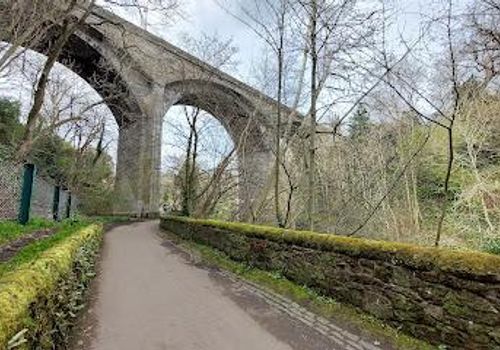
The Dean Bridge is a historic stone bridge in Edinburgh, designed by renowned civil engineer Thomas Telford and completed in 1831. Spanning 447 feet across the Water of Leith valley, it rises 106 feet above the river and was built to connect the expanding New Town with the northwestern suburbs. The bridge is notable for its elegant four-arch design, hollow piers, and its role in shaping Edinburgh’s urban development.
Open 24 hoursTime to spend 0.5–1.5 hrs
-
Historical landmark4.4★328 reviews
Floral Clock
The Floral Clock in Edinburgh’s West Princes Street Gardens is the world’s oldest floral clock, first created in 1903. This vibrant and meticulously crafted timepiece combines horticultural artistry with clockmaking ingenuity, featuring thousands of colorful plants arranged in intricate designs that change annually. Located halfway down the stairs into the gardens, it operates with real clockwork and blooms from July to October, offering a unique blend of botanical beauty and functional timekeeping in the heart of the city.
Open 24 hoursTime to spend 0.2–1 hr
-
Historical landmark4.5★299 reviews
Adam Smith Statue
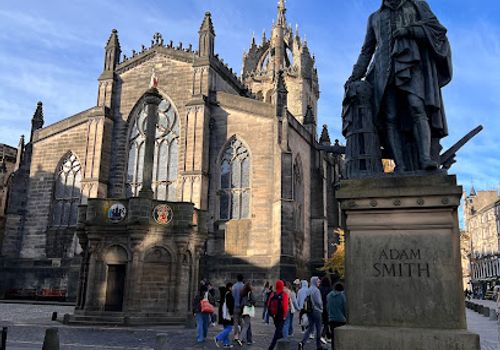
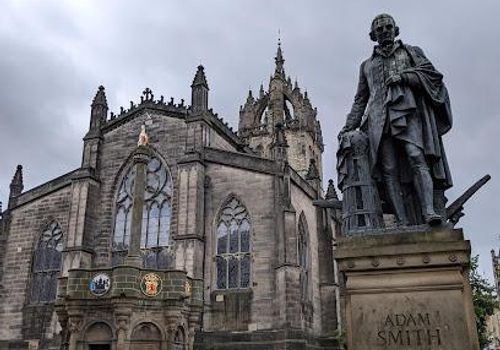
Standing prominently on Edinburgh's Royal Mile, the Adam Smith Statue is a 10-foot bronze monument honouring the 18th-century Scottish economist and philosopher widely regarded as the father of modern economics. Unveiled in 2008 on American Independence Day, this masterwork by sculptor Alexander Stoddart depicts Smith in his later years, surrounded by symbolic elements—a plough representing agrarian economics, a beehive symbolizing industry, and a globe beneath his hand. Positioned in an ancient marketplace within sight of St Giles' Cathedral, the statue serves as both a historical landmark and a popular meeting point for walking tours exploring Edinburgh's intellectual heritage.
Open 24 hoursTime to spend 0.2–1 hr
-
Sculpture4.4★262 reviews
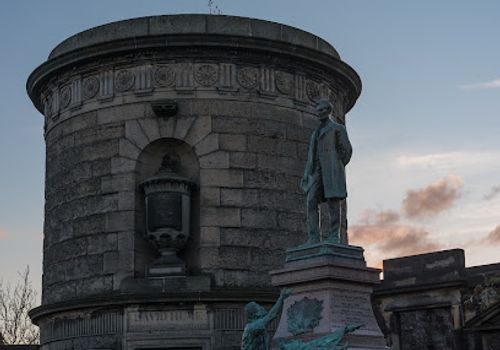
David Hume Statue
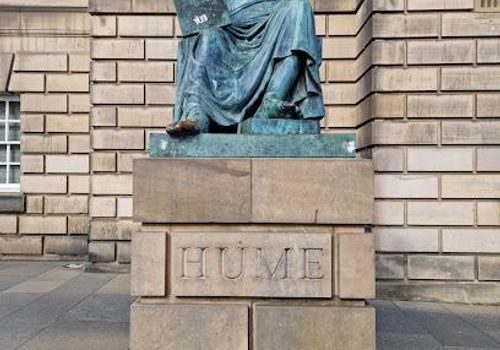
The David Hume Statue, located at 379-381 High Street in Edinburgh, is a striking bronze monument portraying the Scottish Enlightenment philosopher in classical Greek attire. Erected in 1997 outside the High Court, the statue is famous for its polished toe, rubbed by visitors for good luck and wisdom. The monument commemorates Hume’s profound influence on philosophy, history, and economics, while also sparking debate due to his controversial views on race.
Open 24 hoursTime to spend 0.2–1 hr
-
Monument4.4★238 reviews
Burns Monument
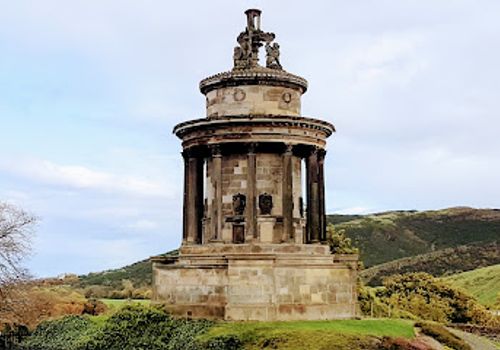
A striking Neo-Greek circular temple perched on Regent Road in Edinburgh, this 21-metre monument honours Scotland's national poet Robert Burns. Designed by architect Thomas Hamilton and completed in 1831, the structure features twelve columns representing the muses of Greek mythology. Though the interior is not regularly open to the public, the monument's elegant exterior and commanding position overlooking Calton Hill make it an iconic landmark in Edinburgh's skyline. The surrounding area offers spectacular views across the city.
Open 24 hoursTime to spend 0.5–2 hrs
-
Tourist attraction4.6★215 reviews
Steps to Calton Hill
Calton Hill is a volcanic hill rising dramatically at the eastern end of Princes Street, crowned with neoclassical monuments and offering some of Edinburgh's most iconic panoramic views. This UNESCO World Heritage Site embodies 19th-century ambitions to make Edinburgh the 'Athens of the North', featuring the striking National Monument (modelled on the Parthenon), Nelson's Monument, and the City Observatory. Free to access 24/7, the hill provides a peaceful yet inspiring vantage point over Edinburgh Castle, Arthur's Seat, and the Firth of Forth.
Open 24 hoursTime to spend 1–3 hrs
-
Historical landmark4.3★225 reviews
Melville Monument
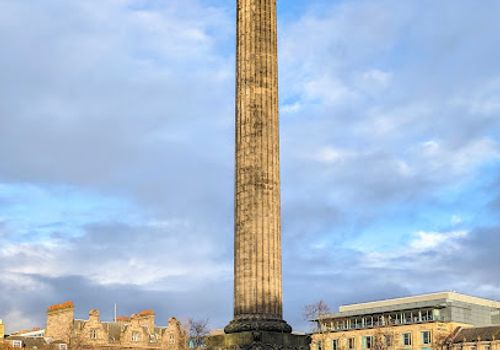
The Melville Monument is a striking neoclassical column standing about 45 meters tall in the heart of Edinburgh’s St Andrew Square. Erected between 1821 and 1827, it commemorates Henry Dundas, 1st Viscount Melville, a prominent Scottish statesman. The monument’s towering column is topped by a 4.2-meter sandstone statue of Dundas, designed by Francis Leggatt Chantrey. This landmark offers rich historical context and architectural grandeur, making it a key feature of Edinburgh’s New Town skyline.
Daily 7:00–20:00Time to spend 0.5–2 hrs
-
Tourist attraction4.7★200 reviews
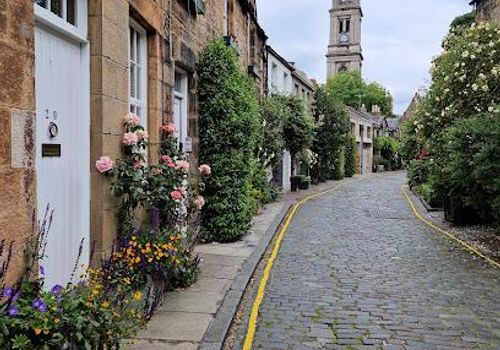
Circus Lane
Circus Lane is a picturesque cobbled mews street in Edinburgh's Stockbridge neighbourhood, renowned for its charming flower-covered terraced houses and Instagram-worthy aesthetic. Built in the early 1800s as service quarters for wealthy New Town residents, the lane features converted stables-turned-garages, colourful hanging baskets, and Victorian street lamps. St Stephen's Church, an A-listed landmark with Europe's longest clock pendulum, anchors the street's northern end. The lane offers a quintessential Edinburgh experience combining Georgian heritage with contemporary appeal.
Time to spend 0.2–1 hr
-
Historical landmark4.4★204 reviews
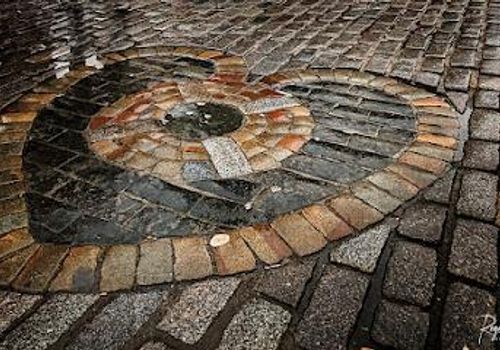
Heart of Midlothian Mosaic
The Heart of Midlothian is a historic mosaic set into the pavement on Edinburgh's Royal Mile, marking the site of the Old Tolbooth prison and administrative center. This iconic heart-shaped mosaic, located outside St Giles’ Cathedral, is steeped in history and local tradition, including the unique custom of spitting on it for good luck or as a sign of disdain for the prison’s harsh past.
Open 24 hoursTime to spend 0.2–1 hr
-
Notable street4.8★161 reviews
Cockburn St
A serpentine Victorian street linking Edinburgh's Royal Mile to Waverley Station, Cockburn Street winds down a dramatic four-storey descent through the heart of the Old Town. Named after Lord Henry Cockburn, a 19th-century lawyer and conservationist, this characterful thoroughfare showcases Scots Baronial architecture alongside independent boutiques, quirky shops, cafes, and restaurants. The street's distinctive curve and historic stonework—including carved stone portraits and architectural details—make it one of Edinburgh's most visually distinctive shopping and dining destinations.
Price level $$Time to spend 0.8–2.5 hrs
-
Historical landmark4.3★132 reviews
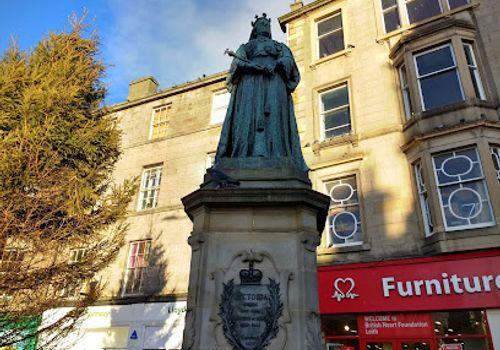
Queen Victoria Statue
This bronze statue of Queen Victoria, erected in 1907 at the foot of Leith Walk in Edinburgh, commemorates the men of Leith who fought in the Boer War. Standing about 10 feet tall on a sandstone pedestal, the statue is a significant historical landmark symbolizing local pride and remembrance. It has been relocated twice to accommodate urban development and remains a prominent feature in Leith’s cultural landscape.
Open 24 hoursTime to spend 0.2–1 hr
-
Town Hall4.5★117 reviews
Edinburgh City Chambers
Edinburgh City Chambers, located at 253 High Street in the heart of Edinburgh's Old Town, is a grand neoclassical building originally constructed as the Royal Exchange in the mid-18th century. Today, it serves as the administrative center for the City of Edinburgh Council and hosts weddings, conferences, and public events. Its impressive architecture, historic courtyard, and connection to the sealed medieval Mary King's Close make it a notable landmark on the Royal Mile.
Open 24 hoursTime to spend 1–3 hrs
-
Historical landmark4.5★115 reviews
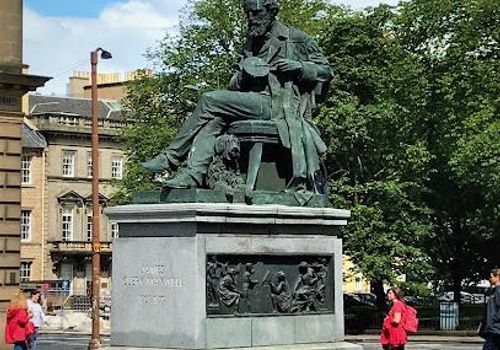
James Clerk Maxwell Statue
The James Clerk Maxwell Statue stands on George Street in Edinburgh, commemorating one of the most influential physicists in history. Sculpted by Alexander Stoddart and unveiled in 2008, the bronze statue features Maxwell seated with his dog Toby at his feet, holding a spinning colour top symbolizing his pioneering work in colour photography and electromagnetic theory. The statue is a tribute to Maxwell’s groundbreaking contributions that underpin modern physics and technology.
Open 24 hoursTime to spend 0.5–1.5 hrs
-
Historical landmark4.7★89 reviews
Mercat Cross
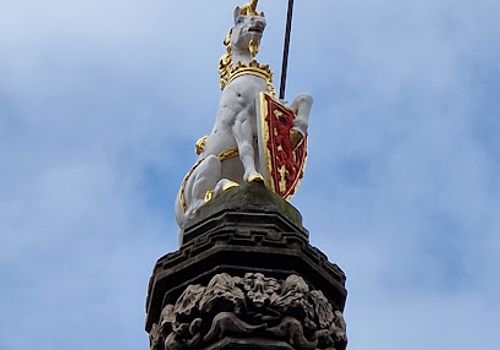
Edinburgh's Mercat Cross, situated on the Royal Mile outside St Giles’ Cathedral, is a historic monument symbolizing the city's medieval market heritage and civic importance. Originally established in 1365 and rebuilt in 1885 using parts of the 1617 cross, it served as a site for royal proclamations, public announcements, and even punishments. The octagonal stone cross, topped by a unicorn holding the Scottish flag, remains a focal point of Edinburgh's Old Town, blending centuries of history with ongoing cultural significance.
Time to spend 0.5–1.5 hrs
-
Historical landmark4.6★87 reviews
Playfair Monument
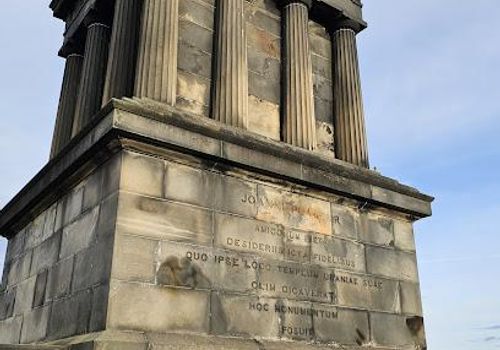
The Playfair Monument, perched on Calton Hill in Edinburgh, is a distinguished neoclassical memorial designed by architect William Henry Playfair in honor of his uncle, John Playfair, a prominent mathematician and natural historian. This elegant structure, featuring Greek Doric columns, offers panoramic views of the city and stands as a testament to Edinburgh’s Enlightenment heritage and architectural grandeur.
Open 24 hoursTime to spend 0.5–1.5 hrs
-
Cemetery4.7★66 reviews
Dean Cemetery
Dean Cemetery is a historically significant Victorian burial ground established in 1846 in Edinburgh's Dean Village. Originally known as Edinburgh Western Cemetery, it was designed by architect David Cousin and quickly became the most sought-after burial place for Scotland's middle and upper classes. The cemetery features ornate mausoleums, elaborate headstones, and monuments honouring prominent artists, architects, philosophers, and judges who shaped Edinburgh's cultural and intellectual landscape. Set between Queensferry Road and the Water of Leith, the peaceful grounds showcase mature trees and lush greenery, creating a serene atmosphere for contemplation and historical exploration.
Daily 9:00–17:00Time to spend 1–3 hrs
-
Museum4.3★44 reviews
Trinity House Maritime Museum
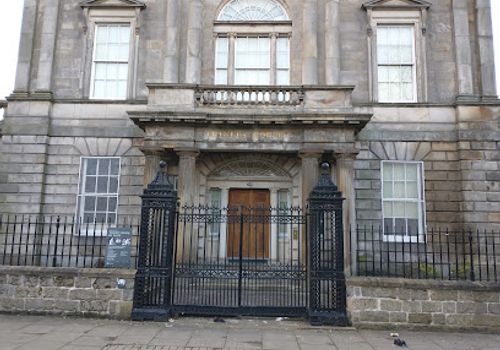
Trinity House Maritime Museum in Leith, Edinburgh, is a historic Georgian building showcasing an exceptional collection of maritime artifacts. Once the headquarters of the Incorporation of Mariners and Shipmasters, it offers guided tours revealing Leith’s rich maritime heritage, including rare artworks, navigational instruments, and memorabilia from centuries of seafaring history.
Price level $$Time to spend 1–1.5 hrs
-
Historical landmark4.3★38 reviews
Martyrs of Reform Monument
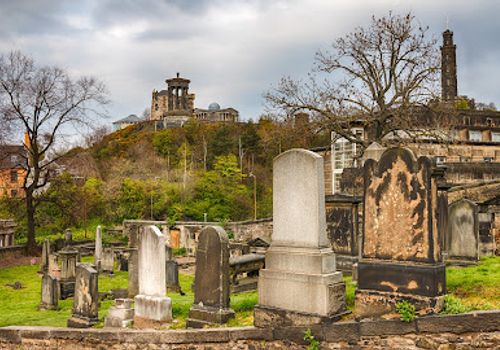
The Political Martyrs' Monument is a 27-meter tall sandstone obelisk located in the Old Calton Burial Ground, Edinburgh. Erected in 1844, it commemorates five late 18th-century political reformists—Thomas Muir, Thomas Fyshe Palmer, William Skirving, Maurice Margarot, and Joseph Gerrald—who were sentenced to transportation for advocating parliamentary reform and universal suffrage. Designed by Thomas Hamilton, the monument stands as a symbol of radical political struggle and reformist ideals in Scotland and England.
Open 24 hoursTime to spend 0.5–1.5 hrs
-
Memorial4.4★37 reviews
Monument to the Scottish Parliament
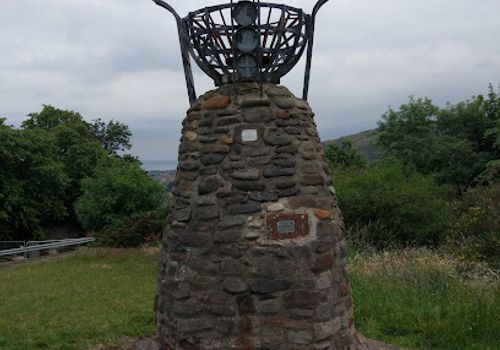
A striking granite monument perched on Regent Road overlooking Edinburgh's Holyrood area, this sculptural tribute commemorates Scotland's devolved parliament. Designed to capture the spirit of democratic renewal, the monument stands as a modern landmark on the slopes of Calton Hill, offering panoramic views across the city and serving as a symbolic gateway to the seat of Scottish governance below.
Open 24 hoursTime to spend 0.5–1.5 hrs
-
Historical landmark4.8★32 reviews
Queen Mary's Bath House
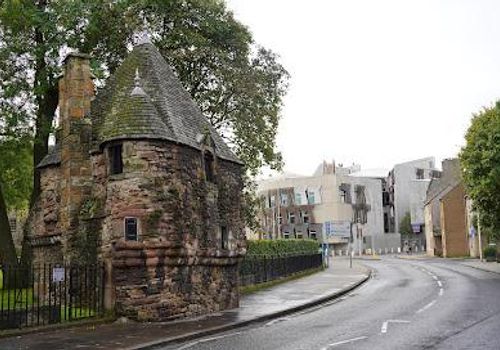
Queen Mary's Bath House is a rare 16th-century building located near Holyrood Palace in Edinburgh. Built around 1565 during the reign of Mary, Queen of Scots, this small two-storey tower-like structure with a tiled roof has long been associated with the queen, though its true purpose remains uncertain. It may have been a summer house, tennis pavilion, dovecot, or banqueting venue. The building is notable for its quirky, crooked shape and historical intrigue, making it a unique landmark to explore from the outside.
Time to spend 15–45 min
-
Historical landmark4.3★34 reviews
Jacob's Ladder
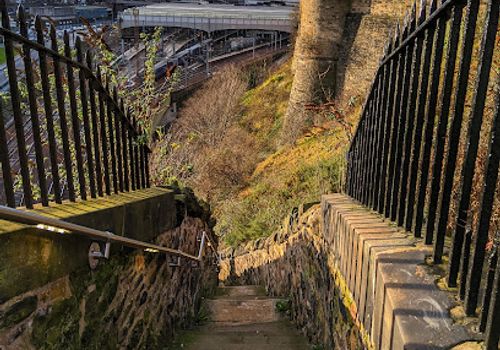
Jacob's Ladder is a steep, historic stairway carved into the volcanic rock of Calton Hill in central Edinburgh. With 140 steps, it connects Calton Road and Regent Road, serving as a shortcut between the Old and New Towns. Dating back to at least 1784, it was originally used for funeral processions to the Old Calton Burial Ground. Recently refurbished with LED handrail lighting, it offers spectacular views of Edinburgh’s skyline and monuments.
Open 24 hoursTime to spend 0.5–1.5 hrs
-
Sculpture4.4★28 reviews
Robert Fergusson Statue
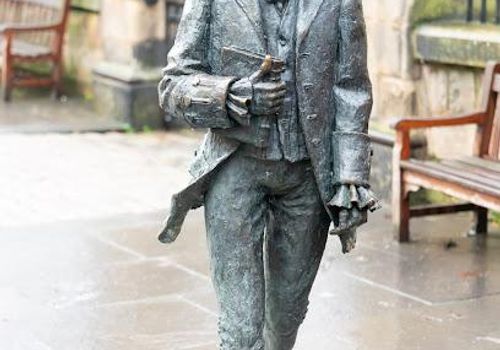
The Robert Fergusson Statue stands proudly on Canongate in Edinburgh, commemorating the influential 18th-century Scottish poet whose vivid works inspired Robert Burns. Positioned near Canongate Kirk and the poet's grave, the bronze sculpture captures Fergusson’s joyful stride, reflecting his vibrant life and lasting literary legacy despite his tragically short life.
Open 24 hoursTime to spend 0.2–1 hr
-
Historical landmark4.5★24 reviews
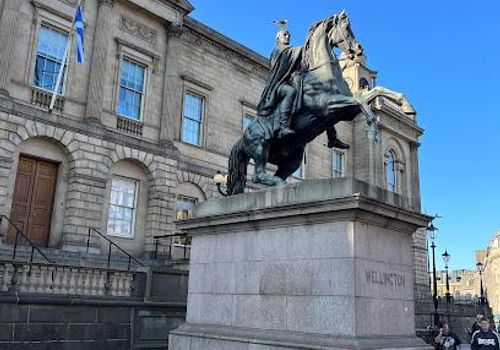
Duke of Wellington Equestrian statue
Standing proudly at 9 Waterloo Place in Edinburgh, the Duke of Wellington Equestrian Statue is a magnificent bronze monument unveiled in 1852. Sculpted by Sir John Steell, it depicts the Duke mounted on his famous horse Copenhagen, commemorating his victory at the Battle of Waterloo. This historic statue remains a prominent symbol of military prowess and leadership in Scotland’s capital.
Time to spend 0.5–1.5 hrs
-
Tourist attraction4.4★24 reviews
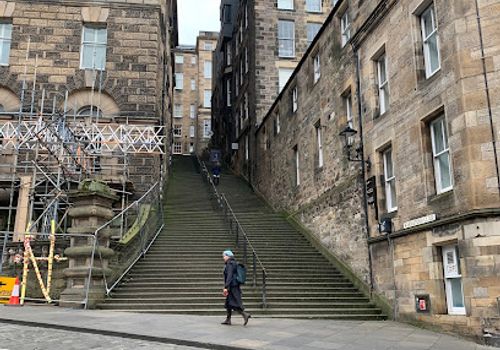
Warriston's Close Stairs
Warriston's Close is a historic narrow alleyway in Edinburgh's Old Town that descends 120 steps from the Royal Mile to Cockburn Street. This atmospheric close features a unique architectural quirk: the staircase widens dramatically as you descend, transforming from a typical narrow lane into a quadruple-width staircase at the bottom. The close exemplifies the medieval character of Edinburgh's Old Town, with its steep slopes and maze-like layout that once housed the city's working classes and poor.
Open 24 hoursTime to spend 0.2–1 hr
-
War memorial4.7★22 reviews
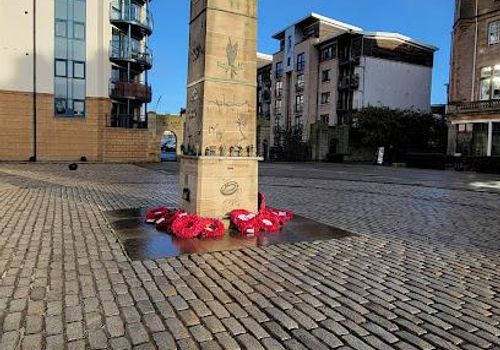
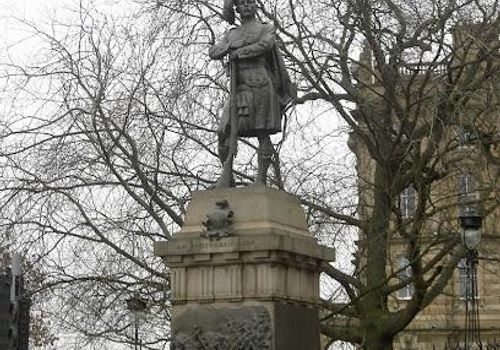
Scottish Merchant Navy Memorial
The Scottish Merchant Navy Memorial in Leith, Edinburgh, honors the sacrifice of over 6,500 Scottish merchant seafarers lost in conflicts and peacetime service. Erected in 2010 at Scotland’s historic main port, it features a sandstone column adorned with bronze reliefs depicting maritime scenes, symbolizing Scotland’s deep connection to the sea and the bravery of its merchant navy personnel.
Open 24 hoursTime to spend 0.5–1.5 hrs
-
Historical landmark4.3★19 reviews
Leith Citadel
Leith Citadel is a historic 17th-century fortification in North Leith, Edinburgh, built under Oliver Cromwell’s rule to control the strategic port area. Though largely demolished, its surviving vaulted gateway on Dock Street marks the site of a once imposing pentagonal fortress with bastions, barracks, and military stores. The Citadel reflects Leith’s turbulent history, military significance, and its role in Edinburgh’s maritime heritage.
Time to spend 0.5–1.5 hrs
-
Historical landmark4.5★18 reviews
Forth Lock
Forth Lock, located in Leith, Edinburgh, is a historic maritime landmark integral to Scotland's canal and port heritage. This lock, part of the Forth and Clyde Canal system, has long connected Scotland’s east and west coasts, facilitating trade and navigation. Visitors can admire its well-preserved industrial architecture alongside scenic waterfront views, while nearby cafes and shops enrich the lively atmosphere of this vibrant port district.
Open 24 hoursTime to spend 0.5–2 hrs
-
Historical landmark4.6★15 reviews
Scottish-American Soldiers Monument
The Scottish-American Soldiers Monument in Edinburgh is a unique historical landmark commemorating Scots who served in the American Civil War (1861–65). It stands as the only memorial of its kind outside the United States, featuring statues of Abraham Lincoln and a freed African-American soldier, symbolizing liberty and emancipation. Located in Old Calton Cemetery, this poignant monument honors the bravery and sacrifice of Scottish-American soldiers and reflects deep transatlantic ties.
Open 24 hoursTime to spend 0.5–1.5 hrs
-
Historical landmark4.4★14 reviews
Robert Louis Stevenson Memorial
The Robert Louis Stevenson Memorial in Edinburgh is a modest yet poignant tribute to the famed Scottish author, located in West Princes Street Gardens. This historical landmark commemorates Stevenson’s literary legacy, featuring a simple stone monument nestled amid the city’s vibrant green space. It offers visitors a quiet place to reflect on the life and works of the author of classics like Treasure Island and The Strange Case of Dr Jekyll and Mr Hyde.
Open 24 hoursTime to spend 0.2–1 hr
-
Historical landmark4.4★12 reviews
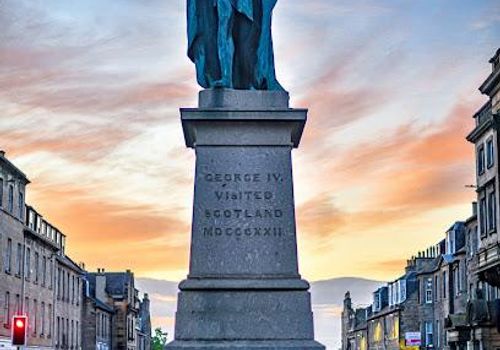
Statue of King George Ⅳ
The Statue of King George IV stands prominently at the lively intersection of Hanover Street and George Street in Edinburgh’s New Town. Created by Sir Francis Legatt Chantrey and unveiled in 1831, it commemorates the historic 1822 visit of King George IV, the first Hanoverian monarch to set foot in Scotland. The bronze statue captures the king in regal naval attire, symbolizing his role and the era’s political significance, amidst the elegant Georgian architecture of the surrounding streets.
Open 24 hoursTime to spend 15–30 min
-
Historical landmark3.8★13 reviews
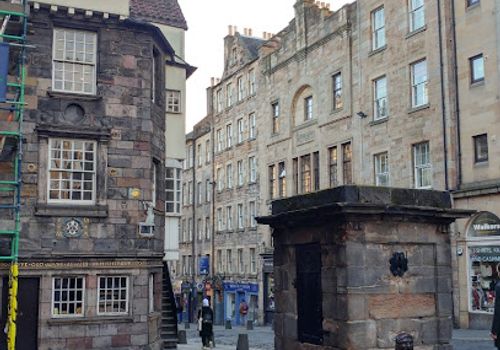
Wellhead at John Knox House
The Wellhead at John Knox House is part of the historic John Knox House complex on Edinburgh's Royal Mile, one of the city's oldest surviving medieval structures dating back to 1470. This site reflects the rich history of the Scottish Reformation and the lives of notable figures like John Knox and James Mosman, a goldsmith to Mary, Queen of Scots. The wellhead itself is a distinctive architectural feature linked to the house’s medieval past, nestled in the vibrant heart of Edinburgh’s Old Town.
Open 24 hoursPrice level $$Time to spend 0.5–1.5 hrs
-
Historical landmark4.3★10 reviews
Earl of Hopetoun Statue
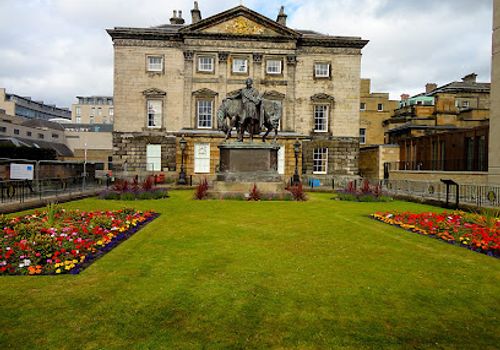
The Earl of Hopetoun Statue, located in the heart of Edinburgh’s St Andrew Square, is a striking bronze tribute to John Hope, the 4th Earl of Hopetoun. Depicted as a Roman consul clad in a toga and accompanied by a horse, the statue commemorates a prominent Scottish politician and British Army general. Positioned in front of Dundas House, the statue enriches the historic and elegant atmosphere of this Georgian square.
Open 24 hoursTime to spend 0.2–1 hr
-
Historical landmark5.0★8 reviews
Lady Stair's Close
Lady Stair's Close is a tranquil historic courtyard tucked off Edinburgh's Royal Mile, featuring the 17th-century Lady Stair's House, now home to the Writers' Museum. This atmospheric close also hosts Makars’ Court, a literary monument celebrating Scotland’s great writers. With its 1622 baronial architecture, rich history tied to prominent Scottish families, and proximity to landmarks like Gladstone’s Land and Edinburgh Castle, it offers a peaceful glimpse into Edinburgh’s cultural heritage.
Price level $Time to spend 1–2 hrs
-
Historical landmark4.8★8 reviews
Robert Burns Statue
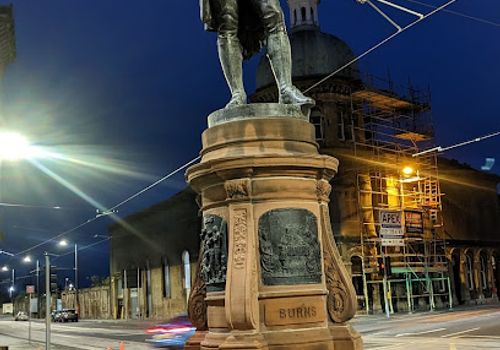
The Robert Burns Statue in Leith, Edinburgh, stands as a tribute to Scotland’s national poet, Robert Burns. Erected by the Leith Burns Club in 1898 and sculpted by David Watson Stephenson, this iconic statue captures Burns with symbolic elements reflecting his agrarian roots and romantic inspirations. Located on Constitution Street, the statue is a focal point of local heritage and cultural pride in the historic port district of Edinburgh.
Daily 10:00–17:00Time to spend 0.5–1 hr
-
Historical landmark3.6★10 reviews
Leith East Breakwater Lighthouse
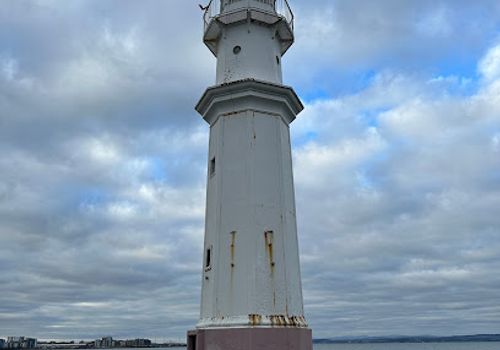
Leith East Breakwater Lighthouse stands as a historic maritime landmark in Edinburgh's Leith Docks, marking the entrance to the busy port. Established in the late 19th century, this lighthouse guided ships safely into the harbor for decades before being decommissioned. Its sturdy structure and strategic position reflect the rich maritime history of Leith, offering visitors a glimpse into the area's nautical past amid the vibrant dockside environment.
Open 24 hoursTime to spend 0.5–1.5 hrs
-
Historical landmark5.0★4 reviews
Water of Leith Walkway Finish
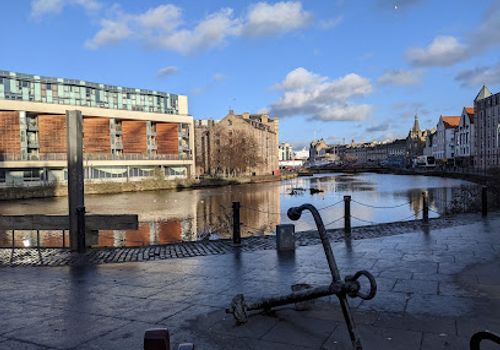
The Water of Leith Walkway Finish marks the end of a scenic 13-mile urban trail following Edinburgh’s main river from Balerno to the historic port of Leith. This tranquil riverside route weaves through diverse landscapes, from ancient woodlands and charming villages to vibrant city neighborhoods, culminating at the bustling waterfront of Leith. Rich in natural beauty, cultural heritage, and wildlife, the walkway offers a peaceful escape within the city, ideal for walking, cycling, and observing local flora and fauna.
Open 24 hoursTime to spend 1–3 hrs
-
Historical landmark4.3★3 reviews
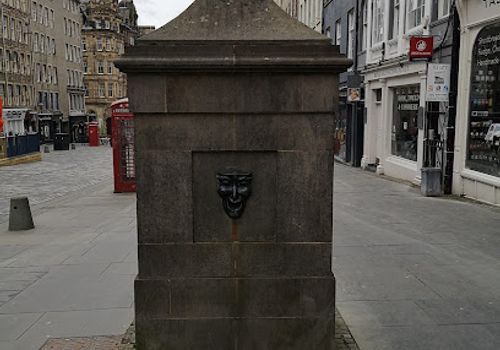
The High Street Wellhead
The High Street Wellhead is a historic landmark tucked away at the end of Old Assembly Close on Edinburgh's Royal Mile. This intricately carved stone wellhead once served as a vital water source for the city’s residents and remains a poignant symbol of Edinburgh’s medieval heritage. Surrounded by cobbled streets and historic architecture, it offers visitors a glimpse into the daily life and community spirit of old Edinburgh, making it a captivating stop for history enthusiasts and cultural explorers alike.
Open 24 hoursTime to spend 0.2–1 hr
-
Historical landmark5.0★2 reviews
The Centre of Edinburgh
The Stamp Office at 10 Waterloo Place is a distinguished Grade A listed Georgian building in Edinburgh’s city centre, comprehensively refurbished to provide high-spec, open-plan office space. Adjacent to Waverley Station and St James Quarter, it combines historic architectural charm with modern amenities including wellness facilities, secure cycle storage, and sustainability certifications, making it a prime business location in the heart of Edinburgh.
Price level $$Time to spend 1–3 hrs
-
Waverley Steps
The Waverley Steps connect Edinburgh's Princes Street to Waverley Station, one of Scotland's busiest railway hubs. Named after Sir Walter Scott's iconic novel, these historic steps have been dramatically transformed with modern accessibility features including glass-covered walkways, escalators, and lifts. Serving approximately 14,000 passengers daily, the steps offer a unique blend of Victorian heritage and contemporary design, providing step-free access to the station for the first time in over 140 years.
Time to spend 0.2–1 hr
-
North Bridge
North Bridge is a historic and architectural landmark in Edinburgh, connecting the medieval Old Town with the Georgian New Town across the Waverley Valley. Built in 1897 to replace the original 18th-century bridge, it offers panoramic city views and serves as a vital transport link. The bridge features ornate cast-iron facades, a war memorial, and overlooks key landmarks such as Edinburgh Castle and Princes Street Gardens.
Time to spend 0.5–2 hrs
-
15 Charlotte Square
15 Charlotte Square is part of Edinburgh’s prestigious Georgian New Town, designed by renowned architect Robert Adam and completed in 1820. Situated within Charlotte Square, this address embodies the elegance and historical significance of one of the city’s finest urban planning achievements, surrounded by lush private gardens and notable landmarks including the First Minister of Scotland’s official residence.
Price level $$Time to spend 0.5–2 hrs
-
Building
Anchor Close
Anchor Close is a historic passageway in Edinburgh's Old Town, dating back to approximately 1521. This atmospheric close once served as a gathering place for distinguished figures including Robert Burns and Sir Walter Scott's parents. Today, it remains a charming slice of Edinburgh's medieval heritage, connecting the Royal Mile to Market Street and intersecting with Cockburn Street. The close features well-preserved 17th-century buildings and carries centuries of literary and cultural significance.
Time to spend 0.2–1 hr
-
Fleshmarket Cl
Fleshmarket Close is a narrow medieval alley in Edinburgh's Old Town that descends steeply from Cockburn Street to Market Street near Waverley Station. Named after the historic meat market and slaughterhouse once located there, this atmospheric close features Scottish baronial revival architecture and remains one of the city's most evocative passages. The lane inspired Ian Rankin's fifteenth Inspector Rebus novel and continues to captivate visitors with its shadowy corners and rich historical character.
Time to spend 0.2–1.5 hrs
-
Crossroads
The Mound & Mound Place
The Mound is a historic artificial slope and road in central Edinburgh, created by depositing over 1.5 million cartloads of earth excavated from the New Town foundations into the drained Nor Loch. Completed by 1830, it connects the Old Town’s Royal Mile with the New Town’s Princes Street, serving as a vital thoroughfare and cultural hub. The area hosts iconic institutions like the National Gallery of Scotland, the Royal Scottish Academy, and the Bank of Scotland headquarters, blending history, architecture, and vibrant city life.
Time to spend 0.5–2 hrs
-
Building
124 High St
Located on Edinburgh’s historic Royal Mile, 124 High St is a notable building serving as the iconic starting point for the World Famous Underground Ghost Tour. Situated in the heart of Edinburgh’s Old Town, this spot offers visitors a unique entry into the city’s dark past, with nearby access to eerie closes, haunted cemeteries, and subterranean vaults beneath the city streets.
Price level $$Time to spend 1–1.5 hrs
-
Building
Lady Stair's House
A striking 17th-century townhouse nestled in Lady Stair's Close, off Edinburgh's historic Lawnmarket, now home to the Writers' Museum. Built in 1622 for Sir William Gray of Pittendrum, this fairytale-like building features distinctive Scottish Baronial architecture with ornate stonework, a romantic turret, and a carved lintel bearing the original date. The intimate courtyard setting offers a peaceful literary escape celebrating Scotland's greatest writers—Robert Burns, Sir Walter Scott, and Robert Louis Stevenson—with personal manuscripts, portraits, and belongings on display inside.
Time to spend 0.8–2 hrs
-
1 Parliament Sqr
Parliament Square in Edinburgh is a historic public space adjacent to St Giles' Cathedral, once the site of Scotland's original Parliament House built in 1641. This L-shaped square features notable landmarks such as the Mercat Cross, statues of Charles II and Adam Smith, and is surrounded by important civic buildings including the Law Courts and Edinburgh City Chambers. It embodies centuries of Scottish political and judicial history, making it a key cultural landmark in the Old Town.
Time to spend 0.5–2 hrs












Explore Fishmarket Square on the map
A handpicked selection of must-see spots near Fishmarket Square, mapped for you.
More about Fishmarket Square
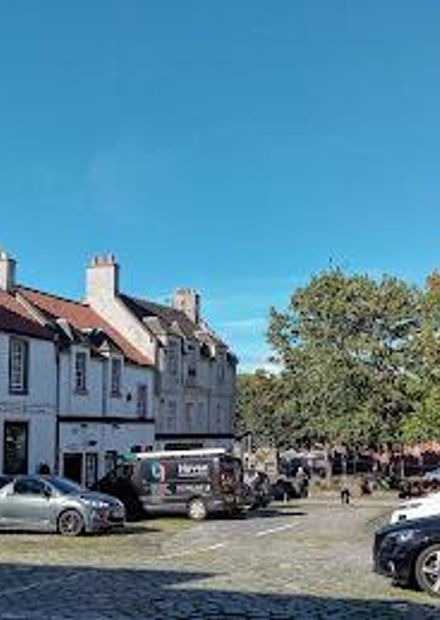
More to explore near Fishmarket Square

 Best experiences near Fishmarket Square
 Best hotels near Fishmarket Square
 Best attractions near Fishmarket Square
 Best shops near Fishmarket Square
 Best bars near Fishmarket Square
 Best restaurants near Fishmarket Square
Explore more


Getting your guide ready…
We are putting together a fresh copy of the Fishmarket Square guide. This can take up to a minute.
This can take a few moments. If your browser asks, choose Allow so the download can start. You'll find the guide in your Downloads folder.
Nothing happened? Download it again
Sorry, the guide is taking longer than usual. Please try again in a minute, or get it by email instead.