

Waterloo Place: London's Historic Plaza of Elegance and Monuments
Elegant historic plaza in central London featuring iconic monuments, grand terraces, and a rich cultural heritage near key landmarks.
Waterloo Place is a distinguished broad street and plaza in central London’s St James’s district, designed by John Nash and James Burton in the early 19th century. Named after the Battle of Waterloo, it features grand terraces, iconic monuments like the Duke of York Column, and stately clubs such as the Athenaeum. This elegant thoroughfare links Regent Street with Pall Mall and offers rich architectural heritage, cultural significance, and proximity to key London landmarks.
A brief summary to Waterloo Pl
- London, GB
- Duration: 0.5 to 2 hours
- Free
-
 Outdoor
- Mobile reception: 5 out of 5
Local tips
- Visit the Duke of York Column and climb its internal steps for panoramic views of central London.
- Explore the Athenaeum Club’s classical architecture and its striking blue-and-white frieze.
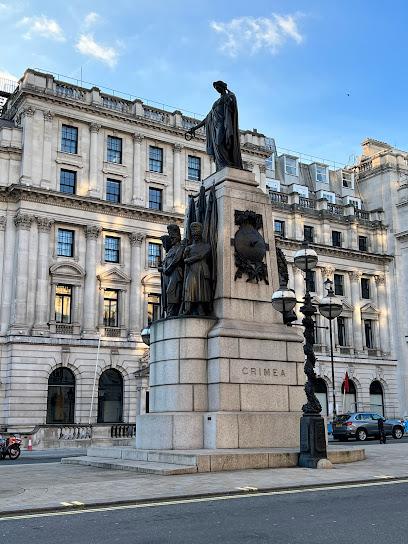
- Take time to observe the Guards’ Crimean War Memorial and other statues commemorating British military heroes.
- Enjoy nearby St James’s Park for a peaceful green space after exploring the urban grandeur of Waterloo Place.

For the on-the-go comforts that matter to you
- Restrooms
- Drink Options
- Food Options
- Seating Areas
- Information Boards
Getting There
-
Underground
Take the London Underground to Charing Cross station, approximately a 10-15 minute walk from Waterloo Place. The station is served by the Northern and Bakerloo lines. Tickets cost £2.50–£6.00 depending on travel zones and time.
-
Bus
Several London bus routes stop near Waterloo Place, including routes 6, 9, 15, and 23. Bus travel time varies from 15 to 30 minutes depending on starting point and traffic. A single fare costs £1.75 with an Oyster or contactless card.
-
Taxi / Ride-hailing
Licensed London taxis and ride-hailing services can reach Waterloo Place directly. Travel times from central London locations typically range from 10 to 25 minutes depending on traffic. Expect fares from £8 to £20.
-
Walking
From Trafalgar Square, Waterloo Place is a 5-10 minute walk over mostly flat terrain along well-paved streets. This route offers views of central London landmarks and is accessible for most travelers.
Waterloo Pl location weather suitability
-
 Any Weather
-
 Clear Skies
-
 Mild Temperatures
-
 Rain / Wet Weather
Discover more about Waterloo Pl
Origins and Urban Vision
Waterloo Place was conceived as part of John Nash’s ambitious early 19th-century urban plan to create a grand ceremonial route through London. Constructed beginning in 1815, it was designed as a broad plaza-like extension of Lower Regent Street, replacing the former St James’s Market and a cluster of modest buildings. The street was named to commemorate the British victory at the Battle of Waterloo, symbolizing national pride and military triumph. James Burton, a prominent property developer of the era, managed the construction and leasing of the elegant buildings lining the street.Architectural Grandeur and Monuments
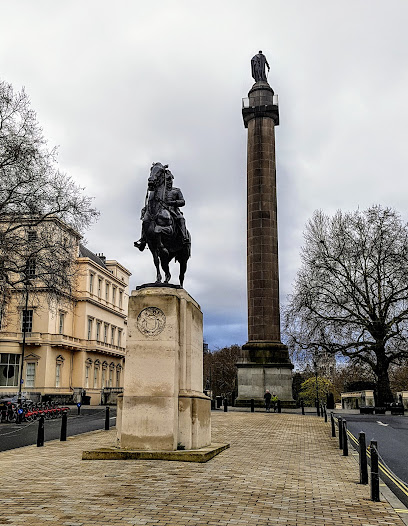
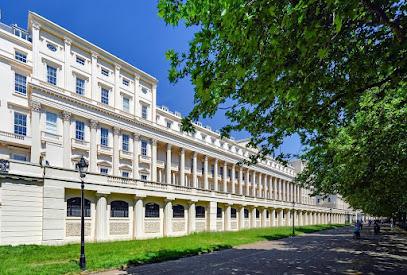
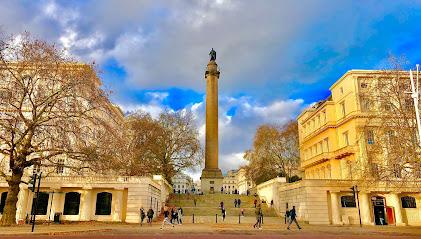
The architecture of Waterloo Place is a harmonious blend of Georgian, Regency, and Victorian styles, characterized by symmetrical facades, Doric colonnades, and refined elegance. The southern end is framed by the Carlton House Terraces, monumental structures designed by Nash and Decimus Burton, which overlook St James’s Park. The street’s centerpiece is the Duke of York Column, a 37-meter Doric column topped with a bronze statue of Prince Frederick, Duke of York and Albany, completed in 1832. This imposing monument stands above a grand staircase leading down to The Mall, serving as a focal point and a tribute to the commander-in-chief of the British Army during the Napoleonic Wars.Cultural and Social Hub
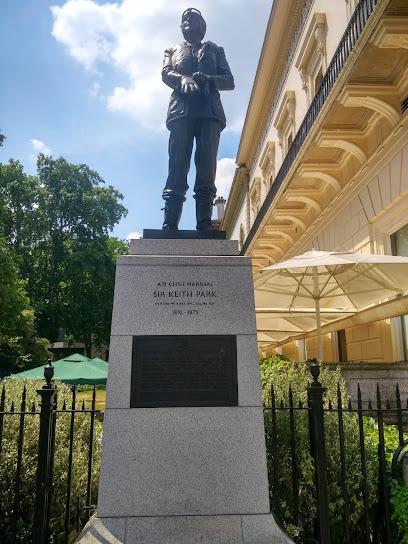
Waterloo Place has long been a prestigious address, attracting aristocrats, intellectuals, and influential figures. It hosts exclusive institutions such as the Athenaeum Club, founded in 1825 as a gathering place for luminaries in literature, science, and the arts, and the Institute of Directors. The street also features several statues commemorating British military heroes and explorers, including the Guards’ Crimean War Memorial and a statue of New Zealand flying ace Keith Park. Today, Waterloo Place is known for its upscale boutiques, art galleries, and fine dining establishments, blending luxury with cultural enrichment.Strategic Location and Surroundings
Situated at the junction of Regent Street and Pall Mall, Waterloo Place enjoys a prime central London location. It is a short walk from iconic landmarks such as Trafalgar Square, Buckingham Palace, and St James’s Park. The street provides a grand entrance to the West End theater district and is adjacent to historic venues like the Royal Opera House and the National Gallery. The surrounding open spaces and gardens offer tranquil retreats amid the vibrant city atmosphere.Legacy and Visitor Experience
Waterloo Place remains a testament to London’s Regency-era urban planning and cultural heritage. Its carefully preserved architecture, monumental sculptures, and refined ambiance invite visitors to explore a space where history, art, and society intersect. Whether admiring the commanding Duke of York Column, strolling past elegant terraces, or enjoying nearby cultural venues, visitors experience a quintessentially London blend of grandeur and sophistication.Notable Anecdotes and Details
Among the street’s unique features is the grave of Giro, the German ambassador’s dog, located near the former German embassy in the western terrace. This unusual memorial is the only Nazi-era monument in London. The Athenaeum Club’s blue-and-white frieze, inspired by the Parthenon, and the gilded statue of Pallas Athena above its portico highlight the street’s classical influences. Waterloo Place’s statues and monuments, cast from captured enemy cannons or commemorating key military figures, underscore its role as a place of remembrance and national pride.Iconic landmarks you can’t miss

Guards Crimean War Memorial
0.0 km
A poignant bronze tribute in central London honoring the valor and sacrifice of ordinary soldiers in the Crimean War.
Equestrian statue of Edward Ⅶ
0.1 km
Majestic bronze tribute to King Edward VII in the heart of London’s historic Waterloo Place, blending regal artistry with imperial heritage.
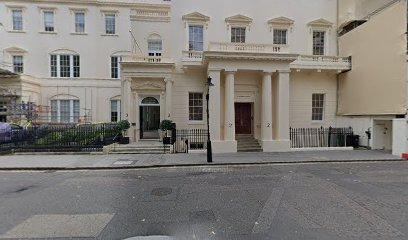
3 Carlton House Terrace
0.2 km
Elegant Grade I listed townhouse in London’s historic Carlton House Terrace, blending royal heritage with refined Georgian architecture.
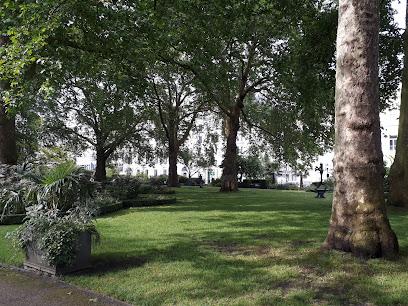
St James's Square
0.2 km
London’s oldest garden square, where Georgian elegance meets centuries of power, politics, and high society in the heart of Westminster.
Royal Marines Memorial
0.2 km
A stirring bronze tribute on The Mall honoring Royal Marines’ sacrifice in China and South Africa, blending art and history in London’s ceremonial heart.
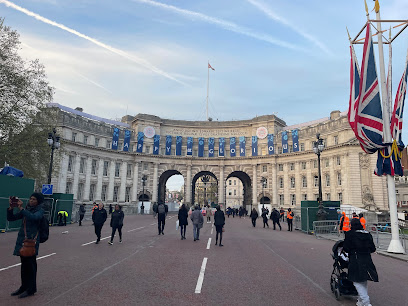
Captain James Cook
0.2 km
Bronze tribute to the explorer who charted the Pacific and shaped the British Empire
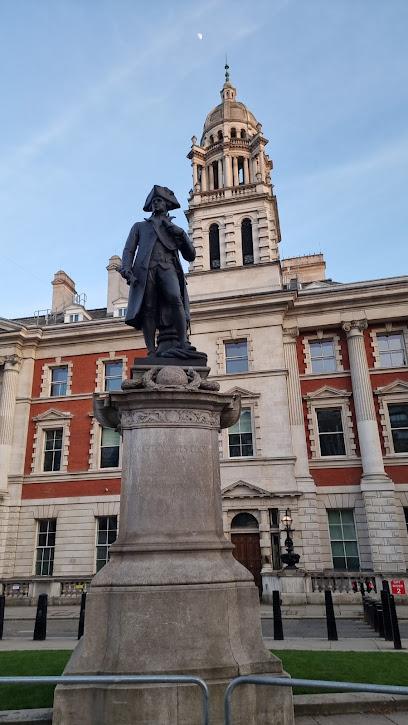
King George VI & Queen Elizabeth,The Queen Mother Memorial
0.2 km
A dignified London memorial honoring King George VI and Queen Elizabeth, the Queen Mother, through iconic bronze statues and historic symbolism.
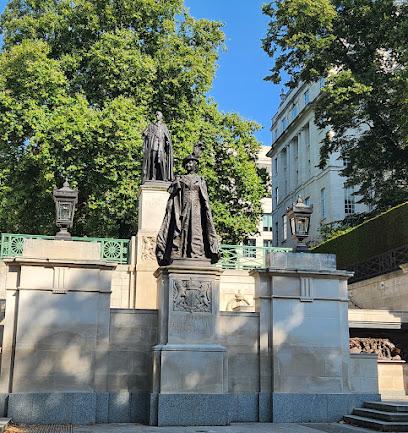
Admiralty Arch
0.3 km
A majestic Edwardian gateway linking Trafalgar Square to Buckingham Palace, embodying Britain's royal heritage and naval history.
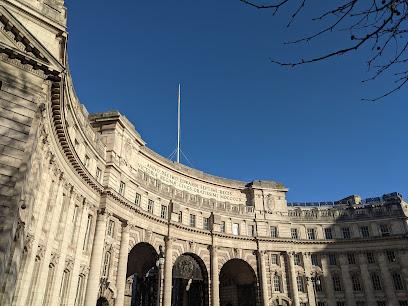
Obelisk Charles James Napier
0.3 km
A contested monument to a complex military figure in London's most iconic public square.

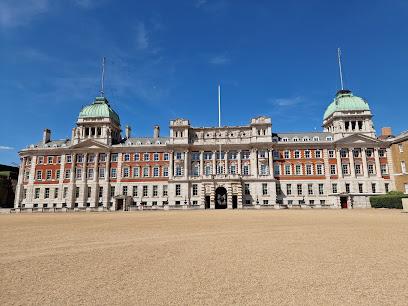
Old Admiralty Building
0.3 km
Historic heart of Britain’s naval command, blending grand architecture with pivotal moments in London’s maritime legacy.
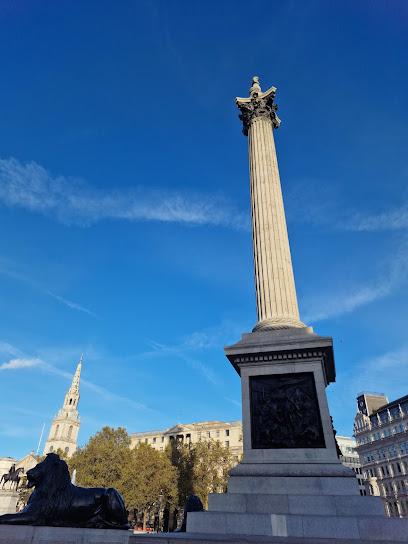
Nelson's Column
0.3 km
A towering tribute to Admiral Nelson’s naval triumph, standing proudly at the heart of London’s historic Trafalgar Square.
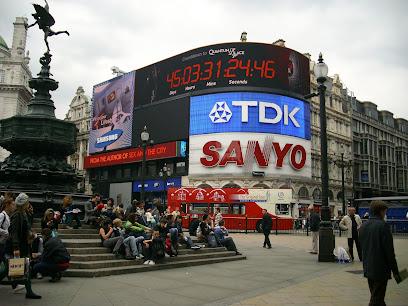
Piccadilly Circus
0.3 km
Piccadilly Circus pulses with iconic neon lights, historic monuments, and vibrant street life at the heart of London’s West End.

225 Piccadilly Circus
0.3 km
At the luminous heart of London’s West End, 225 Piccadilly Circus dazzles with history, iconic lights, and vibrant urban energy.
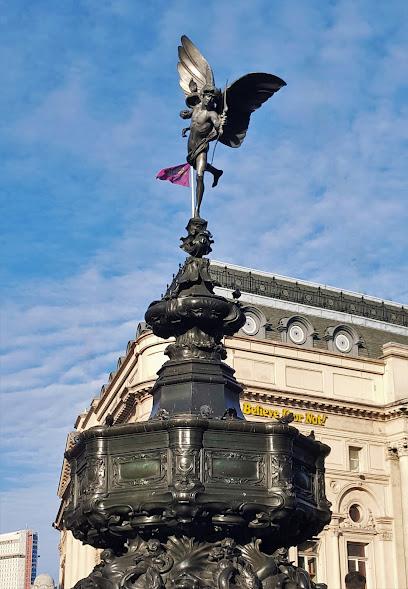
Eros (Shaftesbury Memorial Fountain)
0.3 km
Iconic London landmark honoring Victorian philanthropy with the world’s first aluminium statue, set amidst Piccadilly Circus’s vibrant theatre district.
16-18 Whitehall
0.3 km
Explore 16-18 Whitehall, the historic site of England’s grandest royal palace and home to the stunning Banqueting House, a masterpiece of classical architecture.
Unmissable attractions to see

Sir Keith Park statue
0.1 km
Honoring Air Chief Marshal Sir Keith Park, the Defender of London during WWII’s Battle of Britain, through a striking bronze statue in central London.
Carlton House Terrace
0.1 km
Elegant Georgian terraces on historic royal grounds, showcasing Regency architecture and London’s aristocratic heritage.
Duke of York Column
0.1 km
A towering granite column in London honoring the Duke of York’s military legacy, crowned with a grand bronze statue atop historic Waterloo Place.
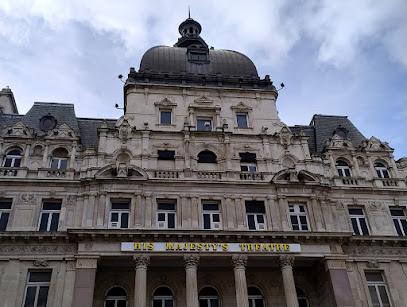
His Majesty's Theatre
0.1 km
Experience London's historic His Majesty's Theatre, home to iconic musicals and timeless theatrical heritage in the vibrant Haymarket district.
Carlton Gardens
0.1 km
Elegant Regency architecture and serene gardens meet rich wartime history in the heart of London’s prestigious Carlton Gardens.
Pall Mall
0.2 km
Pall Mall: London’s historic street of royal games, elegant clubs, and pioneering urban charm.
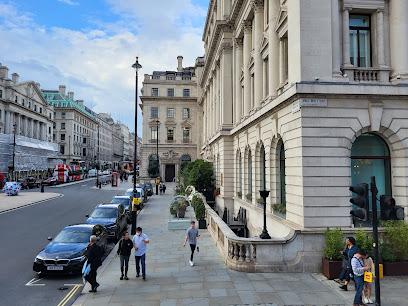
Theatre Royal Haymarket
0.2 km
Historic West End theatre with rich traditions, elegant design, and acclaimed productions in London’s vibrant Haymarket district.
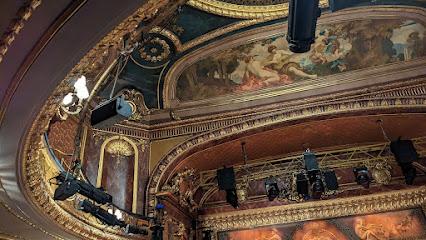
Wonderville
0.2 km
Discover Wonderville, London’s captivating cabaret club blending magic, comedy, and variety in an intimate West End setting near Piccadilly Circus.
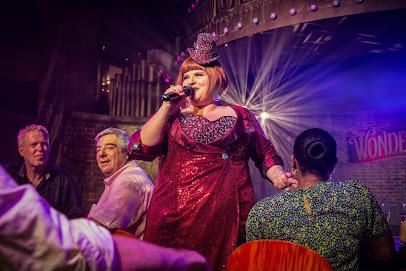
Haymarket
0.2 km
Step into the Theatre Royal Haymarket, a historic West End jewel blending Georgian elegance with three centuries of theatrical brilliance.
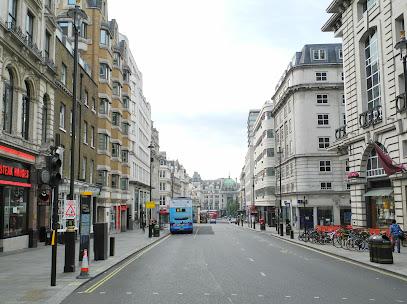
Comedy Carnival Leicester Square
0.2 km
Experience London’s top unapologetic stand-up comedy club with award-winning international acts in an intimate, lively setting near Leicester Square.
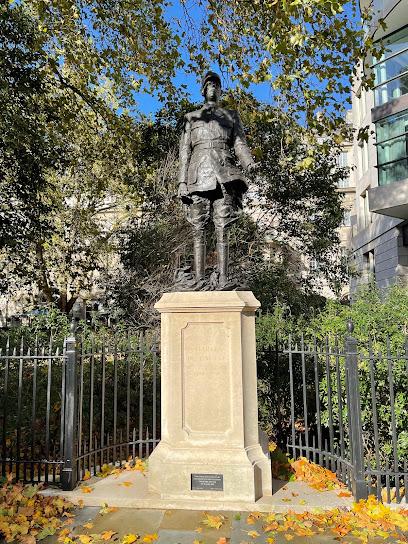
Charles De Gaulle Statue
0.2 km
A dignified tribute in London’s Carlton Gardens honoring Charles de Gaulle’s leadership of Free France during WWII.
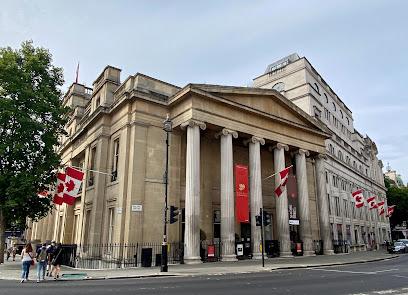
Canada House
0.2 km
Canada House: Historic Greek Revival architecture meets vibrant Canadian culture in the heart of London’s Trafalgar Square.
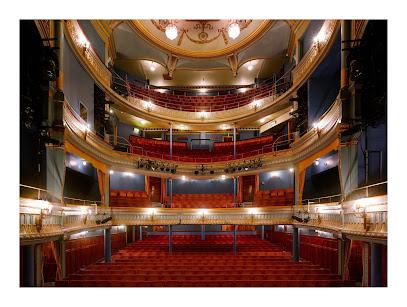
The Harold Pinter Theatre
0.2 km
Experience world-class drama and rich theatrical history at London’s iconic Harold Pinter Theatre in the heart of vibrant Theatreland.
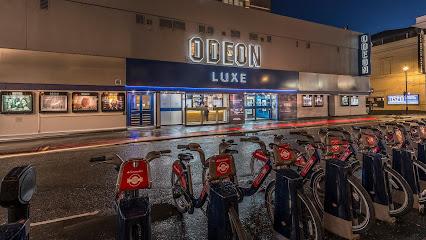
ODEON Luxe Haymarket
0.3 km
Experience luxury cinema in London’s West End with intimate screens, premium seating, and a curated selection of foreign and independent films.
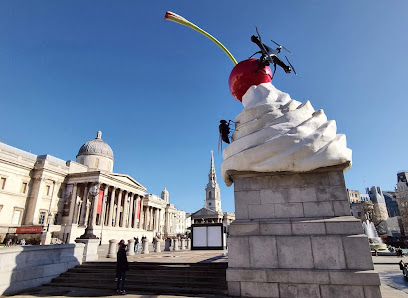
The Fourth Plinth
0.3 km
A historic plinth transformed into a world-famous stage for cutting-edge contemporary art in the heart of London’s Trafalgar Square.
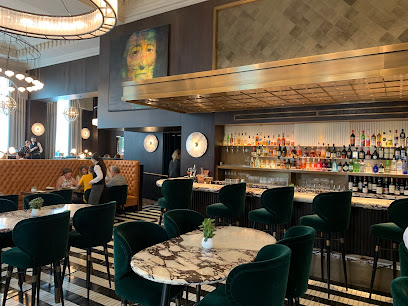
Essential places to dine

Wild Honey St James
0.0 km
Michelin-starred French-influenced cooking in a Grade II-listed banking hall, where refined technique meets understated elegance.
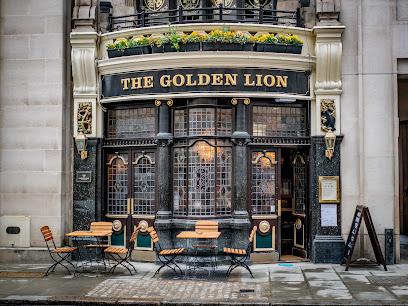
Golden Lion
0.4 km
Historic 1690s pub in St James's offering classic British fare, rich heritage, and a warm, family-friendly atmosphere near Buckingham Palace.
Evelyn's Table
0.4 km
Discover Evelyn's Table, a Michelin-starred, intimate dining counter in Soho offering inventive British cuisine with French and Japanese flair.
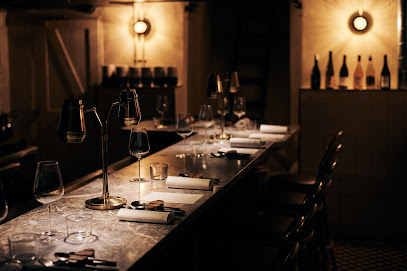
Ekstedt at The Yard
0.4 km
Experience Nordic wood-fired cuisine by Michelin-starred chef Niklas Ekstedt in the historic Great Scotland Yard Hotel, blending ancient fire cooking with British seasonal ingredients.
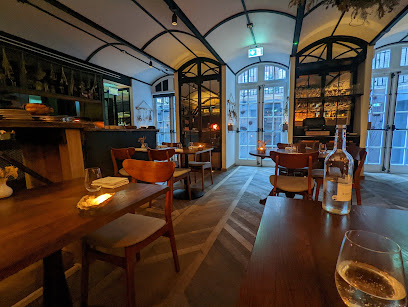
Kricket Soho
0.4 km
Discover bold, modern Indian small plates in a lively Soho setting with an open kitchen and vibrant basement dining.
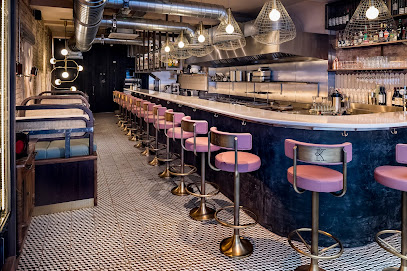
Quaglino's
0.5 km
Glamorous basement brasserie with live music, cocktails, and theatrical dining in St. James's.
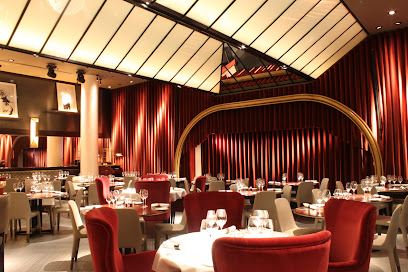
Thai Tho Soho
0.5 km
Authentic Thai flavours collide with Soho's rhythm at this Rupert Street gem, where fresh-from-Thailand dishes and private karaoke rooms create unforgettable dining adventures.

Bantof
0.5 km
Mediterranean fine dining and craft cocktails in an intimate Soho sanctuary where art, cuisine, and hospitality converge.
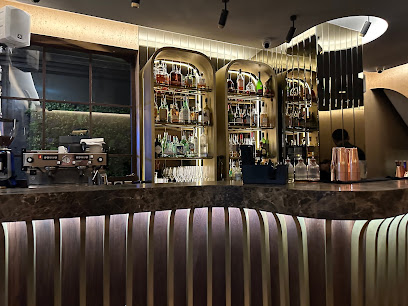
J Sheekey
0.5 km
Classic British seafood excellence in Covent Garden’s elegant, theatre-adjacent dining gem.
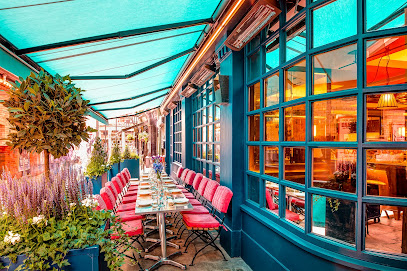
Great British Restaurant
0.5 km
Refined British dining with locally sourced ingredients in the elegant setting of Dukes Hotel, St. James's, London.
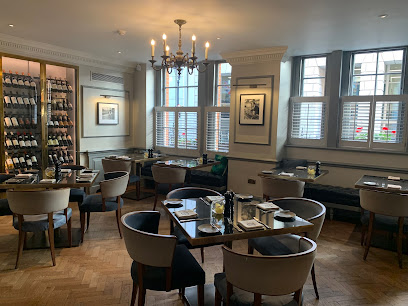
Blacklock Soho
0.5 km
A vibrant Soho basement chophouse serving exceptional grass-fed steaks and chops in a lively, rustic setting with unbeatable value.
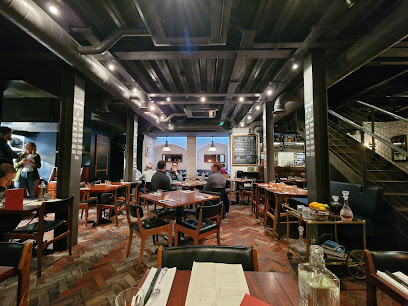
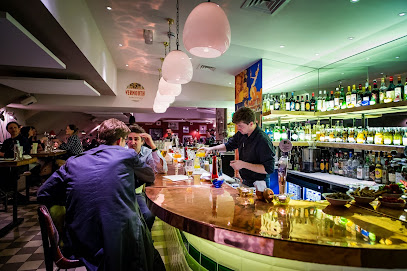
Mele e Pere
0.5 km
Discover authentic Italian flavors and a rich vermouth selection in the cozy, candlelit basement of Soho’s Mele e Pere.
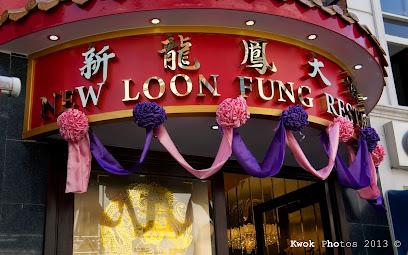
New Loon Fung Restaurant
0.5 km
Grand Cantonese dining hall serving authentic dim sum and regional Chinese cuisine for over 30 years.
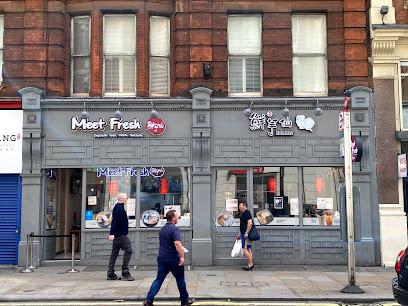
Meet Fresh
0.6 km
Authentic Taiwanese desserts in lively Soho, offering generous portions of mochi, taro balls, and refreshing fruit teas in a bustling urban setting.
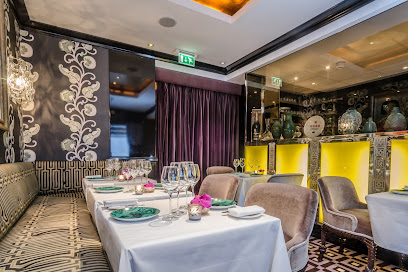
Francatelli
0.6 km
A refined British restaurant in Mayfair, inspired by Queen Victoria’s chef and reimagined by a Michelin-starred executive chef.
Markets, malls and hidden boutiques

Floris London
0.4 km
Experience nearly three centuries of British fragrance heritage at Floris London’s historic boutique on iconic Jermyn Street.
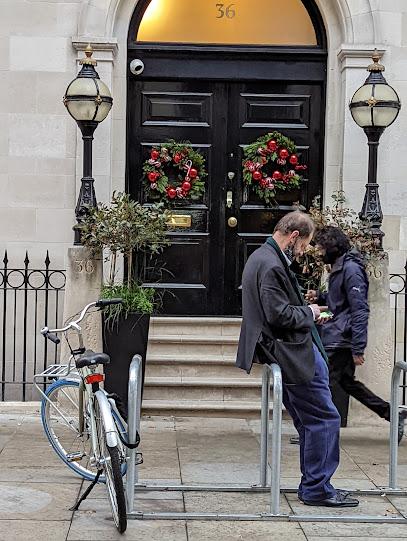
Crest of London Ltd
0.4 km
Discover authentic London souvenirs and local crafts at Crest of London Ltd, your premier gift shop in historic Whitehall.
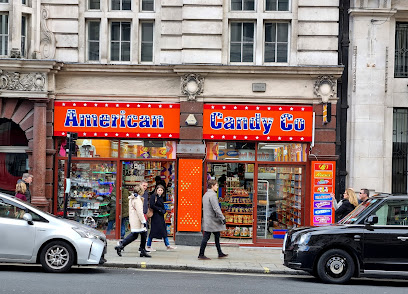
Glorious London Gift & Souvenir
0.4 km
Discover unique souvenirs and gifts that embody the spirit of London at Glorious London Gift & Souvenir, a must-visit shopping destination.
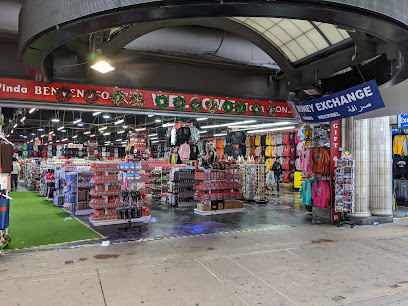
Prestat Chocolates
0.4 km
Royal warrant chocolatier crafting sophisticated truffles in Piccadilly's elegant Princes Arcade since 1902.
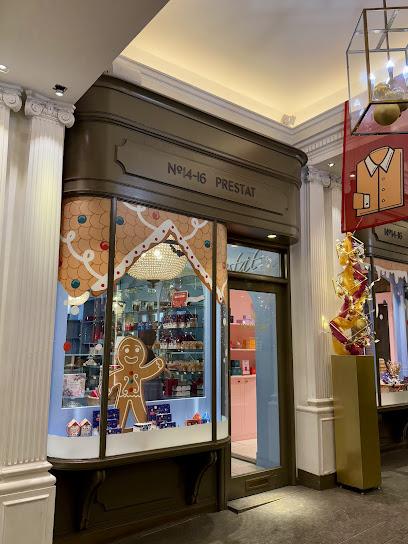
M&M'S London
0.4 km
Experience the colorful world of M&M'S London, where candy dreams come true with personalized treats and vibrant merchandise.
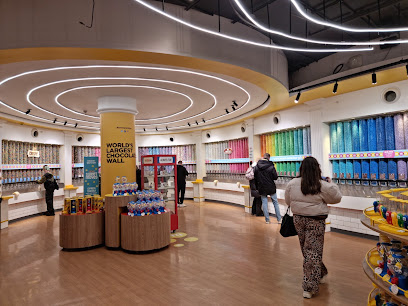
Princes Arcade
0.4 km
A refined covered arcade where London's bespoke traditions meet curated luxury shopping.
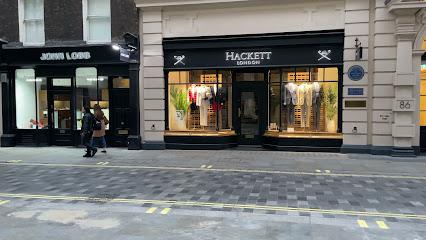
Cool Britania
0.4 km
Discover authentic British souvenirs and capture timeless memories at Cool Britannia, Leicester Square’s premier gift and photography shop.
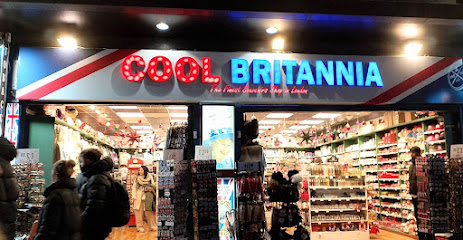
Berry Bros. & Rudd Wine Shop
0.4 km
London’s oldest family-run wine merchant since 1698, blending royal tradition with expert wine and spirits in a historic Pall Mall setting.
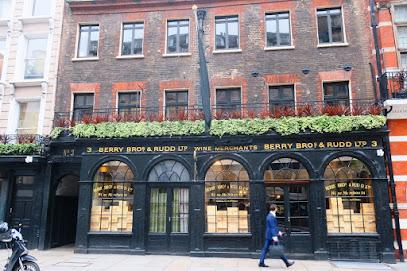
Fortnum & Mason
0.4 km
Historic luxury food hall and iconic London emporium offering gourmet delights, royal hampers, and timeless British tradition since 1707.
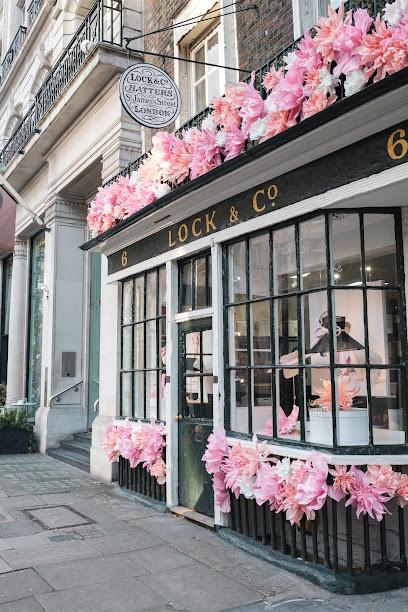
Lock & Co. Hatters
0.4 km
Discover the world’s oldest hat shop, where centuries of British style and craftsmanship come to life in the heart of London.
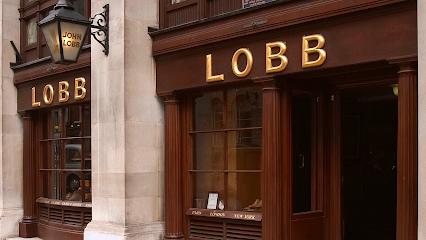
John Lobb St. James
0.4 km
Where 170 years of royal patronage meets handcrafted perfection in every stitch.
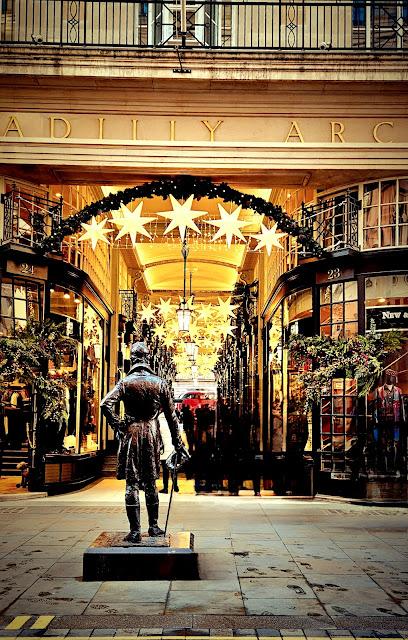
Piccadilly Arcade
0.5 km
Discover Edwardian elegance and bespoke luxury in Piccadilly Arcade, a historic shopping gem linking Piccadilly and Jermyn Street in London.
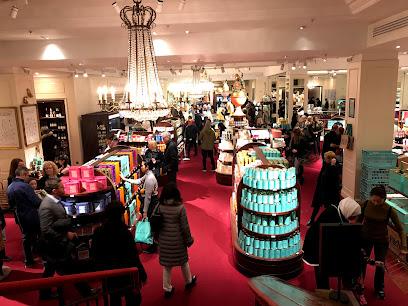
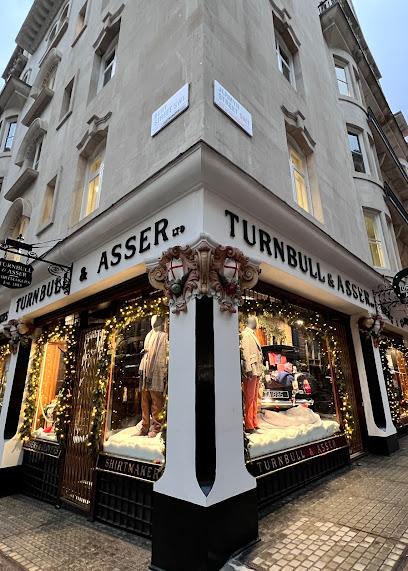
Turnbull & Asser Jermyn Street
0.5 km
Discover Turnbull & Asser on Jermyn Street, the quintessential British shirtmaker blending heritage craftsmanship with timeless elegance since 1885.
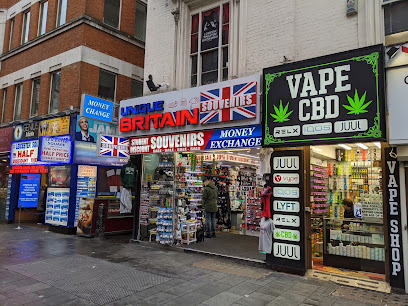
Unique Britain
0.5 km
Discover authentic British souvenirs and artistic keepsakes in the heart of London’s lively West End on historic Cranbourn Street.
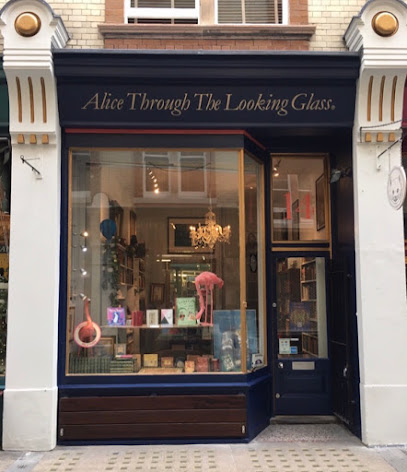
Alice Through The Looking Glass
0.5 km
Step into a whimsical world of antiques, art, and literary treasures inspired by Alice in Wonderland in the heart of London’s Cecil Court.
Essential bars & hidden hideouts

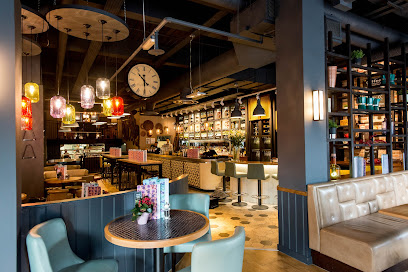
All Bar One Leicester Square
0.3 km
Stylish wine and cocktail bar in the heart of Leicester Square, perfect for socializing, dining, and private events in central London.
Hampshire Restaurant and Bar
0.4 km
Intimate bar and restaurant serving vibrant Mexican and Peruvian cuisine in the heart of Leicester Square’s iconic theatre district.
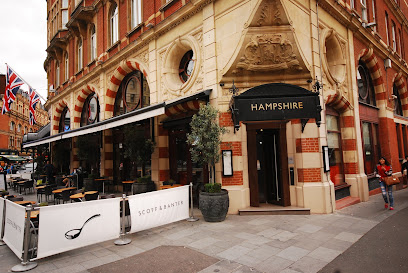
Old Shades
0.4 km
Historic Whitehall pub pouring cask ales and pub classics since 1898, steps from Trafalgar Square—a true taste of London tradition.
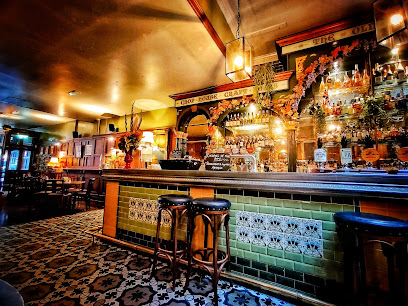
The Spy Bar
0.4 km
Step into London’s secret subterranean bar where espionage history meets masterful cocktails and exclusive, no-photos privacy.
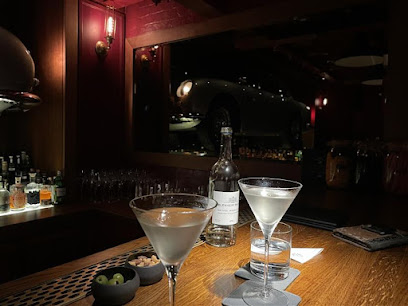
The Thin White Duke
0.5 km
Discover Soho’s intimate cocktail bar inspired by David Bowie, blending bespoke drinks, award-winning dim sum, and creative recording studios.
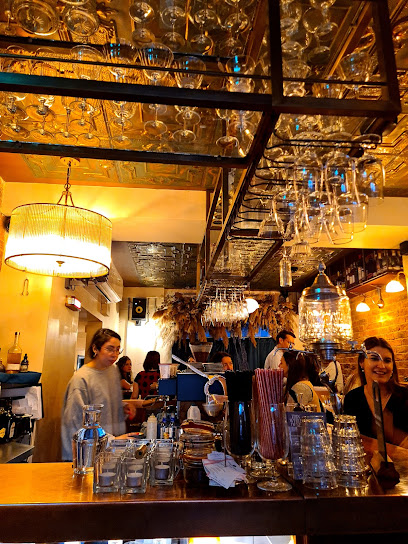
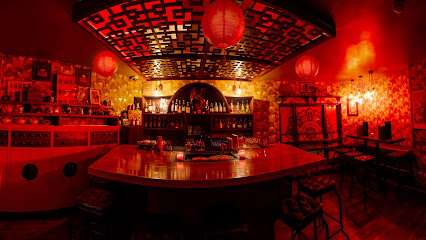
Opium Cocktail Bar - Soho
0.5 km
Discover a hidden Soho speakeasy blending 1920s Shanghai charm with inventive cocktails and exquisite dim sum in London’s Chinatown.
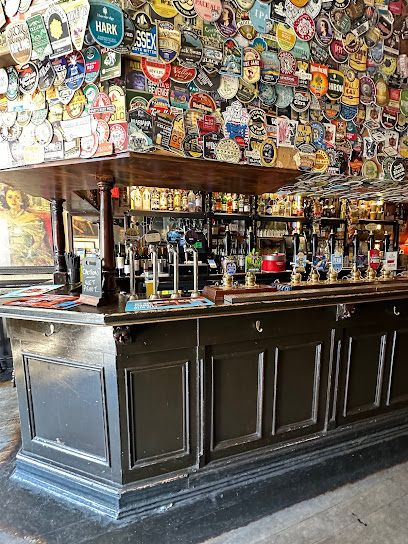
The Harp, Covent Garden
0.5 km
A historic Covent Garden pub famed for award-winning ales, traditional ciders, and a timeless, welcoming atmosphere.
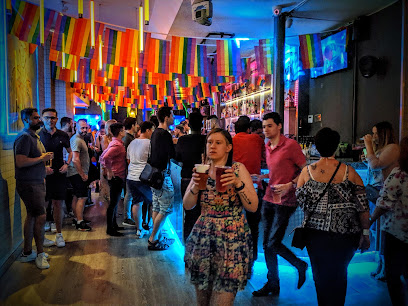
Ku Bar
0.5 km
Soho's legendary gay bar icon: three levels of inclusive vibes, cocktails, and basement beats in Chinatown's electric heart.
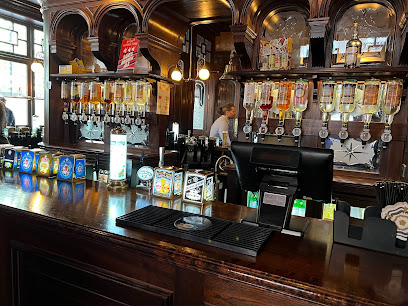
Duke of Argyll
0.5 km
Step into the Duke of Argyll for authentic Victorian pub charm, affordable ales, and a warm Soho atmosphere in central London.
Blind Spot London
0.5 km
Discover a secretive speakeasy with globally inspired cocktails and intimate ambiance tucked inside St Martin’s Lane Hotel, Covent Garden.
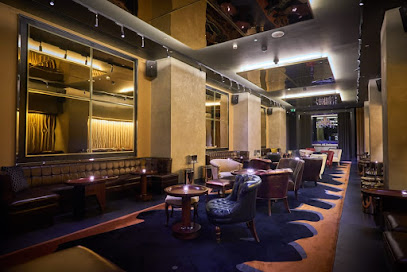
Mr Fogg's Tavern
0.6 km
Step into a Victorian-inspired tavern in Covent Garden, where inventive cocktails meet hearty British fare in an eclectic and lively setting.
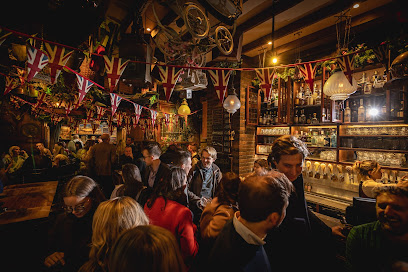
Duke Of Wellington
0.6 km
A lively Soho pub blending traditional British charm with modern nightlife energy on Wardour Street.
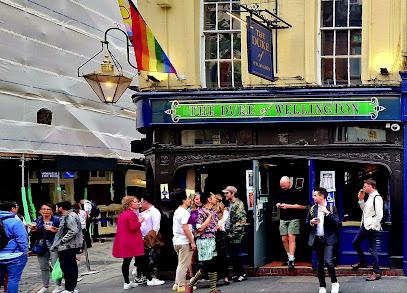
Village Soho
0.6 km
A lively, inclusive gay bar in Soho with energetic dance floors, go-go dancers, karaoke nights, and a vibrant LGBTQ+ atmosphere.
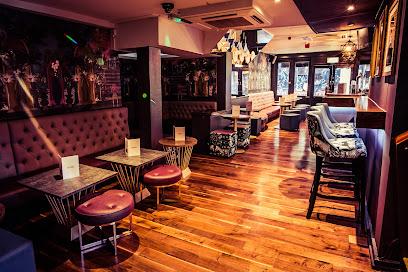
The Alchemist St Martin's Lane
0.6 km
Experience theatrical cocktails and vibrant dining in the heart of Covent Garden’s iconic theatre district.
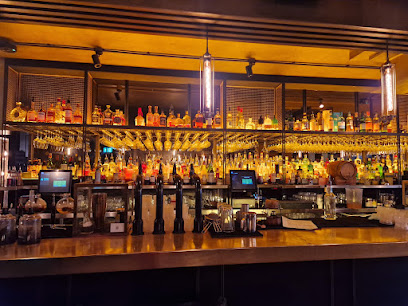
Covent Garden Social Club
0.6 km
Dive into Covent Garden's dual-world party den: prohibition cocktails below, live piano magic above—West End's ultimate nightlife hideaway for cocktails, cabaret, and endless sing-alongs. (162 characters)
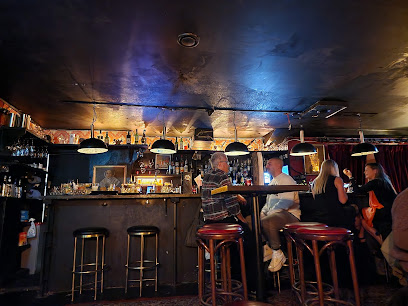
Nightclubs & after hour spots

TSQ Club
0.2 km
Dive into Trafalgar Square's nightlife pulse at TSQ Club, where eclectic beats, dazzling lights, and craft cocktails fuel unforgettable weekend nights in London's heart.
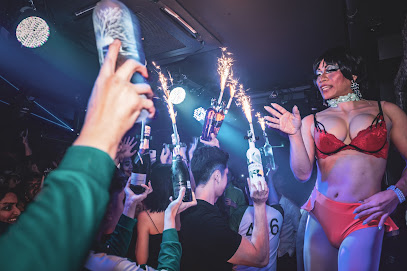
Luxe Club
0.3 km
Experience London's vibrant nightlife at Luxe Club, a central hotspot for music, dancing, and late-night entertainment.
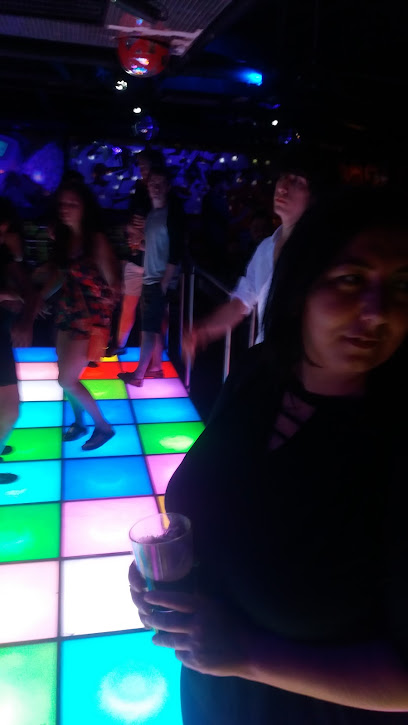
The Scotch of St James
0.3 km
Legendary Mayfair speakeasy where 60s rock stars jammed and today's elite dance till dawn in velvet-clad intimacy.
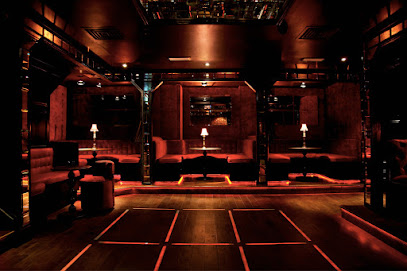
The Penthouse London
0.4 km
A compact, rooftop nightclub above Leicester Square — reached by a side lift, built for late‑night private parties and skyline glimpses.
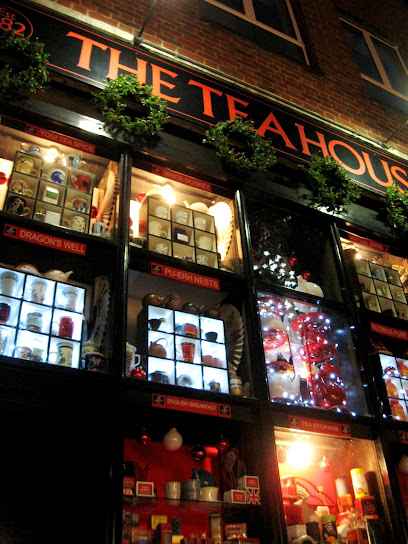
Zoo Bar & Club
0.5 km
Dive into Leicester Square's edgy nightlife hub: two floors of R&B beats, sports screens, and wild energy until 3am at Zoo Bar & Club.
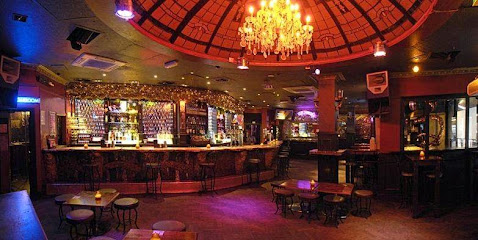
The Cuckoo Club
0.5 km
Exclusive Mayfair nightclub and restaurant blending glamorous design, contemporary cuisine, and vibrant nightlife in London’s upscale scene.
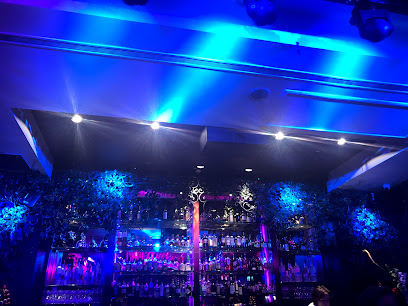
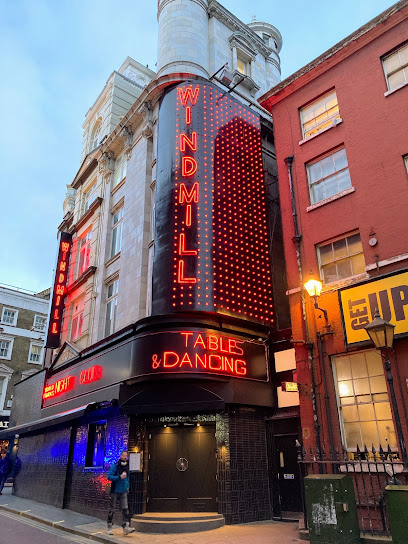
The Windmill Soho | Restaurant, Cabaret & Nightclub in Soho, London
0.5 km
Soho's legendary cabaret den revived: burlesque bites, theatrical feasts, and all-night beats in a historic hotspot of hedonism.
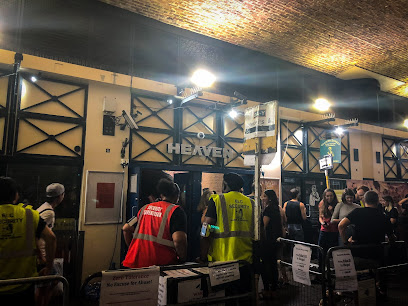
Heaven
0.6 km
London’s iconic gay superclub under the railway arches — big nights, loud music, drag, and late finishes in the heart of the West End.
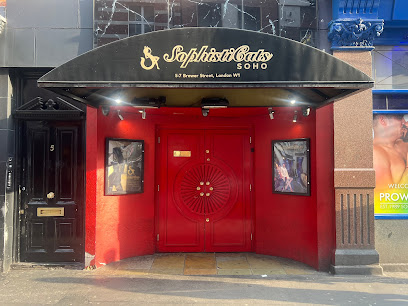
Sophisticats Soho
0.6 km
An intimate, late‑night Soho gentlemen’s club on Brewer Street offering staged performances, VIP seating and an upmarket, discreet atmosphere.
Versity Camp Nightclub
0.6 km
Dive into Soho's beating heart at Versity Camp Nightclub, where thumping bass, inventive cocktails, and an electric crowd fuel unforgettable nights until dawn.
The Box Soho
0.6 km
A clandestine Soho cabaret where decadent staging, provocative shows and high‑end cocktails collide in an intense late‑night theatre.
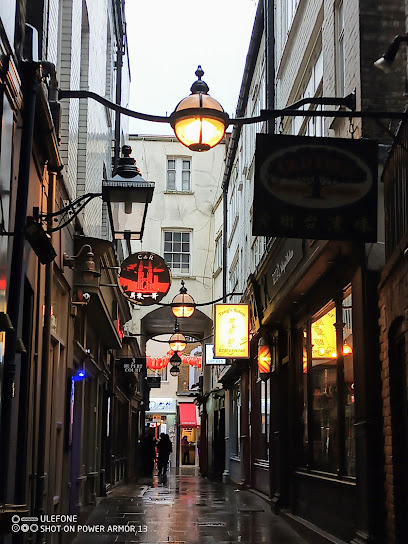
Tabu London
0.6 km
Escape Mayfair's polish for Tokyo's neon-lit Shinjuku alleys at Tabu London—retro gaming vibes, caged dancers, hip-hop beats, and upscale bites fuel epic nights.
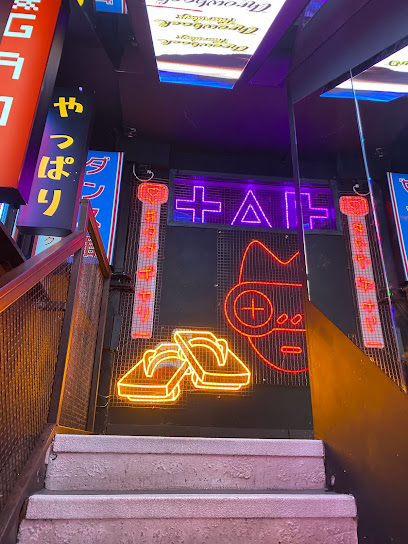
Whatdafunk Presents West End Urban Disco
0.6 km
Dive into London's grooviest urban disco beats at Whatdafunk, where Covent Garden's streets pulse with funk, soul, and non-stop dance energy in the heart of the West End.
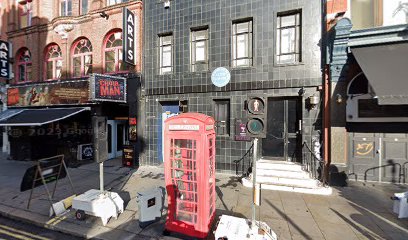
The Ivy Club
0.7 km
Art-Deco‑tinged members’ club above The Ivy — piano bars, discreet private dining and polished West End glamour.
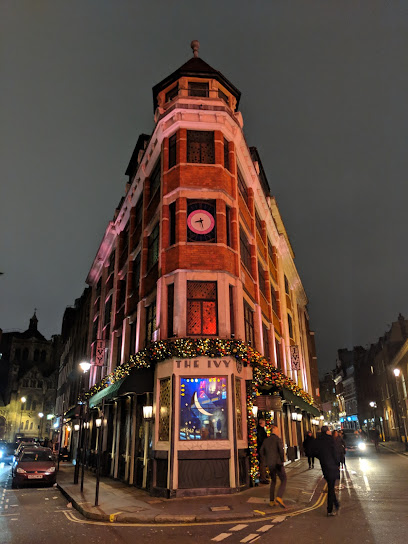
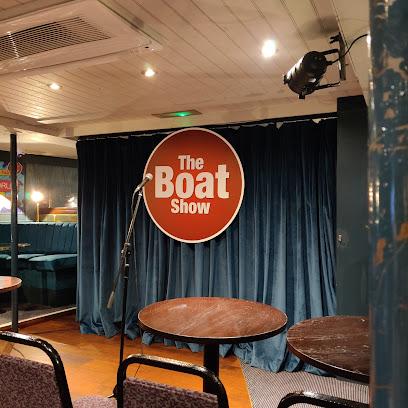
The Boat Show Comedy Club
0.7 km
London’s premier floating comedy club aboard the historic Tattershall Castle, blending laughter with iconic riverside views and vibrant nightlife.
For the vibe & atmosphere seeker
- Elegant
- Tranquil
- Scenic
- Unique
- Boutique
For the design and aesthetic lover
- Vintage Styles
- Classic Designs
For the architecture buff
- Historic
- Landmarks
- Art & Design
- Parks & Gardens
For the view chaser and sunset hunter
- Iconic Views
- Panoramas
- Sunset Spots
For the social media creator & influencer
- Instagrammable
- Photo Spots
- Architectural Shots
For the eco-conscious traveler
- Public-Transport Accessible
- Locally Managed
For the kind of experience you’re after
- Cultural Heritage
- Photowalk
- Day Trip
- Weekend Getaway
For how adventurous you want the journey to be
- Easy Access
Location Audience
- Family Friendly
- Senior Friendly
- Child Friendly
- Teen Friendly
- Wheelchair Access
- Solo Friendly
- Couple Friendly
- Solo Female Friendly


