
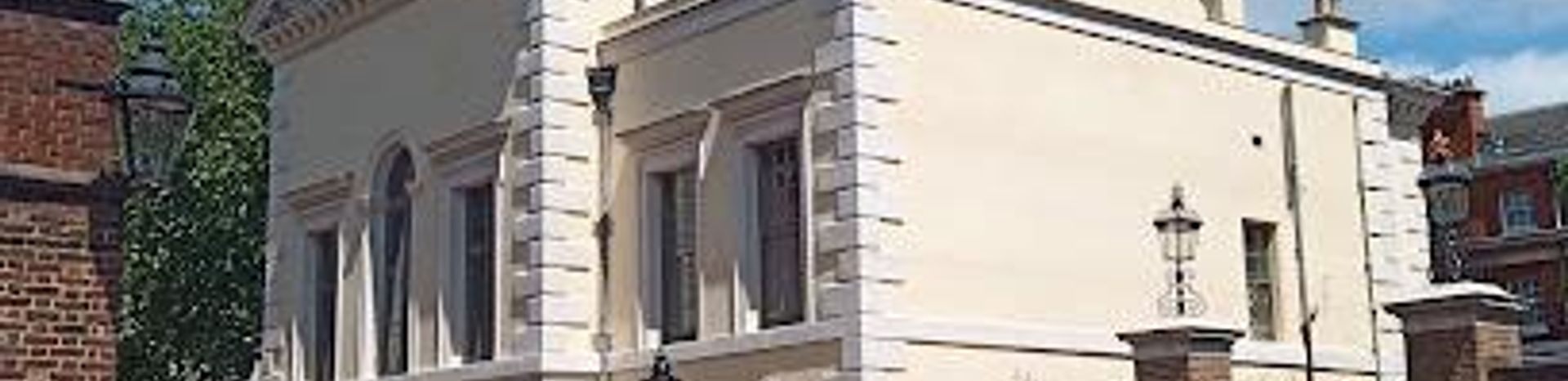
The Queen's Chapel at St James's Palace, London
A Palladian masterpiece by Inigo Jones, the Queen's Chapel blends royal history and architectural elegance in the heart of London.
The Queen's Chapel, designed by Inigo Jones and built between 1623 and 1625, is a historic Palladian-style chapel located on Marlborough Road, London. Originally intended as a Catholic chapel for the Spanish Infanta Maria Anna, it has served various royal and Protestant congregations over centuries. Its gilded vaulted interior and classical architecture mark it as a significant early modern English building, now physically separated from St James's Palace by Marlborough Road.
A brief summary to The Queen's Chapel
- Marlborough Rd, London, SW1A 1BG, GB
- Duration: 0.5 to 1.5 hours
- Free
-
 Outdoor
- Mobile reception: 4 out of 5
Local tips
- Visit during quieter weekday mornings to appreciate the chapel’s architecture without crowds.
- Look up to admire the elliptical gilded coffered ceiling, a highlight of Inigo Jones’ design.
- Explore nearby Marlborough House to understand the chapel’s changed context after 1809.
- Note the chapel’s historical role in England’s religious shifts from Catholicism to Protestantism.

For the on-the-go comforts that matter to you
- Information Boards
Getting There
-
London Underground
Take the Piccadilly or Victoria Line to Green Park station, then walk approximately 15 minutes through central London streets to Marlborough Road. The walk is along paved urban terrain suitable for most travelers.
-
Bus
Use London bus routes 9, 14, or 19 to stops near St James's Palace or Green Park. Buses run frequently throughout the day with fares around £1.75 using an Oyster card or contactless payment.
-
Taxi or Ride-Hailing
A taxi or ride-hailing service from central London locations typically takes 10–20 minutes depending on traffic, with fares ranging from £8 to £15. Suitable for travelers preferring direct and comfortable access.
The Queen's Chapel location weather suitability
-
 Any Weather
-
 Rain / Wet Weather
-
 Clear Skies
-
 Mild Temperatures
Discover more about The Queen's Chapel
Origins and Royal Connections
The Queen's Chapel was commissioned in 1623 during delicate marriage negotiations between England's Prince Charles (later King Charles I) and the Spanish Infanta Maria Anna. Designed by Inigo Jones, England's first significant early modern architect, the chapel was intended as a Catholic worship space at a time when Catholic churches were prohibited in England. Although the marriage never occurred, the chapel was completed by 1625 and used by Charles I’s wife, Queen Henrietta Maria of France, who brought French Catholic furnishings to the interior.Architectural Innovation and Style
The chapel is a pioneering example of Palladian architecture in England, inspired by the Roman Pantheon, featuring a pure double cube plan without transepts and an elliptical gilded coffered ceiling. Its exterior is rendered brick designed to resemble stone, with gabled pediments and a striking classical simplicity. The interior originally included Corinthian columns, a royal closet, and ornate decorative elements, many of which were altered or removed over time.Religious and Political Transformations
Following the Glorious Revolution of 1688, the chapel’s Catholic elements were stripped as Protestant monarchs William III and Mary II took the throne. It was then repurposed for French Protestant refugees and later for Hanoverian Lutherans, earning the name German Chapel. The chapel's religious use evolved with England’s shifting religious landscape, reflecting broader political and dynastic changes.Physical Separation and Later Use
In 1809, a fire destroyed the royal apartments adjoining the chapel. Instead of rebuilding, Marlborough Road was constructed through the site, physically separating the chapel from St James's Palace and visually associating it more with Marlborough House, the nearby residence of the Dukes of Marlborough. Later, it served as a Danish community church and private chapel for Princess Alexandra, wife of the future King Edward VII.Modern Significance and Preservation
The Queen's Chapel remains part of the British monarch’s household religious establishment, the Chapel Royal, and is a Grade I listed building. It holds historical significance as a symbol of religious tolerance and architectural innovation. Notably, the body of Queen Elizabeth The Queen Mother lay in state here in 2002 before her ceremonial funeral, underscoring the chapel’s continued royal importance.Atmosphere and Visitor Experience
Visitors today can admire the chapel’s serene Palladian elegance and its richly gilded vaulted ceiling, which contrasts with the simplicity of its exterior. The chapel’s setting on Marlborough Road offers a quiet, reflective space steeped in centuries of royal history and religious transformation, providing a unique glimpse into England’s architectural and cultural heritage.Iconic landmarks you can’t miss

St. James's Palace
0.1 km
Discover the Tudor grandeur and royal ceremonies at London’s oldest palace, the enduring heart of British monarchy.
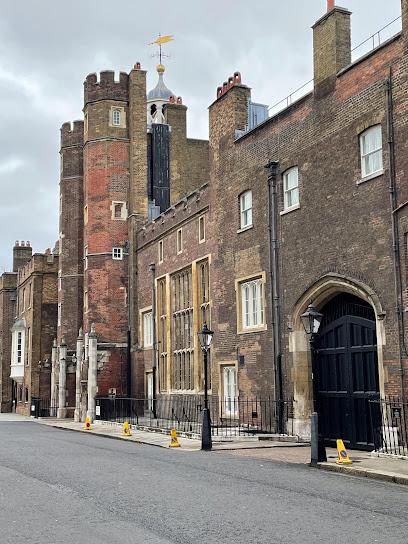
Pickering Pl
0.1 km
Discover Pickering Place, London's smallest square, a hidden Georgian courtyard steeped in duels, diplomacy, and timeless charm.
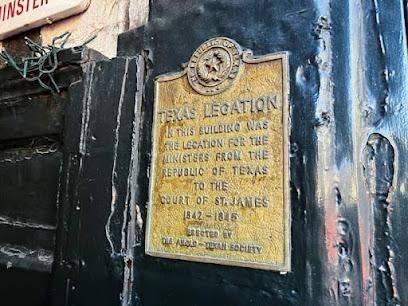
Republic of Texas Plaque
0.1 km
A hidden brass plaque marking where the Republic of Texas once sought recognition from the British Crown.
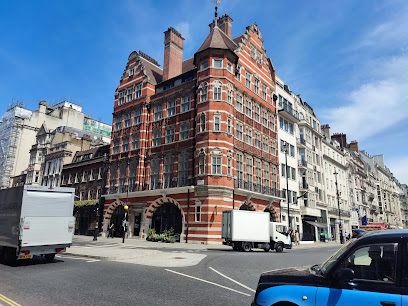
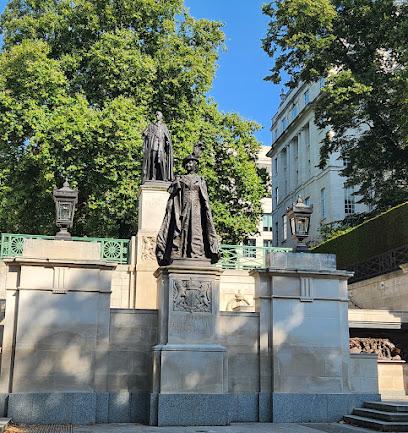
King George VI & Queen Elizabeth,The Queen Mother Memorial
0.2 km
A dignified London memorial honoring King George VI and Queen Elizabeth, the Queen Mother, through iconic bronze statues and historic symbolism.
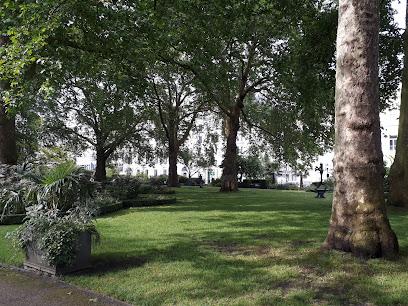
St James's Square
0.2 km
London’s oldest garden square, where Georgian elegance meets centuries of power, politics, and high society in the heart of Westminster.
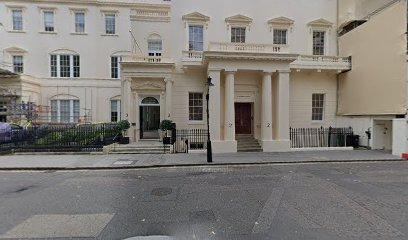
3 Carlton House Terrace
0.3 km
Elegant Grade I listed townhouse in London’s historic Carlton House Terrace, blending royal heritage with refined Georgian architecture.
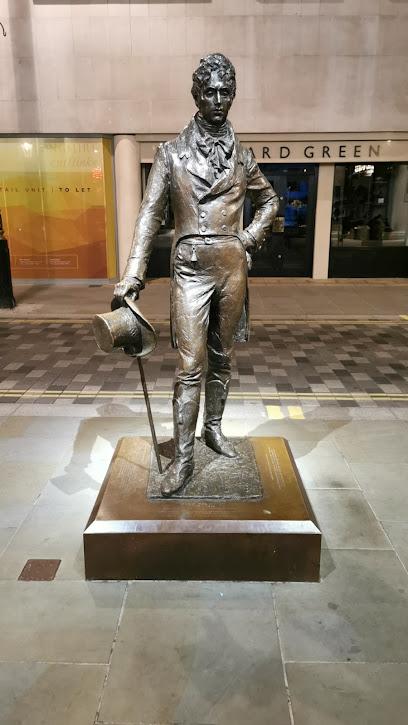
Beau Brummell Statue
0.3 km
The dandy who revolutionised menswear and defined Regency elegance in bronze.
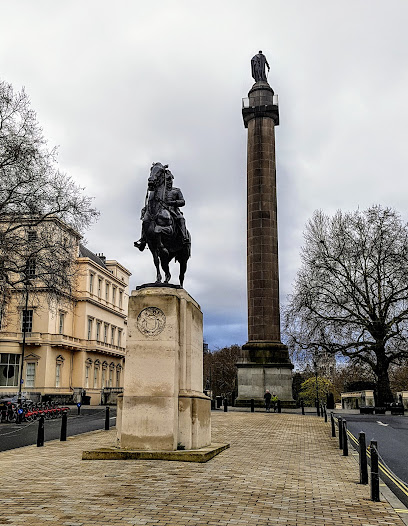
Equestrian statue of Edward Ⅶ
0.4 km
Majestic bronze tribute to King Edward VII in the heart of London’s historic Waterloo Place, blending regal artistry with imperial heritage.
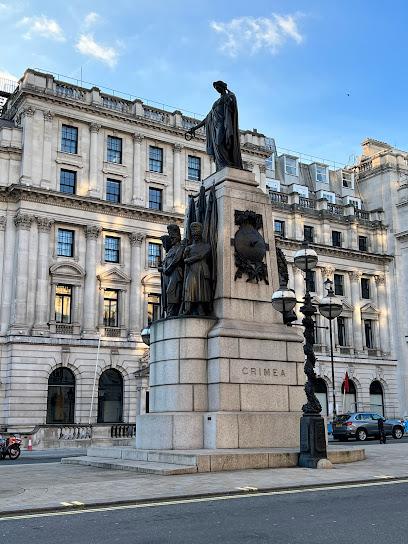
Guards Crimean War Memorial
0.4 km
A poignant bronze tribute in central London honoring the valor and sacrifice of ordinary soldiers in the Crimean War.
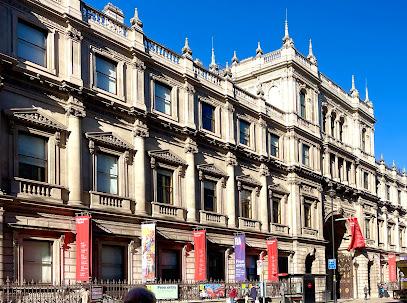
Burlington House
0.5 km
A grand 17th-century mansion on Piccadilly, now home to the Royal Academy of Arts and Britain’s leading learned societies, blending Palladian elegance with centuries of art and science.
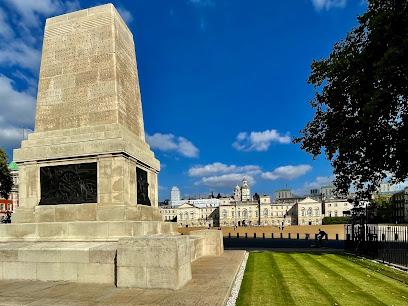
Guards Memorial
0.5 km
A solemn tribute to the valor and sacrifice of the Guardsmen who fell in World War I, set amidst London’s historic ceremonial heart.
Royal Marines Memorial
0.5 km
A stirring bronze tribute on The Mall honoring Royal Marines’ sacrifice in China and South Africa, blending art and history in London’s ceremonial heart.
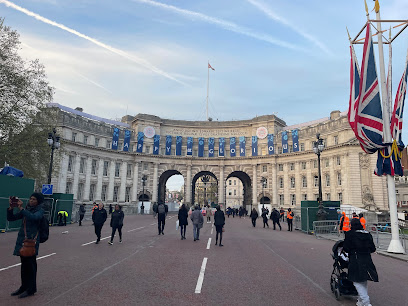
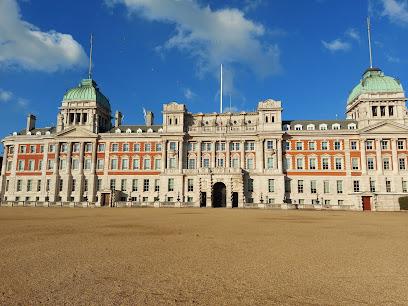
Royal Naval Division War Memorial
0.5 km
A solemn and elegant tribute by Sir Edwin Lutyens commemorating the Royal Naval Division’s sacrifice in WWI, set in the heart of London’s historic military district.
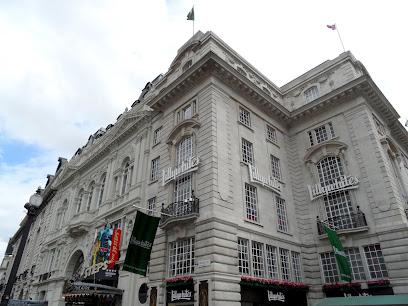
Piccadilly & Piccadilly Circus
0.6 km
London's dazzling heart: iconic neon lights, legendary Eros statue, and the pulsing epicentre of West End entertainment.
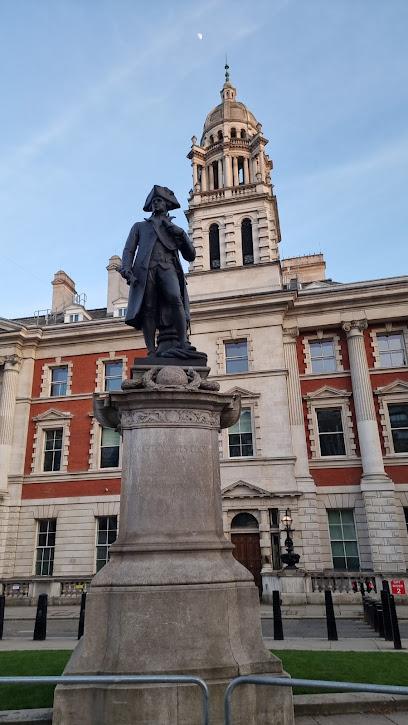
Captain James Cook
0.6 km
Bronze tribute to the explorer who charted the Pacific and shaped the British Empire
Unmissable attractions to see

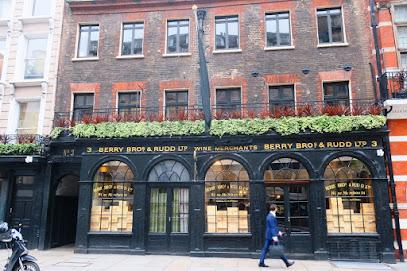
Berry Bros. & Rudd Wine Shop
0.1 km
Discover the rich heritage and exquisite selection of wines at Berry Bros. & Rudd, London's historic wine shop and event venue.
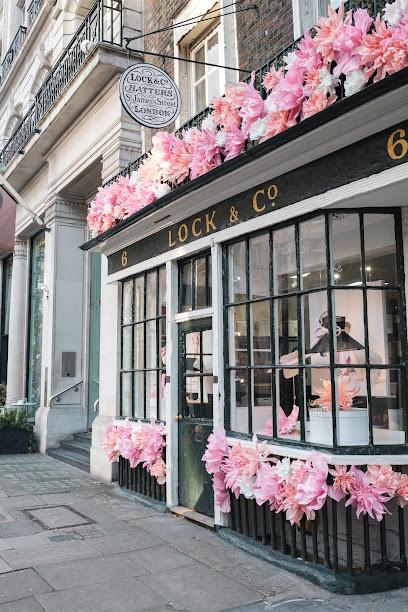
Lock & Co. Hatters
0.1 km
Discover centuries of British hat-making tradition at Lock & Co., the world's oldest hat shop since 1676, crafting iconic styles for royalty and legends.
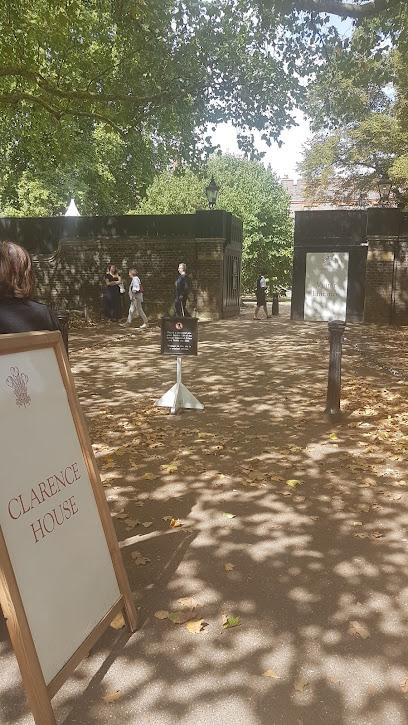
Clarence House
0.1 km
Explore Clarence House, the historic London residence of King Charles III, showcasing royal heritage, exquisite art, and elegant Regency architecture.
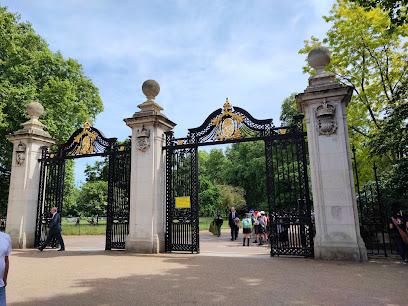
Diana Princess of Wales Memorial Walk
0.2 km
A serene 7-mile circular walk through London's Royal Parks, honoring Princess Diana’s life, legacy, and connection to iconic royal landmarks.
Christie's London
0.2 km
Christie's London, at 8 King Street, is a historic and prestigious auction house renowned for its world-class art and luxury sales since 1766.
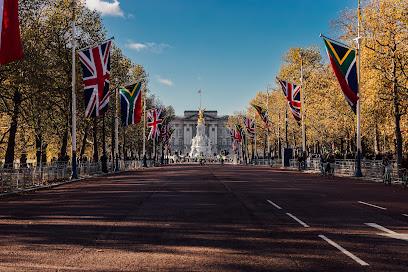
The Mall
0.2 km
A majestic royal avenue in London, The Mall connects Trafalgar Square to Buckingham Palace with regal charm and historic grandeur.
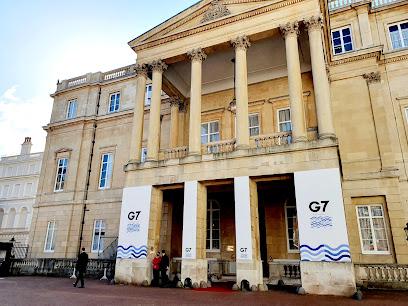
Lancaster House
0.2 km
Lancaster House: London’s neoclassical masterpiece blending royal history, political heritage, and elegant government hospitality near Buckingham Palace.
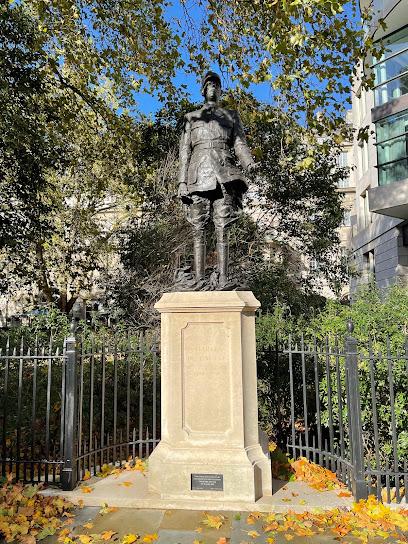
Charles De Gaulle Statue
0.2 km
A dignified tribute in London’s Carlton Gardens honoring Charles de Gaulle’s leadership of Free France during WWII.
Spencer House
0.2 km
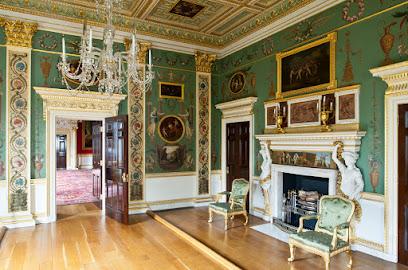
Step into Spencer House, a stunning 18th-century London mansion showcasing neoclassical elegance, aristocratic history, and exquisite interiors.
Pall Mall
0.3 km
Pall Mall: London’s historic street of royal games, elegant clubs, and pioneering urban charm.
Carlton Gardens
0.3 km
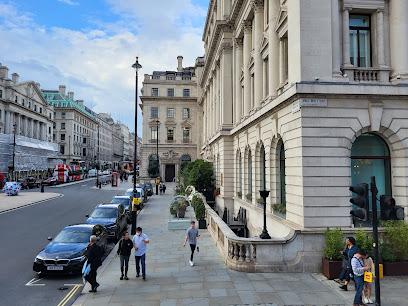
Elegant Regency architecture and serene gardens meet rich wartime history in the heart of London’s prestigious Carlton Gardens.

Masons Yard
0.3 km
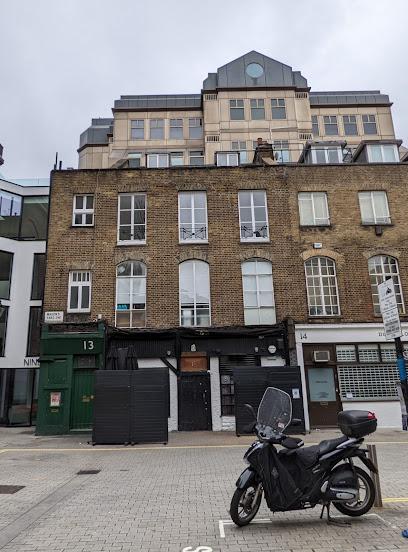
Discover Mason's Yard, a historic London square blending rich artistic heritage with cutting-edge contemporary galleries in the heart of St James's.
White Cube Mason's Yard
0.3 km
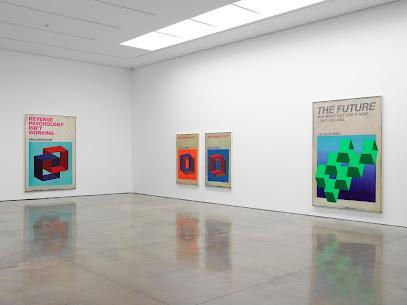
Premier contemporary art gallery in St James's, free admission, architectural landmark housing international exhibitions.
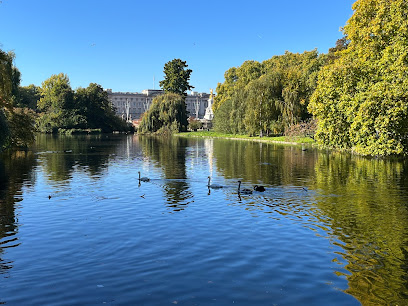
St James's Park
0.3 km
London’s oldest Royal Park, a serene green oasis with iconic palace views, historic charm, and a famous pelican colony in the city center.
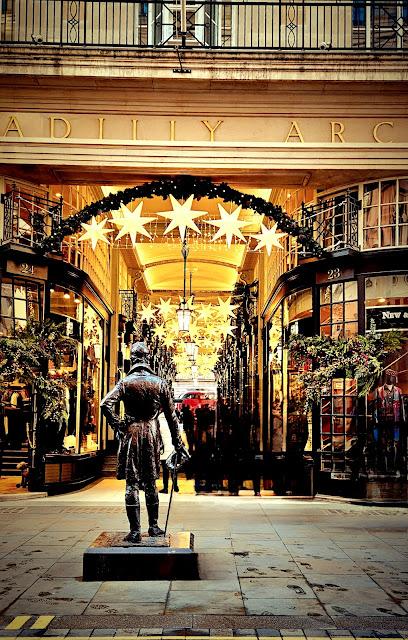
Piccadilly Arcade
0.3 km
Step into Piccadilly Arcade, a refined Edwardian shopping haven blending heritage tailoring, unique boutiques, and timeless London charm.
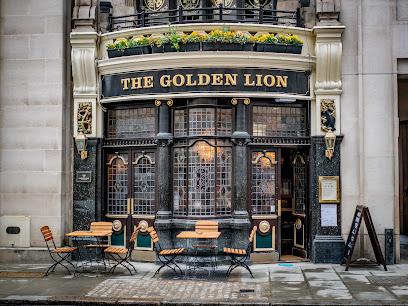
Essential places to dine

Golden Lion
0.2 km
Historic 1690s pub in St James's offering classic British fare, rich heritage, and a warm, family-friendly atmosphere near Buckingham Palace.
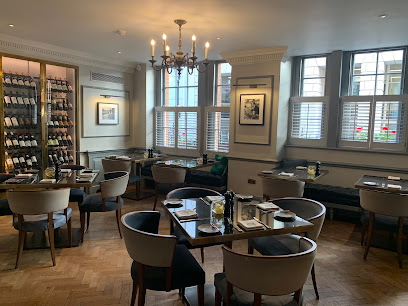
Great British Restaurant
0.2 km
Elegant British dining in the heart of St James’s, blending traditional flavors with modern sophistication in a tranquil hotel setting.
Seven Park Place by William Drabble
0.3 km
An intimate Michelin-starred restaurant in Mayfair offering refined British-French cuisine by Chef William Drabble in an elegant Art Deco setting.
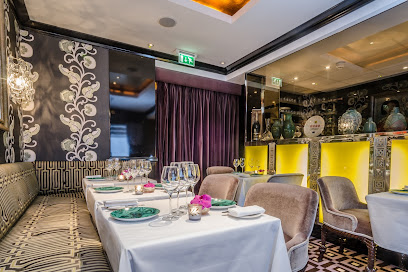
Quaglino's
0.3 km
Glamorous basement brasserie with live music, cocktails, and theatrical dining in St. James's.
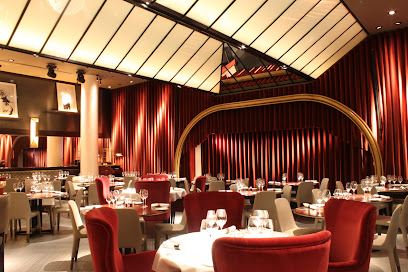
Wild Honey St James
0.4 km
Michelin-starred French-influenced cooking in a Grade II-listed banking hall, where refined technique meets understated elegance.
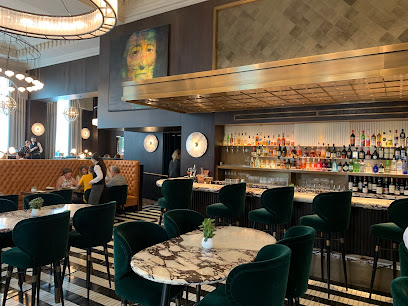
HIDE
0.5 km
Discover refined Modern European cuisine with panoramic Green Park views at HIDE, a Michelin-starred gem blending innovation and elegance in Mayfair.
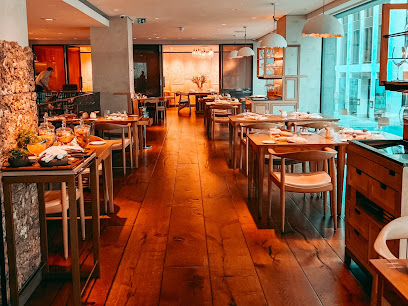
Ormer Mayfair Restaurant
0.6 km
Michelin-starred modern British dining in an elegant 1930s-style Mayfair setting, offering inventive tasting menus and impeccable service.
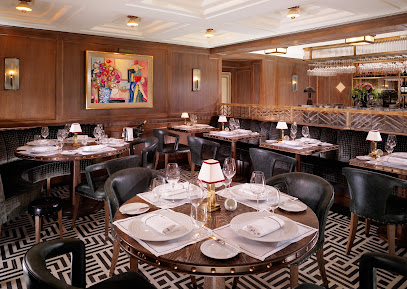
Kricket Soho
0.7 km
Discover bold, modern Indian small plates in a lively Soho setting with an open kitchen and vibrant basement dining.
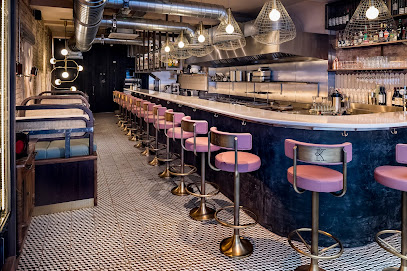
The Pem
0.7 km
Elegant modern British dining in Westminster, honoring heritage with exquisite seasonal menus and refined ambiance.
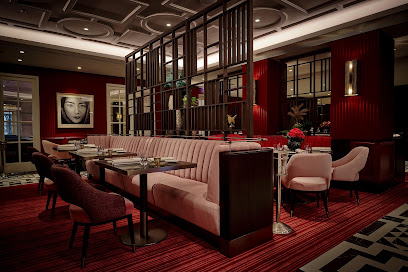
Caxton Grill
0.7 km
Refined British grill cuisine with fresh rooftop garden produce in a relaxed Westminster setting inside St Ermin’s Hotel.
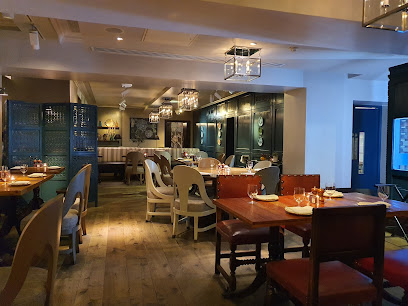
Mele e Pere
0.7 km
Discover authentic Italian flavors and a rich vermouth selection in the cozy, candlelit basement of Soho’s Mele e Pere.
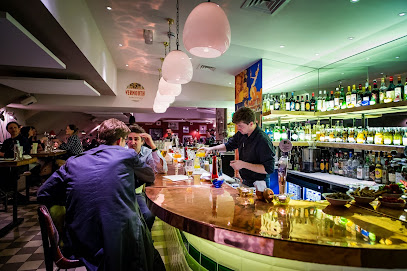
Evelyn's Table
0.7 km
Discover Evelyn's Table, a Michelin-starred, intimate dining counter in Soho offering inventive British cuisine with French and Japanese flair.
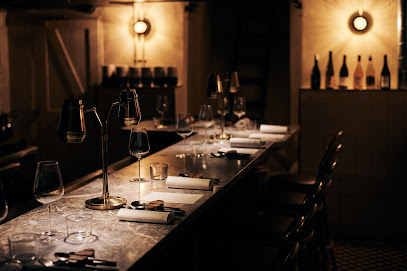
Chez Antoinette Victoria
0.8 km
Authentic French bistro in London’s Victoria offering classic Lyonnais and Parisian dishes in a cozy, Parisian-style setting.
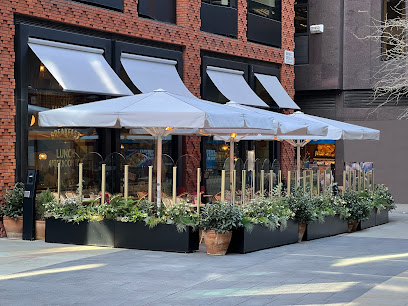
Bantof
0.8 km
Discover Bantof, Soho’s intimate hotspot blending Michelin-starred modern European cuisine, inventive cocktails, and vibrant art in a stylish, welcoming setting.
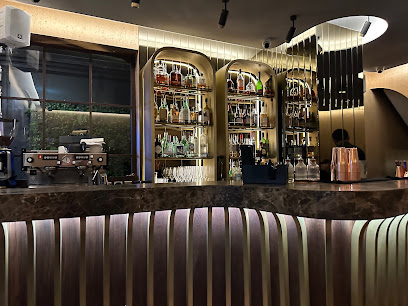
NOPI
0.8 km
Experience vibrant Mediterranean and Middle Eastern flavors in Soho at NOPI, Ottolenghi’s innovative restaurant known for shareable, seasonal dishes.
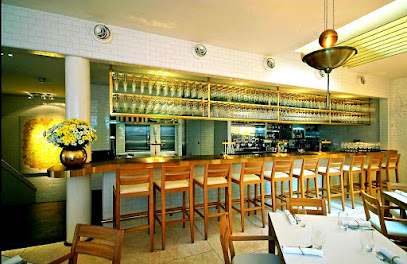
Markets, malls and hidden boutiques

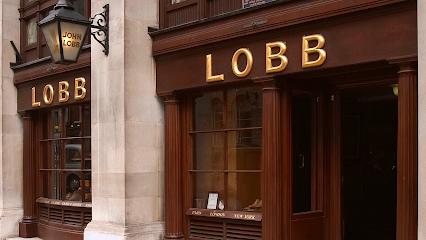
John Lobb St. James
0.1 km
Where 170 years of royal patronage meets handcrafted perfection in every stitch.
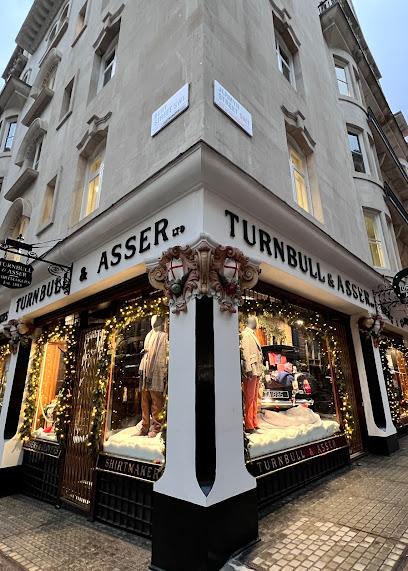
Turnbull & Asser Jermyn Street
0.3 km
Discover Turnbull & Asser on Jermyn Street, the quintessential British shirtmaker blending heritage craftsmanship with timeless elegance since 1885.
Floris London
0.4 km
Experience nearly three centuries of British fragrance heritage at Floris London’s historic boutique on iconic Jermyn Street.
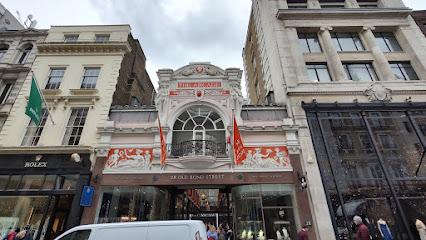
28 The Royal Arcade
0.6 km
Step into London's oldest Victorian shopping arcade, where historic charm meets luxury boutiques in the heart of Mayfair.
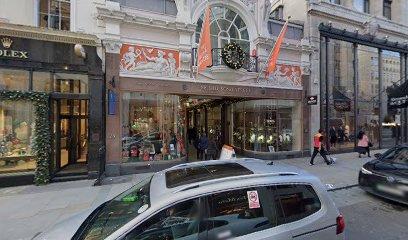
Charbonnel et Walker
0.6 km
Britain’s first luxury chocolatier since 1875, nestled in Mayfair’s Royal Arcade – where tradition, truffles and royal patronage meet in every exquisite box.
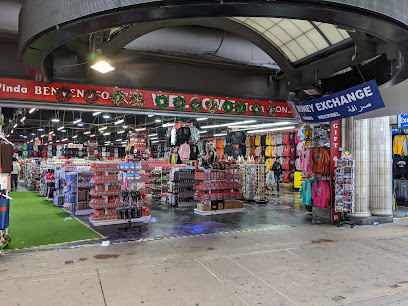
Glorious London Gift & Souvenir
0.7 km
Discover unique souvenirs and gifts that embody the spirit of London at Glorious London Gift & Souvenir, a must-visit shopping destination.
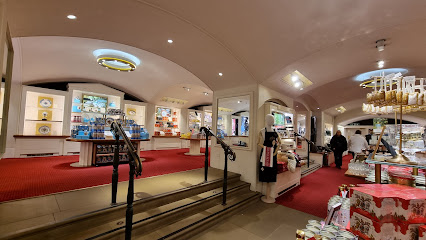
The Queen's Shop
0.7 km
Exclusive royal gifts and British heritage souvenirs steps from Buckingham Palace, blending luxury, tradition, and timeless elegance in a charming London boutique.
Crest of London Ltd
0.7 km
Discover authentic London souvenirs and local crafts at Crest of London Ltd, your premier gift shop in historic Whitehall.
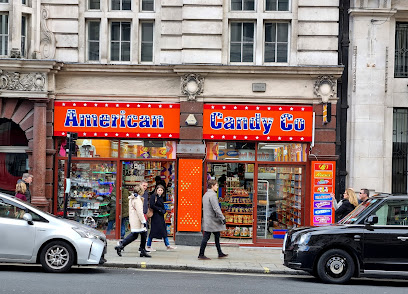
Shepherd Market
0.7 km
A Georgian village hidden in Mayfair's heart, where independent shops, art galleries and historic pubs preserve timeless London charm.
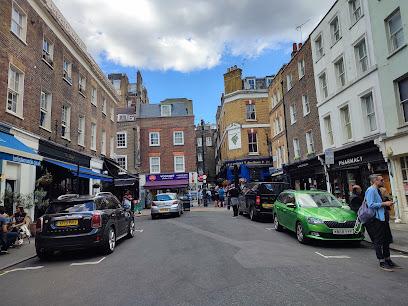
The LEGO® Store Leicester Square
0.7 km
Explore the world’s largest LEGO® Store in Leicester Square, London—two floors of interactive fun, iconic models, and endless creativity.
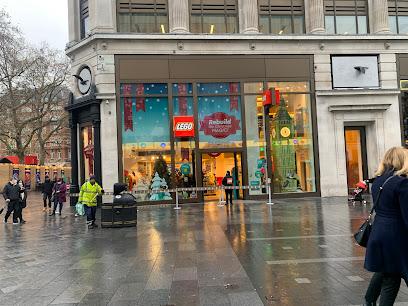
M&M'S London
0.7 km
Experience the colorful world of M&M'S London, where candy dreams come true with personalized treats and vibrant merchandise.
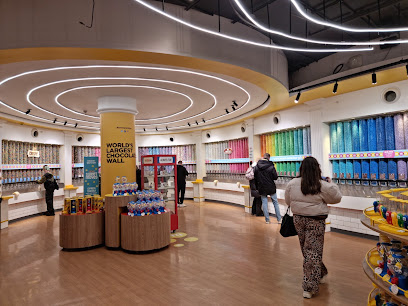
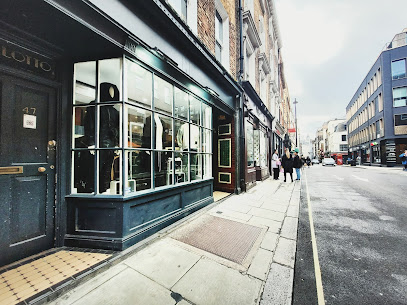
CLOSET CASE SOHO LONDON
0.8 km
Discover avant-garde menswear from global designers in Soho's vibrant heart – unique finds for the bold dresser at Closet Case.
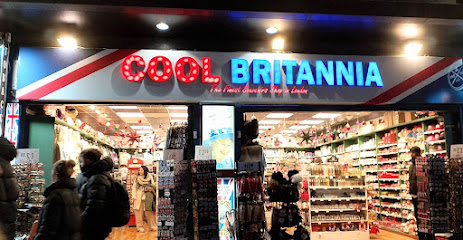
Cool Britania
0.8 km
Discover authentic British souvenirs and capture timeless memories at Cool Britannia, Leicester Square’s premier gift and photography shop.
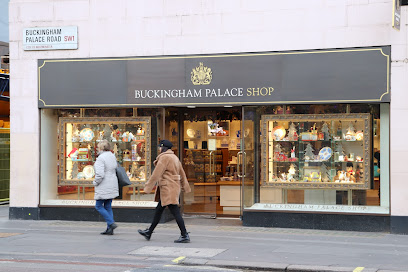
Buckingham Palace Shop
0.8 km
Official royal souvenirs at the palace gates: chinaware, gifts, and memorabilia that bring Buckingham Palace's grandeur home with you. (162 characters)
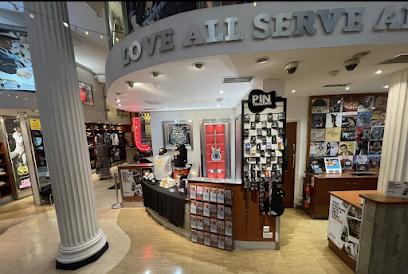
Hard Rock London Rock Shop
0.8 km
Discover exclusive rock ’n’ roll merchandise and iconic memorabilia at London’s legendary Hard Rock Rock Shop on Old Park Lane.
Essential bars & hidden hideouts

Below
0.5 km
Discover Below at HIDE, a hidden Mayfair cocktail bar offering expertly crafted seasonal drinks and rare spirits beneath a Michelin-starred restaurant.
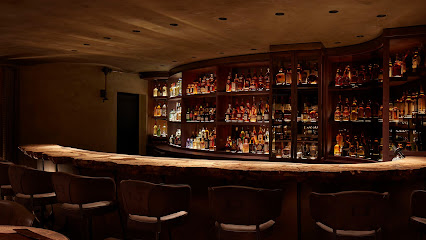
Two Chairmen
0.6 km
Traditional Westminster pub serving hearty pies, fresh ales, and classic British cheer just steps from St. James's Park and Parliament.
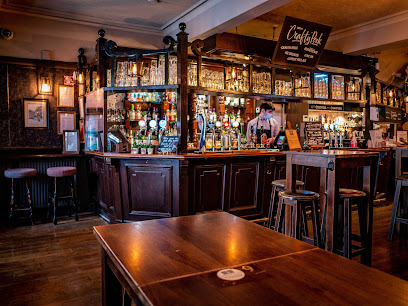
Adam & Eve
0.6 km
Classic Westminster pub pouring real ales and hearty grub amid historic streets—a cozy haven near Parliament and the Abbey for authentic London pints.
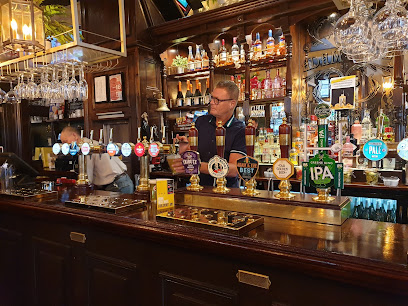
Blue Boar Pub
0.7 km
Traditional Westminster pub serving hearty British classics in a cozy, historic setting near Abbey and Parliament—perfect for ales, roasts, and relaxed evenings.
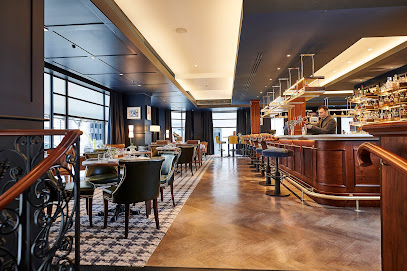
Westminster Arms
0.7 km
Historic Westminster pub with parliamentary division bell, Shepherd Neame ales, and cozy alcoves steps from Abbey and Parliament—timeless British charm in political heart.
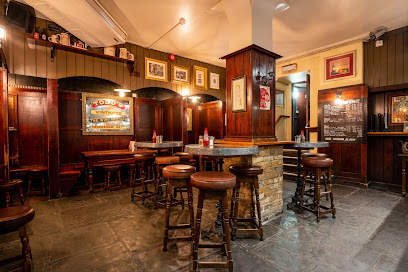
Old Shades
0.7 km
Historic Whitehall pub pouring cask ales and pub classics since 1898, steps from Trafalgar Square—a true taste of London tradition.
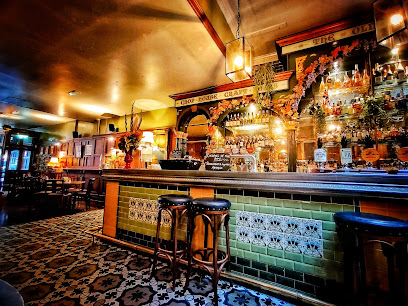
All Bar One Leicester Square
0.7 km
Stylish wine and cocktail bar in the heart of Leicester Square, perfect for socializing, dining, and private events in central London.
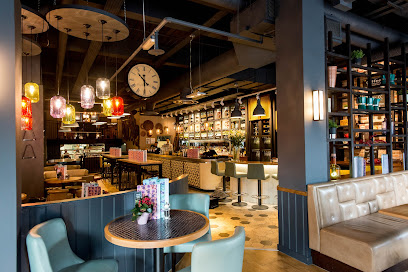
The Spy Bar
0.7 km
Step into London’s secret subterranean bar where espionage history meets masterful cocktails and exclusive, no-photos privacy.
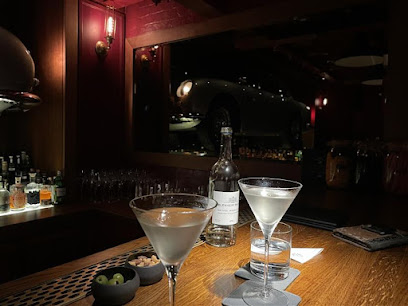
Hampshire Restaurant and Bar
0.8 km
Intimate bar and restaurant serving vibrant Mexican and Peruvian cuisine in the heart of Leicester Square’s iconic theatre district.
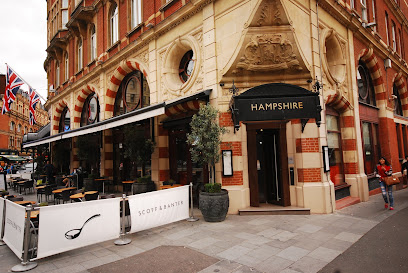
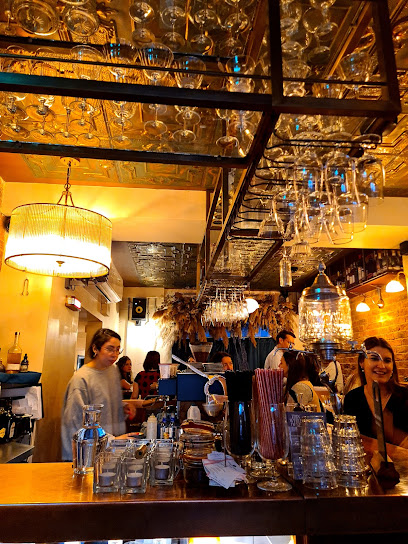
The Thin White Duke
0.8 km
Discover Soho’s intimate cocktail bar inspired by David Bowie, blending bespoke drinks, award-winning dim sum, and creative recording studios.
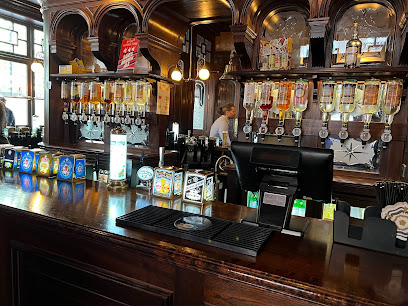
Duke of Argyll
0.8 km
Step into the Duke of Argyll for authentic Victorian pub charm, affordable ales, and a warm Soho atmosphere in central London.
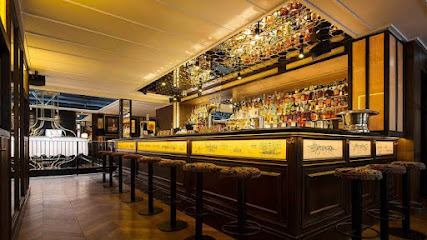
Disrepute - Soho
0.8 km
Descend into Soho's glamorous underworld at Disrepute, where 1960s scandal meets masterful cocktails in velvet-clad vaults—Soho's seductive late-night escape.
All Bar One Victoria
0.8 km
Sophisticated wines, global bites, and lively vibes on Victoria Street – London's go-to for stylish drinks and casual feasts near Westminster's heart.
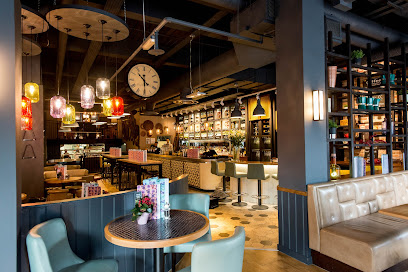
The Red Lion, Parliament Street
0.8 km
A venerable Westminster corner pub — late‑Victorian fittings, political atmosphere and a long history beside Downing Street and Parliament.
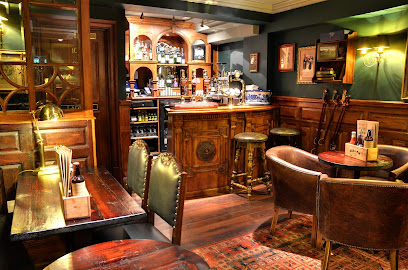
Cahoots London
0.8 km
Step into a 1940s London underground tube station and enjoy creative cocktails in a vibrant, theatrical vintage setting.
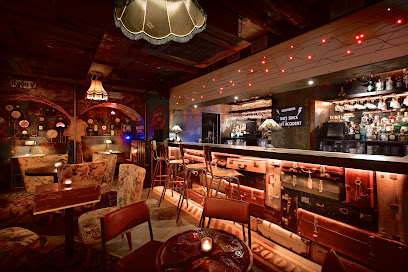
Nightclubs & after hour spots

The Scotch of St James
0.3 km
Legendary Mayfair speakeasy where 60s rock stars jammed and today's elite dance till dawn in velvet-clad intimacy.
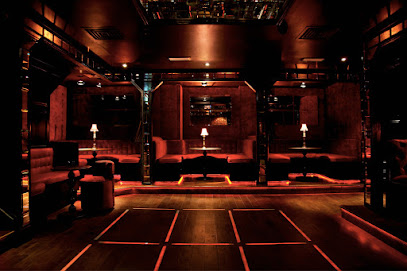
Tabu London
0.4 km
Escape Mayfair's polish for Tokyo's neon-lit Shinjuku alleys at Tabu London—retro gaming vibes, caged dancers, hip-hop beats, and upscale bites fuel epic nights.
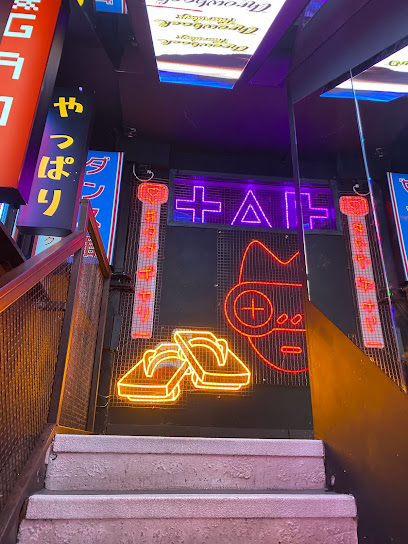
The Cuckoo Club
0.5 km
Exclusive Mayfair nightclub and restaurant blending glamorous design, contemporary cuisine, and vibrant nightlife in London’s upscale scene.
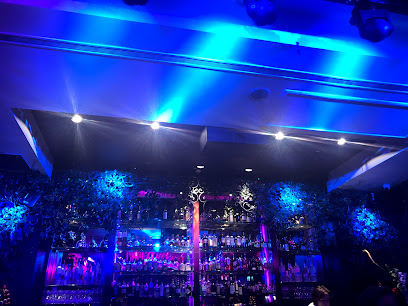
TSQ Club
0.6 km
Dive into Trafalgar Square's nightlife pulse at TSQ Club, where eclectic beats, dazzling lights, and craft cocktails fuel unforgettable weekend nights in London's heart.
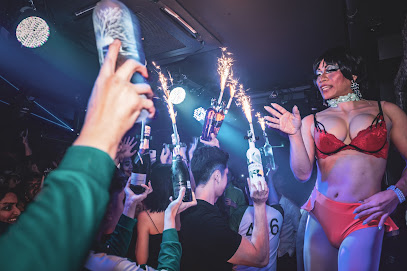
LUXX CLUB LONDON
0.6 km
Experience Mayfair’s premier luxury nightclub with dazzling lights, top DJs, and exclusive VIP vibes at LUXX CLUB LONDON.
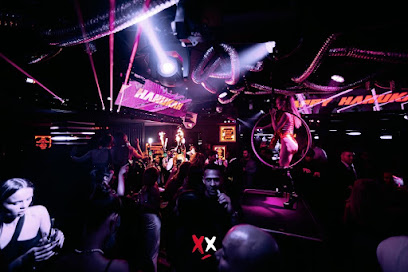
Tiger Tiger London
0.6 km
Experience London’s iconic Haymarket nightclub with six vibrant rooms, lively DJs, and a dynamic party atmosphere just moments from Piccadilly Circus.
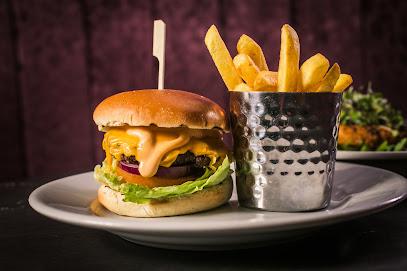
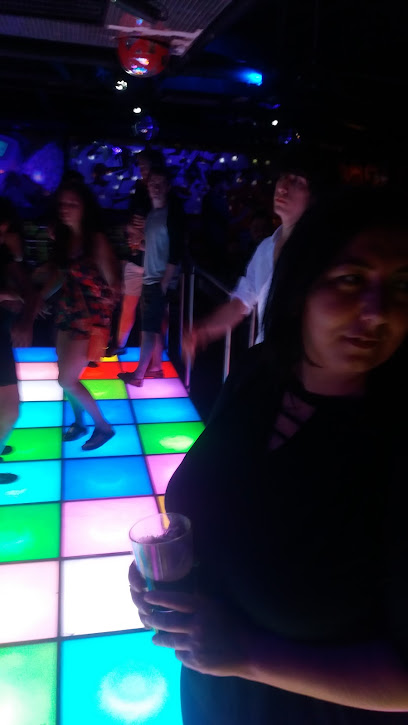
Luxe Club
0.6 km
Experience London's vibrant nightlife at Luxe Club, a central hotspot for music, dancing, and late-night entertainment.
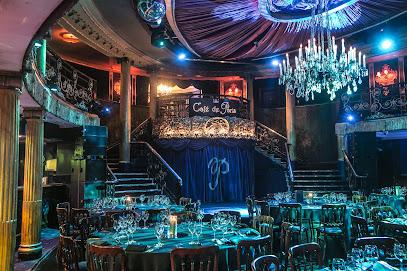
Café de Paris
0.7 km
Step into London’s iconic West End nightclub where history, glamour, and electrifying cabaret create unforgettable nights.
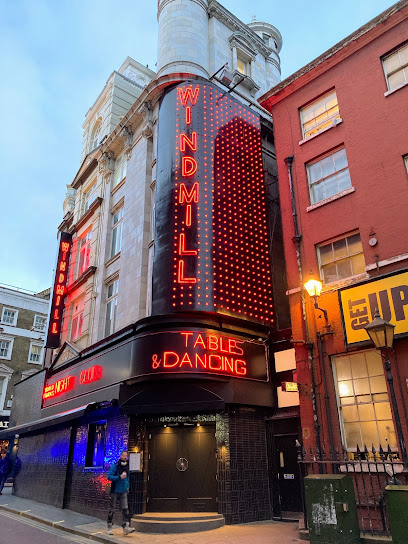
The Windmill Soho | Restaurant, Cabaret & Nightclub in Soho, London
0.7 km
Soho's legendary cabaret den revived: burlesque bites, theatrical feasts, and all-night beats in a historic hotspot of hedonism.
The Penthouse London
0.8 km
A compact, rooftop nightclub above Leicester Square — reached by a side lift, built for late‑night private parties and skyline glimpses.
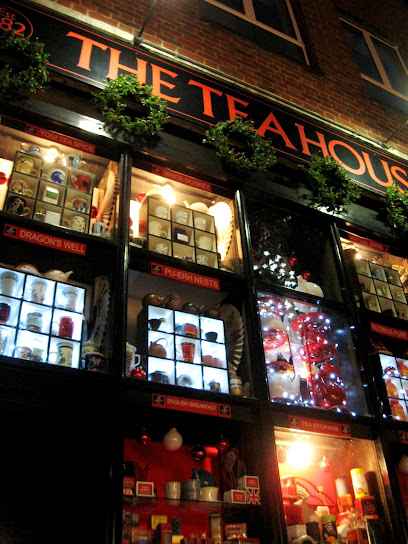
Zoo Bar & Club
0.9 km
Dive into Leicester Square's edgy nightlife hub: two floors of R&B beats, sports screens, and wild energy until 3am at Zoo Bar & Club.
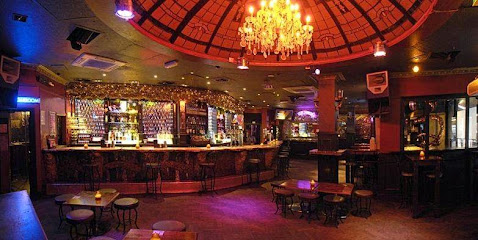
Sophisticats Soho
0.9 km
An intimate, late‑night Soho gentlemen’s club on Brewer Street offering staged performances, VIP seating and an upmarket, discreet atmosphere.
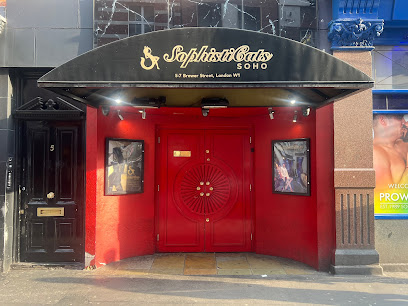
Versity Camp Nightclub
0.9 km
Dive into Soho's beating heart at Versity Camp Nightclub, where thumping bass, inventive cocktails, and an electric crowd fuel unforgettable nights until dawn.
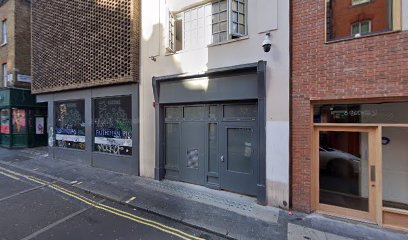
The Box Soho
0.9 km
A clandestine Soho cabaret where decadent staging, provocative shows and high‑end cocktails collide in an intense late‑night theatre.
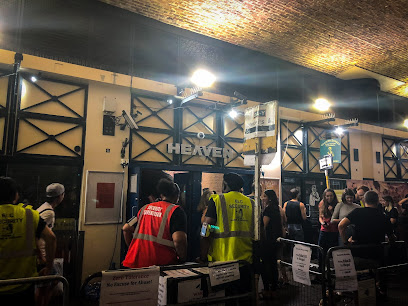
Heaven
0.9 km
London’s iconic gay superclub under the railway arches — big nights, loud music, drag, and late finishes in the heart of the West End.
For the vibe & atmosphere seeker
- Tranquil
- Scenic
- Unique
- Historic
For the design and aesthetic lover
- Minimalist Designs
- Vintage Styles
For the architecture buff
- Historic
- Landmarks
- Sacred Sites
For the view chaser and sunset hunter
- Iconic Views
For the social media creator & influencer
- Instagrammable
- Photo Spots
- Architectural Shots
For the eco-conscious traveler
- Public-Transport Accessible
For the kind of experience you’re after
- Cultural Heritage
- Myth & Legends
- Photowalk
- Day Trip
For how adventurous you want the journey to be
- Easy Access
Location Audience
- Family Friendly
- Senior Friendly
- Child Friendly
- Teen Friendly
- Wheelchair Access
- Solo Friendly
- Couple Friendly
- Solo Female Friendly


