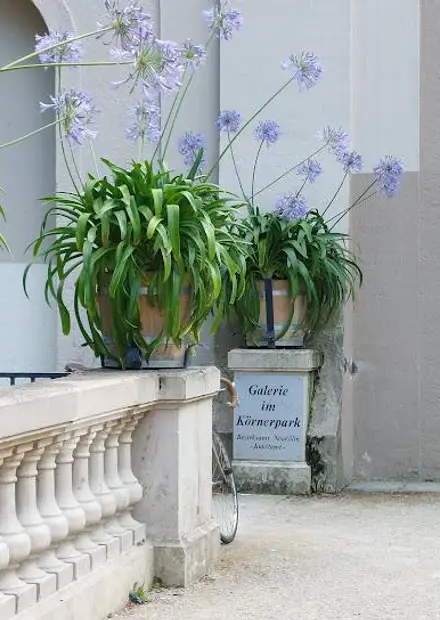
Best Landmarks Near KÖRNERPARK (Berlin)
Planning a trip to KÖRNERPARK? Discover the best landmarks nearby with history, expert tips, and routes. Free on web or the Evendo app.


The best landmarks near KÖRNERPARK
- Top rated
- Closest to KÖRNERPARK
- A–Z
63 landmarks
-
Historical landmark4.1★86,471 reviews
Checkpoint Charlie
Checkpoint Charlie stands as a powerful symbol of the Cold War era, attracting tourists with its historical significance and vibrant atmosphere. Located in Berlin, this historical landmark is not only a visual treat but also a profound reminder of the city's tumultuous past. Visitors can explore informative exhibits nearby and enjoy the lively atmosphere that surrounds this iconic checkpoint.
Open 24 hours
-
Memorial4.6★53,928 reviews
East Side Gallery
The East Side Gallery, a 1.3-kilometer stretch of the Berlin Wall, stands as a powerful symbol of freedom and artistic expression. Following the wall's fall in 1989, over a hundred artists from around the world transformed this once-dividing barrier into the world's largest open-air art gallery. Located along the Spree River, the gallery showcases a diverse collection of murals reflecting the euphoria and hope of a world emerging from the Cold War. Iconic images, such as the Fraternal Kiss and the Trabant breaking through the wall, capture the spirit of change and reconciliation. Today, the East Side Gallery attracts millions of visitors annually, offering a poignant reminder of Berlin's divided past and its vibrant present. It's a must-see destination for anyone seeking to understand Berlin's history and experience its unique artistic energy, providing a space for reflection and inspiration.
Open 24 hours
-
Park4.5★11,054 reviews
Viktoriapark
Viktoriapark, nestled in the heart of Kreuzberg, offers a unique blend of natural beauty and historical significance. Ascend the Kreuzberg hill, Berlin's highest natural elevation, for panoramic city views. Discover a cascading waterfall, a charming vineyard, and the iconic National Monument, commemorating Prussia's victory in the Napoleonic Wars. Relax on sprawling lawns, explore winding paths, and soak in the vibrant atmosphere of this urban oasis. Whether you're seeking a peaceful retreat or a glimpse into Berlin's past, Viktoriapark promises an unforgettable experience. Don't miss the Golgatha beer garden at the foot of the hill for a refreshing end to your visit. Viktoriapark is a must-see destination for any traveler seeking a unique and enriching experience in Berlin.
Open 24 hours
-
Art museum4.4★7,650 reviews
Humboldt Forum
The Humboldt Forum, located on Berlin's historic Schlossplatz, is a world-class museum and cultural center housed within a partially reconstructed Berlin Palace. Inspired by the Humboldt brothers, Alexander and Wilhelm, the forum presents a diverse program of exhibitions, events, and cultural education, fostering dialogue between cultures and disciplines. Explore the Ethnological Museum and the Museum of Asian Art, showcasing an array of global artifacts. Engage with exhibitions exploring Berlin's global connections and the history of the site itself. With its striking architecture, the Humboldt Forum offers a space for learning, reflection, and exchange in the heart of Berlin, attracting visitors with its varied offerings and commitment to accessibility. The Forum is more than just a museum; it's a dynamic hub where history, culture, and science converge.
Mon 10:30–18:30 · Wed–Sun 10:30–18:30
-
Historical landmark4.5★5,247 reviews
Tempelhof Airport
Tempelhof Airport, once a bustling hub of aviation, now stands as a monumental historical landmark and museum in Berlin. Visitors can explore its rich history, stunning architecture, and beautiful grounds, making it a must-see for anyone interested in aviation or history.
Mon 10:00–17:00 · Wed–Sun 10:00–17:00
-
Memorial4.7★3,843 reviews
Die Berliner Mauer
The Berlin Wall stands as a poignant symbol of the city's tumultuous history, inviting tourists to reflect on the struggles of the past while exploring its art and memorials. This significant landmark is an essential stop for anyone visiting Berlin, capturing the essence of resilience and hope.
Open 24 hours
-
War memorial4.7★3,212 reviews
Soviet War Memorial Treptow
The Soviet War Memorial in Treptow, Berlin, is a poignant tribute to the fallen soldiers of World War II. This monumental site, surrounded by beautiful greenery, offers visitors a serene yet powerful experience, featuring impressive sculptures and peaceful pathways that invite reflection and remembrance.
Open 24 hours
-
Mosque4.9★2,937 reviews
Omar Moschee
The Omar Moschee, inaugurated in 2010, stands as a testament to Berlin's diverse cultural landscape. Located in the vibrant Friedrichshain-Kreuzberg district, this modern mosque welcomes visitors of all faiths to experience its serene atmosphere and admire its contemporary Islamic architecture. More than just a place of worship, the Omar Moschee serves as a community hub, hosting cultural events and educational programs that foster understanding and dialogue. Its striking glass dome and intricate marble carvings offer a visual feast, while the adjacent Maschari-Center provides a range of amenities, including shops and cafes, reflecting the dynamic spirit of the surrounding neighborhood. A visit here offers a unique glimpse into Berlin's Muslim community and its contributions to the city's rich cultural tapestry. Remember to dress modestly when visiting.
Mon–Sat 11:00–20:30 · Sun 11:00–19:00
-
Bridge4.5★2,047 reviews
Oberbaum Bridge
The Oberbaum Bridge, a historic landmark in Berlin, showcases stunning architecture and breathtaking views of the city. Its vibrant history and picturesque setting make it a must-visit for tourists exploring Berlin.
Open 24 hours
-
Sculpture4.5★1,656 reviews
Molecule Man
Molecule Man is an iconic sculpture in Berlin, showcasing stunning artistry and offering a unique perspective of the city’s vibrant culture. Perfect for photo opportunities and leisurely strolls along the banks of the Spree River, this landmark is a must-see for every tourist.
Open 24 hours


Französischer Dom
The Französischer Dom, or French Cathedral, isn't a cathedral in the traditional sense but rather the domed tower of the Französische Friedrichstadtkirche, gracing Berlin's Gendarmenmarkt. Built in the early 18th century for French Huguenots fleeing religious persecution, it stands as a symbol of religious tolerance and the enriching contributions of immigrants. The tower houses the Huguenot Museum, detailing their history and impact on Berlin. Visitors can ascend to the viewing platform for panoramic city views. While the church itself hosts concerts and services, the Dom's architectural beauty and historical significance make it a must-see landmark. Note that the tower is currently undergoing renovations, so check for reopening updates before planning your visit. The Gendarmenmarkt, with its harmonious ensemble of the Dom, the Deutscher Dom, and the Konzerthaus, provides a captivating backdrop for exploration and reflection.
Daily 10:00–19:00

Nikolaiviertel
Step back in time in the Nikolaiviertel, Berlin's oldest residential area, a charming enclave of cobblestone streets and reconstructed medieval buildings. Though largely rebuilt after WWII, this compact district offers a glimpse into Berlin's origins, dating back to the 13th century. Explore the iconic Nikolaikirche, the city's oldest church, and wander past historic houses like the Knoblauchhaus and the Ephraim-Palais, each telling a story of Berlin's rich past. With its traditional restaurants, cozy cafes, and unique shops, the Nikolaiviertel provides a delightful escape from the modern metropolis, offering a taste of old-world Berlin amidst the bustling city center. It's a perfect spot to soak in the atmosphere and imagine life in medieval Berlin, making it a must-see for history buffs and anyone seeking a unique Berlin experience.
Open 24 hours

Neue Kirche
The Neue Kirche, also known as the Deutscher Dom (German Cathedral), graces the Gendarmenmarkt, one of Berlin's most stunning squares. Despite its name, it has never functioned as a cathedral in the ecclesiastical sense. Built in the early 18th century and later enhanced with a baroque dome, it stands opposite the Französischer Dom (French Cathedral), creating a harmonious architectural ensemble alongside the Konzerthaus Berlin. Severely damaged during World War II, the Neue Kirche was meticulously rebuilt and now serves as a museum showcasing the German Bundestag's exhibition on the development of parliamentary democracy in Germany. Its rich history, architectural beauty, and insightful exhibitions make it a compelling destination for those seeking to understand Berlin's complex past and vibrant present. The church's location on Gendarmenmarkt, surrounded by other historical landmarks and cultural institutions, further enhances its appeal as a central point for exploring Berlin's cultural heritage.
Tue–Sun 10:00–19:00

Prussian Monument for the Liberation Wars
Perched atop the Kreuzberg hill in the heart of Viktoriapark, the Prussian National Monument for the Liberation Wars stands as a testament to Prussian resilience and victory over Napoleon. Inaugurated in 1821, this cast-iron monument, designed by Karl Friedrich Schinkel, commemorates the soldiers and citizens who fought in the Liberation Wars. More than just a historical landmark, the monument offers panoramic views of Berlin, inviting visitors to reflect on the city's past while enjoying its present beauty. The surrounding Viktoriapark, with its waterfall and vineyard, provides a tranquil escape from the urban bustle, making the monument a captivating destination for history buffs and nature lovers alike. Its location within the vibrant Kreuzberg district adds to its appeal, offering a blend of cultural exploration and scenic relaxation. The monument is a reminder of Berlin's complex history and its enduring spirit.
Daily 7:00–22:00

Anhalter Bahnhof
Anhalter Bahnhof, once one of Germany's busiest train stations, is a must-visit historical landmark in Berlin that captures the essence of the city's past. Its striking architecture and poignant history make it a fascinating place for tourists to explore.
Open 24 hours

Passionskirche
The Passionskirche, nestled in Berlin's vibrant Kreuzberg district, is a captivating example of neo-Romanesque architecture. Built in the early 20th century, this brick church boasts a distinctive, fortress-like design with a central tower and corner turrets. Though damaged in World War II, its original features, including stained glass windows and a magnificent Schuke organ, have been lovingly restored. Today, the Passionskirche serves not only as a place of worship but also as a sought-after venue for concerts and cultural events, drawing visitors with its unique ambiance and excellent acoustics. Its location on Marheinekeplatz, near the bustling Bergmannstraße, makes it easily accessible and a worthwhile stop for those exploring Berlin's diverse neighborhoods. The church provides a serene escape and a chance to appreciate the city's rich architectural and cultural heritage.
Mon–Thu 9:00–15:00 · Fri 9:00–12:30

Friedrichswerdersche Church
The Friedrichswerdersche Church, a striking example of Neo-Gothic architecture designed by Karl Friedrich Schinkel, stands as a testament to Berlin's rich cultural heritage. Built between 1824 and 1830, this former church now serves as a captivating museum showcasing 19th-century German sculptures from the Alte Nationalgalerie. Visitors can admire masterpieces by renowned artists such as Johann Gottfried Schadow and Christian Daniel Rauch, including the iconic plaster model of the "Princess Group." The church's unique architectural style, characterized by its red brick facade, soaring ribbed vaults, and stained-glass windows, creates an atmospheric backdrop for the art on display. A visit offers a glimpse into Berlin's artistic past and the genius of Schinkel, making it a worthwhile destination for art and architecture enthusiasts alike. The church's location near Museum Island and other prominent landmarks makes it easily accessible and a perfect addition to any Berlin itinerary. Admission is free, allowing everyone to experience this cultural gem.
Wed–Fri 10:00–17:00 · Sat–Sun 10:00–18:00

Museum Knoblauchhaus
Immerse yourself in the charm of the 19th-century Museum Knoblauchhaus, a historical gem in Berlin's Mitte district. This beautifully preserved house museum offers visitors a unique opportunity to explore the life and times of Berlin's middle class during the late 1800s. Wander through the elegant rooms, adorned with period furnishings and captivating artwork, as you learn about the city's cultural heritage and architectural evolution. Don't miss the serene garden, perfect for a moment of reflection amidst your explorations.
Tue–Sun 10:00–18:00

Ruins of the Franciscan monastery church
Nestled in the heart of Berlin, the Ruins of the Franciscan Monastery Church offer a captivating glimpse into the city's medieval past, where history and art converge amidst stunning ancient architecture.
Daily 10:00–18:00

Schlüterhof
The Schlüterhof, nestled within the Humboldt Forum in Berlin's Museum Island, is a meticulously reconstructed courtyard that offers a serene escape and a glimpse into the city's regal past. Named after the renowned baroque sculptor and architect Andreas Schlüter, the courtyard revives the grandeur of the original Berlin Palace, showcasing stunning architectural details and sculptures. It serves as a central hub within the Humboldt Forum, connecting various exhibition spaces and offering a tranquil space for visitors to pause and appreciate the surrounding artistry. The Schlüterhof provides a unique blend of historical reconstruction and modern museum design, making it a must-see destination for those exploring Berlin's cultural heart. The courtyard's design allows visitors to imagine the palace's former splendor while enjoying a peaceful moment amidst the bustling city.
Open 24 hours

Jungfernbrücke
Jungfernbrücke is a stunning historical bridge in Berlin that elegantly connects the past with the present. This iconic landmark is not only a vital part of the city's transportation system but also a captivating tourist attraction, inviting visitors to explore its rich history while enjoying scenic views of the Spree River.
Open 24 hours

Airlift Memorial
The Airlift Memorial, located on Platz der Luftbrücke in Berlin, commemorates the Berlin Airlift of 1948-1949, a pivotal event in the Cold War. This striking monument, often called the 'Hunger Rake' by locals, symbolizes the unwavering support of the Allied forces who supplied West Berlin during the Soviet blockade. The memorial's three prongs represent the air corridors used to deliver essential goods, standing as a powerful reminder of resilience and international solidarity. Visiting this landmark offers a poignant glimpse into Berlin's divided past and the triumph of human spirit over adversity. The site is easily accessible and provides a space for reflection on the sacrifices made to preserve freedom.
Open 24 hours

Peace Column
The Peace Column (Friedenssäule) stands prominently in Mehringplatz, Berlin, a 19-meter-tall monument topped with a statue of Victoria, the goddess of victory. Erected in 1843 to commemorate the Napoleonic Wars, it later honored the victorious allies of the Battle of Waterloo with added allegorical figures. While often overshadowed by the more famous Victory Column, the Peace Column offers a quieter, more intimate historical experience within the vibrant setting of Mehringplatz. Its location marks the southern end of Friedrichstrasse, placing it at the crossroads of major city axes. Surrounded by residential buildings and bustling city life, the Peace Column serves as a reminder of Berlin's complex past and enduring spirit. A visit offers a moment of reflection amidst the urban energy, connecting visitors to significant moments in European history.
Open 24 hours

Berlin Wall Remains
The Berlin Wall Remains offer tourists a poignant glimpse into the city's tumultuous past. This historical landmark stands as a powerful symbol of division and eventual reunification, inviting visitors to reflect on its impact on Berlin's identity. Explore the remnants of this iconic structure and immerse yourself in the stories that shaped a nation.
Open 24 hours

Graffiti Wall of Fame
The Graffiti Wall of Fame in Berlin's Friedrichshain-Kreuzberg district is a vibrant testament to the city's thriving street art culture. Located on Niederbarnimstraße, this ever-evolving canvas showcases a diverse range of styles and artistic expressions, reflecting Berlin's history as a hub for creativity and counter-culture. Unlike the curated murals of the East Side Gallery, the Graffiti Wall of Fame offers a raw, unfiltered glimpse into the world of urban art, where artists freely experiment and leave their mark on the cityscape. It's a dynamic space where new works constantly emerge, ensuring that each visit offers a fresh perspective on Berlin's ever-changing artistic landscape. The wall is set on the walls of Friedrichshain arthouse cinema Intimes.
Open 24 hours

Karl-Marx-Allee
Karl-Marx-Allee, an iconic thoroughfare in Berlin, showcases stunning historical architecture and vibrant urban life, offering tourists a glimpse into the city's rich past and dynamic present.

St. Thomas Church, Berlin
Nestled in the vibrant district of Friedrichshain-Kreuzberg, St. Thomas Church is a stunning example of Evangelical architecture that invites visitors to explore its rich history, serene atmosphere, and beautiful surroundings. Whether you're seeking spiritual solace or a glimpse into Berlin's cultural heritage, this church is a must-visit destination.

Abgeordnetenhaus Berlin
The Abgeordnetenhaus Berlin, or House of Representatives, is the seat of Berlin's state parliament, steeped in history and architectural beauty. Located in the Mitte district near Potsdamer Platz, it stands as a testament to Germany's political evolution. Originally built in the Italian High Renaissance style as the Prussian Landtag, the building has witnessed pivotal moments in German history, from the Weimar Republic to the division of Berlin and its eventual reunification. Today, visitors can explore its halls, learn about Berlin's governance, and appreciate the blend of historical significance and modern democracy embodied within its walls. Guided tours offer insights into the legislative process and the building's past, making it a compelling destination for those interested in politics, history, and architecture. The surrounding area, rich with landmarks and cultural institutions, enhances the experience, providing a comprehensive view of Berlin's vibrant city center.
Mon–Fri 9:00–18:00

Landwehr Canal
The Landwehr Canal, a picturesque waterway in Berlin, offers a serene escape from the city's hustle and bustle. Stroll along its banks, enjoy scenic views, and immerse yourself in the vibrant atmosphere that surrounds this historic canal.

Detlev-Rohwedder-Haus
The Detlev-Rohwedder-Haus, located on Wilhelmstraße in Berlin, is more than just a building; it's a powerful symbol of Germany's complex and often turbulent past. Built in the mid-1930s as the headquarters of Hermann Göring's Air Ministry, it later became the House of Ministries for East Germany and, after reunification, the seat of the Federal Ministry of Finance. Its sheer size and imposing architecture reflect the ambitions of the Nazi regime, while its subsequent roles speak to the divisions and eventual reunification of Germany. Today, it stands as a reminder of pivotal moments in history, offering visitors a chance to reflect on the forces that have shaped modern Berlin and Germany.
Open 24 hours

Wappenbrunnen
The Wappenbrunnen, or Coat of Arms Fountain, is a charming historical landmark located in the heart of Berlin's Nikolaiviertel (St. Nicholas Quarter), near the Nikolaikirche. Created in 1987, based on a 1928 design, it commemorates the founding of Berlin. The fountain features a central column topped with a bear, the symbol of Berlin, holding a coat of arms with an eagle. The octagonal fountain basin displays reliefs of eight coats of arms representing the guilds of Berlin and Cölln, such as butchers, bakers, shoemakers, and cloth makers, documented in the original Berlin charters from the 15th century. It's a picturesque spot offering a glimpse into the city's rich history and a popular meeting point for locals and tourists alike within the reconstructed historic quarter.
Open 24 hours

Cemeteries at Hallesches Tor
The Cemeteries at Hallesches Tor, a collection of six distinct cemeteries in Berlin's Kreuzberg district, offer a serene escape from the city's bustle. Established in the early 18th century outside the then-city walls, these grounds provide a glimpse into Berlin's history and art. Wander among moss-covered tombstones, intricate ironwork, and towering trees, discovering the final resting places of notable figures like Felix Mendelssohn Bartholdy and E.T.A. Hoffmann. The cemeteries' layout reflects the changing social and religious landscape of Berlin, with sections for different parishes and communities. Today, the cemeteries serve as a peaceful park and a poignant reminder of the city's rich past, inviting reflection and contemplation amidst the urban environment. Explore the grounds and discover the stories etched in stone, offering a unique perspective on Berlin's cultural heritage.
Daily 8:00–19:00

Süße Sünde Mural
Süße Sünde (Sweet Sin) is a striking mural in Berlin's Kreuzberg district, created by Swiss artists Onur Dinc and Remo Lienhard (Wes21) as part of the URBAN NATION's One Wall project. Completed in 2015, this thought-provoking artwork depicts a hyper-realistic, partially eaten apple that doubles as planet Earth, referencing the biblical forbidden fruit. The mural serves as a potent visual commentary on humanity's environmental impact, symbolizing our exploitation and disregard for nature's limits. The decaying apple, with its fragmented continents, poignantly illustrates the Earth's vulnerability and the urgent need for sustainable practices. Located on Prinzenstrasse, in the heart of Kreuzberg, the mural is easily accessible and offers a powerful moment of reflection amidst the vibrant street art scene of Berlin. It's a must-see for those interested in urban art with a message, inviting viewers to contemplate our role in the planet's future. The mural is a testament to Berlin's thriving street art culture and its ability to spark dialogue on critical global issues.
Open 24 hours

Alte Berliner Stadtmauer
The Alte Berliner Stadtmauer, or Old Berlin City Wall, offers a fascinating glimpse into the city's medieval origins. Built around 1250, this wall once protected the twin cities of Berlin and Cölln. Today, a preserved section in the Mitte district stands as a testament to Berlin's rich history. Visitors can explore the remaining ramparts, constructed from fieldstones and bricks, and imagine life within the walled city centuries ago. Located near notable landmarks like the Parochialkirche and the restaurant 'Zur letzten Instanz,' the Alte Berliner Stadtmauer provides a tangible connection to Berlin's past, contrasting sharply with the more recent and well-known Berlin Wall. It's a reminder that Berlin's story extends far beyond the Cold War era, offering a unique perspective on the city's evolution.
Open 24 hours

Kreuzberg Pavillon
Kreuzberg Pavillon is a dynamic project space in the heart of Berlin's vibrant Kreuzberg district, known for its experimental and ever-changing exhibitions. Since 2010, it has been a hub for emerging and established artists, showcasing a diverse range of contemporary art with a focus on painting and conceptual approaches. The Pavillon's intimate setting fosters a close connection between artists and visitors, creating a unique and engaging cultural experience. Its commitment to artistic exploration and community engagement makes it a vital part of Berlin's thriving art scene, offering a platform for innovative ideas and challenging perspectives. Located on Naunynstrasse, it is easily accessible and surrounded by other cultural hotspots, making it a must-see destination for art lovers exploring Berlin. The Pavillon's unpretentious atmosphere and dedication to showcasing cutting-edge art make it a true gem in the city's cultural landscape.

Freedom and Unity Memorial
The Freedom and Unity Memorial in Berlin, officially named “Citizens in Motion,” commemorates the peaceful revolution of 1989 and German reunification. Located on Schloßplatz, in front of the Humboldt Forum, the monument serves as a reminder of the struggles and triumphs of the German people. Designed as a giant, walk-in dish, the memorial gently rocks when enough people gather on it, symbolizing the power of collective action. The upper side features slogans from the time of the fall of the Wall, while the lower side displays images from 1989. It stands as an open and playful space, inviting reflection on freedom, unity, and the ongoing commitment required to maintain them. The memorial is easily accessible by public transport and is surrounded by other historical landmarks, making it a compelling stop for any visitor exploring Berlin's rich cultural heritage.

Mural by Herakut
The Herakut Mural, located on Luckauer Straße in Berlin's vibrant Friedrichshain-Kreuzberg district, is a captivating example of contemporary street art. Created in 2018 by the renowned German artist duo Herakut (Hera and Akut) during the Berlin Mural Fest, this striking artwork has become a beloved landmark for art enthusiasts and casual passersby alike. Known for their distinctive blend of photorealistic and illustrative styles, Herakut's mural features expressive characters and thought-provoking messages that resonate with viewers. The mural reflects themes of childhood, dreams, and social commentary, inviting contemplation and sparking dialogue within the urban landscape. As a testament to Berlin's thriving street art scene, the Herakut Mural offers a unique cultural experience and a glimpse into the creative spirit of the city.
Open 24 hours

Die Farnmauer
Die Farnmauer, or the Fern Wall, is a unique and tranquil tourist attraction nestled in the heart of Berlin. This hidden gem offers a serene escape from the bustling city, inviting visitors to immerse themselves in nature amidst an urban landscape. The wall itself is adorned with a diverse collection of ferns and other plants, creating a picturesque and refreshing environment. More than just a green space, Die Farnmauer represents a creative blend of nature and urban artistry, providing a space for reflection and appreciation of the natural world. Its central location makes it easily accessible, offering a quick respite for those exploring the city's many historical and cultural landmarks. Whether you're a nature lover, an art enthusiast, or simply seeking a moment of peace, Die Farnmauer provides a unique and memorable experience.
Open 24 hours

Daphne & Apollo Mural
The Daphne & Apollo Mural, a towering piece of street art in Berlin's Kreuzberg district, reimagines the ancient Greek myth with a contemporary twist. Created in 2018 by Argentinian artist Francisco Bosoletti and Canadian artist Young Jarus as part of the Urban Nation's 'One Wall' project, the mural spans a massive 45x15 meters on the facade of a building on Wassertorstraße. What makes this mural truly unique is its hidden secret: by photographing the artwork and inverting the colors, viewers can reveal a different perspective of Daphne, shifting the power dynamic within the piece. This interactive element, combined with the artists' contrasting styles, makes it a must-see for art lovers and those seeking a unique experience in Berlin.
Open 24 hours

Figur Allegorie der Wissenschaft
The Figur Allegorie der Wissenschaft, or Allegory of Science sculpture, is a compelling bronze figure located in Berlin's historic Nikolaiviertel. Created by Albert Wolff in the late 19th century, it originally served as one of the pedestal figures for the monument to King Friedrich Wilhelm III. Though the monument was destroyed during World War II, this allegorical figure, along with its companion piece Klio, survived and was relocated to its current site near the Nikolaikirche in 1987. The sculpture depicts a thoughtful man holding a book and a globe, symbolizing the pursuit of knowledge and understanding. Its presence in the Nikolaiviertel adds a layer of historical and artistic depth to this charming area of Berlin, making it a worthwhile stop for those exploring the city's rich cultural heritage. The statue serves as a reminder of Berlin's past and its enduring commitment to intellectual pursuits.
Open 24 hours

Luftbrücken-Zugladerampe
Discover the Luftbrücken-Zugladerampe, a historical landmark in Berlin that played a significant role during the Berlin Airlift. This site offers a glimpse into the city’s resilient past, making it a must-visit for history enthusiasts and curious travelers alike.
Daily 6:00–19:00

Mural by Aryz
The Mural by Aryz, located on Franz-Klühs-Straße in Berlin's vibrant Friedrichshain-Kreuzberg district, is a striking example of contemporary street art. Created by the renowned Spanish artist Aryz as part of the Berlin Mural Fest, this large-scale artwork showcases his signature style, blending surrealism with social commentary. The mural, which depicts dynamic figures in a state of action, has become a significant cultural landmark, drawing art enthusiasts and casual visitors alike. Its location in a lively neighborhood filled with cafes and galleries makes it a perfect spot to immerse yourself in Berlin's artistic vibe. The mural reflects the city's rich history and contemporary ethos, making it a must-see attraction for anyone exploring Berlin's urban art scene. The surrounding streets also feature other remarkable artworks, offering an inspiring art walk through this creative enclave.
Open 24 hours

Balanceakt
Discover Balanceakt, a captivating sculpture located in front of the iconic Axel Springer building in Berlin. This mesmerizing artwork represents the intricate balance of life and human creativity, making it a must-see for every visitor. Its striking design and thoughtful placement draw the eye and inspire reflection, offering a unique glimpse into Berlin's vibrant art scene.
Open 24 hours

Hausvogteiplatz
Hausvogteiplatz, a modestly sized, skewed triangular square in Berlin's Mitte district, holds a significant place in the city's history. Emerging from former fortifications, it rose to prominence in the 19th and early 20th centuries as the heart of Berlin's garment industry, the 'Berliner Konfektion.' Jewish entrepreneurs played a crucial role in establishing this ready-to-wear clothing hub, which adapted Parisian haute couture for mass production. The square suffered extensive damage during World War II, but remnants of its past, including the Haus zur Berolina, a historic commercial building, and a poignant memorial to Jewish garment workers, serve as reminders of its vibrant, and ultimately tragic, history. Today, Hausvogteiplatz offers a blend of historical reflection and modern urban life, making it a compelling, if understated, stop for those interested in Berlin's multifaceted past.
Open 24 hours

Friedrichsgracht am Kupfergraben
Friedrichsgracht, nestled in Berlin's Mitte district, is a picturesque canal steeped in history. Once a vital waterway, it offers a tranquil escape amidst the city's bustling center. Flanked by historic buildings and offering stunning views of Museum Island, Friedrichsgracht provides a glimpse into Berlin's past. Stroll along its banks, admire the architecture, and soak in the serene atmosphere. Its central location makes it easily accessible and a perfect spot for a leisurely break. The canal's proximity to major attractions adds to its appeal, making it a worthwhile addition to any Berlin itinerary. Whether you're a history buff, architecture enthusiast, or simply seeking a peaceful retreat, Friedrichsgracht offers a unique and charming experience.

Schlesisches Tor
Schlesisches Tor, affectionately known as "Schlesi" by locals, is more than just a U-Bahn station; it's a vibrant crossroads where the eclectic energy of Berlin's Friedrichshain-Kreuzberg district truly comes alive. Historically a city gate on the Zoll- und Akzisemauer (customs wall), today it marks the meeting point of three dynamic districts, brimming with street art, diverse eateries, and a palpable sense of history. The iconic Oberbaumbrücke looms nearby, connecting East and West Berlin, while the Spree River adds a scenic backdrop. Whether you're seeking a taste of Berlin's counterculture, a culinary adventure, or simply a place to soak in the city's unique atmosphere, Schlesisches Tor offers an authentic and unforgettable experience. Explore the surrounding Wrangelkiez, sample international cuisine, or delve into the area's rich past – Schlesi is the perfect starting point for discovering the heart of Berlin's alternative scene. Don't miss the chance to experience the raw, unfiltered spirit of this iconic Berlin landmark.

Adalbertstraße 10
Adalbertstraße 10, nestled in Berlin's vibrant Friedrichshain-Kreuzberg borough, is a fascinating building that captures the essence of Berlin's eclectic architecture. This unique location serves as a gateway for tourists to immerse themselves in the rich cultural tapestry of the city, surrounded by lively streets, local eateries, and artistic expression. Don't miss the chance to experience the vibrant atmosphere that defines this iconic part of Berlin.

Oberbaumbrücke & Am Oberbaum
The Oberbaum Bridge, or Oberbaumbrücke, is more than just a crossing; it's a powerful symbol of Berlin's tumultuous history and its triumphant reunification. Spanning the River Spree, this double-deck bridge connects the vibrant districts of Friedrichshain and Kreuzberg, once divided by the Berlin Wall. Its striking red-brick architecture, complete with ornate towers, evokes a sense of history and resilience. Today, the bridge accommodates both road and U-Bahn traffic, serving as a vital artery for the city. Whether you're strolling across its pedestrian walkway, admiring the views from its arches, or simply soaking in the atmosphere, the Oberbaum Bridge offers a compelling glimpse into Berlin's past and present, making it a must-see landmark for any visitor. The bridge is especially lively during warm months, where outdoor events and festivals often take place, showcasing Berlin's unique blend of history and modernity.

Mühlenstraße 78
Mühlenstraße in Berlin is more than just a street; it's a poignant historical marker tracing the longest remaining section of the Berlin Wall, now known as the East Side Gallery. This vibrant open-air art gallery stands as a testament to a divided past and a unified future. Once a heavily fortified border strip, Mühlenstraße now pulses with life, art, and remembrance. The street's transformation from a symbol of division to a canvas of freedom reflects Berlin's own journey. Visitors can stroll along the Spree River, taking in the murals and the stories they tell, while also contemplating the weight of history that permeates the very ground beneath their feet. Mühlenstraße offers a unique blend of art, history, and urban energy, making it a must-visit for anyone seeking to understand Berlin's soul.

Mariannenpl.
Mariannenplatz, nestled in Berlin's vibrant Kreuzberg district, is more than just a square; it's a dynamic hub reflecting the area's eclectic spirit. Named in 1849 after Princess Marianne of Prussia, the square offers a welcome respite from the city's bustle with its park-like atmosphere and architectural highlights. Key features include the imposing St. Thomas Church, the alternative Georg-von-Rauch-Haus, and the Künstlerhaus Bethanien, a former hospital transformed into an art and culture center. Mariannenplatz is a popular meeting place for locals and tourists alike, hosting regular street festivals and cultural events. Its blend of history, culture, and community makes it a must-visit destination, embodying Kreuzberg's unique charm and resilience. Whether you're seeking relaxation, cultural immersion, or a taste of Berlin's alternative scene, Mariannenplatz offers a captivating experience.

Mühlenstraße
Mühlenstraße in Berlin, specifically the stretch within Friedrichshain-Kreuzberg, is far more than just a street; it's a vibrant testament to Berlin's tumultuous past and its unwavering spirit of artistic expression. Home to the East Side Gallery, the longest remaining section of the Berlin Wall, Mühlenstraße has transformed from a symbol of division into a beacon of unity and freedom. This open-air art gallery showcases over a hundred murals by artists from around the globe, each piece a powerful reflection on history, politics, and the human condition. Beyond the gallery, Mühlenstraße offers a glimpse into Berlin's urban landscape, blending historical remnants with modern developments, creating a unique and compelling experience for visitors. The street's proximity to the Spree River and its accessibility make it a central point for exploring the surrounding vibrant neighborhoods and cultural attractions, solidifying its place as a must-see destination for anyone seeking to understand Berlin's complex identity.

Fischerinsel 3
Fischerinsel 3 is a hidden gem in Berlin, offering a glimpse into the city's rich architectural heritage. This building captures the essence of Berlin's history and modernity, making it a must-visit for tourists.

Friedrichstraße 43
Friedrichstraße 43 in Berlin is a stunning architectural gem that showcases the rich history and vibrant culture of the city. Situated in the heart of Friedrichshain-Kreuzberg, this building offers visitors a glimpse of Berlin's dynamic past while serving as a backdrop for modern life. Tourists will appreciate its unique design and the lively atmosphere that surrounds it.

Zimmerstraße
Zimmerstraße, located in the heart of Berlin's Mitte district, stands as a poignant reminder of the city's divided past during the Cold War. Once bisected by the Berlin Wall, this street was the site of Checkpoint Charlie, the most famous crossing point between East and West Berlin. Today, Zimmerstraße offers a compelling juxtaposition of historical remnants, modern architecture, and vibrant city life. Visitors can explore significant landmarks like the Topography of Terror, delve into Cold War history at nearby museums, and reflect on the street's profound significance while enjoying the area's charming cafes and shops. Zimmerstraße is more than just a street; it's a journey through time, inviting tourists to connect with Berlin's past and appreciate its present.

Strausberger Pl.
Strausberger Platz is a vibrant urban square in Berlin, offering a blend of historical architecture, modern amenities, and a lively atmosphere. This iconic location serves as a gateway to the surrounding neighborhoods, showcasing the spirit of Berlin through its bustling cafes, shops, and cultural landmarks.

Zimmerstraße 97
Zimmerstraße 97, located in the heart of Berlin's Mitte district, stands as a silent witness to the city's tumultuous past. Once a dividing line between East and West Berlin during the Cold War, Zimmerstraße is now a vibrant street that juxtaposes historical remnants with modern architecture. Walking along Zimmerstraße offers a journey through time, inviting visitors to connect with Berlin's past while enjoying the dynamic atmosphere of its present. The street's proximity to Checkpoint Charlie, the Topography of Terror, and other significant landmarks makes it a compelling destination for those seeking to understand Berlin's complex history. Today, Zimmerstraße is a blend of history, culture, and urban life, offering a unique perspective on Berlin's evolution.

Hausvogteipl. & Mohrenstraße
Hausvogteiplatz and Mohrenstrasse, located in Berlin's Mitte district, represent a compelling intersection of historical significance and contemporary urban life. Hausvogteiplatz, once a bastion of city fortifications and later a center for Berlin's garment industry, now stands as a vibrant square surrounded by notable architecture and embassies. Mohrenstrasse, dating back to the early 18th century, connects Hausvogteiplatz to Wilhelmstrasse and has witnessed centuries of Berlin's evolution. The area is steeped in history, from its role in the city's defenses to its prominence in trade and commerce, making it a fascinating point of exploration for visitors interested in Berlin's layered past and present.

Bersarinplatz
Bersarinplatz, located in Berlin's Friedrichshain district, is more than just a square; it's a historical landmark reflecting Berlin's complex past. Originally named Baltenplatz in 1895, it was renamed in 1947 to honor Nikolai Bersarin, the Soviet general who became the first commander of Berlin after World War II. The square witnessed significant transformations, including near-total destruction during the war and subsequent reconstruction. Today, it serves as a vibrant public space, surrounded by residential buildings with ground-floor shops and cafes, offering a glimpse into Berlin's resilience and its ever-evolving urban landscape. Take a stroll around the square, explore the nearby Petersburger Straße, and soak in the atmosphere of this historically charged location. The gravel garden adds a touch of green to the urban setting.

Wilhelmstraße
Wilhelmstraße, a major thoroughfare in Berlin's Mitte and Kreuzberg districts, holds a significant place in German history. Once the heart of Prussian and later German government, it housed key institutions like the Reich Chancellery and Foreign Office. Though largely destroyed during WWII, its remnants and memorials offer a glimpse into Germany's past, from its aristocratic beginnings to its role in the Nazi regime and the Cold War era. Today, Wilhelmstraße is a blend of modern architecture and historical markers, inviting visitors to reflect on the layers of history embedded in its very foundations. Explore the street's past through information signs and guided tours, and consider its transformation from a center of power to a place of remembrance.

Frankfurter Allee
Frankfurter Allee, one of Berlin's oldest and longest roads, offers a captivating journey through time, showcasing the city's ever-evolving architectural and political landscape. Originally part of the historic route to Frankfurt (Oder), it gained prominence in the post-World War II era when it was transformed into Stalinallee, a monumental boulevard embodying Soviet neoclassicism. Today, Frankfurter Allee stands as a testament to Berlin's resilience, blending grand socialist structures with modern urban life. Explore its diverse shops, restaurants, and cultural venues, and delve into the stories etched into its buildings and public spaces, reflecting a unique chapter in Berlin's history.

KURFÜRSTENHAUS
The Kurfürstenhaus, nestled in Berlin's charming Nikolaiviertel on the banks of the Spree, is a building steeped in history and architectural significance. Built in the late 19th century, it stands as a testament to Berlin's evolving urban landscape, blending Neo-Renaissance and Neoclassical styles. Named after Elector Johann Sigismund, who sought refuge here due to superstitious beliefs, the Kurfürstenhaus has witnessed centuries of Berlin's transformations. Today, it houses various businesses and cultural spaces, offering visitors a glimpse into the city's past while enjoying the vibrant atmosphere of the reconstructed Nikolaiviertel. Its location along the Spreeufer provides a picturesque setting, making it an ideal spot for a leisurely stroll and exploration of nearby landmarks, museums, and the lively heart of Berlin. The building's resilience and architectural details make it a compelling stop for those interested in Berlin's rich history and urban development.

Gendarmenmarkt
Gendarmenmarkt is a stunning public square in Berlin that showcases magnificent architecture and vibrant culture. Surrounded by historic buildings, this lively destination is perfect for tourists seeking to immerse themselves in the city's rich history and artistic spirit. With its impressive monuments, bustling atmosphere, and diverse offerings, Gendarmenmarkt promises an unforgettable experience.

Schinkelpl.
Schinkelplatz, nestled in the heart of Berlin, is a picturesque square that beautifully combines history and modernity. With its stunning architecture and vibrant atmosphere, it offers visitors a unique glimpse into the city's rich cultural heritage. Ideal for leisurely strolls, photography, and soaking in the local atmosphere, Schinkelplatz is a must-see for any tourist.
Explore KÖRNERPARK on the map
A handpicked selection of must-see spots near KÖRNERPARK, mapped for you.
More about KÖRNERPARK
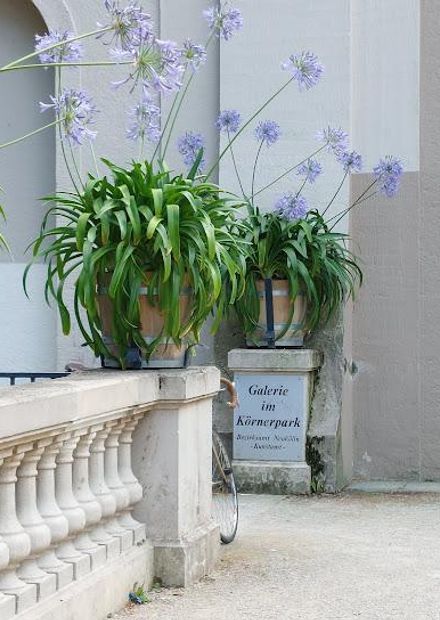
KÖRNERPARK travel guide
Discover Körnerpark, a hidden neo-baroque garden in Neukölln offering art, culture, and tranquility in a unique sunken setting.
Tell me more about KÖRNERPARKMore to explore near KÖRNERPARK

 Best experiences near KÖRNERPARK

 Best hotels near KÖRNERPARK

 Best attractions near KÖRNERPARK

 Best shops near KÖRNERPARK

 Best bars near KÖRNERPARK

 Best restaurants near KÖRNERPARK
Explore more

Explore more of Berlin
Berlin: A fascinating blend of history, culture, and modernity, offering everything from historic landmarks to vibrant nightlife and culinary delights.
Explore Berlin
Getting your guide ready…
We are putting together a fresh copy of the KÖRNERPARK guide. This can take up to a minute.
This can take a few moments. If your browser asks, choose Allow so the download can start. You'll find the guide in your Downloads folder.
Nothing happened? Download it again
Sorry, the guide is taking longer than usual. Please try again in a minute, or get it by email instead.