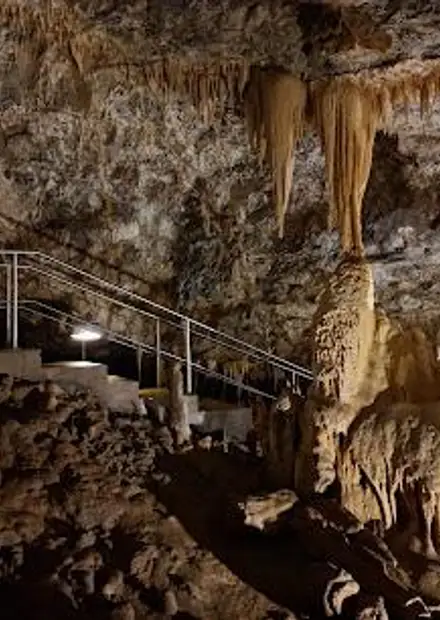
Best Landmarks Near Kapsia Cave (Peloponnese)
Planning a trip to Kapsia Cave? Discover the best landmarks nearby with history, expert tips, and routes. Free on web or the Evendo app.


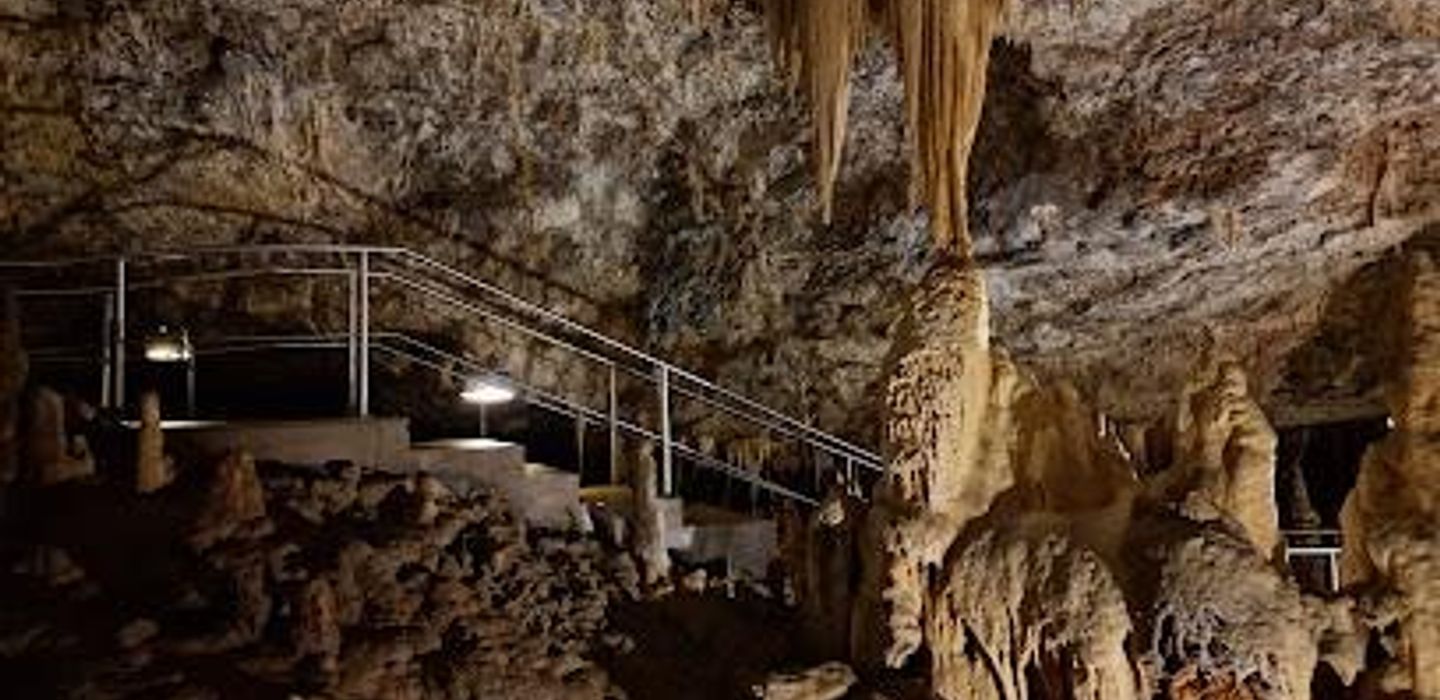
The best landmarks near Kapsia Cave
- Top rated
- Closest to Kapsia Cave
- A–Z
90 landmarks
-
Historical place4.7★15,798 reviews
Archaeological Site of Olympia
Explore the ruins of Ancient Olympia, the birthplace of the Olympic Games in 776 B.C. Discover the remains of temples dedicated to Zeus and Hera, athletic training areas, and the original stadium, all set within a lush valley in the Peloponnese.
-
Fortress4.7★11,292 reviews
Fortress of Palamidi
The Fortress of Palamidi, an imposing Venetian-built fortress, dominates the skyline of Nafplio, Greece. Perched on a high hill, it offers stunning panoramic views and a glimpse into the region's rich history, having been a strategic stronghold for centuries.
Daily 8:00–19:30
-
Historical landmark4.7★7,803 reviews
Ancient Corinth
Explore the ruins of Ancient Corinth, a once-powerful city-state strategically located on the Isthmus of Corinth. Discover the remains of the Temple of Apollo, the Roman Agora, and other significant monuments, while immersing yourself in the rich history and legends of this captivating archaeological site.
Daily 8:00–15:30
-
Archaeological museum4.7★6,699 reviews
Archaeological Museum of Olympia
The Archaeological Museum of Olympia, located in Ancient Olympia, Greece, showcases a vast collection of artifacts from the surrounding area, including the site of the ancient Olympic Games. It's a journey through time, from prehistory to the Roman era, featuring iconic sculptures and a world-renowned bronze collection.
Daily 8:00–20:00
-
Historical landmark4.5★4,242 reviews
Statue of Leonidas
The Statue of Leonidas in Sparti stands as a powerful tribute to the legendary Spartan king and his heroic defense at the Battle of Thermopylae. Erected in 1968, the bronze statue captures the essence of Spartan bravery and serves as a focal point in the modern city, connecting visitors to its rich ancient history.
Open 24 hours
-
Historical landmark4.8★2,348 reviews
Temple of Apollo Epicurius at Bassae of Phigaleia
Nestled in the Arcadian mountains, the Temple of Apollo Epicurius at Bassae is a remarkably well-preserved ancient Greek temple dating back to the 5th century BC. Dedicated to Apollo the helper, it showcases a unique blend of Doric, Ionic, and Corinthian architectural styles. Though remote, it stands as a testament to classical Greek ingenuity and a rewarding destination for history enthusiasts.
Daily 8:00–20:00
-
Canal4.6★2,364 reviews
Corinth Canal
The Corinth Canal is a narrow waterway connecting the Gulf of Corinth with the Saronic Gulf, cutting through the Isthmus of Corinth. This 6.3-kilometer canal separates the Peloponnese peninsula from mainland Greece, saving ships a lengthy journey around the peninsula. With walls rising 90 meters above the water, it's a stunning, if underutilized, feat of engineering.
-
Tourist attraction4.8★2,011 reviews
Syntagma Square - Nafplio
Syntagma Square, located in the heart of Nafplio's Old Town, is the city's most historically significant square. Known for its blend of old and new architecture, it's a vibrant hub surrounded by notable landmarks and filled with cafes.
Open 24 hours
-
Castle4.3★1,975 reviews
Kalamata's Castle
Kalamata's Castle, a ruined medieval fortress, stands as a testament to the city's layered past. Built in the 13th century by Frankish Crusaders, it occupies the site of ancient Pharae's acropolis, offering panoramic views and a glimpse into centuries of conquests and reconstructions.
Mon 8:00–20:00 · Wed–Sun 8:00–20:00
-
Historical landmark4.8★1,768 reviews
Stadium at Olympia
The Stadium at Olympia, east of the sanctuary of Zeus, hosted the ancient Olympic Games from 776 BC to 393 AD. Walk the original track, feel the weight of history, and imagine the roar of 45,000 spectators.
Daily 8:30–15:30


Archaelogical site of Nemea
Explore the ancient sanctuary of Nemea, where the Nemean Games were held in honor of Zeus. Discover the Temple of Zeus, the stadium, and the on-site museum, all set in a picturesque valley surrounded by vineyards. Nemea is also known as the place where Heracles completed his first labor, slaying the Nemean Lion.
Daily 8:00–15:00

Museum of the Olive and Greek Olive Oil
Explore the captivating world of olives and olive oil at this museum in Sparta, Greece. Delve into the rich history, culture, and technology of olive cultivation and oil production from prehistoric times to the early 20th century. Discover the olive's profound impact on Greek identity and the Mediterranean basin through fascinating exhibits and artifacts.
Mon 10:00–18:00 · Wed–Sun 10:00–18:00

The Metropolitan church of Ypapanti- Kalamata
The Metropolitan Church of Ypapanti is Kalamata's main cathedral, an architectural gem showcasing neo-Byzantine design. Adorned with intricate frescoes, impressive domes, and marble carvings, it serves as a spiritual haven and a testament to the city's rich history, drawing visitors from around the globe.

Archaeological Museum of Nafplio
Housed in a stunning Venetian-era building in Syntagma Square, the Archaeological Museum of Nafplio showcases the rich history of the Argolis region from prehistoric times to the Roman era. Exhibits feature artifacts from Franchthi Cave, Mycenaean centers like Tiryns and Midea, and other significant sites, offering a glimpse into the lives of ancient Greeks.
Mon 8:30–15:30 · Wed–Sun 8:30–15:30

Fortress of Akronauplía
Perched on a rocky peninsula, the Fortress of Akronauplía is the oldest part of Nafplio, Greece, with fortifications dating back to the 4th century BC. Conquered and enhanced by various civilizations, including the Byzantines, Franks, Venetians, and Ottomans, it offers panoramic views of the city and the Argolic Gulf. Explore its historic walls, remnants of past rulers, and stunning sunsets.
Open 24 hours

Archimedes Museum
The Archimedes Museum in Ancient Olympia showcases the brilliance of Archimedes and other ancient Greek inventors. Through interactive exhibits and meticulously reconstructed inventions, visitors can explore the remarkable advancements in science and technology achieved in antiquity.

Museum of the History of the Olympic Games of antiquity
Dedicated to the history of the ancient Olympic Games, this museum in Olympia, Greece, showcases artifacts and exhibits related to the games' origins, evolution, and significance. It offers insights into the athletes, events, and cultural context of this ancient sporting tradition.
Daily 8:00–20:00

Church of Saint Spyridon
The Church of Saint Spyridon in Nafplion is a significant historical and religious site, famed for its Venetian-era architecture and its connection to the assassination of Ioannis Kapodistrias, the first governor of Greece, in 1831. The church showcases beautiful frescoes and Byzantine iconography, making it a cultural treasure in the heart of Nafplion's old town.
Open 24 hours

Lion of the Bavarians
The Lion of the Bavarians is a poignant sculpture carved into the rock face near Nafplio, Greece. Created in 1836 by German sculptor Christian Siegel, it commemorates the Bavarian soldiers who died from a typhoid epidemic while serving in Greece under King Otto. The monument offers a serene and reflective space with historical significance.
Open 24 hours

The Bourtzi Fortress
Bourtzi Fortress, a historic Venetian castle, stands on a small island in the harbor of Nafplio. Originally built in 1473 to protect the city from pirates and invaders, it has served as a fortress, executioner's residence, and even a hotel. Today, it's a major tourist attraction, offering stunning views and a glimpse into Nafplio's rich past.
Tue–Sun 9:00–17:00

Five Brothers
The Five Brothers is a historical site in Nafplio, Greece, featuring five well-preserved Venetian cannons dating back to the 15th century. Overlooking the Argolic Gulf, it offers panoramic views and a glimpse into the city's maritime past.
Open 24 hours

Γέφυρα Ισθμού (Παλιά Εθνική Οδός Αθηνών-Κορίνθου)
The Isthmus Bridge, located on the old Athens-Corinth national road, offers a vantage point to view the Corinth Canal. It's a crossing point steeped in history, offering views of this engineering marvel and the unique submersible bridges at either end.
Open 24 hours

Tomb of Leonidas
The Tomb of Leonidas, or Leonidaion, is believed to be the final resting place of the legendary Spartan King Leonidas, who led the 300 Spartans at the Battle of Thermopylae in 480 BC. Located north of modern Sparta, the monument, dating back to the 5th century BC, stands as a symbol of Spartan valor and sacrifice.
Open 24 hours

Temple of Zeus
The Temple of Zeus in Olympia was built around 470 BC to honor Zeus, the chief of the gods, during the peak of the ancient Olympic Games. The temple once housed a massive gold and ivory statue of Zeus, which was one of the Seven Wonders of the Ancient World. Today, the ruins offer a glimpse into the grandeur of ancient Greece.
Daily 8:30–15:30

National Gallery - Nafplio Department
The National Gallery's Nafplio branch, housed in a restored neoclassical building, showcases Greek art with a focus on the Greek War of Independence. Visitors can admire paintings, sculptures, and other art forms that capture the spirit and historical significance of this pivotal event in Greek history.

Kolokotronis Park
Kolokotronis Park, named after the Greek hero Theodoros Kolokotronis, is a verdant escape in the heart of Nafplio. This park provides a tranquil retreat from the city's bustle, featuring lush greenery, vibrant flowers, and monuments that reflect the region's rich history.
Open 24 hours

Kalamata Military Museum
The Kalamata Military Museum, housed in a neoclassical building, showcases Greek military history from the Revolution of 1821 to modern times. Exhibits include uniforms, weapons, photographs, and relics from key periods, offering insights into Greece's military past and the sacrifices of its soldiers.
Daily 9:00–19:00

Nafplio Lighthouse
The Nafplio Lighthouse, a charming landmark at the edge of the harbor, offers stunning views of the Bourtzi fortress and the Argolic Gulf. A popular spot for leisurely walks and sunset viewing, it encapsulates the romantic atmosphere of Nafplio.
Open 24 hours

West Submersible Bridge of Corinth's Isthmus (Poseidonias str.)
The Corinth Canal, a narrow waterway connecting the Gulf of Corinth with the Saronic Gulf, cuts through the Isthmus of Corinth, separating the Peloponnese from mainland Greece. Completed in 1893, this engineering marvel was a concept over two millennia in the making. Though too narrow for many modern ships, it remains a popular tourist attraction.
Open 24 hours

Komboloi Museum
The Komboloi Museum in Nafplio is a unique cultural gem dedicated to the history, art, and tradition of the komboloi, or Greek worry beads. Housed in an 18th-century mansion, the museum showcases an extensive collection of komboloi made from various materials, offering insights into their cultural significance and evolution from simple tools for relaxation to intricate art forms.
Daily 9:30–21:00

Vouleftiko - First Parliament of Greece
Vouleftiko, or the First Parliament of Greece, stands proudly in Nafplio's Syntagma Square. Originally built as a mosque in 1730, it later served as the seat of the first Hellenic Parliament from 1825 to 1826, marking a pivotal moment in Greece's struggle for independence. Today, it operates as a conference center and a museum, offering visitors a glimpse into the nation's formative years.
Mon–Fri 9:00–13:00 · Sat–Sun 18:00–22:00

Klio's honey farm
Experience authentic Greek hospitality at Klio's Honey Farm in Ancient Olympia. This family-run farm offers a refreshing escape, showcasing traditional honey production and a delightful array of homemade treats in a serene garden setting.
Mon–Sat 10:30–18:00

Temple of Hera
The Temple of Hera, or Heraion, is one of the oldest and most significant temples in Greece, located in Olympia. Dedicated to Hera, the queen of the gods, it predates the more famous Temple of Zeus and was a site of joint worship before Zeus's temple was built. Today, the Olympic flame is lit at its altar, connecting ancient traditions to the modern games.
Daily 8:00–20:00

Kapodistrias Statue
The Kapodistrias Statue in Nafplio stands as a marble tribute to Ioannis Kapodistrias, the first governor of independent Greece. Erected in 1933, the statue commemorates his efforts to modernize the nation after its war for independence. Located in Kapodistrias Square, it serves as a reminder of his complex legacy.
Open 24 hours

Archaeological Site of Asine
Explore the remains of ancient Asine, a coastal city near Tolo with a history stretching back to the Bronze Age. Wander through Hellenistic fortifications, Roman bath ruins, and WWII bunkers while enjoying scenic views of the Argolic Gulf.
Daily 8:30–15:30

Akronafplia's Castle
Akronafplia, the oldest of Nafplio's three castles, boasts a rich history dating back to the Bronze Age. Conquered and enhanced by Greeks, Franks, Venetians, and Ottomans, it offers stunning views and a glimpse into the past.

Church of Panagia
The Church of Panagia, dedicated to the Presentation of the Virgin Mary, is one of Nafplio's oldest and most beautiful churches. Dating back to the 15th century, it showcases a rich history and stunning architecture, evolving into a three-aisled basilica around 1700.
Daily 8:00–22:00

Ancient Olympia Parking Lot
The Ancient Olympia Parking Lot provides convenient, free access to the archaeological site of Ancient Olympia, the birthplace of the Olympic Games. Located a short walk from the ruins, it's the ideal starting point for exploring this UNESCO World Heritage site.
Open 24 hours

Acropolis of Ancient Sparta
Explore the Acropolis of Ancient Sparta, a historical landmark in modern Sparti. Discover remnants of temples and fortifications, offering insights into Spartan life and ideals. The nearby museum enhances the experience with artifacts detailing Spartan culture and military strategies.
Mon 9:30–15:30 · Wed–Sun 9:30–15:30

sleeping lion
The Sleeping Lion, also known as the Lion of Bavaria, is a monumental sculpture carved into the rock in Nafplio, Greece. Created in the 19th century, it commemorates the Bavarian soldiers who died of typhoid fever while serving in Greece. The sculpture is a prominent landmark and a poignant reminder of a historical event.
Open 24 hours

The Clocktower - Nafplio
The Clocktower of Nafplio, locally known as 'Ρολόι' (Róloi), is an iconic neoclassical structure in Syntagma Square. Built in the 19th century, it offers panoramic views and stands as a symbol of the city's history and charm.
Open 24 hours

Philippeion
The Philippeion, located in the Altis of Olympia, is a circular structure commissioned by Philip II of Macedon in 338 BC to commemorate his victory at the Battle of Chaeronea. Completed by Alexander the Great, it housed gold and ivory statues of Philip's family, blending familial honor with Greek architecture. Today, visitors can explore the remains of this once-splendid monument.
Daily 8:00–20:00

Fortress of Palamidi - Western Entry Gate
The Fortress of Palamidi, an architectural marvel, stands tall on a hill overlooking Nafplio. Built by the Venetians in the early 18th century, it features eight self-contained bastions. Visitors can explore its historic walls, admire panoramic views, and delve into its rich past as a strategic stronghold and prison.
Daily 8:00–20:00

The Land Gate
The Land Gate, or Porta di Terraferma, stands as the historical entrance to Nafplio. Built by the Venetians in the early 18th century, it's a reconstructed monument that once served as the city's only land access point, complete with a moat and drawbridge.

Palaestra
The Palaestra in Ancient Olympia, dating back to the 3rd century BC, was a training facility for wrestlers, boxers, and pankration athletes. This square building, with its central courtyard and surrounding colonnades, was a vital part of the athletes' preparation for the Olympic Games.
Daily 8:00–20:00

Historical and Folklore Museum of Kalamata
Delve into Kalamata's cultural past at this museum, housed in a neoclassical building, showcasing artifacts from rural life to the Greek Revolution. Discover traditional costumes, printing history, and local customs.
Wed–Sat 9:00–13:00 · Sun 10:00–13:00

Spartan Hero Statue
The Spartan Hero Statue, an iconic historical landmark in Sparti, Greece, is a must-visit destination for history enthusiasts and travelers alike. This majestic statue pays homage to the valor and strength of the ancient Spartan warriors, offering a glimpse into the glorious past of one of history's most formidable civilizations. Surrounded by lush landscapes, it provides an ideal backdrop for photography and reflection, making it a memorable stop on your journey through Greece.

Site of Original Olympic Games
Explore the ruins of Ancient Olympia, the sacred site of the ancient Olympic Games held for over 1,000 years. Wander through the remains of temples, athletic facilities, and the stadium where athletes competed in honor of Zeus. It's a journey back to the origins of the world's most celebrated sporting event.

Mount Kronios
Mount Kronios, a verdant hill overlooking Ancient Olympia, was dedicated to the father of Zeus and offers panoramic views and a connection to the ancient Olympic Games. Hike its trails to experience the serene landscape and historical significance of this revered site.
Open 24 hours

Bouleutḗrion
The Bouleuterion in Ancient Olympia was the council house where the Elean Senate, responsible for organizing the Olympic Games, convened. Here, athletes registered, took oaths, and penalties were decided. The ruins offer a glimpse into the political and administrative functions of this historical site.
Daily 8:00–20:00

Λεωνιδαίο Αρχαίας Ολυμπίας
The Leonidaion was a large, luxurious guesthouse in Ancient Olympia, built around 330 BC to accommodate officials and important visitors during the Olympic Games. Funded by Leonidas of Naxos, it stood outside the sacred precinct of the Altis and featured an impressive Ionic colonnade and an inner courtyard.
Daily 8:00–20:00

Virgin of the Rock
The Virgin of the Rock Monastery, nestled near Nemea, Greece, offers a serene escape with stunning views and a peaceful atmosphere. This modern monastery, built into the side of a rock, provides a unique spiritual experience and a glimpse into contemporary monastic life.
Open 24 hours

Bastion Romber
Bastion Romber, a historic fortress in Nafplio, Greece, offers visitors a glimpse into the region's military history and stunning panoramic views. Its robust stone walls and strategic position make it a captivating destination for history buffs and sightseers alike.

Bastion Fokion
Bastion Fokion, located within the Palamidi Fortress in Nafplio, Greece, stands as a testament to the area's rich history and architectural evolution. Originally constructed during Turkish occupation, it offers stunning views and a glimpse into the strategic importance of this historical landmark.
Daily 8:00–20:00

Trianon - The Aga Mosque
The Trianon Mosque, or Old Mosque, is a historical Ottoman mosque in Nafplio, Greece, dating back to the late 16th or early 17th century. It's the oldest surviving example of Ottoman architecture in the city, having served various purposes throughout its history, including a church, a school, and a cinema. Today, it functions as a cultural venue and municipal theater.

Ancient Gymnasium
Explore the ruins of the Ancient Gymnasium in Olympia, where athletes prepared for the Olympic Games. Built in the 2nd century BC, this complex provided facilities for track and field, wrestling, and other sports, offering a glimpse into the rigorous training regimen of ancient athletes.

Μνημείο Πιέρ ντε Κουμπερτέν
The Pierre de Coubertin Monument in Olympia, Greece, honors the founder of the modern Olympic Games. It contains Coubertin's heart, fulfilling his wish to be buried near the birthplace of the ancient Games. The monument serves as a reminder of his contribution to the Olympic movement.

Museum of the History of the Excavations in Olympia
The Museum of the History of the Excavations in Olympia is a captivating destination for tourists eager to delve into Greece's rich archaeological heritage. Located near the ancient site of Olympia, this history museum showcases remarkable artifacts unearthed during excavations, providing a fascinating glimpse into the past and the significance of the Olympic Games in ancient Greece.
Mon–Fri 8:00–15:00

Stadium Gate
The Stadium Gate in Olympia, Greece, marks the historic entrance to the ancient Olympic Stadium, a symbol of athletic competition and the Olympic spirit dating back to 776 BC. This stone archway once welcomed athletes and officials to the games.
Daily 8:00–20:00

Old Isthmus Railway Bridge (inactive)
The Old Isthmus Railway Bridge, located in Loutraki-Perachora, is a testament to Greece's engineering history. Built in the late 19th century, this bridge once facilitated vital transportation across the Isthmus of Corinth. Although no longer in use, it offers scenic views and a tranquil atmosphere, attracting locals and tourists alike.
Open 24 hours

Hexamilion Justinian Wall
The Hexamilion, or Justinian Wall, was a massive defensive structure built across the Isthmus of Corinth to protect the Peloponnese from invasion. Constructed initially in the 5th century AD and later fortified by Justinian, the wall stretched for 7.5 kilometers and featured numerous towers. Today, only a small portion remains, offering a glimpse into the region's strategic past.

Workshop of Phidias - Early Christian basilica
Explore the remains of the workshop of Phidias, the renowned sculptor who created the Statue of Zeus, one of the Seven Wonders of the Ancient World. Later, a Christian basilica was built upon its ruins, blending ancient Greek artistry with early Christian history.
Daily 8:00–20:00

Bastion Themistoklis
Bastion Themistoklis, also known as Posto di San Agostino or Kara Tabya, is a significant part of the Palamidi Fortress in Nafplion, Greece, offering stunning views and a glimpse into the area's rich history. This large bastion is separated from others by moats and walls, showcasing the intricate defensive architecture of the 18th century.
Daily 8:00–20:00

House of Nero
The House of Nero in Archaia Olympia offers a fascinating look into Roman life in ancient Greece. Built for Emperor Nero's visit in AD 67, this historical landmark features stunning mosaics and well-preserved ruins, reflecting the Roman influence on Greek design.
Daily 8:00–20:00

Altar of Hera
The Altar of Hera, located in Olympia, Greece, is a significant historical site where the Olympic flame is lit. This ancient altar, situated in front of the Temple of Hera, is a must-see landmark within the Olympia archaeological site.
Daily 8:00–20:00

Nymphaeum
The Nymphaeum at Olympia, also known as the Exedra of Herodes Atticus, was built in the mid-2nd century AD by the Roman senator Herodes Atticus. This elaborate, two-story structure served as a monumental fountain and water distribution center for the ancient Olympic Games. Today, visitors can explore the remaining foundations, partial columns, and restored elements of this historical landmark.
Daily 8:00–20:00

Miltiadis Bastion, Palamidi fortress
Miltiadis Bastion, part of the Palamidi Fortress in Nafplio, Greece, once served as a prison, holding notable figures like Theodoros Kolokotronis. Named after the ancient Greek military leader Miltiades, it offers a glimpse into the fortress's layered history and stunning views of the surrounding landscape.

Treasures of Olympia
Explore the historical landmark of Treasures of Olympia, nestled in Archaia Olympia, Greece. This site offers a captivating glimpse into the past, inviting visitors to uncover the rich heritage and significance of this ancient land.

South Stoa
The South Stoa served as the main southern entrance to the sanctuary of Olympia. Built around 360-350 BC, this long hall provided a formal entrance and gathering space for visitors. Today, its remains offer a glimpse into the architectural grandeur of ancient Greece.
Daily 8:00–20:00

Προμαχώνας Λεωνίδας
The Leonidas Promenade Fortress, located in Nafplio, Greece, is a well-preserved historical site offering panoramic views of the city and coastline. Built during different periods, it showcases a blend of architectural styles and provides insight into the region's strategic importance throughout history.
Daily 8:00–20:00

Ενετικό φρούριο
Palamidi Fortress, an imposing Venetian-built citadel, dominates the skyline of Nafplio. Constructed in the early 18th century, it offers panoramic views of the city and the Argolic Gulf. Its strategic design and historical significance make it a must-see attraction.
Open 24 hours

Altar of Demeter Hamyne
Explore the Altar of Demeter Hamyne in Olympia, Greece, a historical landmark dedicated to the goddess of agriculture. Wander through the tranquil ruins, surrounded by lush greenery, and connect with the spiritual practices of the ancient Greeks. The altar offers a unique glimpse into the past, where worship and nature intertwined.

Statue of Zeus at Olympia
Once standing within the Temple of Zeus in Olympia, Greece, the Statue of Zeus was a massive, seated sculpture crafted by Phidias around 435 BC. Made of ivory and gold, it depicted the king of the gods and was considered one of the Seven Wonders of the Ancient World. Though lost to time, its legacy continues to inspire awe and fascination.

Nafplio Sun Sail Cruises
Embark on a sailing adventure with Nafplio Sun Sail Cruises, exploring the hidden gems of the Argolic Gulf. Enjoy swimming, snorkeling, and a delicious Mediterranean meal onboard as you discover remote beaches and crystal-clear waters. Perfect for a memorable day at sea, experiencing the rich history and natural beauty of the region.
Daily 8:00–23:00

Sanctuary of Eleithyia
Explore the Sanctuary of Eleithyia near Olympia, Greece, dedicated to the goddess of childbirth. Discover the serene ruins and imagine ancient rituals in this historically significant and peaceful setting, a short walk from the Archaeological Museum of Olympia.
Open 24 hours

Πρυτανείο Αρχαίας Ολυμπίας
The Prytaneion was one of Olympia's oldest and most important buildings, serving as the administrative and political center of the sanctuary and the Olympic Games. Though the interior is not accessible, its historical significance makes it a worthwhile landmark to appreciate from the outside.

Lift to Naflia Palace
The Lift to Naflia Palace provides convenient access to the Acronafplia, the ancient citadel of Nafplio, offering stunning views and a glimpse into the town's rich history. Save yourself the challenging climb and enjoy a smooth ride up through the rock.

Κρύπτη Φιλελλήνων
Κρύπτη Φιλελλήνων (Crypt of the Philhellenes) in Nafplion is a poignant memorial dedicated to the foreign volunteers who fought and died for Greek independence in the early 19th century. It serves as a reminder of the international support Greece received during its struggle for freedom.

Sikyonian Treasury
The Sikyonian Treasury, nestled in Delphi's sacred landscape, stands as a testament to the city-state of Sikyon's power and devotion to Apollo. Built in the 6th century BC, it housed valuable offerings and showcased the city's artistic prowess through intricate sculptures and architectural details. Though now a ruin, it offers a glimpse into the rich history of Delphi and the ambitions of ancient Greek city-states.

Byzantine Basilica ''St. Nikonos''
The Byzantine Basilica of St. Nikonos, located in Sparti, Greece, stands as a significant historical landmark. These ancient ruins showcase Byzantine architecture and offer visitors a glimpse into the region's rich cultural and religious past, with remnants of intricate stonework and mosaics.

Metroon
The Metroon in Ancient Olympia was a temple dedicated to Rhea, the mother of the gods, later associated with Cybele. Built around the 4th century BC, the Doric-style temple stands on a site with prehistoric roots of worship to Mother Earth and the goddess of childbirth. Today, only the foundations remain, offering a glimpse into the religious practices of ancient Greece.

Altar of Zeus
The Altar of Zeus in Olympia was not a monumental stone structure, but a sacred mound formed from centuries of accumulated ashes and bones from sacrifices offered to the king of the gods. This unique altar stood as a testament to the piety of the ancient Greeks and their enduring reverence for Zeus.

Ottoman hamam baths
Step back in time at the Ottoman Hamam Baths in Nafplio, a historical landmark showcasing the city's Turkish heritage. Explore the well-preserved architecture and imagine the bathing rituals of centuries past in this serene and culturally significant site.

Lion Gate
The Lion Gate, constructed around 1250 BCE, is the main entrance to the ancient citadel of Mycenae in Greece. Named for the imposing sculpture of two lionesses above the entrance, it stands as a symbol of Mycenaean power and architectural prowess.

Ottoman fountain
The Ottoman Fountain in Nafplio stands as a reminder of the town's rich, multicultural history. Constructed during Ottoman rule, these fountains blend Ottoman and Greek architectural elements, serving as both functional water sources and landmarks that reflect the cultural exchanges of the era.

Ιερό της Λιμνάτιδος Αρτέμιδος(Βόλυμνος)
The Sanctuary of Artemis Limnatidos, located near Volymnos in the Taygetos mountains, was a significant border sanctuary in the ancient world, marking the boundary between Messenia and Laconia. Today, the site is an officially designated archaeological area, with many artifacts exhibited at the Archaeological Museum of Messenia in Kalamata.
Open 24 hours

Apostolou Pavlou 70
Located in Corinth, Greece, Apostolou Pavlou 70 is a building situated on a street named after Apostle Paul. While specific details about the building's history or function are limited, its location suggests a connection to the city's rich history and religious significance.

Corinth
Explore Corinth, a city with a rich history as a vital trade center in ancient Greece and a significant location in early Christianity. Visit the impressive archaeological site with the Temple of Apollo, the Roman Agora, and the imposing Acrocorinth fortress offering panoramic views. Discover a blend of ancient ruins and modern city life, all within easy reach of Athens.

Pl. Ipapantis
Pl. Ipapantis, or Ipapantis Square, is the bustling heart of Kalamata, Greece, blending historical architecture with modern life. This vibrant town square is a must-visit, hosting events, festivals, and offering a taste of local culture.
Explore Kapsia Cave on the map
A handpicked selection of must-see spots near Kapsia Cave, mapped for you.
More about Kapsia Cave
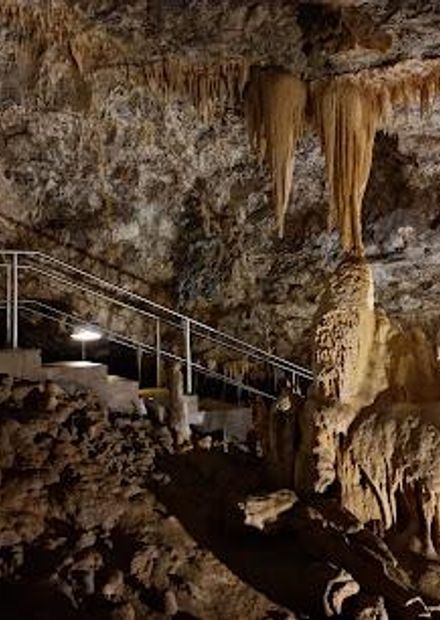
Kapsia Cave travel guide
Explore Kapsia Cave in Mantinia, Greece – a natural wonder filled with stunning stalactites, rich history, and breathtaking beauty awaits you.
Tell me more about Kapsia CaveMore to explore near Kapsia Cave

 Best experiences near Kapsia Cave

 Best hotels near Kapsia Cave

 Best attractions near Kapsia Cave

 Best shops near Kapsia Cave

 Best bars near Kapsia Cave

 Best restaurants near Kapsia Cave
Explore more

Explore more of Peloponnese
Discover Peloponnese, Greece's enchanting peninsula rich in ancient history, diverse landscapes, and vibrant culinary traditions.
Explore Peloponnese
Getting your guide ready…
We are putting together a fresh copy of the Kapsia Cave guide. This can take up to a minute.
This can take a few moments. If your browser asks, choose Allow so the download can start. You'll find the guide in your Downloads folder.
Nothing happened? Download it again
Sorry, the guide is taking longer than usual. Please try again in a minute, or get it by email instead.