

Best Landmarks Near Sala Silver Mine (Västmanland)
Planning a trip to Sala Silver Mine? Discover the best landmarks nearby with history, expert tips, and routes. Free on web or the Evendo app.


The best landmarks near Sala Silver Mine
- Top rated
- Closest to Sala Silver Mine
- Price level: low to high
- Time to spend: shortest first
- A–Z
78 landmarks
-
Cathedral4.7★5,914 reviews
Uppsala Cathedral
Sweden's tallest and largest cathedral towers over Uppsala, a Gothic masterpiece built from over 50 million bricks across centuries. Housing royal tombs, intricate chapels, and soaring vaults, it embodies national history with stunning acoustics, neo-Gothic spires, and twin organs that fill the space with resonant music. Free entry invites exploration of its sacred grandeur daily from 8am to 6pm.
Daily 8:00–18:00Time to spend 0.5–2 hrs
-
Castle4.5★4,704 reviews
Gripsholm Castle
Perched on the shores of Lake Mälaren in Mariefred, Gripsholm Castle is a Renaissance masterpiece built by King Gustav Vasa in the 16th century. This historic fortress-turned-museum houses Sweden's National Portrait Gallery, Gustav III's preserved 18th-century theater, and opulent state apartments from the Vasa era. Surrounded by scenic grounds and a nature reserve with wild deer, it offers a captivating journey through 500 years of Swedish royal history, art, and intrigue.
Price level $$Time to spend 1.5–3 hrs
-
Castle4.3★3,393 reviews
Uppsala Castle
Perched on a sandstone ridge above the city, Uppsala Castle (Uppsala slott) is a layered monument where medieval foundations meet later royal ambitions and contemporary museum life. The site contains the Uppsala Art Museum, the slottshistoriska (castle-history) exhibitions and the 16th-century Vasaborgen ruins nearby, offering a compact mix of dramatic architecture, museum displays and panoramic city views in the heart of Uppsala.
Time to spend 0.5–2 hrs
-
Castle4.4★3,242 reviews
Skokloster Castle
Skokloster Castle stands as one of Europe's grandest Baroque masterpieces, overlooking Lake Mälaren. Built in the 17th century by Count Carl Gustaf Wrangel, this unfinished palace boasts vast interiors, a world-class armoury, and opulent state rooms frozen in time. Explore its permanent exhibition on dreams between battlefield and starry sky, wander the expansive grounds including the Paradise Playground, and uncover layers of Swedish history amid manicured gardens and historic structures. Seasonal openings highlight its splendor from Easter through autumn, with guided tours revealing hidden stories of its noble past.
Daily 11:00–17:00Price level $Time to spend 1.5–3 hrs
-
Tourist attraction4.5★2,019 reviews
Anundshög
Anundshög, Sweden's largest burial mound, rises 9 meters high on the outskirts of Västerås, anchoring a vast ancient monument complex from the Iron Age. Built between 500–1050 AD, it features twin stone ship settings, a towering runestone, over a dozen burial mounds, and a medieval labyrinth. Once a Viking-era trade hub and assembly site along Eriksgatan, it hosted things into the Middle Ages, marked by ancient roads lined with poles. Explore freely year-round, with summer guided tours revealing its mysteries as a center of power in western Mälaren Valley.
Open 24 hoursTime to spend 1–3 hrs
-
Tourist attraction4.2★1,509 reviews
Venngarn Castle
A gently restored Swedish manor set in expansive parkland near Sigtuna, Venngarn Castle (Wenngarns slott) traces its origins to the medieval era and shows grand 17th‑century architecture, formal gardens and a calm lakeside atmosphere. The site combines historic rooms, seasonal public openings and extensive grounds used for events, making it a rewarding stop for history buffs, photographers and families seeking a scenic, low‑key castle visit.
Sat–Sun 12:00–15:00Price level $$Time to spend 0.5–2 hrs
-
Historical landmark4.5★1,310 reviews
Old Uppsala Archaeological Park
Old Uppsala Archaeological Park features three monumental royal burial mounds from the 6th century, marking Scandinavia's ancient power center in politics and religion. Explore the expansive site with grassy hills, remnants of a pagan temple, and nearby Gamla Uppsala Church. The adjacent museum showcases artifacts, interactive exhibits on Viking-era myths, and guided tours. Free outdoor access year-round, with museum entry at 150 SEK for adults. Ideal for history enthusiasts seeking Sweden's pre-Christian heritage amid serene landscapes.
Open 24 hoursPrice level $Time to spend 1–3 hrs
-
Tourist attraction4.4★1,211 reviews
Gävlebocken
Gävlebocken is a massive straw Yule goat erected annually in Gävle, Sweden, since 1966 as a Christmas landmark. Towering up to 13 meters high and weighing around 3 tons, this whimsical giant draws crowds to the city center but has a notorious history of arson attacks, smashings, and other vandalism, turning it into a beloved yet precarious holiday icon.
Time to spend 0.5–1.5 hrs
-
Tourist attraction4.6★1,072 reviews
Västerås Domkyrka
Västerås Domkyrka stands as a majestic Gothic cathedral in central Västerås, with origins tracing back to around 1100. This 93-meter-long landmark features a towering 100-meter spire, medieval altarpiece, King Erik XIV's grave, and the unique Skattkammaren treasure chamber displaying ecclesiastical artifacts. Open daily 9am-5pm with free entry, it hosts concerts, exhibitions, and remains a living parish church blending history and contemporary worship.
Daily 9:00–17:00Time to spend 0.5–2 hrs
-
Castle4.3★1,075 reviews
Wik's Castle
Wik's Castle, Sweden's best-preserved medieval fortress, stands proudly in a scenic park by Lårstaviken bay, 20km southwest of Uppsala. Built in the 15th century as a robust tower house of stone and brick, it blends defensive architecture with later French-inspired elegance from 17th-century renovations and 19th-century restorations. Birthplace of Nobel laureate Svante Arrhenius, the site now hosts conferences, accommodations for up to 88 guests, a restaurant, walking paths, beach access, and family-friendly features like Kojbyggarlandet hut-building area. Surrounded by lush grounds ideal for hikes, swims, and relaxation, it offers a timeless escape into Uppland's history and nature.
Price level $$Time to spend 1.5–4 hrs


Stora Sundby Castle
Perched on the shores of Lake Hjälmaren, Stora Sundby Castle is a romantic 19th-century masterpiece blending medieval origins with neo-Gothic splendor. Its calendar-inspired design features four grand towers for the seasons, twelve smaller ones for the months, 52 rooms for the weeks, and 365 windows for the days. Explore lush parklands, ancient ruins, a rune stone, rose gardens, and a deer enclosure surrounding this privately owned fairy-tale landmark, with a café offering light refreshments amid scenic beauty.
Daily 10:00–18:00Price level $Time to spend 1–2.5 hrs

Strängnäs Domkyrka
Strängnäs Domkyrka is a red‑brick Gothic cathedral rising above the town’s cobbled streets, with medieval origins, ornate funerary monuments and fine medieval altarpieces; its 75 m tower is a landmark in the Mälaren landscape and the interior houses significant artworks, historic tombs and a calm nave used for worship, concerts and quiet reflection.
Time to spend 0.5–2 hrs

Uppsala University
Founded in 1477, Uppsala University is the oldest university in the Nordic countries, anchored in the historic heart of Uppsala where medieval streets meet campus greens. Its compact, city-centre campus mixes redbrick and neoclassical ceremonials with modern research buildings, museums and libraries — from the ceremonial University Main Building and Carolina Rediviva library to Gustavianum and the botanical garden. A living academic landscape, it blends centuries of scholarship with present-day student life.
Time to spend 0.5–4 hrs

Ängsö Slott
Perched on the island of Ängsö in Lake Mälaren, Ängsö Slott is a medieval fortress turned elegant castle, boasting over 800 years of history. Built in the 1480s as a defensive stronghold, it features a cubic four-story structure of stone and brick, crowned by an 18th-century lanternin. Owned by noble families like Sparre and Piper, the castle holds tales of sieges, royal intrigue, and resident ghosts, including the spectral hound and vengeful Brita Bååt. Surrounded by ancient grave fields, 18th-century crofts, and a 14th-century chapel, it offers a hauntingly beautiful glimpse into Sweden's feudal past. Open daily 11am-4pm, entry is free, with guided tours revealing preserved rococo interiors and eerie legends.
Daily 11:00–16:00Time to spend 1–3 hrs

Östra Silvberg gruva
Östra Silvberg gruva is a centuries‑old, water‑filled open pit and historic mining landscape near Borlänge in Dalarna, once a major silver site from the 1400s and later worked for sulfur and zinc. The site’s deep, turquoise pit, rust‑coloured spoil heaps and scattered industrial remains sit beside a ruined churchyard and tranquil forest, offering striking contrasts between industrial history and quiet natural scenery.
Open 24 hoursTime to spend 0.5–2 hrs

Church of Old Uppsala
A compact medieval parish church set within one of Sweden’s richest historic landscapes, Gamla Uppsala Church sits beside Bronze‑ and Iron‑Age burial mounds and a museum complex, its stone walls bearing traces of an earlier cathedral and centuries of worship. The interior offers painted vaults, intimate chapels and quiet stations for reflection, while the surrounding fields and royal mounds frame the site with powerful, layered history.
Time to spend 0.5–2 hrs

Uppsala Mosque
The Uppsala Mosque stands as Sweden's northernmost place of Sunni Muslim worship in the Kapellgärdet neighborhood. Completed in 1996, this compact yet vibrant center features a single minaret and serves a dedicated community through daily prayers, Quran classes, and cultural events. Its serene prayer hall, adorned with Islamic geometric patterns and calligraphy, offers a peaceful retreat amid Uppsala's urban landscape. Open daily with adjusted hours on Fridays, it welcomes respectful visitors seeking spiritual insight or architectural appreciation in a welcoming atmosphere.
Time to spend 0.5–1.5 hrs

Grönsöö castle
Perched on a hill overlooking Lake Mälaren, Grönsöö Castle is a Renaissance manor built in 1611 by Chancellor Johan Skytte. This living family home of the von Ehrenheim family showcases preserved 17th-century interiors, Sweden's oldest commercial apple orchard, and gardens spanning five centuries of Swedish design. Explore historic rooms, atmospheric parks, and seasonal orchards on guided tours that reveal layers of aristocratic heritage amid forests and waterfront serenity.
Price level $Time to spend 1.5–3 hrs

Gooseborg
Gåseborg is one of Mälaren's largest ancient hillforts, perched dramatically on 45-meter cliffs overlooking Lake Mälaren near Viksjö in Järfälla. Dating back to around 300-500 AD with evidence of a bronze-casting workshop, its massive dry-stone walls and strategic position guarded vital trade routes to Sigtuna and Uppsala. Explore the rugged terrain, mysterious cave, and panoramic views on wooded hiking paths, evoking Iron Age power and mystery just outside Stockholm.
Open 24 hoursTime to spend 0.5–2 hrs

Engelsberg Ironworks
Engelsberg Ironworks is a remarkably preserved 17th-19th century industrial complex in central Sweden, recognized as a UNESCO World Heritage site since 1993. Wander through red wooden cottages, a French-style manor house, operational blast furnace from 1779, forge, barns, and workers' dwellings amid serene forests and lakes. Guided tours reveal inner workings; free entry to grounds, with a café nearby. A serene glimpse into Sweden's iron production era that fueled national prosperity.
Price level $Time to spend 1–2.5 hrs

Håga mound
The Håga Mound, also known as King Björn's Mound, stands as one of Scandinavia's most significant Bronze Age burial sites. This imposing 7-meter-high tumulus, dating to around 1000 BCE, rises dramatically in Hagadalen nature reserve near Uppsala, overlooking what was once a sea inlet. Excavated in 1902–1903, it revealed an oak coffin with cremated remains of a chieftain, accompanied by gold-gilded treasures including a sword, brooches, razors, and buttons—making it the Nordic region's richest Bronze Age grave. Surrounded by ancient house foundations, cultic enclosures, and trekking paths through lush woodland, the site blends profound archaeological heritage with serene natural beauty, offering a tangible link to prehistoric rituals and power.
Open 24 hoursTime to spend 0.5–1.5 hrs

Tidö Castle
Tidö Castle stands as one of Sweden's best-preserved treasures from the Great Power era, built in strict Dutch Renaissance style between 1625 and 1641 by Chancellor Axel Oxenstierna. Located 17 km south of Västerås amid scenic parklands, the castle features stunning sandstone portals, 43 exquisite intarsia doors from the 1630s, and guided tours of its paradvåning. Explore the grounds freely, visit the world-class MC Collection motorcycle museum and bicycle museum in the historic stone stables, and enjoy simple café fare. Still a private residence owned by the von Schinkel family since 1890, it blends living history with natural beauty near bird-rich Asköviken bay.
Price level $$Time to spend 1.5–3 hrs

Klosters kyrka
Klosters kyrka is a monumental 20th‑century church set on the banks of the Eskilstunaån in central Eskilstuna. Designed by Otar Hökerberg and consecrated in 1929, the building is notable for its twin towers, lofty vaults and a 17th‑century Flemish altarpiece by Martin de Vos. With room for around 600 worshippers, the church combines dramatic scale with detailed craftsmanship, making it a striking example of civic ecclesiastical architecture in Södermanland.
Time to spend 0.2–1.5 hrs

St. Olof Church ruins
The evocative ruins of St. Olof Church in Sigtuna stand as a poignant reminder of Sweden's medieval Christian heritage. Dating to the early 12th century and dedicated to Norway's revered King Olaf II, these weathered stone remnants sit within a serene churchyard adjacent to St. Mary's Church. Explore the arched walls and apses amid a tranquil cemetery setting, where history whispers through the quiet air. Sigtuna, Sweden's oldest town founded in 980 AD, was a pivotal center of power, trade, and early Christianity, with this site linked to ancient cults and royal processions. Free to visit around the clock, it's an ideal spot for quiet reflection, photography, and connecting with the Viking-to-medieval transition. Uneven terrain calls for sturdy shoes, but the site's compact size rewards a short, immersive wander.
Open 24 hoursTime to spend 0.5–1.5 hrs

Sigurd inscription runic carvings
The Ramsund Sigurd Carving is a large 11th‑century runic rock carving near Sundbyholm, Eskilstuna, that uniquely combines runic text and vivid pictorial scenes from the Sigurd (dragon‑slayer) legend. Carved into an exposed rock face rather than a standing stone, the panel was commissioned as a memorial and shows several episodes — the dragon, the roasted heart, the treasure‑laden horse and more — all woven within a serpent‑shaped runic band.
Time to spend 0.5–2 hrs

Österbybruks Herrgård
Österbybruks Herrgård stands as the elegant centerpiece of one of Uppland's largest preserved ironworks villages, dating back to the 16th century. This stately 18th-century manor overlooks a serene dam and park, surrounded by historic forge buildings, worker cottages, and the rare Walloon smithy—offering a vivid glimpse into Sweden's industrial heritage amid lush Roslagen landscapes.
Time to spend 1–3 hrs

Västerås Castle
Perched at the mouth of the Svartån River in Västerås, this 16th-century castle blends Renaissance grandeur with Swedish history. Once a royal residence and administrative hub, it now hosts events, a cozy lunch spot, and scenic grounds ideal for quiet strolls amid historic walls and waterfront views.
Mon–Fri 11:30–14:00Time to spend 0.5–2 hrs

St Per's Kyrkoruin
Sankt Pers kyrkoruin is the remains of a monumental 12th‑century stone church that still anchors Sigtuna’s medieval townscape; its tall, square central tower, fragmentary nave walls and weathered sandstone convey a sense of early royal and ecclesiastical ambition in Sweden’s oldest town. Set on a slight rise beside the parsonage, the ruin is an evocative mix of carved masonry, mossed joints and open sky, well suited to short contemplative visits or historical photography.
Open 24 hoursTime to spend 0.2–1 hr

Garpenberg Castle
Nestled in the deep forests of southern Dalarna, Garpenberg Castle is a majestic 19th-century chateau blending French architectural elegance with Swedish countryside charm. Built in 1801, this stately manor offers a glimpse into aristocratic history amid scenic woodlands, serving as a versatile venue for events, stays, and serene exploration just two hours from Stockholm.
Price level $$Time to spend 1–3 hrs

Dalahästen
A 13-metre-tall, vividly painted giant Dala horse that has stood near the crossroads outside Avesta since 1989; built in steel and sprayed concrete as a roadside landmark, it celebrates the Dalarna carving tradition on an epic scale and was restored and repainted after municipal takeover in 2019.
Open 24 hoursTime to spend 0.2–1 hr

Skånelaholm Castle
Nestled on a peninsula in Lake Fysingen, Skånelaholm Castle is a 17th-century Renaissance gem in Rosersberg, Sweden. Built by judge Andreas Gyldenklou, it boasts preserved interiors, a landscape park, rune stone, and folk art collections managed by the Royal Swedish Academy. Open for guided tours May to September, it offers a serene dive into Swedish noble history amid Viking-era landscapes.
Wed–Fri 10:45–16:00 · Sat–Sun 11:00–16:00Price level $Time to spend 1–2.5 hrs

Sigtuna Town Hall
Perched on Sigtuna's cobblestone main street, this petite yellow edifice from 1744 claims the title of Sweden's smallest town hall. A charming emblem of civic heritage in the nation's oldest town, founded around 980 AD, it anchors the historic Stora Gatan amid rune stones, medieval ruins, and quaint wooden houses. Free to admire externally, it embodies Sigtuna's enduring legacy as a Viking-era power center turned serene lakeside retreat.
Time to spend 0.5–1.5 hrs

Thoresta Manor
Thoresta Herrgård is a charming 18th-century manor house nestled on the shores of Lake Mälaren in Bro, just northwest of Stockholm. This privately owned luxury retreat blends historic elegance with modern comforts, offering 40 cozy rooms, world-class dining, conference facilities, and scenic grounds perfect for weddings, staycations, and serene escapes. Enjoy attentive service, gourmet meals featuring local ingredients, a fitness center, sauna, and free parking amid peaceful woodland surroundings.
Price level $$Time to spend 1.5–24 hrs

Gunilla Bell
Perched on the Styrbiskop bastion overlooking Uppsala Castle, the Gunilla Bell stands as a striking 16th-century landmark. Cast in 1588 and recast after a devastating fire, this massive bell once rang curfew across the city, embodying Sweden's royal past amid panoramic views of the cathedral and beyond. Free to visit, it offers a quick yet evocative stop for history enthusiasts exploring Uppsala's hilltop heritage.
Open 24 hoursTime to spend 0.5–1.5 hrs

Salsta Castle
Salsta Castle is a striking 17th-century Baroque palace in Uppland, Sweden, with roots tracing back to the 13th century. Nestled north of Vattholma near Uppsala, this historic estate features guided tours revealing its noble past, a cozy café serving organic fika, and spaces for concerts and events amid scenic parklands. Explore preserved rooms from multiple eras, including a magnificent chapel and music room, evoking the grandeur of Swedish aristocracy.
Price level $Time to spend 1–2.5 hrs

Rytterne kyrkoruin
Nestled in the serene Swedish countryside near Västerås, Rytterne Kyrkoruin stands as a poignant medieval church ruin from the early 13th century. This atmospheric site, one of Västmanland's oldest Christian monuments, whispers tales of royal visits, parish mergers, and careful 1930s restoration amid lush fields and ancient history. Free to explore, it offers a tranquil glimpse into Sweden's ecclesiastical past.
Open 24 hoursTime to spend 0.5–1.5 hrs

Härkeberga Church
A compact 14th‑century stone church north of Enköping famed for exceptionally well preserved late‑medieval wall and vault paintings attributed to Albertus Pictor, Härkeberga Church sits within a quietly pastoral parish landscape that includes an external timber bell tower and a historic church‑village setting preserved by local heritage groups.
Price level $$Time to spend 0.5–1.5 hrs

Linnés bröllopsstuga - Sveden
Nestled in the scenic countryside near Falun, Linné's Wedding Cottage is a remarkably preserved early 18th-century high-status farmstead where renowned botanist Carl von Linné celebrated his wedding in 1736. Part of the Falun World Heritage Site, this timber-framed building offers a glimpse into mining-era elite life, complemented by a recreated period garden always open to wander. Seasonal guided tours reveal intimate historical details amid blooming herbs and wildflowers.
Wed–Sun 10:00–17:00Time to spend 0.5–1.5 hrs

Gamla Gefle
Gamla Gefle is Gävle's preserved historic heart, featuring medieval cobblestone lanes and vibrant 18th- and 19th-century wooden houses. This car-free cultural reserve survived urban renewal in the mid-20th century, offering a glimpse into the city's seafaring past amid colorful architecture and cultural sites like Joe Hill-gården. Wander narrow alleys lined with restored timber buildings, evoking Norrland's oldest urban legacy since 1446.
Open 24 hoursTime to spend 0.5–2 hrs

Gävle Castle
Gävle Castle stands as a striking 16th-century fortress in central Gävle, originally constructed by King Johan III in 1593 with pinnacles and a tower evoking medieval grandeur. Over centuries, it evolved into a key administrative hub housing county government offices, courts, and cultural spaces, its robust yellow facade overlooking the Gavle River. Adjacent to historic prisons now forming the Swedish Prison Museum, the site immerses visitors in Sweden's turbulent past—from royal intrigues to judicial reforms. Explore its architecture, courtyards, and occasional exhibitions that reveal layers of history amid the lively urban setting.
Time to spend 0.5–1.5 hrs

University Main Building
Uppsala University’s Main Building, inaugurated in 1887, is a richly decorated Beaux‑Arts landmark in University Park next to the cathedral. Designed by Herman Teodor Holmgren, the Italian‑Renaissance–inspired façade, allegorical sculptures and a preserved 19th‑century interior house the Grand Auditorium, reception rooms and historic academic spaces still used for ceremonies, lectures and concerts.
Time to spend 0.5–2 hrs

Mora Stones
The Mora Stones in Uppsala mark the ancient site where Swedish kings were elected during medieval times. Protected within a historic structure, these fragmented stones whisper tales of royal proclamations, Viking-era traditions, and Sweden's early democratic processes. Nestled in a serene valley setting, they offer a poignant connection to the nation's past amid tranquil natural surroundings. Ideal for history lovers seeking quiet reflection on Sweden's monarchical heritage.
Open 24 hoursTime to spend 0.5–1.5 hrs

Valsgärde Gravfält
Valsgärde Gravfält, located 3 km north of Gamla Uppsala along Fyrisån, is one of Scandinavia's most significant Iron Age burial sites. Spanning from around 400 to 1100 AD, it features over 80 graves, including 15 remarkable boat burials from the Vendel and Viking periods. These elite graves reveal a conservative aristocratic tradition, with boats equipped with weapons, household items, horses, and dogs, offering profound insights into pre-Viking society. The site rises as a moraine hill amid the surrounding clay plain, marked by mounds and depressions from chamber, coffin, cremation, and boat graves. Excavated meticulously between 1928 and 1952 by Uppsala University archaeologists, it preserves unique artifacts like ornate helmets now housed in Gustavianum. A serene, open landscape invites reflection on ancient rituals and power structures.
Open 24 hoursTime to spend 0.5–1.5 hrs

Broborg
Broborg stands as Uppland's largest ancient hillfort, dating to the early Iron Age on a rocky ridge overlooking Långhundraleden's valley. Its double walls, uniquely vitrified through intense heating, remain strikingly visible amid leafy forests and hazel groves. Legends of Viking chieftain Grimsa add mystique, while marked trails lead to panoramic views and the pure waters of Trefaldighetskällan spring. This cultural and natural gem rewards explorers year-round with its rugged terrain and open meadows maintained by grazing animals.
Open 24 hoursTime to spend 0.5–2 hrs

St Lars Church ruin
The modest remnants of St Lars Church Ruin in Sigtuna evoke Sweden's medieval Christianization. Primarily the western tower base survives from this 12th-century structure, dedicated to St. Lawrence, amid a historic town once boasting seven churches. Part of Sigtuna's royal processional route, it hints at early bishopric significance near a possible bishop's grave and baptismal font fragments. Nestled in a serene garden-like setting along Fågelsångsvägen, the ruins offer quiet reflection on the shift from paganism to Christianity in Sweden's first town, surrounded by runestones and fellow ruins.
Open 24 hoursTime to spend 0.5–1.5 hrs

World’s Largest Dala Horse
Towering 13 meters high at the intersection of highways 70 and 68 in Avesta, this colossal concrete Dala horse is the world's largest sculpture of its kind. Unveiled in 1989, the vibrant red statue with multicolored saddle and bridle embodies Sweden's Dalarna heritage, drawing travelers to its roadside grandeur. Weighing 67 tons, it symbolizes good luck, protection, and traditional craftsmanship from the Dalarna region where small wooden versions originated as children's toys in the 17th century.
Time to spend 0.5–1.5 hrs

Martin Luther Kings plan
Martin Luther Kings Plan is a serene urban park in Uppsala's historic Fjärdingen district, featuring the striking metal sculpture Befrielsen by Olof Hellström. This tree-shaded plaza honors Martin Luther King Jr.'s civil rights legacy and his planned role at the 1968 World Council of Churches assembly in Uppsala. Nestled between Uppsala University Hall and the Fyris River, it offers a tranquil spot for reflection amid the city's ecclesiastical and academic heart, with nearby landmarks like Uppsala Cathedral enhancing its cultural depth. Free to visit around the clock, it's an inviting green space for quiet contemplation or casual strolls in a vibrant university neighborhood.
Open 24 hoursTime to spend 0.5–1.5 hrs

Skånela Kyrka & Kyrkogård
Skånela Kyrka is a compact, well-preserved Romanesque parish church from the 12th century set on a low hill beside Fysingen’s eastern shore near Rosersberg. Notable for its unusual east tower, greystone construction with sandstone details and exposed medieval mural fragments, the church and its adjacent cemetery offer a quiet, atmospheric glimpse of rural Uppland’s medieval architecture and layered restorations over centuries.
Time to spend 0.5–1.5 hrs

Konung Karl XI sluss
This historic lock on Sweden's Strömsholms kanal, named by King Gustav III, forms a vital part of the nation's second-oldest canal system. Built by hand from 1777 to 1795, it facilitated iron transport from Bergslagen for over 150 years. Today, amid serene waters and lush surroundings in Kolbäck, it offers a peaceful glimpse into industrial heritage and canal engineering marvels.
Open 24 hoursTime to spend 0.5–1.5 hrs

Rytterne Kyrka
Rytterne Kyrka, a stately 19th-century church in the Swedish countryside near Västerås, stands as a testament to local history. Built in 1819 after merging two medieval parishes, it features neoclassical exteriors and an interior redesigned in the 1910s with Roman basilica influences. Artifacts from earlier churches, including a late-15th-century altarpiece, enrich its sacred space. Open Thursdays and during services, it offers serene reflection amid rural Västmanland landscapes.
Time to spend 0.5–1.5 hrs

Uppsala-Näs kyrka
Uppsala‑Näs kyrka is a white‑rendered medieval parish church set beside the Mälaren inlet at Övernäs outside Uppsala. Dating back to the Middle Ages, the compact building and low tower sit within a tidy churchyard dotted with old gravestones and a memorial garden; inside are vaulted bays and traces of late medieval craft. The site offers peaceful, contemplative atmosphere and visible layers of Swedish ecclesiastical history.
Time to spend 0.5–1.5 hrs

Sorby Fornborg
Sorby Fornborg, known as RAÄ Rytterne 23:1, is an ancient Iron Age hillfort nestled in the landscape near Västerås, Sweden. Dating likely to the Migration Period around the 4th-6th centuries AD, this historical landmark features earthen ramparts and strategic positioning overlooking former Mälaren inlets. Part of a cluster of prehistoric fortifications in the Mälaren Valley, it offers a tangible link to Sweden's early warrior societies and defensive networks. Visitors can explore the site on foot, imagining ancient gatherings amid the quiet woods and fields.
Open 24 hoursTime to spend 0.5–1.5 hrs

Utö hus
Utö hus stands as one of Sweden's best-preserved medieval stone houses, a late medieval 'enkelhusborg' on Arnö island in Lake Mälaren. Built in the 15th century by the Schack family, this rectangular fortress-like manor features crow-stepped gables, thick stone walls, and a strategic waterside position opposite Grönsö Castle. Viewable from the exterior, it evokes the era of noble estates guarding vital waterways, with its ground floor divided into seven rooms from the 17th century. A state-protected monument since 1966, it offers a tangible glimpse into Sweden's turbulent medieval past amid serene island surroundings.
Time to spend 0.5–1.5 hrs

Barkarö Kyrka
Nestled in the serene outskirts of Västerås, Barkarö Kyrka stands as a beacon of quiet spirituality. This spacious, light-filled church serves as a vital community hub for baptisms, weddings, funerals, and Sunday services. Surrounded by gentle Swedish countryside, it offers a peaceful retreat where history whispers through its stone walls and modern light streams into sacred spaces. Ideal for those seeking tranquil reflection amid Västerås' pastoral charm.
Time to spend 0.5–1.5 hrs

Hornåsens gravfält
Hornåsens gravfält is an extensive prehistoric burial site near Västerås, Sweden, with remains spanning the Bronze Age to the late Iron Age. The field contains a mixture of stone settings, burial mounds and cairns clustered across a low, well-vegetated ridge; its varied monuments give a clear sense of long-term ritual landscape use and local continuity in funerary practice.
Open 24 hoursTime to spend 0.5–2 hrs

Tingshögen
Tingshögen is the low, flattened mound beside Gamla Uppsala Church and the famous royal burial mounds; an ancient ritual and assembly site that sits within the layered ceremonial landscape of Gamla Uppsala. Subtle in scale but rich in meaning, the mound has archaeological traces suggesting deliberate construction and use for assemblies, ritual acts and symbolic performances across the Vendel–Viking eras.
Time to spend 0.2–1.5 hrs

Uppsala Stift
Uppsala Stift—housed at Stiftets Hus on Dragarbrunnsgatan—serves as the administrative centre for Svenska kyrkan’s largest diocese, overseeing parishes across Uppland, Gästrikland and Hälsingland. The sober early‑20th‑century office building contains diocesan offices, meeting rooms and heritage functions and sits a short walk from Uppsala Cathedral and the university precinct, offering a quiet civic presence amid the city centre.
Mon–Fri 8:00–15:00Time to spend 0.2–1 hr

Lundby Kyrka
Lundby kyrka is a compact medieval stone church in the Lundby district of Västerås, Sweden, with roots stretching back to the 1100s. The building combines Romanesque massing and later alterations, contains an 18th‑century altarpiece by George Engelhardt Schröder and has long been a focal point for parish life, local rituals and seasonal community events in the surrounding rural‑turned‑suburban landscape.
Time to spend 0.2–1 hr

Södermanlands runinskrifter 106
Towering at 3.4 meters, this Viking Age runestone at Kungshållet on Kjula ås in Eskilstuna commemorates a father through intricate runes carved by his son Alrik. Made of granite, it stands in its probable original position near an ancient road and Tingshögen site, offering a direct link to Sweden's runic heritage and medieval commemorative traditions.
Open 24 hoursTime to spend 0.5–1.5 hrs

Södermanlands runinskrifter 111
The Stenkvista runestone, known as Södermanlands runinskrifter 111 or Sö 111, stands as a powerful Viking Age memorial near Stenkvista Church in Eskilstuna, Sweden. Erected by three sons—Helgi, Freygeirr, and Þorgautr—in honor of their father Þjóðmundr, it features a striking depiction of Thor's hammer, Mjöllnir, symbolizing pagan devotion amid Christianity's rise. Located by the roadside in the churchyard's southwestern corner, this late Viking Age artifact (11th century) showcases runic artistry with dotted word separation and theophoric names invoking Norse gods Freyr and Thor. One of few runestones bearing Thor's hammer, it offers a glimpse into Södermanland's rich runic heritage, blending memorial tradition with mythological symbolism in a serene rural setting.
Open 24 hoursTime to spend 0.5–1.5 hrs
Uppsalaåsen
Uppsalaåsen is a striking esker ridge in Köping, Västmanland, formed by glacial meltwater during the last Ice Age. This natural landmark offers panoramic views, hiking trails through forests and open terrain, and a serene connection to Sweden's geological past. Rising prominently near the town, it invites exploration of its undulating paths and rugged beauty, perfect for nature enthusiasts seeking tranquility amid ancient landscapes. Free access makes it an accessible highlight for day trips.
Time to spend 1–3 hrs

Västmanlands regemente minnessten
A granite memorial set up by the historic Västmanlands regemente to mark its long association with the region, this simple but dignified stone stands near Öster Mälarstrand in Västerås and is framed by cast cannon muzzles. Unveiled in the early 20th century and linked to the regiment’s move and anniversaries, the monument is a quiet focus for local military history and for contemplative moments by the water.
Open 24 hoursTime to spend 15–45 min

Upplands runinskrifter 898
Upplands Runinskrifter 898, known as Norbyhällen, is a Viking Age runic inscription carved directly into a flat bedrock outcrop in Norby, western Uppsala. Crafted in the intricate Pr4 Urnes style around 1070-1100 by master runemaster Öpir, it commemorates three men, one slain in the East, evoking tales of Viking voyages and tragedy. This ancient memorial blends artistry and history amid a quiet natural setting.
Time to spend 0.5–1.5 hrs

Upplands runinskrifter 922
Hidden beneath the floor of Uppsala Cathedral, Upplands Runinskrifter 922 is a Viking-era runestone in the elegant Urnes style. Measuring nearly 3 meters, it commemorates ancient memorials near King Gustav Vasa's grave, offering a subtle portal to Sweden's runic past amid Gothic grandeur.
Time to spend 0.5–1.5 hrs

Upplands Runinskrifter 999
A solitary Viking Age runestone set in the farmland of Åkerby, Funbo parish near Uppsala, Upplands runinskrifter 999 is a granite stone with reddish flecks bearing a carved runic inscription. Quiet, small and easy to miss among fields, the stone is a compact piece of Norway‑Age material culture that links the modern landscape to the region’s early medieval past and the tradition of memorial carving in Uppland.
Time to spend 0.2–1 hr

Uppland Runic Inscription 1146
A modest Viking Age memorial runestone set into the landscape near Gillberga in Tierp municipality, Uppland. Carved in the younger futhark, U 1146 bears a serpentine band and an older memorial formula; its weathered surface and placement in a rural churchyard setting make it an intimate encounter with 11th-century Scandinavian funerary practice and stone-carving craft.
Time to spend 0.2–1 hr

Runsten
This 11th-century Viking Age runestone, carved by master runemaster Åsmund Kåresson, stands as a poignant memorial to Egil in Gävle's Heliga Trefaldighets Kyrka. Originally erected at Södertull in Sörby, it exemplifies intricate runic artistry and historical depth from Gästrikland's sparse surviving rune heritage. Though relocated, its weathered surface whispers tales of loss and remembrance amid the church's sacred ambiance.
Time to spend 0.5–1.5 hrs

Närkes runinskrifter 29
Apelbodastenen (Närkes runinskrifter 29) is a dark‑grey granite Viking Age runestone standing on an arable islet near Apelboda in Glanshammar, Närke. Carved in the Younger Futhark and dated to the 11th century, its runic band and preserved ornamentation commemorate a man named Björn and was raised by his brother Bofriðr; the stone is notable for rare name-forms and the unique compound fulldrængila.
Time to spend 0.2–1 hr

Islandskällan
Islandskällan stands as one of Gävle's oldest landmarks, a historic spring first marked on the city's inaugural map from 1640 at the corner of Västra Islandsgatan and Källgränd. Vital in the 17th century for supplying fresh water, it was sheltered by a wooden roof and later a pump house in the 1800s. Though no longer flowing, its legacy endures through a commemorative fountain at Källtorget, evoking the daily rhythms of old Gefle in this charming heritage corner.
Open 24 hoursTime to spend 0.5–1.5 hrs

Västmanlands trängkårs minnessten
A solemn memorial stone in Sala commemorates the Västmanlands Trängkår, a Swedish army supply regiment stationed here from 1906 to 1927. Erected in 1967 by the local historical society, it stands as a quiet tribute to the soldiers who served in this former garrison town, evoking Sweden's early 20th-century military heritage amid serene rural surroundings.
Open 24 hoursTime to spend 0.5–1.5 hrs

Minnessten Spanska sjukan
A poignant memorial stone at Regementsgatan 11 in Västerås commemorates the victims of the Spanish Flu pandemic in 1918. Erected in memory of soldiers from Västmanlands regemente who perished during a deadly outbreak at the military barracks, it stands as a somber reminder of one of history's worst pandemics, which claimed around 250 lives in the city amid crowded regimental exercises.
Time to spend 0.5–1.5 hrs

Västmanlands flygflottiljs minnessten
A modest granite memorial on the grounds of Hässlö near Västerås, commemorating the Västmanland Wing (Kungl. Västmanlands flygflottilj, F 1), a Swedish Air Force unit active from 1929–1983. The stone stands as a quiet focal point for local military history, set against the airfield landscape where hangars and runways once defined daily life for generations of aircrew and ground staff.
Open 24 hoursTime to spend 0.2–1 hr

Västmanlands runinskrifter 1
An early medieval runestone ensemble on the old cemetery at Stora Ryttern in Rytterne, Västerås municipality, Vs 1 is a weathered memorial stone paired with an ornamental companion (Vs 2). The inscription records a personal commemoration from the Viking Age, set among a tranquil grassy church ruin that preserves layers of regional history and pagan–Christian transition.
Time to spend 0.2–1 hr

Upplands runinskrifter 902
A solitary Viking Age runestone catalogued as Upplands runinskrifter 902, set in the Kvarnbo / Läby area near Uppsala; a weathered slab of reddish‑grey granite bearing carved runes and ornamental serpentine bands that link it to the region’s dense network of 11th‑century memorial stones. The stone is visible in the landscape, notable for its age, carved script and the quiet rural setting that frames a tangible piece of Norse cultural memory.
Open 24 hoursTime to spend 0.2–1 hr

Spårvägsstolpen
A modest but evocative relic of Uppsala’s tramway era, the Spårvägsstolpen is an old trampost located at Sysslomansgatan 49 that marks where tracks and trams once threaded this neighbourhood. The single metal post, often photographed against surrounding early‑20th‑century façades, is a small urban monument to the city's transport history and the vanished network that connected suburbs to the centre.
Open 24 hoursTime to spend 5–30 min

Runenbildsteine Wikingerzeit
A cluster of Viking Age runestones set near Disavägen in Uppsala, these carved stones date mainly to the 11th century and carry names, memorial formulas and decorative motifs that bridge Norse pagan imagery and emerging Christian symbols. They are part of Uppland’s extraordinary concentration of runic monuments and offer a tangible link to local families, voyages and beliefs from the Viking era.
Time to spend 0.2–1 hr

Upplands runinskrifter 933
Uppland Runic Inscription U 933 is a Viking Age granite runestone set beside Uppsala Cathedral at Skytteanum in central Uppsala. Part of the region’s dense corpus of memorial stones, U 933 bears a short Old Norse inscription in runes and survives as a tangible link to late Viking-Age memory-making and the conversion era; it sits in a university precinct where medieval stone, Baroque-era patronage and modern scholarship meet.
Open 24 hoursTime to spend 0.2–1 hr

Södermanlands regementes minnessten
The Södermanlands Regiment Memorial Stone is a poignant historical landmark located in Malmköping, Sweden. It honors the legacy of the Södermanlands Regiment and serves as a reminder of the region's military history. Tourists can appreciate the significance of this site while exploring the charming town of Malmköping, making it a worthwhile stop for history enthusiasts and casual visitors alike.
Explore Sala Silver Mine on the map
A handpicked selection of must-see spots near Sala Silver Mine, mapped for you.
More about Sala Silver Mine
Sala Silver Mine travel guide
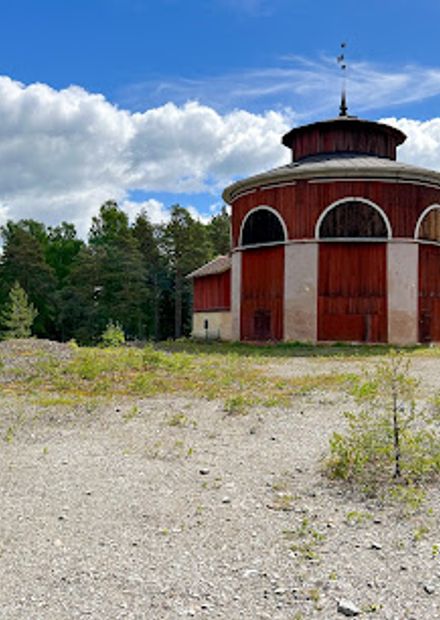
Descend into chilly depths of Sweden's storied silver mine: tours through historic caverns, mining village museums, and echoes of royal legacy await the bold.
Tell me more about Sala Silver MineMore to explore near Sala Silver Mine

 Best experiences near Sala Silver Mine
 Best hotels near Sala Silver Mine
 Best attractions near Sala Silver Mine
 Best shops near Sala Silver Mine
 Best bars near Sala Silver Mine
 Best restaurants near Sala Silver Mine
Explore more
Explore more of Västmanland
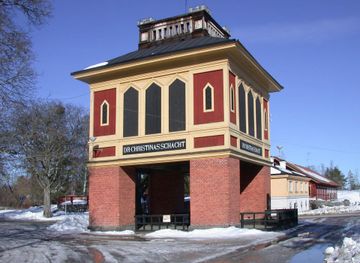
Discover Västmanland: A blend of natural beauty, historical treasures, and modern attractions in the heart of Sweden.
Explore Västmanland
Getting your guide ready…
We are putting together a fresh copy of the Sala Silver Mine guide. This can take up to a minute.
This can take a few moments. If your browser asks, choose Allow so the download can start. You'll find the guide in your Downloads folder.
Nothing happened? Download it again
Sorry, the guide is taking longer than usual. Please try again in a minute, or get it by email instead.

