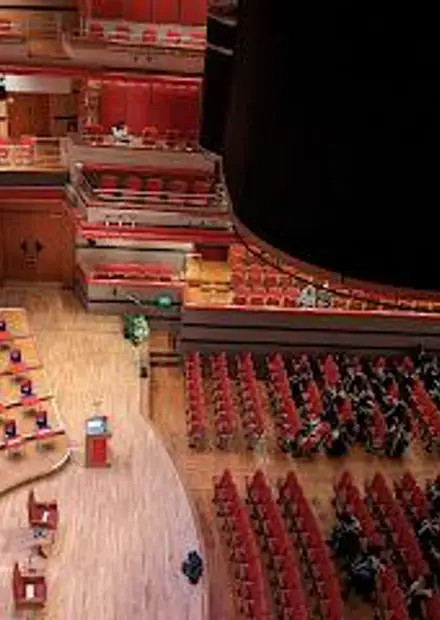
Best Landmarks Near Symphony Hall (West Midlands)
Planning a trip to Symphony Hall? Discover the best landmarks nearby with history, expert tips, and routes. Free on web or the Evendo app.


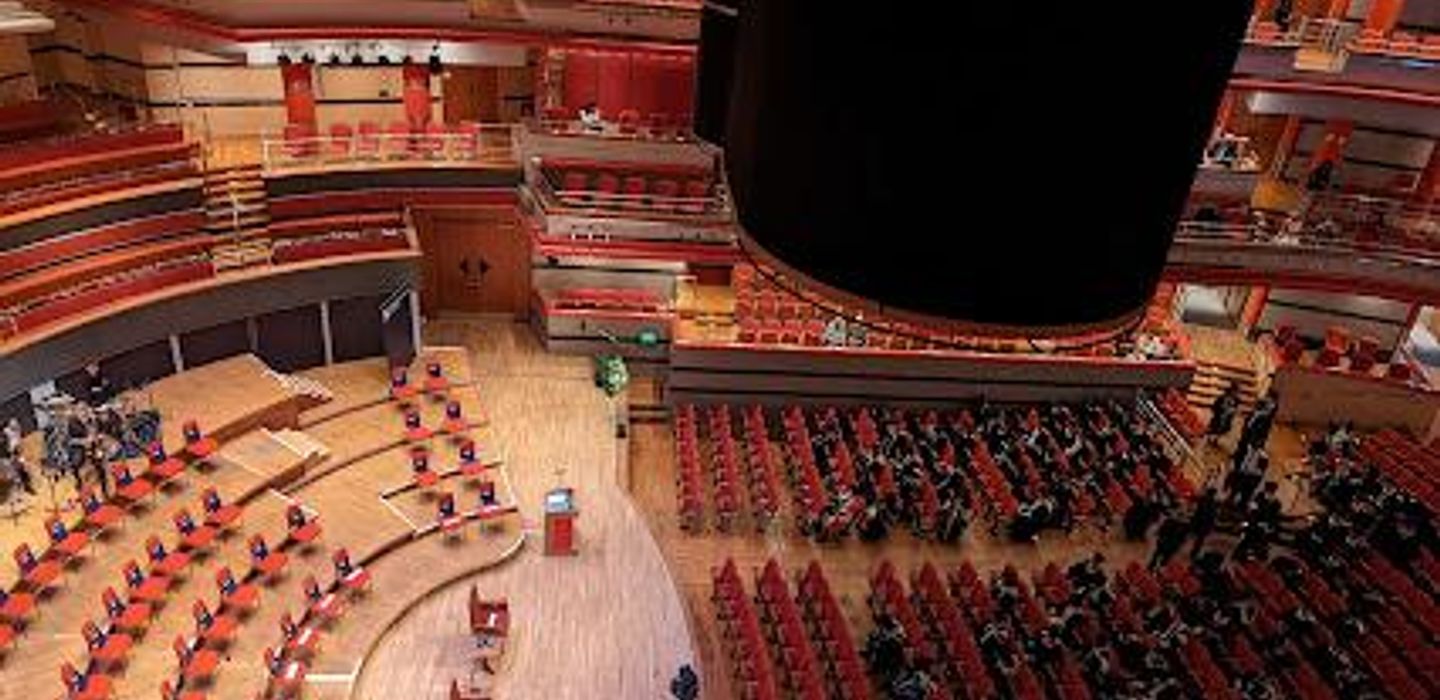
The best landmarks near Symphony Hall
- Top rated
- Closest to Symphony Hall
- Price level: low to high
- Time to spend: shortest first
- A–Z
89 landmarks
-
Museum4.5★8,296 reviews
Birmingham Museum & Art Gallery
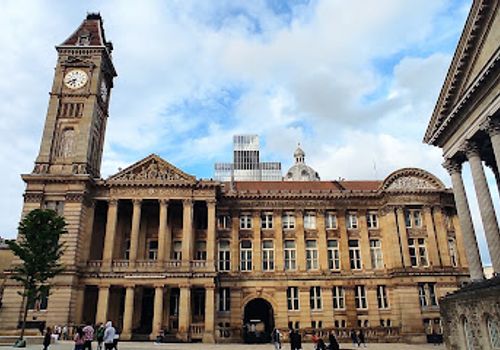
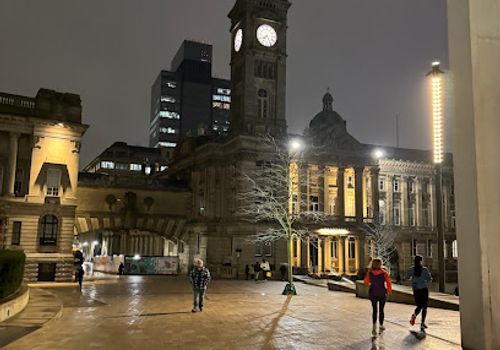
Located in Chamberlain Square, Birmingham Museum & Art Gallery is a Grade II* listed building showcasing an extensive collection of art, including Pre-Raphaelite works, industrial heritage, and family-friendly exhibits. Open Wednesday to Sunday from 10am to 5pm, it offers free general admission and features galleries such as the Staffordshire Hoard and Wild City, alongside a tearoom and museum shop.
Wed–Sun 10:00–17:00Time to spend 1–3 hrs
-
Historical landmark4.4★5,533 reviews
Broadway Tower
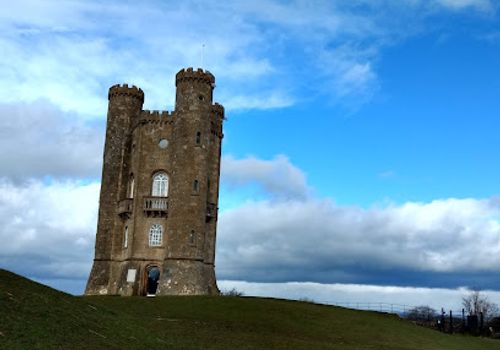
Broadway Tower is an iconic 18th-century Gothic folly perched atop Broadway Hill, the second-highest point in the Cotswolds, Worcestershire. Designed by James Wyatt and inspired by Capability Brown, this hexagonal limestone tower features turrets, battlements, and gargoyles. It houses a museum across three floors and offers panoramic views from its rooftop platform, visible across up to 16 English counties. The tower has a rich history as a beacon, printing press, artists’ retreat, and wartime lookout.
Daily 10:00–17:00Price level $$Time to spend 1–3 hrs
-
Pub4.4★4,203 reviews
The Old Joint Stock Pub & Theatre, Birmingham
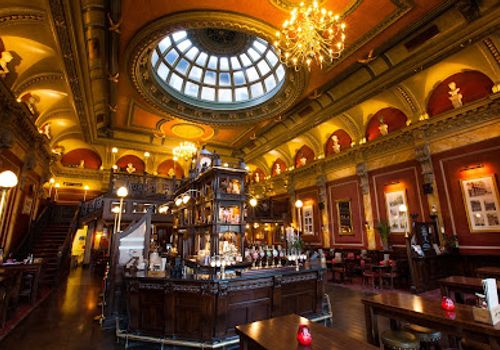
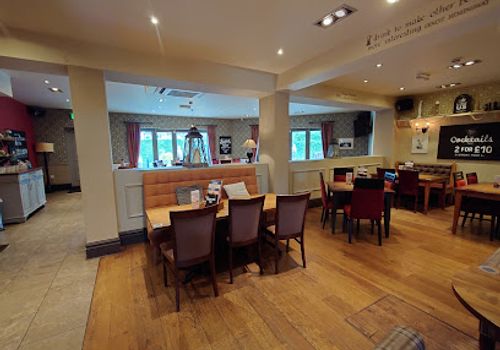
Nestled in Birmingham's Temple Row, this Victorian gem blends a grand pub with an intimate 105-seat theatre. Originally a library and bank from 1862, designed by architect Julius Alfred Chatwin, it features ornate decor, a central glass dome, and classic British fare alongside house ales. Upstairs, the theatre hosts professional productions, new writing, and touring shows in a cosy, atmospheric space perfect for musicals, dramas, and cabaret.
Mon–Sat 11:00–23:00 · Sun 12:00–18:00Price level $$Time to spend 1.5–3 hrs
-
Cathedral4.5★2,146 reviews
Birmingham Cathedral
Birmingham Cathedral, also known as St Philip's Cathedral, is the oldest building in Birmingham city centre still used for its original purpose. Built in 1715 and elevated to cathedral status in 1905, it is a fine example of English Baroque architecture. The cathedral is renowned for its four stunning stained-glass windows by Edward Burne-Jones, restored in 2023, and serves as a spiritual, cultural, and community hub in the city. Entry is free, and it hosts regular services, concerts, and events.
Time to spend 0.5–2 hrs
-
Monument4.4★2,162 reviews
Robin Hood Statue
The Robin Hood Statue is a 7-foot bronze monument located on Robin Hood's Lawn outside Nottingham Castle. Created by James Woodford in 1952, it depicts the legendary outlaw aiming his arrow at the castle gatehouse. Surrounded by smaller statues of his Merry Men, this Grade II listed landmark is a symbol of Nottingham's rich folklore and history, accessible 24/7 and free to visit.
Open 24 hoursTime to spend 0.2–1 hr
-
Pub4.4★2,067 reviews
Garrick
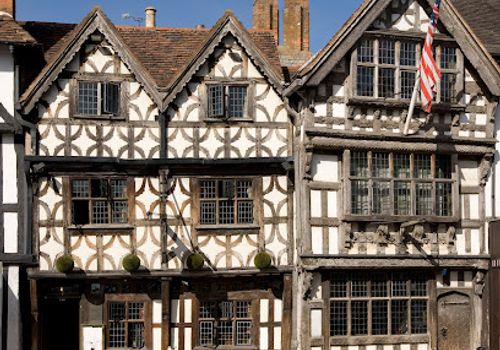
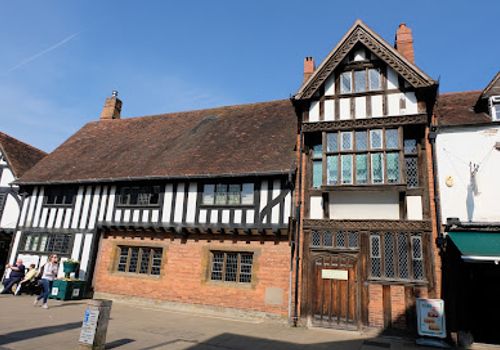
The Garrick Inn, located at 25 High Street in Stratford-upon-Avon, is reputedly the town's oldest pub, with origins dating back to the 14th century. This Grade II* listed Elizabethan half-timbered building offers a warm, historic atmosphere with traditional hearty pub fare and a fine selection of cask ales. Steeped in history and local lore, including tales of plague and hauntings, the Garrick Inn blends centuries-old charm with friendly service in a cozy, atmospheric setting.
Price level $$Time to spend 1–3 hrs
-
Historical landmark4.3★1,886 reviews
The Clock Tower
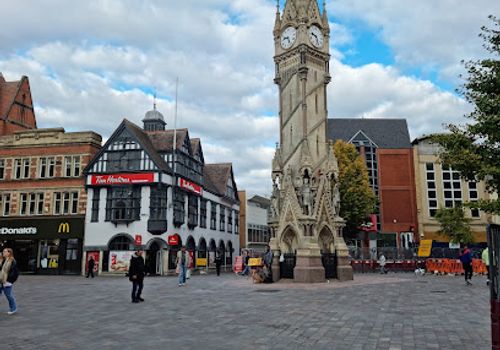
The Clock Tower in Leicester stands as a historic and ornate monument at the heart of the city, serving as a vibrant meeting point and symbol of Leicester’s rich heritage. Built in 1868 to ease traffic congestion, it commemorates four of Leicester’s benefactors and marks the site of Britain’s first traffic island. Surrounded by bustling shops, cafes, and pedestrian streets, it remains a focal point for locals and visitors alike, visible 24/7 and steeped in cultural significance.
Open 24 hoursTime to spend 0.5–1.5 hrs
-
Cathedral4.6★1,409 reviews
Derby Cathedral
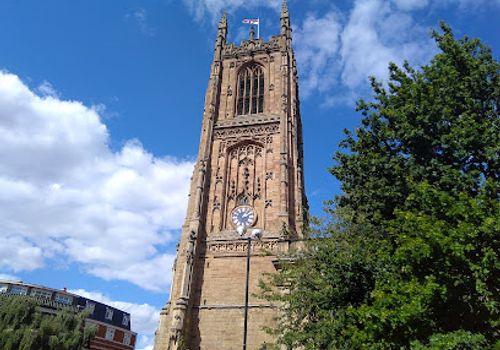
Derby Cathedral, officially the Cathedral Church of All Saints, is a captivating historic landmark in Derby city centre. Known as the third smallest cathedral in England, it features stunning Georgian architecture, a 16th-century tower, and a rich history spanning over a thousand years. Visitors enjoy peaceful reflection, cultural events, panoramic city views from the tower, and unique attractions like resident peregrine falcons and a LEGO replica of the cathedral.
Time to spend 1–3 hrs
-
Pub4.0★1,152 reviews
The Hemlock Stone
The Hemlock Stone is a striking 8.5-meter tall rock formation perched dramatically on a sandstone ridge in Bramcote Hills Park, near Nottingham. This natural landmark, composed of Nottingham Castle sandstone and Red Lenton stone, towers over woodland trails and offers panoramic views. Surrounded by peaceful hikes, wildflower meadows, and ancient trees, it blends geology, folklore, and outdoor adventure in an accessible suburban setting. Named for its hemlock-like shape, the stone has inspired local legends for centuries, making it a hidden gem for walkers, families, and nature lovers seeking tranquility just minutes from the city.
Time to spend 0.5–2 hrs
-
Anglican church4.6★953 reviews
St. Martin's
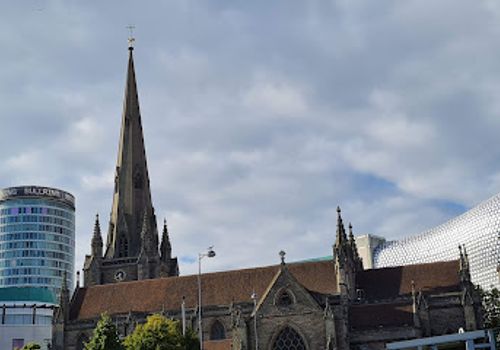
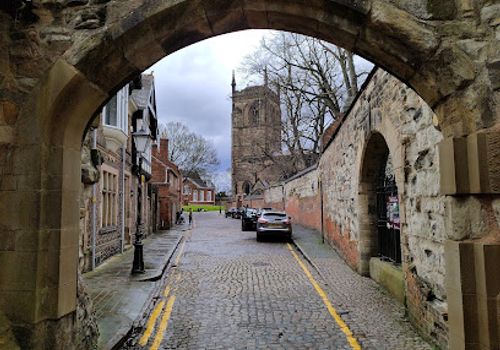
St Martin in the Bull Ring is Birmingham’s original parish church, a striking Grade II* listed Gothic Victorian building located in the heart of the city’s bustling Bull Ring shopping district. With origins dating back to 1290 and possible Saxon worship before that, the church features an impressive timber hammerbeam roof, intricate stonework, and a rich history intertwined with Birmingham’s urban development.
Tue–Sun 12:00–17:00Time to spend 0.5–2 hrs
-
Historical landmark4.7★832 reviews
Old John Tower
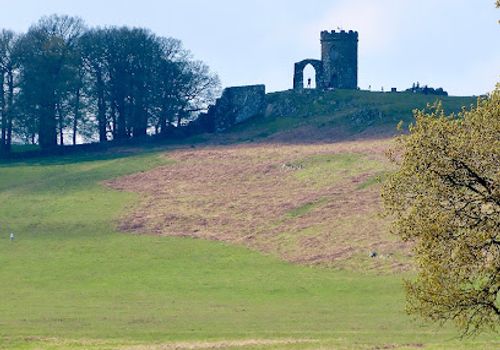
Old John Tower, perched on the highest hill in Bradgate Park, Leicestershire, is a striking 18th-century folly built in 1784. Originally constructed to resemble a romantic ruin, the tower served as an observation point for horse training and hunting activities. Its distinctive 'mug-shape' silhouette and castellated roof make it a prominent landmark visible across Leicester and beyond. Surrounded by scenic parkland, it offers panoramic views and a glimpse into local heritage.
Open 24 hoursTime to spend 1–3 hrs
-
Castle4.6★655 reviews
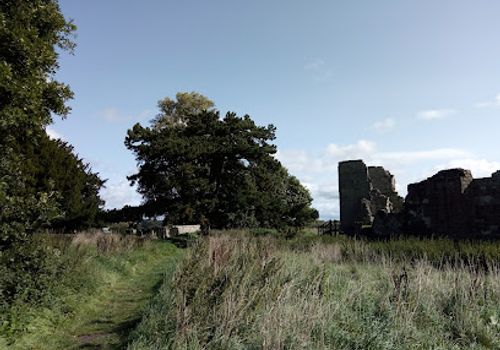
Moreton Corbet Castle
Moreton Corbet Castle is a striking English Heritage site near Shrewsbury featuring over 500 years of architectural evolution. The ruins blend a 13th-century stone castle with a rare Elizabethan south wing of bold Italian-inspired design, damaged during the English Civil War. Free to enter and open during daylight hours, the site offers visitors an intimate glimpse into medieval and Renaissance history with informative interpretation boards throughout. The adjacent church contains impressive Corbet family monuments and Victorian chancel decoration.
Daily 10:00–18:00Time to spend 1–2 hrs
-
Memorial4.5★498 reviews
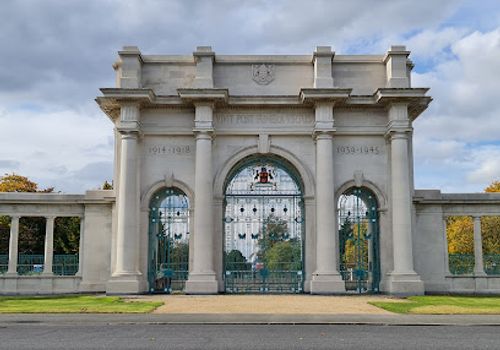
Nottingham War Memorial Gardens
A solemn and beautifully maintained tribute to military sacrifice, the Nottingham War Memorial Gardens occupy a prominent position along the Victoria Embankment overlooking the River Trent. Opened in 1927, this Grade II listed site features a grand ceremonial gateway inscribed with the Latin motto 'Virtue outlives death,' manicured lawns, a fountain, and a statue of Queen Victoria. The gardens serve as Nottingham's largest single memorial to the World Wars, with additional plaques commemorating subsequent conflicts. A peaceful retreat for reflection and remembrance.
Time to spend 0.8–2.5 hrs
-
Museum4.5★478 reviews
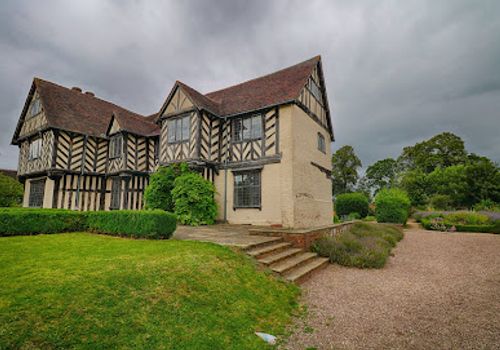
Blakesley Hall Museum
Blakesley Hall Museum, built in 1590, is one of Birmingham's oldest and most significant Tudor buildings. This Grade II* listed timber-framed manor house offers an immersive glimpse into the life of a wealthy merchant family during the late Tudor and Stuart periods. Visitors can explore original architectural features, including a rare painted chamber, alongside beautifully maintained gardens that provide a tranquil retreat within the city.
Wed–Fri 11:00–16:00Price level $$Time to spend 1–3 hrs
-
Catholic cathedral4.7★445 reviews
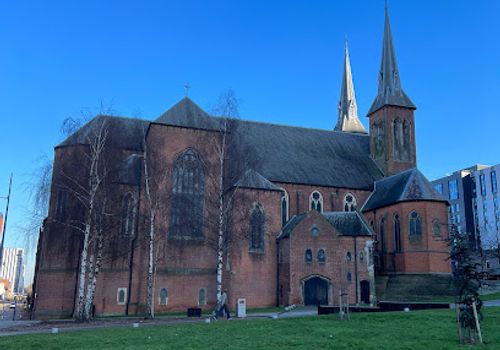
St Chad's Catholic Cathedral
St Chad's Cathedral in Birmingham is the first Catholic cathedral built in England since the Reformation, designed by Augustus Welby Northmore Pugin in a striking Gothic Revival style. Consecrated in 1841, it serves as the mother church of the Archdiocese of Birmingham and houses the relics of St Chad. The cathedral is renowned for its stunning stained glass, intricate interior decorations, and a remarkable history including surviving a WWII bombing.
Time to spend 0.5–2 hrs
-
Tourist attraction4.5★429 reviews
Belas Knap Long Barrow
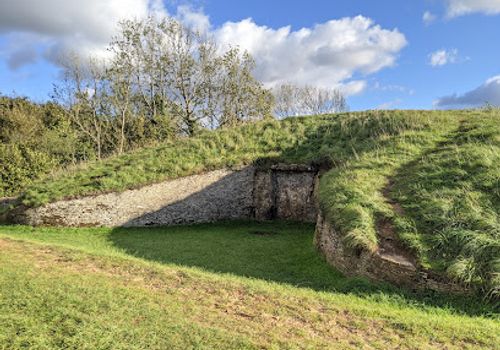
A remarkably preserved Neolithic chambered long barrow dating to around 3000 BCE, situated on Cleeve Hill near Winchcombe in the Cotswolds. This outstanding example of a Cotswold-Severn cairn features an intriguing false entrance and four burial chambers, offering visitors a tangible connection to 5,000 years of human history. The site combines archaeological significance with scenic countryside walks and panoramic views across the rolling Cotswolds landscape.
Open 24 hoursTime to spend 1–1.5 hrs
-
Museum4.5★404 reviews
Museum of the Jewellery Quarter
The Museum of the Jewellery Quarter in Birmingham offers a unique glimpse into the city's rich heritage as a historic centre of jewellery manufacturing. Housed in the preserved Smith & Pepper factory, the museum presents an authentic time capsule of a 20th-century jewellery workshop, complete with original tools, machinery, and workbenches. Visitors explore the story of Birmingham’s jewellery craft through guided tours and interactive galleries, revealing over 200 years of craftsmanship and industrial history.
Price level $$Time to spend 1–2 hrs
-
Abbey4.6★362 reviews
Croxden Abbey
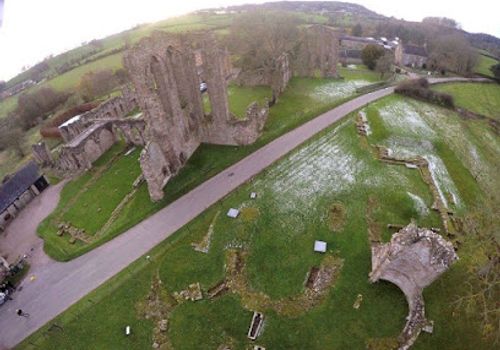
Croxden Abbey stands as one of Staffordshire's most significant medieval ruins, a 12th-century Cistercian monastery that once housed 70 monks at its peak. Founded in 1176 by Bertram de Verdun, the abbey flourished through the 13th and 14th centuries as a centre of religious devotion and agricultural prosperity, becoming renowned for its wool trade across Europe. Today, managed by English Heritage, the atmospheric ruins reveal towering fragments of the 13th-century church, infirmary, and 14th-century abbot's lodging, set within peaceful countryside bisected by a country lane. Free to enter with informative panels throughout, the site offers visitors a contemplative journey through medieval monastic life.
Daily 10:00–17:00Time to spend 1–2.5 hrs
-
Historical landmark4.7★279 reviews
Bradgate House
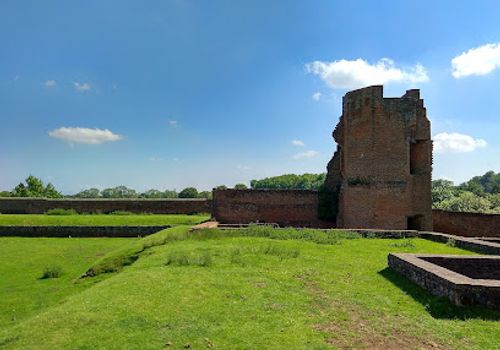
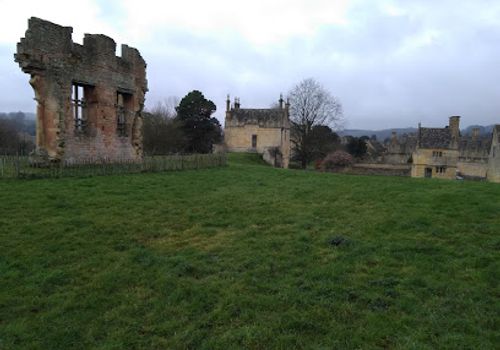
Bradgate House is the evocative 16th-century ruin nestled within Bradgate Park, Leicestershire, once the grand home of the Grey family and the childhood residence of Lady Jane Grey, England's 'Nine Day Queen.' Constructed between 1499 and 1520, it was among England’s earliest brick mansions, notable for its unfortified design. Though abandoned in the 18th century, its ruins remain a poignant historical landmark amid the medieval deer park’s natural beauty.
Wed 11:00–16:00 · Sat–Sun 11:00–16:00Time to spend 1–3 hrs
-
Church4.7★247 reviews
Church of St Peter and St Paul, Northleach
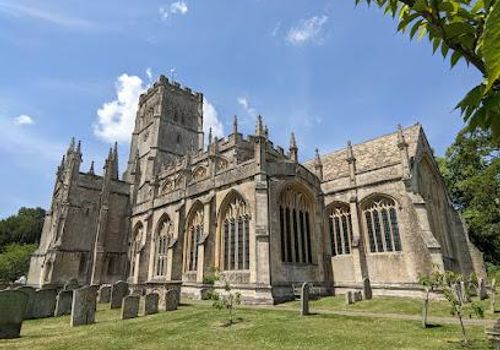
A magnificent 15th-century perpendicular Gothic church in the heart of Northleach, this architectural masterpiece stands as a testament to the town's medieval wool-trading wealth. Built by prosperous merchants who poured their riches into its construction, the church features soaring arcades, intricate stonework, and remarkable brass memorials depicting wool traders in their finest furred gowns. Known unofficially as the 'Cathedral of the Cotswolds,' it remains one of the finest parish churches in England and the most striking reminder of Northleach's golden age.
Daily 9:00–17:00Time to spend 0.8–2 hrs
-
Museum4.6★186 reviews
Nottingham Natural History Museum
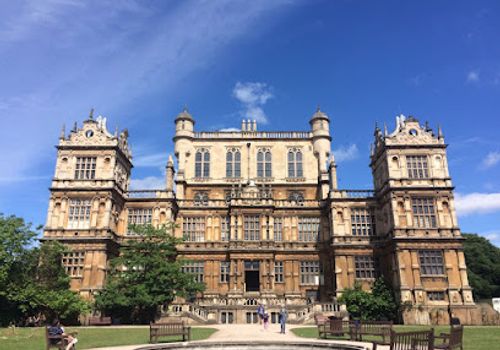
Nestled within the stunning Elizabethan Wollaton Hall and its expansive deer park, the Nottingham Natural History Museum offers a captivating journey through the natural world. The museum's rich collections showcase local wildlife, fossils, and geological specimens, set against the backdrop of one of England’s finest Grade I listed mansions surrounded by 500 acres of parkland. Visitors can explore diverse exhibits, enjoy the formal gardens, and experience the historic grandeur of the hall itself.
Daily 11:00–16:00Price level $$Time to spend 1–3 hrs
-
Historical landmark4.2★194 reviews
The Derby Ram Statue
The Derby Ram Statue, located on East Street in Derby, celebrates the city's deep-rooted association with the legendary Derby Ram folk tale. This striking sculpture embodies the rich cultural heritage tied to the ram, a symbol embraced by Derby’s military regiments, football team, and local identity. The statue stands as a vibrant tribute to the city’s history, folklore, and community spirit.
Open 24 hoursTime to spend 0.5–1.5 hrs
-
Museum4.3★183 reviews
Soho House Museum
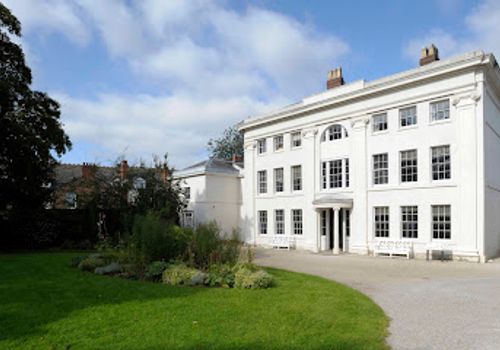
Soho House Museum in Birmingham is the beautifully restored 18th-century home of Matthew Boulton, a key figure of the Industrial Revolution and founder of the Lunar Society. The Grade II* listed house showcases Georgian elegance, innovative early technologies like central heating, and displays of silver, ormolu, and clocks produced at Boulton’s Soho Manufactory. The museum’s peaceful gardens and historic interiors offer insight into Birmingham’s industrial heritage and Enlightenment-era innovation.
Price level $$Time to spend 1–2 hrs
-
Museum4.5★172 reviews
Black and White House Museum
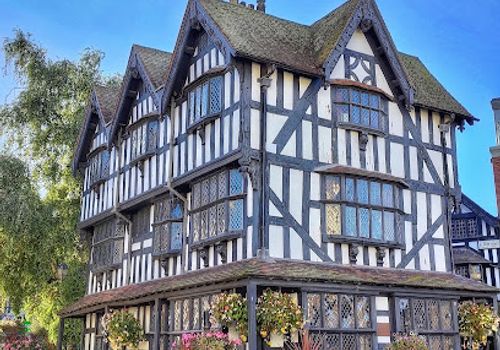
The Black and White House Museum in Hereford is a beautifully preserved 17th-century timber-framed building dating back to 1621. Originally a butcher’s home and shop, it now serves as a museum showcasing Jacobean life with an internationally important collection of English oak furniture, rare wall paintings, and interactive exhibits. Open Tuesday to Saturday 10am–5pm and Sundays 11am–4pm, it offers a fascinating glimpse into Hereford’s history and culture.
Tue–Sat 10:00–16:00 · Sun 11:30–14:30Price level $$Time to spend 1–2.5 hrs
-
Bridge4.3★178 reviews
Over Bridge
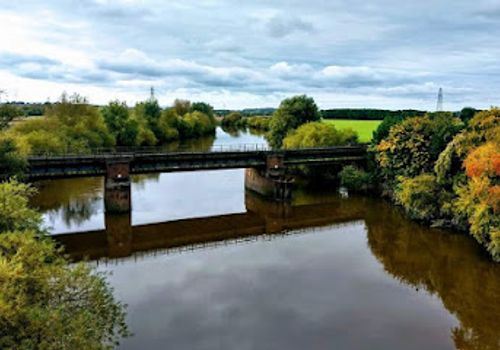
Over Bridge, also known as Telford's Bridge, is a historic single-span stone arch bridge spanning the canalised West Channel of the River Severn near Gloucester. Designed by the renowned engineer Thomas Telford and opened in 1830, it was the lowest road crossing of the Severn until the 1960s. Now pedestrian-only, it offers scenic views and a glimpse into early 19th-century engineering innovation.
Open 24 hoursTime to spend 0.5–2 hrs
-
Memorial estate4.5★150 reviews
Hall of Memory
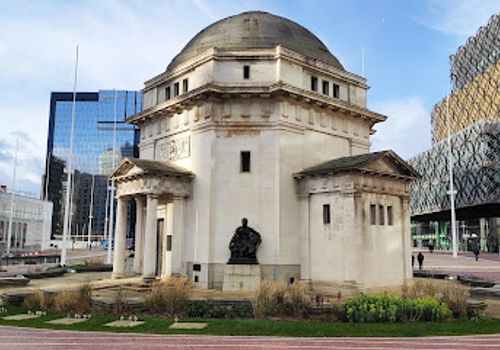
The Hall of Memory in Birmingham is a solemn war memorial built in the 1920s to honor the 12,320 citizens who died in World War I, later commemorating those lost in subsequent conflicts. Located in Centenary Square, it features striking bronze statues representing the British military services and a quiet interior space for reflection, with free public access during limited hours.
Thu–Sat 10:00–16:00Time to spend 0.5–1.5 hrs
-
Historical landmark3.9★151 reviews
Jewry Wall & Roman Baths
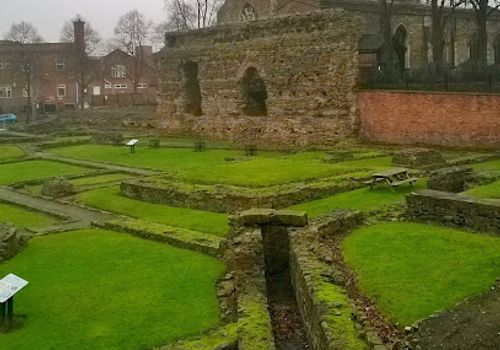
The Jewry Wall in Leicester is one of the largest surviving Roman masonry structures in Britain, dating back to around AD 160. It formed part of a grand Roman public bath complex in the ancient town of Ratae Corieltauvorum. Adjacent to the wall are the excavated remains of the baths and the Jewry Wall Museum, which showcases Roman and Iron Age artefacts from Leicester. The site offers a fascinating glimpse into Roman urban life and architecture, with free public viewing of the wall and paid access to the museum.
Daily 9:00–17:00Price level $$Time to spend 1–3 hrs
-
Chapel4.7★106 reviews
The Guild Chapel
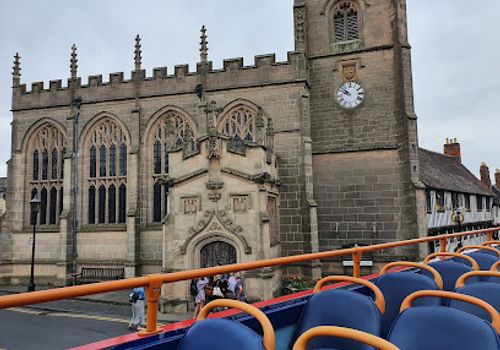
One of England's most significant medieval chapels, the Guild Chapel stands on Chapel Lane in Stratford-upon-Avon as a testament to 13th-century religious life. Founded by the Guild of the Holy Cross in 1269, this Grade I listed building showcases rare surviving wall paintings from the early 1500s—a remarkable cycle of medieval religious imagery that was hidden under limewash during the Reformation and rediscovered in the 19th century. Extensively rebuilt by Hugh Clopton in the 1490s, the chapel remains an essential stop for understanding both medieval Stratford and the town's connection to the Shakespeare family.
Daily 10:00–16:00Time to spend 0.8–2 hrs
-
Historical landmark4.6★100 reviews
Freda's Grave
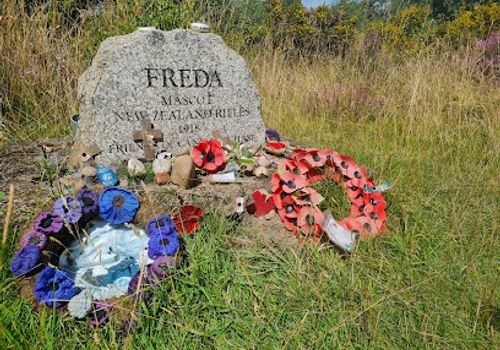
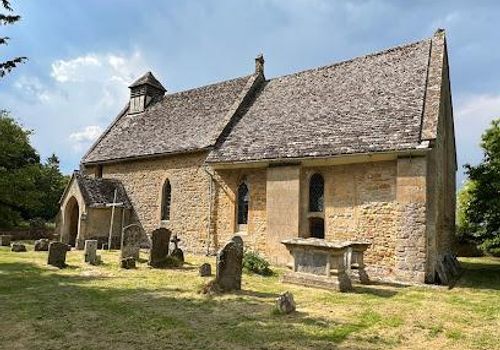
Tucked within the wild heathland of Cannock Chase, Freda’s Grave is a small but deeply moving memorial to Freda, a Harlequin Great Dane who served as mascot for the 5th (Reserve) Battalion, New Zealand Rifle Brigade during World War I. Located near Brocton, this modest stone marks the resting place of a beloved canine companion whose loyalty touched soldiers far from home. The site is part of a wider network of war-related memorials on the Chase, set in peaceful, open countryside perfect for quiet reflection and short walks through heather and pine.
Open 24 hoursTime to spend 0.5–1.5 hrs
-
Historical landmark4.3★103 reviews
Leicester Castle
Leicester Castle, located in the city center of Leicester, England, is a historic Norman motte-and-bailey castle dating back to around 1070. Once the seat of the Earls of Leicester and later the Dukes of Lancaster, it features the remarkable Great Hall—the oldest surviving aisled timber hall in Britain—and remnants of medieval fortifications. The castle has served as a royal residence, courthouse, and prison, and today its grounds and structures offer a rich glimpse into England’s medieval past.
Time to spend 1–3 hrs
-
Market4.3★93 reviews
Stratford Waterside Market
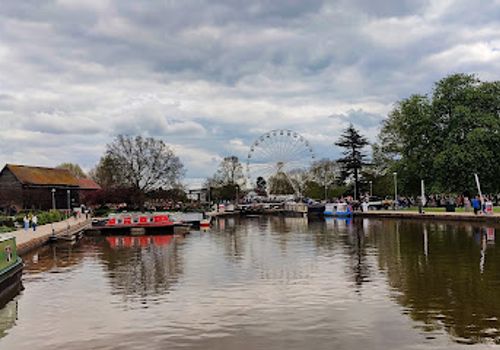
Stratford Waterside Market, also known as the Waterside Upmarket, is a vibrant Sunday market located along the picturesque riverbank in Stratford-upon-Avon. It features over 90 stalls offering a diverse range of high-quality products including handcrafted items, designer jewellery, vintage finds, street food, and artwork. The market is renowned for its unique and artisan products, set in a charming waterside setting near the Royal Shakespeare Theatre.
Price level $Time to spend 1–3 hrs
-
Historical landmark4.1★95 reviews
Greyfriars
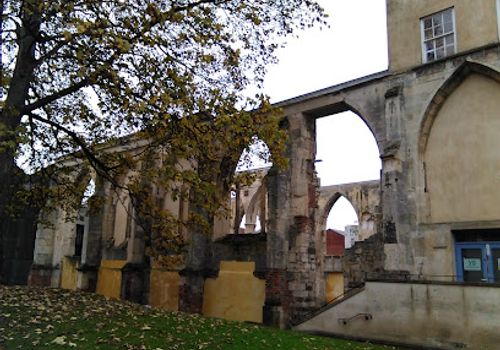
Greyfriars in Gloucester is the evocative ruin of a Franciscan friary founded around 1231. The site features the remains of its 16th-century church, a blend of medieval architecture and later adaptations. Once a thriving religious community, the friary was dissolved in the 16th century and later repurposed. Today, Greyfriars offers a tranquil historic atmosphere amid the city, with its elegant arches and stonework telling stories of centuries past.
Daily 9:00–17:00Time to spend 0.5–2 hrs
-
Historical landmark4.5★85 reviews
The Shakespeare Memorial Fountain
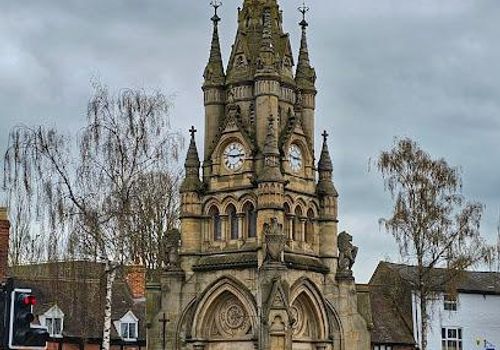
The Shakespeare Memorial Fountain, also known as the American Fountain, is a striking Victorian Gothic monument located in Stratford-upon-Avon's marketplace. Gifted by American philanthropist George Childs in 1887, it commemorates Queen Victoria’s Golden Jubilee, celebrates William Shakespeare, and symbolizes the friendship between the USA and England. Adorned with Shakespearean quotes and sculptural details, it originally served as a drinking fountain and horse trough, reflecting local temperance sentiments.
Open 24 hoursTime to spend 15–45 min
-
Museum4.4★86 reviews
Iron Bridge Tollhouse
Step into the world's first cast-iron bridge, built in 1779 and a defining symbol of the Industrial Revolution. The Iron Bridge Tollhouse, housed in the original toll collection building, offers free entry to explore exhibitions about this engineering marvel. Walk across the historic structure, enjoy panoramic views of the Ironbridge Gorge and River Severn, and discover the fascinating story of how Abraham Darby III and architect Thomas Farnolls Pritchard revolutionized construction with cast iron. A UNESCO World Heritage Site that remains a working pedestrian crossing after more than 240 years.
Daily 10:00–17:00Time to spend 0.8–1.5 hrs
-
Historical landmark4.4★78 reviews
Wychbury Obelisk
The Wychbury Obelisk, standing 26 metres tall on Wychbury Hill near Hagley, is a striking 18th-century neoclassical monument visible for miles. Set atop an Iron Age hillfort site, it offers panoramic views across the Worcestershire countryside and beyond. The hill and obelisk are steeped in history and local folklore, including connections to ancient kingdoms, pagan significance, and a mysterious unsolved murder, making it a captivating landmark for visitors.
Open 24 hoursTime to spend 1–3 hrs
-
Historical landmark4.2★81 reviews
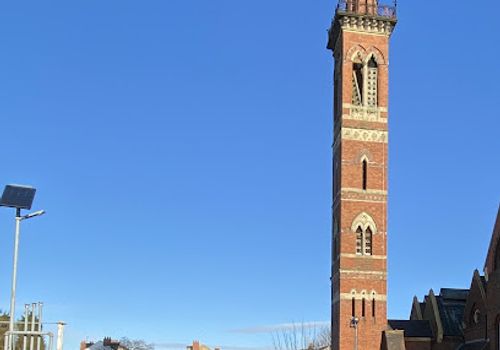
Edgbaston Waterworks Tower
The Edgbaston Waterworks Tower, built around 1870 in Birmingham, is a striking Victorian industrial structure designed by John Henry Chamberlain and William Martin. Originally part of the city’s water supply system, this Grade II listed tower is famed for its architectural grandeur and rumored inspiration for J.R.R. Tolkien’s ‘Two Towers.’ It stands near Perrott’s Folly, together creating a unique historic and literary landmark in the Edgbaston area.
Time to spend 0.5–1.5 hrs
-
Sculpture4.4★70 reviews
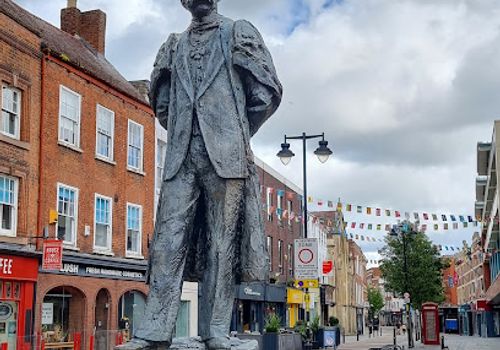
Sir Edward Elgar
The Sir Edward Elgar statue in Worcester commemorates one of England’s most celebrated composers, born near the city. This sculpture honors Elgar’s lasting impact on classical music, notably his Enigma Variations and Pomp and Circumstance Marches. Situated in Worcester, the statue offers a cultural landmark celebrating Elgar’s legacy in his native Worcestershire.
Open 24 hoursTime to spend 0.5–1.5 hrs
-
Historical landmark4.5★66 reviews
Galton Bridge
Galton Bridge, located in Smethwick near Birmingham, is a historic cast-iron bridge designed by Thomas Telford and opened in 1829. Originally built to carry a road over the New Main Line of the Birmingham Canal, it was once the highest iron bridge in the world. Since the 1970s, it has been pedestrianised, standing as a testament to early industrial engineering and the transport revolution in the West Midlands.
Open 24 hoursTime to spend 0.5–2 hrs
-
Historical landmark4.6★51 reviews
Flounders' Folly
Flounders' Folly is an 80-foot tall stone tower built in 1838, perched on Callow Hill near Craven Arms in South Shropshire. This striking landmark offers 360-degree views of the surrounding countryside, including the Malverns and Black Mountains. Restored in the early 2000s, the tower is open to visitors seasonally and accessible via scenic walking trails, making it a rewarding destination for history enthusiasts and nature lovers alike.
Open 24 hoursPrice level $Time to spend 1–3.5 hrs
-
Shopping Centre4.5★51 reviews
The Selfridges Building
Rising like a giant silver amoeba in the heart of Birmingham, the Selfridges Building is one of the UK’s most striking modern landmarks. Clad in over 15,000 shimmering aluminium discs, this futuristic department store at Bullring redefines shopping as an architectural spectacle. Inside, it’s a curated world of luxury fashion, beauty, gourmet food, and in-store experiences, all beneath a sculptural roof that has become an icon of 21st-century British design. Whether you’re browsing designer rails or simply admiring its otherworldly form, Selfridges is a must-see in the city.
Mon–Sat 9:00–19:00 · Sun 11:00–17:00Price level $$Time to spend 1–4 hrs
-
Historical landmark4.4★44 reviews
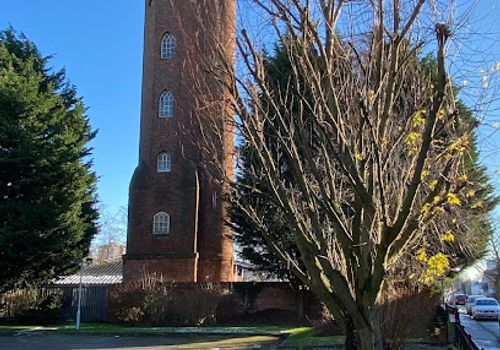
Perrott's Folly
Perrott's Folly is a striking 29-metre-high tower built in 1758 by local landowner John Perrott in Edgbaston, Birmingham. Originally constructed as an observatory and fashionable venue, it later served as a weather station. The tower is famous for its possible influence on J.R.R. Tolkien's 'Two Towers' and is a Grade II* listed building. Managed by a local charity, it hosts occasional art events and remains an important heritage landmark requiring ongoing preservation.
Time to spend 0.5–2 hrs
-
Historical landmark4.5★43 reviews
Laura's Tower
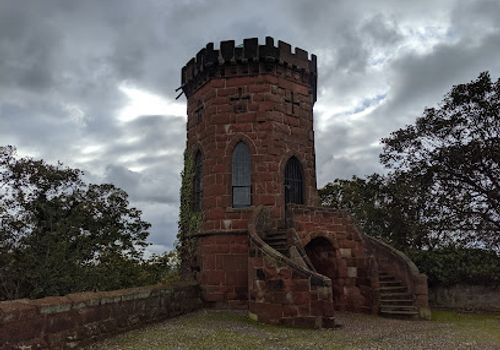
Laura's Tower is an enchanting late 18th-century folly perched atop the Norman motte of Shrewsbury Castle in Shropshire, England. Built around 1790 by renowned engineer Thomas Telford as a summerhouse for Laura Pulteney’s 21st birthday, this Grade II listed sandstone tower offers panoramic views over Shrewsbury’s medieval townscape and the surrounding countryside. Though open to the public only on special occasions, its charming architecture and historic significance make it a captivating landmark within the castle grounds.
Open 24 hoursPrice level $Time to spend 1–2 hrs
-
Monument4.6★33 reviews
Chamberlain Memorial
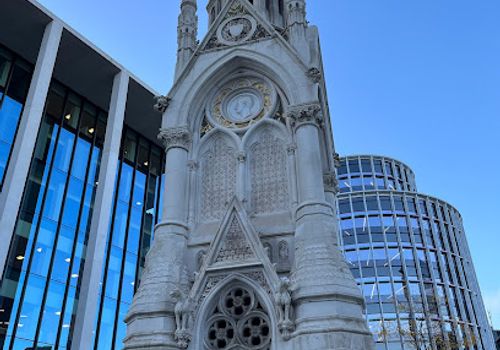
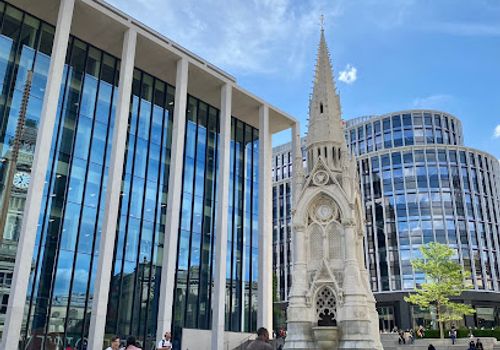
The Chamberlain Memorial Fountain, erected in 1880 in Chamberlain Square, Birmingham, commemorates Joseph Chamberlain’s impactful public service as mayor and statesman. This 20-metre neo-Gothic monument features intricate mosaics by Venetian artisans, a portrait medallion by Thomas Woolner, and a crocketted spire. Despite mixed architectural opinions, it remains a significant historic landmark near Birmingham Museum & Art Gallery.
Open 24 hoursTime to spend 0.2–1 hr
-
Historical landmark4.6★31 reviews
Chamberlain Clock
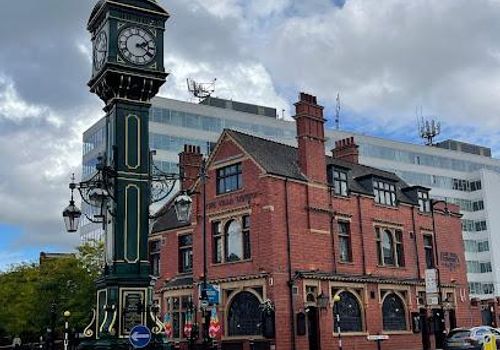
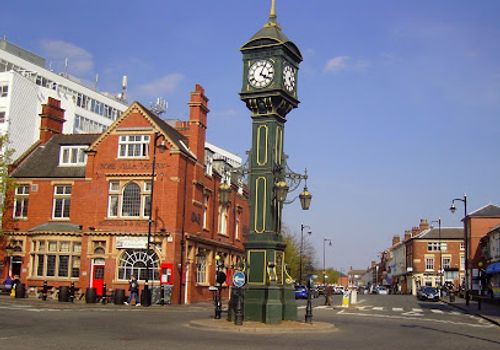
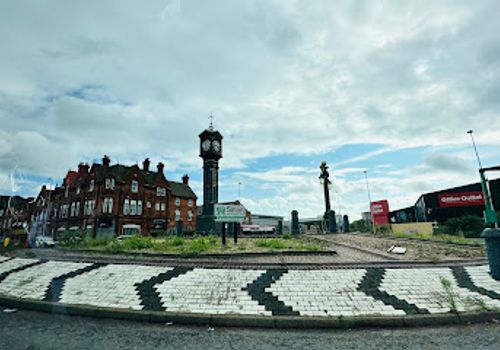
Standing proudly at the heart of Birmingham’s Jewellery Quarter, the Chamberlain Clock is a striking Edwardian cast-iron clock tower erected in 1903 as a memorial to Joseph Chamberlain. Located at the junction of Vyse Street and Warstone Lane, this Grade II listed landmark has long served as a familiar meeting point and symbol of the area’s rich industrial and civic heritage. Recently restored to its former glory, the clock combines ornate Victorian-era craftsmanship with a deep connection to Birmingham’s history, making it a must-see for visitors exploring the city’s historic core.
Mon–Fri 9:00–16:00Time to spend 0.2–1 hr
-
Historical landmark4.5★31 reviews
The Bee Shelter, Hartpury
The Bee Shelter in Hartpury, Gloucestershire, is a rare and ornate 19th-century stone structure built to protect bee skeps. Originally crafted by stonemason Paul Tuffley in the mid-1800s, it showcases exquisite Cotswold stone masonry with Doric columns and gabled plinths. Relocated and restored multiple times, it now stands in the churchyard of St Mary the Virgin, symbolizing the region's rich beekeeping heritage and Victorian agricultural traditions.
Open 24 hoursTime to spend 0.5–1.5 hrs
-
Historical landmark4.3★26 reviews
Earl Shilton Castle
Earl Shilton Castle is a historic 12th-century motte and bailey castle located on the northern edge of Earl Shilton village near Leicester. Founded soon after the Norman Conquest by the Earl of Leicester, the castle once guarded the Vale of Kirkby and served as a hunting lodge after its military use ended. Today, only the large earthwork mound, surrounded by a ditch and remnants of the bailey bank, remains as a scheduled monument within a public garden setting.
Time to spend 0.5–1.5 hrs
-
Historical landmark4.3★24 reviews
Old Trent Bridge
Old Trent Bridge, located in West Bridgford, Nottingham, is a historic river crossing with origins dating back to the early 10th century. The site has seen successive medieval and post-medieval bridges, evolving from timber and stone structures to the iron and stone bridge completed in 1871. Notable for its flood marks carved into the stonework and its role in Nottingham’s urban development, Old Trent Bridge remains a significant landmark reflecting centuries of engineering and local heritage.
Open 24 hoursTime to spend 0.5–1.5 hrs
-
Tourist attraction4.6★22 reviews
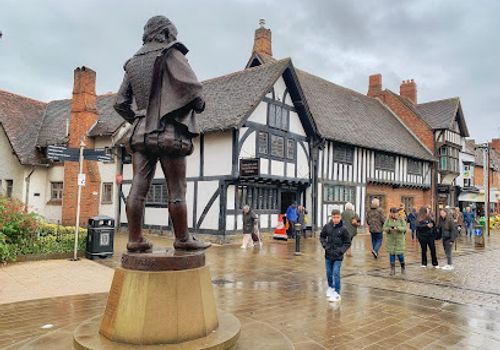
Statue Of Shakespeare Stratford-upon-Avon
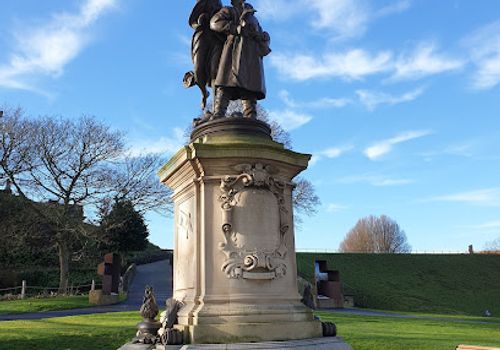
Standing proudly on Henley Street in Stratford-upon-Avon, the bronze statue of William Shakespeare is one of the town’s most iconic landmarks. Erected in 1888, it depicts the Bard seated with quill in hand, surrounded by figures from his plays. Easily accessible and free to visit, it’s a popular photo spot and a natural starting point for exploring Shakespeare’s hometown. The statue sits near Shakespeare’s Birthplace and other key attractions, making it a central, symbolic heart of Stratford’s literary heritage.
Open 24 hoursTime to spend 15–30 min
-
Historical landmark4.2★24 reviews
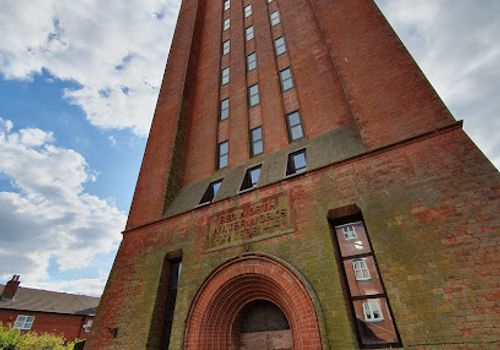
Bedworth Water Tower
The Bedworth Water Tower, built in 1898 in a Romanesque style, stands as a striking historical landmark in Bedworth, Warwickshire. Once supplying the town with clean water via a 60,000-gallon tank, this 45-metre-high brick structure is Grade II listed and visible from miles around. Now repurposed into luxury apartments, it also serves as a nesting site for peregrine falcons, blending heritage with nature.
Time to spend 0.5–1.5 hrs
-
Town Hall4.4★22 reviews
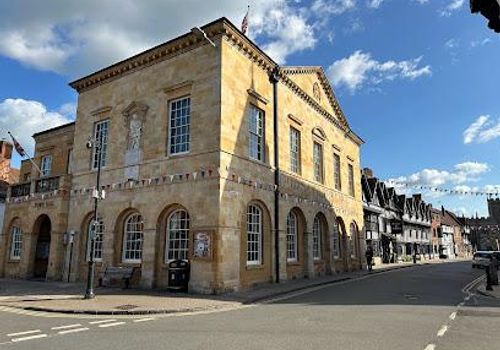
Stratford-upon-Avon Town Hall
Stratford-upon-Avon Town Hall, completed in 1767 and opened in 1769, is a Grade II* listed Palladian-style building located on Sheep Street. Renowned for its elegant architecture and cultural significance, it features a statue of William Shakespeare and has served various civic roles, including council meetings and a World War I auxiliary hospital. The building’s richly decorated courtroom and ballroom reflect its historical social and judicial functions.
Daily 10:00–16:30Time to spend 0.5–1.5 hrs
-
Church4.8★18 reviews
Hailes Church
Hailes Church, dating back to 1175, stands near the evocative ruins of Hailes Abbey, a former Cistercian monastery founded in 1246 by Richard, Earl of Cornwall. The abbey became a renowned medieval pilgrimage site after acquiring a relic believed to be the Holy Blood of Christ. Though the abbey was dissolved in 1539, the church remains a Grade I listed building, preserving medieval religious heritage amid the tranquil Cotswold countryside.
Open 24 hoursPrice level $Time to spend 1–3 hrs
-
Sculpture4.9★16 reviews
Sir Frank Whittle
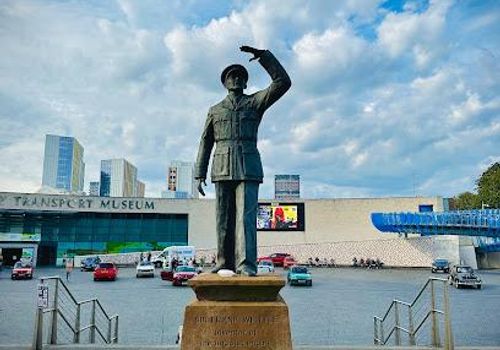
A striking tribute to aviation pioneer Sir Frank Whittle, this bronze statue and steel arch monument stands in the heart of Coventry, celebrating the inventor of the turbojet engine. Located outside the Coventry Transport Museum on Hales Street, the sculpture captures Whittle in his Royal Air Force uniform, watching over the city that shaped his revolutionary career. The accompanying Whittle Arch—two soaring steel spans converging 15 meters above ground—features an aerodynamic mesh design that glows with internal lighting at night, symbolizing innovation and engineering excellence.
Open 24 hoursTime to spend 0.5–2 hrs
-
Historical landmark3.7★19 reviews
Fords Hospital Alms House
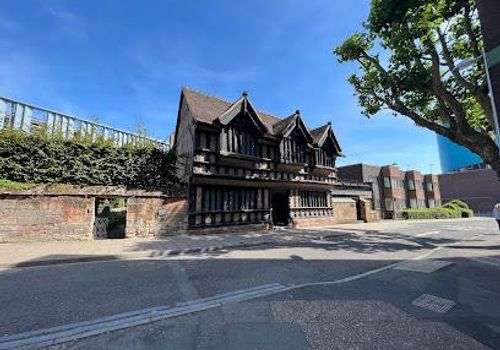
Ford's Hospital, also known as Greyfriars Hospital, is a Grade I listed 16th-century half-timbered almshouse located on Greyfriars Lane in Coventry. Founded in 1509 by wealthy merchant William Ford, it originally provided sheltered accommodation for elderly residents. The building features a narrow courtyard and distinctive timber-framed gables, exemplifying English domestic architecture of the Tudor period. Despite suffering bomb damage during World War II, it was carefully restored and remains a remarkable historic landmark.
Time to spend 0.5–1.5 hrs
-
Jewellery Store4.7★14 reviews
The Jewellery Quarter Birmingham
Nestled in the heart of Birmingham's north-western city centre, the Jewellery Quarter spans 1.07 square kilometres and houses a vibrant community of 19,000. This historic district, built on Triassic Bunter sandstone ideal for metalworking moulds, buzzes with over 100 workshops, artisan boutiques, and factories crafting exquisite jewellery. Cobblestone streets lined with Victorian architecture lead to the Museum of the Jewellery Quarter, revealing 200 years of industrial legacy. Follow the Charm Bracelet Trail, a bronze pathway with gemstone-inspired plaques guiding you through its creative heart. Beyond gems, discover cafes, pubs, and galleries in repurposed industrial buildings, blending heritage with modern media and design firms. A living testament to craftsmanship, it's a treasure trove for shoppers, history buffs, and explorers seeking unique designs amid a lively urban atmosphere.
Mon–Fri 9:00–16:00Time to spend 1–3 hrs
-
Historical landmark4.3★15 reviews
The Fountain
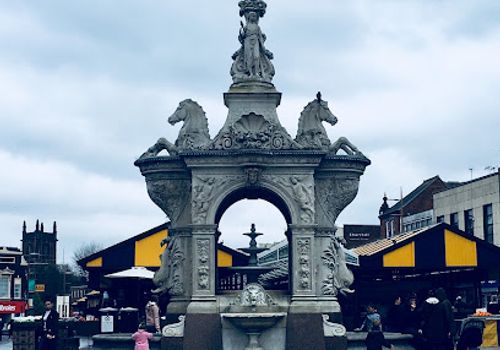
The Fountain is a distinguished historical landmark located in Dudley's Market Place, West Midlands. This charming structure stands as a testament to the town's rich heritage and serves as a central point within the bustling market area. Known for its architectural character and cultural significance, The Fountain invites visitors to explore Dudley's past amid a lively urban setting.
Open 24 hoursTime to spend 0.5–1.5 hrs
-
Bridge4.8★12 reviews
Tramway Bridge
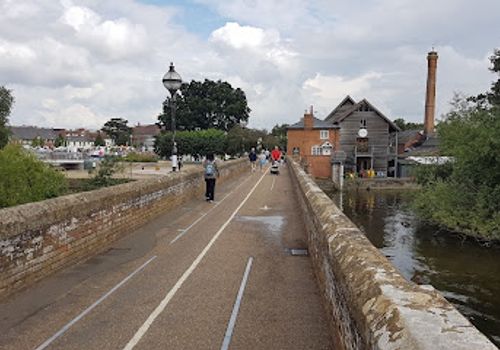
The Tramway Bridge in Stratford-upon-Avon is a historic pedestrian bridge built in 1826 with nine elegant red brick arches. Originally part of the Stratford and Moreton Tramway, it offers serene views over the River Avon and remains a cherished landmark for locals and visitors exploring the town’s industrial heritage alongside its literary fame.
Time to spend 0.5–1.5 hrs
-
Historical landmark4.8★11 reviews
The River
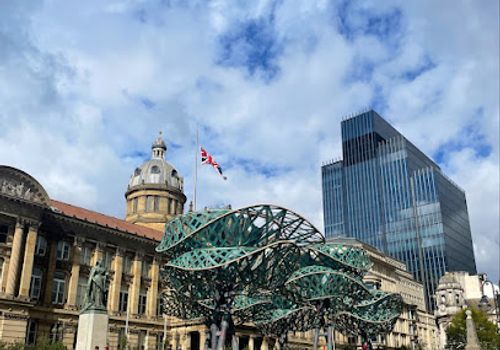
The River is an iconic bronze fountain sculpture located in Victoria Square, Birmingham. Created by sculptor Dhruva Mistry and inaugurated by Diana, Princess of Wales in 1994, it features a monumental reclining female figure symbolizing the life force. Known affectionately as 'The Floozie in the Jacuzzi,' the fountain is one of Europe's largest, with cascading water flowing at 3,000 gallons per minute. Surrounding the main figure are additional sculptures and inscriptions from T.S. Eliot's poetry, blending art, literature, and urban design.
Time to spend 0.5–1.5 hrs
-
Historical landmark4.8★11 reviews
Edgar Tower
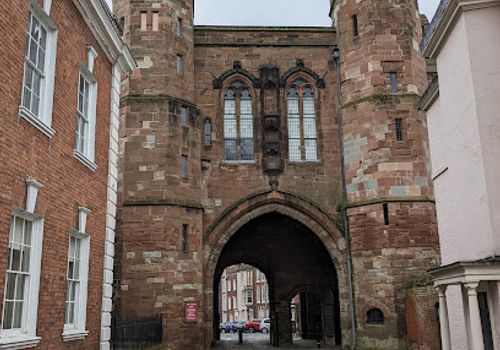
Edgar Tower is a striking 14th-century medieval gatehouse located in Worcester, England, adjacent to Worcester Cathedral. Originally built as a fortified entrance to the cathedral’s great court, this two-storey stone structure features arrow loops, murder holes, and octagonal turrets. Restored in the 19th century, it stands as a Grade I listed building and Scheduled Monument, offering visitors a glimpse into medieval architecture and history in a tranquil city setting.
Time to spend 0.5–1.5 hrs
-
Historical landmark4.7★11 reviews
Bliss Tweed Mill
Bliss Tweed Mill, a striking Grade II* listed Victorian building on the edge of Chipping Norton, Oxfordshire, was built in 1872 to produce fine tweed from local wool. Designed by George Woodhouse, its mansion-like limestone façade and iconic domed chimney make it a distinctive landmark. Once a thriving industrial hub supplying military uniforms in WWI, the mill closed in 1980 and has since been converted into luxury apartments, preserving its historic character amidst scenic Cotswold countryside.
Price level $$Time to spend 0.5–1.5 hrs
-
Historical landmark4.6★11 reviews
Memorial Clock Tower
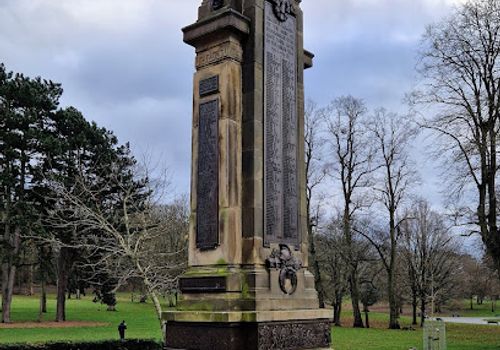
The Memorial Clock Tower in Coalville is a striking Grade II listed Gothic-revival monument erected in 1925 to honor the 354 local soldiers who died in the First World War. Standing 68 feet tall and built from multi-colored Staffordshire bricks with Cornish granite tablets bearing the names of the fallen, it remains a powerful symbol of remembrance and local heritage in the heart of Coalville’s town centre.
Time to spend 0.5–1.5 hrs
-
Historical landmark3.7★9 reviews
Portobello Tower
Portobello Tower, located on Dark Lane in Featherstone near Wolverhampton, is an eighteenth-century belvedere built by Henry Vernon to commemorate the 1739 capture of Portobello. This Grade II listed stone tower, now roofless and in a state of disrepair, offers a glimpse into local heritage and once provided magnificent panoramic views over the surrounding parkland and countryside.
Open 24 hoursTime to spend 0.5–1.5 hrs
-
Historical landmark4.8★6 reviews
The Randolph Turpin Statue
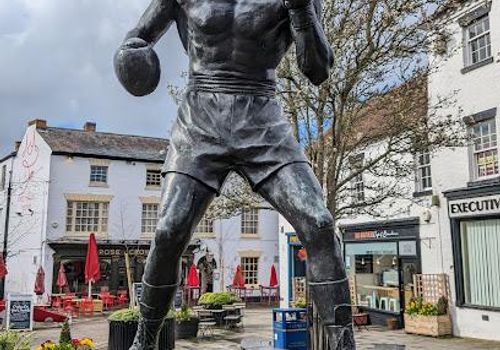
Located in Market Square, Warwick, the Randolph Turpin Statue honors the legendary British middleweight boxing champion famed for his 1951 victory over Sugar Ray Robinson. This bronze statue commemorates Turpin's brief but impactful reign as world champion and his enduring legacy in British sport and local history.
Open 24 hoursTime to spend 0.2–1 hr
-
Historical landmark4.8★6 reviews
Stratford Upon Avon Bandstand
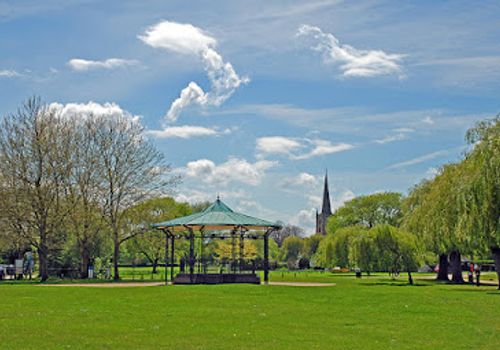
Situated on the Recreation Ground off Swan Nest Lane in Stratford-upon-Avon, the Stratford Upon Avon Bandstand is a cherished historic landmark that serves as a vibrant live music venue. Known for its free summer concert series, it offers locals and visitors alike a welcoming space to enjoy diverse musical performances amidst a picturesque outdoor setting. This bandstand blends heritage charm with lively cultural experiences, making it a focal point for community events and seasonal celebrations.
Open 24 hoursTime to spend 1–3 hrs
-
Historical landmark4.6★5 reviews
Mortimer’s hole
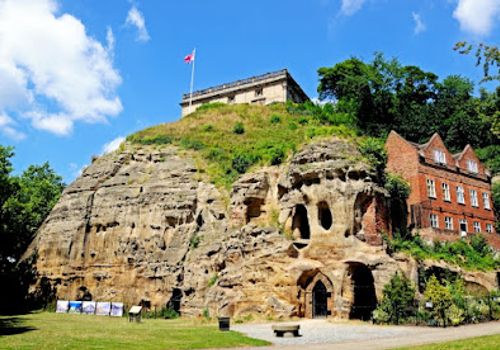
Mortimer’s Hole is the historic underground passageway emerging at Brewhouse Yard Museum, nestled beneath Nottingham Castle. This atmospheric site features five 17th-century cottages and man-made sandstone caves that reveal over 300 years of Nottingham’s social and industrial history, from medieval maltings to wartime shelters. The museum offers immersive exhibits on local textile trades and daily life, set within a charming garden of native and historic plants.
Price level $Time to spend 0.5–1.5 hrs
-
Historical landmark4.4★5 reviews
Gem Buildings
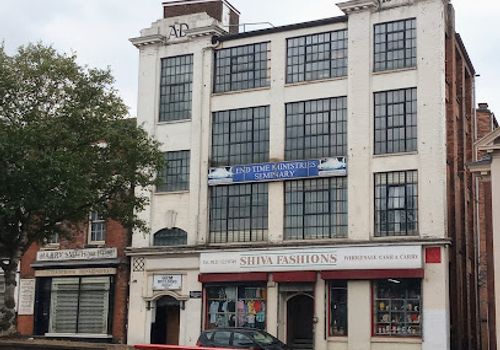
Gem Buildings, located on Key Hill in Birmingham's Jewellery Quarter, is a striking Grade II listed historical landmark built in 1913. Originally designed by architects Wood & Kendrick for diamond cutters and polishers Ginder & Ginder, it reflects early 20th-century modern industrial architecture. The building stands near Key Hill Cemetery, part of a historically rich area known for its role in Birmingham's metalworking and jewelry industries.
Time to spend 0.5–1.5 hrs
-
Museum4.8★4 reviews
West Banqueting House
West Banqueting House is a remarkable Jacobean building in Chipping Campden, Gloucestershire, part of the historic Old Campden House estate. Built in the early 17th century by Sir Baptist Hicks, it served as a dedicated venue for elegant banquets and private retreats. Today, it stands as a beautifully preserved example of Jacobean architecture, offering visitors a glimpse into the lavish lifestyle of the English gentry before the Civil War. The house features richly decorated interiors, vaulted chambers, and underfloor heating, blending historic charm with modern comforts.
Price level $$Time to spend 1–3 hrs
-
Historical landmark5.0★3 reviews
The Best of Birmingham Trail
The Best of Birmingham Trail is a captivating historical landmark located at 2 Margaret Street in Birmingham city centre. This free trail offers an immersive journey through Birmingham’s rich heritage, connecting 20 key sites including museums, art galleries, churches, and public spaces. It serves as a perfect introduction to the city’s culture, architecture, and ongoing regeneration, inviting visitors to explore the vibrant heart of Birmingham.
Open 24 hoursTime to spend 2–4 hrs
-
Historical landmark4.7★3 reviews
Hob's Moat
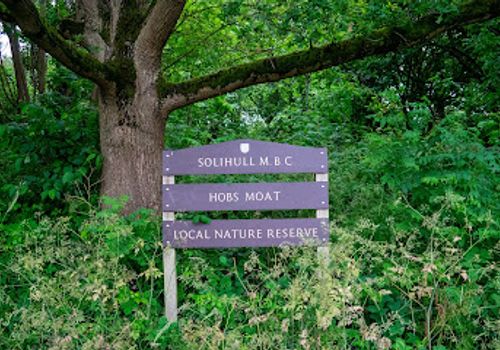
Hob's Moat is a historic medieval monument in Solihull featuring an ancient moat surrounded by woodland and open grassland. This small but significant archaeological site preserves the remains of a Norman-era fortification and offers a peaceful retreat with walking trails through natural surroundings. Interpretive signage explains the site's historical importance and the families who once inhabited the fortified dwelling.
Time to spend 0.5–2 hrs
-
Historical landmark3.0★4 reviews
The Hereford Labyrinth
The Hereford Labyrinth is a permanent, 20-metre diameter labyrinth located on Bishop's Meadow in Hereford, UK. This outdoor landmark offers a peaceful, contemplative space opposite the city's historic castle and cathedral, inviting visitors to walk its winding path for reflection and spiritual connection. Surrounded by a circular earth mound, it blends natural elements with ancient labyrinth traditions in a tranquil riverside setting.
Open 24 hoursTime to spend 0.5–1.5 hrs
-
Historical landmark4.5★2 reviews
Welford Place
The John Biggs statue stands prominently at Welford Place in Leicester, commemorating one of the city's most influential Victorian political figures. Crafted from Sicilian marble and unveiled in 1873, the statue honors Biggs’s legacy as a reformer, industrialist, and three-time mayor. Situated on a pedestrian refuge where Belvoir Street curves into Welford Road, this historic landmark offers insight into Leicester’s civic history and 19th-century social reform movements.
Time to spend 0.2–1 hr
-
Historical landmark5.0★1 review
Aston Cross Clock Tower
The Aston Cross Clock Tower, located in Birmingham's Nechells area, is a Grade II listed Victorian landmark that stands as a testament to the area's rich history. Erected in the mid-19th century, it replaced a medieval cross and features architectural influences reminiscent of Aston Hall. This clock tower remains a prominent and cherished symbol in the local community, blending historical significance with distinctive Victorian design.
Open 24 hoursTime to spend 0.2–1 hr
-
Historical landmark5.0★1 review
War Memorial
The Stourbridge War Memorial, unveiled in 1923 and designed by Ernest W. Pickford with sculpture by John Cassidy, commemorates local servicemen who fought and died in the First World War. Originally located at a busy town junction, it was relocated to Mary Stevens Park in 1968 to accommodate traffic and Remembrance Day ceremonies. The monument features a granite base, bronze panels with battle scenes, inscriptions, and bronze trophies, making it one of Cassidy's most elaborate war memorials.
Time to spend 0.5–1.5 hrs
-
Market5.0★1 review
Stratford upon Avon
Stratford-upon-Avon is a historic market town in Warwickshire, England, renowned as the birthplace and burial site of William Shakespeare. Nestled on the River Avon and surrounded by picturesque countryside, it offers a rich blend of Tudor heritage, vibrant cultural experiences, and scenic riverside charm. Visitors can explore Shakespeare’s Birthplace, the Royal Shakespeare Theatre, and enjoy the town’s lively markets, quaint streets, and riverside gardens.
Price level $$Time to spend 2–6 hrs
-
Historical landmark5.0★1 review
King Lear
King Lear, the legendary British monarch immortalized by Shakespeare, is traditionally linked to Leicester, where archaeological finds reveal a rich history from Roman times to medieval legends. The site at 7 Everard Way, Leicester, encompasses remnants of Roman baths and the famed Jewry Wall, connecting myth with tangible heritage in this historic city.
Open 24 hoursTime to spend 0.5–2 hrs
-
Historical landmark5.0★1 review
Leicester Roman West Gate site
The Leicester Roman West Gate site, dominated by the impressive Jewry Wall, is one of Britain’s largest surviving Roman masonry structures. This 2nd-century Roman wall formed part of a grand public bath complex in the Roman town of Ratae Corieltauvorum (modern Leicester). Excavated in the 1930s by archaeologist Kathleen Kenyon, the site reveals the social and recreational heart of Roman Leicester, with visible remains of the baths and exercise hall. Adjacent to the wall, the Jewry Wall Museum showcases Roman and Iron Age artifacts, offering a vivid glimpse into Leicester’s ancient past.
Open 24 hoursTime to spend 1–2.5 hrs
-
Historical landmark5.0★1 review
King Charles I Standard Hill Monument
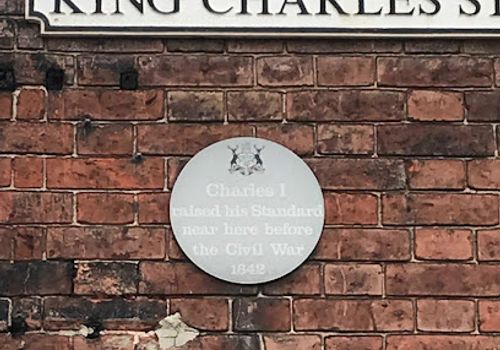
The King Charles I Standard Hill Monument in Nottingham marks the historic spot where King Charles I raised his royal standard on August 22, 1642, igniting the English Civil War. Situated on a rocky knoll known as Standard Hill, this landmark commemorates a pivotal moment of royal defiance against Parliament. The site offers a tangible connection to Nottingham’s rich 17th-century history and the turbulent events that shaped Britain’s monarchy and governance.
Open 24 hoursTime to spend 0.5–1.5 hrs
-
Historical landmark5.0★1 review
Statue of Captain Albert Ball
The Statue of Captain Albert Ball is a distinguished bronze memorial located in Nottingham Castle Gardens, commemorating the WWI British fighter ace Albert Ball. Created by Henry Poole and unveiled in 1921, the statue depicts Ball in his flying uniform alongside an allegorical female figure representing Air. The monument stands on a Portland stone plinth with detailed reliefs and inscriptions honoring Ball’s valor and sacrifice during the Great War.
Time to spend 0.5–1.5 hrs
-
Historical landmark4.0★1 review
Eastgate viewing chamber
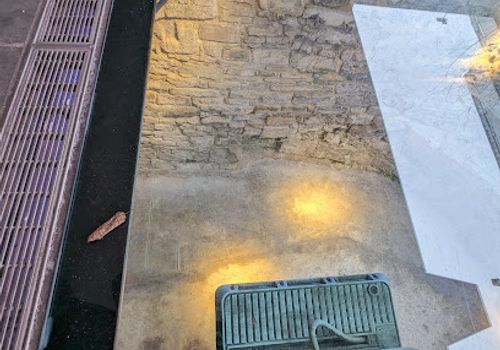
The Eastgate Viewing Chamber in Gloucester offers a fascinating glimpse into the city's ancient Roman and medieval past. Located beneath Eastgate Street, this underground chamber reveals well-preserved remains of Gloucester's historic city defenses and the East Gate, dating back to around AD 68. Visitors can view these ruins through glass panels in the pavement, making it a unique and accessible historical landmark in the city center.
Price level $Time to spend 0.5–1.5 hrs
-
Church4.0★1 review
Cathedral Hall
Nottingham Cathedral, officially the Cathedral Church of St Barnabas, is a masterpiece of Gothic Revival architecture designed by the legendary Augustus Welby Northmore Pugin. Built between 1841 and 1844, it was the largest Catholic church constructed in England since the Reformation upon its completion. The cathedral showcases Pugin's distinctive Early English lancet style with a soaring spire, and its interior preserves fragments of his original decorative vision, particularly in the richly adorned Blessed Sacrament Chapel. As the seat of the Bishop of Nottingham and mother church of the Diocese, it remains an active place of worship and a Grade II* listed landmark of immense architectural and historical significance.
Time to spend 0.8–2 hrs
-
Tourist attraction
New hall Hill - Historical Signature!
New Hall Hill in Birmingham is a landmark steeped in 19th-century political history, renowned for hosting massive rallies by the Birmingham Political Union advocating parliamentary reform. This site witnessed pivotal events leading to the 1832 Reform Act, which granted Birmingham its first Members of Parliament. Today, it stands as a symbol of working-class activism and the city’s rich heritage in democratic progress.
Time to spend 0.5–1.5 hrs
-
Historical landmark
Workers Memorial
The Workers Memorial in Birmingham is a solemn historical landmark dedicated to honoring workers who have lost their lives or suffered injury due to workplace accidents or illnesses. It serves as a place of remembrance and reflection, commemorating the sacrifices made by workers in pursuit of safer working conditions. The memorial is a focal point for International Workers Memorial Day events held annually on April 28th, highlighting the ongoing fight for workplace safety and workers' rights.
Time to spend 0.2–1 hr
-
Tourist attraction
Fountain
The Fountain stands as a historic landmark in the heart of West Bromwich's High Street, serving as a cherished gathering point and symbol of the town's heritage. This Victorian-era monument reflects the generosity of local benefactors and remains a focal point for both residents and visitors exploring the town centre. Its central location makes it an ideal reference point for navigating the surrounding shops, restaurants, and cultural attractions.
Time to spend 0.2–1 hr
-
Building
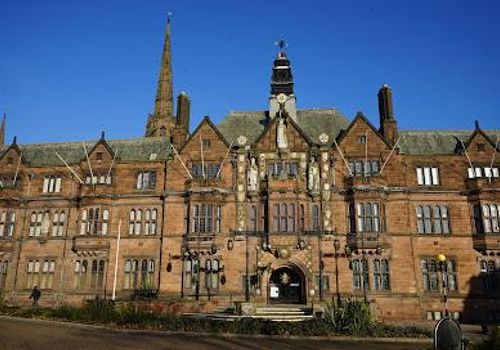
Council House
The Coventry Council House, completed in 1920, is a grand Edwardian Tudor Revival style building that serves as the seat of Coventry City Council. Located in the city centre, it features rich red sandstone facades, intricate heraldic carvings, statues of historical figures, and a distinctive clock tower. The building embodies Coventry’s civic pride and historical legacy, blending functional municipal use with artistic craftsmanship and symbolic architecture.
Time to spend 0.5–2 hrs
-
Building
Almshouses
The Almshouses on Church Street in Stratford-upon-Avon are a remarkable row of early 15th-century charitable homes built by the medieval Guild of the Holy Cross. This Grade I listed terrace, dating from 1427-8, provided shelter for the poor and elderly of the parish and remains one of the town’s oldest surviving domestic buildings, showcasing distinctive half-timbered medieval architecture with jettied upper floors.
Time to spend 0.5–1.5 hrs
-
Historical landmark
Old Campden House
Old Campden House, built in 1612 by the wealthy mercer Sir Baptist Hicks, was once a magnificent Jacobean mansion in Chipping Campden, Gloucestershire. Although largely destroyed by fire in 1645 during the English Civil War, remnants including banqueting houses, lodges with distinctive ogee domes, and garden terraces survive, offering a glimpse into its former splendor and historical significance.
Time to spend 0.5–2 hrs
-
Museum
Museum Development East Midlands
Museum Development East Midlands (MDEM) is a regional support organisation based at County Hall, Leicester, dedicated to enhancing and sustaining museums and heritage sites across the East Midlands. It provides expert guidance, training, grants, and networking opportunities to help museums meet accreditation standards and improve their collections, visitor engagement, and organisational resilience.
Mon–Fri 9:00–17:00Time to spend 1–2 hrs
-
Building
23 St.Nicholas Pl
St Nicholas Church stands as Leicester's oldest surviving place of worship, with roots tracing back over 1,100 years to around 880 AD. Positioned adjacent to the Jewry Wall—remnants of Roman Leicester's bath complex—this medieval church embodies layers of history from Roman times through the Norman period to the present day. Its Norman tower, Early English Gothic chancel, and meticulously restored interior reflect centuries of architectural evolution and community devotion.
Time to spend 0.5–1.5 hrs
-
Tours
Cotswold Journeys
Cotswold Journeys is a family-run walking tour company based in Cheltenham, offering bespoke self-guided and guided walking holidays across the scenic Cotswolds. With over 35 years of experience, they provide meticulously planned itineraries, charming local accommodations, and seamless luggage transfers, allowing you to explore historic villages, rolling hills, and tranquil countryside at your own pace.
Price level $$Time to spend 4–8 hrs
-
Historical landmark
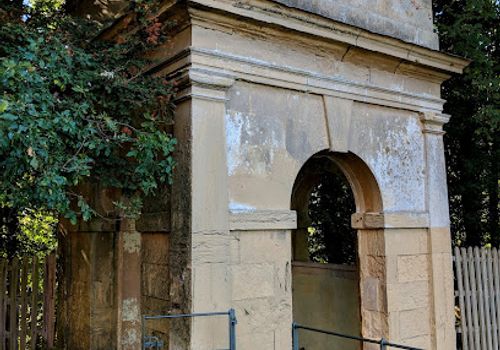
Gazebo
Nestled within the expansive grounds of Wollaton Park in Nottingham, the Gazebo is a charming early 19th-century ashlar stone structure. Serving historically as a serene garden pavilion, it now provides a picturesque access point between Wollaton Hall and the Stable Block. Surrounded by lush greenery and part of a Grade II listed landscape, this gazebo reflects the refined elegance of Georgian garden design and offers visitors a tranquil spot to appreciate the park's heritage and natural beauty.
Time to spend 0.5–1.5 hrs
















Explore Symphony Hall on the map
A handpicked selection of must-see spots near Symphony Hall, mapped for you.
More about Symphony Hall
More to explore near Symphony Hall

 Best experiences near Symphony Hall
 Best hotels near Symphony Hall
 Best attractions near Symphony Hall
 Best shops near Symphony Hall
 Best bars near Symphony Hall
 Best restaurants near Symphony Hall
Explore more


Getting your guide ready…
We are putting together a fresh copy of the Symphony Hall guide. This can take up to a minute.
This can take a few moments. If your browser asks, choose Allow so the download can start. You'll find the guide in your Downloads folder.
Nothing happened? Download it again
Sorry, the guide is taking longer than usual. Please try again in a minute, or get it by email instead.