

Best Landmarks Near Scheunenviertel (Berlin)
Planning a trip to Scheunenviertel? Discover the best landmarks nearby with history, expert tips, and routes. Free on web or the Evendo app.


The best landmarks near Scheunenviertel
- Top rated
- Closest to Scheunenviertel
- A–Z
71 landmarks
-
Plaza4.3★212,795 reviews
Alexanderplatz
Alexanderplatz, affectionately known as "Alex" by Berliners, is more than just a square; it's a pulsating hub of history, culture, and modern life in the heart of Berlin. Named in 1805 after Tsar Alexander I, this sprawling plaza has witnessed centuries of transformation, from a cattle market to a military parade ground, and ultimately, to the vibrant center it is today. Battered but unbowed by WWII, Alexanderplatz rose from the ashes to become the showpiece of East Berlin, a testament to socialist ideals and architectural ambition. Today, it's a must-see destination, offering a blend of iconic landmarks like the Fernsehturm (TV Tower) and Weltzeituhr (World Clock), diverse shopping experiences, and a palpable sense of Berlin's ever-evolving spirit. Whether you're drawn to its historical significance, its bustling atmosphere, or its convenient access to other major attractions, Alexanderplatz offers an unforgettable taste of Berlin.
-
Tourist attraction4.4★43,731 reviews
Berliner Fernsehturm
The Berliner Fernsehturm, or Berlin TV Tower, is an iconic landmark dominating the city's skyline. Constructed in the 1960s by the German Democratic Republic, it served as both a functional broadcasting facility and a symbol of Communist power. Today, it stands as a reunified Berlin's emblem, offering breathtaking panoramic views from its observation deck and revolving restaurant. Ascend to over 200 meters for a unique perspective on the city's landmarks, including the Brandenburg Gate, Reichstag, and Museum Island. Whether you're enjoying a meal with a view or simply taking in the scenery, the Fernsehturm provides an unforgettable Berlin experience. Its central location in Alexanderplatz makes it easily accessible and a must-see attraction for any visitor. Pre-booking tickets is highly recommended to avoid long queues and ensure a seamless visit to this historical and visually stunning monument.
Daily 9:00–23:00
-
Cathedral4.6★36,339 reviews
Berlin Cathedral
The Berlin Cathedral, or Berliner Dom, is a magnificent landmark gracing Berlin's Museum Island. This iconic Protestant church, with its impressive dome and ornate facade, has a rich history dating back to the 15th century. The current structure, built between 1894 and 1905, replaced an earlier neoclassical building at the behest of Emperor Wilhelm II, who envisioned a cathedral rivaling St. Peter's Basilica in Rome and St. Paul's Cathedral in London. Severely damaged during World War II, the cathedral was painstakingly restored, a testament to Berlin's resilience. Today, visitors can explore its stunning interior, climb to the dome for panoramic city views, and descend into the Hohenzollern Crypt, making it a must-see attraction for anyone visiting Berlin.
Mon–Sat 10:00–17:00 · Sun 12:00–17:00
-
History museum4.5★9,594 reviews
German Historical Museum
The German Historical Museum in Berlin offers tourists a comprehensive journey through Germany's past, featuring engaging exhibits and artifacts that span centuries. Located in the heart of the city, this museum is a must-visit for history enthusiasts and curious travelers alike.
-
State park4.6★8,982 reviews
Lustgarten
Lustgarten is a historic park nestled in the heart of Berlin, offering visitors a tranquil escape surrounded by iconic landmarks. A perfect blend of nature and culture, this garden is a must-visit for any traveler looking to unwind in the city's vibrant atmosphere.
Open 24 hours
-
Art museum4.4★7,650 reviews
Humboldt Forum
The Humboldt Forum, located on Berlin's historic Schlossplatz, is a world-class museum and cultural center housed within a partially reconstructed Berlin Palace. Inspired by the Humboldt brothers, Alexander and Wilhelm, the forum presents a diverse program of exhibitions, events, and cultural education, fostering dialogue between cultures and disciplines. Explore the Ethnological Museum and the Museum of Asian Art, showcasing an array of global artifacts. Engage with exhibitions exploring Berlin's global connections and the history of the site itself. With its striking architecture, the Humboldt Forum offers a space for learning, reflection, and exchange in the heart of Berlin, attracting visitors with its varied offerings and commitment to accessibility. The Forum is more than just a museum; it's a dynamic hub where history, culture, and science converge.
Mon 10:30–18:30 · Wed–Sun 10:30–18:30
-
Event venue4.5★7,082 reviews
Kulturbrauerei
The Kulturbrauerei, a sprawling complex in Berlin's Prenzlauer Berg, is a vibrant blend of history and modern culture. Once a major brewery, dating back to 1842, it has been transformed into a thriving cultural center. Its striking red-brick buildings and interconnected courtyards house theaters, cinemas, clubs, museums, restaurants, and shops. Visitors can explore the Museum in der Kulturbrauerei for a glimpse into everyday life in the GDR, catch a film at the CineStar cinema, or enjoy live music at the Kesselhaus. With its diverse offerings and lively atmosphere, the Kulturbrauerei is a must-visit destination for anyone seeking a taste of Berlin's unique cultural scene. The site hosts various events, from concerts and film screenings to markets and festivals, ensuring there's always something happening. Its industrial architecture, coupled with its contemporary tenants, creates a captivating contrast that embodies Berlin's dynamic spirit.
-
Tourist attraction4.4★6,643 reviews
World Time Clock
The World Time Clock (Weltzeituhr) in Berlin's Alexanderplatz is more than just a timepiece; it's a symbol of the city's history and a popular meeting point for locals and tourists alike. Erected in 1969 during the German Democratic Republic (GDR) era, the clock displays the current time in 148 major cities worldwide. Its presence on Alexanderplatz, a bustling transportation hub and public square, makes it easily accessible and a must-see landmark. The clock's design, featuring a rotating cylinder with city names and a planetary system on top, adds to its unique charm and historical significance, representing a time when East Berlin was trying to present itself as a cosmopolitan city. Today, the World Time Clock stands as a reminder of Berlin's past and a testament to its enduring spirit of unity and connection.
Open 24 hours
-
History museum4.6★4,864 reviews
Altes Museum
The Altes Museum, Berlin's oldest museum, stands as a testament to neoclassical architecture and houses a remarkable collection of classical antiquities. Designed by Karl Friedrich Schinkel and completed in 1830, the museum's grand facade, featuring 18 imposing Ionic columns, welcomes visitors to explore treasures from ancient Greece, Rome, and Etruria. Located on Museum Island, a UNESCO World Heritage site, the Altes Museum offers a journey through art, history, and culture. Its central rotunda, inspired by the Pantheon, provides a stunning introduction to the museum's extensive collection, including sculptures, vases, jewelry, and the renowned Hildesheim Silver Treasure. A visit promises an immersive experience into the ancient world, making it a must-see destination for art and history enthusiasts.
-
Space of remembrance4.6★3,572 reviews
Memorial to May 10, 1933 Nazi Book Burning
The Memorial to May 10, 1933 Nazi Book Burning in Berlin serves as a poignant reminder of the atrocities committed during the Nazi regime. This historical landmark invites tourists to reflect on the importance of freedom of expression and the value of literature in society.
Open 24 hours


Märchenbrunnen
Escape the urban bustle and immerse yourself in a world of fantasy at the Märchenbrunnen (Fairytale Fountain), nestled within the verdant Volkspark Friedrichshain. This enchanting neo-Baroque fountain, completed in 1913, is adorned with over 100 stone sculptures depicting beloved characters from the Brothers Grimm fairy tales. Wander through the park, discover hidden monuments, and let the whimsical atmosphere transport you to childhood. The Märchenbrunnen is not just a fountain; it's a celebration of storytelling, art, and the enduring power of imagination, offering a tranquil retreat for visitors of all ages. Whether you're captivated by the intricate sculptures or simply seeking a peaceful escape, the Märchenbrunnen promises a memorable experience in the heart of Berlin.
Mon–Fri 8:00–22:00 · Sat–Sun 9:00–22:00

UNESCO Weltkulturerbe Museumsinsel
Museumsinsel, or Museum Island, is a captivating cultural hub in Berlin, home to five world-renowned museums that showcase art and history from ancient civilizations to the 19th century. A UNESCO World Heritage site, it offers a glimpse into the rich cultural tapestry of the past, making it an essential stop for any traveler.
Wed–Fri 10:00–17:00 · Sat–Sun 10:00–18:00

Neue Wache
The Neue Wache, or New Guardhouse, stands as a poignant reminder of Germany's tumultuous past. Designed by Karl Friedrich Schinkel in neoclassical style, it was originally a royal guardhouse before transforming into a memorial. Today, it serves as the Central Memorial of the Federal Republic of Germany to the Victims of War and Dictatorship. The building's austere exterior belies the emotional weight held within its walls. Inside, visitors encounter Käthe Kollwitz's powerful sculpture, 'Mother with her Dead Son,' a heart-wrenching depiction of grief and loss. The Neue Wache offers a space for reflection amidst the bustling city, inviting contemplation on the enduring impact of conflict and tyranny. Its location on Unter den Linden places it within easy reach of other major Berlin landmarks, making it a significant stop for those seeking to understand the city's complex history.
Daily 10:00–18:00

Nikolaiviertel
Step back in time in the Nikolaiviertel, Berlin's oldest residential area, a charming enclave of cobblestone streets and reconstructed medieval buildings. Though largely rebuilt after WWII, this compact district offers a glimpse into Berlin's origins, dating back to the 13th century. Explore the iconic Nikolaikirche, the city's oldest church, and wander past historic houses like the Knoblauchhaus and the Ephraim-Palais, each telling a story of Berlin's rich past. With its traditional restaurants, cozy cafes, and unique shops, the Nikolaiviertel provides a delightful escape from the modern metropolis, offering a taste of old-world Berlin amidst the bustling city center. It's a perfect spot to soak in the atmosphere and imagine life in medieval Berlin, making it a must-see for history buffs and anyone seeking a unique Berlin experience.
Open 24 hours

Marx-Engels-Forum
Marx-Engels-Forum is an iconic historical landmark in Berlin, showcasing monumental sculptures of Karl Marx and Friedrich Engels. This serene park is perfect for leisurely strolls and reflection.
Open 24 hours

Wasserturm Prenzlauer Berg
The Wasserturm Prenzlauer Berg, Berlin's oldest water tower, stands as a testament to the city's rich history and architectural ingenuity. Completed in 1877, it provided crucial water pressure to the rapidly growing Prenzlauer Berg district until 1952. Designed by Henry Gill, its striking red-brick facade and elevated location make it a prominent landmark. Today, the Wasserturm is surrounded by a charming park and residential area, offering a glimpse into Berlin's past. While the interior is not always accessible, the exterior and surrounding park provide a pleasant experience. The tower also carries a somber history, having been the site of an early Nazi concentration camp in 1933, a fact commemorated by a memorial on the grounds. A visit to the Wasserturm offers a blend of historical reflection and appreciation for Berlin's urban landscape.
Open 24 hours

Equestrian statue of King Friedrich II. of Prussia
The Equestrian Statue of King Friedrich II of Prussia stands proudly at Unter den Linden in Berlin. This iconic monument, a testament to Prussian history, attracts tourists for its grandeur and historical significance. Visitors can enjoy the stunning architecture surrounding the statue and the vibrant atmosphere of the city.
Open 24 hours

Friedrichswerdersche Church
The Friedrichswerdersche Church, a striking example of Neo-Gothic architecture designed by Karl Friedrich Schinkel, stands as a testament to Berlin's rich cultural heritage. Built between 1824 and 1830, this former church now serves as a captivating museum showcasing 19th-century German sculptures from the Alte Nationalgalerie. Visitors can admire masterpieces by renowned artists such as Johann Gottfried Schadow and Christian Daniel Rauch, including the iconic plaster model of the "Princess Group." The church's unique architectural style, characterized by its red brick facade, soaring ribbed vaults, and stained-glass windows, creates an atmospheric backdrop for the art on display. A visit offers a glimpse into Berlin's artistic past and the genius of Schinkel, making it a worthwhile destination for art and architecture enthusiasts alike. The church's location near Museum Island and other prominent landmarks makes it easily accessible and a perfect addition to any Berlin itinerary. Admission is free, allowing everyone to experience this cultural gem.
Wed–Fri 10:00–17:00 · Sat–Sun 10:00–18:00

Museum Knoblauchhaus
Immerse yourself in the charm of the 19th-century Museum Knoblauchhaus, a historical gem in Berlin's Mitte district. This beautifully preserved house museum offers visitors a unique opportunity to explore the life and times of Berlin's middle class during the late 1800s. Wander through the elegant rooms, adorned with period furnishings and captivating artwork, as you learn about the city's cultural heritage and architectural evolution. Don't miss the serene garden, perfect for a moment of reflection amidst your explorations.
Tue–Sun 10:00–18:00

Ruins of the Franciscan monastery church
Nestled in the heart of Berlin, the Ruins of the Franciscan Monastery Church offer a captivating glimpse into the city's medieval past, where history and art converge amidst stunning ancient architecture.
Daily 10:00–18:00

Schlüterhof
The Schlüterhof, nestled within the Humboldt Forum in Berlin's Museum Island, is a meticulously reconstructed courtyard that offers a serene escape and a glimpse into the city's regal past. Named after the renowned baroque sculptor and architect Andreas Schlüter, the courtyard revives the grandeur of the original Berlin Palace, showcasing stunning architectural details and sculptures. It serves as a central hub within the Humboldt Forum, connecting various exhibition spaces and offering a tranquil space for visitors to pause and appreciate the surrounding artistry. The Schlüterhof provides a unique blend of historical reconstruction and modern museum design, making it a must-see destination for those exploring Berlin's cultural heart. The courtyard's design allows visitors to imagine the palace's former splendor while enjoying a peaceful moment amidst the bustling city.
Open 24 hours

Jungfernbrücke
Jungfernbrücke is a stunning historical bridge in Berlin that elegantly connects the past with the present. This iconic landmark is not only a vital part of the city's transportation system but also a captivating tourist attraction, inviting visitors to explore its rich history while enjoying scenic views of the Spree River.
Open 24 hours

Bernauer Str.
Bernauer Strasse in Berlin is a remarkable street steeped in history, serving as a poignant reminder of the city's tumultuous past. Visitors can explore significant landmarks, memorials, and the remnants of the Berlin Wall, all set against the backdrop of vibrant urban life. This iconic thoroughfare offers a unique perspective on Berlin's journey from division to unity, making it a must-visit for any tourist seeking to understand the heart and soul of the city.

Oranienburger Str.
Oranienburger Straße, a famed promenade in Berlin's Mitte district, pulses with historical resonance and contemporary energy. Named after the city of Oranienburg, it evolved from a marketplace to a Jewish cultural hub in the 19th century. Today, it's a captivating blend of landmarks like the New Synagogue, remnants of the Tacheles art center, and the Hackesche Höfe, alongside a vibrant nightlife and diverse culinary scene. The street's tumultuous past, including wartime damage and its time as a 'ghost station' during the Cold War, adds layers to its appeal, making it a must-visit for those seeking a taste of Berlin's multifaceted character. From historical sights to modern attractions, Oranienburger Straße offers an immersive experience into the heart of the city.

Springbrunnen im Lustgarten
The Springbrunnen im Lustgarten, nestled within Berlin's historic Lustgarten, offers a tranquil escape amidst the city's bustling center. This beautifully designed fountain provides a refreshing focal point in the park, inviting visitors to pause and appreciate its serene atmosphere. Surrounded by iconic landmarks such as the Berlin Cathedral and Museum Island, the fountain enhances the Lustgarten's appeal as a place for relaxation and reflection. The Lustgarten itself has a rich history, evolving from a kitchen garden to a parade ground and finally to the neoclassical park it is today. The fountain adds a touch of elegance and charm, making it a must-see destination for tourists seeking a peaceful retreat and a picturesque setting. Whether you're enjoying a leisurely stroll, capturing stunning photographs, or simply soaking in the ambiance, the Springbrunnen im Lustgarten promises a delightful experience.
Open 24 hours

Crown Prince's Palace
The Crown Prince's Palace, or Kronprinzenpalais, stands proudly on Unter den Linden, a regal reminder of Berlin's Prussian past. Originally built in 1663, it served as a residence for Prussian crown princes for centuries, witnessing pivotal moments in German history. Damaged during WWII, it was rebuilt and later hosted the signing of the German Reunification Treaty in 1990. Today, the palace hosts diverse events and exhibitions, offering visitors a glimpse into its opulent past and its role in shaping modern Germany. Its location opposite the German Historical Museum and Neue Wache makes it a central point for exploring Berlin's historical heart. A visit here provides a rich understanding of Berlin's royal heritage and its transformation through war and reunification.
Mon–Sat 9:00–20:00

Karl-Marx-Allee
Karl-Marx-Allee, an iconic thoroughfare in Berlin, showcases stunning historical architecture and vibrant urban life, offering tourists a glimpse into the city's rich past and dynamic present.

Monument to the International Brigades
The Monument to the International Brigades, nestled in Berlin's Volkspark Friedrichshain, stands as a solemn tribute to the German volunteers who fought against fascism during the Spanish Civil War (1936-1939). Erected in 1968, this striking sculpture by Fritz Cremer depicts a dynamic figure, sword in hand, symbolizing the fight for freedom against oppression. The monument serves as a reminder of the sacrifices made by these individuals who risked their lives to defend the Spanish Republic. Located on Friedenstraße, the memorial invites reflection on the ideals of international solidarity and the struggle against tyranny. A visit offers a poignant glimpse into a crucial chapter of history and the enduring relevance of fighting for justice. The surrounding Volkspark Friedrichshain provides a tranquil setting for contemplation, making it a worthwhile stop for those interested in Berlin's rich historical tapestry and its commitment to remembrance.
Open 24 hours

Three Girls One Boy Statue
Nestled along the scenic banks of a river in Berlin, the Three Girls One Boy Statue is a captivating artistic tribute that draws tourists from around the world. This enchanting sculpture encapsulates themes of youth, joy, and community, making it a perfect stop for those exploring the vibrant heart of the city. The artistry and serene surroundings create a unique atmosphere that invites visitors to pause, reflect, and capture memorable photos.
Open 24 hours

Memorial Jewish Cemetery
The Memorial Jewish Cemetery in Berlin is a serene and poignant site that pays homage to the city's rich Jewish heritage. Visitors are invited to explore the tranquil grounds, where history and reflection intertwine, making it a must-visit for those seeking to understand the profound narratives of the past.
Mon–Fri 7:30–17:00 · Sun 8:00–17:00

Großer Bunkerberg - Flakturm II G Volkspark Friedrichshain
Großer Bunkerberg, or 'Great Bunker Hill,' is one of two artificial hills in Volkspark Friedrichshain, Berlin, created after WWII from the rubble of destroyed flak towers. This 78-meter high landmark, also known as Mont Klamott, offers a unique blend of natural beauty and historical significance. Visitors can explore the verdant trails leading to the summit, where remnants of the former Nazi-era anti-aircraft installation lie beneath. While the panoramic views from the top are partially obscured by trees, the journey provides a tranquil escape and a chance to reflect on Berlin's tumultuous past. The park itself offers various recreational activities, making it a popular destination for locals and tourists alike. Großer Bunkerberg stands as a testament to Berlin's resilience and transformation.
Open 24 hours

Kolonnadenhof
The Kolonnadenhof, a serene courtyard on Berlin's Museum Island, offers a tranquil escape amidst world-renowned museums. Designed by Karl Friedrich Schinkel and later reimagined by Eduard Neide and Levin Monsigny, this meticulously landscaped space features classical colonnades, geometric boxwood hedges, and carefully placed sculptures from the Nationalgalerie's collection. It serves as both a meeting place and a foretaste of the artistic treasures housed within the surrounding museums. Visitors can stroll through the courtyard, admire the architecture, and enjoy a moment of reflection before immersing themselves in the rich cultural offerings of Museum Island. The Kolonnadenhof provides a unique blend of art, history, and nature, making it a must-see destination for any visitor to Berlin.

Three Girls and a Boy
Three Girls and a Boy is a captivating historical landmark located in Berlin, Germany. This enchanting site offers tourists a glimpse into the rich cultural heritage of the city, showcasing its artistic brilliance and historical significance. Visitors can immerse themselves in the stories and legends that surround this landmark, making it an essential stop on their Berlin adventure.
Open 24 hours

Waterfront Promenade
The Waterfront Promenade in Berlin's Mitte district offers a delightful escape with its scenic riverside views and vibrant atmosphere. Stretching along the Spree River, this pedestrian-friendly area provides a perfect setting for leisurely walks, cycling, and soaking in the city's energy. Visitors can enjoy street performances, relax on benches overlooking the water, or explore nearby attractions such as Museum Island and the Berlin Cathedral. The promenade is particularly enchanting in the evening, with twinkling lights creating a magical ambiance. With easy access to public transportation and a variety of nearby restaurants and cafes, the Waterfront Promenade is a must-visit destination for tourists seeking a blend of relaxation and cultural immersion in the heart of Berlin. It's a place where history, culture, and modern city life converge, offering something for everyone.
Open 24 hours

Luther Monument
The Luther Monument in Berlin, a bronze statue of Martin Luther, stands as a powerful reminder of the Reformation and its impact on both religion and society. Located in the historic Mitte district, near the iconic Marienkirche, the monument portrays Luther in his monk's habit, holding an open Bible, symbolizing his dedication to scripture and his challenge to established religious norms. Erected in the late 19th century, the monument has witnessed significant historical events, serving as a symbol of faith, courage, and the pursuit of religious freedom. Its presence in Berlin underscores the city's connection to the Reformation and its enduring legacy.
Open 24 hours

The Berlin Wall and its Fall at Schwedter Strasse
Immerse yourself in the poignant history of the Berlin Wall at Schwedter Strasse, where memorials and exhibits pay homage to a divided past. This historical landmark offers a reflective experience amidst Berlin's vibrant landscape.
Open 24 hours

Equestrian statue of Frederick William IV
Located in the heart of Berlin, the Equestrian Statue of Frederick William IV stands as a magnificent tribute to the historical legacy of Prussian kings. This imposing monument not only showcases exquisite craftsmanship but also serves as a reminder of the city's rich past, making it a must-visit for tourists seeking to immerse themselves in Berlin's history.
Open 24 hours

Wappenbrunnen
The Wappenbrunnen, or Coat of Arms Fountain, is a charming historical landmark located in the heart of Berlin's Nikolaiviertel (St. Nicholas Quarter), near the Nikolaikirche. Created in 1987, based on a 1928 design, it commemorates the founding of Berlin. The fountain features a central column topped with a bear, the symbol of Berlin, holding a coat of arms with an eagle. The octagonal fountain basin displays reliefs of eight coats of arms representing the guilds of Berlin and Cölln, such as butchers, bakers, shoemakers, and cloth makers, documented in the original Berlin charters from the 15th century. It's a picturesque spot offering a glimpse into the city's rich history and a popular meeting point for locals and tourists alike within the reconstructed historic quarter.
Open 24 hours

Stolpersteine Salinge
The Stolpersteine Salinge, located at Rosenthaler Str. 39 in Berlin, are a poignant and decentralized memorial to victims of Nazi persecution. These 'stumbling stones,' each bearing the name and life dates of an individual, are embedded in the sidewalk in front of their last known residence or place of work. The Salinge stones commemorate members of the Salinge family who lived at this address and were deported and murdered during the Holocaust. Encountering these small brass plaques offers a powerful moment of reflection on the individual lives impacted by the atrocities of the Nazi regime. The Stolpersteine serve as a stark reminder of the past, urging passersby to remember and learn from history, ensuring that such horrors are never repeated. They are a vital part of Berlin's landscape of remembrance.
Open 24 hours

Adolph-Diesterweg-Denkmal
The Adolph-Diesterweg-Denkmal, located in Berlin's Mitte district, honors Adolph Diesterweg, a significant 19th-century German educator and reformer. The monument, created by Robert Metzkes in 1990, features a bronze sculpture on a granite base, depicting Diesterweg with two students at a school desk. The monument serves as a reminder of Diesterweg's contributions to education, including his advocacy for secular schools and his focus on holistic learning. Visitors can reflect on the history of German education and enjoy the peaceful atmosphere of the surrounding James-Simon-Park. The monument is easily accessible and provides a starting point for exploring other nearby cultural and historical landmarks in Berlin's vibrant city center. It's a perfect spot for those interested in history, education, and the cultural heritage of Berlin.
Open 24 hours

Alte Berliner Stadtmauer
The Alte Berliner Stadtmauer, or Old Berlin City Wall, offers a fascinating glimpse into the city's medieval origins. Built around 1250, this wall once protected the twin cities of Berlin and Cölln. Today, a preserved section in the Mitte district stands as a testament to Berlin's rich history. Visitors can explore the remaining ramparts, constructed from fieldstones and bricks, and imagine life within the walled city centuries ago. Located near notable landmarks like the Parochialkirche and the restaurant 'Zur letzten Instanz,' the Alte Berliner Stadtmauer provides a tangible connection to Berlin's past, contrasting sharply with the more recent and well-known Berlin Wall. It's a reminder that Berlin's story extends far beyond the Cold War era, offering a unique perspective on the city's evolution.
Open 24 hours

Denkmal Friedrich II. von Preußen
The Denkmal Friedrich II., a statue of Frederick the Great, stands proudly in Volkspark Friedrichshain, Berlin. This monument commemorates the Prussian king, renowned for his military victories, enlightenment ideals, and modernization of Prussia. The statue portrays Frederick in his military attire, embodying his leadership and power. Surrounded by the park's greenery, the Denkmal offers a serene yet historically significant experience. Visitors can reflect on Prussia's rich history and Frederick's impact on European politics and culture. The monument serves as a reminder of Berlin's Prussian heritage and its evolution into a modern, vibrant city. A visit here provides a unique opportunity to connect with the past and appreciate the artistic representation of a pivotal historical figure. The Denkmal Friedrich II. is more than just a statue; it's a symbol of an era.
Open 24 hours

Freedom and Unity Memorial
The Freedom and Unity Memorial in Berlin, officially named “Citizens in Motion,” commemorates the peaceful revolution of 1989 and German reunification. Located on Schloßplatz, in front of the Humboldt Forum, the monument serves as a reminder of the struggles and triumphs of the German people. Designed as a giant, walk-in dish, the memorial gently rocks when enough people gather on it, symbolizing the power of collective action. The upper side features slogans from the time of the fall of the Wall, while the lower side displays images from 1989. It stands as an open and playful space, inviting reflection on freedom, unity, and the ongoing commitment required to maintain them. The memorial is easily accessible by public transport and is surrounded by other historical landmarks, making it a compelling stop for any visitor exploring Berlin's rich cultural heritage.

Denkmal für den Völkermord an den Armeniern
The Armenian Genocide Memorial in Berlin serves as a poignant reminder of the atrocities faced by the Armenian people. This memorial not only honors the victims but also invites reflection on the importance of remembrance in preventing future tragedies. Located in the heart of Berlin, it offers visitors a solemn space for contemplation and learning.
Open 24 hours

Schlossviertel
The Schlossviertel, or Palace Quarter, is a vibrant district in Berlin-Mitte, steeped in history and undergoing constant evolution. Once the core of old Berlin-Kölln, dating back to the 13th century, it's now a captivating blend of reconstructed landmarks and modern architecture. Dominated by the imposing Humboldt Forum, which stands on the site of the former Berlin Palace, the area offers a compelling glimpse into Berlin's past and present. Explore the iconic Museum Island, stroll along the Spree River, and immerse yourself in the rich cultural tapestry of this dynamic neighborhood. Despite wartime devastation and subsequent reshaping under East German rule, the Schlossviertel has re-emerged as a must-see destination, offering a unique perspective on Berlin's complex history and its ongoing transformation. The area is easily accessible and provides a central location for exploring many of Berlin's most famous attractions.

Herbert-Baum-Denkmal
Discover the Herbert-Baum-Denkmal in Berlin, a poignant memorial honoring the bravery and resilience of those who resisted tyranny. This site intertwines history with a serene atmosphere, making it a must-visit for tourists interested in the rich narrative of Berlin's past.
Open 24 hours

Figur Allegorie der Wissenschaft
The Figur Allegorie der Wissenschaft, or Allegory of Science sculpture, is a compelling bronze figure located in Berlin's historic Nikolaiviertel. Created by Albert Wolff in the late 19th century, it originally served as one of the pedestal figures for the monument to King Friedrich Wilhelm III. Though the monument was destroyed during World War II, this allegorical figure, along with its companion piece Klio, survived and was relocated to its current site near the Nikolaikirche in 1987. The sculpture depicts a thoughtful man holding a book and a globe, symbolizing the pursuit of knowledge and understanding. Its presence in the Nikolaiviertel adds a layer of historical and artistic depth to this charming area of Berlin, making it a worthwhile stop for those exploring the city's rich cultural heritage. The statue serves as a reminder of Berlin's past and its enduring commitment to intellectual pursuits.
Open 24 hours

Marktbrunnen
Nestled in Berlin's vibrant Mitte district, the Marktbrunnen (Market Fountain) offers a serene escape from the city's energetic pace. This charming landmark, with its detailed design and peaceful atmosphere, serves as a popular meeting point for locals and tourists alike. Surrounded by inviting cafes and unique shops, it provides a tranquil space to relax and soak in the essence of Berlin's cultural heritage. The gentle sound of flowing water enhances the calming environment, making it a favorite spot for photographers and art enthusiasts. Its central location and historical significance make it a perfect starting point for exploring Berlin's rich past and present.

Friedrichsgracht am Kupfergraben
Friedrichsgracht, nestled in Berlin's Mitte district, is a picturesque canal steeped in history. Once a vital waterway, it offers a tranquil escape amidst the city's bustling center. Flanked by historic buildings and offering stunning views of Museum Island, Friedrichsgracht provides a glimpse into Berlin's past. Stroll along its banks, admire the architecture, and soak in the serene atmosphere. Its central location makes it easily accessible and a perfect spot for a leisurely break. The canal's proximity to major attractions adds to its appeal, making it a worthwhile addition to any Berlin itinerary. Whether you're a history buff, architecture enthusiast, or simply seeking a peaceful retreat, Friedrichsgracht offers a unique and charming experience.

Rosa-Luxemburg-Platz 1
Rosa-Luxemburg-Platz, located in the heart of Berlin's Mitte district, is more than just a square; it's a vibrant intersection of history, art, and modern urban life. Named after the influential socialist thinker Rosa Luxemburg, the square serves as a poignant reminder of the city's tumultuous past, while simultaneously being a bustling center for contemporary life. The square is home to the renowned Volksbühne theatre, a significant cultural hub that showcases innovative performances and artistic endeavors. Visitors can enjoy strolling through the square, taking in the surrounding architecture that features a mix of historic and modern styles, reflecting Berlin's evolution over the years. Whether you're attending a performance at the Volksbühne or simply enjoying a leisurely day in the square, Rosa-Luxemburg-Platz offers an authentic slice of Berlin life, embodying the city's spirit of resilience, creativity, and community. Don't miss the chance to explore the nearby neighborhoods for hidden gems and local shops.

Alexanderpl. 7
Alexanderplatz, a vibrant hub in the heart of Berlin, combines historical significance with modern flair. This bustling square is a must-visit for tourists, offering a rich tapestry of culture, shopping, and dining experiences. With its iconic TV tower, numerous shops, and lively atmosphere, Alexanderplatz stands as a testament to Berlin's dynamic spirit and a perfect starting point for exploring the city's many attractions.

Berlin Buddy Bear - Adina
The Berlin Buddy Bears, scattered throughout the city, are more than just colorful sculptures; they're symbols of Berlin's vibrant art scene, its commitment to tolerance, and its unique history. These life-size, hand-painted bears, each uniquely designed, have become an integral part of Berlin's identity, representing the city's welcoming spirit and its dedication to international understanding. Inspired by the cow parade in New York City, the Buddy Bears emerged in 2001 as a project to bring art to the streets. The bear was chosen as the symbol due to its presence on Berlin's coat of arms, further solidifying its connection to the city. Whether you stumble upon a classic Buddy Bear or one of the United Buddy Bears representing a nation, each encounter offers a glimpse into Berlin's soul.
Rosenstraße
Rosenstraße in Berlin's Mitte district is more than just a street; it's a poignant reminder of a remarkable act of defiance during World War II. In 1943, non-Jewish wives and relatives of Jewish men, who had been rounded up by the Gestapo, gathered here to protest their deportation. This courageous demonstration, known as the Rosenstraße protest, led to the release of approximately 1,800 Jewish prisoners. Today, the street is home to the "Block of Women" memorial, a powerful sculpture commemorating the women's bravery. Rosenstraße also offers a mix of architectural styles, quaint cafes, and shops, making it a compelling destination for those seeking to reflect on history and experience Berlin's vibrant culture. The nearby Hackesche Höfe, a network of interconnected courtyards, provides a charming contrast with its art galleries and eateries.

Berlin
Berlin, a dynamic city steeped in history and culture, invites travelers to explore its rich heritage, iconic landmarks, and vibrant arts scene. From the remnants of the Berlin Wall to the grandeur of Brandenburg Gate, every corner tells a story. Don't miss the eclectic neighborhoods, world-class museums, and bustling markets that make this capital a must-visit destination.

Wolf in the city Mural by Alaniz
The Wolf in the City mural, a striking piece of street art in Berlin's Pankow district, is a testament to the city's vibrant urban art scene. Created by Argentinian artist Alaniz, the mural features a captivating blend of indigenous imagery and symbolic representations, reflecting themes of social justice and cultural identity. The artwork has evolved over time, with Alaniz revisiting and modifying the piece, adding layers of depth and meaning. Its location on Schwedter Straße makes it easily accessible and a must-see for those exploring Berlin's alternative art landscape. The mural serves as a powerful reminder of the stories and struggles of marginalized communities, inviting viewers to contemplate the complexities of urban life and the importance of cultural expression. Keep an eye out for other street art in the surrounding area, making your visit a true exploration of Berlin's artistic soul.
Open 24 hours

Friedrichsbrücke 1
The Friedrichsbrücke, a bridge in Berlin's Mitte district, gracefully spans the Spree River, connecting Museum Island with the mainland. With a history dating back to 1703, it has undergone numerous transformations, reflecting Berlin's evolving architectural landscape. Today's structure, rebuilt in 2014, blends historical elements with modern engineering, offering pedestrians stunning views of the Berlin Cathedral, Museum Island, and the vibrant city life along the Spree. The bridge is more than just a crossing; it's a landmark that embodies Berlin's resilience and its commitment to preserving its rich heritage while embracing the future. Its location makes it a perfect spot for tourists exploring the city's cultural heart.

Am Lustgarten
Am Lustgarten, a revitalized park in the heart of Berlin's Mitte district, offers a serene escape amidst the city's bustling historical center. Bordered by iconic landmarks like the Berlin Cathedral, Museum Island, and the Humboldt Forum, this green space boasts a rich history, evolving from a royal kitchen garden to a parade ground and finally, a welcoming park. Today, visitors can relax on the lawns, admire the impressive granite bowl, and enjoy the fountains. Its central location makes it an ideal starting point for exploring Berlin's cultural treasures, providing a tranquil contrast to the surrounding architectural grandeur. The park's transformation reflects Berlin's own journey, offering a space for reflection and recreation for locals and tourists alike. It is a must-visit destination for those seeking a blend of history, nature, and urban charm.

KURFÜRSTENHAUS
The Kurfürstenhaus, nestled in Berlin's charming Nikolaiviertel on the banks of the Spree, is a building steeped in history and architectural significance. Built in the late 19th century, it stands as a testament to Berlin's evolving urban landscape, blending Neo-Renaissance and Neoclassical styles. Named after Elector Johann Sigismund, who sought refuge here due to superstitious beliefs, the Kurfürstenhaus has witnessed centuries of Berlin's transformations. Today, it houses various businesses and cultural spaces, offering visitors a glimpse into the city's past while enjoying the vibrant atmosphere of the reconstructed Nikolaiviertel. Its location along the Spreeufer provides a picturesque setting, making it an ideal spot for a leisurely stroll and exploration of nearby landmarks, museums, and the lively heart of Berlin. The building's resilience and architectural details make it a compelling stop for those interested in Berlin's rich history and urban development.

FRANZ HUTH memorial plaque
The Franz Huth memorial plaque, located on Rykestraße in the vibrant Prenzlauer Berg district of Berlin, commemorates a local anti-fascist resistance fighter who was murdered by the SA in 1933. Huth, a member of the KPD, was arrested near his home and brutally killed for his opposition to the Nazi regime. The plaque serves as a poignant reminder of the individuals who bravely stood against tyranny during a dark period in German history. Situated in a now-trendy neighborhood filled with cafes and shops, the memorial offers a moment for reflection on the sacrifices made by those who fought for freedom and justice. Visiting the plaque provides a deeper understanding of the area's history beyond its contemporary appeal, connecting visitors to the stories of ordinary people who demonstrated extraordinary courage. It's a small but significant landmark that encourages remembrance and a commitment to resisting oppression in all its forms.
Open 24 hours

Oranienburger Str. 36
Oranienburger Straße 36, situated in the heart of Berlin's Mitte district, stands as a testament to the city's layered history and architectural evolution. This building, like many on the street, has witnessed Berlin's transformation from a Prussian metropolis to a divided city and, finally, a reunified capital. While the specific history of number 36 may be less documented than some of its neighbors, its presence contributes to the overall character of this famous street. Oranienburger Straße is known for its blend of historical buildings, vibrant arts scene, diverse culinary offerings, and its significance as a cultural and social hub, drawing tourists and locals alike. Exploring the street offers a glimpse into Berlin's past and present, making it a must-see destination for any visitor.

Schinkelpl.
Schinkelplatz, nestled in the heart of Berlin, is a picturesque square that beautifully combines history and modernity. With its stunning architecture and vibrant atmosphere, it offers visitors a unique glimpse into the city's rich cultural heritage. Ideal for leisurely strolls, photography, and soaking in the local atmosphere, Schinkelplatz is a must-see for any tourist.

Oderberger Str. 4
Immerse yourself in the rich history of Berlin at Oderberger Str. 4, a stunning compound building that showcases the architectural beauty of the city. This vibrant area is perfect for tourists seeking to explore the unique blend of history and modern life that defines Berlin.

Fischerinsel 3
Fischerinsel 3 is a hidden gem in Berlin, offering a glimpse into the city's rich architectural heritage. This building captures the essence of Berlin's history and modernity, making it a must-visit for tourists.

Strausberger Pl.
Strausberger Platz is a vibrant urban square in Berlin, offering a blend of historical architecture, modern amenities, and a lively atmosphere. This iconic location serves as a gateway to the surrounding neighborhoods, showcasing the spirit of Berlin through its bustling cafes, shops, and cultural landmarks.

Invalidenstraße 10
Invalidenstraße 10 is a striking example of Berlin's rich architectural heritage, blending history and modernity in the heart of the city. Visitors will appreciate its unique design and significance.

Friedrichstraße 107
Friedrichstraße 107 is more than just an address in Berlin's vibrant Mitte district; it's a historical and cultural touchstone. Home to the renowned Friedrichstadt-Palast, Europe's largest revue theater, the location has been a center for entertainment for over a century. From its origins as a market hall and later the Großes Schauspielhaus under Max Reinhardt, the site has evolved through various iterations, surviving war and division to emerge as a beacon of spectacle and artistic expression. Today, Friedrichstraße 107 draws visitors with its grand shows, stunning stage technology, and a legacy deeply intertwined with Berlin's dynamic history, offering a glimpse into the city's past and present.

Bebelpl.
Bebelplatz, located in the heart of Berlin's Mitte district, is a historically significant square surrounded by stunning architecture and marked by a poignant past. Originally designed as a cultural and intellectual center by Frederick the Great, it is now known for the infamous Nazi book burning of 1933, commemorated by Micha Ullmann's moving 'Sunken Library' memorial. Flanked by the Berlin State Opera, St. Hedwig's Cathedral, Humboldt University's Old Library, and the Altes Palais, Bebelplatz offers a blend of architectural grandeur and somber reflection. Visitors can explore the square's rich history, admire its iconic buildings, and contemplate the importance of intellectual freedom. The square also hosts cultural events, making it a vibrant and thought-provoking destination for tourists.

Saint Hedwig's Cathedral
St. Hedwig's Cathedral, located on Bebelplatz in Berlin-Mitte, stands as a testament to religious tolerance and architectural resilience. Commissioned by Frederick the Great in the 18th century to honor the Catholic population of Silesia, this cathedral was the first Catholic church built in Protestant Berlin after the Reformation. Modelled after the Pantheon in Rome, its striking dome dominates the cityscape. Severely damaged during World War II, it was meticulously restored, reopening in 1963 with a redesigned interior. Today, St. Hedwig's Cathedral continues to serve as the episcopal seat of the Archdiocese of Berlin and a symbol of interfaith dialogue, drawing visitors with its rich history, architectural grandeur, and spiritual significance. Recent renovations completed in late 2024 have sparked both admiration and debate, ensuring its continued relevance in Berlin's cultural landscape. The cathedral's location on Bebelplatz, surrounded by other historical landmarks, makes it an essential stop for any visitor exploring Berlin's historical center.

Friedrichstraße 205
Friedrichstraße 205 houses the Asisi Panorama Berlin, an immersive 360° experience depicting life in the shadow of the Berlin Wall during the 1980s. Created by artist Yadegar Asisi, the panorama offers a poignant glimpse into the divided city, contrasting the vibrant, alternative culture of West Berlin's Kreuzberg with the stark, controlled environment of East Berlin. Supplemented by a photo exhibition featuring personal snapshots from the era, the panorama provides a powerful and thought-provoking reflection on a pivotal period in Berlin's history. It's a must-see for those seeking a deeper understanding of the Cold War and its impact on the city and its people. The location serves as a stark reminder of Berlin's complex past, offering a unique perspective beyond the typical tourist trail.

Weidendammer Brücke
The Weidendammer Brücke, gracefully arching over the Spree River in Berlin's Mitte district, is more than just a bridge; it's a landmark steeped in history and architectural beauty. Dating back to the 17th century, the bridge has evolved through various iterations, each reflecting Berlin's changing fortunes. The current structure, built in the late 1890s, showcases ornate wrought iron railings, elegant lanterns, and the iconic Imperial eagles, making it a picturesque spot for both locals and tourists. Beyond its aesthetic appeal, the Weidendammer Brücke holds historical significance, having played a role in the city's tumultuous past, including serving as an escape route during the Battle of Berlin. Today, it offers stunning views of the Berliner Dom, Museum Island and the Reichstag, connecting visitors to the heart of Berlin's cultural and historical landscape. A stroll across the bridge provides a tangible link to the city's past while offering a beautiful vantage point to appreciate its present.

Bernauer Str. 63
Bernauer Strasse stands as a poignant reminder of Berlin's division during the Cold War. This street, once bisected by the Berlin Wall, witnessed dramatic escapes, tragic losses, and ultimately, the joyous reunification of a city and a nation. Today, the Berlin Wall Memorial along Bernauer Strasse serves as a powerful open-air museum, preserving a significant section of the Wall and offering visitors a glimpse into the stark realities of life in a divided Berlin. Explore the preserved remnants of the Wall, the moving Window of Remembrance, and the informative Documentation Center to understand the profound impact of this barrier on individual lives and the city's collective history. The street itself, stretching between Mitte and Wedding, offers a tangible connection to the past, inviting reflection on the themes of division, freedom, and reconciliation. A visit here is a must for anyone seeking to understand Berlin's complex 20th-century history.
Explore Scheunenviertel on the map
A handpicked selection of must-see spots near Scheunenviertel, mapped for you.
More about Scheunenviertel
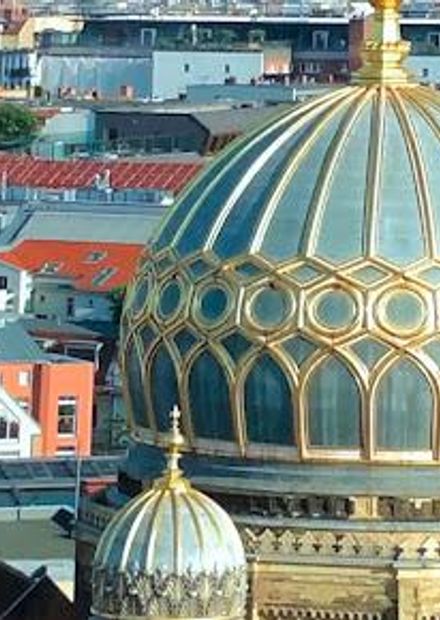
Scheunenviertel travel guide
Experience the artistic charm and historical richness of Scheunenviertel, Berlin's vibrant district brimming with culture, cuisine, and creativity.
Tell me more about ScheunenviertelMore to explore near Scheunenviertel

 Best experiences near Scheunenviertel
 Best hotels near Scheunenviertel
 Best attractions near Scheunenviertel
 Best shops near Scheunenviertel
 Best bars near Scheunenviertel
 Best restaurants near Scheunenviertel
Explore more

Explore more of Berlin
Berlin: A fascinating blend of history, culture, and modernity, offering everything from historic landmarks to vibrant nightlife and culinary delights.
Explore Berlin
Getting your guide ready…
We are putting together a fresh copy of the Scheunenviertel guide. This can take up to a minute.
This can take a few moments. If your browser asks, choose Allow so the download can start. You'll find the guide in your Downloads folder.
Nothing happened? Download it again
Sorry, the guide is taking longer than usual. Please try again in a minute, or get it by email instead.

