

Best Landmarks Near Mellen dolmen (Prignitz)
Planning a trip to Mellen dolmen? Discover the best landmarks nearby with history, expert tips, and routes. Free on web or the Evendo app.


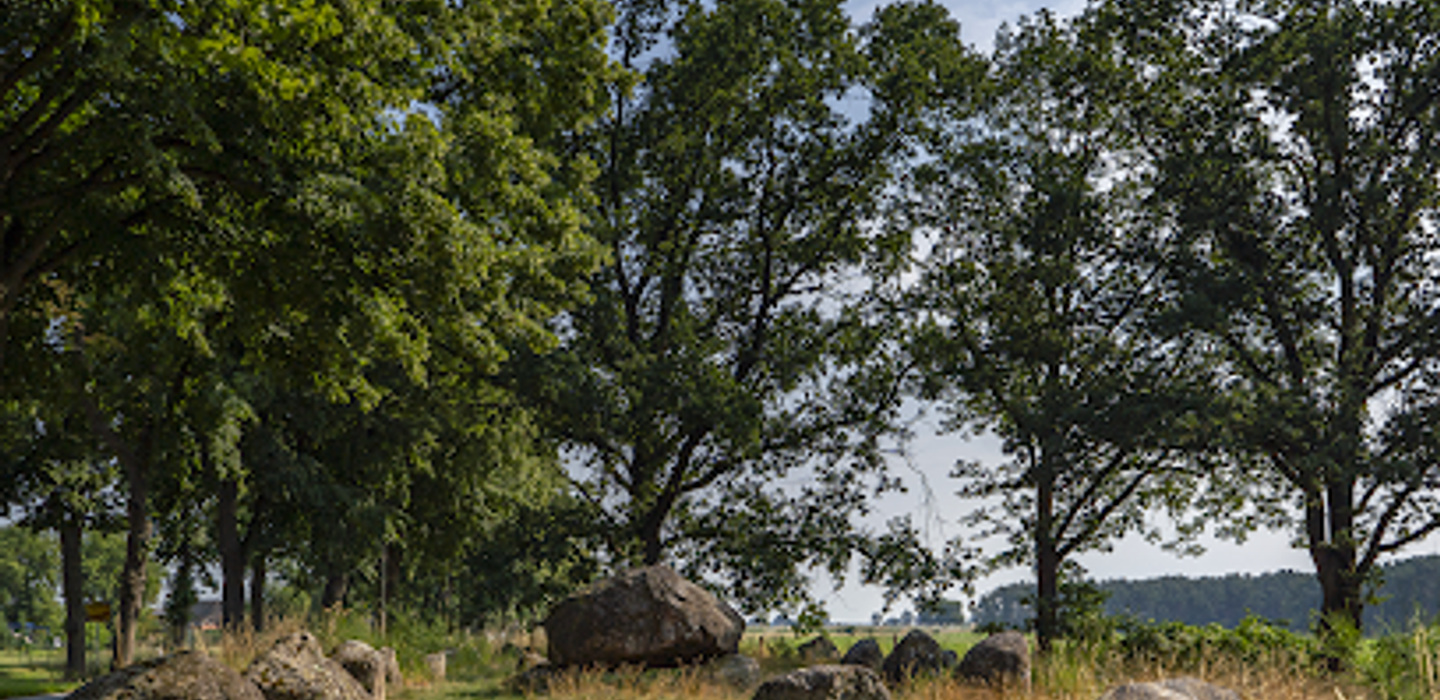
The best landmarks near Mellen dolmen
- Top rated
- Closest to Mellen dolmen
- A–Z
89 landmarks
-
Castle4.7★26,738 reviews
Schwerin Castle
Schwerin Castle, often dubbed the "Neuschwanstein of the North," is a breathtaking palace on an island in Lake Schwerin. Its stunning architecture, a blend of Gothic Revival, Renaissance, and Baroque styles, creates a fairytale ambiance. Originally a Slavic fortress dating back to the 10th century, the castle evolved over centuries into the magnificent structure seen today. It served as a residence for the Dukes and Grand Dukes of Mecklenburg and now houses the Mecklenburg-Vorpommern state parliament and a museum. Visitors can explore opulent rooms, admire art collections, and stroll through the beautiful gardens, making it a must-see destination in northern Germany. The castle's reflection shimmering on the lake is an iconic image, embodying romance and history.
Tue–Sun 10:00–18:00
-
Museum4.6★6,690 reviews
Museum Holstentor
Housed within the iconic Holstentor gate, the Museum Holstentor offers a captivating journey into Lübeck's rich medieval past. Built in the 15th century, the Holstentor served as a formidable defense structure and a symbol of Lübeck's power as a Hanseatic trading hub. Today, it stands as one of Germany's most recognizable landmarks, inviting visitors to explore its fascinating history and admire its impressive Brick Gothic architecture. Inside, discover exhibits detailing Lübeck's role in the Hanseatic League, showcasing medieval artifacts, ship models, and interactive displays. Climb the narrow spiral staircases for panoramic city views and delve into the stories of trade, wealth, and power that shaped Lübeck's destiny. A visit to the Museum Holstentor is a must for history enthusiasts and anyone seeking to experience the essence of this UNESCO World Heritage city.
Mon–Sat 10:00–18:00 · Sun 10:00–17:00
-
Castle4.5★6,486 reviews
Rheinsberg Palace
Rheinsberg Palace, nestled on the shores of Lake Grienerick, offers a captivating glimpse into Prussian history and architectural elegance. Originally a medieval castle, it blossomed under Frederick the Great and his brother, Prince Henry, into a stunning Rococo and Neoclassical masterpiece. Explore opulent halls adorned with art, stroll through meticulously landscaped gardens, and immerse yourself in the serene atmosphere that once inspired a 'court of muses.' The palace also houses the Kurt Tucholsky Literature Museum, adding a literary dimension to your visit. With its picturesque setting and rich cultural heritage, Rheinsberg Palace promises an unforgettable experience, transporting you back to the splendor of 18th-century Prussia. It's a must-see destination for history buffs, art enthusiasts, and anyone seeking a tranquil escape.
Tue–Sun 10:00–17:30
-
Historical landmark4.5★5,957 reviews
Am Sande
Am Sande, the central square of Lüneburg, Germany, is a captivating historical landmark dating back to the 13th century. Once an unpaved marketplace where salt traders gathered, it evolved into a vital commercial hub. Today, it's renowned for its stunning medieval architecture, showcasing well-preserved half-timbered houses with gabled roofs and ornate facades. Prominent buildings include the Alte Kaufhaus, Haus der Schiffergesellschaft, and die Ratsapotheke, each bearing witness to Lüneburg's prosperous past. Am Sande hosts various events throughout the year, including the Stadtfest and Sülfmeistertage, adding to its vibrant atmosphere. Visitors can explore unique shops, dine in traditional restaurants, and immerse themselves in the rich history and architectural beauty of this iconic square.
Open 24 hours
-
Castle4.5★4,393 reviews
Schloss Bothmer
Schloss Bothmer, Mecklenburg-Vorpommern's largest Baroque palace, is a captivating blend of history and architectural grandeur. Built in the 18th century for Count Hans Caspar von Bothmer, a prominent diplomat in service to the Electorate of Hanover, the palace reflects Dutch and English influences, a testament to the Count's time in London. After falling into disrepair and serving various purposes, including as a hospital and retirement home, the palace was meticulously restored and opened to the public in 2015. Today, visitors can explore the opulent interiors, wander through the expansive gardens, and immerse themselves in the fascinating history of this remarkable estate. With its blend of architectural styles, historical significance, and beautifully landscaped grounds, Schloss Bothmer offers a unique and enriching experience for every traveler.
Daily 10:00–18:00
-
Historical landmark4.6★3,942 reviews
Old crane in the Lüneburg harbor
The Old Crane (Alter Kran) in Lüneburg is a captivating historical landmark, a testament to the city's rich Hanseatic past and its reliance on the salt trade. Standing proudly on the banks of the Ilmenau River at the Fischmarkt, this medieval crane dates back to 1346, with significant reconstruction in 1797. It served a crucial role in loading and unloading goods, particularly salt, onto ships that traversed the waterways. The crane's timber-frame structure and large wooden wheel evoke a sense of history and engineering ingenuity. Today, the Old Crane stands as a symbol of Lüneburg's heritage, drawing visitors to admire its architecture, learn about its historical significance, and enjoy the picturesque waterfront setting. Surrounded by charming cafes and shops, the area around the crane offers a delightful blend of history and modern life, making it a must-see attraction for anyone exploring Lüneburg. Its presence defines the Wasserviertel district, offering a tangible connection to the city's prosperous past as a major player in the Hanseatic League.
Open 24 hours
-
Cathedral4.5★3,698 reviews
Lübeck Cathedral
Lübeck Cathedral, or Lübecker Dom, stands as a powerful symbol of Lübeck's history and enduring spirit. Founded in 1173 by Henry the Lion, this Lutheran cathedral has evolved through Romanesque and Gothic architectural styles, bearing witness to centuries of change. Severely damaged during World War II, its reconstruction stands as a testament to resilience. Today, visitors can explore its awe-inspiring interior, home to priceless art treasures like Bernt Notke's Triumphal Cross, and experience its vibrant musical life. Located on the southern edge of Lübeck's Old Town, a UNESCO World Heritage site, the cathedral offers a serene escape and a profound connection to the city's rich past. Its towering presence and historical significance make it a must-see destination for any traveler.
Daily 10:00–16:00
-
Protestant church4.5★2,950 reviews
Marienkirche
St. Mary's Church in Lübeck, a towering example of Brick Gothic architecture, stands as a testament to the city's historical power and religious significance. Its soaring vaults, intricate details, and the poignant story of its wartime destruction and subsequent restoration make it a compelling destination for visitors. The church's twin towers dominate the skyline, beckoning exploration of its rich interior, including the astronomical clock, the Totentanzkapelle (Dance of Death Chapel), and the remnants of the bells destroyed during World War II. More than just a religious building, St. Mary's is a symbol of Lübeck's resilience and a repository of art and history, offering a profound experience for those who step inside. Its central location in the heart of the Altstadt (Old Town) makes it easily accessible and a must-see landmark for any visitor to Lübeck.
-
Amusement park4.7★2,082 reviews
Märchenpark und Duftgarten Salzwedel
Märchenpark und Duftgarten Salzwedel is a charming amusement park that combines whimsical fairy-tale themes with stunning gardens, perfect for families and nature lovers alike. Visitors can explore fairy-tale worlds, enjoy lush landscapes, and make unforgettable memories.
Daily 10:00–19:00
-
Museum4.4★2,113 reviews
German Salt Museum
Delve into the fascinating world of salt at the German Salt Museum in Lüneburg, a city historically known as the 'capital of salt.' Housed in a former saltworks dating back to 1924, the museum chronicles over 1,000 years of salt production and its profound impact on the region's wealth and culture. Explore interactive exhibits featuring artifacts, equipment, and multimedia displays that illustrate the evolution of salt mining and its uses throughout history. From medieval salt-boiling techniques to the industrial revolution's advancements, discover how salt shaped Lüneburg's identity and influenced global trade. Don't miss the opportunity to witness demonstrations of traditional salt-making methods and learn about the lives of the 'Sülfmeister,' the master salters who once held immense power in the city. A visit to the German Salt Museum offers a unique and engaging experience for all ages, providing a deeper understanding of this essential mineral and its enduring legacy.
Daily 10:00–17:00


St. Peter's Church
St. Peter's Church, or Petrikirche, stands as a towering symbol of Lübeck's rich history and architectural prowess. Rising from the heart of the UNESCO-listed Old Town, this Brick Gothic masterpiece, dating back to the 13th century, offers visitors a unique blend of historical significance, cultural experiences, and breathtaking panoramic views. Though heavily damaged during World War II, its restored structure now serves as a vibrant cultural hub, hosting art exhibitions, concerts, and events. Ascend the tower for unparalleled vistas of Lübeck's medieval skyline, spot the iconic Holstentor and Marienkirche, and on clear days, gaze out towards the Baltic Sea. Inside, the stark white interior provides a contemplative space, showcasing modern art installations that juxtapose the church's historical framework. St. Peter's is more than just a church; it's a testament to Lübeck's resilience and its commitment to preserving its heritage while embracing contemporary culture.

Tangermünde Castle
Tangermünde Castle, a stunning medieval fortress, invites you to explore its rich history and breathtaking architecture. Nestled in the picturesque town of Tangermünde, this castle offers a glimpse into Germany's regal past, with impressive towers and scenic views of the surrounding landscape. Ideal for history enthusiasts and casual tourists alike, a visit here is sure to be a memorable experience.
Mon–Fri 8:00–16:30 · Sat–Sun 8:00–17:30

Güstrow Palace
Güstrow Palace, an architectural gem nestled in the heart of Güstrow, is a must-visit destination for tourists seeking to explore the rich history and stunning beauty of this Renaissance castle. With its grand facades, exquisite interiors, and lush gardens, the palace offers a captivating glimpse into the lives of the nobility of the past.

Willy Brandt House, Lübeck
The Willy Brandt House in Lübeck offers a compelling and interactive journey through the life and times of Willy Brandt, the Nobel Peace Prize laureate and former German Chancellor. Housed in a beautifully restored patrician house on Königstraße, the museum uses multimedia exhibits and original artifacts to showcase Brandt's childhood in Lübeck, his resistance against Nazism, his exile in Norway, and his impactful political career, including his time as mayor of Berlin and his efforts to bridge the divide between East and West Germany. Visitors can explore 20th-century German history through Brandt's personal experiences, making it an engaging and educational experience for all ages. Admission is free, making it accessible to everyone wanting to learn about this influential figure and his contributions to peace and democracy. The museum also hosts special events, literature talks, and film screenings, further enriching the visitor experience.
Daily 11:00–18:00

Lüne Abbey
Lüne Abbey, a stunning historical monastery in Lüneburg, Germany, invites tourists to explore its rich history and serene surroundings. Nestled in a picturesque area, this remarkable site offers a glimpse into the spiritual heritage of the region, featuring exquisite architecture and tranquil gardens perfect for leisurely strolls.

Buddenbrookhaus
Step into the world of Thomas Mann at the Buddenbrookhaus in Lübeck, a meticulously preserved museum dedicated to the Nobel laureate and his family. Housed in the Mann family's former residence, this literary landmark offers a captivating journey through the lives and works of Thomas and Heinrich Mann, most famously known for the novel 'Buddenbrooks'. Explore the fascinating exhibits showcasing the family's history, cultural impact, and literary achievements. While the original building is currently undergoing extensive renovations until 2029, a temporary exhibition at the Behnhaus Drägerhaus, along with an information center and museum shop at the market square, ensures that the spirit of the Buddenbrooks remains alive and accessible. Discover the captivating story of a family whose legacy continues to inspire readers worldwide.

Castle and Castle Tower
The Castle and Castle Tower in Lauenburg/Elbe is a captivating historical landmark offering visitors a glimpse into the region's rich past. Originally built in 1182 as a defensive fort, the castle evolved into a Gothic and Renaissance residence for the Dukes of Lauenburg. While much of the original structure has been lost to time, the imposing castle tower remains, offering panoramic views of the Elbe River and the surrounding landscape. Explore the museum within the castle walls, wander through the restored gardens, and imagine life in this strategic stronghold that once controlled the Old Salt Route. The castle provides a memorable journey through history and offers a stunning vantage point to appreciate the beauty of Lauenburg.
Daily 10:00–17:00

Museum Lüneburg
The Museum Lüneburg invites visitors on an immersive journey through the natural and cultural history of Lüneburg and its surrounding region. Housed in a modern building, the museum showcases a diverse collection of artifacts, exhibits, and interactive displays that bring the past to life. From the region's geological origins to its development as a prominent Hanseatic city, the museum offers a comprehensive overview of Lüneburg's rich heritage. Explore archaeological finds, historical documents, and captivating stories that reveal the interplay between nature, culture, and the people who have shaped this fascinating corner of Lower Saxony. With its engaging exhibits and family-friendly atmosphere, the Museum Lüneburg is a must-see destination for anyone interested in discovering the history and culture of this captivating region. Don't miss the special exhibits that highlight specific aspects of Lüneburg's past and present.

Aussichtsturm auf dem Jörnberg
Ascend the Aussichtsturm auf dem Jörnberg, the iconic observation tower of Krakow am See, for breathtaking panoramic views of the surrounding lake district. Standing on the Jörnberg peninsula, this landmark offers an unparalleled perspective of the 16 km² Krakower Seenlandschaft, a mesmerizing labyrinth of interconnected lakes, forests, and meadows. The tower's history stretches back over a century, evolving from a wooden structure in 1897 to a Bismarck tower in 1907, and finally to the present-day tower, rebuilt in 1995. Climb the 126 steps to the viewing platform, over 100 meters above sea level, and be rewarded with an unforgettable vista. The tower is open daily, with extended hours during the summer months, making it an accessible and rewarding experience for all visitors seeking to immerse themselves in the natural beauty of Mecklenburg-Vorpommern.
Daily 9:00–20:00

Museumsquartier St. Annen
The Museumsquartier St. Annen, nestled in Lübeck's historic Old Town, is a captivating cultural hub housed in a former Augustinian nunnery dating back to 1515. This museum complex offers a unique blend of art, history, and architecture, showcasing Lübeck's rich heritage from the Middle Ages to the present day. Visitors can explore the St. Annen Museum, home to Germany's largest collection of medieval sculpture and altarpieces, including masterpieces by Hans Memling and Bernt Notke. The Kunsthalle St. Annen, a modern art hall built on the ruins of a former monastery church, features contemporary works and special exhibitions. With its serene courtyards, gardens, and walkways, the Museumsquartier St. Annen provides an immersive experience for art enthusiasts, history buffs, and anyone seeking to delve deeper into Lübeck's cultural treasures. Don't miss the opportunity to witness the harmonious blend of sacred space and sacred art, a prominent feature that distinguishes this museum within Germany.
Tue–Sun 10:00–17:00

Nossentiner/Schwinzer Heide
Escape to the Nossentiner/Schwinzer Heide Nature Park, a sprawling haven of forests, lakes, and diverse wildlife in Mecklenburg-Vorpommern. This protected area offers a tranquil retreat for nature lovers, with opportunities for hiking, cycling, birdwatching, and stargazing. Explore ancient pine forests, crystal-clear lakes, and vast moorlands, and discover a region renowned for its exceptionally dark night skies. Whether you seek outdoor adventure or peaceful relaxation, the Nossentiner/Schwinzer Heide provides an unforgettable experience immersed in the beauty of the German countryside. Discover hidden trails, observe rare bird species, and enjoy the serenity of this natural gem, far from the hustle and bustle of city life. The park's diverse landscape and commitment to preserving its natural darkness make it a unique and rewarding destination for all who visit.
Open 24 hours

Plattenburg
Nestled in the serene landscapes of Germany, Plattenburg beckons to tourists with its rich historical significance and stunning architecture. This historical landmark, known for its captivating charm and picturesque surroundings, offers a glimpse into the past that is both enchanting and educational. Visitors can explore its well-preserved structures, enjoy guided tours that delve into the fascinating history, and take in the beautiful scenery that surrounds this remarkable site. With its inviting atmosphere, Plattenburg is a must-visit destination for history enthusiasts and casual travelers alike.
Thu–Sun 11:00–16:00

Salzspeicher
Salzspeicher, a UNESCO World Heritage Site, is a must-visit historical landmark in Lübeck. This iconic structure, once a bustling salt warehouse, now serves as a stunning reminder of the city's rich maritime heritage and architectural beauty. Tourists can explore its impressive façade and learn about its significance in Lübeck's history.
Tue–Sun 10:00–17:00

Haus Altmark
Nestled in the heart of Gardelegen, Haus Altmark is a charming restaurant and hotel that offers a delightful blend of local cuisine and comfortable accommodations. With its inviting atmosphere and attentive service, it's a must-visit for any traveler seeking an authentic dining experience in the region.

Kreisagrarmuseum Dorf Mecklenburg
The Kreisagrarmuseum Dorf Mecklenburg offers a captivating journey into the agricultural history of the region. Located in the charming village of Dorf Mecklenburg, this museum showcases a vast collection of farming equipment, tools, and historical artifacts, providing a comprehensive look at rural life through the ages. Visitors can explore meticulously curated exhibits that detail the evolution of agricultural practices, from traditional hand tools to more modern machinery. The museum also features interactive displays and demonstrations, making it an engaging experience for visitors of all ages. With its dedication to preserving and presenting the region's agricultural heritage, the Kreisagrarmuseum provides a unique and educational experience, offering insights into the traditions and innovations that have shaped the rural landscape of Mecklenburg. The museum's setting in a tranquil village adds to its charm, making it a worthwhile destination for those interested in history, agriculture, and rural culture.
Daily 10:00–16:00

Brandenburg-Prussia Museum Wustrau
Delve into the captivating history of Brandenburg-Prussia at this engaging museum in Wustrau. Explore exhibits showcasing artifacts, documents, and displays that narrate the region's evolution from the Middle Ages to the end of the Hohenzollern monarchy in 1918. Discover Prussia's civic achievements, its rise as an industrial power, and its unique cultural identity. The museum also highlights strong Prussian female personalities and features interactive displays suitable for all ages. Situated amidst lush greenery near Lake Ruppin, the museum offers a tranquil escape and a chance to explore the picturesque village of Wustrau, making it a worthwhile day trip for history enthusiasts and families alike. Don't miss the portrait gallery of Brandenburg electors, Prussian kings and German emperors.
Tue–Sun 10:00–18:00

Perleberger Roland
Perleberger Roland is a historic landmark located in the heart of Perleberg, Germany. This stunning structure offers visitors a glimpse into the city's rich history and vibrant culture, making it a must-visit for any traveler exploring the area.
Open 24 hours

Drewitzer See mit Lübowsee und Dreiersee
Escape to the serene beauty of Drewitzer See, a pristine swimming lake nestled in the heart of Mecklenburg-Vorpommern. Flanked by the tranquil Lübowsee and Dreiersee, this natural haven offers a refreshing escape with its clear waters and lush surroundings. Perfect for swimming, hiking, and cycling, the area boasts well-maintained trails that wind through rolling hills, dense forests, and expansive meadows. Discover charming villages, historic farmhouses, and the unique Gesteinsgarten (rock garden) while immersing yourself in the peaceful atmosphere of this protected natural area. Whether you seek a relaxing day by the water or an active outdoor adventure, Drewitzer See promises an unforgettable experience amidst stunning landscapes and rich biodiversity. The lake is surrounded by the Nossentiner/Schwinzer Heide Nature Park, making it a prime location for nature enthusiasts.

Klein Bünstorfer Heide
Escape to the tranquil Klein Bünstorfer Heide, a small yet captivating heathland near Bad Bevensen. This protected natural idyll offers a serene retreat throughout the year, easily accessible by car, bicycle, or a pleasant walk along the Ilmenau river. Discover a landscape dotted with ancient burial mounds from the Bronze Age, wander along sandy paths amidst the heather, and perhaps spot the rare Argus-Bläuling butterfly. The Lönsstein, a granite boulder commemorating the poet Hermann Löns, provides a perfect resting spot. Whether you visit during the vibrant heather bloom or any other season, the Klein Bünstorfer Heide promises a refreshing encounter with nature and history, making it a worthwhile destination for those seeking peace and natural beauty in the Lüneburg Heath.
Open 24 hours

Marstall Halbinsel
The Marstall Halbinsel, or Marstall Peninsula, in Schwerin offers a tranquil escape with stunning views of Schwerin Castle and the Schweriner See. Once the site of the grand ducal stables, built between 1838 and 1842, the peninsula now features a sprawling green park perfect for leisurely strolls and picnics. The historic Marstall building, beautifully restored, houses government ministries, blending history with modern function. Visitors can enjoy the waterfront promenade, admire the unique art installations, and soak in the serene atmosphere. With its blend of history, nature, and art, the Marstall Halbinsel is a must-visit destination for those seeking a peaceful retreat in Schwerin.
Open 24 hours

Abbey mill
The Abbey Mill, or Abtsmühle, in Lüneburg, Germany, is a captivating historical landmark dating back to the 16th century. Nestled beside the Lüner Mill in the historic harbor district, this picturesque mill once served the Michaelis Monastery. The Abtswasserkunst tower, erected in 1530, channeled water into the city, even supplying patrician homes. Today, the Abbey Mill stands as part of a hotel complex, offering visitors a glimpse into Lüneburg's rich milling history and its beautiful waterfront. Its charming architecture and tranquil setting make it a delightful spot for a leisurely stroll and a step back in time, embodying the Hanseatic city's blend of history and hospitality. The mill is a reminder of Lüneburg's past as a vital trade center and its innovative engineering.

DDR-Geschichtsmuseum
Immerse yourself in the intriguing history of East Germany at the DDR-Geschichtsmuseum in Perleberg. This captivating museum offers a unique glimpse into the everyday lives, culture, and politics of the former German Democratic Republic. With engaging exhibits and personal stories, visitors will gain a deeper understanding of a pivotal era in European history, all set in the charming town of Perleberg.
Thu–Fri 10:00–13:00 · Sat 13:00–16:00

Otto-von-Bismarck-Stiftung Schönhausen / Bismarck-Museum
The Otto von Bismarck Stiftung Schönhausen, also known as the Bismarck Museum, offers an intriguing glimpse into the life and legacy of Germany's influential statesman. Nestled in a picturesque setting, this museum attracts history buffs and curious travelers alike with its captivating exhibitions and historical artifacts. A visit here promises to be both educational and inspiring, making it a must-see on your itinerary.
Tue–Fri 10:00–16:00 · Sat–Sun 10:00–13:00, 14:00–16:00

Kaisertor
The Kaisertor, or Emperor's Gate, in Lübeck, is a captivating historical landmark that whispers tales of the city's medieval past. Originally constructed around 1300 as a defensive tower protecting the Mühlendamm, it underwent several transformations over the centuries. The gate was walled up around 1500, and in the 17th century, the tower was largely demolished. However, in the 19th century, the remaining base was repurposed, and the preserved upper floor was placed atop it. The Kaisertor received its name in 1900 when Kaiser Wilhelm II inaugurated the Elbe-Lübeck Canal from this location. Today, it stands as a reminder of Lübeck's strategic importance and architectural evolution, offering visitors a glimpse into the city's layered history. Its location within the green belt surrounding the old city makes it a peaceful escape and a picturesque photo opportunity.
Open 24 hours

Das Schwangere Haus
Das Schwangere Haus (The Pregnant House) is a captivating historical landmark in Lüneburg, Germany, celebrated for its peculiar bulging facade. Built in 1698, the house owes its unusual shape to the use of anhydrite, a substitute for traditional mortar, sourced from the nearby Kalkberg. This material expanded when exposed to moisture, causing the distinctive outward curve. Located on Waagestraße in the heart of the Altstadt (Old Town), this architectural curiosity is a testament to Lüneburg's rich history as a Hanseatic salt trading center. While the interior remains private, the exterior is freely accessible, offering a unique photo opportunity and a glimpse into the city's past. It is said that touching the 'belly' of the house brings good luck. The Schwangere Haus stands as a symbol of Lüneburg's unique architectural heritage and is a must-see for any visitor exploring the city.
Open 24 hours

Füchtingshof
Füchtingshof, Lübeck's largest and most impressive courtyard, offers a serene escape from the bustling city. Founded in 1639 by Johann Füchting, this Baroque jewel provided housing for widows of merchants and seafarers. Today, it remains a captivating example of Lübeck's rich social history and architectural beauty. Wander through the meticulously maintained courtyard, admire the ornate sandstone portal adorned with the allegory of 'Caritas' and the founder's coat of arms, and soak in the peaceful atmosphere. With its flowerbeds, rose bushes, and inviting benches, Füchtingshof provides a unique glimpse into the past and a moment of tranquility in the heart of Lübeck's UNESCO World Heritage-listed Old Town. It is a testament to the city's Hanseatic heritage and its commitment to social responsibility.
Daily 9:00–12:00, 15:00–18:00

Moltkedenkmal
The Moltkedenkmal in Parchim stands as Germany's oldest monument dedicated to Helmuth von Moltke the Elder, a celebrated military strategist born in the town. Unveiled in 1876 during Moltke's lifetime, the monument reflects his significant role in shaping 19th-century military history and German unification. The statue portrays Moltke in his military attire, embodying the discipline and strategic brilliance associated with him. Situated on Moltkeplatz, the memorial provides a focal point within the town, surrounded by historical buildings and green spaces. Visitors can reflect on Moltke's legacy and appreciate the artistry of the monument, crafted by sculptor Ludwig Brunow. The Moltkedenkmal offers a glimpse into Parchim's past and its connection to a figure of national importance, making it a worthwhile stop for history enthusiasts and those exploring the town's cultural heritage. The monument is a testament to Parchim's pride in its native son and his lasting impact on German history.
Open 24 hours

Schwerin Victory Column
The Schwerin Victory Column, erected in the late 19th century, stands as a gleaming testament to Prussian military victories. Located in the heart of Schwerin, this towering monument is adorned with intricate sculptures and inscriptions that narrate its historical significance. Visitors can enjoy panoramic views of the city and Schwerin Lake from its base, set within a serene park. The column is conveniently located near other attractions, making it an essential stop for history buffs and sightseers alike. Whether you're capturing stunning photographs or simply enjoying a peaceful moment, the Victory Column offers a multifaceted experience, especially enchanting during sunset when bathed in golden light. Its central location and accessibility make it a seamless addition to any Schwerin itinerary, providing a blend of historical immersion and scenic beauty. The surrounding greenery enhances the overall charm, inviting leisurely strolls and moments of reflection.
Open 24 hours

Prignitz Museum am Dom Havelberg
Nestled in the heart of Havelberg, the Prignitz Museum offers visitors a captivating journey through the region's rich cultural heritage. This museum, situated near the iconic cathedral, showcases a diverse collection of historical artifacts, art, and exhibitions that reflect the local history and traditions. Ideal for tourists of all ages, the museum invites you to immerse yourself in the stories of the Prignitz region, making it a must-visit destination for history enthusiasts and curious travelers alike.
Tue–Sun 10:00–17:00

Pferdeschwemme
Pferdeschwemme is a captivating tourist attraction in Perleberg, Germany, renowned for its rich history and picturesque landscapes. This unique site offers visitors a glimpse into the town's equestrian heritage, surrounded by serene natural beauty and charming architecture.
Open 24 hours

Altmärkisches Museum Stendal
Altmärkisches Museum Stendal is a cultural gem that showcases the history, art, and traditions of the Altmark region. Ideal for tourists, it offers a deep dive into local heritage through engaging exhibits and artifacts.

Burgruine Gänseburg Putlitz
Burgruine Gänseburg, a captivating historical landmark in Putlitz, invites tourists to explore its rich heritage and breathtaking views. Nestled in the scenic Brandenburg region, this medieval ruin offers a glimpse into the past and a perfect backdrop for unforgettable memories.

Erlebnishaus Altmark
Erlebnishaus Altmark is a must-visit destination for tourists seeking a unique recreational experience in the heart of Kalbe. This vibrant venue offers a blend of fun activities, local culture, and scenic beauty, making it an ideal spot for families and adventure seekers alike. From interactive exhibitions to outdoor activities, visitors can immerse themselves in the rich heritage of the Altmark region while enjoying various recreational options. Whether you're looking to explore, learn, or simply relax, Erlebnishaus Altmark is sure to provide an unforgettable experience.

Festonallee
The Festonallee in Klütz is a unique and enchanting avenue of Dutch linden trees, planted in the 18th century, that leads to the magnificent Schloss Bothmer. This 270-meter-long pathway, with its meticulously shaped trees forming a green arcade, offers visitors a serene and picturesque experience. Once the main access route for supplies to the castle, it now serves as a stunning approach for tourists, providing a glimpse into the Baroque era. Walking along the Festonallee is like stepping back in time, immersing oneself in the tranquility and beauty of the Mecklenburg countryside. The avenue is particularly captivating in spring when the fresh leaves create a vibrant canopy, but it offers a unique charm throughout the year, making it a must-see destination for nature lovers and history enthusiasts alike. The Festonallee provides a perfect blend of natural beauty and historical significance, making it a memorable experience for all who visit.

Bismarckturm Salzwedel
Nestled in the picturesque town of Salzwedel, the Bismarckturm is a stunning historical landmark that offers breathtaking views and a glimpse into the region's rich heritage. This towering structure stands as a tribute to German unity and is surrounded by lush greenery, making it a perfect spot for tourists seeking both history and nature.

York-Blücher-Denkmal
The York-Blücher-Denkmal, nestled near Silz in Mecklenburg-Vorpommern, commemorates a significant skirmish during the Napoleonic Wars. Erected in 1856, it honors the Prussian troops led by General Graf York who fought against Napoleon's forces in 1806. The monument stands as a reminder of Prussian courage and resilience. Surrounded by serene forests and rolling fields, the site offers a tranquil escape into history. Visitors can reflect on the past while enjoying the natural beauty of the Mecklenburg Lake District. The monument's location, between Jabel and Nossentin, marks the area where the battle unfolded, adding a layer of historical depth to the picturesque landscape. A visit here provides a unique opportunity to connect with a pivotal moment in European history, far from the bustling city centers.

Gänsebrunnen
Nestled in the charming town of Perleberg, Gänsebrunnen is a historic fountain that serves as a captivating meeting point for both locals and tourists. This iconic landmark is not just a beautiful piece of architecture; it is a symbol of the town's rich history and vibrant culture. Surrounded by lush greenery and bustling streets, Gänsebrunnen offers visitors a delightful glimpse into the life of Perleberg, making it a must-visit destination for anyone exploring this quaint German town.
Open 24 hours

Stadtgraben
The Stadtgraben in Lübeck is a historic moat that encircles the city's old town, offering a picturesque glimpse into the city's medieval past. Once a crucial element of Lübeck's defenses, the Stadtgraben now provides a tranquil green space for locals and tourists alike. Walking paths line the waterway, offering scenic views of the old town's architecture and the surrounding parks. The Stadtgraben is more than just a pretty sight; it's a living piece of history that tells the story of Lübeck's strategic importance and evolution over the centuries. Whether you're interested in history, nature, or simply a peaceful escape from the bustle of city life, the Stadtgraben offers a unique and enriching experience. The combination of water, greenery, and historic architecture makes it a must-see destination for any visitor to Lübeck, providing a serene and reflective counterpoint to the city's vibrant cultural scene.
Open 24 hours

Brunnen "Rettung aus Seenot"
The Brunnen Rettung aus Seenot (Fountain Rescue from Sea Distress) is a captivating bronze sculpture located in Schwerin, Germany, in front of the main train station. Created by Hugo Berwald in 1911, the Jugendstil (Art Nouveau) fountain depicts a dramatic scene of a man rescuing a woman from the sea. Originally situated on the Schwerin market square, it was moved to its current location in 1927. The fountain serves not only as a striking piece of public art but also as a poignant reminder of maritime rescue and human resilience. Its intricate details and historical context make it a worthwhile stop for visitors exploring Schwerin.
Open 24 hours

Old Hanseatic wooden boats
Step back in time at Lüneburg's Stintmarkt, where historic Hanseatic wooden boats bob gently on the Ilmenau River. This picturesque waterfront, once a bustling trading hub, now offers a charming glimpse into the city's rich maritime past. Admire the traditional boats, remnants of Lüneburg's era as a powerful member of the Hanseatic League, when salt was the city's 'white gold'. The Stintmarkt itself is a vibrant mix of history and modern life, with restaurants and pubs lining the waterfront, offering stunning views of the boats and the iconic Old Crane. Enjoy the atmosphere of this historic harbor, imagining the days when these vessels transported valuable goods across the region. The area provides a tangible connection to Lüneburg's heritage, making it a must-see for any visitor seeking to understand the city's cultural and economic significance.

Reliefkarte von Lübeck
Lübeck's Markt, or market square, is the historic heart of this Hanseatic city, a UNESCO World Heritage site. Dating back to at least 1156, the Markt has been a central gathering place for centuries, evolving from a tribal meeting ground to a bustling medieval marketplace and a modern-day social hub. Surrounded by architectural gems like the Rathaus (Town Hall) and the Marienkirche (St. Mary's Church), the Markt offers a captivating glimpse into Lübeck's rich past. Today, the Markt hosts various events, including the renowned Christmas Market, and provides access to charming cafes and shops, making it a must-see destination for any visitor seeking to experience the essence of Lübeck.
Open 24 hours

Kroneiche von Minzow
The Kroneiche von Minzow, a venerable oak tree near Röbel/Müritz, stands as a testament to centuries of natural history. Estimated to be between 500 and 700 years old, this majestic tree is a designated natural monument and a National Heritage Tree. Its immense trunk, with a circumference exceeding 10 meters, tells a silent story of survival through countless seasons and lightning strikes, some of which have left visible marks, adding to its character. Located in the serene Glienholz forest, the Kroneiche offers a tranquil escape and a tangible connection to the past. Visitors can wander along peaceful trails, breathe in the fresh forest air, and marvel at the sheer size and resilience of this ancient giant, making it a truly awe-inspiring experience. The surrounding area, rich in biodiversity, invites exploration and reflection, providing a welcome respite from the hustle and bustle of modern life. Whether you're a nature enthusiast, a history buff, or simply seeking a moment of peace, the Kroneiche von Minzow promises a memorable encounter with nature's enduring beauty.

Geographischer Mittelpunkt von Mecklenburg-Vorpommern
Discover the heart of Mecklenburg-Vorpommern in Teterow, a charming town nestled amidst rolling hills and serene lakes. Marked by a cast-iron plate on the historic Marktplatz, this geographical center offers a unique photo opportunity and a chance to explore Teterow's well-preserved medieval architecture. Wander through the Mühlenviertel, discover the town church, and enjoy the Hechtbrunnen (Hecht Fountain), a whimsical reminder of local folklore. With its central location, Teterow provides easy access to both the Baltic Sea and the state capital, Schwerin, making it an ideal base for exploring the region's diverse attractions and natural beauty. Experience the blend of history, nature, and small-town charm that defines this unique spot in northern Germany.

Hansestadt Lübeck Bronze
The Hansestadt Lübeck Bronze, situated in the heart of Lübeck's Altstadt (Old Town) on the Markt, is more than just a sculpture; it's a tangible representation of the city's rich Hanseatic history and artistic heritage. This bronze model offers both locals and tourists a detailed, tactile experience of Lübeck's UNESCO-listed medieval center. Created as a gift from the Rotary Club Lübeck-Holstentor, it allows everyone, including those with visual impairments, to explore the city's layout and architectural nuances through touch. The sculpture captures the essence of Lübeck's historical significance as the 'Queen of the Hanse,' inviting visitors to delve into the stories of trade, resilience, and cultural exchange that have shaped this remarkable city. Positioned amidst the vibrant market square, surrounded by historical buildings and local shops, the bronze model serves as a perfect starting point for exploring Lübeck's many attractions, from the iconic Holstentor to the majestic St. Mary's Church.
Open 24 hours

Palais Rantzau - ein Haus der Deutschen Stiftung Denkmalschutz
Palais Rantzau, nestled in the heart of Lübeck's historic old town, is a captivating landmark showcasing a blend of architectural styles. Originally a 13th-century Domherren-Kurie (canon's residence), it was transformed in 1858 by Kuno Graf zu Rantzau-Breitenburg into a neo-Gothic urban palace. The building's facade, with its romantic battlements and turrets, presents a striking contrast to the older, red-brick Gothic rear. Today, it houses the administration of the Schleswig-Holstein Music Festival and is a testament to Lübeck's rich and varied history. While the interior is not always open to the public, the exterior alone offers a glimpse into the city's past, making it a worthwhile stop for architecture enthusiasts and history buffs alike. Its location near the Lübeck Cathedral and other historical sites makes it easily accessible and a key part of any walking tour of the old town. The Palais Rantzau stands as a reminder of Lübeck's Hanseatic heritage and its enduring architectural legacy.

Marktplatz Lübeck
The Marktplatz in Lübeck is the heart of the city's Altstadt (Old Town), a UNESCO World Heritage site. This historic square, dating back to the 12th century, has served as a central gathering place for centuries, hosting markets, gatherings, and even pagan tribal meetings in its early days. Surrounded by iconic buildings like the Rathaus (Town Hall) and the Marienkirche (St. Mary's Church), the Marktplatz offers a captivating glimpse into Lübeck's rich history and architectural beauty. Today, it continues to be a vibrant hub, hosting events, markets, and providing a picturesque setting for visitors to soak in the Hanseatic atmosphere. Its blend of historical significance and modern-day activity makes it a must-see destination for any traveler.
Open 24 hours

Halbturm
The Halbturm (Half Tower) in Lübeck is a unique and captivating architectural curiosity. This distinctive structure seamlessly blends a medieval defensive tower with a half-timbered house, creating an unexpectedly harmonious whole. Built in 1672, the house nestles against the surviving section of Lübeck's 13th-century city wall, utilizing the hollow space of a former defensive tower. Its tilted, red-and-white facade adds to its charm, making it a beloved landmark and a testament to the city's rich history. Located on An der Mauer (On the Wall) street, the Halbturm offers a glimpse into Lübeck's medieval past and the ingenuity of its later inhabitants, drawing visitors with its quirky beauty and historical significance. A visit to the Halbturm provides a memorable photo opportunity and a chance to appreciate the architectural heritage of Lübeck's Old Town.

Insel Schwerin
Insel Schwerin, nestled on the serene Krakower See, offers a peaceful retreat into nature. Easily accessible from Krakow am See, this small island provides a delightful escape with its lush greenery and tranquil atmosphere. Ideal for a leisurely stroll, a picnic by the lake, or simply soaking in the picturesque views, Insel Schwerin is a hidden gem for those seeking a break from the hustle and bustle. The island's natural beauty and calming ambiance make it a perfect spot for relaxation and rejuvenation. Whether you're a nature enthusiast, a photography lover, or simply in search of tranquility, Insel Schwerin promises a refreshing experience. Its close proximity to Krakow am See makes it a convenient and worthwhile destination for a short visit, offering a unique blend of accessibility and seclusion.

Denkmal Lüneburger Ursulanacht
The Denkmal Lüneburger Ursulanacht commemorates a pivotal moment in Lüneburg's history: the St. Ursula's Night of 1371. This was when the citizens of Lüneburg bravely defended their freedom against the Duke Magnus II's armed knights. Located near the Heiligengeist Hospital, the memorial features a boulder with a bronze inscription, serving as a reminder of the courage and vigilance required to protect liberty. The memorial park provides a tranquil space for reflection on the city's past and the values it represents. Visitors can appreciate the historical significance of the site, which stands as a testament to Lüneburg's long-standing tradition of civic pride and resistance against tyranny. The Denkmal Lüneburger Ursulanacht is a must-see for those interested in the history and cultural heritage of Lüneburg.
Open 24 hours

Rastplatz am ehemaligen Grenzstreifen bei Kapern
Nestled in the serene landscape of Schnackenburg, the Rastplatz am ehemaligen Grenzstreifen bei Kapern offers weary travelers a peaceful retreat filled with historical significance and natural beauty, making it a must-visit for anyone exploring the region.

Pavillion
Nestled in the serene landscape of Brandenburg an der Havel, the Pavillion offers a tranquil escape for those seeking respite from the bustle of city life. This charming tourist attraction provides a picturesque setting for relaxation and contemplation. Surrounded by lush greenery and the gentle sounds of nature, visitors can unwind and reconnect with the environment. Whether you're enjoying a leisurely stroll, capturing scenic photographs, or simply basking in the peaceful atmosphere, the Pavillion promises a rejuvenating experience. Its location away from the main tourist areas makes it a hidden gem, perfect for those looking to discover a quieter side of Brandenburg an der Havel. The Pavillion is a testament to the simple beauty of nature and offers a delightful contrast to the historical and urban attractions of the city.

Südlichster Punkt von Schleswig-Holstein
Discover the unassuming yet significant southernmost point of Schleswig-Holstein, marked along the Elbe River in Lauenburg/Elbe. While not a dramatic landmark, this spot offers a tranquil riverside experience and a chance to reflect on the region's geography. Lauenburg itself is a charming historic town with half-timbered houses and a rich history tied to Elbe River shipping. The area provides pleasant walking and cycling paths, connecting you with nature and local heritage. Visit during sunrise or sunset for beautiful views. Pack a picnic to enjoy by the river. Check the weather, as it can be breezy. Explore Lauenburg's old town and consider a visit to the Elbschifffahrtsmuseum to learn about the town's maritime past. The southernmost point serves as a starting point to explore Lauenburg and the Elbe region.
Open 24 hours

Dreiländereck Mecklenburg-Vorpommern, Brandenburg, Niedersachsen
The Dreiländereck, marking the meeting point of Mecklenburg-Vorpommern, Brandenburg, and Niedersachsen, offers a unique geographical and cultural experience in northern Germany. Located near Dömitz, this attraction provides a serene escape into nature, perfect for leisurely exploration and appreciation of the region's heritage. Visitors can enjoy scenic views, tranquil waters, and lush greenery, ideal for picnics, photography, and relaxing strolls. The area acts as a cultural crossroads, offering insights into the traditions and local cuisines of each state. Nearby towns provide opportunities to discover local shops, regional delicacies, and engage with the welcoming locals, making it a memorable destination for those seeking natural beauty and cultural enrichment.
Open 24 hours

Herrnburger Dünen
The Herrnburger Dünen, nestled near Lübeck, offer a unique glimpse into a rare inland dune ecosystem. Part of the Wakenitz Nature Reserve, these dunes showcase diverse habitats, from sandy grasslands and heathlands to forests and moor vegetation. This protected area provides a haven for wildlife, including the elusive European otter and moor frog. Visitors can explore scenic trails, observe unique flora and fauna, and experience the tranquility of this natural landscape. The dunes' proximity to the former East-West German border adds a layer of historical significance, making it a compelling destination for nature enthusiasts and history buffs alike. The Herrnburger Dünen are a reminder of the region's diverse natural history.
Open 24 hours

Mausoleum Varchentin
The Mausoleum Varchentin, built in 1895, stands as a testament to the Grote family's legacy within the scenic landscape of Varchentin. Designed in the Neo-Renaissance style, this brick structure once served as the final resting place for Adolf Graf von Grote. Situated south of the Varchentin Manor (Schloss Varchentin) within a park designed by Peter Joseph Lenné, the mausoleum adds a layer of historical depth to the area. Although unrenovated and only viewable from the outside, its architectural details and serene setting offer a glimpse into the region's aristocratic past. The surrounding parkland, with its carefully planned vistas and mature trees, enhances the mausoleum's contemplative atmosphere, making it a worthwhile stop for those exploring the Mecklenburg Lake District. Despite its current state, the Mausoleum Varchentin remains a compelling reminder of the area's rich cultural heritage and the families who shaped its history.
Open 24 hours

Paul-Lincke-Platz
Nestled in the heart of Wittenberge, Paul-Lincke-Platz is a picturesque square that offers a unique blend of historical significance and modern vibrancy. This charming location is perfect for leisurely strolls, enjoying local cafes, and soaking in the atmosphere of this quaint German town.

Krügerhaus Lüneburg
The Krügerhaus in Lüneburg is a beautifully preserved historical landmark that offers a window into the city's rich past. Located on Wandrahmstraße, this charming building showcases traditional architecture and provides a tangible link to Lüneburg's heritage. While the building itself may not be open for tours, its exterior is a delight to behold, contributing significantly to the aesthetic appeal of the surrounding area. The Krügerhaus stands as a reminder of Lüneburg's historical significance and architectural beauty, inviting visitors to appreciate the charm and character of this delightful German destination. Its presence enriches the cultural tapestry of Lüneburg, making it a worthwhile stop for those exploring the city's historical district. The building's well-maintained facade and historical context make it a significant point of interest for anyone interested in Lüneburg's architectural evolution and cultural heritage.

Klughafenbrücke
The Klughafenbrücke, affectionately nicknamed the 'Glitter Bridge' by locals, is a modern pedestrian and bicycle bridge in Lübeck, Germany, offering stunning views of the Kanaltrave and the city's historic skyline. Completed in 1994 and renovated in 2012, it seamlessly connects the Altstadt (Old Town) with the St. Jürgen district, enhancing accessibility and providing a scenic route for both residents and tourists. The bridge's unique shimmering surface, coupled with its strategic location near the Klughafen harbor, makes it a popular spot for leisurely strolls and photography. Nearby, visitors can explore the idyllic An der Falkenwiese, a green space perfect for relaxation, or delve into Lübeck's maritime history with guided tours available in the area. The bridge also provides easy access to the city's UNESCO World Heritage sites, including the iconic Holstentor and the historic salt warehouses, making it a convenient starting point for exploring Lübeck's rich cultural heritage. Whether you're seeking picturesque views, a convenient connection between districts, or a starting point for your Lübeck adventure, the Klughafenbrücke offers a delightful experience.

Ochsenbrunen
The Ochsenbrunen, or Ox Fountain, is a charming historical fountain located on Schlachtermarkt in Schwerin's old town. While not a grand spectacle, it offers a glimpse into the city's past and provides a pleasant spot to pause amidst the bustle. The fountain features a depiction of an ox, a common symbol in northern Germany, and is surrounded by cobblestone streets and traditional buildings. Its location in the heart of Schwerin makes it easily accessible and a worthwhile stop while exploring the city's historical center. The fountain is near the Schwerin Cathedral and other notable landmarks, making it a convenient addition to any walking tour. Although small, the Ochsenbrunen contributes to the overall atmosphere of Schwerin's old town, offering a moment of tranquility and a connection to the city's heritage.
Open 24 hours

Lübeck Altstadt
Lübeck's Altstadt, a UNESCO World Heritage site since 1987, is a captivating island city steeped in history and brimming with architectural splendor. Wander through its medieval alleyways, discover hidden courtyards, and marvel at the iconic brick Gothic buildings that define its skyline. From the majestic Holstentor gate to the towering spires of its five principal churches, the Altstadt offers a sensory journey through centuries of Hanseatic heritage. Explore museums dedicated to Nobel laureates, indulge in world-famous marzipan, and soak in the vibrant atmosphere of this living, breathing monument to a bygone era. A visit to Lübeck's Altstadt is an unforgettable experience, offering a unique blend of history, culture, and charm that will leave you wanting more.
Open 24 hours

Alte Eiche
The Alte Eiche, or Old Oak, in Brandenburg, is more than just a tree; it's a living monument. While its exact age remains debated, this ancient oak has undoubtedly stood for centuries, silently observing the ebb and flow of Brandenburg's history. Located in a serene setting, it offers a tranquil escape and a tangible connection to the region's past. Imagine the stories this tree could tell, from medieval times to the present day. A visit here is a chance to reflect, breathe in the fresh air, and appreciate the enduring power of nature. The Alte Eiche provides a unique opportunity to step away from the bustle of modern life and immerse yourself in the peaceful embrace of a natural landmark that has witnessed generations come and go. It's a place for quiet contemplation and a reminder of the long, rich history of the Brandenburg region. Whether you're a history buff, a nature lover, or simply seeking a moment of peace, the Alte Eiche offers a rewarding experience.
Open 24 hours

Pulvermacherhaus
The Pulvermacherhaus, a beautifully preserved building on Lübeck's Mühlendamm, offers a captivating glimpse into the city's rich history. Built in 1825, this classical structure stands as a testament to Lübeck's architectural heritage and its evolution through the centuries. Its location along the Trave River adds to its charm, reflecting the importance of maritime trade in the city's development. While the building itself may not be open for tours, its exterior provides a fascinating subject for photographers and history enthusiasts alike. The Pulvermacherhaus is a reminder of Lübeck's enduring legacy as a Hanseatic city and a UNESCO World Heritage site, inviting visitors to explore the layers of history embedded in its streets and buildings. Its proximity to other key attractions makes it a worthwhile stop on any walking tour of Lübeck's Altstadt.
Open 24 hours

Predigerhaus von St. Aegidien
The Predigerhaus von St. Aegidien, nestled in Lübeck's historic Altstadt, offers a captivating glimpse into the city's medieval past. This well-preserved building, once a preacher's house, showcases the architectural styles of the Hanseatic era. Its intricate facade and serene atmosphere make it a worthwhile stop for history enthusiasts and architecture lovers alike. Located on Aegidienstraße, it's easily accessible and surrounded by other historical landmarks, charming shops, and inviting cafes. While the interior might not always be open for extensive tours, the building's exterior and historical significance provide a compelling reason to visit. The Predigerhaus stands as a reminder of Lübeck's rich cultural heritage and its importance as a center of religious and intellectual life during the Middle Ages, contributing to the city's UNESCO World Heritage status. A visit here offers a moment of reflection and appreciation for Lübeck's enduring legacy.
Open 24 hours

Froschkönigteich
Froschkönigteich, nestled within Lübeck's charming St. Gertrud district, offers a serene escape into nature. This small, circular pond, known as the Frog Prince Pond, is a delightful feature of the larger Stadtpark (City Park). The park itself, established in 1901, is characterized by its lush greenery, winding pathways, and diverse collection of trees, some of which are designated as historical landmarks. Froschkönigteich, with its whimsical name and tranquil setting, provides a perfect spot for relaxation and contemplation. Visitors can enjoy the peaceful atmosphere, observe local wildlife, and appreciate the beauty of this well-maintained urban oasis. The pond's charming sculpture of the Frog Prince adds a touch of fairytale magic, making it a particularly enchanting destination for families and those seeking a moment of respite from the bustling city. Whether you're a local resident or a tourist exploring Lübeck, Froschkönigteich offers a refreshing and picturesque experience.
Open 24 hours

Kriegsgräberdenkmal
The Kriegsgräberdenkmal in Parchim is a poignant memorial dedicated to the fallen soldiers of past conflicts. Located in a serene setting, this site offers a space for reflection and remembrance. The memorial's design incorporates elements of stone and landscaping, creating a somber yet dignified atmosphere. Visitors can explore the grounds, read inscriptions, and pay their respects to those who sacrificed their lives. The Kriegsgräberdenkmal serves as a reminder of the human cost of war and the importance of peace. It is a place where history and memory converge, inviting contemplation and honoring the lives of the fallen. The site is well-maintained and provides a tranquil environment for visitors to connect with the past and reflect on the sacrifices made for freedom and peace. A visit here offers a powerful and moving experience, fostering a deeper understanding of history and the importance of remembrance.

Turmhügelburg Cäcilieninsel
The Turmhügelburg Cäcilieninsel, or Cäcilieninsel Motte, is a captivating historical landmark near Koberg, Germany, offering a glimpse into the medieval past. This well-preserved motte-and-bailey castle site, dating back to the 13th or 14th century, features a prominent artificial hill encircled by a moat, once the foundation of a wooden defensive tower. Though the tower is long gone, the island's tranquil setting amidst lush greenery invites visitors to imagine life during the Middle Ages. While not extensively developed for tourism, its subtle charm and historical significance make it a worthwhile stop for history enthusiasts and those seeking a peaceful connection with the past. The site provides a tangible link to the region's medieval heritage, offering a unique perspective on the defensive structures and settlement patterns of the time. A visit here is a quiet, reflective experience, ideal for those who appreciate historical sites in their natural, unassuming state. It's a place to step back in time and appreciate the subtle remnants of a bygone era, a testament to the strategic importance of this location centuries ago. The island is freely accessible, making it an attractive destination for a brief historical detour.
Open 24 hours
Historische Nutzungsform der Wälder in den Ruhner Bergen
Explore the breathtaking beauty and historical significance of the Ruhner Berge, where ancient forest practices come alive amid lush greenery and tranquil landscapes. This hidden gem invites tourists to immerse themselves in nature's splendor while learning about the sustainable practices that have shaped the region's rich history. Perfect for nature lovers and history enthusiasts alike, the Ruhner Berge offers a unique experience in Germany's scenic countryside.

Gefallenendenkmal Kemnitz, Prignitz
Discover the Gefallenendenkmal Kemnitz, a poignant historical landmark located in the picturesque region of Prignitz, Germany. This memorial is a tribute to the fallen soldiers, symbolizing the rich history and culture of the area. Surrounded by serene landscapes, it offers a reflective space for visitors to honor the past while enjoying the tranquil beauty of the surrounding nature.

ehemalige Großherzogliche Leinen- und Bettenkammer
The ehemalige Großherzogliche Leinen- und Bettenkammer (former Grand Ducal Linen and Bed Chamber) in Schwerin offers a fascinating peek into the opulent lifestyle of Mecklenburg's grand ducal family. Built in 1878 by architect Hermann Willebrand, this unassuming yet historically significant building once housed and managed the high-quality textiles and bedding for the Schwerin court. Today, the building is privately owned, but its presence serves as a reminder of Schwerin's rich history as a royal residence. Located on Großer Moor, it's easily accessible and a worthwhile stop for history enthusiasts exploring the city's architectural heritage. While you can't tour the inside, admiring the exterior and reflecting on its past function provides a unique connection to Schwerin's grand ducal era. The building stands as a testament to the importance of even the most practical aspects of courtly life, offering a tangible link to the past.
Nordufer Plauer See Nature Reserve
Escape to the tranquil Nordufer Plauer See Nature Reserve, a sprawling protected area on the northern shores of Plauer See. This natural haven offers a diverse landscape of wetlands, meadows, and forests, perfect for hiking, birdwatching, and simply soaking in the serene atmosphere. Explore the network of trails, discover hidden observation points like the Moorochse tower, and witness the unique flora and fauna that thrive in this carefully preserved ecosystem. Whether you're seeking outdoor adventure or a peaceful retreat, Nordufer Plauer See promises an unforgettable experience immersed in the beauty of Mecklenburg's lake district. The reserve is easily accessible from nearby towns and offers a refreshing escape from the hustle and bustle of city life, inviting visitors to reconnect with nature and appreciate the region's rich biodiversity.

Seen und Bruchlandschaft südlich Alt Gaarz Nature Reserve
Escape to the Seen und Bruchlandschaft südlich Alt Gaarz Nature Reserve, a sprawling protected area south of Alt Gaarz, Germany, where tranquil lakes meet diverse wetlands. This natural haven offers a respite from the everyday, inviting visitors to immerse themselves in its serene landscapes and observe its rich wildlife. Explore well-maintained hiking trails that wind through enchanting scenery, perfect for leisurely walks or invigorating hikes suitable for all ages and fitness levels. Birdwatchers will delight in the variety of avian species, while photographers can capture breathtaking vistas that change with the seasons. Discover a peaceful ambiance ideal for those seeking solace in nature's embrace, with informative signage along the trails providing insights into local wildlife and conservation efforts. Whether you seek outdoor activities or simply wish to soak in the calming sounds of nature, this reserve promises an unforgettable experience.
Open 24 hours

Lüneburg
Lüneburg, a captivating Hanseatic city in Lower Saxony, Germany, offers a delightful blend of medieval charm and youthful energy. Untouched by WWII, its well-preserved brick Gothic architecture whispers tales of its prosperous past as a major salt producer in the Hanseatic League. Explore the historic Am Sande square, marvel at the Old Crane in the Wasserviertel district, and delve into the city's salty history at the German Salt Museum. With its vibrant cultural scene, numerous pubs, and proximity to the Lüneburg Heath, Lüneburg promises an unforgettable experience for every traveler. Discover the allure of this historic gem, where the echoes of the past harmonize with the vibrancy of modern life, creating a destination that is both enriching and endlessly engaging.

Vor dem Fürstenhof 1
Step into a captivating journey through time at Vor dem Fürstenhof, a historic compound in Wismar, Germany, where stunning architecture and rich history intertwine, offering tourists a glimpse into the past.
Am Markt 1
Am Markt in Wismar is a captivating square steeped in history, where tourists can explore stunning medieval architecture, vibrant market stalls, and local eateries. This bustling hub offers a glimpse into the city's rich maritime heritage and serves as the perfect backdrop for soaking in the local culture and ambiance.

Neuengamme concentration camp Memorial
The Neuengamme Concentration Camp Memorial, located in Hamburg, Germany, stands as a solemn reminder of the atrocities committed during the Nazi regime. From 1938 to 1945, Neuengamme was the largest concentration camp in Northwest Germany, where over 100,000 prisoners from across Europe endured forced labor, starvation, and systematic violence. Today, the memorial encompasses a vast 57-hectare site, preserving original buildings and offering poignant exhibitions that detail the camp's history, the suffering of its prisoners, and the crimes of the SS. Visitors can explore the grounds, reflect at the International Monument, and learn about individual stories of resilience and loss. The site serves as a crucial center for remembrance, education, and historical research, urging reflection on the consequences of intolerance and the importance of safeguarding human rights. Admission is free, providing open access to this significant historical landmark.
Mühle Beckenkrug
Escape to the serene Mühle Beckenkrug, a charming tourist attraction nestled in the peaceful village of Varchentin. This historic mill offers a unique glimpse into the past, surrounded by picturesque fields and tranquil lakes. Experience the beauty of the Mecklenburg Lake District with its idyllic landscapes and opportunities for outdoor activities. Whether you're seeking a relaxing getaway or an adventure in nature, Mühle Beckenkrug provides a delightful retreat from the hustle and bustle of modern life. Explore the nearby Varchentin Castle, wander through the scenic Lenné park, or simply unwind amidst the mill's cozy ambiance. With its rich history and stunning natural surroundings, Mühle Beckenkrug promises an unforgettable experience for every visitor.

Steingarten im Schulgarten
The Steingarten (rock garden) within the Schulgarten Lübeck offers a serene escape into a world of unique plants and peaceful pathways. Part of the larger Schulgarten, a botanical garden established in 1913, the Steingarten showcases a diverse collection of alpine and rock-dwelling plants. Visitors can explore winding paths, discover hidden nooks, and enjoy the tranquility of this meticulously maintained garden. The Schulgarten itself is a testament to Lübeck's commitment to education and recreation, providing a space for learning, relaxation, and appreciation of the natural world. Open seasonally from April to October, it's a must-visit for garden enthusiasts and anyone seeking a peaceful retreat near the Wakenitz River. Admission is free, making it an accessible and enriching experience for all.
Lübecker Altstadt
Lübeck's Altstadt (Old Town) is a captivating journey through time, a UNESCO World Heritage site since 1987, and a testament to the city's rich Hanseatic history. Encircled by water, the Altstadt boasts impressive brick architecture, a hallmark of its era as a leading Baltic port. Wander through medieval alleyways, discover hidden courtyards, and immerse yourself in the vibrant atmosphere. Key landmarks include the iconic Holsten Gate, the majestic Marienkirche, and the historic Town Hall. Explore museums dedicated to Nobel laureates Thomas Mann and Willy Brandt, and indulge in the city's famous marzipan. With its blend of history, culture, and culinary delights, Lübeck's Altstadt offers an unforgettable experience.
The Broken Bells Of St. Mary's
St. Mary's Church in Lübeck, a towering example of Brick Gothic architecture, holds a poignant reminder of World War II within its walls: the shattered remains of its fallen bells. These bells, once symbols of the city's vibrant life, crashed to the floor during a 1942 bombing raid and have been left unrestored as a memorial to peace and the devastating impact of war. The contrast between the church's restored grandeur and the raw, broken bells creates a powerful and moving experience for visitors. More than just a historical site, the Broken Bells offer a space for reflection on loss, resilience, and the enduring hope for peace, making it a compelling destination for those seeking a deeper understanding of Lübeck's past and its commitment to a better future. The church itself, with its soaring vaulted ceiling and intricate details, provides a stunning backdrop to this solemn memorial.
Explore Mellen dolmen on the map
A handpicked selection of must-see spots near Mellen dolmen, mapped for you.
More about Mellen dolmen
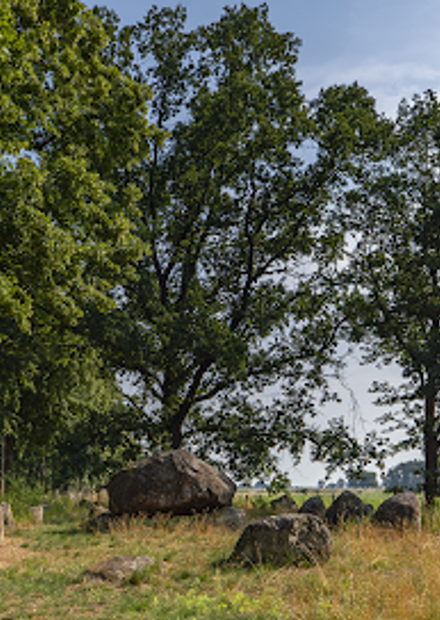
Mellen dolmen travel guide
Explore the Mellen Dolmen, a captivating historical landmark in Lenzen, showcasing the ancient burial practices of Europe in a serene natural setting.
Tell me more about Mellen dolmenMore to explore near Mellen dolmen

 Best experiences near Mellen dolmen

 Best hotels near Mellen dolmen

 Best attractions near Mellen dolmen

 Best shops near Mellen dolmen

 Best bars near Mellen dolmen

 Best restaurants near Mellen dolmen
Explore more

Explore more of Prignitz
Discover Prignitz: An enchanting region in northern Germany known for its natural beauty, historical sites, and warm hospitality. Perfect for nature lovers and history enthusiasts.
Explore Prignitz
Getting your guide ready…
We are putting together a fresh copy of the Mellen dolmen guide. This can take up to a minute.
This can take a few moments. If your browser asks, choose Allow so the download can start. You'll find the guide in your Downloads folder.
Nothing happened? Download it again
Sorry, the guide is taking longer than usual. Please try again in a minute, or get it by email instead.

