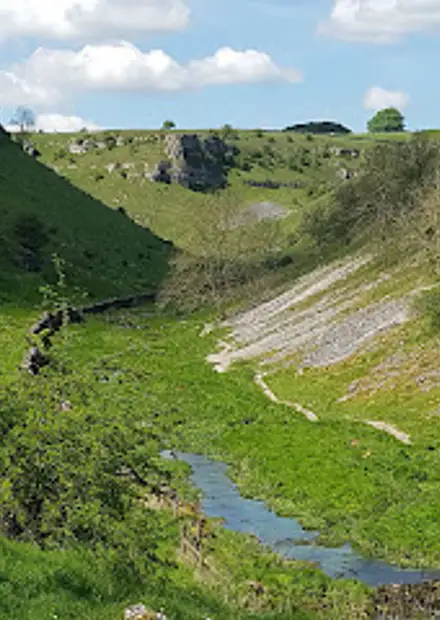
Best Landmarks Near Lathkill Dale (Peak District)
Planning a trip to Lathkill Dale? Discover the best landmarks nearby with history, expert tips, and routes. Free on web or the Evendo app.


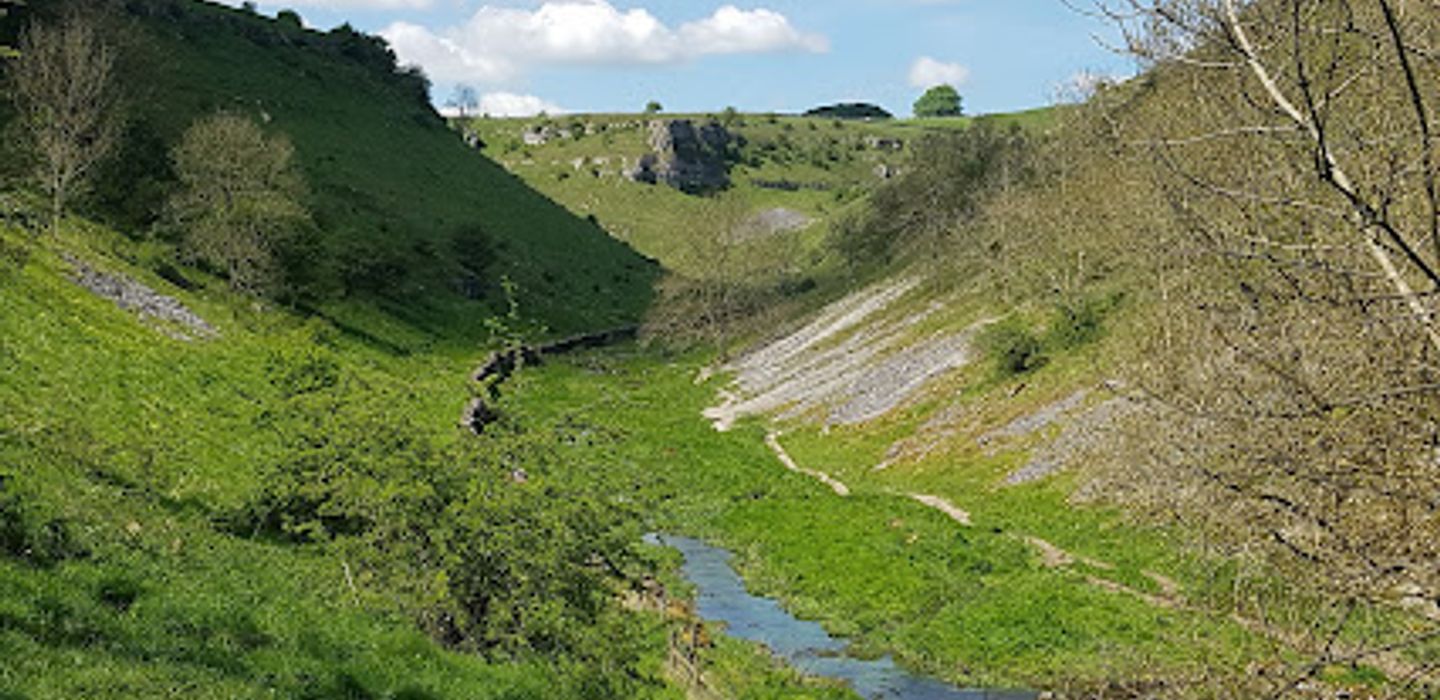
The best landmarks near Lathkill Dale
- Top rated
- Closest to Lathkill Dale
- Price level: low to high
- Time to spend: shortest first
- A–Z
79 landmarks
-
Stadium4.6★27,985 reviews
Etihad Stadium
Home to Manchester City Football Club, the Etihad Stadium is a modern 61,000-capacity venue in East Manchester offering immersive guided tours and matchday experiences. Visitors can explore the players' tunnel, home team dressing room, press conference room, and pitchside areas while learning about the club's history and achievements. The stadium features state-of-the-art facilities and is easily accessible via public transport from Manchester city centre.
Price level $$Time to spend 1–4 hrs
-
Monument4.4★2,162 reviews
Robin Hood Statue
The Robin Hood Statue is a 7-foot bronze monument located on Robin Hood's Lawn outside Nottingham Castle. Created by James Woodford in 1952, it depicts the legendary outlaw aiming his arrow at the castle gatehouse. Surrounded by smaller statues of his Merry Men, this Grade II listed landmark is a symbol of Nottingham's rich folklore and history, accessible 24/7 and free to visit.
Open 24 hoursTime to spend 0.2–1 hr
-
Historical landmark4.5★2,023 reviews
St. Peter's Square
St Peter's Square is a central public space in Manchester's city centre, renowned for its rich history, iconic architecture, and role as a major transport hub. Once the site of the 1819 Peterloo Massacre, the square today features memorials, including the Manchester Cenotaph and Emmeline Pankhurst statue, alongside striking buildings like the Central Library and Midland Hotel. It serves as a vibrant gathering place blending heritage with modern urban life.
Open 24 hoursTime to spend 0.5–2 hrs
-
Cathedral4.7★1,840 reviews
Sheffield Cathedral
Sheffield Cathedral, the city’s oldest building in daily use, stands at the heart of Sheffield as a living place of worship and cultural hub. With origins stretching back over a thousand years, it blends medieval architecture with modern additions, including a striking lantern tower and abstract stained glass. Visitors can explore historic chapels, admire intricate carvings, view naval flags, and descend into the atmospheric crypt. The cathedral hosts concerts, art exhibitions, and the popular Christmas light shows, all within a welcoming, inclusive space that’s free to enter and open year-round.
Time to spend 0.5–2 hrs
-
Cathedral4.6★1,409 reviews
Derby Cathedral
Derby Cathedral, officially the Cathedral Church of All Saints, is a captivating historic landmark in Derby city centre. Known as the third smallest cathedral in England, it features stunning Georgian architecture, a 16th-century tower, and a rich history spanning over a thousand years. Visitors enjoy peaceful reflection, cultural events, panoramic city views from the tower, and unique attractions like resident peregrine falcons and a LEGO replica of the cathedral.
Time to spend 1–3 hrs
-
Landmark4.9★1,226 reviews
Bamford Edge
Bamford Edge is a striking gritstone escarpment rising about 420 meters above sea level near Bamford village in the Hope Valley, Peak District National Park, England. It offers breathtaking panoramic views of Ladybower Reservoir, Win Hill, and the surrounding moorlands. Renowned for its natural beauty, walking trails, and dramatic sunsets, Bamford Edge is a favorite spot for hikers, climbers, and photographers seeking a quintessential Peak District experience.
Open 24 hoursPrice level $Time to spend 1–3 hrs
-
Pub4.0★1,152 reviews
The Hemlock Stone
The Hemlock Stone is a striking 8.5-meter tall rock formation perched dramatically on a sandstone ridge in Bramcote Hills Park, near Nottingham. This natural landmark, composed of Nottingham Castle sandstone and Red Lenton stone, towers over woodland trails and offers panoramic views. Surrounded by peaceful hikes, wildflower meadows, and ancient trees, it blends geology, folklore, and outdoor adventure in an accessible suburban setting. Named for its hemlock-like shape, the stone has inspired local legends for centuries, making it a hidden gem for walkers, families, and nature lovers seeking tranquility just minutes from the city.
Time to spend 0.5–2 hrs
-
Historical landmark4.6★889 reviews
Nine Ladies Stone Circle
An evocative Bronze Age stone circle perched on Stanton Moor in the Peak District, comprising ten standing stones arranged in a rough ring. Dating back approximately 4,000 years, the Nine Ladies is steeped in folklore and archaeological significance, with over 70 ancient burial mounds and four stone circles dotting the moorland. The site remains a focal point for modern pagan and Druid ceremonies, particularly during solstices, while offering visitors spectacular views across the Derbyshire landscape and easy access to a landscape rich in prehistoric heritage.
Open 24 hoursTime to spend 1–3 hrs
-
Bridge4.6★879 reviews
Bakewell Bridge
Bakewell Bridge is a Grade I listed medieval stone arch bridge spanning the River Wye in Bakewell, Derbyshire. Dating back to the 14th century, this historic five-arched gritstone bridge is a scheduled monument and a vital link in the Peak District. It offers picturesque views, a glimpse into Bakewell's rich heritage, and a charming setting near the town’s market and river walks.
Open 24 hoursTime to spend 0.5–2 hrs
-
Historical landmark4.7★658 reviews
Solomon’s Temple
Perched atop Grin Low Hill in Buxton, Solomon’s Temple is a distinctive 20-foot Victorian folly built in 1896 on a Bronze Age burial mound. Offering sweeping 360-degree views of Buxton and the Peak District, this historic landmark invites visitors to explore its spiral staircase and enjoy the surrounding Buxton Country Park with woodland trails and sculpture walks. Free to visit, it combines architectural charm, rich history, and breathtaking scenery.
Open 24 hoursTime to spend 1–2.5 hrs


Greater Manchester Police Museum & Archives
Located in Manchester's Northern Quarter, the Greater Manchester Police Museum is housed in a former 1879 police station featuring original cells, a charge office, and a 1895 Magistrates Court. Visitors can explore authentic police equipment, vehicles, and archives that showcase the history of policing in Greater Manchester. Open to the public on Tuesdays, the museum offers a unique glimpse into Victorian and early 20th-century law enforcement.
Tue 10:30–16:00Time to spend 1–2 hrs

Arbor Low Stone Circle and Gib Hill Barrow
Perched high on remote moorland in the Peak District, Arbor Low is one of Britain's most significant Neolithic henge monuments, sometimes called the 'Stonehenge of the North'. This atmospheric prehistoric site features over 50 fallen limestone stones arranged in an oval formation, surrounded by an earth bank, alongside the nearby Gib Hill Barrow. Accessible via a working farmyard with a small honesty-box contribution, it offers stunning views across the White Peak landscape and remains one of the UK's best-preserved ancient monuments.
Daily 9:00–17:00Price level $Time to spend 0.5–1.5 hrs

Arch of Chinatown
Standing majestically at the heart of Manchester's Chinatown on Faulkner Street, the Chinese Imperial Arch is Europe's first and only true imperial Chinese gateway. Built in China and assembled between Christmas 1986 and Easter 1987, this ornate structure features intricate dragons, phoenixes, ceramics, and gold leaf detailing. A gift from Manchester City Council to the Chinese community, it symbolizes the city's deep cultural ties and marks one of Britain's most vibrant multicultural neighborhoods.
Open 24 hoursTime to spend 0.5–2 hrs

St Barnabas Cathedral Nottingham
Standing proudly on North Circus Street, Nottingham Cathedral Church of St Barnabas is a Grade II* listed Catholic cathedral designed by Augustus Welby Northmore Pugin in the 1840s. As one of the first Catholic cathedrals built in England after the Reformation, it combines Early English Gothic architecture with a rich spiritual history. The cathedral’s striking spire, intricate stonework and beautifully restored Sacrament Chapel make it a quiet architectural gem in the heart of the city, open to worshippers and visitors alike.
Daily 8:00–19:00Time to spend 0.5–2 hrs

Manchester City Council
Manchester City Council operates from the iconic Manchester Town Hall located in Albert Square, a masterpiece of Victorian Neo-Gothic architecture completed in 1877. Designed by Alfred Waterhouse, the Grade I listed building features a striking 280-foot clock tower, grand ceremonial rooms adorned with murals, and rich historical significance as the city's administrative heart. Currently undergoing refurbishment, it is a symbol of Manchester’s industrial heritage and civic pride.
Mon–Fri 9:00–17:00Time to spend 0.5–2 hrs

St Marie's Cathedral, Sheffield
A magnificent Gothic Revival cathedral in the heart of Sheffield, St Marie's stands as a testament to Catholic resilience and architectural excellence. Completed in 1850 after three centuries of religious suppression, this Grade II listed building features soaring pointed arches, intricate stained glass windows, and ornate interior decoration. The cathedral became the seat of the Diocese of Hallam in 1980 and remains an active place of worship welcoming visitors daily. Its tall spire dominates the Sheffield skyline, while the interior offers peaceful reflection spaces adorned with fine carvings, vibrant tilework, and spiritually significant chapels.
Time to spend 0.8–2 hrs

Croxden Abbey
Croxden Abbey stands as one of Staffordshire's most significant medieval ruins, a 12th-century Cistercian monastery that once housed 70 monks at its peak. Founded in 1176 by Bertram de Verdun, the abbey flourished through the 13th and 14th centuries as a centre of religious devotion and agricultural prosperity, becoming renowned for its wool trade across Europe. Today, managed by English Heritage, the atmospheric ruins reveal towering fragments of the 13th-century church, infirmary, and 14th-century abbot's lodging, set within peaceful countryside bisected by a country lane. Free to enter with informative panels throughout, the site offers visitors a contemplative journey through medieval monastic life.
Daily 10:00–17:00Time to spend 1–2.5 hrs

Albert Memorial
The Albert Memorial in Manchester is a striking Victorian Gothic monument dedicated to Prince Albert, Queen Victoria’s consort. Located in Albert Square, it features a marble statue of Albert beneath an ornate medieval-style canopy designed by Thomas Worthington. The memorial celebrates Albert’s passions—art, science, agriculture, and commerce—through intricate carvings and symbolic figures, making it a centerpiece of Manchester’s civic heritage.
Time to spend 0.5–1.5 hrs

Sandbach Crosses
The Sandbach Crosses are two elaborately carved 9th-century Anglo-Saxon sandstone crosses located in Sandbach’s Market Square, Cheshire. Recognized as some of the finest surviving Saxon monuments in Britain, these crosses feature biblical scenes such as the Nativity and Crucifixion, intricate vine-scrolls, and symbolic carvings. Originally brightly painted and adorned with jewels, they reflect the religious and cultural significance of early medieval Mercia. The crosses were reassembled in 1816 after being broken up in the 17th century.
Time to spend 0.5–1.5 hrs

Eagle Stone
Perched dramatically on Baslow Edge in the Peak District, Eagle Stone is a striking natural gritstone outcrop that has captivated walkers and locals for centuries. This rugged rock formation offers sweeping views across the White Peak and is steeped in folklore, said to be linked to a Celtic deity who hurled stones across the moors. Easily reached via a scenic moorland path from Curbar or Baslow, it’s a favourite stop for hikers, photographers, and anyone drawn to dramatic landscapes and quiet, windswept beauty.
Open 24 hoursTime to spend 0.5–2 hrs

Nottingham Natural History Museum
Nestled within the stunning Elizabethan Wollaton Hall and its expansive deer park, the Nottingham Natural History Museum offers a captivating journey through the natural world. The museum's rich collections showcase local wildlife, fossils, and geological specimens, set against the backdrop of one of England’s finest Grade I listed mansions surrounded by 500 acres of parkland. Visitors can explore diverse exhibits, enjoy the formal gardens, and experience the historic grandeur of the hall itself.
Daily 11:00–16:00Price level $$Time to spend 1–3 hrs

Carl Wark
Carl Wark is a striking rocky promontory on Hathersage Moor in the Peak District National Park, known for its Iron Age hillfort remains. Surrounded by steep cliffs and protected by a prehistoric embankment, the site offers panoramic views across the moorland and Burbage Valley. Its origins are debated, with evidence suggesting use from the Neolithic through the Early Middle Ages. Today, Carl Wark is a popular destination for walkers seeking history, rugged gritstone landscapes, and sweeping vistas.
Open 24 hoursTime to spend 1–4 hrs

The Derby Ram Statue
The Derby Ram Statue, located on East Street in Derby, celebrates the city's deep-rooted association with the legendary Derby Ram folk tale. This striking sculpture embodies the rich cultural heritage tied to the ram, a symbol embraced by Derby’s military regiments, football team, and local identity. The statue stands as a vibrant tribute to the city’s history, folklore, and community spirit.
Open 24 hoursTime to spend 0.5–1.5 hrs

Sheffield Town Hall
Sheffield Town Hall, located on Pinstone Street in Sheffield City Centre, is a stunning Grade I listed Victorian building completed in 1897. Designed by Edward William Mountford, it features an iconic clock tower, intricate stone carvings by F. W. Pomeroy, and elegant interiors with Italian marble and ornate plaster ceilings. Adjacent to the tranquil Peace Gardens, it remains a symbol of Sheffield’s civic pride and architectural heritage.
Mon–Fri 8:00–18:00Time to spend 0.5–2 hrs

Cholera Monument Grounds and Clay Wood
A poignant historical memorial set within tranquil woodland gardens in Sheffield, England. The Cholera Monument commemorates the 402 victims of the devastating 1832 cholera epidemic, with 339 buried on this site. Surrounded by ancient Clay Wood and established gardens gifted by the Duke of Norfolk, the grounds offer peaceful walking paths, panoramic city views, and a space for quiet reflection on Sheffield's industrial past and public health history.
Open 24 hoursTime to spend 1–3 hrs

The Endcliffe Campus
The Endcliffe Campus, located at 34 Endcliffe Crescent in Sheffield, is a vibrant student residential area forming part of the University of Sheffield’s accommodation network. Known as Endcliffe Student Village, it houses thousands of undergraduates, postgraduates, and student families. The campus blends modern living with extensive social, study, and recreational facilities including The Edge, a central hub with dining, bar, and social spaces, all set amidst lush green surroundings near Endcliffe Park.
Open 24 hoursPrice level $$Time to spend 1–5 hrs

Riley Graves
Riley Graves is a solemn 17th-century burial site on the outskirts of Eyam in Derbyshire, England, containing the graves of the Hancock family who perished during the devastating plague outbreak of 1665–1666. Six gravestones enclosed by a stone wall mark this Grade II listed cemetery, where Elizabeth Hancock buried her husband and children after they succumbed to the disease. The peaceful, atmospheric setting offers visitors a profound connection to one of England's most poignant historical events and the extraordinary resilience of the Eyam community.
Time to spend 0.5–2 hrs

White Nancy
White Nancy is a distinctive white-painted, cone-shaped folly perched atop Kerridge Hill near Bollington, Cheshire. Built in 1817 by John Gaskell junior to commemorate the Battle of Waterloo, this Grade II listed landmark offers panoramic views across the Cheshire Plain and beyond. Its unique silhouette is a symbol of Bollington, visible for miles and surrounded by scenic walking trails.
Open 24 hoursTime to spend 1–3 hrs

Mompesson's Well
Mompesson's Well, located on the edge of Eyam village in the Peak District, is a poignant historical landmark symbolizing the villagers’ self-imposed quarantine during the 1665–1666 bubonic plague outbreak. Named after Reverend William Mompesson, the well was used to sterilize coins in vinegar as food and supplies were exchanged with neighboring communities, preventing the plague’s spread beyond Eyam.
Open 24 hoursTime to spend 0.5–1.5 hrs

Friedrich Engels Statue
The Friedrich Engels Statue stands at Tony Wilson Place, Manchester, commemorating the German philosopher's deep ties to the city where he lived and worked for over 20 years. Originally erected in 1970 in Soviet Ukraine, the 12-foot concrete statue was rescued from abandonment and brought to Manchester in 2017 by artist Phil Collins. It symbolizes Engels’ legacy in social thought and Manchester’s radical history, positioned prominently outside the HOME arts centre in a modern urban setting.
Open 24 hoursTime to spend 0.2–1 hr

Pic Tor War Memorial
The Pic Tor War Memorial, perched atop Pic Tor in Matlock, Derbyshire, is a striking Celtic cross crafted from local gritstone. Erected in 1921, it solemnly commemorates those who lost their lives in both World Wars. Surrounded by peaceful woodland and scenic riverside paths, the memorial offers panoramic views over Matlock and its picturesque surroundings, making it a place of reflection and local heritage.
Open 24 hoursTime to spend 0.5–1.5 hrs

Canada House, Manchester
Canada House in Manchester is a striking Grade II listed former cotton warehouse located at 3 Chepstow Street. Renowned for its architectural significance and historic industrial character, this landmark reflects Manchester's rich textile industry past. Today, it stands as a distinguished heritage site in the city centre, admired for its grand facade and preserved features.
Mon–Fri 8:00–17:00Time to spend 0.5–1.5 hrs

John Bright Statue
The John Bright Statue, a marble sculpture unveiled in 1891, stands prominently in Albert Square, Manchester. Created by Albert Bruce-Joy, it honors John Bright, a 19th-century British Radical and Liberal statesman known for his passionate advocacy of free trade, electoral reform, and social justice. The statue, set on a granite pedestal facing Manchester Town Hall, symbolizes Bright’s enduring legacy in political reform and civic responsibility.
Open 24 hoursTime to spend 0.2–1 hr

St Clement's Parish Church
St Clement's Parish Church is a Grade II listed Anglican church in Chorlton-cum-Hardy, Manchester, featuring striking Decorated Gothic architecture. Built in 1866 and consecrated in 1896, the church showcases intricate Victorian design with an impressive mosaic interior scheme. The building represents five centuries of continuous worship in Chorlton, with roots tracing back to a chapel established in 1512. Today, it remains an active parish church serving the local community.
Time to spend 0.8–2 hrs

Manchester Cenotaph
The Manchester Cenotaph, designed by Sir Edwin Lutyens and unveiled in 1924, stands in St Peter’s Square as a poignant war memorial honoring Mancunians who lost their lives in World War I and subsequent conflicts. Featuring symbolic sculptures and a stone sarcophagus, it embodies sacrifice, courage, and devotion. Relocated in 2014 to a prominent site near the Town Hall, it remains a powerful reminder of the cost of war and the value of peace.
Open 24 hoursTime to spend 0.5–1.5 hrs

Speakers' Corner
Speakers' Corner in Nottingham is a historic landmark located on King Street, embodying the spirit of free speech and public discourse. Officially opened in 2009, it serves as a vibrant platform where locals and visitors engage in lively debates and discussions on a wide range of topics. Set in a welcoming urban space near Nottingham’s Old Market Square, it offers a unique cultural experience blending history, community, and contemporary dialogue.
Open 24 hoursTime to spend 0.5–2 hrs

Chinese Bell Tower
The Chinese Bell Tower, located in Nottingham’s historic Arboretum, is a unique Victorian war memorial built in 1862. Designed by Marriott Ogle Tarbotton, this octagonal pagoda commemorates the 59th Nottinghamshire Regiment’s role in the Anglo-Chinese Wars and the Crimean War. Originally housing a bronze bell looted from a temple in Canton, the tower blends Eastern architectural motifs with British military history, set amidst a lush 17-acre Victorian park renowned for its diverse tree collection and heritage landscape.
Open 24 hoursTime to spend 0.5–2 hrs

The Chimney House
Nestled in Sheffield’s vibrant Kelham Island, The Chimney House is an award-winning events venue blending industrial heritage with warm, inviting charm. Known for its exposed brick walls, cozy fireplaces, and elegant rustic decor, it offers a unique setting for weddings, private dining, conferences, and celebrations. The venue’s acclaimed food, attentive service, and flexible spaces create an effortlessly cool yet homely atmosphere that guests cherish.
Price level $$Time to spend 2–6 hrs

Free Trade Hall
The Free Trade Hall in Manchester is a historic landmark built between 1853 and 1856 on the site of the 1819 Peterloo Massacre. Originally a public hall for political and social gatherings, it became home to the Hallé Orchestra and hosted pivotal events in music and political history. Severely damaged during World War II, it was rebuilt and reopened in 1951. Today, it operates as a hotel while preserving its rich heritage and architectural grandeur.
Price level $$Time to spend 0.5–2 hrs

Peterloo Massacre Monument
The Peterloo Massacre Monument in Manchester commemorates the tragic 1819 event where peaceful pro-democracy protesters were violently charged by cavalry, resulting in deaths and hundreds of injuries. Designed by artist Jeremy Deller and Caruso St John Architects, the memorial features concentric stone circles engraved with victims' names and their hometowns, symbolizing the fight for political reform and democracy in the UK.
Open 24 hoursTime to spend 0.5–1.5 hrs

Bear pit
Nestled within Sheffield Botanical Gardens, the Bear Pit stands as a Victorian-era marvel and the finest surviving example of its kind in the United Kingdom. Originally constructed in 1836 when the gardens opened, this historic enclosure once housed Bruin, an American Black Bear known for his reluctance to climb. Today, the Bear Pit remains a captivating focal point for visitors, particularly families, offering a tangible connection to Sheffield's botanical heritage and Victorian entertainment culture. Located between the Mediterranean and Himalayan Gardens, this Grade II listed feature invites exploration and reflection on the evolving relationship between humans and wildlife.
Time to spend 0.5–1.5 hrs

Millennium Square
Millennium Square is a vibrant public plaza in Sheffield City Centre that serves as a cultural and social hub. Located on St Paul's Place, this contemporary urban space hosts seasonal markets, outdoor events, and festivals throughout the year. With its open design and proximity to major attractions like the Millennium Gallery and Crucible Theatre, it's an ideal gathering point for locals and visitors exploring Sheffield's city centre.
Mon–Fri 8:00–18:00Time to spend 0.5–3 hrs

Green Police Box
Located on Surrey Street outside Sheffield Town Hall, the Green Police Box is the sole survivor of 120 distinctive green and white police boxes once scattered throughout Sheffield. Introduced in 1929 by Chief Constable Percy J. Sillitoe, these boxes served as mini police stations, providing telephone access, first aid, and temporary lock-up facilities for officers and the public. Today, this charming wooden structure stands as a nostalgic symbol of Sheffield’s policing history and a popular photo spot in the city centre.
Open 24 hoursTime to spend 0.2–1 hr

Statue of the Duke of Wellington
The Statue of the Duke of Wellington in Piccadilly Gardens, Manchester, is a commanding bronze monument depicting the Duke in later life. Standing over 13 feet tall on a large granite pedestal, it features symbolic figures representing wisdom and valor, commemorating Wellington’s military and political legacy in the city’s vibrant heart.
Open 24 hoursTime to spend 0.2–1 hr

Murrays' Mill
Murrays' Mills in Ancoats, Manchester, is the world's oldest surviving urban steam-powered cotton spinning factory, built between 1797 and 1804 by brothers Adam and George Murray. Once the largest mill complex globally, it employed over 1,300 workers and played a pivotal role in the Industrial Revolution. Today, the historic mill buildings have been sensitively restored and converted into residential apartments, preserving their industrial heritage and architectural grandeur.
Time to spend 1–3 hrs

Edale Cross
Edale Cross is an ancient wayside cross perched on the moorland between Edale and Hayfield in the Peak District, marking the boundary of three historic forest wards. This medieval monument, nestled in a small stone enclosure, offers commanding views across the Vale of Edale and serves as a significant landmark on the Pennine Way. Accessible via Jacob's Ladder, a striking set of stone steps carved into the hillside, the cross represents centuries of local history and remains a popular waypoint for walkers exploring the High Peak.
Tue–Sun open 24 hoursTime to spend 0.8–2.5 hrs

Sheffield War Memorial
The Sheffield War Memorial, also known as the Sheffield Cenotaph, is a Grade II* listed monument located at Barker's Pool in Sheffield city centre. Unveiled in 1925, it commemorates the sacrifices of Sheffield’s servicemen from the World Wars. The memorial features a striking 25-metre-high white flagpole atop a bronze base with four solemn soldier statues and emblems representing the British armed forces and Sheffield’s heritage.
Open 24 hoursTime to spend 0.5–1.5 hrs

Fargate
Fargate is Sheffield's vibrant pedestrian shopping street, a historic thoroughfare that has been the heart of the city centre since its pedestrianisation in 1973. Running between Barker's Pool and High Street opposite the cathedral, this lively precinct blends heritage architecture with contemporary retail and hospitality. The street is known for its iconic Coles Corner meeting point, regular Continental Markets featuring European goods, and recent regeneration projects including new dining and drinking venues. Today, Fargate remains a dynamic destination for shopping, dining, and experiencing Sheffield's evolving urban landscape.
Open 24 hoursTime to spend 1–4 hrs

Victory Over Blindness
Victory Over Blindness is a striking bronze sculpture situated outside Manchester Piccadilly station, commemorating First World War veterans who suffered blindness in combat. Created by Johanna Domke-Guyot and unveiled in 2018, it depicts seven life-sized blind soldiers guiding one another at eye level, fostering a powerful connection with passers-by and honoring the resilience of wounded servicemen.
Open 24 hoursTime to spend 0.2–1 hr

The Old Quadrangle
Whitworth Hall is a magnificent Grade II* listed Neo-Gothic building at the heart of the University of Manchester, constructed between 1895 and 1902. Designed by architect Paul Waterhouse, this architectural masterpiece features soaring hammer-beam ceilings, ornate stained glass windows, and intricate Gothic detailing. Named after industrialist Joseph Whitworth, the hall serves as the university's ceremonial center, hosting graduation ceremonies, civil weddings, conferences, and cultural events. Its stunning interior, complete with a historic organ and wooden galleries, makes it one of Manchester's most impressive architectural treasures.
Time to spend 1–2.5 hrs

Crucible Stack
Standing in Sheffield’s city centre, the Crucible Stack is a striking industrial relic from the city’s steelmaking heyday. This Grade II listed brick chimney, once part of a crucible steelworks, is a powerful symbol of Sheffield’s industrial heritage. Though the surrounding factory buildings are long gone, the stack remains as a rare surviving example of a crucible furnace chimney, a reminder of the processes that made Sheffield world-famous for steel. It’s a quiet, often overlooked monument to the city’s transformation during the Industrial Revolution.
Open 24 hoursTime to spend 15–30 min

Wicker Arches
Running beneath Sheffield city centre, the Wicker Arches are a striking Victorian railway viaduct made up of 21 brick arches. Originally built to carry trains into Sheffield Victoria Station, this atmospheric structure now forms a dramatic urban passage, lined with workshops, bars and street art. The arches are freely accessible at all times, making them a compelling stop for history buffs and urban explorers. Look up to appreciate the engineering, or wander through to feel the buzz of Sheffield’s industrial past echoing under the tracks.
Open 24 hoursTime to spend 0.5–2 hrs

King Edward VII Statue
The King Edward VII Statue, unveiled in 1913 in Sheffield's Fitzalan Square, is a distinguished bronze memorial by Alfred Drury. Standing over 2.9 metres tall on a granite plinth, it commemorates the British monarch's reign and features symbolic bronze relief panels representing Fame, Truth, Peace, Philanthropy, and Unity. This Grade II listed landmark reflects Sheffield’s historical heritage amid the city centre’s evolving urban landscape.
Open 24 hoursTime to spend 0.2–1 hr

St Peter's Square
St Peter's Square in Stockport is a historic public space anchored by the Georgian St Peter's Church, built in 1768 by William Wright. This charming square blends architectural heritage with green spaces, featuring mature trees and well-maintained gardens. Located in the heart of Stockport's conservation area, it serves as a gathering place that reflects the town's industrial past and Georgian prosperity. The square offers a peaceful retreat amid historic buildings and remains a focal point for the local community.
Time to spend 0.5–2 hrs

Stretford Weir
Stretford Weir is a historic landmark located on the River Mersey in Sale, Stretford, Manchester. Known for its scenic riverside setting and significance in local flood management, it offers visitors a charming spot for hiking and nature walks amidst the urban landscape. The weir plays a role in controlling river flow and flood risk in the area, surrounded by peaceful waterside views and green spaces.
Time to spend 0.5–2 hrs

Hotspur House
Hotspur House, located at 2 Gloucester Street in Manchester, is a cherished historical landmark embodying the city’s industrial past and architectural diversity. Dating back to 1801 with additions from 1880, this former cotton mill and printing press building is renowned for its distinctive façade and its role in Manchester’s evolving urban landscape. Despite recent fire damage and redevelopment debates, Hotspur House remains a symbol of continuity amid modern transformation in the vibrant First Street area.
Time to spend 0.5–1.5 hrs

Castlefield historical zone
Castlefield in Manchester is a unique urban heritage park centered on the remains of the Roman fort Mamucium and the world’s first industrial canal network. This historic area showcases reconstructed Roman ruins, Victorian canals, railway viaducts, and converted warehouses, blending ancient history with industrial revolution legacy in a vibrant waterside setting. Once a strategic Roman military site, Castlefield evolved into a transport hub pivotal to Manchester’s growth and now thrives as a lively cultural and leisure destination.
Open 24 hoursPrice level $Time to spend 1–3 hrs

Remains of eastern wall of the Roman fort
The remains of the eastern wall of the Roman fort Mamucium in Manchester are part of a significant archaeological site dating back to around 79 AD. Located in the Castlefield area, these ruins mark the defensive structures of a fort built on a sandstone bluff near the confluence of the Rivers Medlock and Irwell. The site includes reconstructed sections and foundations that reveal the fort’s evolution from timber to stone, reflecting Manchester’s ancient Roman heritage.
Time to spend 0.5–2 hrs

John Dalton Statue
The John Dalton Statue in Manchester honors the pioneering chemist and physicist who formulated the atomic theory and first described colour blindness, known as Daltonism. This seated bronze statue by William Theed, originally placed in Piccadilly Gardens and relocated in 1966, stands as a tribute to Dalton’s lasting impact on science and Manchester’s heritage.
Open 24 hoursTime to spend 0.2–1 hr

Iron Bridge
The Iron Bridge in Sheffield, located on Mowbray Street, is a striking historical landmark dating back to the early 20th century. Showcasing exquisite ironwork, it offers scenic views over the River Loxley and stands as a symbol of Sheffield's rich industrial past. This pedestrian-friendly bridge invites visitors to explore the city's heritage through its robust design and picturesque surroundings.
Open 24 hoursTime to spend 0.5–1.5 hrs

The Queen's Arch
The Queen's Arch stands proudly on Oxford Road in Manchester as a majestic Gothic sandstone gateway to the University of Manchester. Designed by Alfred Waterhouse, it marks the entrance to a campus rich in history and architectural elegance. This iconic arch invites visitors to step into the university’s heritage, surrounded by historic buildings and vibrant academic life in the heart of the city.
Time to spend 0.5–2 hrs

Victoria Station Clock Tower
The Victoria Station Clock Tower in Nottingham is a striking 100-foot landmark that once formed the centerpiece of the grand Nottingham Victoria railway station, opened in 1900. Though the station was demolished in 1967, the clock tower remains preserved within the Victoria Shopping Centre, serving as a historical monument to the city's rich railway heritage.
Time to spend 0.5–1.5 hrs

Kelham Island Walks
Kelham Island in Sheffield is a vibrant urban district that evolved from one of the city's earliest industrial hubs into a thriving neighborhood known for its rich steel-making heritage, unique architecture, craft breweries, and lively cultural scene. Situated on a man-made island formed by the River Don, it offers a blend of historic sites, modern apartments, independent shops, and renowned pubs, making it a must-visit destination for history buffs and urban explorers alike.
Price level $$Time to spend 1–3 hrs

The Spot
Located in the heart of Nottingham city centre, The Spot is a notable historical landmark at NG1 4GQ. This site offers a glimpse into Nottingham’s urban heritage, nestled near Victoria Street and the Victoria Centre. Its central position makes it a quiet yet meaningful place to appreciate the city's past and present urban fabric.
Time to spend 0.2–1 hr

The Beacon Of Hope
The Beacon of Hope is the UK's only permanent memorial dedicated to people living with HIV and AIDS and those lost to the disease. Located in Sackville Gardens in Manchester's city center, this poignant sculpture stands as a symbol of resilience, remembrance, and community strength. The memorial was restored to honor the memories of everyone affected by HIV over the years, creating a peaceful space for reflection and tribute within the vibrant heart of Manchester.
Open 24 hoursTime to spend 0.5–2 hrs

Godfrey Sykes Memorial
A striking Victorian monument in Weston Park dedicated to the celebrated designer and sculptor Godfrey Sykes (1824–1866). Completed in 1871 and designed by James Gamble, this terracotta-adorned memorial honours the influential craftsman who revolutionised decorative design at the Victoria and Albert Museum and Royal Albert Hall. The monument stands as a testament to Sykes's pioneering work in terracotta revival and his lasting impact on Victorian design.
Open 24 hoursTime to spend 0.5–1.5 hrs

Sheffield Town Twinning, Commonwealth Bench
The Sheffield Town Twinning, Commonwealth Bench is a symbolic landmark located on South Street in Sheffield. It celebrates the city's international friendships with its twin towns across the Commonwealth, serving as a peaceful spot for reflection and cultural connection. Surrounded by greenery, this inviting bench offers visitors a tranquil retreat in the heart of Sheffield, embodying the spirit of unity and shared heritage.
Open 24 hoursTime to spend 0.2–1 hr

Knutsford Obelisk
The Knutsford Obelisk is a Grade II listed historic monument located on Chelford Road (A537) in Knutsford, England. Dating back to the mid-18th century, this rusticated stone obelisk is believed to be a memorial to the influential Legh family of Booths Hall. Its distinctive design features Egyptian capitals and is topped by a vase and a 20th-century lantern, symbolizing the town’s rich heritage and connection to local aristocracy.
Time to spend 0.5–1.5 hrs

LS Lowry birthplace
The LS Lowry Birthplace at 29 Shrewsbury Street in Old Trafford, Manchester, marks the early home of Laurence Stephen Lowry, one of Britain's most iconic painters. Known for his distinctive industrial scenes and matchstick figures, Lowry’s origins in this working-class area deeply influenced his art. Though the house itself is modest, it stands as a historical landmark celebrating the roots of a key figure in British modern art, located near the vibrant cultural and sporting heart of Manchester.
Open 24 hoursTime to spend 0.5–1 hr

King Charles I Standard Hill Monument
The King Charles I Standard Hill Monument in Nottingham marks the historic spot where King Charles I raised his royal standard on August 22, 1642, igniting the English Civil War. Situated on a rocky knoll known as Standard Hill, this landmark commemorates a pivotal moment of royal defiance against Parliament. The site offers a tangible connection to Nottingham’s rich 17th-century history and the turbulent events that shaped Britain’s monarchy and governance.
Open 24 hoursTime to spend 0.5–1.5 hrs

Cathedral Hall
Nottingham Cathedral, officially the Cathedral Church of St Barnabas, is a masterpiece of Gothic Revival architecture designed by the legendary Augustus Welby Northmore Pugin. Built between 1841 and 1844, it was the largest Catholic church constructed in England since the Reformation upon its completion. The cathedral showcases Pugin's distinctive Early English lancet style with a soaring spire, and its interior preserves fragments of his original decorative vision, particularly in the richly adorned Blessed Sacrament Chapel. As the seat of the Bishop of Nottingham and mother church of the Diocese, it remains an active place of worship and a Grade II* listed landmark of immense architectural and historical significance.
Time to spend 0.8–2 hrs

Millers Dale Viaduct
A pair of Grade II listed Victorian railway viaducts spanning the River Wye in the Peak District, now part of the popular Monsal Trail. Built between 1862–1905 by the Midland Railway, these elegant stone and iron structures represent remarkable 19th-century engineering. The southern viaduct carries walkers and cyclists along the scenic 8.5-mile trail through Derbyshire's most dramatic valleys, offering stunning views of limestone cliffs and the river below.
Time to spend 0.5–3 hrs

Winnats Pass
Winnats Pass is a dramatic limestone gorge carved through towering rock faces in the Peak District, located west of Castleton village. The narrow, steep road winds through this spectacular natural cleft, offering breathtaking views of the surrounding Hope Valley and high limestone ridges. Named for the swirling winds that funnel through the pass, this striking landscape has inspired countless visitors and even featured in Game of Thrones prequel scenes. Whether driving through or walking the scenic route, Winnats Pass delivers an unforgettable experience of raw geological drama.
Time to spend 0.5–2 hrs

Devonshire Quarter
Nestled in Sheffield's bustling city centre, the Devonshire Quarter forms a vibrant urban village anchored by Division Street and Devonshire Street. This lively district buzzes with independent shops, eclectic cafes, characterful pubs, and the expansive Devonshire Green. Historic cutlery works like Taylor's Eye Witness and Beehive Works stand alongside modern retail at The Forum, blending Sheffield's industrial legacy with contemporary charm. Ideal for leisurely exploration, it offers a mix of shopping, dining, and green space respite just minutes from key transport hubs.
Time to spend 0.5–2 hrs

Gazebo
Nestled within the expansive grounds of Wollaton Park in Nottingham, the Gazebo is a charming early 19th-century ashlar stone structure. Serving historically as a serene garden pavilion, it now provides a picturesque access point between Wollaton Hall and the Stable Block. Surrounded by lush greenery and part of a Grade II listed landscape, this gazebo reflects the refined elegance of Georgian garden design and offers visitors a tranquil spot to appreciate the park's heritage and natural beauty.
Time to spend 0.5–1.5 hrs

Great Ancoats Street Tunnel (tram) east portal
The Great Ancoats Street Tunnel east portal in Manchester is part of the city's historic tram network infrastructure, located in the vibrant Ancoats district. Ancoats is renowned as the world’s first industrial suburb, with a rich heritage tied to the Industrial Revolution and Manchester’s cotton industry. The tunnel portal sits amidst a landscape of restored mills and modern urban regeneration, linking past industrial might with today’s dynamic city life.
Time to spend 0.5–2 hrs

Great Ancoats Street Tunnel (tram) west portal
The Great Ancoats Street Tunnel west portal in Manchester is a historic industrial-era tram tunnel portal located in the heart of Ancoats, a district famed for its pivotal role in the Industrial Revolution. This tunnel portal stands as a testament to Manchester’s engineering heritage and the area's transformation from a bustling cotton mill hub to a vibrant urban quarter.
Time to spend 0.5–1.5 hrs

Connaught Building
The Connaught Building, located at 35 George Street in Manchester, is a distinguished historical landmark showcasing early 20th-century architecture. It reflects Manchester's rich cultural heritage and offers visitors a glimpse into the city's architectural past amid a vibrant urban setting. Its striking façade and central city location make it a notable point of interest for history and architecture enthusiasts.
Time to spend 0.5–1.5 hrs

King's Walk sign
King's Walk is a pedestrianised thoroughfare in the heart of Nottingham city centre, linking Lower Parliament Street to Trinity Square. This charming walkway occupies a site rich with historical significance, once home to Robert Goodacre's Academy where mathematical genius George Green and poet Lord Byron studied. Today, the street features boutique shops, independent retailers, and period architecture that reflects Nottingham's Georgian heritage. The walkway serves as both a practical shopping destination and a tangible connection to centuries of the city's intellectual and cultural development.
Open 24 hoursTime to spend 0.5–2 hrs
Explore Lathkill Dale on the map
A handpicked selection of must-see spots near Lathkill Dale, mapped for you.
More about Lathkill Dale

Lathkill Dale travel guide
Explore the serene limestone valley of Lathkill Dale, where natural beauty meets rich history in the heart of England’s Peak District.
Tell me more about Lathkill DaleMore to explore near Lathkill Dale

 Best experiences near Lathkill Dale

 Best hotels near Lathkill Dale

 Best attractions near Lathkill Dale

 Best shops near Lathkill Dale

 Best bars near Lathkill Dale

 Best restaurants near Lathkill Dale
Explore more

Explore more of Peak District
Discover the breathtaking beauty and rich heritage of the Peak District, the UK's first national park, where adventure and tranquility await amidst stunning landscapes.
Explore Peak District
Getting your guide ready…
We are putting together a fresh copy of the Lathkill Dale guide. This can take up to a minute.
This can take a few moments. If your browser asks, choose Allow so the download can start. You'll find the guide in your Downloads folder.
Nothing happened? Download it again
Sorry, the guide is taking longer than usual. Please try again in a minute, or get it by email instead.