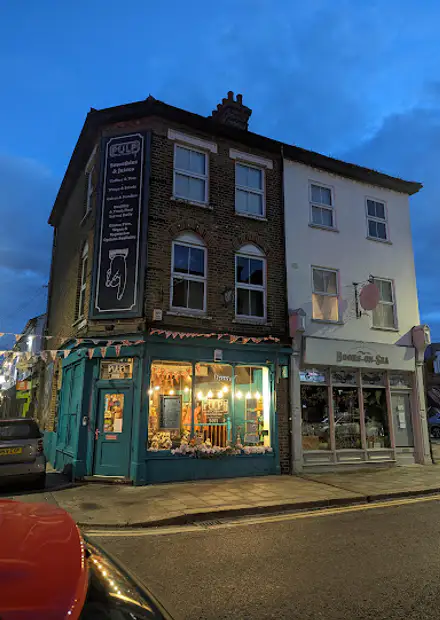
Best Landmarks Near Pulp Kitchen (Southend-on-Sea)
Planning a trip to Pulp Kitchen? Discover the best landmarks nearby with history, expert tips, and routes. Free on web or the Evendo app.


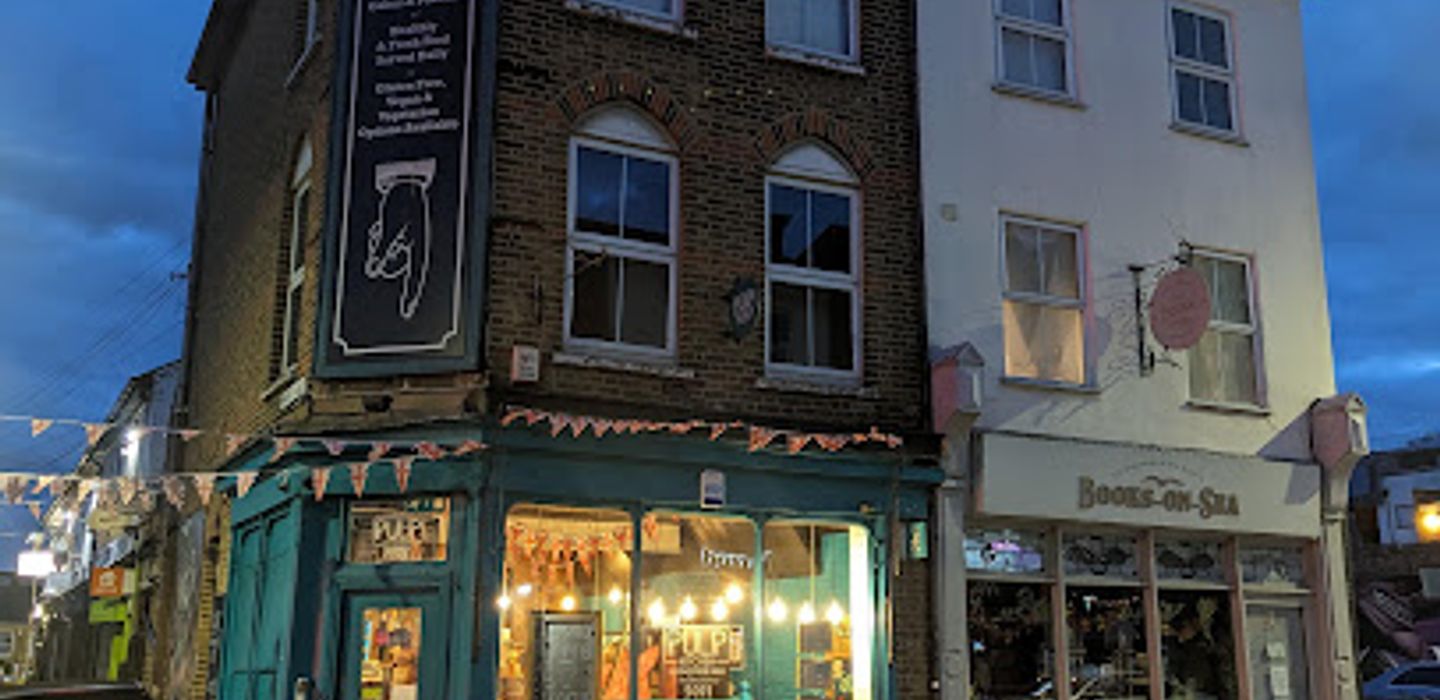
The best landmarks near Pulp Kitchen
- Top rated
- Closest to Pulp Kitchen
- Price level: low to high
- Time to spend: shortest first
- A–Z
76 landmarks
-
Bridge4.6★54,212 reviews
London Bridge
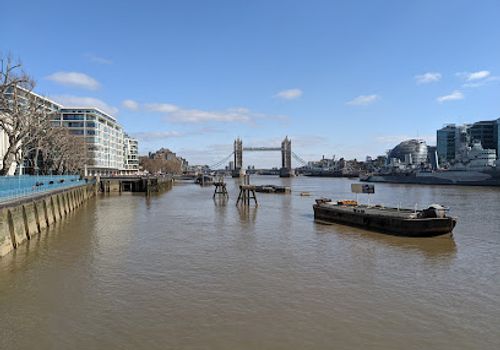
Spanning the River Thames in the heart of London, London Bridge is a modern concrete structure that stands on a site with nearly two millennia of bridge-building history. Once home to the famous Old London Bridge lined with houses and shops, today’s bridge serves as a vital transport link between the City of London and Southwark. It offers excellent views of the Thames, nearby landmarks like Tower Bridge, and the evolving skyline, making it a popular spot for walkers and photographers. The bridge is open 24/7 and forms part of London’s historic riverside promenades.
Open 24 hoursTime to spend 0.2–1 hr
-
Cathedral4.7★44,132 reviews
St. Paul's Cathedral
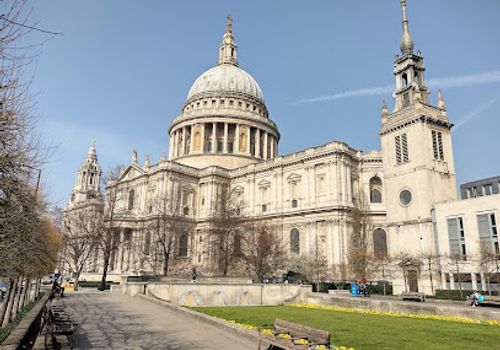
St. Paul's Cathedral, a stunning Baroque Anglican cathedral designed by Sir Christopher Wren, stands as one of London's most iconic landmarks. With a history spanning over 1400 years, its majestic dome dominates the London skyline. Visitors can explore its rich heritage, impressive architecture, and panoramic views from the Golden Gallery 85 meters above the floor. The cathedral remains an active place of worship and a symbol of resilience in the heart of London.
Price level $$Time to spend 1.5–2.5 hrs
-
Landmark4.6★39,866 reviews
The Shard
Rising 310 meters above London Bridge, The Shard is the tallest building in the UK and offers breathtaking 360-degree panoramic views of London from its observation decks on floors 68, 69, and 72. Designed by Renzo Piano, this architectural marvel combines luxury dining, office spaces, and a public viewing experience with an open-air skydeck. Visitors can spot famous landmarks such as Tower Bridge, the Thames, and St. Paul's Cathedral, making it a must-visit attraction for panoramic city vistas and modern design.
Price level $$Time to spend 1.5–2.5 hrs
-
Bridge4.6★15,701 reviews
Millennium Bridge
London’s first new pedestrian bridge in over a century, the Millennium Bridge is a sleek, blade‑like crossing that links St Paul’s Cathedral with Tate Modern across the River Thames. Nicknamed the 'Wobbly Bridge' after its opening‑day sway, it was later stabilised with hidden dampers and now offers one of the city’s most cinematic riverside walks. The bridge frames iconic views of the London skyline and is a favourite for photographers and casual strollers alike.
Time to spend 0.2–1 hr
-
Historical landmark4.5★11,830 reviews
Monument to the Great Fire of London
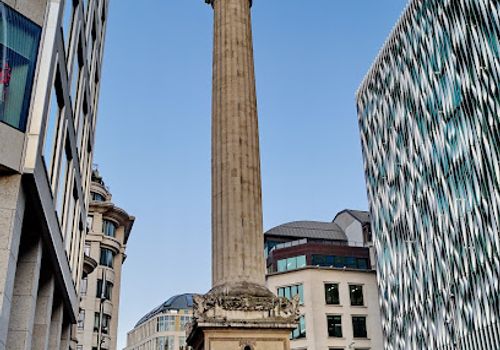
The Monument to the Great Fire of London is a historic fluted Doric column standing 202 feet tall at the junction of Monument Street and Fish Street Hill. Built between 1671 and 1677 by Sir Christopher Wren and Dr Robert Hooke, it commemorates the devastating Great Fire of 1666 and celebrates the city's restoration. Visitors can climb 311 spiral steps to a viewing platform offering panoramic views of London, surrounded by inscriptions and sculptures recounting the fire's impact and the city's rebuilding.
Daily 9:30–13:00, 14:00–18:00Price level $$Time to spend 0.5–1.5 hrs
-
Historical landmark4.5★5,682 reviews
Prime Meridian
The Prime Meridian at the Royal Observatory Greenwich marks the historic zero degrees longitude line that divides the eastern and western hemispheres of the Earth. Established in 1851 by the Airy Transit Circle telescope, the line became the international standard at the 1884 International Meridian Conference. Visitors can stand astride the line in the Observatory courtyard, explore centuries of astronomical history, and experience the birthplace of modern timekeeping and navigation.
Daily 10:00–17:00Price level $$Time to spend 1–3 hrs
-
Pub4.4★5,305 reviews
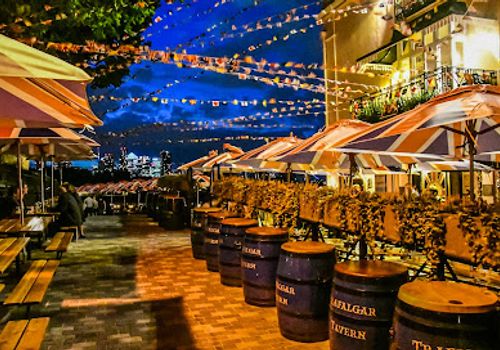
Trafalgar Tavern
Perched on the River Thames in Greenwich, the Trafalgar Tavern is a Grade II-listed historic pub dating from 1837, famed for its whitebait dinners, naval heritage, and stunning riverside views. This jewel of the Thames features opulent interiors adorned with maritime art, a beer garden, and spaces for dining, events, and celebrations amid London's maritime heart.
Price level $$Time to spend 1–3 hrs
-
Landmark4.6★5,071 reviews
30 St Mary Axe (The Gherkin)
Known as The Gherkin, 30 St Mary Axe is a 180-meter-tall, 41-floor commercial skyscraper in London’s financial district. Designed by Foster + Partners and completed in 2003, it stands on the site of the former Baltic Exchange. Its aerodynamic, egg-shaped design incorporates innovative natural ventilation and energy-saving features, making it a landmark of modern architecture and sustainability. While primarily office space, visitors can enjoy panoramic city views from its top-floor restaurant and bar.
Open 24 hoursPrice level $$Time to spend 0.5–2 hrs
-
Pub4.5★2,906 reviews
Cutty Sark
Cutty Sark, the world's last surviving tea clipper, is a marvel of 19th-century maritime engineering preserved in Greenwich. Launched in 1869, this historic ship once raced across oceans carrying tea and wool, holding speed records on Australian routes. Now elevated in a dramatic dry dock, visitors walk beneath its gleaming copper hull, explore creaking cabins, and stand on decks offering Thames views. Interactive exhibits reveal tales of daring captains, stormy voyages, and crew life amid mutinies and high seas. Part of Royal Museums Greenwich, it blends history, adventure, and stunning architecture in London's iconic waterfront.
Mon–Sat 11:00–23:00 · Sun 12:00–22:30Price level $$Time to spend 1–1.5 hrs
-
Pub4.3★2,716 reviews
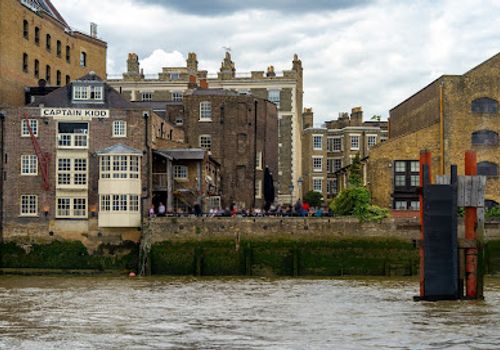
The Captain Kidd
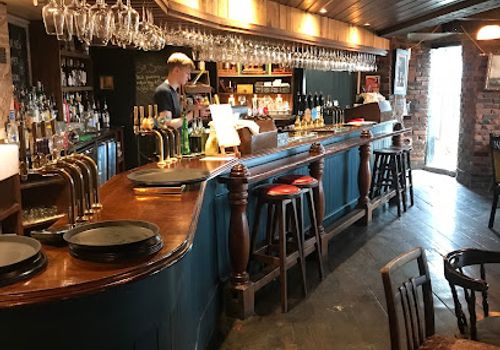
Nestled on Wapping High Street overlooking the Thames, The Captain Kidd is a historic Grade II-listed pub famed for its maritime ambiance and riverside views. This traditional English pub offers affordable classic fare and a wide selection of Sam Smith’s ales in a setting that evokes the atmosphere of a ship’s hold. Its outdoor cobbled terrace along the river is a prized spot for sunny days, blending vintage charm with lively local character.
Price level $Time to spend 1–3 hrs
-
Historical landmark4.3★1,367 reviews
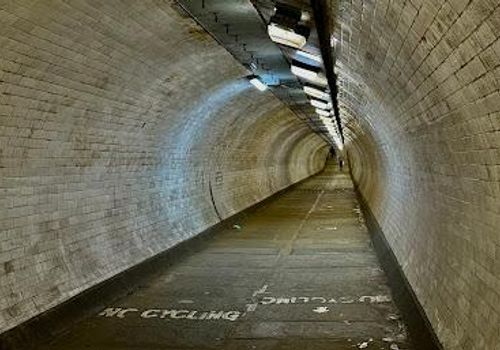
Greenwich Foot Tunnel North
A remarkable Victorian engineering feat completed in 1902, the Greenwich Foot Tunnel carries pedestrians 370 metres beneath the River Thames, connecting Greenwich's historic waterfront with Island Gardens on the Isle of Dogs. This cast-iron passage, lined with approximately 200,000 white glazed tiles, originally served dock workers commuting across the river and remains a free, 24-hour accessible landmark. Today it attracts over 1.2 million visitors annually, offering a unique subterranean journey through London's industrial heritage.
Open 24 hoursTime to spend 0.2–1 hr
-
Hotel3.6★1,356 reviews
Travelodge London Central Liverpool Street
Travelodge London Central Liverpool Street is a budget-friendly hotel located in the heart of East London, close to Liverpool Street station and iconic landmarks like Old Spitalfields Market and the Tower of London. Offering basic yet functional rooms with comfortable beds, an on-site bar and restaurant, and convenient transport links, it caters to travelers seeking affordable accommodation with easy access to London’s major attractions.
Price level $$Time to spend 1–3 hrs
-
Notable street4.6★924 reviews
Brick Ln
Brick Lane is a vibrant cultural artery in East London's Shoreditch, stretching from Bethnal Green to Whitechapel. Once a brick-making hub and textile centre, it has evolved into a dynamic neighbourhood celebrated for its ever-changing street art murals, diverse communities, and renowned Bengali curry houses. The street's layered history—from Huguenot silk weavers to Jewish immigrants to the thriving Bangladeshi community—is visible in its architecture, businesses, and public spaces. Today, Brick Lane pulses with creative energy, offering visitors an authentic East London experience blending heritage, contemporary art, and multicultural cuisine.
Time to spend 1.5–4 hrs
-
Mosque4.7★875 reviews
Brick Lane Mosque
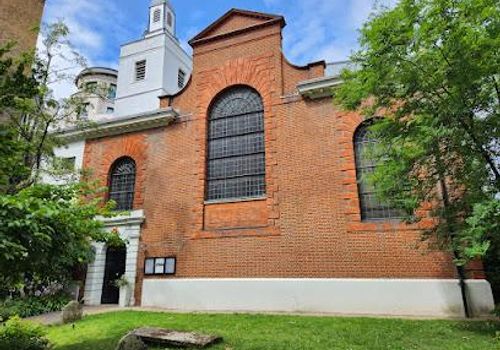
A remarkable mosque at the heart of London's East End, Brick Lane Jamme Masjid stands as a living chronicle of immigrant communities spanning nearly three centuries. Originally built in 1743 as a French Huguenot chapel, the building has served successive waves of religious communities—Protestant, Jewish, and now Muslim—making it an architectural embodiment of London's multicultural heritage. Today, it serves the Bangladeshi Muslim community and remains a vital spiritual and cultural hub in Spitalfields.
Time to spend 0.5–2 hrs
-
Historical landmark4.5★872 reviews
Guildhall
Guildhall, located at 71 Basinghall Street in London’s historic financial district, is a medieval civic building dating back to the early 15th century. It serves as the ceremonial and administrative center of the City of London Corporation, featuring the grand Great Hall, medieval crypts, and the Guildhall Art Gallery with a Roman amphitheatre beneath. Guildhall is a symbol of London's rich history, hosting state events, trials, and civic ceremonies for centuries.
Daily 10:30–16:00Price level $$Time to spend 1–2.5 hrs
-
Bridge4.4★837 reviews
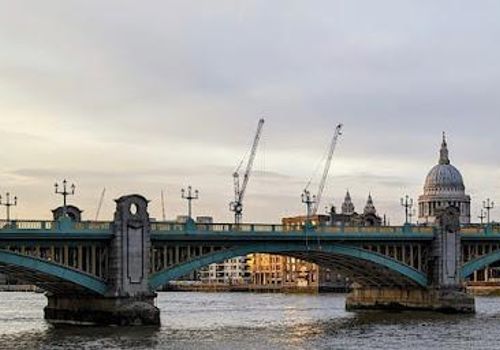
Southwark Bridge
Spanning the Thames between the City and Southwark, Southwark Bridge is a striking steel-arched crossing opened in 1921. Designed by Sir Ernest George and engineer Basil Mott, it replaced an earlier cast-iron structure and now forms part of London’s illuminated river landscape. Its five elegant spans and green-and-yellow detailing make it a distinctive, photogenic link between Bankside and the City, popular with pedestrians and cyclists enjoying views of St Paul’s and the river.
Open 24 hoursTime to spend 0.2–1 hr
-
Anglican church4.8★767 reviews
St Bartholomew the Great
London's oldest surviving parish church, founded in 1123 as an Augustinian priory by Rahere, a courtier of Henry I. Located in Smithfield, this medieval gem has witnessed nearly 900 years of English history, from royal patronage and miraculous healings to the Reformation and the Great Fire of London. Today, it remains an active parish church with stunning Norman and Gothic architecture, housing precious artifacts including a 1405 font and the tomb of its founder.
Mon–Sat 10:00–17:00 · Sun 8:30–18:30Time to spend 0.8–2.5 hrs
-
Corporate office4.5★697 reviews
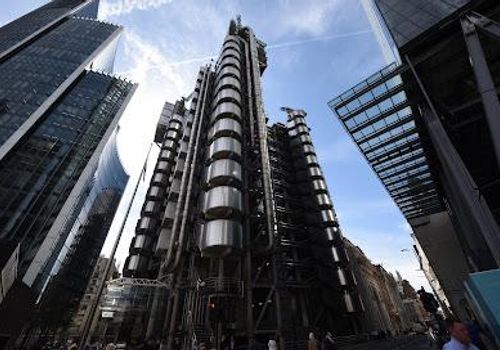
Lloyd's of London
Lloyd's of London, located at 1 Lime Street, is a pioneering example of high-tech architecture designed by Richard Rogers. Opened in 1986, this Grade I listed building showcases a radical 'inside-out' design with all services placed externally, creating a vast, flexible interior centered around a soaring 60-meter atrium. It combines cutting-edge engineering with historical elements, including the preserved 1928 façade and the iconic Lutine Bell in the Underwriting Room.
Mon–Fri 7:30–18:00Time to spend 0.5–2 hrs
-
Town Hall4.4★678 reviews
City Hall
City Hall in London, located on Kamal Chunchie Way near the Royal Docks, serves as the headquarters for the Mayor of London, the London Assembly, and the Greater London Authority. This striking, modern building is renowned for its sustainable design, featuring an oval shape that enhances energy efficiency. Visitors can explore parts of the building during opening hours, enjoy panoramic views from the café overlooking the Royal Docks, and attend public meetings in the Chamber. City Hall combines civic engagement with architectural innovation in East London’s vibrant waterfront.
Mon–Thu 8:30–18:00 · Fri 8:30–17:30Time to spend 0.5–2 hrs
-
Tourist attraction4.5★652 reviews
London Wall
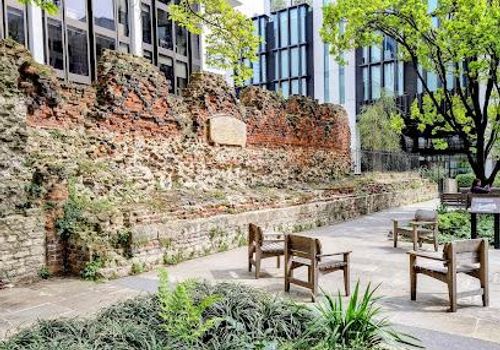
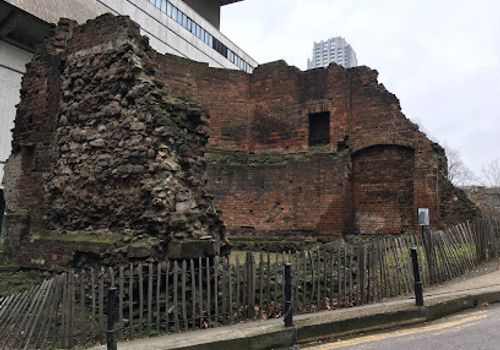
Standing proudly at Tower Hill, this is the most substantial surviving stretch of Londinium’s Roman city wall, built around 200 AD to defend the capital of Roman Britain. Constructed from Kentish ragstone with characteristic red tile courses, the wall once encircled the entire city and later formed the medieval boundary of the City of London. Today, it offers a powerful, tangible connection to London’s ancient past, set within a quiet, grassy public space just steps from the Tower of London.
Time to spend 0.5–1.5 hrs
-
Cathedral4.6★625 reviews
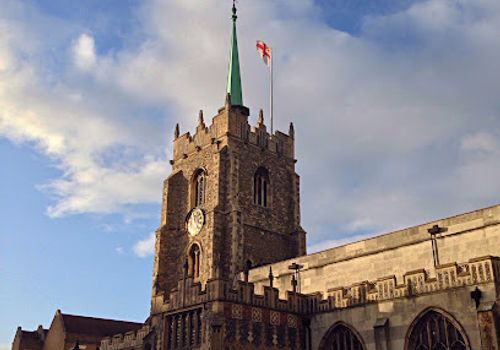
Chelmsford Cathedral
A welcoming 11th-century cathedral at the heart of Chelmsford's city centre, offering a serene sanctuary for worship, reflection, and cultural enrichment. Free entry with donations welcomed. The cathedral features beautiful stained-glass windows, a peaceful Chapel of St Peter, and hosts regular lunchtime music recitals and concerts throughout the year. Located just five minutes from bus and railway stations, it provides an accessible spiritual retreat amid the bustling city.
Mon–Sat 7:30–18:00 · Sun 7:30–17:00Time to spend 0.5–3 hrs
-
Evangelical church4.7★431 reviews
St Helen's Church, Bishopsgate
One of London's finest surviving medieval churches, St Helen's Bishopsgate stands as a testament to over 800 years of history in the heart of the City. Its distinctive dual-nave architecture reflects its unique past as both a parish church and adjacent Benedictine nunnery. Beautifully restored after IRA bomb damage in the 1990s, the church now welcomes visitors to explore its remarkable collection of funerary monuments and experience its vibrant evangelical ministry.
Time to spend 0.8–2 hrs
-
War memorial4.6★360 reviews
Tower Hill Memorial
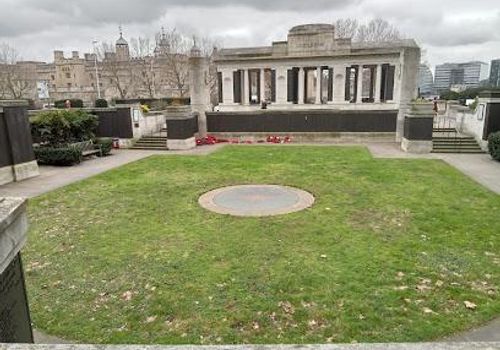
The Tower Hill Memorial in London honors over 36,000 merchant seamen and fishermen who died in both World Wars and have no known grave but the sea. Located in Trinity Square Gardens near the Tower of London, the memorial features two distinct parts: a solemn, vaulted corridor designed by Sir Edwin Lutyens for World War I casualties, and a light, sunken garden by Sir Edward Maufe commemorating World War II losses. It stands as a poignant reminder of the vital maritime contribution and sacrifice during wartime.
Open 24 hoursTime to spend 0.5–1.5 hrs
-
Hostel4.2★290 reviews
St Christopher's Inn Liverpool Street
St Christopher's Inn Liverpool Street offers budget-friendly accommodation in the heart of London’s financial district, just steps from Liverpool Street Station. Set above the lively Flying Horse pub, this hostel blends a social atmosphere with practical amenities, including clean dorms, private rooms, and a continental breakfast option. Its central location provides easy access to Shoreditch’s creative scene and iconic city landmarks, making it ideal for young travelers, solo adventurers, and business visitors alike.
Price level $Time to spend 1–3 hrs
-
Anglican church4.5★241 reviews
Christ Church Spitalfields
Christ Church Spitalfields is a masterpiece of English Baroque architecture designed by Nicholas Hawksmoor and completed in 1729. Built as part of the ambitious Fifty New Churches Act, this Grade I listed building features a striking 202-foot steeple, Portland stone façade, and a celebrated 1735 organ by Richard Bridge—once the largest in England. After extensive restoration completed in 2004 and crypt redevelopment in 2015, the church now functions as an active place of worship, concert venue, and cultural hub in London's East End.
Sun 9:00–10:00, 11:00–15:00, 17:00–18:30Time to spend 0.8–2.5 hrs
-
Non-profit organisation4.7★213 reviews
Trinity House
Trinity House is a historic Grade I listed building on Tower Hill, serving as the General Lighthouse Authority for England, Wales, and the Channel Islands since its Royal Charter in 1514. This architectural gem, designed by Samuel Wyatt and completed in 1796, houses magnificent collections of maritime artifacts, ship models, and paintings spanning five centuries. Though heavily damaged during World War II bombing, it was expertly restored in 1953 and remains a working institution dedicated to maritime safety and seafarer welfare.
Daily 8:30–17:00Time to spend 0.5–2 hrs
-
Anglican church4.4★226 reviews
Shoreditch Church
St Leonard's Church, commonly known as Shoreditch Church, is a Grade I listed Palladian-style Anglican church built between 1736 and 1740 by George Dance the Elder. It stands on one of England’s oldest continuous Christian worship sites, with deep ties to Shakespearean theatre history and London’s cultural heritage. Known as the 'actors’ church,' it features a rare 1756 Richard Bridge organ and a striking 192-foot steeple, symbolizing centuries of spiritual and artistic legacy in Shoreditch.
Mon–Fri 9:00–17:00Time to spend 0.5–2 hrs
-
Historical landmark4.4★218 reviews
English Heritage - St Botolph's Priory
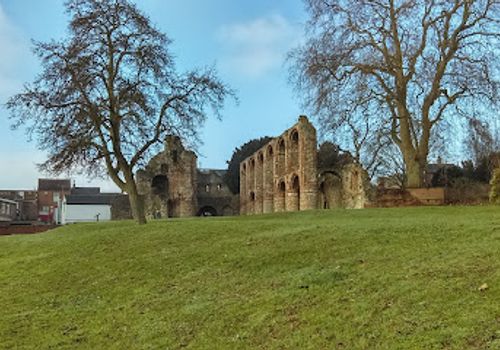
St Botolph's Priory in Colchester is a striking ruin of one of England’s earliest Augustinian houses, founded around 1100. The site showcases impressive Norman architecture with massive circular pillars, round arches, and an elaborate west front built from flint and reused Roman bricks. Damaged during the 1648 Civil War siege, it remains a poignant reminder of medieval ecclesiastical history, set near Colchester’s Roman walls and town centre.
Daily 7:30–17:00Time to spend 0.5–1.5 hrs
-
Anglican church4.6★181 reviews
Church of Saint Magnus-the-Martyr
A masterpiece of Baroque ecclesiastical architecture standing at the historic gateway to London Bridge, the Church of Saint Magnus the Martyr was meticulously rebuilt by Sir Christopher Wren following the Great Fire of 1666. This Grade I listed building, dating back to the 11th century, showcases one of Wren's most ambitious parish church projects with its distinctive tower and spire completed in the early 18th century. Located on Lower Thames Street in the heart of the City, it remains a testament to London's resilience and architectural brilliance.
Tue–Fri 10:00–15:00 · Sun 10:30–13:30Time to spend 0.5–1.5 hrs
-
Museum4.2★170 reviews
Natural History Museum
Located in Colchester’s historic High Street, the Natural History Museum offers a fascinating glimpse into the region’s wildlife, geology, and climate history. Housed in a former church, this family-friendly museum features engaging exhibits including dinosaurs, local biodiversity, and interactive discovery stations. Open Tuesday to Sunday with free admission, it’s a perfect destination for all ages to explore nature’s past and present.
Tue–Sat 10:00–17:00 · Sun 11:00–17:00Time to spend 1–2 hrs
-
Historical landmark4.5★115 reviews
Balkerne Gate
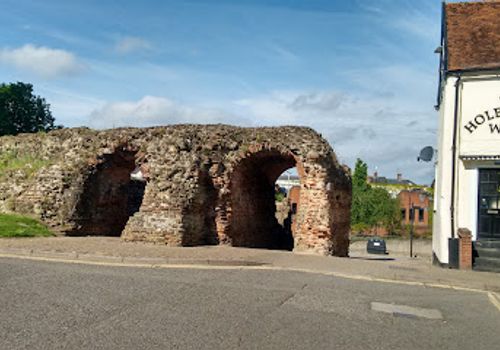
The Balkerne Gate in Colchester is the largest surviving Roman gateway in Britain, dating back to the early 2nd century AD. Once the main western entrance to the walled Roman town of Camulodunum, it features an impressive quadruple-arched design with wide carriageways and pedestrian footways. This Grade I listed monument offers a tangible connection to Roman Britain's architectural and military history, standing as a remarkable testament to Colchester’s importance as a major Roman settlement.
Open 24 hoursTime to spend 0.5–1.5 hrs
-
Monument4.6★109 reviews
The National Firefighters Memorial
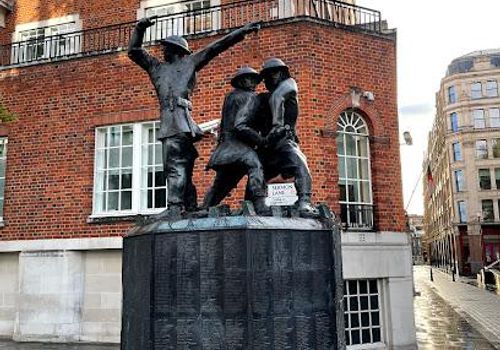
Located on Carter Lane near Peter's Hill in London, The National Firefighters Memorial honors the bravery and sacrifice of firefighters across the United Kingdom. Featuring three bronze statues depicting firefighters in action during the Blitz of World War II, the memorial commemorates those who lost their lives in both wartime and peacetime service. Unveiled in 1991 and rededicated in 2003, it stands as a solemn tribute to courage and resilience.
Open 24 hoursTime to spend 0.5–1.5 hrs
-
Ferry Terminal4.6★97 reviews
North Greenwich Pier
North Greenwich Pier is a modern floating pier on the River Thames in southeast London, serving as a vital transport hub and gateway to The O2 arena and Greenwich Peninsula. Built in 1997 on the site of a historic 1880s coaling jetty, the pier features striking contemporary design with an 87-metre bowstring ramp and retains eight original cast iron columns from its industrial past. Operating daily from early morning to late night, it connects travelers via river boat services to central London, Westminster, and beyond, while also providing access to shopping, dining, and entertainment venues.
Price level $Time to spend 0.5–2 hrs
-
Historical landmark4.5★80 reviews
Temple Bar London
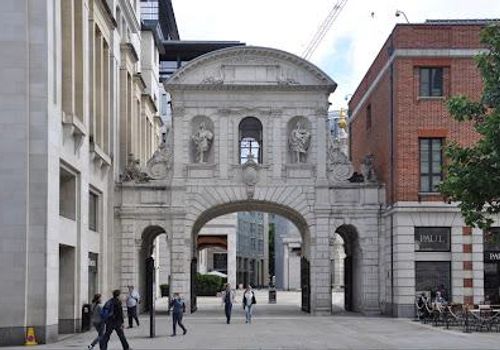
Temple Bar is the sole surviving historic gateway to the City of London, originally marking the boundary between the City and Westminster. Rebuilt by Sir Christopher Wren in 1672 from Portland stone, it has witnessed royal processions, grim displays of justice, and centuries of civic ceremony. After removal in 1878 to ease traffic, it was painstakingly restored and re-erected in Paternoster Square near St Paul's Cathedral in 2004, where it stands as a Grade I listed monument and venue for fine dining and events.
Price level $$Time to spend 0.5–2 hrs
-
Anglican church4.6★71 reviews
St Vedast alias Foster
A historic Anglican church in the City of London, St Vedast alias Foster stands as a testament to resilience and architectural heritage. Originally established in the 12th century and dedicated to a French saint, the church was rebuilt by Sir Christopher Wren following the Great Fire of 1666, then painstakingly restored after devastating bomb damage during World War II. Today, its striking baroque spire and carefully reconstructed interior offer visitors a profound connection to London's ecclesiastical past and wartime history.
Mon–Fri 10:00–15:00 · Sun 11:00–12:00Time to spend 0.5–1.5 hrs
-
Archaeological museum4.0★62 reviews
Roman Theatre
Explore the haunting remains of a monumental Roman theatre in Colchester's Dutch Quarter, where darker paving marks the outline of an ancient amphitheatre that once seated 3,000 spectators. Dating from the 2nd–3rd centuries, this open-air archaeological site reveals the grandeur of Roman entertainment culture in Britain's oldest recorded town. Walk the streets where gladiators performed and crowds roared.
Time to spend 0.5–2 hrs
-
Anglican church4.7★52 reviews
IMPRINT Church London: St Mary Woolnoth
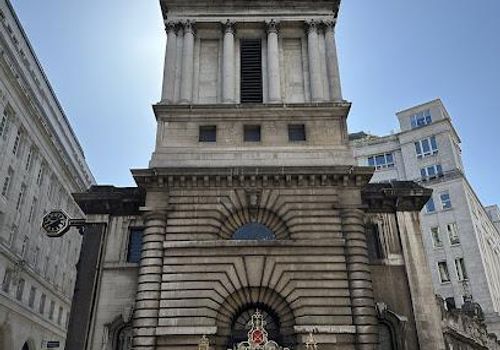
St Mary Woolnoth stands at 10-13 Lombard Street as a striking English Baroque church designed by Nicholas Hawksmoor between 1716 and 1727. Built on a site with worship dating back to at least the 12th century, it survived the Great Fire of London and the Blitz. Its crypt was controversially converted into part of Bank Underground Station, making it a unique blend of sacred history and urban infrastructure. The church is renowned for its imposing twin-turret façade, rich abolitionist history, and its continuing role serving London’s German-speaking Swiss community.
Time to spend 0.5–1.5 hrs
-
Monument4.6★46 reviews
Colchester War Memorial
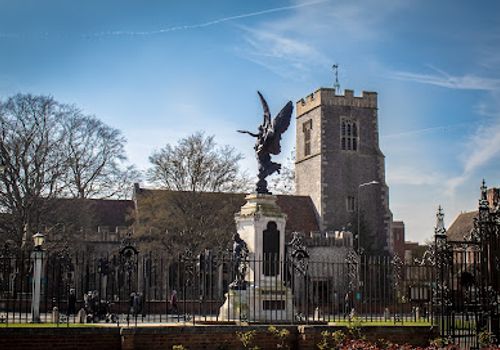
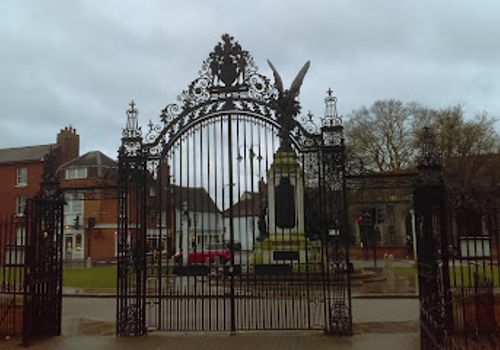
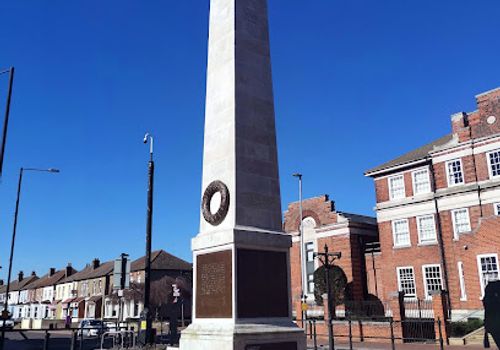
The Colchester War Memorial, located at 66 High Street, is a solemn monument commemorating the men and women of Colchester who served and sacrificed in the First and Second World Wars. Featuring bronze plaques and a Portland stone structure, it stands as a poignant symbol of local and national remembrance, honoring over a thousand fallen soldiers and those who contributed to the war efforts.
Open 24 hoursTime to spend 0.2–1 hr
-
Historical landmark4.4★45 reviews
St Bartholomew's Gatehouse
St Bartholomew's Gatehouse, located at 57A West Smithfield in London, is a rare surviving Tudor timber-framed building dating from 1595. Built atop a 13th-century stone arch, it once served as the southern entrance to the nave of St Bartholomew-the-Great church. Remarkably spared from the Great Fire of London and revealed after WWI bomb damage, the Grade II listed gatehouse showcases historic wood paneling and heraldic ironwork, standing as a testament to London's rich medieval and Tudor heritage.
Daily 8:00–22:00Time to spend 0.2–1 hr
-
Historical landmark4.4★36 reviews
The Gypsy Stone
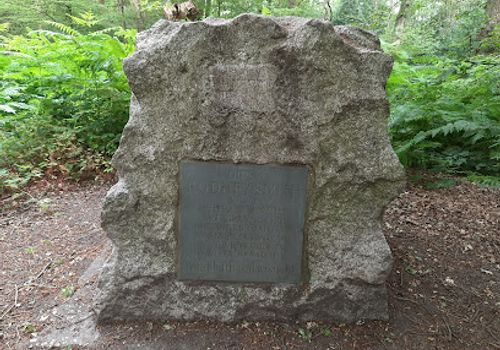
The Gypsy Stone in Woodford, London, is a striking historical landmark commemorating Rodney 'Gipsy' Smith, a renowned British evangelist born to Romani parents in Epping Forest. Marked by a large stone carved with a traditional vardo wagon, it stands as a cultural symbol amidst the tranquil forest setting, reflecting Smith’s remarkable life and heritage.
Open 24 hoursTime to spend 0.5–1.5 hrs
-
Historical landmark4.7★33 reviews
Maritime Greenwich a World Heritage Site
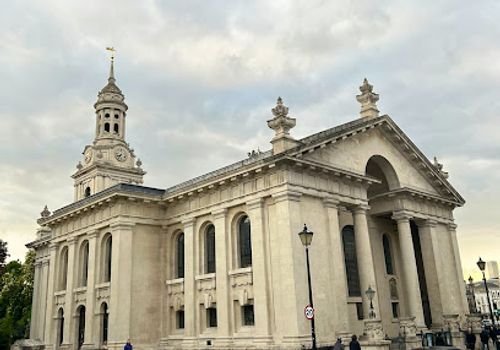
Maritime Greenwich, a UNESCO World Heritage Site in London SE10, is renowned for its exceptional maritime history, stunning 17th- and 18th-century architecture, and its role as the birthplace of Greenwich Mean Time. The site encompasses iconic landmarks such as the Old Royal Naval College, the Royal Observatory, the Queen’s House, and Greenwich Park, reflecting centuries of royal patronage and scientific advancement. Visitors can explore rich maritime collections, grand Baroque buildings, and beautifully landscaped grounds along the River Thames.
Price level $$Time to spend 2–5 hrs
-
Historical landmark4.7★31 reviews
Stairway to Heaven, Bethnal Green Memorial
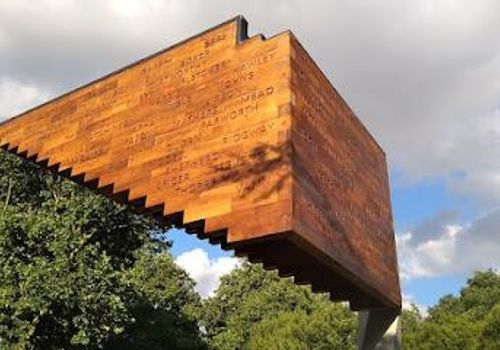
Located in Bethnal Green Gardens beside Bethnal Green Underground Station, the Stairway to Heaven Memorial commemorates the 173 civilians who died in the 1943 Bethnal Green tube shelter disaster, the worst civilian loss of life in Britain during WWII. The striking inverted staircase, made of sustainable teak and inscribed with victims’ surnames, stands above a concrete plinth engraved with names and personal accounts. Designed as a place of reflection, it marks a tragic moment of panic and overcrowding on the station’s steps during an air-raid alert, and has become a focal point for remembrance and community mourning in London’s East End.
Open 24 hoursTime to spend 0.5–1.5 hrs
-
Anglican church4.6★30 reviews
St Anne & St Agnes Church
A remarkable Grade I listed Anglican church tucked away on Gresham Street in the City of London, St Anne & St Agnes stands as a testament to resilience and architectural innovation. First documented in 1137, this uniquely double-dedicated church survived the Great Fire of 1666, devastating World War II bombing, and multiple reconstructions. Rebuilt by Sir Christopher Wren in 1680 with its distinctive Greek cross design, the church now serves as the VOCES8 Centre, home to a world-renowned vocal ensemble and educational charity. Its intimate interior, featuring a harmonious square-within-square layout and superb acoustics, offers visitors a serene escape from the bustling City streets.
Time to spend 0.5–1.5 hrs
-
Historical landmark4.4★31 reviews
Philpot Lane Mice Sculpture
Nestled at 23 Eastcheap in London, the Philpot Lane Mice Sculpture is the city's tiniest public artwork, depicting two bronze mice locked in a tug-of-war over a piece of cheese. This small but captivating sculpture, dating back to the early 1860s, is shrouded in local legend involving two workers who tragically died during the building's construction. Despite its size, it has become a beloved quirky landmark amid London's grand architectural landscape.
Open 24 hoursTime to spend 0.2–1 hr
-
Historical landmark4.5★30 reviews
Roman London Wall (St Alphage Garden Section)
The Roman London Wall at St Alphage Garden is a remarkable surviving section of the ancient defensive wall built around Londinium circa AD 200. Nestled in the Barbican area of London, this historic site features layered Roman and medieval stonework, including a brick parapet added in the 15th century. The adjacent St Alphage Garden, once a churchyard, offers a tranquil green space revealing centuries of London's urban evolution and defensive history.
Open 24 hoursTime to spend 0.5–1.5 hrs
-
Historical landmark4.4★30 reviews
Finchingfield Post Mill
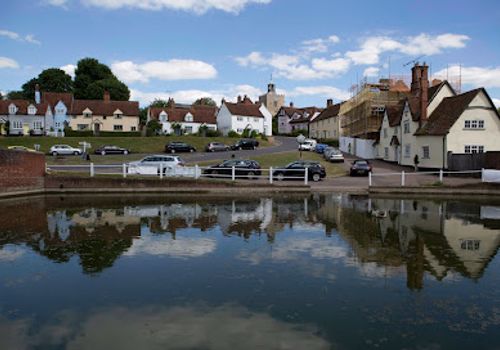
Finchingfield Post Mill, built around 1756, is the oldest surviving post mill in Essex and a Grade II-listed historical landmark. Perched on a hill overlooking the picturesque village of Finchingfield, it is the last of seven windmills that once operated here. Though no longer functional since 1890, its rotating sails and traditional tail pole reflect the millwright craftsmanship of the 18th century. Open to visitors on select days, it offers a glimpse into rural England’s milling heritage.
Sun 14:00–17:00Price level $Time to spend 0.5–2 hrs
-
Historical landmark4.6★25 reviews
Roman Wall of Londinium
The Roman Wall of Londinium at Tower Hill is one of the most impressive surviving remnants of the ancient defensive wall that encircled Roman London. Originally built around AD 200 from Kentish ragstone and red tiles, this wall once enclosed the city of Londinium, shaping London’s layout for centuries. The Tower Hill section is notable for its height, medieval additions, and visible Roman masonry, offering a tangible link to London’s Roman past.
Daily 10:00–18:00Time to spend 0.5–1.5 hrs
-
Historical landmark4.4★22 reviews
Statue of James Henry Greathead
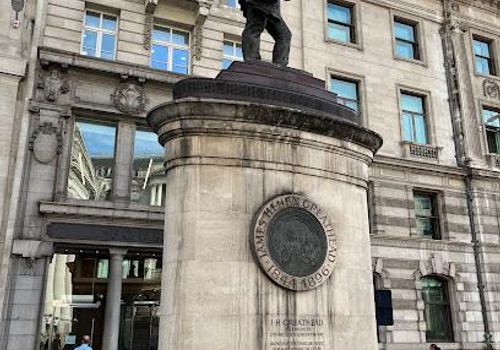
The Statue of James Henry Greathead stands prominently on a traffic island in Cornhill, London, near Bank station and the Royal Exchange. Unveiled in 1994, it honors Greathead, the pioneering civil engineer who revolutionized tunnel construction for the London Underground with his invention of the travelling shield. The bronze statue also cleverly conceals a vital ventilation shaft for Bank station, blending engineering heritage with urban functionality in the heart of the City.
Mon–Fri 10:30–16:30Time to spend 0.2–1 hr
-
Historical landmark4.5★19 reviews
Anchor Iron Wharf
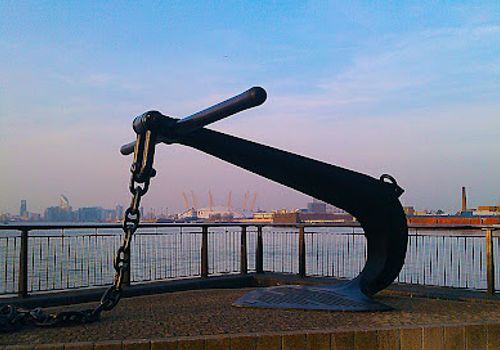
Anchor Iron Wharf in London’s Greenwich is a historic riverside site marked by a large anchor sculpture commemorating its rich maritime and industrial past. Once a bustling wharf for scrap metal, lead, and glass traded by Charles Robinson from 1953, it now offers striking views across the Thames towards Canary Wharf and the Millennium Dome. The wharf blends heritage with modern residential development, preserving a unique slice of London’s docklands history.
Open 24 hoursTime to spend 0.5–1.5 hrs
-
Government office4.2★19 reviews
Custom House
Custom House at 101 Lower Thames Street in London is a monumental historic building that served as the administrative heart of Britain’s customs and trade for over seven centuries. Originally established in the 14th century, the current structure dates mainly from the early 19th century with notable architectural contributions by David Laing and Robert Smirke. It features the famed Long Room and stands as a testament to London’s maritime and imperial legacy along the Thames waterfront.
Time to spend 0.5–2 hrs
-
Historical landmark4.6★15 reviews
Wakefield Tower
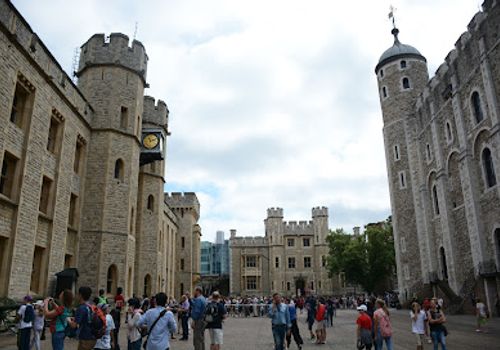
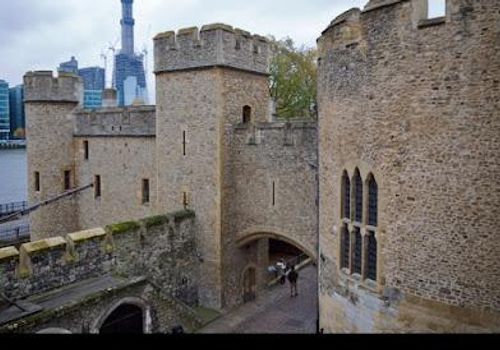
A striking medieval tower within the Tower of London complex, the Wakefield Tower stands as a testament to 13th-century royal architecture and English history. Originally built by Henry III between 1220 and 1240 as a luxurious royal residence and private audience chamber, this round tower features intricate stonework, a restored chapel, and commanding views across the Thames. The tower is historically significant as the alleged site of Henry VI's murder during the Wars of the Roses in 1471. Today, visitors can explore its battlements, examine period furnishings, and immerse themselves in centuries of royal intrigue and architectural grandeur.
Price level $$Time to spend 0.8–2 hrs
-
Historical landmark4.3★15 reviews
Bellot Memorial Greenwich
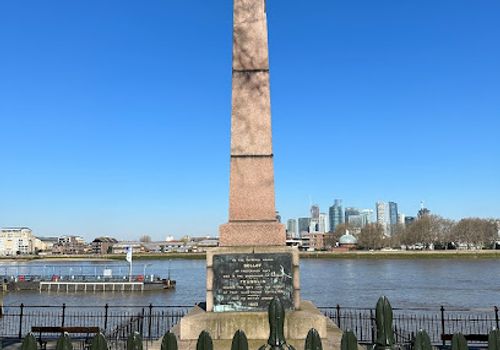
The Bellot Memorial in Greenwich is a striking obelisk commemorating Lieutenant Joseph René Bellot, a French naval officer who lost his life during Arctic expeditions searching for Sir John Franklin. Situated in Cutty Sark Park near the Thames, it symbolizes international respect and maritime bravery, honoring Bellot’s adventurous spirit and his tragic death in 1853 while aiding the Franklin search efforts.
Open 24 hoursTime to spend 0.2–1 hr
-
Historical landmark3.8★13 reviews
Cornhill Fountain
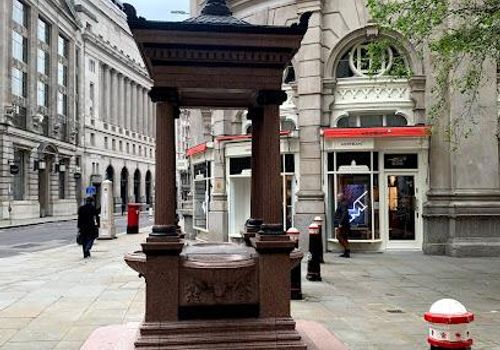
A striking cast-iron and bronze monument standing outside the Royal Exchange, the Cornhill Fountain represents two centuries of London's commitment to public welfare. Originally erected in 1911 to commemorate the jubilee of the Metropolitan Drinking Fountain and Cattle Trough Association, this Grade II listed structure replaced an earlier drinking fountain from 1859. The fountain's ornate design, crafted from polished granite and bronze, serves as a tangible reminder of Victorian philanthropy and the city's pioneering efforts to provide clean, accessible water to all residents.
Open 24 hoursTime to spend 0.2–1 hr
-
Historical landmark4.9★8 reviews
Middle Mill Weir
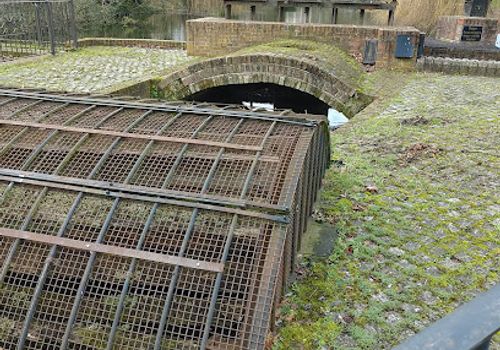
Middle Mill Weir is a historic water management structure on the River Colne in Colchester, England. Once integral to powering the adjacent Middle Mill via its waterwheel, the weir reflects the town’s industrial heritage. Despite its partial collapse in 2023, the site remains a notable landmark illustrating the historic relationship between water and industry in this ancient town.
Time to spend 0.5–2 hrs
-
Historical landmark4.3★6 reviews
King Henry’s Stairs (Execution Dock)
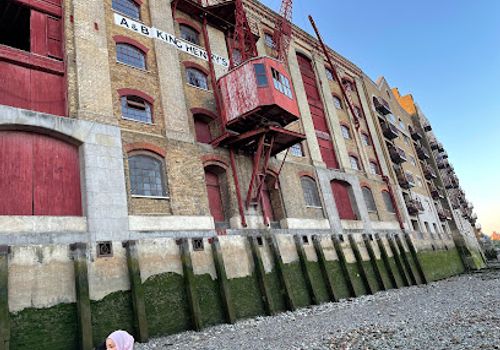
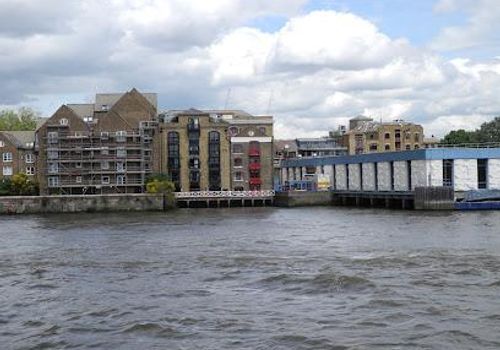
King Henry’s Stairs, located on Wapping High Street in London, is historically known as Execution Dock, the notorious site where pirates, smugglers, and maritime criminals were publicly executed over 400 years. Positioned on the Thames foreshore, just beyond the low-tide mark, it symbolized the Admiralty’s jurisdiction over crimes at sea. The grim executions, including that of Captain Kidd, were marked by a slow death from hanging with a shortened rope, and bodies were often left displayed as a warning to others.
Time to spend 0.5–1.5 hrs
-
Historical landmark4.0★5 reviews
Laindon War Memorial
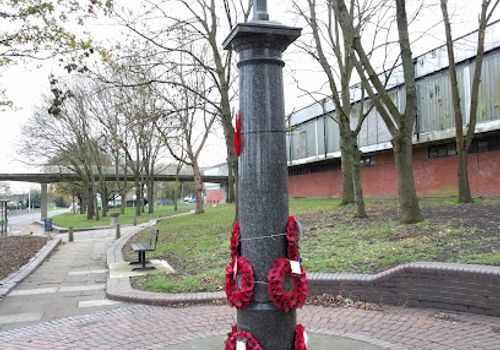
The Laindon War Memorial, located in Danacre, Basildon, is a poignant historical landmark honoring the men and women from Laindon who served in the First and Second World Wars. Often accompanied by a commemorative water fountain celebrating King George V's Silver Jubilee, this memorial stands as a solemn reminder of sacrifice and community resilience in a peaceful setting.
Open 24 hoursTime to spend 0.5–1.5 hrs
-
Historical landmark5.0★4 reviews
Execution Dock
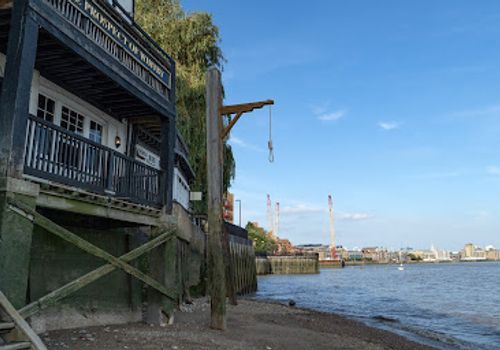
Execution Dock in Wapping, London, is a historic site where for over 400 years pirates, smugglers, and mutineers sentenced by the British Admiralty were publicly executed. Located at the low-tide mark of the Thames, it symbolized maritime law enforcement with dramatic hangings that served as warnings to seafarers. Today, the dock stands as a poignant reminder of London’s maritime past, offering a somber atmosphere and scenic riverside views.
Time to spend 0.5–1.5 hrs
-
Tourist attraction5.0★3 reviews
Falklands Island Monument
The Falklands Island Monument in Grays, Essex, is a solemn tribute to the merchant seafarers who lost their lives during the 1982 Falklands War. Situated at 14-6 High Street, this stone memorial features copper plaques inscribed with dedications and names, honoring those who secured the freedom of the Falkland Islands. It stands as a poignant reminder of sacrifice and maritime courage in a peaceful urban setting.
Open 24 hoursTime to spend 15–45 min
-
Historical landmark4.0★2 reviews
London City Wall - Bastion 14
Bastion 14 is a well-preserved medieval defensive structure built atop the Roman foundations of London’s ancient city wall. Located in the Barbican area, it reveals layers of London's history from Roman Londinium through medieval fortifications to 19th-century urban development. The bastion was partially excavated in 1949, conserved with lime mortar and stainless steel supports, and stands as a Scheduled Monument reflecting London's evolving city defenses.
Open 24 hoursTime to spend 0.5–1.5 hrs
-
Historical landmark5.0★1 review
Great Baddow Chain Home Radar Tower
The Great Baddow Chain Home Radar Tower is a 110-metre (360-foot) tall galvanized steel transmitter tower originally built in 1937 at RAF Canewdon, Essex. It played a crucial role in the UK’s early warning radar network during World War II, particularly in the Battle of Britain. Relocated to Great Baddow in 1956, it remains the only complete Chain Home radar tower surviving in the British Isles, now used by BAE Systems and mobile phone companies.
Time to spend 0.5–1.5 hrs
-
Historical landmark5.0★1 review
London City wall
The London City Wall is a historic defensive structure originally built by the Romans between 190 and 225 AD to protect Londinium, the ancient Roman city that became London. Stretching about 2 miles and constructed from Kentish ragstone, the wall defined the city's boundaries for centuries. It was maintained and enhanced through the Anglo-Saxon and medieval periods, with surviving sections visible today near Barbican and other parts of the City of London.
Open 24 hoursTime to spend 0.5–2 hrs
-
Historical landmark2.0★1 review
Prittlewell royal Anglo-Saxon burial
Discovered in 2003 near Southend-on-Sea, the Prittlewell royal Anglo-Saxon burial is the earliest known princely burial in England, dating to around 580 AD. This richly furnished timber chamber contained the remains of a high-status male, likely a Christian noble connected to the East Saxon royal family. The grave goods, including gold crosses, imported luxury items, and a unique folding stool, reveal a complex society at the dawn of England’s Christian era.
Price level $Time to spend 1–2 hrs
-
Building
Execution Dock House
Execution Dock in Wapping, London, was a notorious site where maritime criminals, including pirates and smugglers, were executed for over 400 years until 1830. Situated on the Thames foreshore, it symbolized the Admiralty court's jurisdiction over crimes at sea. The dock witnessed grim public hangings, often using shortened ropes causing prolonged deaths, with bodies left to be submerged by tides as a stark warning. Today, the site offers a somber reflection on London's maritime legal history amid the historic riverside atmosphere.
Time to spend 0.5–1.5 hrs
-
Historical landmark
St Mary’s, Whitechapel (The White Chapel)
St Mary’s, Whitechapel, also known as The White Chapel, was a historic church originally built in the 13th century on Adler Street, London. Famous for its bright white limewashed exterior, it gave its name to the surrounding district. The church underwent multiple rebuilds, notably in the 17th and 19th centuries, before being destroyed in the Second World War. Today, its site is commemorated as Altab Ali Park, reflecting the rich cultural and religious history of Whitechapel.
Time to spend 0.5–2 hrs
-
Arnold Circus
Arnold Circus, located in Shoreditch, London, is the historic centerpiece of the Boundary Estate, Britain's first council housing development. Built in the 1890s on the site of the notorious Old Nichol slum, the estate was designed to provide improved living conditions for the working class, featuring red-brick Arts and Crafts-style buildings arranged around a landscaped circular garden with a bandstand. Today, Arnold Circus stands as a symbol of social reform, urban planning innovation, and a vibrant multicultural community.
Time to spend 0.5–1.5 hrs
-
Shoreditch
Shoreditch is East London's creative powerhouse, a vibrant neighborhood where street art, independent boutiques, and cutting-edge restaurants define the character. Once the edge of the city, it has evolved into a cultural hub blending historic industrial architecture with contemporary design. Explore colorful murals in King John Court and along Brick Lane, browse vintage fashion at Spitalfields Market, and experience the area's legendary nightlife scene. The neighborhood seamlessly merges bohemian creativity with urban sophistication, making it essential for anyone seeking authentic London culture beyond the traditional tourist circuit.
Price level $$Time to spend 3–8 hrs
-
Mitre Square
Mitre Square, nestled in London’s historic financial district, is a tranquil square steeped in layered history. Known primarily as the site of Catherine Eddowes’ murder by Jack the Ripper in 1888, it also overlays the medieval Holy Trinity Priory grounds. Today, it offers a quiet urban retreat where visitors can reflect on its complex past, admire occasional contemporary art installations, and explore nearby hidden gems like the Ye Olde Mitre pub.
Time to spend 0.5–1.5 hrs
-
Building
1 Tower Hl Ter
Situated at 1 Tower Hill Terrace in London’s EC3N district, this building sits near the historic Tower Hill area, renowned for its rich past including public executions, maritime memorials, and proximity to the Tower of London. The site blends historical significance with modern urban context, close to key landmarks such as Trinity Square Gardens and the Port of London Authority headquarters.
Time to spend 0.5–2 hrs
-
Building
182 Bishopsgate
182 Bishopsgate is a notable building located in London’s historic Bishopsgate area, a site steeped in centuries of history from Roman times through to the modern financial district. Situated on a street that once marked the eastern gate of the old London Wall, this location blends architectural heritage with contemporary urban vitality in the heart of the City of London.
Time to spend 0.5–2 hrs
-
Building
30 Saint Mary Axe - Swiss Re
30 St Mary Axe, famously known as The Gherkin, is a 40-storey skyscraper in London’s financial district. Designed by Foster + Partners and completed in 2003, this distinctive, bullet-shaped tower is celebrated for its innovative sustainable design, natural ventilation system, and striking spiral glass façade. It stands 180 meters tall, offering panoramic city views from its upper floors and serving as a landmark symbolizing modern architecture and environmental responsibility in the heart of London.
Price level $$Time to spend 0.5–2 hrs
-
Pudding Ln
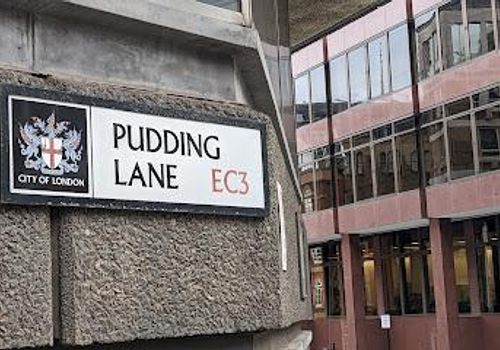
Pudding Lane is a historic street in London's City district, immortalized as the birthplace of the Great Fire of London in 1666. This narrow lane between Eastcheap and Lower Thames Street marks one of history's most pivotal moments, when a fire in Thomas Farriner's bakery sparked a catastrophic blaze that destroyed 85% of medieval London. Today, a commemorative plaque marks the exact spot where the fire began, and the nearby Monument—designed by Sir Christopher Wren—stands as a permanent reminder of the disaster. The lane's name derives from medieval times, when butchers disposed of animal offal here before it was carried to the Thames.
Time to spend 0.2–1.5 hrs
-
Lombard St
Lombard Street in the City of London is one of the world's most historically significant financial centers, where Italian Lombard merchants established banking in the 12th century. This narrow, atmospheric street has been the powerhouse of British finance for nearly 900 years, lined with historic banking institutions, elegant Georgian and Victorian architecture, and marked by iconic symbols like the famous Gresham Grasshopper. Today it remains a vibrant hub of commerce and heritage, offering visitors a tangible connection to centuries of financial innovation and London's mercantile past.
Time to spend 0.5–2 hrs
-
Building
113 Cannon St
A Grade II listed building situated on one of London's most historically significant streets in the heart of the City. This Victorian-era structure stands as a testament to the architectural heritage of the financial district, occupying a prominent position near the legendary London Stone. The building reflects the commercial prosperity of the 19th century while maintaining its original character within the modern urban landscape.
Time to spend 0.2–1 hr
-
City of London
The City of London, often called the Square Mile, is the historic and financial core of the capital. It blends ancient landmarks like St. Paul's Cathedral and the Tower of London with cutting-edge architecture such as The Gherkin and the Barbican. This dynamic area offers a rich tapestry of history, culture, and commerce, making it a captivating destination for visitors seeking both heritage and modern urban energy.
Price level $$Time to spend 2–6 hrs
-
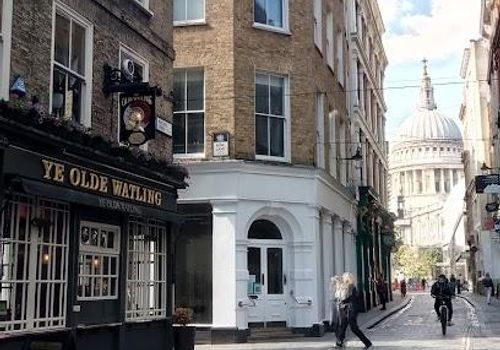
Watling St
Watling Street in London is a historic route originally used by ancient Britons and extensively paved by the Romans after their invasion in AD 43. This road served as a vital military and trade artery, linking London with key Roman settlements and playing a pivotal role in events such as the Battle of Watling Street, where Roman forces defeated Queen Boudica’s rebellion. Today, parts of Watling Street remain integrated into modern roads, preserving its legacy as a foundational route through England’s history.
Time to spend 0.5–2 hrs
-
Bankside
Bankside is a vibrant riverside district in South London stretching along the Thames between Blackfriars and London Bridge. Home to the world-renowned Tate Modern, Shakespeare's Globe Theatre, and historic pubs, this cultural hub blends art, history, and contemporary London. The area offers free access to one of the world's largest modern art collections, stunning river views, award-winning restaurants, and a lively atmosphere that attracts millions of visitors annually.
Time to spend 2–6 hrs













Explore Pulp Kitchen on the map
A handpicked selection of must-see spots near Pulp Kitchen, mapped for you.
More about Pulp Kitchen
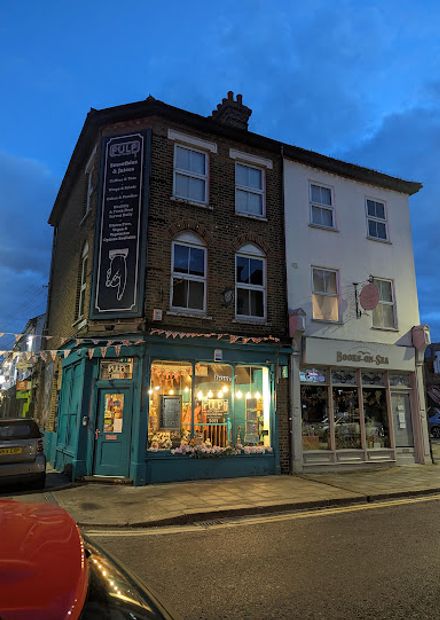
More to explore near Pulp Kitchen

 Best experiences near Pulp Kitchen
 Best hotels near Pulp Kitchen
 Best attractions near Pulp Kitchen
 Best shops near Pulp Kitchen
 Best bars near Pulp Kitchen
 Best restaurants near Pulp Kitchen
Explore more


Getting your guide ready…
We are putting together a fresh copy of the Pulp Kitchen guide. This can take up to a minute.
This can take a few moments. If your browser asks, choose Allow so the download can start. You'll find the guide in your Downloads folder.
Nothing happened? Download it again
Sorry, the guide is taking longer than usual. Please try again in a minute, or get it by email instead.