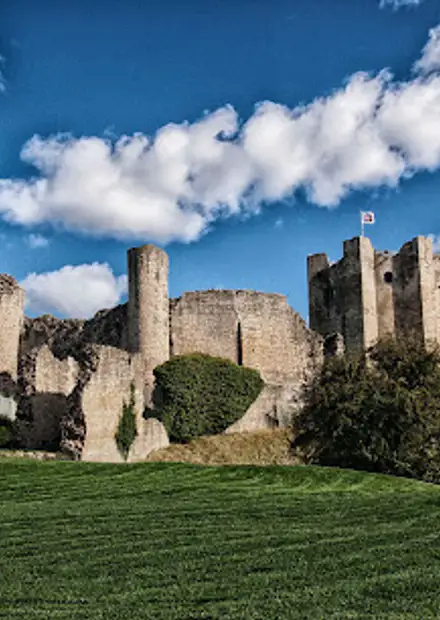
Best Landmarks Near Conisbrough Castle (Yorkshire)
Planning a trip to Conisbrough Castle? Discover the best landmarks nearby with history, expert tips, and routes. Free on web or the Evendo app.


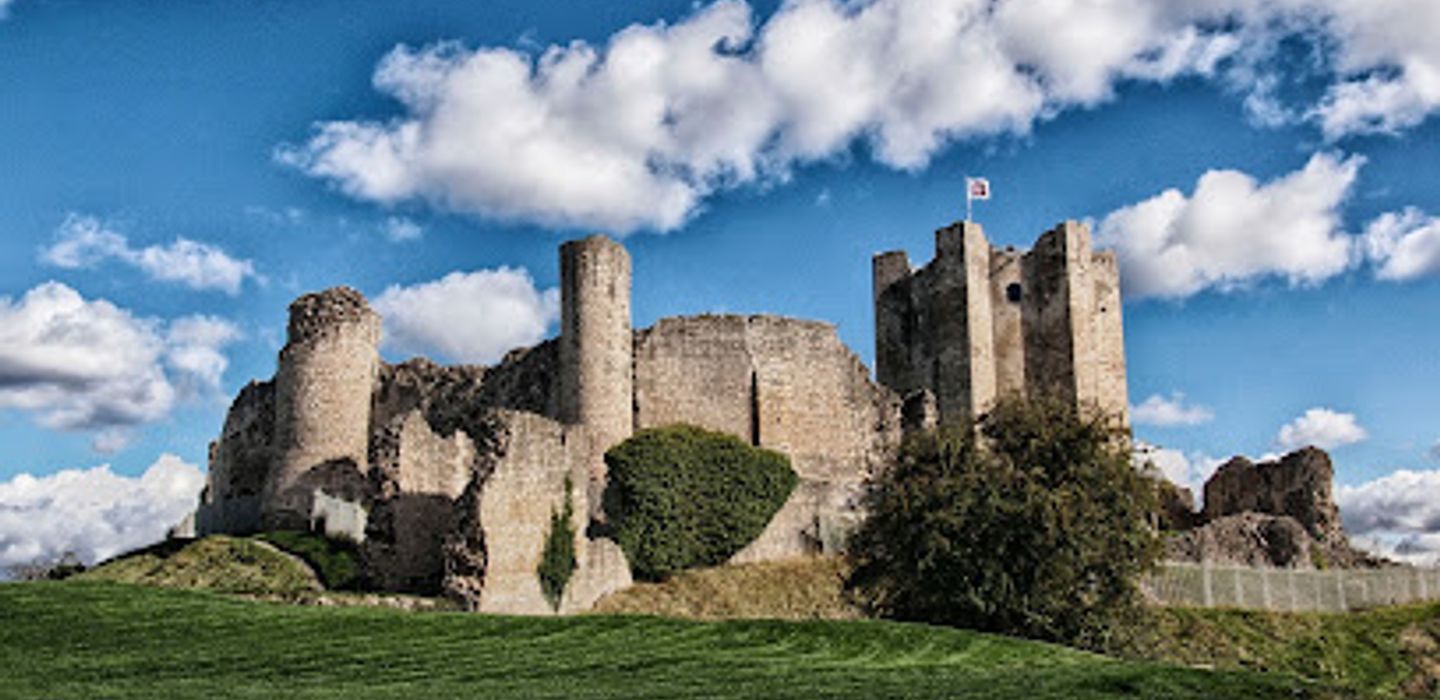
The best landmarks near Conisbrough Castle
- Top rated
- Closest to Conisbrough Castle
- Price level: low to high
- Time to spend: shortest first
- A–Z
82 landmarks
-
Historical landmark4.3★4,497 reviews
Clifford's Tower, York
Clifford's Tower is the largest surviving part of York Castle, a Norman fortress built by William the Conqueror in 1068. This iconic medieval stone keep stands atop a tall motte, offering panoramic 360° views over York. Its turbulent history includes serving as a royal treasury, a prison, and a Civil War garrison. The site is also marked by the tragic 1190 massacre of York’s Jewish community. Today, managed by English Heritage, the tower invites visitors to explore centuries of history and enjoy spectacular vistas.
Daily 10:00–18:00Price level $$Time to spend 0.5–1.5 hrs
-
Cathedral4.7★1,840 reviews
Sheffield Cathedral
Sheffield Cathedral, the city’s oldest building in daily use, stands at the heart of Sheffield as a living place of worship and cultural hub. With origins stretching back over a thousand years, it blends medieval architecture with modern additions, including a striking lantern tower and abstract stained glass. Visitors can explore historic chapels, admire intricate carvings, view naval flags, and descend into the atmospheric crypt. The cathedral hosts concerts, art exhibitions, and the popular Christmas light shows, all within a welcoming, inclusive space that’s free to enter and open year-round.
Time to spend 0.5–2 hrs
-
Cathedral4.7★1,514 reviews
Southwell Minster
Southwell Minster, located in the Georgian market town of Southwell, Nottinghamshire, is a magnificent cathedral known for its Norman Romanesque architecture and exquisite Early English Gothic elements. Dating back to 1108, it houses the world-famous Chapter House with intricate medieval carvings and stunning stained-glass windows, including a poignant World War I memorial. The Minster offers free entry with suggested donations and guided tours that reveal its rich history and architectural wonders.
Mon–Sat 8:30–18:30 · Sun 8:00–16:30Time to spend 1–3 hrs
-
Museum4.5★1,497 reviews
Lincoln Museum
The Abraham Lincoln Presidential Library and Museum in Springfield, Illinois, offers an immersive journey into the life and legacy of the 16th U.S. president. Featuring meticulously detailed exhibits, rare artifacts like the Gettysburg Address, interactive displays, and multimedia presentations, it brings Lincoln's story vividly to life. The museum operates daily from 9 AM to 5 PM and provides a rich educational and emotional experience for visitors of all ages.
Mon 10:00–16:00 · Thu–Sun 10:00–16:00Price level $$Time to spend 2–3 hrs
-
Manor house4.7★1,317 reviews
Gainsborough Old Hall
A remarkably preserved 15th-century timber-framed manor house in Lincolnshire, Gainsborough Old Hall stands as one of England's finest examples of medieval domestic architecture. Built by Sir Thomas Burgh in 1460, this five-hundred-year-old estate has hosted royalty including Richard III and Henry VIII, and sheltered religious reformers who would later sail aboard the Mayflower. The hall's authentic features—including an exceptional medieval kitchen with original fireplaces and bread ovens, an ornate Great Hall with hammer-beam ceiling, and a brick tower offering panoramic views—provide an intimate window into Tudor-era life and aristocratic power.
Daily 10:00–17:00Price level $$Time to spend 1.5–3 hrs
-
Landmark4.9★1,226 reviews
Bamford Edge
Bamford Edge is a striking gritstone escarpment rising about 420 meters above sea level near Bamford village in the Hope Valley, Peak District National Park, England. It offers breathtaking panoramic views of Ladybower Reservoir, Win Hill, and the surrounding moorlands. Renowned for its natural beauty, walking trails, and dramatic sunsets, Bamford Edge is a favorite spot for hikers, climbers, and photographers seeking a quintessential Peak District experience.
Open 24 hoursPrice level $Time to spend 1–3 hrs
-
Historical landmark4.6★889 reviews
Nine Ladies Stone Circle
An evocative Bronze Age stone circle perched on Stanton Moor in the Peak District, comprising ten standing stones arranged in a rough ring. Dating back approximately 4,000 years, the Nine Ladies is steeped in folklore and archaeological significance, with over 70 ancient burial mounds and four stone circles dotting the moorland. The site remains a focal point for modern pagan and Druid ceremonies, particularly during solstices, while offering visitors spectacular views across the Derbyshire landscape and easy access to a landscape rich in prehistoric heritage.
Open 24 hoursTime to spend 1–3 hrs
-
Bridge4.6★879 reviews
Bakewell Bridge
Bakewell Bridge is a Grade I listed medieval stone arch bridge spanning the River Wye in Bakewell, Derbyshire. Dating back to the 14th century, this historic five-arched gritstone bridge is a scheduled monument and a vital link in the Peak District. It offers picturesque views, a glimpse into Bakewell's rich heritage, and a charming setting near the town’s market and river walks.
Open 24 hoursTime to spend 0.5–2 hrs
-
Museum4.5★808 reviews
Leeds Industrial Museum at Armley Mills
Housed in what was once the world’s largest woollen mill, Leeds Industrial Museum at Armley Mills showcases the rich industrial heritage of Leeds. Located on Canal Road in Armley, it offers visitors a glimpse into the city’s textile manufacturing, engineering, and locomotive history through engaging galleries and authentic machinery displays. The museum operates Tuesday to Sunday, with a welcoming atmosphere for families and history enthusiasts alike.
Tue–Fri 10:00–17:00 · Sat–Sun 12:00–17:00Price level $$Time to spend 2–3 hrs
-
Historical landmark4.7★658 reviews
Solomon’s Temple
Perched atop Grin Low Hill in Buxton, Solomon’s Temple is a distinctive 20-foot Victorian folly built in 1896 on a Bronze Age burial mound. Offering sweeping 360-degree views of Buxton and the Peak District, this historic landmark invites visitors to explore its spiral staircase and enjoy the surrounding Buxton Country Park with woodland trails and sculpture walks. Free to visit, it combines architectural charm, rich history, and breathtaking scenery.
Open 24 hoursTime to spend 1–2.5 hrs


Arbor Low Stone Circle and Gib Hill Barrow
Perched high on remote moorland in the Peak District, Arbor Low is one of Britain's most significant Neolithic henge monuments, sometimes called the 'Stonehenge of the North'. This atmospheric prehistoric site features over 50 fallen limestone stones arranged in an oval formation, surrounded by an earth bank, alongside the nearby Gib Hill Barrow. Accessible via a working farmyard with a small honesty-box contribution, it offers stunning views across the White Peak landscape and remains one of the UK's best-preserved ancient monuments.
Daily 9:00–17:00Price level $Time to spend 0.5–1.5 hrs

Leeds Cathedral
Leeds Cathedral, dedicated to St Anne, is a striking Catholic cathedral in the heart of Leeds city centre. Built between 1901 and 1904 in an Arts and Crafts Gothic Revival style, it stands as a Grade II* listed building and the mother church of the Diocese of Leeds. The cathedral’s warm sandstone exterior, intricate stone carvings, and magnificent stained-glass windows create a serene and visually rich interior. It serves as both a place of worship and a cultural landmark, hosting regular services, concerts, and occasional guided tours. Visitors appreciate its peaceful atmosphere, architectural detail, and central location, making it a meaningful stop for both spiritual reflection and architectural appreciation.
Time to spend 0.5–2 hrs

The Original Ghost Walk of York
Experience the eerie charm of York on The Original Ghost Walk of York, a captivating 75-90 minute evening tour that explores the city's haunted history. Meeting nightly at the historic King's Arms pub, this authentic ghost walk blends spine-tingling tales with fascinating local lore, all delivered by engaging storytellers. No booking is required, making it a spontaneous and atmospheric way to discover York’s spooky past.
Daily 20:00–21:30Price level $$Time to spend 1.2–1.5 hrs

Millennium Bridge
Opened in 2001, York's Millennium Bridge is a striking contemporary footbridge spanning the River Ouse, connecting the South Bank area with the city centre and University of York. This pedestrian and cyclist-only structure features distinctive 80-metre-high curved arms and is illuminated with multi-colour lighting at night. The bridge offers scenic views of the river and serves as a gateway to riverside walks, Rowntree Park, and the surrounding countryside.
Open 24 hoursTime to spend 0.5–2 hrs

St Marie's Cathedral, Sheffield
A magnificent Gothic Revival cathedral in the heart of Sheffield, St Marie's stands as a testament to Catholic resilience and architectural excellence. Completed in 1850 after three centuries of religious suppression, this Grade II listed building features soaring pointed arches, intricate stained glass windows, and ornate interior decoration. The cathedral became the seat of the Diocese of Hallam in 1980 and remains an active place of worship welcoming visitors daily. Its tall spire dominates the Sheffield skyline, while the interior offers peaceful reflection spaces adorned with fine carvings, vibrant tilework, and spiritually significant chapels.
Time to spend 0.8–2 hrs

Leeds Minster
Leeds Minster, located at 2-6 Kirkgate in Leeds, is a Grade I listed Anglican church with origins dating back over 1,400 years. The current neo-Gothic structure, consecrated in 1841, stands on the site of earlier medieval churches and is renowned for its stunning architecture, rich musical heritage, and treasured artifacts like the 10th-century Leeds Cross. It serves as a vibrant place of worship, cultural events, and community engagement in central Leeds.
Time to spend 0.5–2 hrs

Micklegate Bar
Micklegate Bar is York’s most important medieval gateway, dating back to the 12th century with 14th-century additions. It served as the main southern entrance to the city, witnessing royal processions and grim displays of rebel heads. Today, it stands as a remarkable historic landmark embodying centuries of York’s rich heritage and defensive architecture.
Daily 8:00–18:00Price level $Time to spend 0.5–2 hrs

Wizard Walk of York
The Wizard Walk of York is an award-winning, family-friendly walking tour that blends comedy, magic, and fantasy to enchant visitors of all ages. Set in the atmospheric streets of York, including the iconic Shambles, this one-hour experience features close-up magic tricks, humorous storytelling, and a playful search for mythical creatures. Ideal for children and Harry Potter fans, it offers a lively, interactive way to explore York’s charm without focusing on deep historical facts.
Price level $$Time to spend 1–1.5 hrs

Leeds Town Hall
Leeds Town Hall, a striking 19th-century municipal building on The Headrow, Leeds, epitomizes Victorian ambition and architectural grandeur. Designed by Cuthbert Brodrick and opened by Queen Victoria in 1858, it features a commanding clock tower, classical Corinthian columns, and a rich history as a courthouse, concert hall, and civic venue. Currently undergoing restoration, it remains a cultural and historic landmark in Leeds.
Price level $$Time to spend 1–3 hrs

Eagle Stone
Perched dramatically on Baslow Edge in the Peak District, Eagle Stone is a striking natural gritstone outcrop that has captivated walkers and locals for centuries. This rugged rock formation offers sweeping views across the White Peak and is steeped in folklore, said to be linked to a Celtic deity who hurled stones across the moors. Easily reached via a scenic moorland path from Curbar or Baslow, it’s a favourite stop for hikers, photographers, and anyone drawn to dramatic landscapes and quiet, windswept beauty.
Open 24 hoursTime to spend 0.5–2 hrs

Carl Wark
Carl Wark is a striking rocky promontory on Hathersage Moor in the Peak District National Park, known for its Iron Age hillfort remains. Surrounded by steep cliffs and protected by a prehistoric embankment, the site offers panoramic views across the moorland and Burbage Valley. Its origins are debated, with evidence suggesting use from the Neolithic through the Early Middle Ages. Today, Carl Wark is a popular destination for walkers seeking history, rugged gritstone landscapes, and sweeping vistas.
Open 24 hoursTime to spend 1–4 hrs

Walmgate Bar
Walmgate Bar is the most complete of York’s four medieval gatehouses, standing as the only one still with its original barbican, portcullis and inner doors. Dating back to the 12th century, this fortified gateway has withstood rebellions, fires and cannon fire, and today offers a rare glimpse into York’s defensive past. Inside, a small coffee house adds a modern, quirky twist, letting visitors sip a flat white beneath centuries-old stone arches and timber framing. It’s a must-see for history lovers and a perfect starting point for walking the famous York City Walls.
Price level $Time to spend 0.5–2 hrs

Sheffield Town Hall
Sheffield Town Hall, located on Pinstone Street in Sheffield City Centre, is a stunning Grade I listed Victorian building completed in 1897. Designed by Edward William Mountford, it features an iconic clock tower, intricate stone carvings by F. W. Pomeroy, and elegant interiors with Italian marble and ornate plaster ceilings. Adjacent to the tranquil Peace Gardens, it remains a symbol of Sheffield’s civic pride and architectural heritage.
Mon–Fri 8:00–18:00Time to spend 0.5–2 hrs

Cholera Monument Grounds and Clay Wood
A poignant historical memorial set within tranquil woodland gardens in Sheffield, England. The Cholera Monument commemorates the 402 victims of the devastating 1832 cholera epidemic, with 339 buried on this site. Surrounded by ancient Clay Wood and established gardens gifted by the Duke of Norfolk, the grounds offer peaceful walking paths, panoramic city views, and a space for quiet reflection on Sheffield's industrial past and public health history.
Open 24 hoursTime to spend 1–3 hrs

The Endcliffe Campus
The Endcliffe Campus, located at 34 Endcliffe Crescent in Sheffield, is a vibrant student residential area forming part of the University of Sheffield’s accommodation network. Known as Endcliffe Student Village, it houses thousands of undergraduates, postgraduates, and student families. The campus blends modern living with extensive social, study, and recreational facilities including The Edge, a central hub with dining, bar, and social spaces, all set amidst lush green surroundings near Endcliffe Park.
Open 24 hoursPrice level $$Time to spend 1–5 hrs

Riley Graves
Riley Graves is a solemn 17th-century burial site on the outskirts of Eyam in Derbyshire, England, containing the graves of the Hancock family who perished during the devastating plague outbreak of 1665–1666. Six gravestones enclosed by a stone wall mark this Grade II listed cemetery, where Elizabeth Hancock buried her husband and children after they succumbed to the disease. The peaceful, atmospheric setting offers visitors a profound connection to one of England's most poignant historical events and the extraordinary resilience of the Eyam community.
Time to spend 0.5–2 hrs

Baile Hill
Baile Hill is a tree-covered Norman motte rising 8 metres above the landscape in York's Bishophill area, marking the site of William the Conqueror's second defensive castle built in 1069. Now incorporated into York's historic city walls, this quiet historical gem offers an accessible walk along medieval ramparts with sweeping views of York Minster. Free to visit and largely overlooked by tourists, it provides an intimate connection to the city's layered past spanning Roman, Viking, Norman, and Civil War periods.
Daily 8:00–19:00Time to spend 0.5–1.5 hrs

St Crux
St Crux in York stands on the site of a once grand medieval church, first recorded in the Domesday Book. Although the original 15th-century church was demolished by 1887 due to structural issues, parts of its fabric survive in the current parish hall built from its rubble. The site holds deep historical significance, including connections to Thomas Percy, a beheaded nobleman and Catholic martyr, whose memorials remain. Today, St Crux offers a glimpse into York’s rich ecclesiastical and civic history amid a modest, atmospheric setting.
Time to spend 0.5–1.5 hrs

Civic Hall
Leeds Civic Hall, located on Calverley Street in the heart of Leeds city centre, is a distinguished Grade II* listed municipal building completed in 1933. Renowned for its twin towers topped with golden owls, the hall serves as the administrative centre for Leeds City Council and hosts a variety of civic events, ceremonies, and weddings. Its grand Palladian architecture and richly decorated interior spaces make it a significant cultural and historic landmark in Leeds.
Time to spend 0.5–2 hrs

St Lawrence Parish Church, York
St Lawrence Parish Church in York is a historic Church of England church whose original medieval building once stood on this site, now home to a Victorian-era church built in the 1880s. Only the old church’s striking tower remains as a standalone monument in a peaceful churchyard just outside York’s city walls. The site blends centuries of worship, architecture, and community life, offering a quiet retreat from the city bustle. Visitors can explore the church interior, admire the Norman-style tower, and wander among ancient gravestones in a green, leafy setting.
Time to spend 0.5–1.5 hrs

Mompesson's Well
Mompesson's Well, located on the edge of Eyam village in the Peak District, is a poignant historical landmark symbolizing the villagers’ self-imposed quarantine during the 1665–1666 bubonic plague outbreak. Named after Reverend William Mompesson, the well was used to sterilize coins in vinegar as food and supplies were exchanged with neighboring communities, preventing the plague’s spread beyond Eyam.
Open 24 hoursTime to spend 0.5–1.5 hrs

Barker Tower
A 14th-century riverside tower in York that once controlled medieval river traffic through a chain system stretching across the River Ouse. Originally built as a defensive structure and toll collection point, Barker Tower later served as a ferry station and even briefly as a mortuary. Today, this historic circular tower retains much of its original medieval character and now houses the Perky Peacock café, offering visitors a unique blend of history and refreshment.
Time to spend 0.5–2 hrs

Skeldergate Bridge
Skeldergate Bridge is a historic iron bridge spanning the River Ouse in York, renowned for its Gothic Revival architecture and scenic riverside views. Opened in 1881 and originally a toll bridge, it now offers free pedestrian and vehicle access. The bridge features a distinctive tower once housing its opening machinery, now repurposed as a bar, and provides picturesque vistas of York’s riverside heritage, including the old Bonding Warehouse and brick terraced houses.
Open 24 hoursTime to spend 0.5–2 hrs

Pic Tor War Memorial
The Pic Tor War Memorial, perched atop Pic Tor in Matlock, Derbyshire, is a striking Celtic cross crafted from local gritstone. Erected in 1921, it solemnly commemorates those who lost their lives in both World Wars. Surrounded by peaceful woodland and scenic riverside paths, the memorial offers panoramic views over Matlock and its picturesque surroundings, making it a place of reflection and local heritage.
Open 24 hoursTime to spend 0.5–1.5 hrs

Fishergate Postern Tower
Standing at the eastern end of York’s medieval walls, Fishergate Postern Tower is a well-preserved 16th-century defensive tower with a rich history. Originally built around 1505 as a substantial postern gate, it once overlooked water separating the city from York Castle. Today, it offers a quiet glimpse into York’s fortified past, with four floors, a spiral staircase, and displays on the city walls. Managed by the Friends of York Walls, it’s a peaceful stop on a walk along the ancient ramparts.
Time to spend 0.5–1.5 hrs

Roundhay Castle
Roundhay Castle is a charming early 19th-century folly located within Roundhay Park, Leeds. Originally built as a decorative summerhouse and belvedere by Thomas Nicholson, it features battlemented towers and a central arch, offering panoramic views over the park’s lakes and woodlands. The castle’s rich history and picturesque setting make it a beloved landmark within one of Europe’s largest city parks.
Open 24 hoursTime to spend 0.5–1.5 hrs

The Chimney House
Nestled in Sheffield’s vibrant Kelham Island, The Chimney House is an award-winning events venue blending industrial heritage with warm, inviting charm. Known for its exposed brick walls, cozy fireplaces, and elegant rustic decor, it offers a unique setting for weddings, private dining, conferences, and celebrations. The venue’s acclaimed food, attentive service, and flexible spaces create an effortlessly cool yet homely atmosphere that guests cherish.
Price level $$Time to spend 2–6 hrs

Priory Arch
Priory Arch, located at 4-5 Priory Gate in Lincoln, is a striking 19th-century Victorian reconstruction of the medieval gates that once marked the entrance to the cathedral quarter. This Grade II listed monument stands alone arching over the road into the historic Bailgate area, embodying Lincoln’s rich medieval heritage and Victorian architectural revival. It offers a glimpse into the city’s past and serves as a picturesque landmark near Lincoln Cathedral.
Open 24 hoursTime to spend 0.5–1.5 hrs

Pikeing Well
Pikeing Well is an 18th-century historic well located on New Walk Terrace in York, England. Originally designed by John Carr in 1752 as a decorative grotto over a natural spring, it features medieval stonework and a Viking-style ship carving. The well sits along the scenic riverside path of the River Ouse, part of the elegant New Walk promenade created in the 1730s. Today, it remains a charming landmark reflecting York’s Georgian heritage and riverside leisure culture.
Open 24 hoursTime to spend 0.2–1 hr

St Denys's Church, York
A Grade I listed medieval parish church nestled on Walmgate in York's historic heart, St Denys's stands on a site layered with over 2,000 years of history—from Roman altars to Saxon foundations. Built primarily between the 13th and 15th centuries, this intimate church captivates visitors with its exceptional collection of medieval stained glass, including some of York's oldest surviving examples. The beautifully carved Norman doorway, heraldic roof, and atmospheric interior make it a hidden gem for those seeking authentic medieval spirituality and craftsmanship.
Mon–Fri 10:00–16:00 · Sun 9:30–12:00Time to spend 0.8–2 hrs

Fishergate Bar
Fishergate Bar is a historic medieval gateway in York’s ancient city walls, originally built around 1315. It served as a strategic entrance facing south towards Selby and was once adjacent to the flooded King's Fishpond. Damaged and bricked up after the 1489 Yorkshire Rebellion against Henry VII’s taxes, it was reopened in 1827 and remains a significant symbol of York’s rich heritage and defensive past.
Time to spend 0.5–1.5 hrs

Chapel Allerton Arts Festival
Chapel Allerton Arts Festival is a vibrant, community-run celebration of the arts held annually in the heart of Chapel Allerton, Leeds. Featuring live music, art stalls, performances, and family-friendly activities, the festival fosters local creativity and brings people together in an inclusive, lively atmosphere. It takes place around Regent Street, showcasing a rich mix of jazz, blues, and other artistic expressions.
Daily 8:00–23:30Price level $$Time to spend 3–6 hrs

Holy Trinity Church
Holy Trinity Church on Boar Lane in Leeds is a Grade I listed Georgian church built between 1722 and 1727, designed by architect William Etty. It stands as a testament to early 18th-century urban sophistication, funded by local merchants and Lady Elizabeth Hastings. The church features a striking stone steeple added in 1839, a richly decorated interior with Corinthian columns, and serves as a vibrant cultural venue in the heart of Leeds.
Tue 12:00–13:00 · Wed 11:30–14:30Time to spend 0.5–2 hrs

Bear pit
Nestled within Sheffield Botanical Gardens, the Bear Pit stands as a Victorian-era marvel and the finest surviving example of its kind in the United Kingdom. Originally constructed in 1836 when the gardens opened, this historic enclosure once housed Bruin, an American Black Bear known for his reluctance to climb. Today, the Bear Pit remains a captivating focal point for visitors, particularly families, offering a tangible connection to Sheffield's botanical heritage and Victorian entertainment culture. Located between the Mediterranean and Himalayan Gardens, this Grade II listed feature invites exploration and reflection on the evolving relationship between humans and wildlife.
Time to spend 0.5–1.5 hrs

The Tyburn
The Tyburn in York marks the site of the city’s medieval gallows, where public executions took place from 1379 until 1801. Located on the Knavesmire, this small monument commemorates the grim history of justice and punishment, including the hanging of infamous figures like highwayman Dick Turpin. Today, a solitary stone stands as a silent reminder of the hundreds who met their fate here, offering visitors a poignant glimpse into York’s darker past.
Open 24 hoursTime to spend 0.2–1 hr

Millennium Square
Millennium Square is a vibrant public plaza in Sheffield City Centre that serves as a cultural and social hub. Located on St Paul's Place, this contemporary urban space hosts seasonal markets, outdoor events, and festivals throughout the year. With its open design and proximity to major attractions like the Millennium Gallery and Crucible Theatre, it's an ideal gathering point for locals and visitors exploring Sheffield's city centre.
Mon–Fri 8:00–18:00Time to spend 0.5–3 hrs

King Alfred's Castle
King Alfred's Castle in Moortown, Leeds, is an intriguing 18th-century folly built to evoke the grandeur of ancient castles. Though not an authentic medieval fortress, it stands as a proud landmark symbolizing England's rich historical tapestry and local heritage. Surrounded by urban Leeds, it offers a unique glimpse into the past through its architectural style and cultural significance.
Open 24 hoursTime to spend 0.5–1.5 hrs

Green Police Box
Located on Surrey Street outside Sheffield Town Hall, the Green Police Box is the sole survivor of 120 distinctive green and white police boxes once scattered throughout Sheffield. Introduced in 1929 by Chief Constable Percy J. Sillitoe, these boxes served as mini police stations, providing telephone access, first aid, and temporary lock-up facilities for officers and the public. Today, this charming wooden structure stands as a nostalgic symbol of Sheffield’s policing history and a popular photo spot in the city centre.
Open 24 hoursTime to spend 0.2–1 hr

Edale Cross
Edale Cross is an ancient wayside cross perched on the moorland between Edale and Hayfield in the Peak District, marking the boundary of three historic forest wards. This medieval monument, nestled in a small stone enclosure, offers commanding views across the Vale of Edale and serves as a significant landmark on the Pennine Way. Accessible via Jacob's Ladder, a striking set of stone steps carved into the hillside, the cross represents centuries of local history and remains a popular waypoint for walkers exploring the High Peak.
Tue–Sun open 24 hoursTime to spend 0.8–2.5 hrs

Sheffield War Memorial
The Sheffield War Memorial, also known as the Sheffield Cenotaph, is a Grade II* listed monument located at Barker's Pool in Sheffield city centre. Unveiled in 1925, it commemorates the sacrifices of Sheffield’s servicemen from the World Wars. The memorial features a striking 25-metre-high white flagpole atop a bronze base with four solemn soldier statues and emblems representing the British armed forces and Sheffield’s heritage.
Open 24 hoursTime to spend 0.5–1.5 hrs

Temple Works
Temple Works is a Grade I listed former flax mill in Holbeck, Leeds, renowned for its striking Egyptian Revival architecture and industrial heritage. Built between 1836 and 1840, it features a vast single-storey weaving shed with a grass-covered roof once grazed by sheep to regulate humidity. Now undergoing redevelopment, Temple Works stands as a unique testament to Leeds’ 19th-century industrial innovation and architectural ambition.
Time to spend 0.5–2 hrs

Westgate Water Tower
The Westgate Water Tower in Lincoln, built in 1911, is an iconic historical landmark designed by Sir Reginald Blomfield. Erected in response to a devastating typhoid epidemic, it symbolizes the city’s commitment to safe water supply. Its medieval castle-inspired architecture complements Lincoln’s skyline, holding 300,000 gallons of water and still serving uphill Lincoln today.
Open 24 hoursTime to spend 0.5–2 hrs

Fargate
Fargate is Sheffield's vibrant pedestrian shopping street, a historic thoroughfare that has been the heart of the city centre since its pedestrianisation in 1973. Running between Barker's Pool and High Street opposite the cathedral, this lively precinct blends heritage architecture with contemporary retail and hospitality. The street is known for its iconic Coles Corner meeting point, regular Continental Markets featuring European goods, and recent regeneration projects including new dining and drinking venues. Today, Fargate remains a dynamic destination for shopping, dining, and experiencing Sheffield's evolving urban landscape.
Open 24 hoursTime to spend 1–4 hrs

Exchequer Gate
Exchequer Gate is a striking 14th-century medieval gatehouse perched at the top of Steep Hill in Lincoln, England. Known for its distinctive triple-arched design and battlemented top, it historically served as the rent collection point for tenants of the Church. Nestled between Lincoln Castle and the Cathedral, it offers visitors a tangible link to the city's medieval past and stunning views of surrounding historic landmarks.
Open 24 hoursTime to spend 0.5–1.5 hrs

Leeds War Memorial
Situated on The Headrow in central Leeds, the Leeds War Memorial commemorates the sacrifice of the city’s soldiers who died in World War I. Originally unveiled in 1922, the memorial features bronze figures symbolizing Victory, War, and Peace atop a Portland stone base adorned with owls, emblematic of Leeds. Relocated in 1937 to Victoria Gardens, it now stands with a later Angel of Peace statue by Ian Judd, embodying solemn remembrance and local heritage.
Open 24 hoursTime to spend 0.5–1.5 hrs

Crucible Stack
Standing in Sheffield’s city centre, the Crucible Stack is a striking industrial relic from the city’s steelmaking heyday. This Grade II listed brick chimney, once part of a crucible steelworks, is a powerful symbol of Sheffield’s industrial heritage. Though the surrounding factory buildings are long gone, the stack remains as a rare surviving example of a crucible furnace chimney, a reminder of the processes that made Sheffield world-famous for steel. It’s a quiet, often overlooked monument to the city’s transformation during the Industrial Revolution.
Open 24 hoursTime to spend 15–30 min

Wicker Arches
Running beneath Sheffield city centre, the Wicker Arches are a striking Victorian railway viaduct made up of 21 brick arches. Originally built to carry trains into Sheffield Victoria Station, this atmospheric structure now forms a dramatic urban passage, lined with workshops, bars and street art. The arches are freely accessible at all times, making them a compelling stop for history buffs and urban explorers. Look up to appreciate the engineering, or wander through to feel the buzz of Sheffield’s industrial past echoing under the tracks.
Open 24 hoursTime to spend 0.5–2 hrs

Lincoln War Memorial
The Lincoln Memorial in Washington, D.C., is a grand Greek Doric-style monument honoring Abraham Lincoln, the 16th U.S. president. Open 24/7, it features a towering 19-foot marble statue of Lincoln, inscriptions of his famous speeches, and 36 columns symbolizing states at his death. Situated at the western end of the National Mall, it offers iconic views over the Reflecting Pool and is a revered symbol of democracy and unity.
Open 24 hoursTime to spend 0.5–1.5 hrs

Walmgate
Walmgate is a historic street in York's medieval core, stretching 600 meters from Foss Bridge to Walmgate Bar—one of the city's most significant gateways. This atmospheric thoroughfare reveals layers of York's past, from Anglo-Scandinavian settlements through industrial Victorian times. The street is lined with Grade II listed buildings, medieval churches, and archaeological treasures, making it essential for understanding York's evolution as a major medieval trading and manufacturing hub.
Time to spend 1.5–3 hrs

King Edward VII Statue
The King Edward VII Statue, unveiled in 1913 in Sheffield's Fitzalan Square, is a distinguished bronze memorial by Alfred Drury. Standing over 2.9 metres tall on a granite plinth, it commemorates the British monarch's reign and features symbolic bronze relief panels representing Fame, Truth, Peace, Philanthropy, and Unity. This Grade II listed landmark reflects Sheffield’s historical heritage amid the city centre’s evolving urban landscape.
Open 24 hoursTime to spend 0.2–1 hr

Oakwood Clock
The Oakwood Clock Tower is a historic landmark in Oakwood, Leeds, originally built in 1904 by William Potts & Sons for Leeds City Market. Relocated to Oakwood in 1912, it has served as a community meeting point and tram shelter for over a century. Recently restored, the clock remains a cherished symbol of local heritage and a focal point at the southern edge of Roundhay Park.
Time to spend 0.5–1.5 hrs

The Talbot Hounds Fountain
The Talbot Hounds Fountain, located at 15 Boar Lane in Leeds, is a striking historical landmark featuring four stone Talbot hounds arranged around an ornate fountain bowl. Originally part of the grand Castle Carr estate near Halifax, this 19th-century fountain was rescued after the demolition of the Gothic mansion and relocated to Leeds’ Trevelyan Square. The Talbot hound, now extinct, was a medieval hunting dog breed symbolizing heritage and nobility, making this fountain a unique piece of local history and artistry.
Open 24 hoursTime to spend 0.2–1 hr

North Tower of the East Gate of the Wall of Roman Lindum Colonia (Lincoln)
The North Tower of the East Gate is a remarkable Roman ruin in Lincoln, part of the ancient city walls of Lindum Colonia. This surviving tower, once flanking a grand gateway with two stone arches, marks the main eastern entrance to the Roman upper city, showcasing the strategic and architectural prowess of Roman Britain. Preserved beneath the modern cityscape near the Lincoln Hotel, it offers a tangible glimpse into Lincoln’s rich Roman heritage and urban history.
Open 24 hoursTime to spend 0.5–1.5 hrs

Lakeside Bandstand
The Lakeside Bandstand is a charming historical landmark nestled within Roundhay Park, one of Europe's largest urban parks in Leeds. Set beside the picturesque Waterloo Lake, this open-air bandstand hosts musical performances and community events, offering visitors a serene spot to enjoy culture amid lush parkland. Its setting reflects the rich history and natural beauty of Roundhay, a park dating back to the Norman era and famed for its lakes, gardens, and recreational spaces.
Time to spend 0.5–2 hrs

Iron Bridge
The Iron Bridge in Sheffield, located on Mowbray Street, is a striking historical landmark dating back to the early 20th century. Showcasing exquisite ironwork, it offers scenic views over the River Loxley and stands as a symbol of Sheffield's rich industrial past. This pedestrian-friendly bridge invites visitors to explore the city's heritage through its robust design and picturesque surroundings.
Open 24 hoursTime to spend 0.5–1.5 hrs

Cawood Castle Gatehouse
The Cawood Castle Gatehouse is the surviving medieval gateway and domestic wing of the once grand Cawood Castle, a principal residence of the Archbishops of York from the 13th century until its partial destruction in the 17th century. Built between 1425 and 1451 by Archbishop John Kemp, this Grade I listed structure features heraldic carvings including Cardinal Wolsey’s hat and offers panoramic views of the Yorkshire countryside from its roof. It stands in the historic village of Cawood, near Selby, embodying centuries of ecclesiastical and royal history.
Price level $$Time to spend 1–3 hrs

Upper Lakeside Bandstand
The Upper Lakeside Bandstand is a historic and charming landmark nestled in the expansive Roundhay Park in Leeds. This beautifully crafted bandstand offers a peaceful setting beside the lake, where visitors can enjoy cultural events, live music, and the scenic beauty of the park’s natural surroundings. A symbol of Victorian-era leisure and community spirit, it remains a focal point for relaxation and entertainment in one of Leeds’ most beloved green spaces.
Time to spend 0.5–3 hrs

Statue of John Harrison
Erected in 1903 in Leeds City Square, the Statue of John Harrison honors one of the city’s most influential 17th-century figures. A cloth merchant, civic benefactor, and cat lover, Harrison significantly shaped Leeds through philanthropy, urban development, and civic leadership. The statue commemorates his legacy as a pioneer who improved living conditions and contributed to Leeds’ early governance.
Open 24 hoursTime to spend 0.2–1 hr

Kelham Island Walks
Kelham Island in Sheffield is a vibrant urban district that evolved from one of the city's earliest industrial hubs into a thriving neighborhood known for its rich steel-making heritage, unique architecture, craft breweries, and lively cultural scene. Situated on a man-made island formed by the River Don, it offers a blend of historic sites, modern apartments, independent shops, and renowned pubs, making it a must-visit destination for history buffs and urban explorers alike.
Price level $$Time to spend 1–3 hrs

Godfrey Sykes Memorial
A striking Victorian monument in Weston Park dedicated to the celebrated designer and sculptor Godfrey Sykes (1824–1866). Completed in 1871 and designed by James Gamble, this terracotta-adorned memorial honours the influential craftsman who revolutionised decorative design at the Victoria and Albert Museum and Royal Albert Hall. The monument stands as a testament to Sykes's pioneering work in terracotta revival and his lasting impact on Victorian design.
Open 24 hoursTime to spend 0.5–1.5 hrs

Sheffield Town Twinning, Commonwealth Bench
The Sheffield Town Twinning, Commonwealth Bench is a symbolic landmark located on South Street in Sheffield. It celebrates the city's international friendships with its twin towns across the Commonwealth, serving as a peaceful spot for reflection and cultural connection. Surrounded by greenery, this inviting bench offers visitors a tranquil retreat in the heart of Sheffield, embodying the spirit of unity and shared heritage.
Open 24 hoursTime to spend 0.2–1 hr

Time Ball Buildings
Standing proudly on Briggate in central Leeds, the Time Ball Buildings are a striking Grade II listed Victorian complex with a fascinating maritime past. Once home to Dyson’s, a company that built its own time ball linked to Greenwich, this elegant brick and stone structure played a role in synchronising time for navigation. Today, it’s a handsome city-centre landmark, blending historic architecture with modern retail and office use, and remains a subtle nod to Leeds’ industrial and scientific heritage.
Time to spend 15–30 min

Devonshire Quarter
Nestled in Sheffield's bustling city centre, the Devonshire Quarter forms a vibrant urban village anchored by Division Street and Devonshire Street. This lively district buzzes with independent shops, eclectic cafes, characterful pubs, and the expansive Devonshire Green. Historic cutlery works like Taylor's Eye Witness and Beehive Works stand alongside modern retail at The Forum, blending Sheffield's industrial legacy with contemporary charm. Ideal for leisurely exploration, it offers a mix of shopping, dining, and green space respite just minutes from key transport hubs.
Time to spend 0.5–2 hrs

The Black Prince
A commanding bronze equestrian statue dominating Leeds City Square, this 1903 monument depicts Edward of Woodstock, the Black Prince, eldest son of King Edward III. Sculpted by renowned artist Thomas Brock, the statue commemorates the medieval warrior's military victories during the Hundred Years War, particularly at the Battles of Crécy and Poitiers. The pedestal features detailed bronze panels illustrating these historic land and sea engagements. Standing as a symbol of Leeds' elevation to city status, this iconic landmark has become a focal point of the city centre and a popular gathering spot for visitors and locals alike.
Open 24 hoursTime to spend 0.2–1.5 hrs

Dortmund Square
Dortmund Square is a vibrant public square located in the heart of Leeds city centre, positioned prominently along The Headrow. This lively urban space serves as a focal point for both locals and visitors, offering a welcoming atmosphere in one of Leeds' most accessible and well-connected areas. The square features distinctive public art, including a notable sculpture, and benefits from excellent transport links and high foot traffic throughout the day.
Time to spend 0.2–1 hr

Winnats Pass
Winnats Pass is a dramatic limestone gorge carved through towering rock faces in the Peak District, located west of Castleton village. The narrow, steep road winds through this spectacular natural cleft, offering breathtaking views of the surrounding Hope Valley and high limestone ridges. Named for the swirling winds that funnel through the pass, this striking landscape has inspired countless visitors and even featured in Game of Thrones prequel scenes. Whether driving through or walking the scenic route, Winnats Pass delivers an unforgettable experience of raw geological drama.
Time to spend 0.5–2 hrs

Millers Dale Viaduct
A pair of Grade II listed Victorian railway viaducts spanning the River Wye in the Peak District, now part of the popular Monsal Trail. Built between 1862–1905 by the Midland Railway, these elegant stone and iron structures represent remarkable 19th-century engineering. The southern viaduct carries walkers and cyclists along the scenic 8.5-mile trail through Derbyshire's most dramatic valleys, offering stunning views of limestone cliffs and the river below.
Time to spend 0.5–3 hrs

Bradford City Hall
Bradford City Hall, a striking 19th-century Venetian Gothic landmark, stands proudly in Norfolk Gardens, Bradford. Completed in 1873, this Grade I listed building features a majestic clock tower inspired by Florence’s Palazzo Vecchio and an intricately detailed façade with statues of historic monarchs. Norfolk Gardens surrounding the hall reflects Bradford’s rich textile heritage and serves as a serene urban green space in the city centre.
Time to spend 0.5–2 hrs

Skeldergate Bridge & Bishopgate St
Skeldergate Bridge is a historic Gothic Revival iron bridge in York, completed in 1881. It spans the River Ouse, linking the York Castle area to Bishophill and offers scenic views of the river and nearby heritage buildings. Originally a toll bridge, it has been toll-free since 1914 and features a distinctive tower building now repurposed as a café. The bridge is a Grade II listed structure, blending Victorian engineering with architectural charm.
Time to spend 0.5–2 hrs

Ouse Bridge
Ouse Bridge in York is a historic crossing over the River Ouse with origins dating back to Viking times. The current stone bridge, completed in 1821, replaced a medieval predecessor that once hosted houses, shops, and a chapel. It has witnessed significant events including collapses, fires, and city growth, symbolizing York’s evolving infrastructure and heritage.
Time to spend 0.5–1.5 hrs

Parliament St
Parliament Street is York's premier shopping thoroughfare and historic marketplace, stretching from St Sampson's Square to the junction of Pavement and Coppergate in the heart of the medieval city. Originally a densely built area, it was transformed in the 1830s into a purpose-built market street lined with elegant four-storey Victorian buildings. Today, this largely pedestrianised street combines heritage architecture with contemporary retail, hosting high-street shops, local vendors, and seasonal festivals while serving as a gateway to iconic nearby attractions like The Shambles and York Minster.
Time to spend 1–3 hrs

28 Shambles
A historic building nestled in the heart of York's most famous medieval street. Located at 28 Shambles, this address sits within one of Europe's best-preserved medieval shopping streets, known for its timber-framed architecture dating back to the 14th century. The building is part of a vibrant destination filled with independent shops, cafes, and attractions that blend historical charm with contemporary experiences. Whether you're exploring the street's rich butchering heritage or discovering its modern appeal as a cultural hotspot, 28 Shambles offers direct access to York's most iconic and atmospheric location.
Time to spend 1–3 hrs
Explore Conisbrough Castle on the map
A handpicked selection of must-see spots near Conisbrough Castle, mapped for you.
More about Conisbrough Castle
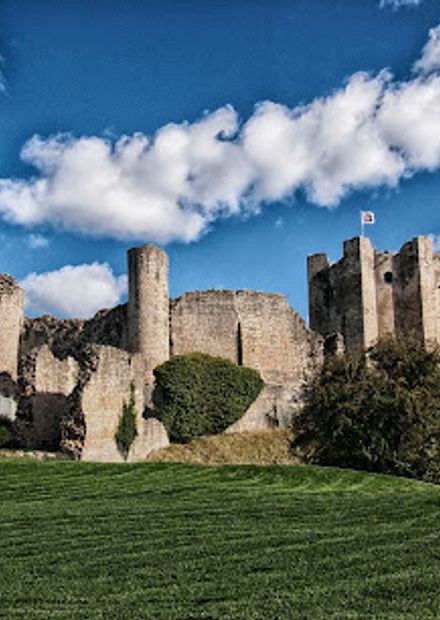
Conisbrough Castle travel guide
Discover the medieval marvel of Conisbrough Castle, home to England’s oldest circular keep and breathtaking Yorkshire views.
Tell me more about Conisbrough CastleMore to explore near Conisbrough Castle

 Best experiences near Conisbrough Castle

 Best hotels near Conisbrough Castle

 Best attractions near Conisbrough Castle

 Best shops near Conisbrough Castle

 Best bars near Conisbrough Castle

 Best restaurants near Conisbrough Castle
Explore more
Explore more of Yorkshire
Discover the timeless charm of Yorkshire, where history meets natural beauty and vibrant city life. Perfect for history buffs, nature lovers, and food enthusiasts.
Explore Yorkshire
Getting your guide ready…
We are putting together a fresh copy of the Conisbrough Castle guide. This can take up to a minute.
This can take a few moments. If your browser asks, choose Allow so the download can start. You'll find the guide in your Downloads folder.
Nothing happened? Download it again
Sorry, the guide is taking longer than usual. Please try again in a minute, or get it by email instead.