

The Majestic Sistine Chapel: A Gateway to Renaissance Splendor
Discover the awe-inspiring beauty and rich history of the Sistine Chapel in Vatican City, home to Michelangelo's masterpieces and a cornerstone of Renaissance art.
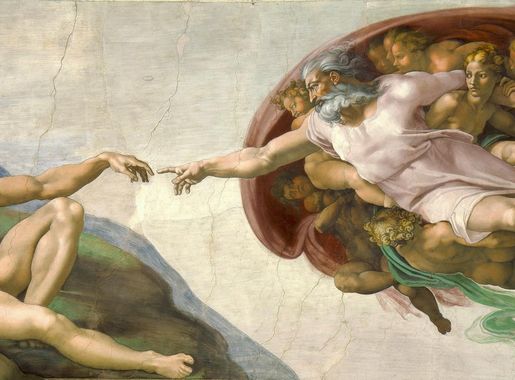
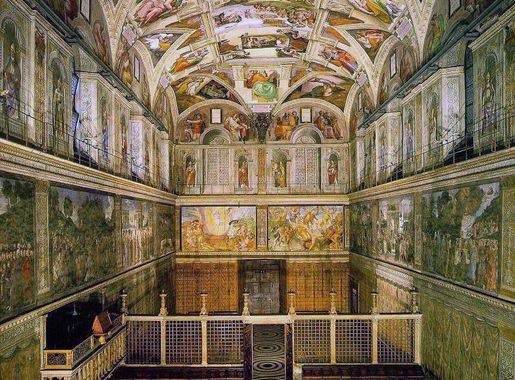
Nestled within the walls of Vatican City, the Sistine Chapel stands as a testament to the artistic brilliance of the Renaissance era. This iconic chapel, completed in 1483, is renowned worldwide for its stunning frescoes that adorn the ceiling and walls, most notably the works of Michelangelo. Visitors are often left in awe by the sheer magnitude and beauty of these masterpieces, including the famous 'Creation of Adam' and 'The Last Judgment'. The Sistine Chapel is not only a visual feast but also a place of profound historical and religious significance. It serves as the site of the Papal conclave, where new Popes are elected. As you walk through this sacred space, you can almost feel the weight of centuries of history and the whispers of past conclaves. The chapel's ambiance is further enhanced by the serene and reverent atmosphere maintained by the Vatican. To truly appreciate the Sistine Chapel, it is recommended to take your time and perhaps even attend a guided tour. This will provide deeper insights into the stories behind the artwork and the intricate details that may otherwise go unnoticed. The experience of visiting the Sistine Chapel is one that stays with you long after you have left, a lasting memory of one of humanity's greatest artistic achievements.

Know before you go
Hi, I'm Eve. Here are a few practical things to know before exploring Sistine Chapel.
- Plan your visit early in the morning to avoid the largest crowds.
- Purchase tickets online in advance to skip the long lines.
- Dress modestly as the Vatican has a strict dress code: shoulders and knees should be covered.
- Consider booking a guided tour for a more in-depth understanding of the artwork and history.
- Photography is not allowed inside the chapel, so be prepared to take mental snapshots.
- Allocate extra time to explore other parts of Vatican Museums, as they house numerous other treasures.



The Majestic Sistine Chapel: A Gateway to Renaissance Splendor
Nestled within the walls of Vatican City, the Sistine Chapel stands as a testament to the artistic brilliance of the Renaissance era. This iconic chapel, completed in 1483, is renowned worldwide for its stunning frescoes that adorn the ceiling and walls, most notably the works of Michelangelo. Visitors are often left in awe by the sheer magnitude and beauty of these masterpieces, including the famous 'Creation of Adam' and 'The Last Judgment'. The Sistine Chapel is not only a visual feast but also a place of profound historical and religious significance. It serves as the site of the Papal conclave, where new Popes are elected. As you walk through this sacred space, you can almost feel the weight of centuries of history and the whispers of past conclaves. The chapel's ambiance is further enhanced by the serene and reverent atmosphere maintained by the Vatican. To truly appreciate the Sistine Chapel, it is recommended to take your time and perhaps even attend a guided tour. This will provide deeper insights into the stories behind the artwork and the intricate details that may otherwise go unnoticed. The experience of visiting the Sistine Chapel is one that stays with you long after you have left, a lasting memory of one of humanity's greatest artistic achievements.
Explore the best of what Sistine Chapel has to offer









When is the best time to go to Sistine Chapel?
Iconic landmarks you can’t miss

Vatican Museums
Explore the Vatican Museums, where art meets history in an unparalleled collection that captivates the soul and inspires the mind.
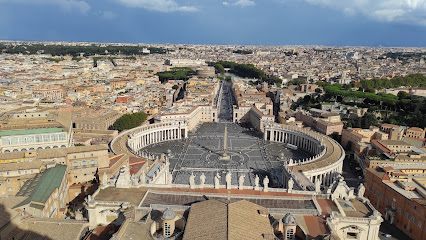
St. Peter's Basilica
Explore the awe-inspiring St. Peter's Basilica, a pinnacle of Renaissance architecture and spiritual significance in the heart of Vatican City.
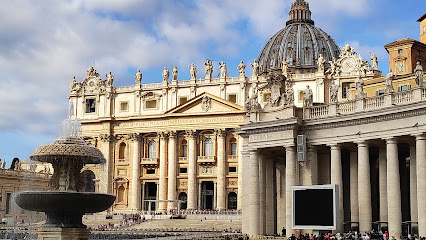
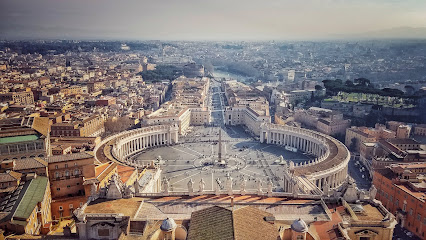
Saint Peter's Square
Discover the spiritual heart of Vatican City at Saint Peter's Square, a stunning plaza where history, art, and architecture converge.
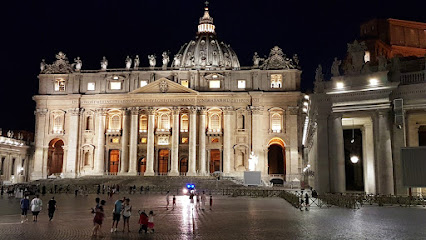
St. Peter Square Obelisk
Explore the iconic St. Peter Square Obelisk, a historical landmark in Vatican City, surrounded by breathtaking architecture and rich cultural heritage.
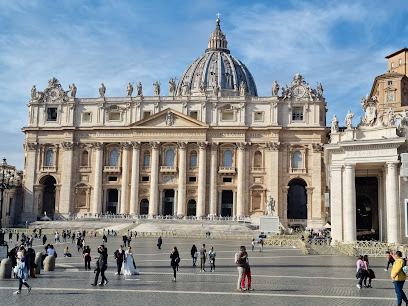
Gardens of Vatican City
Explore the enchanting Gardens of Vatican City, a lush paradise filled with historical treasures and serene landscapes, perfect for a peaceful retreat.
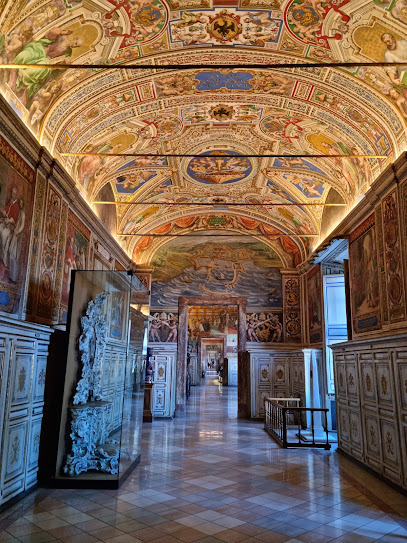
Apostolic Palace
Explore the Apostolic Palace, a fascinating historical landmark in Vatican City, rich in art, culture, and the essence of Catholicism.
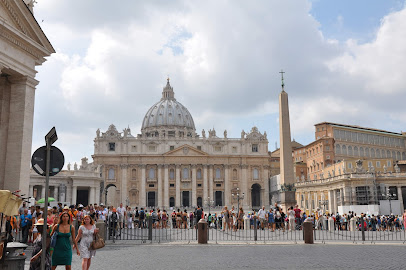
Vatican Necropolis
Discover the Vatican Necropolis, an ancient burial site beneath St. Peter's Basilica, where history and spirituality intertwine in a captivating journey through time.
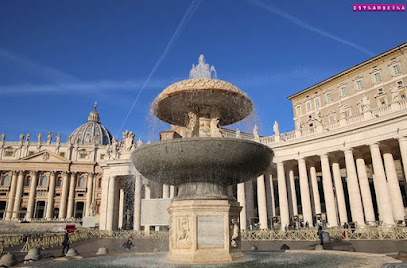
Pine Courtyard
Experience the tranquil beauty of the Pine Courtyard in Vatican City, a serene garden oasis surrounded by rich history and stunning architecture.
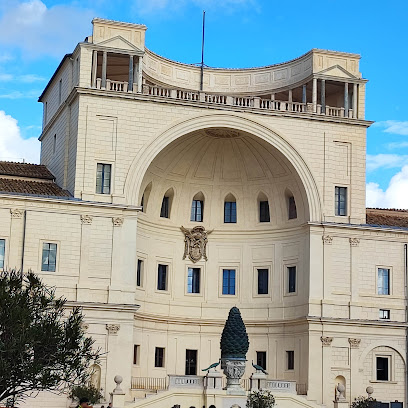
Paintings Gallery of the Vatican Museums
Explore the Paintings Gallery of the Vatican Museums, where Renaissance masterpieces come to life in an enchanting artistic journey.
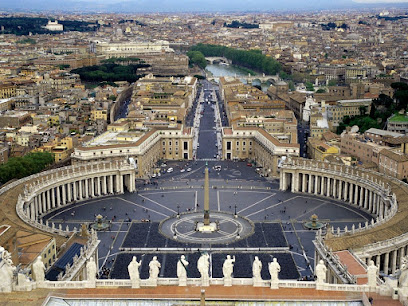
Passeggiata del Gelsomino
Discover the serene beauty of Passeggiata del Gelsomino, a picturesque spot in Rome perfect for leisurely strolls and stunning views.
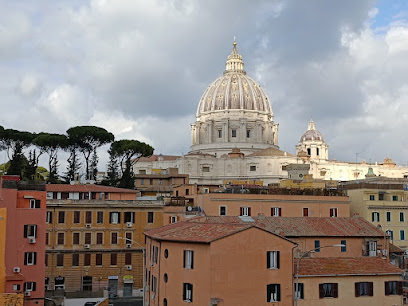
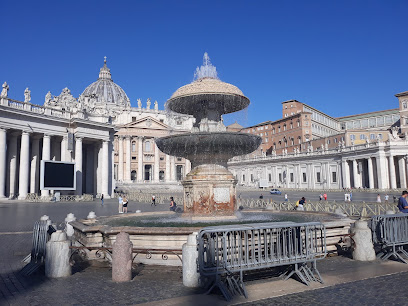
Bernini Fountain
Discover the breathtaking Bernini Fountain at Vatican City's Piazza San Pietro, an exquisite blend of art and architecture that enchants every visitor.
Excavation Office
Explore the rich archaeological history beneath St. Peter's Basilica at the Excavation Office, a captivating journey through Vatican City's past.
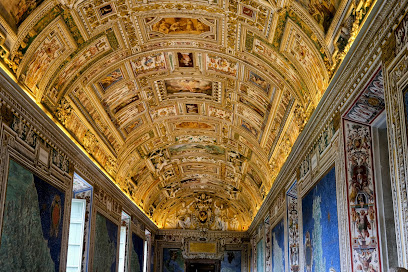
Gallery of Maps
Discover the exquisite artistry and historical significance of the Gallery of Maps in Vatican City, a must-see for every traveler.
The Last Judgment
Discover the breathtaking spectacle of The Last Judgment, Michelangelo's iconic fresco in the Sistine Chapel, a highlight of Vatican City's artistic heritage.
Maderno Fountain
Discover the enchanting Maderno Fountain in Vatican City, a historical landmark that embodies Baroque elegance and rich cultural heritage.
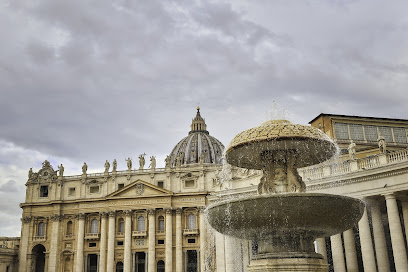
Unmissable attractions to see

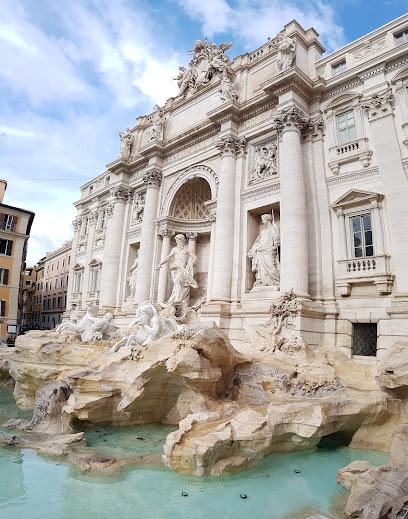
Trevi Fountain
Discover the allure of the Trevi Fountain, a Baroque masterpiece in Rome where wishes come true amidst stunning artistry and vibrant atmosphere.
Colosseum
Explore the Colosseum, an architectural marvel and historical landmark that brings the grandeur of ancient Rome to life.

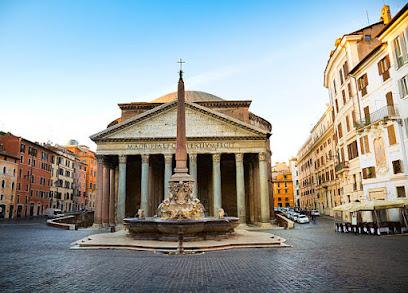
Pantheon
Discover the Pantheon, Rome's architectural masterpiece, where history and beauty converge in the heart of the Eternal City.
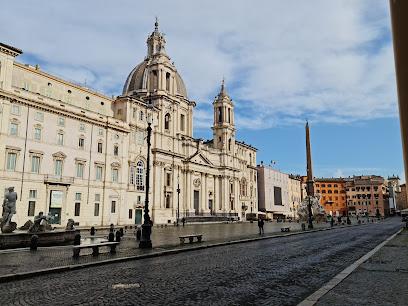
Piazza Navona
Explore the vibrant Piazza Navona, a historical landmark in Rome renowned for its stunning Baroque architecture and lively atmosphere.
Vatican Museums
Explore the Vatican Museums, an artistic treasure trove in Vatican City showcasing masterpieces from history's greatest artists.

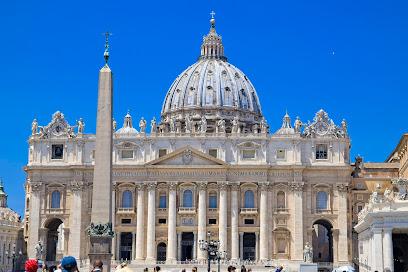
St. Peter's Basilica
Explore the architectural grandeur and spiritual essence of St. Peter's Basilica, a masterpiece of Renaissance art and a significant pilgrimage site in Vatican City.
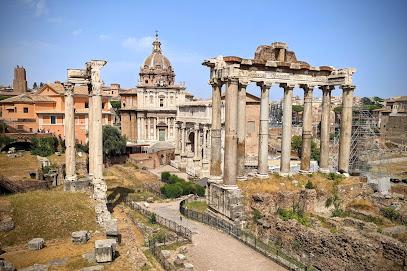
Roman Forum
Explore the Roman Forum, an open-air museum that showcases the ruins of ancient Rome, rich with history and breathtaking architecture.
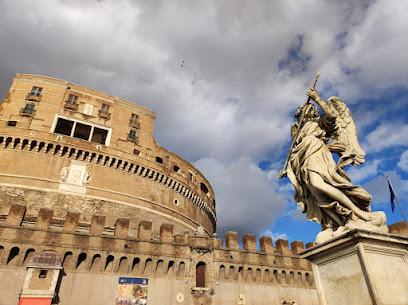
Castel Sant'Angelo
Explore Castel Sant'Angelo, a magnificent castle in Rome, blending history, art, and stunning views along the Tiber River.
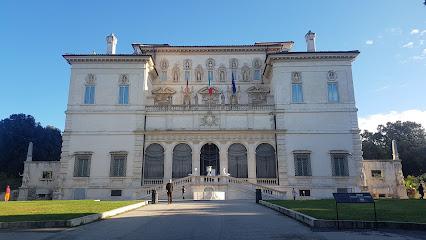
Villa Borghese
Discover the serene beauty of Villa Borghese, Rome's iconic park filled with art, nature, and breathtaking views.
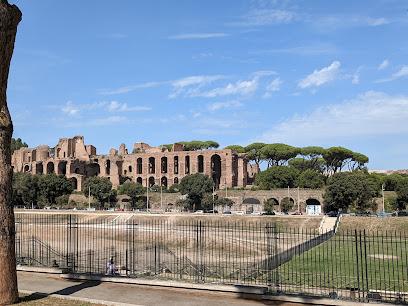
Circus Maximus
Explore Circus Maximus, the iconic chariot racing arena of ancient Rome, and immerse yourself in the history and grandeur of this historic site.
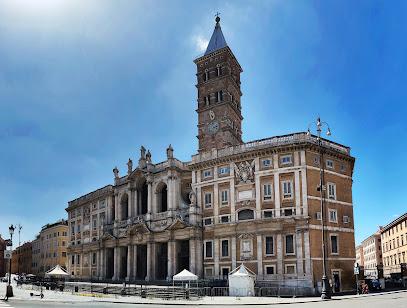
Papal Basilica of Saint Mary Major
Discover the artistic and spiritual marvels of the Papal Basilica of Saint Mary Major, a must-visit Catholic landmark in the heart of Rome.
Largo di Torre Argentina
Discover Largo di Torre Argentina, where ancient ruins meet a charming cat sanctuary in the heart of Rome, creating a unique cultural experience.
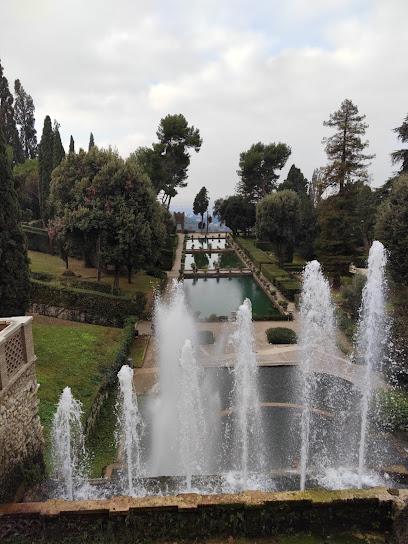
Villa d'Este
Explore the enchanting Villa d'Este in Tivoli, a UNESCO World Heritage site known for its magnificent gardens and stunning Renaissance architecture.
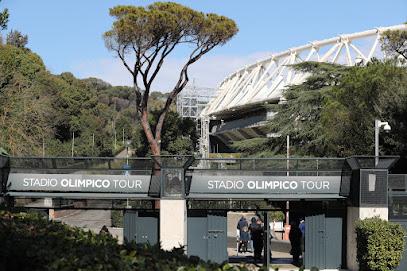
Stadio Olimpico
Experience the electrifying atmosphere of Stadio Olimpico, Rome's premier stadium for sports and entertainment, where history and excitement come alive.
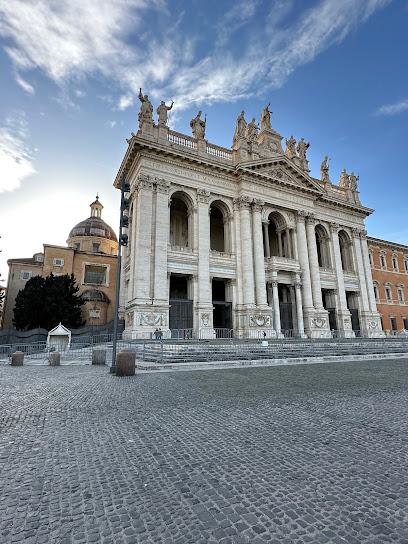
Basilica of San Giovanni in Laterano
Explore the Basilica of San Giovanni in Laterano, Rome's oldest basilica, and a masterpiece of religious architecture and art.
Essential places to dine

Ristorante dei Musei
Experience authentic Italian cuisine at Ristorante dei Musei - home of exquisite pizzas and welcoming ambiance in the heart of Rome.
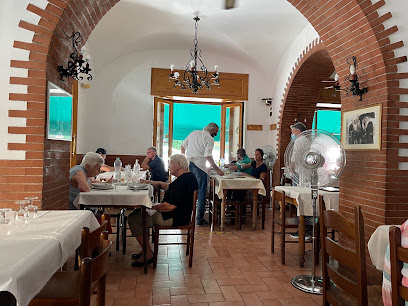
La Soffitta Renovatio
Experience authentic Italian cuisine at La Soffitta Renovatio in Rome – where every dish tells a story.
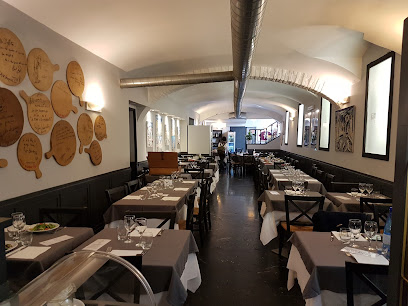
Ristorante Arlù
Experience authentic Italian cuisine at Ristorante Arlù in Rome—where tradition meets flavor in an inviting atmosphere.
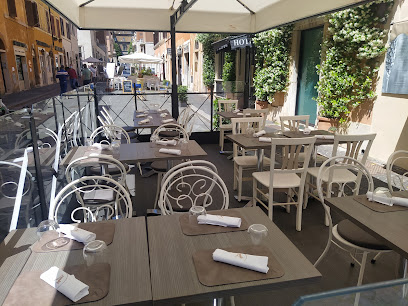
Satiricus Ristorante Pizzeria
Experience authentic Italian cuisine at Satiricus Ristorante Pizzeria in Rome – where tradition meets flavor in every dish.
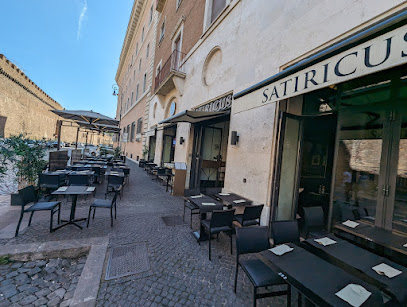
La Locanda di Pietro
Experience the essence of Italy at La Locanda di Pietro—where every meal is a celebration of Mediterranean flavors.
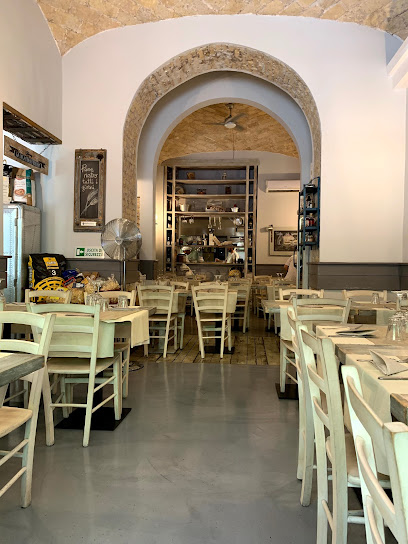
Spaghetti
Discover the essence of Italian cuisine at Spaghetti – where every dish tells a story of tradition and flavor.
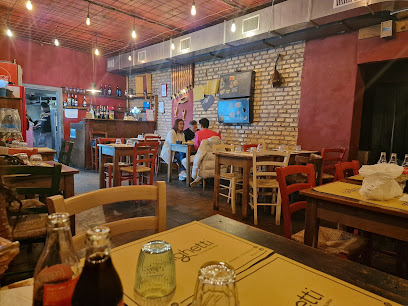
Ristorante Da Paolo
Experience authentic Italian flavors at Ristorante Da Paolo - where exquisite pizzas meet rich espresso in the heart of Rome.
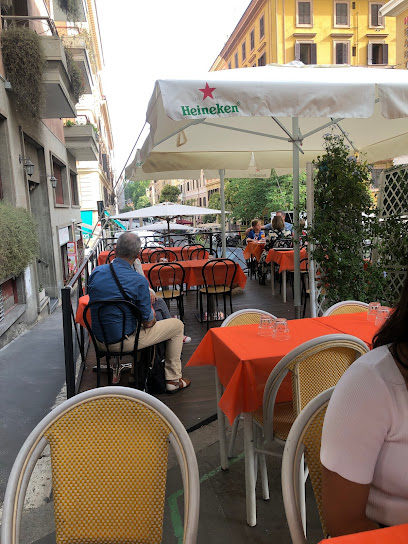
Trattoria Vaticano Giggi
Experience authentic Roman cuisine at Trattoria Vaticano Giggi, where tradition meets flavor in a delightful dining atmosphere.
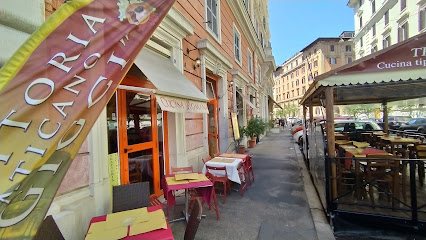
Vinsanto Vino & Cucina
Experience authentic Italian flavors at Vinsanto Vino & Cucina, where exquisite cuisine meets exceptional wines in the heart of Rome.
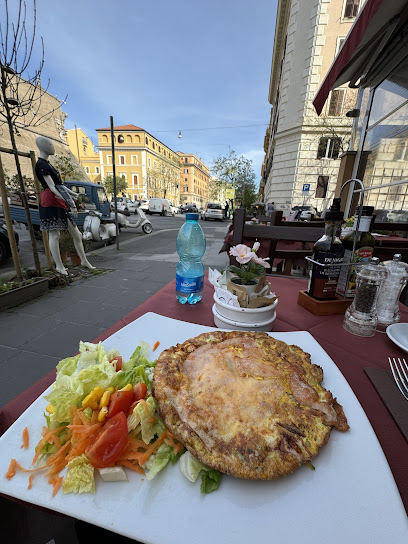
Osteria delle Commari
Discover authentic Italian flavors at Osteria delle Commari – where gluten-free meets Mediterranean delight in the heart of Rome.
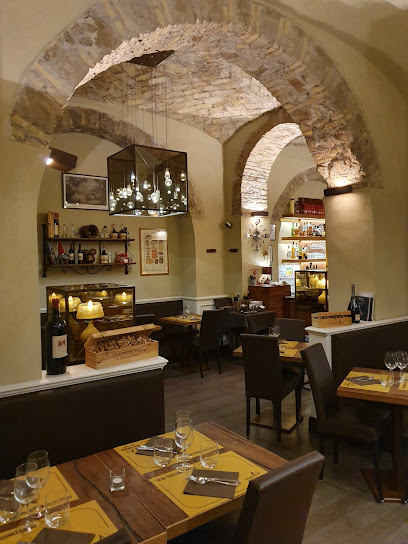
L'Angoletto ai Musei
Experience authentic Italian cuisine at L'Angoletto ai Musei, where every meal is a celebration of flavors and tradition in the heart of Rome.
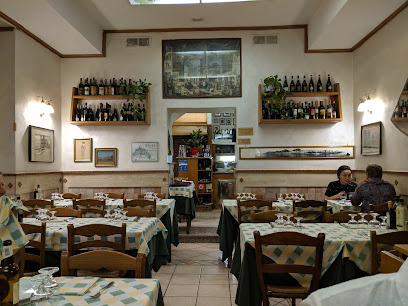
Bottega Vittoria
Experience authentic Italian flavors at Bottega Vittoria – where every meal is a celebration of culinary excellence in Rome.
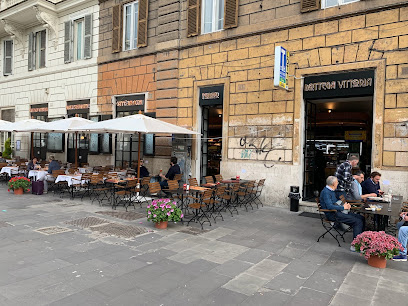
Ristorante Trattoria Da Marcella
Experience the true taste of Italy at Ristorante Trattoria Da Marcella - where homemade flavors meet Roman hospitality.
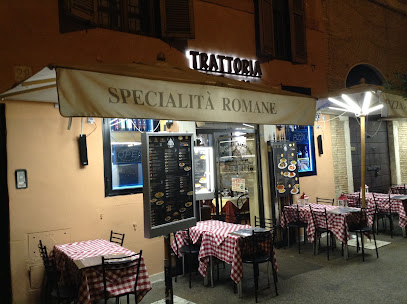
BorgoPio92 Bistrò Caffè
Experience authentic Italian flavors at BorgoPio92 Bistrò Caffè near Vatican City – where every bite tells a story of tradition.
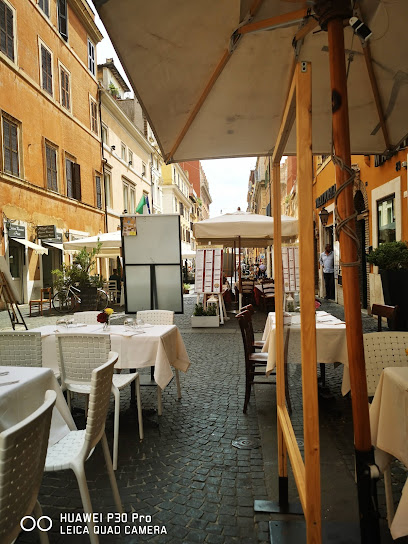
Trecaffè - Vaticano
Experience authentic Italian cuisine at Trecaffè - Vaticano, your go-to bistro near the Vatican with delightful dishes and rich coffee.
Markets, malls and hidden boutiques

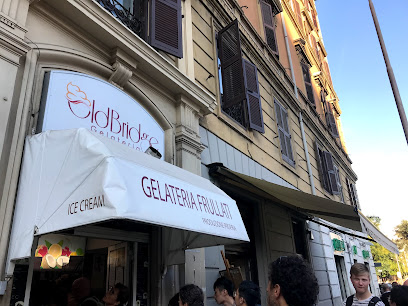
Old Bridge Gelateria
Experience authentic Italian gelato at Old Bridge Gelateria, where every scoop is a treat for the senses, located near the Vatican in beautiful Rome.
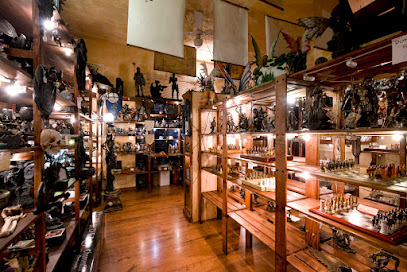
History and Magic
Explore History and Magic in Rome: A Unique Collectibles Store for Treasures and Exquisite Costume Jewelry
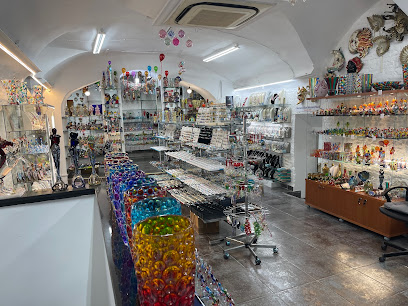
Murano Max Murano Glass Rome
Explore Murano Max in Rome for exquisite Murano glass art and unique souvenirs that capture the spirit of Italy's rich craftsmanship.
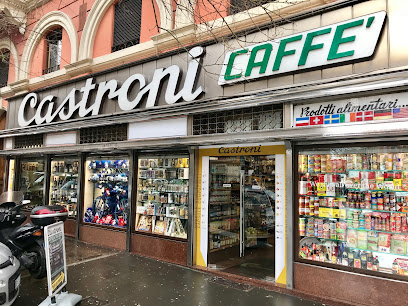
Castroni
Discover the finest Italian flavors at Castroni, Rome's premier gourmet grocery store, offering a delightful array of local delicacies and fine foods.
Annona Vatican City
Discover the flavors of Italy at Annona, Vatican City's premier grocery store, offering fresh produce and gourmet delights for every palate.
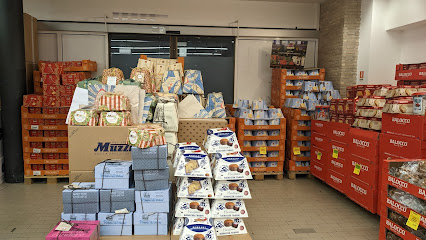
Libreria Ancora Store - Roma
Explore Libreria Ancora Store, a unique bookstore in Rome specializing in religious literature, where spirituality meets the charm of Italian culture.
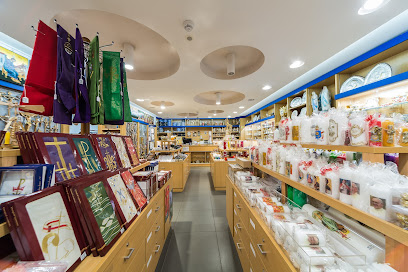
Savelli Religious (Savelli Art and Tradition)
Explore Savelli Religious for unique religious gifts, jewelry, and cultural treasures in the heart of Rome.
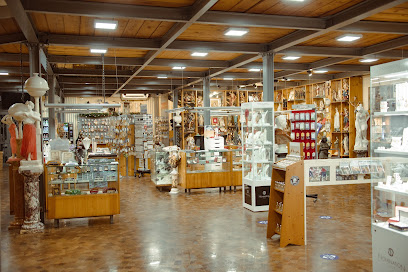
Soprani - shop religious
Explore Soprani, Rome's premier church supply store, for authentic religious artifacts and unique souvenirs reflecting Italy's spiritual artistry.
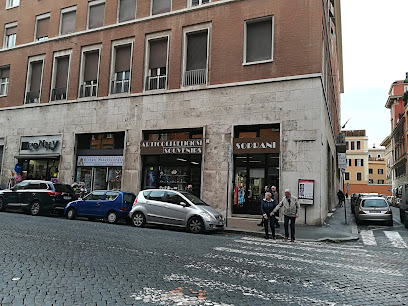
Mondo Cattolico
Explore Mondo Cattolico, a must-visit religious goods store in Vatican City, for unique spiritual items and exquisite souvenirs.
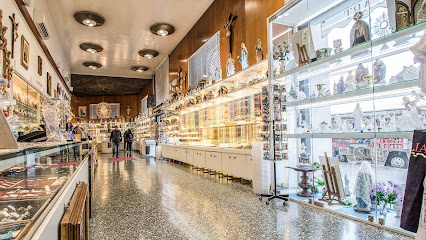
St. Peter's Gallery
Discover unique Italian souvenirs and enjoy delightful coffee at St. Peter's Gallery, the perfect stop near St. Peter's Basilica.
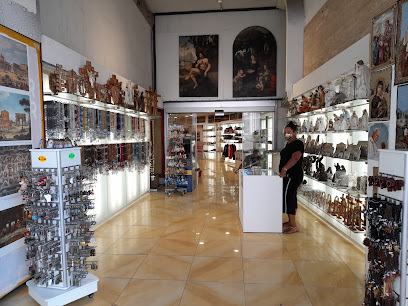
Vatican Emporium - Religious Articles & Gifts
Explore the Vatican Emporium for a unique selection of religious articles and gifts that embody the spiritual heritage of Rome.
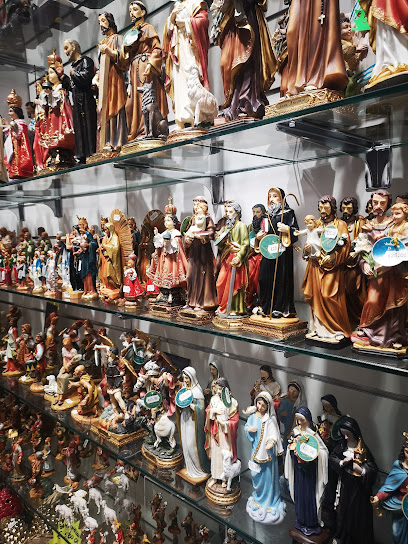
Domus Artis
Explore Domus Artis, a captivating art gallery in Rome offering unique artworks, church supplies, and souvenirs reflecting the city's rich heritage.
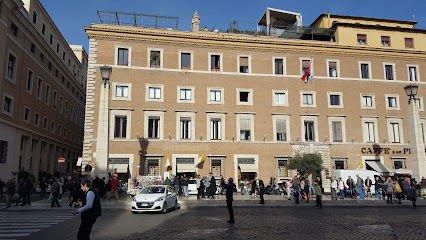
Massi Souvenir
Explore authentic Italian treasures at Massi Souvenir, where every keepsake tells a story of Rome's rich culture and history.
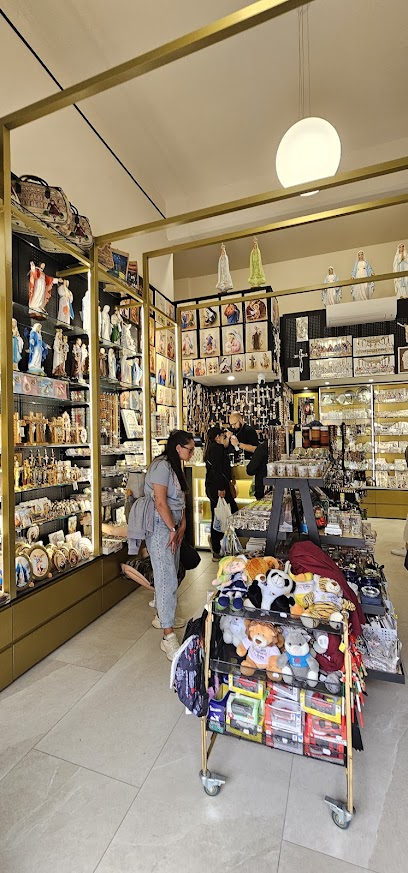
Tourist Information Office
Discover Vatican City through the Tourist Information Office, your gateway to souvenirs, knowledge, and unforgettable experiences in the heart of Rome.
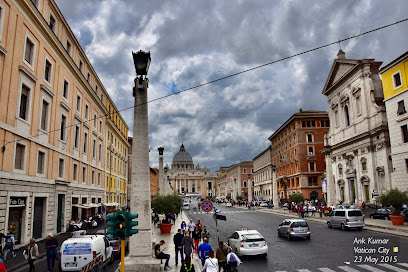
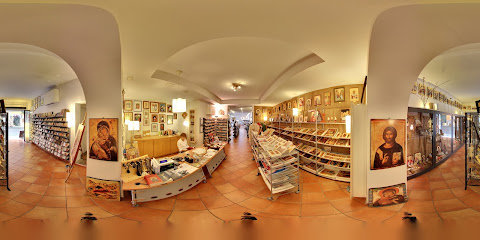
Russia Ecumenical Center
Experience the rich heritage of Russian spirituality at the Russia Ecumenical Center in Rome, a unique destination for religious artifacts and cultural insights.
Essential bars & hidden hideouts

Caffè Delle Commari
Explore the heart of Rome at Caffè Delle Commari, where exquisite coffee and cocktails blend seamlessly in a charming atmosphere.
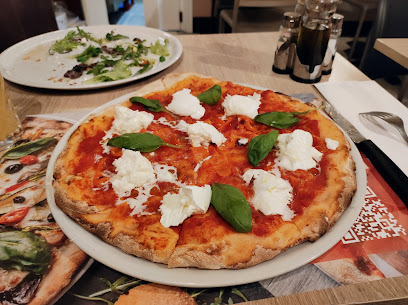
Be.Re. + Trapizzino
Discover Be.Re. + Trapizzino, a vibrant gastropub in Rome serving innovative Italian street food and craft beverages for an unforgettable culinary experience.
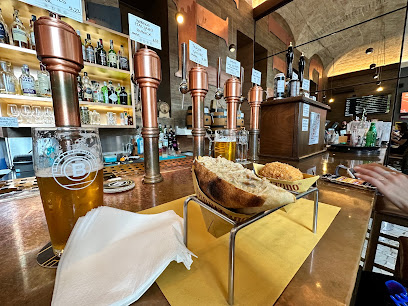
Wine Bar De' Penitenzieri
Discover the charm of Italian wine culture at Wine Bar De' Penitenzieri in Rome, offering a delightful selection of wines and an inviting atmosphere.
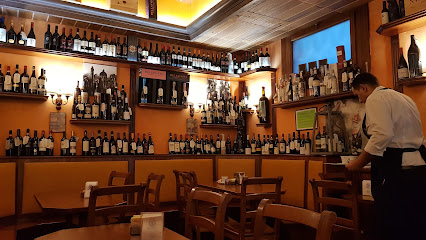
Caffè Vaticano
Discover the rich flavors of Italy at Caffè Vaticano, your go-to espresso bar near the Vatican City, blending tradition and taste in every cup.
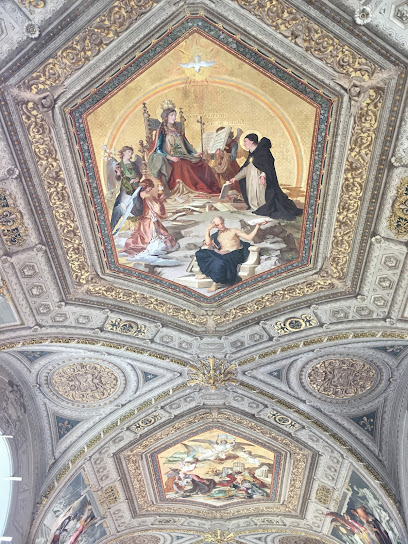
Bar L'Ottagona
Experience authentic Roman hospitality and exquisite Italian cuisine at Bar L'Ottagona, situated in the heart of Piazza del Risorgimento.
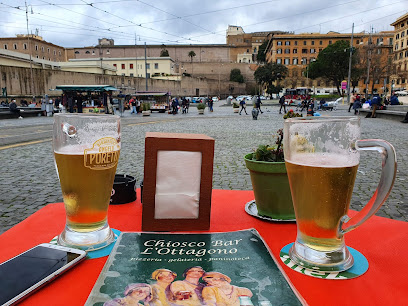
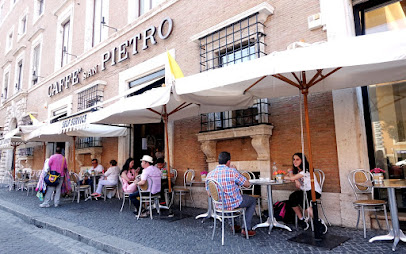
Cafe San Pietro
Experience the charm of Rome at Café San Pietro, a cozy spot near St. Peter's Basilica offering delightful beverages and local pastries.
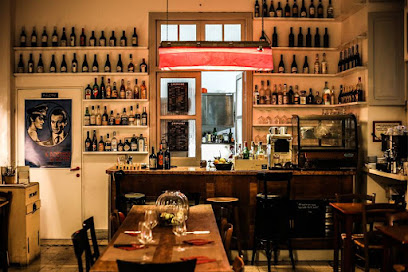
Bukowski's Bar
Experience the enchanting ambiance of Bukowski's Bar, a must-visit bistro in Rome for exquisite wine and authentic Italian dishes.
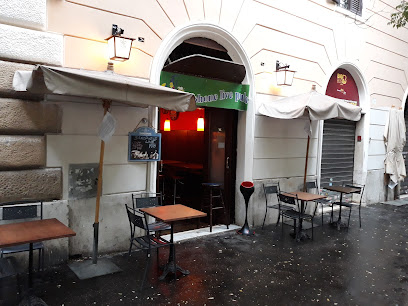
Saxophone Live Pub
Experience the vibrant music scene at Saxophone Live Pub, where live performances and a lively atmosphere create unforgettable nights in Rome.
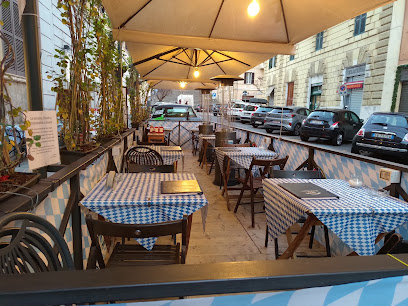
Birreria Martini Esperienza Tedesca
Experience authentic German cuisine and a vibrant beer hall atmosphere at Birreria Martini in Rome.
Ginny | Cocktail Bar | Wine Bar | Ristorante
Experience Rome's nightlife at Ginny, where exquisite cocktails, delicious cuisine, and a vibrant atmosphere come together for an unforgettable evening.
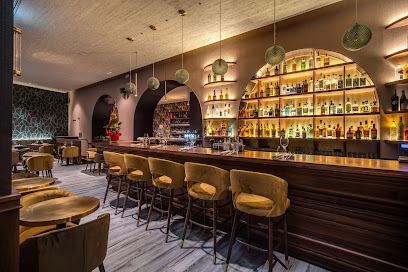
Bar Latteria Giuliani
Discover authentic Roman flavors and warm hospitality at Bar Latteria Giuliani, a charming bar in the heart of Rome.
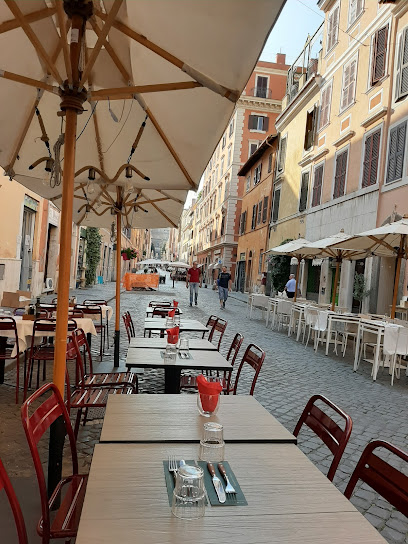
Derry Rock Pub
Discover Derry Rock Pub: A Lively Irish Bar in Rome with Live Music and Signature Cocktails.
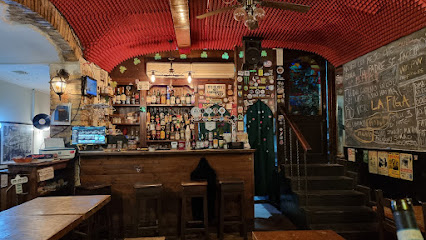
Caffè Leonina
Caffè Leonina: Experience the true essence of Roman hospitality with beverages and pastries in a charming square.
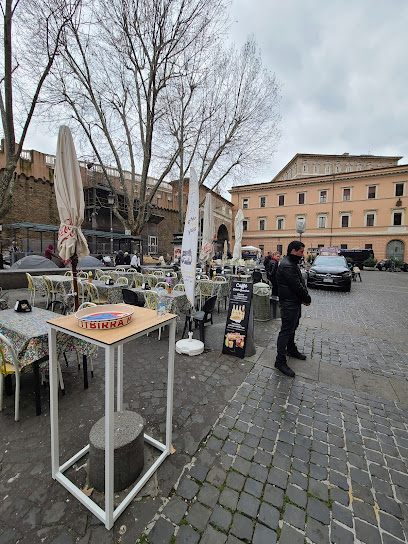
McQueen Food&Drink
Experience the fusion of traditional Italian cuisine and modern gastronomy at McQueen Food&Drink in the heart of Rome.
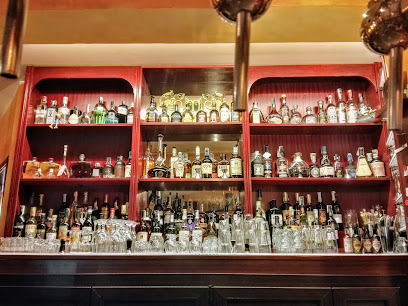
Bar Delle Grazie
Experience authentic Roman hospitality at Bar Delle Grazie, where delightful drinks and a cozy atmosphere await every visitor.


Local Phrases
You don't need to speak the language perfectly. Even learning a few simple words can make conversations warmer—and locals usually appreciate the effort.
— Eve

Here are the phrases I use most often in Sistine Chapel. Try a few—you'll be surprised how far they go! 😊
❤️
-
- HelloCiao
[chow] - GoodbyeArrivederci
[ah-ree-veh-dehr-chee] - YesSì
[see] - NoNo
[noh] - Please/You're welcomePer favore
[pehr fah-voh-reh] - Thank youGrazie
[grah-tsyeh] - Excuse me/SorryMi scusi
[mee skoo-zee] - How are you?Come stai?
[koh-meh stah-ee] - Fine. And you?Bene. E tu?
[beh-neh. eh too] - Do you speak English?Parli inglese?
[pahr-lee een-gleh-zeh] - I don't understandNon capisco
[nohn kah-pee-skoh]
- HelloCiao
-
- I'd like to see the menu, pleaseVorrei vedere il menù, per favore
[vohr-ray veh-deh-reh eel meh-noo, pehr fah-voh-reh] - I don't eat meatNon mangio carne
[nohn mahn-joh kahr-neh] - Cheers!Salute!
[sah-loo-teh] - I would like to pay, pleaseVorrei pagare, per favore
[vohr-ray pah-gah-reh, pehr fah-voh-reh]
- I'd like to see the menu, pleaseVorrei vedere il menù, per favore
-
- Help!Aiuto!
[ah-yoo-toh] - Go away!Vai via!
[vah-ee vee-ah] - Call the Police!Chiamate la polizia!
[kyah-mah-teh lah poh-lee-tsya] - Call a doctor!Chiamate un dottore!
[kyah-mah-teh oon doht-toh-reh] - I'm lostMi sono perso
[mee soh-no pehr-soh] - I'm illSto male
[stoh mah-leh]
- Help!Aiuto!
-
- I'd like to buy...Vorrei comprare...
[vohr-ray kohm-prah-reh...] - I'm just lookingSto solo guardando
[stoh soh-loh gwahr-dahn-doh] - How much is it?Quanto costa?
[kwan-toh koh-stah] - That's too expensiveÈ troppo caro
[eh troh-poh kah-roh] - Can you lower the price?Puoi abbassare il prezzo?
[pwah-ee ahb-bahs-sah-reh eel preht-soh]
- I'd like to buy...Vorrei comprare...
-
- What time is it?Che ora è?
[keh oh-rah eh] - It's one o'clockÈ l'una
[eh loo-nah] - Half past (10)Dieci e mezza
[dee-eh-chee eh meh-tzah] - MorningMattina
[maht-tee-nah] - AfternoonPomeriggio
[poh-meh-ree-joh] - EveningSera
[seh-rah] - YesterdayIeri
[yeh-ree] - TodayOggi
[oh-jee] - TomorrowDomani
[doh-mah-nee] - 1Uno
[oo-noh] - 2Due
[dweh] - 3Tre
[treh] - 4Quattro
[kwah-troh] - 5Cinque
[cheen-kweh] - 6Sei
[say] - 7Sette
[seht-teh] - 8Otto
[oht-toh] - 9Nove
[noh-veh] - 10Dieci
[dee-eh-chee]
- What time is it?Che ora è?
-
- Where's a/the...?Dov'è un/il...?
[doh-veh oon/eel] - What's the address?Qual è l'indirizzo?
[kwal eh leen-dee-ree-tsoh] - Can you show me (on the map)?Puoi mostrarmi (sulla mappa)?
[pwah-ee mohs-trar-mee (sool-lah mahp-pah)] - When's the next (bus)?Quando passa il prossimo (autobus)?
[kwan-doh pahs-sah eel prohs-see-moh (ow-toh-boos)] - A ticket (to ....)Un biglietto (per ....)
[oon beel-lyet-toh (pehr)]
- Where's a/the...?Dov'è un/il...?
History of Sistine Chapel
-
The Sistine Chapel was commissioned by Pope Sixtus IV in 1477 and completed in 1480. It was named after him, 'Sistine' deriving from 'Sixtus'. The chapel was intended to serve as the pope's private chapel and the site for papal conclaves.
-
Before Michelangelo's involvement, the chapel's walls were adorned with frescoes by several prominent artists of the time, including Sandro Botticelli, Pietro Perugino, and Domenico Ghirlandaio. These frescoes depicted various biblical scenes and were completed between 1481 and 1482.
-
In 1508, Pope Julius II commissioned Michelangelo to paint the chapel's ceiling. Despite Michelangelo's initial reluctance, the project began, and over four years, he created one of the greatest masterpieces of the Renaissance. The ceiling frescoes depict scenes from the Book of Genesis, including the iconic 'Creation of Adam'.
-
Michelangelo returned to the Sistine Chapel between 1536 and 1541 to paint 'The Last Judgment' on the altar wall. Commissioned by Pope Paul III, this monumental fresco depicts the Second Coming of Christ and the final judgment of souls. Its dramatic composition and powerful imagery have made it one of the most famous works of art in history.
-
The Sistine Chapel has undergone several restoration efforts, the most significant of which took place between 1980 and 1994. This extensive project aimed to clean and preserve Michelangelo's frescoes, revealing their original vibrant colors and intricate details, which had been obscured by centuries of grime and candle smoke.
-
The Sistine Chapel is the site of the papal conclaves, where cardinals gather to elect a new pope. This tradition has been in place since the late 15th century. The chapel is sealed off during the conclave, and the world watches for the white smoke signaling the election of a new pope.
-
The Sistine Chapel has had a profound impact on culture and art worldwide. Its masterpieces have inspired countless artists and have been referenced in various forms of media. The chapel remains one of the most visited and studied artistic sites in the world, attracting millions of visitors annually.
Sistine Chapel Essentials
-
The Sistine Chapel is located within Vatican City, a sovereign city-state surrounded by Rome, Italy. The nearest airport is Leonardo da Vinci–Fiumicino Airport (FCO), located approximately 30 kilometers from Vatican City. From the airport, you can take a train, bus, or taxi to reach Vatican City. The Leonardo Express train runs non-stop from the airport to Roma Termini, Rome's main railway station, from where you can take Metro Line A to Ottaviano-San Pietro station, located a short walk from the Vatican Museums' entrance.
-
Rome's public transportation system is extensive and includes buses, trams, and the metro. The closest metro station to the Sistine Chapel is Ottaviano-San Pietro on Line A. Buses 40, 62, 64, and 81 also serve the Vatican area. Taxis are readily available throughout Rome and can be a convenient option. If you prefer walking, many tourists find it enjoyable to stroll through Rome's historic streets to reach the Vatican.
-
The official currency in Vatican City is the Euro (EUR). Credit cards are widely accepted in the Vatican Museums' ticket offices, shops, and nearby restaurants. However, it is advisable to carry some cash for smaller purchases and tips. ATMs are available in Vatican City and Rome, but be aware of potential transaction fees when using foreign cards.
-
Vatican City and the surrounding areas in Rome are generally safe for tourists. However, petty crimes like pickpocketing can occur, especially in crowded areas and public transport. Be vigilant with your belongings and avoid displaying valuable items. The areas around Termini Station and some parts of Trastevere can be hotspots for petty crime, so exercise extra caution.
-
In case of an emergency, dial 112 for immediate assistance in Rome and Vatican City. Vatican City has its own security and emergency services, but Italian services are also available. It is recommended to have travel insurance that covers medical emergencies. For minor health issues, pharmacies are available in the area.
-
Fashion: Do dress modestly when visiting the Sistine Chapel. Shoulders and knees should be covered for both men and women. Avoid wearing hats inside religious buildings. Religion: Do respect the sacred nature of the site. Keep your voice low and avoid disruptive behavior. Public Transport: Do validate your ticket before boarding and be respectful to other passengers. Don't eat or drink on public transport. Greetings: Do greet people with a polite 'Buongiorno' (Good morning) or 'Buonasera' (Good evening). A handshake is common. Eating & Drinking: Do try local Italian cuisine and be respectful of dining customs. Don't rush through meals, as dining is a leisurely activity in Italy.
-
To experience the Sistine Chapel like a local, consider visiting during the early morning or late afternoon to avoid peak tourist hours. Purchase tickets online in advance to skip the lines. Take time to explore the Vatican Museums thoroughly, as they house one of the most impressive art collections in the world. Consider joining a guided tour for in-depth insights into the artworks and history. Don't miss the nearby St. Peter's Basilica and its dome for panoramic views of Rome.
Trending Landmark in Sistine Chapel
-
Vatican Museums
-
St. Peter's Basilica
-
Saint Peter's Square
-
St. Peter Square Obelisk
-
Gardens of Vatican City
-
Apostolic Palace
-
Vatican Necropolis
-
Pine Courtyard
-
Paintings Gallery of the Vatican Museums
-
Passeggiata del Gelsomino
-
Bernini Fountain
-
Excavation Office
-
Gallery of Maps
-
The Last Judgment
-
Maderno Fountain
Nearby Cities to Sistine Chapel
-
 Things To Do in St. Peter's Basilica
-
Things To Do in Apostolic Palace
-
Things To Do in Vatican Necropolis
-
Things To Do in St. Peter's Square
-
Things To Do in Vatican Pinacoteca
-
Things To Do in Vatican Gardens
-
Things To Do in Gregorian Etruscan Museum
-
Things To Do in Vatican Museums
-
Things To Do in Rome
-
Things To Do in Orvieto
-
Things To Do in Assisi
-
Things To Do in Perugia
-
Things To Do in Montepulciano
-
Things To Do in Arezzo
-
Things To Do in Siena