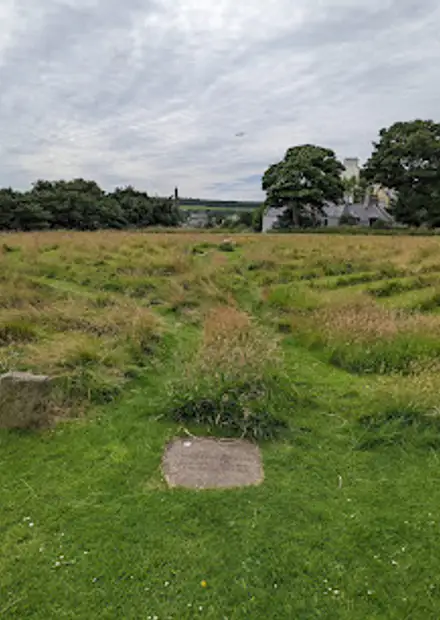
Best Landmarks Near Labyrinth (Banffshire)
Planning a trip to Labyrinth? Discover the best landmarks nearby with history, expert tips, and routes. Free on web or the Evendo app.


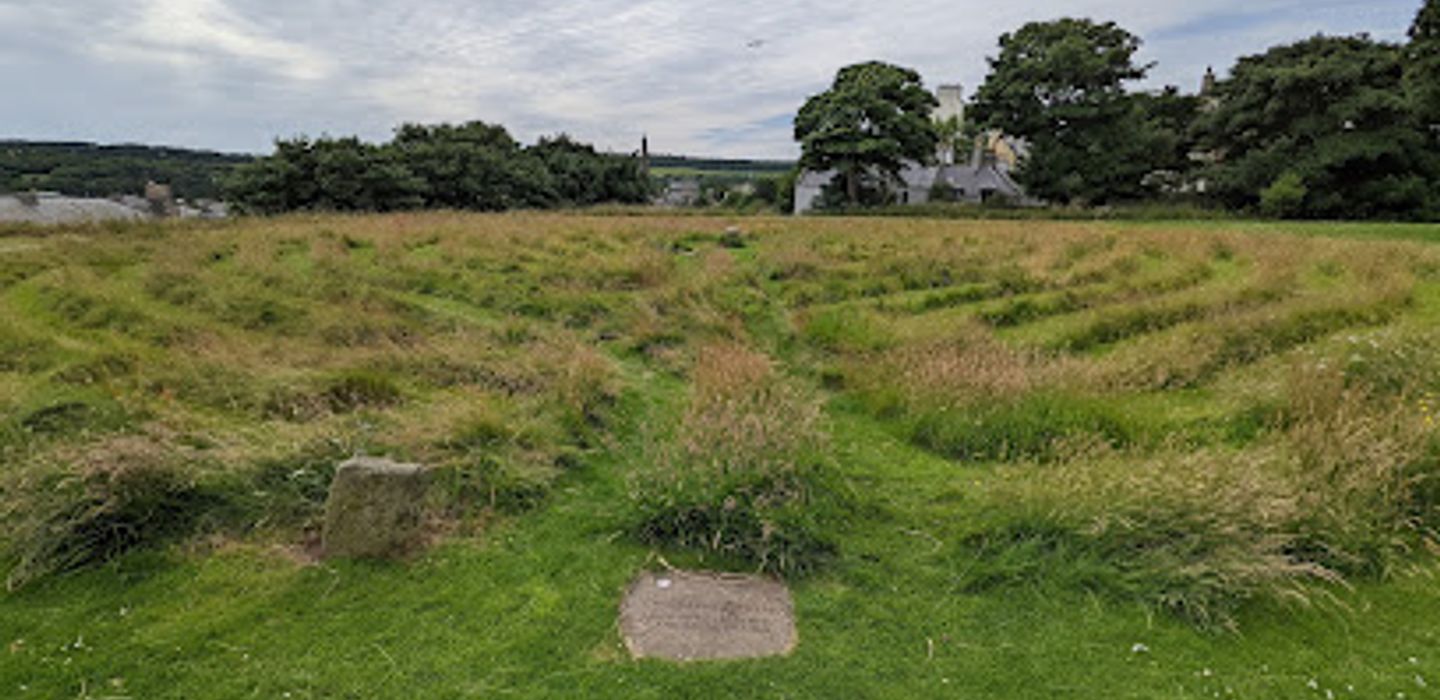
The best landmarks near Labyrinth
- Top rated
- Closest to Labyrinth
- Price level: low to high
- Time to spend: shortest first
- A–Z
80 landmarks
-
Castle4.8★11,273 reviews
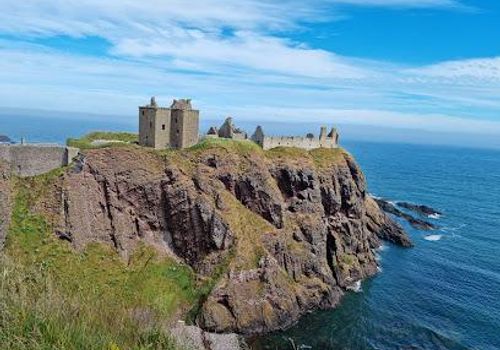
Dunnottar Castle
Perched dramatically on a 160-foot rocky promontory along the Aberdeenshire coast near Stonehaven, Dunnottar Castle stands as one of Scotland's most iconic and historically significant ruins. This clifftop fortress, surrounded by the North Sea on three sides, has witnessed over 1,500 years of turbulent Scottish history—from Pictish stronghold to Viking raids, Wars of Independence, and its most famous role as the secret refuge of the Honours of Scotland during Oliver Cromwell's siege in the 1650s. Today, visitors explore evocative roofless ruins dominated by the well-preserved 14th-century keep, wandering through the remnants of a once-impregnable seat of the powerful Earl Marischal family.
Mon–Tue 10:00–14:00 · Thu–Sun 10:00–14:00Price level $Time to spend 1.5–3 hrs
-
Historical landmark4.6★3,399 reviews
Clava Cairns
Clava Cairns is a Bronze Age burial complex dating back approximately 4,000 years, located near Inverness in the Scottish Highlands. The site comprises three exceptionally well-preserved cairns—two passage graves and one ring cairn—each surrounded by standing stones arranged with astronomical precision. Set in a tranquil woodland setting above the River Nairn, this free, open-access site offers visitors an intimate encounter with prehistoric Scotland. The cairns' alignment with the winter solstice sunset reveals the advanced astronomical knowledge of its Bronze Age builders. The site has gained modern cultural significance as the inspiration for the fictional Craigh na Dun in the Outlander television series, attracting visitors worldwide seeking to connect with ancient history and the show's romantic narrative.
Open 24 hoursTime to spend 1–2 hrs
-
Landmark4.7★2,784 reviews
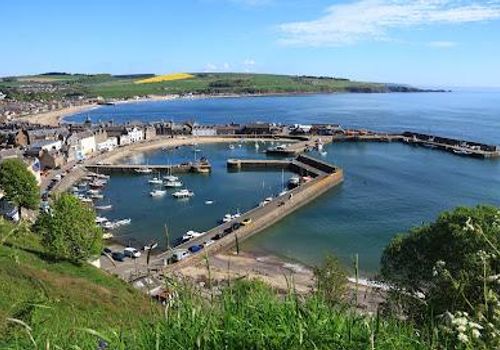
Stonehaven Harbour
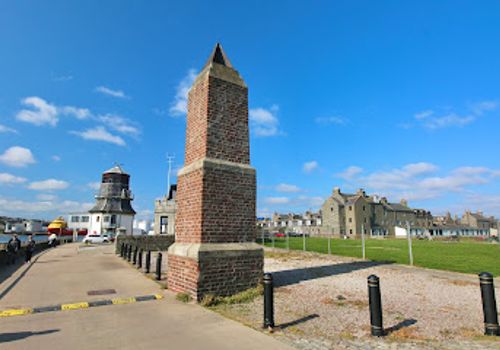
Stonehaven Harbour, located at the Old Pier in Stonehaven, Scotland, is a historic coastal landmark with origins dating back to the 16th century. Rebuilt multiple times due to storm damage, the harbour today blends rich maritime heritage with scenic views of the North Sea and nearby Dunnottar Castle. Once a bustling fishing port, it now serves as a charming tourist attraction featuring the iconic Tolbooth and a vibrant waterfront atmosphere.
Open 24 hoursTime to spend 1–3 hrs
-
Castle4.7★1,631 reviews
Castle Fraser, Garden & Estate
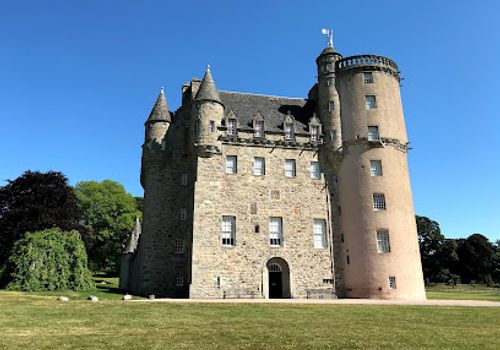
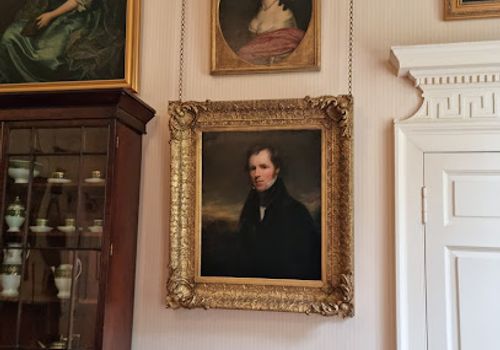
One of Scotland's largest and most elaborate tower houses, Castle Fraser stands as a masterpiece of 16th-century Z-plan architecture near Inverurie. This atmospheric fortress, with roots dating to 1450, invites visitors to explore grand halls, hidden staircases, secret trapdoors and an impressive collection of family portraits. The surrounding estate encompasses a vibrant walled garden, woodland trails teeming with wildlife, and a recently refurbished tearoom serving produce from the grounds. Perfect for history enthusiasts and families alike.
Price level $$Time to spend 2–3 hrs
-
Historical landmark4.5★712 reviews
Torry Battery
Torry Battery, perched on the south shore of Aberdeen harbour, is a 19th-century artillery battery built between 1859 and 1861 to defend the city and its vital port. With a rich history spanning over 150 years, it served in both World Wars and later housed displaced families. Today, it stands as a Scheduled Ancient Monument offering panoramic views of the North Sea and is a favored spot for wildlife watchers, especially dolphin enthusiasts.
Open 24 hoursTime to spend 1–3 hrs
-
Cathedral4.7★636 reviews
St. Machar's Cathedral
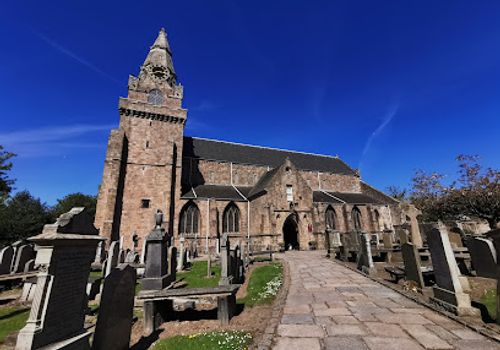
St Machar's Cathedral in Old Aberdeen is a historic fortified kirk with origins dating back to around 580 AD. Named after the Celtic Saint Machar, the site evolved from an early place of worship into a grand medieval cathedral by the 15th century. Though no longer a bishop’s seat since 1690, it remains a striking example of Scottish Gothic architecture, famed for its heraldic ceiling, twin western towers, and rich ecclesiastical history.
Daily 9:30–16:30Time to spend 0.5–2 hrs
-
Tourist attraction4.6★604 reviews
Footdee
Footdee, locally known as Fittie, is a historic planned fishing village nestled at the mouth of Aberdeen Harbour. Built in the early 19th century to house the city's fishing community, this unique settlement features uniform mid-19th century cottages arranged in neat squares with their backs to the sea. Today it remains a living conservation area where residents maintain the village's maritime heritage through meticulously preserved homes and creative personal touches. The narrow cobbled streets, charming gardens, and quirky outbuildings create an atmospheric step back in time.
Open 24 hoursTime to spend 0.8–2.5 hrs
-
Sculpture4.5★564 reviews
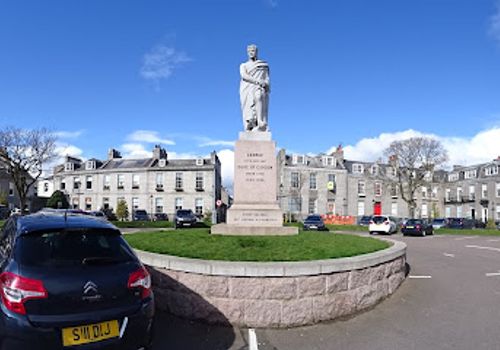
William Wallace Statue
Standing proudly on Union Terrace in Aberdeen, this striking bronze statue of Sir William Wallace commemorates Scotland’s legendary freedom fighter. Erected in 1888 and sculpted by William Grant Stevenson, the monument features powerful inscriptions from Wallace’s life and speeches, set against a granite pedestal. Positioned opposite His Majesty’s Theatre and near Union Terrace Gardens, it’s a stirring tribute to courage and national identity in the heart of the Granite City.
Open 24 hoursTime to spend 0.2–1 hr
-
Hotel4.3★493 reviews
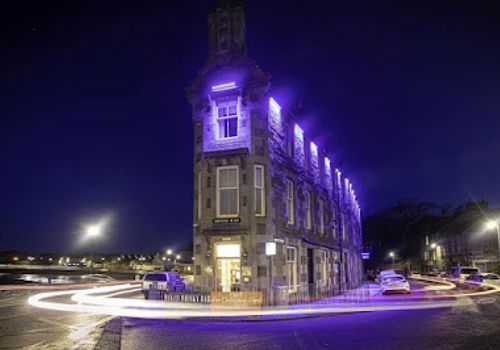
Mackays Hotel
Mackays Hotel is a charming, family-run 3-star hotel located in the heart of Wick, Scotland. Known for its warm hospitality, comfortable rooms, and excellent locally sourced cuisine, it offers a welcoming atmosphere ideal for travelers seeking authentic Scottish charm. The hotel features a bar, restaurant, conference facilities, and pet-friendly accommodations, making it suitable for families, business travelers, and visitors exploring Caithness.
Price level $$Time to spend 1–3 hrs
-
Catholic cathedral4.7★400 reviews
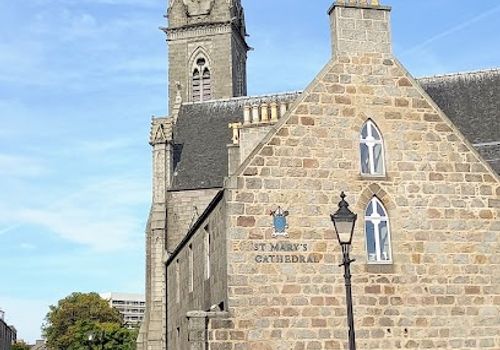
St Mary of the Assumption Cathedral, Aberdeen
St Mary of the Assumption Cathedral, commonly known as St Mary’s Cathedral, is Aberdeen’s Roman Catholic cathedral and the seat of the Bishop of Aberdeen. Designed in Gothic Revival style by Alexander Ellis and opened in 1860, it features a striking spire, a historic 19th‑century organ, and notable stained‑glass windows, including one dedicated to St John Ogilvie. The cathedral is a place of daily worship, community, and quiet reflection, with regular Masses in English, Polish, and Spanish. Visitors are welcome to explore its dignified interior, monuments to Scottish bishops, and peaceful chapels.
Mon–Sat 7:00–21:00 · Sun 7:30–20:00Time to spend 0.5–2 hrs
-
Tourist attraction4.4★425 reviews
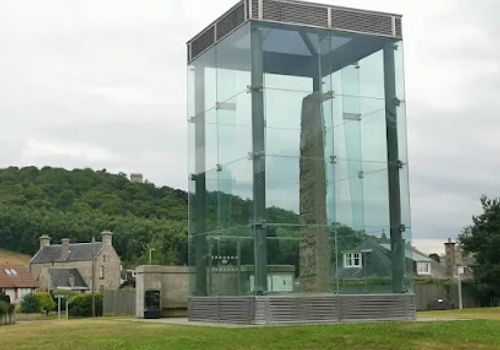
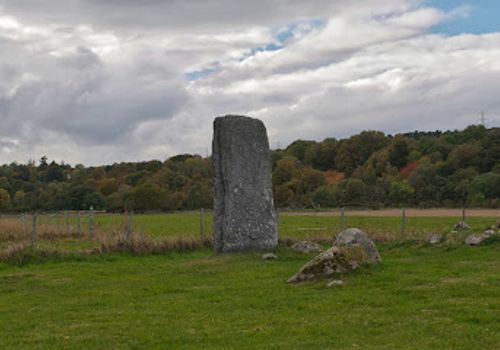
Sueno's Stone
Standing 6.5 metres tall on the edge of Forres, Sueno's Stone is Scotland's tallest surviving Pictish cross-slab, carved between the 9th and 10th centuries. This remarkable monument features intricate carvings on both faces: a magnificent Christian cross with a unique royal inauguration scene on one side, and an elaborate battle narrative with horsemen, combat, and beheadings on the other. Now protected within a glass chamber, this enigmatic stone continues to captivate historians and visitors with its mysterious origins and symbolic power.
Open 24 hoursTime to spend 0.5–2 hrs
-
Hotel4.7★347 reviews
Culloden House Hotel
Set within nearly 40 acres of private gardens and woodland near Inverness, Culloden House Hotel is a refined 4-star Georgian mansion offering individually styled rooms with historic charm and modern comforts. Guests enjoy fine dining, a renowned whisky selection, and peaceful grounds steeped in Highland history and hospitality.
Price level $$$Time to spend 1–3 hrs
-
Museum4.4★283 reviews
The Tolbooth Museum
The Tolbooth Museum in Aberdeen is housed in one of the city's oldest buildings, a former 17th-century jail featuring original gaol cells and exhibits on local history, crime, and punishment. It offers a unique glimpse into the harsh conditions faced by prisoners, including Jacobite rebels, with displays such as the Maiden guillotine blade. The museum provides free admission and is a striking historical attraction in the city centre.
Time to spend 0.5–1 hr
-
Historical landmark4.6★239 reviews
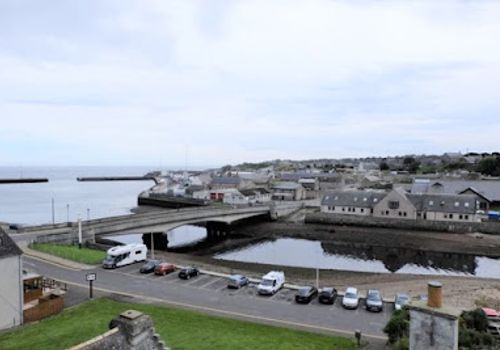
Lybster Harbour
Lybster Harbour is a charming historical landmark located in the village of Lybster, Caithness, Scotland. Once a bustling herring fishing port, it now offers visitors a peaceful seaside atmosphere with scenic views, rich maritime heritage, and access to local coastal walks. The harbour's quaint character and surrounding natural beauty make it a delightful spot for history enthusiasts and nature lovers alike.
Open 24 hoursPrice level $Time to spend 0.5–2 hrs
-
Historical landmark4.8★192 reviews
Findlater Castle
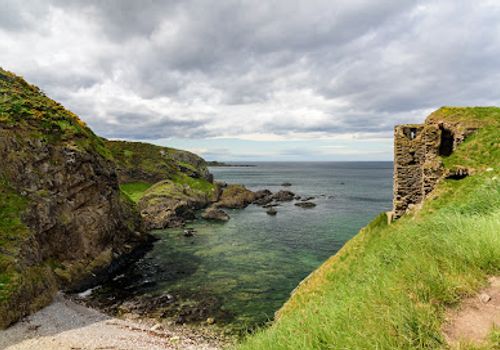
Perched atop a sheer 50-foot cliff overlooking the Moray Firth in Aberdeenshire, Findlater Castle is a striking medieval ruin with a history dating back to 1246. Once a formidable fortress involved in Norse invasions and 16th-century Scottish power struggles, the castle’s crumbling remains evoke centuries of turbulent history amid breathtaking coastal scenery.
Open 24 hoursTime to spend 1–3 hrs
-
Historical landmark4.8★145 reviews
Gardenstown Harbour Office
Gardenstown Harbour Office sits at the heart of the quaint fishing village of Gardenstown, Banff, Scotland. Founded in 1720, this historic harbour blends traditional fishing heritage with modern leisure boating. The tightly packed village, built on tiered layers facing the sea, offers stunning coastal views and a unique atmosphere where fishing boats and pleasure craft share the waters. The harbour remains a focal point for community life and maritime activity.
Open 24 hoursTime to spend 0.5–2 hrs
-
Bridge4.5★154 reviews
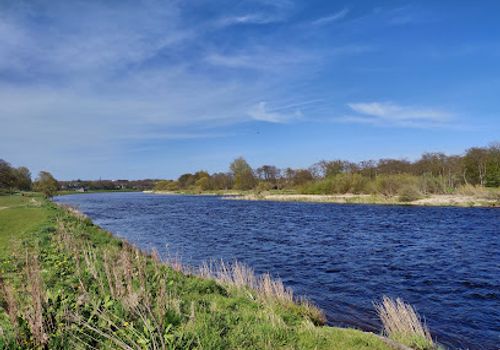
Bridge of Dee
The Bridge of Dee, constructed in the early 16th century and extensively rebuilt in the 18th and 19th centuries, is a historic stone bridge spanning the River Dee in Aberdeen. It marks the city’s southern boundary and carries the busy A92 road. Renowned for its seven semicircular granite arches, coats of arms, and narrow pedestrian path, the bridge blends centuries of history with functional modern use, offering scenic river views and a connection to key events like the 1639 battle during the Bishops’ Wars.
Open 24 hoursTime to spend 0.5–2 hrs
-
Memorial park4.7★142 reviews
Piper Alpha Memorial Garden
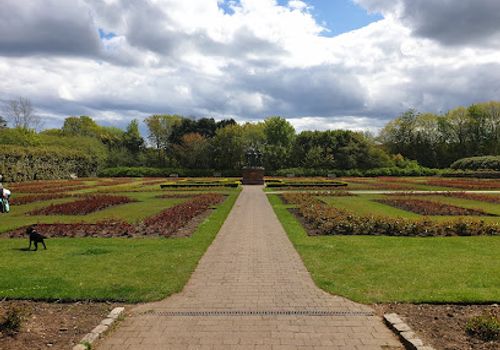
Nestled within Hazlehead Park in Aberdeen, the Piper Alpha Memorial Garden stands as a solemn tribute to the 167 lives lost in the world's deadliest offshore oil disaster on July 6-7, 1988. Featuring an iconic bronze sculpture by Scottish artist Sue Jane Taylor unveiled by the Queen Mother in 1991, the memorial garden offers a peaceful space for reflection among rose gardens. The sculpture depicts three oil workers in contemplative poses, with the central figure holding a pool of oil shaped like an unwinding spiral, symbolizing both the industry and eternal remembrance.
Open 24 hoursTime to spend 0.5–2 hrs
-
Historical place4.4★150 reviews
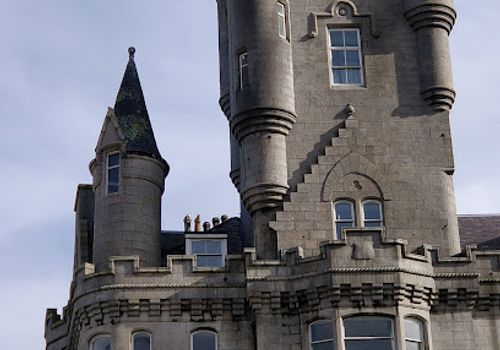
Marischal College
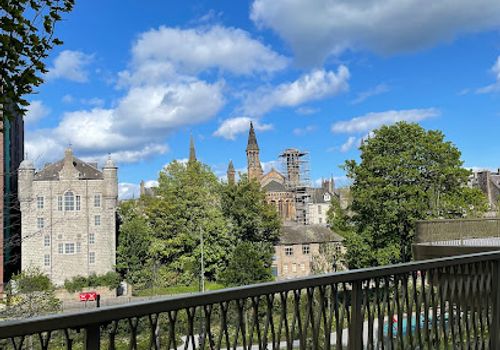
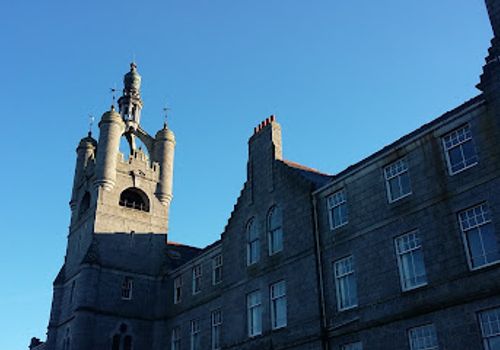
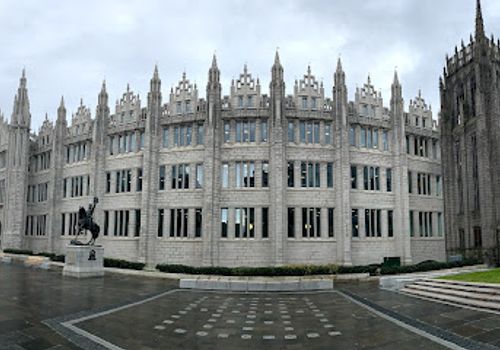
Marischal College is the world's second-largest granite building, located on Broad Street in Aberdeen's city centre. Founded in 1593 as a Protestant alternative to King's College, it merged with King's College in 1860 to form the University of Aberdeen. The current striking Neo-Gothic structure, completed in 1906, blends the austere perpendicular Gothic design of architect Archibald Simpson with the elaborate Neo-Gothic revival style of Alexander Marshall Mackenzie. Now serving as Aberdeen City Council headquarters since 2011, the building's meticulously restored silvery-grey granite façade showcases intricate carvings and a soaring spire visible across the city. The exterior remains freely accessible to visitors, making it an essential stop for those interested in Scottish architectural heritage and history.
Mon–Fri 9:00–17:00Time to spend 0.5–2 hrs
-
Cathedral4.5★127 reviews
Dornoch Cathedral
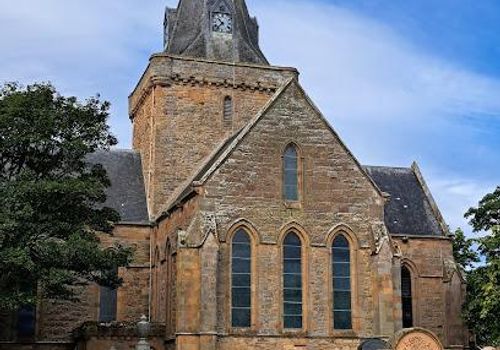
Scotland's most northerly mainland cathedral, Dornoch Cathedral is a 13th-century architectural gem set in the heart of the Highland town of Dornoch. Founded in 1224 by Bishop Gilbert de Moravia and first used in 1239, this cruciform stone structure showcases remarkable resilience through centuries of conflict, destruction, and restoration. Today, it serves as an active Church of Scotland parish church, welcoming visitors to admire its 27 stunning stained-glass windows, intricate woodwork, and peaceful interior. The cathedral's honey-coloured sandstone exterior and serene ambiance make it a compelling stop for history enthusiasts and those seeking spiritual reflection.
Daily 10:00–20:00Time to spend 0.5–1.5 hrs
-
Historical landmark4.6★110 reviews
Duke Of Sutherland Monument
The Duke of Sutherland Monument, locally known as 'The Mannie', is a towering 30-meter statue atop Ben Bhraggie hill near Golspie in the Scottish Highlands. Erected in 1837 to commemorate the first Duke of Sutherland, it stands as a prominent landmark visible for miles around, offering panoramic views of the surrounding landscape. The monument is entwined with the complex history of the Highland Clearances, reflecting both grandeur and controversy.
Open 24 hoursPrice level $Time to spend 1–2 hrs
-
Historical landmark4.4★107 reviews
Lady Hill
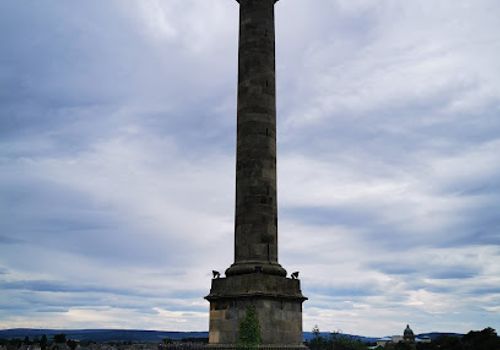
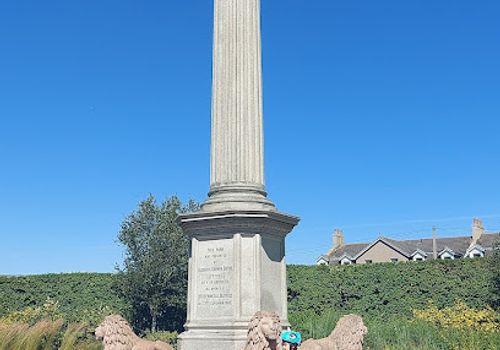
Lady Hill in Elgin is a historic site featuring the striking Duke of Gordon Monument, a tall Tuscan column topped with a statue of George Gordon, the 5th Duke of Gordon. The hill also holds the remains of a 12th-century royal castle, offering panoramic views over Elgin and its surrounding countryside. This site blends rich history with scenic landscapes, making it a notable landmark in Moray, Scotland.
Open 24 hoursTime to spend 0.5–2 hrs
-
Historical landmark4.2★112 reviews
Old Slains Castle (Not Dracula castle)
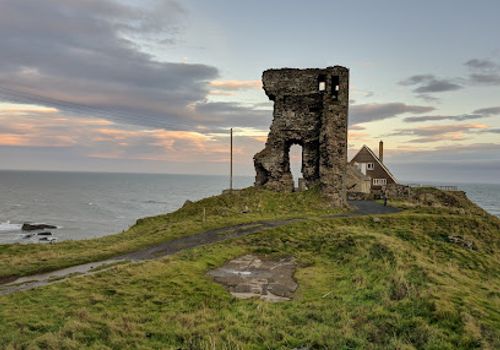
Old Slains Castle, located near Collieston in Aberdeenshire, Scotland, is the atmospheric ruin of a 13th-century fortress once owned by the Comyn family and later the Earls of Erroll. Destroyed in 1594 by order of King James VI due to the owners' involvement in a Catholic rebellion, only fragments of the original stronghold remain today. The site offers a glimpse into turbulent Scottish history and stands as a scheduled ancient monument overlooking the North Sea.
Open 24 hoursTime to spend 0.5–2 hrs
-
Bridge4.5★97 reviews
Dulsie Bridge
Spanning a narrow gorge over the River Findhorn near Nairn, Dulsie Bridge is an 18th-century stone arch bridge built in 1755 as part of a military road network. Standing some 18 meters above the riverbed, this historic crossing offers dramatic views of the wild river and surrounding Highland scenery. A small parking area and short trail provide easy access to safe viewpoints, making it a peaceful stop for history lovers and nature enthusiasts exploring the Scottish Highlands.
Time to spend 0.5–1.5 hrs
-
Tourist attraction4.5★97 reviews
Rait Castle
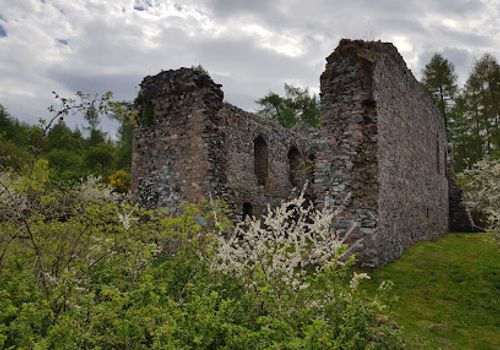
Rait Castle is a rare 13th-century hall-house ruin situated south of Nairn near Inverness, Scotland. This exceptional example of medieval masonry architecture features a distinctive round tower, thick granite walls, and gothic windows with red sandstone mullions. The castle carries a haunting legend of a handless ghost said to haunt its grounds, connected to a tragic 15th-century tale of feuding families and betrayal. Now a scheduled monument, the castle offers visitors a glimpse into Scotland's feudal past and architectural heritage.
Daily 10:00–17:00Time to spend 0.8–2 hrs
-
Bed & breakfast3.3★132 reviews
Rosemount Palace
Rosemount Palace is a distinctive bed and breakfast located in a converted church in central Aberdeen, Scotland. Offering a range of en-suite rooms from singles to executive suites, it features contemporary amenities such as flat-screen TVs and high-speed internet. While the accommodation provides a practical base for exploring the city, reviews note the need for updates and highlight a modest breakfast offering. Its unique setting and central location make it a notable, budget-friendly option in Aberdeen.
Price level $$Time to spend 1–3 hrs
-
Castle4.7★87 reviews
Dunnydeer Castle
Perched atop Dunnideer Hill near Insch in Aberdeenshire, this ruined tower house stands as Scotland's earliest authenticated example of its kind. Built around 1260 by the Balliol family, the castle ingeniously reused stone from a prehistoric vitrified hillfort dating to 250 BC. Today, visitors encounter a modest but historically profound ruin offering panoramic views across rolling farmland and the Shevock River valley. The 500-meter climb rewards with both archaeological significance and sweeping Highland vistas.
Open 24 hoursTime to spend 1–2.5 hrs
-
Market4.6★70 reviews
Rosemount Market
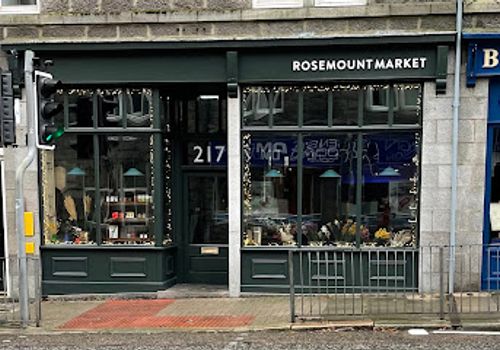
Rosemount Market in Aberdeen is a vibrant community-focused market offering sustainable, ethical grocery shopping with a wide range of locally sourced produce, zero-waste refillery options, and artisan goods. Located at 217-219 Rosemount Place, it blends fresh seasonal vegetables, baked goods, and specialty products with a commitment to supporting local artists and eco-friendly living.
Price level $$Time to spend 1–3 hrs
-
Historical landmark4.3★69 reviews
Banff Castle
Banff Castle, located in Banff, Scotland, is a historic site with origins dating back to the late 12th century as a motte-and-bailey fortress guarding against Viking invasions. It later evolved into a Georgian manor house in the 18th century, blending medieval roots with classical elegance. Today, it serves as a vibrant community center, event venue, and café, preserving centuries of local heritage and stories.
Price level $$Time to spend 1–3 hrs
-
Historical landmark4.5★65 reviews
Ardclach Bell Tower
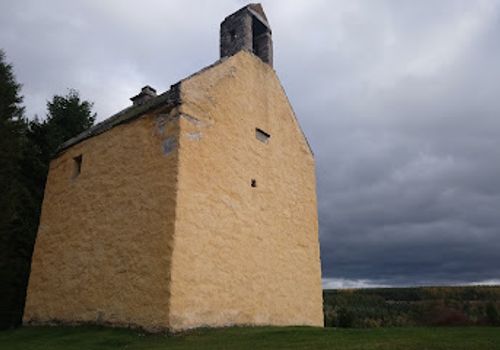
Ardclach Bell Tower, dating from 1655, is a distinctive fortified structure perched on a hill above the parish church of Ardclach in the Scottish Highlands. Originally built by Covenanter Alexander Brodie, it served as a watchtower, prison, and later a bell tower, offering panoramic views over the Findhorn valley. This remarkable historical landmark blends architectural oddity with rich local heritage in a tranquil rural setting.
Time to spend 1–2 hrs
-
Historical landmark4.4★65 reviews
Cairn of Get
A 5,000-year-old Neolithic chambered burial cairn set within an exceptionally rich prehistoric landscape near Lybster in the Scottish Highlands. Originally standing over 3 metres high with massive stone lintels, this well-preserved monument allows visitors to step inside the burial chamber and view the original portal stones and antechamber. First excavated in 1866, the cairn remains one of the finest examples of Orkney-Cromarty type architecture in northern Scotland, surrounded by hut circles, hill forts, and other ancient monuments.
Open 24 hoursTime to spend 1–2.5 hrs
-
Bed & breakfast4.6★60 reviews
Leanach Farm
Leanach Farm is a 4-star bed and breakfast nestled in the scenic Scottish Highlands near Inverness, offering luxurious accommodation on a working sheep farm. Guests enjoy comfortable rooms with modern amenities, hearty Scottish breakfasts with countryside views, and unique experiences like sheepdog demonstrations. Its rural setting provides peaceful surroundings while being close to historic sites such as Culloden Battlefield and Clava Cairns.
Price level $$Time to spend 1–3 hrs
-
Church4.4★59 reviews
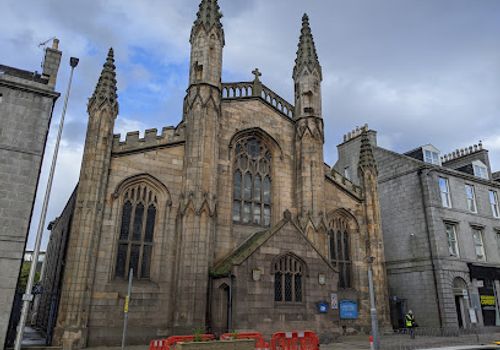
St. Andrew Cathedral Church, Aberdeen
St Andrew's Cathedral stands as the spiritual heart of the Scottish Episcopal Church in Aberdeen, serving as the seat of the Bishop of Aberdeen and Orkney. Originally opened in 1817 as a chapel, this Category A listed building was elevated to cathedral status in 1914. Designed by renowned architect Archibald Simpson in perpendicular Gothic style, the cathedral blends local granite with sandstone facades and features stunning interior embellishments including a gold-painted baldachino and ornate vaulted ceiling decorated with the arms of US states.
Daily 8:30–10:00, 12:00–14:00, 17:00–18:00Time to spend 0.8–2 hrs
-
Sculpture4.3★55 reviews
Duke Of Gordon Monument
The Duke of Gordon Monument in Aberdeen is a striking granite statue honoring George Gordon, the 5th and last Duke of Gordon. Originally erected in 1842 at Castlegate and relocated to Golden Square in 1952, this monument is notable for being the first granite statue in Britain carved from a single block. It depicts the Duke in military dress, symbolizing his distinguished military and civic roles, and stands as a significant historical landmark in the city.
Time to spend 0.5–1.5 hrs
-
Historical place4.2★41 reviews
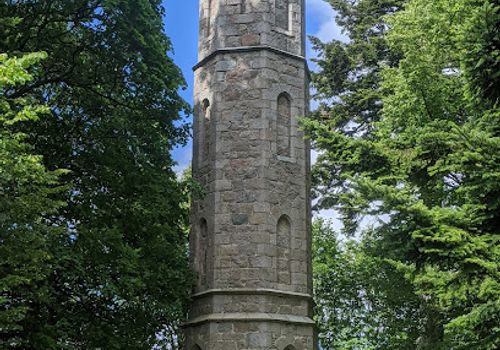
Keith's Tower
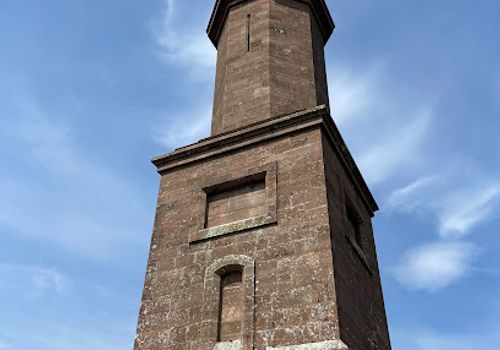
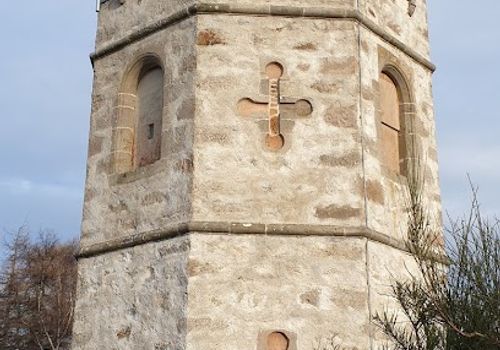
Keith's Tower is a castellated octagonal tower near Drumoak, Banchory, Scotland, built around 1824 by the Gordon family. Set amidst scenic countryside, it reflects 19th-century estate architecture and offers a glimpse into local heritage tied to the historic Keith lineage and estate improvements of the era.
Open 24 hoursTime to spend 0.5–2 hrs
-
Hotel4.2★39 reviews
Caithness Inn
Caithness Inn is a welcoming 4-star hotel located on High Street in the heart of Wick, Scotland. Known for its clean, spacious rooms and attentive service, the inn offers free WiFi, room service, and nearby parking. Just a short distance from Wick John O’Groats Airport and local attractions like Sinclair's Bay, it provides a convenient base for exploring the rugged beauty of Caithness and the wider Highlands region.
Price level $$Time to spend 1–3 hrs
-
Historical landmark4.2★32 reviews
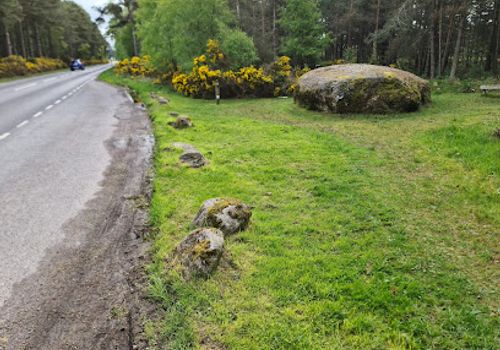
Cumberland Stone
A massive glacial boulder standing over 5 feet high near Culloden Moor, Cumberland Stone is steeped in Highland history and legend. According to local tradition, the Duke of Cumberland watched the brutal 1746 Battle of Culloden from atop this enormous conglomerate stone, making it a poignant landmark of Scotland's Jacobite past. Visitors can climb the stone via carved steps and experience a tangible connection to one of the most significant—and tragic—moments in Scottish history.
Open 24 hoursTime to spend 0.5–1.5 hrs
-
Historical landmark4.4★29 reviews
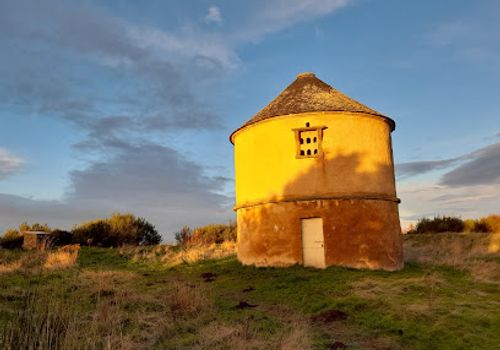
Boath Doocot
A perfectly preserved circular dovecote standing 7.5 metres tall on the edge of Auldearn village in the Scottish Highlands. Built in the late 17th century as part of the Boath Estate, this harled stone structure features six flight holes for pigeons and commands views over the plains where the Battle of Auldearn was fought in 1645. Maintained by the National Trust for Scotland, it offers a glimpse into rural agricultural heritage and 17th-century estate management.
Open 24 hoursTime to spend 0.5–1.5 hrs
-
Historical landmark4.5★28 reviews
Milton of Clava
Milton of Clava is a lesser-known part of the Clava Cairns prehistoric complex near Inverness, Scotland. This tranquil site features Bronze Age burial cairns and stone circles dating back over 4,000 years, set in a peaceful rural landscape near Culloden Moor. Visitors can explore standing stones and ancient passage graves, experiencing a mysterious atmosphere steeped in early Scottish history and archaeology.
Open 24 hoursPrice level $Time to spend 0.5–1.5 hrs
-
Historical landmark4.3★29 reviews
Tinker's Cave
Tinker's Cave, located on the southern shore of Wick Bay in Caithness, Scotland, is a historically significant site once inhabited by the 'tinkers'—itinerant tinsmiths and craftspeople who lived in coastal caves. This landmark offers a poignant glimpse into a marginalized community's lifestyle, crafts, and struggles during the 19th and early 20th centuries, reflecting a unique chapter of Scottish social and cultural history.
Open 24 hoursTime to spend 0.5–1.5 hrs
-
Historical landmark4.3★28 reviews
Soldiers Head
Soldiers Head is a striking historical landmark near Inverness, Scotland, known for its distinctive rock formation visible from the A9 road at the Slochd. It symbolizes Highland heritage and is reputedly a sign of true Highlander status. The site offers breathtaking views of the surrounding Highlands and holds cultural significance tied to Scotland’s military past.
Open 24 hoursTime to spend 0.5–1.5 hrs
-
Museum4.4★25 reviews
Blairs Museum
Blairs Museum, located near Aberdeen, offers a unique glimpse into Scotland’s Catholic history through an extensive collection of fine and decorative arts spanning over 500 years. Housed in the former national junior seminary, it preserves important religious artifacts and stories from Scottish Catholic communities. Currently closed and in transition to a new location, the museum’s collections remain accessible through world-class storage facilities and ongoing outreach.
Price level $$Time to spend 1–3 hrs
-
Sculpture4.5★21 reviews
Edward VII Statue
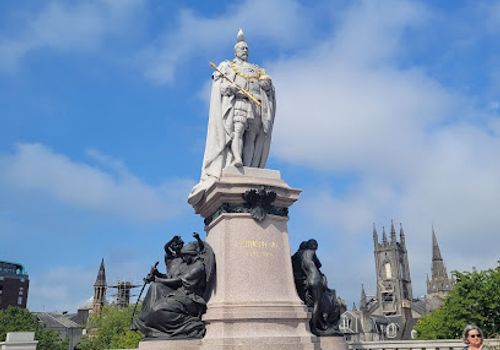
Standing proudly at the corner of Union Terrace and Union Street, Aberdeen’s Edward VII Statue is a striking granite and bronze monument to the British monarch. Designed by Alfred Drury and carved by James Philip, this elaborate sculpture shows King Edward VII in full ceremonial robes, holding a sceptre and orb. Below, a bronze frieze features symbolic figures of Britannia, St Andrew, and imperial unity, all set on a polished red Peterhead granite plinth. It’s a fine example of early 20th‑century civic sculpture in the heart of the Granite City.
Open 24 hoursTime to spend 15–30 min
-
Historical landmark4.7★18 reviews
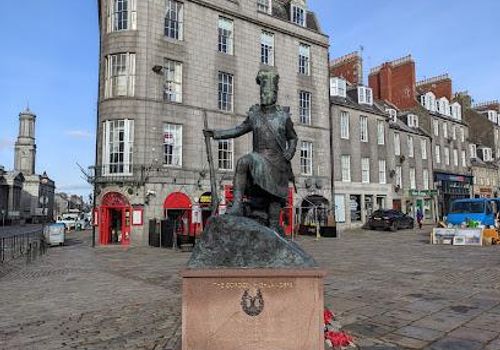
Gordon Highlanders Statue
The Gordon Highlanders Statue in Aberdeen is a striking bronze monument honoring the valor and heritage of the renowned Scottish regiment raised in 1794. Located at Castlegate, this evocative sculpture by Mark Richards features two soldiers in traditional Highland dress, symbolizing the regiment's storied history and sacrifices. It stands as a proud emblem of local and national military pride in the heart of Aberdeen.
Open 24 hoursTime to spend 0.2–1 hr
-
Castle4.1★18 reviews
Inchdrewer Castle
Perched on a rise overlooking Banff Bay in northeast Scotland, Inchdrewer Castle is a 16th-century tower house with a turbulent past. Once the seat of the Ogilvy Lords of Banff, it endured attacks by Covenanters and government troops, witnessed murder and fire, and later fell into romantic ruin. Though partially restored in the 1970s, it remains a haunting, atmospheric shell, now a Category A listed building standing amid golden fields with sweeping coastal views.
Time to spend 0.5–2 hrs
-
Historical landmark4.9★14 reviews
The Powis Gates
A striking pair of cylindrical towers with ornamental minarets and crescent finials, the Powis Gates stand at the entrance to Powis Lodge in Old Aberdeen. Built in 1834 by John Leslie using wealth derived from slavery compensation, these distinctive structures blend stone and harled brickwork with Turkish-inspired architectural elements. Now owned by the University of Aberdeen, the gates have been marked with a commemorative plaque recognizing their connection to the legacy of slavery in Scotland.
Time to spend 0.2–1 hr
-
Bridge4.8★11 reviews
Crathie, Suspension Bridge
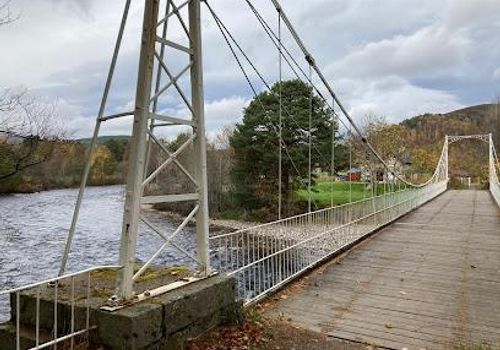
A pioneering 19th-century suspension bridge spanning the River Dee near Ballater, Crathie Suspension Bridge is a remarkable feat of early engineering designed by blacksmith John Justice Jr in 1834. Originally built to carry carriages across the river to Balmoral, this 42-metre span now welcomes pedestrians only. The bridge's innovative cable-stayed and suspension chain systems, combined with hidden transverse trusses, represent some of the earliest stayed bridge designs to survive intact in the UK and possibly the world.
Time to spend 0.5–2 hrs
-
Historical landmark4.9★9 reviews
Barra Hill
Barra Hill, near Inverurie in Aberdeenshire, Scotland, is a prominent ancient hillfort and historic battlefield site. Rising to about 193 meters, it offers panoramic views over fertile farming country and is steeped in rich history, including its role in the 1308 Battle of Inverurie where Robert the Bruce secured a decisive victory. The hill features visible earthworks, remnants of Iron Age occupation, and is surrounded by folklore and archaeological significance.
Open 24 hoursTime to spend 1–3 hrs
-
Historical landmark4.6★9 reviews
Greyfriars Church
Greyfriars Church stands as a testament to Aberdeen's religious and architectural heritage, occupying a site with roots stretching back to 1469. The current Victorian-era building, constructed in 1903, replaced its medieval predecessor and showcases the craftsmanship of its period. Located on Queen Street in the heart of Aberdeen's historic quarter, this landmark church reflects centuries of Scottish ecclesiastical history and remains an important cultural monument in the city's landscape.
Time to spend 0.5–1.5 hrs
-
Historical landmark4.1★10 reviews
Knock of Alves
The Knock of Alves is a small conical hill covered in woodland, located near Newton outside Elgin in Moray, Scotland. This historic landmark is notable for its ancient stone circle and connections to local heritage and legend, including traditional links to Macbeth and witches. Visitors can explore the tranquil natural setting and appreciate the cultural significance of this evocative site.
Open 24 hoursTime to spend 1–3 hrs
-
Historical landmark5.0★8 reviews
Nairn Fisherwife Statue
The Nairn Fisherwife Statue in Nairn, Scotland, honors the vital role of fisherwomen in the town’s historic fishing community. Unveiled in 2017, the statue depicts a local fisherwife carrying a basket of butter, eggs, and gutted fish, symbolizing the resilience and hard work of these women who supported the fishing industry during its peak in the late 19th century. Situated on 140 Harbour Street, it stands as a poignant tribute to Nairn’s maritime heritage.
Open 24 hoursTime to spend 0.5–1.5 hrs
-
Historical landmark4.3★9 reviews
Forbes of Newe Obelisk
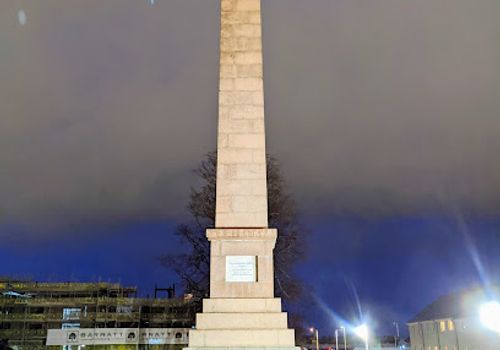
The Forbes of Newe Obelisk in Aberdeen, Scotland, commemorates Sir Charles Forbes, Baronet of Newe, renowned for his generous £10,000 donation towards the establishment of the Aberdeen Lunatic Asylum. This historic obelisk symbolizes the philanthropic spirit of the Forbes family and their longstanding connection to Aberdeenshire. Originally located elsewhere, it was moved and restored in the 19th century, standing as a testament to local heritage and mental health history.
Time to spend 0.2–1 hr
-
Historical landmark4.9★7 reviews
Thornton Castle
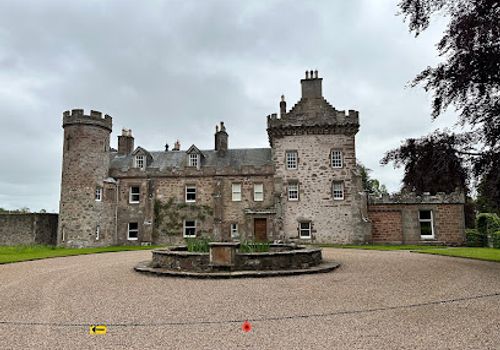
Thornton Castle is a 13th-century historic tower located near Laurencekirk in Aberdeenshire, Scotland. Nestled within a traditional family-run estate in the fertile Howe of the Mearns, the castle blends medieval architecture with modern comforts. Surrounded by tranquil rural landscapes and set in the foothills of the Highlands, it offers visitors a unique glimpse into Scottish heritage alongside charming bed and breakfast accommodations in the castle’s 16th-century tower.
Price level $$Time to spend 1–4 hrs
-
Historical place4.8★6 reviews
St. Peter's Kirk & Parish Cross
An atmospheric medieval church and graveyard in rural Moray, Scotland, anchored by one of the country's finest surviving medieval mercat crosses. Dating to at least 1190, St Peter's Kirk blends original medieval stonework with 18th-century Presbyterian modifications, offering visitors a tangible connection to eight centuries of Scottish ecclesiastical history and the turbulent Wars of Independence.
Daily 10:00–16:00Time to spend 0.8–2 hrs
-
Historical landmark4.1★7 reviews
Eden Castle
Eden Castle is a ruined 16th-century Z-plan tower house near Banff in Aberdeenshire, Scotland. Built by the Meldrum family around 1577 and later extended by the Leslies in the 1600s, this fortified residence overlooks a river confluence and represents a significant example of Scottish Renaissance architecture. Though partially demolished in 1712 and now in ruins, the castle remains a scheduled ancient monument and a striking reminder of the region's feudal heritage. Visible from the road and fenced for safety, it offers a glimpse into the defensive architecture and domestic life of the Scottish gentry.
Open 24 hoursTime to spend 0.5–2 hrs
-
Historical landmark4.1★7 reviews
Kincardine O'Neil Auld Kirk
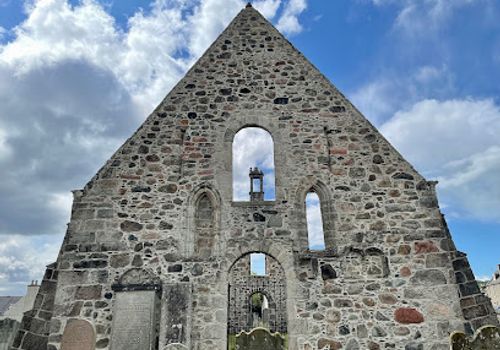
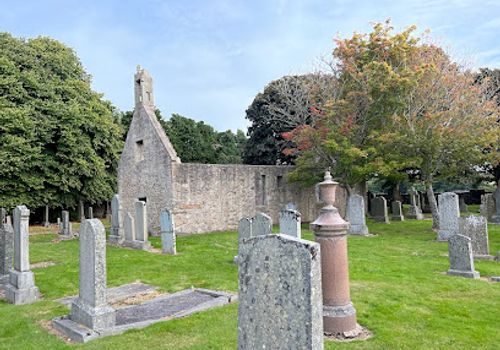
The Kincardine O'Neil Auld Kirk is a historic ruined church located in the village of Kincardine O'Neil, Aberdeenshire, Scotland. Dating back to the 14th century, it stands as a testament to medieval ecclesiastical architecture and local history. Once part of a hospital complex founded in the 13th century, the kirk is notable for its ancient stonework, original door arch, and bellcote. It is a Scheduled Ancient Monument, reflecting its national significance.
Open 24 hoursTime to spend 0.5–1.5 hrs
-
Museum4.7★6 reviews
Museum of Banff
The Museum of Banff, located on High Street in Banff, Scotland, offers a fascinating glimpse into the town’s rich history. Housed in a charming setting, the museum features local artifacts including the renowned Banff silver collection and displays on regional archaeology such as the Deskford carnyx. Free to enter, it is run by knowledgeable volunteers and provides an intimate, engaging experience for visitors interested in Scottish heritage.
Sat 10:30–13:00Time to spend 0.5–1 hr
-
Historical landmark4.8★5 reviews
McGrigor Memorial Obelisk
The McGrigor Memorial Obelisk, located in Aberdeen's scenic Duthie Park, is a striking granite monument honoring Sir James McGrigor, the pioneering Director-General of the Army Medical Department. Originally erected in 1851 at Marischal College, this polished pink granite obelisk was relocated to its current tranquil park setting in 1906. It stands as a testament to McGrigor's lasting impact on military medicine and Aberdeen’s rich heritage.
Open 24 hoursTime to spend 0.2–1 hr
-
Historical landmark4.4★5 reviews
The Kirk of St. Nicholas Colonnade
The Kirk of St Nicholas, known locally as the Mither Kirk or mother church, is Aberdeen's original parish church dating back to the 12th century. This historic landmark sits prominently on Union Street and represents over 900 years of Scottish religious, social, and cultural heritage. The building showcases a unique architectural blend, with the West Kirk constructed in Italian style between 1751–1755 and the East Kirk rebuilt in Gothic-revival style. Now managed by Scot-ART, a Scottish arts charity, the kirk features remarkable medieval elements, 17th-century woodwork, and contemporary art installations. Visitors can explore its rich history through guided tours and archaeological discoveries.
Open 24 hoursTime to spend 0.8–2.5 hrs
-
Historical landmark3.0★7 reviews
Rothes Castle
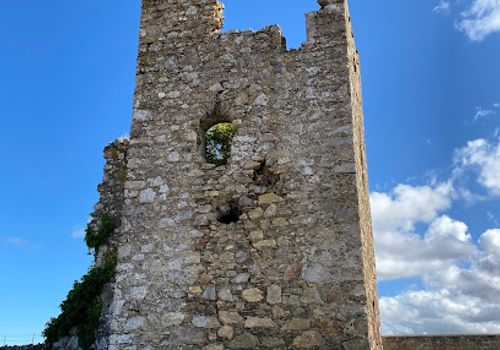
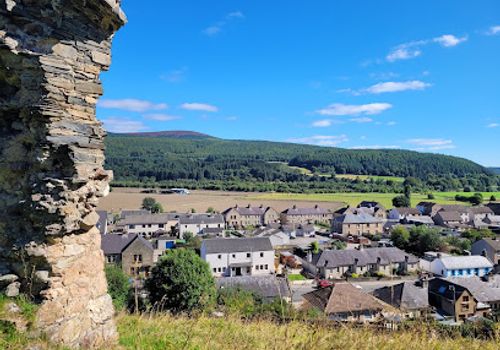
Rothes Castle, dating from around 1200, stands as a ruined but evocative fortress overlooking the village of Rothes in Moray, Scotland. Built by Peter de Pollok to control traffic along the Spey Valley, it witnessed sieges by Norwegian kings and royal visits, including Edward I in 1296. Though largely ruined, its massive outer wall remains a striking reminder of medieval power and local heritage.
Open 24 hoursTime to spend 0.5–1.5 hrs
-
Historical landmark5.0★4 reviews
Medieval Kirkyard of Banff
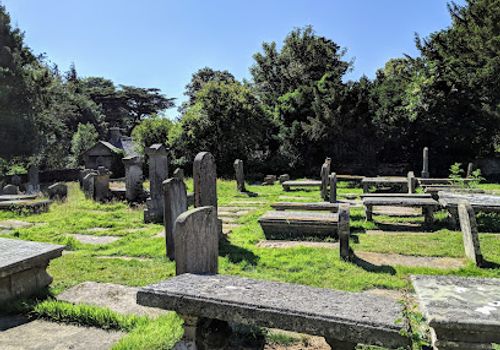
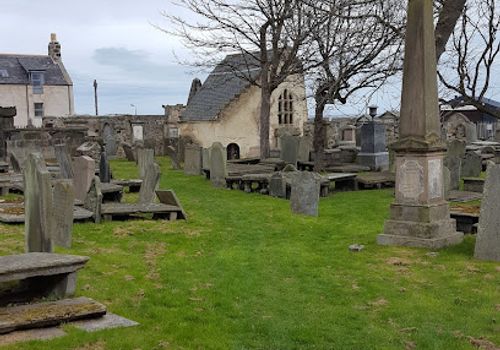
A haunting medieval burial ground in the heart of Banff, North-East Scotland, St Mary's Kirkyard preserves centuries of Scottish heritage through its remarkable collection of ornate tombstones and memorial art. Enclosed by low rubble walls and railings, this scheduled ancient monument features approximately 220 table-top and recumbent stones, many intricately carved with symbols of mortality and Renaissance artistry. The partially reconstructed 16th-century Banff Aisle—all that remains of the original 1471 kirk—stands as a poignant reminder of the town's spiritual past.
Time to spend 0.8–2 hrs
-
Historical landmark5.0★4 reviews
Dyce Standing Stones
Two remarkable Pictish stones stand within an enclosure at the ruined kirk of St Fergus in Dyce, near Aberdeen. The older granite symbol stone dates to around AD 600 and features a swimming beast above mysterious symbols, while the later cross-slab from after AD 700 displays intricate interlace carvings and a rare ogham inscription. Together, these stones offer a window into Pictish life and the cultural shift from paganism to Christianity.
Open 24 hoursTime to spend 0.5–1.5 hrs
-
Tourist attraction4.5★4 reviews
The Stairs Leading to Bridge Street
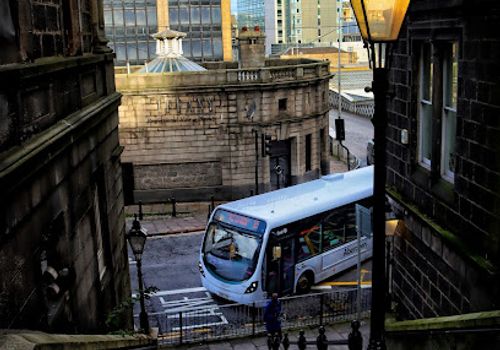
A historic granite staircase connecting Crown Terrace to Bridge Street in Aberdeen's city center. Built in 1878 as part of a major urban improvement scheme, these iconic steps provide a dramatic ascent through one of Scotland's most architecturally significant neighborhoods. The stairs link the upper and lower levels of the city, offering pedestrians a direct route between two important thoroughfares while revealing layers of Victorian-era urban planning and engineering.
Open 24 hoursTime to spend 0.2–1 hr
-
Historical landmark5.0★3 reviews
Robert Burns Family Memorial Cairn
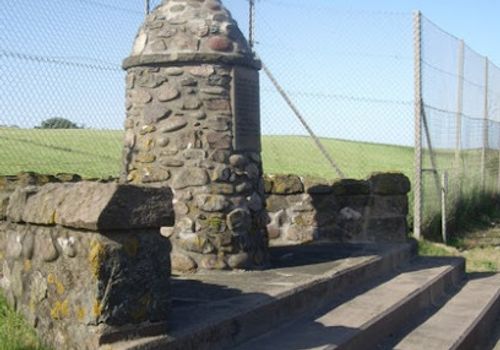
The Robert Burns Family Memorial Cairn in Stonehaven commemorates the ancestral roots of Scotland’s national poet, Robert Burns. Situated near the lands where his forebears farmed, the cairn honors the deep connection between Burns and the Mearns region, offering visitors a reflective historical landmark amidst scenic surroundings.
Open 24 hoursTime to spend 0.5–1.5 hrs
-
Sculpture4.7★3 reviews
Queen Victoria Statue
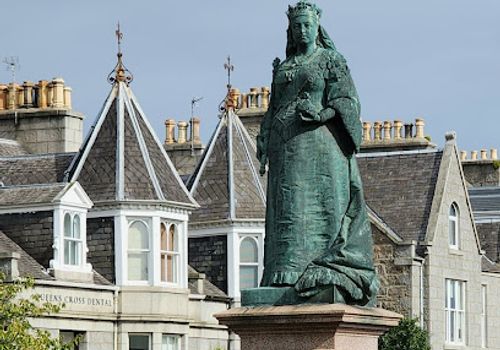
A striking bronze statue of Queen Victoria stands at the heart of Aberdeen's West End, marking the beginning of one of Scotland's most elegant neighborhoods. Originally sculpted in marble by Alexander Brodie in 1866, this iconic monument was replaced by Charles Birch's bronze version in 1964 and relocated to its present position at Queen's Cross roundabout. The statue faces west toward Balmoral, the Queen's Scottish residence, and remains a beloved landmark celebrating Aberdeen's deep historical connection to the British monarchy.
Time to spend 0.2–1.5 hrs
-
Historical landmark4.7★3 reviews
Boswell's Monument
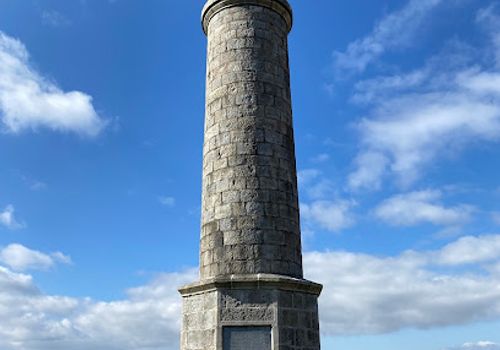
Perched on the hill of Auchlee in Portlethen, near Aberdeen, Boswell's Monument stands as a striking historical landmark commemorating local heritage. This stone monument offers panoramic views across the Aberdeenshire landscape and serves as a testament to the area's rich past. The site is easily accessible and provides a peaceful vantage point for visitors exploring the region's history and natural surroundings.
Time to spend 0.5–2 hrs
-
Bridge4.7★3 reviews
Culloden Viaduct
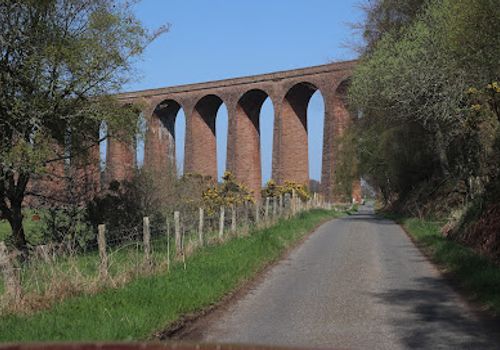
The Culloden Viaduct, also known as the Nairn or Clava Viaduct, is Scotland’s longest masonry railway viaduct, stretching 549 meters with 29 elegant arches. Designed by Murdoch Paterson and opened in 1898, it carries the Highland Main Line over the scenic River Nairn valley east of Inverness. This Category A listed structure is a testament to Victorian engineering and remains a vital rail link, offering striking views near the historic Culloden Battlefield.
Time to spend 0.5–1.5 hrs
-
Historical landmark3.7★3 reviews
Balquhain Stone Circle
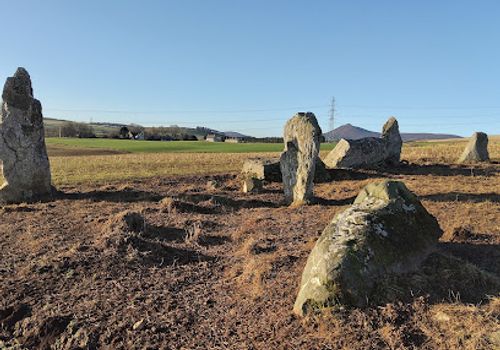
Balquhain Stone Circle is a significant Neolithic recumbent stone circle located near Inverurie in Aberdeenshire, Scotland. Though only four stones remain standing, it is part of a rare group of stone circles unique to northeast Scotland, featuring a large horizontal recumbent stone flanked by upright stones. This ancient monument offers insight into prehistoric ritual and burial practices and commands views towards Mither Tap, a nearby distinctive hill.
Time to spend 0.5–1.5 hrs
-
Historical landmark4.0★2 reviews
Monument to Harriet, Duchess of Sutherland
The Monument to Harriet, Duchess of Sutherland, located in Golspie, Scotland, commemorates the influential 19th-century political hostess and social reformer. Laid by Queen Victoria in 1872, this historic landmark honors Harriet's legacy in championing liberal causes and her lasting impact on the region’s social progress. The monument stands as a dignified tribute amidst the scenic Highland surroundings, reflecting both her prominence and the complex history of the Sutherland estate.
Open 24 hoursTime to spend 0.5–1.5 hrs
-
Historical landmark5.0★1 review
Duff House Fishing Temple
Nestled on an island in the River Deveron near Duff House in Aberdeenshire, the Duff House Fishing Temple is an elegant 18th-century neoclassical structure. Originally commissioned by Lord Braco in 1741 and designed by William Adam, this two-story fishing temple offers a tranquil historic setting surrounded by water and lush greenery. Though once dilapidated, it has been preserved as a unique landmark reflecting Scotland’s aristocratic leisure culture and estate landscaping traditions.
Time to spend 0.5–1.5 hrs
-
Historical landmark5.0★1 review
Durn Hill - Iron Age Fort
Durn Hill is an Iron Age fort perched atop a prominent rounded hill near Banff, Scotland. This historical landmark features a large enclosure with three roughly concentric defensive ramparts, offering visitors panoramic views of the surrounding landscape. The site reveals evidence of ancient occupation dating back to the Iron Age, making it a captivating destination for history enthusiasts and nature lovers alike.
Time to spend 1–2.5 hrs
-
Historical landmark5.0★1 review
Gallows Hill
Gallows Hill in Aberdeen, located on Erroll Street, is a historic site where public executions took place from the 14th century until 1776. Once a place of grim justice, it witnessed the last hanging of Alexander Morison in a brutal execution that drew a large crowd despite harsh weather. Today, the hill sits near modern housing and a football stadium, but its dark past remains palpable in the atmosphere and local lore.
Time to spend 0.5–1.5 hrs
-
Historical landmark4.0★1 review
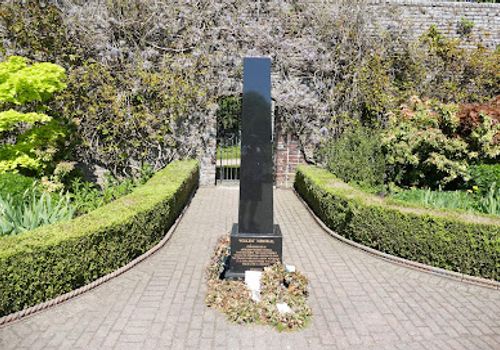
Workers' Memorial
The Workers' Memorial in Persley Walled Garden, Aberdeen, is a solemn granite obelisk dedicated to those who lost their lives in industry. Situated within the tranquil and historic Persley Walled Garden, the memorial stands as a poignant tribute amidst beautifully restored gardens that once belonged to Woodside House. It reflects Aberdeen’s industrial heritage and honors the sacrifices of local workers.
Time to spend 0.5–1.5 hrs
-
Historical landmark1.0★1 review
Aedie's House site
On Aberdeen’s historic Green, the site of Aedie’s House marks the footprint of a 16th‑century townhouse once home to the prominent Ædie family. Though the building was demolished in 1914, its memory lives on in local history, street names, and carved stonework. The location offers a quiet, reflective spot in the heart of the city, where medieval and early modern Aberdeen once thrived. It’s a subtle but evocative landmark for those interested in the city’s architectural and social past.
Time to spend 0.2–1 hr
-
Cultural landmark
The Plainstones (Center of Banff, UK)
The Plainstones in Banff, UK, is a historic cultural landmark featuring centuries-old carvings, heraldic symbols, and remnants of Banff’s rich past. Located in the town centre, it includes the notable Stuart Royal Arms and the carving of Our Lady of Banff, reflecting the town’s deep connections to Scottish monarchy, religion, and local heritage. The site evokes Banff’s evolution from a medieval stronghold to a vibrant coastal community.
Time to spend 0.5–1.5 hrs
-
Cultural landmark
Asliesk Castle (remains)
Asliesk Castle, a late 16th-century stone L-plan tower house located near Elgin in Moray, Scotland, offers visitors a glimpse into Scotland's turbulent past. Though largely in ruins and covered in ivy, the remains of its west wing reveal historic stonework and heraldic carvings once belonging to the Innes or Brodie families. Set amidst scenic woods and rolling landscapes, the site evokes stories of noble lineages, shifting ownership, and nearby legendary lore.
Time to spend 0.5–1.5 hrs
-
Historical landmark
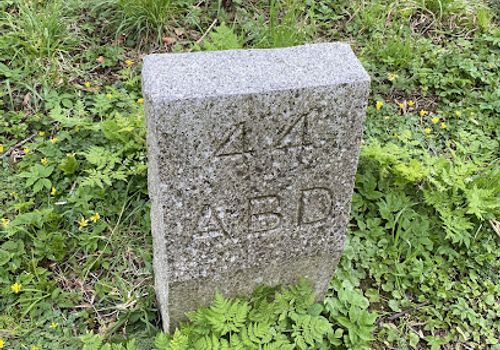
Stone 45
Stone 45 is a historical landmark located in Bucksburn, Aberdeen, Scotland. Situated at Newton Croft on Howes Road, this site represents an important piece of Aberdeen's rich heritage and architectural history. The landmark offers visitors a glimpse into the region's past and serves as a notable point of interest for those exploring the local area. Its historical significance makes it a worthwhile stop for heritage enthusiasts and those interested in understanding Aberdeen's cultural landscape.
Time to spend 0.2–1 hr
-
Historical landmark
Edward VIII Post Box
The Edward VIII Post Box at 2 Desswood Place, Aberdeen, is a rare historical landmark featuring the royal cipher of King Edward VIII, who reigned briefly in 1936 before abdicating. This distinctive pillar box is one of only 271 produced during his short reign, making it a unique piece of British postal history and a tangible reminder of a monarch whose legacy is marked by brevity and intrigue.
Open 24 hoursTime to spend 15–30 min
-
Castlegate
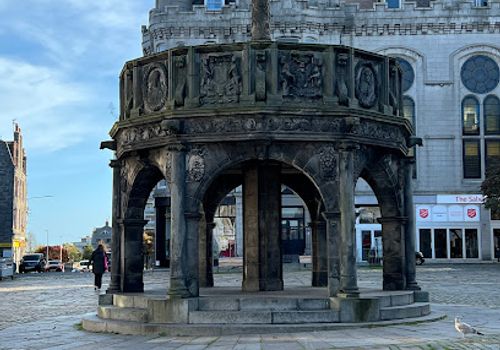
Castlegate is Aberdeen's historic heart, a vibrant public square anchoring centuries of Scottish heritage. Dominated by the Tolbooth—the city's oldest surviving building—and the iconic Castlegate Mannie fountain, this atmospheric plaza marks the convergence of Union Street and Castle Street. Once the site of medieval castle gates destroyed in 1308, the square now hosts the 1686 Mercat Cross and nearby Provost Skene's House museum, creating a living archive of Aberdeen's architectural evolution and urban identity.
Time to spend 0.8–2.5 hrs
-
Historical landmark
Balnagask Motte
Balnagask Motte is a Scheduled Ancient Monument in Aberdeen's Torry district, representing the earthen foundations of an early medieval wooden castle. This artificial mound, possibly associated with 13th-century figure Cormac de Nugg, stands as a rare surviving example of Norman-influenced fortification in northeast Scotland. Though never formally excavated, the site offers insight into medieval settlement patterns and defensive architecture in the region.
Time to spend 0.2–1 hr














Explore Labyrinth on the map
A handpicked selection of must-see spots near Labyrinth, mapped for you.
More about Labyrinth

More to explore near Labyrinth

 Best experiences near Labyrinth
 Best hotels near Labyrinth
 Best attractions near Labyrinth
 Best shops near Labyrinth
 Best bars near Labyrinth
 Best restaurants near Labyrinth
Explore more

Getting your guide ready…
We are putting together a fresh copy of the Labyrinth guide. This can take up to a minute.
This can take a few moments. If your browser asks, choose Allow so the download can start. You'll find the guide in your Downloads folder.
Nothing happened? Download it again
Sorry, the guide is taking longer than usual. Please try again in a minute, or get it by email instead.