Best Landmarks Near Queens' College (Cambridge)
Planning a trip to Queens' College? Discover the best landmarks nearby with history, expert tips, and routes. Free on web or the Evendo app.


The best landmarks near Queens' College
- Top rated
- Closest to Queens' College
- Price level: low to high
- Time to spend: shortest first
- A–Z
86 landmarks
-
Market4.6★124,757 reviews
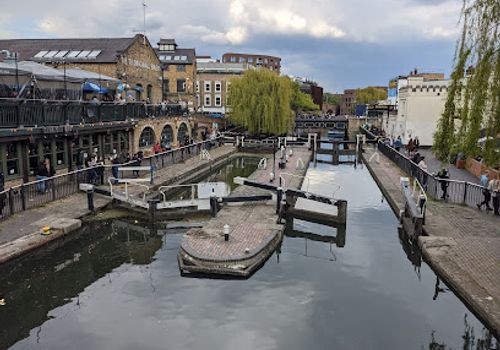
Camden Market
Camden Market in London is a vibrant, eclectic marketplace known for its unique blend of vintage fashion, handmade crafts, global street food, and lively atmosphere. Open daily from 10am to 6pm, it offers visitors a labyrinth of stalls, independent shops, and food halls spread across historic sites like Camden Lock and Stables Market. The market is a cultural melting pot, attracting locals and tourists alike with its rich diversity and constant buzz of activity.
Daily 10:00–18:00Price level $$Time to spend 2–5 hrs
-
Mosque4.8★5,480 reviews
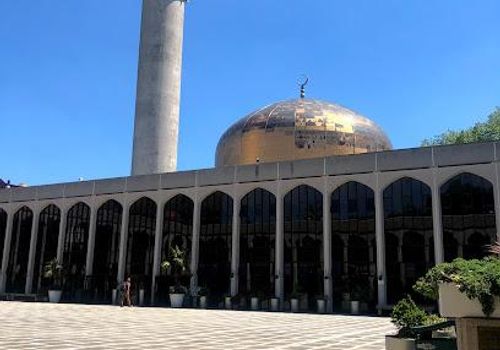
London Central Mosque
Established in 1977, the London Central Mosque stands as a prominent Islamic cultural and spiritual hub in the heart of London's St John's Wood neighbourhood. This architecturally distinctive mosque serves as the headquarters of the Islamic Cultural Centre and welcomes visitors of all backgrounds to explore Islamic heritage, attend prayers, and participate in educational programmes. With its elegant minaret and welcoming community atmosphere, it remains one of the UK's most significant Islamic institutions.
Daily 10:00–21:00Time to spend 1–3 hrs
-
Church4.7★1,752 reviews
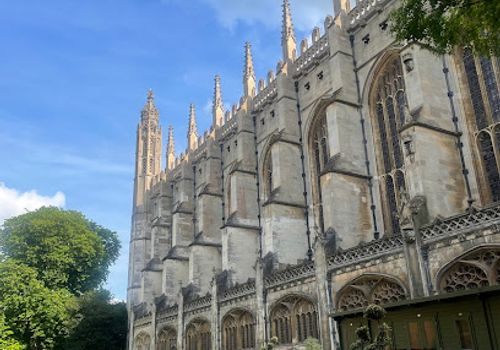
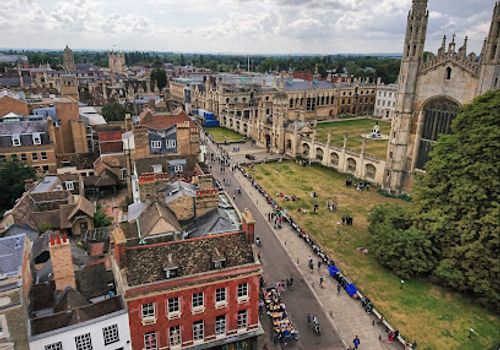
King's College Chapel
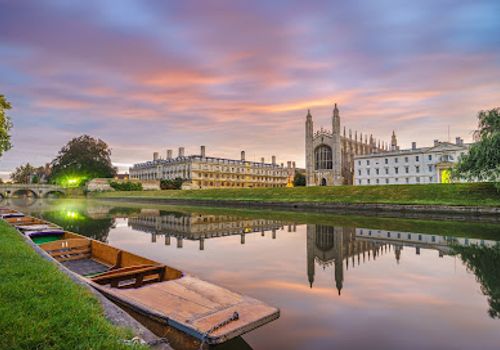
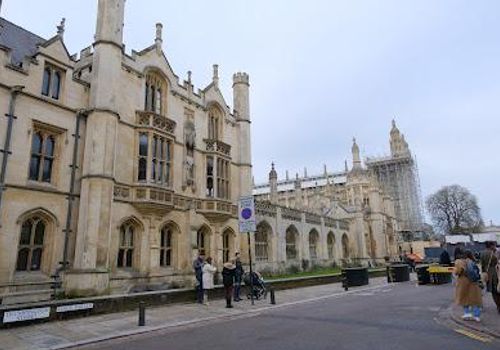
King's College Chapel occupies a prominent position on King's Parade in central Cambridge. Built in the Perpendicular Gothic style, the chapel features a vast fan-vaulted ceiling and large stained-glass windows that dominate the interior. It functions both as an active place of worship and a focal point for visitors exploring the university city. The space remains cool and dimly lit even on bright days, with sound from the famous choir occasionally audible during rehearsals or services.
Mon–Fri 9:30–15:15 · Sat 9:30–14:45Time to spend 0.5–1.5 hrs
-
Castle4.7★1,355 reviews
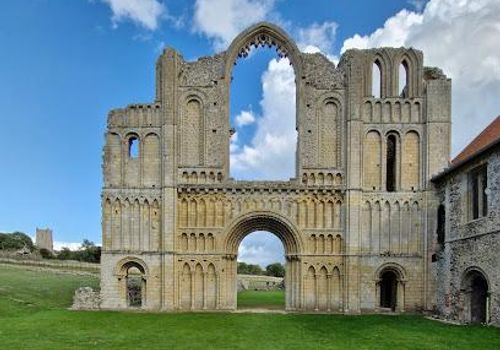
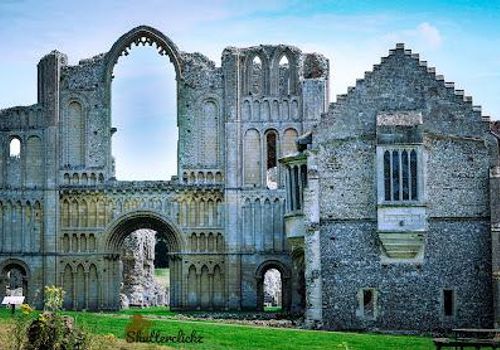
Castle Acre Priory
Castle Acre Priory, founded in 1089 by William de Warenne, stands as one of England's finest preserved monastic ruins. Explore the dramatic west front, cloister remains, prior's lodgings, and herb garden in this Cluniac site that thrived for over 450 years until the Dissolution in 1537. Managed by English Heritage, it offers interactive exhibits, family trails, and picnic spots amid serene Norfolk countryside.
Sat–Sun 10:00–16:00Price level $$Time to spend 1–3 hrs
-
Anglican church4.6★1,383 reviews
Great St Mary's
Great St Mary's stands at the north end of King's Parade on Senate House Hill, serving as Cambridge's official University Church and the fixed point from which all distances to the city are measured. The Grade I listed Perpendicular Gothic building dates mainly from 1478 to 1608 and contains the original Cambridge Quarters clock chimes. Visitors can explore the free nave with its galleries, organs and memorials before paying to climb the 123-step tower for 360-degree views over the college rooftops and King's College Chapel. The site remains an active parish church with services, concerts and bell-ringing alongside tourist access.
Mon–Sat 10:00–17:30 · Sun 12:00–17:00Price level $$Time to spend 0.3–2 hrs
-
Tourist attraction4.6★1,253 reviews
Castle Acre
Castle Acre Castle, built soon after the Norman Conquest in the 1070s by William de Warenne, Earl of Surrey, stands as a striking motte-and-bailey ruin overlooking the River Nar and Peddars Way. Explore massive earthworks, stone gatehouses, and remnants of a once-grand keep amid the picturesque village of Castle Acre in Norfolk. Free access to these impressive medieval defences offers a glimpse into 11th-century Norman power. Nearby priory ruins add to the historical depth. Ideal for history enthusiasts seeking atmospheric ruins in a serene rural setting.
Daily 0:00–24:00Time to spend 0.5–2 hrs
-
Hotel3.6★1,356 reviews
Travelodge London Central Liverpool Street
Travelodge London Central Liverpool Street is a budget-friendly hotel located in the heart of East London, close to Liverpool Street station and iconic landmarks like Old Spitalfields Market and the Tower of London. Offering basic yet functional rooms with comfortable beds, an on-site bar and restaurant, and convenient transport links, it caters to travelers seeking affordable accommodation with easy access to London’s major attractions.
Price level $$Time to spend 1–3 hrs
-
Castle4.5★1,058 reviews
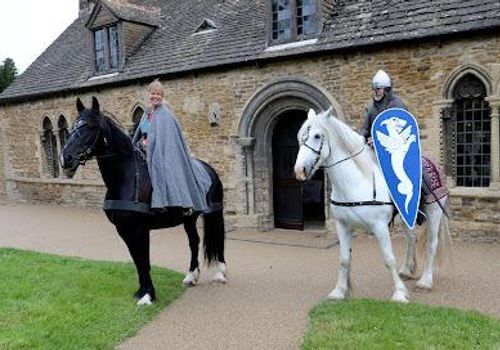
Oakham Castle
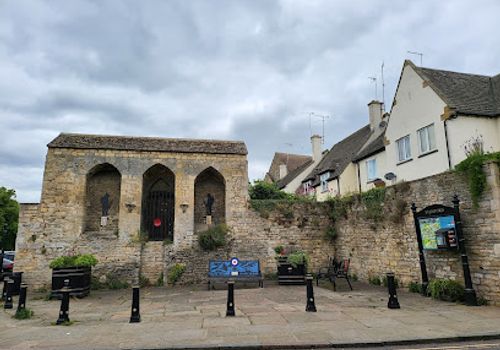
Oakham Castle is one of England's finest surviving examples of Norman domestic architecture, built between 1180 and 1190. The Great Hall stands as the centerpiece of this historic site, famous for its extraordinary collection of over 240 gilded horseshoes donated by royalty and nobility over nearly 850 years. Free admission welcomes visitors to explore 12th-century sculptures, intricate stonework, and centuries of judicial history. Located in the heart of Oakham's Market Place, the castle grounds offer a peaceful setting with a café and sensory garden.
Mon 10:00–16:00 · Wed–Sat 10:00–16:00Time to spend 1–2.5 hrs
-
Restaurant4.1★1,078 reviews
The George
Steeped in centuries of history, The George in Huntingdon is a classic British coaching inn turned pub and hotel, standing proudly on George Street in the heart of the historic market town. With its traditional pub atmosphere, hearty food, and links to figures like Oliver Cromwell, it offers a warm, no-frills experience for visitors exploring Cambridgeshire. The inn’s courtyard once hosted open-air Shakespeare performances, adding a touch of cultural charm to its long-standing role as a local hub for food, drink, and conversation.
Daily 7:00–23:00Price level $$Time to spend 1–4 hrs
-
Notable street4.6★924 reviews
Brick Ln
Brick Lane is a vibrant cultural artery in East London's Shoreditch, stretching from Bethnal Green to Whitechapel. Once a brick-making hub and textile centre, it has evolved into a dynamic neighbourhood celebrated for its ever-changing street art murals, diverse communities, and renowned Bengali curry houses. The street's layered history—from Huguenot silk weavers to Jewish immigrants to the thriving Bangladeshi community—is visible in its architecture, businesses, and public spaces. Today, Brick Lane pulses with creative energy, offering visitors an authentic East London experience blending heritage, contemporary art, and multicultural cuisine.
Time to spend 1.5–4 hrs
-
Mosque4.7★875 reviews
Brick Lane Mosque
A remarkable mosque at the heart of London's East End, Brick Lane Jamme Masjid stands as a living chronicle of immigrant communities spanning nearly three centuries. Originally built in 1743 as a French Huguenot chapel, the building has served successive waves of religious communities—Protestant, Jewish, and now Muslim—making it an architectural embodiment of London's multicultural heritage. Today, it serves the Bangladeshi Muslim community and remains a vital spiritual and cultural hub in Spitalfields.
Time to spend 0.5–2 hrs
-
Historical landmark4.5★872 reviews
Guildhall
Guildhall, located at 71 Basinghall Street in London’s historic financial district, is a medieval civic building dating back to the early 15th century. It serves as the ceremonial and administrative center of the City of London Corporation, featuring the grand Great Hall, medieval crypts, and the Guildhall Art Gallery with a Roman amphitheatre beneath. Guildhall is a symbol of London's rich history, hosting state events, trials, and civic ceremonies for centuries.
Daily 10:30–16:00Price level $$Time to spend 1–2.5 hrs
-
Anglican church4.8★767 reviews
St Bartholomew the Great
London's oldest surviving parish church, founded in 1123 as an Augustinian priory by Rahere, a courtier of Henry I. Located in Smithfield, this medieval gem has witnessed nearly 900 years of English history, from royal patronage and miraculous healings to the Reformation and the Great Fire of London. Today, it remains an active parish church with stunning Norman and Gothic architecture, housing precious artifacts including a 1405 font and the tomb of its founder.
Mon–Sat 10:00–17:00 · Sun 8:30–18:30Time to spend 0.8–2.5 hrs
-
Hotel4.2★858 reviews
Premier Inn London Elstree / Borehamwood hotel
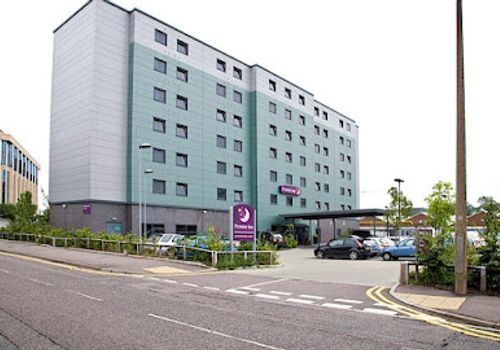
Premier Inn London Elstree / Borehamwood is a well-appointed 3-star hotel located on Warwick Road in Borehamwood, just north of London. Offering spacious, air-conditioned rooms with blackout curtains and powerful showers, it caters to both leisure and business travelers. The hotel features an on-site restaurant serving a variety of meals, free Wi-Fi, and accessible facilities. Its prime location provides easy access to Elstree Studios, Harry Potter Warner Bros. Studio Tour, and transport links to central London and nearby airports.
Price level $$Time to spend 1–2 hrs
-
Bridge4.6★688 reviews
Bridge of Sighs
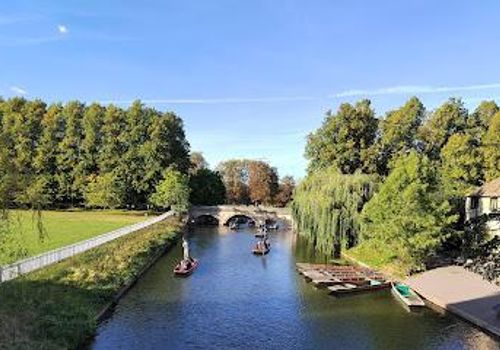
The Bridge of Sighs at St John's College spans the River Cam in central Cambridge. This enclosed bridge links college buildings and operates daily from 10:00 to 17:00. Visitors approach via St John's Street and observe the structure from ground level or the riverbank. The site forms part of the college grounds with limited public access during opening hours.
Daily 10:00–17:00Time to spend 15–45 min
-
Town Hall4.4★678 reviews
City Hall
City Hall in London, located on Kamal Chunchie Way near the Royal Docks, serves as the headquarters for the Mayor of London, the London Assembly, and the Greater London Authority. This striking, modern building is renowned for its sustainable design, featuring an oval shape that enhances energy efficiency. Visitors can explore parts of the building during opening hours, enjoy panoramic views from the café overlooking the Royal Docks, and attend public meetings in the Chamber. City Hall combines civic engagement with architectural innovation in East London’s vibrant waterfront.
Mon–Thu 8:30–18:00 · Fri 8:30–17:30Time to spend 0.5–2 hrs
-
Cathedral4.6★625 reviews
Chelmsford Cathedral
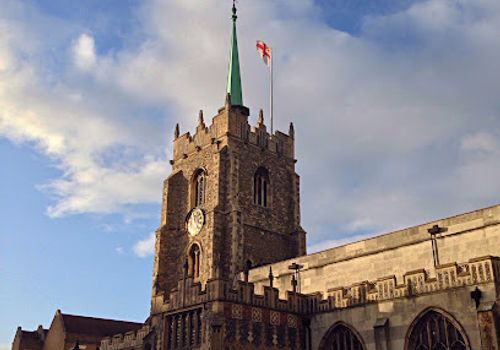
A welcoming 11th-century cathedral at the heart of Chelmsford's city centre, offering a serene sanctuary for worship, reflection, and cultural enrichment. Free entry with donations welcomed. The cathedral features beautiful stained-glass windows, a peaceful Chapel of St Peter, and hosts regular lunchtime music recitals and concerts throughout the year. Located just five minutes from bus and railway stations, it provides an accessible spiritual retreat amid the bustling city.
Mon–Sat 7:30–18:00 · Sun 7:30–17:00Time to spend 0.5–3 hrs
-
Historical landmark4.5★572 reviews
Roman Wall of St Albans
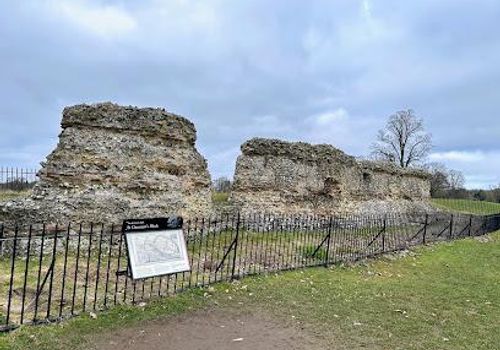
The Roman Wall of St Albans is a remarkable remnant of the ancient Roman city of Verulamium, built between AD 265 and 270 to protect one of Roman Britain's largest towns. Stretching over two miles, the wall once stood five metres tall, enclosing a prosperous city with public baths, a basilica, and a theatre. Today, visitors can trace much of the wall’s circuit in Verulamium Park, where remains of towers, bastions, and the London Gate still stand, offering a vivid glimpse into Roman Britain's rich history.
Open 24 hoursTime to spend 1–3 hrs
-
Pub4.2★547 reviews
The Grantchester Green Man
Nestled in the heart of Grantchester village near Cambridge, The Grantchester Green Man is a celebrated gastro pub known for its superb British cuisine, welcoming atmosphere, and charming garden terrace. This historic pub combines rustic charm with modern culinary flair, offering a perfect spot for hearty roasts, refreshing drinks, and peaceful outdoor dining in a quintessential English setting.
Daily 11:00–23:00Price level $$Time to spend 1–3 hrs
-
Evangelical church4.7★431 reviews
St Helen's Church, Bishopsgate
One of London's finest surviving medieval churches, St Helen's Bishopsgate stands as a testament to over 800 years of history in the heart of the City. Its distinctive dual-nave architecture reflects its unique past as both a parish church and adjacent Benedictine nunnery. Beautifully restored after IRA bomb damage in the 1990s, the church now welcomes visitors to explore its remarkable collection of funerary monuments and experience its vibrant evangelical ministry.
Time to spend 0.8–2 hrs
-
Historical landmark4.6★295 reviews
The Clock Tower
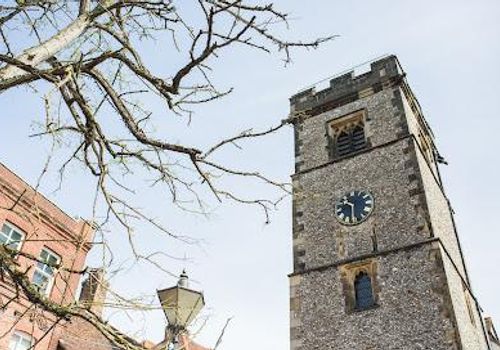
The Clock Tower in St Albans, built between 1403 and 1412, is England’s only surviving medieval town belfry. Erected by the townspeople as a bold statement of independence from the powerful Abbey, it served as a curfew bell, lookout, and alarm during historic conflicts. Visitors can climb its 93 narrow steps to explore five floors showcasing centuries of history, including a Victorian clock and a one-ton bell, while enjoying panoramic views over St Albans and the ancient Roman city of Verulamium.
Price level $Time to spend 0.5–2 hrs
-
Church4.4★296 reviews
St Pancras New Church
St Pancras New Church, located on Euston Road in London, is a striking example of Greek Revival architecture built between 1819 and 1822. Inspired by ancient Athens, it features Ionic columns, terracotta caryatids modeled after the Erechtheum, and a tower influenced by the Tower of the Winds. This Grade I listed Anglican church offers rich historical significance, architectural grandeur, and serves as a vibrant cultural venue today.
Mon–Sat 11:00–14:00 · Sun 9:30–14:00Time to spend 0.5–2 hrs
-
Hostel4.2★290 reviews
St Christopher's Inn Liverpool Street
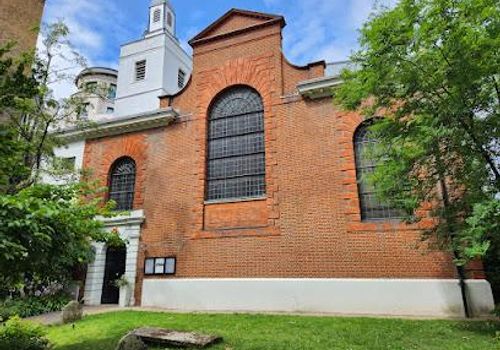
St Christopher's Inn Liverpool Street offers budget-friendly accommodation in the heart of London’s financial district, just steps from Liverpool Street Station. Set above the lively Flying Horse pub, this hostel blends a social atmosphere with practical amenities, including clean dorms, private rooms, and a continental breakfast option. Its central location provides easy access to Shoreditch’s creative scene and iconic city landmarks, making it ideal for young travelers, solo adventurers, and business visitors alike.
Price level $Time to spend 1–3 hrs
-
Anglican church4.5★241 reviews
Christ Church Spitalfields
Christ Church Spitalfields is a masterpiece of English Baroque architecture designed by Nicholas Hawksmoor and completed in 1729. Built as part of the ambitious Fifty New Churches Act, this Grade I listed building features a striking 202-foot steeple, Portland stone façade, and a celebrated 1735 organ by Richard Bridge—once the largest in England. After extensive restoration completed in 2004 and crypt redevelopment in 2015, the church now functions as an active place of worship, concert venue, and cultural hub in London's East End.
Sun 9:00–10:00, 11:00–15:00, 17:00–18:30Time to spend 0.8–2.5 hrs
-
Anglican church4.4★226 reviews
Shoreditch Church
St Leonard's Church, commonly known as Shoreditch Church, is a Grade I listed Palladian-style Anglican church built between 1736 and 1740 by George Dance the Elder. It stands on one of England’s oldest continuous Christian worship sites, with deep ties to Shakespearean theatre history and London’s cultural heritage. Known as the 'actors’ church,' it features a rare 1756 Richard Bridge organ and a striking 192-foot steeple, symbolizing centuries of spiritual and artistic legacy in Shoreditch.
Mon–Fri 9:00–17:00Time to spend 0.5–2 hrs
-
Historical landmark4.4★218 reviews
English Heritage - St Botolph's Priory
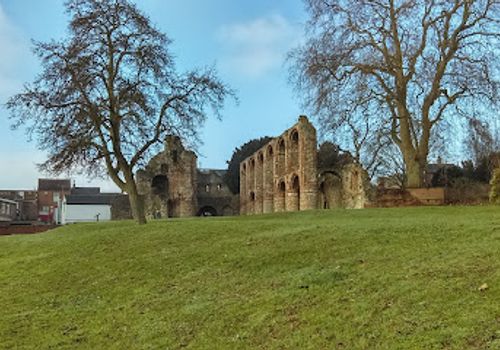
St Botolph's Priory in Colchester is a striking ruin of one of England’s earliest Augustinian houses, founded around 1100. The site showcases impressive Norman architecture with massive circular pillars, round arches, and an elaborate west front built from flint and reused Roman bricks. Damaged during the 1648 Civil War siege, it remains a poignant reminder of medieval ecclesiastical history, set near Colchester’s Roman walls and town centre.
Daily 7:30–17:00Time to spend 0.5–1.5 hrs
-
Memorial4.5★200 reviews
Sir William Wallace Memorial
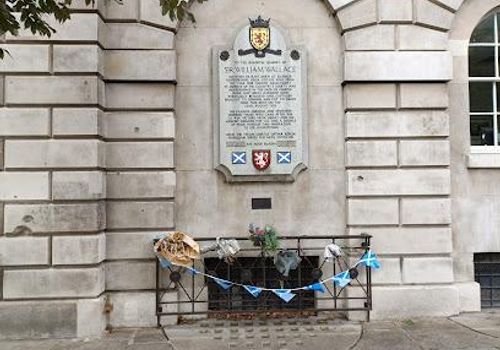
A dignified stone memorial on the wall of St Bartholomew's Hospital in Smithfield, honouring the Scottish patriot Sir William Wallace, who was executed nearby on 23 August 1305. Erected in 1956, this Grade II-listed shrine bears Latin and Gaelic inscriptions celebrating freedom and Scottish independence. The memorial receives flowers and tributes year-round, particularly around the anniversary of Wallace's death, making it a poignant reminder of medieval London's turbulent history and Scotland's struggle for liberty.
Open 24 hoursTime to spend 0.2–1 hr
-
Museum4.2★170 reviews
Natural History Museum
Located in Colchester’s historic High Street, the Natural History Museum offers a fascinating glimpse into the region’s wildlife, geology, and climate history. Housed in a former church, this family-friendly museum features engaging exhibits including dinosaurs, local biodiversity, and interactive discovery stations. Open Tuesday to Sunday with free admission, it’s a perfect destination for all ages to explore nature’s past and present.
Tue–Sat 10:00–17:00 · Sun 11:00–17:00Time to spend 1–2 hrs
-
Anglican church4.6★116 reviews
All Saints Church : Oakham
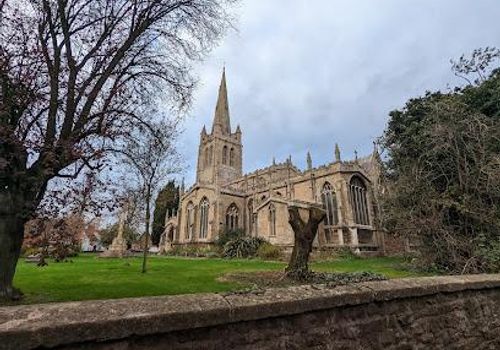
All Saints Church dominates Oakham's skyline with its distinctive 14th-century Decorated Gothic tower and spire, visible for miles across the Rutland countryside. This Grade I listed parish church blends 13th-century origins with stunning medieval carved capitals depicting biblical scenes, mythical creatures, and the iconic Green Man. Victorian restoration by Sir George Gilbert Scott preserved precious medieval features while adding ornate chancel work. Today it remains an active community hub hosting worship, concerts, bell-ringing, and cultural events.
Time to spend 0.8–2.5 hrs
-
Historical landmark4.5★115 reviews
Balkerne Gate
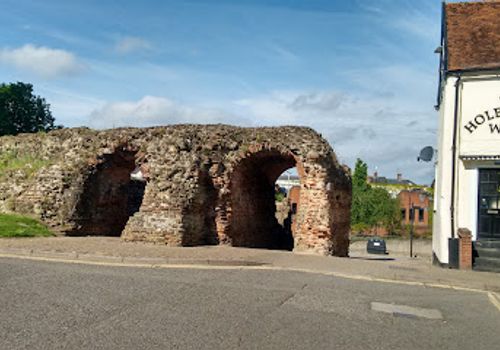
The Balkerne Gate in Colchester is the largest surviving Roman gateway in Britain, dating back to the early 2nd century AD. Once the main western entrance to the walled Roman town of Camulodunum, it features an impressive quadruple-arched design with wide carriageways and pedestrian footways. This Grade I listed monument offers a tangible connection to Roman Britain's architectural and military history, standing as a remarkable testament to Colchester’s importance as a major Roman settlement.
Open 24 hoursTime to spend 0.5–1.5 hrs
-
Bridge4.6★103 reviews
Magdalene Bridge
Magdalene Bridge crosses the River Cam on Bridge Street in central Cambridge. The stone structure provides river views and connects visitors to the surrounding colleges and streets of the city centre.
Open 24 hoursTime to spend 15–30 min
-
Historical landmark4.4★104 reviews
Moulton Packhorse Bridge
The Moulton Packhorse Bridge is a historic late medieval stone bridge located in Moulton, Newmarket. Dating from the 15th century with 18th-century alterations, this four-arched bridge spans the River Kennett and once formed part of the ancient trade route between Bury St Edmunds and Cambridge. Managed by English Heritage, it offers a tranquil setting ideal for peaceful walks and appreciation of medieval engineering.
Open 24 hoursTime to spend 0.5–2 hrs
-
Historical landmark4.4★92 reviews
Queen Eleanor Cross
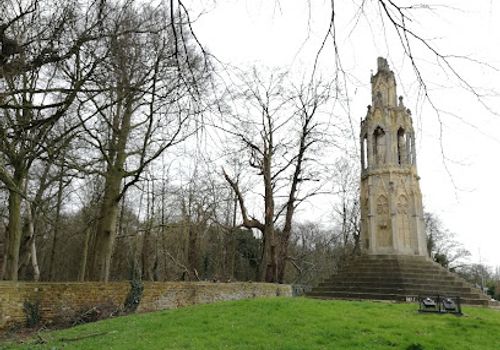
The Queen Eleanor Cross in Northampton is a striking medieval monument erected in the late 13th century by King Edward I as a memorial to his beloved wife, Eleanor of Castile. Marking one of the twelve resting places of her funeral procession, this historic landmark stands as a testament to enduring love and royal heritage, located near Delapré Abbey on London Road, Northampton.
Open 24 hoursTime to spend 0.5–1.5 hrs
-
Public Transport Stop4.4★80 reviews
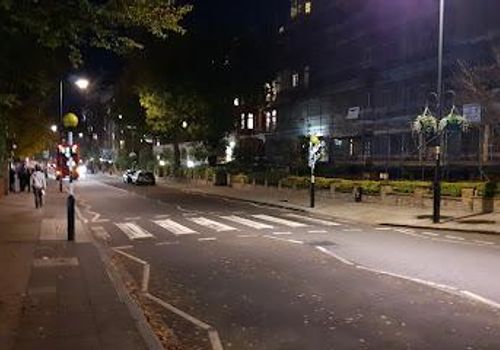
Abbey Road crossing
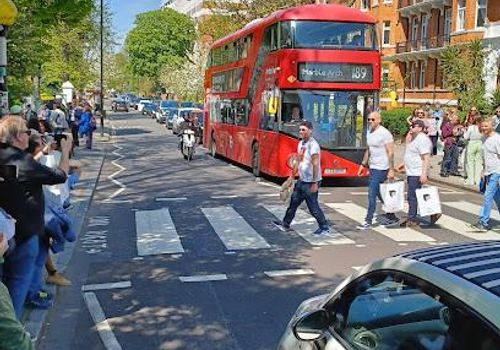
The zebra crossing on Abbey Road in St John’s Wood is the exact site of the 1969 photograph that became the cover of The Beatles’ album Abbey Road. Four band members walk in single file across the white stripes in one of the most reproduced images in popular music. Today the working crossing remains a public road where visitors recreate the pose amid the tree-lined residential street. The Grade II listed structure combines everyday British road infrastructure with global cultural significance. Fans arrive daily to stand on the stripes, photograph the scene, and visit the nearby studio wall and shop. The experience is brief, outdoor and shaped by passing traffic rather than any formal exhibition or guided tour.
Time to spend 10–45 hrs
-
Anglican church4.6★76 reviews
The Church of Saint Andrew and Saint Mary Grantchester
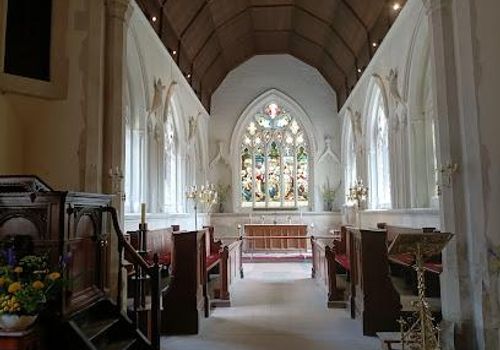
Nestled in the idyllic village of Grantchester, just south of Cambridge, this historic Church of England parish church dates back to the 12th century with significant 14th–15th century fabric. A Grade II* listed building, it features Norman and Saxon fragments, a fine 14th-century chancel, and a late medieval tower. Revered for its peaceful atmosphere, literary connections to Rupert Brooke, and beautiful riverside setting, it offers a quiet retreat steeped in centuries of village and university life.
Time to spend 0.5–1.5 hrs
-
Archaeological museum4.0★62 reviews
Roman Theatre
Explore the haunting remains of a monumental Roman theatre in Colchester's Dutch Quarter, where darker paving marks the outline of an ancient amphitheatre that once seated 3,000 spectators. Dating from the 2nd–3rd centuries, this open-air archaeological site reveals the grandeur of Roman entertainment culture in Britain's oldest recorded town. Walk the streets where gladiators performed and crowds roared.
Time to spend 0.5–2 hrs
-
Anglican church4.6★52 reviews
St Michael's Church
One of England's most significant surviving Anglo-Saxon buildings, St Michael's Church stands on the site of the Roman basilica of Verulamium where Saint Alban was tried for his Christian faith over 1,700 years ago. Built in the late 10th century using salvaged Roman brick, this Grade I listed church blends layers of medieval, Norman, and later architectural periods. Its interior showcases rare medieval wall paintings, a 15th-century octagonal font carved from a single stone, and a memorial to philosopher Francis Bacon. A place of continuous Christian worship and pilgrimage for nearly eleven centuries.
Time to spend 0.8–2 hrs
-
Historical landmark4.8★49 reviews
Trinity Bridge
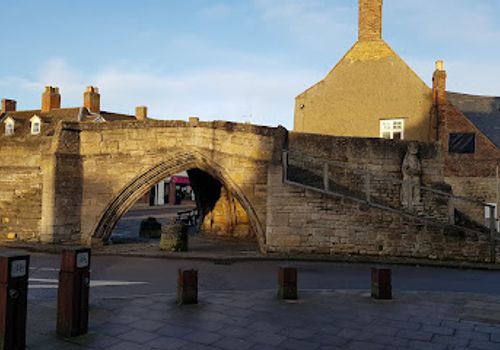
Trinity Bridge in Crowland is a unique 14th-century three-way stone arch bridge, once spanning the River Welland and a tributary at their confluence. Built between 1360 and 1390 from Barnack stone, it now stands in the town centre as a Grade I listed scheduled monument. Though the rivers were rerouted in the 17th century, the bridge remains a remarkable medieval engineering feat and a striking landmark. Its three steep stairways meet at a central platform, once used by preachers and pilgrims approaching Crowland Abbey. No admission fee; ideal for a short, atmospheric visit.
Open 24 hoursTime to spend 0.5–1.5 hrs
-
Monument4.6★46 reviews
Colchester War Memorial
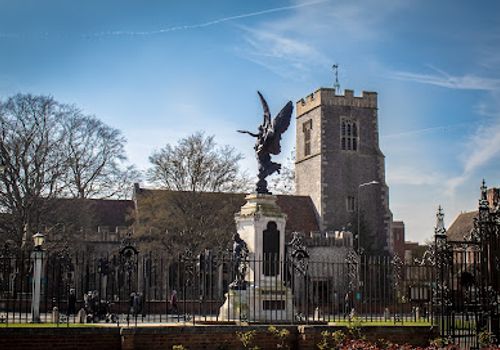
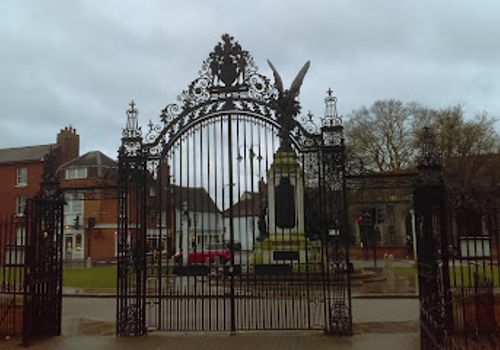
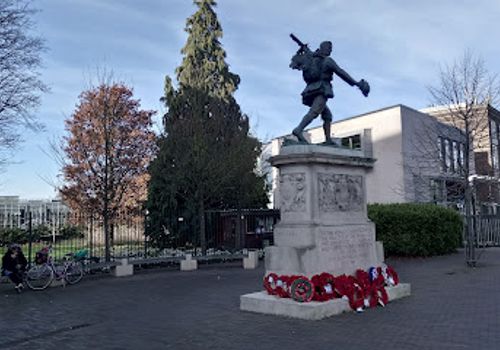
The Colchester War Memorial, located at 66 High Street, is a solemn monument commemorating the men and women of Colchester who served and sacrificed in the First and Second World Wars. Featuring bronze plaques and a Portland stone structure, it stands as a poignant symbol of local and national remembrance, honoring over a thousand fallen soldiers and those who contributed to the war efforts.
Open 24 hoursTime to spend 0.2–1 hr
-
Guest house5.0★40 reviews
Duke House
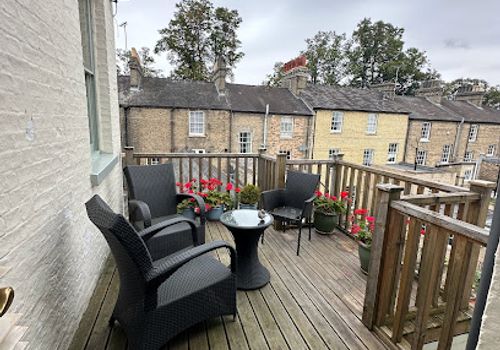
Duke House provides guest accommodation at 1 Victoria Street in Cambridge. The property sits in a residential area close to the city centre, offering a practical base for visitors exploring the university city. With consistently high guest feedback across 40 reviews, it maintains a quiet residential setting while remaining within walking distance of central Cambridge attractions. The building operates as a guest house with straightforward access to local streets and public transport links.
Price level $$Time to spend 1–5 hrs
-
Historical landmark4.4★45 reviews
St Bartholomew's Gatehouse
St Bartholomew's Gatehouse, located at 57A West Smithfield in London, is a rare surviving Tudor timber-framed building dating from 1595. Built atop a 13th-century stone arch, it once served as the southern entrance to the nave of St Bartholomew-the-Great church. Remarkably spared from the Great Fire of London and revealed after WWI bomb damage, the Grade II listed gatehouse showcases historic wood paneling and heraldic ironwork, standing as a testament to London's rich medieval and Tudor heritage.
Daily 8:00–22:00Time to spend 0.2–1 hr
-
Landmark4.4★36 reviews
Reality Checkpoint
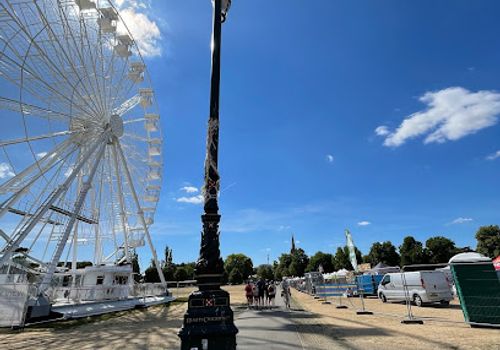
Reality Checkpoint is a Grade II listed Victorian cast-iron lamppost at the centre of Parker’s Piece in Cambridge. Erected in 1894 by the Sun Foundry, it stands where two diagonal paths cross on the 25-acre common. The structure features four intertwined heraldic dolphins at the base, four lamps on scrolled stays, and the painted inscription “Reality Checkpoint”. Colourful restoration in moss green, red, white and gold adds to its presence. A miniature Dinky Door artwork sits at the foot. The landmark serves as a reference point for locals crossing the flat green space near the city centre.
Open 24 hoursTime to spend 5–15 hrs
-
Historical landmark4.4★36 reviews
The Gypsy Stone
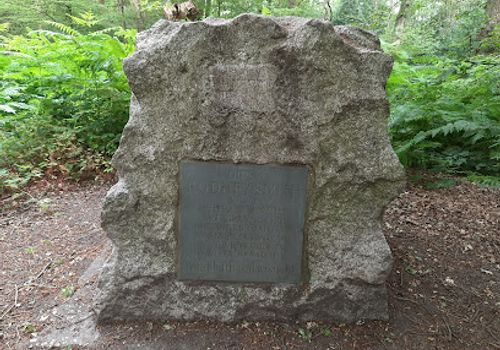
The Gypsy Stone in Woodford, London, is a striking historical landmark commemorating Rodney 'Gipsy' Smith, a renowned British evangelist born to Romani parents in Epping Forest. Marked by a large stone carved with a traditional vardo wagon, it stands as a cultural symbol amidst the tranquil forest setting, reflecting Smith’s remarkable life and heritage.
Open 24 hoursTime to spend 0.5–1.5 hrs
-
Historical landmark4.7★31 reviews
Stairway to Heaven, Bethnal Green Memorial
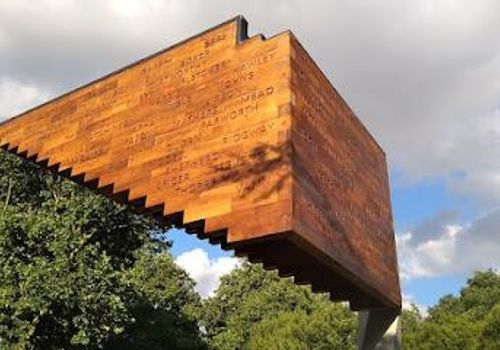
Located in Bethnal Green Gardens beside Bethnal Green Underground Station, the Stairway to Heaven Memorial commemorates the 173 civilians who died in the 1943 Bethnal Green tube shelter disaster, the worst civilian loss of life in Britain during WWII. The striking inverted staircase, made of sustainable teak and inscribed with victims’ surnames, stands above a concrete plinth engraved with names and personal accounts. Designed as a place of reflection, it marks a tragic moment of panic and overcrowding on the station’s steps during an air-raid alert, and has become a focal point for remembrance and community mourning in London’s East End.
Open 24 hoursTime to spend 0.5–1.5 hrs
-
Anglican church4.6★31 reviews
St John the Evangelist, Stanmore
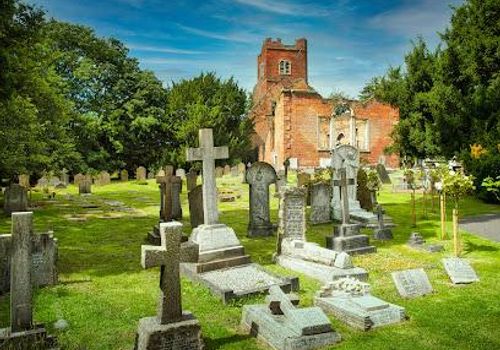
St John the Evangelist in Stanmore is a historic Anglican church with origins dating back to 1632, featuring a rare brick-built ruin alongside its Victorian replacement. The original church, consecrated by Bishop William Laud, reflects early Stuart architecture and Caroline classicism. The present church, built in 1848-50, stands beside the picturesque ruins, preserving memorials and tombs from the earlier building, offering visitors a unique glimpse into centuries of local religious heritage.
Daily 9:00–17:00Time to spend 0.5–1.5 hrs
-
Historical place3.9★36 reviews
Walden Castle
Perched on a grassy mound in Saffron Walden, Walden Castle is a striking medieval ruin whose crumbling stone core hints at its turbulent past. Built in the 12th century during the Anarchy, this once-mighty fortress was deliberately weakened by royal order and left to decay, now standing as a quiet monument to power, rebellion, and the passage of time. Surrounded by open green space, it offers a peaceful spot to reflect on history while enjoying views across the historic market town.
Open 24 hoursTime to spend 0.5–1.5 hrs
-
War memorial4.6★30 reviews
Hills Road War Memorial
The Hills Road War Memorial stands at the corner of Hills Road and Station Road in Cambridge. This stone monument records names of local residents who died in the First and Second World Wars. The site remains accessible at all hours and offers a quiet place to pause near the railway station.
Open 24 hoursTime to spend 6–15 min
-
Anglican church4.6★30 reviews
St Anne & St Agnes Church
A remarkable Grade I listed Anglican church tucked away on Gresham Street in the City of London, St Anne & St Agnes stands as a testament to resilience and architectural innovation. First documented in 1137, this uniquely double-dedicated church survived the Great Fire of 1666, devastating World War II bombing, and multiple reconstructions. Rebuilt by Sir Christopher Wren in 1680 with its distinctive Greek cross design, the church now serves as the VOCES8 Centre, home to a world-renowned vocal ensemble and educational charity. Its intimate interior, featuring a harmonious square-within-square layout and superb acoustics, offers visitors a serene escape from the bustling City streets.
Time to spend 0.5–1.5 hrs
-
Historical landmark4.5★30 reviews
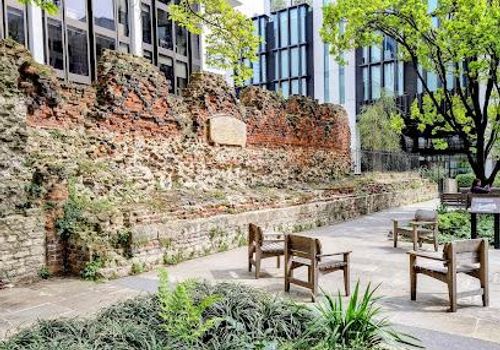
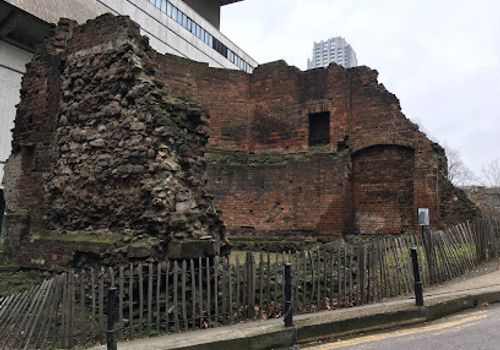
Roman London Wall (St Alphage Garden Section)
The Roman London Wall at St Alphage Garden is a remarkable surviving section of the ancient defensive wall built around Londinium circa AD 200. Nestled in the Barbican area of London, this historic site features layered Roman and medieval stonework, including a brick parapet added in the 15th century. The adjacent St Alphage Garden, once a churchyard, offers a tranquil green space revealing centuries of London's urban evolution and defensive history.
Open 24 hoursTime to spend 0.5–1.5 hrs
-
Memorial4.6★29 reviews
Euston War Memorial
The Euston War Memorial, located at 190 Euston Road in London, is a poignant First World War monument dedicated to the 3,719 employees of the London and North Western Railway who sacrificed their lives. Featuring a 13-meter Portland stone obelisk surrounded by four bronze statues representing different military branches, it stands as a solemn reminder of wartime sacrifice amidst the bustling city.
Open 24 hoursTime to spend 0.2–1 hr
-
Historical landmark4.4★30 reviews
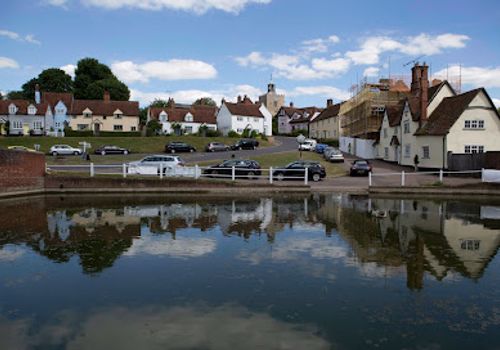
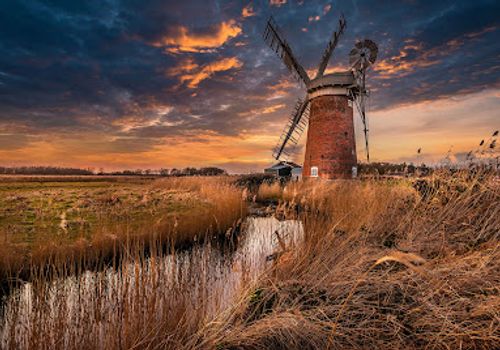
Finchingfield Post Mill
Finchingfield Post Mill, built around 1756, is the oldest surviving post mill in Essex and a Grade II-listed historical landmark. Perched on a hill overlooking the picturesque village of Finchingfield, it is the last of seven windmills that once operated here. Though no longer functional since 1890, its rotating sails and traditional tail pole reflect the millwright craftsmanship of the 18th century. Open to visitors on select days, it offers a glimpse into rural England’s milling heritage.
Sun 14:00–17:00Price level $Time to spend 0.5–2 hrs
-
Bridge4.6★27 reviews
Iron Footbridge over Regent’s Canal (Camden)
The Iron Footbridge over Regent’s Canal in Camden is a charming historic pedestrian bridge offering scenic views of the canal and vibrant urban surroundings. Nestled in the heart of Camden, it connects visitors to the lively markets and cultural scene, embodying the area's rich industrial heritage and artistic spirit.
Open 24 hoursTime to spend 0.5–2 hrs
-
Historical landmark4.6★24 reviews
Giant's Hill
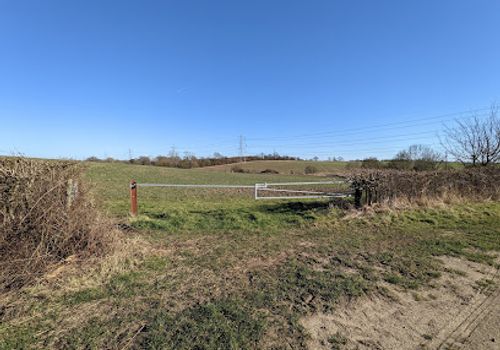
A low grassy motte and wet moat survive from an abandoned 12th-century timber castle built during The Anarchy. Located immediately east of Rampton church in the Cambridgeshire fens, the Scheduled Monument preserves house platforms, ridge-and-furrow and a flat island roughly 50 m by 45 m. Visitors walk the ditch circuit on uneven grass, cross a short wooden causeway and read a single information board. The setting is quiet fen-edge pasture with willows, open fields and the church tower; no keep or ruins remain. Most stops last under an hour and combine naturally with the adjacent Grade II* thatched church.
Open 24 hoursTime to spend 0.2–2 hrs
-
Historical landmark4.5★20 reviews
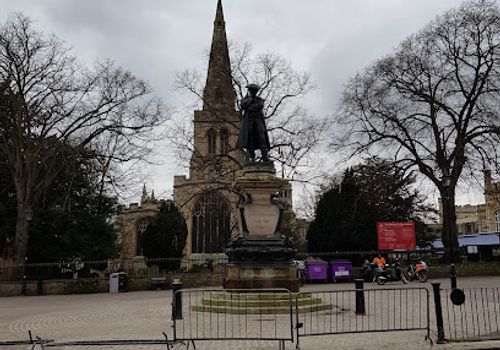
John Howard Statue
The John Howard Statue in Bedford’s St Paul’s Square commemorates the 18th-century philanthropist and prison reformer John Howard. Cast in bronze and unveiled in 1894, this statue honors Howard’s lifelong dedication to improving prison conditions in England and across Europe. Created by renowned sculptor Sir Alfred Gilbert, the statue stands as a historic landmark celebrating humanitarian reform and Bedford’s local heritage.
Open 24 hoursTime to spend 0.2–1 hr
-
Historical place4.0★14 reviews
English Heritage - Bushmead Priory
Bushmead Priory is a remarkably preserved 13th-century refectory (dining hall) and the sole surviving structure of a small Augustinian priory in Bedfordshire. Founded around 1195 by Hugh de Beauchamp and formally adopted the Augustinian rule in 1215, this intimate monastic community never grew beyond a handful of canons. The refectory, with its original architectural details intact, offers a rare window into medieval monastic life and dining practices. Now managed by English Heritage, it stands as one of England's most complete examples of a medieval priory refectory.
Time to spend 0.8–2 hrs
-
Historical landmark4.7★11 reviews
Nigel’s Gate
Nigel’s Gate is a charming historical landmark located at White Cottage in Little Henham, near Saffron Walden, England. Known for its striking architecture and tranquil rural setting, it offers visitors a peaceful environment to appreciate local heritage and picturesque views. This site is ideal for leisurely walks, photography, and exploring the quiet English countryside atmosphere.
Time to spend 0.5–1.5 hrs
-
Lodging4.7★11 reviews
The Warren House
The Warren House in Kimbolton is a rare and beautifully restored 17th-century timber-framed warrener’s cottage overlooking Kimbolton Castle. Once home to the estate’s rabbit keeper, this charming building combines historical character with modern comforts, set in tranquil rural surroundings with scenic views of the castle and village below.
Price level $$Time to spend 1–3 hrs
-
Historical landmark4.9★8 reviews
Middle Mill Weir
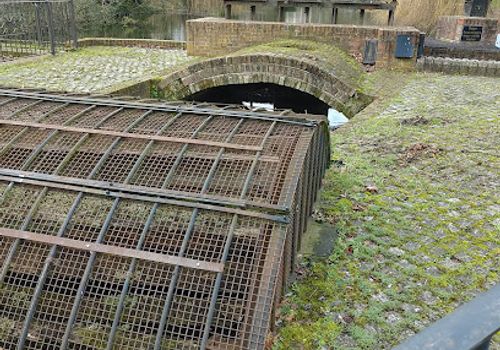
Middle Mill Weir is a historic water management structure on the River Colne in Colchester, England. Once integral to powering the adjacent Middle Mill via its waterwheel, the weir reflects the town’s industrial heritage. Despite its partial collapse in 2023, the site remains a notable landmark illustrating the historic relationship between water and industry in this ancient town.
Time to spend 0.5–2 hrs
-
Castle3.7★10 reviews
Stamford Castle
Stamford Castle, a Norman motte and bailey fortress built shortly after 1066, stands as a historic landmark in Stamford, Lincolnshire. Once a formidable medieval stronghold overlooking the Welland valley, it fell into ruin by the 14th century with only a fragment of the hall remaining today. The castle's earthworks were largely leveled in the 1930s for urban development, but its rich history and archaeological remnants offer a glimpse into England's Norman past.
Time to spend 0.5–1.5 hrs
-
Historical landmark5.0★7 reviews
Hawley Street Art
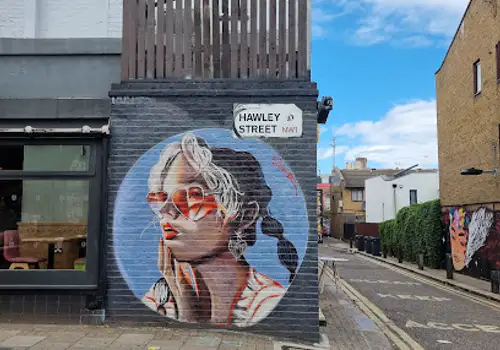
Hawley Street Art in Camden, London, is a dynamic outdoor gallery of street art known for its ever-changing murals and iconic works, including tributes to Amy Winehouse. Located near Camden Market, this historical landmark showcases some of the best curated urban art in the city, blending cultural heritage with contemporary creativity in a lively, colorful setting.
Open 24 hoursTime to spend 1–2.5 hrs
-
Historical landmark5.0★5 reviews
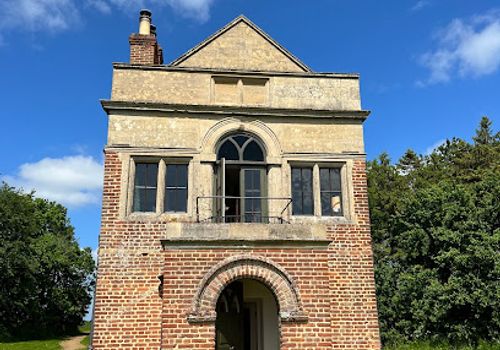
Lynch Lodge
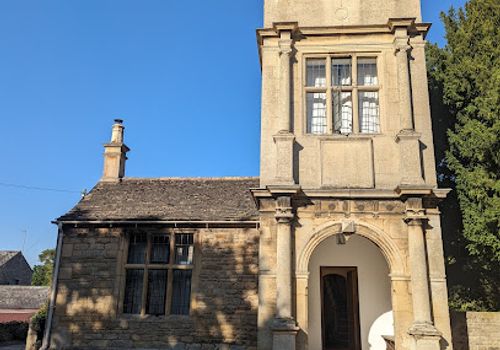
Lynch Lodge is a remarkable historic landmark located at 15 Water End, Alwalton, Peterborough. Originally part of a grand house once associated with the poet and playwright John Dryden, this preserved porch offers visitors a rare glimpse into early 19th-century architecture. Now managed by the Landmark Trust, Lynch Lodge serves as a unique holiday let, blending heritage with tranquil countryside charm just outside Peterborough.
Price level $$Time to spend 1–3 hrs
-
Historical landmark5.0★5 reviews
The Weald Stone
The Weald Stone is a historic sarsen stone located in Harrow Wealdstone, London, marking the ancient boundary between Harrow and Harrow Weald. Positioned outside what was once the Red Lion pub, now the Bombay Central restaurant, this weathered stone has stood for centuries as a local landmark and namesake for the area. It offers a tangible connection to the region’s past amidst a modern urban setting.
Time to spend 0.2–1 hr
-
Sculpture4.0★6 reviews
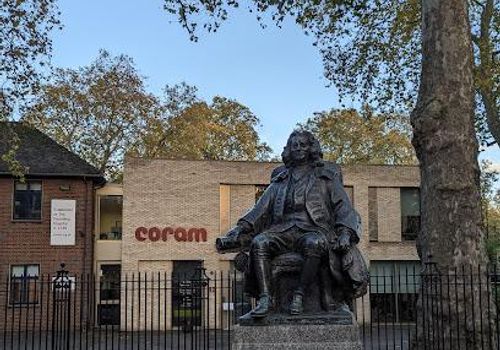
Statue of Thomas Coram
A seated bronze statue of Thomas Coram, the philanthropist who founded the Foundling Hospital, stands in Brunswick Square in Bloomsbury. Designed by sculptor William Macmillan and unveiled in 1963, the statue depicts Coram holding a scroll, based on a portrait by William Hogarth. The figure sits on a granite base inscribed with Coram's dates and his pioneering role in child welfare. Located near the Foundling Museum and Coram's Fields, this monument honours a man whose 17-year campaign transformed the lives of thousands of abandoned children in 18th-century London.
Open 24 hoursTime to spend 0.2–1 hr
-
City park4.6★5 reviews
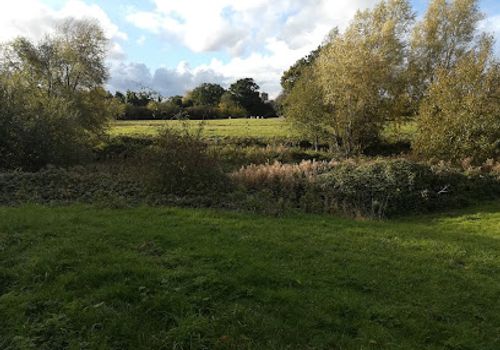
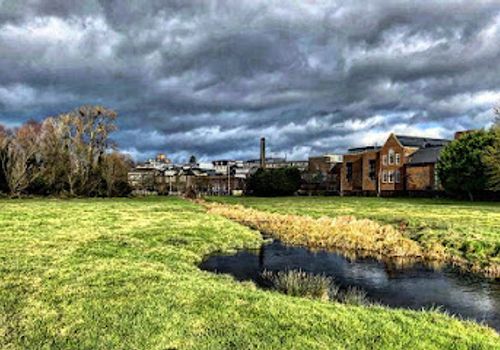
Coe Fen
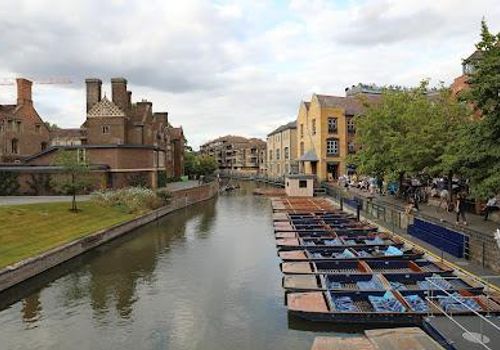
The William Stone Building is a Grade II listed residential tower within Peterhouse, Cambridge’s oldest college. Designed by Leslie Martin and Colin St John Wilson and completed in 1964, this eight-storey structure offers distinctive fan-shaped architecture inspired by Alvar Aalto. It houses student and fellow accommodation with panoramic views, blending modernist design with historic academic tradition.
Price level $$Time to spend 0.5–1.5 hrs
-
Historical landmark4.0★5 reviews
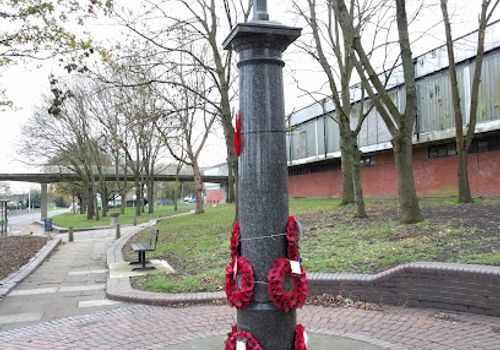
Laindon War Memorial
The Laindon War Memorial, located in Danacre, Basildon, is a poignant historical landmark honoring the men and women from Laindon who served in the First and Second World Wars. Often accompanied by a commemorative water fountain celebrating King George V's Silver Jubilee, this memorial stands as a solemn reminder of sacrifice and community resilience in a peaceful setting.
Open 24 hoursTime to spend 0.5–1.5 hrs
-
Historical landmark4.8★4 reviews
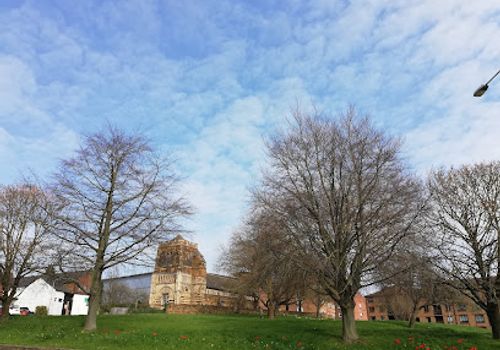
Northampton Castle Postern Gate
The Northampton Castle Postern Gate is the sole surviving structure of the once-mighty Northampton Castle, a major Norman royal fortress near London. Dismantled and rebuilt in the 19th century near the railway station, this medieval gateway stands as a silent witness to centuries of English history, including royal parliaments, the trial of Thomas Becket, and the castle’s eventual demolition to make way for railway expansion.
Open 24 hoursTime to spend 0.5–1.5 hrs
-
Historical landmark5.0★3 reviews
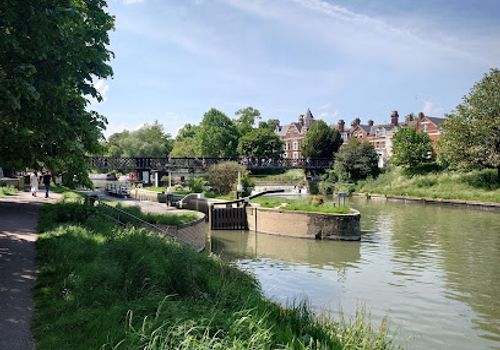
Jesus Lock
Jesus Lock sits on the River Cam in Cambridge, forming part of the historic navigation system that links the city to the wider Fenland waterways. The lock and adjacent footbridge provide a functional crossing point used by both boaters and walkers. The setting remains largely unchanged from earlier centuries, with timber and brick structures alongside the water. Visitors reach the site via paths that follow the river, passing through open green spaces and residential streets. The location offers a quiet vantage over the Cam and the surrounding flat landscape typical of this part of Cambridgeshire.
Time to spend 0.2–1 hr
-
Historical landmark4.0★2 reviews
London City Wall - Bastion 14
Bastion 14 is a well-preserved medieval defensive structure built atop the Roman foundations of London’s ancient city wall. Located in the Barbican area, it reveals layers of London's history from Roman Londinium through medieval fortifications to 19th-century urban development. The bastion was partially excavated in 1949, conserved with lime mortar and stainless steel supports, and stands as a Scheduled Monument reflecting London's evolving city defenses.
Open 24 hoursTime to spend 0.5–1.5 hrs
-
Historical landmark5.0★1 review
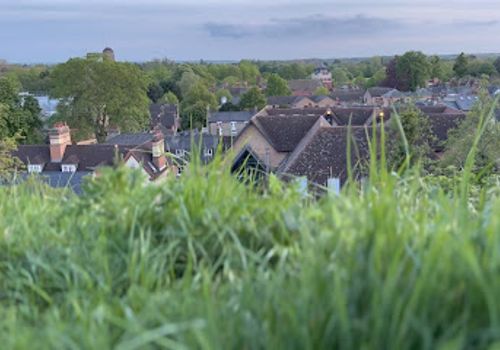
Castle Mound: site of medieval Cambridge Castle
The earthwork remains of medieval Cambridge Castle stand on this modest mound at Braeside. Visitors reach an open grass summit with wide views across the city. One local note highlights the location for watching sunsets. The site is compact, quiet, and free to enter at any time. No facilities or interpretation boards are present on the mound itself.
Time to spend 0.2–1 hr
-
Historical landmark5.0★1 review
Great Baddow Chain Home Radar Tower
The Great Baddow Chain Home Radar Tower is a 110-metre (360-foot) tall galvanized steel transmitter tower originally built in 1937 at RAF Canewdon, Essex. It played a crucial role in the UK’s early warning radar network during World War II, particularly in the Battle of Britain. Relocated to Great Baddow in 1956, it remains the only complete Chain Home radar tower surviving in the British Isles, now used by BAE Systems and mobile phone companies.
Time to spend 0.5–1.5 hrs
-
Historical landmark5.0★1 review
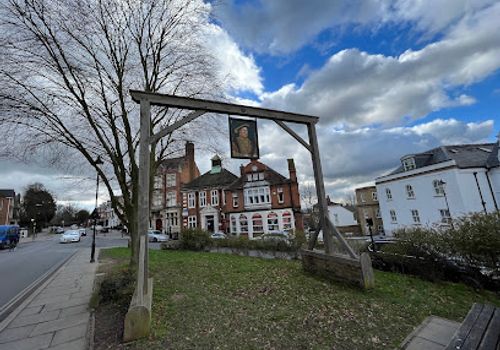
The King's Head Gantry
The King's Head Gantry in Harrow on the Hill is a striking historic landmark linked to the King's Head Hotel, a building dating back to the 16th century when it served as a hunting lodge for Henry VIII. This iconic gantry sign, suspended over The Green, symbolizes the area's rich heritage and offers visitors a glimpse into the village's past amidst its Georgian architecture and quaint streets.
Open 24 hoursTime to spend 0.5–1.5 hrs
-
Historical landmark5.0★1 review
London City wall
The London City Wall is a historic defensive structure originally built by the Romans between 190 and 225 AD to protect Londinium, the ancient Roman city that became London. Stretching about 2 miles and constructed from Kentish ragstone, the wall defined the city's boundaries for centuries. It was maintained and enhanced through the Anglo-Saxon and medieval periods, with surviving sections visible today near Barbican and other parts of the City of London.
Open 24 hoursTime to spend 0.5–2 hrs
-
Church4.0★1 review
St Peter & St Paul's Church, Alpheton
A Grade I listed medieval church nestled in the heart of rural Suffolk, St Peter & St Paul's stands as a testament to over a thousand years of parish history. Originally founded in the 10th century, this rustic sanctuary features stunning 14th-century architecture, Victorian restorations that preserved its authentic character, and a remarkable contemporary stained-glass window by artist Pippa Blackall depicting the Risen Christ alongside local saints and scenes of Suffolk life. Set within the picturesque Alpheton village landscape, the church remains an active place of worship and a cherished landmark for visitors seeking spiritual tranquility and architectural heritage.
Time to spend 0.8–2 hrs
-
Building
The Old Schools
The Old Schools form the administrative heart of the University of Cambridge. This Grade I listed complex of courtyards and ranges dates from the late 14th century and stands at the end of Trinity Lane beside the Senate House. Visitors view the layered stone and brick facades, the 15th-century gatehouse and the classical east range from the surrounding public lanes. The site is not open for general interior access and functions as working university offices rather than a museum or college.
Time to spend 5–30 hrs
-
Senate House Hill
Senate House Hill forms the compact paved civic space at the ceremonial centre of Cambridge, where the neoclassical Senate House faces Great St Mary’s Church. Visitors arrive on foot to photograph the Portland-stone façade, watch academic processions on congregation days, and look south along King’s Parade toward King’s College Chapel. The short street segment links directly to Market Square, Trinity Street and Senate House Passage, functioning as a pedestrian-priority node rather than a standalone destination. Typical stays last 10 to 15 minutes unless the church tower climb or a walking tour is added.
Time to spend 0.2–3 hrs
-
Park and Garden
Castle Park
Castle Hill is the highest point in Cambridge and the surviving motte of the city's Norman castle. Visitors climb a short stepped path for a 360-degree view over college rooftops and the Cam valley. The compact grassy mound sits on a multi-period archaeological site with Iron Age, Roman and medieval layers. It functions as a quick, free viewpoint rather than a large park or standing ruin. Most people spend 10 to 20 minutes on the summit before continuing along Castle Street.
Time to spend 0.2–1 hr
-
Art Centre
Romsey 'R' sculpture
Two large steel-and-bronze letter-R forms stand at the pavement corner of Cavendish Road and Mill Road in Cambridge's Romsey neighbourhood. Commissioned to mark the area's 19th-century railway-worker origins, the sculptures incorporate cast bronze plaques listing real rail journeys submitted by local residents. The work sits at street level amid Victorian terraces with no enclosure or facilities. Visitors typically pause for a few minutes to read the names, photograph the railway-track aesthetic and continue along the adjacent Mill Road shops and cafes. It functions as a quick public-art stop rather than a destination in its own right.
Time to spend 0.1–1 hr
-
Grantchester
Grantchester is a picturesque village situated 2 miles south of Cambridge on the River Cam, steeped in history dating back to prehistoric and Saxon times. This charming destination offers riverside walks, literary heritage connected to poet Rupert Brooke, traditional tea gardens, and the scenic Grantchester Meadows. The village combines rural tranquility with cultural significance, featuring a twelfth-century church, historic pubs, and easy access to Cambridge's academic attractions.
Time to spend 1.5–4 hrs
-
Tourist Information Centre
Visit The Broads
The Norfolk Broads Tourist Information and Activity Centre is a key gateway to exploring the unique Broads National Park, offering expert guidance, maps, and local insights. Situated near the River Bure in the heart of the Broads, it serves as a hub for visitors seeking to discover the region’s rich wildlife, waterways, and cultural heritage.
Open 24 hoursTime to spend 0.5–2 hrs
-
Arnold Circus
Arnold Circus, located in Shoreditch, London, is the historic centerpiece of the Boundary Estate, Britain's first council housing development. Built in the 1890s on the site of the notorious Old Nichol slum, the estate was designed to provide improved living conditions for the working class, featuring red-brick Arts and Crafts-style buildings arranged around a landscaped circular garden with a bandstand. Today, Arnold Circus stands as a symbol of social reform, urban planning innovation, and a vibrant multicultural community.
Time to spend 0.5–1.5 hrs
-
Sightseeing tour agency
Trip Turkey
Trip Turkey offers an unforgettable sightseeing experience, showcasing the rich culture, stunning landscapes, and historical treasures of Turkey. Ideal for tourists seeking to explore this captivating country through expertly guided tours.
-
Shoreditch
Shoreditch is East London's creative powerhouse, a vibrant neighborhood where street art, independent boutiques, and cutting-edge restaurants define the character. Once the edge of the city, it has evolved into a cultural hub blending historic industrial architecture with contemporary design. Explore colorful murals in King John Court and along Brick Lane, browse vintage fashion at Spitalfields Market, and experience the area's legendary nightlife scene. The neighborhood seamlessly merges bohemian creativity with urban sophistication, making it essential for anyone seeking authentic London culture beyond the traditional tourist circuit.
Price level $$Time to spend 3–8 hrs
-
Woburn Walk
Woburn Walk is London's first purpose-built pedestrian shopping street, designed by Thomas Cubitt in 1822 in the heart of Bloomsbury. This Grade II* listed street features fourteen elegant stucco-fronted shops arranged in two symmetrical terraced rows, with residential accommodation on the upper floors. The street's ornate Greek Revival architecture, original gas lamps, and wooden shopfronts create a uniquely preserved snapshot of early 19th-century urban design. Home to W.B. Yeats from 1895–1919, Woburn Walk remains a charming retail enclave and architectural gem.
Time to spend 0.5–2 hrs
-
Building
3 Abbey Rd.
Abbey Road Studios, located at 3 Abbey Road in London’s St John’s Wood, is the world’s most iconic recording studio, established in 1931. Originally a Georgian townhouse, it was transformed into the first purpose-built recording studios, becoming the creative home to legendary artists like The Beatles, Pink Floyd, and Sir Edward Elgar. Renowned for pioneering recording innovations, Abbey Road remains a symbol of musical heritage and innovation.
Price level $$Time to spend 0.5–2 hrs
-
Building
182 Bishopsgate
182 Bishopsgate is a notable building located in London’s historic Bishopsgate area, a site steeped in centuries of history from Roman times through to the modern financial district. Situated on a street that once marked the eastern gate of the old London Wall, this location blends architectural heritage with contemporary urban vitality in the heart of the City of London.
Time to spend 0.5–2 hrs
-
Historical landmark
St Mary’s, Whitechapel (The White Chapel)
St Mary’s, Whitechapel, also known as The White Chapel, was a historic church originally built in the 13th century on Adler Street, London. Famous for its bright white limewashed exterior, it gave its name to the surrounding district. The church underwent multiple rebuilds, notably in the 17th and 19th centuries, before being destroyed in the Second World War. Today, its site is commemorated as Altab Ali Park, reflecting the rich cultural and religious history of Whitechapel.
Time to spend 0.5–2 hrs

















Explore Queens' College on the map
A handpicked selection of must-see spots near Queens' College, mapped for you.
More about Queens' College
More to explore near Queens' College

 Best experiences near Queens' College
 Best hotels near Queens' College
 Best attractions near Queens' College
 Best shops near Queens' College
 Best bars near Queens' College
 Best restaurants near Queens' College
Explore more


Getting your guide ready…
We are putting together a fresh copy of the Queens' College guide. This can take up to a minute.
This can take a few moments. If your browser asks, choose Allow so the download can start. You'll find the guide in your Downloads folder.
Nothing happened? Download it again
Sorry, the guide is taking longer than usual. Please try again in a minute, or get it by email instead.