Best Landmarks Near Trinity College (Oxford)
Planning a trip to Trinity College? Discover the best landmarks nearby with history, expert tips, and routes. Free on web or the Evendo app.


The best landmarks near Trinity College
- Top rated
- Closest to Trinity College
- Price level: low to high
- Time to spend: shortest first
- A–Z
77 landmarks
-
Chapel4.8★5,502 reviews
St George's Chapel
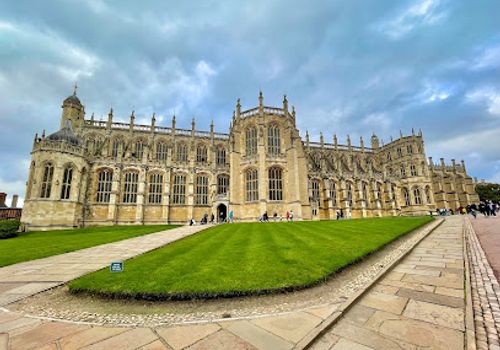
St George's Chapel stands as one of England's finest examples of Gothic architecture, nestled within Windsor Castle's Lower Ward. This 15th-century masterpiece serves as the spiritual home of the Order of the Garter and the final resting place of 11 monarchs, including Queen Elizabeth II, Henry VIII, and Charles I. Visitors marvel at its soaring fan vaulting, intricate stained glass windows, and ornate choir screen while experiencing the profound history woven into every stone.
Mon 10:00–16:00 · Thu–Sat 10:00–16:00Price level $$Time to spend 1–2.5 hrs
-
Castle4.6★5,425 reviews
Highclere Castle
Highclere Castle is the iconic real-life setting of the television series Downton Abbey, nestled in the rolling Hampshire countryside near Newbury. This magnificent Victorian mansion, transformed in 1842, features 250–300 rooms and sits within arcadian parkland designed by Capability Brown. Visitors can explore the grand State Rooms, including the Library and Main Hall, discover the fascinating Egyptian Exhibition in the castle cellars, and wander through beautifully landscaped gardens. Open on limited dates throughout the year, Highclere offers guided tours, afternoon tea experiences, and special seasonal events that celebrate both its cinematic fame and its rich 1000-year history as the ancestral home of the Earls of Carnarvon.
Fri–Sat 17:00–20:00 · Sun 9:00–14:00Price level $$Time to spend 2.5–4 hrs
-
Historical landmark4.4★5,533 reviews
Broadway Tower
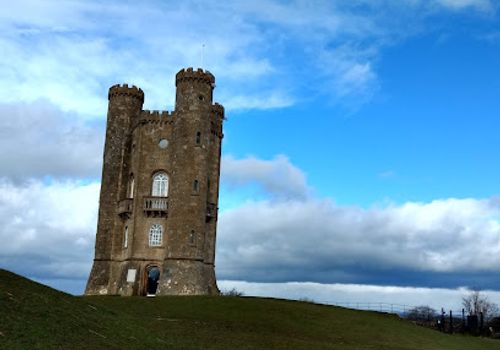
Broadway Tower is an iconic 18th-century Gothic folly perched atop Broadway Hill, the second-highest point in the Cotswolds, Worcestershire. Designed by James Wyatt and inspired by Capability Brown, this hexagonal limestone tower features turrets, battlements, and gargoyles. It houses a museum across three floors and offers panoramic views from its rooftop platform, visible across up to 16 English counties. The tower has a rich history as a beacon, printing press, artists’ retreat, and wartime lookout.
Daily 10:00–17:00Price level $$Time to spend 1–3 hrs
-
Park and Garden4.8★2,947 reviews
The Long Walk
A magnificent tree-lined avenue stretching nearly three miles through Windsor Great Park, The Long Walk connects Windsor Castle to the iconic Copper Horse statue atop Snow Hill. Originally conceived by King Charles II in the late 17th century and inspired by the formal gardens of Versailles, this grand ceremonial route features carefully planted avenues of London Plane and Horse Chestnut trees. The walk offers breathtaking panoramic views of the castle and surrounding parkland, passing through the Deer Park home to around 500 red deer. A historic promenade that has witnessed royal weddings, state processions, and significant moments in British history, The Long Walk remains one of Windsor's most iconic and picturesque features.
Open 24 hoursTime to spend 1.5–3 hrs
-
Cathedral4.6★2,657 reviews
Christ Church Cathedral
Christ Church Cathedral in Oxford is a stunning historic cathedral that also serves as the chapel for Christ Church College. Known for its blend of Romanesque and Gothic architecture, it dates back to the 12th century and holds deep religious and academic significance. The cathedral is famed for its beautiful stained glass, medieval features, and as a filming location for Harry Potter, offering visitors a magical and serene experience in the heart of Oxford.
Daily 10:00–17:00Price level $$Time to spend 1.5–2 hrs
-
Historical landmark4.4★2,757 reviews
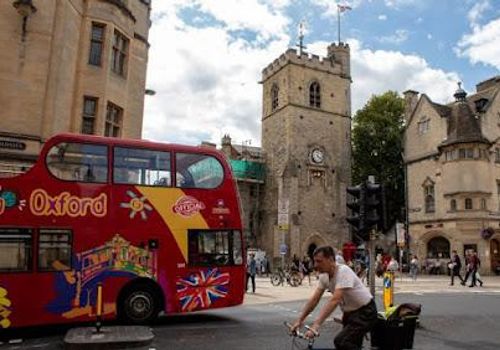
Carfax Tower
Carfax Tower is the last surviving part of the 12th-century St Martin’s Church in Oxford, standing 23 meters tall at the city’s historic crossroads. Visitors can climb 99 narrow steps to reach the top and enjoy breathtaking 360-degree views of Oxford’s iconic spires, rooftops, and surrounding countryside. The tower features a clock with mechanical 'quarter boys' chiming every 15 minutes and is a Grade II listed landmark symbolizing Oxford’s rich medieval heritage and civic history.
Daily 10:00–16:00Price level $$Time to spend 0.5–1.5 hrs
-
River4.5★2,497 reviews
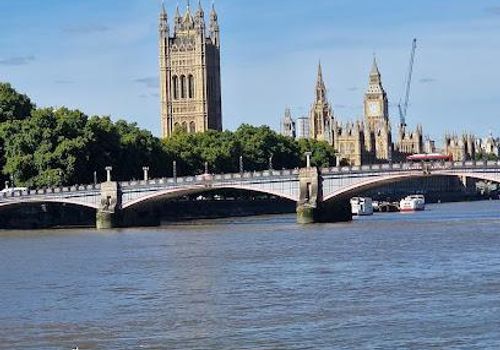
River Thames
The River Thames flows through the heart of London for 215 miles, serving as the city's defining geographical and cultural spine. This iconic waterway passes some of the world's most recognizable landmarks—from the Houses of Parliament and Big Ben to Tower Bridge, the London Eye, and St. Paul's Cathedral. Whether experienced by scenic river cruise, riverside walk, or observation from famous bridges, the Thames offers unparalleled views of centuries of architectural heritage, from medieval fortresses to contemporary glass towers. The river remains both a working shipping lane and London's greatest natural attraction.
Time to spend 1.5–8 hrs
-
Pub4.4★2,067 reviews
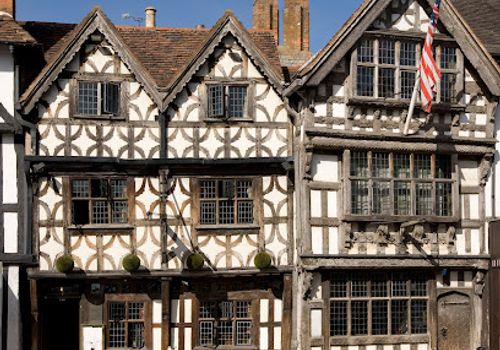
Garrick
The Garrick Inn, located at 25 High Street in Stratford-upon-Avon, is reputedly the town's oldest pub, with origins dating back to the 14th century. This Grade II* listed Elizabethan half-timbered building offers a warm, historic atmosphere with traditional hearty pub fare and a fine selection of cask ales. Steeped in history and local lore, including tales of plague and hauntings, the Garrick Inn blends centuries-old charm with friendly service in a cozy, atmospheric setting.
Price level $$Time to spend 1–3 hrs
-
Historical landmark4.6★1,442 reviews
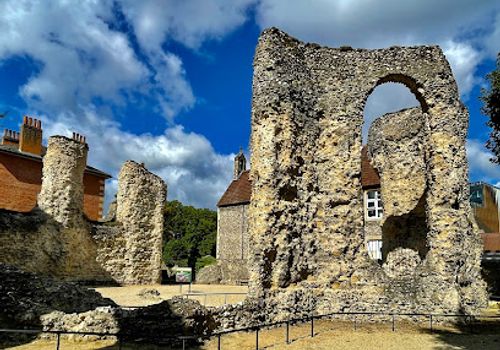
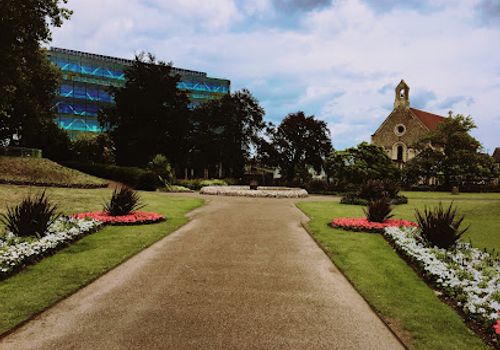
Reading Abbey Ruins
Discover the evocative remains of Reading Abbey, founded in 1121 by King Henry I and once one of Europe’s largest royal monasteries. The ruins, including the south transept, chapter house, dormitory, and refectory, offer a glimpse into nearly 900 years of history. Nestled beside the Victorian Forbury Gardens in central Reading, the site is a Grade I listed Scheduled Ancient Monument, open daily from dawn to dusk with free admission. Informative panels and nearby museums enrich your visit with stories of medieval monks, royal connections, and literary heritage.
Daily 8:00–18:00Time to spend 1–2 hrs
-
Residents association4.6★1,421 reviews
National Trust - Bibury
Bibury is a picturesque Cotswold village in Gloucestershire, England, renowned for Arlington Row—a stunning row of 17th-century weavers' cottages built of honey-colored stone that appear on British passports. Nestled on the banks of the River Coln, this charming settlement combines medieval heritage, working trout farms, and quintessential English countryside charm. William Morris famously called it 'the most beautiful village in England,' and it remains one of the Cotswolds' most visited and photographed destinations.
Open 24 hoursTime to spend 1.5–4 hrs
-
Sculpture4.7★941 reviews
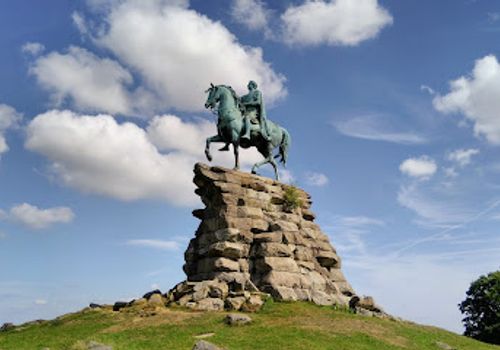
King George III & His Horse Statue
The Copper Horse is a monumental bronze equestrian statue of King George III, perched atop Snow Hill at the southern end of the Long Walk in Windsor Great Park. Created by Sir Richard Westmacott in 1831, it commemorates the king’s reign and his connection to Windsor Castle, which he gestures toward from his horse. Set within the historic 4,800-acre Royal park, the statue offers spectacular views along the tree-lined avenue and beyond, blending artistry, history, and landscape.
Open 24 hoursPrice level $Time to spend 1–3 hrs
-
Historical landmark4.5★868 reviews
Magna Carta
Located on Windsor Road near Old Windsor and Englefield Green, the Magna Carta site at Runnymede marks the historic meadow where King John sealed the Magna Carta in 1215. This pivotal document laid the foundation for modern constitutional law, limiting royal power and establishing key legal principles such as due process and trial by jury. The site is a symbol of liberty and governance, attracting visitors interested in history and the origins of democracy.
Open 24 hoursPrice level $$Time to spend 1–3 hrs
-
University library4.7★617 reviews
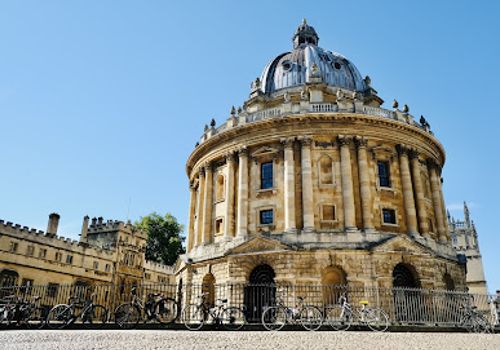
Radcliffe Camera
The Radcliffe Camera is a stunning 18th-century neoclassical rotunda in Oxford, England, designed by James Gibbs and completed in 1749. Originally built to house the Radcliffe Science Library, it now serves as a reading room for the Bodleian Library’s History Faculty. Its grand dome and circular form make it a central architectural and cultural symbol in Oxford’s historic Radcliffe Square, though public access is limited to guided tours and university members.
Price level $$Time to spend 0.5–1.5 hrs
-
Historical landmark4.3★607 reviews
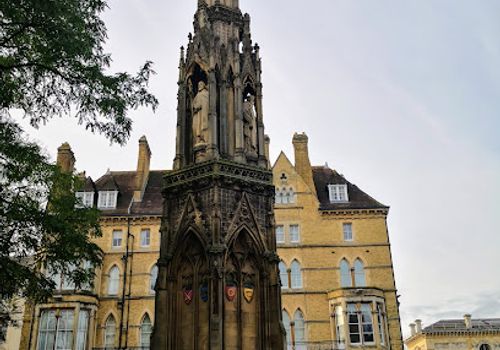
Martyrs' Memorial
The Martyrs' Memorial in Oxford is a striking Gothic Revival monument commemorating the 16th-century Oxford Martyrs—bishops Thomas Cranmer, Hugh Latimer, and Nicholas Ridley—who were executed for their Protestant faith during Queen Mary I’s reign. Designed by Sir George Gilbert Scott and completed in 1843, the memorial stands near the site of their martyrdom and symbolizes religious conviction and the English Reformation’s legacy.
Open 24 hoursTime to spend 0.5–1.5 hrs
-
Bridge4.4★464 reviews
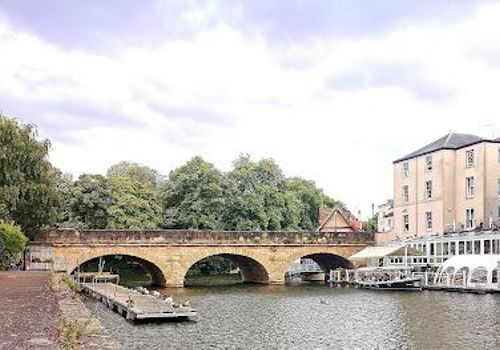
Folly Bridge
Folly Bridge is an iconic stone bridge spanning the River Thames in Oxford, connecting the city centre with the southern suburb of Grandpont along the Abingdon Road. Built in 1825–27 by architect Ebenezer Perry, this Grade I listed structure stands at a site with over a thousand years of history, from the original oxen ford that gave Oxford its name to its role as a medieval defensive crossing. The bridge's two-part design separated by Folly Island offers picturesque views of the river and remains deeply connected to Oxford's rowing heritage, literary legacy, and architectural significance.
Open 24 hoursTime to spend 0.5–2 hrs
-
Church4.7★420 reviews
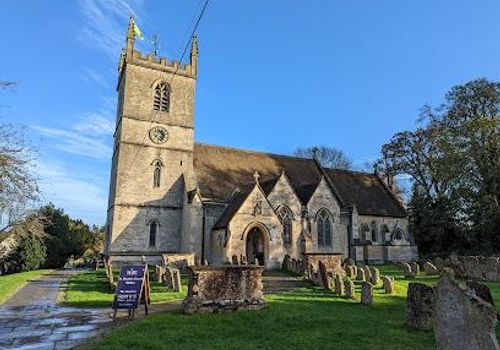
St Martin's Church
St Martin's Church in Bladon, near Woodstock, Oxfordshire, is a Grade II listed parish church with roots stretching back to the 11th century. Best known as the final resting place of Sir Winston Churchill and his family, the church combines medieval heritage with Victorian restoration. The current structure dates to 1804, with significant 1891 renovations by architect A.W. Blomfield. A striking stained glass memorial window dedicated to Churchill features intricate symbolism and his famous quotations, making this a site of considerable historical and cultural significance.
Open 24 hoursTime to spend 0.5–2 hrs
-
Tourist attraction4.5★429 reviews
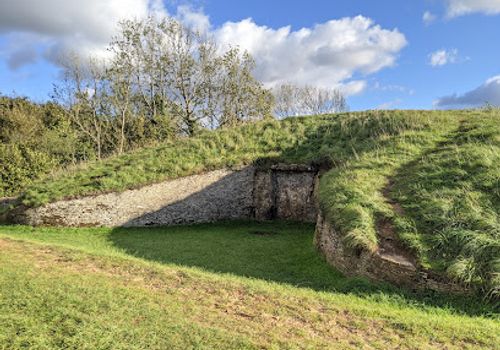
Belas Knap Long Barrow
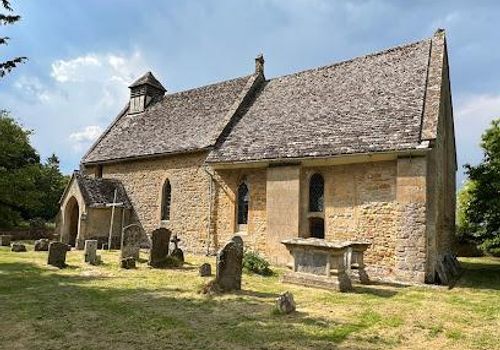
A remarkably preserved Neolithic chambered long barrow dating to around 3000 BCE, situated on Cleeve Hill near Winchcombe in the Cotswolds. This outstanding example of a Cotswold-Severn cairn features an intriguing false entrance and four burial chambers, offering visitors a tangible connection to 5,000 years of human history. The site combines archaeological significance with scenic countryside walks and panoramic views across the rolling Cotswolds landscape.
Open 24 hoursTime to spend 1–1.5 hrs
-
Church4.7★247 reviews
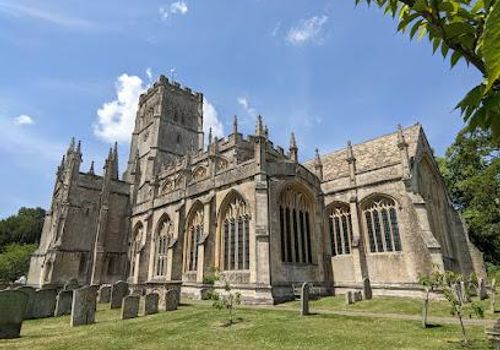
Church of St Peter and St Paul, Northleach
A magnificent 15th-century perpendicular Gothic church in the heart of Northleach, this architectural masterpiece stands as a testament to the town's medieval wool-trading wealth. Built by prosperous merchants who poured their riches into its construction, the church features soaring arcades, intricate stonework, and remarkable brass memorials depicting wool traders in their finest furred gowns. Known unofficially as the 'Cathedral of the Cotswolds,' it remains one of the finest parish churches in England and the most striking reminder of Northleach's golden age.
Daily 9:00–17:00Time to spend 0.8–2 hrs
-
Historical landmark4.5★255 reviews
Maiwand Lion
The Maiwand Lion is a striking 31-foot cast iron sculpture in Reading’s Forbury Gardens, commemorating the bravery of the 66th (Berkshire) Regiment who fought in the 1880 Battle of Maiwand during the Second Anglo-Afghan War. Sculpted by George Blackall Simonds and unveiled in 1886, this iconic monument symbolizes local valor and is deeply embedded in Reading’s cultural identity.
Open 24 hoursTime to spend 0.5–1.5 hrs
-
Town Hall4.7★226 reviews
Oxford Town Hall
Oxford Town Hall, located on St Aldate's in central Oxford, is a striking Victorian Gothic landmark completed in 1897. Serving as the seat of Oxford City Council, it also hosts the Museum of Oxford, concerts, weddings, and community events. The building’s ornate architecture and rich history make it a cultural hub and symbol of Oxford’s civic life.
Mon–Fri 9:00–19:00 · Sat 10:00–17:00Price level $$Time to spend 1–3 hrs
-
Historical landmark4.6★223 reviews
Queen Victoria Statue
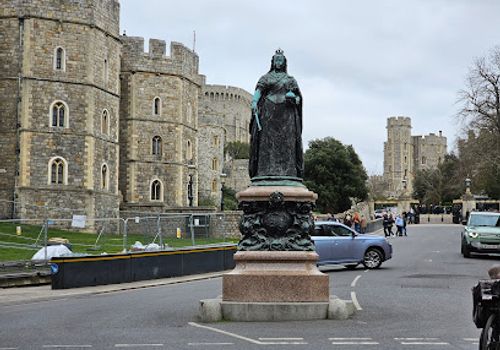
The Queen Victoria Statue, erected in 1887 at the entrance of Windsor Castle, commemorates the monarch’s Golden Jubilee. Crafted by Sir Edgar Boehm in bronze atop a granite pedestal, it portrays Queen Victoria in regal attire holding the orb and sceptre, symbolizing her long reign and the British Empire’s height. This historic landmark offers visitors a poignant glimpse into Victorian royal heritage amidst the scenic and historic surroundings of Windsor.
Open 24 hoursTime to spend 0.5–1.5 hrs
-
Bridge4.6★191 reviews
Sonning Bridge
Sonning Bridge is a charming 18th-century brick arch road bridge spanning the River Thames, linking Sonning in Berkshire with Sonning Eye in Oxfordshire. Completed in 1775, this Grade II listed structure is notable for its historic architecture, scenic riverside setting, and role as the only road bridge between Henley-on-Thames and Reading. It is flanked by picturesque villages, historic buildings, and popular riverside amenities.
Open 24 hoursTime to spend 0.5–2 hrs
-
Historical landmark4.6★157 reviews
Maidenhead Railway Bridge
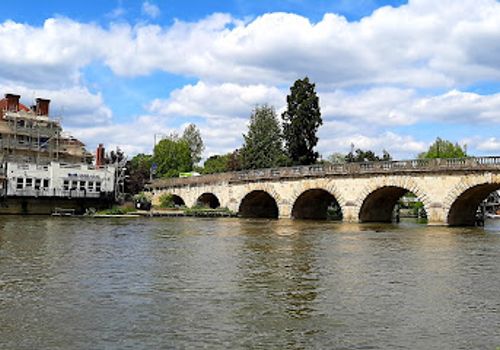
The Maidenhead Railway Bridge, designed by Isambard Kingdom Brunel and completed in 1838, is a historic railway viaduct spanning the River Thames near Maidenhead. Renowned for its two wide, flat brick arches—the flattest and widest of their kind—it carries the Great Western Main Line and stands as a testament to Victorian engineering innovation. This Grade I listed landmark combines elegant classical design with groundbreaking structural techniques, remaining in active use and admired for its architectural and historical significance.
Open 24 hoursTime to spend 0.5–1.5 hrs
-
Bridge4.8★128 reviews
Windsor Eton Bridge UK
Windsor Eton Bridge, opened in 1824, is a Grade II listed iron and granite arch bridge spanning the River Thames between Windsor and Eton. Originally built for road traffic with tolls, it now serves pedestrians and cyclists, offering scenic views of the river and Windsor Castle. Its three cast iron arches rest on granite piers, reflecting nearly a millennium of bridge history at this strategic crossing.
Open 24 hoursTime to spend 0.5–2 hrs
-
Chapel4.7★106 reviews
The Guild Chapel
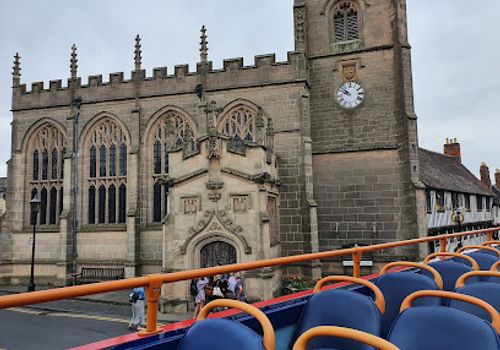
One of England's most significant medieval chapels, the Guild Chapel stands on Chapel Lane in Stratford-upon-Avon as a testament to 13th-century religious life. Founded by the Guild of the Holy Cross in 1269, this Grade I listed building showcases rare surviving wall paintings from the early 1500s—a remarkable cycle of medieval religious imagery that was hidden under limewash during the Reformation and rediscovered in the 19th century. Extensively rebuilt by Hugh Clopton in the 1490s, the chapel remains an essential stop for understanding both medieval Stratford and the town's connection to the Shakespeare family.
Daily 10:00–16:00Time to spend 0.8–2 hrs
-
Historical landmark4.4★110 reviews
Burning Bush
The Burning Bush is a distinctive wrought iron lamp designed in 1864 by Henry Woodyer, located on Eton’s High Street. Rendered in elaborate Gothic style, it features symbolic lilies representing the Virgin Mary and elements from the Eton College coat of arms, reflecting royal heritage. Originally positioned in the road’s center, it now stands on the pavement near School Hall, a historic meeting place for schoolmasters known as 'Chambers.'
Open 24 hoursTime to spend 0.2–1 hr
-
Monument4.4★98 reviews
John F Kennedy Memorial
Nestled in the tranquil woodlands of Englefield Green near Egham, the John F Kennedy Memorial is a poignant tribute to the 35th President of the United States. Overlooking the historic Runnymede meadows where Magna Carta was sealed, the memorial features a stepped pathway of 60,000 granite stones and inscriptions from Kennedy’s inaugural address, symbolizing his dedication to democracy and freedom. Open year-round from dawn to dusk, it offers a serene space for reflection amid Surrey’s natural beauty.
Open 24 hoursTime to spend 0.5–2 hrs
-
Historical landmark4.4★92 reviews
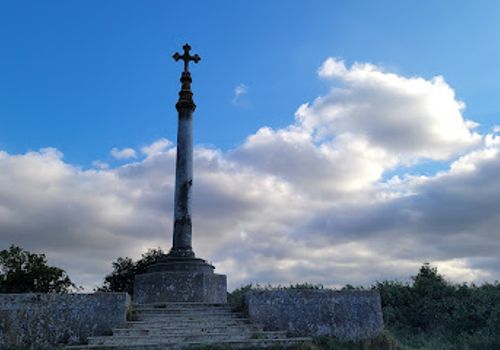
Queen Eleanor Cross
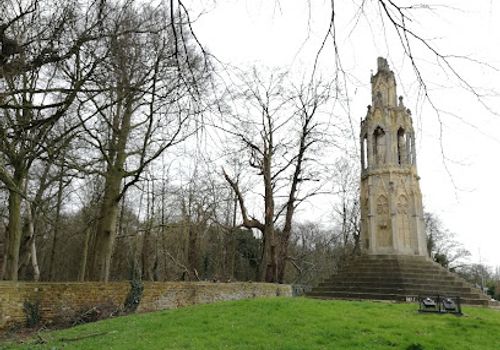
The Queen Eleanor Cross in Northampton is a striking medieval monument erected in the late 13th century by King Edward I as a memorial to his beloved wife, Eleanor of Castile. Marking one of the twelve resting places of her funeral procession, this historic landmark stands as a testament to enduring love and royal heritage, located near Delapré Abbey on London Road, Northampton.
Open 24 hoursTime to spend 0.5–1.5 hrs
-
Market4.3★93 reviews
Stratford Waterside Market
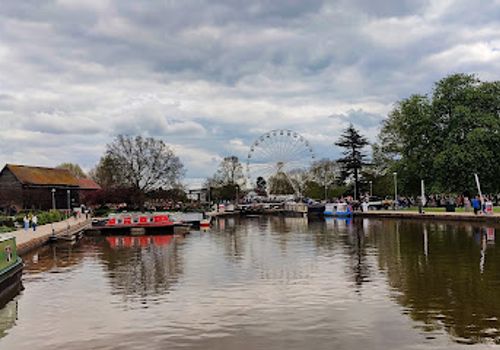
Stratford Waterside Market, also known as the Waterside Upmarket, is a vibrant Sunday market located along the picturesque riverbank in Stratford-upon-Avon. It features over 90 stalls offering a diverse range of high-quality products including handcrafted items, designer jewellery, vintage finds, street food, and artwork. The market is renowned for its unique and artisan products, set in a charming waterside setting near the Royal Shakespeare Theatre.
Price level $Time to spend 1–3 hrs
-
College4.6★86 reviews
The Queen's College
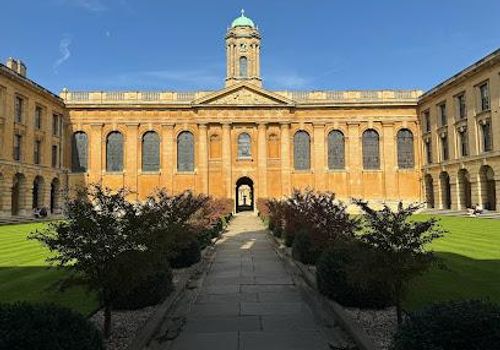
One of Oxford's most distinguished colleges, The Queen's College stands majestically on the High Street, showcasing spectacular Baroque and Neoclassical architecture dating primarily from the 17th and 18th centuries. Founded in 1341, this historic institution features a stunning front quadrangle, an elegant chapel, and beautifully maintained gardens. While primarily a working academic community, the college welcomes visitors during designated open days, alumni visits, chapel services, and public concerts. The High Street facade, designed by the renowned architect Nicholas Hawksmoor, is an architectural masterpiece that draws admiration from thousands of passersby daily.
Open 24 hoursTime to spend 1–2 hrs
-
Historical landmark4.5★85 reviews
The Shakespeare Memorial Fountain
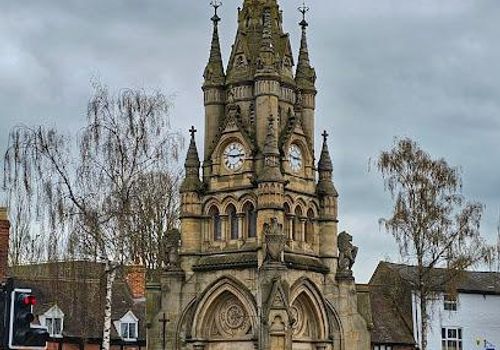
The Shakespeare Memorial Fountain, also known as the American Fountain, is a striking Victorian Gothic monument located in Stratford-upon-Avon's marketplace. Gifted by American philanthropist George Childs in 1887, it commemorates Queen Victoria’s Golden Jubilee, celebrates William Shakespeare, and symbolizes the friendship between the USA and England. Adorned with Shakespearean quotes and sculptural details, it originally served as a drinking fountain and horse trough, reflecting local temperance sentiments.
Open 24 hoursTime to spend 15–45 min
-
Historical landmark4.7★79 reviews
Tom Tower
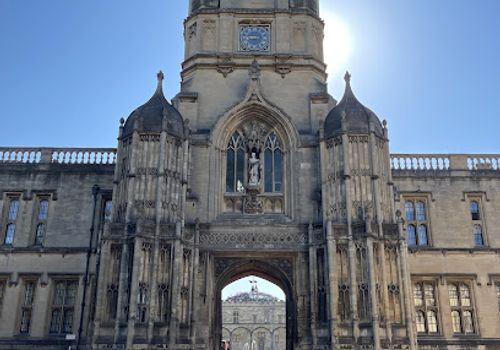
Tom Tower is a striking 17th-century bell tower designed by Sir Christopher Wren, situated above Tom Gate at Christ Church, Oxford. Famous for housing the Great Tom bell, it marks a historic gateway to the largest college quadrangle in Oxford. The tower’s late Gothic style blends seamlessly with the medieval architecture of the college, while its nightly 101 chimes honor centuries-old academic traditions.
Mon 10:30–16:30 · Wed–Sun 10:30–16:30Price level $$Time to spend 0.5–2 hrs
-
Historical landmark4.5★78 reviews
Liddington Hillfort
Liddington Hillfort, also known as Liddington Castle, is an ancient Iron Age hillfort perched at 275 meters above sea level near Swindon. Dating back to around 700 BC, it offers panoramic views over the Wiltshire countryside and Swindon town. The site features earthwork ramparts, a historic star-shaped WWII decoy bunker nearby, and a tranquil atmosphere ideal for contemplation and exploration of layered historical landscapes.
Time to spend 1–2 hrs
-
Historical landmark4.5★76 reviews
Lord Wantage Monument
The Lord Wantage Monument is a historic landmark perched on the Ridgeway near Wantage, Oxfordshire. Erected by Lady Wantage in memory of Robert Loyd-Lindsay, 1st Baron Wantage, this striking monument stands atop a Bronze Age barrow, blending ancient heritage with Victorian commemoration. It offers panoramic views of the surrounding countryside and serves as a poignant tribute to a notable British figure.
Open 24 hoursTime to spend 0.5–1.5 hrs
-
College4.4★76 reviews
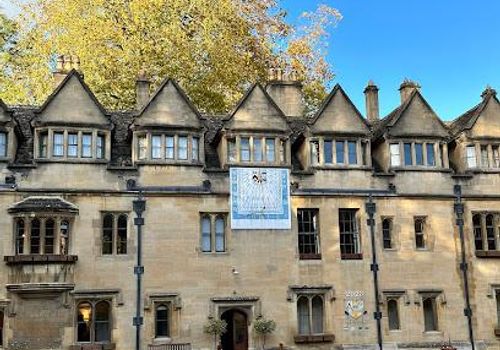
Brasenose College
Founded in 1509 on the site of a medieval academic hall, Brasenose College is one of Oxford University's oldest and most prestigious colleges. Located in the heart of Oxford at Radcliffe Square, it features stunning medieval and Victorian architecture, a vibrant student community, and a rich history intertwined with British academic and sporting traditions. Visitors can explore its iconic quads, chapel, and dining hall, experiencing centuries of tradition and scholarly excellence.
Time to spend 0.5–2 hrs
-
Museum4.3★77 reviews
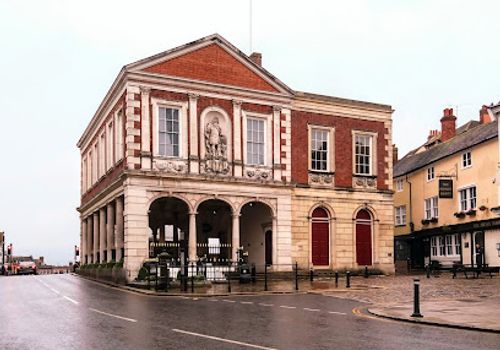
Windsor & Royal Borough Museum
Located within the historic Windsor Guildhall, the Windsor & Royal Borough Museum offers a captivating glimpse into the rich heritage of Windsor and its surrounding borough. The museum displays over a hundred fascinating objects spanning from Stone Age flints to First World War letters, alongside treasures like a 100,000-year-old mammoth tusk and a model of the Hawker Hurricane. Open Tuesdays and Wednesdays, it features interactive exhibits and guided tours of the Guildhall’s ornate rooms, blending local history with royal connections.
Tue 10:00–14:00Time to spend 0.5–2 hrs
-
Historical landmark4.5★71 reviews
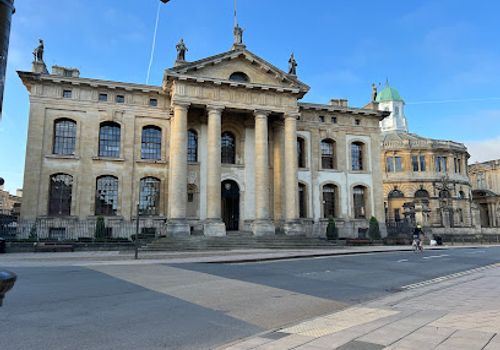
Clarendon Building
The Clarendon Building is a striking early 18th-century neoclassical structure on Broad Street, Oxford. Designed by Nicholas Hawksmoor and completed in 1715, it originally housed the Oxford University Press. Today, it serves as administrative offices for the University of Oxford and forms a key part of the historic architectural ensemble alongside the Bodleian Library and Sheldonian Theatre. While public access inside is restricted, its grand facade and rooftop statues make it a must-see landmark in Oxford’s academic heart.
Mon–Fri 9:00–19:00Time to spend 0.5–1.5 hrs
-
Historical landmark4.4★58 reviews
Soldier's Statue
The Soldier's Statue in Windsor stands as a powerful modern military memorial honoring the sacrifices of soldiers, especially those of the Irish Guards. Crafted from bronze salvaged from the Iraq War and set on a plinth incorporating rubble from Afghanistan, this imposing statue depicts a soldier in contemporary battle fatigues. Located near Windsor Castle, it offers a reflective space with benches and shade, blending history and solemn remembrance in a serene setting.
Open 24 hoursTime to spend 0.2–1 hr
-
Tours4.3★44 reviews
Oxford Tours UK
Oxford Tours UK offers expertly tailored walking tours in the heart of Oxford, delivering engaging, knowledgeable, and personalized experiences. Located at 15-16 Broad Street, these tours explore Oxford’s rich history, iconic university colleges, and literary heritage with passionate guides who bring the city’s stories to life. Ideal for history buffs, literature fans, and curious travelers seeking an immersive introduction to Oxford’s culture and landmarks.
Mon–Fri 8:00–22:00 · Sat–Sun 8:00–19:30Price level $$Time to spend 1–3 hrs
-
Memorial park4.8★33 reviews
Sydney Camm Memorial
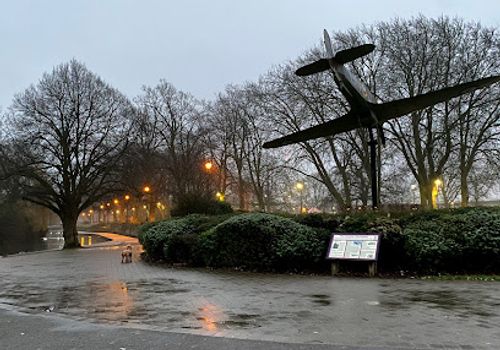
A full-size replica of the iconic Hawker Hurricane fighter aircraft stands as a lasting tribute to Sir Sydney Camm, the brilliant aeronautical engineer born in Windsor who designed this legendary World War II plane. Located near Alexandra Gardens along the riverside, this striking memorial celebrates Camm's extraordinary contributions to aviation history and his pivotal role in the Battle of Britain. The replica bears authentic markings from aircraft flown during the conflict, making it a poignant landmark for history enthusiasts and aviation lovers.
Open 24 hoursTime to spend 0.2–1.5 hrs
-
Bridge4.3★35 reviews
Albert Bridge
Albert Bridge in Windsor is a historic and picturesque bridge spanning the River Thames at Southlea Road. Known for its Victorian-era charm and vital role in connecting Windsor’s communities, this bridge blends elegant design with functional heritage. It offers scenic views and a glimpse into the area's rich history, making it a notable landmark for visitors exploring Windsor’s riverside.
Open 24 hoursTime to spend 0.5–1.5 hrs
-
Landmark4.7★32 reviews
Gothic Temple
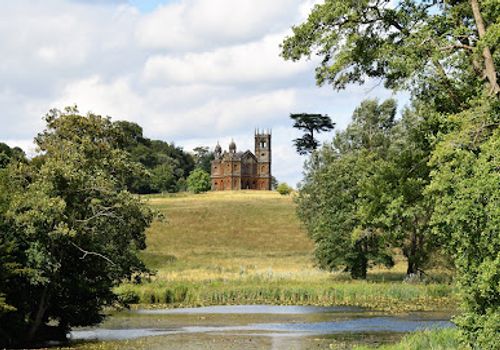
The Gothic Temple, built in 1741 by architect James Gibbs, is a striking folly set within the renowned Stowe Landscape Gardens near Buckingham. This Grade I listed building features distinctive Gothic architecture, including pointed arches and ornate stonework, with circular interior rooms and a gilded mosaic dome. Once dedicated to the 'Liberty of our Ancestors,' the temple offers panoramic views of the historic gardens and surrounding countryside, inviting visitors to immerse themselves in 18th-century romanticism and landscape design.
Mon–Fri 9:00–17:30 · Sat 9:00–13:00Price level $$Time to spend 1–3 hrs
-
Historical landmark4.7★27 reviews
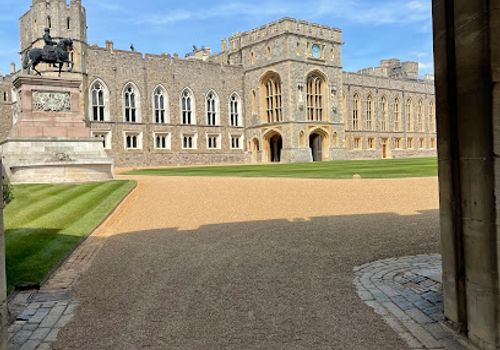
Windsor Castle Quadrangle
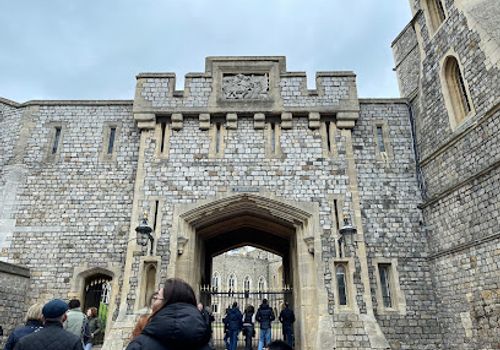
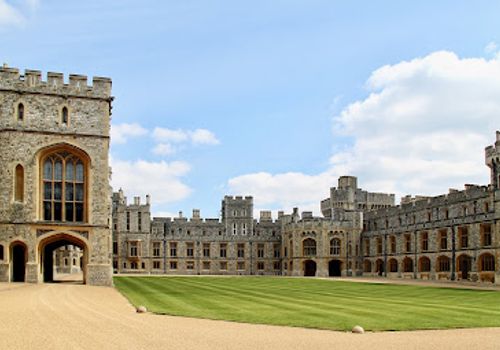
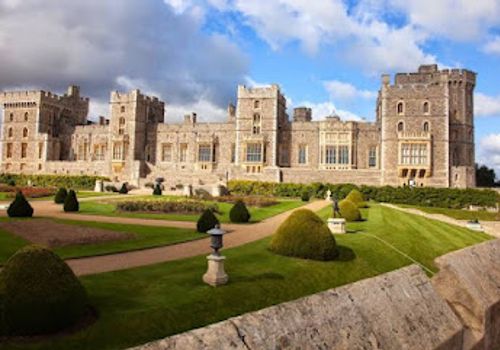
The heart of Windsor Castle, the Quadrangle is a magnificent ceremonial courtyard surrounded by historic State Apartments and royal residences. Established in the 14th century under Edward III and refined during George IV's 19th-century renovations, this grand open space serves as the focal point for royal pageantry, including the famous Changing of the Guard ceremony. Visitors experience the architectural splendor of Gothic and Georgian design while exploring one of the world's oldest and largest occupied castles, home to 40 monarchs and a UNESCO World Heritage site.
Price level $$Time to spend 2.5–3 hrs
-
Historical landmark4.5★24 reviews
Holy Well of St Anne
The Holy Well of St Anne in Caversham, Reading, is an ancient medieval pilgrimage site dedicated to St Anne, the patron saint of women in labour. Once a revered source of healing mineral waters, the well was lost for centuries before being rediscovered in 1906. It features a memorial drinking fountain installed in 1908 and remains a tranquil historical landmark reflecting centuries of local religious and cultural heritage.
Open 24 hoursTime to spend 0.5–1.5 hrs
-
Tourist attraction4.6★22 reviews
Statue Of Shakespeare Stratford-upon-Avon
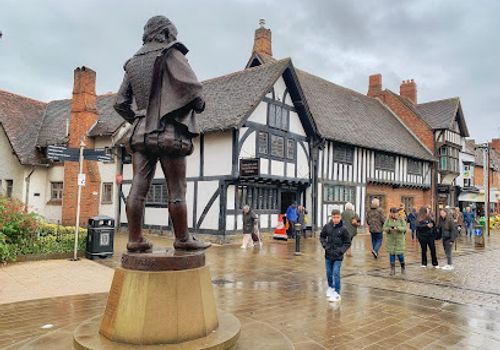
Standing proudly on Henley Street in Stratford-upon-Avon, the bronze statue of William Shakespeare is one of the town’s most iconic landmarks. Erected in 1888, it depicts the Bard seated with quill in hand, surrounded by figures from his plays. Easily accessible and free to visit, it’s a popular photo spot and a natural starting point for exploring Shakespeare’s hometown. The statue sits near Shakespeare’s Birthplace and other key attractions, making it a central, symbolic heart of Stratford’s literary heritage.
Open 24 hoursTime to spend 15–30 min
-
Town Hall4.4★22 reviews
Stratford-upon-Avon Town Hall
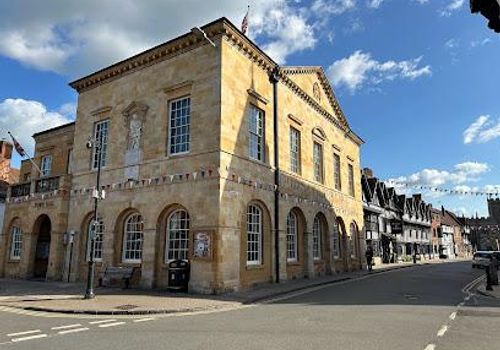
Stratford-upon-Avon Town Hall, completed in 1767 and opened in 1769, is a Grade II* listed Palladian-style building located on Sheep Street. Renowned for its elegant architecture and cultural significance, it features a statue of William Shakespeare and has served various civic roles, including council meetings and a World War I auxiliary hospital. The building’s richly decorated courtroom and ballroom reflect its historical social and judicial functions.
Daily 10:00–16:30Time to spend 0.5–1.5 hrs
-
Church4.8★18 reviews
Hailes Church
Hailes Church, dating back to 1175, stands near the evocative ruins of Hailes Abbey, a former Cistercian monastery founded in 1246 by Richard, Earl of Cornwall. The abbey became a renowned medieval pilgrimage site after acquiring a relic believed to be the Holy Blood of Christ. Though the abbey was dissolved in 1539, the church remains a Grade I listed building, preserving medieval religious heritage amid the tranquil Cotswold countryside.
Open 24 hoursPrice level $Time to spend 1–3 hrs
-
Historical landmark4.0★21 reviews
Blue Plaque: J.R.R. Tolkien
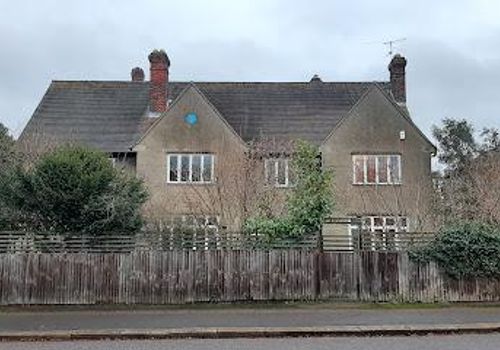
A historic blue plaque marks 20 Northmoor Road in North Oxford, the former home and creative sanctuary of J.R.R. Tolkien from 1930 to 1947. Within these walls, the Oxford academic and author wrote The Hobbit and much of The Lord of the Rings, two of the most influential fantasy works ever created. The Grade II-listed house, unveiled on the plaque in 2002 by Tolkien's daughter Priscilla, stands as a literary landmark celebrating one of the 20th century's greatest storytellers and his enduring legacy.
Time to spend 0.2–1 hr
-
Landmark4.6★14 reviews
Temple of British Worthies
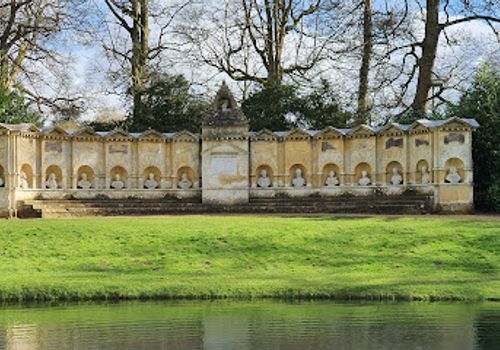
The Temple of British Worthies is a celebrated 18th-century monument in Stowe Gardens, Buckinghamshire, honoring sixteen notable British figures. Designed by William Kent and built around 1734–1735, the curved stone exedra features busts of eminent men from history, politics, literature, and science, with Queen Elizabeth I as the sole female figure. This architectural tribute reflects the Whig political ideals of the Temple family and offers a contemplative glimpse into British heritage within the scenic landscape gardens.
Open 24 hoursTime to spend 0.5–2 hrs
-
Bridge4.8★12 reviews
Tramway Bridge
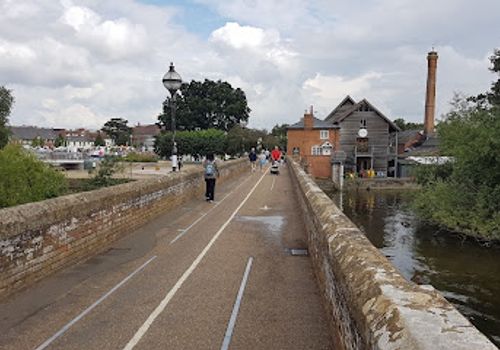
The Tramway Bridge in Stratford-upon-Avon is a historic pedestrian bridge built in 1826 with nine elegant red brick arches. Originally part of the Stratford and Moreton Tramway, it offers serene views over the River Avon and remains a cherished landmark for locals and visitors exploring the town’s industrial heritage alongside its literary fame.
Time to spend 0.5–1.5 hrs
-
Historical landmark4.7★11 reviews
Bliss Tweed Mill
Bliss Tweed Mill, a striking Grade II* listed Victorian building on the edge of Chipping Norton, Oxfordshire, was built in 1872 to produce fine tweed from local wool. Designed by George Woodhouse, its mansion-like limestone façade and iconic domed chimney make it a distinctive landmark. Once a thriving industrial hub supplying military uniforms in WWI, the mill closed in 1980 and has since been converted into luxury apartments, preserving its historic character amidst scenic Cotswold countryside.
Price level $$Time to spend 0.5–1.5 hrs
-
Tourist attraction5.0★10 reviews
Willow Tree
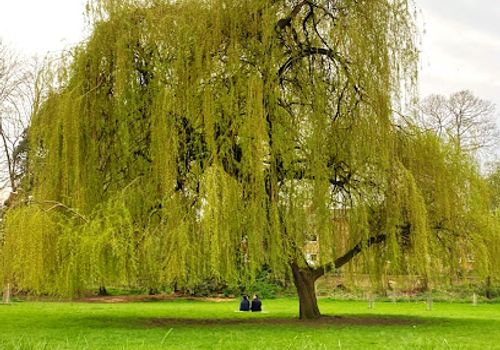
A solitary, majestic willow stands at the water's edge within Christ Church Meadow, its sprawling roots creating an iconic natural landmark that has become a cherished destination for visitors and locals alike. This tranquil riverside spot offers a peaceful retreat where history, nature, and romance converge, making it an unforgettable focal point for walks, photographs, and quiet reflection in the heart of Oxford.
Open 24 hoursTime to spend 0.5–2 hrs
-
Historical landmark4.5★10 reviews
The Windsor Lady (The Queen and her Corgis)
Located at Bachelors Acre in Windsor, The Windsor Lady commemorates Queen Elizabeth II’s lifelong devotion to her beloved Pembroke Welsh corgis. This historical landmark celebrates the unique bond between the Queen and her dogs, showcasing their presence throughout her reign and personal life. Known for owning over 30 corgis across 14 generations, the Queen’s passion for these fearless herding dogs is a charming facet of her legacy.
Open 24 hoursTime to spend 0.5–1.5 hrs
-
Historical landmark3.7★12 reviews
North Hinksey Conduit House
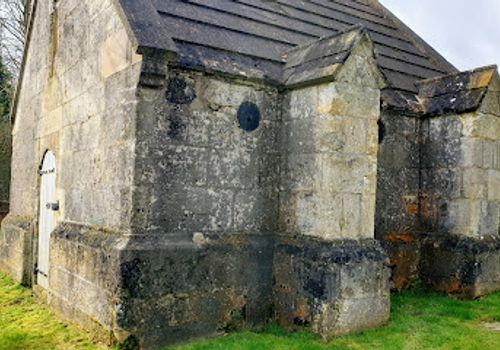
North Hinksey Conduit House, built in 1617, is a historic limestone structure perched on a hillside overlooking Oxford. It housed a large lead cistern that was part of the city’s first piped water system, channeling fresh spring water from North Hinksey to the ornate Carfax Conduit fountain in central Oxford. The building’s robust, chapel-like form features gabled buttresses, a carved coat of arms, and rare 17th- and 18th-century graffiti, making it a unique testament to early civic engineering and heritage.
Thu–Sun 10:00–16:00Time to spend 0.5–1.5 hrs
-
Historical landmark4.4★7 reviews
King Edward III Tower
The King Edward III Tower is a prominent medieval structure within Windsor Castle, showcasing exquisite 14th-century Gothic architecture. Named after King Edward III, who extensively rebuilt Windsor Castle during his reign, the tower stands as a symbol of royal power and chivalry. Visitors can admire its intricate stonework, enjoy scenic views of the River Thames, and explore the surrounding historic gardens, making it a captivating landmark in Windsor.
Price level $$Time to spend 1–2 hrs
-
Castle5.0★6 reviews
The Curfew Tower
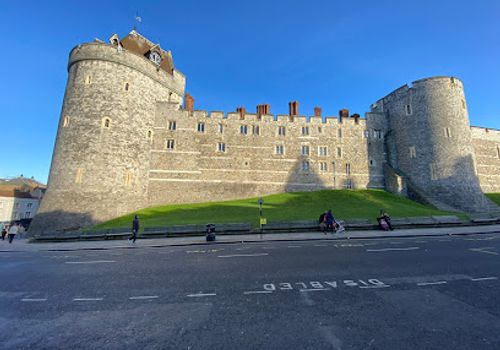
The Curfew Tower is a historic 13th-century tower located within Windsor Castle’s Lower Ward. Built between 1227 and 1230 under King Henry III, it served as a defensive stronghold with a dungeon and a secret sally port. The tower houses ancient castle bells and a clock, and its distinctive French-style conical roof was added in the 19th century. It remains one of the oldest surviving structures of the castle, embodying centuries of royal history and architectural evolution.
Price level $$Time to spend 0.5–1.5 hrs
-
Historical landmark4.8★6 reviews
Stratford Upon Avon Bandstand
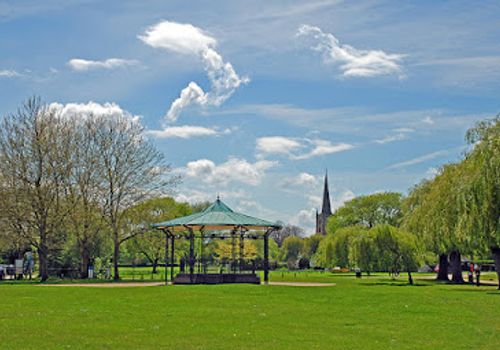
Situated on the Recreation Ground off Swan Nest Lane in Stratford-upon-Avon, the Stratford Upon Avon Bandstand is a cherished historic landmark that serves as a vibrant live music venue. Known for its free summer concert series, it offers locals and visitors alike a welcoming space to enjoy diverse musical performances amidst a picturesque outdoor setting. This bandstand blends heritage charm with lively cultural experiences, making it a focal point for community events and seasonal celebrations.
Open 24 hoursTime to spend 1–3 hrs
-
Historical landmark3.5★6 reviews
2.1
Oriel Square, nestled in central Oxford just south of the High Street, is a historic landmark famed for its connection to Oriel College, the oldest royal foundation in Oxford. This tranquil square offers visitors a glimpse into centuries of academic tradition, framed by elegant architecture and a serene urban atmosphere that reflects Oxford’s storied past.
Open 24 hoursPrice level $Time to spend 0.5–2 hrs
-
Tourist attraction3.0★7 reviews
Ancient well
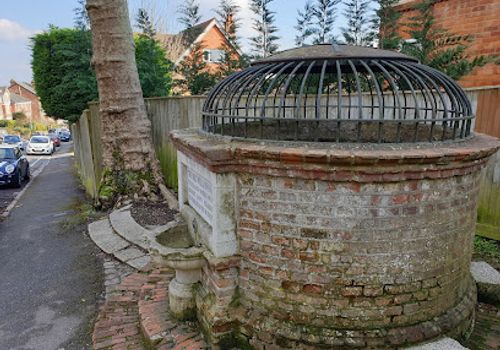
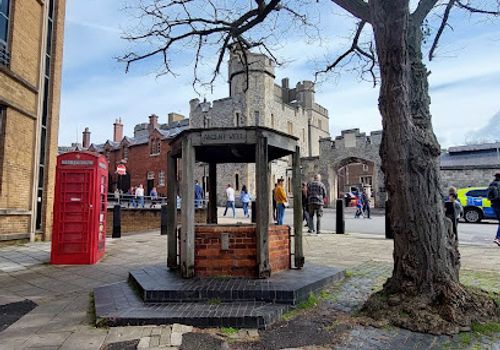
Nestled on St Alban's Street in the heart of Windsor, the Ancient Well is a modest yet historically significant landmark that speaks to centuries of local life. This rustic stone structure, believed to have served as a vital water source for the community and possibly royal households, offers a quiet moment of reflection amid Windsor's bustling streets. Surrounded by charming period architecture, the well invites visitors to pause and contemplate the layers of history that have unfolded in this royal town since medieval times.
Time to spend 0.2–1 hr
-
Museum4.8★4 reviews
West Banqueting House
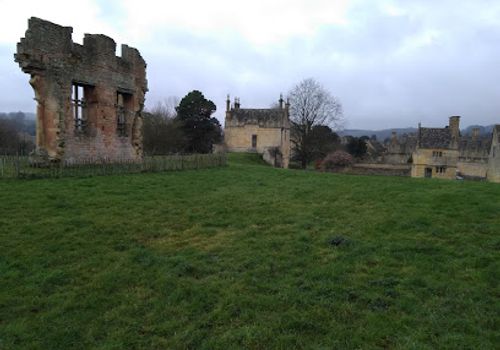
West Banqueting House is a remarkable Jacobean building in Chipping Campden, Gloucestershire, part of the historic Old Campden House estate. Built in the early 17th century by Sir Baptist Hicks, it served as a dedicated venue for elegant banquets and private retreats. Today, it stands as a beautifully preserved example of Jacobean architecture, offering visitors a glimpse into the lavish lifestyle of the English gentry before the Civil War. The house features richly decorated interiors, vaulted chambers, and underfloor heating, blending historic charm with modern comforts.
Price level $$Time to spend 1–3 hrs
-
Historical landmark4.8★4 reviews
Northampton Castle Postern Gate
The Northampton Castle Postern Gate is the sole surviving structure of the once-mighty Northampton Castle, a major Norman royal fortress near London. Dismantled and rebuilt in the 19th century near the railway station, this medieval gateway stands as a silent witness to centuries of English history, including royal parliaments, the trial of Thomas Becket, and the castle’s eventual demolition to make way for railway expansion.
Open 24 hoursTime to spend 0.5–1.5 hrs
-
Landmark4.7★3 reviews
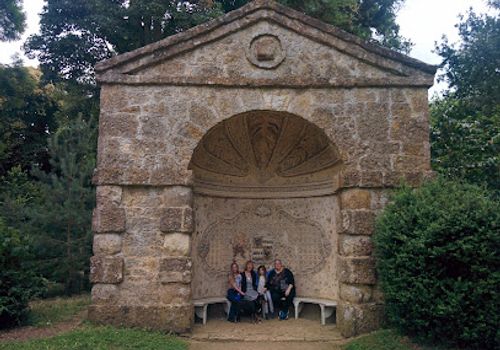
Pebble Alcove
The Pebble Alcove is a charming and historic stone exedra located within the renowned Stowe Gardens in Buckinghamshire, England. Built before 1739, it features intricate pebble mosaics including the Temple family coat of arms and motto. This unique architectural folly offers visitors a glimpse into 18th-century garden design, blending classical form with natural materials, set amidst the scenic lakeside walks of the expansive landscape garden.
Price level $$Time to spend 0.5–1.5 hrs
-
Historical landmark4.0★2 reviews
Bronze Plaque № 10828
Bronze Plaque № 10828, located at 28 Thames Street in Windsor, is a historical landmark commemorating a significant aspect of the town's rich heritage. This modest yet meaningful plaque serves as a tangible reminder of Windsor’s storied past, situated near other notable sites such as Windsor Castle and the Windsor Martyrs' Memorial. It offers visitors a quiet moment of reflection amid the bustling historic town center.
Time to spend 0.2–1 hr
-
Festival5.0★1 review
IF Oxford: The Oxford Science and Ideas Festival
IF Oxford is a vibrant annual festival held in Oxford, UK, celebrating science, technology, arts, and humanities through over 100 interactive events. Running from mid-October to early November, it offers activities for all ages, including families, teens, and adults, blending cutting-edge research with creative performances and hands-on experiences across multiple city venues.
Mon–Sat 9:00–17:00Price level $$Time to spend 2–6 hrs
-
Historical landmark5.0★1 review
Edward VII Statue
Situated on Station Road in Reading, the Edward VII Statue is a distinguished bronze monument erected in 1902 to commemorate the coronation of King Edward VII. Crafted by sculptor George Edward White, this historical landmark captures the grandeur of Edwardian Britain and serves as a focal point near Reading railway station. Its intricate design and prominent location make it a significant cultural and artistic symbol in the town.
Open 24 hoursTime to spend 0.2–1 hr
-
Market5.0★1 review
Stratford upon Avon
Stratford-upon-Avon is a historic market town in Warwickshire, England, renowned as the birthplace and burial site of William Shakespeare. Nestled on the River Avon and surrounded by picturesque countryside, it offers a rich blend of Tudor heritage, vibrant cultural experiences, and scenic riverside charm. Visitors can explore Shakespeare’s Birthplace, the Royal Shakespeare Theatre, and enjoy the town’s lively markets, quaint streets, and riverside gardens.
Price level $$Time to spend 2–6 hrs
-
Historical landmark4.0★1 review
Mary Delany and Fanny Burney blue plaque
This blue plaque on Windsor Castle’s wall along St Alban's Street commemorates Mary Delany, an acclaimed 18th-century artist and bluestocking, and Frances 'Fanny' Burney, a pioneering novelist and courtier. Both women were influential figures in Georgian England, connected to the royal court and celebrated for their artistic and literary contributions. The plaque marks the site of a grace and favour house where Mary Delany lived in her final years, reflecting Windsor’s rich cultural heritage.
Time to spend 15–30 min
-
Historical landmark3.0★1 review
Windsor Martyrs' Memorial
The Windsor Martyrs' Memorial in Windsor, England, commemorates the Protestant martyrs Robert Testwood, Anthony Pearson, and Henry Filmer, who were executed for their faith in 1543. This historical landmark marks a significant episode in the English Reformation, symbolizing the courage and steadfastness of those who faced persecution during a turbulent religious period.
Time to spend 0.5–1.5 hrs
-
Bridge
Bridge of Sighs
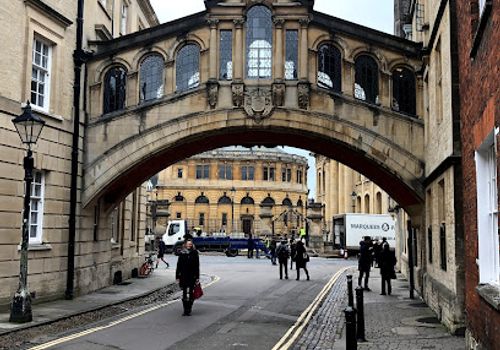
The Bridge of Sighs in Oxford, officially Hertford Bridge, is a striking covered skyway connecting the Old and New Quadrangles of Hertford College over New College Lane. Completed in 1914 and designed by Sir Thomas Jackson, it features Neo-Gothic architecture with ornate stone carvings and pointed arches. This iconic bridge is a beloved symbol of Oxford’s academic heritage and a popular photographic subject, steeped in myths and university traditions.
Time to spend 0.5–1.5 hrs
-
Historical landmark
Great Jewry Marker
The Great Jewry Marker in Oxford commemorates the historic Jewish quarter known as Great Jewry Street, located on St Aldate's. This area was the heart of Oxford’s medieval Jewish community from the late 11th century until their expulsion in 1290. The marker honors the Jewish residents who contributed significantly to the city’s commercial and academic life, despite facing persecution. It stands as a testament to Oxford’s rich, though often hidden, Jewish heritage.
Time to spend 0.2–1 hr
-
Magdalen Bridge
Magdalen Bridge is a historic stone bridge spanning the River Cherwell in Oxford, England, adjacent to Magdalen College. Originally referenced in 1004, the current structure was designed by John Gwynn and built between 1772 and 1790. It connects Oxford’s High Street with The Plain and is renowned for its elegant arches and role in local traditions such as the May Morning celebrations.
Time to spend 0.5–2 hrs
-
Historical landmark
Old Campden House
Old Campden House, built in 1612 by the wealthy mercer Sir Baptist Hicks, was once a magnificent Jacobean mansion in Chipping Campden, Gloucestershire. Although largely destroyed by fire in 1645 during the English Civil War, remnants including banqueting houses, lodges with distinctive ogee domes, and garden terraces survive, offering a glimpse into its former splendor and historical significance.
Time to spend 0.5–2 hrs
-
Garden
The White House
An elegant 18th-century mansion nestled in the heart of the De Vere Beaumont Estate near Old Windsor, The White House serves as a distinctive hotel centerpiece. This Grade II listed building, with its striking white façade and period architecture, offers a blend of historical charm and contemporary hospitality. Set within manicured parkland close to Windsor Castle, it provides an atmospheric base for exploring the Thames Valley region.
Price level $$Time to spend 1–3 hrs
-
Historical landmark
H. G. Wells White Plaque
The H. G. Wells White Plaque at 26 High Street, Windsor, marks the site where the renowned science fiction author Herbert George Wells worked as a young apprentice. This historical landmark commemorates Wells’s early years in Windsor, a formative period before he rose to literary fame. Situated in the heart of Windsor’s historic High Street, the plaque offers a tangible connection to the life of one of literature’s most influential figures.
Time to spend 0.2–1 hr
-
Historical landmark
Harry Greenwood Blue Plaque
The Harry Greenwood Blue Plaque in Windsor commemorates Lieutenant Colonel Harry Greenwood VC, a distinguished British Army officer born at Victoria Barracks in Windsor. Honoured for extraordinary bravery during World War I, Greenwood received the Victoria Cross and multiple other military decorations. The plaque marks his birthplace and celebrates his legacy within the historic military heritage of Windsor.
Time to spend 0.2–1 hr
-
Tours
Cotswold Journeys
Cotswold Journeys is a family-run walking tour company based in Cheltenham, offering bespoke self-guided and guided walking holidays across the scenic Cotswolds. With over 35 years of experience, they provide meticulously planned itineraries, charming local accommodations, and seamless luggage transfers, allowing you to explore historic villages, rolling hills, and tranquil countryside at your own pace.
Price level $$Time to spend 4–8 hrs
-
Building
Almshouses
The Almshouses on Church Street in Stratford-upon-Avon are a remarkable row of early 15th-century charitable homes built by the medieval Guild of the Holy Cross. This Grade I listed terrace, dating from 1427-8, provided shelter for the poor and elderly of the parish and remains one of the town’s oldest surviving domestic buildings, showcasing distinctive half-timbered medieval architecture with jettied upper floors.
Time to spend 0.5–1.5 hrs














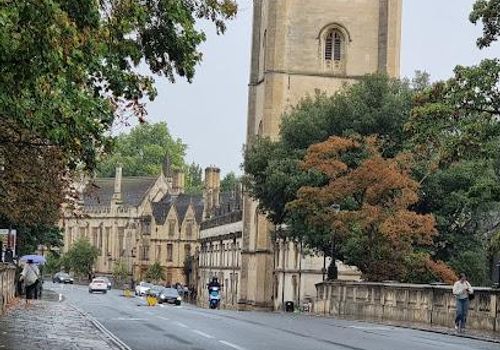


Explore Trinity College on the map
A handpicked selection of must-see spots near Trinity College, mapped for you.
More about Trinity College
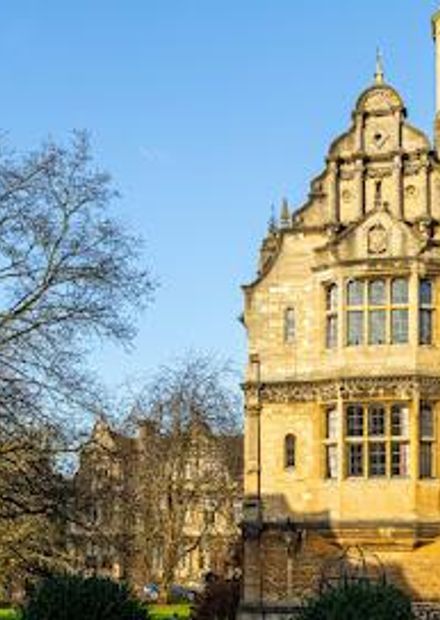
More to explore near Trinity College

 Best experiences near Trinity College
 Best hotels near Trinity College
 Best attractions near Trinity College
 Best shops near Trinity College
 Best bars near Trinity College
 Best restaurants near Trinity College
Explore more


Getting your guide ready…
We are putting together a fresh copy of the Trinity College guide. This can take up to a minute.
This can take a few moments. If your browser asks, choose Allow so the download can start. You'll find the guide in your Downloads folder.
Nothing happened? Download it again
Sorry, the guide is taking longer than usual. Please try again in a minute, or get it by email instead.