Best Landmarks Near Albuen Strand (Vejle)
Planning a trip to Albuen Strand? Discover the best landmarks nearby with history, expert tips, and routes. Free on web or the Evendo app.


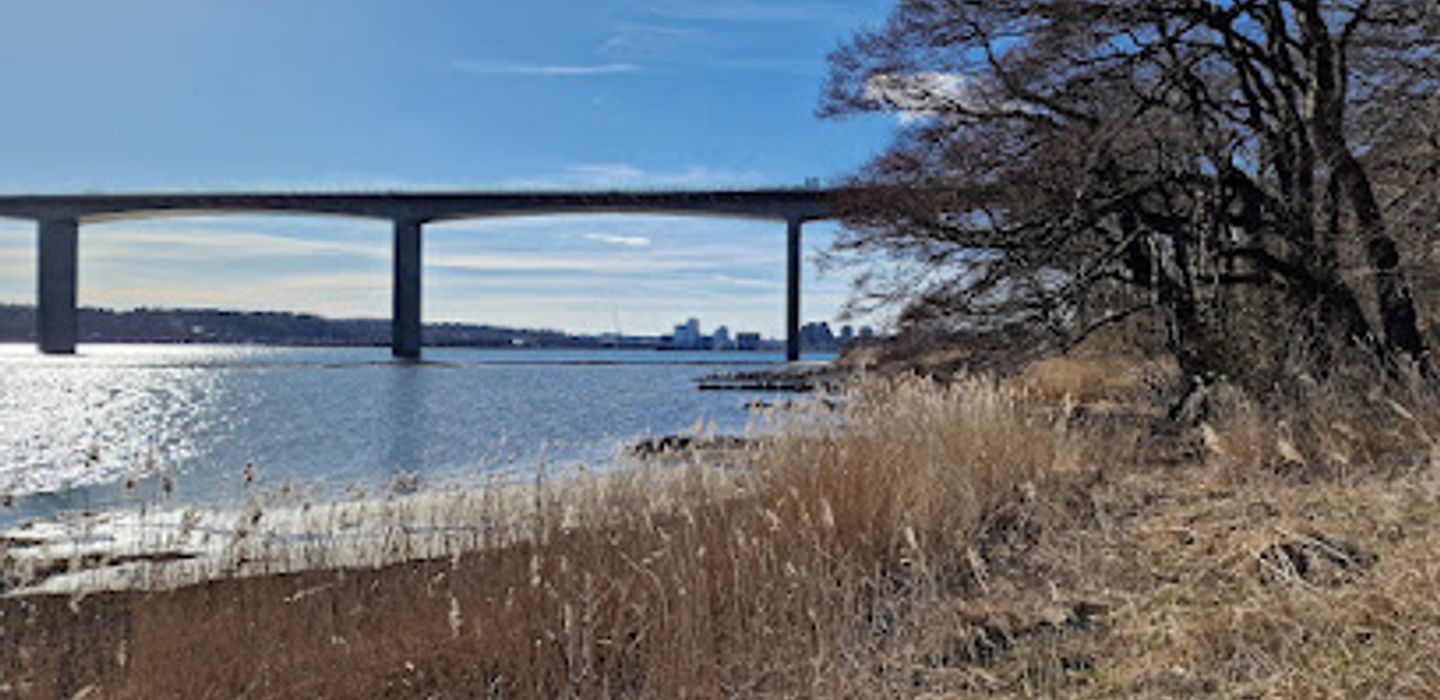
The best landmarks near Albuen Strand
- Top rated
- Closest to Albuen Strand
- Price level: low to high
- Time to spend: shortest first
- A–Z
81 landmarks
-
Amusement park4.3★8,513 reviews
Tivoli Friheden
Tivoli Friheden is a vibrant amusement park located in Aarhus, Denmark, offering a delightful mix of thrilling rides, live entertainment, and family-friendly attractions. Ideal for visitors of all ages, this park guarantees a day filled with excitement and unforgettable memories.
-
Historical landmark4.6★3,334 reviews
Jelling Mounds, Runic Stones and Church
In the quiet village of Jelling in central Jutland, two vast Viking burial mounds, a pair of famed runic stones and a whitewashed medieval church together mark the symbolic “birth certificate” of Denmark. Here, 10th‑century kings Gorm the Old and Harald Bluetooth proclaimed both a unified kingdom and its conversion to Christianity, leaving behind monumental earthworks and intricately carved granite. This compact UNESCO World Heritage site blends archaeology, royal politics and spiritual change in a landscape you can easily explore on foot in a few absorbing hours.
Open 24 hoursTime to spend 1.5–3 hrs
-
Tourist attraction4.4★3,405 reviews
Himmelbjerget
Denmark's iconic 147-meter hill crowned with a 25-meter red brick tower, offering panoramic views across the Silkeborg Lake District. This historic landmark, acquired for the Danish people by King Christian VIII in 1840, stands as a symbol of Danish democracy and natural beauty. Accessible via numerous hiking trails ranging from gentle 30-minute walks to extended multi-day routes, Himmelbjerget attracts nature lovers, hikers, and history enthusiasts year-round. The summit features a restaurant, souvenir shop, and children's playground, while the surrounding forests hide additional viewpoints and peaceful lakeside paths.
Open 24 hoursTime to spend 1.5–8 hrs
-
Bridge4.5★2,407 reviews
The Uncovered Bridge
A striking red steel lattice bridge spanning the Gudenå River near Brædstrup, Den Genfundne Bro is a remarkable piece of Danish industrial heritage. Built in 1899 as part of a narrow-gauge railway, the 13.4-meter-high bridge was buried beneath a dam for 85 years before its dramatic excavation and restoration in 2014. Today, it stands as one of Denmark's most beloved excursion destinations, offering visitors a unique blend of history, engineering, and natural beauty in a picturesque riverside setting.
Open 24 hoursTime to spend 1–3 hrs
-
Tourist attraction4.3★2,484 reviews
The Infinite Bridge
The Infinite Bridge, or Den Uendelige Bro, is a circular wooden structure extending over Aarhus Bay, offering panoramic views of the sea and surrounding landscapes. Originally a temporary art installation, its popularity led to its re-establishment as a seasonal attraction from April to October.
Open 24 hours
-
Castle4.5★1,674 reviews
Marselisborg Castle
Marselisborg Palace is the Danish royal family’s elegant summer and Christmas residence on the southern edge of Aarhus, set above the Bay of Aarhus and framed by forest and parkland. Built between 1899 and 1902 as a “people’s gift” to the future King Christian X and Queen Alexandrine, the whitewashed palace is surrounded by English-style gardens dotted with sculptures, ponds, rose beds and herb plots. While the palace itself is not open, the atmospheric park is accessible when the royals are away, offering tranquil walks, distant sea views and a refined glimpse of Danish royal life just outside the city centre.
Price level $Time to spend 1–2 hrs
-
Historical landmark4.3★1,715 reviews
Ejer Bavnehøj
Ejer Bavnehøj rises from the rolling Jutland countryside as one of Denmark’s highest natural points, crowned by the brick Genforeningstårnet, a 1924 memorial to the reunification of Southern Jutland. From this modest but wind-swept summit you get big-sky panoramas over glacially carved hills and farmland, easy paths, picnic spots, a small kiosk in season, and a short walk to neighbouring Møllehøj, officially Denmark’s highest point. It is an atmospheric pause on a road trip, blending quiet views, national history, and simple outdoor time.
Daily 8:00–22:00Time to spend 0.5–2 hrs
-
Memorial park4.6★1,414 reviews
Mindeparken
Mindeparken (The Memorial Park) is a 65.9-acre memorial park and recreational area in southern Aarhus, adjacent to Marselisborg Palace. Inaugurated in 1925 by King Christian X, the park features a striking limestone monument honoring 4,140 Danes who fell in World War I. Beyond its solemn memorial function, Mindeparken offers lush woodlands, panoramic views across Aarhus Bay, botanical gardens including a Japanese cherry grove, and abundant space for walking, picnicking, and outdoor activities. The park seamlessly blends historical significance with natural beauty and serves as a vital green space for locals and visitors alike.
Open 24 hoursTime to spend 1.5–4 hrs
-
Train station3.8★1,056 reviews
Odense St.
Odense Station is the main rail hub of Funen and the gateway to Hans Christian Andersen’s hometown, set on Østre Stationsvej at the northern edge of Odense’s historic center. The modern 1995 complex folds together intercity rail, regional trains, buses and the light rail, with shops and services under one roof. It is a practical, covered base for day trips across Denmark and a convenient starting point for exploring Odense on foot, by tram or by bike.
Time to spend 0.5–2 hrs
-
Cathedral4.4★829 reviews
Odense Cathedral - St. Canute's Church
Rising above Odense’s old town, Odense Cathedral – St. Canute’s Church – is a luminous Brick Gothic landmark with more than 900 years of royal and religious history. Inside its soaring white nave you’ll find the ornate 16th‑century altarpiece by Claus Berg, royal tombs, and a remarkable crypt where the relics of King Canute the Holy and his brother Benedikt rest, making this one of Denmark’s most atmospheric and historically important churches.
Time to spend 0.5–2 hrs


Himmelbjerget
Himmelbjerget, meaning 'The Sky Mountain,' is a 147-meter hill located between Ry and Silkeborg in Denmark's Lake District. Crowned with a distinctive 25-meter red brick tower erected in 1875, it stands as one of Denmark's most iconic natural landmarks and a symbol of Danish democracy. The summit offers panoramic views across glacial lakes and forested landscapes, while the surrounding area features over 40 kilometers of hiking trails through pristine nature.
Time to spend 2–7 hrs

Vesborg Fyr
A striking white lighthouse built in 1858 on the southwestern tip of Samsø island, Vesborg Fyr stands on the ruins of a medieval fortress and offers panoramic views across the Samsø Belt toward Funen, Zealand, and Jutland. The site includes a small powder magazine housing an exhibition about Samsø's five medieval strongholds, making it both a historical landmark and a scenic destination for visitors seeking to explore Denmark's maritime heritage.
Daily 11:00–18:00Price level $Time to spend 1.5–3 hrs

Abbey Mill
Abbey Mill is a historic monastery and paper mill complex nestled in Denmark's Lake District near Skanderborg. This atmospheric site blends medieval heritage with industrial history, featuring preserved buildings, scenic walking trails, and panoramic viewpoints overlooking Mossø, Denmark's largest lake. The 100-metre drying barn—Denmark's longest wooden building—stands as a testament to the mill's paper-making past. Perfect for leisurely exploration, photography, and connecting with both nature and history.
Open 24 hoursTime to spend 1.5–4 hrs

Rådhusparken
Rådhusparken is a vibrant public garden at the heart of Aarhus C, situated next to the iconic City Hall. Known for its lush lawns, historic monuments, and inviting pathways, the park is an urban sanctuary where locals and visitors gather for cultural events, relaxing afternoons, or a picturesque stroll in the city center. Its history merges with the city’s architectural heritage and daily life, making it a celebrated landmark in Aarhus.
Open 24 hours

Stærke Storm af Thomas Dambo
Stærke Storm is a monumental wooden troll sculpture crafted by Danish artist Thomas Dambo, located near Ørnsø lake in Silkeborg. Standing as part of Dambo's global troll-hunting project, this intricately carved figure represents the artist's mission to transform recycled materials into whimsical public art. The sculpture draws visitors seeking adventure, art appreciation, and connection with Denmark's creative landscape.
Open 24 hoursTime to spend 0.5–2 hrs

St. Alban's Church
A striking neo-Gothic Catholic church in central Odense, built in the early 20th century and designed by German architect Ludwig Schneider. With its distinctive 54-meter tower, ornate stained glass windows, and hand-carved wooden altarpiece, this architectural gem serves as a spiritual focal point for the city's Polish, German, and Vietnamese Catholic communities. Though overshadowed by the nearby cathedral, St. Alban's Church stands as a testament to 20th-century religious craftsmanship and immigrant heritage.
Time to spend 0.5–1.5 hrs

Hotel Dania
Hotel Dania is a historic 19th‑century hotel set directly on Silkeborg’s central square, Torvet, placing you within steps of cafés, shops and the town’s lakeside promenades. Opened in 1848 and later refurbished, it blends traditional Danish grandeur with modern comforts, offering bright rooms, an on‑site restaurant and bar, and views over the square or towards nearby forests and lakes. It’s a characterful base for exploring Silkeborg and the surrounding Lake District.
Price level $$Time to spend 1–24 hrs

The Glavendrup Stone
The Glavendrup Stone is Denmark's most significant runic monument, featuring 210 runes carved into its surface—the longest runic inscription ever found in the country. Dating to the early 10th century, this Viking-era stone was commissioned by Ragnhild to honor her husband Alle, a priest and chieftain. Positioned at the end of a 60-meter stone ship formation with nine burial sites, the stone carries an invocation to Thor and ends with a protective curse. Located in a serene grove near Skamby on Funen island, it stands as a remarkable window into Norse spiritual beliefs and Viking craftsmanship.
Open 24 hoursTime to spend 0.5–2 hrs

Fredericia Vold
Fredericia Ramparts is one of northern Europe's best-preserved fortress fortifications, encircling the historic city center with earthen ramparts, bastions, and defensive structures built between 1650–1660. Originally commissioned by King Frederik III as a strategic military stronghold, the ramparts now form one of Denmark's largest urban parks, offering scenic walking trails, historical monuments, cannons, and panoramic views of the Little Belt. The site blends military heritage with peaceful green spaces, making it both a historical landmark and a relaxing recreational destination.
Open 24 hoursTime to spend 1–3 hrs

Saint Nicolas Church
Sankt Nicolai Church is Kolding’s oldest church, with roots around 1250 and a striking red-brick exterior shaped by a major 19th-century restoration. Step inside to discover a richly carved late Renaissance altarpiece and pulpit linked to Koldinghus castle, a sandstone font from the early 1600s, evocative epitaphs and headstones, vivid mid‑20th‑century stained-glass windows, and the resonant sound of a 57‑stop Marcussen organ and a 48‑bell carillon. Set on Nicolaiplads in the compact city center, it offers a quiet, atmospheric pause amid centuries of Danish history and everyday parish life.
Time to spend 0.5–1.5 hrs

Odense Castle
Odense Castle is a dignified Baroque complex set in the heart of Odense, overlooking the leafy King’s Garden and a short stroll from the cathedral. Once a royal residence and administrative seat, the pale-yellow wings, neat courtyards and formal parkland offer a calm contrast to the busy city streets. While interior access is limited, the castle’s façades, gardens, sculptures and seasonal events make it a pleasant cultural pause on any walk through central Odense.
Open 24 hoursTime to spend 0.5–1.5 hrs

Odense City Hall
Odense City Hall presides over Flakhaven square in the very heart of Odense, a red‑brick landmark that doubles as both the city’s political hub and one of its most photogenic facades. Built between 1881 and 1883 in an Italian‑inspired Gothic historicist style by architects J.D. Herholdt and Carl Lendorf, it frames the cathedral and cobbled square with ornate gables, arches and a clock tower. Visitors come to admire the architecture, pause on the steps overlooking lively Flakhaven, and use the building as a reference point while exploring Hans Christian Andersen’s hometown.
Time to spend 0.5–1.5 hrs

Himmelbjerget rutebåd
Denmark's highest point at 147 meters, Himmelbjerget rises dramatically from the shores of Julsø between Ry and Silkeborg. A 25-meter observation tower crowns the summit, offering panoramic views across the lake and surrounding valleys. The site combines natural beauty with accessible hiking trails, family amenities, and the option to arrive by historic paddle steamer, making it one of Denmark's most iconic destinations.
Price level $Time to spend 1.5–4 hrs

Himmelbjergtårnet
Rising from the forested slopes of Himmelbjerget near Ry, Himmelbjergtårnet is a 25 m brick memorial tower crowning one of Denmark’s most storied high points. Built in the late 19th century to honor the nation’s constitution and democratic movement, it offers sweeping views across Julsø and the Silkeborg Lakes. Easy paths, woodland trails, a playground and kiosks make this hilltop lookout a classic Danish nature outing for all ages.
Daily 10:00–17:00Price level $Time to spend 1–4 hrs

Store Troldhøj
Store Troldhøj is a distinctive cone-shaped hill rising 29 metres above the Gjern Bakker landscape in Central Jutland, Denmark. This scenic summit offers panoramic views across the Gjern Å river valley and surrounding oak scrub woodland. The hilltop features a climbing tree, making it a popular destination for families and hikers seeking accessible outdoor recreation with rewarding vistas.
Open 24 hoursTime to spend 0.8–2.5 hrs

Bølling Lake
Bølling Lake is a sprawling 360-hectare shallow lake in central Jutland, Denmark, located between Engesvang and Kragelund near Silkeborg. Recreated in 2004–2005, this modern natural haven offers a 12-kilometre scenic walking loop, excellent pike fishing, swimming, and historical discovery points scattered along its shores. The lake's clear waters and peaceful woodland setting make it an ideal destination for nature lovers, families, and outdoor enthusiasts seeking relaxation and active recreation.
Time to spend 1.5–4 hrs

P-plads, Knudmosebjerget
Perched atop Knudmosebjerget hill at 79.3 meters above sea level, this modest monument marks one of Herning's highest points and offers panoramic views across the surrounding landscape. Located within the 230-hectare Knudmosen conservation area, the site serves as a focal point for walkers, runners, and cyclists exploring the region's diverse network of trails through moorland, forest, and open countryside.
Time to spend 0.5–2 hrs

Sortehusene
Sortehusene is a collection of approximately 30 small, hand-built houses constructed from wood, tar paper, and recycled materials on the south coast of Stige Ø in Odense. Originally erected in the early 1900s as informal housing for working-class families, these distinctive black structures represent a unique chapter in Danish social history. Today, roughly half of the original houses remain and function as holiday cottages, offering visitors a glimpse into a resilient community that once thrived in primitive conditions without electricity, running water, or sanitation.
Time to spend 1.5–3.5 hrs

Kolding St.
Kolding Station is the main rail and bus hub for this historic fjord-side city in Southern Jutland, Denmark. Sitting a short walk from Kolding’s cobbled center and the hilltop fortress of Koldinghus, the station links InterCity and regional trains with local and regional buses. For travelers, it is both a practical gateway and an easy springboard into Kolding’s mix of medieval streets, modern design culture, and waterfront walks.
Time to spend 0.5–2 hrs

The City's Bridge
Byens Bro is a striking 135-metre pedestrian and cycle bridge that spans 15 railway tracks at Odense Railway Station, connecting the city centre with the harbour area. Opened in May 2015 and designed by Gottlieb Paludan Architects, this architectural landmark features a distinctive 40-metre mirror-finished steel pylon and integrated bicycle parking for 1,400 bikes. The bridge provides direct access to three station platforms via lift and stairs, and creates two vibrant urban squares that serve as meeting points for commuters and visitors.
Open 24 hoursTime to spend 0.2–1.5 hrs

Ilsemade Helligkilde
Ilsemade Helligkilde is a Bronze Age holy spring located on the western beach of Samsø island in Denmark. Fresh water flows from a hollow oak trunk believed to date back thousands of years, emerging just eight meters from the shoreline at Vesterløkken. This sacred site blends natural wonder with prehistoric heritage, offering visitors a rare glimpse into Denmark's ancient spiritual traditions and the island's deep connection to water and renewal.
Time to spend 0.5–2 hrs

Vejle Vindmølle
Vejle Vindmølle is a historic windmill perched on a hillside overlooking the city of Vejle, Denmark. Built in the 19th century, this iconic landmark now houses rotating art exhibitions curated by Vejle Kunstforening (Vejle Art Society). The windmill offers free admission and provides panoramic views of the city and surrounding landscape. Visitors can explore contemporary and traditional artwork while enjoying the unique setting of this beautifully restored heritage building.
Tue–Sun 11:00–16:00Time to spend 1–2 hrs

Marselisborgmonumentet
Set in the lush Mindeparken just south of Aarhus’ city center, the Marselisborgmonumentet stands as Denmark’s largest World War I memorial. Erected in 1934 to honor Danish volunteers who fell in foreign service during the Great War, this monumental site is surrounded by tranquil parkland and offers sweeping views over Aarhus Bay. Intricate reliefs, symbolic sculptures, and a powerful atmosphere provide both historical insight and a contemplative experience.
Open 24 hours

Helligkorsgade 18
Helligkorsgade 18 is Kolding's oldest surviving townhouse, built in 1589 as a distinctive North German-style gable house. This half-timbered structure, painted in warm orange tones, stands as a rare example of medieval trading-town architecture that once flourished along Denmark's Little Belt. Today it functions as an exhibition space for local artists and serves as a cultural landmark in the heart of Kolding's pedestrian shopping district.
Open 24 hoursTime to spend 0.5–1.5 hrs

Odense Noble Virgin Convent
A meticulously preserved Renaissance building from 1504 in Odense's historic centre, the Odense Noble Virgin Convent stands as one of Denmark's oldest architectural treasures. Originally constructed as a bishop's palace, it later served as a royal residence and from 1716 functioned as a sanctuary for unmarried noblewomen until 1972. Today, extensively restored and integrated with the University of Southern Denmark, the convent reveals five centuries of Danish history through its layered interiors—Renaissance doors, Baroque staircases, and countless wallpaper layers documenting shifting tastes across generations.
Time to spend 1–2.5 hrs

Lovisehøj
Lovisehøj is a 73-meter-high hill in the Silkeborg forest district, offering panoramic views across Brassø lake toward Østerskov. Named after Louise Rasmussen, Countess Danner, this scenic viewpoint combines natural beauty with historical significance. The hill is accessible via forest trails and serves as a popular destination for hikers and nature enthusiasts seeking elevated perspectives of Denmark's lake landscape.
Open 24 hoursTime to spend 1.5–3.5 hrs

Statue of Michael Drewsen
Set in Silkeborg’s central square, the bronze Statue of Michael Drewsen honours the industrialist who founded the town and launched its paper mill on the banks of the Gudenå. Standing before the old town hall and surrounded by shops, cafés, and fountains, the monument anchors daily life in Torvet while quietly recalling Silkeborg’s transformation from rural estate to modern market town.
Open 24 hoursTime to spend 0.2–1 hr

The Sea Horse
A striking bronze sculpture depicting a wild sea horse with a mermaid rider, inspired by Hans Christian Andersen's play Agnete and the Merman. Located at the entrance to Munke Mose Park where the river crossing meets the green space, this powerful public artwork captures the magical spirit of Andersen's fairy tale universe. The dynamic sculpture stands as one of Odense's most iconic monuments celebrating the city's literary heritage.
Open 24 hoursTime to spend 0.5–2 hrs

Springvand
One of Northern Europe's largest fountains, Springvandet transforms Silkeborg Langsø with spectacular water displays and synchronized light shows. Operating daily from May through September, the five jets propel lake water up to 33 meters into the air, creating a mesmerizing spectacle visible from the lakeside promenade near the town hall. An integrated weather station automatically adjusts operations based on wind conditions, ensuring a safe and stunning experience for visitors.
Time to spend 0.5–2 hrs

Jættestuen grønhøj
Hidden in the soft landscape by Bygholm Lake near Horsens, Jættestuen Grønhøj is a remarkably well‑preserved Neolithic passage grave, more than 5,000 years old. The low entrance leads into a compact stone chamber beneath a grassy mound, encircled by roughly 60 upright stones. Set between forests and open fields, it combines an evocative prehistoric monument with a gentle nature walk, making it an atmospheric stop for curious history lovers and families alike.
Time to spend 0.5–1.5 hrs

Ravning Bridge
Walk across a reconstructed span of Denmark's most impressive Viking engineering feat. Built around 980 by King Harald Bluetooth, the original Ravning Bridge stretched 760 meters across the Vejle River Valley with nearly 1,800 oak posts—the longest bridge in Denmark until 1935. Today, visitors explore the archaeological site at Ravning Station, examine preserved foundation posts, and experience a partial reconstruction that reveals the sophistication of 10th-century Viking construction methods.
Daily 8:00–20:00Time to spend 1–2.5 hrs

Silkeborg Vesterskov mindesten
Tucked deep in Silkeborg Vesterskov, this modest memorial stone marks the spot where two Danish resistance fighters, Leif Dines Pedersen and Poul Mackeprang Nielsen, are commemorated for their work and sacrifice during World War II. Surrounded by tall conifers, soft forest floor and birdsong, the clearing combines solemn remembrance with classic Silkeborg woodland scenery. A nearby parking area and picnic benches make it an easy, contemplative stop on hikes, runs or mountain‑bike loops through the forest.
Open 24 hoursTime to spend 0.5–2 hrs

Kroghs Bænk
Kroghs Bænk is a scenic viewpoint perched above Almind Sø lake in Silkeborg, Denmark, offering sweeping panoramic views across the water and towards the town. This natural vantage point sits along popular walking and hiking routes that encircle the lake, making it an ideal stop for nature lovers and photographers seeking landscape views. The bench at the site provides a perfect resting spot to absorb the tranquil forest and lake scenery.
Open 24 hoursTime to spend 0.5–2 hrs

Saint Michaels Church
Saint Michaels Church in Kolding is a red-brick Catholic landmark from the 1880s, tucked into Sct. Michaels Gade a short stroll from the town center. With its modest tower, intimate 160-seat nave and simple stained glass, it offers a quiet counterpoint to Denmark’s Lutheran majority. Step inside for soft light, iconography, and a lived-in parish atmosphere where local and international Catholics gather for Mass, celebrations, and everyday moments of reflection.
Time to spend 0.5–1.5 hrs

Oceania
A striking bronze sculpture of the sea goddess Oceania reclines on Flakhaven, Odense's central square. Created by Danish artist Svend Wiig Hansen and installed in 1992, this provocative work features a classical face, seal-flipper feet, and a muscular form that has sparked both admiration and debate among locals and visitors. Children delight in using the sculpture as a climbing and sliding structure, while its bold, unapologetic presence makes it one of Odense's most talked-about artworks.
Open 24 hoursTime to spend 0.2–1 hr

Det gamle vandtårn
Det gamle vandtårn is a historic brick water tower located in Odense, Denmark, representing an important chapter in the city's industrial and infrastructural development. Built in the early 20th century, this striking red-brick structure once served as a vital component of Odense's water supply system. Today, it stands as a testament to the engineering achievements of Denmark's industrial era and offers visitors insight into how modern utilities transformed urban life in the Nordic region.
Open 24 hoursTime to spend 0.5–1.5 hrs

H. C. Andersen skulptur i havnen
A submerged bronze sculpture of Hans Christian Andersen by artist Jens Galschiøt sits in Odense Fjord, visible just below the surface near the public swimming pool. Created for an unrealized fountain project, the 3-meter figure became famous after a symbolic 2011 'burial' protest against bureaucratic delays. A reproduction now permanently occupies the harbour, embodying the whimsical defiance of one of Denmark's most unconventional public artworks.
Open 24 hoursTime to spend 0.5–2 hrs

Bænken med den smukkeste udsigt
Perched on the hillside of Ballehage overlooking Aarhus Bay, this iconic wooden bench offers one of the city's most captivating panoramic views. Originally established in the early 20th century as a popular gathering spot, the bench has become a cherished landmark where locals and visitors alike pause to absorb sweeping vistas of the waterfront, harbor, and surrounding landscape. The simple yet perfectly positioned seating invites quiet contemplation and serves as an ideal vantage point for sunrise and sunset photography.
Time to spend 0.5–2 hrs

Gyngetræ ud over havet
A charming waterfront swing suspended from a natural tree overlooking the sea in Højbjerg, Denmark. This peaceful spot combines the simple joy of swinging with stunning coastal views, making it an ideal destination for families seeking a serene outdoor experience. The location offers a unique blend of natural beauty and nostalgic recreation, perfect for a relaxing afternoon by the water.
Time to spend 0.5–2 hrs

Andersen on the bench
In the heart of Odense’s modern cultural quarter, the bronze sculpture “Hans Christian Andersen on the Bench” invites you to literally sit beside Denmark’s most famous storyteller. Created by sculptor Jens Galschiøt, the lifelike figure of Andersen, relaxed yet thoughtful, sits outside the hotel and casino complex near the concert hall. It is a compact but characterful stop on any Hans Christian Andersen walking route, ideal for a quick pause, a photo, and a quiet moment reflecting on his fairy-tale world.
Time to spend 0.5–1 hr

H.C. Andersen bench
A serene literary memorial near Himmelbjerget in Ry, Denmark, the H.C. Andersen Bench honors the beloved fairy tale author with an intimate semi-circle of benches surrounding a stone inscribed with opening lines from Andersen's patriotic hymn 'I Danmark er jeg født' (In Denmark I am Born). Nestled in the picturesque Danish Lake District, this reflective spot overlooks rolling hills, lush forests, and sparkling lakes that inspired Andersen's timeless stories during his frequent visits to the Silkeborg area in the 1850s.
Open 24 hoursTime to spend 0.5–2 hrs

Skyggen, rejseskammeraten og improvisatoren
Rising beside Odense’s busy railway hub and the greenery of Kongens Have, the eight‑metre sculpture “Skyggen, Rejsekammeraten og Improvisatoren” forms a striking, threefold portrait of Hans Christian Andersen. Created in 2005 by Danish artist Bjørn Nørgaard, the work weaves together figures and motifs from Andersen’s tales into a bold, contemporary monument. With its colourful, symbolic surfaces and slightly surreal forms, this outdoor artwork invites you to pause, circle around it and slowly decode how shadow, traveller and improviser capture different sides of Denmark’s most famous storyteller.
Open 24 hoursTime to spend 0.2–1 hr

Silkeborg Water Tower
A striking red-brick water tower built in 1902 for the C. Commichaus textile factory, this heritage-listed landmark stands as a testament to Silkeborg's industrial past. Located on Amaliegade in the town centre, the tower's distinctive architecture and prominent position make it an iconic symbol of early 20th-century Danish industrial design. Though modest in scale, it remains a cherished local landmark and a favourite photography spot for visitors exploring Silkeborg's rich cultural landscape.
Open 24 hoursTime to spend 0.2–1 hr

Stallerup Sø
Stallerup Sø is a scenic lake near Kolding in southern Denmark, renowned for its natural beauty and recreational opportunities. Fed by a historic hydroelectric plant since 1920, the lake sits adjacent to Hartesløjfen, a popular cycling and walking route that connects to nearby Ferup Lake. The tranquil waters and surrounding landscape make it an ideal destination for outdoor enthusiasts seeking peaceful nature experiences.
Time to spend 1–4 hrs

Papirbåden | H.C. Andersen
Floating gently on the lake in Odense’s Fairytale Garden, Papirbåden is a gleaming metal sculpture shaped like a delicate paper boat, inspired by Hans Christian Andersen’s tale “The Steadfast Tin Soldier.” Surrounded by landscaped greenery, flowerbeds and views of nearby church spires, this small but evocative artwork captures the bittersweet romance and quiet drama of Andersen’s universe. It’s an easy, atmospheric stop along any walking route through central Odense’s Hans Christian Andersen sites.
Open 24 hoursTime to spend 0.5–1.5 hrs

Befrielsessten i Herning
Befrielsessten i Herning is a solemn memorial park dedicated to those who lost their lives during Denmark's conflicts and occupations. Located in central Herning, this peaceful outdoor space serves as a place of remembrance and reflection, honoring the sacrifices made during pivotal moments in Danish history. The site features commemorative monuments and is freely accessible to visitors year-round.
Open 24 hoursTime to spend 0.2–1.5 hrs

Funder Ruin
Funder Ruin is a historic archaeological site near Silkeborg in Central Jutland, Denmark, featuring the remnants of a medieval fortress set within dense forest landscape. The ruins reveal layers of Danish medieval history, with stone foundations and scattered artifacts offering insights into the region's past. Located along forest trails near the village of Funder Kirkeby, the site attracts history enthusiasts and nature walkers exploring Silkeborg's rich cultural heritage.
Time to spend 1.5–3 hrs

Duedal Bjerg
Duedal Bjerg is a modest 117-meter hill in Silkeborg, Denmark, offering a short and accessible hiking experience in the heart of the Silkeborg Lake District. The hill features a well-maintained trail with modest elevation gain, making it ideal for families and casual hikers seeking a quick outdoor escape. The summit provides scenic views across the surrounding forested landscape and nearby lakes, with historical significance dating back to its use as a ski jumping venue in the mid-20th century.
Time to spend 0.8–1.5 hrs

Ejerbavnehøj MØDESTED
Denmark's third-highest natural point at 170.35 meters, crowned by a 13-meter stone tower built in 1924 to commemorate the reunification of southern Jutland with Denmark after World War I. Located near Skanderborg in East Jutland, this historic summit offers panoramic views across the Danish landscape and serves as a convenient roadside stop along the E45 motorway.
Price level $Time to spend 0.8–2.5 hrs

The Passage
The Passage is a historic shopping arcade and cultural landmark in the heart of Kolding's city center. This charming pedestrian passage features independent boutiques, cafés, and the popular English Pub, making it a vibrant hub for both shopping and socializing. Built as a traditional European-style covered walkway, it preserves the character of Kolding's downtown while hosting local businesses and serving as a gathering point for residents and visitors alike.
Price level $Time to spend 1–3 hrs

Genforeningstårn på Ejer Bavnehøj
Ejer Bavnehøj stands at 170.35 meters as Denmark's third-highest natural point, crowned by the iconic 12.5-meter Genforeningstårn tower built in 1924 to commemorate South Jutland's reunification with Denmark. From the summit, visitors enjoy panoramic views across the Ejer Bjerge landscape, and on clear days can see as far as Samsø and the Lillebælts Bridge. The site offers free parking, picnic facilities, and the challenging 1.5-kilometer Sporet ved Ejer hiking trail through varied terrain.
Open 24 hoursPrice level $Time to spend 1–3 hrs

Randershøj
Randershøj is a scenic hilltop viewpoint located in the heart of Denmark's Lake District near Silkeborg, offering panoramic views across the rolling landscape of Søhøjlandet. This modest but rewarding elevation point provides sweeping vistas of the surrounding lakes, forests, and distant landmarks, making it a popular stop for hikers and nature enthusiasts exploring the region's extensive trail network.
Time to spend 0.5–2 hrs

Troldborg Ring
Troldborg Ring is an Iron Age ring fort dramatically perched 70 metres above the Vejle River Valley near Bredsten in Jutland. Encircled by a 60-metre-wide rampart and moat, this refuge fortress from around 100–200 AD once offered local communities protection in troubled times. Today, grassy earthworks, steep slopes nicknamed “Fandens dal” and sweeping views over the valley combine archaeology and nature into a compact, atmospheric walk in Ladegårdsskoven.
Open 24 hoursTime to spend 0.5–2 hrs

Kirsebærtræer, Ny Kongevej
Ny Kongevej is Odense's longest avenue lined with Japanese cherry trees, transforming into a spectacular floral display each spring. This beloved neighborhood street stretches through residential Odense C, where local residents have collectively invested in maintaining and expanding the cherry tree population. The avenue has become one of the city's most cherished seasonal attractions, drawing visitors and photographers during the brief but stunning blooming period.
Time to spend 0.8–2 hrs

Folkemøde Mindesten anno 1839
A historic memorial stone marking the site of Denmark's first major democratic gathering, held on Himmelbjerget in 1839. Steen Steensen Blicher convened this pivotal assembly of 500–600 ordinary citizens—farmers, merchants, and officials—to foster national unity and political awakening. The stone, erected in 1882 on Blicher's centenary, stands as a testament to the democratic ideals that would shape modern Denmark.
Time to spend 1–3 hrs

Slotsholmen
Slotsholmen, or 'The Castle Islet,' is a historic island in central Copenhagen's harbour that has served as Denmark's political and cultural heart for nearly 900 years. Dominated by the magnificent Christiansborg Palace—home to the Danish Parliament, Supreme Court, and Prime Minister's Office—the island is a living repository of Danish governance and heritage. Connected to the mainland by nine bridges, Slotsholmen encompasses royal palaces, government ministries, world-class museums, and medieval ruins, making it an essential destination for understanding Denmark's history and contemporary power structures.
Time to spend 1.5–4 hrs

Dynæs voldsted
A striking medieval fortress ruin on a peninsula jutting into Juulsø lake near Silkeborg, Denmark. The site features a 12-meter-high rampart bank surrounded by defensive ditches, remnants of a fortified structure that once controlled waterway traffic along the Gudenå river system. Dating to the 14th–15th centuries, Dynæs exemplifies medieval military strategy in Denmark's turbulent post-Valdemar era. Public access via footpath; no facilities nearby.
Time to spend 0.8–2 hrs

Flagpladsen
Flagpladsen is a scenic plaza in Aarhus's Kongelunden area, serving as the main entrance to the Marselisborg Memorial Park. This elevated square offers panoramic views over Aarhus Bay and provides access to several interconnected attractions, including the Ole Rømer Observatory, Rømer Haven garden, and the historic memorial grounds. The plaza is a focal point for both cultural heritage and recreational exploration.
Time to spend 1.5–4 hrs

The Midgård Well
Tucked into Vejle’s central Torvegade, The Midgård Well is a compact but striking bronze-and-granite fountain inspired by Norse mythology. A coiled Midgårdsorm serpent encircles a shallow basin, referencing the legendary world-encircling sea serpent and the well of Midgard at the heart of the Viking cosmos. Blending public art with everyday life, this small urban sculpture invites a closer look at Nordic myth as water trickles quietly in the middle of a busy pedestrian area.
Open 24 hoursTime to spend 15–30 min

EM-statue-1992 (Richard Møller Nielsen)
Tucked beside Odense Stadion, the EM 1992 statue of legendary Danish coach Richard Møller Nielsen is a compact yet powerful tribute to Denmark’s greatest football fairy tale. Here, bronze and brick mark the spot where Odense honours the local coach who led the national team to an against‑all‑odds victory at Euro 1992. It is an easy, open-air stop: a small square, a lifelike figure, and plaques that quietly tell the story of an ordinary Odense man who changed Danish sporting history.
Open 24 hoursTime to spend 0.5–1 hr

Årtusindeskifte Eg
Årtusindeskifte Eg is a historic oak tree located in the heart of Horsens, Denmark, standing as a living monument to the passage of time and the city's cultural heritage. Situated on Storegade, this ancient tree has witnessed centuries of Danish history and serves as a symbolic landmark for locals and visitors alike. The tree represents a connection to nature within the urban landscape and offers a peaceful spot for reflection and photography.
Time to spend 0.2–1 hr

Mindesten for Rytterfægtningen ved Torsted
Set back from busy Vejlevej on the southern edge of Horsens, the Mindesten for Rytterfægtningen ved Torsted is a modest memorial stone in a small green strip marking a dramatic cavalry skirmish from the Second Schleswig War. Erected in 1914 on the 50th anniversary of the battle, it commemorates a handful of Danish dragoons who faced Prussian hussars here in April 1864. Today the stone offers a quiet, reflective pause and a tangible link to Denmark’s turbulent 19th‑century history amid everyday suburban surroundings.
Open 24 hoursTime to spend 15–30 min

Borchs Gård
Borchs Gård is a richly decorated Renaissance townhouse on Akseltorv in central Kolding, instantly recognisable by its deep-red timber framing and green-painted beams. Built in 1595 as the town’s pharmacy and later named after the influential merchant I.S. Borch, it stands today as one of Kolding’s most characterful historic facades. The house forms a striking backdrop to the main square, linking Kolding’s mercantile past with its present-day focus on design, architecture and urban life.
Time to spend 0.5–1 hr

Genforeningssten på Ejer Bavnehøj
Standing atop Denmark's third-highest natural point, the Genforeningssten (Reunification Stone) is a monumental 13-ton granite memorial commemorating South Jutland's reunification with Denmark in 1920. Accompanied by the iconic Genforeningstårnet tower, this historic site blends natural landscape with powerful national symbolism, offering sweeping views across the Ejer Bjerge moraine landscape and, on clear days, to Samsø and the Great Belt Bridge.
Open 24 hoursTime to spend 1–2.5 hrs

Det gamle vandtårn
A striking 41.5-meter water tower in Skanderborg, built in 1908 in reinforced concrete with distinctive castle-style architecture. Originally constructed to supply water to the growing industrial town, this landmark now stands as a testament to early 20th-century engineering and urban development. The tower's imposing silhouette dominates the skyline and offers insight into the region's technical heritage.
Time to spend 0.2–1 hr

silkeborg
A historic railway hub in central Silkeborg, Denmark, serving as a vital transport connection since 1871. This beautifully preserved station building, designed by renowned Danish architect Niels Peder Christian Holsøe, sits at the heart of the town and offers frequent regional train services to Aarhus, Herning, and surrounding areas. With modern amenities including ticket offices, waiting areas, and adjacent bus terminal, it remains an essential gateway for exploring Central Jutland.
Time to spend 0.2–1 hr

Murermester Rasmus Nielsens Mindesten
A solemn memorial stone hidden within a quiet plantation on the outskirts of Silkeborg, Denmark, honoring the legacy of master mason Rasmus Nielsen (1847–1924). Erected by his children in 1924, this modest monument stands as a testament to a life of craftsmanship and community contribution in rural Jutland. The site offers a reflective escape into local history and the forested landscape that shaped the region's development.
Open 24 hoursTime to spend 0.5–1.5 hrs

Bolbro vartegn
Bolbro Vartegn is a striking public landmark in the Bolbro neighbourhood of western Odense, Denmark. Consisting of large-scale letters spelling out the district's name, this modern sign has become an iconic symbol of community identity in this historically significant suburban area. Located on Middelfartvej, the landmark reflects Bolbro's transformation and serves as a gathering point for residents and visitors exploring this vibrant neighbourhood.
Time to spend 0.2–1 hr

Mindesten for H.Pontoppidan
Tucked into the green surroundings of Sdr. Anlæg in central Herning, the memorial stone for H. Pontoppidan is a quiet tribute to the general consul whose support helped transform the local heath and bog landscapes into fertile land and experimental fields. This modest monument, set among lawns, paths and mature trees, offers a brief but evocative glimpse into Jutland’s struggle to cultivate its harsh moorland and the role Pontoppidan played in that story. It is a reflective stop for history-minded visitors exploring the park.
Open 24 hoursTime to spend 15–45 min

Vægmaleri
A striking street art mural located on Vestergade in central Odense, this public artwork exemplifies the city's vibrant contemporary art scene. The mural contributes to Odense's urban transformation, bringing color and artistic expression to the historic streetscape. Part of a broader initiative to integrate visual art into everyday city spaces, this piece invites passersby to pause and engage with the creative energy that defines modern Odense.
Open 24 hoursTime to spend 0.2–1 hr

The maiden jump
Tucked into the cobbled charm of Munkemøllestræde in Odense’s old town, The Maiden Jump (Jomfruspringet) is a small but hauntingly memorable stop on a stroll through Hans Christian Andersen’s quarter. Marked in the paving stones near the cathedral, this modest site recalls a dark local legend of a young woman’s fatal leap from the church tower, blending folklore, faith and moral drama in a single footprint. It is a quiet, contemplative pause point between museums, fairytale sculptures and half-timbered houses.
Open 24 hoursTime to spend 15–30 min
Explore Albuen Strand on the map
A handpicked selection of must-see spots near Albuen Strand, mapped for you.
More about Albuen Strand

More to explore near Albuen Strand

 Best experiences near Albuen Strand
 Best hotels near Albuen Strand
 Best attractions near Albuen Strand
 Best shops near Albuen Strand
 Best bars near Albuen Strand
 Best restaurants near Albuen Strand
Explore more


Getting your guide ready…
We are putting together a fresh copy of the Albuen Strand guide. This can take up to a minute.
This can take a few moments. If your browser asks, choose Allow so the download can start. You'll find the guide in your Downloads folder.
Nothing happened? Download it again
Sorry, the guide is taking longer than usual. Please try again in a minute, or get it by email instead.