

Best Landmarks Near Alloa Tower (Argyllshire)
Planning a trip to Alloa Tower? Discover the best landmarks nearby with history, expert tips, and routes. Free on web or the Evendo app.


The best landmarks near Alloa Tower
- Top rated
- Closest to Alloa Tower
- Price level: low to high
- Time to spend: shortest first
- A–Z
70 landmarks
-
Castle4.6★28,269 reviews
Stirling Castle
Stirling Castle, perched atop a volcanic crag in central Scotland, is a historic fortress that has witnessed centuries of royal drama and national events. Renowned for its Renaissance Royal Palace, Great Hall, and Chapel Royal, the castle offers immersive exhibitions, costumed interpreters, and stunning gardens. Visitors can explore Scotland’s rich history through interactive displays and guided tours, all set against panoramic views of the surrounding Highlands and Ochil Hills.
Daily 9:30–18:00Price level $$Time to spend 2–4 hrs
-
Park and Garden4.4★20,702 reviews
George Square
George Square stands as Glasgow's principal civic space, a grand public square named after King George III and laid out in 1781. Surrounded by architecturally significant buildings including the palatial City Chambers and the historic Merchants' House, the square showcases an impressive collection of statues and monuments dedicated to notable Scottish figures such as Robert Burns, James Watt, Sir Robert Peel, and Sir Walter Scott. Originally developed as an elegant residential square, it has evolved into the cultural and administrative heart of Glasgow, hosting major events throughout the year and serving as a focal point for the city's heritage and contemporary life.
Open 24 hoursTime to spend 1–3 hrs
-
Historical landmark4.7★11,472 reviews
The National Wallace Monument
Perched atop Abbey Craig near Stirling, The National Wallace Monument commemorates Scotland’s national hero, Sir William Wallace. This 220-foot tower, built in the 19th century, offers visitors a journey through Wallace’s life and legacy via exhibition galleries and culminates in panoramic views from its crown. Accessible by a steep walk or shuttle bus, the monument combines rich history with breathtaking vistas over Scotland’s heartland.
Daily 9:30–18:00Price level $$Time to spend 1.5–3 hrs
-
Tourist attraction4.6★4,749 reviews
Linlithgow Palace
A magnificent royal residence set beside Linlithgow Loch, this 15th-century palace stands as one of Scotland's most historically significant landmarks. Though now a roofless ruin, its impressive stone architecture, grand courtyards, and towering walls reveal the opulence of Scottish royal life. Famous as the birthplace of Mary, Queen of Scots in 1542, the palace invites visitors to explore its labyrinthine rooms, climb to panoramic viewpoints, and discover the stories of the Stewart monarchs who called it home.
Daily 10:00–16:00Price level $$Time to spend 1.5–3 hrs
-
Bridge4.8★3,919 reviews
Forth Bridge
The Forth Bridge is a monumental cantilever railway bridge spanning 2.5 km across the Firth of Forth between South Queensferry and North Queensferry. Completed in 1890, this UNESCO World Heritage Site is a symbol of Scottish engineering prowess and industrial heritage, renowned for its striking red steel structure and immense scale. It remains a vital rail link and a breathtaking landmark admired from both shores and nearby vantage points.
Time to spend 0.5–2 hrs
-
Pub4.0★2,901 reviews
The Crossed Peels
Located in the heart of Stirling at 8 Spittal Street, The Crossed Peels is a vibrant pub housed on the site of the former McCulloch & Young’s department store. Known for its impressive architecture and lively atmosphere, it offers a broad selection of real ales and classic pub fare. Open daily from early morning until midnight or later, it’s a popular spot for locals and visitors seeking a friendly, casual drinking and dining experience in a historic setting.
Price level $Time to spend 1–3 hrs
-
Bar4.4★2,375 reviews
Merchant Square
Nestled in Glasgow's vibrant Merchant City, Merchant Square is a historic cobbled courtyard transformed into a bustling hub of dining, drinking, and entertainment. This iconic venue features an eclectic mix of bars, restaurants, and leisure spots under a stunning covered atrium, perfect for people-watching and weekend craft markets. From morning coffee to late-night cocktails, it captures the essence of Glasgow's food and cultural scene with its lively atmosphere and architectural charm. Open daily from early morning, it draws locals and visitors alike for its diverse offerings and central location.
Price level $$Time to spend 1–3 hrs
-
Cemetery4.7★985 reviews
The Glasgow Necropolis
A sprawling Victorian cemetery of 37 acres housing approximately 50,000 burials, the Glasgow Necropolis stands as one of Europe's most significant burial grounds. Modeled on Père-Lachaise in Paris, this atmospheric 'City of the Dead' features elaborate Gothic, Egyptian, and Greek Revival monuments, mausoleums, and sculptures honoring Glasgow's most prominent citizens. Perched on a hillside adjacent to Glasgow Cathedral, the Necropolis offers panoramic views of the city while telling the stories of industrialists, artists, and notable figures who shaped Victorian Glasgow.
Daily 7:00–16:30Time to spend 1.5–2.5 hrs
-
Marina4.5★1,012 reviews
Newhaven Harbour
Newhaven Harbour is Edinburgh's historic fishing village and working port on the Firth of Forth, where centuries of maritime heritage meet contemporary waterfront charm. Originally established as a royal dockyard by King James IV in the early 16th century, this distinctive neighbourhood retains its character through picturesque harbourside buildings, active fishing boats, and the iconic lighthouse. Today, visitors discover seafood restaurants, heritage sites, and sweeping views across the water, all while walking in the footsteps of the legendary Newhaven fishwives whose entrepreneurial spirit shaped the village's cultural identity.
Open 24 hoursTime to spend 1–3 hrs
-
Cathedral4.7★838 reviews
Dunblane Cathedral
Dunblane Cathedral, nestled in the heart of Dunblane near Stirling, Scotland, is a medieval gem blending Romanesque and Gothic architecture. Dating back to the 12th century, this historic site features a distinctive red sandstone tower, rare 15th-century choir stalls, Pictish stones, and poignant memorials including one for the 1996 tragedy. Free to enter with donations welcome, it's open daily (Sundays from 2pm in summer) and remains an active Presbyterian church. Explore its weathered stones, stunning nave, and serene churchyard for a profound connection to Scotland's past.
Mon–Sat 10:00–15:00Time to spend 0.5–2 hrs


St. Bernard's Well
Nestled beside the Water of Leith in Edinburgh, St. Bernard's Well is an exquisite 18th-century monument inspired by ancient Roman temples. Designed by Alexander Nasmyth in 1789, it features a domed roof, Doric columns, and a statue of Hygieia, the goddess of health. Once famed for its mineral spring believed to have healing powers, the well has a rich history linked to Scottish Enlightenment ideals and remains a serene landmark surrounded by woodland.
Time to spend 0.5–1.5 hrs

Glasgow Police Museum
Located on the first floor of 30 Bell Street in Glasgow’s Merchant City, the Glasgow Police Museum offers a fascinating glimpse into the history of Britain’s first police force from 1779 to 1975. The museum showcases over 2,000 items including uniforms, insignia, and artifacts from Glasgow and around the world. Entry is free, supported by donations, and the museum is staffed by knowledgeable volunteer ex-officers who bring the exhibits to life.
Mon–Sat 10:00–16:30 · Sun 12:00–16:30Time to spend 1–2 hrs

David Stirling Memorial
The David Stirling Memorial, located on the Hill of Row near Dunblane, honors Colonel Sir David Stirling, founder of the Special Air Service (SAS). Erected in 2002, the monument features a bronze statue of Stirling standing on rugged rocks, overlooking the southern Highlands. It commemorates Stirling’s pioneering military leadership and the SAS members who sacrificed their lives, set against a backdrop of scenic Scottish countryside.
Open 24 hoursTime to spend 0.5–1.5 hrs

Cambuskenneth Abbey
Cambuskenneth Abbey stands as a haunting medieval ruin beside the River Forth near Stirling, Scotland. Founded in 1140 by King David I, this former Arrouaisian monastery rose to prominence through royal patronage and hosted crucial parliaments during Scotland's Wars of Independence. Today, the striking 13th-century bell tower dominates the site, while stone foundations trace the footprint of the once-grand abbey church and cloister. The abbey served as the final resting place of King James III and Queen Margaret of Denmark, their Victorian-era monument marking a poignant chapter in Scottish royal history.
Daily 9:30–17:30Time to spend 1–2.5 hrs

Lochleven Castle
Lochleven Castle is a haunting 14th-century fortress perched on an island in the heart of Loch Leven, most famous as the prison of Mary, Queen of Scots. Accessible only by boat from Kinross, this remarkably preserved tower house and its surrounding ruins offer a tangible connection to one of Scotland's most dramatic historical episodes. The serene island setting, combined with the castle's imposing stone walls and rich medieval heritage, creates an unforgettable experience that transports visitors back to the turbulent days of Scottish royalty.
Daily 10:00–16:30Price level $Time to spend 1.5–2.5 hrs

The Dean Bridge
The Dean Bridge is a historic stone bridge in Edinburgh, designed by renowned civil engineer Thomas Telford and completed in 1831. Spanning 447 feet across the Water of Leith valley, it rises 106 feet above the river and was built to connect the expanding New Town with the northwestern suburbs. The bridge is notable for its elegant four-arch design, hollow piers, and its role in shaping Edinburgh’s urban development.
Open 24 hoursTime to spend 0.5–1.5 hrs

Inchcolm Abbey
Inchcolm Abbey stands as Scotland's best-preserved medieval monastic complex, nestled on a small island in the Firth of Forth near Edinburgh. Founded in the 12th century by King David I, this atmospheric abbey features remarkably intact cloisters, chapter houses, and a distinctive bell tower with rare medieval stone screens. Accessible only by ferry from South Queensferry, the island also harbors World War fortifications, seal colonies, and seasonal puffin populations, making it a compelling destination for history enthusiasts and wildlife observers alike.
Price level $$Time to spend 1.5–3 hrs

Travelodge Edinburgh Park
Travelodge Edinburgh Park offers modern, clean, and comfortable accommodation in Edinburgh’s vibrant business district. Featuring spacious rooms with thoughtful amenities like coffee machines and adjustable showers, it provides excellent value with free parking and easy access to public transport. Ideal for business travelers and families, it combines convenience with quiet surroundings near shopping centers and Edinburgh Zoo.
Price level $$Time to spend 1–2 hrs

Robert the Bruce Statue
The Robert the Bruce Statue at Stirling Castle is a commanding 19th-century monument honoring Scotland’s legendary king who secured Scottish independence with his victory at the Battle of Bannockburn in 1314. Sculpted by Andrew Currie and unveiled in 1876, the statue depicts Bruce in chain mail armor, gazing south toward Bannockburn, symbolizing his enduring legacy and Scotland’s fight for freedom.
Open 24 hoursTime to spend 0.5–2 hrs

The Queensferry Crossing
The Queensferry Crossing is the world’s longest three-tower, cable-stayed bridge, spanning 1.7 miles across the Firth of Forth near Edinburgh. Opened in 2017, it carries motorway traffic on the M90 and is renowned for its elegant design, innovative engineering, and weatherproof features that minimize closures. It stands alongside the historic Forth Road Bridge and the iconic Forth Rail Bridge, offering spectacular views and a vital transport link connecting Edinburgh with Fife.
Open 24 hoursTime to spend 0.5–2 hrs

Avon Aqueduct
A magnificent 19th-century engineering marvel spanning the River Avon near Linlithgow, Scotland. This navigable aqueduct carries the Union Canal across a 247-metre cast-iron trough supported by twelve graceful arches, standing 25.9 metres high. Designed by Scottish engineer Hugh Baird with guidance from Thomas Telford, it represents the second-largest aqueduct in Britain and the largest in Scotland. The structure combines industrial heritage with scenic beauty, offering visitors a chance to walk the historic towpath and experience a crucial link in Scotland's transport history.
Open 24 hoursTime to spend 0.8–2.5 hrs

Glasgow City Chambers
Dominating George Square in central Glasgow, the City Chambers is a magnificent Victorian-era town hall and the seat of Glasgow City Council. Completed in 1888, this grand civic building showcases opulent Italian Renaissance interiors, including Europe’s largest marble staircase and a lavish banqueting hall adorned with murals by the Glasgow Boys. Free guided tours offer a rare glimpse into the city’s governance and architectural splendour, making it a must-see landmark for visitors exploring Glasgow’s historic heart.
Mon–Fri 9:00–17:00Time to spend 0.5–2 hrs

The Cameronians - Scottish Rifles - Exploring The Regimental Collection
Located at 129 Muir Street in Hamilton, The Cameronians Museum preserves the rich history of the Cameronians (Scottish Rifles), a distinguished Scottish infantry regiment that served for nearly 300 years until its disbandment in 1968. Housed within the historic Low Parks Museum complex, the collection showcases regimental artifacts, uniforms, medals, and stories that bring to life the regiment’s legacy from its 17th-century origins through major 20th-century conflicts.
Tue–Sat 10:00–17:00Price level $Time to spend 1–2.5 hrs

Alloa Tower
Scotland's largest surviving medieval keep, Alloa Tower is a 14th-century fortress transformed into an opulent 18th-century mansion. This historic stronghold, once home to the Erskine family and guardians of Mary, Queen of Scots, showcases lavish interiors, original oak beams, and sweeping views across nine counties. Explore four centuries of Scottish history within ancient stone walls.
Mon 12:00–16:00 · Fri–Sun 12:00–16:00Price level $$Time to spend 1.5–3 hrs

Beheading Stone.
Perched atop Mote Hill in Stirling, the Beheading Stone is a historic execution block dating back to the 15th century. Known for its dark past as the site where Murdoch, Duke of Albany, and other nobles were beheaded for treason, the stone is now protected under an iron cage. Visitors can view the axe marks on the stone and enjoy panoramic views of Stirling Castle and the surrounding landscape, connecting with a pivotal chapter of Scotland’s medieval history.
Open 24 hoursTime to spend 0.5–1.5 hrs

Circus Lane
Circus Lane is a picturesque cobbled mews street in Edinburgh's Stockbridge neighbourhood, renowned for its charming flower-covered terraced houses and Instagram-worthy aesthetic. Built in the early 1800s as service quarters for wealthy New Town residents, the lane features converted stables-turned-garages, colourful hanging baskets, and Victorian street lamps. St Stephen's Church, an A-listed landmark with Europe's longest clock pendulum, anchors the street's northern end. The lane offers a quintessential Edinburgh experience combining Georgian heritage with contemporary appeal.
Time to spend 0.2–1 hr

Hawes Pier, Queensferry
Hawes Pier is a historic waterfront landmark in South Queensferry, built around 1812 by renowned Scottish civil engineer John Rennie. Located directly beneath the Forth Rail Bridge, this Category B listed structure served as the departure point for the ferry crossing that operated for centuries until the Forth Road Bridge opened in 1964. Today, it remains a significant heritage site and tourist attraction, offering views across the Firth of Forth and serving as a departure point for boat tours to nearby islands.
Time to spend 0.5–2 hrs

Hamilton Mausoleum
Hamilton Mausoleum, located in South Lanarkshire, Scotland, is a grand 19th-century mausoleum renowned for its massive dome, intricate sandstone carvings, and one of the longest echoes in the world. Built as the resting place for the Dukes of Hamilton, this historic landmark offers guided tours revealing its architectural grandeur, masonic symbolism, and fascinating history. Access is by pre-booked tours through Low Parks Museum, with the mausoleum surrounded by protective fencing to preserve its splendor.
Open 24 hoursPrice level $$Time to spend 1–2 hrs

Smeaton's Bridge
Smeaton's Bridge, also known locally as Perth Bridge or the Auld Brig, is a distinguished 18th-century stone bridge spanning the River Tay in Perth, Scotland. Designed by renowned engineer John Smeaton and completed in 1771, this Category A listed structure is celebrated for its Georgian architecture, historical significance, and resilience against floods. The bridge connects Perth’s city centre with Bridgend, offering scenic river views and a glimpse into Scotland’s engineering heritage.
Open 24 hoursTime to spend 0.5–2 hrs

The Cross Well
The Cross Well is a historic landmark located in the heart of Linlithgow, Scotland, renowned for its distinctive crown-shaped stone fountain. Dating back to at least the 16th century, this monument stands as a symbolic centerpiece of the town’s High Street, near Linlithgow Palace and the Burgh Halls. Though no longer a functioning water source, it remains a cherished cultural icon and gathering spot surrounded by shops and cafés.
Open 24 hoursTime to spend 0.5–1.5 hrs

Our Lady of Good Aid Cathedral
Our Lady of Good Aid Cathedral in Motherwell is a striking Gothic Revival church designed by Pugin & Pugin, opened in 1900 and elevated to cathedral status in 1948. Built from red sandstone with a basilica plan, it features original woodwork, stained glass, and a peaceful interior that reflects both architectural grandeur and spiritual calm. The cathedral remains an active place of worship and a notable example of late 19th-century Catholic church architecture in Scotland, welcoming visitors with its serene atmosphere and historic character.
Time to spend 0.5–1.5 hrs

The King's Knot
A historic royal pleasure ground beneath Stirling Castle, the King's Knot comprises an octagonal stepped mound rising 3 metres high, surrounded by geometric earthworks that once formed elaborate formal gardens. Originally designed as an ornamental garden for Charles I in the 1620s and restored by Queen Victoria in 1842, this free-to-visit landmark offers peaceful walks, stunning castle views, and a tangible connection to Scotland's royal heritage. Perfect for leisurely strolls, dog walking, and photography.
Open 24 hoursTime to spend 0.5–2 hrs

Tolbooth Steeple
The Tolbooth Steeple is a historic 17th-century clock tower standing at Glasgow Cross, the last remnant of Glasgow's original tolbooth complex. This 126-foot, seven-storey stone steeple with its ornate clock faces and crown spire symbolizes Glasgow’s rich civic past, once housing council chambers, a courthouse, and a prison. It remains a striking landmark amidst the bustling city center, offering a tangible link to Glasgow’s medieval and industrial heritage.
Open 24 hoursTime to spend 0.5–1.5 hrs

Eagle Rock
Eagle Rock is a weather-worn carving on a rocky outcrop near Edinburgh, believed to date from the Roman occupation of Cramond around AD 140 to the early 200s. Thought to represent an eagle, this faint but evocative relief connects visitors to Scotland’s ancient Roman past and the strategic fort at nearby Cramond. Situated on the scenic Firth of Forth shore, Eagle Rock offers a glimpse into early military symbolism and the enduring mysteries of Roman presence in the region.
Open 24 hoursTime to spend 0.5–1.5 hrs

Abernethy Round Tower
The Abernethy Round Tower, located in Abernethy, Perthshire, is one of only two Irish-style round towers in Scotland. Dating from around 1100 CE, this 22-meter sandstone tower once served as a bell tower, refuge, and lookout. It stands beside St Bride’s Church with a distinctive Pictish stone mounted on its exterior. Visitors can admire panoramic views over the surrounding countryside and the Firth of Tay from its summit when open.
Wed–Sun 13:00–16:00Time to spend 0.5–2 hrs

Argyll and Sutherland Highlanders Regimental Museum
Located within the historic Stirling Castle, the Argyll and Sutherland Highlanders Regimental Museum chronicles the rich history of this distinguished Scottish regiment. The museum showcases uniforms, medals, documents, and personal stories from the regiment's formation in the 18th century to modern times. Recently modernized, it offers a bright, engaging experience that connects visitors with Scotland's military heritage and culture.
Daily 9:30–17:30Price level $$Time to spend 1–2 hrs

Dean Cemetery
Dean Cemetery is a historically significant Victorian burial ground established in 1846 in Edinburgh's Dean Village. Originally known as Edinburgh Western Cemetery, it was designed by architect David Cousin and quickly became the most sought-after burial place for Scotland's middle and upper classes. The cemetery features ornate mausoleums, elaborate headstones, and monuments honouring prominent artists, architects, philosophers, and judges who shaped Edinburgh's cultural and intellectual landscape. Set between Queensferry Road and the Water of Leith, the peaceful grounds showcase mature trees and lush greenery, creating a serene atmosphere for contemplation and historical exploration.
Daily 9:00–17:00Time to spend 1–3 hrs

Maggie Wall Witch Monument
The Maggie Wall Witch Monument near Dunning in Perthshire, Scotland, is a striking 20-foot-high stone cairn topped with a cross. It bears the inscription “Maggie Wall burnt here 1657 as a witch” and serves as a symbolic memorial to the many women accused and executed during Scotland’s witch hunts. Despite its powerful presence, no historical records confirm Maggie Wall’s existence, making the monument a poignant tribute to all victims of witch persecution.
Open 24 hoursTime to spend 0.5–1.5 hrs

Buffalo Bill Statue
A striking bronze statue commemorating William F. Cody's legendary Wild West Show, which performed in Glasgow during the winter of 1891–92. Located in Dennistoun's East End, this unusual monument celebrates a remarkable moment when American frontier culture captivated Scottish audiences. The statue stands as a testament to the show's cultural impact and Glasgow's role as the sole Scottish venue for this iconic traveling exhibition.
Open 24 hoursTime to spend 0.2–1 hr

The Star Pyramid
The Star Pyramid, also known as Salem Rock, is a striking sandstone pyramid monument built in 1863 by William Drummond. Located in the Old Town Cemetery near Stirling Castle, it commemorates those who suffered martyrdom for Scottish civil and religious liberty. The pyramid stands on a stepped base surrounded by wrought iron railings, featuring marble Bibles at each face and inscriptions referencing key Presbyterian texts.
Open 24 hoursTime to spend 0.5–1 hr

Melville Monument
The Melville Monument in Comrie, Perth and Kinross, is a striking 72-foot granite obelisk atop Dun More hill, commemorating Henry Dundas, 1st Viscount Melville. Set in scenic Perthshire countryside, it offers panoramic views of the surrounding landscape and stands as a testament to Dundas’s political legacy and complex historical impact. The monument is accessible via a steep but rewarding hike, making it a notable landmark for visitors interested in Scottish history and natural beauty.
Open 24 hoursTime to spend 1–3 hrs

Robert the Bruce Statue
Standing proudly on the esplanade of Stirling Castle, this imposing 19th-century stone statue honours Robert the Bruce, Scotland’s legendary warrior-king. Carved in chain mail with hand resting on his sword, the figure gazes south toward the site of the Battle of Bannockburn, where he secured a defining victory for Scottish independence in 1314. The monument’s pedestal bears the Lion Rampant, symbol of Scottish royalty, and serves as a powerful reminder of Bruce’s enduring legacy in the heart of one of Scotland’s most historic strongholds.
Time to spend 0.5–1.5 hrs

Rob Roy McGregor Statue
The Rob Roy McGregor Statue in Stirling commemorates the legendary Scottish outlaw and folk hero Rob Roy MacGregor (1671–1734). Crafted in bronze and set on a pink granite pedestal, the statue honors his turbulent life as a Jacobite rebel, cattleman, and symbol of Highland resistance. Located on Corn Exchange Road, this memorial captures the spirit of a man immortalized by Sir Walter Scott’s novel and celebrated for his defiance against oppressive landlords.
Open 24 hoursTime to spend 0.2–1 hr

Callander Kirk
Callander Kirk, located on South Church Street in Callander, Scotland, is a striking 19th-century Gothic church originally built in the 1840s for the Free Church following the Disruption from the Church of Scotland. Known previously as St Bride’s and later St Kessog’s, it features distinctive Gothic architecture with Italianate influences, including a belvedere bell tower. Though it ceased worship services in 1985, the building remains a significant cultural and historical landmark in the town centre.
Time to spend 0.5–1.5 hrs

Argyll's Lodging
Argyll's Lodging is Scotland's finest surviving 17th-century aristocratic townhouse, located on Castle Hill in central Stirling. Built across four phases from the 1500s onwards, this Renaissance-style mansion showcases the wealth and ambition of its successive owners, including the 1st Earl of Stirling and the 9th Earl of Argyll. The building features exquisite painted decorations, grand public rooms, and an ornate courtyard layout. Currently closed for essential long-term maintenance, the property is normally included with Stirling Castle admission.
Time to spend 0.8–1.5 hrs

Sir John de Graeme Memorial Fountain
The Sir John de Graeme Memorial Fountain in Falkirk commemorates the valiant Scottish knight Sir John de Graeme, who fell at the Battle of Falkirk in 1298. Situated in a tranquil park setting, this historic fountain marks the spot where he died fighting alongside William Wallace during the Wars of Scottish Independence. The site offers a peaceful place for reflection amid Falkirk’s rich heritage.
Open 24 hoursTime to spend 0.5–1.5 hrs

Martyrs' Memorial
The Martyrs' Memorial in Stirling commemorates two young sisters, Margaret and Agnes Wilson, who were drowned in 1685 for their Presbyterian Covenanter faith. This striking marble monument, sheltered beneath an ornate iron and glass canopy, was commissioned in 1859 by William Drummond, a zealous Presbyterian, and sculpted by Handyside Ritchie. Located in the historic Old Town Cemetery, it stands as a solemn tribute to faith, sacrifice, and Scotland’s turbulent religious history.
Open 24 hoursTime to spend 0.5–1.5 hrs

Tomb Of Sir John De Graeme
Located in the historic graveyard of Falkirk Old Parish Church, the Tomb of Sir John de Graeme stands as a striking memorial to one of Scotland's greatest medieval warriors. Sir John de Graeme, William Wallace's most trusted lieutenant, fell during the Battle of Falkirk in 1298 and was carried to this sacred ground by Wallace himself. The tomb is instantly recognizable by its ornate cast-iron railings, gilded coronet, and a bronze replica of the two-handed sword de Graeme wielded in battle. This distinctive monument represents both medieval Scottish valor and Victorian-era craftsmanship, making it one of the most significant historical landmarks in Falkirk's graveyard.
Open 24 hoursTime to spend 0.5–2 hrs

Walter Scott Monument
The Walter Scott Monument in Glasgow stands prominently in George Square as a striking Gothic tribute to Sir Walter Scott, Scotland’s celebrated novelist. Erected in 1837, it features an 80-foot Doric column topped by a statue of Scott, symbolizing his enduring literary legacy. This historic landmark offers a glimpse into Scotland’s cultural heritage and is a key feature of Glasgow’s civic heart.
Open 24 hoursTime to spend 0.5–1.5 hrs

Leith East Breakwater Lighthouse
Leith East Breakwater Lighthouse stands as a historic maritime landmark in Edinburgh's Leith Docks, marking the entrance to the busy port. Established in the late 19th century, this lighthouse guided ships safely into the harbor for decades before being decommissioned. Its sturdy structure and strategic position reflect the rich maritime history of Leith, offering visitors a glimpse into the area's nautical past amid the vibrant dockside environment.
Open 24 hoursTime to spend 0.5–1.5 hrs

Greyfriars Burial Ground
A Category A listed cemetery established in 1580 on the grounds of a former Franciscan monastery, Greyfriars Burial Ground is home to one of Scotland's finest collections of historic gravestones. Located in central Perth near Tay Street, this atmospheric burial ground preserves centuries of local history and features a protective shelter housing thirteen of the earliest stones, including the oldest gravestone from 1580. Now closed to new burials since 1978, it remains a peaceful repository of Perth's heritage.
Daily 8:00–16:00Time to spend 0.8–2.5 hrs

Black Boy
The Black Boy Fountain is a striking Victorian-era cast iron fountain located in Allan Park, Stirling, Scotland. Erected in the mid-19th century, this ornamental landmark features a black-painted putto figure holding a floral trumpet, set atop a tiered base. Originally commissioned to commemorate those who died during the Black Plague, the fountain stands on ground that once served as the 'Gallous Mailing'—a place of public execution and burial outside the medieval city walls. Manufactured by the renowned Neilson Foundry of Glasgow, the fountain was restored in 1997 and remains a well-known symbol of Stirling's layered history.
Time to spend 0.2–1 hr

Mar's Wark
Mar's Wark is a striking 16th-century Renaissance townhouse ruin in Stirling, Scotland, originally built by John Erskine, Earl of Mar, as a grand family residence. Its impressive façade, adorned with heraldic panels and decorative sculptures, stands beside the Holy Rude Churchyard on Broad Street. Once a symbol of aristocratic power and later used as barracks and a workhouse, Mar's Wark offers a free, evocative glimpse into Scotland's rich history and architectural heritage.
Time to spend 0.5–1.5 hrs

Bridge of Sighs
Spanning the old Molendinar Ravine in Glasgow’s Cathedral Square, the Bridge of Sighs is a poignant 19th-century footbridge linking Glasgow Cathedral to the Necropolis, the city’s grand Victorian cemetery. Built in the 1830s by James Hamilton, it earned its evocative name from the funereal processions that once crossed it, echoing Venice’s famous bridge. Today it stands as a quiet, atmospheric gateway between the realms of the living and the dead, framed by the cathedral’s Gothic spires and the wooded Necropolis hill.
Time to spend 0.5–2 hrs

Strath Wonderwall Mural - Land Ship
The Strath Wonderwall Mural is the UK's largest mural, covering over 1,000 square metres across the Graham Hills Building at the University of Strathclyde. Created in 2014 to celebrate the university's 50th anniversary, this monumental street art features vibrant imagery including the historic Land-Ship navigation bridge, the Dansken equatorial telescope, and tributes to the university's people and achievements. Located on George Street in Glasgow's city centre, this iconic artwork blends artistic brilliance with educational history.
Open 24 hoursTime to spend 0.5–2 hrs

Dunmore Hill Fort
Dunmore Hill Fort is a prehistoric Iron Age hillfort perched on a prominent summit overlooking Callander in Stirling, Scotland. Defended by the remains of four substantial stone ramparts, this Pictish stronghold commands sweeping views across the Trossachs landscape. The fort's name derives from Celtic-Pictish roots—'dun' meaning fort and 'more' referring to its elevated position. A relatively accessible walk leads to this atmospheric archaeological site, offering both historical significance and panoramic vistas.
Time to spend 1.5–3 hrs

Ruins of Kincardine Castle
The Ruins of Kincardine Castle, a 13th-century royal fortress near Auchterarder, Scotland, stand on a low hill surrounded by farmland. Once a mighty stronghold and residence of Scottish kings, it played a significant role in medieval Scottish history before falling into ruin after the mid-17th century. Though largely overgrown and unexcavated, the site evokes the legacy of Scotland’s Wars of Independence and the shifting fortunes of noble families.
Time to spend 0.5–2 hrs

Seamark
Seamark is a historical landmark located in Kelty, a former coal mining village in Fife, Scotland. Nestled within a region rich in mining heritage, Seamark offers visitors a glimpse into Kelty’s past, surrounded by serene natural beauty. The site reflects the village’s transformation from a thriving mining community to a place of remembrance and quiet reflection.
Time to spend 0.5–1.5 hrs

North Lanarkshire International Brigades Memorial
A solemn tribute in Motherwell's Duchess of Hamilton Park honouring 40 local volunteers who fought for the Spanish Republic during the 1936–1939 Civil War. This modest but meaningful memorial stands as a testament to working-class idealism and anti-fascist resistance, with annual commemorations drawing supporters and descendants. The site reflects the remarkable contribution of North Lanarkshire to one of history's most significant volunteer movements against tyranny.
Open 24 hoursTime to spend 0.5–1.5 hrs

St Rollox Monument
The St Rollox Monument in Glasgow stands as a striking memorial honoring the city's rich industrial legacy, particularly its historic locomotive and railway works in Springburn. This abstract sculpture pays homage to the skilled workers and engineers who built and maintained steam and diesel locomotives that fueled Glasgow’s growth and connected Scotland to the wider world. Located on Cobden Road, the monument serves as a poignant reminder of the area’s pivotal role in railway history and industrial innovation.
Time to spend 0.5–1.5 hrs

The Bastion
Nestled within the modern Thistle Centre in Stirling, The Bastion is a small but captivating historical landmark that offers visitors a glimpse into the city’s rich past. Though compact, this site provides intriguing insights into Stirling’s defensive heritage and is easily explored in about 10 minutes. Its unique location inside a bustling shopping centre makes it a surprising discovery for history enthusiasts and casual visitors alike.
Time to spend 9–15 min

memorial
Causewayhead War Memorial stands as a solemn tribute to the residents of Stirling who gave their lives during the First and Second World Wars. Located in the historic Causewayhead district, this stone-built memorial is surrounded by protective iron railings and offers a peaceful space for reflection. The memorial sits within Causewayhead Park, a verdant community space featuring woodland walks, children's play areas, and picnic facilities, making it both a place of remembrance and leisure.
Open 24 hoursTime to spend 0.5–2 hrs

St Ninians Well
St Ninians Well in Stirling is a historic stone well dating back to at least the 16th century, known for its association with healing waters and community use. Located at Wellgreen Roundabout, this scheduled monument once served as a vital water source and washing place, surrounded by local folklore linking it to St Ninian and ancient traditions of votive offerings. Its unassuming structure conceals a rich heritage blending pagan and Christian influences.
Time to spend 0.5–1.5 hrs

Inchbrakie Monument
The Inchbrakie Monument in Perth and Kinross, Scotland, stands as a poignant tribute to the vanished Inchbrakie Castle and mansion, once home to the powerful Graeme family. Set amidst rolling fields and marked by the ancient yew tree that sheltered the Marquis of Montrose, this historical landmark invites visitors to reflect on centuries of Scottish history and heritage in a tranquil rural setting.
Time to spend 0.5–2 hrs

Ochil Street Clock Tower
The Ochil Street Clock Tower is a historic landmark in Tillicoultry, Scotland, built in 1879 as a bell tower for the former Town Hall. Standing prominently on Ochil Street, it exemplifies Scottish Baronial architecture with Neo-Gothic influences and serves as a charming reminder of the town’s rich industrial heritage and community spirit.
Time to spend 0.5–1.5 hrs

Alloa War Memorial
The Alloa War Memorial in Clackmannanshire, Scotland, solemnly commemorates the local men and women who served and sacrificed in the First and Second World Wars. Featuring a striking sculpture of St Margaret standing above three soldiers emerging from mud, the memorial bears the names of 386 from WWI, 116 from WWII, and 9 civilians from WWII. It stands as a poignant reminder of courage and loss in the heart of Alloa.
Open 24 hoursTime to spend 0.5–1.5 hrs

Stirling War Memorial
The Stirling War Memorial, erected in 1922 on Corn Exchange Road, is a solemn sandstone obelisk commemorating the 692 Stirling men who died in World War I. Designed by local architect George R Davidson, it features bronze plaques and two bronze lions atop the obelisk. Later additions honor those fallen in subsequent conflicts. The monument is a Category B Listed structure within Stirling Town Conservation Area and underwent significant restoration in 2015 to preserve its dignity and detail.
Time to spend 0.2–1 hr

Stirling - Lower Castlehill
Stirling Castle stands majestically atop a volcanic crag in central Scotland, one of the nation's most historically significant fortresses. Once the favoured residence of Stewart kings and queens, this iconic stone castle has witnessed coronations, royal celebrations, and pivotal moments in Scottish history. Today, visitors explore its three main enclosures, the splendidly refurbished Royal Palace, the Great Hall with its distinctive hammer-beam roof, and the Chapel Royal. Costumed interpreters bring 16th-century court life to vivid reality, while interactive exhibitions and guided tours reveal centuries of intrigue and grandeur.
Open 24 hoursPrice level $$Time to spend 2.5–5 hrs

The Statues
The Statues in Stirling, located at 43C3+GM, are a captivating historical landmark featuring prominent sculptures that celebrate Scotland’s rich cultural heritage. Among them are statues of iconic figures such as William Wallace, Rob Roy MacGregor, and Robert Burns, each commemorating their significant roles in Scottish history. These statues are set within the vibrant cityscape of Stirling, offering visitors a profound connection to Scotland’s past and its enduring legends.
Time to spend 0.5–1.5 hrs

Forth Rd Bridge
The Forth Road Bridge is a landmark suspension bridge in Scotland, opened in 1964 as the longest outside the USA. Spanning the Firth of Forth, it connects Edinburgh and Fife, replacing an ancient ferry service and offering dedicated pathways for vehicles, pedestrians, and cyclists. Renowned for its engineering significance and spectacular views, it remains a vital transport link and a scenic attraction.
Time to spend 0.5–2 hrs
Explore Alloa Tower on the map
A handpicked selection of must-see spots near Alloa Tower, mapped for you.
More about Alloa Tower
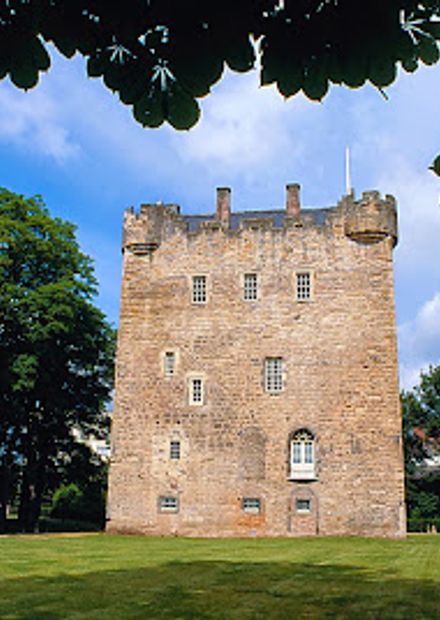
More to explore near Alloa Tower

 Best experiences near Alloa Tower
 Best hotels near Alloa Tower
 Best attractions near Alloa Tower
 Best shops near Alloa Tower
 Best bars near Alloa Tower
 Best restaurants near Alloa Tower
Explore more


Getting your guide ready…
We are putting together a fresh copy of the Alloa Tower guide. This can take up to a minute.
This can take a few moments. If your browser asks, choose Allow so the download can start. You'll find the guide in your Downloads folder.
Nothing happened? Download it again
Sorry, the guide is taking longer than usual. Please try again in a minute, or get it by email instead.

