

Best Landmarks Near Petergate House (Leeds)
Planning a trip to Petergate House? Discover the best landmarks nearby with history, expert tips, and routes. Free on web or the Evendo app.


The best landmarks near Petergate House
- Top rated
- Closest to Petergate House
- Price level: low to high
- Time to spend: shortest first
- A–Z
76 landmarks
-
Cathedral4.7★20,600 reviews
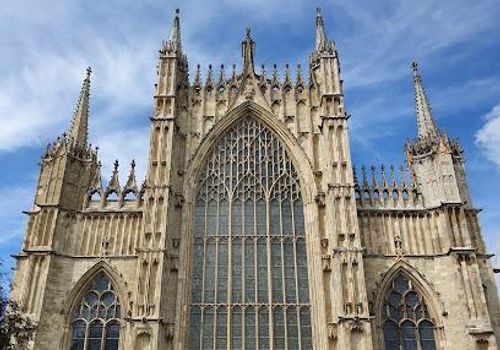
York Minster
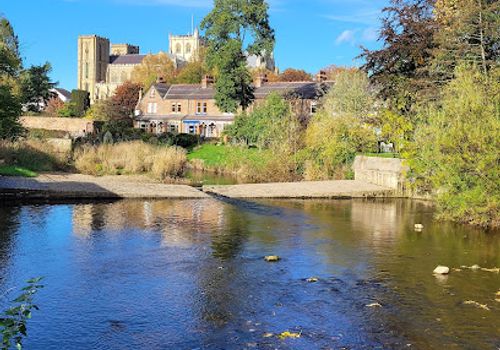
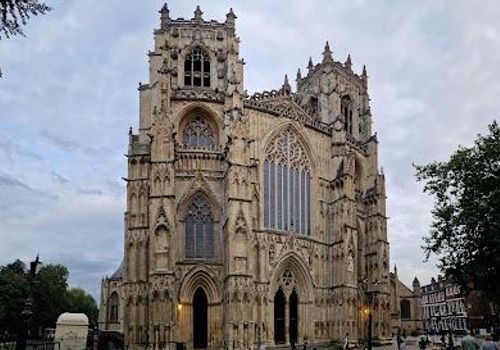
York Minster stands as England's largest Gothic cathedral north of the Alps, a breathtaking masterpiece of medieval architecture spanning 158 meters in length. Built over approximately 250 years beginning in 1220 under Archbishop Walter de Gray's vision, this magnificent structure showcases soaring Gothic vaults, intricate stone carvings, and Britain's richest collection of medieval stained glass. The cathedral's most celebrated features include the Great East Window—larger than a tennis court—and the distinctive Great West Window nicknamed 'the Heart of Yorkshire'. As the seat of the Archbishop of York, the Minster remains a functioning place of worship while welcoming thousands of visitors annually to marvel at its architectural splendor and spiritual significance.
Mon–Sat 9:30–16:00 · Sun 12:45–15:15Price level $$Time to spend 1.5–4 hrs
-
Market4.6★11,605 reviews
Shambles Market
Shambles Market, located at 5 Silver Street in York, is a lively covered market open daily from 9am to 5pm. Nestled near the famous Shambles street, it hosts over 75 stalls offering a diverse mix of artisan crafts, fresh produce, quality gifts, and an enticing food court featuring street food from around the world. This bustling market blends York’s rich heritage with a contemporary shopping and dining experience, making it a must-visit destination for locals and tourists alike.
Daily 9:00–17:00Price level $$Time to spend 1–3 hrs
-
Historical landmark4.3★4,497 reviews
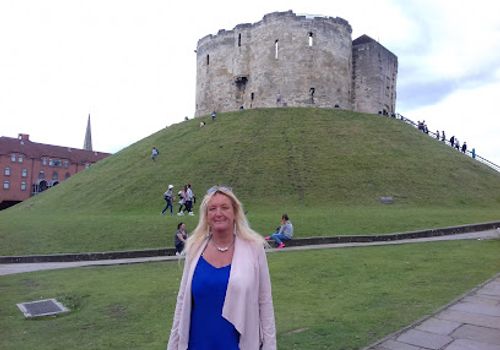
Clifford's Tower, York
Clifford's Tower is the largest surviving part of York Castle, a Norman fortress built by William the Conqueror in 1068. This iconic medieval stone keep stands atop a tall motte, offering panoramic 360° views over York. Its turbulent history includes serving as a royal treasury, a prison, and a Civil War garrison. The site is also marked by the tragic 1190 massacre of York’s Jewish community. Today, managed by English Heritage, the tower invites visitors to explore centuries of history and enjoy spectacular vistas.
Daily 10:00–18:00Price level $$Time to spend 0.5–1.5 hrs
-
Cathedral4.7★2,406 reviews
Ripon Cathedral
Ripon Cathedral, located in the heart of Ripon, North Yorkshire, is a stunning medieval Gothic cathedral with over 1,350 years of history. It features England’s oldest cathedral structure—the Anglo-Saxon crypt dating from 672 AD—alongside magnificent stained glass, intricately carved choir stalls, and a peaceful churchyard. Free to visit, it remains a vibrant place of worship, pilgrimage, and cultural heritage, offering visitors a unique blend of spiritual reflection, architectural grandeur, and literary connections to Lewis Carroll.
Mon–Sat 8:00–18:00 · Sun 8:00–17:00Time to spend 1–3 hrs
-
Historical landmark4.7★1,983 reviews
York City Walls
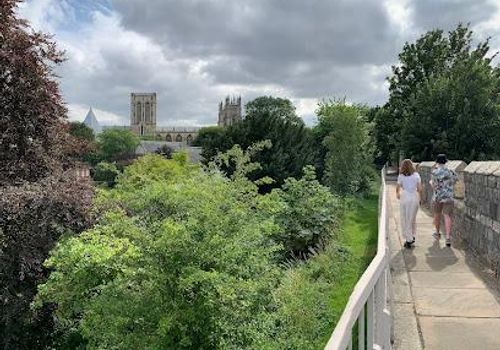
Walk the longest medieval town walls in England on this spectacular 3.4-kilometre elevated circuit around York's historic centre. Free to access and open daily from 8am to dusk, the beautifully preserved walls offer panoramic views of York Minster, the River Ouse, and centuries of architectural heritage. Pass through ancient gatehouses, quirky towers, and charming information plaques while discovering over 2,000 years of urban history visible in stone.
Daily 8:30–15:30Time to spend 1.5–4 hrs
-
Castle4.5★1,613 reviews
Middleham Castle
Middleham Castle stands as one of England's most historically significant medieval ruins, commanding the landscape of North Yorkshire with its imposing Norman keep. Built in the late 12th century and developed by the powerful Neville family, this fortress became the childhood home of King Richard III and played a pivotal role in the Wars of the Roses. Today, visitors can explore the substantial remains of the great tower, climb spiral staircases to the battlements for panoramic views, and discover artifacts including a replica of the famous Middleham Jewel in the on-site exhibition. The castle's dramatic history—from royal residence to political prison—is brought to life through interpretive displays and the tangible presence of medieval architecture.
Daily 10:00–17:00Price level $Time to spend 1.5–3 hrs
-
Pub4.2★1,463 reviews
Roman Bath
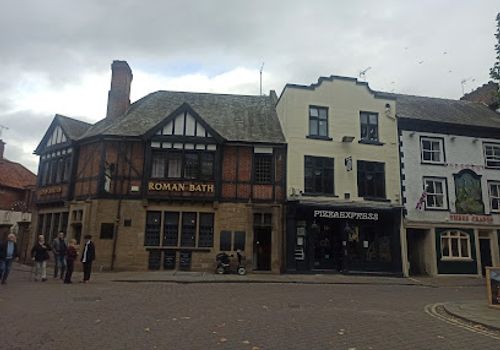
Nestled in the heart of York at 9 St Sampson's Square, The Roman Bath is a unique gastropub that houses the remarkable remains of a Roman bathhouse beneath its floors. Dating back nearly 2,000 years, this site offers visitors a rare glimpse into Roman Britain through its preserved warm, hot steam, and cold plunge rooms, alongside displays of Roman artefacts. The pub blends historical intrigue with a vibrant social atmosphere, making it a captivating stop for history enthusiasts and casual visitors alike.
Price level $$Time to spend 0.5–1 hr
-
Bridge4.5★1,040 reviews
Humber Bridge
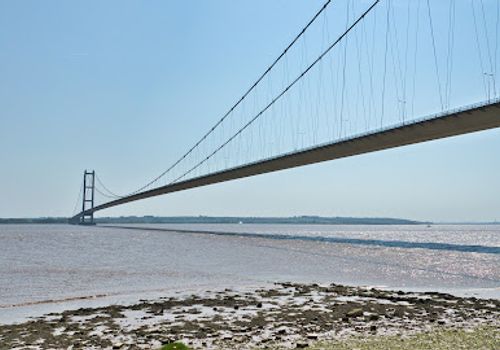
The Humber Bridge is a Grade 1 listed engineering marvel spanning 1,410 metres across the Humber Estuary between East Yorkshire and Lincolnshire. Completed in 1981, it held the world record as the longest single-span suspension bridge for 16 years and remains the longest bridge in the world that pedestrians and cyclists can cross. The bridge's pioneering design and sophisticated structure earned it Grade 1 listing status in 2017. Walkers and cyclists cross free of charge, while viewing telescopes and the adjacent Humber Bridge Country Park offer scenic vistas and nature trails.
Open 24 hoursTime to spend 0.5–4 hrs
-
Historical landmark4.4★845 reviews
Kilburn White Horse
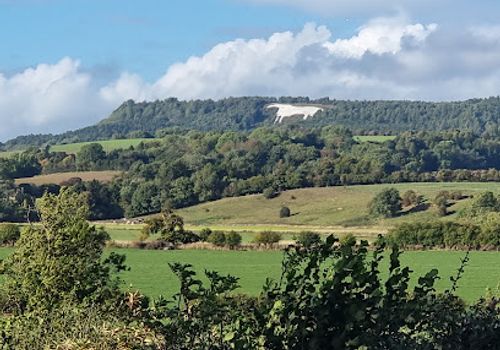
The Kilburn White Horse, carved into the limestone hillside of Roulston Scar near Thirsk, North Yorkshire, is England's largest and most northerly turf-cut white horse hill figure. Created in 1857 by local volunteers led by schoolmaster John Hodgson and inspired by southern England’s chalk horses, it measures 318 feet long by 220 feet high. Unlike traditional chalk figures, it rests on grey limestone and requires regular maintenance with chalk chippings and paint to preserve its brilliant whiteness. Visible for miles, it offers spectacular views and a unique blend of history and landscape.
Open 24 hoursTime to spend 0.5–2 hrs
-
Museum4.5★808 reviews
Leeds Industrial Museum at Armley Mills
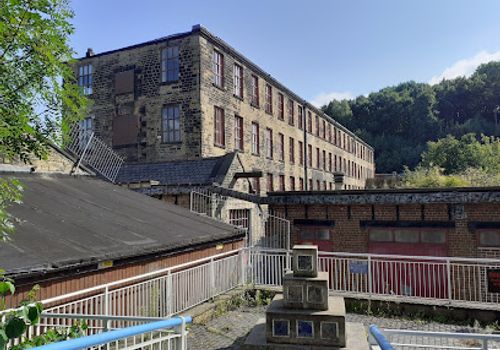
Housed in what was once the world’s largest woollen mill, Leeds Industrial Museum at Armley Mills showcases the rich industrial heritage of Leeds. Located on Canal Road in Armley, it offers visitors a glimpse into the city’s textile manufacturing, engineering, and locomotive history through engaging galleries and authentic machinery displays. The museum operates Tuesday to Sunday, with a welcoming atmosphere for families and history enthusiasts alike.
Tue–Fri 10:00–17:00 · Sat–Sun 12:00–17:00Price level $$Time to spend 2–3 hrs
-
Landmark4.8★665 reviews
Almscliffe Crag
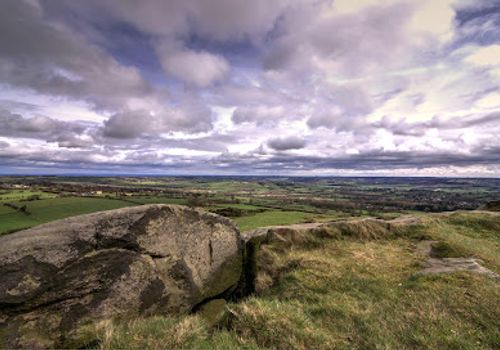
Almscliffe Crag is a striking Millstone Grit rock outcrop perched atop a small hill near North Rigton, between Leeds and Harrogate in North Yorkshire, England. Renowned for its dramatic silhouette visible for miles, it offers spectacular panoramic views across the Wharfe Valley and surrounding countryside. The crag is a celebrated site for rock climbing, with routes ranging from beginner to expert, and is steeped in folklore and natural history as a designated Site of Special Scientific Interest.
Open 24 hoursTime to spend 1–4 hrs
-
Landmark4.6★593 reviews
The Coldstones Cut
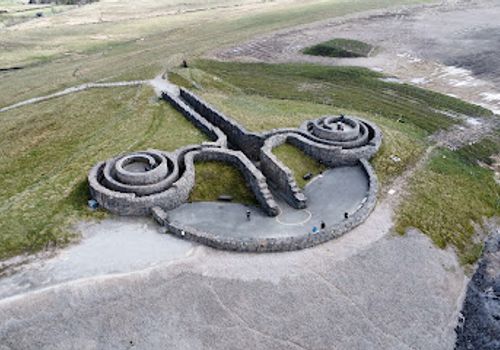
The Coldstones Cut is a striking outdoor sculptural landmark located near Bewerley, Harrogate, within the Nidderdale Area of Outstanding Natural Beauty. This unique artwork, carved into the landscape, offers panoramic views and a profound connection between art, nature, and local heritage. Open 24/7 year-round with free admission, it invites visitors to explore its dramatic forms and the surrounding scenic environment.
Open 24 hoursTime to spend 0.5–2 hrs
-
Catholic cathedral4.7★544 reviews
Leeds Cathedral
Leeds Cathedral, dedicated to St Anne, is a striking Catholic cathedral in the heart of Leeds city centre. Built between 1901 and 1904 in an Arts and Crafts Gothic Revival style, it stands as a Grade II* listed building and the mother church of the Diocese of Leeds. The cathedral’s warm sandstone exterior, intricate stone carvings, and magnificent stained-glass windows create a serene and visually rich interior. It serves as both a place of worship and a cultural landmark, hosting regular services, concerts, and occasional guided tours. Visitors appreciate its peaceful atmosphere, architectural detail, and central location, making it a meaningful stop for both spiritual reflection and architectural appreciation.
Time to spend 0.5–2 hrs
-
Tour operator4.6★535 reviews
The Original Ghost Walk of York
Experience the eerie charm of York on The Original Ghost Walk of York, a captivating 75-90 minute evening tour that explores the city's haunted history. Meeting nightly at the historic King's Arms pub, this authentic ghost walk blends spine-tingling tales with fascinating local lore, all delivered by engaging storytellers. No booking is required, making it a spontaneous and atmospheric way to discover York’s spooky past.
Daily 20:00–21:30Price level $$Time to spend 1.2–1.5 hrs
-
Bridge4.5★435 reviews
Millennium Bridge
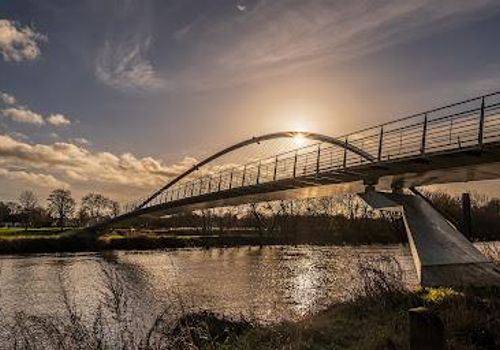
Opened in 2001, York's Millennium Bridge is a striking contemporary footbridge spanning the River Ouse, connecting the South Bank area with the city centre and University of York. This pedestrian and cyclist-only structure features distinctive 80-metre-high curved arms and is illuminated with multi-colour lighting at night. The bridge offers scenic views of the river and serves as a gateway to riverside walks, Rowntree Park, and the surrounding countryside.
Open 24 hoursTime to spend 0.5–2 hrs
-
Anglican church4.6★380 reviews
Leeds Minster
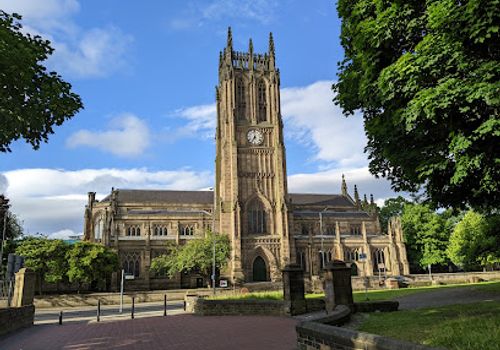
Leeds Minster, located at 2-6 Kirkgate in Leeds, is a Grade I listed Anglican church with origins dating back over 1,400 years. The current neo-Gothic structure, consecrated in 1841, stands on the site of earlier medieval churches and is renowned for its stunning architecture, rich musical heritage, and treasured artifacts like the 10th-century Leeds Cross. It serves as a vibrant place of worship, cultural events, and community engagement in central Leeds.
Time to spend 0.5–2 hrs
-
Historical landmark4.5★327 reviews
Micklegate Bar
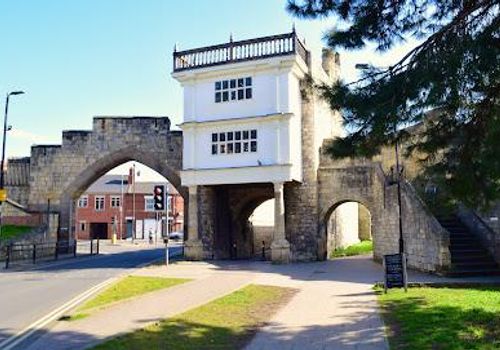
Micklegate Bar is York’s most important medieval gateway, dating back to the 12th century with 14th-century additions. It served as the main southern entrance to the city, witnessing royal processions and grim displays of rebel heads. Today, it stands as a remarkable historic landmark embodying centuries of York’s rich heritage and defensive architecture.
Daily 8:00–18:00Price level $Time to spend 0.5–2 hrs
-
Historical landmark4.5★285 reviews
Bootham Bar
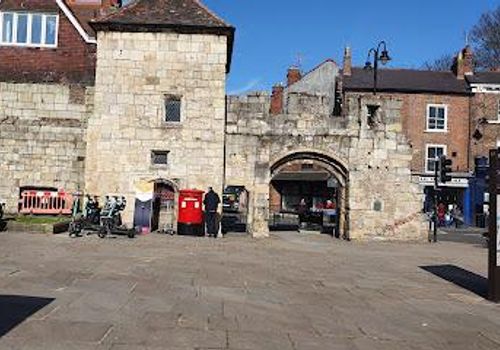
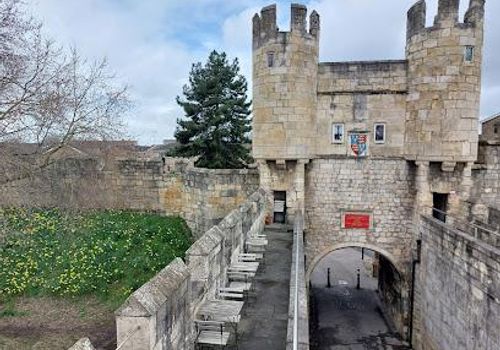
Bootham Bar is a medieval city gate in York, England, with origins dating back to the 11th century and built atop the Roman fortress’s northwestern gate. This Grade I listed structure features medieval stonework, a portcullis, and statues, reflecting its long history as a defensive gateway, market access point, and symbol of York’s heritage. Visitors can explore its interior chambers and enjoy views of York Minster and the city walls.
Daily 8:00–18:00Time to spend 0.5–1.5 hrs
-
Tour operator5.0★198 reviews
Wizard Walk of York
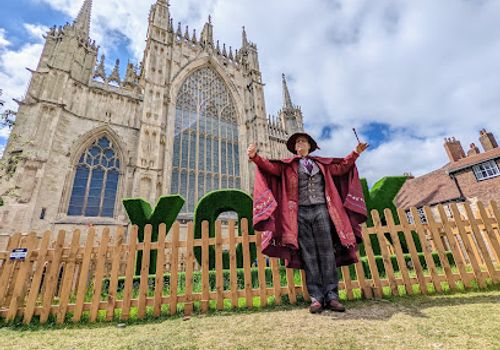
The Wizard Walk of York is an award-winning, family-friendly walking tour that blends comedy, magic, and fantasy to enchant visitors of all ages. Set in the atmospheric streets of York, including the iconic Shambles, this one-hour experience features close-up magic tricks, humorous storytelling, and a playful search for mythical creatures. Ideal for children and Harry Potter fans, it offers a lively, interactive way to explore York’s charm without focusing on deep historical facts.
Price level $$Time to spend 1–1.5 hrs
-
Historical landmark4.5★211 reviews
Thornborough Henges
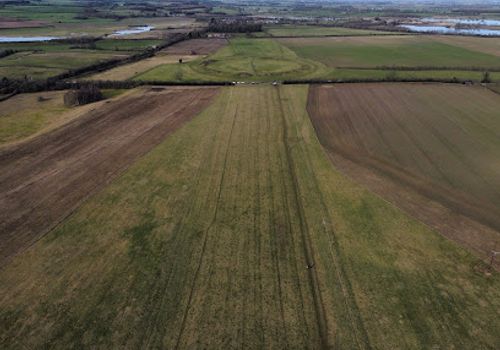
The Thornborough Henges are a remarkable Neolithic monument complex near Ripon, North Yorkshire, comprising three massive circular earthworks each over 200 meters in diameter. Dating from 3500 to 2500 BC, these henges form part of a vast ritual landscape, thought to have served ceremonial, social, and astronomical purposes. Managed by English Heritage and free to visit, the site offers a profound connection to ancient Britain’s prehistoric past.
Open 24 hoursTime to spend 1–2.5 hrs
-
Town Hall4.4★210 reviews
Leeds Town Hall
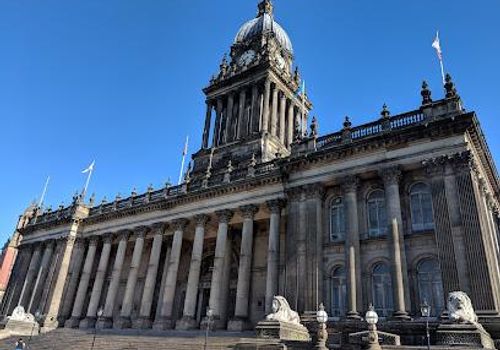
Leeds Town Hall, a striking 19th-century municipal building on The Headrow, Leeds, epitomizes Victorian ambition and architectural grandeur. Designed by Cuthbert Brodrick and opened by Queen Victoria in 1858, it features a commanding clock tower, classical Corinthian columns, and a rich history as a courthouse, concert hall, and civic venue. Currently undergoing restoration, it remains a cultural and historic landmark in Leeds.
Price level $$Time to spend 1–3 hrs
-
Historical landmark4.7★170 reviews
Walmgate Bar
Walmgate Bar is the most complete of York’s four medieval gatehouses, standing as the only one still with its original barbican, portcullis and inner doors. Dating back to the 12th century, this fortified gateway has withstood rebellions, fires and cannon fire, and today offers a rare glimpse into York’s defensive past. Inside, a small coffee house adds a modern, quirky twist, letting visitors sip a flat white beneath centuries-old stone arches and timber framing. It’s a must-see for history lovers and a perfect starting point for walking the famous York City Walls.
Price level $Time to spend 0.5–2 hrs
-
Historical landmark4.5★154 reviews
Roman Column
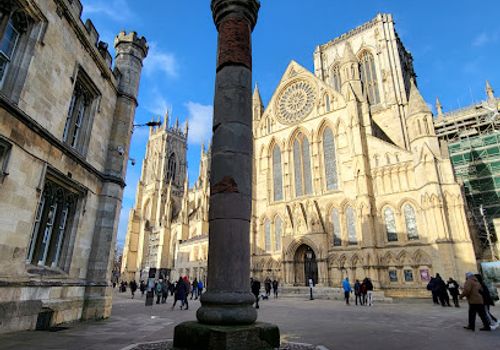
Standing in Minster Yard, this 7.6-metre grey gritstone column is one of York's most tangible links to its Roman past. Originally erected around 100 AD by the Ninth Legion and later reused by the Sixth Legion in the 4th century, the column was discovered buried beneath York Minster in 1969 and reassembled in its present location in 1971 to commemorate the 1900th anniversary of York's founding. It is believed to have stood in the headquarters building where Constantine was declared Emperor in 306 AD, making it an essential stop for anyone interested in Roman Britain.
Open 24 hoursTime to spend 0.2–1 hr
-
Historical landmark4.6★107 reviews
Baile Hill
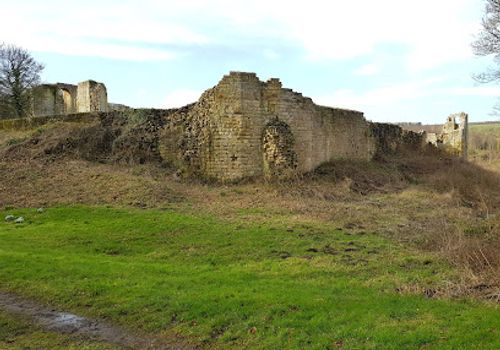
Baile Hill is a tree-covered Norman motte rising 8 metres above the landscape in York's Bishophill area, marking the site of William the Conqueror's second defensive castle built in 1069. Now incorporated into York's historic city walls, this quiet historical gem offers an accessible walk along medieval ramparts with sweeping views of York Minster. Free to visit and largely overlooked by tourists, it provides an intimate connection to the city's layered past spanning Roman, Viking, Norman, and Civil War periods.
Daily 8:00–19:00Time to spend 0.5–1.5 hrs
-
Historical landmark4.8★92 reviews
Larpool Viaduct
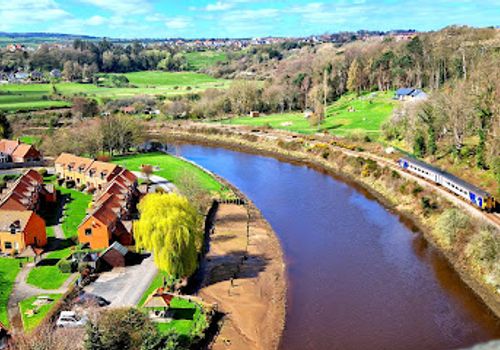
Larpool Viaduct is a striking 13-arch brick railway viaduct in Whitby, North Yorkshire, built in 1884 to carry the Scarborough & Whitby Railway over the River Esk. Spanning 915 feet and rising 120 feet above the river, it is a Grade II listed landmark. Today, it serves as a scenic walking and cycling route on the Scarborough to Whitby Rail Trail, offering panoramic views of the Esk Valley and the Yorkshire coastline.
Open 24 hoursPrice level $Time to spend 0.5–2 hrs
-
Church4.4★92 reviews
St Crux
St Crux in York stands on the site of a once grand medieval church, first recorded in the Domesday Book. Although the original 15th-century church was demolished by 1887 due to structural issues, parts of its fabric survive in the current parish hall built from its rubble. The site holds deep historical significance, including connections to Thomas Percy, a beheaded nobleman and Catholic martyr, whose memorials remain. Today, St Crux offers a glimpse into York’s rich ecclesiastical and civic history amid a modest, atmospheric setting.
Time to spend 0.5–1.5 hrs
-
Town Hall4.7★72 reviews
Civic Hall
Leeds Civic Hall, located on Calverley Street in the heart of Leeds city centre, is a distinguished Grade II* listed municipal building completed in 1933. Renowned for its twin towers topped with golden owls, the hall serves as the administrative centre for Leeds City Council and hosts a variety of civic events, ceremonies, and weddings. Its grand Palladian architecture and richly decorated interior spaces make it a significant cultural and historic landmark in Leeds.
Time to spend 0.5–2 hrs
-
Historical landmark4.7★70 reviews
Medieval Walls
York’s Medieval City Walls form a 3.4 km (2.1 miles) circuit around the historic city centre, making them the longest medieval town walls in England. Built mainly in the 13th and 14th centuries atop earlier Roman foundations, the walls feature fortified gateways known as bars, towers, and ramparts. Walking the walls offers panoramic views of York’s skyline, including landmarks like York Minster and Clifford’s Tower, and a vivid glimpse into the city’s layered history.
Daily 8:00–21:30Time to spend 1.5–3 hrs
-
Church of England Church4.6★71 reviews
St Lawrence Parish Church, York
St Lawrence Parish Church in York is a historic Church of England church whose original medieval building once stood on this site, now home to a Victorian-era church built in the 1880s. Only the old church’s striking tower remains as a standalone monument in a peaceful churchyard just outside York’s city walls. The site blends centuries of worship, architecture, and community life, offering a quiet retreat from the city bustle. Visitors can explore the church interior, admire the Norman-style tower, and wander among ancient gravestones in a green, leafy setting.
Time to spend 0.5–1.5 hrs
-
Tourist attraction4.6★64 reviews
Barker Tower
A 14th-century riverside tower in York that once controlled medieval river traffic through a chain system stretching across the River Ouse. Originally built as a defensive structure and toll collection point, Barker Tower later served as a ferry station and even briefly as a mortuary. Today, this historic circular tower retains much of its original medieval character and now houses the Perky Peacock café, offering visitors a unique blend of history and refreshment.
Time to spend 0.5–2 hrs
-
Bridge4.6★60 reviews
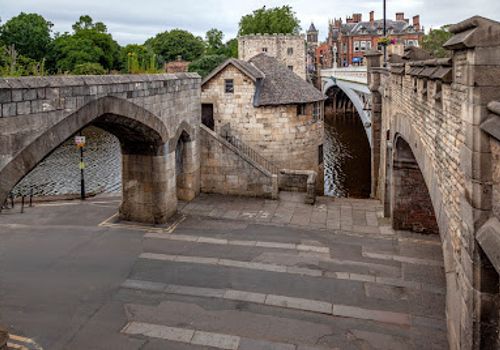
Skeldergate Bridge
Skeldergate Bridge is a historic iron bridge spanning the River Ouse in York, renowned for its Gothic Revival architecture and scenic riverside views. Opened in 1881 and originally a toll bridge, it now offers free pedestrian and vehicle access. The bridge features a distinctive tower once housing its opening machinery, now repurposed as a bar, and provides picturesque vistas of York’s riverside heritage, including the old Bonding Warehouse and brick terraced houses.
Open 24 hoursTime to spend 0.5–2 hrs
-
Historical landmark4.5★48 reviews
Fishergate Postern Tower
Standing at the eastern end of York’s medieval walls, Fishergate Postern Tower is a well-preserved 16th-century defensive tower with a rich history. Originally built around 1505 as a substantial postern gate, it once overlooked water separating the city from York Castle. Today, it offers a quiet glimpse into York’s fortified past, with four floors, a spiral staircase, and displays on the city walls. Managed by the Friends of York Walls, it’s a peaceful stop on a walk along the ancient ramparts.
Time to spend 0.5–1.5 hrs
-
Historical landmark4.7★43 reviews
Mulgrave Castle
Mulgrave Castle near Whitby, Yorkshire, is a historic site featuring three distinct structures spanning centuries: an ancient legendary castle, a Norman fortress, and a grand 18th-century country house. The ruins of the medieval castle and the elegant mansion reflect the area's rich heritage tied to noble families like the de Mauleys, Sheffields, and Phipps. Set amidst scenic woodlands and coastal landscapes, Mulgrave Castle offers visitors a captivating glimpse into England’s feudal past and aristocratic legacy.
Wed 8:00–18:00 · Sat–Sun 8:00–18:00Price level $$Time to spend 1–3 hrs
-
University4.5★41 reviews
King's Manor - University of York
King's Manor is a Grade I listed Tudor and Stuart style building located in York city centre on Exhibition Square. Originally built between 1483 and 1502 as the abbot’s house of St Mary's Abbey, it later served as the seat of the Council of the North and a royal residence. Now part of the University of York, it houses departments such as Archaeology and Medieval Studies, blending rich historical legacy with academic life.
Mon–Fri 8:00–17:00 · Sat 11:00–17:00Time to spend 1–3 hrs
-
Historical landmark4.7★36 reviews
Monk Bar
Monk Bar stands as the tallest and most elaborate of York's four surviving medieval gatehouses, dominating the northeastern entrance to the historic city. Built in the early 14th century as a self-contained fortress, this imposing structure features four storeys, defensive loopholes, gun ports, and a working portcullis last lowered in 1953. Once serving as a prison for recusant Catholics and later a police station, Monk Bar now welcomes visitors to explore the city walls and experience centuries of English heritage from its commanding vantage point.
Time to spend 0.5–2 hrs
-
Historical landmark4.5★34 reviews
Roundhay Castle
Roundhay Castle is a charming early 19th-century folly located within Roundhay Park, Leeds. Originally built as a decorative summerhouse and belvedere by Thomas Nicholson, it features battlemented towers and a central arch, offering panoramic views over the park’s lakes and woodlands. The castle’s rich history and picturesque setting make it a beloved landmark within one of Europe’s largest city parks.
Open 24 hoursTime to spend 0.5–1.5 hrs
-
Historical landmark4.0★33 reviews
Pikeing Well
Pikeing Well is an 18th-century historic well located on New Walk Terrace in York, England. Originally designed by John Carr in 1752 as a decorative grotto over a natural spring, it features medieval stonework and a Viking-style ship carving. The well sits along the scenic riverside path of the River Ouse, part of the elegant New Walk promenade created in the 1730s. Today, it remains a charming landmark reflecting York’s Georgian heritage and riverside leisure culture.
Open 24 hoursTime to spend 0.2–1 hr
-
Anglican church4.6★28 reviews
St Denys's Church, York
A Grade I listed medieval parish church nestled on Walmgate in York's historic heart, St Denys's stands on a site layered with over 2,000 years of history—from Roman altars to Saxon foundations. Built primarily between the 13th and 15th centuries, this intimate church captivates visitors with its exceptional collection of medieval stained glass, including some of York's oldest surviving examples. The beautifully carved Norman doorway, heraldic roof, and atmospheric interior make it a hidden gem for those seeking authentic medieval spirituality and craftsmanship.
Mon–Fri 10:00–16:00 · Sun 9:30–12:00Time to spend 0.8–2 hrs
-
Historical landmark4.6★27 reviews
Fishergate Bar
Fishergate Bar is a historic medieval gateway in York’s ancient city walls, originally built around 1315. It served as a strategic entrance facing south towards Selby and was once adjacent to the flooded King's Fishpond. Damaged and bricked up after the 1489 Yorkshire Rebellion against Henry VII’s taxes, it was reopened in 1827 and remains a significant symbol of York’s rich heritage and defensive past.
Time to spend 0.5–1.5 hrs
-
Festival4.3★27 reviews
Chapel Allerton Arts Festival
Chapel Allerton Arts Festival is a vibrant, community-run celebration of the arts held annually in the heart of Chapel Allerton, Leeds. Featuring live music, art stalls, performances, and family-friendly activities, the festival fosters local creativity and brings people together in an inclusive, lively atmosphere. It takes place around Regent Street, showcasing a rich mix of jazz, blues, and other artistic expressions.
Daily 8:00–23:30Price level $$Time to spend 3–6 hrs
-
Anglican church4.9★22 reviews
Holy Trinity Church
Holy Trinity Church on Boar Lane in Leeds is a Grade I listed Georgian church built between 1722 and 1727, designed by architect William Etty. It stands as a testament to early 18th-century urban sophistication, funded by local merchants and Lady Elizabeth Hastings. The church features a striking stone steeple added in 1839, a richly decorated interior with Corinthian columns, and serves as a vibrant cultural venue in the heart of Leeds.
Tue 12:00–13:00 · Wed 11:30–14:30Time to spend 0.5–2 hrs
-
Historical landmark4.3★23 reviews
The Tyburn
The Tyburn in York marks the site of the city’s medieval gallows, where public executions took place from 1379 until 1801. Located on the Knavesmire, this small monument commemorates the grim history of justice and punishment, including the hanging of infamous figures like highwayman Dick Turpin. Today, a solitary stone stands as a silent reminder of the hundreds who met their fate here, offering visitors a poignant glimpse into York’s darker past.
Open 24 hoursTime to spend 0.2–1 hr
-
Historical landmark4.8★18 reviews
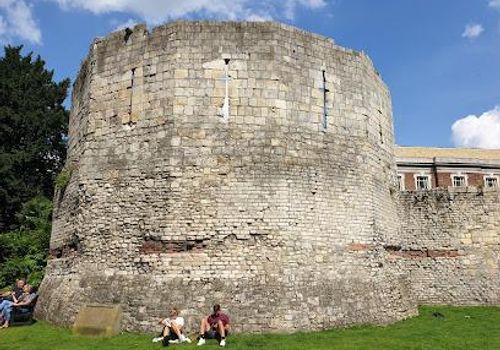
Multangular Tower
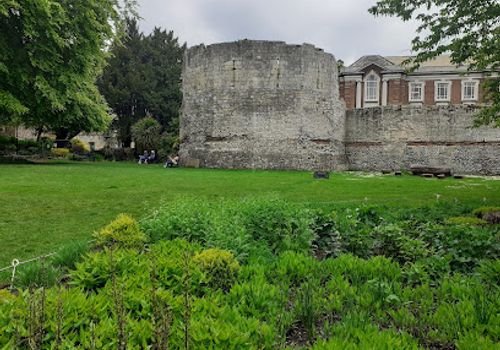
A striking ten-sided Roman stone tower dating to the early 3rd century AD, the Multangular Tower stands as one of York's most impressive surviving Roman structures. Originally built as a corner defensive tower of the legionary fortress, it showcases distinct layers of Roman masonry at its base and medieval reconstruction above. Located within the scenic Museum Gardens, the tower displays Roman coffins and bears visible scars from the English Civil War, offering visitors a tangible connection to nearly two millennia of York's turbulent history.
Open 24 hoursTime to spend 0.5–2 hrs
-
Historical landmark4.0★21 reviews
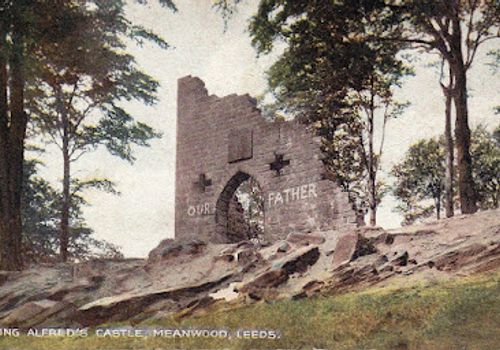
King Alfred's Castle
King Alfred's Castle in Moortown, Leeds, is an intriguing 18th-century folly built to evoke the grandeur of ancient castles. Though not an authentic medieval fortress, it stands as a proud landmark symbolizing England's rich historical tapestry and local heritage. Surrounded by urban Leeds, it offers a unique glimpse into the past through its architectural style and cultural significance.
Open 24 hoursTime to spend 0.5–1.5 hrs
-
Historical landmark4.9★17 reviews
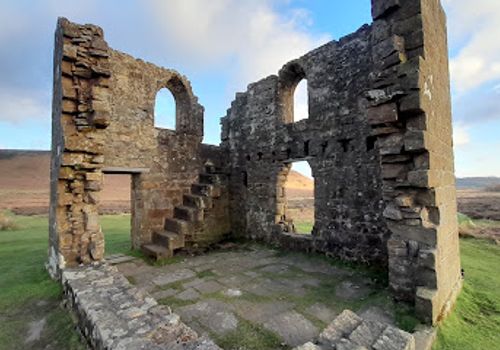
Skelton Tower
Skelton Tower is a captivating historical landmark perched on a hill above Levisham in the North York Moors National Park, near Pickering. Once a moorland retreat and shooting lodge, this romantic ruin offers extraordinary panoramic views over Newtondale and the North Yorkshire Moors Railway. Surrounded by wild moorland and tranquil nature, it invites visitors to explore its atmospheric remains and enjoy the scenic beauty of one of England’s most cherished national parks.
Open 24 hoursTime to spend 1–3 hrs
-
Historical landmark3.7★17 reviews
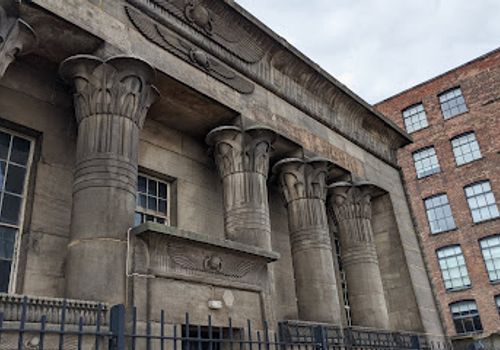
Temple Works
Temple Works is a Grade I listed former flax mill in Holbeck, Leeds, renowned for its striking Egyptian Revival architecture and industrial heritage. Built between 1836 and 1840, it features a vast single-storey weaving shed with a grass-covered roof once grazed by sheep to regulate humidity. Now undergoing redevelopment, Temple Works stands as a unique testament to Leeds’ 19th-century industrial innovation and architectural ambition.
Time to spend 0.5–2 hrs
-
War memorial4.3★12 reviews
Leeds War Memorial
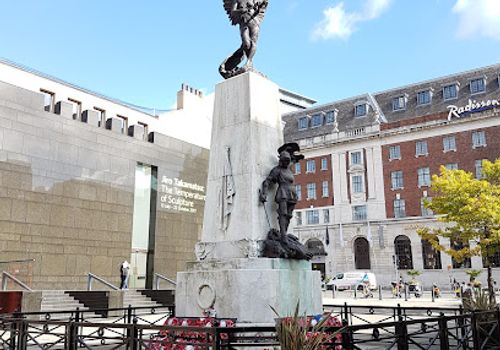
Situated on The Headrow in central Leeds, the Leeds War Memorial commemorates the sacrifice of the city’s soldiers who died in World War I. Originally unveiled in 1922, the memorial features bronze figures symbolizing Victory, War, and Peace atop a Portland stone base adorned with owls, emblematic of Leeds. Relocated in 1937 to Victoria Gardens, it now stands with a later Angel of Peace statue by Ian Judd, embodying solemn remembrance and local heritage.
Open 24 hoursTime to spend 0.5–1.5 hrs
-
Historical landmark4.6★11 reviews
St. Leonard's Hospital
St. Leonard's Hospital in York, founded soon after the Norman Conquest, was once the largest medieval hospital in northern England. Now a captivating ruin within York Museum Gardens, it offers insights into medieval healthcare, religious life, and education. Visitors can explore the remnants of its undercroft and stonework, reflecting its dual role as a place of physical and spiritual care until its destruction during the Reformation.
Mon–Sat 8:00–16:30Time to spend 0.5–1.5 hrs
-
Historical landmark4.5★8 reviews
Robin Hood Tower
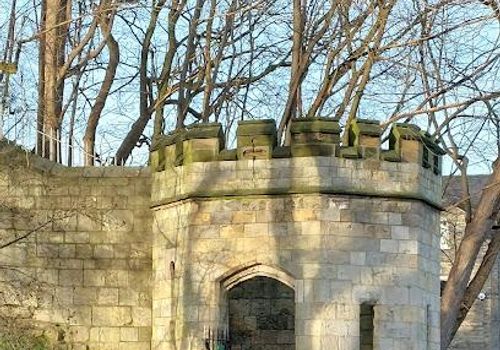
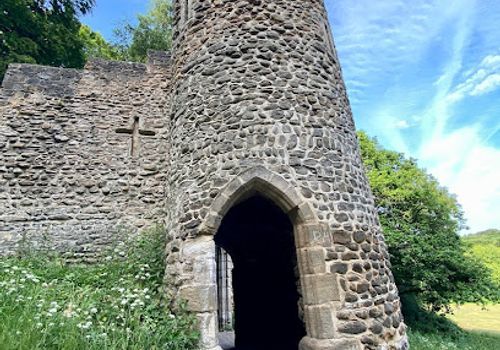
Robin Hood Tower is a striking Victorian-era defensive tower situated on York’s ancient city walls near Monkgate. Built in 1888–89 as a replacement for a ruined medieval tower, it features distinctive cruciform arrow slits and an embattled parapet. The tower offers scenic views along the walls and glimpses of York Minster, embodying York’s layered history from medieval fortifications to Victorian restoration.
Daily 8:00–18:00Time to spend 0.5–1.5 hrs
-
Notable street4.4★8 reviews
Walmgate
Walmgate is a historic street in York's medieval core, stretching 600 meters from Foss Bridge to Walmgate Bar—one of the city's most significant gateways. This atmospheric thoroughfare reveals layers of York's past, from Anglo-Scandinavian settlements through industrial Victorian times. The street is lined with Grade II listed buildings, medieval churches, and archaeological treasures, making it essential for understanding York's evolution as a major medieval trading and manufacturing hub.
Time to spend 1.5–3 hrs
-
Historical landmark5.0★6 reviews
Oakwood Clock
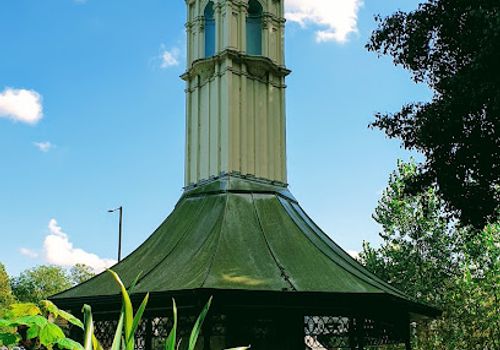
The Oakwood Clock Tower is a historic landmark in Oakwood, Leeds, originally built in 1904 by William Potts & Sons for Leeds City Market. Relocated to Oakwood in 1912, it has served as a community meeting point and tram shelter for over a century. Recently restored, the clock remains a cherished symbol of local heritage and a focal point at the southern edge of Roundhay Park.
Time to spend 0.5–1.5 hrs
-
Historical landmark3.7★7 reviews
The Talbot Hounds Fountain
The Talbot Hounds Fountain, located at 15 Boar Lane in Leeds, is a striking historical landmark featuring four stone Talbot hounds arranged around an ornate fountain bowl. Originally part of the grand Castle Carr estate near Halifax, this 19th-century fountain was rescued after the demolition of the Gothic mansion and relocated to Leeds’ Trevelyan Square. The Talbot hound, now extinct, was a medieval hunting dog breed symbolizing heritage and nobility, making this fountain a unique piece of local history and artistry.
Open 24 hoursTime to spend 0.2–1 hr
-
Tourist attraction5.0★4 reviews
Exhibition Square
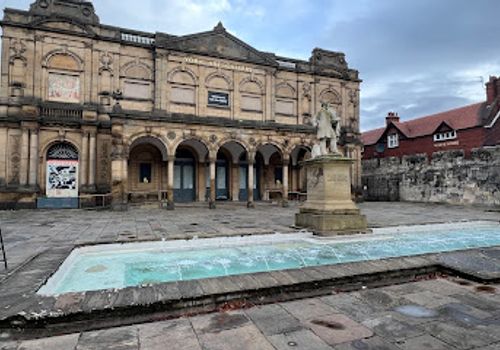
Exhibition Square is a historic pedestrian plaza in the heart of York's city centre, surrounded by Georgian and Victorian architecture. Created in 1879 following the success of York's first Art and Industrial Exhibition, the square serves as a cultural hub and gathering point. It features the York Art Gallery, King's Manor, and a statue of local artist William Etty, with fountains and mature trees creating a pleasant urban environment. The square is car-free and positioned adjacent to Bootham Bar, one of York's medieval city gates.
Time to spend 0.5–2 hrs
-
Historical landmark4.0★5 reviews
Anglian Tower
The Anglian Tower in York is a rare surviving example of non-ecclesiastical Anglo-Saxon stone architecture in Britain. Built into the Roman city walls, this small, roughly 4.5-meter-high tower likely served as a watchtower or defensive post with arched doorways for sentries. Its exact age is debated, with construction estimates ranging from the late Roman period to the 9th century Viking era. Rediscovered in the 19th century and excavated in the 20th, it stands as a unique historical monument reflecting York’s layered past.
Time to spend 0.2–1 hr
-
Historical landmark4.8★4 reviews
Milner Field Manor Ruins
Milner Field Manor Ruins, located on Higher Coach Road near Bingley, West Yorkshire, are the remains of a grand Victorian mansion built between 1871 and 1873 for Titus Salt Jr., son of the famous industrialist Sir Titus Salt. Once a lavish estate with royal visits, the mansion fell into decline after a series of tragic deaths and was abandoned by the 1930s. Today, the ruins lie hidden in woodland, with remnants like the conservatory floor and cellar vaults offering a haunting glimpse into its opulent past.
Open 24 hoursTime to spend 1–2.5 hrs
-
Historical landmark5.0★3 reviews
Lakeside Bandstand
The Lakeside Bandstand is a charming historical landmark nestled within Roundhay Park, one of Europe's largest urban parks in Leeds. Set beside the picturesque Waterloo Lake, this open-air bandstand hosts musical performances and community events, offering visitors a serene spot to enjoy culture amid lush parkland. Its setting reflects the rich history and natural beauty of Roundhay, a park dating back to the Norman era and famed for its lakes, gardens, and recreational spaces.
Time to spend 0.5–2 hrs
-
Historical landmark4.7★3 reviews
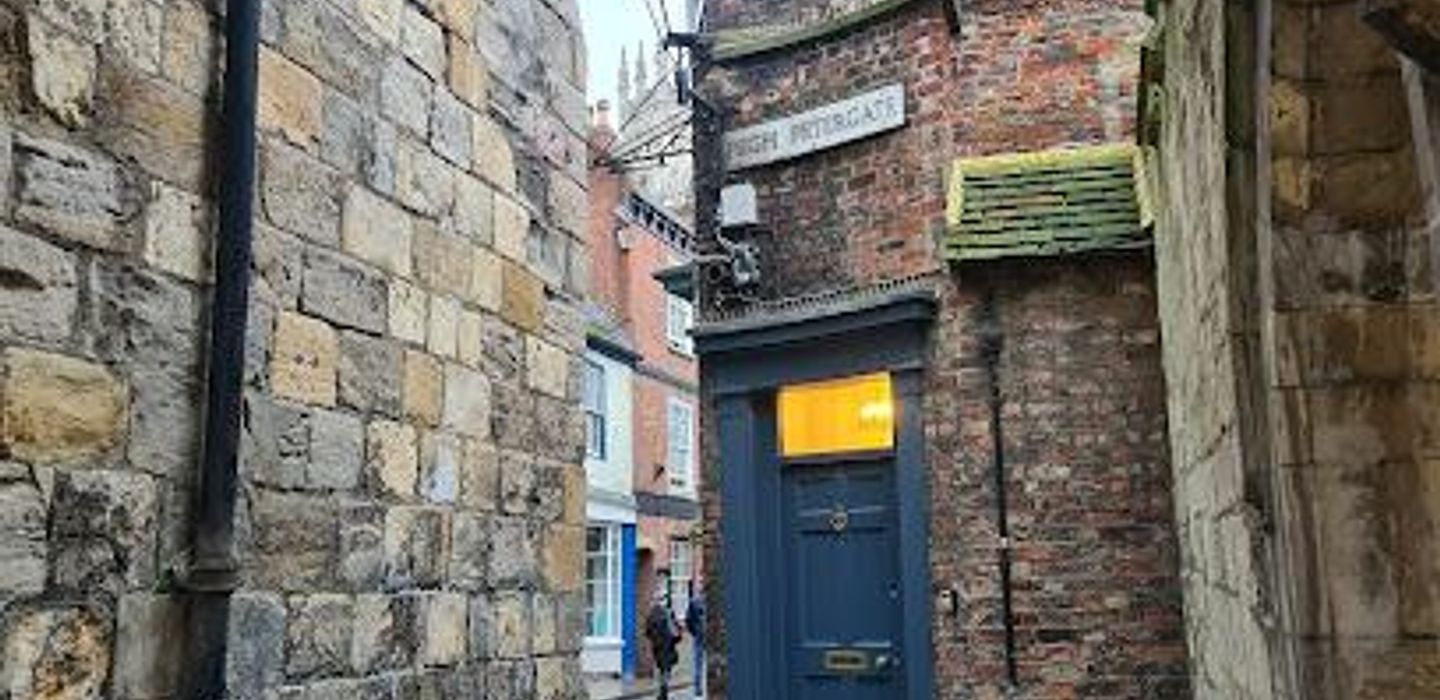
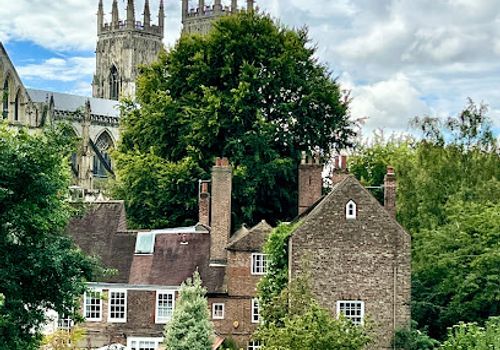
Petergate House
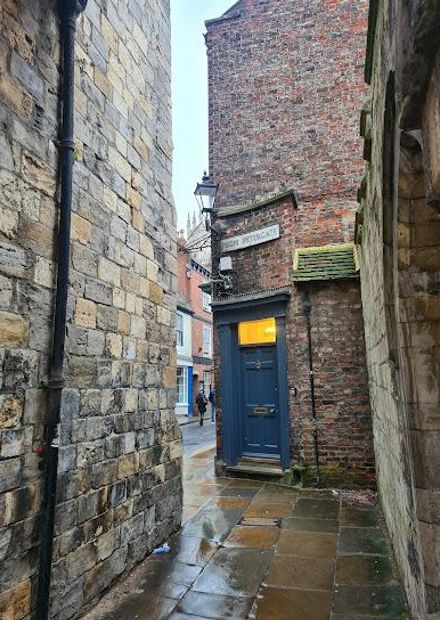
Petergate House, located at 11 High Petergate in York, is a distinguished Grade II* listed early 18th-century townhouse, serving as the rectory to the York Oratory Church of Saint Wilfrid. This historic building stands amidst York’s medieval streets, blending rich Georgian architecture with the vibrant spiritual life of the Oratorians. The adjacent York Oratory, housed in the Gothic Revival St Wilfrid’s Church completed in 1864, offers a deeply rooted Catholic heritage with daily Masses and cultural activities, making this site a unique fusion of history, faith, and community in the city center.
Time to spend 0.5–2 hrs
-
Historical landmark4.7★3 reviews
Cawood Castle Gatehouse
The Cawood Castle Gatehouse is the surviving medieval gateway and domestic wing of the once grand Cawood Castle, a principal residence of the Archbishops of York from the 13th century until its partial destruction in the 17th century. Built between 1425 and 1451 by Archbishop John Kemp, this Grade I listed structure features heraldic carvings including Cardinal Wolsey’s hat and offers panoramic views of the Yorkshire countryside from its roof. It stands in the historic village of Cawood, near Selby, embodying centuries of ecclesiastical and royal history.
Price level $$Time to spend 1–3 hrs
-
Historical landmark4.7★3 reviews
Upper Lakeside Bandstand
The Upper Lakeside Bandstand is a historic and charming landmark nestled in the expansive Roundhay Park in Leeds. This beautifully crafted bandstand offers a peaceful setting beside the lake, where visitors can enjoy cultural events, live music, and the scenic beauty of the park’s natural surroundings. A symbol of Victorian-era leisure and community spirit, it remains a focal point for relaxation and entertainment in one of Leeds’ most beloved green spaces.
Time to spend 0.5–3 hrs
-
Historical landmark3.7★3 reviews
Statue of John Harrison
Erected in 1903 in Leeds City Square, the Statue of John Harrison honors one of the city’s most influential 17th-century figures. A cloth merchant, civic benefactor, and cat lover, Harrison significantly shaped Leeds through philanthropy, urban development, and civic leadership. The statue commemorates his legacy as a pioneer who improved living conditions and contributed to Leeds’ early governance.
Open 24 hoursTime to spend 0.2–1 hr
-
Historical landmark5.0★1 review
The Norman House
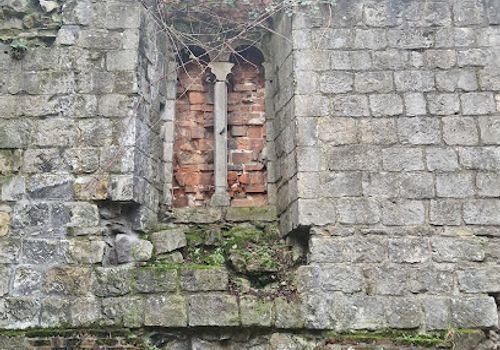
The Norman House, located behind Stonegate in York, is the city’s oldest surviving medieval house, dating back to the late 12th century. This Grade I listed ruin features two remaining stone walls and a Norman-style double-arched window, revealing a rare glimpse into Norman domestic architecture. Once a prestigious stone residence likely owned by clergy, the house was rediscovered in 1939 beneath later buildings and now forms a quiet courtyard accessible from Church Passage.
Price level $Time to spend 0.5–1.5 hrs
-
Tourist attraction5.0★1 review
Peregrine Falcon Mural
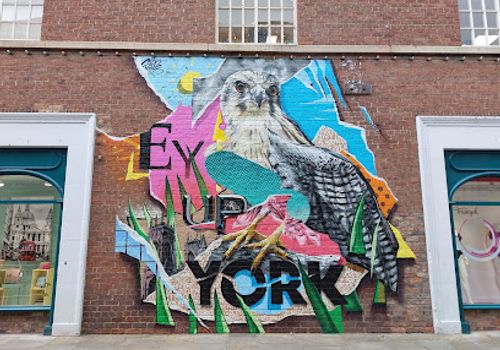
A striking 20-square-meter mural on Back Swinegate in York's city centre, featuring a large-scale portrait of a peregrine falcon alongside vibrant 'Ey Up York' typography. Created by York-born artist SledOne, this public artwork celebrates the city's heritage and the peregrine falcons that nest at York Minster. The mural incorporates words collected from residents and visitors about why they love York, making it a community-driven celebration of local identity and place.
Open 24 hoursTime to spend 0.2–1 hr
-
Historical landmark5.0★1 review
Sundial Column
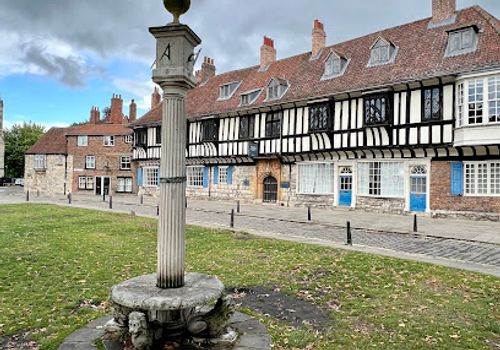
Standing just east of York Minster, this elegant 18th-century sundial column is a graceful blend of art and timekeeping. Resting on four stone lions and encircled by a bench, it was originally from Drakelowe Hall in Burton-on-Trent and moved to its current spot in 1955. The column’s intricate carvings and peaceful setting make it a quiet highlight of the Minster’s eastern precincts, inviting visitors to pause and reflect in the shadow of one of England’s greatest cathedrals.
Open 24 hoursTime to spend 15–30 min
-
Tourist attraction5.0★1 review
Time Ball Buildings
Standing proudly on Briggate in central Leeds, the Time Ball Buildings are a striking Grade II listed Victorian complex with a fascinating maritime past. Once home to Dyson’s, a company that built its own time ball linked to Greenwich, this elegant brick and stone structure played a role in synchronising time for navigation. Today, it’s a handsome city-centre landmark, blending historic architecture with modern retail and office use, and remains a subtle nod to Leeds’ industrial and scientific heritage.
Time to spend 15–30 min
-
Building
The Cathedral and Metropolitical Church of St Peter in York
York Minster, located in the heart of York at Deangate, Minster Yard, is one of the largest and most magnificent Gothic cathedrals in England. Renowned for its soaring architecture, it houses Britain’s richest collection of medieval stained glass, including the famous Great East Window and the Five Sisters Window. This historic cathedral, a seat of the Archbishop of York, has been a centre of Christianity since the 7th century and continues to be a vibrant place of worship and cultural heritage.
Price level $$Time to spend 1–4 hrs
-
Tourist attraction
Black window cat
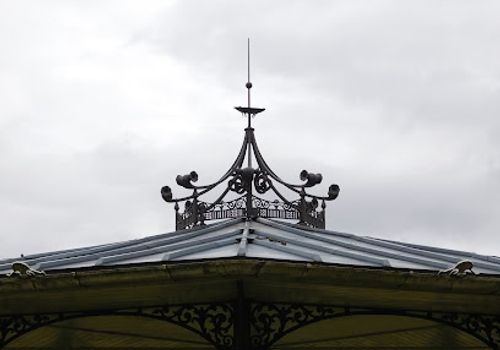
Club Chambers is a Grade II listed Victorian building located on Museum Street in York's city centre, designed by renowned Scottish architect George Fowler Jones in 1875. This striking three-storey structure showcases French Renaissance styling with elaborate decorative detailing, including polychrome brick, ornamental faience tilework, and intricate stone dressings. Today, it stands as a notable architectural landmark within York's historic core, positioned at the intersection of Museum Street and Lendal, offering visitors a glimpse into Victorian design excellence and craftsmanship.
Time to spend 0.2–1 hr
-
Parliament St
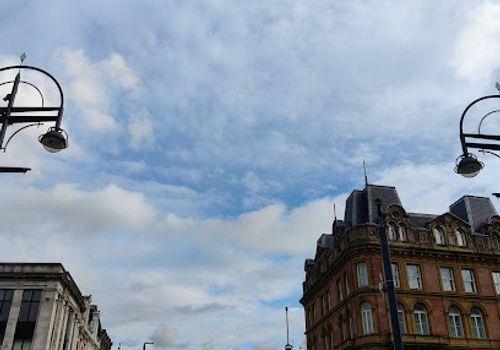
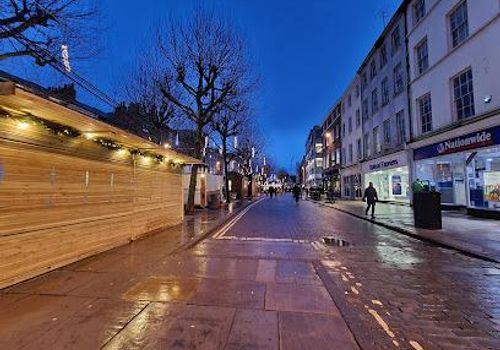
Parliament Street is York's premier shopping thoroughfare and historic marketplace, stretching from St Sampson's Square to the junction of Pavement and Coppergate in the heart of the medieval city. Originally a densely built area, it was transformed in the 1830s into a purpose-built market street lined with elegant four-storey Victorian buildings. Today, this largely pedestrianised street combines heritage architecture with contemporary retail, hosting high-street shops, local vendors, and seasonal festivals while serving as a gateway to iconic nearby attractions like The Shambles and York Minster.
Time to spend 1–3 hrs
-
28 Shambles
A historic building nestled in the heart of York's most famous medieval street. Located at 28 Shambles, this address sits within one of Europe's best-preserved medieval shopping streets, known for its timber-framed architecture dating back to the 14th century. The building is part of a vibrant destination filled with independent shops, cafes, and attractions that blend historical charm with contemporary experiences. Whether you're exploring the street's rich butchering heritage or discovering its modern appeal as a cultural hotspot, 28 Shambles offers direct access to York's most iconic and atmospheric location.
Time to spend 1–3 hrs
-
Whip-Ma-Whop-Ma Gate
One of York's shortest and most peculiarly named streets, Whip-Ma-Whop-Ma-Gate is a narrow alley connecting Colliergate with Shambles in the heart of the medieval city center. Barely wide enough for two people to pass shoulder to shoulder, this tongue-twister thoroughfare stretches just 24 meters and features only three addresses. Despite its diminutive size, the street captivates visitors with its historic timber-framed architecture, mullioned windows, and York stone paving laid in 1984. The mysterious name—first recorded in 1505 as 'Whitnourwhatnourgate'—has spawned centuries of folklore and debate about its true origins.
Time to spend 0.2–1 hr
-
Bridge
Ouse Bridge
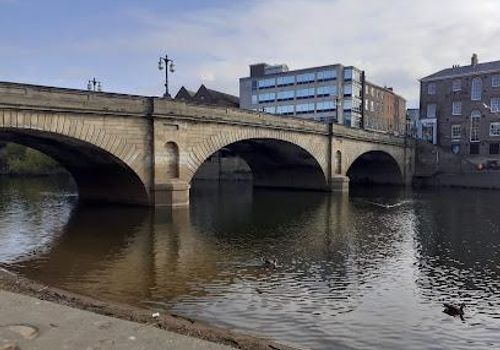
Ouse Bridge in York is a historic crossing over the River Ouse with origins dating back to Viking times. The current stone bridge, completed in 1821, replaced a medieval predecessor that once hosted houses, shops, and a chapel. It has witnessed significant events including collapses, fires, and city growth, symbolizing York’s evolving infrastructure and heritage.
Time to spend 0.5–1.5 hrs
-
The Stonebow
The Stonebow is a historic street and landmark in York, England, serving as a gateway to the city’s medieval heart. Known for its distinctive architecture, it links the medieval Walmgate Bar to York’s historic core. The Stonebow House, a notable structure here, blends medieval and Georgian styles and has historically served as a guildhall and post office. The Stonebow symbolizes York’s architectural evolution and rich heritage.
Time to spend 0.5–1.5 hrs
-
Crossroads
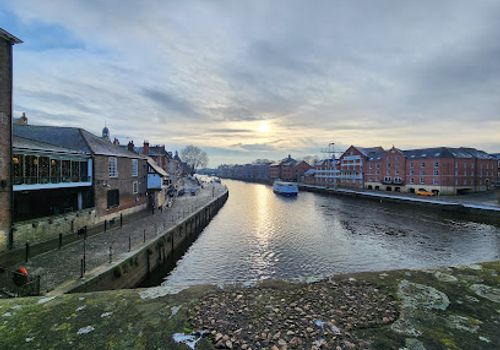
Skeldergate Bridge & Bishopgate St
Skeldergate Bridge is a historic Gothic Revival iron bridge in York, completed in 1881. It spans the River Ouse, linking the York Castle area to Bishophill and offers scenic views of the river and nearby heritage buildings. Originally a toll bridge, it has been toll-free since 1914 and features a distinctive tower building now repurposed as a café. The bridge is a Grade II listed structure, blending Victorian engineering with architectural charm.
Time to spend 0.5–2 hrs
-
Historical landmark
REMAINS OF FORMER KIRBY HALL
The remains of Kirby Hall in Little Ouseburn, near York, mark the site of a once grand 18th-century mansion renowned for its architectural splendor and historical significance. Though largely demolished in the early 20th century, the estate’s legacy endures through the impressive Thompson Mausoleum and surviving gatehouse, reflecting the wealth and influence of the Thompson family in North Yorkshire’s history.
Time to spend 0.5–2 hrs
-
Town square
Dortmund Square
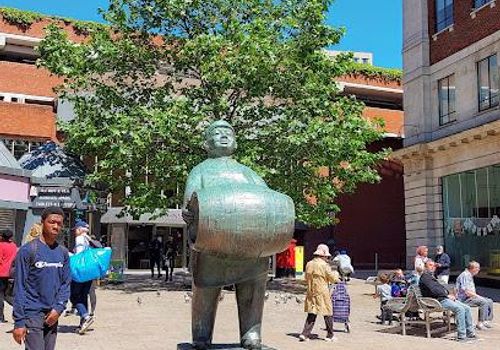
Dortmund Square is a vibrant public square located in the heart of Leeds city centre, positioned prominently along The Headrow. This lively urban space serves as a focal point for both locals and visitors, offering a welcoming atmosphere in one of Leeds' most accessible and well-connected areas. The square features distinctive public art, including a notable sculpture, and benefits from excellent transport links and high foot traffic throughout the day.
Time to spend 0.2–1 hr
-
Tourist attraction
The Black Prince
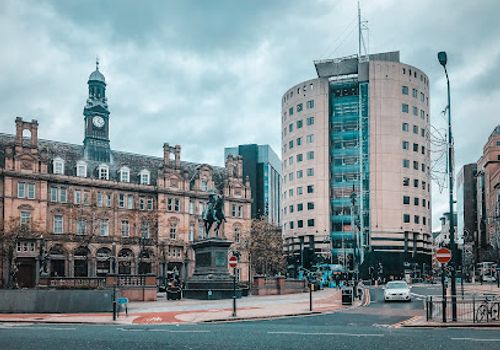
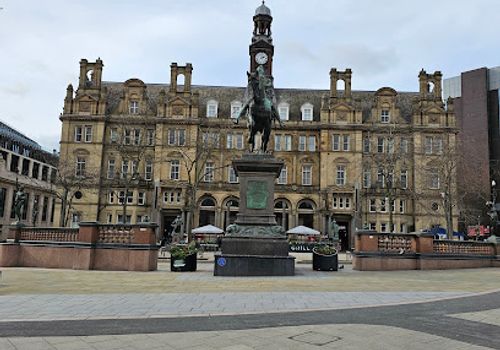
A commanding bronze equestrian statue dominating Leeds City Square, this 1903 monument depicts Edward of Woodstock, the Black Prince, eldest son of King Edward III. Sculpted by renowned artist Thomas Brock, the statue commemorates the medieval warrior's military victories during the Hundred Years War, particularly at the Battles of Crécy and Poitiers. The pedestal features detailed bronze panels illustrating these historic land and sea engagements. Standing as a symbol of Leeds' elevation to city status, this iconic landmark has become a focal point of the city centre and a popular gathering spot for visitors and locals alike.
Open 24 hoursTime to spend 0.2–1.5 hrs
-
Building
Bradford City Hall
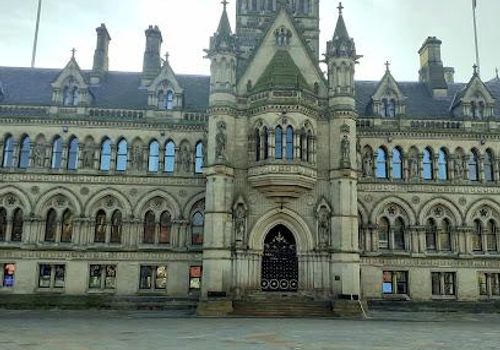
Bradford City Hall, a striking 19th-century Venetian Gothic landmark, stands proudly in Norfolk Gardens, Bradford. Completed in 1873, this Grade I listed building features a majestic clock tower inspired by Florence’s Palazzo Vecchio and an intricately detailed façade with statues of historic monarchs. Norfolk Gardens surrounding the hall reflects Bradford’s rich textile heritage and serves as a serene urban green space in the city centre.
Time to spend 0.5–2 hrs















Explore Petergate House on the map
A handpicked selection of must-see spots near Petergate House, mapped for you.
More about Petergate House
More to explore near Petergate House

 Best experiences near Petergate House
 Best hotels near Petergate House
 Best attractions near Petergate House
 Best shops near Petergate House
 Best bars near Petergate House
 Best restaurants near Petergate House
Explore more


Getting your guide ready…
We are putting together a fresh copy of the Petergate House guide. This can take up to a minute.
This can take a few moments. If your browser asks, choose Allow so the download can start. You'll find the guide in your Downloads folder.
Nothing happened? Download it again
Sorry, the guide is taking longer than usual. Please try again in a minute, or get it by email instead.

